










The Gemara continues to discuss remedies for various diseases as well as explain what causes some of the various diseases. The Mishna rules that a person who sent a messenger to write a get and then got kordiyakus and then said not to write the get, we ignore his later orders. There is an argument between Resh Lakish and Rabbi Yochanan about whether the messenger can write the get while the husband has the kordiyakus or does he wait until the husband gets better and then writes it based on his earlier instructions. This addresses the issue of the power of appointing a messenger. Is the messenger now acting independently of the one who sent them? Or is the messenger only an extension of the one who sent them and if the one who sends the messenger is longer of sound mind, then the messenger cannot perform the action?
This week’s learning is sponsored by Tina Lamm for the refuah shleima for מעין ליאורה בת שלומית פייגא. “Our precious Maya”
Want to dedicate learning? Get started here:

Today’s daily daf tools:
This week’s learning is sponsored by Tina Lamm for the refuah shleima for מעין ליאורה בת שלומית פייגא. “Our precious Maya”
Gittin 70
עִנְבֵי תַאֲלָא בְּמַיִם.
grapes grown by trellising the vine on a palm tree soaked in water.
לַחֲזָזִיתָא – לַיְתֵי שַׁב חִיטֵּי אַרְזַנְיָיתָא, וְנִיקְלִינְהוּ אַמָּרָא חַדְתָּא, וְנָפֵיק מִשְׁחָא מִינַּיְיהוּ, וְנֵישׁוּף. רַב שִׁימִי בַּר אָשֵׁי עֲבַד לֵיהּ לְהָהוּא גּוֹי לְדָבָר אַחֵר, וְאִיתַּסִּי.
As a remedy for lichen planus [ḥazazita] on one’s skin, let him bring seven large wheat kernels [arzanayata] and let him roast them over a fire on the blade of a new hoe. And let him extract oil from the wheat and rub it into his skin. It is told: Rav Shimi bar Ashi used this remedy for a certain gentile who had something else, i.e., leprosy, and he was healed.
אָמַר שְׁמוּאֵל: הַאי מַאן דִּמְחוֹ לֵיהּ בַּאֲלוֹנְכֵּי דְפָרְסָאֵי, מִיחְיָיא לָא חָיֵי; אַדְּהָכִי וְהָכִי, נִיסְפּוֹ לֵיהּ בִּשְׂרָא שַׁמִּינָא אַגּוּמְרֵי, וְחַמְרָא חַיָּיא, אֶפְשָׁר דְּחָיֵי פּוּרְתָּא וּמְפַקֵּיד אַבֵּיתֵיהּ.
Shmuel said: One who is struck with Persian spears [alunkei] will not live long afterward, as he will certainly die from this wound. In the meantime, they should force-feed him fatty meat that was roasted over coals, and undiluted wine. If they do this, it is possible that he will live for a little bit longer and have time to instruct his household with regard to what they should do after his death.
אָמַר רַב אִידִי בַּר אָבִין: הַאי מַאן דִּבְלַע זִיבּוּרָא – מִיחְיָיא לָא חָיֵי, אַדְּהָכִי וְהָכִי נַשְׁקְיֵהּ רְבִיעֵתָא דְּחַלָּא שַׁמְגָּז, אֶפְשָׁר דְּחָיֵי פּוּרְתָּא וּמְפַקֵּיד לְבֵיתֵיהּ.
Similarly, Rav Idi bar Avin said: One who swallowed a hornet will not live. In the meantime they should give him a quarter-log of sharp [shamzag] vinegar to drink. If they do this, it is possible that he will live for a little bit longer and have time to instruct his household with regard to what they should do after his death.
אָמַר רַבִּי יְהוֹשֻׁעַ בֶּן לֵוִי: אָכַל בְּשַׂר שׁוֹר בְּלֶפֶת, וְלָן בַּלְּבָנָה בְּלֵילֵי אַרְבָּעָה עָשָׂר אוֹ חֲמִשָּׁה עָשָׂר בִּתְקוּפַת תַּמּוּז – אֹחַזְתּוֹ אֲחִילוּ.
§ Rabbi Yehoshua ben Levi says: If one ate ox meat with a turnip, and slept by the light of the moon on the night of the fourteenth or the fifteenth of the month in the season of Tammuz, i.e., summer, he will be afflicted with aḥilu, a severe fever.
תָּנָא: וְהַמְמַלֵּא כְּרֵיסוֹ מִכׇּל דָּבָר, אֹחַזְתּוֹ אֲחִילוּ. אָמַר רַב פָּפָּא: אֲפִילּוּ מִתַּמְרֵי. פְּשִׁיטָא! סָלְקָא דַּעְתָּךְ אָמֵינָא, הוֹאִיל וְאָמַר מָר: תַּמְרֵי – מַשְׂבְּעָן, וּמְשַׁחֲנָן, וּמְשַׁלְשְׁלָן, וּמְאַשְּׁרָן וְלָא מְפַנְּקָן; אֵימָא לָא, קָא מַשְׁמַע לַן.
A Sage taught: And one who fills his stomach with anything, meaning that he eats too much, will be afflicted with aḥilu. Rav Pappa said: Even if he fills his stomach with dates. The Gemara asks: Isn’t this obvious, as Rabbi Yehoshua ben Levi explicitly mentioned if one fills his stomach with anything. The Gemara answers: It might enter your mind to say that since the Master said the following in praise of dates: Dates satisfy the body, warm it up, act as a laxative, strengthen the body, and do not spoil it, one might say that as dates are beneficial, he would not be harmed by eating too many. Nevertheless, it teaches us that they can also cause harm when eaten in excess.
מַאי אֲחִילוּ? אָמַר רַבִּי אֶלְעָזָר: אֵשׁ שֶׁל עֲצָמוֹת. מַאי ״אֵשׁ שֶׁל עֲצָמוֹת״? אָמַר אַבָּיֵי: אֵשׁ גַּרְמֵי.
The Gemara asks: What is the affliction aḥilu mentioned here? Rabbi Elazar says: A fire of the bones. The Gemara asks: What is a fire of the bones? Abaye said: This is what is called esh garmei in Aramaic.
מַאי אָסוּתֵיהּ? אָמַר אַבָּיֵי, אֲמַרָה לִי אֵם: כּוּלְּהוּ שַׁקְיָינֵי – תְּלָתָא, וְשִׁבְעָא, וּתְרֵיסַר; וְהַאי – עַד דְּמִתַּסֵּי.
What is its remedy? Abaye said: My mother told me that any drink consumed for medicinal purposes should be taken for either three or seven or twelve days, depending on what is necessary for that specific ailment. And if this is taken to treat aḥilu then he must drink it until he is healed.
כּוּלְּהוּ שַׁקְיָינֵי – אַלִּיבָּא רֵיקָנָא, וְהַאי – בָּתַר דְּאָכֵל, וְשָׁתֵי, וְעָיֵיל לְבֵית הַכִּסֵּא, וְנָפֵיק וּמָשֵׁי יְדֵיהּ. וּמַיְיתוּ לֵיהּ בּוּנָא דִּשְׁתִיתָא דִּטְלָפְחֵי, וּבוּנָא דְּחַמְרָא עַתִּיקָא, וְנִיגְבְּלִינְהוּ בַּהֲדֵי הֲדָדֵי וְנֵיכוֹל; וְנִיכְרוֹךְ בִּסְדִינֵיהּ, וְנַיגְנְיֵהּ, וְלֵיכָּא דְּנוֹקְמֵיהּ עַד דְּקָאֵי מִנַּפְשֵׁיהּ; וְכִי קָאֵי, לִישְׁקְלֵיהּ לִסְדִינֵיהּ מִינֵּיהּ, וְאִי לָא, הָדַר עִילָּוֵיהּ.
Any drink consumed for medicinal purposes should be consumed with an empty heart, i.e., without eating first. And for this disease of aḥilu he consumes the medicine after he eats and drinks and enters the bathroom, and exits and washes his hands, and they bring him a fistful of shetita, a type of food made from lentils, and a fistful of aged wine. And let him mix them together and let him eat this mixture. And let him wrap himself with his sheet and sleep. And let there be no one who will awaken him until he awakens on his own. And when he awakens let him remove the sheet from himself. And if he does not do this then the illness will return to him.
אֲמַר לֵיהּ אֵלִיָּהוּ לְרַבִּי נָתָן: אֱכוֹל שְׁלִישׁ וּשְׁתֵה שְׁלִישׁ וְהַנַּח שְׁלִישׁ – לִכְשֶׁתִּכְעוֹס, תַּעֲמוֹד עַל מִילּוּאֶךָ.
§ Elijah the prophet said to Rabbi Natan: Eat a third of your fill, and drink a third of your fill, and leave a third of your fill, so that when you become angry you will become full. If you do this, there will be room, as it were, for the anger. If you become angry when your stomach is full you will be harmed.
תָּנֵי רַבִּי חִיָּיא: הָרוֹצֶה שֶׁלֹּא יָבֹא לִידֵי חוֹלִי מֵעַיִים, יְהֵא רָגִיל בְּטִיבּוּל – קַיִץ וָחוֹרֶף; סְעוּדָתְךָ שֶׁהֲנָאָתְךָ מִמֶּנָּה – מְשׁוֹךְ יָדְךָ הֵימֶנָּה; וְאַל תְּשַׁהֶה עַצְמְךָ בְּשָׁעָה שֶׁאַתָּה צָרִיךְ לִנְקָבֶיךָ.
Rabbi Ḥiyya teaches: One who does not want to come to a situation whereby he contracts intestinal disease should become accustomed to dipping his food in wine or vinegar, both in the summer and in the winter. He also teaches: You should remove your hand, i.e., stop eating, from a meal that you enjoy so that you do not overeat. And do not delay yourself at the time when it is necessary to relieve yourself.
אָמַר מָר עוּקְבָא: הַאי מַאן דְּשָׁתֵי טִילְיָא חִיוָּרָא – אֹחַזְתּוֹ וִיתֵּק. אָמַר רַב חִסְדָּא: שִׁיתִּין מִינֵי חַמְרָא הֲווֹ, מְעַלְּיָא דְּכוּלְּהוּ – סוּמָּקָא רֵיחָתָנָא, גְּרִיעָא דְּכוּלְּהוּ – טִילְיָא חִיוָּרָא.
Mar Ukva said: This one who drinks inferior white wine [tilya] will be afflicted with weakness [vitak]. Rav Ḥisda said: There are sixty types of wine. The best of them all is red, fragrant wine. The worst of them all is inferior white wine.
אָמַר רַב יְהוּדָה: הַאי מַאן דְּיָתֵיב בְּצַפְרָנֵי נִיסָן גַּבֵּי נוּרָא, וְשָׁיֵיף מִשְׁחָא, וְנָפֵיק וְיָתֵיב בְּשִׁמְשָׁא – אֹחַזְתּוֹ וִיתַּק.
Rav Yehuda said: This one who sits near the fire during the mornings in the month of Nisan and rubs himself with oil and then goes out and sits in the sun will be afflicted with weakness.
תָּנוּ רַבָּנַן: הִקִּיז דָּם וְשִׁימֵּשׁ מִטָּתוֹ – הוֹוִיין לוֹ בָּנִים וִיתְּקִין. הִקִּיזוּ שְׁנֵיהֶם וְשִׁימְּשׁוּ – הוֹוִיין לָהֶן בָּנִים בַּעֲלֵי רָאתָן. אָמַר רַב פָּפָּא: לָא אֲמַרַן אֶלָּא דְּלָא טָעֵים מִידֵּי, אֲבָל טָעֵים מִידֵּי – לֵית לַן בַּהּ.
The Sages taught: One who let blood and afterward engaged in sexual intercourse has weak children conceived from those acts of intercourse. If both of them, husband and wife, let blood and engaged in sexual intercourse they will have children afflicted with a disease known as ra’atan. Rav Pappa said: We said this only if he did not taste anything after letting blood. But if he tasted something then we have no problem with it.
אָמַר רַבָּה בַּר רַב הוּנָא: בָּא מִן הַדֶּרֶךְ וְשִׁימֵּשׁ מִטָּתוֹ – הוֹוִיין לוֹ בָּנִים וִיתְּקִין. תָּנוּ רַבָּנַן: הַבָּא מִבֵּית הַכִּסֵּא, אַל יְשַׁמֵּשׁ מִטָּתוֹ עַד שֶׁיִּשְׁהֶה שִׁיעוּר חֲצִי מִיל, מִפְּנֵי שֶׁשֵּׁד בֵּית הַכִּסֵּא מְלַוֶּה עִמּוֹ; וְאִם שִׁימֵּשׁ – הוֹוִיין לוֹ בָּנִים נִכְפִּים.
Rabba bar Rav Huna says: One who came back from traveling on the road and engaged in sexual intercourse immediately has weak children conceived from those acts of intercourse. The Sages taught: With regard to one who comes in from the bathroom, he should not engage in sexual intercourse until he waits the measure of time it takes to walk half a mil because the demon of the bathroom accompanies him. And if he engaged in sexual intercourse without waiting this measure of time, he has children who are epileptic.
תָּנוּ רַבָּנַן: הַמְשַׁמֵּשׁ מִטָּתוֹ מְעוּמָּד – אוֹחַזְתּוֹ עֲוִית; מְיוּשָּׁב – אוֹחַזְתּוֹ דָּלָרְיָא; הִיא מִלְּמַעְלָה וְהוּא מִלְּמַטָּה – אוֹחַזְתּוֹ דָּלָרְיָא.
The Sages taught: One who engages in sexual intercourse while standing will be afflicted by spasms. One who engages in sexual intercourse while sitting will be afflicted with dalarya. If she, the woman, is above and he, the husband, is below during sexual intercourse, then he will be afflicted with dalarya.
מַאי דָּלָרְיָא? אָמַר רַבִּי יְהוֹשֻׁעַ בֶּן לֵוִי: סַם דָּלָרְיָא – דַּרְדָּרָא. מַאי דַּרְדָּרָא? אָמַר אַבָּיֵי: מוֹרִיקָא דְחוֹחֵי. רַב פָּפָּא אָלֵיס וּבָלַע לֵיהּ. רַב פַּפֵּי אָלֵיס וְשָׁדֵי לֵיהּ.
The Gemara asks: What is dalarya? Rabbi Yehoshua ben Levi said: The remedy for dalarya is dardara. The Gemara asks: What is dardara? Abaye said: Saffron of thorns. Rav Pappa would chew [aleis] and swallow this remedy. Rav Pappi would chew and spit it out.
אָמַר אַבָּיֵי: מִי שֶׁאֵינוֹ בָּקִי בְּדֶרֶךְ אֶרֶץ, לֵיתֵי שְׁלֹשָׁה קְפִיזֵי קוּרְטְמֵי דְחוֹחֵי, וְנֵידוּקִינְהוּ, וְנִישְׁלְקִינְהוּ בְּחַמְרָא וְנִישְׁתֵּי. אֲמַר רַבִּי יוֹחָנָן: הֵן הֵן הֶחְזִירוּנִי לְנַעֲרוּתִי.
Abaye says: As a remedy for one who is not an expert, i.e., does not have strength, in the way of the world, i.e., in sexual intercourse, let him bring three vessels [kefizei], each containing three-quarters of a log of safflower thorns. And let him grind them, and boil them in wine, and drink the mixture. Rabbi Yoḥanan says: These are the remedies that return me to my youth with regard to sexual intercourse.
שְׁלֹשָׁה דְּבָרִים מַכְחִישִׁים כֹּחוֹ שֶׁל אָדָם, וְאֵלּוּ הֵן: פַּחַד, דֶּרֶךְ וְעָוֹן. פַּחַד – דִּכְתִיב: ״לִבִּי סְחַרְחַר עֲזָבַנִי כֹחִי״. דֶּרֶךְ – דִּכְתִיב: ״עִנָּה בַדֶּרֶךְ כֹּחִי״. עָוֹן – דִּכְתִיב: ״כָּשַׁל בַּעֲוֹנִי כֹחִי״.
§ Three things diminish a person’s strength, and they are: Fear, traveling on the road, and sin. The Gemara explains: Fear, as it is written: “My heart flutters, my strength fails me” (Psalms 38:11). Traveling on the road, as it is written: “He has weakened my strength on the road” (Psalms 102:24). Sin, as it is written: “My strength fails because of my sin” (Psalms 31:11).
שְׁלֹשָׁה דְּבָרִים מַתִּיזִין גּוּפוֹ שֶׁל אָדָם, וְאֵלּוּ הֵן: אָכַל מְעוּמָּד, וְשָׁתָה מְעוּמָּד, וְשִׁימֵּשׁ מִטָּתוֹ מְעוּמָּד.
Three things break a person’s body, and they are: If he ate while standing, if he drank while standing, and if he engaged in sexual intercourse while standing.
חֲמִשָּׁה קְרוֹבִין לְמִיתָה יוֹתֵר מִן הַחַיִּים, וְאֵלּוּ הֵן: אָכַל וְעָמַד, שָׁתָה וְעָמַד, הִקִּיז דָּם וְעָמַד, יָשֵׁן וְעָמַד, שִׁימֵּשׁ מִטָּתוֹ וְעָמַד.
There are five actions that bring one closer to death than to life, and they are: If he ate and stood up immediately, if he drank and stood up immediately, if he let blood and stood up immediately, if he slept and stood up immediately, and if he engaged in sexual intercourse and stood up immediately.
שִׁשָּׁה, הָעוֹשֶׂה אוֹתָן – מִיָּד מֵת, וְאֵלּוּ הֵן: הַבָּא בַּדֶּרֶךְ וְנִתְיַיגַּע, הִקִּיז דָּם, וְנִכְנַס לְבֵית הַמֶּרְחָץ, וְשָׁתָה וְנִשְׁתַּכֵּר, וְיָשַׁן עַל גַּבֵּי קַרְקַע, וְשִׁימֵּשׁ מִטָּתוֹ. אָמַר רַבִּי יוֹחָנָן: וְהוּא שֶׁעֲשָׂאָן כְּסִידְרָן.
With regard to one who performs the following acts, if he performs the six of them consecutively he dies immediately, and they are: If one came back from a journey on the road and was exhausted, let blood, and entered the bathhouse, and drank and became intoxicated, and slept on the ground, and engaged in sexual intercourse, then he will die. Rabbi Yoḥanan says: But he will die for certain only in the case where he performs them in this order.
אָמַר אַבָּיֵי: כְּסִידְרָן – מֵת, שֶׁלֹּא כְּסִידְרָן – חָלֵישׁ. אִינִי?! וְהָא מְעוּרַת עֲבַדָה לֵיהּ לְעַבְדַּהּ תְּלָת מִינַּיְיהוּ, וּמִית! הָהוּא כָּחוּשׁ הֲוָה.
Abaye said: If he performs these actions in this order he will die. But if he performs them out of order he will become weak. The Gemara asks: Is that so? But didn’t a woman named Me’oret make her slave perform three of these actions and he died as a result? The Gemara answers: That slave was weak, which is why he died. But an ordinary individual would die only upon performing all of these acts in the previously mentioned order.
שְׁמוֹנָה – רוּבָּן קָשֶׁה וּמִיעוּטָן יָפֶה, וְאֵלּוּ הֵן: דֶּרֶךְ, וְדֶרֶךְ אֶרֶץ, עוֹשֶׁר, וּמְלָאכָה, יַיִן, וְשֵׁינָה, חַמִּין, וְהַקָּזַת דָּם.
Eight actions are difficult for the body and the soul to handle in large amounts and are beneficial in small amounts, and they are: Traveling on the road, engaging in the way of the world, i.e., engaging in sexual intercourse, having wealth, work, drinking wine, sleep, hot water, and bloodletting.
שְׁמוֹנָה מְמַעֲטִים אֶת הַזֶּרַע, וְאֵלּוּ הֵן: הַמֶּלַח, וְהָרָעָב, וְהַנֶּתֶק, בְּכִיָּיה, וְשֵׁינָה עַל גַּבֵּי קַרְקַע, וְגֻדְגְּדָנִיּוֹת, וּכְשׁוּת שֶׁלֹּא בִּזְמַנָּהּ, וְהַקָּזַת דָּם לְמַטָּה – כִּפְלַיִם.
Eight actions or illnesses decrease the semen, and they are: Salt, hunger, a skin disease called netek, crying, sleeping on the ground, the melilot plant, and dodder eaten not in its time, i.e., before it is ripe. And bloodletting performed below, on the lower portion of the body, causes twice as much harm as the other actions mentioned.
תָּנָא: כְּשֵׁם שֶׁקָּשָׁה לְמַטָּה כִּפְלַיִם, כָּךְ יָפָה לְמַעְלָה – כִּפְלַיִם. אָמַר רַב פָּפָּא:
The Sage taught: Just as bloodletting below causes twice as much harm, so too, bloodletting above, on the upper portion of the body, is twice as effective. Rav Pappa said:
לְמַטָּה – לְמַטָּה מִן הַבֵּיצִים, לְמַעְלָה – לְמַעְלָה מִן הַבֵּיצִים.
When the Gemara mentioned letting blood from below it meant below the testicles, and when it mentioned letting blood from above it meant above the testicles.
וּכְשׁוּת שֶׁלֹּא בִּזְמַנָּהּ. תָּנָא: כְּשֵׁם שֶׁקָּשָׁה שֶׁלֹּא בִּזְמַנָּהּ, כָּךְ יָפָה בִּזְמַנָּהּ. אָמַר רַב פָּפָּא: זְמַנָּהּ – תַּמּוּז, שֶׁלֹּא בִּזְמַנָּהּ – טֵבֵת, יוֹמֵי נִיסָן וְיוֹמֵי תִּשְׁרֵי – לָא מְעַלּוּ וְלָא קָשׁוּ.
It was taught: And dodder eaten not in its time, before it is ripe, causes harm. The Gemara explains: A Sage taught: Just as eating dodder not in its time is harmful to the body, so too, eating it in its time, when it is ripe, is good for the body. Rav Pappa said: Its time is Tammuz, in the summer, and not in its time is Tevet, in the winter. And during the days of Nisan, spring, and the days of Tishrei, autumn, they neither help nor harm.
אָמַר: ״כִּתְבוּ גֵּט לְאִשְׁתִּי״, וַאֲחָזוֹ קוּרְדְּיָיקוֹס, וְחָזַר וְאָמַר: ״אַל תִּכְתְּבוּ״ – אֵין דְּבָרָיו הָאַחֲרוֹנִים כְּלוּם. אָמַר רַבִּי שִׁמְעוֹן בֶּן לָקִישׁ: כּוֹתְבִין וְנוֹתְנִין גֵּט לְאַלְתַּר. וְרַבִּי יוֹחָנָן אָמַר: אֵין כּוֹתְבִין אֶלָּא לִכְשֶׁיִּשְׁתַּפֶּה.
§ The Gemara returns to its discussion of the halakhot mentioned in the mishna. The mishna teaches: If he said: Write a bill of divorce for my wife, when he was lucid, and was then afflicted with temporary insanity and he retracted his previous statement and said: Do not write it, his latter statement is considered to be nothing, i.e., it is not halakhically valid. The Gemara comments on this that Rabbi Shimon ben Lakish says: In that case the court writes and gives the bill of divorce immediately, because even though he is insane, the court does not wait for him to return to his senses. And Rabbi Yoḥanan says: They write this bill of divorce based on his instructions only once he is healed and returns to a sound state of mind.
מַאי טַעְמָא דְּרֵישׁ לָקִישׁ? דְּקָתָנֵי: אֵין בִּדְבָרָיו הָאַחֲרוֹנִים כְּלוּם. וְרַבִּי יוֹחָנָן אָמַר לָךְ: אֵין בִּדְבָרָיו הָאַחֲרוֹנִים כְּלוּם – דִּלְכִי מִתְּצִיל לָא צְרִיךְ לְמִיהְדַּר אִימְּלוֹכֵי בֵּיהּ; וּלְעוֹלָם אֵין כּוֹתְבִין אֶלָּא לִכְשֶׁיִּשְׁתַּפֶּה.
The Gemara elaborates: What is the reason for the opinion of Reish Lakish? As it teaches in the mishna: His final statement is considered to be nothing, which indicates that his initial statement stands and the court should act in accordance with his instructions. By contrast, Rabbi Yoḥanan could have said to you as follows: When the mishna said that his final statement is considered to be nothing it means that when his mind becomes lucid it is not necessary for the court to return and confirm his instructions; rather, they rely on his statement. But the court actually writes the bill of divorce only once he is healed.
בְּמַאי קָמִיפַּלְגִי? רֵישׁ לָקִישׁ מְדַמֵּי לֵיהּ לְיָשֵׁן, וְרַבִּי יוֹחָנָן מְדַמֵּי לֵיהּ לְשׁוֹטֶה.
The Gemara asks: With regard to what principle do Reish Lakish and Rabbi Yoḥanan disagree? Reish Lakish compares one afflicted with temporary insanity to one who is sleeping. If one said to write a bill of divorce and went to sleep then the court may write it without waiting for him to awaken. And Rabbi Yoḥanan compares him to an imbecile: When he is afflicted with temporary insanity he is not of sound mind and is therefore unfit to give a bill of divorce.
וְרַבִּי יוֹחָנָן נָמֵי לִידַמְּיֵהּ לְיָשֵׁן! יָשֵׁן – לָא מְחוּסָּר מַעֲשֶׂה, הַאי – מְחוּסָּר מַעֲשֶׂה.
The Gemara asks: And Rabbi Yoḥanan also could compare him to one who is sleeping, so why does he not do so? The Gemara answers: One who is sleeping is not lacking an action, meaning that no action is needed in order to awaken him, and he can awaken on his own. This one, who is afflicted with temporary insanity, is lacking an action by not taking the remedy mentioned earlier.
וְרֵישׁ לָקִישׁ נָמֵי נִידַמְּיֵיהּ לְשׁוֹטֶה! שׁוֹטֶה לָא סַמֵּיהּ בִּידַן, הַאי, סַמֵּיהּ בִּידַן – בִּישְׂרָא סוּמָּקָא אַגּוּמְרֵי, וְחַמְרָא מַרְקָא.
The Gemara asks: And Reish Lakish could also compare him to an imbecile, so why does he not do so? The Gemara answers: There is a difference, as there is no remedy in our possession that can cure an imbecile. And since there is no remedy, a bill of divorce may not be written on his behalf. By contrast, for this one, who is afflicted with temporary insanity, there is a remedy in our possession. As the Gemara explained (67b): The remedy for this disease is for the afflicted person to eat lean red meat roasted over coals and drink wine that has been diluted with a large amount of water.
וּמִי אָמַר רַבִּי יוֹחָנָן הָכִי?! וְהָאָמַר רַב יְהוּדָה אָמַר שְׁמוּאֵל: שָׁחַט בּוֹ שְׁנַיִם, אוֹ רוֹב שְׁנַיִם, וְרָמַז וְאָמַר: ״כִּתְבוּ גֵּט לְאִשְׁתִּי״ – הֲרֵי אֵלּוּ יִכְתְּבוּ וְיִתְּנוּ;
The Gemara asks: But did Rabbi Yoḥanan actually say this, that the court must wait for him to regain his mental capabilities? But didn’t Rav Yehuda say that Shmuel says: If one was attacked by another who slit his throat and severed the two pipes, his trachea and esophagus, or the majority of the two pipes, and the dying man signaled and thereby stated through his gestures: Write a bill of divorce for my wife, then those present should write and give a bill of divorce to his wife?
וְתַנְיָא: רָאוּהוּ מְגוּיָּד אוֹ צָלוּב עַל הַצְּלִיבָה, וְרָמַז וְאָמַר: ״כִּתְבוּ גֵּט לְאִשְׁתִּי״ – הֲרֵי אֵלּוּ יִכְתְּבוּ וְיִתְּנוּ!
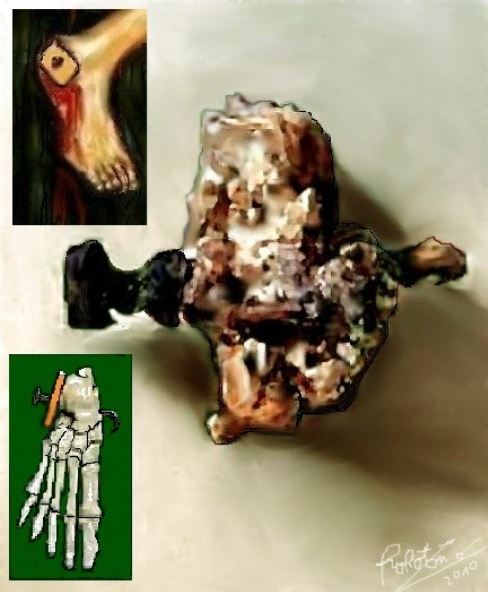
And it was similarly taught in a baraita: If they saw a man whose limbs had been severed or crucified on a cross, and he signaled and thereby stated: Write a bill of divorce for my wife, then those present should write and give the document to his wife. This teaches that it is permitted to write a bill of divorce even on behalf of one who cannot be cured and will certainly die. If so, why does Rabbi Yoḥanan claim that a bill of divorce may be written for someone afflicted with temporary insanity only once he has been cured?
הָכִי הַשְׁתָּא?! הָתָם דַּעְתָּא צִילּוּתָא הִיא, וּכְחִישׁוּתָא הוּא דְּאַתְחִילָה בֵּיהּ; הָכָא דַּעְתָּא שְׁגִישְׁתָּא הִיא.
The Gemara rejects this: How can these cases be compared? There, after his throat was slit or he was crucified, his mind is lucid, but he has begun to feel weakness and will die very soon. Consequently, he cannot speak, but his intellectual capabilities are assumed to be intact. But here, in the case of one afflicted with temporary insanity, his mind is confused, and he is not lucid enough to act with intent.
וּמִי אָמַר שְׁמוּאֵל הָכִי?! וְהָאָמַר רַב יְהוּדָה אָמַר שְׁמוּאֵל: שָׁחַט בּוֹ שְׁנַיִם אוֹ רוֹב שְׁנַיִם, וּבָרַח – מְעִידִין עָלָיו. וְאִי סָלְקָא דַעְתָּךְ חַי הוּא, אַמַּאי מְעִידִין עָלָיו?
The Gemara asks: But did Shmuel actually say this, that someone whose throat has been slit is treated as though he is alive, and he can give a bill of divorce? But didn’t Rav Yehuda say that Shmuel says: If someone slit the two pipes in his throat or the majority of the two pipes and the victim fled without the witnesses seeing what ultimately happened to him, then they may testify with regard to him that he is dead? And if it enters your mind to say that one whose throat has been slit is alive and able to instruct others to write a bill of divorce for his wife, then why can witnesses testify with regard to him that he is dead?
אָמְרִי: חַי הוּא – וְסוֹפוֹ לָמוּת.
The Gemara says in response to this that he is currently alive and on account of this he can give a bill of divorce to his wife, but ultimately he will certainly die within a short period of time. Consequently, it is possible to testify with certainty that he died later on.
אֶלָּא מֵעַתָּה, יְהֵא גּוֹלֶה עַל יָדוֹ! אַלְּמָה תַּנְיָא: שָׁחַט בּוֹ שְׁנַיִם אוֹ רוֹב שְׁנַיִם – הֲרֵי זֶה אֵינוֹ גּוֹלֶה?
The Gemara asks: If that is so, that he is assumed to have ultimately died, then the one who slit his throat should be exiled on his account if he did so unintentionally. Exile is the punishment for unintentionally killing another. If so, why is it taught in a baraita: If he unintentionally slit the two pipes in his throat or the majority of the two, for example if one dropped a knife and accidentally cut another’s trachea and esophagus, then this one is not exiled?
הָא אִיתְּמַר עֲלַהּ, אָמַר רַבִּי הוֹשַׁעְיָא: חָיְישִׁינַן שֶׁמָּא הָרוּחַ בִּלְבְּלַתּוּ. אִי נָמֵי, הוּא קֵירַב אֶת מִיתָתוֹ.
The Gemara answers: Wasn’t it stated with regard to that baraita that Rabbi Hoshaya says: We are concerned that perhaps the wind made him senseless, and it was not only the one who dropped the knife who caused this man’s death, but also the wind or some other factor. One who only partially causes the death of another is not exiled. Or also perhaps he, the one who had his throat slit, brought his death closer through his convulsions and his death throes.
מַאי בֵּינַיְיהוּ? אִיכָּא בֵּינַיְיהוּ דְּשַׁחְטֵיהּ בְּבֵיתָא דְשֵׁישָׁא, וּפַירְכֵּס. אִי נָמֵי, דְּשַׁחְטֵיהּ בְּבָרָא, וְלָא פַּירְכֵּס.
What is the difference between the first and second explanations with regard to why the killer is not exiled? The difference between them is if he slit his throat in a marble house and the victim convulsed. In such a case the death cannot be attributed to the wind, so according to the first explanation the killer would be exiled. Rather, his death can be attributed to his convulsions, so according to the latter explanation the killer would not be exiled. Alternatively, he slit his throat outside and the victim did not convulse. In such a case the death can be attributed to the wind, so according to the first explanation the killer would not be exiled. Since it cannot be attributed to his convulsions, according to the latter explanation the killer would be exiled.
נִשְׁתַּתֵּק, וְאָמְרוּ לוֹ: ״נִכְתּוֹב גֵּט לְאִשְׁתְּךָ״ כּוּ׳. וְלֵיחוּשׁ דִּלְמָא שִׁיחְיָא דְּ״לָאו לָאו״ נַקְטֵיהּ, אִי נָמֵי שִׁיחְיָא דְּ״הֵן הֵן״ נַקְטֵיהּ!
§ The mishna teaches: In a case where the husband became mute, and the members of the court said to him: Shall we will write a bill of divorce for your wife? And he nodded his head as a signal, and then the court checked his intent three times with different questions; if he said no, shaking his head to questions to which he should have answered no, and yes to questions to which he should have answered yes, this demonstrates that he understands the questions and his intent is clear. The Gemara asks: But let there be a concern that perhaps the involuntary movement of: No, no, took hold of him, and he continuously nods his head as if he were signaling no, even though he does not intend it? Alternatively, perhaps the involuntary movement of: Yes, yes, took hold of him?
אָמַר רַב יוֹסֵף בַּר מִנְיוֹמֵי אָמַר רַב נַחְמָן: דְּאָמְרִינַן לֵיהּ בְּסֵירוּגִין.
Rav Yosef bar Minyumi says that Rav Naḥman says: The meaning of the mishna is that we, the court, say alternating questions to him, switching between asking him questions to which he must answer yes and questions to which he must answer no.
וְלֵיחוּשׁ דִּלְמָא שִׁיחְיָא דְּסֵירוּגִין נַקְטֵיהּ! דְּאָמְרִינַן לֵיהּ חַד ״לָאו״ וּתְרֵין ״הֵן״, וּתְרֵין ״לָאו״ וְחַד ״הֵן״.
The Gemara asks: But let there be a concern that perhaps alternating involuntary movements took hold of him, such that he switches between nodding his head yes and nodding his head no. The Gemara answers: The meaning of the mishna is that we, the court, say to him questions to which he must answer no once and yes twice, and twice no and one time yes. If he nevertheless answers each question correctly there is no concern that his movements were involuntary.
דְּבֵי רַבִּי יִשְׁמָעֵאל תָּנָא: אוֹמְרִים לוֹ דְּבָרִים שֶׁל יְמוֹת הַחַמָּה בִּימוֹת הַגְּשָׁמִים, וְשֶׁל יְמוֹת הַגְּשָׁמִים בִּימוֹת הַחַמָּה.
The school of Rabbi Yishmael taught: The court says to him questions concerning matters of the summer in the rainy season, and concerning matters of the rainy season in the summer, in order to check if he is answering coherently.
מַאי נִיהוּ? אִילֵּימָא גְּלוּפְקְרֵי וּסְדִינֵי – לֵיחוּשׁ דִּלְמָא קוֹרָא אַחְדֵּיהּ, אִי נָמֵי חַמָּה אַחְדֵּיהּ!
The Gemara asks: What are these matters that the court asks him? If we say that the court asks him if he wants a warm coat in the summer or a thin sheet in the rainy season, and he answers that he does, this cannot serve as proof of his intellectual capabilities, as the following is possible: Let there be a concern that perhaps he has the chills even though it is the summer and needs a warm coat. Alternatively, that the heat afflicted him during the rainy season and he requires a thin sheet, in which case his response does not demonstrate a lack of comprehension.

Today’s daily daf tools:
Delve Deeper
Broaden your understanding of the topics on this daf with classes and podcasts from top women Talmud scholars.
Gittin 70: Don’t Eat Standing Up
New to Talmud?
Check out our resources designed to help you navigate a page of Talmud – and study at the pace, level and style that fits you.
The Hadran Women’s Tapestry
Meet the diverse women learning Gemara at Hadran and hear their stories.
In early January of 2020, I learned about Siyyum HaShas and Daf Yomi via Tablet Magazine’s brief daily podcast about the Daf. I found it compelling and fascinating. Soon I discovered Hadran; since then I have learned the Daf daily with Rabbanit Michelle Cohen Farber. The Daf has permeated my every hour, and has transformed and magnified my place within the Jewish Universe.
San Francisco, CA , United States
It has been a pleasure keeping pace with this wonderful and scholarly group of women.

Beit Shemesh, Israel
I was inspired to start learning after attending the 2020 siyum in Binyanei Hauma. It has been a great experience for me. It’s amazing to see the origins of stories I’ve heard and rituals I’ve participated in my whole life. Even when I don’t understand the daf itself, I believe that the commitment to learning every day is valuable and has multiple benefits. And there will be another daf tomorrow!

Jerusalem, Israel
I started learning on January 5, 2020. When I complete the 7+ year cycle I will be 70 years old. I had been intimidated by those who said that I needed to study Talmud in a traditional way with a chevruta, but I decided the learning was more important to me than the method. Thankful for Daf Yomi for Women helping me catch up when I fall behind, and also being able to celebrate with each Siyum!

Bakersfield, United States
I attended the Siyum so that I could tell my granddaughter that I had been there. Then I decided to listen on Spotify and after the siyum of Brachot, Covid and zoom began. It gave structure to my day. I learn with people from all over the world who are now my friends – yet most of us have never met. I can’t imagine life without it. Thank you Rabbanit Michelle.
Raanana, Israel
I started learning at the start of this cycle, and quickly fell in love. It has become such an important part of my day, enriching every part of my life.

Toronto, Canada
I went to day school in Toronto but really began to learn when I attended Brovenders back in the early 1980’s. Last year after talking to my sister who was learning Daf Yomi, inspired, I looked on the computer and the Hadran site came up. I have been listening to each days shiur in the morning as I work. I emphasis listening since I am not sitting with a Gamara. I listen while I work in my studio.
Tekoa, Israel
I began learning the daf in January 2022. I initially “flew under the radar,” sharing my journey with my husband and a few close friends. I was apprehensive – who, me? Gemara? Now, 2 years in, I feel changed. The rigor of a daily commitment frames my days. The intellectual engagement enhances my knowledge. And the virtual community of learners has become a new family, weaving a glorious tapestry.

Far Rockaway, United States
I read Ilana Kurshan’s “If All the Seas Were Ink” which inspired me. Then the Women’s Siyum in Jerusalem in 2020 convinced me, I knew I had to join! I have loved it- it’s been a constant in my life daily, many of the sugiyot connect to our lives. My family and friends all are so supportive. It’s incredible being part of this community and love how diverse it is! I am so excited to learn more!

Jerusalem, Israel
After enthusing to my friend Ruth Kahan about how much I had enjoyed remote Jewish learning during the earlier part of the pandemic, she challenged me to join her in learning the daf yomi cycle. I had always wanted to do daf yomi but now had no excuse. The beginning was particularly hard as I had never studied Talmud but has become easier, as I have gained some familiarity with it.

Brookline, United States

Bronx, United States

Richmond, CA, United States

Blacksburg, United States

Phoenix, Arizona, United States
Hadran entered my life after the last Siyum Hashaas, January 2020. I was inspired and challenged simultaneously, having never thought of learning Gemara. With my family’s encouragement, I googled “daf yomi for women”. A perfecr fit!
I especially enjoy when Rabbanit Michelle connects the daf to contemporary issues to share at the shabbat table e.g: looking at the Kohen during duchaning. Toda rabba

Jerusalem, Israel
I heard the new Daf Yomi cycle was starting and I was curious, so I searched online for a women’s class and was pleasently surprised to find Rabanit Michelle’s great class reviews in many online articles. It has been a splendid journey. It is a way to fill my days with Torah, learning so many amazing things I have never heard before during my Tanach learning at High School. Thanks so much .

Panama, Panama
After experiences over the years of asking to join gemara shiurim for men and either being refused by the maggid shiur or being the only women there, sometimes behind a mechitza, I found out about Hadran sometime during the tail end of Masechet Shabbat, I think. Life has been much better since then.
London, United Kingdom
My Daf journey began in August 2012 after participating in the Siyum Hashas where I was blessed as an “enabler” of others. Galvanized into my own learning I recited the Hadran on Shas in January 2020 with Rabbanit Michelle. That Siyum was a highlight in my life. Now, on round two, Daf has become my spiritual anchor to which I attribute manifold blessings.

Englewood NJ, United States
As Jewish educator and as a woman, I’m mindful that Talmud has been kept from women for many centuries. Now that we are privileged to learn, and learning is so accessible, it’s my intent to complete Daf Yomi. I am so excited to keep learning with my Hadran community.
Denver, United States
Since I started in January of 2020, Daf Yomi has changed my life. It connects me to Jews all over the world, especially learned women. It makes cooking, gardening, and folding laundry into acts of Torah study. Daf Yomi enables me to participate in a conversation with and about our heritage that has been going on for more than 2000 years.

Skokie, IL, United States
Gittin 70
עִנְבֵי תַאֲלָא בְּמַיִם.
grapes grown by trellising the vine on a palm tree soaked in water.
לַחֲזָזִיתָא – לַיְתֵי שַׁב חִיטֵּי אַרְזַנְיָיתָא, וְנִיקְלִינְהוּ אַמָּרָא חַדְתָּא, וְנָפֵיק מִשְׁחָא מִינַּיְיהוּ, וְנֵישׁוּף. רַב שִׁימִי בַּר אָשֵׁי עֲבַד לֵיהּ לְהָהוּא גּוֹי לְדָבָר אַחֵר, וְאִיתַּסִּי.
As a remedy for lichen planus [ḥazazita] on one’s skin, let him bring seven large wheat kernels [arzanayata] and let him roast them over a fire on the blade of a new hoe. And let him extract oil from the wheat and rub it into his skin. It is told: Rav Shimi bar Ashi used this remedy for a certain gentile who had something else, i.e., leprosy, and he was healed.
אָמַר שְׁמוּאֵל: הַאי מַאן דִּמְחוֹ לֵיהּ בַּאֲלוֹנְכֵּי דְפָרְסָאֵי, מִיחְיָיא לָא חָיֵי; אַדְּהָכִי וְהָכִי, נִיסְפּוֹ לֵיהּ בִּשְׂרָא שַׁמִּינָא אַגּוּמְרֵי, וְחַמְרָא חַיָּיא, אֶפְשָׁר דְּחָיֵי פּוּרְתָּא וּמְפַקֵּיד אַבֵּיתֵיהּ.
Shmuel said: One who is struck with Persian spears [alunkei] will not live long afterward, as he will certainly die from this wound. In the meantime, they should force-feed him fatty meat that was roasted over coals, and undiluted wine. If they do this, it is possible that he will live for a little bit longer and have time to instruct his household with regard to what they should do after his death.
אָמַר רַב אִידִי בַּר אָבִין: הַאי מַאן דִּבְלַע זִיבּוּרָא – מִיחְיָיא לָא חָיֵי, אַדְּהָכִי וְהָכִי נַשְׁקְיֵהּ רְבִיעֵתָא דְּחַלָּא שַׁמְגָּז, אֶפְשָׁר דְּחָיֵי פּוּרְתָּא וּמְפַקֵּיד לְבֵיתֵיהּ.
Similarly, Rav Idi bar Avin said: One who swallowed a hornet will not live. In the meantime they should give him a quarter-log of sharp [shamzag] vinegar to drink. If they do this, it is possible that he will live for a little bit longer and have time to instruct his household with regard to what they should do after his death.
אָמַר רַבִּי יְהוֹשֻׁעַ בֶּן לֵוִי: אָכַל בְּשַׂר שׁוֹר בְּלֶפֶת, וְלָן בַּלְּבָנָה בְּלֵילֵי אַרְבָּעָה עָשָׂר אוֹ חֲמִשָּׁה עָשָׂר בִּתְקוּפַת תַּמּוּז – אֹחַזְתּוֹ אֲחִילוּ.
§ Rabbi Yehoshua ben Levi says: If one ate ox meat with a turnip, and slept by the light of the moon on the night of the fourteenth or the fifteenth of the month in the season of Tammuz, i.e., summer, he will be afflicted with aḥilu, a severe fever.
תָּנָא: וְהַמְמַלֵּא כְּרֵיסוֹ מִכׇּל דָּבָר, אֹחַזְתּוֹ אֲחִילוּ. אָמַר רַב פָּפָּא: אֲפִילּוּ מִתַּמְרֵי. פְּשִׁיטָא! סָלְקָא דַּעְתָּךְ אָמֵינָא, הוֹאִיל וְאָמַר מָר: תַּמְרֵי – מַשְׂבְּעָן, וּמְשַׁחֲנָן, וּמְשַׁלְשְׁלָן, וּמְאַשְּׁרָן וְלָא מְפַנְּקָן; אֵימָא לָא, קָא מַשְׁמַע לַן.
A Sage taught: And one who fills his stomach with anything, meaning that he eats too much, will be afflicted with aḥilu. Rav Pappa said: Even if he fills his stomach with dates. The Gemara asks: Isn’t this obvious, as Rabbi Yehoshua ben Levi explicitly mentioned if one fills his stomach with anything. The Gemara answers: It might enter your mind to say that since the Master said the following in praise of dates: Dates satisfy the body, warm it up, act as a laxative, strengthen the body, and do not spoil it, one might say that as dates are beneficial, he would not be harmed by eating too many. Nevertheless, it teaches us that they can also cause harm when eaten in excess.
מַאי אֲחִילוּ? אָמַר רַבִּי אֶלְעָזָר: אֵשׁ שֶׁל עֲצָמוֹת. מַאי ״אֵשׁ שֶׁל עֲצָמוֹת״? אָמַר אַבָּיֵי: אֵשׁ גַּרְמֵי.
The Gemara asks: What is the affliction aḥilu mentioned here? Rabbi Elazar says: A fire of the bones. The Gemara asks: What is a fire of the bones? Abaye said: This is what is called esh garmei in Aramaic.
מַאי אָסוּתֵיהּ? אָמַר אַבָּיֵי, אֲמַרָה לִי אֵם: כּוּלְּהוּ שַׁקְיָינֵי – תְּלָתָא, וְשִׁבְעָא, וּתְרֵיסַר; וְהַאי – עַד דְּמִתַּסֵּי.
What is its remedy? Abaye said: My mother told me that any drink consumed for medicinal purposes should be taken for either three or seven or twelve days, depending on what is necessary for that specific ailment. And if this is taken to treat aḥilu then he must drink it until he is healed.
כּוּלְּהוּ שַׁקְיָינֵי – אַלִּיבָּא רֵיקָנָא, וְהַאי – בָּתַר דְּאָכֵל, וְשָׁתֵי, וְעָיֵיל לְבֵית הַכִּסֵּא, וְנָפֵיק וּמָשֵׁי יְדֵיהּ. וּמַיְיתוּ לֵיהּ בּוּנָא דִּשְׁתִיתָא דִּטְלָפְחֵי, וּבוּנָא דְּחַמְרָא עַתִּיקָא, וְנִיגְבְּלִינְהוּ בַּהֲדֵי הֲדָדֵי וְנֵיכוֹל; וְנִיכְרוֹךְ בִּסְדִינֵיהּ, וְנַיגְנְיֵהּ, וְלֵיכָּא דְּנוֹקְמֵיהּ עַד דְּקָאֵי מִנַּפְשֵׁיהּ; וְכִי קָאֵי, לִישְׁקְלֵיהּ לִסְדִינֵיהּ מִינֵּיהּ, וְאִי לָא, הָדַר עִילָּוֵיהּ.
Any drink consumed for medicinal purposes should be consumed with an empty heart, i.e., without eating first. And for this disease of aḥilu he consumes the medicine after he eats and drinks and enters the bathroom, and exits and washes his hands, and they bring him a fistful of shetita, a type of food made from lentils, and a fistful of aged wine. And let him mix them together and let him eat this mixture. And let him wrap himself with his sheet and sleep. And let there be no one who will awaken him until he awakens on his own. And when he awakens let him remove the sheet from himself. And if he does not do this then the illness will return to him.
אֲמַר לֵיהּ אֵלִיָּהוּ לְרַבִּי נָתָן: אֱכוֹל שְׁלִישׁ וּשְׁתֵה שְׁלִישׁ וְהַנַּח שְׁלִישׁ – לִכְשֶׁתִּכְעוֹס, תַּעֲמוֹד עַל מִילּוּאֶךָ.
§ Elijah the prophet said to Rabbi Natan: Eat a third of your fill, and drink a third of your fill, and leave a third of your fill, so that when you become angry you will become full. If you do this, there will be room, as it were, for the anger. If you become angry when your stomach is full you will be harmed.
תָּנֵי רַבִּי חִיָּיא: הָרוֹצֶה שֶׁלֹּא יָבֹא לִידֵי חוֹלִי מֵעַיִים, יְהֵא רָגִיל בְּטִיבּוּל – קַיִץ וָחוֹרֶף; סְעוּדָתְךָ שֶׁהֲנָאָתְךָ מִמֶּנָּה – מְשׁוֹךְ יָדְךָ הֵימֶנָּה; וְאַל תְּשַׁהֶה עַצְמְךָ בְּשָׁעָה שֶׁאַתָּה צָרִיךְ לִנְקָבֶיךָ.
Rabbi Ḥiyya teaches: One who does not want to come to a situation whereby he contracts intestinal disease should become accustomed to dipping his food in wine or vinegar, both in the summer and in the winter. He also teaches: You should remove your hand, i.e., stop eating, from a meal that you enjoy so that you do not overeat. And do not delay yourself at the time when it is necessary to relieve yourself.
אָמַר מָר עוּקְבָא: הַאי מַאן דְּשָׁתֵי טִילְיָא חִיוָּרָא – אֹחַזְתּוֹ וִיתֵּק. אָמַר רַב חִסְדָּא: שִׁיתִּין מִינֵי חַמְרָא הֲווֹ, מְעַלְּיָא דְּכוּלְּהוּ – סוּמָּקָא רֵיחָתָנָא, גְּרִיעָא דְּכוּלְּהוּ – טִילְיָא חִיוָּרָא.
Mar Ukva said: This one who drinks inferior white wine [tilya] will be afflicted with weakness [vitak]. Rav Ḥisda said: There are sixty types of wine. The best of them all is red, fragrant wine. The worst of them all is inferior white wine.
אָמַר רַב יְהוּדָה: הַאי מַאן דְּיָתֵיב בְּצַפְרָנֵי נִיסָן גַּבֵּי נוּרָא, וְשָׁיֵיף מִשְׁחָא, וְנָפֵיק וְיָתֵיב בְּשִׁמְשָׁא – אֹחַזְתּוֹ וִיתַּק.
Rav Yehuda said: This one who sits near the fire during the mornings in the month of Nisan and rubs himself with oil and then goes out and sits in the sun will be afflicted with weakness.
תָּנוּ רַבָּנַן: הִקִּיז דָּם וְשִׁימֵּשׁ מִטָּתוֹ – הוֹוִיין לוֹ בָּנִים וִיתְּקִין. הִקִּיזוּ שְׁנֵיהֶם וְשִׁימְּשׁוּ – הוֹוִיין לָהֶן בָּנִים בַּעֲלֵי רָאתָן. אָמַר רַב פָּפָּא: לָא אֲמַרַן אֶלָּא דְּלָא טָעֵים מִידֵּי, אֲבָל טָעֵים מִידֵּי – לֵית לַן בַּהּ.
The Sages taught: One who let blood and afterward engaged in sexual intercourse has weak children conceived from those acts of intercourse. If both of them, husband and wife, let blood and engaged in sexual intercourse they will have children afflicted with a disease known as ra’atan. Rav Pappa said: We said this only if he did not taste anything after letting blood. But if he tasted something then we have no problem with it.
אָמַר רַבָּה בַּר רַב הוּנָא: בָּא מִן הַדֶּרֶךְ וְשִׁימֵּשׁ מִטָּתוֹ – הוֹוִיין לוֹ בָּנִים וִיתְּקִין. תָּנוּ רַבָּנַן: הַבָּא מִבֵּית הַכִּסֵּא, אַל יְשַׁמֵּשׁ מִטָּתוֹ עַד שֶׁיִּשְׁהֶה שִׁיעוּר חֲצִי מִיל, מִפְּנֵי שֶׁשֵּׁד בֵּית הַכִּסֵּא מְלַוֶּה עִמּוֹ; וְאִם שִׁימֵּשׁ – הוֹוִיין לוֹ בָּנִים נִכְפִּים.
Rabba bar Rav Huna says: One who came back from traveling on the road and engaged in sexual intercourse immediately has weak children conceived from those acts of intercourse. The Sages taught: With regard to one who comes in from the bathroom, he should not engage in sexual intercourse until he waits the measure of time it takes to walk half a mil because the demon of the bathroom accompanies him. And if he engaged in sexual intercourse without waiting this measure of time, he has children who are epileptic.
תָּנוּ רַבָּנַן: הַמְשַׁמֵּשׁ מִטָּתוֹ מְעוּמָּד – אוֹחַזְתּוֹ עֲוִית; מְיוּשָּׁב – אוֹחַזְתּוֹ דָּלָרְיָא; הִיא מִלְּמַעְלָה וְהוּא מִלְּמַטָּה – אוֹחַזְתּוֹ דָּלָרְיָא.
The Sages taught: One who engages in sexual intercourse while standing will be afflicted by spasms. One who engages in sexual intercourse while sitting will be afflicted with dalarya. If she, the woman, is above and he, the husband, is below during sexual intercourse, then he will be afflicted with dalarya.
מַאי דָּלָרְיָא? אָמַר רַבִּי יְהוֹשֻׁעַ בֶּן לֵוִי: סַם דָּלָרְיָא – דַּרְדָּרָא. מַאי דַּרְדָּרָא? אָמַר אַבָּיֵי: מוֹרִיקָא דְחוֹחֵי. רַב פָּפָּא אָלֵיס וּבָלַע לֵיהּ. רַב פַּפֵּי אָלֵיס וְשָׁדֵי לֵיהּ.
The Gemara asks: What is dalarya? Rabbi Yehoshua ben Levi said: The remedy for dalarya is dardara. The Gemara asks: What is dardara? Abaye said: Saffron of thorns. Rav Pappa would chew [aleis] and swallow this remedy. Rav Pappi would chew and spit it out.
אָמַר אַבָּיֵי: מִי שֶׁאֵינוֹ בָּקִי בְּדֶרֶךְ אֶרֶץ, לֵיתֵי שְׁלֹשָׁה קְפִיזֵי קוּרְטְמֵי דְחוֹחֵי, וְנֵידוּקִינְהוּ, וְנִישְׁלְקִינְהוּ בְּחַמְרָא וְנִישְׁתֵּי. אֲמַר רַבִּי יוֹחָנָן: הֵן הֵן הֶחְזִירוּנִי לְנַעֲרוּתִי.
Abaye says: As a remedy for one who is not an expert, i.e., does not have strength, in the way of the world, i.e., in sexual intercourse, let him bring three vessels [kefizei], each containing three-quarters of a log of safflower thorns. And let him grind them, and boil them in wine, and drink the mixture. Rabbi Yoḥanan says: These are the remedies that return me to my youth with regard to sexual intercourse.
שְׁלֹשָׁה דְּבָרִים מַכְחִישִׁים כֹּחוֹ שֶׁל אָדָם, וְאֵלּוּ הֵן: פַּחַד, דֶּרֶךְ וְעָוֹן. פַּחַד – דִּכְתִיב: ״לִבִּי סְחַרְחַר עֲזָבַנִי כֹחִי״. דֶּרֶךְ – דִּכְתִיב: ״עִנָּה בַדֶּרֶךְ כֹּחִי״. עָוֹן – דִּכְתִיב: ״כָּשַׁל בַּעֲוֹנִי כֹחִי״.
§ Three things diminish a person’s strength, and they are: Fear, traveling on the road, and sin. The Gemara explains: Fear, as it is written: “My heart flutters, my strength fails me” (Psalms 38:11). Traveling on the road, as it is written: “He has weakened my strength on the road” (Psalms 102:24). Sin, as it is written: “My strength fails because of my sin” (Psalms 31:11).
שְׁלֹשָׁה דְּבָרִים מַתִּיזִין גּוּפוֹ שֶׁל אָדָם, וְאֵלּוּ הֵן: אָכַל מְעוּמָּד, וְשָׁתָה מְעוּמָּד, וְשִׁימֵּשׁ מִטָּתוֹ מְעוּמָּד.
Three things break a person’s body, and they are: If he ate while standing, if he drank while standing, and if he engaged in sexual intercourse while standing.
חֲמִשָּׁה קְרוֹבִין לְמִיתָה יוֹתֵר מִן הַחַיִּים, וְאֵלּוּ הֵן: אָכַל וְעָמַד, שָׁתָה וְעָמַד, הִקִּיז דָּם וְעָמַד, יָשֵׁן וְעָמַד, שִׁימֵּשׁ מִטָּתוֹ וְעָמַד.
There are five actions that bring one closer to death than to life, and they are: If he ate and stood up immediately, if he drank and stood up immediately, if he let blood and stood up immediately, if he slept and stood up immediately, and if he engaged in sexual intercourse and stood up immediately.
שִׁשָּׁה, הָעוֹשֶׂה אוֹתָן – מִיָּד מֵת, וְאֵלּוּ הֵן: הַבָּא בַּדֶּרֶךְ וְנִתְיַיגַּע, הִקִּיז דָּם, וְנִכְנַס לְבֵית הַמֶּרְחָץ, וְשָׁתָה וְנִשְׁתַּכֵּר, וְיָשַׁן עַל גַּבֵּי קַרְקַע, וְשִׁימֵּשׁ מִטָּתוֹ. אָמַר רַבִּי יוֹחָנָן: וְהוּא שֶׁעֲשָׂאָן כְּסִידְרָן.
With regard to one who performs the following acts, if he performs the six of them consecutively he dies immediately, and they are: If one came back from a journey on the road and was exhausted, let blood, and entered the bathhouse, and drank and became intoxicated, and slept on the ground, and engaged in sexual intercourse, then he will die. Rabbi Yoḥanan says: But he will die for certain only in the case where he performs them in this order.
אָמַר אַבָּיֵי: כְּסִידְרָן – מֵת, שֶׁלֹּא כְּסִידְרָן – חָלֵישׁ. אִינִי?! וְהָא מְעוּרַת עֲבַדָה לֵיהּ לְעַבְדַּהּ תְּלָת מִינַּיְיהוּ, וּמִית! הָהוּא כָּחוּשׁ הֲוָה.
Abaye said: If he performs these actions in this order he will die. But if he performs them out of order he will become weak. The Gemara asks: Is that so? But didn’t a woman named Me’oret make her slave perform three of these actions and he died as a result? The Gemara answers: That slave was weak, which is why he died. But an ordinary individual would die only upon performing all of these acts in the previously mentioned order.
שְׁמוֹנָה – רוּבָּן קָשֶׁה וּמִיעוּטָן יָפֶה, וְאֵלּוּ הֵן: דֶּרֶךְ, וְדֶרֶךְ אֶרֶץ, עוֹשֶׁר, וּמְלָאכָה, יַיִן, וְשֵׁינָה, חַמִּין, וְהַקָּזַת דָּם.
Eight actions are difficult for the body and the soul to handle in large amounts and are beneficial in small amounts, and they are: Traveling on the road, engaging in the way of the world, i.e., engaging in sexual intercourse, having wealth, work, drinking wine, sleep, hot water, and bloodletting.
שְׁמוֹנָה מְמַעֲטִים אֶת הַזֶּרַע, וְאֵלּוּ הֵן: הַמֶּלַח, וְהָרָעָב, וְהַנֶּתֶק, בְּכִיָּיה, וְשֵׁינָה עַל גַּבֵּי קַרְקַע, וְגֻדְגְּדָנִיּוֹת, וּכְשׁוּת שֶׁלֹּא בִּזְמַנָּהּ, וְהַקָּזַת דָּם לְמַטָּה – כִּפְלַיִם.
Eight actions or illnesses decrease the semen, and they are: Salt, hunger, a skin disease called netek, crying, sleeping on the ground, the melilot plant, and dodder eaten not in its time, i.e., before it is ripe. And bloodletting performed below, on the lower portion of the body, causes twice as much harm as the other actions mentioned.
תָּנָא: כְּשֵׁם שֶׁקָּשָׁה לְמַטָּה כִּפְלַיִם, כָּךְ יָפָה לְמַעְלָה – כִּפְלַיִם. אָמַר רַב פָּפָּא:
The Sage taught: Just as bloodletting below causes twice as much harm, so too, bloodletting above, on the upper portion of the body, is twice as effective. Rav Pappa said:
לְמַטָּה – לְמַטָּה מִן הַבֵּיצִים, לְמַעְלָה – לְמַעְלָה מִן הַבֵּיצִים.
When the Gemara mentioned letting blood from below it meant below the testicles, and when it mentioned letting blood from above it meant above the testicles.
וּכְשׁוּת שֶׁלֹּא בִּזְמַנָּהּ. תָּנָא: כְּשֵׁם שֶׁקָּשָׁה שֶׁלֹּא בִּזְמַנָּהּ, כָּךְ יָפָה בִּזְמַנָּהּ. אָמַר רַב פָּפָּא: זְמַנָּהּ – תַּמּוּז, שֶׁלֹּא בִּזְמַנָּהּ – טֵבֵת, יוֹמֵי נִיסָן וְיוֹמֵי תִּשְׁרֵי – לָא מְעַלּוּ וְלָא קָשׁוּ.
It was taught: And dodder eaten not in its time, before it is ripe, causes harm. The Gemara explains: A Sage taught: Just as eating dodder not in its time is harmful to the body, so too, eating it in its time, when it is ripe, is good for the body. Rav Pappa said: Its time is Tammuz, in the summer, and not in its time is Tevet, in the winter. And during the days of Nisan, spring, and the days of Tishrei, autumn, they neither help nor harm.
אָמַר: ״כִּתְבוּ גֵּט לְאִשְׁתִּי״, וַאֲחָזוֹ קוּרְדְּיָיקוֹס, וְחָזַר וְאָמַר: ״אַל תִּכְתְּבוּ״ – אֵין דְּבָרָיו הָאַחֲרוֹנִים כְּלוּם. אָמַר רַבִּי שִׁמְעוֹן בֶּן לָקִישׁ: כּוֹתְבִין וְנוֹתְנִין גֵּט לְאַלְתַּר. וְרַבִּי יוֹחָנָן אָמַר: אֵין כּוֹתְבִין אֶלָּא לִכְשֶׁיִּשְׁתַּפֶּה.
§ The Gemara returns to its discussion of the halakhot mentioned in the mishna. The mishna teaches: If he said: Write a bill of divorce for my wife, when he was lucid, and was then afflicted with temporary insanity and he retracted his previous statement and said: Do not write it, his latter statement is considered to be nothing, i.e., it is not halakhically valid. The Gemara comments on this that Rabbi Shimon ben Lakish says: In that case the court writes and gives the bill of divorce immediately, because even though he is insane, the court does not wait for him to return to his senses. And Rabbi Yoḥanan says: They write this bill of divorce based on his instructions only once he is healed and returns to a sound state of mind.
מַאי טַעְמָא דְּרֵישׁ לָקִישׁ? דְּקָתָנֵי: אֵין בִּדְבָרָיו הָאַחֲרוֹנִים כְּלוּם. וְרַבִּי יוֹחָנָן אָמַר לָךְ: אֵין בִּדְבָרָיו הָאַחֲרוֹנִים כְּלוּם – דִּלְכִי מִתְּצִיל לָא צְרִיךְ לְמִיהְדַּר אִימְּלוֹכֵי בֵּיהּ; וּלְעוֹלָם אֵין כּוֹתְבִין אֶלָּא לִכְשֶׁיִּשְׁתַּפֶּה.
The Gemara elaborates: What is the reason for the opinion of Reish Lakish? As it teaches in the mishna: His final statement is considered to be nothing, which indicates that his initial statement stands and the court should act in accordance with his instructions. By contrast, Rabbi Yoḥanan could have said to you as follows: When the mishna said that his final statement is considered to be nothing it means that when his mind becomes lucid it is not necessary for the court to return and confirm his instructions; rather, they rely on his statement. But the court actually writes the bill of divorce only once he is healed.
בְּמַאי קָמִיפַּלְגִי? רֵישׁ לָקִישׁ מְדַמֵּי לֵיהּ לְיָשֵׁן, וְרַבִּי יוֹחָנָן מְדַמֵּי לֵיהּ לְשׁוֹטֶה.
The Gemara asks: With regard to what principle do Reish Lakish and Rabbi Yoḥanan disagree? Reish Lakish compares one afflicted with temporary insanity to one who is sleeping. If one said to write a bill of divorce and went to sleep then the court may write it without waiting for him to awaken. And Rabbi Yoḥanan compares him to an imbecile: When he is afflicted with temporary insanity he is not of sound mind and is therefore unfit to give a bill of divorce.
וְרַבִּי יוֹחָנָן נָמֵי לִידַמְּיֵהּ לְיָשֵׁן! יָשֵׁן – לָא מְחוּסָּר מַעֲשֶׂה, הַאי – מְחוּסָּר מַעֲשֶׂה.
The Gemara asks: And Rabbi Yoḥanan also could compare him to one who is sleeping, so why does he not do so? The Gemara answers: One who is sleeping is not lacking an action, meaning that no action is needed in order to awaken him, and he can awaken on his own. This one, who is afflicted with temporary insanity, is lacking an action by not taking the remedy mentioned earlier.
וְרֵישׁ לָקִישׁ נָמֵי נִידַמְּיֵיהּ לְשׁוֹטֶה! שׁוֹטֶה לָא סַמֵּיהּ בִּידַן, הַאי, סַמֵּיהּ בִּידַן – בִּישְׂרָא סוּמָּקָא אַגּוּמְרֵי, וְחַמְרָא מַרְקָא.
The Gemara asks: And Reish Lakish could also compare him to an imbecile, so why does he not do so? The Gemara answers: There is a difference, as there is no remedy in our possession that can cure an imbecile. And since there is no remedy, a bill of divorce may not be written on his behalf. By contrast, for this one, who is afflicted with temporary insanity, there is a remedy in our possession. As the Gemara explained (67b): The remedy for this disease is for the afflicted person to eat lean red meat roasted over coals and drink wine that has been diluted with a large amount of water.
וּמִי אָמַר רַבִּי יוֹחָנָן הָכִי?! וְהָאָמַר רַב יְהוּדָה אָמַר שְׁמוּאֵל: שָׁחַט בּוֹ שְׁנַיִם, אוֹ רוֹב שְׁנַיִם, וְרָמַז וְאָמַר: ״כִּתְבוּ גֵּט לְאִשְׁתִּי״ – הֲרֵי אֵלּוּ יִכְתְּבוּ וְיִתְּנוּ;
The Gemara asks: But did Rabbi Yoḥanan actually say this, that the court must wait for him to regain his mental capabilities? But didn’t Rav Yehuda say that Shmuel says: If one was attacked by another who slit his throat and severed the two pipes, his trachea and esophagus, or the majority of the two pipes, and the dying man signaled and thereby stated through his gestures: Write a bill of divorce for my wife, then those present should write and give a bill of divorce to his wife?
וְתַנְיָא: רָאוּהוּ מְגוּיָּד אוֹ צָלוּב עַל הַצְּלִיבָה, וְרָמַז וְאָמַר: ״כִּתְבוּ גֵּט לְאִשְׁתִּי״ – הֲרֵי אֵלּוּ יִכְתְּבוּ וְיִתְּנוּ!
And it was similarly taught in a baraita: If they saw a man whose limbs had been severed or crucified on a cross, and he signaled and thereby stated: Write a bill of divorce for my wife, then those present should write and give the document to his wife. This teaches that it is permitted to write a bill of divorce even on behalf of one who cannot be cured and will certainly die. If so, why does Rabbi Yoḥanan claim that a bill of divorce may be written for someone afflicted with temporary insanity only once he has been cured?
הָכִי הַשְׁתָּא?! הָתָם דַּעְתָּא צִילּוּתָא הִיא, וּכְחִישׁוּתָא הוּא דְּאַתְחִילָה בֵּיהּ; הָכָא דַּעְתָּא שְׁגִישְׁתָּא הִיא.
The Gemara rejects this: How can these cases be compared? There, after his throat was slit or he was crucified, his mind is lucid, but he has begun to feel weakness and will die very soon. Consequently, he cannot speak, but his intellectual capabilities are assumed to be intact. But here, in the case of one afflicted with temporary insanity, his mind is confused, and he is not lucid enough to act with intent.
וּמִי אָמַר שְׁמוּאֵל הָכִי?! וְהָאָמַר רַב יְהוּדָה אָמַר שְׁמוּאֵל: שָׁחַט בּוֹ שְׁנַיִם אוֹ רוֹב שְׁנַיִם, וּבָרַח – מְעִידִין עָלָיו. וְאִי סָלְקָא דַעְתָּךְ חַי הוּא, אַמַּאי מְעִידִין עָלָיו?
The Gemara asks: But did Shmuel actually say this, that someone whose throat has been slit is treated as though he is alive, and he can give a bill of divorce? But didn’t Rav Yehuda say that Shmuel says: If someone slit the two pipes in his throat or the majority of the two pipes and the victim fled without the witnesses seeing what ultimately happened to him, then they may testify with regard to him that he is dead? And if it enters your mind to say that one whose throat has been slit is alive and able to instruct others to write a bill of divorce for his wife, then why can witnesses testify with regard to him that he is dead?
אָמְרִי: חַי הוּא – וְסוֹפוֹ לָמוּת.
The Gemara says in response to this that he is currently alive and on account of this he can give a bill of divorce to his wife, but ultimately he will certainly die within a short period of time. Consequently, it is possible to testify with certainty that he died later on.
אֶלָּא מֵעַתָּה, יְהֵא גּוֹלֶה עַל יָדוֹ! אַלְּמָה תַּנְיָא: שָׁחַט בּוֹ שְׁנַיִם אוֹ רוֹב שְׁנַיִם – הֲרֵי זֶה אֵינוֹ גּוֹלֶה?
The Gemara asks: If that is so, that he is assumed to have ultimately died, then the one who slit his throat should be exiled on his account if he did so unintentionally. Exile is the punishment for unintentionally killing another. If so, why is it taught in a baraita: If he unintentionally slit the two pipes in his throat or the majority of the two, for example if one dropped a knife and accidentally cut another’s trachea and esophagus, then this one is not exiled?
הָא אִיתְּמַר עֲלַהּ, אָמַר רַבִּי הוֹשַׁעְיָא: חָיְישִׁינַן שֶׁמָּא הָרוּחַ בִּלְבְּלַתּוּ. אִי נָמֵי, הוּא קֵירַב אֶת מִיתָתוֹ.
The Gemara answers: Wasn’t it stated with regard to that baraita that Rabbi Hoshaya says: We are concerned that perhaps the wind made him senseless, and it was not only the one who dropped the knife who caused this man’s death, but also the wind or some other factor. One who only partially causes the death of another is not exiled. Or also perhaps he, the one who had his throat slit, brought his death closer through his convulsions and his death throes.
מַאי בֵּינַיְיהוּ? אִיכָּא בֵּינַיְיהוּ דְּשַׁחְטֵיהּ בְּבֵיתָא דְשֵׁישָׁא, וּפַירְכֵּס. אִי נָמֵי, דְּשַׁחְטֵיהּ בְּבָרָא, וְלָא פַּירְכֵּס.
What is the difference between the first and second explanations with regard to why the killer is not exiled? The difference between them is if he slit his throat in a marble house and the victim convulsed. In such a case the death cannot be attributed to the wind, so according to the first explanation the killer would be exiled. Rather, his death can be attributed to his convulsions, so according to the latter explanation the killer would not be exiled. Alternatively, he slit his throat outside and the victim did not convulse. In such a case the death can be attributed to the wind, so according to the first explanation the killer would not be exiled. Since it cannot be attributed to his convulsions, according to the latter explanation the killer would be exiled.
נִשְׁתַּתֵּק, וְאָמְרוּ לוֹ: ״נִכְתּוֹב גֵּט לְאִשְׁתְּךָ״ כּוּ׳. וְלֵיחוּשׁ דִּלְמָא שִׁיחְיָא דְּ״לָאו לָאו״ נַקְטֵיהּ, אִי נָמֵי שִׁיחְיָא דְּ״הֵן הֵן״ נַקְטֵיהּ!
§ The mishna teaches: In a case where the husband became mute, and the members of the court said to him: Shall we will write a bill of divorce for your wife? And he nodded his head as a signal, and then the court checked his intent three times with different questions; if he said no, shaking his head to questions to which he should have answered no, and yes to questions to which he should have answered yes, this demonstrates that he understands the questions and his intent is clear. The Gemara asks: But let there be a concern that perhaps the involuntary movement of: No, no, took hold of him, and he continuously nods his head as if he were signaling no, even though he does not intend it? Alternatively, perhaps the involuntary movement of: Yes, yes, took hold of him?
אָמַר רַב יוֹסֵף בַּר מִנְיוֹמֵי אָמַר רַב נַחְמָן: דְּאָמְרִינַן לֵיהּ בְּסֵירוּגִין.
Rav Yosef bar Minyumi says that Rav Naḥman says: The meaning of the mishna is that we, the court, say alternating questions to him, switching between asking him questions to which he must answer yes and questions to which he must answer no.
וְלֵיחוּשׁ דִּלְמָא שִׁיחְיָא דְּסֵירוּגִין נַקְטֵיהּ! דְּאָמְרִינַן לֵיהּ חַד ״לָאו״ וּתְרֵין ״הֵן״, וּתְרֵין ״לָאו״ וְחַד ״הֵן״.
The Gemara asks: But let there be a concern that perhaps alternating involuntary movements took hold of him, such that he switches between nodding his head yes and nodding his head no. The Gemara answers: The meaning of the mishna is that we, the court, say to him questions to which he must answer no once and yes twice, and twice no and one time yes. If he nevertheless answers each question correctly there is no concern that his movements were involuntary.
דְּבֵי רַבִּי יִשְׁמָעֵאל תָּנָא: אוֹמְרִים לוֹ דְּבָרִים שֶׁל יְמוֹת הַחַמָּה בִּימוֹת הַגְּשָׁמִים, וְשֶׁל יְמוֹת הַגְּשָׁמִים בִּימוֹת הַחַמָּה.
The school of Rabbi Yishmael taught: The court says to him questions concerning matters of the summer in the rainy season, and concerning matters of the rainy season in the summer, in order to check if he is answering coherently.
מַאי נִיהוּ? אִילֵּימָא גְּלוּפְקְרֵי וּסְדִינֵי – לֵיחוּשׁ דִּלְמָא קוֹרָא אַחְדֵּיהּ, אִי נָמֵי חַמָּה אַחְדֵּיהּ!
The Gemara asks: What are these matters that the court asks him? If we say that the court asks him if he wants a warm coat in the summer or a thin sheet in the rainy season, and he answers that he does, this cannot serve as proof of his intellectual capabilities, as the following is possible: Let there be a concern that perhaps he has the chills even though it is the summer and needs a warm coat. Alternatively, that the heat afflicted him during the rainy season and he requires a thin sheet, in which case his response does not demonstrate a lack of comprehension.

