









This week’s learning is sponsored by Tina Lamm for the refuah shleima for מעין ליאורה בת שלומית פייגא. “Our precious Maya”
Want to dedicate learning? Get started here:


Today’s daily daf tools:
This week’s learning is sponsored by Tina Lamm for the refuah shleima for מעין ליאורה בת שלומית פייגא. “Our precious Maya”
Gittin 69
לִבְרוּקְתִּי – לַיְתֵי עַקְרַבָּא דְּשַׁב חוּמְרֵי, וּנְיַיבְּשֵׁיהּ בְּטוּלָּא; וְנִישְׁחוֹק תַּרְתֵּי מְנָתָא כּוּחְלָא, וַחֲדָא מְנָתָא מִינֵּיהּ; וְלִימְלֵי תַּלְתָּא מַכְחָלֵי בְּהַאי עֵינָא וּתְלָתָא מַכְחָלֵי בְּהַאי עֵינָא; טְפֵי לָא לִימַלֵּי, דְּאִי לָא – פָּקַע עֵינֵיהּ.
§ As a remedy for eye disease [beroketi], let him bring the body of a seven-colored scorpion, dry it in the shade, and grind together two portions of stibium and one portion of the dried scorpion. And let him place three eyebrushes full in this eye, and three eyebrushes full in that eye. But he should not place more, as if he does not heed this advice and he does place more, his eye will burst.
לְשַׁבְרִירֵי דְלֵילְיָא – נֵיתֵי שׁוּדְרָא בָּרְקָא, וְנֵיסַר חֲדָא כַּרְעָא מִינֵּיהּ וַחֲדָא כַּרְעָא מִכַּלְבָּא; וְנִיטְרְפוּ יָנוֹקֵי חַסְפָּא אַבָּתְרֵיהּ, וְלֵימְרוּ לֵיהּ: ״אַסָּא כַּלְבָּא אַכְסָא תַּרְנְגוֹלָא״; וְלִיגְבֵּי שַׁב אוּמְצֵי מִשִּׁבְעָה בָּתֵּי, וְלִיתְּבִינְהוּ נִיהֲלֵיהּ בְּצִינּוֹרָא דְּדַשָּׁא, וְנֵיכְלִינְהוּ בְּקִלְקְולֵי דְּמָתָא. בָּתַר הָכִי, לִפְשׁוֹט שׁוּדְרָא בָּרְקָא, וְנֵימְרוּ הָכִי: ״שַׁבְרִירֵי דִּפְלוֹנִי בַּר פְּלוֹנִיתָא (שַׁבְקִינְהוּ) [לִישְׁבְּקוּהּ] לִפְלוֹנִי בַּר פְּלוֹנִיתָא, וְלִיחֲרוּ לְכַלְבָּא בְּבָבִיתָא דְּעֵינֵיה״ּ.
As a remedy for night blindness, he should bring a rope of animal hair [shudra barka], and he should tie one of his legs and one leg of a dog together with the rope. And let children throw pottery shards behind him, and let them say to him: The dog is old and the rooster is foolish. And let him take seven pieces of raw meat from seven houses and let him leave them for him in the socket of the door. And let him then eat them in the junkyard of the city. Afterward, he should untie the rope of hair and say as follows: The blindness of so-and-so, son of so-and-so; leave so-and-so, son of so-and-so; and then they say: Let them blow into the dog’s eye.
לְשַׁבְרִירֵי דִימָמָא – לַיְתֵי שִׁבְעָה סוּמָּקֵי מִגַּוּוֹא דְחֵיוְתָא, וְנִיטְוִינְהוּ אַחַסְפָּא דְאוּמָּנָא; וְלִיתֵיב אִיהוּ מִגַּוַּאי וְאִינִישׁ אַחֲרִינָא מֵאַבָּרַאי, וְנֵימָא לֵיהּ עַוִּירָא: ״הַב לִי דְּאֵיכוֹל״, וְנֵימָא לֵיהּ הַאיְךְ פְּתִיחָא: ״סַב אֵיכוֹל״; וּבָתַר דְּאָכֵיל לִיתְבְּרֵיהּ לְחַסְפָּא, דְּאִי לָא – הָדְרִי עִילָּוֵיהּ.
As a remedy for day blindness, hemeralopia, which is the inability to see clearly in bright light, let him bring seven animal spleens, and let the patient roast them on the pottery shard of a bloodletter. And let the patient sit on the inside of the house and let another person sit on the outside, and let the patient say to himself: Blind man, give me something to eat, and let the other one say to the patient: Seeing man, take and eat. And after the patient eats, let him break the shard, as if not, the blindness will follow him.
לִדְמָא דְּאָתֵי מִנְּחִירָא – לֵיתֵי גַּבְרָא כֹּהֵן דִּשְׁמֵיהּ לֵוִי, וְלִיכְתּוֹב לֵיהּ לֵוִי לְמַפְרֵעַ. וְאִי לָא – לַיְתֵי אִינִישׁ מֵעָלְמָא, וְנִיכְתּוֹב לֵיהּ: ״אֲנָא פַּפֵּי שֵׁילָא בַּר סוּמָּקֵי״ – לְמַפְרֵעַ.
As a remedy for a nosebleed, let the patient bring a man named Levi who is a priest, and that man should write for the patient the name Levi, backward. And if the patient is not able do this let him bring an ordinary man, and let that man write for the patient the following expression: I am Pappi Sheila bar Summakei. And that man should also write this backward.
וְאִי לָא – נִיכְתּוֹב לֵיהּ הָכִי: טַעַם דְּלִי בְּמֵי כֶסֶף, טַעַם דְּלִי בְּמֵי פְגָם. וְאִי לָא – לַיְתֵי עִיקָּרָא דְאַסְפַּסְתָּא, וְאַשְׁלָא דְפוּרְיָיא עַתִּיקָא, וְקוּרְטְסָא, וּמוֹרִיקֵי, וְסוּמָּקָא דְלוּלִיבָּא; וְנִקְלִינְהוּ בַּהֲדֵי הֲדָדֵי; וְלַיְתֵי גְּבָבָא דְעַמְרָא וְנִיגְדּוֹל תַּרְתֵּי פְּתִילָתָא, וְלִטְמִישׁ בְּחַלָּא, וְנִיגַדְבֵּל בְּקִיטְמָא הָדֵין, וְנִיתֵּיב בִּנְחִירֵיהּ.
And if he is not able to do this let that man write for the patient like this: Taste from a bucket in silver water, taste from a bucket in tainted water. And if the patient is not able to do this let him bring the root of fodder [aspasta], rope [ashla] from an old bed, and paper [kurtesa], and saffron, and the red portion of a palm branch, and let him burn them with each other. And let the patient bring a fleece of wool and spin it into two strings, and let him soak [litmish] them in vinegar, roll them in this ash of the burned materials, and place them in his nostrils.
וְאִי לָא – לִיחְזֵי אַמַּת הַמַּיִם דְּאָזְלָא מִמִּזְרָח כְּלַפֵּי מַעֲרָב; וְנִפְסַע וְנֵיקוּם חַד כַּרְעָא לְהַאי גִּיסָא וְחַד כַּרְעָא לְהַאי גִּיסָא; וְנִישְׁקוֹל טִינָא בִּידֵיהּ דְּיַמִּינָא מִתּוּתֵי כַּרְעָא דִשְׂמָאלֵיהּ, וּבִידֵיהּ דִּשְׂמָאלָא מִתּוּתֵי כַּרְעָא דְיַמִּינֵיהּ; וְנִיגְדּוֹל תַּרְתֵּי פְּתִילָתָא דְעַמְרָא וְנִיטְמִישׁ בְּטִינָא, וְנִיתֵּיב בִּנְחִירֵיהּ.
And if the patient is not able to do this let him look at a stream of water flowing from the east toward the west, and let him spread his legs and stand with one foot on this side and one foot on that side. And let him take clay in his right hand from under his left foot, and let him take clay with his left hand from under his right foot. And let him spin two strings of wool, soak them in the clay, and place them in his nostrils.
וְאִי לָא – לֵיתֵיב תּוּתֵי מַרְזָבָא, וְנַיְיתוֹ מַיָּא וְלִישְׁדּוֹ עֲלֵיהּ, וְלֵימְרוּ: ״כִּי הֵיכִי דְּפָסְקִי הָנֵי מַיָּא, לִיפְסוֹק דְּמֵיהּ דִּפְלָנְיָא בַּר פְּלָנִיתָא״.
And if the patient is not able to do this let him sit under the gutter and let them bring water and pour it on him. And let them say: Just as the water has ceased, let the blood of so-and-so, son of so-and-so, cease.
לִדְמָא דְּאָתֵי מִפּוּמָּא – בָּדְקִינַן לֵיהּ בְּגִילָא דְחִיטְּתָא, אִי סָרֵיךְ – מֵרֵיאָה קָאָתֵי וְאִית לֵיהּ תַּקַּנְתָּא, וְאִי לָא – מִכַּבְדָּא קָאָתֵי וְלֵית לֵיהּ תַּקַּנְתָּא.
As a remedy for blood that comes from the mouth we check the patient with a straw of wheat. If the blood sticks to the straw then it comes from his lungs and it has a remedy. But if the blood does not stick to the straw, it means that the blood comes from the liver and it has no remedy.
אֲמַר לֵיהּ רַב אַמֵּי לְרַב אָשֵׁי, וְהָאֲנַן אִיפְּכָא תְּנַן: נִיטָּל הַכָּבֵד וְלֹא נִשְׁתַּיֵּיר הֵימֶנָּה כְּלוּם, הָרֵיאָה שֶׁנִּיקְּבָה אוֹ שֶׁחָסְרָה! אֲמַר לֵיהּ: כֵּיוָן דְּמִפּוּמֵּיהּ קָאָתֵי, אֵימַר אִיתְּמוֹחֵי אִיתְּמַח.
Rav Ami said to Rav Ashi: But didn’t we learn the opposite in a mishna (Ḥullin 42a): If the liver was completely removed and none of it remains, then it is considered to be an animal with a condition that will cause it to die within twelve months [tereifa]. But in the case of a lung that is punctured or missing, the animal is considered to be a tereifa, even if it has not been completely removed. This indicates that damage to the lung is more serious than damage to the liver. Rav Ashi said to him: Since the blood comes out from this person’s mouth, one must say that the liver has dissolved and he will not survive.
אָמַר מָר: אִי מֵרֵיאָה קָאָתֵי, אִית לֵיהּ תַּקַּנְתָּא. מַאי תַּקַּנְתֵּיהּ? לַיְתֵי שִׁבְעָה כּוּנֵי מִפִּירְמָא דְסִילְקָא, וְשִׁבְעָה כּוּנֵי פִּירְמָא דְכַרָּתֵי, וְחַמְשָׁה כּוּנֵי פְּרִידָא, וּתְלָתָא כּוּנֵי דִּטְלָפְחֵי, וְכוּנָא דְּכַמּוֹנָא, וְכוּנָא (דְּחַבְלֵי) [דְּתַבְלֵי]; וּכְנֶגְדָּן – כַּנְתָּא פְּטִירְתָּא; וְלִיבַשֵּׁיל וְלֵיכוֹל, וְלִישְׁתֵּי אַבָּתְרֵיהּ שִׁיכְרָא חֲרִיפָא דְּטֵבֵת.
The Master said: If the blood comes from the lungs then it has a remedy. The Gemara asks: What is its remedy? The Gemara answers: Let him bring seven fistfuls of sliced beets, and seven fistfuls of sliced leek, and five fistfuls of perida grass, and three fistfuls of lentils, and a fistful of cumin, and a fistful of ropes, and a corresponding amount of the intestines of a firstborn animal. And let him cook all of it together and let him eat everything and afterward let him drink good, strong beer.
לְכַכָּא – אָמַר רַבָּה בַּר רַב הוּנָא: לַיְתֵי תּוּמָא יְחִידָאָה וְנִימְרְסֵיהּ בְּמִישְׁחָא וּמִילְחָא, וְנִתְּבֵיהּ אַטֻּופְרָא דְאִלְיוֹנָא דְּהָהוּא גִּיסָא דְּכָיֵיב לֵיהּ, וְנַהְדַּר לֵיהּ גְּדָנְפָא דְלֵישָׁא. וְנִיזְדְּהַר לְבִישְׂרֵיהּ, דְּקָשֵׁי לְחִיוָּרָא.
With regard to the remedy for pain in one’s teeth [lekhakha], Rabba bar Rav Huna said: Let him bring an individual garlic that grew as a single clove and grind it with oil and salt. And let him place it on the thumbnail of the side that hurts him, and let him surround it with a rim [gedanpa] of dough. And he should take care that it does not touch his flesh because it is harmful and can cause boils.
לְחִינְכֵי – אָמַר רַבִּי יוֹחָנָן: חוּמְתִי – כִּי מַמְרוּ, וְעִיקָּרָא דְחוּמְתִי – עֲדִיף מִמַּמְרוּ, וְנִינְקוֹט בְּפוּמֵּיהּ. הָנֵי לְאוֹקוֹמֵי; לְבַשּׁוֹלֵי – לַיְיתֵי פָּארֵי דְּרֵישׁ נָפְיָיא, וּטְלָפְחֵי בְּעַפְרַיְיהוּ, וְשׁוּבְלִילְתָּא, וְחוּמַרְתָּא דִכְשׁוּתָא, וְנִינְקוֹט כְּאַמְגּוּזָא בְּפוּמֵּיהּ.
With regard to the remedy for gums, Rabbi Yoḥanan said: The Spanish chamomile [ḥomti] plant is like the mamru plant, and the root of the Spanish chamomile is preferable to mamru, and let him take it in his mouth. This is meant to stabilize the illness so that it does not intensify. To boil them, meaning to cause the wounds to open so that the pus can be removed from them, let him bring the coarsest bran found at the upper portion of the sifter, and lentils in their dirt, and fenugreek [shuvlilta], and the flower of the hop plant. And let him take an amount about the size of a nut in his mouth.
לְאִיפְּתוֹחֵי – לִינְפַּח לֵיהּ חַבְרֵיהּ תַּחְלֵי חִיוָּרְתָּא בְּגִילָא דְחִיטְּתָא. לְאַסּוֹקֵי – לַיְתֵי עַפְרָא מִטּוּלָּא דְּבֵית הַכִּסֵּא, וְנִיגְבּוֹל בְּדוּבְשָׁא וְנֵיכוֹל, דִּמְעַלֵּי לֵיהּ.
In order to open the blisters to remove the pus, let his friend blow white cress into his mouth with a straw of wheat. And if he wishes to heal the blisters let him bring dirt found in the shade of the bathroom and knead it with honey and eat it, as this is effective for curing the blisters.
לְבַרְסָם – לַיְתֵי כִּי פִיסְתְּקָא דְּנִישָׁדוּר, וְכִי אַמְגּוּזָא דְחֶלְבְּנִיתָא דּוּבְשָׁנִיתָא, וּמְלֵי תַּרְווֹדָא דּוּבְשָׁא חִיוָּרָא, וּמְלֵי נַטְלָא בַּת מָחוֹזָא חַמְרָא נְקִידָא; וְנִישְׁלוֹקִינְהוּ בַּהֲדֵי הֲדָדֵי; וְכִי בְּשִׁיל נִשָׁדוּר – בְּשִׁיל לֵיהּ כּוּלֵּיהּ. וְאִי לָא – לַיְתֵי רְבִיעֵתָא דַּחֲלָבָא דְּעִיזָּא חִיוַּורְתִּי
For a bronchial infection [levarsam], let him bring a nut-sized amount of ammonia [nishdor] water and a nut-sized amount of sweet galbanum, and a large spoonful of white honey, a vessel from Meḥoza, i.e., one that holds a quarter-log of liquid, full of clear [nekida] wine, and let him boil them together. And once the ammonia is cooked everything will have cooked. And if he is not able to do this let him bring a quarter-log of milk from a white goat,
וְנִיטַּיְיפֵיהּ אַתְּלָת קִלְחֵי כְּרָבָא, וְנִיבְחֲשֵׁיהּ בִּגְווֹזָא דְּמַרְמְהִין; וְכִי בְּשִׁיל גְּווֹזָא דְמַרְמָהִין – בְּשִׁיל לֵיהּ כּוּלֵּיהּ. וְאִי לָא – לַיְתֵי נִפְקָא דְּכַלְבָּא חִיוָּרָא, וְנִיגְבּוֹל בְּנִטְפָא. וְכַמָּה דְּאֶפְשָׁר – נִפְקָא לָא נֵיכוֹל, דִּמְפָרֵיק.
and let him drip it on three stalks of cabbage and stir it with a sprig from a marjoram bush. And when the sprig of marjoram is boiled all of it will be boiled. And if he is not able to do that, let him take the feces of a white dog and let him mix it with balm. And as much as possible let him not eat the feces because it causes the separation of the limbs.
לְגִירָא – לַיְתֵי גִּירָא דְלִילִיתָא, וְנֵיפְכֵיהּ, וְנִשְׁדֵּי מַיָּא עִלָּוֵיהּ וְנִשְׁתֵּי. וְאִי לָא – לַיְתֵי מִמַּיָּא דְּאִישְׁתִּי מִינַּיְיהוּ כַּלְבָּא בְּלֵילְיָא; וְנִיזְדְּהַר מִגִּילּוּיָא. לְגִילּוּיָא – אַנְפָּקָא דְחַמְרָא חַיָּיא.
With regard to a remedy for a stinging pain [gira], let him bring a stone called an arrow of Lilith, and let him turn it upside down. And let him pour water on it and drink it. And if he is not able to do that, let him bring water from which a dog drank at night, and let him be careful about leaving the water uncovered at night, in case a snake drank from it and left its venom in the water. A remedy for drinking uncovered water is to drink a quarter-log [anpaka] of undiluted wine.
לְמוּרְסָא – אַנְפָּקָא דְּחַמְרָא, בְּאַהֲלָא תּוֹלָאנָא.
As a remedy for a pus-filled wound, one should drink a quarter-log of wine steeped in red ice plant.
לְפִירְחָא דְלִיבָּא – לַיְתֵי תְּלָת בְּרוֹשִׁיָּיאתָא דִשְׂעָרֵי, וְנִשְׁטְרִינְהוּ בְּכַמְכָּא דְּלָא עֲבַר עִילָּוֵיהּ אַרְבְּעִין יוֹמִין, וְנֵיכוֹל; וְנִשְׁתֵּי אַבָּתְרַיְיהוּ חַמְרָא מַרְקָא. אֲמַר לֵיהּ רַב אַחָא מִדִּיפְתִּי לְרָבִינָא: וְכׇל שֶׁכֵּן דְּפָרַח לִיבֵּיהּ! אֲמַר לֵיהּ: אֲנָא – לְיוּקְרָא דְלִיבָּא אֲמַרִי;
As a remedy for palpitations of the heart, i.e., if his heart is beating too fast, let him bring three loaves of barley, and soak them in kamka from which forty days have not yet passed since being made. And let him eat the loaves and drink diluted wine after consuming them. Rav Aḥa of Difti said to Ravina: All the more so his heart will palpitate from these foods. Ravina said to him: You misheard what I had said; I said this as a remedy for heaviness of the heart.
לְפִירְחָא דְלִיבָּא – לַיְתֵי תְּלָת בְּרוֹשִׁיָּיאתָא דְחִיטֵּי, וְנִישְׁטְרִינְהוּ בְּדוּבְשָׁא וְנֵיכוֹל, וְנִישְׁתֵּי אַבָּתְרַיְיהוּ חַמְרָא חַיָּיא.
As a remedy for palpitations of the heart, let him bring three loaves of wheat, soak them in honey, and eat them. And let him drink undiluted wine after them.
לְצִרְחָא דְלִיבָּא – לַיְתֵי תְּלָת בֵּיעֵי נִינְיָיא, וּבֵיעֲתָא דְכַמּוֹנָא, וּבֵיעֲתָא דְשֻׁומְשְׁמֵי, וְלֵיכוֹל.
As a remedy for heart pain, let him bring three egg-bulks of mint, and an egg-bulk of cumin, and an egg-bulk of sesame seeds, and let him eat them together.
לִכְאֵב מְעֵי – לַיְתֵי תְּלָת מְאָה פִּלְפְּלֵי אֲרִיכָתָא, וְכֹל יוֹמֵי נִשְׁתֵּי מְאָה מִינַּיְיהוּ בְּחַמְרָא. רָבִין דְּמִן נָרֶשׁ עֲבַד לַהּ לְבַרְתֵּיהּ דְּרַב אָשֵׁי מְאָה וְחַמְשִׁין מֵהָנֵי דִּידַן, וְאִתְּסִיאַת.
As a remedy for pain of the intestines, let him bring three hundred long peppers, and every day let him drink one hundred of them with wine. It is told: Ravin of the city of Neresh prepared one hundred and fifty of our, i.e., Babylonian, peppers for the daughter of Rav Ashi, who had this illness, and she was healed.
לְכִירְצָא – אַנְפָּקָא דְּחַמְרָא בַּאֲטַרְפָּא דְעָרָאָה. לְכִירְצָא חִיוָּרָא – לַיְתֵי בִּיזְרָא גַּלְגִּילָא וְנִיצְיְירֵהּ בְּשִׁיסְתַּג, וְנִיתְיְירֵיהּ בְּמַיָּא וְנִשְׁתְּיֵהּ; וְנִזְדְּהַר מִבִּינְתָּא, דְּאִי לָא – מְנַקְּבָא לַהּ לְמַעְיָינֵיהּ.
As a remedy for roundworm, he should drink a quarter-log of wine steeped in laurel leaves. As a remedy for white worm, let him bring cress and tie it with a piece of woven cloth. And let him soak it in water and drink it. And let him be careful with the seed, as if he is not careful enough there is a danger that it will grow inside him and puncture his intestines.
לְמֵיסַר – סִיסִין רַטִּיבָא בְּמַיָּא. לְמִישְׁרֵא – יַבִּישְׁתָּא בְּמַיָּא. וְסִימָנָךְ: אִיצָא רַטִּיבְ[תָּ]א דְּסָכַר נַהֲרָא.
The remedy to bind the bowels, i.e., to cure diarrhea, is to consume the chamomile [sisin] plant when it is wet with water. And the remedy to relax the bowels and relieve constipation is to drink dry chamomile soaked in water, which acts as a laxative. And your mnemonic so as not to confuse these remedies is as follows: Wet grass [itza] that is used to dam rivers, and through this he will remember that moist chamomile is used to stop diarrhea.
לִטְחָלָא – לַיְתֵי שַׁב בִּינֵי דְמַיָּא וּנְיַיבְּשִׁינְהוּ בְּטוּלָּא, וְכֹל יוֹמָא נִישְׁתֵּי תַּרְתֵּי וְתִלְתָּא בְּחַמְרָא. וְאִי לָא – לַיְתֵי טְחָלָא דִצְיפִרְתָּא דְּלָא אִיפְּתַח, וְנִטְחֲיֵיהּ בְּתַנּוּרָא, וְנוֹקֵי לַהֲדֵיהּ, וְנֵימָא: ״כִּי הֵיכִי דְּיַבִּישׁ הַאי טְחָלָא, נִיַּיבַּשׁ טְחָלֵיהּ דִּפְלוֹנִי בַּר פְּלוֹנִיתָא״.
As a remedy for illness of the spleen, let him bring seven leeches, dry them in the shade, and every day drink two or three of them with wine. And if he is not able to do this, let him bring the spleen of a female goat that has not given birth, and place it in the oven, and stand across from it, and let him say: Just as this spleen is dried, so shall the spleen of so-and-so, son of so-and-so, be dried.
וְאִי לָא – נִיטְחֲיֵיהּ בֵּינֵי אוּרְבֵי דְבֵיתָא חַדְתָּא, וְנֵימָא הָכִי. וְאִי לָא, לִיבְקֵי שָׁכְבָא דִּשְׁכֵיב בְּשַׁבְּתָא, וְנִישְׁקְלֵיהּ לִידֵיהּ וְנוֹתְבַהּ אַטְּחָלֵיהּ, וְנֵימָא: ״כִּי הֵיכִי דְּיַבִּישׁ הָא יְדָא, נִיַּיבַּשׁ טְחָלֵיהּ דִּפְלוֹנִי בַּר פְּלוֹנִיתָא״.
And if he is not able to do this, let him place the goat spleen between the bricks of a new house, and let him say this same statement. And if not, let him search for someone who died on Shabbat and let him take the hand of the deceased, and let him place it on his spleen and say: Just as the hand of so-and-so was dried, so too, the spleen of so-and-so, the son of so-and-so, should be dried.
וְאִי לָא – נַיְתֵי בִּינִיתָא וְנִיטְוְויֵיהּ בֵּי נַפָּחָא, וְנֵיכְלֵיהּ בְּמַיָּא דְּבֵי נַפָּחָא, וְנִישְׁתֵּי מִמַּיָּא דְּבֵי נַפָּחָא. הָהִיא עִיזָּא דַּהֲוָת שָׁתְיָא מַיָּא דְּבֵי נַפָּחָא, אִישְׁתְּחִיט – וְלָא אִישְׁתְּכַח לַהּ טְחָלָא.
And if he is not able to do this, let him take a fish and roast it in the house of a blacksmith. And let him eat it with the water from the blacksmith’s house in which the red-hot metal is cooled. And let him drink water from the blacksmith’s house. The Gemara brings corroborative evidence to this remedy: A certain goat drank water from the blacksmith’s house, and when it was slaughtered there was no spleen found inside it.
וְאִי לָא – לִיפְתַּח חָבִיתָא דְּחַמְרָא לִשְׁמֵיהּ. אֲמַר לֵיהּ רַב אַחָא בְּרֵיהּ דְּרָבָא לְרַב אָשֵׁי: אִי אִית לֵיהּ חָבִיתָא דְחַמְרָא, לָא אָתֵי לְקַמֵּיהּ דְּמָר. אֶלָּא מַרְגַּל בְּפַת שַׁחֲרִית, דִּמְעַלְּיָא לְכוּלֵּי גּוּפֵיהּ.
And if he is not able to do this, let him open a barrel of wine for his sake, i.e., let him drink a large amount of wine. Rav Aḥa, son of Rava, said to Rav Ashi: If he has a barrel of wine he will not come before my Master for a remedy, as the wine will already have healed him. Rather, what should he do to maintain his health? Let him become accustomed to eat bread in the morning, because it benefits his entire body.
לְרוּשְׁחָתָא – לַיְתֵי אַקִּיקָא, וְאִילְווֹא, וְאַסְפִּירְכָא, וּמַרְתְּכָא, וְחוּמַרְתָּא דְפִילוֹן, וּשְׁיָאפָא דַחֲמִימְתָּא, וְנִינְקֹט בְּשַׁחֲקֵי דְכִיתָּנָא – בְּקַיְיטָא, וְדַעֲמַר גּוּפְנָא – בְּסִיתְוָא. וְאִי לָא – לִישְׁתֵּי שִׁיכְרָא מַרְקָא.
As a remedy for hemorrhoids, let him bring acacia [akika], and aloe [ilava], and mercury, and silver dross, and a bundle [ḥumreta] of fragrant herbs [defilon], and feces of pigeons [ḥamimta]. And let him take it in linen bags in the summer, or cotton bags in the winter, and place them on the afflicted area. And if he is not able to do that, let him drink diluted beer.
לְשִׁיגְרוֹנָא – לַיְתֵי פַּתְיָא דְמוֹנִינֵי, וְנִיגַנְדְּרֵיהּ שִׁיתִּין זִימְנֵי אַהָא מְטַחְתֵּיהּ, וְשִׁיתִּין זִימְנֵי אַהָא מְטַחְתֵּיהּ.
For rheumatism [shigrona], let him bring a vessel full of brine from small fish [moninei] and roll it sixty times on this thigh and sixty times on that thigh.
לִצְמִירְתָּא – נֵיתֵי תְּלָת נִיטּוּפְיָיתָא מִישְׁחָא דְכוּפְרָא, וּתְלָת נִיטּוּפְיָיתָא אִיצְרָא דְכַרָּתֵי, וּתְלָת נִיטּוּפְיָיתָא דְחַמְרָא נְקִידָא, וְלִישְׁדֵּי לֵיהּ לְאִישׁ – בָּאַמָּה, וּלְאִשָּׁה – בְּאוֹתוֹ מָקוֹם.
As a remedy for a bladder stone [litzmireta], let him bring three drops of tar oil, which is oil that emerges from burning wood, three drops from the squeezing [itzra] of leeks, and three drops of clean wine, and place this mixture, for a man on the penis, and for a woman on that place, i.e., her genital area.
וְאִי לָא – לַיְתֵי אוּנָּא דְזִיקָא, וְלִתְלֵי לֵיהּ לְאִישׁ בָּאַמָּה, וּלְאִשָּׁה בַּדַּדִּין. וְאִי לָא – לַיְתֵי חוֹטֵא דִּזְהוֹרִיתָא דִּשְׂדֹתֶיהָ דּוּמָה בַּת דּוּמָה, וְלִיתְלֵי לֵיהּ לְאִישׁ בָּאַמָּה וּלְאִשָּׁה בַּדַּדִּין.
And if he is not able to do this, let him bring the ear, i.e., handle, of a wine sac and suspend it, for a man from his penis, and for a woman from her breasts. And if he is not able to do this, let him bring a crimson string spun by a woman suspected of prostitution who is also the daughter of a suspected woman, and let him suspend it, for a man from his penis and for a woman from her breasts.
וְאִי לָא – לַיְתֵי כִּינָּה דְּזָכָר וּנְקֵבָה, וְלִיתְלֵי לֵיהּ לְאִישׁ בָּאַמָּה וּלְאִשָּׁה בְּאוֹתוֹ מָקוֹם; וְכִי מַשְׁתִּין, נַשְׁתִּין אַסִּיסָנָא יַבִּישְׁתָּא בְּצִינּוֹרָא דְּדַשָּׁא, וּנְעַיֵּין בְּחוּמַרְתָּא דְּנָפְקָא מִינֵּיהּ, דִּמְעַלְּיָא לְכוּלְּהוּ צִימְרִי.
And if not, let him bring a louse from a male and a louse from a female, and suspend it, for a man from his penis, and for a woman on that place, i.e., her genital area. And when he urinates let him urinate on a dry branch [sisna] by the door pivot. And let him examine the bladder stone that comes out of him with the urine, as it is effective as a remedy for any illness accompanied by a fever [tzimra] if he grinds it and uses it.
לְצִימְרָא בָּרָא – לַיְתֵי תְּלָתָא גְּרִיבֵי סוּפְלֵי, וּתְלָתָא גְּרִיבֵי אַטְרַף אַדָּרָא, וְנִישְׁלוֹקִינְהוּ כֹּל חַד לְחוֹדֵיהּ; וְלִיתֵיב בֵּינַיְיהוּ; וְלֹתְבִינְהוּ בְּתַרְתֵּי מְשִׁיכְלֵי, וְנַיְתֵי פָּתוּרָא וְנַנַּח עִילָּוֵיהּ, וְנֵיקוּם מֵעִילָּוֵי הַאי וְלֵותֵיב עִילָּוֵי הַאי, וּמֵעִילָּוֵי הַאי וְלֵותֵיב עִילָּוֵי הַאי, עַד דְּנִיסַּק בֵּיהּ הַבְלָא; וְלִסְחֵי מִינַּיְיהוּ, וְכִי שָׁתֵי – מִמַּיָּא דְאַדָּרָא לִישְׁתֵּי, מִמַּיָּא דְסוּפְלֵי לָא לִישְׁתֵּי; מִשּׁוּם דִּמְיעַקְּרִי.
As a remedy for an external fever, let him bring three se’a of date pits [suflei], and three se’a [gerivei] of leaves of an eder tree. Let him cook each one individually and sit between them. And let him place them in two basins, and bring a table and place it over him. And let him stand up from over this basin and sit over this basin, and then let him stand up from over this basin and sit over this basin, until the heat rises on him and he becomes very hot. And let him wash from the water of both basins, and when he drinks, let him drink from the basin containing the eder water. But do not let him drink from the basin containing the date water, because it causes infertility.
לְצִימְרָא גַּוְונָא – לַיְתֵי שִׁבְעָה בּוּנֵי דְסִילְקָא מִשַּׁב מְשָׁארֵי, וְנִישְׁלוֹקִינְהוּ בְּעַפְרַיְיהוּ, וְנֵיכוֹל, וְנִישְׁתֵּי אַטְרַף אַדָּרָא בְּשִׁיכְרָא, אוֹ
As a remedy for an internal fever, let him bring seven handfuls of beet leaves from seven furrows. And let him cook them with their dirt and eat them. And let him drink from eder leaves mixed with beer or

Today’s daily daf tools:
Delve Deeper
Broaden your understanding of the topics on this daf with classes and podcasts from top women Talmud scholars.

New to Talmud?
Check out our resources designed to help you navigate a page of Talmud – and study at the pace, level and style that fits you.
The Hadran Women’s Tapestry
Meet the diverse women learning Gemara at Hadran and hear their stories.
When we heard that R. Michelle was starting daf yomi, my 11-year-old suggested that I go. Little did she know that she would lose me every morning from then on. I remember standing at the Farbers’ door, almost too shy to enter. After that first class, I said that I would come the next day but couldn’t commit to more. A decade later, I still look forward to learning from R. Michelle every morning.

Ra’anana, Israel
I started learning Daf in Jan 2020 with Brachot b/c I had never seen the Jewish people united around something so positive, and I wanted to be a part of it. Also, I wanted to broaden my background in Torah Shebal Peh- Maayanot gave me a great gemara education, but I knew that I could hold a conversation in most parts of tanach but almost no TSB. I’m so thankful for Daf and have gained immensely.

NJ, United States
I was moved to tears by the Hadran Siyyum HaShas. I have learned Torah all my life, but never connected to learning Gemara on a regular basis until then. Seeing the sheer joy Talmud Torah at the siyyum, I felt compelled to be part of it, and I haven’t missed a day!
It’s not always easy, but it is so worthwhile, and it has strengthened my love of learning. It is part of my life now.

Beit Shemesh, Israel
I started learning at the beginning of this cycle more than 2 years ago, and I have not missed a day or a daf. It’s been challenging and enlightening and even mind-numbing at times, but the learning and the shared experience have all been worth it. If you are open to it, there’s no telling what might come into your life.

Phoenix, Arizona, United States
I heard about the syium in January 2020 & I was excited to start learning then the pandemic started. Learning Daf became something to focus on but also something stressful. As the world changed around me & my family I had to adjust my expectations for myself & the world. Daf Yomi & the Hadran podcast has been something I look forward to every day. It gives me a moment of centering & Judaism daily.

Denver, United States
I started learning Jan 2020 when I heard the new cycle was starting. I had tried during the last cycle and didn’t make it past a few weeks. Learning online from old men didn’t speak to my soul and I knew Talmud had to be a soul journey for me. Enter Hadran! Talmud from Rabbanit Michelle Farber from a woman’s perspective, a mother’s perspective and a modern perspective. Motivated to continue!

Brentwood, California, United States
I started learning when my brother sent me the news clip of the celebration of the last Daf Yomi cycle. I was so floored to see so many women celebrating that I wanted to be a part of it. It has been an enriching experience studying a text in a language I don’t speak, using background knowledge that I don’t have. It is stretching my learning in unexpected ways, bringing me joy and satisfaction.

Warwick, Rhode Island, United States
Hearing and reading about the siyumim at the completion of the 13 th cycle Daf Yomi asked our shul rabbi about starting the Daf – he directed me to another shiur in town he thought would allow a woman to join, and so I did! Love seeing the sources for the Divrei Torah I’ve been hearing for the past decades of living an observant life and raising 5 children .

Pittsburgh, Pennsylvania, United States
It happened without intent (so am I yotzei?!) – I watched the women’s siyum live and was so moved by it that the next morning, I tuned in to Rabbanit Michelle’s shiur, and here I am, still learning every day, over 2 years later. Some days it all goes over my head, but others I grasp onto an idea or a story, and I ‘get it’ and that’s the best feeling in the world. So proud to be a Hadran learner.

Zichron Yaakov, Israel

Jerusalem, Israel
Studying has changed my life view on הלכה and יהדות and time. It has taught me bonudaries of the human nature and honesty of our sages in their discourse to try and build a nation of caring people .
Kfar Saba, Israel
I decided to learn one masechet, Brachot, but quickly fell in love and never stopped! It has been great, everyone is always asking how it’s going and chering me on, and my students are always making sure I did the day’s daf.
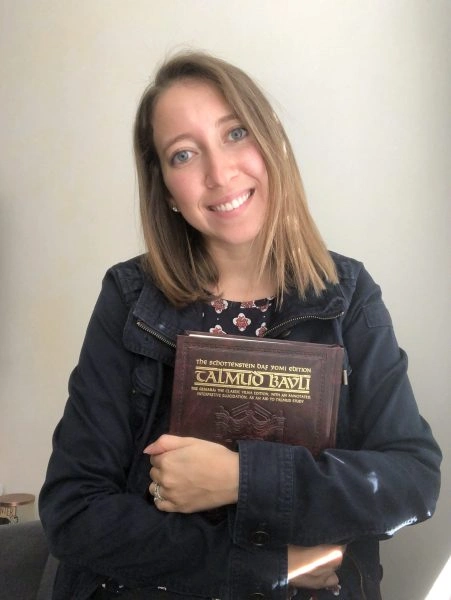
Memphis, Tennessee, United States
I started at the beginning of this cycle. No 1 reason, but here’s 5.
In 2019 I read about the upcoming siyum hashas.
There was a sermon at shul about how anyone can learn Talmud.
Talmud references come up when I am studying. I wanted to know more.
Yentl was on telly. Not a great movie but it’s about studying Talmud.
I went to the Hadran website: A new cycle is starting. I’m gonna do this
Cambridge, United Kingdom
I have joined the community of daf yomi learners at the start of this cycle. I have studied in different ways – by reading the page, translating the page, attending a local shiur and listening to Rabbanit Farber’s podcasts, depending on circumstances and where I was at the time. The reactions have been positive throughout – with no exception!

Guildford, United Kingdom
I’ve been wanting to do Daf Yomi for years, but always wanted to start at the beginning and not in the middle of things. When the opportunity came in 2020, I decided: “this is now the time!” I’ve been posting my journey daily on social media, tracking my progress (#DafYomi); now it’s fully integrated into my daily routines. I’ve also inspired my partner to join, too!

Teaneck, United States
With Rabbanit Dr. Naomi Cohen in the Women’s Talmud class, over 30 years ago. It was a “known” class and it was accepted, because of who taught. Since then I have also studied with Avigail Gross-Gelman and Dr. Gabriel Hazut for about a year). Years ago, in a shiur in my shul, I did know about Persians doing 3 things with their clothes on. They opened the shiur to woman after that!
Haifa, Israel
3 years ago, I joined Rabbanit Michelle to organize the unprecedented Siyum HaShas event in Jerusalem for thousands of women. The whole experience was so inspiring that I decided then to start learning the daf and see how I would go…. and I’m still at it. I often listen to the Daf on my bike in mornings, surrounded by both the external & the internal beauty of Eretz Yisrael & Am Yisrael!

Raanana, Israel
I started learning daf yomi at the beginning of this cycle. As the pandemic evolved, it’s been so helpful to me to have this discipline every morning to listen to the daf podcast after I’ve read the daf; learning about the relationships between the rabbis and the ways they were constructing our Jewish religion after the destruction of the Temple. I’m grateful to be on this journey!

Teaneck NJ, United States
I went to day school in Toronto but really began to learn when I attended Brovenders back in the early 1980’s. Last year after talking to my sister who was learning Daf Yomi, inspired, I looked on the computer and the Hadran site came up. I have been listening to each days shiur in the morning as I work. I emphasis listening since I am not sitting with a Gamara. I listen while I work in my studio.
Tekoa, Israel
I started learning when my brother sent me the news clip of the celebration of the last Daf Yomi cycle. I was so floored to see so many women celebrating that I wanted to be a part of it. It has been an enriching experience studying a text in a language I don’t speak, using background knowledge that I don’t have. It is stretching my learning in unexpected ways, bringing me joy and satisfaction.
Warwick, Rhode Island, United States
Gittin 69
לִבְרוּקְתִּי – לַיְתֵי עַקְרַבָּא דְּשַׁב חוּמְרֵי, וּנְיַיבְּשֵׁיהּ בְּטוּלָּא; וְנִישְׁחוֹק תַּרְתֵּי מְנָתָא כּוּחְלָא, וַחֲדָא מְנָתָא מִינֵּיהּ; וְלִימְלֵי תַּלְתָּא מַכְחָלֵי בְּהַאי עֵינָא וּתְלָתָא מַכְחָלֵי בְּהַאי עֵינָא; טְפֵי לָא לִימַלֵּי, דְּאִי לָא – פָּקַע עֵינֵיהּ.
§ As a remedy for eye disease [beroketi], let him bring the body of a seven-colored scorpion, dry it in the shade, and grind together two portions of stibium and one portion of the dried scorpion. And let him place three eyebrushes full in this eye, and three eyebrushes full in that eye. But he should not place more, as if he does not heed this advice and he does place more, his eye will burst.
לְשַׁבְרִירֵי דְלֵילְיָא – נֵיתֵי שׁוּדְרָא בָּרְקָא, וְנֵיסַר חֲדָא כַּרְעָא מִינֵּיהּ וַחֲדָא כַּרְעָא מִכַּלְבָּא; וְנִיטְרְפוּ יָנוֹקֵי חַסְפָּא אַבָּתְרֵיהּ, וְלֵימְרוּ לֵיהּ: ״אַסָּא כַּלְבָּא אַכְסָא תַּרְנְגוֹלָא״; וְלִיגְבֵּי שַׁב אוּמְצֵי מִשִּׁבְעָה בָּתֵּי, וְלִיתְּבִינְהוּ נִיהֲלֵיהּ בְּצִינּוֹרָא דְּדַשָּׁא, וְנֵיכְלִינְהוּ בְּקִלְקְולֵי דְּמָתָא. בָּתַר הָכִי, לִפְשׁוֹט שׁוּדְרָא בָּרְקָא, וְנֵימְרוּ הָכִי: ״שַׁבְרִירֵי דִּפְלוֹנִי בַּר פְּלוֹנִיתָא (שַׁבְקִינְהוּ) [לִישְׁבְּקוּהּ] לִפְלוֹנִי בַּר פְּלוֹנִיתָא, וְלִיחֲרוּ לְכַלְבָּא בְּבָבִיתָא דְּעֵינֵיה״ּ.
As a remedy for night blindness, he should bring a rope of animal hair [shudra barka], and he should tie one of his legs and one leg of a dog together with the rope. And let children throw pottery shards behind him, and let them say to him: The dog is old and the rooster is foolish. And let him take seven pieces of raw meat from seven houses and let him leave them for him in the socket of the door. And let him then eat them in the junkyard of the city. Afterward, he should untie the rope of hair and say as follows: The blindness of so-and-so, son of so-and-so; leave so-and-so, son of so-and-so; and then they say: Let them blow into the dog’s eye.
לְשַׁבְרִירֵי דִימָמָא – לַיְתֵי שִׁבְעָה סוּמָּקֵי מִגַּוּוֹא דְחֵיוְתָא, וְנִיטְוִינְהוּ אַחַסְפָּא דְאוּמָּנָא; וְלִיתֵיב אִיהוּ מִגַּוַּאי וְאִינִישׁ אַחֲרִינָא מֵאַבָּרַאי, וְנֵימָא לֵיהּ עַוִּירָא: ״הַב לִי דְּאֵיכוֹל״, וְנֵימָא לֵיהּ הַאיְךְ פְּתִיחָא: ״סַב אֵיכוֹל״; וּבָתַר דְּאָכֵיל לִיתְבְּרֵיהּ לְחַסְפָּא, דְּאִי לָא – הָדְרִי עִילָּוֵיהּ.
As a remedy for day blindness, hemeralopia, which is the inability to see clearly in bright light, let him bring seven animal spleens, and let the patient roast them on the pottery shard of a bloodletter. And let the patient sit on the inside of the house and let another person sit on the outside, and let the patient say to himself: Blind man, give me something to eat, and let the other one say to the patient: Seeing man, take and eat. And after the patient eats, let him break the shard, as if not, the blindness will follow him.
לִדְמָא דְּאָתֵי מִנְּחִירָא – לֵיתֵי גַּבְרָא כֹּהֵן דִּשְׁמֵיהּ לֵוִי, וְלִיכְתּוֹב לֵיהּ לֵוִי לְמַפְרֵעַ. וְאִי לָא – לַיְתֵי אִינִישׁ מֵעָלְמָא, וְנִיכְתּוֹב לֵיהּ: ״אֲנָא פַּפֵּי שֵׁילָא בַּר סוּמָּקֵי״ – לְמַפְרֵעַ.
As a remedy for a nosebleed, let the patient bring a man named Levi who is a priest, and that man should write for the patient the name Levi, backward. And if the patient is not able do this let him bring an ordinary man, and let that man write for the patient the following expression: I am Pappi Sheila bar Summakei. And that man should also write this backward.
וְאִי לָא – נִיכְתּוֹב לֵיהּ הָכִי: טַעַם דְּלִי בְּמֵי כֶסֶף, טַעַם דְּלִי בְּמֵי פְגָם. וְאִי לָא – לַיְתֵי עִיקָּרָא דְאַסְפַּסְתָּא, וְאַשְׁלָא דְפוּרְיָיא עַתִּיקָא, וְקוּרְטְסָא, וּמוֹרִיקֵי, וְסוּמָּקָא דְלוּלִיבָּא; וְנִקְלִינְהוּ בַּהֲדֵי הֲדָדֵי; וְלַיְתֵי גְּבָבָא דְעַמְרָא וְנִיגְדּוֹל תַּרְתֵּי פְּתִילָתָא, וְלִטְמִישׁ בְּחַלָּא, וְנִיגַדְבֵּל בְּקִיטְמָא הָדֵין, וְנִיתֵּיב בִּנְחִירֵיהּ.
And if he is not able to do this let that man write for the patient like this: Taste from a bucket in silver water, taste from a bucket in tainted water. And if the patient is not able to do this let him bring the root of fodder [aspasta], rope [ashla] from an old bed, and paper [kurtesa], and saffron, and the red portion of a palm branch, and let him burn them with each other. And let the patient bring a fleece of wool and spin it into two strings, and let him soak [litmish] them in vinegar, roll them in this ash of the burned materials, and place them in his nostrils.
וְאִי לָא – לִיחְזֵי אַמַּת הַמַּיִם דְּאָזְלָא מִמִּזְרָח כְּלַפֵּי מַעֲרָב; וְנִפְסַע וְנֵיקוּם חַד כַּרְעָא לְהַאי גִּיסָא וְחַד כַּרְעָא לְהַאי גִּיסָא; וְנִישְׁקוֹל טִינָא בִּידֵיהּ דְּיַמִּינָא מִתּוּתֵי כַּרְעָא דִשְׂמָאלֵיהּ, וּבִידֵיהּ דִּשְׂמָאלָא מִתּוּתֵי כַּרְעָא דְיַמִּינֵיהּ; וְנִיגְדּוֹל תַּרְתֵּי פְּתִילָתָא דְעַמְרָא וְנִיטְמִישׁ בְּטִינָא, וְנִיתֵּיב בִּנְחִירֵיהּ.
And if the patient is not able to do this let him look at a stream of water flowing from the east toward the west, and let him spread his legs and stand with one foot on this side and one foot on that side. And let him take clay in his right hand from under his left foot, and let him take clay with his left hand from under his right foot. And let him spin two strings of wool, soak them in the clay, and place them in his nostrils.
וְאִי לָא – לֵיתֵיב תּוּתֵי מַרְזָבָא, וְנַיְיתוֹ מַיָּא וְלִישְׁדּוֹ עֲלֵיהּ, וְלֵימְרוּ: ״כִּי הֵיכִי דְּפָסְקִי הָנֵי מַיָּא, לִיפְסוֹק דְּמֵיהּ דִּפְלָנְיָא בַּר פְּלָנִיתָא״.
And if the patient is not able to do this let him sit under the gutter and let them bring water and pour it on him. And let them say: Just as the water has ceased, let the blood of so-and-so, son of so-and-so, cease.
לִדְמָא דְּאָתֵי מִפּוּמָּא – בָּדְקִינַן לֵיהּ בְּגִילָא דְחִיטְּתָא, אִי סָרֵיךְ – מֵרֵיאָה קָאָתֵי וְאִית לֵיהּ תַּקַּנְתָּא, וְאִי לָא – מִכַּבְדָּא קָאָתֵי וְלֵית לֵיהּ תַּקַּנְתָּא.
As a remedy for blood that comes from the mouth we check the patient with a straw of wheat. If the blood sticks to the straw then it comes from his lungs and it has a remedy. But if the blood does not stick to the straw, it means that the blood comes from the liver and it has no remedy.
אֲמַר לֵיהּ רַב אַמֵּי לְרַב אָשֵׁי, וְהָאֲנַן אִיפְּכָא תְּנַן: נִיטָּל הַכָּבֵד וְלֹא נִשְׁתַּיֵּיר הֵימֶנָּה כְּלוּם, הָרֵיאָה שֶׁנִּיקְּבָה אוֹ שֶׁחָסְרָה! אֲמַר לֵיהּ: כֵּיוָן דְּמִפּוּמֵּיהּ קָאָתֵי, אֵימַר אִיתְּמוֹחֵי אִיתְּמַח.
Rav Ami said to Rav Ashi: But didn’t we learn the opposite in a mishna (Ḥullin 42a): If the liver was completely removed and none of it remains, then it is considered to be an animal with a condition that will cause it to die within twelve months [tereifa]. But in the case of a lung that is punctured or missing, the animal is considered to be a tereifa, even if it has not been completely removed. This indicates that damage to the lung is more serious than damage to the liver. Rav Ashi said to him: Since the blood comes out from this person’s mouth, one must say that the liver has dissolved and he will not survive.
אָמַר מָר: אִי מֵרֵיאָה קָאָתֵי, אִית לֵיהּ תַּקַּנְתָּא. מַאי תַּקַּנְתֵּיהּ? לַיְתֵי שִׁבְעָה כּוּנֵי מִפִּירְמָא דְסִילְקָא, וְשִׁבְעָה כּוּנֵי פִּירְמָא דְכַרָּתֵי, וְחַמְשָׁה כּוּנֵי פְּרִידָא, וּתְלָתָא כּוּנֵי דִּטְלָפְחֵי, וְכוּנָא דְּכַמּוֹנָא, וְכוּנָא (דְּחַבְלֵי) [דְּתַבְלֵי]; וּכְנֶגְדָּן – כַּנְתָּא פְּטִירְתָּא; וְלִיבַשֵּׁיל וְלֵיכוֹל, וְלִישְׁתֵּי אַבָּתְרֵיהּ שִׁיכְרָא חֲרִיפָא דְּטֵבֵת.
The Master said: If the blood comes from the lungs then it has a remedy. The Gemara asks: What is its remedy? The Gemara answers: Let him bring seven fistfuls of sliced beets, and seven fistfuls of sliced leek, and five fistfuls of perida grass, and three fistfuls of lentils, and a fistful of cumin, and a fistful of ropes, and a corresponding amount of the intestines of a firstborn animal. And let him cook all of it together and let him eat everything and afterward let him drink good, strong beer.
לְכַכָּא – אָמַר רַבָּה בַּר רַב הוּנָא: לַיְתֵי תּוּמָא יְחִידָאָה וְנִימְרְסֵיהּ בְּמִישְׁחָא וּמִילְחָא, וְנִתְּבֵיהּ אַטֻּופְרָא דְאִלְיוֹנָא דְּהָהוּא גִּיסָא דְּכָיֵיב לֵיהּ, וְנַהְדַּר לֵיהּ גְּדָנְפָא דְלֵישָׁא. וְנִיזְדְּהַר לְבִישְׂרֵיהּ, דְּקָשֵׁי לְחִיוָּרָא.
With regard to the remedy for pain in one’s teeth [lekhakha], Rabba bar Rav Huna said: Let him bring an individual garlic that grew as a single clove and grind it with oil and salt. And let him place it on the thumbnail of the side that hurts him, and let him surround it with a rim [gedanpa] of dough. And he should take care that it does not touch his flesh because it is harmful and can cause boils.
לְחִינְכֵי – אָמַר רַבִּי יוֹחָנָן: חוּמְתִי – כִּי מַמְרוּ, וְעִיקָּרָא דְחוּמְתִי – עֲדִיף מִמַּמְרוּ, וְנִינְקוֹט בְּפוּמֵּיהּ. הָנֵי לְאוֹקוֹמֵי; לְבַשּׁוֹלֵי – לַיְיתֵי פָּארֵי דְּרֵישׁ נָפְיָיא, וּטְלָפְחֵי בְּעַפְרַיְיהוּ, וְשׁוּבְלִילְתָּא, וְחוּמַרְתָּא דִכְשׁוּתָא, וְנִינְקוֹט כְּאַמְגּוּזָא בְּפוּמֵּיהּ.
With regard to the remedy for gums, Rabbi Yoḥanan said: The Spanish chamomile [ḥomti] plant is like the mamru plant, and the root of the Spanish chamomile is preferable to mamru, and let him take it in his mouth. This is meant to stabilize the illness so that it does not intensify. To boil them, meaning to cause the wounds to open so that the pus can be removed from them, let him bring the coarsest bran found at the upper portion of the sifter, and lentils in their dirt, and fenugreek [shuvlilta], and the flower of the hop plant. And let him take an amount about the size of a nut in his mouth.
לְאִיפְּתוֹחֵי – לִינְפַּח לֵיהּ חַבְרֵיהּ תַּחְלֵי חִיוָּרְתָּא בְּגִילָא דְחִיטְּתָא. לְאַסּוֹקֵי – לַיְתֵי עַפְרָא מִטּוּלָּא דְּבֵית הַכִּסֵּא, וְנִיגְבּוֹל בְּדוּבְשָׁא וְנֵיכוֹל, דִּמְעַלֵּי לֵיהּ.
In order to open the blisters to remove the pus, let his friend blow white cress into his mouth with a straw of wheat. And if he wishes to heal the blisters let him bring dirt found in the shade of the bathroom and knead it with honey and eat it, as this is effective for curing the blisters.
לְבַרְסָם – לַיְתֵי כִּי פִיסְתְּקָא דְּנִישָׁדוּר, וְכִי אַמְגּוּזָא דְחֶלְבְּנִיתָא דּוּבְשָׁנִיתָא, וּמְלֵי תַּרְווֹדָא דּוּבְשָׁא חִיוָּרָא, וּמְלֵי נַטְלָא בַּת מָחוֹזָא חַמְרָא נְקִידָא; וְנִישְׁלוֹקִינְהוּ בַּהֲדֵי הֲדָדֵי; וְכִי בְּשִׁיל נִשָׁדוּר – בְּשִׁיל לֵיהּ כּוּלֵּיהּ. וְאִי לָא – לַיְתֵי רְבִיעֵתָא דַּחֲלָבָא דְּעִיזָּא חִיוַּורְתִּי
For a bronchial infection [levarsam], let him bring a nut-sized amount of ammonia [nishdor] water and a nut-sized amount of sweet galbanum, and a large spoonful of white honey, a vessel from Meḥoza, i.e., one that holds a quarter-log of liquid, full of clear [nekida] wine, and let him boil them together. And once the ammonia is cooked everything will have cooked. And if he is not able to do this let him bring a quarter-log of milk from a white goat,
וְנִיטַּיְיפֵיהּ אַתְּלָת קִלְחֵי כְּרָבָא, וְנִיבְחֲשֵׁיהּ בִּגְווֹזָא דְּמַרְמְהִין; וְכִי בְּשִׁיל גְּווֹזָא דְמַרְמָהִין – בְּשִׁיל לֵיהּ כּוּלֵּיהּ. וְאִי לָא – לַיְתֵי נִפְקָא דְּכַלְבָּא חִיוָּרָא, וְנִיגְבּוֹל בְּנִטְפָא. וְכַמָּה דְּאֶפְשָׁר – נִפְקָא לָא נֵיכוֹל, דִּמְפָרֵיק.
and let him drip it on three stalks of cabbage and stir it with a sprig from a marjoram bush. And when the sprig of marjoram is boiled all of it will be boiled. And if he is not able to do that, let him take the feces of a white dog and let him mix it with balm. And as much as possible let him not eat the feces because it causes the separation of the limbs.
לְגִירָא – לַיְתֵי גִּירָא דְלִילִיתָא, וְנֵיפְכֵיהּ, וְנִשְׁדֵּי מַיָּא עִלָּוֵיהּ וְנִשְׁתֵּי. וְאִי לָא – לַיְתֵי מִמַּיָּא דְּאִישְׁתִּי מִינַּיְיהוּ כַּלְבָּא בְּלֵילְיָא; וְנִיזְדְּהַר מִגִּילּוּיָא. לְגִילּוּיָא – אַנְפָּקָא דְחַמְרָא חַיָּיא.
With regard to a remedy for a stinging pain [gira], let him bring a stone called an arrow of Lilith, and let him turn it upside down. And let him pour water on it and drink it. And if he is not able to do that, let him bring water from which a dog drank at night, and let him be careful about leaving the water uncovered at night, in case a snake drank from it and left its venom in the water. A remedy for drinking uncovered water is to drink a quarter-log [anpaka] of undiluted wine.
לְמוּרְסָא – אַנְפָּקָא דְּחַמְרָא, בְּאַהֲלָא תּוֹלָאנָא.
As a remedy for a pus-filled wound, one should drink a quarter-log of wine steeped in red ice plant.
לְפִירְחָא דְלִיבָּא – לַיְתֵי תְּלָת בְּרוֹשִׁיָּיאתָא דִשְׂעָרֵי, וְנִשְׁטְרִינְהוּ בְּכַמְכָּא דְּלָא עֲבַר עִילָּוֵיהּ אַרְבְּעִין יוֹמִין, וְנֵיכוֹל; וְנִשְׁתֵּי אַבָּתְרַיְיהוּ חַמְרָא מַרְקָא. אֲמַר לֵיהּ רַב אַחָא מִדִּיפְתִּי לְרָבִינָא: וְכׇל שֶׁכֵּן דְּפָרַח לִיבֵּיהּ! אֲמַר לֵיהּ: אֲנָא – לְיוּקְרָא דְלִיבָּא אֲמַרִי;
As a remedy for palpitations of the heart, i.e., if his heart is beating too fast, let him bring three loaves of barley, and soak them in kamka from which forty days have not yet passed since being made. And let him eat the loaves and drink diluted wine after consuming them. Rav Aḥa of Difti said to Ravina: All the more so his heart will palpitate from these foods. Ravina said to him: You misheard what I had said; I said this as a remedy for heaviness of the heart.
לְפִירְחָא דְלִיבָּא – לַיְתֵי תְּלָת בְּרוֹשִׁיָּיאתָא דְחִיטֵּי, וְנִישְׁטְרִינְהוּ בְּדוּבְשָׁא וְנֵיכוֹל, וְנִישְׁתֵּי אַבָּתְרַיְיהוּ חַמְרָא חַיָּיא.
As a remedy for palpitations of the heart, let him bring three loaves of wheat, soak them in honey, and eat them. And let him drink undiluted wine after them.
לְצִרְחָא דְלִיבָּא – לַיְתֵי תְּלָת בֵּיעֵי נִינְיָיא, וּבֵיעֲתָא דְכַמּוֹנָא, וּבֵיעֲתָא דְשֻׁומְשְׁמֵי, וְלֵיכוֹל.
As a remedy for heart pain, let him bring three egg-bulks of mint, and an egg-bulk of cumin, and an egg-bulk of sesame seeds, and let him eat them together.
לִכְאֵב מְעֵי – לַיְתֵי תְּלָת מְאָה פִּלְפְּלֵי אֲרִיכָתָא, וְכֹל יוֹמֵי נִשְׁתֵּי מְאָה מִינַּיְיהוּ בְּחַמְרָא. רָבִין דְּמִן נָרֶשׁ עֲבַד לַהּ לְבַרְתֵּיהּ דְּרַב אָשֵׁי מְאָה וְחַמְשִׁין מֵהָנֵי דִּידַן, וְאִתְּסִיאַת.
As a remedy for pain of the intestines, let him bring three hundred long peppers, and every day let him drink one hundred of them with wine. It is told: Ravin of the city of Neresh prepared one hundred and fifty of our, i.e., Babylonian, peppers for the daughter of Rav Ashi, who had this illness, and she was healed.
לְכִירְצָא – אַנְפָּקָא דְּחַמְרָא בַּאֲטַרְפָּא דְעָרָאָה. לְכִירְצָא חִיוָּרָא – לַיְתֵי בִּיזְרָא גַּלְגִּילָא וְנִיצְיְירֵהּ בְּשִׁיסְתַּג, וְנִיתְיְירֵיהּ בְּמַיָּא וְנִשְׁתְּיֵהּ; וְנִזְדְּהַר מִבִּינְתָּא, דְּאִי לָא – מְנַקְּבָא לַהּ לְמַעְיָינֵיהּ.
As a remedy for roundworm, he should drink a quarter-log of wine steeped in laurel leaves. As a remedy for white worm, let him bring cress and tie it with a piece of woven cloth. And let him soak it in water and drink it. And let him be careful with the seed, as if he is not careful enough there is a danger that it will grow inside him and puncture his intestines.
לְמֵיסַר – סִיסִין רַטִּיבָא בְּמַיָּא. לְמִישְׁרֵא – יַבִּישְׁתָּא בְּמַיָּא. וְסִימָנָךְ: אִיצָא רַטִּיבְ[תָּ]א דְּסָכַר נַהֲרָא.
The remedy to bind the bowels, i.e., to cure diarrhea, is to consume the chamomile [sisin] plant when it is wet with water. And the remedy to relax the bowels and relieve constipation is to drink dry chamomile soaked in water, which acts as a laxative. And your mnemonic so as not to confuse these remedies is as follows: Wet grass [itza] that is used to dam rivers, and through this he will remember that moist chamomile is used to stop diarrhea.
לִטְחָלָא – לַיְתֵי שַׁב בִּינֵי דְמַיָּא וּנְיַיבְּשִׁינְהוּ בְּטוּלָּא, וְכֹל יוֹמָא נִישְׁתֵּי תַּרְתֵּי וְתִלְתָּא בְּחַמְרָא. וְאִי לָא – לַיְתֵי טְחָלָא דִצְיפִרְתָּא דְּלָא אִיפְּתַח, וְנִטְחֲיֵיהּ בְּתַנּוּרָא, וְנוֹקֵי לַהֲדֵיהּ, וְנֵימָא: ״כִּי הֵיכִי דְּיַבִּישׁ הַאי טְחָלָא, נִיַּיבַּשׁ טְחָלֵיהּ דִּפְלוֹנִי בַּר פְּלוֹנִיתָא״.
As a remedy for illness of the spleen, let him bring seven leeches, dry them in the shade, and every day drink two or three of them with wine. And if he is not able to do this, let him bring the spleen of a female goat that has not given birth, and place it in the oven, and stand across from it, and let him say: Just as this spleen is dried, so shall the spleen of so-and-so, son of so-and-so, be dried.
וְאִי לָא – נִיטְחֲיֵיהּ בֵּינֵי אוּרְבֵי דְבֵיתָא חַדְתָּא, וְנֵימָא הָכִי. וְאִי לָא, לִיבְקֵי שָׁכְבָא דִּשְׁכֵיב בְּשַׁבְּתָא, וְנִישְׁקְלֵיהּ לִידֵיהּ וְנוֹתְבַהּ אַטְּחָלֵיהּ, וְנֵימָא: ״כִּי הֵיכִי דְּיַבִּישׁ הָא יְדָא, נִיַּיבַּשׁ טְחָלֵיהּ דִּפְלוֹנִי בַּר פְּלוֹנִיתָא״.
And if he is not able to do this, let him place the goat spleen between the bricks of a new house, and let him say this same statement. And if not, let him search for someone who died on Shabbat and let him take the hand of the deceased, and let him place it on his spleen and say: Just as the hand of so-and-so was dried, so too, the spleen of so-and-so, the son of so-and-so, should be dried.
וְאִי לָא – נַיְתֵי בִּינִיתָא וְנִיטְוְויֵיהּ בֵּי נַפָּחָא, וְנֵיכְלֵיהּ בְּמַיָּא דְּבֵי נַפָּחָא, וְנִישְׁתֵּי מִמַּיָּא דְּבֵי נַפָּחָא. הָהִיא עִיזָּא דַּהֲוָת שָׁתְיָא מַיָּא דְּבֵי נַפָּחָא, אִישְׁתְּחִיט – וְלָא אִישְׁתְּכַח לַהּ טְחָלָא.
And if he is not able to do this, let him take a fish and roast it in the house of a blacksmith. And let him eat it with the water from the blacksmith’s house in which the red-hot metal is cooled. And let him drink water from the blacksmith’s house. The Gemara brings corroborative evidence to this remedy: A certain goat drank water from the blacksmith’s house, and when it was slaughtered there was no spleen found inside it.
וְאִי לָא – לִיפְתַּח חָבִיתָא דְּחַמְרָא לִשְׁמֵיהּ. אֲמַר לֵיהּ רַב אַחָא בְּרֵיהּ דְּרָבָא לְרַב אָשֵׁי: אִי אִית לֵיהּ חָבִיתָא דְחַמְרָא, לָא אָתֵי לְקַמֵּיהּ דְּמָר. אֶלָּא מַרְגַּל בְּפַת שַׁחֲרִית, דִּמְעַלְּיָא לְכוּלֵּי גּוּפֵיהּ.
And if he is not able to do this, let him open a barrel of wine for his sake, i.e., let him drink a large amount of wine. Rav Aḥa, son of Rava, said to Rav Ashi: If he has a barrel of wine he will not come before my Master for a remedy, as the wine will already have healed him. Rather, what should he do to maintain his health? Let him become accustomed to eat bread in the morning, because it benefits his entire body.
לְרוּשְׁחָתָא – לַיְתֵי אַקִּיקָא, וְאִילְווֹא, וְאַסְפִּירְכָא, וּמַרְתְּכָא, וְחוּמַרְתָּא דְפִילוֹן, וּשְׁיָאפָא דַחֲמִימְתָּא, וְנִינְקֹט בְּשַׁחֲקֵי דְכִיתָּנָא – בְּקַיְיטָא, וְדַעֲמַר גּוּפְנָא – בְּסִיתְוָא. וְאִי לָא – לִישְׁתֵּי שִׁיכְרָא מַרְקָא.
As a remedy for hemorrhoids, let him bring acacia [akika], and aloe [ilava], and mercury, and silver dross, and a bundle [ḥumreta] of fragrant herbs [defilon], and feces of pigeons [ḥamimta]. And let him take it in linen bags in the summer, or cotton bags in the winter, and place them on the afflicted area. And if he is not able to do that, let him drink diluted beer.
לְשִׁיגְרוֹנָא – לַיְתֵי פַּתְיָא דְמוֹנִינֵי, וְנִיגַנְדְּרֵיהּ שִׁיתִּין זִימְנֵי אַהָא מְטַחְתֵּיהּ, וְשִׁיתִּין זִימְנֵי אַהָא מְטַחְתֵּיהּ.
For rheumatism [shigrona], let him bring a vessel full of brine from small fish [moninei] and roll it sixty times on this thigh and sixty times on that thigh.
לִצְמִירְתָּא – נֵיתֵי תְּלָת נִיטּוּפְיָיתָא מִישְׁחָא דְכוּפְרָא, וּתְלָת נִיטּוּפְיָיתָא אִיצְרָא דְכַרָּתֵי, וּתְלָת נִיטּוּפְיָיתָא דְחַמְרָא נְקִידָא, וְלִישְׁדֵּי לֵיהּ לְאִישׁ – בָּאַמָּה, וּלְאִשָּׁה – בְּאוֹתוֹ מָקוֹם.
As a remedy for a bladder stone [litzmireta], let him bring three drops of tar oil, which is oil that emerges from burning wood, three drops from the squeezing [itzra] of leeks, and three drops of clean wine, and place this mixture, for a man on the penis, and for a woman on that place, i.e., her genital area.
וְאִי לָא – לַיְתֵי אוּנָּא דְזִיקָא, וְלִתְלֵי לֵיהּ לְאִישׁ בָּאַמָּה, וּלְאִשָּׁה בַּדַּדִּין. וְאִי לָא – לַיְתֵי חוֹטֵא דִּזְהוֹרִיתָא דִּשְׂדֹתֶיהָ דּוּמָה בַּת דּוּמָה, וְלִיתְלֵי לֵיהּ לְאִישׁ בָּאַמָּה וּלְאִשָּׁה בַּדַּדִּין.
And if he is not able to do this, let him bring the ear, i.e., handle, of a wine sac and suspend it, for a man from his penis, and for a woman from her breasts. And if he is not able to do this, let him bring a crimson string spun by a woman suspected of prostitution who is also the daughter of a suspected woman, and let him suspend it, for a man from his penis and for a woman from her breasts.
וְאִי לָא – לַיְתֵי כִּינָּה דְּזָכָר וּנְקֵבָה, וְלִיתְלֵי לֵיהּ לְאִישׁ בָּאַמָּה וּלְאִשָּׁה בְּאוֹתוֹ מָקוֹם; וְכִי מַשְׁתִּין, נַשְׁתִּין אַסִּיסָנָא יַבִּישְׁתָּא בְּצִינּוֹרָא דְּדַשָּׁא, וּנְעַיֵּין בְּחוּמַרְתָּא דְּנָפְקָא מִינֵּיהּ, דִּמְעַלְּיָא לְכוּלְּהוּ צִימְרִי.
And if not, let him bring a louse from a male and a louse from a female, and suspend it, for a man from his penis, and for a woman on that place, i.e., her genital area. And when he urinates let him urinate on a dry branch [sisna] by the door pivot. And let him examine the bladder stone that comes out of him with the urine, as it is effective as a remedy for any illness accompanied by a fever [tzimra] if he grinds it and uses it.
לְצִימְרָא בָּרָא – לַיְתֵי תְּלָתָא גְּרִיבֵי סוּפְלֵי, וּתְלָתָא גְּרִיבֵי אַטְרַף אַדָּרָא, וְנִישְׁלוֹקִינְהוּ כֹּל חַד לְחוֹדֵיהּ; וְלִיתֵיב בֵּינַיְיהוּ; וְלֹתְבִינְהוּ בְּתַרְתֵּי מְשִׁיכְלֵי, וְנַיְתֵי פָּתוּרָא וְנַנַּח עִילָּוֵיהּ, וְנֵיקוּם מֵעִילָּוֵי הַאי וְלֵותֵיב עִילָּוֵי הַאי, וּמֵעִילָּוֵי הַאי וְלֵותֵיב עִילָּוֵי הַאי, עַד דְּנִיסַּק בֵּיהּ הַבְלָא; וְלִסְחֵי מִינַּיְיהוּ, וְכִי שָׁתֵי – מִמַּיָּא דְאַדָּרָא לִישְׁתֵּי, מִמַּיָּא דְסוּפְלֵי לָא לִישְׁתֵּי; מִשּׁוּם דִּמְיעַקְּרִי.
As a remedy for an external fever, let him bring three se’a of date pits [suflei], and three se’a [gerivei] of leaves of an eder tree. Let him cook each one individually and sit between them. And let him place them in two basins, and bring a table and place it over him. And let him stand up from over this basin and sit over this basin, and then let him stand up from over this basin and sit over this basin, until the heat rises on him and he becomes very hot. And let him wash from the water of both basins, and when he drinks, let him drink from the basin containing the eder water. But do not let him drink from the basin containing the date water, because it causes infertility.
לְצִימְרָא גַּוְונָא – לַיְתֵי שִׁבְעָה בּוּנֵי דְסִילְקָא מִשַּׁב מְשָׁארֵי, וְנִישְׁלוֹקִינְהוּ בְּעַפְרַיְיהוּ, וְנֵיכוֹל, וְנִישְׁתֵּי אַטְרַף אַדָּרָא בְּשִׁיכְרָא, אוֹ
As a remedy for an internal fever, let him bring seven handfuls of beet leaves from seven furrows. And let him cook them with their dirt and eat them. And let him drink from eder leaves mixed with beer or

