










When a sefer Torah is opened in shul, one is not allowed to speak, even to talk about halakha. Two different verses are suggested as possible derivations for this rule. A kohen must wash his hands before blessing the people – a verse is brought as proof. When Rabbi Elazar ben Shamoa was asked why he was rewarded with longevity, he answered that he was careful about three things – not making the shul a shortcut, not passing over people to get to his place in the beit midrash and not saying the priestly blessing without saying a brakha first. What is the brakha the kohanim say before blessing the people? What do they say before going up to say the blessing? What do they say after when they turn away from the people and toward the Ark? Other rules are listed regarding both the blessing of the kohanim and the Torah reading including waiting for each section to completely finish or all those to answer amen before continuing on to the next section. One who reads the haftorah, should first read from the Torah and the Torah must be fully rolled, before beginning the haftorah. How would they remove the Torah from shul – would it have to be removed before all the people? On what does that depend? What verses would the people recite when the kohanim would recite birkhat kohanim?
This month’s learning is sponsored by Marci Glazer in loving memory of her teacher and chevruta, Rachel Brodie, Rachel Aviva bat Devora Chana, on her 4th yahrzeit. “She brought her love of Torah to thousands of people in her all-too-short life. A lover of Midrash, she still invited me on this Daf Yomi journey.”
Want to dedicate learning? Get started here:

Today’s daily daf tools:
This month’s learning is sponsored by Marci Glazer in loving memory of her teacher and chevruta, Rachel Brodie, Rachel Aviva bat Devora Chana, on her 4th yahrzeit. “She brought her love of Torah to thousands of people in her all-too-short life. A lover of Midrash, she still invited me on this Daf Yomi journey.”
Sotah 39
וְהִזָּה לְאַחֲרָיו, לְאַחֲרָיו וְהִזָּה לְפָנָיו — הַזָּאָתוֹ פְּסוּלָה. לְפָנָיו וְהִזָּה עַל צְדָדִין שֶׁבְּפָנָיו — הַזָּאָתוֹ כְּשֵׁרָה.
and instead he sprinkled it backward, or if he intended to sprinkle the water backward and instead he sprinkled it forward, even if the water lands on vessels that require purification, his sprinkling is invalid. However, if one intended to sprinkle the water forward and instead he sprinkled it forward to the sides, his sprinkling is valid. It is derived from here that one’s sides are considered as though they were in front of him.
אָמַר רָבָא בַּר רַב הוּנָא: כֵּיוָן שֶׁנִּפְתַּח סֵפֶר תּוֹרָה אָסוּר לְסַפֵּר אֲפִילּוּ בִּדְבַר הֲלָכָה, שֶׁנֶּאֱמַר: ״וּבְפִתְחוֹ עָמְדוּ כׇּל הָעָם״, וְאֵין עֲמִידָה אֶלָּא שְׁתִיקָה, שֶׁנֶּאֱמַר: ״וְהוֹחַלְתִּי כִּי לֹא יְדַבֵּרוּ כִּי עָמְדוּ לֹא עָנוּ עוֹד״. רַבִּי זֵירָא אָמַר רַב חִסְדָּא, מֵהָכָא: ״וְאׇזְנֵי כׇל הָעָם אֶל סֵפֶר הַתּוֹרָה״.
§ Rava bar Rav Huna says: Once a Torah scroll has been opened, it is prohibited to converse, even about a matter of halakha. As it is stated: “And Ezra opened the book in the sight of all the people, for he was above all the people, and when he opened it, all the people stood up” (Nehemiah 8:5), and standing is referring to nothing other than silence, as it is stated: “And shall I wait, because they do not speak, because they stand still, and answer no more?” (Job 32:16). Rabbi Zeira said that Rav Ḥisda said: The prohibition against conversing is derived from here: “And the ears of all the people were attentive to the book of the law” (Nehemiah 8:3). They were not listening to any other voice.
וְאָמַר רַבִּי יְהוֹשֻׁעַ בֶּן לֵוִי: כׇּל כֹּהֵן שֶׁלֹּא נָטַל יָדָיו — לֹא יִשָּׂא אֶת כַּפָּיו, שֶׁנֶּאֱמַר: ״שְׂאוּ יְדֵיכֶם קֹדֶשׁ וּבָרְכוּ אֶת ה׳״.
And Rabbi Yehoshua ben Levi says: Any priest who did not first wash his hands may not lift his hands to recite the Priestly Benediction; as it is stated: “Lift up [se’u] your hands in sanctity and bless the Lord” (Psalms 134:2), which teaches that before reciting the benediction one must sanctify his hands by washing them.
שָׁאֲלוּ תַּלְמִידָיו אֶת רַבִּי אֶלְעָזָר בֶּן שַׁמּוּעַ: בַּמָּה הֶאֱרַכְתָּ יָמִים? אָמַר לָהֶן: מִיָּמַי לֹא עָשִׂיתִי בֵּית הַכְּנֶסֶת קַפֶּנְדַּרְיָא, וְלֹא פָּסַעְתִּי עַל רָאשֵׁי עַם קוֹדֶשׁ, וְלֹא נָשָׂאתִי כַּפַּי בְּלֹא בְּרָכָה.
§ Rabbi Elazar ben Shammua was once asked by his disciples: To what do you attribute your longevity? He said to them: In all my days, I never made a shortcut [kappendarya] through a synagogue. Nor did I ever stride over the heads of the sacred people, i.e., I never stepped over people sitting in the study hall in order to reach my place, so as not to appear scornful of them. And I never lifted my hands for the Priestly Benediction without first reciting a blessing.
מַאי מְבָרֵךְ? אָמַר רַבִּי זֵירָא אָמַר רַב חִסְדָּא: ״אֲשֶׁר קִדְּשָׁנוּ בִּקְדוּשָּׁתוֹ שֶׁל אַהֲרֹן וְצִוָּנוּ לְבָרֵךְ אֶת עַמּוֹ יִשְׂרָאֵל בְּאַהֲבָה״.
The Gemara asks: What blessing do the priests recite before the benediction? Rabbi Zeira says that Rav Ḥisda says: Blessed are You, Lord our God, King of the universe, Who has sanctified us with the sanctity of Aaron and commanded us to bless His people, Israel, with love.
כִּי עָקַר כַּרְעֵיהּ מַאי אָמַר? יְהִי רָצוֹן מִלְּפָנֶיךָ ה׳ אֱלֹהֵינוּ שֶׁתְּהֵא בְּרָכָה זוֹ שֶׁצִּוִּיתָנוּ לְבָרֵךְ אֶת עַמְּךָ יִשְׂרָאֵל, לֹא יְהֵא בָּהּ מִכְשׁוֹל וְעָוֹן. וְכִי מַהְדַּר אַפֵּיהּ מִצִּיבּוּרָא מַאי אָמַר? אַדְבְּרֵיהּ רַב חִסְדָּא לְרַב עוּקְבָא וּדְרַשׁ: ״רִבּוֹנוֹ שֶׁל עוֹלָם עָשִׂינוּ מַה שֶּׁגָּזַרְתָּ עָלֵינוּ עֲשֵׂה עִמָּנוּ
The Gemara continues: When the priest begins walking to the platform to recite the benediction, what does he say? The Gemara answers: May it be Your will, Lord our God, that this blessing with which You have commanded us to bless Your people, Israel, shall not contain any stumbling block or iniquity. And when the benediction has been completed, when he turns his face away from the congregation, what does he say? Rav Ḥisda instructed Rav Ukva and taught him that this is what he would say: Master of the Universe, we have performed that which You decreed upon us. Do unto us
מַה שֶּׁהִבְטַחְתָּנוּ. הַשְׁקִיפָה מִמְּעוֹן קׇדְשְׁךָ מִן הַשָּׁמַיִם וְגוֹ׳״.
as You have promised us, namely: “So shall they put My name upon the children of Israel, and I will bless them” (Numbers 6:27). “Look forth from your holy habitation, from heaven, and bless Your people, Israel” (Deuteronomy 26:15).
אָמַר רַב חִסְדָּא: אֵין הַכֹּהֲנִים רַשָּׁאִים לָכוֹף קִישְׁרֵי אֶצְבְּעוֹתֵיהֶן עַד שֶׁיַּחְזִרוּ פְּנֵיהֶם מִן הַצִּבּוּר. אָמַר רַבִּי זֵירָא אָמַר רַב חִסְדָּא: אֵין הַקּוֹרֵא רַשַּׁאי לִקְרוֹת ״כֹּהֲנִים״ עַד שֶׁיִּכְלֶה ״אָמֵן״ מִפִּי הַצִּבּוּר,
§ Rav Ḥisda says: The priests who spread their hands open during the benediction are not permitted to bend the joints of their fingers until they turn their faces away from the congregation once they have completed the benediction. Rabbi Zeira says that Rav Ḥisda says: The one who calls the priests forward is not permitted to call out: Priests, until the response amen to the blessing of thanksgiving concludes from the mouths of the congregation, in order to ensure that everyone will hear the voices of the priests.
וְאֵין הַכֹּהֲנִים רַשָּׁאִין לְהַתְחִיל בִּבְרָכָה עַד שֶׁיִּכְלֶה דִּיבּוּר מִפִּי הַקּוֹרֵא, וְאֵין הַצִּבּוּר רַשָּׁאִין לַעֲנוֹת ״אָמֵן״ עַד שֶׁתִּכְלֶה בְּרָכָה מִפִּי הַכֹּהֲנִים, וְאֵין הַכֹּהֲנִים רַשָּׁאִין לְהַתְחִיל בִּבְרָכָה אַחֶרֶת עַד שֶׁיִּכְלֶה ״אָמֵן״ מִפִּי הַצִּבּוּר.
And for the same reason, the priests are not permitted to begin reciting the benediction until the statement of the caller, i.e., his announcement: Priests, concludes from his mouth. And the congregation is not permitted to answer amen until the blessing concludes from the mouths of the priests. And the priests are not permitted to begin reciting another blessing until the response amen to the previous blessing concludes from the mouths of the congregation.
וְאָמַר רַבִּי זֵירָא אָמַר רַב חִסְדָּא: אֵין הַכֹּהֲנִים רַשָּׁאִין לְהַחְזִיר פְּנֵיהֶם מִן הַצִּבּוּר עַד שֶׁיַּתְחִיל שְׁלִיחַ צִבּוּר בְּ״שִׂים שָׁלוֹם״, וְאֵינָן רַשָּׁאִין לַעֲקוֹר רַגְלֵיהֶם וְלֵילֵךְ עַד שֶׁיִּגְמוֹר שְׁלִיחַ צִבּוּר ״שִׂים שָׁלוֹם״.
And Rabbi Zeira says that Rav Ḥisda says: The priests are not permitted to turn away from the congregation after they have completed the benediction until the prayer leader begins saying the blessing of: Grant peace. And they are not permitted to uproot their feet and walk away from the platform until the prayer leader finishes saying the blessing of: Grant peace.
וְאָמַר רַבִּי זֵירָא אָמַר רַב חִסְדָּא: אֵין הַצִּבּוּר רַשָּׁאִין לַעֲנוֹת ״אָמֵן״ עַד שֶׁתִּכְלֶה בְּרָכָה מִפִּי הַקּוֹרֵא, וְאֵין הַקּוֹרֵא רַשַּׁאי לִקְרוֹת בַּתּוֹרָה עַד שֶׁיִּכְלֶה ״אָמֵן״ מִפִּי הַצִּבּוּר, וְאֵין הַמְתַרְגֵּם רַשַּׁאי לְהַתְחִיל בַּתַּרְגּוּם עַד שֶׁיִּכְלֶה פָּסוּק מִפִּי הַקּוֹרֵא, וְאֵין הַקּוֹרֵא רַשַּׁאי לְהַתְחִיל בְּפָסוּק אַחֵר עַד שֶׁיִּכְלֶה תַּרְגּוּם מִפִּי הַמְתַרְגֵּם.
And in a similar vein, Rabbi Zeira says that Rav Ḥisda says: The congregation is not permitted to answer amen to the blessing recited over the Torah reading until the blessing of the one reading from the Torah concludes from his mouth. And the reader is not permitted to begin reading from the Torah until the response amen to the preceding blessing concludes from the mouths of the congregation. And the translator is not permitted to begin the translation of the Torah reading until the reading of the verse from the Torah concludes from the mouth of the reader. And the reader is not permitted to begin reading another verse until the translation concludes from the mouth of the translator.
אָמַר רַבִּי תַּנְחוּם אָמַר רַבִּי יְהוֹשֻׁעַ בֶּן לֵוִי: הַמַּפְטִיר בְּנָבִיא, צָרִיךְ שֶׁיִּקְרָא בַּתּוֹרָה תְּחִילָּה, וְאָמַר רַבִּי תַּנְחוּם אָמַר רַבִּי יְהוֹשֻׁעַ בֶּן לֵוִי: אֵין הַמַּפְטִיר רַשַּׁאי לְהַפְטִיר בַּנָּבִיא עַד שֶׁיִּגָּלֵל סֵפֶר תּוֹרָה.
Rabbi Tanḥum says that Rabbi Yehoshua ben Levi says: The one who concludes with a reading from the Prophets [haftara] must first read several verses from the Torah. And Rabbi Tanḥum says that Rabbi Yehoshua ben Levi says: The one who concludes is not permitted to conclude with a reading from the Prophets until the Torah scroll is furled.
וְאָמַר רַבִּי תַּנְחוּם אָמַר רַבִּי יְהוֹשֻׁעַ בֶּן לֵוִי: אֵין שְׁלִיחַ צִבּוּר רַשַּׁאי לְהַפְשִׁיט אֶת הַתֵּיבָה בַּצִּבּוּר, מִפְּנֵי כְּבוֹד צִבּוּר.
And Rabbi Tanḥum says that Rabbi Yehoshua ben Levi says: The prayer leader is not permitted to uncover the decorative covering of the ark in public, out of respect for the congregation. It is inappropriate to have the congregation wait while doing this.
וְאָמַר רַבִּי תַּנְחוּם אָמַר רַבִּי יְהוֹשֻׁעַ בֶּן לֵוִי: אֵין הַצִּבּוּר רַשָּׁאִין לָצֵאת, עַד שֶׁיִּנָּטֵל סֵפֶר תּוֹרָה וְיָנֻיחַ בִּמְקוֹמוֹ. וּשְׁמוּאֵל אָמַר: עַד שֶׁיֵּצֵא.
And Rabbi Tanḥum says that Rabbi Yehoshua ben Levi says: The congregation is not permitted to leave the synagogue after the Torah reading until the Torah scroll has been taken and prepared to be returned to its place, as the Torah scroll used to be stored near the synagogue. And Shmuel said: They may not leave until the Torah scroll is actually taken out of the synagogue, out of respect for the Torah scroll.
וְלָא פְּלִיגִי: הָא — דְּאִיכָּא פִּיתְחָא אַחֲרִינָא. הָא — דְּלֵיכָּא פִּיתְחָא אַחֲרִינָא. אָמַר רָבָא, בַּר אֲהִינָא אַסְבְּרַהּ לִי: ״אַחֲרֵי ה׳ אֱלֹהֵיכֶם תֵּלֵכוּ״.
The Gemara comments: And they do not disagree about the halakha. Rather, they were discussing different situations. This statement of Rabbi Yehoshua ben Levi is referring to a case where there is another exit. When the Torah scroll is being taken out of one exit, people may leave through the other exit. However, that statement of Shmuel is referring to a case where there is no other exit, and therefore the congregation must wait until the Torah is carried out. Rava said: The Sage bar Ahina explained to me that this halakha is derived from the verse: “After the Lord your God you shall walk” (Deuteronomy 13:5), meaning that one must walk after the Torah scroll and not in front of it.
בִּזְמַן שֶׁהַכֹּהֲנִים מְבָרְכִים אֶת הָעָם, מָה הֵן אוֹמְרִים? אָמַר רַבִּי זֵירָא אָמַר רַב חִסְדָּא: ״בָּרְכוּ ה׳ מַלְאָכָיו גִּבֹּרֵי כֹחַ וְגוֹ׳״, ״בָּרְכוּ ה׳ כׇּל צְבָאָיו מְשָׁרְתָיו עוֹשֵׂי רְצוֹנוֹ״, ״בָּרְכוּ ה׳ כׇּל מַעֲשָׂיו בְּכׇל מְקֹמוֹת מֶמְשַׁלְתּוֹ בָּרְכִי נַפְשִׁי אֶת ה׳״.
§ The Gemara continues to discuss the Priestly Benediction. When the priests are blessing the people, what do the people say? Rabbi Zeira says that Rav Ḥisda says: For each blessing that the priests recite, they respond with a blessing from the Bible: “Bless the Lord, His angels, mighty in strength that fulfill His word, hearkening unto the voice of His word” (Psalms 103:20), “Bless the Lord, all of His hosts, His ministers that do His pleasure” (Psalms 103:21), and “Bless the Lord, all of His works, in all places of His dominion, bless the Lord, O my soul” (Psalms 103:22).
בְּמוּסְפֵי דְשַׁבְּתָא, מָה הֵן אוֹמְרִים? אָמַר רַבִּי אַסִּי: ״שִׁיר הַמַּעֲלוֹת הִנֵּה בָּרְכוּ אֶת ה׳ כׇּל עַבְדֵי ה׳ וְגוֹ׳ שְׂאוּ יְדֵיכֶם קֹדֶשׁ וּבָרְכוּ אֶת ה׳״, ״בָּרוּךְ ה׳ מִצִּיּוֹן שׁוֹכֵן יְרוּשָׁלִָם הַלְלוּיָהּ״.
When the priests ascend a second time to bless the congregation during the additional prayer of Shabbat, what do the people say? It is not appropriate for them to repeat the same verses of praise that they recited previously. Rabbi Asi said: They say: “A song of ascents. Behold, bless you the Lord, all you servants of the Lord, that stand in the house of the Lord in the night seasons” (Psalms 134:1), “Lift up your hands in sanctity and bless the Lord” (Psalms 134:2), and “Blessed be the Lord out of Zion, Who dwells at Jerusalem. Hallelujah” (Psalms 135:21).
וְלֵימָא נָמֵי ״יְבָרֶכְךָ ה׳ מִצִּיּוֹן״, דִּכְתִיב בְּהָהוּא עִנְיָינָא! אָמַר יְהוּדָה בְּרֵיהּ דְּרַבִּי שִׁמְעוֹן בֶּן פַּזִּי: מִתּוֹךְ שֶׁהִתְחִיל בְּבִרְכוֹתָיו שֶׁל הַקָּדוֹשׁ בָּרוּךְ הוּא מְסַיֵּים בְּבִרְכוֹתָיו שֶׁל הַקָּדוֹשׁ בָּרוּךְ הוּא.
The Gemara asks: And let them also say the third verse that appears right after the first two blessings: “The Lord shall bless you out of Zion” (Psalms 134:3), as it is written in that same matter. Yehuda, son of Rabbi Shimon ben Pazi, says: Since they began with blessings of the Holy One, Blessed be He, they must end with a blessing of the Holy One, Blessed be He, rather than reciting this verse, which is a blessing for the Jewish people.
בְּמִנְחֲתָא דְתַעֲנִיתָא מַאי אָמְרִי? אָמַר רַב אַחָא בַּר יַעֲקֹב: ״אִם עֲוֹנֵינוּ עָנוּ בָנוּ ה׳ עֲשֵׂה לְמַעַן שְׁמֶךָ״, ״מִקְוֵה יִשְׂרָאֵל מוֹשִׁיעוֹ בְּעֵת צָרָה לָמָּה תִהְיֶה כְּגֵר בָּאָרֶץ וְגוֹ׳״, ״לָמָּה תִהְיֶה כְּאִישׁ נִדְהָם כְּגִבּוֹר לֹא יוּכַל לְהוֹשִׁיעַ וְגוֹ׳״.
The Gemara asks: When the priests ascend to recite the Priestly Benediction during the afternoon prayer of a fast day, what do the people say? Rav Aḥa bar Ya’akov said: They say: “Though our iniquities testify against us, O Lord, work for Your name’s sake” (Jeremiah 14:7), “The Hope of Israel, its savior in times of trouble, why should You be a stranger in the land and as a wayfaring man that turns aside to tarry for a night?” (Jeremiah 14:8), and “Why should You be like a man overcome, as a mighty man who cannot save? Yet You, O Lord, are in the midst of us, and Your name is called upon us; leave us not” (Jeremiah 14:9).

Today’s daily daf tools:
Delve Deeper
Broaden your understanding of the topics on this daf with classes and podcasts from top women Talmud scholars.
New to Talmud?
Check out our resources designed to help you navigate a page of Talmud – and study at the pace, level and style that fits you.
The Hadran Women’s Tapestry
Meet the diverse women learning Gemara at Hadran and hear their stories.
תמיד רציתי. למדתי גמרא בבית ספר בטורונטו קנדה. עליתי ארצה ולמדתי שזה לא מקובל. הופתעתי.
יצאתי לגימלאות לפני שנתיים וזה מאפשר את המחוייבות לדף יומי.
עבורי ההתמדה בלימוד מעגן אותי בקשר שלי ליהדות. אני תמיד מחפשת ותמיד. מוצאת מקור לקשר. ללימוד חדש ומחדש. קשר עם נשים לומדות מעמיק את החוויה ומשמעותית מאוד.

מיתר, ישראל
It happened without intent (so am I yotzei?!) – I watched the women’s siyum live and was so moved by it that the next morning, I tuned in to Rabbanit Michelle’s shiur, and here I am, still learning every day, over 2 years later. Some days it all goes over my head, but others I grasp onto an idea or a story, and I ‘get it’ and that’s the best feeling in the world. So proud to be a Hadran learner.
Zichron Yaakov, Israel
When I was working and taking care of my children, learning was never on the list. Now that I have more time I have two different Gemora classes and the nach yomi as well as the mishna yomi daily.
Jerusalem, Israel
My Daf journey began in August 2012 after participating in the Siyum Hashas where I was blessed as an “enabler” of others. Galvanized into my own learning I recited the Hadran on Shas in January 2020 with Rabbanit Michelle. That Siyum was a highlight in my life. Now, on round two, Daf has become my spiritual anchor to which I attribute manifold blessings.
Englewood NJ, United States
Inspired by Hadran’s first Siyum ha Shas L’Nashim two years ago, I began daf yomi right after for the next cycle. As to this extraordinary journey together with Hadran..as TS Eliot wrote “We must not cease from exploration and the end of all our exploring will be to arrive where we began and to know the place for the first time.
Jerusalem, Israel
See video
Raanana, Israel

Minneapolis, MN, United States
I started learning Talmud with R’ Haramati in Yeshivah of Flatbush. But after a respite of 60 years, Rabbanit Michelle lit my fire – after attending the last three world siyumim in Miami Beach, Meadowlands and Boca Raton, and now that I’m retired, I decided – “I can do this!” It has been an incredible journey so far, and I look forward to learning Daf everyday – Mazal Tov to everyone!

Florida, United States
I tried Daf Yomi in the middle of the last cycle after realizing I could listen to Michelle’s shiurim online. It lasted all of 2 days! Then the new cycle started just days before my father’s first yahrzeit and my youngest daughter’s bat mitzvah. It seemed the right time for a new beginning. My family, friends, colleagues are immensely supportive!
Zichron Yaakov, Israel
As Jewish educator and as a woman, I’m mindful that Talmud has been kept from women for many centuries. Now that we are privileged to learn, and learning is so accessible, it’s my intent to complete Daf Yomi. I am so excited to keep learning with my Hadran community.
Denver, United States
I began learning with Rabbanit Michelle’s wonderful Talmud Skills class on Pesachim, which really enriched my Pesach seder, and I have been learning Daf Yomi off and on over the past year. Because I’m relatively new at this, there is a “chiddush” for me every time I learn, and the knowledge and insights of the group members add so much to my experience. I feel very lucky to be a part of this.
Karmiel, Israel
I began learning the daf in January 2022. I initially “flew under the radar,” sharing my journey with my husband and a few close friends. I was apprehensive – who, me? Gemara? Now, 2 years in, I feel changed. The rigor of a daily commitment frames my days. The intellectual engagement enhances my knowledge. And the virtual community of learners has become a new family, weaving a glorious tapestry.

Far Rockaway, United States
Berlin, Germany
In January 2020, my teaching partner at IDC suggested we do daf yomi. Thanks to her challenge, I started learning daily from Rabbanit Michelle. It’s a joy to be part of the Hadran community. (It’s also a tikkun: in 7th grade, my best friend and I tied for first place in a citywide gemara exam, but we weren’t invited to the celebration because girls weren’t supposed to be learning gemara).

Jerusalem, Israel
When I was working and taking care of my children, learning was never on the list. Now that I have more time I have two different Gemora classes and the nach yomi as well as the mishna yomi daily.
Jerusalem, Israel
See video
Raanana, Israel
After experiences over the years of asking to join gemara shiurim for men and either being refused by the maggid shiur or being the only women there, sometimes behind a mechitza, I found out about Hadran sometime during the tail end of Masechet Shabbat, I think. Life has been much better since then.
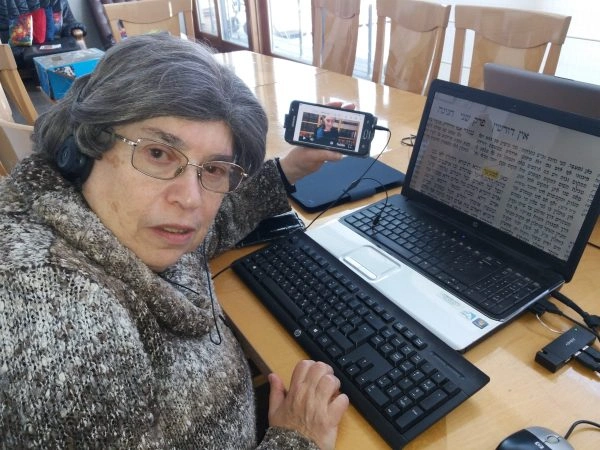
London, United Kingdom
I started to listen to Michelle’s podcasts four years ago. The minute I started I was hooked. I’m so excited to learn the entire Talmud, and think I will continue always. I chose the quote “while a woman is engaged in conversation she also holds the spindle”. (Megillah 14b). It reminds me of all of the amazing women I learn with every day who multi-task, think ahead and accomplish so much.

Zichron Yakov, Israel
In early 2020, I began the process of a stem cell transplant. The required extreme isolation forced me to leave work and normal life but gave me time to delve into Jewish text study. I did not feel isolated. I began Daf Yomi at the start of this cycle, with family members joining me online from my hospital room. I’ve used my newly granted time to to engage, grow and connect through this learning.
Worcester, United States
Mamaroneck, NY, United States
Sotah 39
וְהִזָּה לְאַחֲרָיו, לְאַחֲרָיו וְהִזָּה לְפָנָיו — הַזָּאָתוֹ פְּסוּלָה. לְפָנָיו וְהִזָּה עַל צְדָדִין שֶׁבְּפָנָיו — הַזָּאָתוֹ כְּשֵׁרָה.
and instead he sprinkled it backward, or if he intended to sprinkle the water backward and instead he sprinkled it forward, even if the water lands on vessels that require purification, his sprinkling is invalid. However, if one intended to sprinkle the water forward and instead he sprinkled it forward to the sides, his sprinkling is valid. It is derived from here that one’s sides are considered as though they were in front of him.
אָמַר רָבָא בַּר רַב הוּנָא: כֵּיוָן שֶׁנִּפְתַּח סֵפֶר תּוֹרָה אָסוּר לְסַפֵּר אֲפִילּוּ בִּדְבַר הֲלָכָה, שֶׁנֶּאֱמַר: ״וּבְפִתְחוֹ עָמְדוּ כׇּל הָעָם״, וְאֵין עֲמִידָה אֶלָּא שְׁתִיקָה, שֶׁנֶּאֱמַר: ״וְהוֹחַלְתִּי כִּי לֹא יְדַבֵּרוּ כִּי עָמְדוּ לֹא עָנוּ עוֹד״. רַבִּי זֵירָא אָמַר רַב חִסְדָּא, מֵהָכָא: ״וְאׇזְנֵי כׇל הָעָם אֶל סֵפֶר הַתּוֹרָה״.
§ Rava bar Rav Huna says: Once a Torah scroll has been opened, it is prohibited to converse, even about a matter of halakha. As it is stated: “And Ezra opened the book in the sight of all the people, for he was above all the people, and when he opened it, all the people stood up” (Nehemiah 8:5), and standing is referring to nothing other than silence, as it is stated: “And shall I wait, because they do not speak, because they stand still, and answer no more?” (Job 32:16). Rabbi Zeira said that Rav Ḥisda said: The prohibition against conversing is derived from here: “And the ears of all the people were attentive to the book of the law” (Nehemiah 8:3). They were not listening to any other voice.
וְאָמַר רַבִּי יְהוֹשֻׁעַ בֶּן לֵוִי: כׇּל כֹּהֵן שֶׁלֹּא נָטַל יָדָיו — לֹא יִשָּׂא אֶת כַּפָּיו, שֶׁנֶּאֱמַר: ״שְׂאוּ יְדֵיכֶם קֹדֶשׁ וּבָרְכוּ אֶת ה׳״.
And Rabbi Yehoshua ben Levi says: Any priest who did not first wash his hands may not lift his hands to recite the Priestly Benediction; as it is stated: “Lift up [se’u] your hands in sanctity and bless the Lord” (Psalms 134:2), which teaches that before reciting the benediction one must sanctify his hands by washing them.
שָׁאֲלוּ תַּלְמִידָיו אֶת רַבִּי אֶלְעָזָר בֶּן שַׁמּוּעַ: בַּמָּה הֶאֱרַכְתָּ יָמִים? אָמַר לָהֶן: מִיָּמַי לֹא עָשִׂיתִי בֵּית הַכְּנֶסֶת קַפֶּנְדַּרְיָא, וְלֹא פָּסַעְתִּי עַל רָאשֵׁי עַם קוֹדֶשׁ, וְלֹא נָשָׂאתִי כַּפַּי בְּלֹא בְּרָכָה.
§ Rabbi Elazar ben Shammua was once asked by his disciples: To what do you attribute your longevity? He said to them: In all my days, I never made a shortcut [kappendarya] through a synagogue. Nor did I ever stride over the heads of the sacred people, i.e., I never stepped over people sitting in the study hall in order to reach my place, so as not to appear scornful of them. And I never lifted my hands for the Priestly Benediction without first reciting a blessing.
מַאי מְבָרֵךְ? אָמַר רַבִּי זֵירָא אָמַר רַב חִסְדָּא: ״אֲשֶׁר קִדְּשָׁנוּ בִּקְדוּשָּׁתוֹ שֶׁל אַהֲרֹן וְצִוָּנוּ לְבָרֵךְ אֶת עַמּוֹ יִשְׂרָאֵל בְּאַהֲבָה״.
The Gemara asks: What blessing do the priests recite before the benediction? Rabbi Zeira says that Rav Ḥisda says: Blessed are You, Lord our God, King of the universe, Who has sanctified us with the sanctity of Aaron and commanded us to bless His people, Israel, with love.
כִּי עָקַר כַּרְעֵיהּ מַאי אָמַר? יְהִי רָצוֹן מִלְּפָנֶיךָ ה׳ אֱלֹהֵינוּ שֶׁתְּהֵא בְּרָכָה זוֹ שֶׁצִּוִּיתָנוּ לְבָרֵךְ אֶת עַמְּךָ יִשְׂרָאֵל, לֹא יְהֵא בָּהּ מִכְשׁוֹל וְעָוֹן. וְכִי מַהְדַּר אַפֵּיהּ מִצִּיבּוּרָא מַאי אָמַר? אַדְבְּרֵיהּ רַב חִסְדָּא לְרַב עוּקְבָא וּדְרַשׁ: ״רִבּוֹנוֹ שֶׁל עוֹלָם עָשִׂינוּ מַה שֶּׁגָּזַרְתָּ עָלֵינוּ עֲשֵׂה עִמָּנוּ
The Gemara continues: When the priest begins walking to the platform to recite the benediction, what does he say? The Gemara answers: May it be Your will, Lord our God, that this blessing with which You have commanded us to bless Your people, Israel, shall not contain any stumbling block or iniquity. And when the benediction has been completed, when he turns his face away from the congregation, what does he say? Rav Ḥisda instructed Rav Ukva and taught him that this is what he would say: Master of the Universe, we have performed that which You decreed upon us. Do unto us
מַה שֶּׁהִבְטַחְתָּנוּ. הַשְׁקִיפָה מִמְּעוֹן קׇדְשְׁךָ מִן הַשָּׁמַיִם וְגוֹ׳״.
as You have promised us, namely: “So shall they put My name upon the children of Israel, and I will bless them” (Numbers 6:27). “Look forth from your holy habitation, from heaven, and bless Your people, Israel” (Deuteronomy 26:15).
אָמַר רַב חִסְדָּא: אֵין הַכֹּהֲנִים רַשָּׁאִים לָכוֹף קִישְׁרֵי אֶצְבְּעוֹתֵיהֶן עַד שֶׁיַּחְזִרוּ פְּנֵיהֶם מִן הַצִּבּוּר. אָמַר רַבִּי זֵירָא אָמַר רַב חִסְדָּא: אֵין הַקּוֹרֵא רַשַּׁאי לִקְרוֹת ״כֹּהֲנִים״ עַד שֶׁיִּכְלֶה ״אָמֵן״ מִפִּי הַצִּבּוּר,
§ Rav Ḥisda says: The priests who spread their hands open during the benediction are not permitted to bend the joints of their fingers until they turn their faces away from the congregation once they have completed the benediction. Rabbi Zeira says that Rav Ḥisda says: The one who calls the priests forward is not permitted to call out: Priests, until the response amen to the blessing of thanksgiving concludes from the mouths of the congregation, in order to ensure that everyone will hear the voices of the priests.
וְאֵין הַכֹּהֲנִים רַשָּׁאִין לְהַתְחִיל בִּבְרָכָה עַד שֶׁיִּכְלֶה דִּיבּוּר מִפִּי הַקּוֹרֵא, וְאֵין הַצִּבּוּר רַשָּׁאִין לַעֲנוֹת ״אָמֵן״ עַד שֶׁתִּכְלֶה בְּרָכָה מִפִּי הַכֹּהֲנִים, וְאֵין הַכֹּהֲנִים רַשָּׁאִין לְהַתְחִיל בִּבְרָכָה אַחֶרֶת עַד שֶׁיִּכְלֶה ״אָמֵן״ מִפִּי הַצִּבּוּר.
And for the same reason, the priests are not permitted to begin reciting the benediction until the statement of the caller, i.e., his announcement: Priests, concludes from his mouth. And the congregation is not permitted to answer amen until the blessing concludes from the mouths of the priests. And the priests are not permitted to begin reciting another blessing until the response amen to the previous blessing concludes from the mouths of the congregation.
וְאָמַר רַבִּי זֵירָא אָמַר רַב חִסְדָּא: אֵין הַכֹּהֲנִים רַשָּׁאִין לְהַחְזִיר פְּנֵיהֶם מִן הַצִּבּוּר עַד שֶׁיַּתְחִיל שְׁלִיחַ צִבּוּר בְּ״שִׂים שָׁלוֹם״, וְאֵינָן רַשָּׁאִין לַעֲקוֹר רַגְלֵיהֶם וְלֵילֵךְ עַד שֶׁיִּגְמוֹר שְׁלִיחַ צִבּוּר ״שִׂים שָׁלוֹם״.
And Rabbi Zeira says that Rav Ḥisda says: The priests are not permitted to turn away from the congregation after they have completed the benediction until the prayer leader begins saying the blessing of: Grant peace. And they are not permitted to uproot their feet and walk away from the platform until the prayer leader finishes saying the blessing of: Grant peace.
וְאָמַר רַבִּי זֵירָא אָמַר רַב חִסְדָּא: אֵין הַצִּבּוּר רַשָּׁאִין לַעֲנוֹת ״אָמֵן״ עַד שֶׁתִּכְלֶה בְּרָכָה מִפִּי הַקּוֹרֵא, וְאֵין הַקּוֹרֵא רַשַּׁאי לִקְרוֹת בַּתּוֹרָה עַד שֶׁיִּכְלֶה ״אָמֵן״ מִפִּי הַצִּבּוּר, וְאֵין הַמְתַרְגֵּם רַשַּׁאי לְהַתְחִיל בַּתַּרְגּוּם עַד שֶׁיִּכְלֶה פָּסוּק מִפִּי הַקּוֹרֵא, וְאֵין הַקּוֹרֵא רַשַּׁאי לְהַתְחִיל בְּפָסוּק אַחֵר עַד שֶׁיִּכְלֶה תַּרְגּוּם מִפִּי הַמְתַרְגֵּם.
And in a similar vein, Rabbi Zeira says that Rav Ḥisda says: The congregation is not permitted to answer amen to the blessing recited over the Torah reading until the blessing of the one reading from the Torah concludes from his mouth. And the reader is not permitted to begin reading from the Torah until the response amen to the preceding blessing concludes from the mouths of the congregation. And the translator is not permitted to begin the translation of the Torah reading until the reading of the verse from the Torah concludes from the mouth of the reader. And the reader is not permitted to begin reading another verse until the translation concludes from the mouth of the translator.
אָמַר רַבִּי תַּנְחוּם אָמַר רַבִּי יְהוֹשֻׁעַ בֶּן לֵוִי: הַמַּפְטִיר בְּנָבִיא, צָרִיךְ שֶׁיִּקְרָא בַּתּוֹרָה תְּחִילָּה, וְאָמַר רַבִּי תַּנְחוּם אָמַר רַבִּי יְהוֹשֻׁעַ בֶּן לֵוִי: אֵין הַמַּפְטִיר רַשַּׁאי לְהַפְטִיר בַּנָּבִיא עַד שֶׁיִּגָּלֵל סֵפֶר תּוֹרָה.
Rabbi Tanḥum says that Rabbi Yehoshua ben Levi says: The one who concludes with a reading from the Prophets [haftara] must first read several verses from the Torah. And Rabbi Tanḥum says that Rabbi Yehoshua ben Levi says: The one who concludes is not permitted to conclude with a reading from the Prophets until the Torah scroll is furled.
וְאָמַר רַבִּי תַּנְחוּם אָמַר רַבִּי יְהוֹשֻׁעַ בֶּן לֵוִי: אֵין שְׁלִיחַ צִבּוּר רַשַּׁאי לְהַפְשִׁיט אֶת הַתֵּיבָה בַּצִּבּוּר, מִפְּנֵי כְּבוֹד צִבּוּר.
And Rabbi Tanḥum says that Rabbi Yehoshua ben Levi says: The prayer leader is not permitted to uncover the decorative covering of the ark in public, out of respect for the congregation. It is inappropriate to have the congregation wait while doing this.
וְאָמַר רַבִּי תַּנְחוּם אָמַר רַבִּי יְהוֹשֻׁעַ בֶּן לֵוִי: אֵין הַצִּבּוּר רַשָּׁאִין לָצֵאת, עַד שֶׁיִּנָּטֵל סֵפֶר תּוֹרָה וְיָנֻיחַ בִּמְקוֹמוֹ. וּשְׁמוּאֵל אָמַר: עַד שֶׁיֵּצֵא.
And Rabbi Tanḥum says that Rabbi Yehoshua ben Levi says: The congregation is not permitted to leave the synagogue after the Torah reading until the Torah scroll has been taken and prepared to be returned to its place, as the Torah scroll used to be stored near the synagogue. And Shmuel said: They may not leave until the Torah scroll is actually taken out of the synagogue, out of respect for the Torah scroll.
וְלָא פְּלִיגִי: הָא — דְּאִיכָּא פִּיתְחָא אַחֲרִינָא. הָא — דְּלֵיכָּא פִּיתְחָא אַחֲרִינָא. אָמַר רָבָא, בַּר אֲהִינָא אַסְבְּרַהּ לִי: ״אַחֲרֵי ה׳ אֱלֹהֵיכֶם תֵּלֵכוּ״.
The Gemara comments: And they do not disagree about the halakha. Rather, they were discussing different situations. This statement of Rabbi Yehoshua ben Levi is referring to a case where there is another exit. When the Torah scroll is being taken out of one exit, people may leave through the other exit. However, that statement of Shmuel is referring to a case where there is no other exit, and therefore the congregation must wait until the Torah is carried out. Rava said: The Sage bar Ahina explained to me that this halakha is derived from the verse: “After the Lord your God you shall walk” (Deuteronomy 13:5), meaning that one must walk after the Torah scroll and not in front of it.
בִּזְמַן שֶׁהַכֹּהֲנִים מְבָרְכִים אֶת הָעָם, מָה הֵן אוֹמְרִים? אָמַר רַבִּי זֵירָא אָמַר רַב חִסְדָּא: ״בָּרְכוּ ה׳ מַלְאָכָיו גִּבֹּרֵי כֹחַ וְגוֹ׳״, ״בָּרְכוּ ה׳ כׇּל צְבָאָיו מְשָׁרְתָיו עוֹשֵׂי רְצוֹנוֹ״, ״בָּרְכוּ ה׳ כׇּל מַעֲשָׂיו בְּכׇל מְקֹמוֹת מֶמְשַׁלְתּוֹ בָּרְכִי נַפְשִׁי אֶת ה׳״.
§ The Gemara continues to discuss the Priestly Benediction. When the priests are blessing the people, what do the people say? Rabbi Zeira says that Rav Ḥisda says: For each blessing that the priests recite, they respond with a blessing from the Bible: “Bless the Lord, His angels, mighty in strength that fulfill His word, hearkening unto the voice of His word” (Psalms 103:20), “Bless the Lord, all of His hosts, His ministers that do His pleasure” (Psalms 103:21), and “Bless the Lord, all of His works, in all places of His dominion, bless the Lord, O my soul” (Psalms 103:22).
בְּמוּסְפֵי דְשַׁבְּתָא, מָה הֵן אוֹמְרִים? אָמַר רַבִּי אַסִּי: ״שִׁיר הַמַּעֲלוֹת הִנֵּה בָּרְכוּ אֶת ה׳ כׇּל עַבְדֵי ה׳ וְגוֹ׳ שְׂאוּ יְדֵיכֶם קֹדֶשׁ וּבָרְכוּ אֶת ה׳״, ״בָּרוּךְ ה׳ מִצִּיּוֹן שׁוֹכֵן יְרוּשָׁלִָם הַלְלוּיָהּ״.
When the priests ascend a second time to bless the congregation during the additional prayer of Shabbat, what do the people say? It is not appropriate for them to repeat the same verses of praise that they recited previously. Rabbi Asi said: They say: “A song of ascents. Behold, bless you the Lord, all you servants of the Lord, that stand in the house of the Lord in the night seasons” (Psalms 134:1), “Lift up your hands in sanctity and bless the Lord” (Psalms 134:2), and “Blessed be the Lord out of Zion, Who dwells at Jerusalem. Hallelujah” (Psalms 135:21).
וְלֵימָא נָמֵי ״יְבָרֶכְךָ ה׳ מִצִּיּוֹן״, דִּכְתִיב בְּהָהוּא עִנְיָינָא! אָמַר יְהוּדָה בְּרֵיהּ דְּרַבִּי שִׁמְעוֹן בֶּן פַּזִּי: מִתּוֹךְ שֶׁהִתְחִיל בְּבִרְכוֹתָיו שֶׁל הַקָּדוֹשׁ בָּרוּךְ הוּא מְסַיֵּים בְּבִרְכוֹתָיו שֶׁל הַקָּדוֹשׁ בָּרוּךְ הוּא.
The Gemara asks: And let them also say the third verse that appears right after the first two blessings: “The Lord shall bless you out of Zion” (Psalms 134:3), as it is written in that same matter. Yehuda, son of Rabbi Shimon ben Pazi, says: Since they began with blessings of the Holy One, Blessed be He, they must end with a blessing of the Holy One, Blessed be He, rather than reciting this verse, which is a blessing for the Jewish people.
בְּמִנְחֲתָא דְתַעֲנִיתָא מַאי אָמְרִי? אָמַר רַב אַחָא בַּר יַעֲקֹב: ״אִם עֲוֹנֵינוּ עָנוּ בָנוּ ה׳ עֲשֵׂה לְמַעַן שְׁמֶךָ״, ״מִקְוֵה יִשְׂרָאֵל מוֹשִׁיעוֹ בְּעֵת צָרָה לָמָּה תִהְיֶה כְּגֵר בָּאָרֶץ וְגוֹ׳״, ״לָמָּה תִהְיֶה כְּאִישׁ נִדְהָם כְּגִבּוֹר לֹא יוּכַל לְהוֹשִׁיעַ וְגוֹ׳״.
The Gemara asks: When the priests ascend to recite the Priestly Benediction during the afternoon prayer of a fast day, what do the people say? Rav Aḥa bar Ya’akov said: They say: “Though our iniquities testify against us, O Lord, work for Your name’s sake” (Jeremiah 14:7), “The Hope of Israel, its savior in times of trouble, why should You be a stranger in the land and as a wayfaring man that turns aside to tarry for a night?” (Jeremiah 14:8), and “Why should You be like a man overcome, as a mighty man who cannot save? Yet You, O Lord, are in the midst of us, and Your name is called upon us; leave us not” (Jeremiah 14:9).

