Are you a righty or a lefty? While today that question is largely irrelevant and at most requires you to buy different scissors, in Jewish law (and in most other ancient societies) the right hand is generally favored. The right is considered stronger and more respectable. We see this in the laws of sacrifices where the priest on the altar must always turn towards the right:
“All turns that you turn should be only to the right.” (Yoma15b)
The same idea appears here in our masechet, where we have a rare example of using the left hand, while the standard mention of hand, foot or finger is always referring to the right:
“here, the priest must use his left hand, whereas in any place where it is stated in a verse “hand” [without specification], it is referring only to the right hand.” (Menachot 9b)
The prevalence of the right occurs in other mitzvot as well. The mezuzah is placed on the right doorpost as you enter the house. Tefillin is put on the left arm but the right hand is the one placing it. There are even customs that favor the right. One should put on the right shoe first and start a journey with the right foot:
“The Sages taught: When one puts on his shoes, he puts on the right shoe first and afterward puts on the left shoe. When he removes them, he removes the left and afterward he removes the right,” (Shabbat 61a)
Someone on the right side is on the favored side. We see this with the story of the blessing of Ephraim and Menashe where Joseph insists on placing the firstborn, Menashe on the right Jacob chooses to switch the boys, favoring Ephraim the younger son. Similarly, a teacher walking with his students places the more important student on his right:
“Three people who were walking on the road should walk with the teacher in the middle, the greater of the students on his right, and the lesser of them to his left.” (Yoma 37a)
Why the emphasis on right? The simple answer is that the majority of the human population is right-handed and people like to go with the majority, not the outsiders (notwithstanding that lefties have been shown to be smarter and more creative in many ways). But this right predilection is also attributed to God:
“God’s right hand is exalted!
God’s right hand is triumphant!” (Tehillim 188:16)
Some explain the right as being the quality of mercy while the left represents justice. Both are necessary but we want to favor mercy, as in this statement about how one should behave towards sinners:
“The Sages taught: It should always be the left [weaker] hand that pushes away and the right [stronger] hand that draws near.” (Sotah 47a)
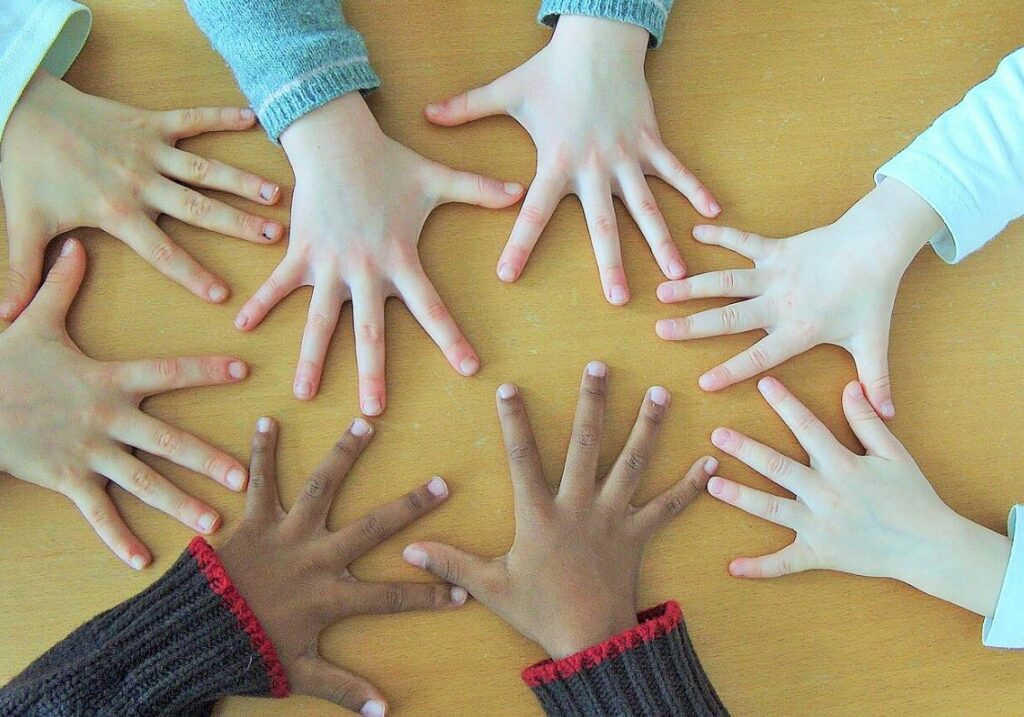
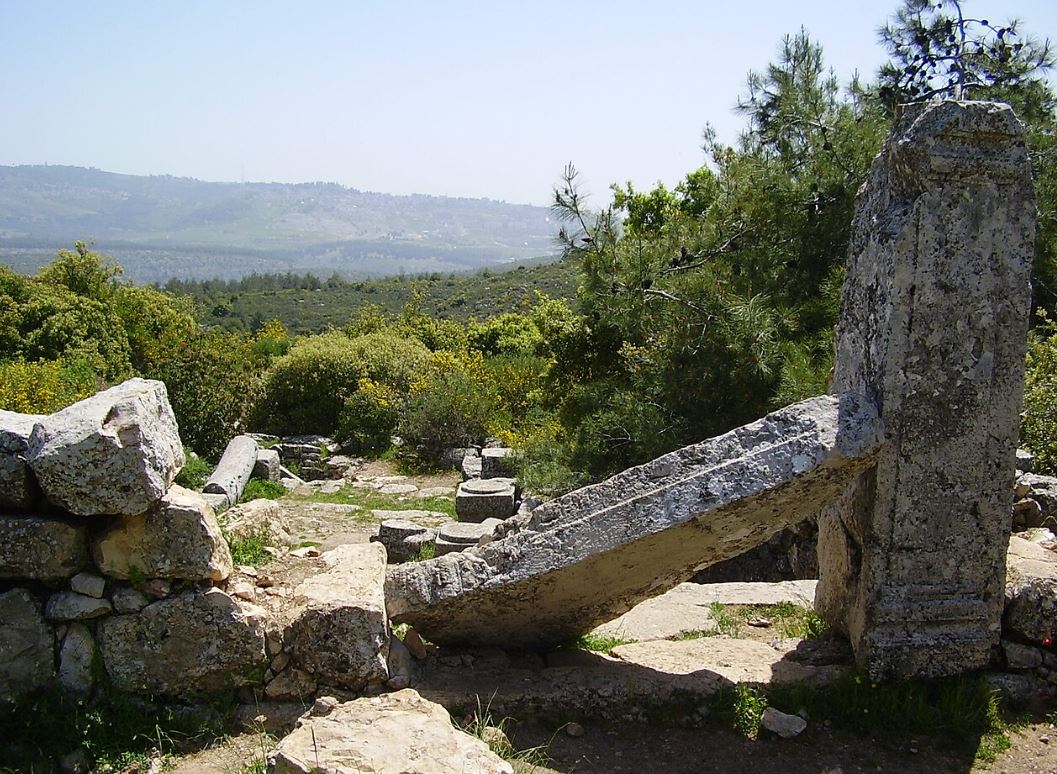
Ibex73, CC BY-SA 4.0 <https://creativecommons.org/licenses/by-sa/4.0>, via Wikimedia Commons
And what of someone who is ambidextrous? We hear of warriors who were equally proficient with both hands:
“they were armed with the bow and could use both right hand and left hand to sling stones or shoot arrows with the bow; they were kindred of Saul from Benjamin.” (Chronicles I 12:2)
A kohen who is ambidextrous is discussed in the halacha – can he serve in the Temple?
“one who has control of both of his hands [ambidextrous], Rabbi Yehuda HaNasi deems him disqualified and the Rabbis deem him fit. Rabbi Yehuda HaNasi, holds [that he learned to control his left hand because] a weakness began in his right hand. And the Rabbis, holds that a strength began in his left hand” (Bechorot 45)
An interesting example of right/left handedness is the tribe of Benjamin. Their very name means Son of the Right, Ben Yamin, and the eponymous ancestor of the tribe is named that by his father, meaning Son of Strength, to counteract his mother’s name, son of my suffering:
“But as she breathed her last—for she was dying—she named him Ben Oni; but his father called him Benjamin.” (Bereshit 35:18)
Rashi: Ben Oni means son of my sorrow
Despite this name, the Benjaminites are the only people that the Bible tells us were left handed! They are described as iter yad yemino, an ancient way of saying right hand challenged. Not only is their leftiness not an obstacle, it seems that it makes them superior warriors:
“On that day the Benjaminites mustered from the towns . . . 700 elite troops. . . were left-handed. Every one of them could sling a stone at a hair and not miss” (Judges 20:16)
One of the tribal leaders of Benjamin, Ehud ben Gera, uses his proficiency with his left hand to surprise his enemy, Eglon the king of Moab:
“Reaching with his left hand, Ehud drew the dagger from his right side and drove it into Eglon’s belly” (Judges 3:21)
Right and left are also used in the Bible to denote directions. When Abraham wants to part from Lot, he tells him if you go right I will go left (Bereshit 13:9). Other verses clearly define right as south and left as north. Here in Tehillim Tzafon is used for north but Yamin is used for south:
צָפ֣וֹן וְ֭יָמִין אַתָּ֣ה בְרָאתָ֑ם תָּב֥וֹר וְ֝חֶרְמ֗וֹן בְּשִׁמְךָ֥ יְרַנֵּֽנוּ׃
“North and south (yamin)
You created them;
Tabor and Hermon sing forth Your name.” (Tehillim 89:13)
In this description of boundaries, Smol, left, is used for north:
וְיָצָ֥א אֶל־כָּב֖וּל מִשְּׂמֹֽאל׃
“then it ran to Cabul on the north (smol),” (Joshua 19:27)
Why are right and left south and north respectively? Because the direction that people, and maps, faced in ancient times was east, where the sun rose. This is why east is referred to as kedem, forward – the direction you face. If your body is facing east, your right hand is south and your left is north.
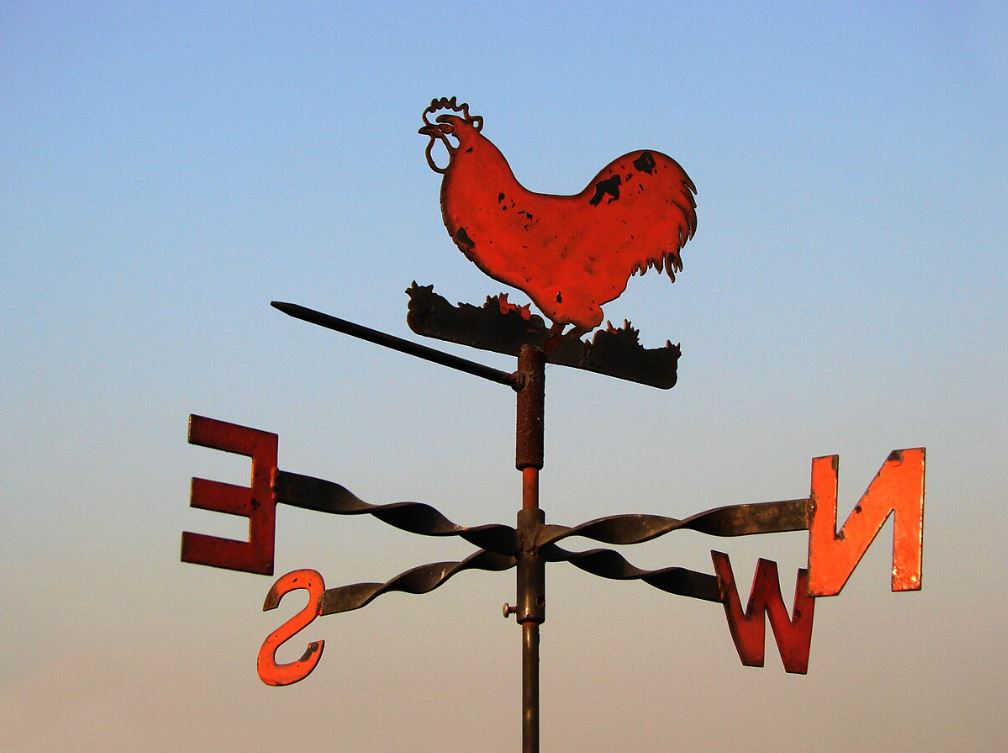
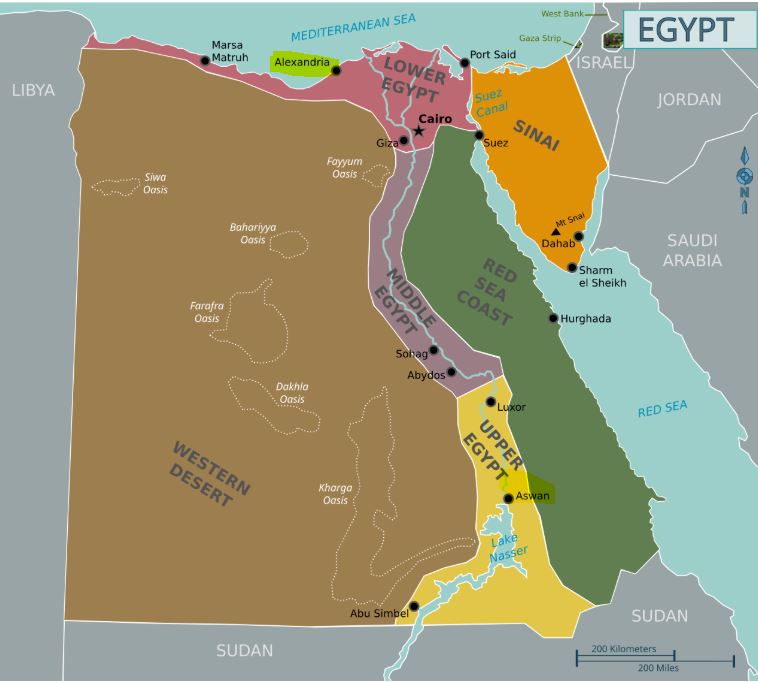
Nevit Dilmen, CC BY-SA 3.0 <http://creativecommons.org/licenses/by-sa/3.0/>, via Wikimedia Commons
Finally, right and left are used to mean something all inclusive, like from soup to nuts or from A to Z. This is called a merism. Examples of this right and left inclusivity are when Moses tells the king of Moab that the people will stay on the main road, neither veering right nor left, i.e., not in any direction (Bamidbar 20:17). Another example is how we are supposed to behave regarding Torah law:
“Be careful, then, to do as your God has commanded you. Do not turn aside to the right or to the left.” (Devarim 5:29)
Are you always right? Or perhaps you were left behind?
Alison Pang, UnSplash