“Rabbi Yehuda HaNasi said: When I went to Rabbi Elazar ben Shamua to clarify my knowledge, and some say that Rabbi Yehuda HaNasi said: When I went to clarify the knowledge of Rabbi Elazar ben Shamua, I found Yosef the Babylonian sitting before Rabbi Elazar ben Shamua . . . “ (Menachot 18a)
Rabbi Judah the Prince (Rebbe) is the guiding hand behind the selection and codification of the Mishnah. Occasionally we get a glimpse behind the scenes of his relationship with teachers and contemporaries, and the conflicts and connections that existed between them. In this story in Menachot we have two main characters, Rabbi Elazar ben Shamua and Yosef the Babylonian, and an observer, Rebbe. The time period is mid-second century CE, the generation after the Bar Kokhba revolt, as the survivors are rebuilding in Usha. Our secondary character, Yosef the Babylonian, also know as Issi ben Yehudah (Pesachim 113b) was a student under many of the great Tannaim and he had terse and fascinating descriptions for each one:
“Isi ben Yehuda would recount the praise of the Sages: Rabbi Meir, a scholar and scribe; Rabbi Yehuda, a scholar when he chooses; Rabbi Tarfon, a pile of nuts, Rabbi Yishmael, a well-stocked store; Rabbi Akiva, a full storehouse. . .” (Gittin 67a)
Rabbi Elazar ben Shamua is the senior main character and he is a mysterious one. We know nothing about his family or where he comes from, only that he is a kohen (Sotah 39a). His main teacher was Rabbi Akiva and he came of age during the traumatic period of the Bar Kokhba revolt, when many Torah scholars were persecuted and killed. One tradition relates that he was taught by Rabbi Akiva, along with four other major rabbis of the fourth generation:
“And the world was desolate until Rabbi Akiva came to our Rabbis in the South and taught his Torah to them: Rabbi Meir, Rabbi Yehuda, Rabbi Yosei, Rabbi Shimon, and Rabbi Elazar ben Shamua.” (Yevamot 62b)
A second tradition explains that these five received Rabbinic ordination from another martyred rabbi, Rabbi Yehuda ben Bava:
“What did Rabbi Yehuda ben Bava do? He went and sat between two large mountains, between two large cities, and between two Shabbat boundaries: Between Usha and Shefaram, and there he ordained five elders. And they were: Rabbi Meir, and Rabbi Yehuda, and Rabbi Shimon, and Rabbi Yosei, and Rabbi Elazar ben Shamua.” (Sanhedrin 14b)
All five of these men are significant voices in the Mishnah and Gemara, and all trace their Torah to Rabbi Akiva. According to Rashi (Shabbat 19a) when the Mishnah mentions Rabbi Elazar without another name, that is Rabbi Elazar ben Shamua. However, it can be hard to always know which Elazar is which. Rabbi Margoliot, in his biographies of the Tannaim and Amoraim, lists no fewer than thirty-three different Elazars and Eliezers (abbrieviated the same in Hebrew to add to the confusion). Besides Rabbi Elazar ben Shamua we have two other significant Tannaim, Rabbi Eliezer ben Hyrcanus and Rabbi Elazar ben Arach who lived two generations before Rabbi Elazar ben Shamua. Which Elazar is which?
Rabbi Elazar had a great love of and respect for his students. He was careful of their honor and admired their love of Torah. In Pirkei Avot he instructs teachers to honor their students:
“Rabbi Elazar ben Shamua said: let the honor of your student be as dear to you as your own” (Pirkei Avot 4:12)
Perhaps this respectful atmosphere, alongside his knowledge, brought Rabbi Elazar many students, as Rebbe explained:
“Rabbi Yehuda HaNasi said: When we were studying Torah with Rabbi Elazar ben Shamua, we would sit six in each square cubit.” (Eruvin 53a)
However, Rebbe also alludes to a darker side of Rabbi Elazar’s coterie of students – they are exclusive and do not like outsiders:
“Rabbi Yehuda HaNasi says: When I went to learn Torah from Rabbi Elazar ben Shamua, his students joined against me like the roosters of Beit Bukya, and they did not let me learn” (Yevamot 84a)
Perhaps this is why in our story Rebbe is presented as an observer, not a participant in the dialogue. After all, he also studied with Rabbi Judah bar Ilai and should also be able to clarify the tradition. Yet he is not asked to step into the conversation between Rabbi Elazar and Yosef.
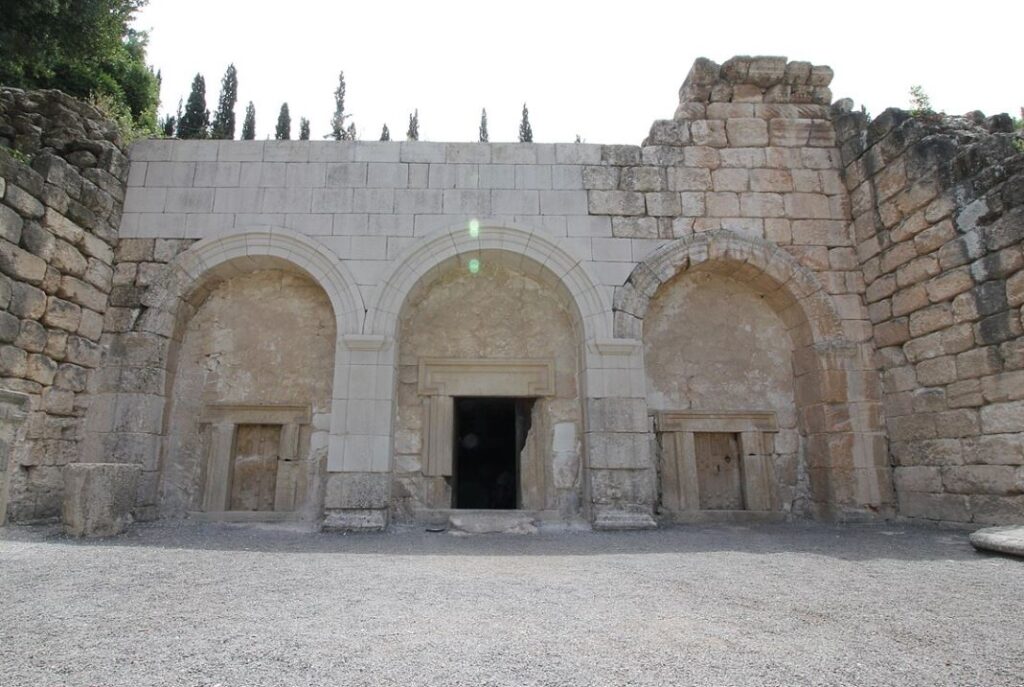
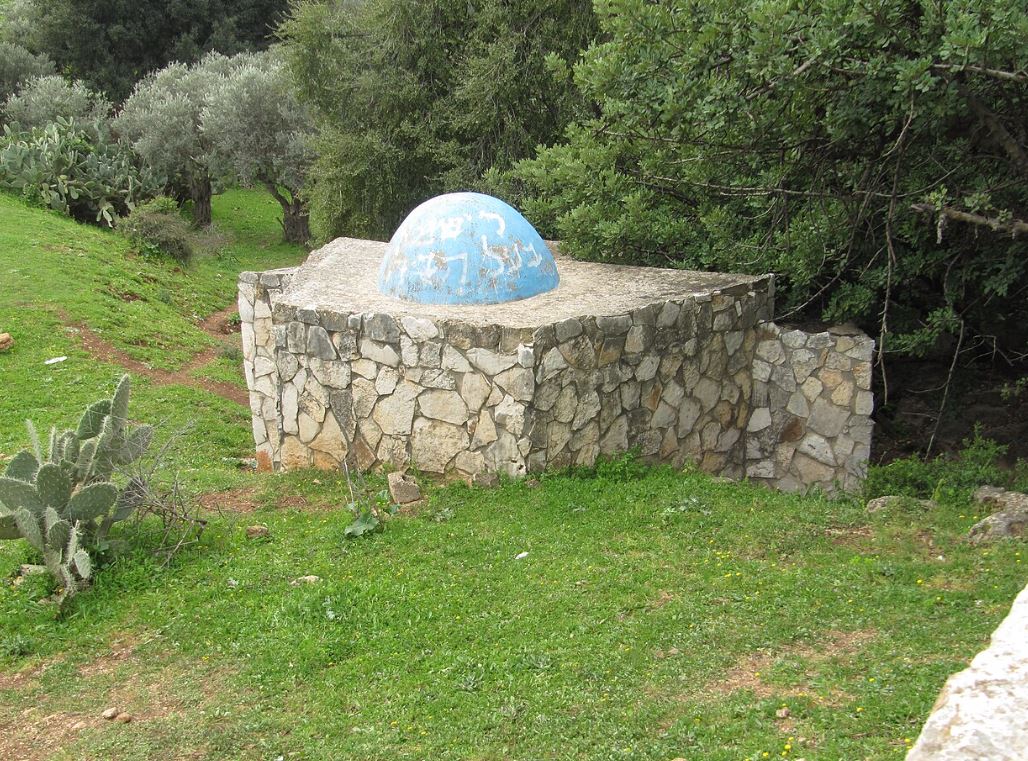
The cave where Rebbe’s grave is in Bet Shearim
עומר מרקובסקי, CC BY-SA 4.0 <https://creativecommons.org/licenses/by-sa/4.0>, via Wikimedia Commons
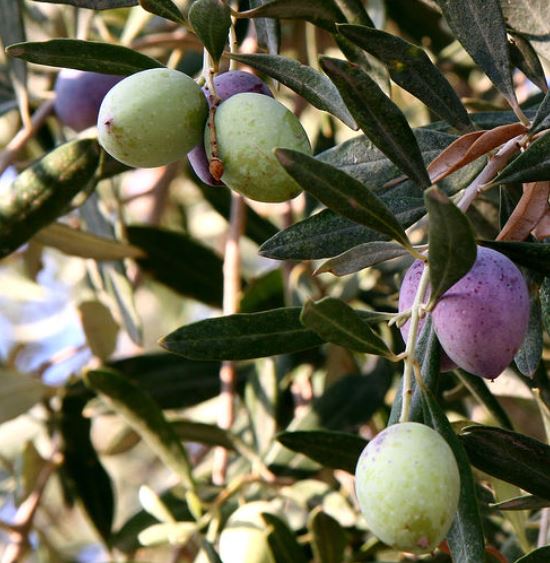
Rabbi Benjamin Lau offers a thought on why Rebbe is not included in the clique of Rabbi Elazar’s students. Our Gemara tells us that Rebbe went to Rabbi Elazar למצות מידותי or למצות מידות רבי אלעזר. What do these terms mean? Rashi explains that the first one refers to Rebbe – I need to clarify my own doubts and questions. The second seems to refer to checking out Rabbi Elazar’s knowledge and “draining” him of what he knows (mitzui midot is a technical term for draining out the last bits of liquid, like oil, from the seller’s vessel so that the customer gets his full value). Rabbi Lau suggests that Rebbe is coming to Rabbi Elazar to cull his knowledge and include it in his, Rebbe’s, standardized Mishnah. But Rabbi Elazar (or his students) want to keep the personal traditions represented by individual Tannaim in their own collections of mishnayot and beraitot. They do not like this standardization project.
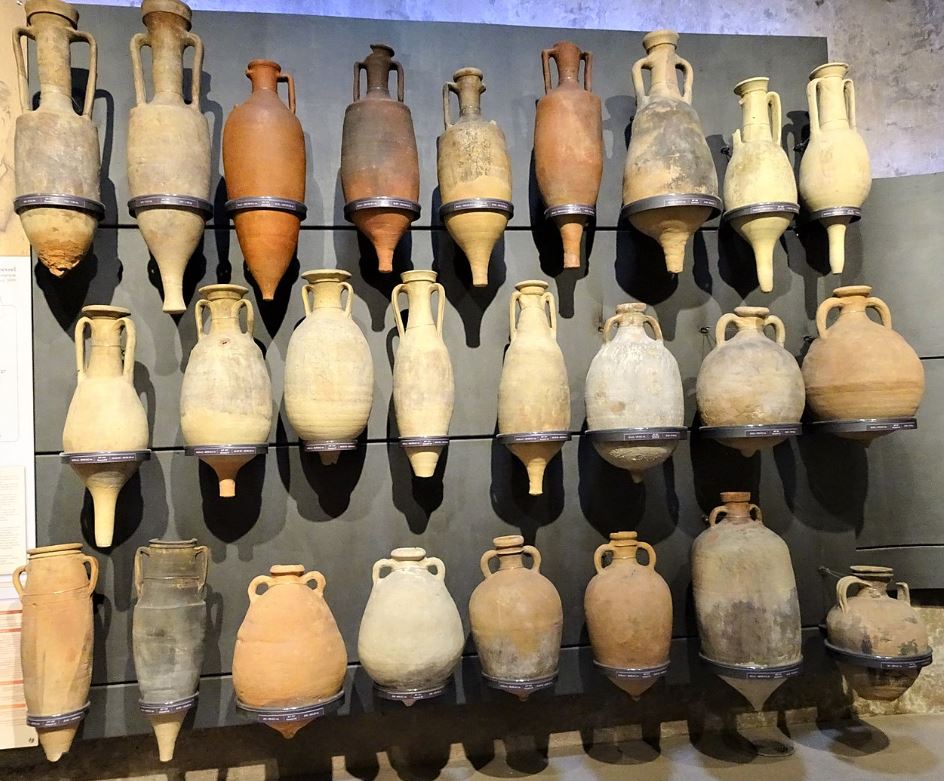
Could you get the last drop of oil out of these jugs?
Hugo DK, CC BY-SA 4.0 <https://creativecommons.org/licenses/by-sa/4.0>, via Wikimedia Commons
Perhaps we can take Rabbi Lau’s idea a bit further and connect it to the generations of each scholar. Rabbi Elazar, like Rabbi Meir and Rabbi Shimon bar Yohai, is a survivor. He needs to protect and preserve every bit of Torah, and is thrilled to learn something new from Yosef the Babylonian, as we see here:
“Rabbi Elazar ben Shamua’s eyes streamed with tears, and he said: Happy are you, Torah scholars, for whom matters of Torah are exceedingly dear.” (Menachot 18a)
Rebbe is living in a new world, a much more stable world, and he has the leisure to pick and choose and create a standard text. He wants to “clarify” Rabbi Elazar’s positions and then include them in his compendium. But Rabbi Elazar defies standardization and insists on a “multi-faceted” approach as we see in this beautiful midrash:
“Rabbi Elazar ben Shamua would say: There are three types of Torah scholars – the Hewn Stone, the Corner Stone, and the Polished Stone. The Hewn Stone (אבן גזית)– what is he like? This is a scholar who studies Midrash. When another scholar comes to him and asks him a question about the Midrash, he is able to answer. He is like a hewn stone, which has only one surface. The Corner Stone (אבן פינה) – what is he like? This is a scholar who studies Midrash and Halakhah. When one scholar comes and asks him a question about Midrash, he is able to answer. And when another scholar asks about Halakhah, he is able to answer. He is like a corner stone, which has only two surfaces. The Polished Stone (אבן פסיפס) – what is he like? This is a scholar who studies Midrash, Halakhah, Aggadah, and Tosefta. When one scholar comes and asks about Midrash, he is able to answer. And when another scholar asks about Halakhah, he is able to answer. And when another scholar asks about Tosefta, he is able to answer. And when another scholar asks about Aggadah, he is able to answer. He is like a polished stone, which has four surfaces, one on each of its four sides”. (Avot deRabbi Natan 28)

Public domain, via Wikimedia Commons