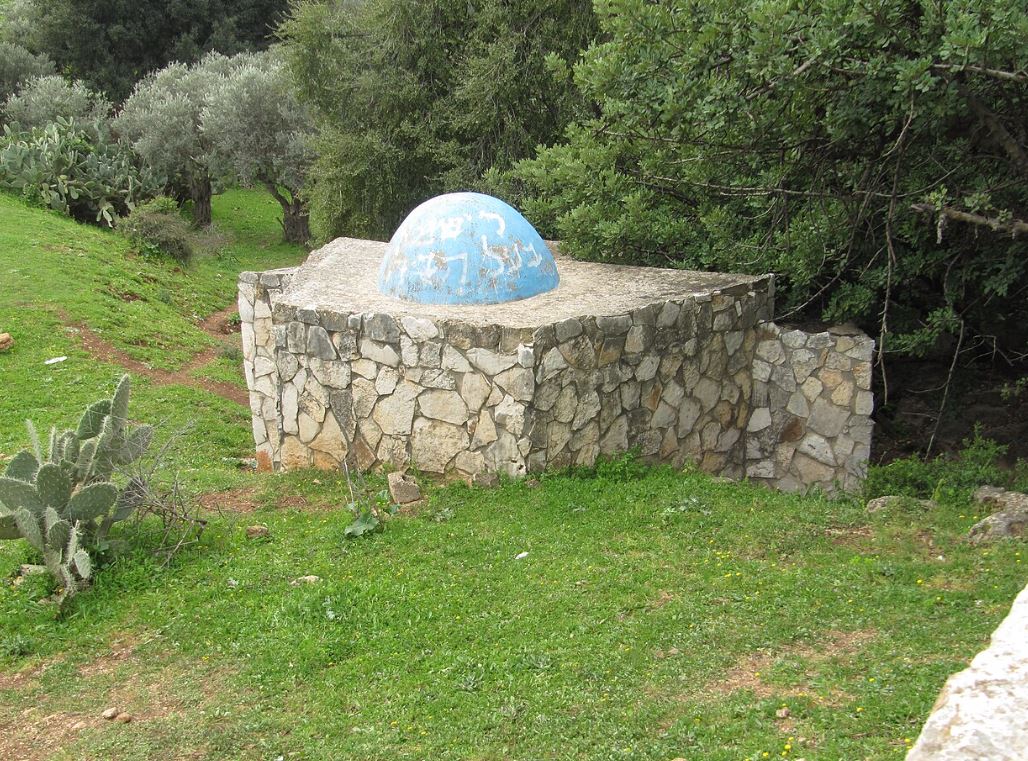
We know that the Sages studied in all sorts of places: in the study hall but also in synagogues, attics (like Bet Nitza in Lod) and even underground in hiding spaces in times of persecution. But Menachot 82b has an unusual word for a place of study, a tarbitza. תרביצא. Where does this word come from and what does it mean?
Our first line of explanation is always Rashi. He explains that this word refers to a bet midrash, a study hall. Tosafot and the commentary ascribed to Rashi add that the root comes from the word להרביץ, literally to hit but in here it means to spread Torah far and wide. This is a logical explanation in the context of our page but other mentions of the word seem to indicate different meanings.
The word tarbitza is found in Moed Katan and there it clearly refers to a type of garden:
“Ravina said: Learn from here that one is permitted to sprinkle (tarbotzei) a garden [tarbitza] with water on the intermediate days of a Festival.” (Moed Katan 6b)
Rashi adds that this garden can be watered on the intermediate days of a holiday, when we usually refrain from work, because here you only sprinkle the water ((תרבוצי. Here the word is not to spread or to hit, but to sprinkle, like when water is sprinkled on a floor to keep the dust from flying. That same meaning is what will explain yet another tarbitzei, the tarbitz apandeni:
“What is a kanteir? It is a courtyard of a mansion (תרבץ אפנדני. )” (Bava Batra 98b)
The Rashbam explains that this is a large courtyard built next to the palace of the lord (apandeni) that always has to be sprinkled with water so that the dust doesn’t rise up.
Another source that implies that this garden is near a house refers to the inheritance of two brothers. One receives a traklin, a hall, and the other a garden adjacent to it:
“There were two brothers who divided their father’s estate between them. One received a hall and one received a garden תרביצא).) The one who received the garden went and built a wall in front of the opening of the hall.” (Bava Batra 7a)
Another garden source is about dreams and their meanings:
“One who sees a hen [tarnegolet] should anticipate a beautiful garden and reason to rejoice [tarbitza na’a vegila]” (Berachot 57a)
The hen (tarnegolet) is an acronym for a tarbitza naeh vegila, a beautiful and happy garden.
While we see many examples of a tarbitza garden there are also sources that indicate that it is a place of Torah study. Besides our statement in Menachot, we also hear about a study hall established by the first exiles to Babylonia:
“That He first brought about the exile of Jeconiah to Babylon along with the artisans, the smiths, and all the valiant men. Now [those] descended to Babylon and they established a framework [tarbetz] for Torah [study].” (Tanhuma Tazria 9)
Perhaps the most interesting source is this one in Taanit where the meaning is ambiguous:
“Rav Yehuda said: It is good for the year when Tevet is a widower, [i.e., when it features no rainfall]. Some say that this is so that the tarbitzei should not be desolate,” (Taanit 6b)
What does it mean that if it rains the tarbitzei will be empty, or desolate? Rashi, who was familiar with both uses of the term, employs them both in his explanation:
“Those places where the Torah is taught (מרביצין) are not empty, because the paths are good and the students go from place to place to study Torah. Another meaning: the tarbitzei are gardens for vegetables that do not use much water [and if it rains too much they will be desolate and not grow]”
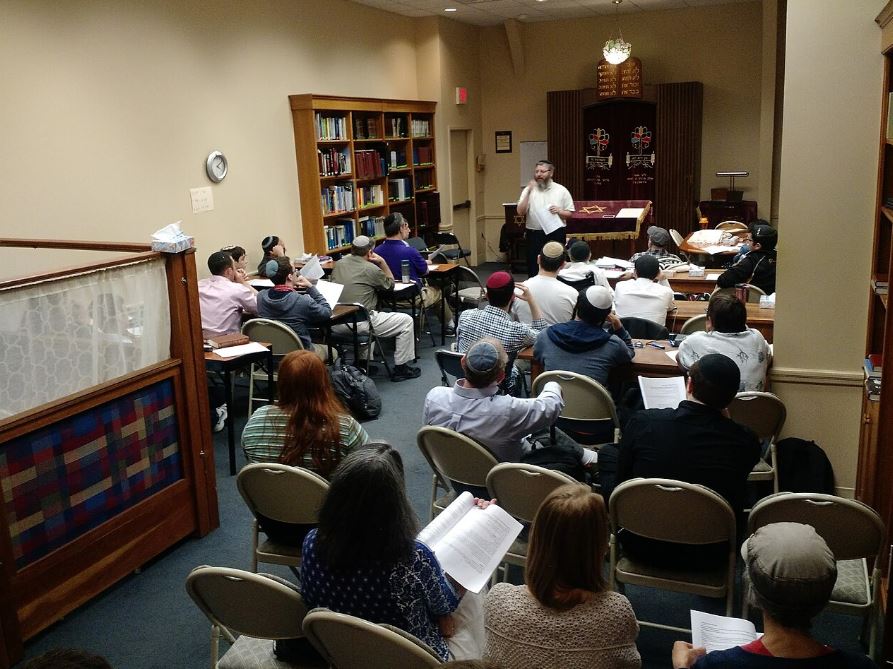
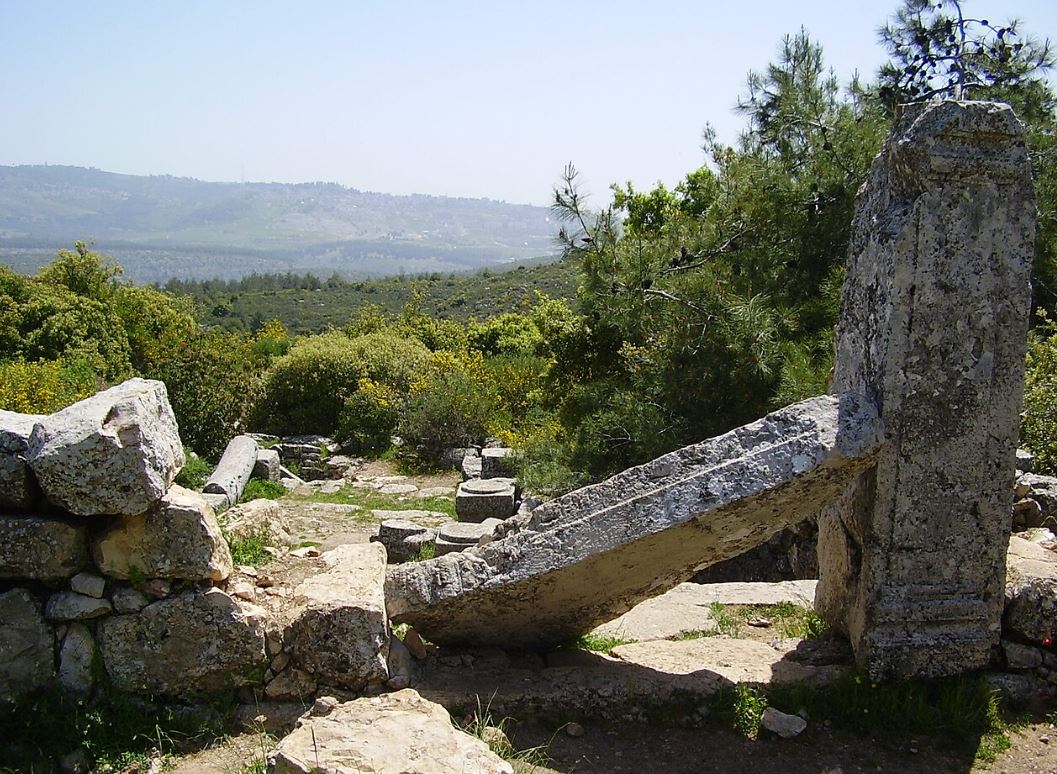
GordonGlottal, CC BY-SA 4.0 <https://creativecommons.org/licenses/by-sa/4.0>, via Wikimedia Commons
If the word (sometimes) means bet midrash, how is it different than a standard bet midrash? This question was addressed by Rabbi Yitzchak Halevi Rabinowitz (1847 – 1914) in his historical work Dorot haRishonim. This book was an attempt to understand the history of the Rabbis in a traditional way and was meant to be a polemic against the new trends of Reform Judaism and Wissenschaft, the scientific study of Jewish history,
Rabbi Rabinowitz proposes an interesting explanantion for the tarbitzei that combines the two meanings of garden and study hall. He suggests that these were study centers located outside the regular yeshiva. Not everyone was accepted into the study hall or wanted to follow the hierarchy there. However, they still wanted to learn. These “outliers” would gather in gardens outside the traditional yeshivot and they would learn there on their own, from whatever texts they chose. He makes an interesting connection to the story of Rabbi Yehoshua and Rabban Gamliel. Rabban Gamliel was famously selective of who could enter his study hall. When he was deposed as head of the Sanhedrin, suddenly the bet midrash filled up
“It was taught: On that day they dismissed the guard at the door and permission was granted to the students to enter. As Rabban Gamliel would proclaim and say: Any student whose inside is not like his outside, will not enter the study hall.: On that day several benches were added” (Berachot 28a)
Where did all these people come from? Rabinowitz suggests that they were right outside, in the tarbitzei, waiting for their opportunity. He also connects them to the people who are “outside,” as in when a saying is sent outside, פוק תני לברא, because it has been disproven (Yevamot 77b).
The students in the tarbitzei wanted to learn but they had the disadvantage of being outside and hearing things secondhand. This is why their versions of the Gemara are not always considered reliable as we see from Rashi’s comments:
“And this addition is the version of the students of the tarbitzei and they were incorrect. . .” (Rashi on “the hide,” Zevachim 104a)
The connection between gardening/farming and study is an interesting one and the rabbis were drawn to it. They describe sitting in the vineyard in Yavneh כרם ביבנה to make decisions after the destruction of the Temple (Tosefta Eduyot 1:1) and the Sanhedrin sits in a semi-circle, or half a threshing floor: חצי גורן (Mishnah Sanhedrin 4:3). Do teachers cultivate their students? Do students grow in learning?
One final modern iteration of a tarbitza: in the late 1920s, the Jewish Studies professors of the new Hebrew University decided to publish an academic journal. They chose the name that our Gemara gives to the study hall: Tarbitz. It is still being published today, nearly one hundred years later.
How does your garden grow?
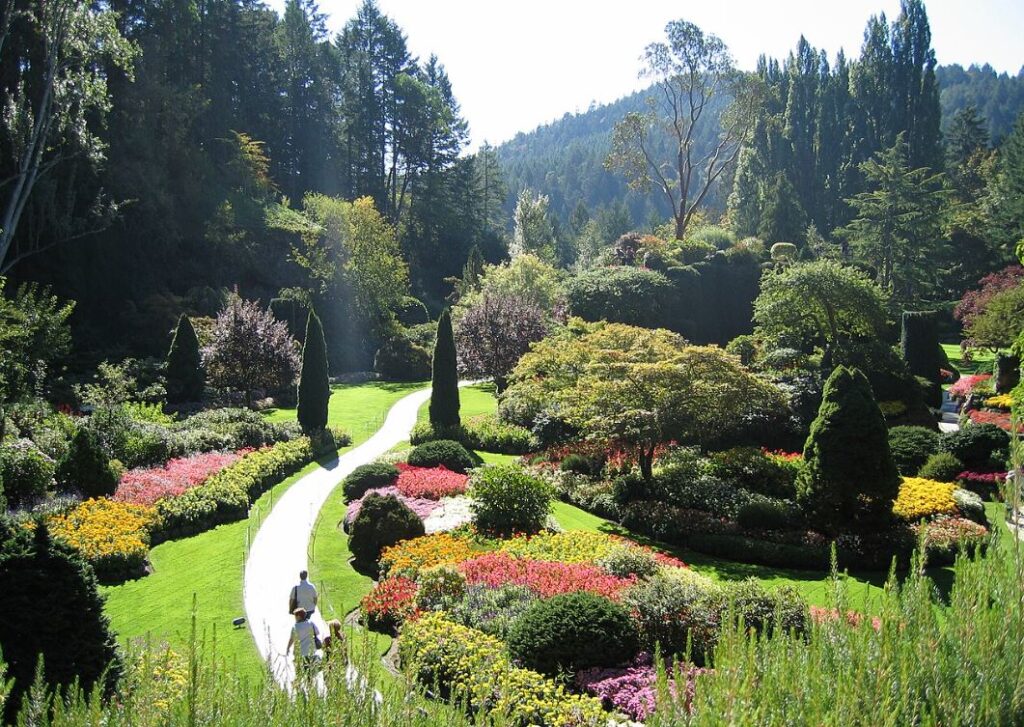
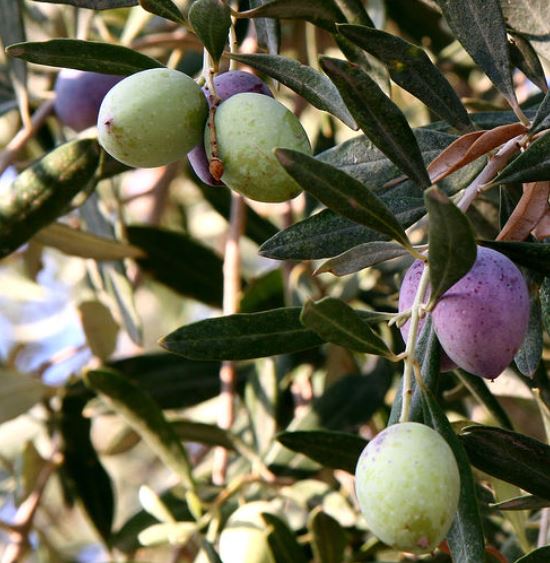
Marcus, CC BY-SA 1.0 <https://creativecommons.org/licenses/by-sa/1.0>, via Wikimedia Commons