Beautiful and ancient olive trees are everywhere in Israel. They are one of the seven special species and one of the three mentioned as the basic staples of life in the second paragraph of the Shema:
“I will grant the rain for your land in season, the early rain and the late. You shall gather in your new grain and wine and oil” (Devarim 11:14)
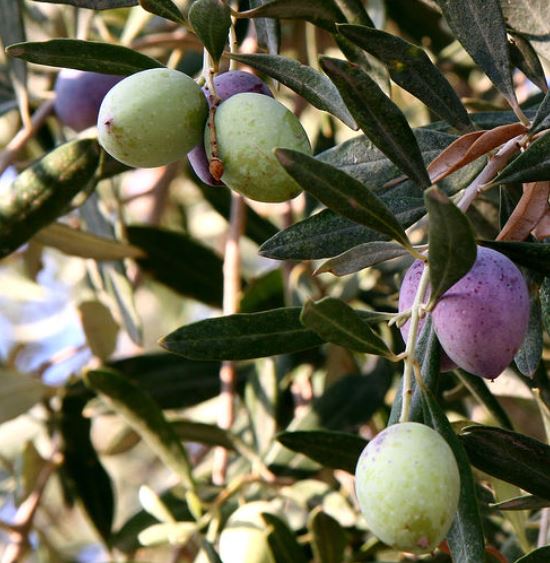
en:User:Nickfraser, CC BY-SA 3.0 <http://creativecommons.org/licenses/by-sa/3.0/>, via Wikimedia Commons
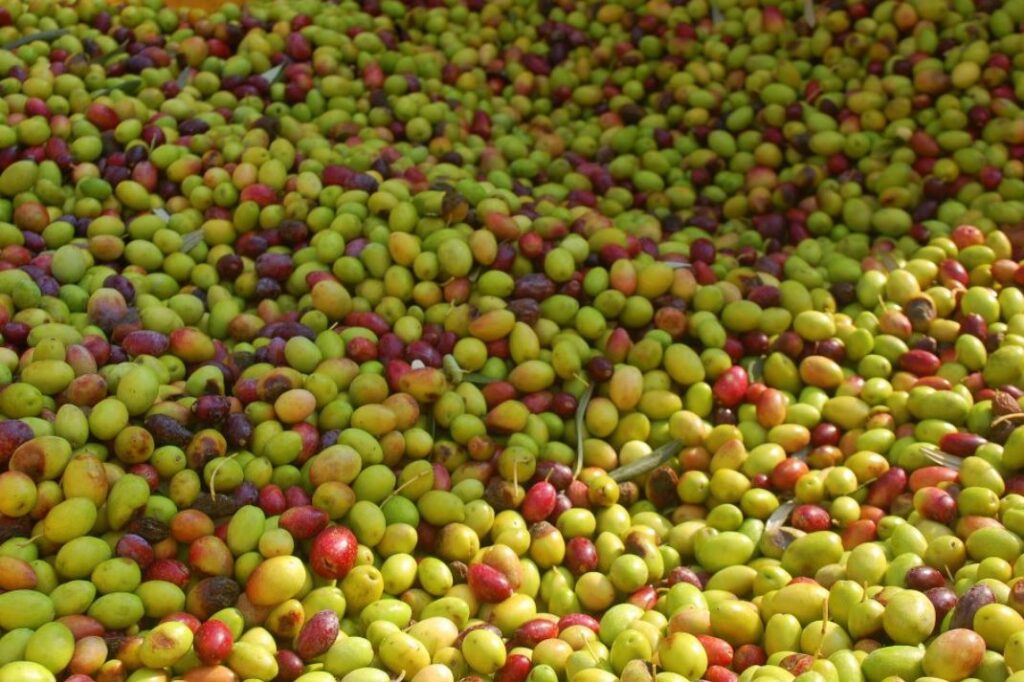
Why are olive trees special? Besides their beauty, they produced the ultimate multi-purpose fruit in ancient times. Olives were eaten but more importantly they were crushed into oil and made into soap and ointment. The oil was not only for eating but also for light; olive oil was considered the optimal oil for kindling the Sabbath lights, although not everyone could afford it. Olive oil was also used to make the anointing oil for kings, priests and for the Temple vessels, as we are told in Shmot:
“Next take choice spices. . and a hin of olive oil. Make of this a sacred anointing oil, a compound of ingredients expertly blended, to serve as sacred anointing oil” (Shemot 30:23)
Olive branches served as a symbol that the flood had ended (Bereshit 8:11) as well as of God’s protection of Israel:
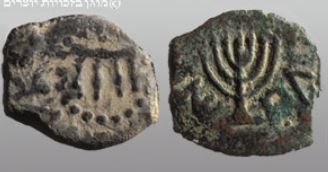
“He said to me, “What do you see?” And I answered, “I see a lampstand all of gold, with a bowl above it. The lamps on it are seven in number, and the lamps above it have seven pipes; and by it are two olive trees, one on the right of the bowl and one on its left. . . This is the word of God to Zerubbabel: Not by might, nor by power, but by My spirit—said God of Hosts.” (Zechariah 4)

Swapnil1101, CC BY-SA 4.0 <https://creativecommons.org/licenses/by-sa/4.0>, via Wikimedia Commons
The Sages thought of the olive not only as an agricultural product but also as a metaphor for the Jewish people. Here in Menachot God comforts Abraham by quoting him a verse from Jeremiah, comparing the Jews to an olive tree:
“A Divine Voice emerged and said to him: “The Lord called your name a leafy olive tree, fair with goodly fruit.” (Jeremiah 11:16) Just as with regard to this olive tree, its final purpose is fulfilled at its end, so too, with regard to the Jewish people, their final purpose will be fulfilled at their end,” (Menachot 53b)
Why are the Jewish people like an olive tree? The answer given here, that their final purpose will be fulfilled at the end אחריתו בסופו has been explained in different ways by the commentaries. Rashi gives two explanations. One is that an olive tree only bears fruit after a few years but then it produces many olives. Dr. Moshe Raanan explains that this is botanically true. Most olive trees take six years to first bear fruit but then they continue to be fruitful for decades and sometimes even centuries. Olive trees can have very long lives.
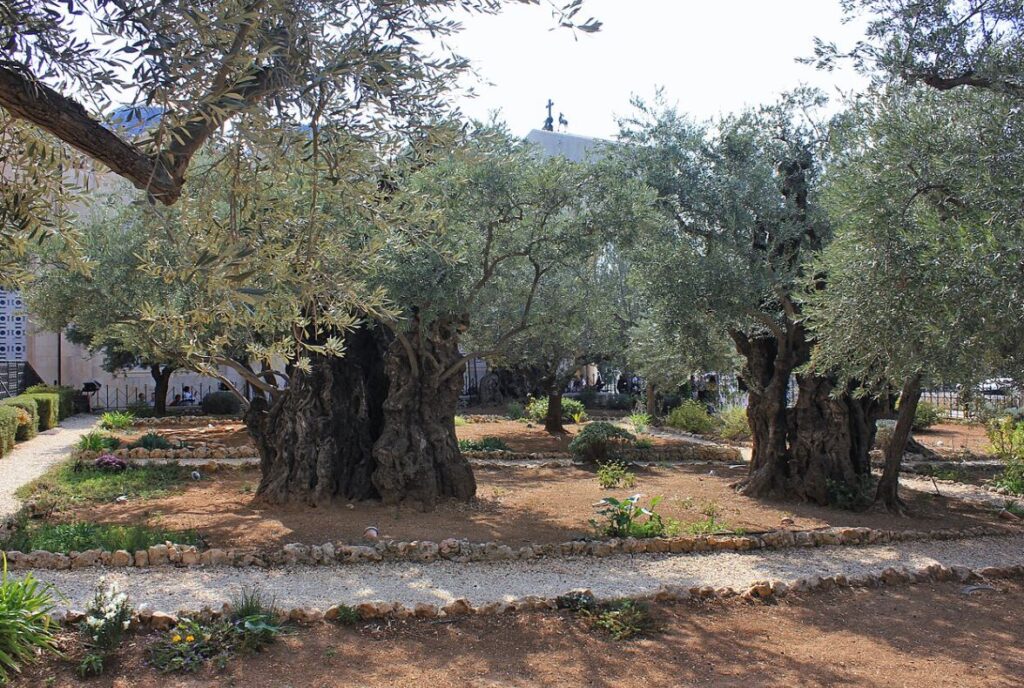
Ancient olive trees in Gethsemane on the Mount of Olives
Beko, CC BY-SA 4.0 <https://creativecommons.org/licenses/by-sa/4.0>, via Wikimedia Commons
Rashi’s other explanation is that olives ripen all at once, like the Jewish people who will all return to God at the same time. The Maharsha explains that the purpose of the olive tree is what is produced from it at the end, the oil.
Another beautiful explanation that Dr. Raanan suggests has to do with the unusual growth pattern of the olive tree. If you look closely at a mature olive tree, you will see that it has multiple shoots growing up around its trunk. Sometimes, if the tree lives long enough, the shoots join together and thicken the main trunk. Sometimes these shoots grow from the trunk, those are called the חוטר, sometimes they grow from the roots, those are the נצר. We see this image in the book of Isaiah where he talks about the Messiah being an offshoot of the Davidic tree:
וְיָצָ֥א חֹ֖טֶר מִגֵּ֣זַע יִשָׁ֑י וְנֵ֖צֶר מִשׇּׁרָשָׁ֥יו יִפְרֶֽה׃
“But a shoot shall grow out of the trunk of Jesse,
A twig shall sprout from his roots.” (Isaiah 11:1)
We also see it in this beautiful image in the book of Tehillim. There a prosperous man has a wife like a flourishing vine and his children sit around his table like olive shoots:
“Your wife shall be like a fruitful vine within your house;
your children, like olive saplings around your table.” (Tehillim 128:3)
Shoots can continue to grow even when the tree is destroyed. Therefore even in the olive’s end סוף, it has a continuation אחרית!
The Gemara goes on to compare the olive tree and the Jews. Rabbi Yehoshua ben Levi continues the theme of our eternal survival:
“Rabbi Yehoshua ben Levi says: Why were the Jewish people likened to an olive tree? It is to tell you that just as the leaves of an olive tree never fall off, neither in the summer nor in the rainy season, so too, the Jewish people will never be nullified, neither in this world nor in the World-to-Come.” (Menachot 53b)
Rabbi Yochanan takes the metaphor in a different direction. He explains that just as olives must be crushed to produce their best product, the oil, so too the Jewish people’s strongest and best qualities are brought out by suffering:
“And Rabbi Yoḥanan says: Why were the Jewish people likened to an olive tree? It is to tell you that just as an olive tree brings forth its oil only by crushing, so too, the Jewish people, return to good ways only by means of suffering.” (Menachot 53b)
Midrash Rabba extends the metaphor even further:
“Another matter, what did Jeremiah see that he likened our ancestors to an olive tree? It is that all liquids intermingle with one another but oil does not mix, but rather it stands alone. So too, Israel does not intermingle with the idolaters, as it is stated: “You shall not intermarry with them” (Deuteronomy 7:3).
Another matter, all liquids, when a person mixes them he does not know which is on the bottom and which is on top; however, oil, even if you mix it with all the liquids in the world, it will remain above them. So too, when our ancestors would perform the will of the Omnipresent, they would stand above the idolaters” (Shmot Rabba 36:1)
In these complicated days of war, we pray that our strength and our faith will survive the hard tests that we are living through, and we will emerge with beautiful clear oil to light our way.
Tzafrirt1, CC BY-SA 4.0 <https://creativecommons.org/licenses/by-sa/4.0>, via Wikimedia Commons