Search

Bava Batra 133

Want to dedicate learning? Get started here:

podcast placeholder

0:00
0:00


Summary

Some cases are brought, with different circumstances, where the wife received property from the husband with her children and the rabbis deliberated whether she was able to also demand her ketuba money.

Rav Huna explained that if a person on their deathbed wrote all of his property to another without specifying a language of inheritance or gift, we see whether the heir was a relative or not. If the heir was a relative who was in line to inherit, they received it as inheritance. If not, they receive it as a gift. Rav Nachman questions Rav Huna, “Why didn’t you say directly that you hold by Rabib Yochanan ben Broka!” Rav Nachman answers his own question by quoting a case where the ruling was worded in the same way as Rav Huna’s ruling. Still, it was unclear what was the relevance of the inheritance/gift differentiation in both rulings. Rav Ada bar Ahava suggested that the ramification was whether the deceased widow could demand food supplements from the heir. However, Rava rejected this suggestion and explained the ramifications – if the deceased had promised it only to the heir until their death, and after the property would go to someone else. If it is considered an inheritance, this statement is disregarded, but if it is a gift, it is upheld.

Is it permitted to bypass one’s son’s inheritance and give one’s property to someone else? Does it make a difference if the son does not behave appropriately or does not behave appropriately toward the father? Is there a debate about the latter question in the Mishna or do both tannaim agree? Two sources are brought to answer this question. The first source explains that Yosef ben Yoezer bypassed his son and a story is told about the aftermath. However, the story is inconclusive regarding this question as there are two different versions of the punchline of the story. A second source, a statement of Shmuel to Rav Yehuda, proves that there is a debate between the tannaim.

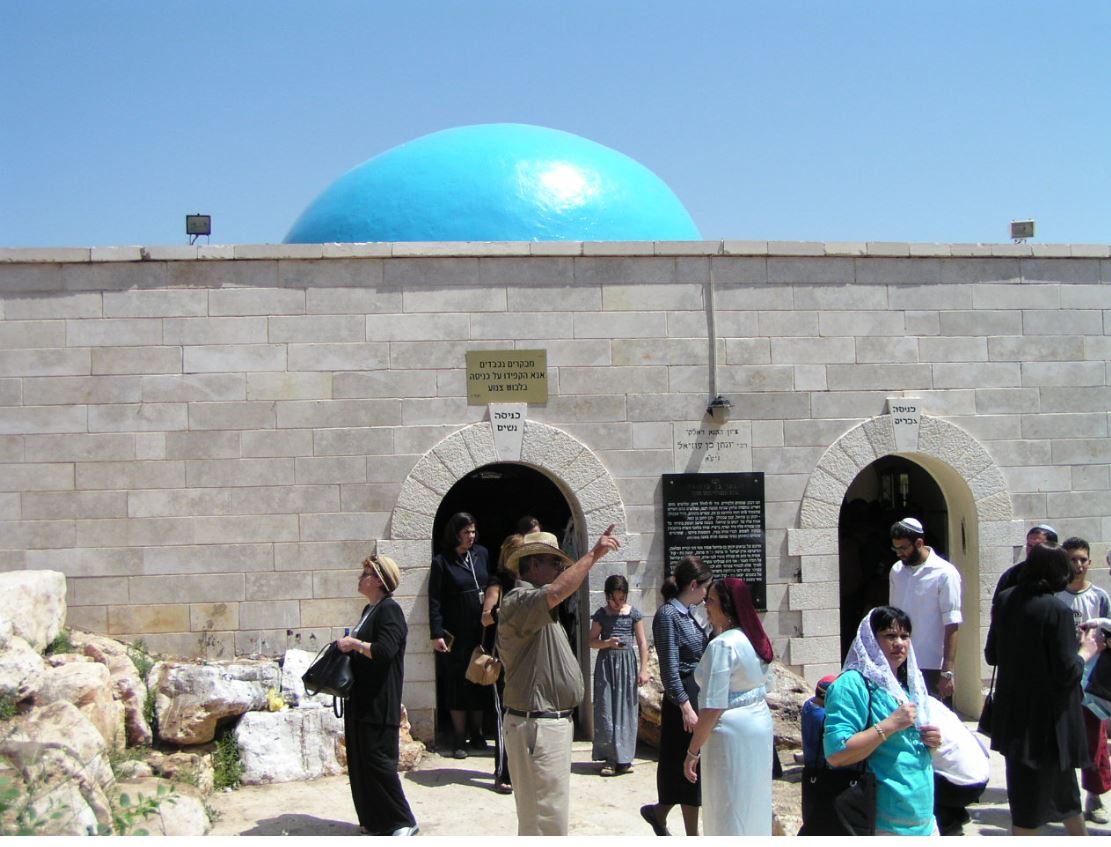
Another story is told of one who bypassed his sons and passed his inheritance to Yonatan ben Uziel who in turn returned a third of it to the sons. Shamai attacks him for doing it but he proves to Shamai that he was correct.

Today’s daily daf tools:

Bava Batra 133

אֲמַר לֵיהּ רַב כָּהֲנָא: אִילּוּ הָדַר קָנֵי, מִי לָא שָׁקְלָא? וְכֵיוָן דְּאִילּוּ הָדַר קָנֵי – שָׁקְלָא, הַשְׁתָּא נָמֵי שָׁקְלָא.

Rav Kahana said to him: If the husband had then acquired other property, would she not have taken it as payment of her marriage contract? And since if he would have then acquired other property she would have taken it as payment of her marriage contract, now she also takes the deceased daughter’s share as payment of her marriage contract.

הַהוּא דְּפַלְגִינְהוּ לְנִכְסֵיהּ לְאִתְּתֵיהּ וְלִבְנֵיהּ, שַׁיַּיר חַד דִּיקְלָא. סְבַר רָבִינָא לְמֵימַר: לֵית לַהּ אֶלָּא חַד דִּיקְלָא. אֲמַר לֵיהּ רַב יֵימַר לְרָבִינָא: אִי לֵית לַהּ, חַד דִּיקְלָא נָמֵי לֵית לַהּ! אֶלָּא מִיגּוֹ דְּנָחֲתָא לְדִיקְלָא, נָחֲתָא נָמֵי לְכוּלְּהוּ נִכְסֵי.

There was a certain person who divided his property between his wife and his son, leaving out a single palm tree. Ravina thought to say that the wife has only the single palm tree as future payment of her marriage contract, which was presumably left out of the distribution for this reason. Rav Yeimar said to Ravina: If she does not have the right to collect payment of her marriage contract from all of his property, as she presumably waived that right when he gave her the gift of some of his property, she does not have the right to collect it from the single palm tree either and it belongs to the heirs. Rav Yeimar presents a different ruling: Rather, since the halakha is that she does descend to collect the palm tree, she therefore descends to collect all of the property as well, i.e., she receives payment of her marriage contract from all the property.

אָמַר רַב הוּנָא: שְׁכִיב מְרַע שֶׁכָּתַב כׇּל נְכָסָיו לְאַחֵר – רוֹאִין; אִם רָאוּי לְיוֹרְשׁוֹ – נוֹטְלָן מִשּׁוּם יְרוּשָּׁה, וְאִם לָאו – נוֹטְלָן מִשּׁוּם מַתָּנָה.

§ Rav Huna says: With regard to a person on his deathbed who wrote a document granting all his property to another, the court investigates the legal status of the recipient: If he is fit to inherit from him, e.g., if he is one of his sons, he takes the property as an inheritance, and if not, he takes it as a gift.

אֲמַר לֵיהּ רַב נַחְמָן: גַּנָּבָא גַּנּוֹבֵי לְמָה לָךְ? אִי סְבִירָא לָךְ כְּרַבִּי יוֹחָנָן בֶּן בְּרוֹקָה, אֵימָא: ״הֲלָכָה כְּרַבִּי יוֹחָנָן בֶּן בְּרוֹקָה״ – דְּהָא שְׁמַעְתְּתָיךְ כְּרַבִּי יוֹחָנָן בֶּן בְּרוֹקָה הוּא דְּאָזְלָא!

Rav Naḥman said to him: Why should you steal this halakha and not attribute it to its source? If you hold in accordance with the opinion of Rabbi Yoḥanan ben Beroka, say explicitly that the halakha is in accordance with the opinion of Rabbi Yoḥanan ben Beroka, as your halakhic statement follows the opinion of Rabbi Yoḥanan ben Beroka that a person can bequeath his property to any of his heirs.

דִּלְמָא כִּי הָא קָאָמְרַתְּ – דְּהָהוּא דַּהֲוָה קָא שָׁכֵיב, וַאֲמַרוּ לֵיהּ: נִכְסֵיהּ לְמַאן, דִּלְמָא לִפְלָנְיָא? וַאֲמַר לְהוּ: אֶלָּא לְמַאן? וַאֲמַרְתְּ לַן עֲלַהּ: אִם רָאוּי לְיוֹרְשׁוֹ – נוֹטְלָן מִשּׁוּם יְרוּשָּׁה, וְאִם לָאו – נוֹטְלָן מִשּׁוּם מַתָּנָה. אָמַר לֵיהּ: אִין, הָכִי קָאָמֵינָא.

Perhaps this is what you meant to say: There was a certain childless person who was dying, and those around him said to him: To whom should his, i.e., your, property be given? Perhaps it should be given to so-and-so? And he said to them: Rather, to whom if not him? And you, Rav Huna, meant to say to us: If that person is fit to inherit from him, he takes it as an inheritance, and if not, he takes it as a gift. Rav Huna said to him: Yes, that is what I was saying.

לְמַאי הִלְכְתָא? סָבַר רַב אַדָּא בַּר אַהֲבָה קַמֵּיהּ דְּרָבָא לְמֵימַר: אִם רָאוּי לְיוֹרְשׁוֹ – אַלְמְנָתוֹ נִזּוֹנֶית מִנְּכָסָיו, וְאִם לָאו – אֵין אַלְמְנָתוֹ נִזּוֹנֶית מִנְּכָסָיו.

The Gemara asks: With regard to what halakha is there a difference whether he receives it as an inheritance or as a gift? Rav Adda bar Ahava, who was in the presence of Rava, thought that it would be correct to say: If he is fit to inherit from him, the giver’s widow is sustained from his property, as she has the right to be sustained from the inheritance; and if not, and the property was given as a gift, his widow is not sustained from his property.

אֲמַר לֵיהּ רָבָא: מִיגְרָע גָּרְעָא?! הַשְׁתָּא בִּירוּשָׁה – דְּאוֹרָיְיתָא, אָמְרַתְּ אַלְמְנָתוֹ נִזּוֹנֶית מִנְּכָסָיו; בְּמַתָּנָה – דְּרַבָּנַן, לֹא כׇּל שֶׁכֵּן?!

Rava said to him: Can the widow’s right be diminished by the gift? Now that you say with regard to inheritance, which is granted by Torah law, that his widow is sustained from his property, with regard to the gift of a person on his deathbed, which is effective without any formal act of acquisition by rabbinic law, all the more so is it not clear that the widow has sustenance rights?

אֶלָּא אָמַר רָבָא, כְּדִשְׁלַח רַב אַחָא בַּר רַב עַוְיָא: לְדִבְרֵי רַבִּי יוֹחָנָן בֶּן בְּרוֹקָה, ״נְכָסַי לְךָ, וְאַחֲרֶיךָ לִפְלוֹנִי״, אִם הָיָה רִאשׁוֹן רָאוּי לְיוֹרְשׁוֹ – אֵין לַשֵּׁנִי בִּמְקוֹם רִאשׁוֹן כְּלוּם; שֶׁאֵין לְשׁוֹן מַתָּנָה אֶלָּא לְשׁוֹן יְרוּשָּׁה, וִירוּשָּׁה אֵין לָהּ הֶפְסֵק.

Rather, Rava said that the difference whether it is inheritance or a gift is in accordance with the ruling that Rav Aḥa bar Rav Avya sent: According to the statement of Rabbi Yoḥanan ben Beroka, in the case of one who said: My property is given to you, and after you to so-and-so, and the first recipient was fit to inherit from him, the second gets nothing in place of the first, i.e., he does not receive the property after the first one dies, as this formulation employed by the owner was not one of a gift. Rather, it was a formulation of inheritance, and inheritance has no end, i.e., it cannot be stopped. Therefore, since the first recipient acquired it as an inheritance, his heirs inherit it from him, and it cannot be taken by the second.

אֲמַר לֵיהּ רָבָא לְרַב נַחְמָן: וְהָא אַפְסְקַהּ! הוּא סָבַר – יֵשׁ לָהּ הֶפְסֵק, וְרַחֲמָנָא אָמַר: אֵין לָהּ הֶפְסֵק.

Rava said to Rav Naḥman: But he ended it. The one who bequeathed it to him ended his inheritance in advance by stating that after the first dies, the property will be given to the second. The Gemara answers: He thought that inheritance has an end; but the Merciful One states that it has no end.

הָהוּא דַּאֲמַר לֵיהּ לְחַבְרֵיהּ: ״נְכָסַי לְךָ, וְאַחֲרֶיךָ לִפְלוֹנִי״, וְרִאשׁוֹן רָאוּי לְיוֹרְשׁוֹ הֲוָה. שָׁכֵיב רִאשׁוֹן, אֲתָא שֵׁנִי קָא תָבַע.

There was a certain person who said to another: My property is given to you, and after you, to so-and-so, and the first one was fit to inherit from him. After the first died, the second came and claimed the property.

סְבַר רַב עִילִישׁ קַמֵּיהּ דְּרָבָא לְמֵימַר: שֵׁנִי נָמֵי שָׁקֵיל. אֲמַר לֵיהּ: דַּיָּינֵי דַחֲצַצְתָּא הָכִי דָּיְינִי! לָאו הַיְינוּ דִּשְׁלַח רַב אַחָא בַּר רַב עַוְיָא?

Rav Ilish, who was in the presence of Rava, thought to say that the second also takes a share of the property; he divides it with the heirs of the first. Rava said to him: Judges of compromise, who as a matter of course divide disputed property between the parties, rule in this manner. But isn’t this identical to the case concerning which Rav Aḥa bar Rav Avya sent a ruling that the second receives nothing?

אִכְּסִיף. קָרֵי עֲלֵיהּ ״אֲנִי ה׳ בְּעִתָּהּ אֲחִישֶׁנָּה״.

Rav Ilish was embarrassed by his mistake. To comfort him, Rav read the following verse about him: “I, the Lord, will hasten it in its time” (Isaiah 60:22), as if to say: It was due to Divine Providence that I was here to correct you before your mistaken ruling was implemented.

מַתְנִי׳ הַכּוֹתֵב אֶת נְכָסָיו לַאֲחֵרִים וְהִנִּיחַ אֶת בָּנָיו – מַה שֶּׁעָשָׂה עָשׂוּי, אֶלָּא אֵין רוּחַ חֲכָמִים נוֹחָה הֵימֶנּוּ. רַבָּן שִׁמְעוֹן בֶּן גַּמְלִיאֵל אוֹמֵר: אִם לֹא הָיוּ בָּנָיו נוֹהֲגִים כַּשּׁוּרָה – זָכוּר לַטּוֹב.

MISHNA: With regard to one who wrote a document granting his property to others as a gift and left his sons with nothing, what he did is done, i.e., it takes effect; but the Sages are displeased with him. Rabban Shimon ben Gamliel says: If he did so because his sons were not acting properly, he is remembered positively.

גְּמָ׳ אִיבַּעְיָא לְהוּ: מִי פְּלִיגִי רַבָּנַן עֲלֵיהּ דְּרַבָּן שִׁמְעוֹן בֶּן גַּמְלִיאֵל, אוֹ לָא?

GEMARA: A dilemma was raised before the Sages: Do the Rabbis disagree with Rabban Shimon ben Gamliel, maintaining that depriving one’s children of their inheritance is inappropriate in any event, or not?

תָּא שְׁמַע: דְּיוֹסֵף בֶּן יוֹעֶזֶר הָיָה לוֹ בֵּן שֶׁלֹּא הָיָה נוֹהֵג כַּשּׁוּרָה. הֲוָה לֵיהּ עִילִּיתָא דְּדִינָרֵי, קָם אַקְדְּשַׁהּ. אֲזַל נְסֵיב בַּת גָּאדֵיל כְּלִילֵי דְּיַנַּאי מַלְכָּא. אוֹלִידָה דְּבֵיתְהוּ, זַבֵּין לַהּ בִּינִיתָא. קַרְעַהּ, אַשְׁכַּח בָּהּ מַרְגָּלִיתָא.

The Gemara suggests: Come and hear, as Yosef ben Yo’ezer had a son who was not acting properly. Yosef ben Yo’ezer had a vessel [illiyyata] full of dinars, and he arose and consecrated it to the Temple treasury, depriving his son of his inheritance. His son went and married the daughter of King Yannai’s crown weaver. After the son’s wife gave birth, he bought her a fish [binita]. He tore its stomach open and found a pearl in it. He decided to sell it.

אֲמַרָה לֵיהּ: לָא תַּמְטְיַיהּ לְמַלְכָּא, דְּשָׁקְלִי לַהּ מִינָּךְ בִּדְמֵי קַלִּילֵי; זִיל אַמְטְיַיהּ לְגַבֵּי גִּזְבָּרֵי. וְלָא תְּשַׁיְּימַהּ אַתְּ, דַּאֲמִירָתוֹ לְגָבוֹהַּ כִּמְסִירָתוֹ לְהֶדְיוֹט, אֶלָּא לְשַׁיְּימוּהָ אִינְהוּ.

His wife said to him: Do not bring it to the treasury of the king to sell it, as they will take it from you for an insignificant sum of money. Rather, go bring it to the Temple treasurers. And do not appraise it yourself, as declaration to the Most High is equivalent to transfer to an ordinary person, and if you offer to sell it for an amount less than its worth, you will not be able to change your mind. Rather, let them appraise it.

אַמְטְיַיהּ, שָׁמוּהָ בִּתְלֵיסְרֵי עִלִּיָּאתָא דְּדִינָרֵי. אָמְרִי לֵיהּ: שְׁבַע אִיכָּא, שֵׁית לֵיכָּא. אֲמַר לְהוּ: שְׁבַע הַבוּ לִי, שֵׁית הֲרֵי הֵן מוּקְדָּשׁוֹת לַשָּׁמַיִם.

He brought it to the Temple treasury, and they appraised it as having the value of thirteen vessels [illiyyata] full of dinars. The treasurers said to him: There are seven illiyyata of dinars at our disposal to pay you for the pearl, but there are not an additional six. He said to the treasurers: Give me the seven in exchange for the pearl, and as for the additional six that you owe me, they are hereby consecrated to Heaven.

עָמְדוּ וְכָתְבוּ: יוֹסֵף בֶּן יוֹעֶזֶר הִכְנִיס אַחַת, וּבְנוֹ הִכְנִיס שֵׁשׁ. וְאִיכָּא דְּאָמְרִי: יוֹסֵף בֶּן יוֹעֶזֶר הִכְנִיס אַחַת, וּבְנוֹ הוֹצִיא שֶׁבַע.

The treasurers arose and wrote: Yosef ben Yo’ezer bestowed one illiyyata to the Temple treasury, and his son bestowed six. And there are those who say that they wrote: Yosef ben Yo’ezer bestowed one illiyyata to the Temple treasury, and his son removed seven, which he received for the pearl.

מִדְּקָא אָמְרִי ״הִכְנִיס״, מִכְּלָל דְּשַׁפִּיר עֲבַד! אַדְּרַבָּה, מִדְּקָא אָמְרִי ״הוֹצִיא״, מִכְּלָל דְּלָאו שַׁפִּיר עֲבַד! אֶלָּא מֵהָא לֵיכָּא לְמִשְׁמַע מִינַּהּ.

The Gemara infers: From the fact that they said approvingly that Yosef ben Yo’ezer’s son bestowed six, by inference, he acted well when he left him out of his inheritance. The Gemara responds: On the contrary; from the fact that according to the second account, they said disparagingly that he removed seven, by inference, Yosef ben Yo’ezer did not act well when he left him out of his inheritance, as he caused money to be removed from the Temple treasury. Rather, no inference is to be learned from this story with regard to the dilemma as to whether the Rabbis agree with the opinion of Rabban Shimon ben Gamliel, as the two accounts contradict each other on this matter.

מַאי הָוֵי עֲלַהּ? תָּא שְׁמַע, דַּאֲמַר לֵיהּ שְׁמוּאֵל לְרַב יְהוּדָה: שִׁינָּנָא, לָא תְּיהַוֵּי בֵּי עַבּוֹרֵי אַחְסָנְתָּא; וַאֲפִילּוּ מִבְּרָא בִּישָׁא לִבְרָא טָבָא, וְכׇל שֶׁכֵּן מִבְּרָא לְבַרְתָּא.

The Gemara asks: What halakhic conclusion was reached about this matter? Come and hear, as Shmuel said to Rav Yehuda: Shinnana, do not be in a house where inheritance is transferred away from its rightful heir, even if it is transferred from a wicked son to a good son, and all the more so if it is transferred from a son to a daughter. Evidently, the Rabbis hold that inheritance should not be transferred in any case.

תָּנוּ רַבָּנַן: מַעֲשֶׂה בְּאָדָם אֶחָד שֶׁלֹּא הָיוּ בָּנָיו נוֹהֲגִין כַּשּׁוּרָה, עָמַד וְכָתַב נְכָסָיו לְיוֹנָתָן בֶּן עוּזִּיאֵל. מָה עָשָׂה יוֹנָתָן בֶּן עוּזִּיאֵל? מָכַר שְׁלִישׁ, וְהִקְדִּישׁ שְׁלִישׁ, וְהֶחֱזִיר לְבָנָיו שְׁלִישׁ.

§ The Sages taught: There was an incident involving one man whose children did not act properly. He arose and wrote a document transferring all his property to Yonatan ben Uzziel, one of the Sages, as a gift. What did Yonatan ben Uzziel do? He sold a third of the property for his needs, and consecrated a third of the property, and returned the remaining third to the man’s children.

בָּא עָלָיו שַׁמַּאי בְּמַקְלוֹ וְתַרְמִילוֹ. אָמַר לוֹ: שַׁמַּאי, אִם אַתָּה יָכוֹל לְהוֹצִיא אֶת מַה שֶּׁמָּכַרְתִּי וּמַה שֶּׁהִקְדַּשְׁתִּי – אַתָּה יָכוֹל לְהוֹצִיא מַה שֶּׁהֶחְזַרְתִּי,

Shammai came to Yonatan ben Uzziel with his staff and traveling bag to protest his giving part of the property to the man’s children against the deceased’s wishes. Yonatan ben Uzziel said to him: Shammai, if you can repossess the property that I sold from the purchasers and the property that I consecrated from the Temple treasury, you can repossess what I returned to the man’s children as well;

Today’s daily daf tools:

Delve Deeper

Broaden your understanding of the topics on this daf with classes and podcasts from top women Talmud scholars.

For the Beyond the Daf shiurim offered in Hebrew, see here.

New to Talmud?

Check out our resources designed to help you navigate a page of Talmud – and study at the pace, level and style that fits you. 

The Hadran Women’s Tapestry

Meet the diverse women learning Gemara at Hadran and hear their stories. 

When we heard that R. Michelle was starting daf yomi, my 11-year-old suggested that I go. Little did she know that she would lose me every morning from then on. I remember standing at the Farbers’ door, almost too shy to enter. After that first class, I said that I would come the next day but couldn’t commit to more. A decade later, I still look forward to learning from R. Michelle every morning.

Ruth Leah Kahan
Ruth Leah Kahan

Ra’anana, Israel

I started learning at the start of this cycle, and quickly fell in love. It has become such an important part of my day, enriching every part of my life.

Naomi Niederhoffer
Naomi Niederhoffer

Toronto, Canada

I heard the new Daf Yomi cycle was starting and I was curious, so I searched online for a women’s class and was pleasently surprised to find Rabanit Michelle’s great class reviews in many online articles. It has been a splendid journey. It is a way to fill my days with Torah, learning so many amazing things I have never heard before during my Tanach learning at High School. Thanks so much .

Martha Tarazi
Martha Tarazi

Panama, Panama

I tried Daf Yomi in the middle of the last cycle after realizing I could listen to Michelle’s shiurim online. It lasted all of 2 days! Then the new cycle started just days before my father’s first yahrzeit and my youngest daughter’s bat mitzvah. It seemed the right time for a new beginning. My family, friends, colleagues are immensely supportive!

Catriella-Freedman-jpeg
Catriella Freedman

Zichron Yaakov, Israel

In January 2020, my chevruta suggested that we “up our game. Let’s do Daf Yomi” – and she sent me the Hadran link. I lost my job (and went freelance), there was a pandemic, and I am still opening the podcast with my breakfast coffee, or after Shabbat with popcorn. My Aramaic is improving. I will need a new bookcase, though.

Rhondda May
Rhondda May

Atlanta, Georgia, United States

I had dreamed of doing daf yomi since I had my first serious Talmud class 18 years ago at Pardes with Rahel Berkovitz, and then a couple of summers with Leah Rosenthal. There is no way I would be able to do it without another wonderful teacher, Michelle, and the Hadran organization. I wake up and am excited to start each day with the next daf.

Beth Elster
Beth Elster

Irvine, United States

After experiences over the years of asking to join gemara shiurim for men and either being refused by the maggid shiur or being the only women there, sometimes behind a mechitza, I found out about Hadran sometime during the tail end of Masechet Shabbat, I think. Life has been much better since then.

Madeline Cohen
Madeline Cohen

London, United Kingdom

I started learning at the beginning of this cycle more than 2 years ago, and I have not missed a day or a daf. It’s been challenging and enlightening and even mind-numbing at times, but the learning and the shared experience have all been worth it. If you are open to it, there’s no telling what might come into your life.

Patti Evans
Patti Evans

Phoenix, Arizona, United States

I had no formal learning in Talmud until I began my studies in the Joint Program where in 1976 I was one of the few, if not the only, woman talmud major. It was superior training for law school and enabled me to approach my legal studies with a foundation . In 2018, I began daf yomi listening to Rabbanit MIchelle’s pod cast and my daily talmud studies are one of the highlights of my life.

Krivosha_Terri_Bio
Terri Krivosha

Minneapolis, United States

When the new cycle began, I thought, If not now, when? I’d just turned 72. I feel like a tourist on a tour bus passing astonishing scenery each day. Rabbanit Michelle is my beloved tour guide. When the cycle ends, I’ll be 80. I pray that I’ll have strength and mind to continue the journey to glimpse a little more. My grandchildren think having a daf-learning savta is cool!

Wendy Dickstein
Wendy Dickstein

Jerusalem, Israel

Hadran entered my life after the last Siyum Hashaas, January 2020. I was inspired and challenged simultaneously, having never thought of learning Gemara. With my family’s encouragement, I googled “daf yomi for women”. A perfecr fit!
I especially enjoy when Rabbanit Michelle connects the daf to contemporary issues to share at the shabbat table e.g: looking at the Kohen during duchaning. Toda rabba

Marsha Wasserman
Marsha Wasserman

Jerusalem, Israel

Ive been learning Gmara since 5th grade and always loved it. Have always wanted to do Daf Yomi and now with Michelle Farber’s online classes it made it much easier to do! Really enjoying the experience thank you!!

Lisa Lawrence
Lisa Lawrence

Neve Daniel, Israel

I started learning at the beginning of the cycle after a friend persuaded me that it would be right up my alley. I was lucky enough to learn at Rabbanit Michelle’s house before it started on zoom and it was quickly part of my daily routine. I find it so important to see for myself where halachot were derived, where stories were told and to get more insight into how the Rabbis interacted.

Deborah Dickson
Deborah Dickson

Ra’anana, Israel

I learned Talmud as a student in Yeshivat Ramaz and felt at the time that Talmud wasn’t for me. After reading Ilana Kurshan’s book I was intrigued and after watching the great siyum in Yerushalayim it ignited the spark to begin this journey. It has been a transformative life experience for me as a wife, mother, Savta and member of Klal Yisrael.
Elana Storch
Elana Storch

Phoenix, Arizona, United States

I started with Ze Kollel in Berlin, directed by Jeremy Borowitz for Hillel Deutschland. We read Masechet Megillah chapter 4 and each participant wrote his commentary on a Sugia that particularly impressed him. I wrote six poems about different Sugiot! Fascinated by the discussions on Talmud I continued to learn with Rabanit Michelle Farber and am currently taking part in the Tikun Olam course.
Yael Merlini
Yael Merlini

Berlin, Germany

My family recently made Aliyah, because we believe the next chapter in the story of the Jewish people is being written here, and we want to be a part of it. Daf Yomi, on the other hand, connects me BACK, to those who wrote earlier chapters thousands of years ago. So, I feel like I’m living in the middle of this epic story. I’m learning how it all began, and looking ahead to see where it goes!
Tina Lamm
Tina Lamm

Jerusalem, Israel

I tried Daf Yomi in the middle of the last cycle after realizing I could listen to Michelle’s shiurim online. It lasted all of 2 days! Then the new cycle started just days before my father’s first yahrzeit and my youngest daughter’s bat mitzvah. It seemed the right time for a new beginning. My family, friends, colleagues are immensely supportive!

Catriella-Freedman-jpeg
Catriella Freedman

Zichron Yaakov, Israel

My curiosity was peaked after seeing posts about the end of the last cycle. I am always looking for opportunities to increase my Jewish literacy & I am someone that is drawn to habit and consistency. Dinnertime includes a “Guess what I learned on the daf” segment for my husband and 18 year old twins. I also love the feelings of connection with my colleagues who are also learning.

Diana Bloom
Diana Bloom

Tampa, United States

I began Daf Yomi with the last cycle. I was inspired by the Hadran Siyum in Yerushalayim to continue with this cycle. I have learned Daf Yomi with Rabanit Michelle in over 25 countries on 6 continents ( missing Australia)

Barbara-Goldschlag
Barbara Goldschlag

Silver Spring, MD, United States

Last cycle, I listened to parts of various מסכתות. When the הדרן סיום was advertised, I listened to Michelle on נידה. I knew that בע”ה with the next cycle I was in (ב”נ). As I entered the סיום (early), I saw the signs and was overcome with emotion. I was randomly seated in the front row, and I cried many times that night. My choice to learn דף יומי was affirmed. It is one of the best I have made!

Miriam Tannenbaum
Miriam Tannenbaum

אפרת, Israel

Bava Batra 133

אֲמַר לֵיהּ רַב כָּהֲנָא: אִילּוּ הָדַר קָנֵי, מִי לָא שָׁקְלָא? וְכֵיוָן דְּאִילּוּ הָדַר קָנֵי – שָׁקְלָא, הַשְׁתָּא נָמֵי שָׁקְלָא.

Rav Kahana said to him: If the husband had then acquired other property, would she not have taken it as payment of her marriage contract? And since if he would have then acquired other property she would have taken it as payment of her marriage contract, now she also takes the deceased daughter’s share as payment of her marriage contract.

הַהוּא דְּפַלְגִינְהוּ לְנִכְסֵיהּ לְאִתְּתֵיהּ וְלִבְנֵיהּ, שַׁיַּיר חַד דִּיקְלָא. סְבַר רָבִינָא לְמֵימַר: לֵית לַהּ אֶלָּא חַד דִּיקְלָא. אֲמַר לֵיהּ רַב יֵימַר לְרָבִינָא: אִי לֵית לַהּ, חַד דִּיקְלָא נָמֵי לֵית לַהּ! אֶלָּא מִיגּוֹ דְּנָחֲתָא לְדִיקְלָא, נָחֲתָא נָמֵי לְכוּלְּהוּ נִכְסֵי.

There was a certain person who divided his property between his wife and his son, leaving out a single palm tree. Ravina thought to say that the wife has only the single palm tree as future payment of her marriage contract, which was presumably left out of the distribution for this reason. Rav Yeimar said to Ravina: If she does not have the right to collect payment of her marriage contract from all of his property, as she presumably waived that right when he gave her the gift of some of his property, she does not have the right to collect it from the single palm tree either and it belongs to the heirs. Rav Yeimar presents a different ruling: Rather, since the halakha is that she does descend to collect the palm tree, she therefore descends to collect all of the property as well, i.e., she receives payment of her marriage contract from all the property.

אָמַר רַב הוּנָא: שְׁכִיב מְרַע שֶׁכָּתַב כׇּל נְכָסָיו לְאַחֵר – רוֹאִין; אִם רָאוּי לְיוֹרְשׁוֹ – נוֹטְלָן מִשּׁוּם יְרוּשָּׁה, וְאִם לָאו – נוֹטְלָן מִשּׁוּם מַתָּנָה.

§ Rav Huna says: With regard to a person on his deathbed who wrote a document granting all his property to another, the court investigates the legal status of the recipient: If he is fit to inherit from him, e.g., if he is one of his sons, he takes the property as an inheritance, and if not, he takes it as a gift.

אֲמַר לֵיהּ רַב נַחְמָן: גַּנָּבָא גַּנּוֹבֵי לְמָה לָךְ? אִי סְבִירָא לָךְ כְּרַבִּי יוֹחָנָן בֶּן בְּרוֹקָה, אֵימָא: ״הֲלָכָה כְּרַבִּי יוֹחָנָן בֶּן בְּרוֹקָה״ – דְּהָא שְׁמַעְתְּתָיךְ כְּרַבִּי יוֹחָנָן בֶּן בְּרוֹקָה הוּא דְּאָזְלָא!

Rav Naḥman said to him: Why should you steal this halakha and not attribute it to its source? If you hold in accordance with the opinion of Rabbi Yoḥanan ben Beroka, say explicitly that the halakha is in accordance with the opinion of Rabbi Yoḥanan ben Beroka, as your halakhic statement follows the opinion of Rabbi Yoḥanan ben Beroka that a person can bequeath his property to any of his heirs.

דִּלְמָא כִּי הָא קָאָמְרַתְּ – דְּהָהוּא דַּהֲוָה קָא שָׁכֵיב, וַאֲמַרוּ לֵיהּ: נִכְסֵיהּ לְמַאן, דִּלְמָא לִפְלָנְיָא? וַאֲמַר לְהוּ: אֶלָּא לְמַאן? וַאֲמַרְתְּ לַן עֲלַהּ: אִם רָאוּי לְיוֹרְשׁוֹ – נוֹטְלָן מִשּׁוּם יְרוּשָּׁה, וְאִם לָאו – נוֹטְלָן מִשּׁוּם מַתָּנָה. אָמַר לֵיהּ: אִין, הָכִי קָאָמֵינָא.

Perhaps this is what you meant to say: There was a certain childless person who was dying, and those around him said to him: To whom should his, i.e., your, property be given? Perhaps it should be given to so-and-so? And he said to them: Rather, to whom if not him? And you, Rav Huna, meant to say to us: If that person is fit to inherit from him, he takes it as an inheritance, and if not, he takes it as a gift. Rav Huna said to him: Yes, that is what I was saying.

לְמַאי הִלְכְתָא? סָבַר רַב אַדָּא בַּר אַהֲבָה קַמֵּיהּ דְּרָבָא לְמֵימַר: אִם רָאוּי לְיוֹרְשׁוֹ – אַלְמְנָתוֹ נִזּוֹנֶית מִנְּכָסָיו, וְאִם לָאו – אֵין אַלְמְנָתוֹ נִזּוֹנֶית מִנְּכָסָיו.

The Gemara asks: With regard to what halakha is there a difference whether he receives it as an inheritance or as a gift? Rav Adda bar Ahava, who was in the presence of Rava, thought that it would be correct to say: If he is fit to inherit from him, the giver’s widow is sustained from his property, as she has the right to be sustained from the inheritance; and if not, and the property was given as a gift, his widow is not sustained from his property.

אֲמַר לֵיהּ רָבָא: מִיגְרָע גָּרְעָא?! הַשְׁתָּא בִּירוּשָׁה – דְּאוֹרָיְיתָא, אָמְרַתְּ אַלְמְנָתוֹ נִזּוֹנֶית מִנְּכָסָיו; בְּמַתָּנָה – דְּרַבָּנַן, לֹא כׇּל שֶׁכֵּן?!

Rava said to him: Can the widow’s right be diminished by the gift? Now that you say with regard to inheritance, which is granted by Torah law, that his widow is sustained from his property, with regard to the gift of a person on his deathbed, which is effective without any formal act of acquisition by rabbinic law, all the more so is it not clear that the widow has sustenance rights?

אֶלָּא אָמַר רָבָא, כְּדִשְׁלַח רַב אַחָא בַּר רַב עַוְיָא: לְדִבְרֵי רַבִּי יוֹחָנָן בֶּן בְּרוֹקָה, ״נְכָסַי לְךָ, וְאַחֲרֶיךָ לִפְלוֹנִי״, אִם הָיָה רִאשׁוֹן רָאוּי לְיוֹרְשׁוֹ – אֵין לַשֵּׁנִי בִּמְקוֹם רִאשׁוֹן כְּלוּם; שֶׁאֵין לְשׁוֹן מַתָּנָה אֶלָּא לְשׁוֹן יְרוּשָּׁה, וִירוּשָּׁה אֵין לָהּ הֶפְסֵק.

Rather, Rava said that the difference whether it is inheritance or a gift is in accordance with the ruling that Rav Aḥa bar Rav Avya sent: According to the statement of Rabbi Yoḥanan ben Beroka, in the case of one who said: My property is given to you, and after you to so-and-so, and the first recipient was fit to inherit from him, the second gets nothing in place of the first, i.e., he does not receive the property after the first one dies, as this formulation employed by the owner was not one of a gift. Rather, it was a formulation of inheritance, and inheritance has no end, i.e., it cannot be stopped. Therefore, since the first recipient acquired it as an inheritance, his heirs inherit it from him, and it cannot be taken by the second.

אֲמַר לֵיהּ רָבָא לְרַב נַחְמָן: וְהָא אַפְסְקַהּ! הוּא סָבַר – יֵשׁ לָהּ הֶפְסֵק, וְרַחֲמָנָא אָמַר: אֵין לָהּ הֶפְסֵק.

Rava said to Rav Naḥman: But he ended it. The one who bequeathed it to him ended his inheritance in advance by stating that after the first dies, the property will be given to the second. The Gemara answers: He thought that inheritance has an end; but the Merciful One states that it has no end.

הָהוּא דַּאֲמַר לֵיהּ לְחַבְרֵיהּ: ״נְכָסַי לְךָ, וְאַחֲרֶיךָ לִפְלוֹנִי״, וְרִאשׁוֹן רָאוּי לְיוֹרְשׁוֹ הֲוָה. שָׁכֵיב רִאשׁוֹן, אֲתָא שֵׁנִי קָא תָבַע.

There was a certain person who said to another: My property is given to you, and after you, to so-and-so, and the first one was fit to inherit from him. After the first died, the second came and claimed the property.

סְבַר רַב עִילִישׁ קַמֵּיהּ דְּרָבָא לְמֵימַר: שֵׁנִי נָמֵי שָׁקֵיל. אֲמַר לֵיהּ: דַּיָּינֵי דַחֲצַצְתָּא הָכִי דָּיְינִי! לָאו הַיְינוּ דִּשְׁלַח רַב אַחָא בַּר רַב עַוְיָא?

Rav Ilish, who was in the presence of Rava, thought to say that the second also takes a share of the property; he divides it with the heirs of the first. Rava said to him: Judges of compromise, who as a matter of course divide disputed property between the parties, rule in this manner. But isn’t this identical to the case concerning which Rav Aḥa bar Rav Avya sent a ruling that the second receives nothing?

אִכְּסִיף. קָרֵי עֲלֵיהּ ״אֲנִי ה׳ בְּעִתָּהּ אֲחִישֶׁנָּה״.

Rav Ilish was embarrassed by his mistake. To comfort him, Rav read the following verse about him: “I, the Lord, will hasten it in its time” (Isaiah 60:22), as if to say: It was due to Divine Providence that I was here to correct you before your mistaken ruling was implemented.

מַתְנִי׳ הַכּוֹתֵב אֶת נְכָסָיו לַאֲחֵרִים וְהִנִּיחַ אֶת בָּנָיו – מַה שֶּׁעָשָׂה עָשׂוּי, אֶלָּא אֵין רוּחַ חֲכָמִים נוֹחָה הֵימֶנּוּ. רַבָּן שִׁמְעוֹן בֶּן גַּמְלִיאֵל אוֹמֵר: אִם לֹא הָיוּ בָּנָיו נוֹהֲגִים כַּשּׁוּרָה – זָכוּר לַטּוֹב.

MISHNA: With regard to one who wrote a document granting his property to others as a gift and left his sons with nothing, what he did is done, i.e., it takes effect; but the Sages are displeased with him. Rabban Shimon ben Gamliel says: If he did so because his sons were not acting properly, he is remembered positively.

גְּמָ׳ אִיבַּעְיָא לְהוּ: מִי פְּלִיגִי רַבָּנַן עֲלֵיהּ דְּרַבָּן שִׁמְעוֹן בֶּן גַּמְלִיאֵל, אוֹ לָא?

GEMARA: A dilemma was raised before the Sages: Do the Rabbis disagree with Rabban Shimon ben Gamliel, maintaining that depriving one’s children of their inheritance is inappropriate in any event, or not?

תָּא שְׁמַע: דְּיוֹסֵף בֶּן יוֹעֶזֶר הָיָה לוֹ בֵּן שֶׁלֹּא הָיָה נוֹהֵג כַּשּׁוּרָה. הֲוָה לֵיהּ עִילִּיתָא דְּדִינָרֵי, קָם אַקְדְּשַׁהּ. אֲזַל נְסֵיב בַּת גָּאדֵיל כְּלִילֵי דְּיַנַּאי מַלְכָּא. אוֹלִידָה דְּבֵיתְהוּ, זַבֵּין לַהּ בִּינִיתָא. קַרְעַהּ, אַשְׁכַּח בָּהּ מַרְגָּלִיתָא.

The Gemara suggests: Come and hear, as Yosef ben Yo’ezer had a son who was not acting properly. Yosef ben Yo’ezer had a vessel [illiyyata] full of dinars, and he arose and consecrated it to the Temple treasury, depriving his son of his inheritance. His son went and married the daughter of King Yannai’s crown weaver. After the son’s wife gave birth, he bought her a fish [binita]. He tore its stomach open and found a pearl in it. He decided to sell it.

אֲמַרָה לֵיהּ: לָא תַּמְטְיַיהּ לְמַלְכָּא, דְּשָׁקְלִי לַהּ מִינָּךְ בִּדְמֵי קַלִּילֵי; זִיל אַמְטְיַיהּ לְגַבֵּי גִּזְבָּרֵי. וְלָא תְּשַׁיְּימַהּ אַתְּ, דַּאֲמִירָתוֹ לְגָבוֹהַּ כִּמְסִירָתוֹ לְהֶדְיוֹט, אֶלָּא לְשַׁיְּימוּהָ אִינְהוּ.

His wife said to him: Do not bring it to the treasury of the king to sell it, as they will take it from you for an insignificant sum of money. Rather, go bring it to the Temple treasurers. And do not appraise it yourself, as declaration to the Most High is equivalent to transfer to an ordinary person, and if you offer to sell it for an amount less than its worth, you will not be able to change your mind. Rather, let them appraise it.

אַמְטְיַיהּ, שָׁמוּהָ בִּתְלֵיסְרֵי עִלִּיָּאתָא דְּדִינָרֵי. אָמְרִי לֵיהּ: שְׁבַע אִיכָּא, שֵׁית לֵיכָּא. אֲמַר לְהוּ: שְׁבַע הַבוּ לִי, שֵׁית הֲרֵי הֵן מוּקְדָּשׁוֹת לַשָּׁמַיִם.

He brought it to the Temple treasury, and they appraised it as having the value of thirteen vessels [illiyyata] full of dinars. The treasurers said to him: There are seven illiyyata of dinars at our disposal to pay you for the pearl, but there are not an additional six. He said to the treasurers: Give me the seven in exchange for the pearl, and as for the additional six that you owe me, they are hereby consecrated to Heaven.

עָמְדוּ וְכָתְבוּ: יוֹסֵף בֶּן יוֹעֶזֶר הִכְנִיס אַחַת, וּבְנוֹ הִכְנִיס שֵׁשׁ. וְאִיכָּא דְּאָמְרִי: יוֹסֵף בֶּן יוֹעֶזֶר הִכְנִיס אַחַת, וּבְנוֹ הוֹצִיא שֶׁבַע.

The treasurers arose and wrote: Yosef ben Yo’ezer bestowed one illiyyata to the Temple treasury, and his son bestowed six. And there are those who say that they wrote: Yosef ben Yo’ezer bestowed one illiyyata to the Temple treasury, and his son removed seven, which he received for the pearl.

מִדְּקָא אָמְרִי ״הִכְנִיס״, מִכְּלָל דְּשַׁפִּיר עֲבַד! אַדְּרַבָּה, מִדְּקָא אָמְרִי ״הוֹצִיא״, מִכְּלָל דְּלָאו שַׁפִּיר עֲבַד! אֶלָּא מֵהָא לֵיכָּא לְמִשְׁמַע מִינַּהּ.

The Gemara infers: From the fact that they said approvingly that Yosef ben Yo’ezer’s son bestowed six, by inference, he acted well when he left him out of his inheritance. The Gemara responds: On the contrary; from the fact that according to the second account, they said disparagingly that he removed seven, by inference, Yosef ben Yo’ezer did not act well when he left him out of his inheritance, as he caused money to be removed from the Temple treasury. Rather, no inference is to be learned from this story with regard to the dilemma as to whether the Rabbis agree with the opinion of Rabban Shimon ben Gamliel, as the two accounts contradict each other on this matter.

מַאי הָוֵי עֲלַהּ? תָּא שְׁמַע, דַּאֲמַר לֵיהּ שְׁמוּאֵל לְרַב יְהוּדָה: שִׁינָּנָא, לָא תְּיהַוֵּי בֵּי עַבּוֹרֵי אַחְסָנְתָּא; וַאֲפִילּוּ מִבְּרָא בִּישָׁא לִבְרָא טָבָא, וְכׇל שֶׁכֵּן מִבְּרָא לְבַרְתָּא.

The Gemara asks: What halakhic conclusion was reached about this matter? Come and hear, as Shmuel said to Rav Yehuda: Shinnana, do not be in a house where inheritance is transferred away from its rightful heir, even if it is transferred from a wicked son to a good son, and all the more so if it is transferred from a son to a daughter. Evidently, the Rabbis hold that inheritance should not be transferred in any case.

תָּנוּ רַבָּנַן: מַעֲשֶׂה בְּאָדָם אֶחָד שֶׁלֹּא הָיוּ בָּנָיו נוֹהֲגִין כַּשּׁוּרָה, עָמַד וְכָתַב נְכָסָיו לְיוֹנָתָן בֶּן עוּזִּיאֵל. מָה עָשָׂה יוֹנָתָן בֶּן עוּזִּיאֵל? מָכַר שְׁלִישׁ, וְהִקְדִּישׁ שְׁלִישׁ, וְהֶחֱזִיר לְבָנָיו שְׁלִישׁ.

§ The Sages taught: There was an incident involving one man whose children did not act properly. He arose and wrote a document transferring all his property to Yonatan ben Uzziel, one of the Sages, as a gift. What did Yonatan ben Uzziel do? He sold a third of the property for his needs, and consecrated a third of the property, and returned the remaining third to the man’s children.

בָּא עָלָיו שַׁמַּאי בְּמַקְלוֹ וְתַרְמִילוֹ. אָמַר לוֹ: שַׁמַּאי, אִם אַתָּה יָכוֹל לְהוֹצִיא אֶת מַה שֶּׁמָּכַרְתִּי וּמַה שֶּׁהִקְדַּשְׁתִּי – אַתָּה יָכוֹל לְהוֹצִיא מַה שֶּׁהֶחְזַרְתִּי,

Shammai came to Yonatan ben Uzziel with his staff and traveling bag to protest his giving part of the property to the man’s children against the deceased’s wishes. Yonatan ben Uzziel said to him: Shammai, if you can repossess the property that I sold from the purchasers and the property that I consecrated from the Temple treasury, you can repossess what I returned to the man’s children as well;

Want to follow content and continue where you left off?

Create an account today to track your progress, mark what you’ve learned, and follow the shiurim that speak to you.

Clear all items from this list?

This will remove ALL the items in this section. You will lose any progress or history connected to them. This is irreversible.

Cancel
Yes, clear all

Are you sure you want to delete this item?

You will lose any progress or history connected to this item.

Cancel
Yes, delete