








In Israel, they raised a difficulty with Rabbi Yochanan’s interpretation explaining one of the braitot like Rabbi Yehuda – how could a sale be valid when the agent changes what the buyer wanted as the seller intends to sell it to the agent, not knowing the agent is buying for someone else, and the agent is not acting as an agent, as the agent is purchasing a different item than the one the buyer wanted? A braita is quoted about one who buys land but uses someone else’s name on the document of sale to discourage others from bringing claims against the property rights of the land. At first, it is suggested that the author of this braita disagrees with the opinion of the rabbis in Israel as the seller thinks the buyer is the other person (whose name appears in the sale document) when it is actually sold to the buyer. However, the braita is then explained differently and the ruling in the braita does not relate to the issue the rabbis in Israel were discussing. Rav Kahana bought flax from someone but hadn’t yet received the flax. As the price of flax then increased, the seller sold Rav Kahan’s flax and returned Rav Kahana the amount of money he received for selling it, which was more than Rav Kahana had given him originally. Is there an issue of interest here? Rav ruled that it depended on whether or not the one who bought the flax for the higher price knew that it was Rav Kahana’s flax or thought it was the seller’s. At first, the Gemara suggests that this distinction suggests that Rav held like the rabbis in Israel, but then they explain that the issue was a different one and was unrelated. The Mishna explained that one who steals, takes an oath denying it, and then admits their lie, must return the lost item directly to the hands of the one it was stolen from and adds an extra fifth (which is calculated as 25% of the value of the item) and brings a guilt offering, asham gezeila, to achieve atonement. The Mishna assumes that only if the thief took an oath it is necessary to return the lost item directly to the one who it was stolen to receive the atonement, but if one did not take an oath, but witnesses testified against the thief, then it is enough to put the item aside and wait for the one who it was stolen from to come and collect it. The Gemara questions that this seems to match neither Rabbi Tarfon’s nor Rabbi Akiva’s opinion about returning a stolen item as appears in the Mishna in Yevamot 118b regarding one who stole and five people claim he/she stole from them and the thief doesn’t know which one is the one he/she stole from. Three different suggested answers are brought. The first two are rejected.
Bava Kamma 103

Share this shiur:
Bava Kamma
Masechet Bava Kamma is sponsored by the Futornick Family in loving memory of their fathers and grandfathers, Phillip Kaufman and David Futornick.
Want to dedicate learning? Get started here:

Today’s daily daf tools:
Bava Kamma
Masechet Bava Kamma is sponsored by the Futornick Family in loving memory of their fathers and grandfathers, Phillip Kaufman and David Futornick.
Bava Kamma 103
אֵין כּוֹפִין אֶת הַמּוֹכֵר לִמְכּוֹר זִימְנָא אַחֲרִיתִי. וְאִם אָמַר לוֹ: ״עַל מְנָת״ – כּוֹפִין אֶת הַמּוֹכֵר לִמְכּוֹר.
the seller is not compelled to sell the field another time, i.e., to provide the purchaser with a document denoting him as the owner of the field. But if he said to him: I will purchase the field on the condition that you will provide a deed in my name, the seller is compelled to sell the field again, i.e., to provide the purchaser with a document denoting him as the owner.
אָמַר מָר: הַלּוֹקֵחַ שָׂדֶה בְּשֵׁם חֲבֵירוֹ – אֵין כּוֹפִין אֶת הַמּוֹכֵר לִמְכּוֹר זִימְנָא אַחֲרִיתִי. פְּשִׁיטָא! מַהוּ דְּתֵימָא, מָצֵי אָמַר לֵיהּ: מִידָּע יָדְעַתְּ דַּאֲנָא לְנַפְשַׁאי שָׁקֵילְנָא – וּפַנְחַיָּא בְּעָלְמָא הוּא דְּקָבָעֵינָא, וְזוּזִי בִּכְדִי לָא שָׁדֵינָא, אֶלָּא אַדַּעְתָּא דְּכָתֵב לֵיהּ שְׁטָרָא אַחֲרִינָא; קָא מַשְׁמַע לַן דְּאָמַר לֵיהּ: עִנְיָינָא עֲבַדִי לָךְ בַּהֲדֵי הָהוּא דִּזְבַנְתְּ לֵיהּ בִּשְׁמֵיהּ, וְיִכְתּוֹב לָךְ שְׁטָרָא אַחֲרִינָא.
The Gemara clarifies the baraita: The Master said: In the case of one who purchases a field in the name of another, the seller is not compelled to sell the field another time. The Gemara asks: Isn’t this obvious? The Gemara answers: Lest you say that the purchaser can say to the seller: You knew that I took, i.e., purchased, the field for myself, and it was merely for protection [ufanaḥya] that I desired to obtain ownership by claiming to purchase it in the name of the other person, and I do not throw out money for naught. Rather, it was with the intention that you will write another document for him, i.e., the seller, stating that I purchased the field. The baraita therefore teaches us that the seller can say to him: I have performed a matter for you together with the one in whose name you purchased the field, and let him write you another document.
וְאִם אָמַר לוֹ ״עַל מְנָת״ – כּוֹפִין אֶת הַמּוֹכֵר לִמְכּוֹר. פְּשִׁיטָא! לָא צְרִיכָא, דַּאֲמַר לְהוּ לְסָהֲדִי קַמֵּיהּ דִּידֵיהּ: חֲזוֹ דִּשְׁטָרָא אַחֲרִינָא קָא בָעֵינָא. מַהוּ דְּתֵימָא, מָצֵי אֲמַר לֵיהּ: אָמֵינָא, שְׁטָרָא מֵהַיְאךְ דְּקָא שָׁקְלַתְּ בִּשְׁמֵיהּ קָאָמְרַתְּ; קָא מַשְׁמַע לַן דַּאֲמַר לֵיהּ: לְהָכִי טְרַחִי וַאֲמַרִי לְהוּ לְעֵדִים קַמָּךְ, דְּמִינָּךְ הוּא דְּקָא בָעֵינָא.
The Gemara discusses Abaye’s interpretation of the latter clause of the baraita, which states: But if he said to him: I will purchase the field on the condition that you will provide a deed in my name, the seller is compelled to sell the field again. Isn’t that obvious? No, it is necessary to state this halakha in a case where the purchaser said to the witnesses in front of the seller: You can see that I require another document. Lest you say that the seller can say to him: I thought that it was a document from the one in whose name you purchased the field that you were saying you required, and not from me. Therefore, the baraita teaches us that the purchaser can say to him: It was for this that I took the trouble and said to the witnesses, in front of you, that I require another document, as it is from you that I require the document.
רַב כָּהֲנָא יְהַב זוּזָא אַכִּיתָּנָא. לְסוֹף אִיַּיקַּר כִּיתָּנָא, זַבְּנֵיהּ מָרָווֹתֵיהּ דְּכִיתָּנָא. אֲתָא לְקַמֵּיהּ דְּרַב, אֲמַר לֵיהּ: מָה אֶעְבֵּיד, אֵיזִיל אֶישְׁקֹיל זוּזַאי? אֲמַר לֵיהּ: אִי כִּי קָא [מְ]זַבְּנִי אָמְרִי: ״הַאי כִּיתָּנָא דְכָהֲנָא הוּא״ – זִיל שְׁקוֹל; וְאִי לָא – לָא תִּשְׁקוֹל.
§ The Gemara mentions a related incident: Rav Kahana gave money to a salesman in exchange for flax, and temporarily left the flax in the possession of the seller. Ultimately, the flax appreciated in value and the owner of the flax sold it for a greater profit on behalf of Rav Kahana, intending to give him all of the money. Rav Kahana then came before Rav, and said to him: What should I do? Should I go and take my money, or would doing so have the appearance of collecting interest for a loan? Rav said to Rav Kahana: If, when they sold the flax, they said: This flax is Kahana’s, go take the money, as in such a case it is as though the flax was purchased directly from you. But if they did not say this, do not take the money, since you would be receiving a greater sum of money than you provided, and this would appear to be a loan repaid with interest.
כְּמַאן? כִּבְנֵי מַעְרְבָא, דְּאָמְרִי: מִי הוֹדִיעוֹ לְבַעַל חִטִּין – שֶׁיַּקְנֶה חִטִּין לְבַעַל מָעוֹת?
The Gemara asks: In accordance with whose opinion was Rav’s ruling? Was it only in accordance with the opinion of the people of the West, Eretz Yisrael, who say: Who informed the owner of the wheat that he should transfer the wheat to the owner of the money? As the Gemara taught earlier, the Sages of Eretz Yisrael hold that the sale can be performed on another’s behalf only if such an arrangement is explicitly stated at the time of the transaction. In this case as well, if the seller did not explicitly state that the money would belong to Rav Kahana, all the money from the sale would be acquired by the seller, who would then be prohibited to give it to Rav Kahana due to the appearance of paying interest.
אַטּוּ מִי יָהֵיב רַב כָּהֲנָא אַרְבַּע, וְשָׁקֵיל תַּמְנֵי?! כִּיתָּנָא מִמֵּילָא הוּא דְּאִיַּיקַּר; מִיגְזָל גַּזְלוּהּ, וּתְנַן: כׇּל הַגַּזְלָנִין מְשַׁלְּמִין כִּשְׁעַת הַגְּזֵלָה!
The Gemara rejects this: Is that to say that Rav Kahana gave four dinars and took eight in return? He did not lend money to the seller. Rather, the flax appreciated in value by itself, and when the seller sold it he robbed Rav Kahana of his flax, and we learned in a mishna (93b) that all robbers pay compensation according to the value of the stolen item at the time of the robbery. Therefore, according to all opinions the seller owes Rav Kahana the value of the flax at the time the seller sold it for its appreciated value, and Rav Kahana’s accepting the money would not constitute collecting interest for a loan.
אָמְרִי: הָתָם אֲמָנָה הֲוַאי, וְלָא מַשְׁכֵיהּ רַב כָּהֲנָא לְכִיתָּנָא; וְרַב לְטַעְמֵיהּ, דַּאֲמַר רַב: עוֹשִׂין אֲמָנָה בְּפֵירוֹת, וְאֵין עוֹשִׂין אֲמָנָה בְּדָמִים.
Having rejected the previous explanation of Rav’s ruling, the Gemara presents an alternative understanding of the case. The Sages say: There, it was a matter of trust, as the seller was paid in advance and Rav Kahana did not pull the flax as an act of acquisition, or perform any other formal act of acquisition. Consequently, at the time of the second sale the flax belonged to the seller. And Rav conforms to his standard line of reasoning, as Rav says: One may make an arrangement of trust with regard to the delivery of items such as produce, i.e., one may pay the money in advance with the agreement that he will receive the produce at a later date, but one may not make an arrangement of trust with regard to money, i.e., one may not pay the money in advance with the agreement that he will receive the value of the produce at a later date, as this has the appearance of collecting interest.
מַתְנִי׳ הַגּוֹזֵל אֶת חֲבֵירוֹ שָׁוֶה פְּרוּטָה, וְנִשְׁבַּע לוֹ – יוֹלִיכֶנּוּ אַחֲרָיו לְמָדַי. לֹא יִתֵּן לֹא לִבְנוֹ, וְלֹא לִשְׁלוּחוֹ, אֲבָל נוֹתֵן לִשְׁלִיחַ בֵּית דִּין. וְאִם מֵת – יַחֲזִיר לְיוֹרְשָׁיו.
MISHNA: One who robs another of an item having the value of at least one peruta and takes a false oath to the robbery victim claiming his innocence, and then later wishes to repent, must bring the money, which includes the principal together with an additional one-fifth payment, to the robbery victim, even if this necessitates following after him to a distant place like Media. The robber may not give the payment to the robbery victim’s son to return it to the robbery victim, and neither may he give it to his agent, but he may give the payment to an agent of the court. And if the robbery victim dies, he returns it to his heirs.
נָתַן לוֹ אֶת הַקֶּרֶן, וְלֹא נָתַן לוֹ אֶת הַחוֹמֶשׁ; מָחַל לוֹ עַל הַקֶּרֶן, וְלֹא מָחַל לוֹ עַל הַחוֹמֶשׁ; מָחַל לוֹ עַל זֶה וְעַל זֶה, חוּץ מִפָּחוּת שָׁוֶה פְּרוּטָה בַּקֶּרֶן – אֵינוֹ צָרִיךְ לֵילֵךְ אַחֲרָיו. נָתַן לוֹ אֶת הַחוֹמֶשׁ, וְלֹא נָתַן לוֹ אֶת הַקֶּרֶן; מָחַל לוֹ עַל הַחוֹמֶשׁ, וְלֹא מָחַל לוֹ עַל הַקֶּרֶן; מָחַל לוֹ עַל זֶה וְעַל זֶה, חוּץ מִשָּׁוֶה פְּרוּטָה בַּקֶּרֶן – צָרִיךְ לֵילֵךְ אַחֲרָיו.
If he gave the robbery victim the principal value of the stolen item but did not give him the additional one-fifth payment, or if the owner forgave him concerning the principal but did not forgive him concerning the additional one-fifth payment, or if he forgave him concerning this and concerning that, with the exception of the value of less than one peruta of the principal, he need not pursue him to repay the remaining debt. By contrast, if he gave the robbery victim the additional one-fifth payment but did not give him the principal, or if the robbery victim forgave him concerning the additional one-fifth payment but did not forgive him concerning the principal, or if he forgave him concerning this and concerning that, with the exception of the value of one peruta of the principal, he must pursue him to repay the remaining debt.
נָתַן לוֹ אֶת הַקֶּרֶן, וְנִשְׁבַּע לוֹ עַל הַחוֹמֶשׁ –
If the robber gave the robbery victim the principal and took a false oath to him concerning the additional one-fifth payment, asserting that he had already paid it,
הֲרֵי זֶה מְשַׁלֵּם חוֹמֶשׁ עַל חוֹמֶשׁ, עַד שֶׁיִּתְמַעֵט הַקֶּרֶן מִשָּׁוֶה פְּרוּטָה.
then the additional one-fifth is considered a new principal obligation. The robber pays an additional one-fifth payment apart from the additional one-fifth payment about which he had taken a false oath. If he then takes a false oath concerning the second one-fifth payment, he is assessed an additional one-fifth payment for that oath, until the principal, i.e., the additional one-fifth payment about which he has most recently taken the false oath, is reduced to less than the value of one peruta.
וְכֵן בְּפִקָּדוֹן, שֶׁנֶּאֱמַר: ״אוֹ בְּפִקָּדוֹן אוֹ בִתְשׂוּמֶת יָד אוֹ בְגָזֵל, אוֹ עָשַׁק אֶת עֲמִיתוֹ אוֹ מָצָא אֲבֵדָה; וְכִחֶשׁ בָּהּ וְנִשְׁבַּע עַל שָׁקֶר״ – הֲרֵי זֶה מְשַׁלֵּם קֶרֶן וָחוֹמֶשׁ וְאָשָׁם.
And such is the halakha with regard to a deposit, as it is stated: “If anyone sins, and commits a trespass against the Lord, and he defrauds his counterpart with regard to a deposit, or with regard to a pledge, or with regard to a robbery, or if he exploited his counterpart; or he has found that which was lost, and deals falsely with it, and swears to a lie…he shall restore it in full, and shall add the fifth part more to it” (Leviticus 5:21–24). This one must pay the principal and an additional one-fifth payment, and bring a guilt-offering.
גְּמָ׳ נִשְׁבַּע לוֹ – אִין, לֹא נִשְׁבַּע לוֹ – לָא; מַנִּי? לָא רַבִּי טַרְפוֹן וְלָא רַבִּי עֲקִיבָא! דְּתַנְיָא: גָּזַל אֶחָד מֵחֲמִשָּׁה וְאֵינוֹ יוֹדֵעַ אֵיזֶה מֵהֶן, וְכׇל אֶחָד אוֹמֵר: ״אוֹתִי גָּזַל״ – מַנִּיחַ גְּזֵילָה בֵּינֵיהֶם וּמִסְתַּלֵּק, דִּבְרֵי רַבִּי טַרְפוֹן. רַבִּי עֲקִיבָא אוֹמֵר: לֹא זוֹ דֶּרֶךְ מוֹצִיאָתוֹ מִידֵי עֲבֵירָה, עַד שֶׁיְּשַׁלֵּם גְּזֵילָה לְכׇל אֶחָד [וְאֶחָד].
GEMARA: The mishna teaches that if a robber took a false oath that he did not rob, he must travel even as far as Media in order to repay the robbery victim. This indicates that if he takes an oath to the robbery victim, yes, he is required to go to any length to repay his obligation, but if he did not take an oath to him, no, he does not have to do so. Whose opinion is this? It is not the opinion of Rabbi Tarfon and not the opinion of Rabbi Akiva, as it is taught in a mishna (Yevamot 118b): If one robbed one of five people and he does not know which of them he robbed, and each one of the five says: He robbed me, the robber places the stolen item between them and withdraws from them; this is the statement of Rabbi Tarfon. Rabbi Akiva says: This is not the way to spare him from transgression. He is not considered to have returned the stolen item until he pays the value of the stolen item to each and every one of the five.
מַנִּי? אִי רַבִּי טַרְפוֹן – אַף עַל גַּב דְּאִישְׁתְּבַע, אָמַר: מַנִּיחַ גְּזֵילָה בֵּינֵיהֶם וּמִסְתַּלֵּק! אִי רַבִּי עֲקִיבָא – אַף עַל גַּב דְּלָא אִישְׁתְּבַע, אָמַר: עַד שֶׁיְּשַׁלֵּם גְּזֵילָה לְכׇל אֶחָד וְאֶחָד!
The Gemara clarifies: In accordance with whose opinion is the mishna written? If one suggests that it is in accordance with the opinion of Rabbi Tarfon, it is not so, because even though the robber took a false oath that he did not rob, Rabbi Tarfon says: He places the stolen item between them and withdraws; it is not his responsibility to ensure that it reaches the robbery victim. If one suggests that it is in accordance with the opinion of Rabbi Akiva, it is also not so, because even though the robber did not necessarily take a false oath, Rabbi Akiva says: He is not considered to have returned the stolen item until he pays the value of the stolen item to each and every one of the five, while the mishna rules that his obligation is contingent upon his having taken the false oath.
לְעוֹלָם רַבִּי עֲקִיבָא הִיא, וְכִי קָאָמַר רַבִּי עֲקִיבָא עַד שֶׁיְּשַׁלֵּם גְּזֵילָה לְכׇל אֶחָד וְאֶחָד – הֵיכָא דְּאִישְׁתְּבַע הוּא דְּקָאָמַר. מַאי טַעְמָא? דְּאָמַר קְרָא: ״לַאֲשֶׁר הוּא לוֹ, יִתְּנֶנּוּ בְּיוֹם אַשְׁמָתוֹ״.
The Gemara answers: Actually, it is in accordance with the opinion of Rabbi Akiva, and when Rabbi Akiva says that the robber is not considered to have returned the stolen item until he pays the value of the stolen item to each and every one of the five, it is only in a case where the robber took a false oath that Rabbi Akiva says this. What is the reason? As the verse states with regard to one who takes a false oath concerning a financial obligation: “Unto him to whom it appertains shall he give it, on the day of his being guilty” (Leviticus 5:24). The halakha that the guilty party must make a rigorous effort to return what he owes is stated in the case of one who took a false oath, and Rabbi Akiva would state his ruling only in that case.
וְרַבִּי טַרְפוֹן – אַף עַל גַּב דְּאִישְׁתְּבַע, עֲבוּד רַבָּנַן תַּקַּנְתָּא. דְּתַנְיָא, רַבִּי אֶלְעָזָר בְּרַבִּי צָדוֹק אוֹמֵר: תַּקָּנָה גְּדוֹלָה הִתְקִינוּ, שֶׁאִם הָיְתָה הוֹצָאָה יְתֵירָה עַל הַקֶּרֶן – מְשַׁלֵּם קֶרֶן וָחוֹמֶשׁ לְבֵית דִּין, וּמֵבִיא אֲשָׁמוֹ וּמִתְכַּפֵּר לוֹ.
The Gemara asks: And how does Rabbi Tarfon rule that a robber who took a false oath is not required to pay all claimants, being that the verse indicates otherwise? The Gemara answers: Even though he took a false oath and by Torah law is obligated to return the stolen item to the robbery victim, the Sages instituted an ordinance allowing him to place it between the five possible victims, as it is taught in a baraita that Rabbi Elazar, son of Rabbi Tzadok, says: The Sages instituted a great ordinance stating that if the expense required to return a stolen item to the victim is greater than the principal, the robber may pay the principal and the additional one-fifth payment to the court, and he then brings his guilt-offering and achieves atonement for himself. This ordinance would apply here as well, as the expense required to pay all five claimants is greater than the principal.
וְרַבִּי עֲקִיבָא – כִּי עֲבוּד רַבָּנַן תַּקַּנְתָּא, הֵיכָא דְּיָדַע לְמַאן גַּזְלֵיהּ, דְּקָא מַהְדַּר לֵיהּ מָמוֹנָא לְמָרֵיהּ; גָּזַל אֶחָד מֵחֲמִשָּׁה, דְּלָא יָדַע לְמַאן גַּזְלֵיהּ, דְּלָא הָדַר מָמוֹנָא לְמָרֵיהּ – לָא עֲבוּד רַבָּנַן תַּקַּנְתָּא.
The Gemara asks: And doesn’t Rabbi Akiva agree that the Sages instituted this ordinance? The Gemara answers: Rabbi Akiva holds that when the Sages instituted the ordinance, they did so only for cases where the robber knows whom he robbed, as in such cases he is definitely returning the money to its owner by depositing it with the court, who will convey it to the robbery victim. But in the case of one who robbed one of five people, where he does not know whom he robbed, and where, by merely placing the stolen item between the five of them the money is not returned to its owner, the Sages did not institute an ordinance.
מֵתִיב רַב הוּנָא בַּר יְהוּדָה, אָמַר רַבִּי שִׁמְעוֹן בֶּן אֶלְעָזָר: לֹא נֶחְלְקוּ רַבִּי טַרְפוֹן וְרַבִּי עֲקִיבָא עַל שֶׁלָּקַח אֶחָד מֵחֲמִשָּׁה וְאֵינוֹ יוֹדֵעַ מֵאֵיזֶה מֵהֶן לָקַח – שֶׁמַּנִּיחַ דְּמֵי מִקָּח בֵּינֵיהֶם וּמִסְתַּלֵּק. עַל מָה נֶחְלְקוּ? שֶׁגָּזַל אֶחָד מֵחֲמִשָּׁה בְּנֵי אָדָם, וְאֵינוֹ יוֹדֵעַ מֵאֵיזֶה מֵהֶן גָּזַל; שֶׁרַבִּי טַרְפוֹן אוֹמֵר: מַנִּיחַ דְּמֵי גְּזֵילָה בֵּינֵיהֶם וּמִסְתַּלֵּק, וְרַבִּי עֲקִיבָא אוֹמֵר: אֵין לוֹ תַּקָּנָה, עַד שֶׁיְּשַׁלֵּם גְּזֵילָה לְכׇל אֶחָד וְאֶחָד.
Rav Huna bar Yehuda raises an objection to the explanation that Rabbi Akiva stated his opinion specifically in a case where the robber took an oath. The baraita in the Tosefta (Yevamot 14:2) states that Rabbi Shimon ben Elazar says: Rabbi Tarfon and Rabbi Akiva did not disagree with regard to one who purchased an item from one of five people and does not know from which of them he purchased it, as both agree that in this case he places the money of the purchase between them and withdraws. Since the purchaser has not transgressed, he is not penalized by being required to suffer the loss of paying each of them. With regard to what did they disagree? They disagree with regard to one who robbed one of five people, and he does not know from which of them he robbed the item, as Rabbi Tarfon says: He places the stolen item between them and withdraws, and Rabbi Akiva says: He has no remedy, i.e., he has not fulfilled his obligation to return the stolen item, until he pays the value of the stolen item to each and every one of them.
וְאִי סָלְקָא דַעְתָּךְ דְּאִישְׁתְּבַע, מָה לִי לָקַח מָה לִי גָּזַל?
Rav Huna bar Yehuda states his objection: And if it enters your mind that Rabbi Akiva stated his ruling specifically with regard to one who took a false oath, what is the difference to me if he purchased an item from another, and what is the difference to me if he robbed him? In either case he has transgressed the prohibition against taking a false oath denying his obligation, and he should be penalized by being required to ensure that the one to whom he owes the money receives it.
וְעוֹד מֵתִיב רָבָא: מַעֲשֶׂה בְּחָסִיד אֶחָד שֶׁלָּקַח מִשְּׁנֵי בְּנֵי אָדָם וְלֹא הָיָה יוֹדֵעַ מֵאֵיזֶה מֵהֶן לָקַח, וּבָא לִפְנֵי רַבִּי טַרְפוֹן, אָמַר לוֹ: הַנַּח דְּמֵי מִקָּחֲךָ בֵּינֵיהֶם, וְהִסְתַּלֵּק. בָּא לִפְנֵי רַבִּי עֲקִיבָא, אָמַר לוֹ: אֵין לְךָ תַּקָּנָה, עַד שֶׁתְּשַׁלֵּם לְכׇל אֶחָד וְאֶחָד. וְאִי סָלְקָא דַעְתָּךְ דְּמִישְׁתְּבַע, חָסִיד מִי מִישְׁתְּבַע בְּשִׁיקְרָא?
And Rava raises another objection to the explanation that Rabbi Akiva stated his opinion specifically in a case where the robber took an oath. There was an incident involving a certain pious man who purchased an item from one of two people, and he did not know from which of them he purchased the item, and he came before Rabbi Tarfon for a ruling. Rabbi Tarfon said to him: Place the money of your purchase between them and withdraw. He then came before Rabbi Akiva, who said to him: You have no remedy until you pay each and every one, i.e., both of them. And if it enters your mind that Rabbi Akiva stated his ruling specifically where the purchaser took a false oath, does a pious man take a false oath? It seems from this incident that Rabbi Akiva rules he must pay all potential owners regardless of whether or not he took a false oath.
וְכִי תֵּימָא דְּמִישְׁתְּבַע וַהֲדַר הָוֵי חָסִיד, וְהָא כׇּל הֵיכָא דְּאָמְרִינַן ״מַעֲשֶׂה בְּחָסִיד אֶחָד״ – אוֹ רַבִּי יְהוּדָה בֶּן בָּבָא, אוֹ רַבִּי יְהוּדָה בְּרַבִּי אִילְעַאי; וְרַבִּי יְהוּדָה בֶּן בָּבָא וְרַבִּי יְהוּדָה בְּרַבִּי אִילְעַאי חֲסִידִים דְּמֵעִיקָּרָא הֲווֹ!
And if you would say that perhaps he took a false oath and later became a pious man, but isn’t there a tradition that anywhere that we say: There was an incident involving a certain pious man, the pious man is either Rabbi Yehuda ben Bava or Rabbi Yehuda, son of Rabbi Elai, and Rabbi Yehuda ben Bava and Rabbi Yehuda, son of Rabbi Elai, were both pious men from the beginning.
אֶלָּא לְעוֹלָם רַבִּי טַרְפוֹן הִיא, וּמוֹדֶה רַבִּי טַרְפוֹן הֵיכָא דְּאִישְׁתְּבַע. מַאי טַעְמָא? דְּאָמַר קְרָא: ״לַאֲשֶׁר הוּא לוֹ, יִתְּנֶנּוּ בְּיוֹם אַשְׁמָתוֹ״. וְרַבִּי עֲקִיבָא דְּאָמַר אַף עַל גַּב דְּלָא מִישְׁתְּבַע – קָנֵיס.
Due to these objections, the Gemara offers an alternative explanation. Rather, the mishna here is actually in accordance with the opinion of Rabbi Tarfon, and Rabbi Tarfon concedes that a robber must pay every potential owner in a case where he took a false oath, as is the case in the mishna here. What is the reason? As the verse states: “Unto him to whom it appertains shall he give it, in the day of his being guilty” (Leviticus 5:24). This verse, which requires one to go to any length to return money owed, is referring specifically to one who takes a false oath concerning his financial obligation. And Rabbi Akiva, who said in the mishna in tractate Yevamot that a robber must pay all potential owners even though he did not take a false oath, agrees that the verse is referring specifically to one who takes a false oath, but holds that the Sages penalize the robber by obligating him to pay them all in any event.
וְרַבִּי טַרְפוֹן, מִכְּדֵי הֵיכָא דְּמִישְׁתְּבַע – לָא סַגִּיא דְּלָא הוֹדָה; מַאי אִירְיָא ״וְנִשְׁבַּע״? אֲפִילּוּ בְּלָא שְׁבוּעָה נָמֵי! דְּתַנְיָא, מוֹדֶה רַבִּי טַרְפוֹן בְּאוֹמֵר לִשְׁנַיִם: ״גָּזַלְתִּי אֶחָד מִכֶּם מָנֶה וְאֵינִי יוֹדֵעַ אֵיזֶה מִכֶּם״ – נוֹתֵן לָזֶה מָנֶה וְלָזֶה מָנֶה,
The Gemara questions this explanation of the mishna: But if the mishna is in accordance with the opinion of Rabbi Tarfon, after all, the mere fact that it is a case where he took a false oath is not sufficient to obligate him to pay the additional one-fifth and to bring a guilt-offering if it is a case where he did not also admit that he took a false oath and owes the money. Therefore, why would the mishna here specifically state: And he took a false oath? Even without taking the false oath, the robber should also be obligated to pursue the owner as a result of his having admitted his obligation. As it is taught in a baraita: Rabbi Tarfon concedes that in a case where a robber says to two people: I robbed one of you of one hundred dinars and I do not know which of you it was, he gives one hundred dinars to this person and one hundred dinars to that person,

Today’s daily daf tools:
Delve Deeper
Broaden your understanding of the topics on this daf with classes and podcasts from top women Talmud scholars.
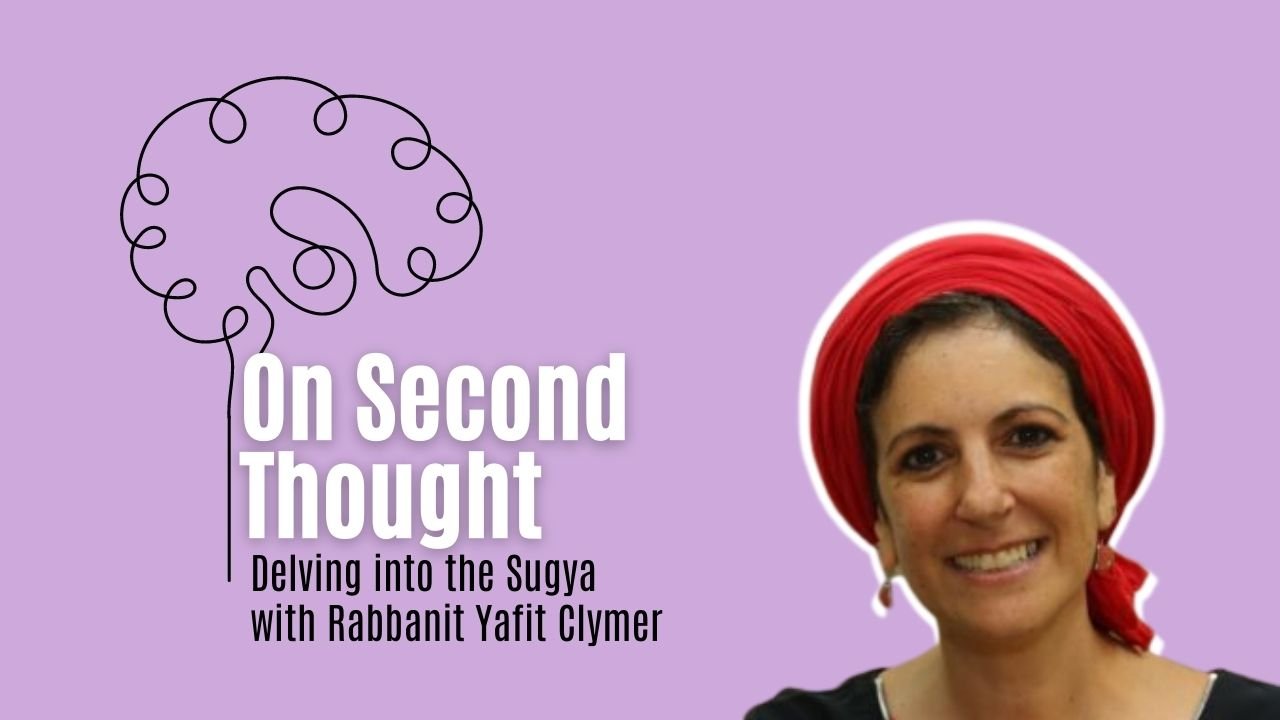
An Oath in the Name of God – On Second Thought


New to Talmud?
Check out our resources designed to help you navigate a page of Talmud – and study at the pace, level and style that fits you.
The Hadran Women’s Tapestry
Meet the diverse women learning Gemara at Hadran and hear their stories.
I had no formal learning in Talmud until I began my studies in the Joint Program where in 1976 I was one of the few, if not the only, woman talmud major. It was superior training for law school and enabled me to approach my legal studies with a foundation . In 2018, I began daf yomi listening to Rabbanit MIchelle’s pod cast and my daily talmud studies are one of the highlights of my life.

Minneapolis, United States
I began my journey with Rabbanit Michelle more than five years ago. My friend came up with a great idea for about 15 of us to learn the daf and one of us would summarize weekly what we learned.
It was fun but after 2-3 months people began to leave. I have continued. Since the cycle began Again I have joined the Teaneck women.. I find it most rewarding in so many ways. Thank you
New Jersey, United States
I started learning at the beginning of this cycle more than 2 years ago, and I have not missed a day or a daf. It’s been challenging and enlightening and even mind-numbing at times, but the learning and the shared experience have all been worth it. If you are open to it, there’s no telling what might come into your life.
Phoenix, Arizona, United States
תמיד רציתי. למדתי גמרא בבית ספר בטורונטו קנדה. עליתי ארצה ולמדתי שזה לא מקובל. הופתעתי.
יצאתי לגימלאות לפני שנתיים וזה מאפשר את המחוייבות לדף יומי.
עבורי ההתמדה בלימוד מעגן אותי בקשר שלי ליהדות. אני תמיד מחפשת ותמיד. מוצאת מקור לקשר. ללימוד חדש ומחדש. קשר עם נשים לומדות מעמיק את החוויה ומשמעותית מאוד.
מיתר, ישראל
I started learning daf yomi at the beginning of this cycle. As the pandemic evolved, it’s been so helpful to me to have this discipline every morning to listen to the daf podcast after I’ve read the daf; learning about the relationships between the rabbis and the ways they were constructing our Jewish religion after the destruction of the Temple. I’m grateful to be on this journey!
Teaneck NJ, United States
After all the hype on the 2020 siyum I became inspired by a friend to begin learning as the new cycle began.with no background in studying Talmud it was a bit daunting in the beginning. my husband began at the same time so we decided to study on shabbat together. The reaction from my 3 daughters has been fantastic. They are very proud. It’s been a great challenge for my brain which is so healthy!

Modi’in, Israel

Richmond, CA, United States
I heard about the syium in January 2020 & I was excited to start learning then the pandemic started. Learning Daf became something to focus on but also something stressful. As the world changed around me & my family I had to adjust my expectations for myself & the world. Daf Yomi & the Hadran podcast has been something I look forward to every day. It gives me a moment of centering & Judaism daily.

Denver, United States
It happened without intent (so am I yotzei?!) – I watched the women’s siyum live and was so moved by it that the next morning, I tuned in to Rabbanit Michelle’s shiur, and here I am, still learning every day, over 2 years later. Some days it all goes over my head, but others I grasp onto an idea or a story, and I ‘get it’ and that’s the best feeling in the world. So proud to be a Hadran learner.

Zichron Yaakov, Israel
I never thought I’d be able to do Daf Yomi till I saw the video of Hadran’s Siyum HaShas. Now, 2 years later, I’m about to participate in Siyum Seder Mo’ed with my Hadran community. It has been an incredible privilege to learn with Rabbanit Michelle and to get to know so many caring, talented and knowledgeable women. I look forward with great anticipation and excitement to learning Seder Nashim.
Karmiel, Israel
Hearing and reading about the siyumim at the completion of the 13 th cycle Daf Yomi asked our shul rabbi about starting the Daf – he directed me to another shiur in town he thought would allow a woman to join, and so I did! Love seeing the sources for the Divrei Torah I’ve been hearing for the past decades of living an observant life and raising 5 children .

Pittsburgh, Pennsylvania, United States
I’ve been learning since January 2020, and in June I started drawing a phrase from each daf. Sometimes it’s easy (e.g. plants), sometimes it’s very hard (e.g. korbanot), and sometimes it’s loads of fun (e.g. bird racing) to find something to draw. I upload my pictures from each masechet to #DafYomiArt. I am enjoying every step of the journey.

Ashdod, Israel

Bronx, United States
As Jewish educator and as a woman, I’m mindful that Talmud has been kept from women for many centuries. Now that we are privileged to learn, and learning is so accessible, it’s my intent to complete Daf Yomi. I am so excited to keep learning with my Hadran community.
Denver, United States
Years ago, I attended the local Siyum HaShas with my high school class. It was inspiring! Through that cycle and the next one, I studied masekhtot on my own and then did “daf yomi practice.” The amazing Hadran Siyum HaShas event firmed my resolve to “really do” Daf Yomi this time. It has become a family goal. We’ve supported each other through challenges, and now we’re at the Siyum of Seder Moed!

Jerusalem, Israel
I’ve been wanting to do Daf Yomi for years, but always wanted to start at the beginning and not in the middle of things. When the opportunity came in 2020, I decided: “this is now the time!” I’ve been posting my journey daily on social media, tracking my progress (#DafYomi); now it’s fully integrated into my daily routines. I’ve also inspired my partner to join, too!

Teaneck, United States

Blacksburg, United States
I started learning with rabbis. I needed to know more than the stories. My first teacher to show me “the way of the Talmud” as well as the stories was Samara Schwartz.
Michelle Farber started the new cycle 2 yrs ago and I jumped on for the ride.
I do not look back.
Houston, United States
I started learning the daf during Covid. I’d always wanted to learn Talmud but that wasn’t an option for girls in the small town I grew up in and I struggled to help my younger kids with Hebrew homework let alone read a Hebrew text. I decided to start small by listening to the daf podcast on the way to work each morning. Then I joined the Long Island WhatsApp group. Now I go to the siyyums.

Long Island, United States
In January 2020 on a Shabbaton to Baltimore I heard about the new cycle of Daf Yomi after the siyum celebration in NYC stadium. I started to read “ a daily dose of Talmud “ and really enjoyed it . It led me to google “ do Orthodox women study Talmud? “ and found HADRAN! Since then I listen to the podcast every morning, participate in classes and siyum. I love to learn, this is amazing! Thank you

Atlanta, United States
Bava Kamma 103
אֵין כּוֹפִין אֶת הַמּוֹכֵר לִמְכּוֹר זִימְנָא אַחֲרִיתִי. וְאִם אָמַר לוֹ: ״עַל מְנָת״ – כּוֹפִין אֶת הַמּוֹכֵר לִמְכּוֹר.
the seller is not compelled to sell the field another time, i.e., to provide the purchaser with a document denoting him as the owner of the field. But if he said to him: I will purchase the field on the condition that you will provide a deed in my name, the seller is compelled to sell the field again, i.e., to provide the purchaser with a document denoting him as the owner.
אָמַר מָר: הַלּוֹקֵחַ שָׂדֶה בְּשֵׁם חֲבֵירוֹ – אֵין כּוֹפִין אֶת הַמּוֹכֵר לִמְכּוֹר זִימְנָא אַחֲרִיתִי. פְּשִׁיטָא! מַהוּ דְּתֵימָא, מָצֵי אָמַר לֵיהּ: מִידָּע יָדְעַתְּ דַּאֲנָא לְנַפְשַׁאי שָׁקֵילְנָא – וּפַנְחַיָּא בְּעָלְמָא הוּא דְּקָבָעֵינָא, וְזוּזִי בִּכְדִי לָא שָׁדֵינָא, אֶלָּא אַדַּעְתָּא דְּכָתֵב לֵיהּ שְׁטָרָא אַחֲרִינָא; קָא מַשְׁמַע לַן דְּאָמַר לֵיהּ: עִנְיָינָא עֲבַדִי לָךְ בַּהֲדֵי הָהוּא דִּזְבַנְתְּ לֵיהּ בִּשְׁמֵיהּ, וְיִכְתּוֹב לָךְ שְׁטָרָא אַחֲרִינָא.
The Gemara clarifies the baraita: The Master said: In the case of one who purchases a field in the name of another, the seller is not compelled to sell the field another time. The Gemara asks: Isn’t this obvious? The Gemara answers: Lest you say that the purchaser can say to the seller: You knew that I took, i.e., purchased, the field for myself, and it was merely for protection [ufanaḥya] that I desired to obtain ownership by claiming to purchase it in the name of the other person, and I do not throw out money for naught. Rather, it was with the intention that you will write another document for him, i.e., the seller, stating that I purchased the field. The baraita therefore teaches us that the seller can say to him: I have performed a matter for you together with the one in whose name you purchased the field, and let him write you another document.
וְאִם אָמַר לוֹ ״עַל מְנָת״ – כּוֹפִין אֶת הַמּוֹכֵר לִמְכּוֹר. פְּשִׁיטָא! לָא צְרִיכָא, דַּאֲמַר לְהוּ לְסָהֲדִי קַמֵּיהּ דִּידֵיהּ: חֲזוֹ דִּשְׁטָרָא אַחֲרִינָא קָא בָעֵינָא. מַהוּ דְּתֵימָא, מָצֵי אֲמַר לֵיהּ: אָמֵינָא, שְׁטָרָא מֵהַיְאךְ דְּקָא שָׁקְלַתְּ בִּשְׁמֵיהּ קָאָמְרַתְּ; קָא מַשְׁמַע לַן דַּאֲמַר לֵיהּ: לְהָכִי טְרַחִי וַאֲמַרִי לְהוּ לְעֵדִים קַמָּךְ, דְּמִינָּךְ הוּא דְּקָא בָעֵינָא.
The Gemara discusses Abaye’s interpretation of the latter clause of the baraita, which states: But if he said to him: I will purchase the field on the condition that you will provide a deed in my name, the seller is compelled to sell the field again. Isn’t that obvious? No, it is necessary to state this halakha in a case where the purchaser said to the witnesses in front of the seller: You can see that I require another document. Lest you say that the seller can say to him: I thought that it was a document from the one in whose name you purchased the field that you were saying you required, and not from me. Therefore, the baraita teaches us that the purchaser can say to him: It was for this that I took the trouble and said to the witnesses, in front of you, that I require another document, as it is from you that I require the document.
רַב כָּהֲנָא יְהַב זוּזָא אַכִּיתָּנָא. לְסוֹף אִיַּיקַּר כִּיתָּנָא, זַבְּנֵיהּ מָרָווֹתֵיהּ דְּכִיתָּנָא. אֲתָא לְקַמֵּיהּ דְּרַב, אֲמַר לֵיהּ: מָה אֶעְבֵּיד, אֵיזִיל אֶישְׁקֹיל זוּזַאי? אֲמַר לֵיהּ: אִי כִּי קָא [מְ]זַבְּנִי אָמְרִי: ״הַאי כִּיתָּנָא דְכָהֲנָא הוּא״ – זִיל שְׁקוֹל; וְאִי לָא – לָא תִּשְׁקוֹל.
§ The Gemara mentions a related incident: Rav Kahana gave money to a salesman in exchange for flax, and temporarily left the flax in the possession of the seller. Ultimately, the flax appreciated in value and the owner of the flax sold it for a greater profit on behalf of Rav Kahana, intending to give him all of the money. Rav Kahana then came before Rav, and said to him: What should I do? Should I go and take my money, or would doing so have the appearance of collecting interest for a loan? Rav said to Rav Kahana: If, when they sold the flax, they said: This flax is Kahana’s, go take the money, as in such a case it is as though the flax was purchased directly from you. But if they did not say this, do not take the money, since you would be receiving a greater sum of money than you provided, and this would appear to be a loan repaid with interest.
כְּמַאן? כִּבְנֵי מַעְרְבָא, דְּאָמְרִי: מִי הוֹדִיעוֹ לְבַעַל חִטִּין – שֶׁיַּקְנֶה חִטִּין לְבַעַל מָעוֹת?
The Gemara asks: In accordance with whose opinion was Rav’s ruling? Was it only in accordance with the opinion of the people of the West, Eretz Yisrael, who say: Who informed the owner of the wheat that he should transfer the wheat to the owner of the money? As the Gemara taught earlier, the Sages of Eretz Yisrael hold that the sale can be performed on another’s behalf only if such an arrangement is explicitly stated at the time of the transaction. In this case as well, if the seller did not explicitly state that the money would belong to Rav Kahana, all the money from the sale would be acquired by the seller, who would then be prohibited to give it to Rav Kahana due to the appearance of paying interest.
אַטּוּ מִי יָהֵיב רַב כָּהֲנָא אַרְבַּע, וְשָׁקֵיל תַּמְנֵי?! כִּיתָּנָא מִמֵּילָא הוּא דְּאִיַּיקַּר; מִיגְזָל גַּזְלוּהּ, וּתְנַן: כׇּל הַגַּזְלָנִין מְשַׁלְּמִין כִּשְׁעַת הַגְּזֵלָה!
The Gemara rejects this: Is that to say that Rav Kahana gave four dinars and took eight in return? He did not lend money to the seller. Rather, the flax appreciated in value by itself, and when the seller sold it he robbed Rav Kahana of his flax, and we learned in a mishna (93b) that all robbers pay compensation according to the value of the stolen item at the time of the robbery. Therefore, according to all opinions the seller owes Rav Kahana the value of the flax at the time the seller sold it for its appreciated value, and Rav Kahana’s accepting the money would not constitute collecting interest for a loan.
אָמְרִי: הָתָם אֲמָנָה הֲוַאי, וְלָא מַשְׁכֵיהּ רַב כָּהֲנָא לְכִיתָּנָא; וְרַב לְטַעְמֵיהּ, דַּאֲמַר רַב: עוֹשִׂין אֲמָנָה בְּפֵירוֹת, וְאֵין עוֹשִׂין אֲמָנָה בְּדָמִים.
Having rejected the previous explanation of Rav’s ruling, the Gemara presents an alternative understanding of the case. The Sages say: There, it was a matter of trust, as the seller was paid in advance and Rav Kahana did not pull the flax as an act of acquisition, or perform any other formal act of acquisition. Consequently, at the time of the second sale the flax belonged to the seller. And Rav conforms to his standard line of reasoning, as Rav says: One may make an arrangement of trust with regard to the delivery of items such as produce, i.e., one may pay the money in advance with the agreement that he will receive the produce at a later date, but one may not make an arrangement of trust with regard to money, i.e., one may not pay the money in advance with the agreement that he will receive the value of the produce at a later date, as this has the appearance of collecting interest.
מַתְנִי׳ הַגּוֹזֵל אֶת חֲבֵירוֹ שָׁוֶה פְּרוּטָה, וְנִשְׁבַּע לוֹ – יוֹלִיכֶנּוּ אַחֲרָיו לְמָדַי. לֹא יִתֵּן לֹא לִבְנוֹ, וְלֹא לִשְׁלוּחוֹ, אֲבָל נוֹתֵן לִשְׁלִיחַ בֵּית דִּין. וְאִם מֵת – יַחֲזִיר לְיוֹרְשָׁיו.
MISHNA: One who robs another of an item having the value of at least one peruta and takes a false oath to the robbery victim claiming his innocence, and then later wishes to repent, must bring the money, which includes the principal together with an additional one-fifth payment, to the robbery victim, even if this necessitates following after him to a distant place like Media. The robber may not give the payment to the robbery victim’s son to return it to the robbery victim, and neither may he give it to his agent, but he may give the payment to an agent of the court. And if the robbery victim dies, he returns it to his heirs.
נָתַן לוֹ אֶת הַקֶּרֶן, וְלֹא נָתַן לוֹ אֶת הַחוֹמֶשׁ; מָחַל לוֹ עַל הַקֶּרֶן, וְלֹא מָחַל לוֹ עַל הַחוֹמֶשׁ; מָחַל לוֹ עַל זֶה וְעַל זֶה, חוּץ מִפָּחוּת שָׁוֶה פְּרוּטָה בַּקֶּרֶן – אֵינוֹ צָרִיךְ לֵילֵךְ אַחֲרָיו. נָתַן לוֹ אֶת הַחוֹמֶשׁ, וְלֹא נָתַן לוֹ אֶת הַקֶּרֶן; מָחַל לוֹ עַל הַחוֹמֶשׁ, וְלֹא מָחַל לוֹ עַל הַקֶּרֶן; מָחַל לוֹ עַל זֶה וְעַל זֶה, חוּץ מִשָּׁוֶה פְּרוּטָה בַּקֶּרֶן – צָרִיךְ לֵילֵךְ אַחֲרָיו.
If he gave the robbery victim the principal value of the stolen item but did not give him the additional one-fifth payment, or if the owner forgave him concerning the principal but did not forgive him concerning the additional one-fifth payment, or if he forgave him concerning this and concerning that, with the exception of the value of less than one peruta of the principal, he need not pursue him to repay the remaining debt. By contrast, if he gave the robbery victim the additional one-fifth payment but did not give him the principal, or if the robbery victim forgave him concerning the additional one-fifth payment but did not forgive him concerning the principal, or if he forgave him concerning this and concerning that, with the exception of the value of one peruta of the principal, he must pursue him to repay the remaining debt.
נָתַן לוֹ אֶת הַקֶּרֶן, וְנִשְׁבַּע לוֹ עַל הַחוֹמֶשׁ –
If the robber gave the robbery victim the principal and took a false oath to him concerning the additional one-fifth payment, asserting that he had already paid it,
הֲרֵי זֶה מְשַׁלֵּם חוֹמֶשׁ עַל חוֹמֶשׁ, עַד שֶׁיִּתְמַעֵט הַקֶּרֶן מִשָּׁוֶה פְּרוּטָה.
then the additional one-fifth is considered a new principal obligation. The robber pays an additional one-fifth payment apart from the additional one-fifth payment about which he had taken a false oath. If he then takes a false oath concerning the second one-fifth payment, he is assessed an additional one-fifth payment for that oath, until the principal, i.e., the additional one-fifth payment about which he has most recently taken the false oath, is reduced to less than the value of one peruta.
וְכֵן בְּפִקָּדוֹן, שֶׁנֶּאֱמַר: ״אוֹ בְּפִקָּדוֹן אוֹ בִתְשׂוּמֶת יָד אוֹ בְגָזֵל, אוֹ עָשַׁק אֶת עֲמִיתוֹ אוֹ מָצָא אֲבֵדָה; וְכִחֶשׁ בָּהּ וְנִשְׁבַּע עַל שָׁקֶר״ – הֲרֵי זֶה מְשַׁלֵּם קֶרֶן וָחוֹמֶשׁ וְאָשָׁם.
And such is the halakha with regard to a deposit, as it is stated: “If anyone sins, and commits a trespass against the Lord, and he defrauds his counterpart with regard to a deposit, or with regard to a pledge, or with regard to a robbery, or if he exploited his counterpart; or he has found that which was lost, and deals falsely with it, and swears to a lie…he shall restore it in full, and shall add the fifth part more to it” (Leviticus 5:21–24). This one must pay the principal and an additional one-fifth payment, and bring a guilt-offering.
גְּמָ׳ נִשְׁבַּע לוֹ – אִין, לֹא נִשְׁבַּע לוֹ – לָא; מַנִּי? לָא רַבִּי טַרְפוֹן וְלָא רַבִּי עֲקִיבָא! דְּתַנְיָא: גָּזַל אֶחָד מֵחֲמִשָּׁה וְאֵינוֹ יוֹדֵעַ אֵיזֶה מֵהֶן, וְכׇל אֶחָד אוֹמֵר: ״אוֹתִי גָּזַל״ – מַנִּיחַ גְּזֵילָה בֵּינֵיהֶם וּמִסְתַּלֵּק, דִּבְרֵי רַבִּי טַרְפוֹן. רַבִּי עֲקִיבָא אוֹמֵר: לֹא זוֹ דֶּרֶךְ מוֹצִיאָתוֹ מִידֵי עֲבֵירָה, עַד שֶׁיְּשַׁלֵּם גְּזֵילָה לְכׇל אֶחָד [וְאֶחָד].
GEMARA: The mishna teaches that if a robber took a false oath that he did not rob, he must travel even as far as Media in order to repay the robbery victim. This indicates that if he takes an oath to the robbery victim, yes, he is required to go to any length to repay his obligation, but if he did not take an oath to him, no, he does not have to do so. Whose opinion is this? It is not the opinion of Rabbi Tarfon and not the opinion of Rabbi Akiva, as it is taught in a mishna (Yevamot 118b): If one robbed one of five people and he does not know which of them he robbed, and each one of the five says: He robbed me, the robber places the stolen item between them and withdraws from them; this is the statement of Rabbi Tarfon. Rabbi Akiva says: This is not the way to spare him from transgression. He is not considered to have returned the stolen item until he pays the value of the stolen item to each and every one of the five.
מַנִּי? אִי רַבִּי טַרְפוֹן – אַף עַל גַּב דְּאִישְׁתְּבַע, אָמַר: מַנִּיחַ גְּזֵילָה בֵּינֵיהֶם וּמִסְתַּלֵּק! אִי רַבִּי עֲקִיבָא – אַף עַל גַּב דְּלָא אִישְׁתְּבַע, אָמַר: עַד שֶׁיְּשַׁלֵּם גְּזֵילָה לְכׇל אֶחָד וְאֶחָד!
The Gemara clarifies: In accordance with whose opinion is the mishna written? If one suggests that it is in accordance with the opinion of Rabbi Tarfon, it is not so, because even though the robber took a false oath that he did not rob, Rabbi Tarfon says: He places the stolen item between them and withdraws; it is not his responsibility to ensure that it reaches the robbery victim. If one suggests that it is in accordance with the opinion of Rabbi Akiva, it is also not so, because even though the robber did not necessarily take a false oath, Rabbi Akiva says: He is not considered to have returned the stolen item until he pays the value of the stolen item to each and every one of the five, while the mishna rules that his obligation is contingent upon his having taken the false oath.
לְעוֹלָם רַבִּי עֲקִיבָא הִיא, וְכִי קָאָמַר רַבִּי עֲקִיבָא עַד שֶׁיְּשַׁלֵּם גְּזֵילָה לְכׇל אֶחָד וְאֶחָד – הֵיכָא דְּאִישְׁתְּבַע הוּא דְּקָאָמַר. מַאי טַעְמָא? דְּאָמַר קְרָא: ״לַאֲשֶׁר הוּא לוֹ, יִתְּנֶנּוּ בְּיוֹם אַשְׁמָתוֹ״.
The Gemara answers: Actually, it is in accordance with the opinion of Rabbi Akiva, and when Rabbi Akiva says that the robber is not considered to have returned the stolen item until he pays the value of the stolen item to each and every one of the five, it is only in a case where the robber took a false oath that Rabbi Akiva says this. What is the reason? As the verse states with regard to one who takes a false oath concerning a financial obligation: “Unto him to whom it appertains shall he give it, on the day of his being guilty” (Leviticus 5:24). The halakha that the guilty party must make a rigorous effort to return what he owes is stated in the case of one who took a false oath, and Rabbi Akiva would state his ruling only in that case.
וְרַבִּי טַרְפוֹן – אַף עַל גַּב דְּאִישְׁתְּבַע, עֲבוּד רַבָּנַן תַּקַּנְתָּא. דְּתַנְיָא, רַבִּי אֶלְעָזָר בְּרַבִּי צָדוֹק אוֹמֵר: תַּקָּנָה גְּדוֹלָה הִתְקִינוּ, שֶׁאִם הָיְתָה הוֹצָאָה יְתֵירָה עַל הַקֶּרֶן – מְשַׁלֵּם קֶרֶן וָחוֹמֶשׁ לְבֵית דִּין, וּמֵבִיא אֲשָׁמוֹ וּמִתְכַּפֵּר לוֹ.
The Gemara asks: And how does Rabbi Tarfon rule that a robber who took a false oath is not required to pay all claimants, being that the verse indicates otherwise? The Gemara answers: Even though he took a false oath and by Torah law is obligated to return the stolen item to the robbery victim, the Sages instituted an ordinance allowing him to place it between the five possible victims, as it is taught in a baraita that Rabbi Elazar, son of Rabbi Tzadok, says: The Sages instituted a great ordinance stating that if the expense required to return a stolen item to the victim is greater than the principal, the robber may pay the principal and the additional one-fifth payment to the court, and he then brings his guilt-offering and achieves atonement for himself. This ordinance would apply here as well, as the expense required to pay all five claimants is greater than the principal.
וְרַבִּי עֲקִיבָא – כִּי עֲבוּד רַבָּנַן תַּקַּנְתָּא, הֵיכָא דְּיָדַע לְמַאן גַּזְלֵיהּ, דְּקָא מַהְדַּר לֵיהּ מָמוֹנָא לְמָרֵיהּ; גָּזַל אֶחָד מֵחֲמִשָּׁה, דְּלָא יָדַע לְמַאן גַּזְלֵיהּ, דְּלָא הָדַר מָמוֹנָא לְמָרֵיהּ – לָא עֲבוּד רַבָּנַן תַּקַּנְתָּא.
The Gemara asks: And doesn’t Rabbi Akiva agree that the Sages instituted this ordinance? The Gemara answers: Rabbi Akiva holds that when the Sages instituted the ordinance, they did so only for cases where the robber knows whom he robbed, as in such cases he is definitely returning the money to its owner by depositing it with the court, who will convey it to the robbery victim. But in the case of one who robbed one of five people, where he does not know whom he robbed, and where, by merely placing the stolen item between the five of them the money is not returned to its owner, the Sages did not institute an ordinance.
מֵתִיב רַב הוּנָא בַּר יְהוּדָה, אָמַר רַבִּי שִׁמְעוֹן בֶּן אֶלְעָזָר: לֹא נֶחְלְקוּ רַבִּי טַרְפוֹן וְרַבִּי עֲקִיבָא עַל שֶׁלָּקַח אֶחָד מֵחֲמִשָּׁה וְאֵינוֹ יוֹדֵעַ מֵאֵיזֶה מֵהֶן לָקַח – שֶׁמַּנִּיחַ דְּמֵי מִקָּח בֵּינֵיהֶם וּמִסְתַּלֵּק. עַל מָה נֶחְלְקוּ? שֶׁגָּזַל אֶחָד מֵחֲמִשָּׁה בְּנֵי אָדָם, וְאֵינוֹ יוֹדֵעַ מֵאֵיזֶה מֵהֶן גָּזַל; שֶׁרַבִּי טַרְפוֹן אוֹמֵר: מַנִּיחַ דְּמֵי גְּזֵילָה בֵּינֵיהֶם וּמִסְתַּלֵּק, וְרַבִּי עֲקִיבָא אוֹמֵר: אֵין לוֹ תַּקָּנָה, עַד שֶׁיְּשַׁלֵּם גְּזֵילָה לְכׇל אֶחָד וְאֶחָד.
Rav Huna bar Yehuda raises an objection to the explanation that Rabbi Akiva stated his opinion specifically in a case where the robber took an oath. The baraita in the Tosefta (Yevamot 14:2) states that Rabbi Shimon ben Elazar says: Rabbi Tarfon and Rabbi Akiva did not disagree with regard to one who purchased an item from one of five people and does not know from which of them he purchased it, as both agree that in this case he places the money of the purchase between them and withdraws. Since the purchaser has not transgressed, he is not penalized by being required to suffer the loss of paying each of them. With regard to what did they disagree? They disagree with regard to one who robbed one of five people, and he does not know from which of them he robbed the item, as Rabbi Tarfon says: He places the stolen item between them and withdraws, and Rabbi Akiva says: He has no remedy, i.e., he has not fulfilled his obligation to return the stolen item, until he pays the value of the stolen item to each and every one of them.
וְאִי סָלְקָא דַעְתָּךְ דְּאִישְׁתְּבַע, מָה לִי לָקַח מָה לִי גָּזַל?
Rav Huna bar Yehuda states his objection: And if it enters your mind that Rabbi Akiva stated his ruling specifically with regard to one who took a false oath, what is the difference to me if he purchased an item from another, and what is the difference to me if he robbed him? In either case he has transgressed the prohibition against taking a false oath denying his obligation, and he should be penalized by being required to ensure that the one to whom he owes the money receives it.
וְעוֹד מֵתִיב רָבָא: מַעֲשֶׂה בְּחָסִיד אֶחָד שֶׁלָּקַח מִשְּׁנֵי בְּנֵי אָדָם וְלֹא הָיָה יוֹדֵעַ מֵאֵיזֶה מֵהֶן לָקַח, וּבָא לִפְנֵי רַבִּי טַרְפוֹן, אָמַר לוֹ: הַנַּח דְּמֵי מִקָּחֲךָ בֵּינֵיהֶם, וְהִסְתַּלֵּק. בָּא לִפְנֵי רַבִּי עֲקִיבָא, אָמַר לוֹ: אֵין לְךָ תַּקָּנָה, עַד שֶׁתְּשַׁלֵּם לְכׇל אֶחָד וְאֶחָד. וְאִי סָלְקָא דַעְתָּךְ דְּמִישְׁתְּבַע, חָסִיד מִי מִישְׁתְּבַע בְּשִׁיקְרָא?
And Rava raises another objection to the explanation that Rabbi Akiva stated his opinion specifically in a case where the robber took an oath. There was an incident involving a certain pious man who purchased an item from one of two people, and he did not know from which of them he purchased the item, and he came before Rabbi Tarfon for a ruling. Rabbi Tarfon said to him: Place the money of your purchase between them and withdraw. He then came before Rabbi Akiva, who said to him: You have no remedy until you pay each and every one, i.e., both of them. And if it enters your mind that Rabbi Akiva stated his ruling specifically where the purchaser took a false oath, does a pious man take a false oath? It seems from this incident that Rabbi Akiva rules he must pay all potential owners regardless of whether or not he took a false oath.
וְכִי תֵּימָא דְּמִישְׁתְּבַע וַהֲדַר הָוֵי חָסִיד, וְהָא כׇּל הֵיכָא דְּאָמְרִינַן ״מַעֲשֶׂה בְּחָסִיד אֶחָד״ – אוֹ רַבִּי יְהוּדָה בֶּן בָּבָא, אוֹ רַבִּי יְהוּדָה בְּרַבִּי אִילְעַאי; וְרַבִּי יְהוּדָה בֶּן בָּבָא וְרַבִּי יְהוּדָה בְּרַבִּי אִילְעַאי חֲסִידִים דְּמֵעִיקָּרָא הֲווֹ!
And if you would say that perhaps he took a false oath and later became a pious man, but isn’t there a tradition that anywhere that we say: There was an incident involving a certain pious man, the pious man is either Rabbi Yehuda ben Bava or Rabbi Yehuda, son of Rabbi Elai, and Rabbi Yehuda ben Bava and Rabbi Yehuda, son of Rabbi Elai, were both pious men from the beginning.
אֶלָּא לְעוֹלָם רַבִּי טַרְפוֹן הִיא, וּמוֹדֶה רַבִּי טַרְפוֹן הֵיכָא דְּאִישְׁתְּבַע. מַאי טַעְמָא? דְּאָמַר קְרָא: ״לַאֲשֶׁר הוּא לוֹ, יִתְּנֶנּוּ בְּיוֹם אַשְׁמָתוֹ״. וְרַבִּי עֲקִיבָא דְּאָמַר אַף עַל גַּב דְּלָא מִישְׁתְּבַע – קָנֵיס.
Due to these objections, the Gemara offers an alternative explanation. Rather, the mishna here is actually in accordance with the opinion of Rabbi Tarfon, and Rabbi Tarfon concedes that a robber must pay every potential owner in a case where he took a false oath, as is the case in the mishna here. What is the reason? As the verse states: “Unto him to whom it appertains shall he give it, in the day of his being guilty” (Leviticus 5:24). This verse, which requires one to go to any length to return money owed, is referring specifically to one who takes a false oath concerning his financial obligation. And Rabbi Akiva, who said in the mishna in tractate Yevamot that a robber must pay all potential owners even though he did not take a false oath, agrees that the verse is referring specifically to one who takes a false oath, but holds that the Sages penalize the robber by obligating him to pay them all in any event.
וְרַבִּי טַרְפוֹן, מִכְּדֵי הֵיכָא דְּמִישְׁתְּבַע – לָא סַגִּיא דְּלָא הוֹדָה; מַאי אִירְיָא ״וְנִשְׁבַּע״? אֲפִילּוּ בְּלָא שְׁבוּעָה נָמֵי! דְּתַנְיָא, מוֹדֶה רַבִּי טַרְפוֹן בְּאוֹמֵר לִשְׁנַיִם: ״גָּזַלְתִּי אֶחָד מִכֶּם מָנֶה וְאֵינִי יוֹדֵעַ אֵיזֶה מִכֶּם״ – נוֹתֵן לָזֶה מָנֶה וְלָזֶה מָנֶה,
The Gemara questions this explanation of the mishna: But if the mishna is in accordance with the opinion of Rabbi Tarfon, after all, the mere fact that it is a case where he took a false oath is not sufficient to obligate him to pay the additional one-fifth and to bring a guilt-offering if it is a case where he did not also admit that he took a false oath and owes the money. Therefore, why would the mishna here specifically state: And he took a false oath? Even without taking the false oath, the robber should also be obligated to pursue the owner as a result of his having admitted his obligation. As it is taught in a baraita: Rabbi Tarfon concedes that in a case where a robber says to two people: I robbed one of you of one hundred dinars and I do not know which of you it was, he gives one hundred dinars to this person and one hundred dinars to that person,

