










Different rabbis offer an opinion about whether or not Rabbi Meir believes that the rabbis made rabbinic laws stringent like Torah laws. They cite various sources to support their positions. Abaye analyzes the comments of the different rabbis, arguing that different levels of rabbinic laws exist, including those punishable by human courts, divine punishment, and negative prohibitions. Thus, he contends that comparing these various levels to prove Rabbi Meir’s stance is flawed. The Mishna enumerates specific categories exempt from the general laws of ona’ah, such as land, slaves, documents, and sanctified items. Similarly, laws concerning double payment and the responsibilities of shomrim do not apply to these categories. Additional distinctions are made by other tannaim, expanding the list further. The exceptions to ona’ah are derived from specific passages in the Torah.
Bava Metzia
Masechet Bava Metzia is sponsored by Rabbi Art Gould in memory of his beloved bride of 50 years, Carol Joy Robinson, Karina Gola bat Huddah v’Yehuda Tzvi.
רבות בנות עשו חיל ואת עלית על־כלנה
This month’s learning is sponsored by Marci Glazer in loving memory of her teacher and chevruta, Rachel Brodie, Rachel Aviva bat Devora Chana, on her 4th yahrzeit. “She brought her love of Torah to thousands of people in her all-too-short life. A lover of Midrash, she still invited me on this Daf Yomi journey.”
Want to dedicate learning? Get started here:

Today’s daily daf tools:
Bava Metzia
Masechet Bava Metzia is sponsored by Rabbi Art Gould in memory of his beloved bride of 50 years, Carol Joy Robinson, Karina Gola bat Huddah v’Yehuda Tzvi.
רבות בנות עשו חיל ואת עלית על־כלנה
This month’s learning is sponsored by Marci Glazer in loving memory of her teacher and chevruta, Rachel Brodie, Rachel Aviva bat Devora Chana, on her 4th yahrzeit. “She brought her love of Torah to thousands of people in her all-too-short life. A lover of Midrash, she still invited me on this Daf Yomi journey.”
Bava Metzia 56
מִפְּנֵי שֶׁאָמְרוּ: מְחַלְּלִין (אוֹתוֹ), כֶּסֶף עַל נְחֹשֶׁת, מִדּוֹחַק, לֹא שֶׁיְּקַיֵּים כֵּן, אֶלָּא שֶׁחוֹזֵר וּמְחַלְּלָן עַל הַכֶּסֶף. קָתָנֵי מִיהַת: מְחַלְּלִין מִדּוֹחַק, מִדּוֹחַק – אִין, שֶׁלֹּא מִדּוֹחַק – לָא.
The reason one must employ this procedure is due to the fact that the Sages said: One desacralizes second-tithe silver coins upon copper coins under duress. And it is not that he will maintain them in that form; rather, it is that he again desacralizes them upon silver coins. In any event, the tanna teaches that one desacralizes second-tithe coins in this manner under duress, from which it may be inferred: Under duress, yes; not under duress, no. This is the halakha with regard to redemption of second-tithe coins by Torah law. By contrast, in the case of demai, which is by rabbinic law, Rabbi Meir permits desacralizing it in this manner ab initio. Apparently, Rabbi Meir is more lenient with regard to matters of rabbinic law than he is with regard to matters of Torah law.
אָמַר רַב יוֹסֵף: אַף עַל פִּי שֶׁמֵּיקֵל רַבִּי מֵאִיר בְּפִדְיוֹנוֹ, מַחְמִיר הוּא בַּאֲכִילָתוֹ, דְּתַנְיָא: לֹא הִתִּירוּ לִמְכּוֹר דְּמַאי אֶלָּא לְסִיטוֹן בִּלְבָד, וּבַעַל הַבַּיִת. בֵּין כָּךְ וּבֵין כָּךְ, צָרִיךְ לְעַשֵּׂר, דִּבְרֵי רַבִּי מֵאִיר.
Rav Yosef said: Although Rabbi Meir is lenient with regard to redemption of second-tithe demai, he is stringent with regard to its consumption. This is as it is taught in a baraita: The Sages permitted only a wholesaler to sell demai. Since a wholesaler acquires grain from numerous sources and sells large quantities, he would suffer significant loss if he were required to separate tithes each time. But in the case of a proprietor who purchased produce from an am ha’aretz, whether he purchased large quantities to sell in bulk or whether he purchased small quantities to sell little by little, he must tithe the produce; this is the statement of Rabbi Meir.
וַחֲכָמִים אוֹמְרִים: אֶחָד הַסִּיטוֹן וְאֶחָד בַּעַל הַבַּיִת – מוֹכֵר, וְשׁוֹלֵחַ לַחֲבֵירוֹ, וְנוֹתֵן לוֹ בְּמַתָּנָה, וְאֵינוֹ חוֹשֵׁשׁ.
The baraita continues: And the Rabbis say: Both a wholesaler and a proprietor who sells in bulk may sell demai, or send it to another, or give it to him as a gift, and they need not be concerned. The one who receives the produce separates the tithes and consumes the remaining produce. In this baraita, Rabbi Meir was stringent with regard to the concern that someone will consume demai without the tithes being separated.
מֵתִיב רָבִינָא: הַלּוֹקֵחַ מִן הַנַּחְתּוֹם, מְעַשֵּׂר מִן הַחַמָּה עַל הַצּוֹנֶנֶת, וּמִן הַצּוֹנֶנֶת עַל הַחַמָּה, וַאֲפִילּוּ מִדְּפוּסִים הַרְבֵּה, דִּבְרֵי רַבִּי מֵאִיר.
Ravina raises an objection from a mishna (Demai 5:3): One who purchases bread from a baker who is unreliable with regard to tithes [am ha’aretz] may tithe from warm bread for, i.e., to exempt, cold bread, and from cold bread for warm bread, and one may do so even if the bread is in different shapes from many molds; this is the statement of Rabbi Meir.
בִּשְׁלָמָא מִן הַצּוֹנֶנֶת עַל הַחַמָּה, כִּדְרַבִּי אִילְעַאי. דְּאָמַר רַבִּי אִילְעַאי: מִנַּיִן לַתּוֹרֵם מִן הָרָעָה עַל הַיָּפָה שֶׁתְּרוּמָתוֹ תְּרוּמָה? שֶׁנֶּאֱמַר: ״וְלֹא תִשְׂאוּ עָלָיו חֵטְא בַּהֲרִימְכֶם אֶת חֶלְבּוֹ מִמֶּנּוּ״. אִם אֵינוֹ קֹדֶשׁ, נְשִׂיאַת חֵטְא לָמָּה? מִכָּאן לַתּוֹרֵם מִן הָרָעָה עַל הַיָּפָה, שֶׁתְּרוּמָתוֹ תְּרוּמָה.
Granted, one may tithe from cold bread for warm bread, in accordance with the opinion of Rabbi Elai, as Rabbi Elai says: From where is it derived with regard to one who separates teruma from poor-quality produce for superior-quality produce that his teruma is teruma? It is as it is stated: “And you shall bear no sin by reason of it, seeing that you have set apart from it the best thereof” (Numbers 18:32). The Torah warns the Levites not to separate teruma from low-quality produce. The question arises: If when one separates lower-quality produce, that produce is not sacred, why would one think that he bears sin? He did nothing. From here it is derived that although the Levite acted improperly, in the case of one who separates teruma from poor-quality produce for superior-quality produce, his teruma is teruma.
אֶלָּא אֲפִילּוּ מִדְּפוּסִים הַרְבֵּה, לֵיחוּשׁ דִּלְמָא אָתֵי לְאַפְרוֹשֵׁי מִן הַחִיּוּב עַל הַפְּטוּר, וּמִן הַפְּטוּר עַל הַחִיּוּב!
Rather, with regard to the halakha that one may tithe even if the bread is in different shapes from many molds, let Rabbi Meir be concerned lest the buyer come to tithe from the loaves that one is obligated to tithe for the loaves that one is exempt from tithing, or from the exempt for the obligated. Since these loaves are all demai, it is possible that the loaves shaped in one mold were baked from produce that was tithed and the loaves shaped in another mold were baked from produce that was not tithed. Apparently, Rabbi Meir rules leniently in cases of rabbinic law, e.g., demai.
אָמַר אַבָּיֵי: רַבִּי אֶלְעָזָר שַׁפִּיר קָא קַשְׁיָא לֵיהּ, וּשְׁמוּאֵל לָא שַׁפִּיר קָא מְשַׁנֵּי לֵיהּ. דְּקַשְׁיָא לֵיהּ לְרַבִּי אֶלְעָזָר: מִיתָה דְּבִידֵי שָׁמַיִם, וּמְשַׁנֵּי לֵיהּ שְׁמוּאֵל: מִיתַת בֵּית דִּין. דִּלְמָא שָׁאנֵי מִיתַת בֵּית דִּין דַּחֲמִירָא!
The Gemara returns to discuss the difficulties raised above. Abaye said: The problem raised by Rabbi Elazar was legitimately difficult for him, and Shmuel did not legitimately responded to his difficulty by stating that the mishna is in accordance with the opinion of Rabbi Meir. The reason the response is insufficient is that it was the case in the mishna of teruma of the tithe, which is punishable with death at the hand of Heaven, that was difficult for Rabbi Elazar, who was questioning whether the Sages reinforced their pronouncements concerning such a prohibition and rendered them parallel to Torah law; and Shmuel responded to him by citing Rabbi Meir’s opinion concerning a bill of divorce, which involves court-imposed capital punishment. Perhaps the case involving court-imposed capital punishment is different, as it is more stringent, and Rabbi Meir renders rabbinic law parallel to Torah law only in such a case.
וְרַב שֵׁשֶׁת לָא שַׁפִּיר קָא מוֹתֵיב לֵיהּ, דְּקָאָמְרִי אִינְהוּ מִיתָה. וּמוֹתֵיב רַב שֵׁשֶׁת לָאו, דִּכְתִיב ״לֹא תוּכַל לֶאֱכֹל בִּשְׁעָרֶיךָ״. וּלְמַאי דְּמוֹתֵיב רַב שֵׁשֶׁת, רַב יוֹסֵף שַׁפִּיר קָא מְשַׁנֵּי לֵיהּ.
Abaye continued: And Rav Sheshet does not legitimately raise an objection, as Rabbi Elazar and Shmuel are speaking about cases punishable by death, and Rav Sheshet raised his objection from a case involving a mere prohibition, as it is written with regard to second tithe: “You may not eat within your gates the tithe of your grain, or of your wine, or of your oil” (Deuteronomy 12:17). And to that which Rav Sheshet raised as an objection, Rav Yosef legitimately respond to his difficulty.
אֶלָּא רָבִינָא, עַד דְּמוֹתֵיב מִנַּחְתּוֹם לְסַיַּיע לֵיהּ מִפַּלְטֵר! דִּתְנַן: הַלּוֹקֵחַ מִן הַפַּלְטֵר – מְעַשֵּׂר מִן כׇּל דְּפוּס וּדְפוּס, דִּבְרֵי רַבִּי מֵאִיר.
But as for Ravina, the question arises: Rather than raising an objection from this case of a baker, from which proof is cited that Rabbi Meir does not draw a parallel between rabbinic law and Torah law, let him cite support for the assessment of the opinion of Rabbi Meir from the case of a bread merchant [mipalter], as we learned in a mishna (Demai 5:4): One who purchases bread from a merchant tithes separately from the bread of each and every mold; this is the statement of Rabbi Meir. In this case, Rabbi Meir is stringent with regard to demai.
אֶלָּא מַאי אִית לָךְ לְמֵימַר? פַּלְטֵר מִתְּרֵי תְּלָתָא גַּבְרָא זָבֵין, נַחְתּוֹם נָמֵי מֵחַד גַּבְרָא הוּא זָבֵין.
Rather, what have you to say in explaining why Ravina did not cite a proof from this mishna? It is because a merchant purchases his supply from two or three people. Therefore, Rabbi Meir holds that one must be concerned that perhaps one of the suppliers separated tithes and another did not, so the customer must separate tithes from the bread of each and every mold. But if that is the case, Ravina should not cite a proof from the case of the baker, as well; as the baker discussed in the mishna typically purchases his stock of grain from only one person. Therefore, in that case there is no concern that perhaps the customer will tithe from the loaves that he is exempt from tithing for the loaves that he is obligated to tithe.
רָבָא אָמַר: שְׁמוּאֵל שַׁפִּיר קָא מְשַׁנֵּי לֵיהּ, שֵׁם מִיתָה בָּעוֹלָם.
Rava said: Shmuel responds well to that which was difficult to Rabbi Elazar, as the category of death in the world is one. Therefore, it is appropriate to cite proof from the case of court-imposed capital punishment to the case of death at the hand of Heaven.
מַתְנִי׳ אֵלּוּ דְּבָרִים שֶׁאֵין לָהֶם אוֹנָאָה: הָעֲבָדִים, וְהַשְּׁטָרוֹת, וְהַקַּרְקָעוֹת, וְהַהֶקְדֵּשׁוֹת. אֵין לָהֶן תַּשְׁלוּמֵי כֶפֶל, וְלֹא תַּשְׁלוּמֵי אַרְבָּעָה וַחֲמִשָּׁה. שׁוֹמֵר חִנָּם אֵינוֹ נִשְׁבָּע, וְנוֹשֵׂא שָׂכָר אֵינוֹ מְשַׁלֵּם. רַבִּי שִׁמְעוֹן אוֹמֵר:
MISHNA: These are matters that are not subject to the halakhot of exploitation even if the disparity between the value and the payment is one-sixth or greater: Slaves, and documents, and land, and consecrated property. In addition, if they are stolen, these items are subject neither to payment of double the principal for theft nor to payment of four or five times the principal, if the thief slaughtered or sold a stolen sheep or cow, respectively. An unpaid bailee does not take an oath and a paid bailee does not pay if these items were stolen or lost. Rabbi Shimon says:
קֳדָשִׁים שֶׁהוּא חַיָּיב בְּאַחְרָיוּתָן – יֵשׁ לָהֶן אוֹנָאָה. וְשֶׁאֵינוֹ חַיָּיב בְּאַחְרָיוּתָן – אֵין לָהֶן אוֹנָאָה. רַבִּי יְהוּדָה אוֹמֵר: אַף הַמּוֹכֵר סֵפֶר תּוֹרָה, בְּהֵמָה וּמַרְגָּלִית – אֵין לָהֶם אוֹנָאָה. אָמְרוּ לוֹ: לֹא אָמְרוּ אֶלָּא אֶת אֵלּוּ.
With regard to sacrificial animals for which one bears responsibility to replace them, they are subject to the halakhot of exploitation, as this responsibility indicates a certain aspect of ownership. And those for which one does not bear responsibility to replace them, they are not subject to the halakhot of exploitation. Rabbi Yehuda says: Even in the case of one who sells a Torah scroll, an animal, or a pearl, these items are not subject to the halakhot of exploitation, as they have no fixed price. The Rabbis said to him: The early Sages stated that only these items listed above are not subject to the halakhot of exploitation.
גְּמָ׳ מְנָהָנֵי מִילֵּי? דְּתָנוּ רַבָּנַן: ״וְכִי תִמְכְּרוּ מִמְכָּר לַעֲמִיתֶךָ אוֹ קָנֹה מִיַּד עֲמִיתֶךָ״, דָּבָר הַנִּקְנֶה מִיָּד לְיָד. יָצְאוּ קַרְקָעוֹת, שֶׁאֵינָן מְטַלְטְלִים. יָצְאוּ עֲבָדִים, שֶׁהוּקְּשׁוּ לְקַרְקָעוֹת. יָצְאוּ שְׁטָרוֹת, דִּכְתִיב: ״וְכִי תִמְכְּרוּ מִמְכָּר״, שֶׁגּוּפוֹ מָכוּר וְגוּפוֹ קָנוּי. יָצְאוּ שְׁטָרוֹת, שֶׁאֵין גּוּפָן מָכוּר וְאֵין גּוּפָן קָנוּי, וְאֵינָן עוֹמְדִין אֶלָּא לִרְאָיָה שֶׁבָּהֶם.
GEMARA: The Gemara asks: From where are these matters derived? It is as the Sages taught: It is written: “And if you sell to your colleague an item that is sold, or acquire from your colleague’s hand, one shall not exploit his brother” (Leviticus 25:14). This is referring to an item acquired from hand to hand. Land is excluded, as it is not movable. Slaves are excluded, as they are juxtaposed to land in several sources, and therefore their legal status is like that of land in certain respects. Documents are excluded, as it is written: “And if you sell to your colleague an item that is sold,” indicating an item that is itself sold and itself acquired. Documents are excluded, as they are not sold themselves and they are not acquired themselves. They have no intrinsic value, and they exist only for the proof therein.
מִכָּאן אָמְרוּ: הַמּוֹכֵר שְׁטָרוֹתָיו לְבַשָּׂם, יֵשׁ לָהֶם אוֹנָאָה. פְּשִׁיטָא! לְאַפּוֹקֵי מִדְּרַב כָּהֲנָא, דְּאָמַר: אֵין אוֹנָאָה לִפְרוּטוֹת, קָא מַשְׁמַע לַן: יֵשׁ אוֹנָאָה לִפְרוּטוֹת. הֶקְדֵּשׁוֹת? אָמַר קְרָא ״אָחִיו״ – אָחִיו, וְלֹא הֶקְדֵּשׁ.
From here the Sages said: In the case of one who sells his documents that are no longer in use to a perfumer for use in packaging his wares, they are subject to the halakhot of exploitation because he is selling the paper itself. The Gemara asks: Isn’t this obvious? In that case, one sold paper, and it is no different from any other movable property. The Gemara answers: This serves to exclude the opinion of Rav Kahana, who says: There is no exploitation for cases involving perutot, as paper is sold for mere perutot. The Sages therefore teach us: There is exploitation for cases involving perutot. Consecrated property is excluded, as the verse states: “One shall not exploit his brother” (Leviticus 25:14), indicating that these halakhot apply only to transactions involving “his brother,” but not to transactions involving consecrated property.
מַתְקֵיף לַהּ רַבָּה בַּר מֶמֶל: כֹּל הֵיכָא דִּכְתִיב ״יָדוֹ״, יָדוֹ מַמָּשׁ הוּא? אֶלָּא מֵעַתָּה, דִּכְתִיב ״וַיִּקַּח אֶת כׇּל אַרְצוֹ מִיָּדוֹ״, הָכִי נָמֵי דְּכֹל אַרְעָא בִּידֵיהּ הֲוָה נָקֵיט לַהּ? אֶלָּא מֵרְשׁוּתוֹ, הָכָא נָמֵי מֵרְשׁוּתוֹ.
Rabba bar Memel objects to this: Is that to say that anywhere that it is written “his hand,” the reference is to his actual hand, and not merely to his possession, in its metaphorical sense? If that is so, that which is written: “And taken all his land from his hand” (Numbers 21:26), would you also explain here that he was holding all his land in his hand? Rather, clearly, “from his hand” means from his possession. Here too, “from your colleague’s hand” in the case of exploitation means from his possession.
וְכֹל הֵיכָא דִּכְתִיב ״יָדוֹ״, לָאו יָדוֹ מַמָּשׁ הוּא? וְהָתַנְיָא: ״אִם הִמָּצֵא תִמָּצֵא בְיָדוֹ״, אֵין לִי אֶלָּא יָדוֹ. גַּגּוֹ, חֲצֵירוֹ וְקַרְפֵּיפוֹ מִנַּיִן? תַּלְמוּד לוֹמַר: ״אִם הִמָּצֵא תִמָּצֵא״, מִכׇּל מָקוֹם.
The Gemara asks: Is that to say that anywhere that it is written “his hand” the reference is not to his actual hand? But isn’t it taught in a baraita: “If the theft is found in his hand” (Exodus 22:3): I have derived from here only his hand; from where do I derive that the halakha is the same if the stolen item is found on his roof, in his courtyard, or in his enclosure? The verse states: “If the theft is found [himmatze timmatze]”; the use of the double verb teaches that the halakha applies in any case where the stolen item is in his possession.
טַעְמָא דִּכְתַב רַחֲמָנָא ״אִם הִמָּצֵא תִמָּצֵא״, הָא לָאו הָכִי הֲוָה אָמֵינָא: כֹּל הֵיכָא דִּכְתַב ״יָדוֹ״, יָדוֹ מַמָּשׁ הוּא. וְתוּ, תַּנְיָא: ״וְנָתַן בְּיָדָהּ״, אֵין לִי אֶלָּא יָדָהּ. גַּגָּהּ חֲצֵירָהּ וְקַרְפֵּיפָהּ מִנַּיִן? תַּלְמוּד לוֹמַר: ״וְנָתַן״, מִכׇּל מָקוֹם. טַעְמָא דִּכְתַב רַחֲמָנָא ״וְנָתַן״, הָא לָאו הָכִי הֲוָה אָמֵינָא: כֹּל הֵיכָא דִּכְתַב ״יָדוֹ״, יָדוֹ מַמָּשׁ.
The Gemara infers: The halakha applies if the stolen item is found in his possession, and this includes any place in his possession. The reason is that the Merciful One writes: “If the theft is found [himmatze timmatze].” If that were not so, I would say that wherever He writes “his hand,” the reference is to his actual hand. And furthermore, it is taught in a baraita that it is written with regard to a bill of divorce: “And place it in her hand” (Deuteronomy 24:1). I have derived only her hand; from where do I derive that the halakha is the same if he places the bill of divorce on her roof, in her courtyard, or in her enclosure? The verse states: And place, in any case that he places it in her possession. Here too, the Gemara infers: The reason that any place in her possession is included is that the Merciful One writes “and place.” If that were not so, I would say that wherever He writes “his hand,” the reference is to his actual hand.
אֶלָּא, כֹּל ״יָדוֹ״ – יָדוֹ מַמָּשׁ הוּא. וְשָׁאנֵי הָתָם, דְּלֵיכָּא לְמֵימַר הָכִי, אֶלָּא בִּרְשׁוּתוֹ.
Rather, the Gemara rejects Rabba bar Memel’s objection and concludes: Every mention of the term “his hand” in the Torah is a reference to his actual hand. And it is different there, in the verse: “And taken all his land from his hand” (Numbers 21:26), where it cannot be said that the reference is to his actual hand. Rather, it means there: In his possession.
בָּעֵי רַבִּי זֵירָא: שְׂכִירוּת יֵשׁ לוֹ אוֹנָאָה, אוֹ אֵין לוֹ אוֹנָאָה? ״מִמְכָּר״ אָמַר רַחֲמָנָא, אֲבָל לֹא שְׂכִירוּת, אוֹ דִלְמָא לָא שְׁנָא? אֲמַר לֵיהּ אַבָּיֵי: מִי כְּתִיב ״מִמְכָּר לְעוֹלָם״? ״מִמְכָּר״ סְתָמָא כְּתִיב, וְהַאי נָמֵי, בְּיוֹמֵיהּ מְכִירָה הִיא.
§ Rabbi Zeira raises a dilemma with regard to rental: Is it subject to the halakhot of exploitation, or is it not subject to the halakhot of exploitation? The Gemara elaborates: Is it an item that is sold about which the Merciful One speaks, but not a rental; or perhaps there is no difference? Abaye said to him: Is it written: And if you sell an item that is sold forever? What is written is simply: “And if you sell an item that is sold,” and indeed for its day the rental is considered a sale. The legal status of a rental is that of a sale for a limited period. Consequently, it is subject to the halakhot of exploitation.
בָּעֵי רָבָא: חִטִּין וּזְרָעָן בַּקַּרְקַע, מַהוּ? יֵשׁ לָהֶם אוֹנָאָה, אוֹ אֵין לָהֶם אוֹנָאָה? כְּמַאן דְּשַׁדְיָין בְּכַדָּא דָּמְיָין, וְיֵשׁ לָהֶם אוֹנָאָה, אוֹ דִלְמָא בַּטְּלִינְהוּ עַל גַּב אַרְעָא?
Rava raises a dilemma: In a case involving wheat kernels, and one sowed them in the ground, what is the halakha? Are they subject to the halakhot of exploitation, or are they not subject to the halakhot of exploitation? The Gemara elaborates: Is their legal status like that of kernels cast into a jug, and they are subject to the halakhot of exploitation, as they remain movable property? Or, perhaps he subordinated them to the ground, and like land they are not subject to the halakhot of exploitation.
הֵיכִי דָמֵי? אִילֵימָא דְּאָמַר אִיהוּ: ״שְׁדַאי בַּהּ שִׁיתָּא״, וַאֲתוֹ סָהֲדִי וְאָמְרִי דְּלָא שְׁדָא בָּהּ אֶלָּא חַמְשָׁה, וְהָאָמַר רָבָא: כׇּל דָּבָר שֶׁבְּמִדָּה וְשֶׁבְּמִשְׁקָל וְשֶׁבְּמִנְיָן, אֲפִילּוּ פָּחוֹת מִכְּדֵי אוֹנָאָה – חוֹזֵר!
The Gemara asks: What are the circumstances? If we say that the hired laborer said: I sowed six kav of grain in the field, and witnesses came and said that he sowed only five kav in it, but doesn’t Rava himself say: With regard to any item that is otherwise subject to the halakhot of exploitation, and it is sold by measure, or by weight, or by number, even if the disparity was less than the measure of exploitation in the transaction, the transaction is reversed. A disparity of one-sixth between the value of an item and its price constitutes exploitation only in cases where there is room for error in assessing the value of an item. In a case where the sale item is easily quantifiable, any deviation from the designated quantity results in a nullification of the transaction, even if the wheat kernels are subordinate to the ground.
אֶלָּא דְּאָמַר אִיהוּ: ״שְׁדַאי בָּהּ כִּדְאִבְּעִי לַהּ״, וְאִיגַּלַּאי מִילְּתָא דְּלָא שְׁדָא בָּהּ כִּדְאִבְּעִי לַהּ, יֵשׁ לָהֶם אוֹנָאָה אוֹ אֵין לָהֶם אוֹנָאָה? כְּמַאן דִּשְׁדֵי בְּכַדָּא דָּמְיָין וְיֵשׁ לָהֶם אוֹנָאָה, אוֹ דִּלְמָא בַּטְּלִינְהוּ אַגַּב אַרְעָא?
Rather, it is a case where the hired laborer said: I cast kernels in the field as required, without quantifying the measure of the kernels that he cast, and it was discovered that he did not cast kernels in the field as required. Are they subject to the halakhot of exploitation or are they not subject to the halakhot of exploitation? Is the legal status of these kernels like that of kernels cast into a jug, and they are subject to the halakhot of exploitation? Or, perhaps the laborer subordinated them to the ground?
נִשְׁבָּעִין עֲלֵיהֶן, אוֹ אֵין נִשְׁבָּעִין עֲלֵיהֶן? כְּמַאן דְּשַׁדְיָין בְּכַדָּא דָּמְיָין וְנִשְׁבָּעִין עֲלֵיהֶן, אוֹ דִלְמָא בַּטְּלִינְהוּ אַגַּב אַרְעָא וְאֵין נִשְׁבָּעִין עֲלֵיהֶן?
Rava raises an additional dilemma: If the laborer admitted to part of the claim, does he take an oath with regard to the kernels or does he not take an oath with regard to the kernels? Is their legal status like that of kernels cast into a jug, and one takes an oath with regard to them? Or, perhaps he subordinated them to the ground, and one does not take an oath with regard to them, as the halakha is that one does not take an oath about a claim involving land.
עוֹמֶר מַתִּירָן אוֹ אֵין עוֹמֶר מַתִּירָן? הֵיכִי דָמֵי: אִי דְּאַשְׁרוּשׁ – תְּנֵינָא, אִי דְּלָא אַשְׁרוּשׁ – תְּנֵינָא! דִּתְנַן: אִם הִשְׁרִישׁוּ קוֹדֶם לָעוֹמֶר – עוֹמֶר מַתִּירָן, וְאִם לָאו – אֲסוּרִין עַד שֶׁיָּבֹא עוֹמֶר הַבָּא!
Rava raises an additional dilemma: Does the sacrifice of the omer offering permit one to eat the produce grown from these kernels, or does the sacrifice of the omer offering not permit one to eat the produce? The Gemara asks: What are the circumstances? If it is a case where the kernels took root, we already learned that halakha. If it is a case where the kernels did not yet take root, we already learned that halakha also. As we learned in a mishna (Menaḥot 70a): If crops took root before the sacrifice of the omer offering, the omer offering renders it permitted to eat them. And if not, if they took root only after the sacrifice of the omer offering, it is prohibited to eat them until the time for the sacrifice of the next omer offering will arrive.
לָא צְרִיכָא, דְּחַצְדִינְהוּ וְזַרְעִינְהוּ קוֹדֶם לָעוֹמֶר, וַאֲתָא לֵיהּ עוֹמֶר וַחֲלֵיף עִילָּוַיְיהוּ, וְלָא אַשְׁרוּשׁ קוֹדֶם לָעוֹמֶר.
No, Rava’s dilemma is not superfluous, as it is necessary to raise it in a case where one reaped grain and sowed its kernels prior to the time of the omer offering, and the time of the omer offering arrived and passed while they were in the ground, and the kernels did not take root before the sacrifice of the omer offering.

Today’s daily daf tools:
Delve Deeper
Broaden your understanding of the topics on this daf with classes and podcasts from top women Talmud scholars.
Insights from a New Daf Learner with Elaine Gottesman LCSW

Bava Metzia – 113-119 + Siyum – Daf Yomi: One Week at a Time
Din & Daf: Setting the “Ethical Floor” & the “Ethical Ceiling”







Bava Metzia – 106-112 – Daf Yomi: One Week at a Time


Din & Daf: A (Biblical) Loan is Tzedakah – Mashkon Limitations





New to Talmud?
Check out our resources designed to help you navigate a page of Talmud – and study at the pace, level and style that fits you.
The Hadran Women’s Tapestry
Meet the diverse women learning Gemara at Hadran and hear their stories.
I began Daf Yomi with the last cycle. I was inspired by the Hadran Siyum in Yerushalayim to continue with this cycle. I have learned Daf Yomi with Rabanit Michelle in over 25 countries on 6 continents ( missing Australia)

Silver Spring, MD, United States

Ontario, Canada
I was moved to tears by the Hadran Siyyum HaShas. I have learned Torah all my life, but never connected to learning Gemara on a regular basis until then. Seeing the sheer joy Talmud Torah at the siyyum, I felt compelled to be part of it, and I haven’t missed a day!
It’s not always easy, but it is so worthwhile, and it has strengthened my love of learning. It is part of my life now.

Beit Shemesh, Israel
I decided to learn one masechet, Brachot, but quickly fell in love and never stopped! It has been great, everyone is always asking how it’s going and chering me on, and my students are always making sure I did the day’s daf.
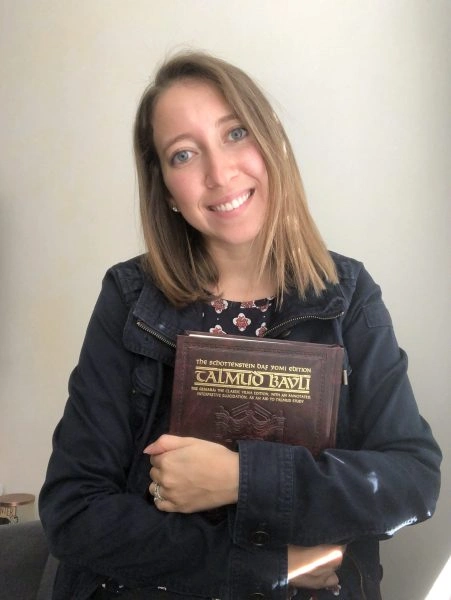
Memphis, Tennessee, United States
I started learning on January 5, 2020. When I complete the 7+ year cycle I will be 70 years old. I had been intimidated by those who said that I needed to study Talmud in a traditional way with a chevruta, but I decided the learning was more important to me than the method. Thankful for Daf Yomi for Women helping me catch up when I fall behind, and also being able to celebrate with each Siyum!

Bakersfield, United States
See video

Raanana, Israel
Hearing and reading about the siyumim at the completion of the 13 th cycle Daf Yomi asked our shul rabbi about starting the Daf – he directed me to another shiur in town he thought would allow a woman to join, and so I did! Love seeing the sources for the Divrei Torah I’ve been hearing for the past decades of living an observant life and raising 5 children .

Pittsburgh, Pennsylvania, United States
When the new cycle began, I thought, If not now, when? I’d just turned 72. I feel like a tourist on a tour bus passing astonishing scenery each day. Rabbanit Michelle is my beloved tour guide. When the cycle ends, I’ll be 80. I pray that I’ll have strength and mind to continue the journey to glimpse a little more. My grandchildren think having a daf-learning savta is cool!

Jerusalem, Israel
Since I started in January of 2020, Daf Yomi has changed my life. It connects me to Jews all over the world, especially learned women. It makes cooking, gardening, and folding laundry into acts of Torah study. Daf Yomi enables me to participate in a conversation with and about our heritage that has been going on for more than 2000 years.
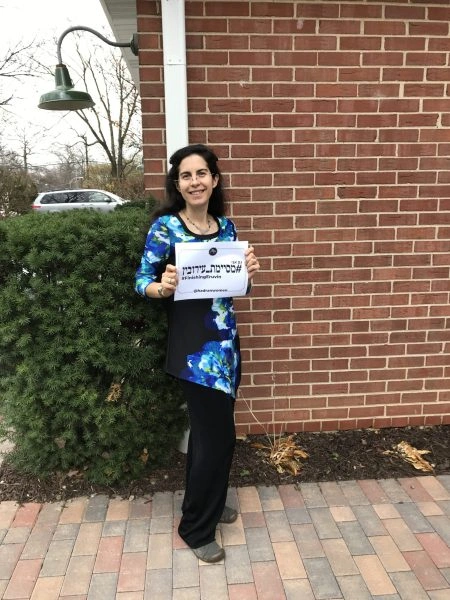
Skokie, IL, United States
I started at the beginning of this cycle. No 1 reason, but here’s 5.
In 2019 I read about the upcoming siyum hashas.
There was a sermon at shul about how anyone can learn Talmud.
Talmud references come up when I am studying. I wanted to know more.
Yentl was on telly. Not a great movie but it’s about studying Talmud.
I went to the Hadran website: A new cycle is starting. I’m gonna do this

Cambridge, United Kingdom
After experiences over the years of asking to join gemara shiurim for men and either being refused by the maggid shiur or being the only women there, sometimes behind a mechitza, I found out about Hadran sometime during the tail end of Masechet Shabbat, I think. Life has been much better since then.
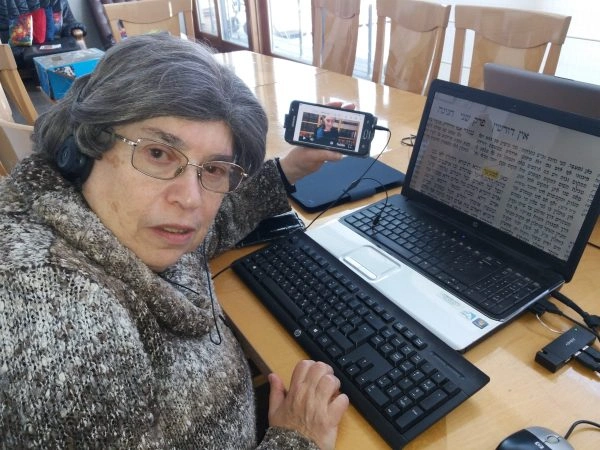
London, United Kingdom
It happened without intent (so am I yotzei?!) – I watched the women’s siyum live and was so moved by it that the next morning, I tuned in to Rabbanit Michelle’s shiur, and here I am, still learning every day, over 2 years later. Some days it all goes over my head, but others I grasp onto an idea or a story, and I ‘get it’ and that’s the best feeling in the world. So proud to be a Hadran learner.

Zichron Yaakov, Israel
I had never heard of Daf Yomi and after reading the book, The Weight of Ink, I explored more about it. I discovered that it was only 6 months before a whole new cycle started and I was determined to give it a try. I tried to get a friend to join me on the journey but after the first few weeks they all dropped it. I haven’t missed a day of reading and of listening to the podcast.

Elkins Park, United States
I read Ilana Kurshan’s “If All the Seas Were Ink” which inspired me. Then the Women’s Siyum in Jerusalem in 2020 convinced me, I knew I had to join! I have loved it- it’s been a constant in my life daily, many of the sugiyot connect to our lives. My family and friends all are so supportive. It’s incredible being part of this community and love how diverse it is! I am so excited to learn more!

Jerusalem, Israel
When I was working and taking care of my children, learning was never on the list. Now that I have more time I have two different Gemora classes and the nach yomi as well as the mishna yomi daily.

Jerusalem, Israel
Geri Goldstein got me started learning daf yomi when I was in Israel 2 years ago. It’s been a challenge and I’ve learned a lot though I’m sure I miss a lot. I quilt as I listen and I want to share what I’ve been working on.

Ottawa, Canada

Palo Alto, CA, United States
Years ago, I attended the local Siyum HaShas with my high school class. It was inspiring! Through that cycle and the next one, I studied masekhtot on my own and then did “daf yomi practice.” The amazing Hadran Siyum HaShas event firmed my resolve to “really do” Daf Yomi this time. It has become a family goal. We’ve supported each other through challenges, and now we’re at the Siyum of Seder Moed!

Jerusalem, Israel
Since I started in January of 2020, Daf Yomi has changed my life. It connects me to Jews all over the world, especially learned women. It makes cooking, gardening, and folding laundry into acts of Torah study. Daf Yomi enables me to participate in a conversation with and about our heritage that has been going on for more than 2000 years.
Skokie, IL, United States
I had dreamed of doing daf yomi since I had my first serious Talmud class 18 years ago at Pardes with Rahel Berkovitz, and then a couple of summers with Leah Rosenthal. There is no way I would be able to do it without another wonderful teacher, Michelle, and the Hadran organization. I wake up and am excited to start each day with the next daf.

Irvine, United States
Bava Metzia 56
מִפְּנֵי שֶׁאָמְרוּ: מְחַלְּלִין (אוֹתוֹ), כֶּסֶף עַל נְחֹשֶׁת, מִדּוֹחַק, לֹא שֶׁיְּקַיֵּים כֵּן, אֶלָּא שֶׁחוֹזֵר וּמְחַלְּלָן עַל הַכֶּסֶף. קָתָנֵי מִיהַת: מְחַלְּלִין מִדּוֹחַק, מִדּוֹחַק – אִין, שֶׁלֹּא מִדּוֹחַק – לָא.
The reason one must employ this procedure is due to the fact that the Sages said: One desacralizes second-tithe silver coins upon copper coins under duress. And it is not that he will maintain them in that form; rather, it is that he again desacralizes them upon silver coins. In any event, the tanna teaches that one desacralizes second-tithe coins in this manner under duress, from which it may be inferred: Under duress, yes; not under duress, no. This is the halakha with regard to redemption of second-tithe coins by Torah law. By contrast, in the case of demai, which is by rabbinic law, Rabbi Meir permits desacralizing it in this manner ab initio. Apparently, Rabbi Meir is more lenient with regard to matters of rabbinic law than he is with regard to matters of Torah law.
אָמַר רַב יוֹסֵף: אַף עַל פִּי שֶׁמֵּיקֵל רַבִּי מֵאִיר בְּפִדְיוֹנוֹ, מַחְמִיר הוּא בַּאֲכִילָתוֹ, דְּתַנְיָא: לֹא הִתִּירוּ לִמְכּוֹר דְּמַאי אֶלָּא לְסִיטוֹן בִּלְבָד, וּבַעַל הַבַּיִת. בֵּין כָּךְ וּבֵין כָּךְ, צָרִיךְ לְעַשֵּׂר, דִּבְרֵי רַבִּי מֵאִיר.
Rav Yosef said: Although Rabbi Meir is lenient with regard to redemption of second-tithe demai, he is stringent with regard to its consumption. This is as it is taught in a baraita: The Sages permitted only a wholesaler to sell demai. Since a wholesaler acquires grain from numerous sources and sells large quantities, he would suffer significant loss if he were required to separate tithes each time. But in the case of a proprietor who purchased produce from an am ha’aretz, whether he purchased large quantities to sell in bulk or whether he purchased small quantities to sell little by little, he must tithe the produce; this is the statement of Rabbi Meir.
וַחֲכָמִים אוֹמְרִים: אֶחָד הַסִּיטוֹן וְאֶחָד בַּעַל הַבַּיִת – מוֹכֵר, וְשׁוֹלֵחַ לַחֲבֵירוֹ, וְנוֹתֵן לוֹ בְּמַתָּנָה, וְאֵינוֹ חוֹשֵׁשׁ.
The baraita continues: And the Rabbis say: Both a wholesaler and a proprietor who sells in bulk may sell demai, or send it to another, or give it to him as a gift, and they need not be concerned. The one who receives the produce separates the tithes and consumes the remaining produce. In this baraita, Rabbi Meir was stringent with regard to the concern that someone will consume demai without the tithes being separated.
מֵתִיב רָבִינָא: הַלּוֹקֵחַ מִן הַנַּחְתּוֹם, מְעַשֵּׂר מִן הַחַמָּה עַל הַצּוֹנֶנֶת, וּמִן הַצּוֹנֶנֶת עַל הַחַמָּה, וַאֲפִילּוּ מִדְּפוּסִים הַרְבֵּה, דִּבְרֵי רַבִּי מֵאִיר.
Ravina raises an objection from a mishna (Demai 5:3): One who purchases bread from a baker who is unreliable with regard to tithes [am ha’aretz] may tithe from warm bread for, i.e., to exempt, cold bread, and from cold bread for warm bread, and one may do so even if the bread is in different shapes from many molds; this is the statement of Rabbi Meir.
בִּשְׁלָמָא מִן הַצּוֹנֶנֶת עַל הַחַמָּה, כִּדְרַבִּי אִילְעַאי. דְּאָמַר רַבִּי אִילְעַאי: מִנַּיִן לַתּוֹרֵם מִן הָרָעָה עַל הַיָּפָה שֶׁתְּרוּמָתוֹ תְּרוּמָה? שֶׁנֶּאֱמַר: ״וְלֹא תִשְׂאוּ עָלָיו חֵטְא בַּהֲרִימְכֶם אֶת חֶלְבּוֹ מִמֶּנּוּ״. אִם אֵינוֹ קֹדֶשׁ, נְשִׂיאַת חֵטְא לָמָּה? מִכָּאן לַתּוֹרֵם מִן הָרָעָה עַל הַיָּפָה, שֶׁתְּרוּמָתוֹ תְּרוּמָה.
Granted, one may tithe from cold bread for warm bread, in accordance with the opinion of Rabbi Elai, as Rabbi Elai says: From where is it derived with regard to one who separates teruma from poor-quality produce for superior-quality produce that his teruma is teruma? It is as it is stated: “And you shall bear no sin by reason of it, seeing that you have set apart from it the best thereof” (Numbers 18:32). The Torah warns the Levites not to separate teruma from low-quality produce. The question arises: If when one separates lower-quality produce, that produce is not sacred, why would one think that he bears sin? He did nothing. From here it is derived that although the Levite acted improperly, in the case of one who separates teruma from poor-quality produce for superior-quality produce, his teruma is teruma.
אֶלָּא אֲפִילּוּ מִדְּפוּסִים הַרְבֵּה, לֵיחוּשׁ דִּלְמָא אָתֵי לְאַפְרוֹשֵׁי מִן הַחִיּוּב עַל הַפְּטוּר, וּמִן הַפְּטוּר עַל הַחִיּוּב!
Rather, with regard to the halakha that one may tithe even if the bread is in different shapes from many molds, let Rabbi Meir be concerned lest the buyer come to tithe from the loaves that one is obligated to tithe for the loaves that one is exempt from tithing, or from the exempt for the obligated. Since these loaves are all demai, it is possible that the loaves shaped in one mold were baked from produce that was tithed and the loaves shaped in another mold were baked from produce that was not tithed. Apparently, Rabbi Meir rules leniently in cases of rabbinic law, e.g., demai.
אָמַר אַבָּיֵי: רַבִּי אֶלְעָזָר שַׁפִּיר קָא קַשְׁיָא לֵיהּ, וּשְׁמוּאֵל לָא שַׁפִּיר קָא מְשַׁנֵּי לֵיהּ. דְּקַשְׁיָא לֵיהּ לְרַבִּי אֶלְעָזָר: מִיתָה דְּבִידֵי שָׁמַיִם, וּמְשַׁנֵּי לֵיהּ שְׁמוּאֵל: מִיתַת בֵּית דִּין. דִּלְמָא שָׁאנֵי מִיתַת בֵּית דִּין דַּחֲמִירָא!
The Gemara returns to discuss the difficulties raised above. Abaye said: The problem raised by Rabbi Elazar was legitimately difficult for him, and Shmuel did not legitimately responded to his difficulty by stating that the mishna is in accordance with the opinion of Rabbi Meir. The reason the response is insufficient is that it was the case in the mishna of teruma of the tithe, which is punishable with death at the hand of Heaven, that was difficult for Rabbi Elazar, who was questioning whether the Sages reinforced their pronouncements concerning such a prohibition and rendered them parallel to Torah law; and Shmuel responded to him by citing Rabbi Meir’s opinion concerning a bill of divorce, which involves court-imposed capital punishment. Perhaps the case involving court-imposed capital punishment is different, as it is more stringent, and Rabbi Meir renders rabbinic law parallel to Torah law only in such a case.
וְרַב שֵׁשֶׁת לָא שַׁפִּיר קָא מוֹתֵיב לֵיהּ, דְּקָאָמְרִי אִינְהוּ מִיתָה. וּמוֹתֵיב רַב שֵׁשֶׁת לָאו, דִּכְתִיב ״לֹא תוּכַל לֶאֱכֹל בִּשְׁעָרֶיךָ״. וּלְמַאי דְּמוֹתֵיב רַב שֵׁשֶׁת, רַב יוֹסֵף שַׁפִּיר קָא מְשַׁנֵּי לֵיהּ.
Abaye continued: And Rav Sheshet does not legitimately raise an objection, as Rabbi Elazar and Shmuel are speaking about cases punishable by death, and Rav Sheshet raised his objection from a case involving a mere prohibition, as it is written with regard to second tithe: “You may not eat within your gates the tithe of your grain, or of your wine, or of your oil” (Deuteronomy 12:17). And to that which Rav Sheshet raised as an objection, Rav Yosef legitimately respond to his difficulty.
אֶלָּא רָבִינָא, עַד דְּמוֹתֵיב מִנַּחְתּוֹם לְסַיַּיע לֵיהּ מִפַּלְטֵר! דִּתְנַן: הַלּוֹקֵחַ מִן הַפַּלְטֵר – מְעַשֵּׂר מִן כׇּל דְּפוּס וּדְפוּס, דִּבְרֵי רַבִּי מֵאִיר.
But as for Ravina, the question arises: Rather than raising an objection from this case of a baker, from which proof is cited that Rabbi Meir does not draw a parallel between rabbinic law and Torah law, let him cite support for the assessment of the opinion of Rabbi Meir from the case of a bread merchant [mipalter], as we learned in a mishna (Demai 5:4): One who purchases bread from a merchant tithes separately from the bread of each and every mold; this is the statement of Rabbi Meir. In this case, Rabbi Meir is stringent with regard to demai.
אֶלָּא מַאי אִית לָךְ לְמֵימַר? פַּלְטֵר מִתְּרֵי תְּלָתָא גַּבְרָא זָבֵין, נַחְתּוֹם נָמֵי מֵחַד גַּבְרָא הוּא זָבֵין.
Rather, what have you to say in explaining why Ravina did not cite a proof from this mishna? It is because a merchant purchases his supply from two or three people. Therefore, Rabbi Meir holds that one must be concerned that perhaps one of the suppliers separated tithes and another did not, so the customer must separate tithes from the bread of each and every mold. But if that is the case, Ravina should not cite a proof from the case of the baker, as well; as the baker discussed in the mishna typically purchases his stock of grain from only one person. Therefore, in that case there is no concern that perhaps the customer will tithe from the loaves that he is exempt from tithing for the loaves that he is obligated to tithe.
רָבָא אָמַר: שְׁמוּאֵל שַׁפִּיר קָא מְשַׁנֵּי לֵיהּ, שֵׁם מִיתָה בָּעוֹלָם.
Rava said: Shmuel responds well to that which was difficult to Rabbi Elazar, as the category of death in the world is one. Therefore, it is appropriate to cite proof from the case of court-imposed capital punishment to the case of death at the hand of Heaven.
מַתְנִי׳ אֵלּוּ דְּבָרִים שֶׁאֵין לָהֶם אוֹנָאָה: הָעֲבָדִים, וְהַשְּׁטָרוֹת, וְהַקַּרְקָעוֹת, וְהַהֶקְדֵּשׁוֹת. אֵין לָהֶן תַּשְׁלוּמֵי כֶפֶל, וְלֹא תַּשְׁלוּמֵי אַרְבָּעָה וַחֲמִשָּׁה. שׁוֹמֵר חִנָּם אֵינוֹ נִשְׁבָּע, וְנוֹשֵׂא שָׂכָר אֵינוֹ מְשַׁלֵּם. רַבִּי שִׁמְעוֹן אוֹמֵר:
MISHNA: These are matters that are not subject to the halakhot of exploitation even if the disparity between the value and the payment is one-sixth or greater: Slaves, and documents, and land, and consecrated property. In addition, if they are stolen, these items are subject neither to payment of double the principal for theft nor to payment of four or five times the principal, if the thief slaughtered or sold a stolen sheep or cow, respectively. An unpaid bailee does not take an oath and a paid bailee does not pay if these items were stolen or lost. Rabbi Shimon says:
קֳדָשִׁים שֶׁהוּא חַיָּיב בְּאַחְרָיוּתָן – יֵשׁ לָהֶן אוֹנָאָה. וְשֶׁאֵינוֹ חַיָּיב בְּאַחְרָיוּתָן – אֵין לָהֶן אוֹנָאָה. רַבִּי יְהוּדָה אוֹמֵר: אַף הַמּוֹכֵר סֵפֶר תּוֹרָה, בְּהֵמָה וּמַרְגָּלִית – אֵין לָהֶם אוֹנָאָה. אָמְרוּ לוֹ: לֹא אָמְרוּ אֶלָּא אֶת אֵלּוּ.
With regard to sacrificial animals for which one bears responsibility to replace them, they are subject to the halakhot of exploitation, as this responsibility indicates a certain aspect of ownership. And those for which one does not bear responsibility to replace them, they are not subject to the halakhot of exploitation. Rabbi Yehuda says: Even in the case of one who sells a Torah scroll, an animal, or a pearl, these items are not subject to the halakhot of exploitation, as they have no fixed price. The Rabbis said to him: The early Sages stated that only these items listed above are not subject to the halakhot of exploitation.
גְּמָ׳ מְנָהָנֵי מִילֵּי? דְּתָנוּ רַבָּנַן: ״וְכִי תִמְכְּרוּ מִמְכָּר לַעֲמִיתֶךָ אוֹ קָנֹה מִיַּד עֲמִיתֶךָ״, דָּבָר הַנִּקְנֶה מִיָּד לְיָד. יָצְאוּ קַרְקָעוֹת, שֶׁאֵינָן מְטַלְטְלִים. יָצְאוּ עֲבָדִים, שֶׁהוּקְּשׁוּ לְקַרְקָעוֹת. יָצְאוּ שְׁטָרוֹת, דִּכְתִיב: ״וְכִי תִמְכְּרוּ מִמְכָּר״, שֶׁגּוּפוֹ מָכוּר וְגוּפוֹ קָנוּי. יָצְאוּ שְׁטָרוֹת, שֶׁאֵין גּוּפָן מָכוּר וְאֵין גּוּפָן קָנוּי, וְאֵינָן עוֹמְדִין אֶלָּא לִרְאָיָה שֶׁבָּהֶם.
GEMARA: The Gemara asks: From where are these matters derived? It is as the Sages taught: It is written: “And if you sell to your colleague an item that is sold, or acquire from your colleague’s hand, one shall not exploit his brother” (Leviticus 25:14). This is referring to an item acquired from hand to hand. Land is excluded, as it is not movable. Slaves are excluded, as they are juxtaposed to land in several sources, and therefore their legal status is like that of land in certain respects. Documents are excluded, as it is written: “And if you sell to your colleague an item that is sold,” indicating an item that is itself sold and itself acquired. Documents are excluded, as they are not sold themselves and they are not acquired themselves. They have no intrinsic value, and they exist only for the proof therein.
מִכָּאן אָמְרוּ: הַמּוֹכֵר שְׁטָרוֹתָיו לְבַשָּׂם, יֵשׁ לָהֶם אוֹנָאָה. פְּשִׁיטָא! לְאַפּוֹקֵי מִדְּרַב כָּהֲנָא, דְּאָמַר: אֵין אוֹנָאָה לִפְרוּטוֹת, קָא מַשְׁמַע לַן: יֵשׁ אוֹנָאָה לִפְרוּטוֹת. הֶקְדֵּשׁוֹת? אָמַר קְרָא ״אָחִיו״ – אָחִיו, וְלֹא הֶקְדֵּשׁ.
From here the Sages said: In the case of one who sells his documents that are no longer in use to a perfumer for use in packaging his wares, they are subject to the halakhot of exploitation because he is selling the paper itself. The Gemara asks: Isn’t this obvious? In that case, one sold paper, and it is no different from any other movable property. The Gemara answers: This serves to exclude the opinion of Rav Kahana, who says: There is no exploitation for cases involving perutot, as paper is sold for mere perutot. The Sages therefore teach us: There is exploitation for cases involving perutot. Consecrated property is excluded, as the verse states: “One shall not exploit his brother” (Leviticus 25:14), indicating that these halakhot apply only to transactions involving “his brother,” but not to transactions involving consecrated property.
מַתְקֵיף לַהּ רַבָּה בַּר מֶמֶל: כֹּל הֵיכָא דִּכְתִיב ״יָדוֹ״, יָדוֹ מַמָּשׁ הוּא? אֶלָּא מֵעַתָּה, דִּכְתִיב ״וַיִּקַּח אֶת כׇּל אַרְצוֹ מִיָּדוֹ״, הָכִי נָמֵי דְּכֹל אַרְעָא בִּידֵיהּ הֲוָה נָקֵיט לַהּ? אֶלָּא מֵרְשׁוּתוֹ, הָכָא נָמֵי מֵרְשׁוּתוֹ.
Rabba bar Memel objects to this: Is that to say that anywhere that it is written “his hand,” the reference is to his actual hand, and not merely to his possession, in its metaphorical sense? If that is so, that which is written: “And taken all his land from his hand” (Numbers 21:26), would you also explain here that he was holding all his land in his hand? Rather, clearly, “from his hand” means from his possession. Here too, “from your colleague’s hand” in the case of exploitation means from his possession.
וְכֹל הֵיכָא דִּכְתִיב ״יָדוֹ״, לָאו יָדוֹ מַמָּשׁ הוּא? וְהָתַנְיָא: ״אִם הִמָּצֵא תִמָּצֵא בְיָדוֹ״, אֵין לִי אֶלָּא יָדוֹ. גַּגּוֹ, חֲצֵירוֹ וְקַרְפֵּיפוֹ מִנַּיִן? תַּלְמוּד לוֹמַר: ״אִם הִמָּצֵא תִמָּצֵא״, מִכׇּל מָקוֹם.
The Gemara asks: Is that to say that anywhere that it is written “his hand” the reference is not to his actual hand? But isn’t it taught in a baraita: “If the theft is found in his hand” (Exodus 22:3): I have derived from here only his hand; from where do I derive that the halakha is the same if the stolen item is found on his roof, in his courtyard, or in his enclosure? The verse states: “If the theft is found [himmatze timmatze]”; the use of the double verb teaches that the halakha applies in any case where the stolen item is in his possession.
טַעְמָא דִּכְתַב רַחֲמָנָא ״אִם הִמָּצֵא תִמָּצֵא״, הָא לָאו הָכִי הֲוָה אָמֵינָא: כֹּל הֵיכָא דִּכְתַב ״יָדוֹ״, יָדוֹ מַמָּשׁ הוּא. וְתוּ, תַּנְיָא: ״וְנָתַן בְּיָדָהּ״, אֵין לִי אֶלָּא יָדָהּ. גַּגָּהּ חֲצֵירָהּ וְקַרְפֵּיפָהּ מִנַּיִן? תַּלְמוּד לוֹמַר: ״וְנָתַן״, מִכׇּל מָקוֹם. טַעְמָא דִּכְתַב רַחֲמָנָא ״וְנָתַן״, הָא לָאו הָכִי הֲוָה אָמֵינָא: כֹּל הֵיכָא דִּכְתַב ״יָדוֹ״, יָדוֹ מַמָּשׁ.
The Gemara infers: The halakha applies if the stolen item is found in his possession, and this includes any place in his possession. The reason is that the Merciful One writes: “If the theft is found [himmatze timmatze].” If that were not so, I would say that wherever He writes “his hand,” the reference is to his actual hand. And furthermore, it is taught in a baraita that it is written with regard to a bill of divorce: “And place it in her hand” (Deuteronomy 24:1). I have derived only her hand; from where do I derive that the halakha is the same if he places the bill of divorce on her roof, in her courtyard, or in her enclosure? The verse states: And place, in any case that he places it in her possession. Here too, the Gemara infers: The reason that any place in her possession is included is that the Merciful One writes “and place.” If that were not so, I would say that wherever He writes “his hand,” the reference is to his actual hand.
אֶלָּא, כֹּל ״יָדוֹ״ – יָדוֹ מַמָּשׁ הוּא. וְשָׁאנֵי הָתָם, דְּלֵיכָּא לְמֵימַר הָכִי, אֶלָּא בִּרְשׁוּתוֹ.
Rather, the Gemara rejects Rabba bar Memel’s objection and concludes: Every mention of the term “his hand” in the Torah is a reference to his actual hand. And it is different there, in the verse: “And taken all his land from his hand” (Numbers 21:26), where it cannot be said that the reference is to his actual hand. Rather, it means there: In his possession.
בָּעֵי רַבִּי זֵירָא: שְׂכִירוּת יֵשׁ לוֹ אוֹנָאָה, אוֹ אֵין לוֹ אוֹנָאָה? ״מִמְכָּר״ אָמַר רַחֲמָנָא, אֲבָל לֹא שְׂכִירוּת, אוֹ דִלְמָא לָא שְׁנָא? אֲמַר לֵיהּ אַבָּיֵי: מִי כְּתִיב ״מִמְכָּר לְעוֹלָם״? ״מִמְכָּר״ סְתָמָא כְּתִיב, וְהַאי נָמֵי, בְּיוֹמֵיהּ מְכִירָה הִיא.
§ Rabbi Zeira raises a dilemma with regard to rental: Is it subject to the halakhot of exploitation, or is it not subject to the halakhot of exploitation? The Gemara elaborates: Is it an item that is sold about which the Merciful One speaks, but not a rental; or perhaps there is no difference? Abaye said to him: Is it written: And if you sell an item that is sold forever? What is written is simply: “And if you sell an item that is sold,” and indeed for its day the rental is considered a sale. The legal status of a rental is that of a sale for a limited period. Consequently, it is subject to the halakhot of exploitation.
בָּעֵי רָבָא: חִטִּין וּזְרָעָן בַּקַּרְקַע, מַהוּ? יֵשׁ לָהֶם אוֹנָאָה, אוֹ אֵין לָהֶם אוֹנָאָה? כְּמַאן דְּשַׁדְיָין בְּכַדָּא דָּמְיָין, וְיֵשׁ לָהֶם אוֹנָאָה, אוֹ דִלְמָא בַּטְּלִינְהוּ עַל גַּב אַרְעָא?
Rava raises a dilemma: In a case involving wheat kernels, and one sowed them in the ground, what is the halakha? Are they subject to the halakhot of exploitation, or are they not subject to the halakhot of exploitation? The Gemara elaborates: Is their legal status like that of kernels cast into a jug, and they are subject to the halakhot of exploitation, as they remain movable property? Or, perhaps he subordinated them to the ground, and like land they are not subject to the halakhot of exploitation.
הֵיכִי דָמֵי? אִילֵימָא דְּאָמַר אִיהוּ: ״שְׁדַאי בַּהּ שִׁיתָּא״, וַאֲתוֹ סָהֲדִי וְאָמְרִי דְּלָא שְׁדָא בָּהּ אֶלָּא חַמְשָׁה, וְהָאָמַר רָבָא: כׇּל דָּבָר שֶׁבְּמִדָּה וְשֶׁבְּמִשְׁקָל וְשֶׁבְּמִנְיָן, אֲפִילּוּ פָּחוֹת מִכְּדֵי אוֹנָאָה – חוֹזֵר!
The Gemara asks: What are the circumstances? If we say that the hired laborer said: I sowed six kav of grain in the field, and witnesses came and said that he sowed only five kav in it, but doesn’t Rava himself say: With regard to any item that is otherwise subject to the halakhot of exploitation, and it is sold by measure, or by weight, or by number, even if the disparity was less than the measure of exploitation in the transaction, the transaction is reversed. A disparity of one-sixth between the value of an item and its price constitutes exploitation only in cases where there is room for error in assessing the value of an item. In a case where the sale item is easily quantifiable, any deviation from the designated quantity results in a nullification of the transaction, even if the wheat kernels are subordinate to the ground.
אֶלָּא דְּאָמַר אִיהוּ: ״שְׁדַאי בָּהּ כִּדְאִבְּעִי לַהּ״, וְאִיגַּלַּאי מִילְּתָא דְּלָא שְׁדָא בָּהּ כִּדְאִבְּעִי לַהּ, יֵשׁ לָהֶם אוֹנָאָה אוֹ אֵין לָהֶם אוֹנָאָה? כְּמַאן דִּשְׁדֵי בְּכַדָּא דָּמְיָין וְיֵשׁ לָהֶם אוֹנָאָה, אוֹ דִּלְמָא בַּטְּלִינְהוּ אַגַּב אַרְעָא?
Rather, it is a case where the hired laborer said: I cast kernels in the field as required, without quantifying the measure of the kernels that he cast, and it was discovered that he did not cast kernels in the field as required. Are they subject to the halakhot of exploitation or are they not subject to the halakhot of exploitation? Is the legal status of these kernels like that of kernels cast into a jug, and they are subject to the halakhot of exploitation? Or, perhaps the laborer subordinated them to the ground?
נִשְׁבָּעִין עֲלֵיהֶן, אוֹ אֵין נִשְׁבָּעִין עֲלֵיהֶן? כְּמַאן דְּשַׁדְיָין בְּכַדָּא דָּמְיָין וְנִשְׁבָּעִין עֲלֵיהֶן, אוֹ דִלְמָא בַּטְּלִינְהוּ אַגַּב אַרְעָא וְאֵין נִשְׁבָּעִין עֲלֵיהֶן?
Rava raises an additional dilemma: If the laborer admitted to part of the claim, does he take an oath with regard to the kernels or does he not take an oath with regard to the kernels? Is their legal status like that of kernels cast into a jug, and one takes an oath with regard to them? Or, perhaps he subordinated them to the ground, and one does not take an oath with regard to them, as the halakha is that one does not take an oath about a claim involving land.
עוֹמֶר מַתִּירָן אוֹ אֵין עוֹמֶר מַתִּירָן? הֵיכִי דָמֵי: אִי דְּאַשְׁרוּשׁ – תְּנֵינָא, אִי דְּלָא אַשְׁרוּשׁ – תְּנֵינָא! דִּתְנַן: אִם הִשְׁרִישׁוּ קוֹדֶם לָעוֹמֶר – עוֹמֶר מַתִּירָן, וְאִם לָאו – אֲסוּרִין עַד שֶׁיָּבֹא עוֹמֶר הַבָּא!
Rava raises an additional dilemma: Does the sacrifice of the omer offering permit one to eat the produce grown from these kernels, or does the sacrifice of the omer offering not permit one to eat the produce? The Gemara asks: What are the circumstances? If it is a case where the kernels took root, we already learned that halakha. If it is a case where the kernels did not yet take root, we already learned that halakha also. As we learned in a mishna (Menaḥot 70a): If crops took root before the sacrifice of the omer offering, the omer offering renders it permitted to eat them. And if not, if they took root only after the sacrifice of the omer offering, it is prohibited to eat them until the time for the sacrifice of the next omer offering will arrive.
לָא צְרִיכָא, דְּחַצְדִינְהוּ וְזַרְעִינְהוּ קוֹדֶם לָעוֹמֶר, וַאֲתָא לֵיהּ עוֹמֶר וַחֲלֵיף עִילָּוַיְיהוּ, וְלָא אַשְׁרוּשׁ קוֹדֶם לָעוֹמֶר.
No, Rava’s dilemma is not superfluous, as it is necessary to raise it in a case where one reaped grain and sowed its kernels prior to the time of the omer offering, and the time of the omer offering arrived and passed while they were in the ground, and the kernels did not take root before the sacrifice of the omer offering.

