










Rabbi Yehuda haNasi and Rabbi Natan were the last from the Mishna period and Ravina and Rav Ashi were the last of the Talmudic period. This statement is likely referring to the editing of the Mishna and Talmud. Raba bar Nachmani was killed out of fear of the king. Raba bar Nachmani’s tragic death is recounted and how it related to the need for him in the heavens to resolve a debate between God and the rabbis in the yeshiva in the heavens. The Mishna related to the custom in the land and a story about Rabbi Yochanan ben Matia and his son’s commitment to their workers. On account of that story, the Gemara digresses into a series of drashot on the story of Avraham and the angels and the food that he served to them.
Bava Metzia
Masechet Bava Metzia is sponsored by Rabbi Art Gould in memory of his beloved bride of 50 years, Carol Joy Robinson, Karina Gola bat Huddah v’Yehuda Tzvi.
רבות בנות עשו חיל ואת עלית על־כלנה
This month’s learning is sponsored by Marci Glazer in loving memory of her teacher and chevruta, Rachel Brodie, Rachel Aviva bat Devora Chana, on her 4th yahrzeit. “She brought her love of Torah to thousands of people in her all-too-short life. A lover of Midrash, she still invited me on this Daf Yomi journey.”
Want to dedicate learning? Get started here:

0:00
0:00
Today’s daily daf tools:
Bava Metzia
Masechet Bava Metzia is sponsored by Rabbi Art Gould in memory of his beloved bride of 50 years, Carol Joy Robinson, Karina Gola bat Huddah v’Yehuda Tzvi.
רבות בנות עשו חיל ואת עלית על־כלנה
This month’s learning is sponsored by Marci Glazer in loving memory of her teacher and chevruta, Rachel Brodie, Rachel Aviva bat Devora Chana, on her 4th yahrzeit. “She brought her love of Torah to thousands of people in her all-too-short life. A lover of Midrash, she still invited me on this Daf Yomi journey.”
Bava Metzia 86
חַכִּים יִתְקְרֵי, וְרַבִּי לָא יִתְקְרֵי. וְאַסּוּ דְּרַבִּי עַל יָדוֹ תְּהֵא. רַבִּי וְרַבִּי נָתָן – סוֹף מִשְׁנָה. רַב אָשֵׁי וְרָבִינָא – סוֹף הוֹרָאָה.
shall be called a wise [ḥakim] physician, but he shall not be called rabbi, and Rabbi Yehuda HaNasi’s convalescence shall be through him. I also saw written there: Rabbi Yehuda HaNasi and Rabbi Natan are the end of the Mishna, i.e., the last of the tanna’im, the redactors of the Mishna. Rav Ashi and Ravina are the end of instruction, i.e., the end of the period of the amora’im, the redacting of the Talmud, which occurred after the period of the tanna’im.
וְסִימָנָךְ: ״עַד אָבוֹא אֶל מִקְדְּשֵׁי אֵל אָבִינָה לְאַחֲרִיתָם״.
And your mnemonic to remember that Rav Ashi and Ravina redacted the Talmud is the verse: “Until I entered into the sanctuary [mikdashei] of God, and considered [avina] their end” (Psalms 73:17). The sanctuary, mikdashei, alludes to Rav Ashi, while the term avina alludes to Ravina, which is a contraction of Rav Avina. The phrase: Their end, is interpreted as a reference to the redacting of the Talmud.
אָמַר רַב כָּהֲנָא, אִישְׁתַּעִי לִי רַב חָמָא בַּר בְּרַתֵּיה דְּחַסָּא: רַבָּה בַּר נַחְמָנִי אַגַּב שְׁמָדָא נָח נַפְשֵׁיהּ. אֲכַלוּ בֵּיהּ קוּרְצָא בֵּי מַלְכָּא, אֲמַרוּ: אִיכָּא חַד גַּבְרָא בִּיהוּדָאֵי דְּקָא מְבַטֵּל תְּרֵיסַר אַלְפֵי גַּבְרֵי מִיִּשְׂרָאֵל יַרְחָא בְּקַיְיטָא וְיַרְחָא בְּסִתְוָא מִכְּרָגָא דְּמַלְכָּא.
§ The Gemara relates another story discussing the greatness of the Sages. Rav Kahana said: Rav Ḥama, son of the daughter of Ḥasa, told me that Rabba bar Naḥmani died due to the fear of a decree of religious persecution. The Gemara explains: His enemies accused him [akhalu beih kurtza] of disloyalty in the king’s palace, as they said: There is one man from among the Jews who exempts twelve thousand Jewish men from the king’s head tax two months a year, one month in the summer and one month in the winter. Since many people would study in Rabba’s study hall during the months of Adar and Elul, he was being blamed for preventing those people from working during those months.
שַׁדַּרוּ פְּרֵיסְתְּקָא דְמַלְכָּא בָּתְרֵיהּ וְלָא אַשְׁכְּחֵיהּ. עֲרַק וַאֲזַל מִפּוּמְבְּדִיתָא לְאַקְרָא, מֵאַקְרָא לְאַגְמָא, וּמֵאַגְמָא לְשִׁחִין, וּמִשִּׁחִין לִצְרִיפָא, וּמִצְּרִיפָא לְעֵינָא דְמַיִם, וּמֵעֵינָא דְמַיִם לְפוּמְבְּדִיתָא. בְּפוּמְבְּדִיתָא אַשְׁכְּחֵיהּ. אִיקְּלַע פְּרֵיסְתְּקָא דְמַלְכָּא לְהָהוּא אוּשְׁפִּיזָא דְּרַבָּה. קָרִיבוּ תַּכָּא קַמֵּיהּ וְאַשְׁקוּהוּ תְּרֵי כָּסֵי, וְדַלְיוּהּ לְתַכָּא מִקַּמֵּיהּ הֲדַר פַּרְצוּפֵיהּ לַאֲחוֹרֵיהּ.
They sent a messenger [peristaka] of the king after him, but he was not able to find him. Rabba bar Naḥmani fled and went from Pumbedita to Akra, from Akra to Agma, from Agma to Shiḥin, from Shiḥin to Tzerifa, from Tzerifa to Eina Demayim, and from Eina Demayim back to Pumbedita. Ultimately, he was found in Pumbedita, as the king’s messenger arrived by chance at that same inn where Rabba bar Naḥmani was hiding. The inn attendants placed a tray before the messenger and gave him two cups to drink. They then removed the tray from before him and his face was miraculously turned backward.
אֲמַרוּ לֵיהּ: מַאי נַעֲבֵיד לֵיהּ? גַּבְרָא דְמַלְכָּא הוּא! אֲמַר לְהוּ: קָרִיבוּ תַּכָּא לְקַמֵּיהּ, וְאַשְׁקוּהּ חַד כָּסָא, וְדַלְיוּהּ לְתַכָּא מִקַּמֵּיהּ וְלִתַּסֵּי. עֲבַדוּ לֵיהּ הָכִי וְאִתַּסִּי. אֲמַר: מִידָּע יָדַעְנָא דְּגַבְרָא דְּקָא בָעֵינָא הָכָא הוּא. בְּחֵישׁ אַבָּתְרֵיהּ וְאַשְׁכְּחֵיהּ. אֲמַר: אָזֵלְינָא מֵהָא, אִי מִקְטָל קָטְלוּ לְהָהוּא גַּבְרָא – לָא מְגַלֵּינָא, וְאִי נַגֹּידֵי מְנַגְּדִין לֵיהּ – מְגַלֵּינָא.
The attendants said to Rabba bar Naḥmani: What should we do with him? He is the king’s man, and we cannot leave him like this. Rabba bar Naḥmani said to them: Place a tray before him and give him one cup to drink, and then remove the tray from before him and he will be healed. They did this, and he was healed. The messenger said: I am certain that the man I seek is here, as this unnatural event must have befallen me on his account. He searched for Rabba bar Naḥmani and found out where he was. The messenger said that they should tell Rabba bar Naḥmani: I will leave this inn and will not disclose your location. Even if they will kill that man, i.e., me, I will not disclose your location. But if they will beat him, me, I will disclose your whereabouts, as I cannot bear being tortured.
אַתְיוּהּ לְקַמֵּיהּ, עַיְּילֵיהּ לְאִדְּרוֹנָא וְטַרְקֵיהּ לְבָבָא בְּאַנְפֵּיהּ. בְּעָא רַחֲמֵי, פְּרַק אֲשִׁיתָא עֲרַק וַאֲזַל לְאַגְמָא. הֲוָה יָתֵיב אַגִּירְדָּא דְּדִקּוּלָא וְקָא גָרֵיס. קָא מִיפַּלְגִי בִּמְתִיבְתָּא דִרְקִיעָא: אִם בַּהֶרֶת קוֹדֶמֶת לְשֵׂעָר לָבָן – טָמֵא, וְאִם שֵׂעָר לָבָן קוֹדֵם לַבַּהֶרֶת – טָהוֹר.
With that guarantee, they brought Rabba bar Naḥmani before the messenger. They took him into a small vestibule [le’idrona] and closed the door before him. Rabba bar Naḥmani prayed for mercy, and the wall crumbled. He fled and went to hide in a swamp. He was sitting on the stump of a palm tree and studying Torah alone. At that moment, the Sages in the heavenly academy were disagreeing with regard to a halakha of leprosy. In general, a leprous spot includes two signs of impurity, a bright white spot and a white hair. The basic halakha is that if the snow-white leprous sore [baheret] preceded the white hair then the afflicted person is ritually impure, but if the white hair preceded the baheret, he is pure.
סָפֵק – הַקָּדוֹשׁ בָּרוּךְ הוּא אוֹמֵר: טָהוֹר, וְכוּלְּהוּ מְתִיבְתָּא דִרְקִיעָא אָמְרִי: טָמֵא. וְאָמְרִי: מַאן נוֹכַח? נוֹכַח רַבָּה בַּר נַחְמָנִי. דְּאָמַר רַבָּה בַּר נַחְמָנִי: אֲנִי יָחִיד בִּנְגָעִים, אֲנִי יָחִיד בְּאֹהָלוֹת.
The heavenly debate concerned a case of uncertainty as to which came first, the spot or the hair. The Holy One, Blessed be He, says: The individual is pure, but every other member of the heavenly academy says: He is impure. And they said: Who can arbitrate in this dispute? They agreed that Rabba bar Naḥmani should arbitrate, as Rabba bar Naḥmani once said: I am preeminent in the halakhot of leprosy and I am preeminent in the halakhot of ritual impurity imparted by tents.
שַׁדַּרוּ שְׁלִיחָא בָּתְרֵיהּ. לָא הֲוָה מָצֵי מַלְאַךְ הַמָּוֶת לְמִקְרַב לֵיהּ, מִדְּלָא הֲוָה קָא פָסֵיק פּוּמֵּיהּ מִגִּרְסֵיהּ. אַדְּהָכִי נְשַׁב זִיקָא וַאֲוַושׁ בֵּינֵי קְנֵי, סְבַר גּוּנְדָּא דְפָרָשֵׁי הוּא. אֲמַר: תִּינַח נַפְשֵׁיהּ דְּהָהוּא גַּבְרָא, וְלָא יִמְּסַר בִּידָא דְמַלְכוּתָא.
They sent a messenger from heaven after him to take his soul up to the heavenly academy, but the Angel of Death was unable to approach Rabba bar Naḥmani, as his mouth did not cease from his Torah study. In the meantime, a wind blew and howled between the branches. Rabba bar Naḥmani thought that the noise was due to an infantry battalion [gunda] about to capture him. He said: Let that man, i.e., me, die and not be given over to the hands of the government. The Angel of Death was therefore able to take his soul.
כִּי הֲוָה קָא נָיְחָא נַפְשֵׁיהּ, אֲמַר: טָהוֹר, טָהוֹר. יָצָאת בַּת קוֹל וְאָמְרָה: אַשְׁרֶיךָ רַבָּה בַּר נַחְמָנִי שֶׁגּוּפְךָ טָהוֹר, וְיָצָאתָה נִשְׁמָתְךָ בְּטָהוֹר. נְפַל פִּתְקָא מֵרְקִיעָא בְּפוּמְבְּדִיתָא: רַבָּה בַּר נַחְמָנִי נִתְבַּקֵּשׁ בִּיְשִׁיבָה שֶׁל מַעְלָה. נְפַקוּ אַבָּיֵי וְרָבָא וְכוּלְּהוּ רַבָּנַן לְאִיעֲסוֹקֵי בֵּיהּ. לָא הֲווֹ יָדְעִי דּוּכְתֵּיהּ. אֲזַלוּ לְאַגְמָא חֲזוֹ צִפְּרֵי דִּמְטַלְּלִי וְקָיְימִי, אָמְרִי: שְׁמַע מִינַּהּ הָתָם הוּא.
As he was dying, he said in response to the dispute in heaven: It is pure; it is pure. A Divine Voice emerged from heaven and said: Happy are you, Rabba bar Naḥmani, as your body is pure and your soul left you with the word: Pure. A note [pitka] fell from heaven and landed in the academy of Pumbedita. The note read: Rabba bar Naḥmani was summoned to the heavenly academy, i.e., he has died. Abaye and Rava and all of the other Rabbis went out to tend to his burial; however, they did not know the location of his body. They went to the swamp and saw birds forming a shade and hovering over a certain spot. The Rabbis said: We can conclude from this that he is there.
סַפְדוּהּ תְּלָתָא יוֹמֵי וּתְלָתָא לֵילָוָתָא. נְפַל פִּתְקָא: כׇּל הַפּוֹרֵשׁ יְהֵא בְּנִידּוּי. סַפְדוּהּ שִׁבְעָה יוֹמֵי. נְפַל פִּתְקָא: לְכוּ לְבֵיתְכֶם לְשָׁלוֹם.
The Rabbis lamented him for three days and three nights. A note fell from heaven, upon which was written: Anyone who removes himself from the lamentations shall be ostracized. Accordingly, they lamented him for seven days. Another note fell from heaven, stating: Go to your homes in peace.
הָהוּא יוֹמָא דְּנָח נַפְשֵׁיהּ דַּלְיֵיהּ זַעְפָּא וּדְרִי לְהָהוּא טַיָּיעָא כִּי רְכִיב גַּמְלָא מֵהַאי גִּיסָא דִּנְהַר פָּפָּא וְשַׁדְיֵיהּ בְּהָךְ גִּיסָא. אֲמַר: מַאי הַאי? אָמְרִי לֵיהּ: נָח נַפְשֵׁיהּ דְּרַבָּה בַּר נַחְמָנִי. אָמַר לְפָנָיו: רִבּוֹנוֹ שֶׁל עוֹלָם! כּוּלֵּי עָלְמָא דִּידָךְ הוּא, וְרַבָּה בַּר נַחְמָנִי דִּידָךְ, אַתְּ דְּרַבָּה וְרַבָּה דִּידָךְ – אַמַּאי קָא מַחְרְבַתְּ לֵיהּ לְעָלְמָא? נָח זַעְפָּא.
On that day when Rabba bar Naḥmani died, a hurricane lifted a certain Arab [taya’a] merchant while he was riding his camel. The hurricane carried him from one side of the Pappa River and threw him onto the other side. He said: What is this? Those present said to him: Rabba bar Naḥmani has died. He said before God: Master of the Universe! The entire world is Yours and Rabba bar Naḥmani is also Yours. You are to Rabba and Rabba is to You, i.e., you are beloved to each other. If so, why are You destroying the world on his account? The storm subsided.
רַבִּי שִׁמְעוֹן בֶּן חֲלַפְתָּא בַּעַל בָּשָׂר הֲוָה. יוֹמָא חַד הֲוָה חַמִּימָא לֵיהּ, הֲוָה סָלֵיק וְיָתֵיב אַשִּׁינָּא דְטוּרָא. אֲמַר לַהּ לִבְרַתֵּיהּ: בִּתִּי, הָנִיפִי עָלַי בִּמְנִיפָא, וַאֲנִי אֶתֵּן לִיךְ כִּכָּרִין דְּנֵרְדְּ. אַדְּהָכִי נְשַׁבָא זִיקָא, אֲמַר: כַּמָּה כַּכְּרִין דְּנֵרְדְּ לְמָרֵי דֵּיכִי.
The Gemara concludes its earlier discussion of obese Sages (84a). Rabbi Shimon ben Ḥalafta was obese. One day he was particularly hot and went and sat on a mountain boulder to cool himself off. He said to his daughter: My daughter, fan me with a fan, and as a gift I will give you packages of spikenard. In the meantime, a strong wind blew. He said: How many packages of spikenard do I owe to the overseers of this wind?
הַכֹּל כְּמִנְהַג הַמְּדִינָה וְכוּ׳. הַכֹּל לְאֵתוֹיֵי מַאי? לְאֵתוֹיֵי בְּאַתְרָא דִּנְהִיגִי מִכְרַךְ רִיפְתָּא וּמִשְׁתֵּה אַנְפָּקָא. דְּאִי אָמַר לְהוּ קַדִּימוּ וְאַיְיתֵי לְכוּ, אָמְרוּ לֵיהּ: לָא כֹּל כְּמִינָךְ.
§ The Gemara returns to its discussion of the mishna (83a), which teaches that an employer must provide his laborers with sustenance, all in accordance with the regional custom. The Gemara asks: What is added by the inclusive term: All? The Gemara answers: This serves to include a place where it is customary for the laborers to eat bread and drink a quarter-log [anpaka] of wine. As, if in such a case the employer were to say to them: Arise early in the morning and I will bring you this sustenance, so as not to waste work time, they may say to him: It is not in your power to compel us to do so.
מַעֲשֶׂה בְּרַבָּן יוֹחָנָן בֶּן מַתְיָא שֶׁאָמַר לִבְנוֹ צֵא וּשְׂכוֹר וְכוּ׳. מַעֲשֶׂה לִסְתּוֹר! חַסּוֹרֵי מְחַסְּרָא וְהָכִי קָתָנֵי: וְאִם פָּסַק לָהֶם מְזוֹנוֹת
§ The mishna teaches that there was an incident involving Rabbi Yoḥanan ben Matya, who said to his son: Go out and hire laborers for us. His son hired the laborers and stipulated that he would provide sustenance for them. The Gemara asks: After the mishna has stated that all practices are in accordance with the regional custom, how can it cite this incident, which seems to contradict the previous ruling, as Rabbi Yoḥanan ben Matya and his son did not follow the regional custom? The Gemara answers: The mishna is incomplete and this is what it is teaching: All practices are in accordance with the regional custom, but if the employer pledged to provide sustenance for them,
רִיבָּה לָהֶן. וּמַעֲשֶׂה נָמֵי בְּרַבִּי יוֹחָנָן בֶּן מַתְיָא שֶׁאָמַר לִבְנוֹ צֵא שְׂכוֹר לָנוּ פּוֹעֲלִים, הָלַךְ וּפָסַק לָהֶן מְזוֹנוֹת. וּכְשֶׁבָּא אֵצֶל אָבִיו, אָמַר לוֹ: בְּנִי, אֲפִילּוּ אַתָּה עוֹשֶׂה לָהֶן כִּסְעוּדַת שְׁלֹמֹה בִּשְׁעָתוֹ, לֹא יָצָאתָ יְדֵי חוֹבָתְךָ עִמָּהֶן, שֶׁהֵן בְּנֵי אַבְרָהָם יִצְחָק וְיַעֲקֹב.
he has increased his obligation to them, since if he had meant to give them no more than the accepted amount, he would not have made any stipulation at all. The mishna then continues: And there is also a supporting incident involving Rabbi Yoḥanan ben Matya, who said to his son: Go out and hire laborers for us. His son went, hired them, and pledged to provide sustenance for them as a term of their employment, without specifying the details. And when he came back to his father and reported what he had done, Rabbi Yoḥanan ben Matya said to him: My son, even if you were to prepare a feast for them like that of King Solomon in his time, you would not have fulfilled your obligation to them, as they are the descendants of Abraham, Isaac, and Jacob.
לְמֵימְרָא דִּסְעוּדְתָּא דְּאַבְרָהָם אָבִינוּ עֲדִיפָא מִדִּשְׁלֹמֹה? וְהָכְתִיב: ״וַיְהִי לֶחֶם שְׁלֹמֹה לְיוֹם אֶחָד שְׁלֹשִׁים כֹּר סֹלֶת וְשִׁשִּׁים כֹּר קָמַח. עֲשָׂרָה בָּקָר בְּרִאִים וַעֲשָׂרָה בָּקָר רְעִי וּמֵאָה צֹאן לְבַד מֵאַיָּל וּצְבִי וְיַחְמוּר וּבַרְבֻּרִים אֲבוּסִים״! וְאָמַר גּוּרְיוֹן בֶּן אֲסִטְיוֹן מִשְּׁמֵיהּ דְּרַב: הַלָּלוּ לַעֲמִילָן שֶׁל טַבָּחִים. וְרַבִּי יִצְחָק אָמַר: הַלָּלוּ לְצִיקֵי קְדֵירָה.
The Gemara asks: Is this to say that the feast of Abraham, our forefather, was superior to that of King Solomon? But isn’t it written: “And Solomon’s provision for one day was thirty measures of fine flour, and sixty measures of meal; ten fat oxen, and twenty oxen out of the pastures, and a hundred sheep, beside harts, and gazelles, and roebucks, and fatted fowl” (I Kings 5:2–3). And Guryon ben Asteyon says in the name of Rav: These measures of flour mentioned in the verse were used merely for the bakers’ well-worked dough [la’amilan] that was placed in the pot to absorb the steam. And Rabbi Yitzḥak says: These measures of flour were used for meat pudding, a mixture of wine, flour, and leftover meat, in a pot.
וְאָמַר רַבִּי יִצְחָק: אֶלֶף נָשִׁים הָיוּ לִשְׁלֹמֹה, כׇּל אַחַת וְאַחַת עָשְׂתָה לוֹ בְּבֵיתָה כָּךְ. מַאי טַעְמָא – זוֹ סְבוּרָה שֶׁמָּא אֶצְלִי סוֹעֵד הַיּוֹם, וְזוֹ סְבוּרָה שֶׁמָּא אֶצְלִי סוֹעֵד הַיּוֹם. וְאִילּוּ גַּבֵּי אַבְרָהָם כְּתִיב: ״וְאֶל הַבָּקָר רָץ אַבְרָהָם וַיִּקַּח בֶּן בָּקָר רַךְ וָטוֹב״. וְאָמַר רַב יְהוּדָה אָמַר רַב: ״בֶּן בָּקָר״ – אֶחָד, ״רַךְ״ – שְׁנַיִם, ״וְטוֹב״ – שְׁלֹשָׁה!
And Rabbi Yitzḥak further says: King Solomon had one thousand wives, each one of whom would prepare for him at her home a feast of such proportions. What is the reason that they did this? This wife reasoned: Perhaps he will feast with me today, and that wife reasoned: Perhaps he will feast with me today. But with regard to Abraham, it is written: “And Abraham ran to the herd, and fetched a calf tender and good” (Genesis 18:7), and Rav Yehuda says that Rav says, in explanation of the verse: “A calf” indicates one; the word “tender” means an additional one, i.e., two; “and good” indicates yet another one. This makes a total of three calves, a considerably smaller feast than that of Solomon.
הָתָם תְּלָתָא תּוֹרֵי לִתְלָתָא גַּבְרֵי, הָכָא לְכׇל יִשְׂרָאֵל וִיהוּדָה, שֶׁנֶּאֱמַר: ״יְהוּדָה וְיִשְׂרָאֵל רַבִּים כַּחוֹל אֲשֶׁר עַל הַיָּם״.
The Gemara answers: There, with regard to Abraham, he prepared three oxen for three people, whereas here, in the case of Solomon, his wives would prepare a feast for the entire realms of Israel and Judah, as it is stated: “Judah and Israel were many, as the sand which is by the sea in multitude, eating and drinking and making merry” (I Kings 4:20). Abraham’s feast was proportionately greater than that of Solomon.
מַאי ״בַּרְבּוּרִים אֲבוּסִים״? אָמַר רַב: שֶׁאוֹבְסִים אוֹתָן בְּעַל כׇּרְחָן. וּשְׁמוּאֵל אָמַר: שֶׁאֲבוּסִים וְעוֹמְדִים מֵאֲלֵיהֶם. וְרַבִּי יוֹחָנָן אָמַר: מְבִיאִין תּוֹר מִמַּרְעִיתוֹ בִּדְלָא אֲנִיס, וְתַרְנְגוֹלֶת מֵאַשְׁפָּתָהּ בִּדְלָא אֲנִיסָא.
With regard to the verse cited in relation to King Solomon, the Gemara asks: What is the meaning of the term “fatted fowl [avusim]”? Rav says: It means that they are fed [ovsim] by force. Shmuel says: It means that they were fattened [avusim] and maintained on their own accord, i.e., they were naturally fat. Rabbi Yoḥanan says: Solomon’s feasts were of fine quality because they would bring from his herd an ox that had never been forced to work, and they would also bring a hen from its coop that had never been forced to lay eggs, and use those for the cuisine.
אָמַר רַבִּי יוֹחָנָן: מוּבְחָר שֶׁבַּבְּהֵמוֹת – שׁוֹר, מוּבְחָר שֶׁבָּעוֹפוֹת – תַּרְנְגוֹלֶת. אָמַר אַמֵּימָר: זָגְתָּא אוּכַּמְתָּא בֵּי בַטְנִיתָא דְּמִשְׁתַּכְחָא בֵּינֵי עַצְרֵי, דְּלָא מָצְיָא פָּסְיָא קַנְיָא.
The Gemara cites a related statement of Rabbi Yoḥanan. Rabbi Yoḥanan says: The choicest of cattle is the ox. The choicest of fowl is the hen. With regard to the type of hen to which this is referring, Ameimar says: It is a fattened, black hen [zagta] that is found among the wine vats, which consumes so many grape seeds that it cannot take a step the length of a reed, due to its corpulence.
״וְאֶל הַבָּקָר רָץ אַבְרָהָם״, אָמַר רַב יְהוּדָה אָמַר רַב: ״בֶּן בָּקָר״ – אֶחָד, ״רַךְ״ – שְׁנַיִם, ״וְטוֹב״ – שְׁלֹשָׁה. וְאֵימָא חַד, כִּדְאָמְרִי אִינָשֵׁי: רַכִּיךְ וְטָב!
The Gemara returns to discuss the verse in Genesis: “And Abraham ran to the herd, and fetched a calf tender and good” (Genesis 18:7). Rav Yehuda says that Rav says: “A calf” is one; “tender” indicates an additional one, i.e., two; “and good” indicates another one, for a total of three calves. The Gemara asks: But why not say that the verse is referring to only one calf, as people say when describing a single item that it is tender and good?
אִם כֵּן, לִכְתּוֹב ״רַךְ טוֹב״, מַאי ״וָטוֹב״ – שְׁמַע מִינַּהּ לִדְרָשָׁה. אֵימָא תְּרֵי! מִדְּ״טוֹב״ לִדְרָשָׁה, ״רַךְ״ נָמֵי לִדְרָשָׁה.
The Gemara answers: If so, let the verse write: Tender, good. What is the significance of the term “and good,” which indicates an addition? Conclude from this that the verse is stated for the purpose of an exposition and is referring to more than one calf. The Gemara challenges: But one can still say there were only two calves. The Gemara answers: From the fact that the word “good” is written for an exposition, to include an additional calf, it may be inferred that the term “tender” is also written for an exposition and indicates yet another calf.
מֵתִיב רַבָּה בַּר עוּלָּא, וְאִיתֵּימָא רַב הוֹשַׁעְיָא, וְאִיתֵּימָא רַב נָתָן בְּרַבִּי הוֹשַׁעְיָא: ״וַיִּתֵּן אֶל הַנַּעַר וַיְמַהֵר לַעֲשׂוֹת אֹתוֹ״, כֹּל חַד וְחַד יַהֲבֵיהּ לְנַעַר חַד. ״וַיִּקַּח חֶמְאָה וְחָלָב וּבֶן הַבָּקָר אֲשֶׁר עָשָׂה וַיִּתֵּן לִפְנֵיהֶם״, דְּקַמָּא קַמָּא דִּמְטָיא, אַיְיתִי לְקַמַּיְיהוּ.
Rabba bar Ulla raises an objection, and some say it is Rav Hoshaya, and some say it is Rav Natan, son of Rabbi Hoshaya, who raises the objection: The verse states: “And he gave it to the servant; and he hastened to prepare it” (Genesis 18:7). The singular term “it” indicates that there was only one calf. The Gemara answers: Abraham gave each and every calf to one servant, i.e., he gave the three calves to three different servants. The Gemara raises a question from the verse: “And he took curd, and milk, and the calf which he had dressed, and set it before them” (Genesis 18:8), which again indicates that there was only one calf. The Gemara responds: The verse means that as each calf arrived prepared, he brought it before them, and he did not serve all three calves at once.
וּלְמָה לִי תְּלָתָא? תִּסְגֵּי בְּחַד. אָמַר רַב חָנָן בַּר רָבָא: כְּדֵי לְהַאֲכִילָן שָׁלֹשׁ לְשׁוֹנוֹת בְּחַרְדָּל. אָמַר רַבִּי תַּנְחוּם בַּר חֲנִילַאי: לְעוֹלָם אַל יְשַׁנֶּה אָדָם מִן הַמִּנְהָג, שֶׁהֲרֵי מֹשֶׁה עָלָה לַמָּרוֹם וְלֹא אָכַל לֶחֶם, מַלְאֲכֵי הַשָּׁרֵת יָרְדוּ לְמַטָּה וְאָכְלוּ לֶחֶם. וְאָכְלוּ סָלְקָא דַּעְתָּךְ?! אֶלָּא אֵימָא: נִרְאוּ כְּמִי שֶׁאָכְלוּ וְשָׁתוּ.
The Gemara asks: And why do I need three calves? One calf should be sufficient for three guests. Rav Ḥanan bar Rava said: Abraham prepared three calves in order to feed the guests three tongues with mustard, a particular delicacy. With regard to this incident, Rabbi Tanḥum bar Ḥanilai says: A person should never deviate from the local custom, as Moses ascended to heaven on high and did not eat bread while he was there, whereas the ministering angels descended down to this world, as guests visiting Abraham, and they ate bread. You say: And they ate bread? Can it enter your mind that they actually ate food? Rather, say that they merely appeared as though they ate and drank.
אָמַר רַב יְהוּדָה אָמַר רַב: כׇּל מַה שֶּׁעָשָׂה אַבְרָהָם לְמַלְאֲכֵי הַשָּׁרֵת בְּעַצְמוֹ – עָשָׂה הַקָּדוֹשׁ בָּרוּךְ הוּא לְבָנָיו בְּעַצְמוֹ. וְכׇל מַה שֶּׁעָשָׂה אַבְרָהָם עַל יְדֵי שָׁלִיחַ – עָשָׂה הַקָּדוֹשׁ בָּרוּךְ הוּא לְבָנָיו עַל יְדֵי שָׁלִיחַ.
Rav Yehuda says that Rav says: Every action that Abraham performed himself for the ministering angels, the Holy One, Blessed be He, performed Himself for Abraham’s descendants. And every action that Abraham performed through a messenger, the Holy One, Blessed be He, likewise performed for his descendants through a messenger.
״וְאֶל הַבָּקָר רָץ אַבְרָהָם״, ״וְרוּחַ נָסַע מֵאֵת ה׳״. ״וַיִּקַּח חֶמְאָה וְחָלָב״, ״הִנְנִי מַמְטִיר לָכֶם לֶחֶם מִן הַשָּׁמָיִם״.
The Gemara elaborates: With regard to Abraham, the verse states: “And Abraham ran to the herd” (Genesis 18:7), bringing the meat himself, and in reference to God’s actions for Abraham’s descendants the verse states: “And there went forth a wind from the Lord, and brought across quails from the sea” (Numbers 11:31), that God brought meat to them. In reference to Abraham, the verse states: “And he took curd and milk” (Genesis 18:8), and God says to the Jewish people: “Behold, I will cause to rain bread from heaven for you” (Exodus 16:4), which shows that God gave food to the Jewish people.
״וְהוּא עֹמֵד עֲלֵיהֶם תַּחַת הָעֵץ״, ״הִנְנִי עֹמֵד לְפָנֶיךָ שָּׁם עַל הַצּוּר [וְגוֹ׳]״. ״וְאַבְרָהָם הֹלֵךְ עִמָּם לְשַׁלְּחָם״, ״וַה׳ הֹלֵךְ לִפְנֵיהֶם יוֹמָם״.
With regard to Abraham, the verse states: “And he stood by them under the tree, and they ate” (Genesis 18:8), and in reference to God, the verse states: “Behold, I will stand before you there upon the rock in Horeb; and you shall strike the rock, and there shall come water out of it” (Exodus 17:6). In the case of Abraham it is written: “And Abraham went with them to bring them on the way” (Genesis 18:16), and the verse states: “And the Lord went before them by day” (Exodus 13:21).
״יֻקַּח נָא מְעַט מַיִם״, ״וְהִכִּיתָ בַצּוּר וְיָצְאוּ מִמֶּנּוּ מַיִם וְשָׁתָה הָעָם״.
By contrast, Abraham performed certain actions through an agent. He said: “Let now a little water be fetched” (Genesis 18:4), and correspondingly the verse states in reference to Moses, God’s messenger: “And you shall strike the rock, and there shall come water out of it, that the people may drink” (Exodus 17:6).
וּפְלִיגָא דְּרַבִּי חָמָא בְּרַבִּי חֲנִינָא. דְּאָמַר רַבִּי חָמָא בְּרַבִּי חֲנִינָא, וְכֵן תָּנָא דְּבֵי רַבִּי יִשְׁמָעֵאל: בִּשְׂכַר שְׁלֹשָׁה – זָכוּ לִשְׁלֹשָׁה. בִּשְׂכַר ״חֶמְאָה וְחָלָב״ – זָכוּ לַמָּן; בִּשְׂכַר ״וְהוּא עֹמֵד עֲלֵיהֶם״ – זָכוּ לְעַמּוּד הֶעָנָן; בִּשְׂכַר ״יֻקַּח נָא מְעַט מַיִם״ – זָכוּ לִבְאֵרָהּ שֶׁל מִרְיָם.
The Gemara notes: And in stating this, Rav disagrees with that statement of Rabbi Ḥama, son of Rabbi Ḥanina. As Rabbi Ḥama, son of Rabbi Ḥanina, says, and likewise the school of Rabbi Yishmael taught: In reward for three acts of hospitality that Abraham performed for the angels, his descendants merited three rewards. The Gemara elaborates: In reward for providing them with curd and milk, the Jewish people merited the manna; in reward for: “And he stood [omed] by them,” the Jews merited the pillar [amud] of cloud; in reward for Abraham saying: “Let now a little water be fetched,” they merited the well of Miriam. This statement does not distinguish between actions performed by Abraham himself and those performed by means of a messenger.
״יֻקַּח נָא מְעַט מַיִם וְרַחֲצוּ רַגְלֵיכֶם״, אָמַר רַבִּי יַנַּאי בְּרַבִּי יִשְׁמָעֵאל, אָמְרוּ לוֹ: וְכִי בְּעַרְבִיִּים חֲשַׁדְתָּנוּ, שֶׁהֵם מִשְׁתַּחֲוִים לַאֲבַק רַגְלֵיהֶם, כְּבָר יָצָא מִמֶּנּוּ יִשְׁמָעֵאל.
The Gemara continues its analysis of the verse: “Let now a little water be fetched and wash your feet” (Genesis 18:4). Rabbi Yannai, son of Rabbi Yishmael, said that the guests said to Abraham: Are you suspicious that we are Arabs who bow to the dust of their feet? Yishmael has already issued from him, i.e., your own son acts in this manner.
״וַיֵּרָא אֵלָיו ה׳ בְּאֵלֹנֵי מַמְרֵא וְהוּא יֹשֵׁב פֶּתַח הָאֹהֶל כְּחֹם הַיּוֹם״. מַאי ״כְּחוֹם הַיּוֹם״? אָמַר רַבִּי חָמָא בְּרַבִּי חֲנִינָא: אוֹתוֹ הַיּוֹם יוֹם שְׁלִישִׁי שֶׁל מִילָה שֶׁל אַבְרָהָם הָיָה, וּבָא הַקָּדוֹשׁ בָּרוּךְ הוּא לִשְׁאוֹל בְּאַבְרָהָם, הוֹצִיא הַקָּדוֹשׁ בָּרוּךְ הוּא חַמָּה מִנַּרְתִּיקָהּ כְּדֵי שֶׁלֹּא יַטְרִיחַ אוֹתוֹ צַדִּיק בְּאוֹרְחִים.
§ The Gemara expounds another verse involving Abraham: “And the Lord appeared to him by the terebinths of Mamre, as he sat in the tent door in the heat of the day” (Genesis 18:1). The Gemara asks: What is the meaning of “the heat of the day”? Rabbi Ḥama, son of Rabbi Ḥanina, says: That day was the third day after Abraham’s circumcision, and the Holy One, Blessed be He, came to inquire about the well-being of Abraham. The Holy One, Blessed be He, removed the sun from its sheath in order not to bother that righteous one with guests, i.e., God made it extremely hot that day to allow Abraham to recover from his circumcision, as he would not be troubled by passing travelers whom he would invite into his tent.
שַׁדְּרֵיהּ לֶאֱלִיעֶזֶר לְמִיפַּק לְבָרָא. נְפַק וְלָא אַשְׁכַּח, אָמַר: לָא מְהֵימְנָא לָךְ. הַיְינוּ דְּאָמְרִי תַּמָּן: לֵית הֵימָנוּתָא בְּעַבְדֵי. נְפַק אִיהוּ חַזְיֵיהּ לְהַקָּדוֹשׁ בָּרוּךְ הוּא דְּקָאֵי אַבָּבָא. הַיְינוּ דִּכְתִיב: ״אַל נָא תַעֲבֹר מֵעַל עַבְדֶּךָ״.
Despite the intense heat, Abraham wanted to invite guests. He sent Eliezer his slave to go outside to see if there were any passersby. Eliezer went out but did not find anyone. Abraham said to him: I do not believe you. The Gemara comments: This demonstrates the popular adage that people there, i.e., in Eretz Yisrael, say: Slaves do not have any credibility. The Gemara continues: Abraham himself went out and saw the Holy One, Blessed be He, standing at the entrance to his tent. This is as it is written: “My Lord, if now I have found favor in your eyes, do not leave Your servant” (Genesis 18:3), i.e., God’s presence was there, and Abraham asked Him for permission to attend to the travelers.
כֵּיוָן דַּחֲזָא דְּקָא אָסַר וְשָׁרֵי, אֲמַר: לָאו אוֹרַח אַרְעָא לְמֵיקַם הָכָא. הַיְינוּ דִּכְתִיב: ״וַיִּשָּׂא עֵינָיו וַיַּרְא וְהִנֵּה שְׁלֹשָׁה אֲנָשִׁים נִצָּבִים עָלָיו וַיַּרְא וַיָּרׇץ לִקְרָאתָם״. מֵעִיקָּרָא אֲתוֹ קָמוּ עֲלֵיהּ, כִּי חַזְיוּהּ דַּהֲוָה לֵיהּ צַעֲרָא, אֲמַרוּ: לָאו אוֹרַח אַרְעָא לְמֵיקַם הָכָא.
Once God saw Abraham tying and untying the bandage on his circumcision, God said: It is not proper conduct to stand here, i.e., it is not respectful to Abraham even for God to stand there. This is as it is written: “And he lifted up his eyes and looked, and, behold, three men stood over him; and when he saw them, he ran to meet them” (Genesis 18:2). The verse first states that they stood over him, and then it says that he ran to meet them. The Gemara reconciles this apparent contradiction: Initially, they came and stood over him. Upon seeing that he was in pain, they said: It is not proper conduct to stand here.
מַאן נִינְהוּ שְׁלֹשָׁה אֲנָשִׁים – מִיכָאֵל וְגַבְרִיאֵל וּרְפָאֵל. מִיכָאֵל שֶׁבָּא לְבַשֵּׂר אֶת שָׂרָה, רְפָאֵל שֶׁבָּא לְרַפֵּא אֶת אַבְרָהָם, גַּבְרִיאֵל אֲזַל לְמֶהְפְּכַיהּ לִסְדוֹם. וְהָא כְּתִיב: ״וַיָּבֹאוּ שְׁנֵי הַמַּלְאָכִים סְדֹמָה בָּעֶרֶב״! דַּאֲזַל מִיכָאֵל בַּהֲדֵיהּ לְשֵׁזְבֵיהּ לְלוֹט. דַּיְקָא נָמֵי, דִּכְתִיב: ״וַיַּהֲפֹךְ אֶת הֶעָרִים הָאֵל״, וְלָא כְּתִיב ״וַיַּהַפְכוּ״ – שְׁמַע מִינַּהּ.
The Gemara continues: Who are these three men? They are the angels Michael, Gabriel, and Raphael: Michael, who came to announce to Sarah that she was to give birth to a son; Raphael, who came to heal Abraham after his circumcision; and Gabriel, who went to overturn Sodom. The Gemara asks: But it is written: “And the two angels came to Sodom in the evening” (Genesis 19:1). The Gemara answers that Michael went along with Gabriel to Sodom to save Lot. The Gemara notes: The language is also precise, as it is written: “And he overturned those cities” (Genesis 19:25), and it is not written: They overturned those cities. Conclude from it that only one angel overturned Sodom.
מַאי שְׁנָא לְגַבֵּי אַבְרָהָם, דִּכְתִיב: ״כֵּן תַּעֲשֶׂה כַּאֲשֶׁר דִּבַּרְתָּ״, וּמַאי שְׁנָא לְגַבֵּי לוֹט, דִּכְתִיב:
The Gemara asks: What is different with regard to the incident involving Abraham, where the angels acquiesced immediately to his request to remain with him, as it is written: “So do, as you have said” (Genesis 18:5), and what is different with regard to Lot, where they first displayed reluctance, as it is written:
Follow 
Today’s daily daf tools:
Delve Deeper
Broaden your understanding of the topics on this daf with classes and podcasts from top women Talmud scholars.


New to Talmud?
Check out our resources designed to help you navigate a page of Talmud – and study at the pace, level and style that fits you.
The Hadran Women’s Tapestry
Meet the diverse women learning Gemara at Hadran and hear their stories.
I started learning at the beginning of the cycle after a friend persuaded me that it would be right up my alley. I was lucky enough to learn at Rabbanit Michelle’s house before it started on zoom and it was quickly part of my daily routine. I find it so important to see for myself where halachot were derived, where stories were told and to get more insight into how the Rabbis interacted.

Deborah Dickson
Ra’anana, Israel
Margo
I started my Talmud journey in 7th grade at Akiba Jewish Day School in Chicago. I started my Daf Yomi journey after hearing Erica Brown speak at the Hadran Siyum about marking the passage of time through Daf Yomi.
Carolyn
I started my Talmud journey post-college in NY with a few classes. I started my Daf Yomi journey after the Hadran Siyum, which inspired both my son and myself.
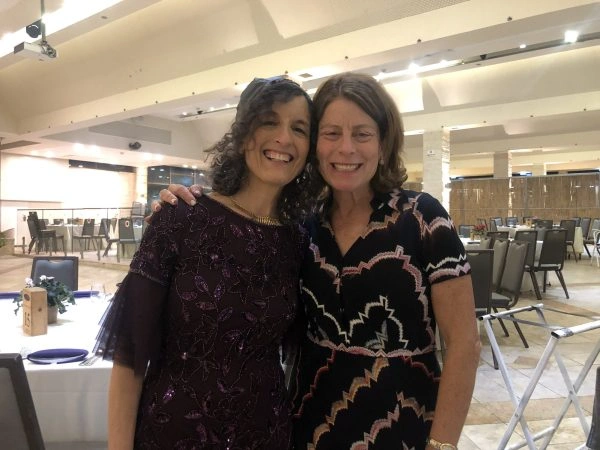
Carolyn Hochstadter and Margo Kossoff Shizgal
Merion Station, USA
Beit Shemesh, Israel
Attending the Siyyum in Jerusalem 26 months ago inspired me to become part of this community of learners. So many aspects of Jewish life have been illuminated by what we have learned in Seder Moed. My day is not complete without daf Yomi. I am so grateful to Rabbanit Michelle and the Hadran Community.

Nancy Kolodny
Newton, United States
A beautiful world of Talmudic sages now fill my daily life with discussion and debate.
bringing alive our traditions and texts that has brought new meaning to my life.
I am a מגילת אסתר reader for women . the words in the Mishna of מסכת megillah 17a
הקורא את המגילה למפרע לא יצא were powerful to me.
I hope to have the zchut to complete the cycle for my 70th birthday.

Sheila Hauser
Jerusalem, Israel
I had no formal learning in Talmud until I began my studies in the Joint Program where in 1976 I was one of the few, if not the only, woman talmud major. It was superior training for law school and enabled me to approach my legal studies with a foundation . In 2018, I began daf yomi listening to Rabbanit MIchelle’s pod cast and my daily talmud studies are one of the highlights of my life.

Terri Krivosha
Minneapolis, United States
My husband learns Daf, my son learns Daf, my son-in-law learns Daf.
When I read about Hadran’s Siyyum HaShas 2 years ago, I thought- I can learn Daf too!
I had learned Gemara in Hillel HS in NJ, & I remembered loving it.
Rabbanit Michelle & Hadran have opened my eyes & expanding my learning so much in the past few years. We can now discuss Gemara as a family.
This was a life saver during Covid

Renee Braha
Brooklyn, NY, United States
I started learning with rabbis. I needed to know more than the stories. My first teacher to show me “the way of the Talmud” as well as the stories was Samara Schwartz.
Michelle Farber started the new cycle 2 yrs ago and I jumped on for the ride.
I do not look back.

Jenifer Nech
Houston, United States
I have joined the community of daf yomi learners at the start of this cycle. I have studied in different ways – by reading the page, translating the page, attending a local shiur and listening to Rabbanit Farber’s podcasts, depending on circumstances and where I was at the time. The reactions have been positive throughout – with no exception!

Silke Goldberg
Guildford, United Kingdom
I started with Ze Kollel in Berlin, directed by Jeremy Borowitz for Hillel Deutschland. We read Masechet Megillah chapter 4 and each participant wrote his commentary on a Sugia that particularly impressed him. I wrote six poems about different Sugiot! Fascinated by the discussions on Talmud I continued to learn with Rabanit Michelle Farber and am currently taking part in the Tikun Olam course.

Yael Merlini
Berlin, Germany
A Gemara shiur previous to the Hadran Siyum, was the impetus to attend it.It was highly inspirational and I was smitten. The message for me was התלמוד בידינו. I had decided along with my Chahsmonaim group to to do the daf and take it one daf at time- without any expectations at all. There has been a wealth of information, insights and halachik ideas. It is truly exercise of the mind, heart & Soul
Phyllis Hecht
Hashmonaim, Israel
I began my journey with Rabbanit Michelle more than five years ago. My friend came up with a great idea for about 15 of us to learn the daf and one of us would summarize weekly what we learned.
It was fun but after 2-3 months people began to leave. I have continued. Since the cycle began Again I have joined the Teaneck women.. I find it most rewarding in so many ways. Thank you
Dena Heller
New Jersey, United States
Retirement and Covid converged to provide me with the opportunity to commit to daily Talmud study in October 2020. I dove into the middle of Eruvin and continued to navigate Seder Moed, with Rabannit Michelle as my guide. I have developed more confidence in my learning as I completed each masechet and look forward to completing the Daf Yomi cycle so that I can begin again!

Rhona Fink
San Diego, United States
I started the daf at the beginning of this cycle in January 2020. My husband, my children, grandchildren and siblings have been very supportive. As someone who learned and taught Tanach and mefarshim for many years, it has been an amazing adventure to complete the six sedarim of Mishnah, and now to study Talmud on a daily basis along with Rabbanit Michelle and the wonderful women of Hadran.

Rookie Billet
Jerusalem, Israel
As Jewish educator and as a woman, I’m mindful that Talmud has been kept from women for many centuries. Now that we are privileged to learn, and learning is so accessible, it’s my intent to complete Daf Yomi. I am so excited to keep learning with my Hadran community.
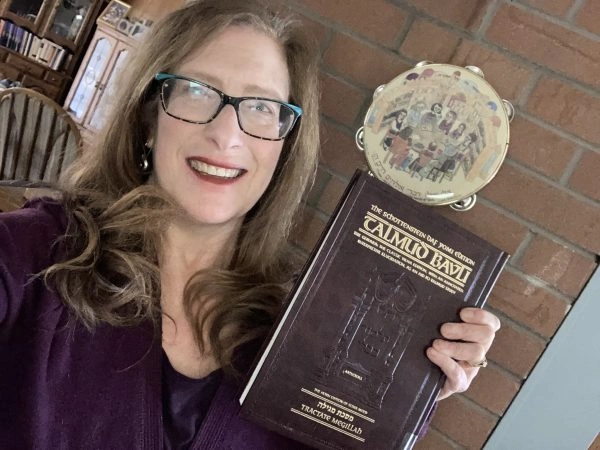
Sue Parker Gerson
Denver, United States
When I was working and taking care of my children, learning was never on the list. Now that I have more time I have two different Gemora classes and the nach yomi as well as the mishna yomi daily.
Shoshana Shinnar
Jerusalem, Israel
When the new cycle began, I thought, If not now, when? I’d just turned 72. I feel like a tourist on a tour bus passing astonishing scenery each day. Rabbanit Michelle is my beloved tour guide. When the cycle ends, I’ll be 80. I pray that I’ll have strength and mind to continue the journey to glimpse a little more. My grandchildren think having a daf-learning savta is cool!

Wendy Dickstein
Jerusalem, Israel
I saw an elderly man at the shul kiddush in early March 2020, celebrating the siyyum of masechet brachot which he had been learning with a young yeshiva student. I thought, if he can do it, I can do it! I began to learn masechet Shabbat the next day, Making up masechet brachot myself, which I had missed. I haven’t missed a day since, thanks to the ease of listening to Hadran’s podcast!

Judith Shapiro
Minnesota, United States
When we heard that R. Michelle was starting daf yomi, my 11-year-old suggested that I go. Little did she know that she would lose me every morning from then on. I remember standing at the Farbers’ door, almost too shy to enter. After that first class, I said that I would come the next day but couldn’t commit to more. A decade later, I still look forward to learning from R. Michelle every morning.

Ruth Leah Kahan
Ra’anana, Israel
It has been a pleasure keeping pace with this wonderful and scholarly group of women.

Janice Block
Beit Shemesh, Israel
A few years back, after reading Ilana Kurshan’s book, “If All The Seas Were Ink,” I began pondering the crazy, outlandish idea of beginning the Daf Yomi cycle. Beginning in December, 2019, a month before the previous cycle ended, I “auditioned” 30 different podcasts in 30 days, and ultimately chose to take the plunge with Hadran and Rabbanit Michelle. Such joy!

Cindy Dolgin
HUNTINGTON, United States
Bava Metzia 86
חַכִּים יִתְקְרֵי, וְרַבִּי לָא יִתְקְרֵי. וְאַסּוּ דְּרַבִּי עַל יָדוֹ תְּהֵא. רַבִּי וְרַבִּי נָתָן – סוֹף מִשְׁנָה. רַב אָשֵׁי וְרָבִינָא – סוֹף הוֹרָאָה.
shall be called a wise [ḥakim] physician, but he shall not be called rabbi, and Rabbi Yehuda HaNasi’s convalescence shall be through him. I also saw written there: Rabbi Yehuda HaNasi and Rabbi Natan are the end of the Mishna, i.e., the last of the tanna’im, the redactors of the Mishna. Rav Ashi and Ravina are the end of instruction, i.e., the end of the period of the amora’im, the redacting of the Talmud, which occurred after the period of the tanna’im.
וְסִימָנָךְ: ״עַד אָבוֹא אֶל מִקְדְּשֵׁי אֵל אָבִינָה לְאַחֲרִיתָם״.
And your mnemonic to remember that Rav Ashi and Ravina redacted the Talmud is the verse: “Until I entered into the sanctuary [mikdashei] of God, and considered [avina] their end” (Psalms 73:17). The sanctuary, mikdashei, alludes to Rav Ashi, while the term avina alludes to Ravina, which is a contraction of Rav Avina. The phrase: Their end, is interpreted as a reference to the redacting of the Talmud.
אָמַר רַב כָּהֲנָא, אִישְׁתַּעִי לִי רַב חָמָא בַּר בְּרַתֵּיה דְּחַסָּא: רַבָּה בַּר נַחְמָנִי אַגַּב שְׁמָדָא נָח נַפְשֵׁיהּ. אֲכַלוּ בֵּיהּ קוּרְצָא בֵּי מַלְכָּא, אֲמַרוּ: אִיכָּא חַד גַּבְרָא בִּיהוּדָאֵי דְּקָא מְבַטֵּל תְּרֵיסַר אַלְפֵי גַּבְרֵי מִיִּשְׂרָאֵל יַרְחָא בְּקַיְיטָא וְיַרְחָא בְּסִתְוָא מִכְּרָגָא דְּמַלְכָּא.
§ The Gemara relates another story discussing the greatness of the Sages. Rav Kahana said: Rav Ḥama, son of the daughter of Ḥasa, told me that Rabba bar Naḥmani died due to the fear of a decree of religious persecution. The Gemara explains: His enemies accused him [akhalu beih kurtza] of disloyalty in the king’s palace, as they said: There is one man from among the Jews who exempts twelve thousand Jewish men from the king’s head tax two months a year, one month in the summer and one month in the winter. Since many people would study in Rabba’s study hall during the months of Adar and Elul, he was being blamed for preventing those people from working during those months.
שַׁדַּרוּ פְּרֵיסְתְּקָא דְמַלְכָּא בָּתְרֵיהּ וְלָא אַשְׁכְּחֵיהּ. עֲרַק וַאֲזַל מִפּוּמְבְּדִיתָא לְאַקְרָא, מֵאַקְרָא לְאַגְמָא, וּמֵאַגְמָא לְשִׁחִין, וּמִשִּׁחִין לִצְרִיפָא, וּמִצְּרִיפָא לְעֵינָא דְמַיִם, וּמֵעֵינָא דְמַיִם לְפוּמְבְּדִיתָא. בְּפוּמְבְּדִיתָא אַשְׁכְּחֵיהּ. אִיקְּלַע פְּרֵיסְתְּקָא דְמַלְכָּא לְהָהוּא אוּשְׁפִּיזָא דְּרַבָּה. קָרִיבוּ תַּכָּא קַמֵּיהּ וְאַשְׁקוּהוּ תְּרֵי כָּסֵי, וְדַלְיוּהּ לְתַכָּא מִקַּמֵּיהּ הֲדַר פַּרְצוּפֵיהּ לַאֲחוֹרֵיהּ.
They sent a messenger [peristaka] of the king after him, but he was not able to find him. Rabba bar Naḥmani fled and went from Pumbedita to Akra, from Akra to Agma, from Agma to Shiḥin, from Shiḥin to Tzerifa, from Tzerifa to Eina Demayim, and from Eina Demayim back to Pumbedita. Ultimately, he was found in Pumbedita, as the king’s messenger arrived by chance at that same inn where Rabba bar Naḥmani was hiding. The inn attendants placed a tray before the messenger and gave him two cups to drink. They then removed the tray from before him and his face was miraculously turned backward.
אֲמַרוּ לֵיהּ: מַאי נַעֲבֵיד לֵיהּ? גַּבְרָא דְמַלְכָּא הוּא! אֲמַר לְהוּ: קָרִיבוּ תַּכָּא לְקַמֵּיהּ, וְאַשְׁקוּהּ חַד כָּסָא, וְדַלְיוּהּ לְתַכָּא מִקַּמֵּיהּ וְלִתַּסֵּי. עֲבַדוּ לֵיהּ הָכִי וְאִתַּסִּי. אֲמַר: מִידָּע יָדַעְנָא דְּגַבְרָא דְּקָא בָעֵינָא הָכָא הוּא. בְּחֵישׁ אַבָּתְרֵיהּ וְאַשְׁכְּחֵיהּ. אֲמַר: אָזֵלְינָא מֵהָא, אִי מִקְטָל קָטְלוּ לְהָהוּא גַּבְרָא – לָא מְגַלֵּינָא, וְאִי נַגֹּידֵי מְנַגְּדִין לֵיהּ – מְגַלֵּינָא.
The attendants said to Rabba bar Naḥmani: What should we do with him? He is the king’s man, and we cannot leave him like this. Rabba bar Naḥmani said to them: Place a tray before him and give him one cup to drink, and then remove the tray from before him and he will be healed. They did this, and he was healed. The messenger said: I am certain that the man I seek is here, as this unnatural event must have befallen me on his account. He searched for Rabba bar Naḥmani and found out where he was. The messenger said that they should tell Rabba bar Naḥmani: I will leave this inn and will not disclose your location. Even if they will kill that man, i.e., me, I will not disclose your location. But if they will beat him, me, I will disclose your whereabouts, as I cannot bear being tortured.
אַתְיוּהּ לְקַמֵּיהּ, עַיְּילֵיהּ לְאִדְּרוֹנָא וְטַרְקֵיהּ לְבָבָא בְּאַנְפֵּיהּ. בְּעָא רַחֲמֵי, פְּרַק אֲשִׁיתָא עֲרַק וַאֲזַל לְאַגְמָא. הֲוָה יָתֵיב אַגִּירְדָּא דְּדִקּוּלָא וְקָא גָרֵיס. קָא מִיפַּלְגִי בִּמְתִיבְתָּא דִרְקִיעָא: אִם בַּהֶרֶת קוֹדֶמֶת לְשֵׂעָר לָבָן – טָמֵא, וְאִם שֵׂעָר לָבָן קוֹדֵם לַבַּהֶרֶת – טָהוֹר.
With that guarantee, they brought Rabba bar Naḥmani before the messenger. They took him into a small vestibule [le’idrona] and closed the door before him. Rabba bar Naḥmani prayed for mercy, and the wall crumbled. He fled and went to hide in a swamp. He was sitting on the stump of a palm tree and studying Torah alone. At that moment, the Sages in the heavenly academy were disagreeing with regard to a halakha of leprosy. In general, a leprous spot includes two signs of impurity, a bright white spot and a white hair. The basic halakha is that if the snow-white leprous sore [baheret] preceded the white hair then the afflicted person is ritually impure, but if the white hair preceded the baheret, he is pure.
סָפֵק – הַקָּדוֹשׁ בָּרוּךְ הוּא אוֹמֵר: טָהוֹר, וְכוּלְּהוּ מְתִיבְתָּא דִרְקִיעָא אָמְרִי: טָמֵא. וְאָמְרִי: מַאן נוֹכַח? נוֹכַח רַבָּה בַּר נַחְמָנִי. דְּאָמַר רַבָּה בַּר נַחְמָנִי: אֲנִי יָחִיד בִּנְגָעִים, אֲנִי יָחִיד בְּאֹהָלוֹת.
The heavenly debate concerned a case of uncertainty as to which came first, the spot or the hair. The Holy One, Blessed be He, says: The individual is pure, but every other member of the heavenly academy says: He is impure. And they said: Who can arbitrate in this dispute? They agreed that Rabba bar Naḥmani should arbitrate, as Rabba bar Naḥmani once said: I am preeminent in the halakhot of leprosy and I am preeminent in the halakhot of ritual impurity imparted by tents.
שַׁדַּרוּ שְׁלִיחָא בָּתְרֵיהּ. לָא הֲוָה מָצֵי מַלְאַךְ הַמָּוֶת לְמִקְרַב לֵיהּ, מִדְּלָא הֲוָה קָא פָסֵיק פּוּמֵּיהּ מִגִּרְסֵיהּ. אַדְּהָכִי נְשַׁב זִיקָא וַאֲוַושׁ בֵּינֵי קְנֵי, סְבַר גּוּנְדָּא דְפָרָשֵׁי הוּא. אֲמַר: תִּינַח נַפְשֵׁיהּ דְּהָהוּא גַּבְרָא, וְלָא יִמְּסַר בִּידָא דְמַלְכוּתָא.
They sent a messenger from heaven after him to take his soul up to the heavenly academy, but the Angel of Death was unable to approach Rabba bar Naḥmani, as his mouth did not cease from his Torah study. In the meantime, a wind blew and howled between the branches. Rabba bar Naḥmani thought that the noise was due to an infantry battalion [gunda] about to capture him. He said: Let that man, i.e., me, die and not be given over to the hands of the government. The Angel of Death was therefore able to take his soul.
כִּי הֲוָה קָא נָיְחָא נַפְשֵׁיהּ, אֲמַר: טָהוֹר, טָהוֹר. יָצָאת בַּת קוֹל וְאָמְרָה: אַשְׁרֶיךָ רַבָּה בַּר נַחְמָנִי שֶׁגּוּפְךָ טָהוֹר, וְיָצָאתָה נִשְׁמָתְךָ בְּטָהוֹר. נְפַל פִּתְקָא מֵרְקִיעָא בְּפוּמְבְּדִיתָא: רַבָּה בַּר נַחְמָנִי נִתְבַּקֵּשׁ בִּיְשִׁיבָה שֶׁל מַעְלָה. נְפַקוּ אַבָּיֵי וְרָבָא וְכוּלְּהוּ רַבָּנַן לְאִיעֲסוֹקֵי בֵּיהּ. לָא הֲווֹ יָדְעִי דּוּכְתֵּיהּ. אֲזַלוּ לְאַגְמָא חֲזוֹ צִפְּרֵי דִּמְטַלְּלִי וְקָיְימִי, אָמְרִי: שְׁמַע מִינַּהּ הָתָם הוּא.
As he was dying, he said in response to the dispute in heaven: It is pure; it is pure. A Divine Voice emerged from heaven and said: Happy are you, Rabba bar Naḥmani, as your body is pure and your soul left you with the word: Pure. A note [pitka] fell from heaven and landed in the academy of Pumbedita. The note read: Rabba bar Naḥmani was summoned to the heavenly academy, i.e., he has died. Abaye and Rava and all of the other Rabbis went out to tend to his burial; however, they did not know the location of his body. They went to the swamp and saw birds forming a shade and hovering over a certain spot. The Rabbis said: We can conclude from this that he is there.
סַפְדוּהּ תְּלָתָא יוֹמֵי וּתְלָתָא לֵילָוָתָא. נְפַל פִּתְקָא: כׇּל הַפּוֹרֵשׁ יְהֵא בְּנִידּוּי. סַפְדוּהּ שִׁבְעָה יוֹמֵי. נְפַל פִּתְקָא: לְכוּ לְבֵיתְכֶם לְשָׁלוֹם.
The Rabbis lamented him for three days and three nights. A note fell from heaven, upon which was written: Anyone who removes himself from the lamentations shall be ostracized. Accordingly, they lamented him for seven days. Another note fell from heaven, stating: Go to your homes in peace.
הָהוּא יוֹמָא דְּנָח נַפְשֵׁיהּ דַּלְיֵיהּ זַעְפָּא וּדְרִי לְהָהוּא טַיָּיעָא כִּי רְכִיב גַּמְלָא מֵהַאי גִּיסָא דִּנְהַר פָּפָּא וְשַׁדְיֵיהּ בְּהָךְ גִּיסָא. אֲמַר: מַאי הַאי? אָמְרִי לֵיהּ: נָח נַפְשֵׁיהּ דְּרַבָּה בַּר נַחְמָנִי. אָמַר לְפָנָיו: רִבּוֹנוֹ שֶׁל עוֹלָם! כּוּלֵּי עָלְמָא דִּידָךְ הוּא, וְרַבָּה בַּר נַחְמָנִי דִּידָךְ, אַתְּ דְּרַבָּה וְרַבָּה דִּידָךְ – אַמַּאי קָא מַחְרְבַתְּ לֵיהּ לְעָלְמָא? נָח זַעְפָּא.
On that day when Rabba bar Naḥmani died, a hurricane lifted a certain Arab [taya’a] merchant while he was riding his camel. The hurricane carried him from one side of the Pappa River and threw him onto the other side. He said: What is this? Those present said to him: Rabba bar Naḥmani has died. He said before God: Master of the Universe! The entire world is Yours and Rabba bar Naḥmani is also Yours. You are to Rabba and Rabba is to You, i.e., you are beloved to each other. If so, why are You destroying the world on his account? The storm subsided.
רַבִּי שִׁמְעוֹן בֶּן חֲלַפְתָּא בַּעַל בָּשָׂר הֲוָה. יוֹמָא חַד הֲוָה חַמִּימָא לֵיהּ, הֲוָה סָלֵיק וְיָתֵיב אַשִּׁינָּא דְטוּרָא. אֲמַר לַהּ לִבְרַתֵּיהּ: בִּתִּי, הָנִיפִי עָלַי בִּמְנִיפָא, וַאֲנִי אֶתֵּן לִיךְ כִּכָּרִין דְּנֵרְדְּ. אַדְּהָכִי נְשַׁבָא זִיקָא, אֲמַר: כַּמָּה כַּכְּרִין דְּנֵרְדְּ לְמָרֵי דֵּיכִי.
The Gemara concludes its earlier discussion of obese Sages (84a). Rabbi Shimon ben Ḥalafta was obese. One day he was particularly hot and went and sat on a mountain boulder to cool himself off. He said to his daughter: My daughter, fan me with a fan, and as a gift I will give you packages of spikenard. In the meantime, a strong wind blew. He said: How many packages of spikenard do I owe to the overseers of this wind?
הַכֹּל כְּמִנְהַג הַמְּדִינָה וְכוּ׳. הַכֹּל לְאֵתוֹיֵי מַאי? לְאֵתוֹיֵי בְּאַתְרָא דִּנְהִיגִי מִכְרַךְ רִיפְתָּא וּמִשְׁתֵּה אַנְפָּקָא. דְּאִי אָמַר לְהוּ קַדִּימוּ וְאַיְיתֵי לְכוּ, אָמְרוּ לֵיהּ: לָא כֹּל כְּמִינָךְ.
§ The Gemara returns to its discussion of the mishna (83a), which teaches that an employer must provide his laborers with sustenance, all in accordance with the regional custom. The Gemara asks: What is added by the inclusive term: All? The Gemara answers: This serves to include a place where it is customary for the laborers to eat bread and drink a quarter-log [anpaka] of wine. As, if in such a case the employer were to say to them: Arise early in the morning and I will bring you this sustenance, so as not to waste work time, they may say to him: It is not in your power to compel us to do so.
מַעֲשֶׂה בְּרַבָּן יוֹחָנָן בֶּן מַתְיָא שֶׁאָמַר לִבְנוֹ צֵא וּשְׂכוֹר וְכוּ׳. מַעֲשֶׂה לִסְתּוֹר! חַסּוֹרֵי מְחַסְּרָא וְהָכִי קָתָנֵי: וְאִם פָּסַק לָהֶם מְזוֹנוֹת
§ The mishna teaches that there was an incident involving Rabbi Yoḥanan ben Matya, who said to his son: Go out and hire laborers for us. His son hired the laborers and stipulated that he would provide sustenance for them. The Gemara asks: After the mishna has stated that all practices are in accordance with the regional custom, how can it cite this incident, which seems to contradict the previous ruling, as Rabbi Yoḥanan ben Matya and his son did not follow the regional custom? The Gemara answers: The mishna is incomplete and this is what it is teaching: All practices are in accordance with the regional custom, but if the employer pledged to provide sustenance for them,
רִיבָּה לָהֶן. וּמַעֲשֶׂה נָמֵי בְּרַבִּי יוֹחָנָן בֶּן מַתְיָא שֶׁאָמַר לִבְנוֹ צֵא שְׂכוֹר לָנוּ פּוֹעֲלִים, הָלַךְ וּפָסַק לָהֶן מְזוֹנוֹת. וּכְשֶׁבָּא אֵצֶל אָבִיו, אָמַר לוֹ: בְּנִי, אֲפִילּוּ אַתָּה עוֹשֶׂה לָהֶן כִּסְעוּדַת שְׁלֹמֹה בִּשְׁעָתוֹ, לֹא יָצָאתָ יְדֵי חוֹבָתְךָ עִמָּהֶן, שֶׁהֵן בְּנֵי אַבְרָהָם יִצְחָק וְיַעֲקֹב.
he has increased his obligation to them, since if he had meant to give them no more than the accepted amount, he would not have made any stipulation at all. The mishna then continues: And there is also a supporting incident involving Rabbi Yoḥanan ben Matya, who said to his son: Go out and hire laborers for us. His son went, hired them, and pledged to provide sustenance for them as a term of their employment, without specifying the details. And when he came back to his father and reported what he had done, Rabbi Yoḥanan ben Matya said to him: My son, even if you were to prepare a feast for them like that of King Solomon in his time, you would not have fulfilled your obligation to them, as they are the descendants of Abraham, Isaac, and Jacob.
לְמֵימְרָא דִּסְעוּדְתָּא דְּאַבְרָהָם אָבִינוּ עֲדִיפָא מִדִּשְׁלֹמֹה? וְהָכְתִיב: ״וַיְהִי לֶחֶם שְׁלֹמֹה לְיוֹם אֶחָד שְׁלֹשִׁים כֹּר סֹלֶת וְשִׁשִּׁים כֹּר קָמַח. עֲשָׂרָה בָּקָר בְּרִאִים וַעֲשָׂרָה בָּקָר רְעִי וּמֵאָה צֹאן לְבַד מֵאַיָּל וּצְבִי וְיַחְמוּר וּבַרְבֻּרִים אֲבוּסִים״! וְאָמַר גּוּרְיוֹן בֶּן אֲסִטְיוֹן מִשְּׁמֵיהּ דְּרַב: הַלָּלוּ לַעֲמִילָן שֶׁל טַבָּחִים. וְרַבִּי יִצְחָק אָמַר: הַלָּלוּ לְצִיקֵי קְדֵירָה.
The Gemara asks: Is this to say that the feast of Abraham, our forefather, was superior to that of King Solomon? But isn’t it written: “And Solomon’s provision for one day was thirty measures of fine flour, and sixty measures of meal; ten fat oxen, and twenty oxen out of the pastures, and a hundred sheep, beside harts, and gazelles, and roebucks, and fatted fowl” (I Kings 5:2–3). And Guryon ben Asteyon says in the name of Rav: These measures of flour mentioned in the verse were used merely for the bakers’ well-worked dough [la’amilan] that was placed in the pot to absorb the steam. And Rabbi Yitzḥak says: These measures of flour were used for meat pudding, a mixture of wine, flour, and leftover meat, in a pot.
וְאָמַר רַבִּי יִצְחָק: אֶלֶף נָשִׁים הָיוּ לִשְׁלֹמֹה, כׇּל אַחַת וְאַחַת עָשְׂתָה לוֹ בְּבֵיתָה כָּךְ. מַאי טַעְמָא – זוֹ סְבוּרָה שֶׁמָּא אֶצְלִי סוֹעֵד הַיּוֹם, וְזוֹ סְבוּרָה שֶׁמָּא אֶצְלִי סוֹעֵד הַיּוֹם. וְאִילּוּ גַּבֵּי אַבְרָהָם כְּתִיב: ״וְאֶל הַבָּקָר רָץ אַבְרָהָם וַיִּקַּח בֶּן בָּקָר רַךְ וָטוֹב״. וְאָמַר רַב יְהוּדָה אָמַר רַב: ״בֶּן בָּקָר״ – אֶחָד, ״רַךְ״ – שְׁנַיִם, ״וְטוֹב״ – שְׁלֹשָׁה!
And Rabbi Yitzḥak further says: King Solomon had one thousand wives, each one of whom would prepare for him at her home a feast of such proportions. What is the reason that they did this? This wife reasoned: Perhaps he will feast with me today, and that wife reasoned: Perhaps he will feast with me today. But with regard to Abraham, it is written: “And Abraham ran to the herd, and fetched a calf tender and good” (Genesis 18:7), and Rav Yehuda says that Rav says, in explanation of the verse: “A calf” indicates one; the word “tender” means an additional one, i.e., two; “and good” indicates yet another one. This makes a total of three calves, a considerably smaller feast than that of Solomon.
הָתָם תְּלָתָא תּוֹרֵי לִתְלָתָא גַּבְרֵי, הָכָא לְכׇל יִשְׂרָאֵל וִיהוּדָה, שֶׁנֶּאֱמַר: ״יְהוּדָה וְיִשְׂרָאֵל רַבִּים כַּחוֹל אֲשֶׁר עַל הַיָּם״.
The Gemara answers: There, with regard to Abraham, he prepared three oxen for three people, whereas here, in the case of Solomon, his wives would prepare a feast for the entire realms of Israel and Judah, as it is stated: “Judah and Israel were many, as the sand which is by the sea in multitude, eating and drinking and making merry” (I Kings 4:20). Abraham’s feast was proportionately greater than that of Solomon.
מַאי ״בַּרְבּוּרִים אֲבוּסִים״? אָמַר רַב: שֶׁאוֹבְסִים אוֹתָן בְּעַל כׇּרְחָן. וּשְׁמוּאֵל אָמַר: שֶׁאֲבוּסִים וְעוֹמְדִים מֵאֲלֵיהֶם. וְרַבִּי יוֹחָנָן אָמַר: מְבִיאִין תּוֹר מִמַּרְעִיתוֹ בִּדְלָא אֲנִיס, וְתַרְנְגוֹלֶת מֵאַשְׁפָּתָהּ בִּדְלָא אֲנִיסָא.
With regard to the verse cited in relation to King Solomon, the Gemara asks: What is the meaning of the term “fatted fowl [avusim]”? Rav says: It means that they are fed [ovsim] by force. Shmuel says: It means that they were fattened [avusim] and maintained on their own accord, i.e., they were naturally fat. Rabbi Yoḥanan says: Solomon’s feasts were of fine quality because they would bring from his herd an ox that had never been forced to work, and they would also bring a hen from its coop that had never been forced to lay eggs, and use those for the cuisine.
אָמַר רַבִּי יוֹחָנָן: מוּבְחָר שֶׁבַּבְּהֵמוֹת – שׁוֹר, מוּבְחָר שֶׁבָּעוֹפוֹת – תַּרְנְגוֹלֶת. אָמַר אַמֵּימָר: זָגְתָּא אוּכַּמְתָּא בֵּי בַטְנִיתָא דְּמִשְׁתַּכְחָא בֵּינֵי עַצְרֵי, דְּלָא מָצְיָא פָּסְיָא קַנְיָא.
The Gemara cites a related statement of Rabbi Yoḥanan. Rabbi Yoḥanan says: The choicest of cattle is the ox. The choicest of fowl is the hen. With regard to the type of hen to which this is referring, Ameimar says: It is a fattened, black hen [zagta] that is found among the wine vats, which consumes so many grape seeds that it cannot take a step the length of a reed, due to its corpulence.
״וְאֶל הַבָּקָר רָץ אַבְרָהָם״, אָמַר רַב יְהוּדָה אָמַר רַב: ״בֶּן בָּקָר״ – אֶחָד, ״רַךְ״ – שְׁנַיִם, ״וְטוֹב״ – שְׁלֹשָׁה. וְאֵימָא חַד, כִּדְאָמְרִי אִינָשֵׁי: רַכִּיךְ וְטָב!
The Gemara returns to discuss the verse in Genesis: “And Abraham ran to the herd, and fetched a calf tender and good” (Genesis 18:7). Rav Yehuda says that Rav says: “A calf” is one; “tender” indicates an additional one, i.e., two; “and good” indicates another one, for a total of three calves. The Gemara asks: But why not say that the verse is referring to only one calf, as people say when describing a single item that it is tender and good?
אִם כֵּן, לִכְתּוֹב ״רַךְ טוֹב״, מַאי ״וָטוֹב״ – שְׁמַע מִינַּהּ לִדְרָשָׁה. אֵימָא תְּרֵי! מִדְּ״טוֹב״ לִדְרָשָׁה, ״רַךְ״ נָמֵי לִדְרָשָׁה.
The Gemara answers: If so, let the verse write: Tender, good. What is the significance of the term “and good,” which indicates an addition? Conclude from this that the verse is stated for the purpose of an exposition and is referring to more than one calf. The Gemara challenges: But one can still say there were only two calves. The Gemara answers: From the fact that the word “good” is written for an exposition, to include an additional calf, it may be inferred that the term “tender” is also written for an exposition and indicates yet another calf.
מֵתִיב רַבָּה בַּר עוּלָּא, וְאִיתֵּימָא רַב הוֹשַׁעְיָא, וְאִיתֵּימָא רַב נָתָן בְּרַבִּי הוֹשַׁעְיָא: ״וַיִּתֵּן אֶל הַנַּעַר וַיְמַהֵר לַעֲשׂוֹת אֹתוֹ״, כֹּל חַד וְחַד יַהֲבֵיהּ לְנַעַר חַד. ״וַיִּקַּח חֶמְאָה וְחָלָב וּבֶן הַבָּקָר אֲשֶׁר עָשָׂה וַיִּתֵּן לִפְנֵיהֶם״, דְּקַמָּא קַמָּא דִּמְטָיא, אַיְיתִי לְקַמַּיְיהוּ.
Rabba bar Ulla raises an objection, and some say it is Rav Hoshaya, and some say it is Rav Natan, son of Rabbi Hoshaya, who raises the objection: The verse states: “And he gave it to the servant; and he hastened to prepare it” (Genesis 18:7). The singular term “it” indicates that there was only one calf. The Gemara answers: Abraham gave each and every calf to one servant, i.e., he gave the three calves to three different servants. The Gemara raises a question from the verse: “And he took curd, and milk, and the calf which he had dressed, and set it before them” (Genesis 18:8), which again indicates that there was only one calf. The Gemara responds: The verse means that as each calf arrived prepared, he brought it before them, and he did not serve all three calves at once.
וּלְמָה לִי תְּלָתָא? תִּסְגֵּי בְּחַד. אָמַר רַב חָנָן בַּר רָבָא: כְּדֵי לְהַאֲכִילָן שָׁלֹשׁ לְשׁוֹנוֹת בְּחַרְדָּל. אָמַר רַבִּי תַּנְחוּם בַּר חֲנִילַאי: לְעוֹלָם אַל יְשַׁנֶּה אָדָם מִן הַמִּנְהָג, שֶׁהֲרֵי מֹשֶׁה עָלָה לַמָּרוֹם וְלֹא אָכַל לֶחֶם, מַלְאֲכֵי הַשָּׁרֵת יָרְדוּ לְמַטָּה וְאָכְלוּ לֶחֶם. וְאָכְלוּ סָלְקָא דַּעְתָּךְ?! אֶלָּא אֵימָא: נִרְאוּ כְּמִי שֶׁאָכְלוּ וְשָׁתוּ.
The Gemara asks: And why do I need three calves? One calf should be sufficient for three guests. Rav Ḥanan bar Rava said: Abraham prepared three calves in order to feed the guests three tongues with mustard, a particular delicacy. With regard to this incident, Rabbi Tanḥum bar Ḥanilai says: A person should never deviate from the local custom, as Moses ascended to heaven on high and did not eat bread while he was there, whereas the ministering angels descended down to this world, as guests visiting Abraham, and they ate bread. You say: And they ate bread? Can it enter your mind that they actually ate food? Rather, say that they merely appeared as though they ate and drank.
אָמַר רַב יְהוּדָה אָמַר רַב: כׇּל מַה שֶּׁעָשָׂה אַבְרָהָם לְמַלְאֲכֵי הַשָּׁרֵת בְּעַצְמוֹ – עָשָׂה הַקָּדוֹשׁ בָּרוּךְ הוּא לְבָנָיו בְּעַצְמוֹ. וְכׇל מַה שֶּׁעָשָׂה אַבְרָהָם עַל יְדֵי שָׁלִיחַ – עָשָׂה הַקָּדוֹשׁ בָּרוּךְ הוּא לְבָנָיו עַל יְדֵי שָׁלִיחַ.
Rav Yehuda says that Rav says: Every action that Abraham performed himself for the ministering angels, the Holy One, Blessed be He, performed Himself for Abraham’s descendants. And every action that Abraham performed through a messenger, the Holy One, Blessed be He, likewise performed for his descendants through a messenger.
״וְאֶל הַבָּקָר רָץ אַבְרָהָם״, ״וְרוּחַ נָסַע מֵאֵת ה׳״. ״וַיִּקַּח חֶמְאָה וְחָלָב״, ״הִנְנִי מַמְטִיר לָכֶם לֶחֶם מִן הַשָּׁמָיִם״.
The Gemara elaborates: With regard to Abraham, the verse states: “And Abraham ran to the herd” (Genesis 18:7), bringing the meat himself, and in reference to God’s actions for Abraham’s descendants the verse states: “And there went forth a wind from the Lord, and brought across quails from the sea” (Numbers 11:31), that God brought meat to them. In reference to Abraham, the verse states: “And he took curd and milk” (Genesis 18:8), and God says to the Jewish people: “Behold, I will cause to rain bread from heaven for you” (Exodus 16:4), which shows that God gave food to the Jewish people.
״וְהוּא עֹמֵד עֲלֵיהֶם תַּחַת הָעֵץ״, ״הִנְנִי עֹמֵד לְפָנֶיךָ שָּׁם עַל הַצּוּר [וְגוֹ׳]״. ״וְאַבְרָהָם הֹלֵךְ עִמָּם לְשַׁלְּחָם״, ״וַה׳ הֹלֵךְ לִפְנֵיהֶם יוֹמָם״.
With regard to Abraham, the verse states: “And he stood by them under the tree, and they ate” (Genesis 18:8), and in reference to God, the verse states: “Behold, I will stand before you there upon the rock in Horeb; and you shall strike the rock, and there shall come water out of it” (Exodus 17:6). In the case of Abraham it is written: “And Abraham went with them to bring them on the way” (Genesis 18:16), and the verse states: “And the Lord went before them by day” (Exodus 13:21).
״יֻקַּח נָא מְעַט מַיִם״, ״וְהִכִּיתָ בַצּוּר וְיָצְאוּ מִמֶּנּוּ מַיִם וְשָׁתָה הָעָם״.
By contrast, Abraham performed certain actions through an agent. He said: “Let now a little water be fetched” (Genesis 18:4), and correspondingly the verse states in reference to Moses, God’s messenger: “And you shall strike the rock, and there shall come water out of it, that the people may drink” (Exodus 17:6).
וּפְלִיגָא דְּרַבִּי חָמָא בְּרַבִּי חֲנִינָא. דְּאָמַר רַבִּי חָמָא בְּרַבִּי חֲנִינָא, וְכֵן תָּנָא דְּבֵי רַבִּי יִשְׁמָעֵאל: בִּשְׂכַר שְׁלֹשָׁה – זָכוּ לִשְׁלֹשָׁה. בִּשְׂכַר ״חֶמְאָה וְחָלָב״ – זָכוּ לַמָּן; בִּשְׂכַר ״וְהוּא עֹמֵד עֲלֵיהֶם״ – זָכוּ לְעַמּוּד הֶעָנָן; בִּשְׂכַר ״יֻקַּח נָא מְעַט מַיִם״ – זָכוּ לִבְאֵרָהּ שֶׁל מִרְיָם.
The Gemara notes: And in stating this, Rav disagrees with that statement of Rabbi Ḥama, son of Rabbi Ḥanina. As Rabbi Ḥama, son of Rabbi Ḥanina, says, and likewise the school of Rabbi Yishmael taught: In reward for three acts of hospitality that Abraham performed for the angels, his descendants merited three rewards. The Gemara elaborates: In reward for providing them with curd and milk, the Jewish people merited the manna; in reward for: “And he stood [omed] by them,” the Jews merited the pillar [amud] of cloud; in reward for Abraham saying: “Let now a little water be fetched,” they merited the well of Miriam. This statement does not distinguish between actions performed by Abraham himself and those performed by means of a messenger.
״יֻקַּח נָא מְעַט מַיִם וְרַחֲצוּ רַגְלֵיכֶם״, אָמַר רַבִּי יַנַּאי בְּרַבִּי יִשְׁמָעֵאל, אָמְרוּ לוֹ: וְכִי בְּעַרְבִיִּים חֲשַׁדְתָּנוּ, שֶׁהֵם מִשְׁתַּחֲוִים לַאֲבַק רַגְלֵיהֶם, כְּבָר יָצָא מִמֶּנּוּ יִשְׁמָעֵאל.
The Gemara continues its analysis of the verse: “Let now a little water be fetched and wash your feet” (Genesis 18:4). Rabbi Yannai, son of Rabbi Yishmael, said that the guests said to Abraham: Are you suspicious that we are Arabs who bow to the dust of their feet? Yishmael has already issued from him, i.e., your own son acts in this manner.
״וַיֵּרָא אֵלָיו ה׳ בְּאֵלֹנֵי מַמְרֵא וְהוּא יֹשֵׁב פֶּתַח הָאֹהֶל כְּחֹם הַיּוֹם״. מַאי ״כְּחוֹם הַיּוֹם״? אָמַר רַבִּי חָמָא בְּרַבִּי חֲנִינָא: אוֹתוֹ הַיּוֹם יוֹם שְׁלִישִׁי שֶׁל מִילָה שֶׁל אַבְרָהָם הָיָה, וּבָא הַקָּדוֹשׁ בָּרוּךְ הוּא לִשְׁאוֹל בְּאַבְרָהָם, הוֹצִיא הַקָּדוֹשׁ בָּרוּךְ הוּא חַמָּה מִנַּרְתִּיקָהּ כְּדֵי שֶׁלֹּא יַטְרִיחַ אוֹתוֹ צַדִּיק בְּאוֹרְחִים.
§ The Gemara expounds another verse involving Abraham: “And the Lord appeared to him by the terebinths of Mamre, as he sat in the tent door in the heat of the day” (Genesis 18:1). The Gemara asks: What is the meaning of “the heat of the day”? Rabbi Ḥama, son of Rabbi Ḥanina, says: That day was the third day after Abraham’s circumcision, and the Holy One, Blessed be He, came to inquire about the well-being of Abraham. The Holy One, Blessed be He, removed the sun from its sheath in order not to bother that righteous one with guests, i.e., God made it extremely hot that day to allow Abraham to recover from his circumcision, as he would not be troubled by passing travelers whom he would invite into his tent.
שַׁדְּרֵיהּ לֶאֱלִיעֶזֶר לְמִיפַּק לְבָרָא. נְפַק וְלָא אַשְׁכַּח, אָמַר: לָא מְהֵימְנָא לָךְ. הַיְינוּ דְּאָמְרִי תַּמָּן: לֵית הֵימָנוּתָא בְּעַבְדֵי. נְפַק אִיהוּ חַזְיֵיהּ לְהַקָּדוֹשׁ בָּרוּךְ הוּא דְּקָאֵי אַבָּבָא. הַיְינוּ דִּכְתִיב: ״אַל נָא תַעֲבֹר מֵעַל עַבְדֶּךָ״.
Despite the intense heat, Abraham wanted to invite guests. He sent Eliezer his slave to go outside to see if there were any passersby. Eliezer went out but did not find anyone. Abraham said to him: I do not believe you. The Gemara comments: This demonstrates the popular adage that people there, i.e., in Eretz Yisrael, say: Slaves do not have any credibility. The Gemara continues: Abraham himself went out and saw the Holy One, Blessed be He, standing at the entrance to his tent. This is as it is written: “My Lord, if now I have found favor in your eyes, do not leave Your servant” (Genesis 18:3), i.e., God’s presence was there, and Abraham asked Him for permission to attend to the travelers.
כֵּיוָן דַּחֲזָא דְּקָא אָסַר וְשָׁרֵי, אֲמַר: לָאו אוֹרַח אַרְעָא לְמֵיקַם הָכָא. הַיְינוּ דִּכְתִיב: ״וַיִּשָּׂא עֵינָיו וַיַּרְא וְהִנֵּה שְׁלֹשָׁה אֲנָשִׁים נִצָּבִים עָלָיו וַיַּרְא וַיָּרׇץ לִקְרָאתָם״. מֵעִיקָּרָא אֲתוֹ קָמוּ עֲלֵיהּ, כִּי חַזְיוּהּ דַּהֲוָה לֵיהּ צַעֲרָא, אֲמַרוּ: לָאו אוֹרַח אַרְעָא לְמֵיקַם הָכָא.
Once God saw Abraham tying and untying the bandage on his circumcision, God said: It is not proper conduct to stand here, i.e., it is not respectful to Abraham even for God to stand there. This is as it is written: “And he lifted up his eyes and looked, and, behold, three men stood over him; and when he saw them, he ran to meet them” (Genesis 18:2). The verse first states that they stood over him, and then it says that he ran to meet them. The Gemara reconciles this apparent contradiction: Initially, they came and stood over him. Upon seeing that he was in pain, they said: It is not proper conduct to stand here.
מַאן נִינְהוּ שְׁלֹשָׁה אֲנָשִׁים – מִיכָאֵל וְגַבְרִיאֵל וּרְפָאֵל. מִיכָאֵל שֶׁבָּא לְבַשֵּׂר אֶת שָׂרָה, רְפָאֵל שֶׁבָּא לְרַפֵּא אֶת אַבְרָהָם, גַּבְרִיאֵל אֲזַל לְמֶהְפְּכַיהּ לִסְדוֹם. וְהָא כְּתִיב: ״וַיָּבֹאוּ שְׁנֵי הַמַּלְאָכִים סְדֹמָה בָּעֶרֶב״! דַּאֲזַל מִיכָאֵל בַּהֲדֵיהּ לְשֵׁזְבֵיהּ לְלוֹט. דַּיְקָא נָמֵי, דִּכְתִיב: ״וַיַּהֲפֹךְ אֶת הֶעָרִים הָאֵל״, וְלָא כְּתִיב ״וַיַּהַפְכוּ״ – שְׁמַע מִינַּהּ.
The Gemara continues: Who are these three men? They are the angels Michael, Gabriel, and Raphael: Michael, who came to announce to Sarah that she was to give birth to a son; Raphael, who came to heal Abraham after his circumcision; and Gabriel, who went to overturn Sodom. The Gemara asks: But it is written: “And the two angels came to Sodom in the evening” (Genesis 19:1). The Gemara answers that Michael went along with Gabriel to Sodom to save Lot. The Gemara notes: The language is also precise, as it is written: “And he overturned those cities” (Genesis 19:25), and it is not written: They overturned those cities. Conclude from it that only one angel overturned Sodom.
מַאי שְׁנָא לְגַבֵּי אַבְרָהָם, דִּכְתִיב: ״כֵּן תַּעֲשֶׂה כַּאֲשֶׁר דִּבַּרְתָּ״, וּמַאי שְׁנָא לְגַבֵּי לוֹט, דִּכְתִיב:
The Gemara asks: What is different with regard to the incident involving Abraham, where the angels acquiesced immediately to his request to remain with him, as it is written: “So do, as you have said” (Genesis 18:5), and what is different with regard to Lot, where they first displayed reluctance, as it is written:
Follow

