










One whose close relative died is considered an ‘onen’ and is exempt from commandments. Why? What does it mean “if your dead is before you” – is it to be taken literally? What is forbidden to do in a cemetary if one is close to a dead body so that one does not upset the dead? If the dead can’t see then why will it upset them? There is a question whether or not dead people can see what goes on in this world – and verses and stories are brought to try to come to a conclusion regarding this topic.
This week’s learning is sponsored by Rena Septee Goldstein and Mark Goldstein in loving memory of Moe Septee. “A wonderful man.”
Want to dedicate learning? Get started here:
English
עברית

0:00
0:00
0:00
0:00
Today’s daily daf tools:
This week’s learning is sponsored by Rena Septee Goldstein and Mark Goldstein in loving memory of Moe Septee. “A wonderful man.”
Berakhot 18
וְאֵין מְבָרְכִין עָלָיו, וְאֵין מְזַמְּנִין עָלָיו, וּפָטוּר מִקְּרִיאַת שְׁמַע וּמִן הַתְּפִלָּה וּמִן הַתְּפִילִּין וּמִכׇּל מִצְוֹת הָאֲמוּרוֹת בַּתּוֹרָה. וּבְשַׁבָּת מֵיסֵב וְאוֹכֵל בָּשָׂר וְשׁוֹתֶה יַיִן, וּמְבָרֵךְ וּמְזַמֵּן, וּמְבָרְכִין עָלָיו וּמְזַמְּנִין עָלָיו, וְחַיָּיב בְּכָל הַמִּצְוֹת הָאֲמוּרוֹת בַּתּוֹרָה. רַבָּן שִׁמְעוֹן בֶּן גַּמְלִיאֵל אוֹמֵר: מִתּוֹךְ שֶׁנִּתְחַיֵּיב בְּאֵלּוּ — נִתְחַיֵּיב בְּכוּלָּן.
And there is no need for others to recite a blessing beforehand on his behalf, nor do others invite him to join in Grace after Meals, as he cannot be a member of the quorum of three required to recite the formula. He is exempt from the recitation of Shema, from the Amida prayer and from phylacteries, and from all mitzvot mentioned in the Torah. On Shabbat, however, he reclines at the meal as per his custom, and eats meat and drinks wine, and recites blessings and recites the formula to invite the participants in the meal to join together in the Grace after Meals, and others may recite blessings on his behalf and invite him to join in Grace after Meals, and he is obligated in all mitzvot mentioned in the Torah. Rabban Shimon ben Gamliel says: Just as he is obligated on Shabbat to fulfill these mitzvot associated with Shabbat meals, he is obligated to fulfill all mitzvot.
וְאָמַר רַבִּי יוֹחָנָן: מַאי בֵּינַיְיהוּ — תַּשְׁמִישׁ הַמִּטָּה אִיכָּא בֵּינַיְיהוּ.
Rabbi Yoḥanan said: What is the practical difference between the apparently identical statements of Rabban Shimon ben Gamliel and the first tanna? The practical difference between them is with regard to conjugal relations. The first tanna holds that although there is no mourning on Shabbat, since refraining from addressing his wife’s conjugal rights would not be a public display of mourning, conjugal relations are prohibited. Rabban Shimon ben Gamliel holds that since there is no mourning on Shabbat, he must fulfill the mitzva of addressing his wife’s conjugal rights.
קָתָנֵי מִיהַת פָּטוּר מִקְּרִיאַת שְׁמַע וּמִן הַתְּפִלָּה וּמִן הַתְּפִילִּין וּמִכׇּל מִצְוֹת הָאֲמוּרוֹת בַּתּוֹרָה! אָמַר רַב פָּפָּא: תַּרְגְּמָא אַמַּחֲזִיר פָּנָיו וְאוֹכֵל. רַב אָשֵׁי אָמַר: כֵּיוָן שֶׁמּוּטָּל עָלָיו לְקוֹבְרוֹ, כְּמוּטָל לְפָנָיו דָּמֵי. שֶׁנֶּאֱמַר: ״וַיָּקׇם אַבְרָהָם מֵעַל פְּנֵי מֵתוֹ״, וְנֶאֱמַר: ״וְאֶקְבְּרָה מֵתִי מִלְּפָנָי״, כָּל זְמַן שֶׁמּוּטָּל עָלָיו לְקוֹבְרוֹ כְּמוּטָל לְפָנָיו דָּמֵי.
In any event, the baraita teaches that one is exempt from the recitation of Shema, from the Amida prayer and from phylacteries, and from all mitzvot mentioned in the Torah. This is an apparent contradiction of our mishna which states that one is exempt only when the deceased is laid before him. To resolve this contradiction, Rav Pappa said: Explain the baraita as applicable only to the particular case when one turns his face away and eats, with the deceased laid out before him. In the other cases, when he is in a different room, he is obligated in all mitzvot. Rav Ashi says: The phrase: The deceased is laid out before him, is not to be taken literally, but rather, since it is incumbent upon him to bury the deceased, and he is not yet buried, it is as if he is laid out before him, as it is stated: “And Abraham rose up from before his dead” (Genesis 23:3), and when Abraham speaks with the Hittites, it is stated: “So that I may bury my dead from before me” (Genesis 23:4). As long as it is incumbent upon him to bury him, it is as he is laid out before him.
מֵתוֹ — אִין, אֲבָל מְשַׁמְּרוֹ — לָא.
From the mishna one can infer that when his deceased relative is laid out before him, yes, he is exempt from mitzvot. But, if it is not his relative and he is only watching over the deceased, no, he is not exempt.
וְהָתַנְיָא: הַמְשַׁמֵּר אֶת הַמֵּת, אַף עַל פִּי שֶׁאֵינוֹ מֵתוֹ — פָּטוּר מִקְּרִיאַת שְׁמַע וּמִן הַתְּפִלָּה וּמִן הַתְּפִילִּין וּמִכׇּל מִצְוֹת הָאֲמוּרוֹת בַּתּוֹרָה! מְשַׁמְּרוֹ, אַף עַל פִּי שֶׁאֵינוֹ מֵתוֹ, מֵתוֹ אַף עַל פִּי שֶׁאֵינוֹ מְשַׁמְּרוֹ.
The Gemara challenges: Wasn’t it taught in a baraita: One who watches over the deceased, even if it is not his deceased relative, is exempt from the recitation of Shema, from prayer and from phylacteries, and from all mitzvot mentioned in the Torah? The Gemara responds that these two sources should not be understood as contradictory, but as complementary. In both the cases, he is exempt; where one watches over the deceased, but it is not his deceased relative, as well as the case where it is his deceased relative, but he is not watching over the deceased.
מֵתוֹ וּמְשַׁמְּרוֹ — אִין, אֲבָל מְהַלֵּךְ בְּבֵית הַקְּבָרוֹת — לָא. וְהָתַנְיָא: לֹא יְהַלֵּךְ אָדָם בְּבֵית הַקְּבָרוֹת וּתְפִילִּין בְּרֹאשׁוֹ וְסֵפֶר תּוֹרָה בִּזְרוֹעוֹ וְקוֹרֵא. וְאִם עוֹשֶׂה כֵּן — עוֹבֵר מִשּׁוּם ״לוֹעֵג לָרָשׁ חֵרֵף עוֹשֵׂהוּ״.
The Gemara further challenges: We concluded that, in both cases, if it is his deceased relative or if he was watching over the unrelated deceased, he is exempt from mitzvot. However, one walking in a cemetery is not exempt. Wasn’t it taught explicitly in a baraita: One may not walk in a cemetery with phylacteries on his head and a Torah scroll in his arm and read from it? If one does so he commits a transgression due to the verse: “He who mocks the poor blasphemes his Creator” (Proverbs 17:5). As the deceased is incapable of fulfilling mitzvot, fulfilling a mitzva in his presence is seen as mocking him.
הָתָם, תּוֹךְ אַרְבַּע אַמּוֹת הוּא דְאָסוּר, חוּץ לְאַרְבַּע אַמּוֹת — חַיָּיב. דְּאָמַר מָר מֵת תּוֹפֵס אַרְבַּע אַמּוֹת לִקְרִיאַת שְׁמַע. הָכָא, חוּץ לְאַרְבַּע אַמּוֹת נָמֵי פָּטוּר.
The Gemara answers: There, when one walks in a cemetery, within four cubits of a grave, that is prohibited. However, beyond four cubits from a grave, one is obligated in prayer and phylacteries. As the Master said: The deceased occupies four cubits with regard to the exemption from the recitation of Shema. One who walks within four cubits of the deceased is exempt. Here, however, in the case where it is either his deceased relative or he is watching over an unrelated deceased, beyond four cubits he is also exempt.
גּוּפָא. הַמְשַׁמֵּר אֶת הַמֵּת אַף עַל פִּי שֶׁאֵינוֹ מֵתוֹ — פָּטוּר מִקְּרִיאַת שְׁמַע וּמִן הַתְּפִלָּה וּמִן הַתְּפִילִּין וּמִכׇּל מִצְוֹת הָאֲמוּרוֹת בַּתּוֹרָה. הָיוּ שְׁנַיִם — זֶה מְשַׁמֵּר וְזֶה קוֹרֵא, וְזֶה מְשַׁמֵּר וְזֶה קוֹרֵא. בֶּן עַזַּאי אוֹמֵר: הָיוּ בָּאִים בִּסְפִינָה — מַנִּיחוֹ בְּזָוִית זוֹ, וּמִתְפַּלְּלִין שְׁנֵיהֶם בְּזָוִית אַחֶרֶת.
The Gemara discusses the matter of the baraita itself. It was taught in the baraita: One who watches over the deceased, even though it is not his dead relative, is exempt from the recitation of Shema, from the Amida prayer and from phylacteries, and from all mitzvot mentioned in the Torah. The baraita continues: If two individuals were watching over the deceased, this one watches and that one recites Shema, and then that one watches and this one recites Shema. Ben Azzai says: If they were traveling with the deceased on a boat, they are permitted to set the deceased down in this corner of the boat and both pray in another corner of the boat.
מַאי בֵּינַיְיהוּ? אָמַר רָבִינָא: חוֹשְׁשִׁין לְעַכְבָּרִים אִיכָּא בֵּינַיְיהוּ. מָר סָבַר: חָיְישִׁינַן. וּמַר סָבַר: לָא חָיְישִׁינַן.
The Gemara asks: What is the practical difference between these two opinions? Ravina said: The practical difference between them is whether or not one need be concerned about mice even inside the boat. The first Sage holds that we are concerned about mice everywhere, and it is therefore inappropriate to leave the deceased unguarded, even on a boat, lest he be eaten by mice. The other Sage, ben Azzai, maintains that we are not concerned about mice on a boat.
תָּנוּ רַבָּנַן: הַמּוֹלִיךְ עֲצָמוֹת מִמָּקוֹם לְמָקוֹם, הֲרֵי זֶה לֹא יִתְּנֵם בְּדִסַקַּיָּא וְיִתְּנֵם עַל גַּבֵּי חֲמוֹר וְיִרְכַּב עֲלֵיהֶם, מִפְּנֵי שֶׁנּוֹהֵג בָּהֶם מִנְהַג בִּזָּיוֹן. וְאִם הָיָה מִתְיָרֵא מִפְּנֵי גּוֹיִם וּמִפְּנֵי לִסְטִים — מוּתָּר. וּכְדֶרֶךְ שֶׁאָמְרוּ בַּעֲצָמוֹת כָּךְ אָמְרוּ בְּסֵפֶר תּוֹרָה.
The Gemara discusses other issues concerning the dignity of the deceased. The Sages taught: One who transports bones from place to place may not place them in a saddlebag [disakaya] and place them on the donkey’s back and ride on them, as in doing so he treats the remains disgracefully. However, if he is afraid of gentiles or highwaymen and therefore must move quickly, he is permitted to do so. And just as they said with regard to bones, so they said with regard to a Torah scroll.
אַהֵיָיא? אִילֵּימָא אַרֵישָׁא — פְּשִׁיטָא! מִי גָּרַע סֵפֶר תּוֹרָה מֵעֲצָמוֹת? אֶלָּא אַסֵּיפָא.
With regard to this last statement, the Gemara asks: To what section of the baraita does the parallel to a Torah scroll refer? If you say that this refers to the first clause of the baraita, this is obvious. Is a Torah scroll less important than bones of the dead? Certainly one may not treat a Torah disgracefully. Rather, this statement must refer to the latter clause of the baraita, that in a dangerous situation, one is permitted to ride on a Torah scroll as well.
אָמַר רַחֲבָה אָמַר רַב יְהוּדָה: כָּל הָרוֹאֶה הַמֵּת וְאֵינוֹ מְלַוֵּהוּ עוֹבֵר מִשּׁוּם ״לֹעֵג לָרָשׁ חֵרֵף עֹשֵׂהוּ״. וְאִם הִלְוָהוּ מַה שְּׂכָרוֹ? אָמַר רַב אַסִּי, עָלָיו הַכָּתוּב אוֹמֵר: ״מַלְוֵה ה׳ חוֹנֵן דָּל״ ״וּמְכַבְּדוֹ חֹנֵן אֶבְיוֹן״.
Raḥava said that Rav Yehuda said: One who sees the deceased taken to burial and does not escort him has committed a transgression due to the verse: “He who mocks the poor blasphemes his Creator.” (Proverbs 17:5) And if he does escort him, what is his reward? Rav Asi said: The verse says about him: “He who gives to the poor gives a loan to the Lord, and the Lord will repay him” (Proverbs 19:17), and: “He who oppresses the poor blasphemes his Creator, but he who is gracious to the poor honors Him” (Proverbs 14:31).
רַבִּי חִיָּיא וְרַבִּי יוֹנָתָן הֲווֹ שָׁקְלִי וְאָזְלִי בְּבֵית הַקְּבָרוֹת. הֲוָה קָשַׁדְיָא תְּכֵלְתָּא דְרַבִּי יוֹנָתָן. אֲמַר לֵיהּ רַבִּי חִיָּיא: דַּלְיַיהּ, כְּדַי שֶׁלֹּא יֹאמְרוּ: לְמָחָר בָּאִין אֶצְלֵנוּ, וְעַכְשָׁיו מְחָרְפִין אוֹתָנוּ.
The Gemara relates that Rabbi Ḥiyya and Rabbi Yonatan were walking in a cemetery and the sky-blue string of Rabbi Yonatan’s ritual fringes was cast to the ground and dragging across the graves. Rabbi Ḥiyya said to him: Lift it, so the dead will not say: Tomorrow, when their day comes, they will come to be buried with us, and now they are insulting us.
אֲמַר לֵיהּ: וּמִי יָדְעִי כּוּלֵּי הַאי? וְהָא כְּתִיב: ״וְהַמֵּתִים אֵינָם יוֹדְעִים מְאוּמָה״! אֲמַר לֵיהּ: אִם קָרִיתָ — לֹא שָׁנִיתָ. אִם שָׁנִיתָ — לֹא שִׁלַּשְׁתָּ. אִם שִׁלַּשְׁתָּ — לֹא פֵּירְשׁוּ לְךָ. ״כִּי הַחַיִּים יוֹדְעִים שֶׁיָּמוּתוּ״ — אֵלּוּ צַדִּיקִים שֶׁבְּמִיתָתָן נִקְרְאוּ חַיִּים, שֶׁנֶּאֱמַר: ״וּבְנָיָהוּ בֶן יְהוֹיָדָע בֶּן אִישׁ חַי רַב פְּעָלִים מִקַּבְצְאֵל הוּא הִכָּה אֵת שְׁנֵי אֲרִאֵל מוֹאָב וְהוּא יָרַד וְהִכָּה אֶת הָאֲרִי בְּתוֹךְ הַבּוֹר בְּיוֹם הַשָּׁלֶג״.
Rabbi Yonatan said to him: Do the dead know so much? Isn’t it stated: “And the dead know nothing” (Ecclesiastes 9:5)? Rabbi Ḥiyya said to him: If you read the verse, you did not read it a second time, and if you read it a second time, you did not read it a third time, and if you read it a third time, they did not explain it to you properly. The meaning of the verse: “For the living know that they will die, and the dead know nothing and have no more reward, for their memory has been forgotten” (Ecclesiastes 9:5): For the living know that they will die, these are the righteous, who even in their death are called living. An allusion to this is as it is stated: “And Benayahu, son of Yehoyada, son of a valiant man of Kabze’el, who had done mighty deeds, he smote the two altar-hearths of Moab; he went down also and slew a lion in the midst of a pit in time of snow” (II Samuel 23:20).
״בֶּן אִישׁ חַי״: אַטּוּ כּוּלֵּי עָלְמָא בְּנֵי מֵתֵי נִינְהוּ? אֶלָּא: ״בֶּן אִישׁ חַי״ — שֶׁאֲפִילּוּ בְּמִיתָתוֹ קָרוּי חַי. ״רַב פְּעָלִים מִקַּבְצְאֵל״ — שֶׁרִיבָּה וְקִבֵּץ פּוֹעֲלִים לַתּוֹרָה. ״וְהוּא הִכָּה אֵת שְׁנֵי אֲרִאֵל מוֹאָב״ — שֶׁלֹּא הִנִּיחַ כְּמוֹתוֹ לֹא בְּמִקְדָּשׁ רִאשׁוֹן וְלֹא בְּמִקְדָּשׁ שֵׁנִי.
He was referred to in the verse as son of a living man. The Gemara wonders: Is that to say, the fact that the Bible referred to him with that appellation, that all others are children of the dead? Rather, the verse should be explained as follows: The son of a living man who lives forever, who even in death is referred to as living. Man of Kabze’el who had done mighty deeds, as he accumulated and gathered many workers for the sake of the Torah. Who killed the two lion-hearted men [Ariel] of Moab, as after his death he left no one his equal, in either the First Temple or the Second Temple periods, as the Temple is called Ariel (see Isaiah 29:1), and the two Ariel refers to the two Temples.
״וְהוּא יָרַד וְהִכָּה אֶת הָאֲרִי בְּתוֹךְ הַבּוֹר בְּיוֹם הַשָּׁלֶג״, אִיכָּא דְאָמְרִי: דְּתַבַּר גְּזִיזֵי דְבַרְדָּא, וּנְחַת וּטְבַל. אִיכָּא דְאָמְרִי: דִּתְנָא סִיפְרָא דְבֵי רַב בְּיוֹמָא דְסִיתְוָא.
The Sages disagreed over the interpretation of the rest of the verse: “And who descended and slew the lion in the pit on the snowy day.” Some say that this means that he broke blocks of hail and descended and immersed himself in the water to purify himself. Others say that he learned all of the Sifra, the halakhic midrash on the book of Leviticus of the school of Rav, on a winter’s day.
״וְהַמֵּתִים אֵינָם יוֹדְעִים מְאוּמָה״ — אֵלּוּ רְשָׁעִים, שֶׁבְּחַיֵּיהֶן קְרוּיִין ״מֵתִים״, שֶׁנֶּאֱמַר: ״וְאַתָּה חָלָל רָשָׁע נְשִׂיא יִשְׂרָאֵל״. וְאִי בָּעֵית אֵימָא, מֵהָכָא: ״עַל פִּי שְׁנַיִם עֵדִים אוֹ עַל פִּי שְׁלֹשָׁה עֵדִים יוּמַת הַמֵּת״, חַי הוּא! אֶלָּא, הַמֵּת מֵעִיקָּרָא.
In contrast to the righteous, who are referred to as living even after their death, the verse states explicitly: “The dead know nothing.” These are the wicked, who even during their lives are called dead, as the prophet Ezekiel said in reference to a king of Israel who was alive: “And you are a slain, wicked prince of Israel” (Ezekiel 21:30). And if you wish, say instead that the proof is from here: “At the mouth of two witnesses or three witnesses the dead shall be put to death” (Deuteronomy 17:6). This is puzzling. As long as the accused has not been sentenced to death, he is alive. Rather, this person who is wicked is considered dead from the outset.
בְּנֵי רַבִּי חִיָּיא נְפוּק לְקִרְיָיתָא. אִייַּקַּר לְהוּ תַּלְמוּדַיְיהוּ. הֲווֹ קָא מִצַּעֲרִי לְאִדְּכוֹרֵיהּ. אֲמַר לֵיהּ חַד לְחַבְרֵיהּ: יָדַע אֲבוּן בְּהַאי צַעֲרָא? אֲמַר לֵיהּ אִידַּךְ: מְנָא יָדַע? וְהָא כְּתִיב: ״יִכְבְּדוּ בָנָיו וְלֹא יֵדָע״.
The Gemara relates a story on this topic: The sons of Rabbi Ḥiyya went out to the villages to oversee the laborers. They forgot what they had learned and were struggling to recall it. One of them said to the other: Does our deceased father know of our anguish? The other said to him: From where would he know? Isn’t it written: “His sons are honored yet he shall not know it, they come to sorrow and he shall not understand them” (Job 14:21)? The dead do not know.
אֲמַר לֵיהּ אִידַּךְ: וְלָא יָדַע? וְהָא כְּתִיב: ״אַךְ בְּשָׂרוֹ עָלָיו יִכְאָב וְנַפְשׁוֹ עָלָיו תֶּאֱבָל״. וְאָמַר רַבִּי יִצְחָק: קָשָׁה רִמָּה לַמֵּת כְּמַחַט בַּבָּשָׂר הַחַי!
The other said back to him: And do the dead truly not know? Isn’t it written: “Only in his flesh does he feel pain, in his soul does he mourn” (Job 14:22)? Based on this verse Rabbi Yitzḥak said: Gnawing maggots are as excruciating to the dead as the stab of a needle to the flesh of the living. The dead must have the capacity to feel and know.
אָמְרִי: בְּצַעֲרָא דִידְהוּ — יָדְעִי, בְּצַעֲרָא דְאַחֲרִינָא — לָא יָדְעִי.
In order to reconcile this contradiction they said: They know of their own pain but do not know of the pain of others.
וְלָא? וְהָתַנְיָא: מַעֲשֶׂה בְּחָסִיד אֶחָד שֶׁנָּתַן דִּינָר לְעָנִי בְּעֶרֶב רֹאשׁ הַשָּׁנָה בִּשְׁנֵי בַצּוֹרֶת, וְהִקְנִיטַתּוּ אִשְׁתּוֹ, וְהָלַךְ וְלָן בְּבֵית הַקְּבָרוֹת. וְשָׁמַע שְׁתֵּי רוּחוֹת שֶׁמְסַפְּרוֹת זוֹ לָזוֹ. אָמְרָה חֲדָא לַחֲבֶרְתָּהּ: חֲבֶרְתִּי, בּוֹאִי וְנָשׁוּט בָּעוֹלָם, וְנִשְׁמַע מֵאֲחוֹרֵי הַפַּרְגּוֹד מַה פּוּרְעָנוּת בָּא לָעוֹלָם? אָמְרָה לָהּ חֲבֶרְתָּהּ: אֵינִי יְכוֹלָה, שֶׁאֲנִי קְבוּרָה בְּמַחְצֶלֶת שֶׁל קָנִים. אֶלָּא לְכִי אַתְּ, וּמַה שֶּׁאַתְּ שׁוֹמַעַת אִמְרִי לִי. הָלְכָה הִיא וְשָׁטָה וּבָאָה. וְאָמְרָה לָהּ חֲבֶרְתָּהּ: חֲבֶרְתִּי, מַה שָּׁמַעְתְּ מֵאֲחוֹרֵי הַפַּרְגּוֹד? אָמְרָה לָהּ: שָׁמַעְתִּי שֶׁכָּל הַזּוֹרֵעַ בִּרְבִיעָה רִאשׁוֹנָה בָּרָד מַלְקֶה אוֹתוֹ. הָלַךְ הוּא וְזָרַע בִּרְבִיעָה שְׁנִיָּה. שֶׁל כָּל הָעוֹלָם כּוּלּוֹ לָקָה, שֶׁלּוֹ — לֹא לָקָה.
The Gemara challenges this: And is it so that the dead do not know of the pain of others? Wasn’t it taught in a baraita: There was an incident involving a pious man who gave a poor man a dinar on the eve of Rosh HaShana during drought years, and his wife mocked him for giving so large a sum at so difficult a time? And in order to escape her incessant mockery, he went and slept in the cemetery. That night in his dream (Ritva, HaKotev, Maharsha), he heard two spirits conversing with each other. One said to the other: My friend, let us roam the world and hear from behind the heavenly curtain [pargod], which separates the Divine Presence from the world, what calamity will befall the world. The other spirit said to her: I cannot go with you, as I am buried in a mat of reeds, but you go, and tell me what you hear. She went, and roamed, and came back. The other spirit said: My friend, what did you hear from behind the heavenly curtain? She replied: I heard that anyone who sows during the first rainy season of this year, hail will fall and strike his crops. Hearing this, the pious man went and sowed his seeds during the second rainy season. Ultimately, the crops of the entire world were stricken by hail and his crops were not stricken.
לַשָּׁנָה הָאַחֶרֶת הָלַךְ וְלָן בְּבֵית הַקְּבָרוֹת, וְשָׁמַע אוֹתָן שְׁתֵּי רוּחוֹת שֶׁמְסַפְּרוֹת זוֹ עִם זוֹ. אָמְרָה חֲדָא לַחֲבֶרְתָּהּ: בּוֹאִי וְנָשׁוּט בָּעוֹלָם וְנִשְׁמַע מֵאֲחוֹרֵי הַפַּרְגּוֹד מַה פּוּרְעָנוּת בָּא לָעוֹלָם. אָמְרָה לָהּ: חֲבֶרְתִּי, לֹא כָּךְ אָמַרְתִּי לָךְ, אֵינִי יְכוֹלָה שֶׁאֲנִי קְבוּרָה בְּמַחְצֶלֶת שֶׁל קָנִים?! אֶלָּא לְכִי אַתְּ, וּמַה שֶּׁאַתְּ שׁוֹמַעַת בּוֹאִי וְאִמְרִי לִי. הָלְכָה וְשָׁטָה וּבָאָה. וְאָמְרָה לָהּ חֲבֶרְתָּהּ: חֲבֶרְתִּי, מַה שָּׁמַעְתְּ מֵאֲחוֹרֵי הַפַּרְגּוֹד? אָמְרָה לָהּ: שָׁמַעְתִּי שֶׁכָּל הַזּוֹרֵעַ בִּרְבִיעָה שְׁנִיָּה שִׁדָּפוֹן מַלְקֶה אוֹתוֹ. הָלַךְ וְזָרַע בִּרְבִיעָה רִאשׁוֹנָה, שֶׁל כָּל הָעוֹלָם כּוּלּוֹ נִשְׁדַּף וְשֶׁלּוֹ לֹא נִשְׁדַּף.
The following year, on the eve of Rosh HaShana, the same pious man went and slept in the cemetery at his own initiative, and again he heard the two spirits conversing with each other. One said to the other: Let us roam the world and hear from behind the heavenly curtain what calamity will befall the world. She said to her: My friend, have I not already told you that I cannot, as I am buried in a mat of reeds? Rather, you go, and tell me what you hear. She went, and roamed, and returned. The other spirit said to her: My friend, what did you hear from behind the curtain? She said to her: I heard that those who sow during the second rainy season blight will strike his crops. That pious man went and sowed during the first rainy season. Since everyone else sowed during the second rainy season, ultimately, the crops of the entire world were blighted and his crops were not blighted.
אָמְרָה לוֹ אִשְׁתּוֹ: מִפְּנֵי מָה אֶשְׁתָּקַד שֶׁל כָּל הָעוֹלָם כּוּלּוֹ לָקָה וְשֶׁלְּךָ לֹא לָקָה, וְעַכְשָׁיו שֶׁל כָּל הָעוֹלָם כּוּלּוֹ נִשְׁדַּף וְשֶׁלְּךָ לֹא נִשְׁדַּף? סָח לָהּ כָּל הַדְּבָרִים הַלָּלוּ. אָמְרוּ: לֹא הָיוּ יָמִים מוּעָטִים עַד שֶׁנָּפְלָה קְטָטָה בֵּין אִשְׁתּוֹ שֶׁל אוֹתוֹ חָסִיד וּבֵין אִמָּהּ שֶׁל אוֹתָהּ רִיבָה. אָמְרָה לָהּ: לְכִי וְאַרְאֵךְ בִּתֵּךְ שֶׁהִיא קְבוּרָה בְּמַחְצֶלֶת שֶׁל קָנִים.
The pious man’s wife said to him: Why is it that last year, the crops of the entire world were stricken and yours were not stricken, and now this year, the crops of the entire world were blighted and yours were not blighted? He related to her the entire story. They said: It was not even a few days later that a quarrel fell between the pious man’s wife and the mother of the young woman who was buried there. The pious man’s wife said to her scornfully: Go and I will show you your daughter, and you will see that she is buried in a mat of reeds.
לַשָּׁנָה הָאַחֶרֶת הָלַךְ וְלָן בְּבֵית הַקְּבָרוֹת וְשָׁמַע אוֹתָן רוּחוֹת שֶׁמְסַפְּרוֹת זוֹ עִם זוֹ. אָמְרָה לָהּ: חֲבֶרְתִּי, בּוֹאִי וְנָשׁוּט בָּעוֹלָם וְנִשְׁמַע מֵאֲחוֹרֵי הַפַּרְגּוֹד מַה פּוּרְעָנוּת בָּא לָעוֹלָם. אָמְרָה לָהּ: חֲבֶרְתִּי, הֲנִיחִינִי, דְּבָרִים שֶׁבֵּינִי לְבֵינֵךְ כְּבָר נִשְׁמְעוּ בֵּין הַחַיִּים. אַלְמָא יָדְעִי.
The following year, he again went and slept in the cemetery, and heard the same spirits conversing with each other. One said to the other: My friend, let us roam the world and hear from behind the heavenly curtain what calamity will befall the world. She said to her: My friend, leave me alone, as words that we have privately exchanged between us have already been heard among the living. Apparently, the dead know what transpires in this world.
דִּילְמָא אִינִישׁ אַחֲרִינָא שָׁכֵיב, וְאָזֵיל וְאָמַר לְהוּ.
The Gemara responds: This is no proof; perhaps another person, who heard about the conversation of the spirits secondhand, died and he went and told them that they had been overheard.
תָּא שְׁמַע: דִּזְעֵירִי הֲוָה מַפְקֵיד זוּזֵי גַּבֵּי אוּשְׁפִּיזְכָתֵיהּ. עַד דְּאָתֵי וְאָזֵיל לְבֵי רַב, שְׁכִיבָה. אֲזַל בָּתְרַהּ לַחֲצַר מָוֶת, אֲמַר לַהּ: זוּזֵי הֵיכָא? אֲמַרָה לֵיהּ: זִיל שַׁקְלִינְהוּ מִתּוּתֵי צִנּוֹרָא דְּדָשָׁא בְּדוּךְ פְּלָן, וְאֵימָא לַהּ לְאִימָּא, תְּשַׁדַּר לִי מַסְרְקַאי וְגוּבְתַּאי דְּכוּחְלָא בַּהֲדֵי פְּלָנִיתָא דְּאָתְיָא לִמְחַר. אַלְמָא יָדְעִי!
With regard to the deceased’s knowledge of what transpires, come and hear a proof, as it is told: Ze’iri would deposit his dinars with his innkeeper. While he was going and coming to and from the school of Rav, she died, and he did not know where she had put the money. So he went after her to her grave in the cemetery and said to her: Where are the dinars? She replied: Go and get them from beneath the hinge of the door in such and such a place, and tell my mother that she should send me my comb and a tube of eyeshadow with such and such a woman who will die and come here tomorrow. Apparently, the dead know what transpires in this world.
דִּלְמָא דּוּמָה קָדֵים וּמַכְרֵיז לְהוּ.
The Gemara rejects this proof: Perhaps the angel Duma, who oversees the dead, comes beforehand and announces to them that a particular individual will arrive the next day, but they themselves do not know.
תָּא שְׁמַע: דַּאֲבוּהּ דִּשְׁמוּאֵל הֲווֹ קָא מַפְקְדִי גַּבֵּיהּ זוּזֵי דְיַתְמֵי. כִּי נָח נַפְשֵׁיהּ לָא הֲוָה שְׁמוּאֵל גַּבֵּיהּ. הֲווֹ קָא קָרוּ לֵיהּ: ״בַּר אָכֵיל זוּזֵי דְיַתְמֵי״. אֲזַל אַבָּתְרֵיהּ לַחֲצַר מָוֶת. אֲמַר לְהוּ: בָּעֵינָא אַבָּא! אֲמַרוּ לֵיהּ: אַבָּא טוּבָא אִיכָּא הָכָא. אֲמַר לְהוּ: בָּעֵינָא אַבָּא בַּר אַבָּא. אֲמַרוּ לֵיהּ: אַבָּא בַּר אַבָּא נָמֵי טוּבָא אִיכָּא הָכָא. אֲמַר לְהוּ: בָּעֵינָא אַבָּא בַּר אַבָּא אֲבוּהּ דִּשְׁמוּאֵל הֵיכָא? אֲמַרוּ לֵיהּ סְלֵיק לִמְתִיבְתָּא דִּרְקִיעָא. אַדְּהָכִי חַזְיֵיהּ לְלֵוִי דְּיָתֵיב אַבָּרַאי. אֲמַר לֵיהּ: אַמַּאי יָתְבַתְּ אַבָּרַאי? מַאי טַעְמָא לָא סָלְקַתְּ? אֲמַר לֵיהּ, דְאָמְרִי לִי: כָּל כִּי הָנָךְ שְׁנֵי דְּלָא סְלֵיקְתְּ לִמְתִיבְתָּא דְּרַבִּי אַפָּס וְאַחְלֵישְׁתֵּיהּ לְדַעְתֵּיהּ, לָא מְעַיְּילִינַן לָךְ לִמְתִיבְתָּא דִרְקִיעָא.
The Gemara cites another proof: Come and hear, as it is told: They would deposit the money of orphans with Shmuel’s father for safekeeping. When Shmuel’s father died, Shmuel was not with him, and did not learn from him the location of the money. Since he did not return it, Shmuel was called: Son of him who consumes the money of orphans. Shmuel went after his father to the cemetery and said to the dead: I want Abba. The dead said to him: There are many Abbas here. He told them: I want Abba bar Abba. They said to him: There are also many people named Abba bar Abba here. He told them: I want Abba bar Abba, the father of Shmuel. Where is he? They replied: Ascend to the yeshiva on high. Meanwhile, he saw his friend Levi sitting outside the yeshiva, away from the rest of the deceased. He asked him: Why do you sit outside? Why did you not ascend to the yeshiva? He replied: Because they tell me that for all those years that you didn’t enter the yeshiva of Rabbi Afes, and thereby upset him, we will not grant you entry to the yeshiva on high.
אַדְּהָכִי וְהָכִי אֲתָא אֲבוּהּ, חַזְיֵיהּ דַּהֲוָה קָא בָכֵי וְאַחֵיךְ. אֲמַר לֵיהּ: מַאי טַעְמָא קָא בָכֵית? אֲמַר לֵיהּ: דְּלַעֲגָל קָא אָתֵית. מַאי טַעְמָא אַחֵיכְתְּ? דַּחֲשִׁיבַתְּ בְּהַאי עָלְמָא טוּבָא. אֲמַר לֵיהּ: אִי חֲשִׁיבְנָא — נְעַיְּילוּהּ לְלֵוִי. וְעַיְּילוּהוּ לְלֵוִי.
Meanwhile, Shmuel’s father came and Shmuel saw that he was crying and laughing. Shmuel said to his father: Why are you crying? His father replied: Because you will come here soon. Shmuel continued and asked: Why are you laughing? His father replied: Because you are extremely important in this world. Shmuel said to him: If I am important, then let them grant Levi entry to the yeshiva. And so it was that they granted Levi entry to the yeshiva.
אֲמַר לֵיהּ: זוּזֵי דְיַתְמֵי הֵיכָא? אֲמַר לֵיהּ: זִיל שַׁקְלִינְהוּ בְּאַמְתָא דְרִחְיָא. עִילָּאֵי וְתַתָּאֵי — דִּידַן, וּמִיצְעֵי דְּיַתְמֵי. אֲמַר לֵיהּ: מַאי טַעְמָא עֲבַדְתְּ הָכִי? אֲמַר לֵיהּ: אִי גָּנְבִי גַּנָּבֵי — מִגַּנְבוּ מִדִּידַן. אִי אָכְלָה אַרְעָא — אָכְלָה מִדִּידַן. אַלְמָא דְּיָדְעִי! — דִּילְמָא שָׁאנֵי שְׁמוּאֵל, כֵּיוָן דַּחֲשִׁיב קָדְמִי וּמַכְרְזִי: פַּנּוּ מָקוֹם.
Shmuel said to his father: Where is the orphans’ money? He said to him: Go and retrieve it from the millhouse, where you will find the uppermost and the lowermost money is ours, and the money in the middle belongs to the orphans. Shmuel said to him: Why did you do that? He replied: If thieves stole, they would steal from our money on top, which the thief would see first. If the earth swallowed up any of it, it would swallow from our money, on the bottom. Apparently, the dead, in this case Shmuel’s father, know when others will die. Since Shmuel did not die the next day, clearly the angel Duma could not have informed them (Tosafot). The Gemara responds: Perhaps Shmuel is different, and because he is so important they announce beforehand: Clear place for his arrival.
וְאַף רַבִּי יוֹנָתָן הֲדַר בֵּיהּ, דְּאָמַר רַבִּי שְׁמוּאֵל בַּר נַחְמָנִי אָמַר רַבִּי יוֹנָתָן: מִנַּיִן לַמֵּתִים שֶׁמְסַפְּרִים זֶה עִם זֶה — שֶׁנֶּאֱמַר: ״וַיֹּאמֶר ה׳ אֵלָיו זֹאת הָאָרֶץ אֲשֶׁר נִשְׁבַּעְתִּי לְאַבְרָהָם לְיִצְחָק וּלְיַעֲקֹב לֵאמֹר״. מַאי ״לֵאמֹר״? — אָמַר הַקָּדוֹשׁ בָּרוּךְ הוּא לְמֹשֶׁה: לֵךְ אֱמוֹר לָהֶם לְאַבְרָהָם לְיִצְחָק וּלְיַעֲקֹב: שְׁבוּעָה שֶׁנִּשְׁבַּעְתִּי לָכֶם כְּבָר קִייַּמְתִּיהָ לִבְנֵיכֶם.
In any case, with regard to the crux of the issue, Rabbi Yonatan also reconsidered his opinion, as Rabbi Shmuel bar Naḥmani said that Rabbi Yonatan said: From where is it derived that the dead converse with each other? As it is stated: “And the Lord said to him, this is the land that I swore to Abraham, Isaac and Jacob, saying: I will give it to your offspring” (Deuteronomy 34:4). What is the meaning of “saying”? It means that God told Moses: Go and tell Abraham, Isaac, and Jacob, that the oath that I swore to you I have already fulfilled for your descendants.
Follow 
Today’s daily daf tools:
Delve Deeper
Broaden your understanding of the topics on this daf with classes and podcasts from top women Talmud scholars.



New to Talmud?
Check out our resources designed to help you navigate a page of Talmud – and study at the pace, level and style that fits you.
The Hadran Women’s Tapestry
Meet the diverse women learning Gemara at Hadran and hear their stories.
I decided to learn one masechet, Brachot, but quickly fell in love and never stopped! It has been great, everyone is always asking how it’s going and chering me on, and my students are always making sure I did the day’s daf.
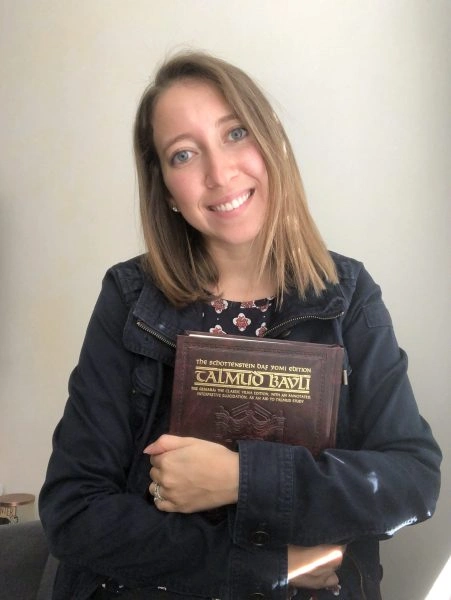
Yafit Fishbach
Memphis, Tennessee, United States
I was moved to tears by the Hadran Siyyum HaShas. I have learned Torah all my life, but never connected to learning Gemara on a regular basis until then. Seeing the sheer joy Talmud Torah at the siyyum, I felt compelled to be part of it, and I haven’t missed a day!
It’s not always easy, but it is so worthwhile, and it has strengthened my love of learning. It is part of my life now.

Michelle Lewis
Beit Shemesh, Israel
I began my journey with Rabbanit Michelle more than five years ago. My friend came up with a great idea for about 15 of us to learn the daf and one of us would summarize weekly what we learned.
It was fun but after 2-3 months people began to leave. I have continued. Since the cycle began Again I have joined the Teaneck women.. I find it most rewarding in so many ways. Thank you

Dena Heller
New Jersey, United States
I had no formal learning in Talmud until I began my studies in the Joint Program where in 1976 I was one of the few, if not the only, woman talmud major. It was superior training for law school and enabled me to approach my legal studies with a foundation . In 2018, I began daf yomi listening to Rabbanit MIchelle’s pod cast and my daily talmud studies are one of the highlights of my life.

Terri Krivosha
Minneapolis, United States
Margo
I started my Talmud journey in 7th grade at Akiba Jewish Day School in Chicago. I started my Daf Yomi journey after hearing Erica Brown speak at the Hadran Siyum about marking the passage of time through Daf Yomi.
Carolyn
I started my Talmud journey post-college in NY with a few classes. I started my Daf Yomi journey after the Hadran Siyum, which inspired both my son and myself.
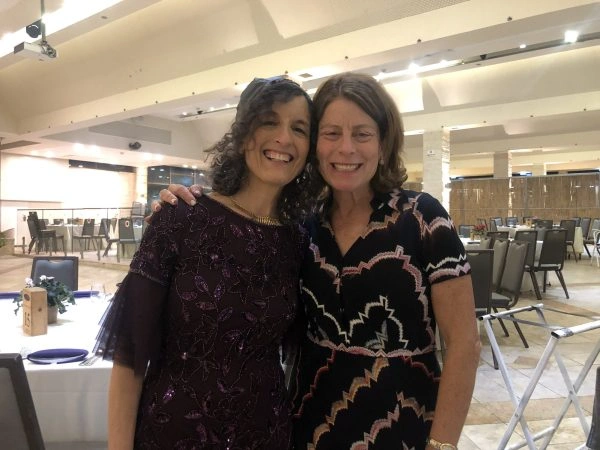
Carolyn Hochstadter and Margo Kossoff Shizgal
Merion Station, USA
Beit Shemesh, Israel
I started learning when my brother sent me the news clip of the celebration of the last Daf Yomi cycle. I was so floored to see so many women celebrating that I wanted to be a part of it. It has been an enriching experience studying a text in a language I don’t speak, using background knowledge that I don’t have. It is stretching my learning in unexpected ways, bringing me joy and satisfaction.
Jodi Gladstone
Warwick, Rhode Island, United States
I started learning on January 5, 2020. When I complete the 7+ year cycle I will be 70 years old. I had been intimidated by those who said that I needed to study Talmud in a traditional way with a chevruta, but I decided the learning was more important to me than the method. Thankful for Daf Yomi for Women helping me catch up when I fall behind, and also being able to celebrate with each Siyum!

Pamela Elisheva
Bakersfield, United States
When the new cycle began, I thought, If not now, when? I’d just turned 72. I feel like a tourist on a tour bus passing astonishing scenery each day. Rabbanit Michelle is my beloved tour guide. When the cycle ends, I’ll be 80. I pray that I’ll have strength and mind to continue the journey to glimpse a little more. My grandchildren think having a daf-learning savta is cool!
Wendy Dickstein
Jerusalem, Israel
I started my Daf Yomi journey at the beginning of the COVID19 pandemic.

Karena Perry
Los Angeles, United States
With Rabbanit Dr. Naomi Cohen in the Women’s Talmud class, over 30 years ago. It was a “known” class and it was accepted, because of who taught. Since then I have also studied with Avigail Gross-Gelman and Dr. Gabriel Hazut for about a year). Years ago, in a shiur in my shul, I did know about Persians doing 3 things with their clothes on. They opened the shiur to woman after that!
Sharon Mink
Haifa, Israel
I started at the beginning of this cycle. No 1 reason, but here’s 5.
In 2019 I read about the upcoming siyum hashas.
There was a sermon at shul about how anyone can learn Talmud.
Talmud references come up when I am studying. I wanted to know more.
Yentl was on telly. Not a great movie but it’s about studying Talmud.
I went to the Hadran website: A new cycle is starting. I’m gonna do this
Denise Neapolitan
Cambridge, United Kingdom
In January 2020, my teaching partner at IDC suggested we do daf yomi. Thanks to her challenge, I started learning daily from Rabbanit Michelle. It’s a joy to be part of the Hadran community. (It’s also a tikkun: in 7th grade, my best friend and I tied for first place in a citywide gemara exam, but we weren’t invited to the celebration because girls weren’t supposed to be learning gemara).

Sara Averick
Jerusalem, Israel
In my Shana bet at Migdal Oz I attended the Hadran siyum hash”as. Witnessing so many women so passionate about their Torah learning and connection to God, I knew I had to begin with the coming cycle. My wedding (June 24) was two weeks before the siyum of mesechet yoma so I went a little ahead and was able to make a speech and siyum at my kiseh kallah on my wedding day!

Sharona Guggenheim Plumb
Givat Shmuel, Israel
I began my journey two years ago at the beginning of this cycle of the daf yomi. It has been an incredible, challenging experience and has given me a new perspective of Torah Sh’baal Peh and the role it plays in our lives
linda kalish-marcus
Efrat, Israel
When I began the previous cycle, I promised myself that if I stuck with it, I would reward myself with a trip to Israel. Little did I know that the trip would involve attending the first ever women’s siyum and being inspired by so many learners. I am now over 2 years into my second cycle and being part of this large, diverse, fascinating learning family has enhanced my learning exponentially.
Shira Krebs
Minnesota, United States
Shortly after the death of my father, David Malik z”l, I made the commitment to Daf Yomi. While riding to Ben Gurion airport in January, Siyum HaShas was playing on the radio; that was the nudge I needed to get started. The “everyday-ness” of the Daf has been a meaningful spiritual practice, especial after COVID began & I was temporarily unable to say Kaddish at daily in-person minyanim.

Lisa S. Malik
Wynnewood, United States
When we heard that R. Michelle was starting daf yomi, my 11-year-old suggested that I go. Little did she know that she would lose me every morning from then on. I remember standing at the Farbers’ door, almost too shy to enter. After that first class, I said that I would come the next day but couldn’t commit to more. A decade later, I still look forward to learning from R. Michelle every morning.
Ruth Leah Kahan
Ra’anana, Israel
I decided to give daf yomi a try when I heard about the siyum hashas in 2020. Once the pandemic hit, the daily commitment gave my days some much-needed structure. There have been times when I’ve felt like quitting- especially when encountering very technical details in the text. But then I tell myself, “Look how much you’ve done. You can’t stop now!” So I keep going & my Koren bookshelf grows…

Miriam Eckstein-Koas
Huntington, United States
I started learning Daf Yomi in January 2020 after watching my grandfather, Mayer Penstein z”l, finish shas with the previous cycle. My grandfather made learning so much fun was so proud that his grandchildren wanted to join him. I was also inspired by Ilana Kurshan’s book, If All the Seas Were Ink. Two years in, I can say that it has enriched my life in so many ways.

Leeza Hirt Wilner
New York, United States
I had no formal learning in Talmud until I began my studies in the Joint Program where in 1976 I was one of the few, if not the only, woman talmud major. It was superior training for law school and enabled me to approach my legal studies with a foundation . In 2018, I began daf yomi listening to Rabbanit MIchelle’s pod cast and my daily talmud studies are one of the highlights of my life.
Terri Krivosha
Minneapolis, United States
Berakhot 18
וְאֵין מְבָרְכִין עָלָיו, וְאֵין מְזַמְּנִין עָלָיו, וּפָטוּר מִקְּרִיאַת שְׁמַע וּמִן הַתְּפִלָּה וּמִן הַתְּפִילִּין וּמִכׇּל מִצְוֹת הָאֲמוּרוֹת בַּתּוֹרָה. וּבְשַׁבָּת מֵיסֵב וְאוֹכֵל בָּשָׂר וְשׁוֹתֶה יַיִן, וּמְבָרֵךְ וּמְזַמֵּן, וּמְבָרְכִין עָלָיו וּמְזַמְּנִין עָלָיו, וְחַיָּיב בְּכָל הַמִּצְוֹת הָאֲמוּרוֹת בַּתּוֹרָה. רַבָּן שִׁמְעוֹן בֶּן גַּמְלִיאֵל אוֹמֵר: מִתּוֹךְ שֶׁנִּתְחַיֵּיב בְּאֵלּוּ — נִתְחַיֵּיב בְּכוּלָּן.
And there is no need for others to recite a blessing beforehand on his behalf, nor do others invite him to join in Grace after Meals, as he cannot be a member of the quorum of three required to recite the formula. He is exempt from the recitation of Shema, from the Amida prayer and from phylacteries, and from all mitzvot mentioned in the Torah. On Shabbat, however, he reclines at the meal as per his custom, and eats meat and drinks wine, and recites blessings and recites the formula to invite the participants in the meal to join together in the Grace after Meals, and others may recite blessings on his behalf and invite him to join in Grace after Meals, and he is obligated in all mitzvot mentioned in the Torah. Rabban Shimon ben Gamliel says: Just as he is obligated on Shabbat to fulfill these mitzvot associated with Shabbat meals, he is obligated to fulfill all mitzvot.
וְאָמַר רַבִּי יוֹחָנָן: מַאי בֵּינַיְיהוּ — תַּשְׁמִישׁ הַמִּטָּה אִיכָּא בֵּינַיְיהוּ.
Rabbi Yoḥanan said: What is the practical difference between the apparently identical statements of Rabban Shimon ben Gamliel and the first tanna? The practical difference between them is with regard to conjugal relations. The first tanna holds that although there is no mourning on Shabbat, since refraining from addressing his wife’s conjugal rights would not be a public display of mourning, conjugal relations are prohibited. Rabban Shimon ben Gamliel holds that since there is no mourning on Shabbat, he must fulfill the mitzva of addressing his wife’s conjugal rights.
קָתָנֵי מִיהַת פָּטוּר מִקְּרִיאַת שְׁמַע וּמִן הַתְּפִלָּה וּמִן הַתְּפִילִּין וּמִכׇּל מִצְוֹת הָאֲמוּרוֹת בַּתּוֹרָה! אָמַר רַב פָּפָּא: תַּרְגְּמָא אַמַּחֲזִיר פָּנָיו וְאוֹכֵל. רַב אָשֵׁי אָמַר: כֵּיוָן שֶׁמּוּטָּל עָלָיו לְקוֹבְרוֹ, כְּמוּטָל לְפָנָיו דָּמֵי. שֶׁנֶּאֱמַר: ״וַיָּקׇם אַבְרָהָם מֵעַל פְּנֵי מֵתוֹ״, וְנֶאֱמַר: ״וְאֶקְבְּרָה מֵתִי מִלְּפָנָי״, כָּל זְמַן שֶׁמּוּטָּל עָלָיו לְקוֹבְרוֹ כְּמוּטָל לְפָנָיו דָּמֵי.
In any event, the baraita teaches that one is exempt from the recitation of Shema, from the Amida prayer and from phylacteries, and from all mitzvot mentioned in the Torah. This is an apparent contradiction of our mishna which states that one is exempt only when the deceased is laid before him. To resolve this contradiction, Rav Pappa said: Explain the baraita as applicable only to the particular case when one turns his face away and eats, with the deceased laid out before him. In the other cases, when he is in a different room, he is obligated in all mitzvot. Rav Ashi says: The phrase: The deceased is laid out before him, is not to be taken literally, but rather, since it is incumbent upon him to bury the deceased, and he is not yet buried, it is as if he is laid out before him, as it is stated: “And Abraham rose up from before his dead” (Genesis 23:3), and when Abraham speaks with the Hittites, it is stated: “So that I may bury my dead from before me” (Genesis 23:4). As long as it is incumbent upon him to bury him, it is as he is laid out before him.
מֵתוֹ — אִין, אֲבָל מְשַׁמְּרוֹ — לָא.
From the mishna one can infer that when his deceased relative is laid out before him, yes, he is exempt from mitzvot. But, if it is not his relative and he is only watching over the deceased, no, he is not exempt.
וְהָתַנְיָא: הַמְשַׁמֵּר אֶת הַמֵּת, אַף עַל פִּי שֶׁאֵינוֹ מֵתוֹ — פָּטוּר מִקְּרִיאַת שְׁמַע וּמִן הַתְּפִלָּה וּמִן הַתְּפִילִּין וּמִכׇּל מִצְוֹת הָאֲמוּרוֹת בַּתּוֹרָה! מְשַׁמְּרוֹ, אַף עַל פִּי שֶׁאֵינוֹ מֵתוֹ, מֵתוֹ אַף עַל פִּי שֶׁאֵינוֹ מְשַׁמְּרוֹ.
The Gemara challenges: Wasn’t it taught in a baraita: One who watches over the deceased, even if it is not his deceased relative, is exempt from the recitation of Shema, from prayer and from phylacteries, and from all mitzvot mentioned in the Torah? The Gemara responds that these two sources should not be understood as contradictory, but as complementary. In both the cases, he is exempt; where one watches over the deceased, but it is not his deceased relative, as well as the case where it is his deceased relative, but he is not watching over the deceased.
מֵתוֹ וּמְשַׁמְּרוֹ — אִין, אֲבָל מְהַלֵּךְ בְּבֵית הַקְּבָרוֹת — לָא. וְהָתַנְיָא: לֹא יְהַלֵּךְ אָדָם בְּבֵית הַקְּבָרוֹת וּתְפִילִּין בְּרֹאשׁוֹ וְסֵפֶר תּוֹרָה בִּזְרוֹעוֹ וְקוֹרֵא. וְאִם עוֹשֶׂה כֵּן — עוֹבֵר מִשּׁוּם ״לוֹעֵג לָרָשׁ חֵרֵף עוֹשֵׂהוּ״.
The Gemara further challenges: We concluded that, in both cases, if it is his deceased relative or if he was watching over the unrelated deceased, he is exempt from mitzvot. However, one walking in a cemetery is not exempt. Wasn’t it taught explicitly in a baraita: One may not walk in a cemetery with phylacteries on his head and a Torah scroll in his arm and read from it? If one does so he commits a transgression due to the verse: “He who mocks the poor blasphemes his Creator” (Proverbs 17:5). As the deceased is incapable of fulfilling mitzvot, fulfilling a mitzva in his presence is seen as mocking him.
הָתָם, תּוֹךְ אַרְבַּע אַמּוֹת הוּא דְאָסוּר, חוּץ לְאַרְבַּע אַמּוֹת — חַיָּיב. דְּאָמַר מָר מֵת תּוֹפֵס אַרְבַּע אַמּוֹת לִקְרִיאַת שְׁמַע. הָכָא, חוּץ לְאַרְבַּע אַמּוֹת נָמֵי פָּטוּר.
The Gemara answers: There, when one walks in a cemetery, within four cubits of a grave, that is prohibited. However, beyond four cubits from a grave, one is obligated in prayer and phylacteries. As the Master said: The deceased occupies four cubits with regard to the exemption from the recitation of Shema. One who walks within four cubits of the deceased is exempt. Here, however, in the case where it is either his deceased relative or he is watching over an unrelated deceased, beyond four cubits he is also exempt.
גּוּפָא. הַמְשַׁמֵּר אֶת הַמֵּת אַף עַל פִּי שֶׁאֵינוֹ מֵתוֹ — פָּטוּר מִקְּרִיאַת שְׁמַע וּמִן הַתְּפִלָּה וּמִן הַתְּפִילִּין וּמִכׇּל מִצְוֹת הָאֲמוּרוֹת בַּתּוֹרָה. הָיוּ שְׁנַיִם — זֶה מְשַׁמֵּר וְזֶה קוֹרֵא, וְזֶה מְשַׁמֵּר וְזֶה קוֹרֵא. בֶּן עַזַּאי אוֹמֵר: הָיוּ בָּאִים בִּסְפִינָה — מַנִּיחוֹ בְּזָוִית זוֹ, וּמִתְפַּלְּלִין שְׁנֵיהֶם בְּזָוִית אַחֶרֶת.
The Gemara discusses the matter of the baraita itself. It was taught in the baraita: One who watches over the deceased, even though it is not his dead relative, is exempt from the recitation of Shema, from the Amida prayer and from phylacteries, and from all mitzvot mentioned in the Torah. The baraita continues: If two individuals were watching over the deceased, this one watches and that one recites Shema, and then that one watches and this one recites Shema. Ben Azzai says: If they were traveling with the deceased on a boat, they are permitted to set the deceased down in this corner of the boat and both pray in another corner of the boat.
מַאי בֵּינַיְיהוּ? אָמַר רָבִינָא: חוֹשְׁשִׁין לְעַכְבָּרִים אִיכָּא בֵּינַיְיהוּ. מָר סָבַר: חָיְישִׁינַן. וּמַר סָבַר: לָא חָיְישִׁינַן.
The Gemara asks: What is the practical difference between these two opinions? Ravina said: The practical difference between them is whether or not one need be concerned about mice even inside the boat. The first Sage holds that we are concerned about mice everywhere, and it is therefore inappropriate to leave the deceased unguarded, even on a boat, lest he be eaten by mice. The other Sage, ben Azzai, maintains that we are not concerned about mice on a boat.
תָּנוּ רַבָּנַן: הַמּוֹלִיךְ עֲצָמוֹת מִמָּקוֹם לְמָקוֹם, הֲרֵי זֶה לֹא יִתְּנֵם בְּדִסַקַּיָּא וְיִתְּנֵם עַל גַּבֵּי חֲמוֹר וְיִרְכַּב עֲלֵיהֶם, מִפְּנֵי שֶׁנּוֹהֵג בָּהֶם מִנְהַג בִּזָּיוֹן. וְאִם הָיָה מִתְיָרֵא מִפְּנֵי גּוֹיִם וּמִפְּנֵי לִסְטִים — מוּתָּר. וּכְדֶרֶךְ שֶׁאָמְרוּ בַּעֲצָמוֹת כָּךְ אָמְרוּ בְּסֵפֶר תּוֹרָה.
The Gemara discusses other issues concerning the dignity of the deceased. The Sages taught: One who transports bones from place to place may not place them in a saddlebag [disakaya] and place them on the donkey’s back and ride on them, as in doing so he treats the remains disgracefully. However, if he is afraid of gentiles or highwaymen and therefore must move quickly, he is permitted to do so. And just as they said with regard to bones, so they said with regard to a Torah scroll.
אַהֵיָיא? אִילֵּימָא אַרֵישָׁא — פְּשִׁיטָא! מִי גָּרַע סֵפֶר תּוֹרָה מֵעֲצָמוֹת? אֶלָּא אַסֵּיפָא.
With regard to this last statement, the Gemara asks: To what section of the baraita does the parallel to a Torah scroll refer? If you say that this refers to the first clause of the baraita, this is obvious. Is a Torah scroll less important than bones of the dead? Certainly one may not treat a Torah disgracefully. Rather, this statement must refer to the latter clause of the baraita, that in a dangerous situation, one is permitted to ride on a Torah scroll as well.
אָמַר רַחֲבָה אָמַר רַב יְהוּדָה: כָּל הָרוֹאֶה הַמֵּת וְאֵינוֹ מְלַוֵּהוּ עוֹבֵר מִשּׁוּם ״לֹעֵג לָרָשׁ חֵרֵף עֹשֵׂהוּ״. וְאִם הִלְוָהוּ מַה שְּׂכָרוֹ? אָמַר רַב אַסִּי, עָלָיו הַכָּתוּב אוֹמֵר: ״מַלְוֵה ה׳ חוֹנֵן דָּל״ ״וּמְכַבְּדוֹ חֹנֵן אֶבְיוֹן״.
Raḥava said that Rav Yehuda said: One who sees the deceased taken to burial and does not escort him has committed a transgression due to the verse: “He who mocks the poor blasphemes his Creator.” (Proverbs 17:5) And if he does escort him, what is his reward? Rav Asi said: The verse says about him: “He who gives to the poor gives a loan to the Lord, and the Lord will repay him” (Proverbs 19:17), and: “He who oppresses the poor blasphemes his Creator, but he who is gracious to the poor honors Him” (Proverbs 14:31).
רַבִּי חִיָּיא וְרַבִּי יוֹנָתָן הֲווֹ שָׁקְלִי וְאָזְלִי בְּבֵית הַקְּבָרוֹת. הֲוָה קָשַׁדְיָא תְּכֵלְתָּא דְרַבִּי יוֹנָתָן. אֲמַר לֵיהּ רַבִּי חִיָּיא: דַּלְיַיהּ, כְּדַי שֶׁלֹּא יֹאמְרוּ: לְמָחָר בָּאִין אֶצְלֵנוּ, וְעַכְשָׁיו מְחָרְפִין אוֹתָנוּ.
The Gemara relates that Rabbi Ḥiyya and Rabbi Yonatan were walking in a cemetery and the sky-blue string of Rabbi Yonatan’s ritual fringes was cast to the ground and dragging across the graves. Rabbi Ḥiyya said to him: Lift it, so the dead will not say: Tomorrow, when their day comes, they will come to be buried with us, and now they are insulting us.
אֲמַר לֵיהּ: וּמִי יָדְעִי כּוּלֵּי הַאי? וְהָא כְּתִיב: ״וְהַמֵּתִים אֵינָם יוֹדְעִים מְאוּמָה״! אֲמַר לֵיהּ: אִם קָרִיתָ — לֹא שָׁנִיתָ. אִם שָׁנִיתָ — לֹא שִׁלַּשְׁתָּ. אִם שִׁלַּשְׁתָּ — לֹא פֵּירְשׁוּ לְךָ. ״כִּי הַחַיִּים יוֹדְעִים שֶׁיָּמוּתוּ״ — אֵלּוּ צַדִּיקִים שֶׁבְּמִיתָתָן נִקְרְאוּ חַיִּים, שֶׁנֶּאֱמַר: ״וּבְנָיָהוּ בֶן יְהוֹיָדָע בֶּן אִישׁ חַי רַב פְּעָלִים מִקַּבְצְאֵל הוּא הִכָּה אֵת שְׁנֵי אֲרִאֵל מוֹאָב וְהוּא יָרַד וְהִכָּה אֶת הָאֲרִי בְּתוֹךְ הַבּוֹר בְּיוֹם הַשָּׁלֶג״.
Rabbi Yonatan said to him: Do the dead know so much? Isn’t it stated: “And the dead know nothing” (Ecclesiastes 9:5)? Rabbi Ḥiyya said to him: If you read the verse, you did not read it a second time, and if you read it a second time, you did not read it a third time, and if you read it a third time, they did not explain it to you properly. The meaning of the verse: “For the living know that they will die, and the dead know nothing and have no more reward, for their memory has been forgotten” (Ecclesiastes 9:5): For the living know that they will die, these are the righteous, who even in their death are called living. An allusion to this is as it is stated: “And Benayahu, son of Yehoyada, son of a valiant man of Kabze’el, who had done mighty deeds, he smote the two altar-hearths of Moab; he went down also and slew a lion in the midst of a pit in time of snow” (II Samuel 23:20).
״בֶּן אִישׁ חַי״: אַטּוּ כּוּלֵּי עָלְמָא בְּנֵי מֵתֵי נִינְהוּ? אֶלָּא: ״בֶּן אִישׁ חַי״ — שֶׁאֲפִילּוּ בְּמִיתָתוֹ קָרוּי חַי. ״רַב פְּעָלִים מִקַּבְצְאֵל״ — שֶׁרִיבָּה וְקִבֵּץ פּוֹעֲלִים לַתּוֹרָה. ״וְהוּא הִכָּה אֵת שְׁנֵי אֲרִאֵל מוֹאָב״ — שֶׁלֹּא הִנִּיחַ כְּמוֹתוֹ לֹא בְּמִקְדָּשׁ רִאשׁוֹן וְלֹא בְּמִקְדָּשׁ שֵׁנִי.
He was referred to in the verse as son of a living man. The Gemara wonders: Is that to say, the fact that the Bible referred to him with that appellation, that all others are children of the dead? Rather, the verse should be explained as follows: The son of a living man who lives forever, who even in death is referred to as living. Man of Kabze’el who had done mighty deeds, as he accumulated and gathered many workers for the sake of the Torah. Who killed the two lion-hearted men [Ariel] of Moab, as after his death he left no one his equal, in either the First Temple or the Second Temple periods, as the Temple is called Ariel (see Isaiah 29:1), and the two Ariel refers to the two Temples.
״וְהוּא יָרַד וְהִכָּה אֶת הָאֲרִי בְּתוֹךְ הַבּוֹר בְּיוֹם הַשָּׁלֶג״, אִיכָּא דְאָמְרִי: דְּתַבַּר גְּזִיזֵי דְבַרְדָּא, וּנְחַת וּטְבַל. אִיכָּא דְאָמְרִי: דִּתְנָא סִיפְרָא דְבֵי רַב בְּיוֹמָא דְסִיתְוָא.
The Sages disagreed over the interpretation of the rest of the verse: “And who descended and slew the lion in the pit on the snowy day.” Some say that this means that he broke blocks of hail and descended and immersed himself in the water to purify himself. Others say that he learned all of the Sifra, the halakhic midrash on the book of Leviticus of the school of Rav, on a winter’s day.
״וְהַמֵּתִים אֵינָם יוֹדְעִים מְאוּמָה״ — אֵלּוּ רְשָׁעִים, שֶׁבְּחַיֵּיהֶן קְרוּיִין ״מֵתִים״, שֶׁנֶּאֱמַר: ״וְאַתָּה חָלָל רָשָׁע נְשִׂיא יִשְׂרָאֵל״. וְאִי בָּעֵית אֵימָא, מֵהָכָא: ״עַל פִּי שְׁנַיִם עֵדִים אוֹ עַל פִּי שְׁלֹשָׁה עֵדִים יוּמַת הַמֵּת״, חַי הוּא! אֶלָּא, הַמֵּת מֵעִיקָּרָא.
In contrast to the righteous, who are referred to as living even after their death, the verse states explicitly: “The dead know nothing.” These are the wicked, who even during their lives are called dead, as the prophet Ezekiel said in reference to a king of Israel who was alive: “And you are a slain, wicked prince of Israel” (Ezekiel 21:30). And if you wish, say instead that the proof is from here: “At the mouth of two witnesses or three witnesses the dead shall be put to death” (Deuteronomy 17:6). This is puzzling. As long as the accused has not been sentenced to death, he is alive. Rather, this person who is wicked is considered dead from the outset.
בְּנֵי רַבִּי חִיָּיא נְפוּק לְקִרְיָיתָא. אִייַּקַּר לְהוּ תַּלְמוּדַיְיהוּ. הֲווֹ קָא מִצַּעֲרִי לְאִדְּכוֹרֵיהּ. אֲמַר לֵיהּ חַד לְחַבְרֵיהּ: יָדַע אֲבוּן בְּהַאי צַעֲרָא? אֲמַר לֵיהּ אִידַּךְ: מְנָא יָדַע? וְהָא כְּתִיב: ״יִכְבְּדוּ בָנָיו וְלֹא יֵדָע״.
The Gemara relates a story on this topic: The sons of Rabbi Ḥiyya went out to the villages to oversee the laborers. They forgot what they had learned and were struggling to recall it. One of them said to the other: Does our deceased father know of our anguish? The other said to him: From where would he know? Isn’t it written: “His sons are honored yet he shall not know it, they come to sorrow and he shall not understand them” (Job 14:21)? The dead do not know.
אֲמַר לֵיהּ אִידַּךְ: וְלָא יָדַע? וְהָא כְּתִיב: ״אַךְ בְּשָׂרוֹ עָלָיו יִכְאָב וְנַפְשׁוֹ עָלָיו תֶּאֱבָל״. וְאָמַר רַבִּי יִצְחָק: קָשָׁה רִמָּה לַמֵּת כְּמַחַט בַּבָּשָׂר הַחַי!
The other said back to him: And do the dead truly not know? Isn’t it written: “Only in his flesh does he feel pain, in his soul does he mourn” (Job 14:22)? Based on this verse Rabbi Yitzḥak said: Gnawing maggots are as excruciating to the dead as the stab of a needle to the flesh of the living. The dead must have the capacity to feel and know.
אָמְרִי: בְּצַעֲרָא דִידְהוּ — יָדְעִי, בְּצַעֲרָא דְאַחֲרִינָא — לָא יָדְעִי.
In order to reconcile this contradiction they said: They know of their own pain but do not know of the pain of others.
וְלָא? וְהָתַנְיָא: מַעֲשֶׂה בְּחָסִיד אֶחָד שֶׁנָּתַן דִּינָר לְעָנִי בְּעֶרֶב רֹאשׁ הַשָּׁנָה בִּשְׁנֵי בַצּוֹרֶת, וְהִקְנִיטַתּוּ אִשְׁתּוֹ, וְהָלַךְ וְלָן בְּבֵית הַקְּבָרוֹת. וְשָׁמַע שְׁתֵּי רוּחוֹת שֶׁמְסַפְּרוֹת זוֹ לָזוֹ. אָמְרָה חֲדָא לַחֲבֶרְתָּהּ: חֲבֶרְתִּי, בּוֹאִי וְנָשׁוּט בָּעוֹלָם, וְנִשְׁמַע מֵאֲחוֹרֵי הַפַּרְגּוֹד מַה פּוּרְעָנוּת בָּא לָעוֹלָם? אָמְרָה לָהּ חֲבֶרְתָּהּ: אֵינִי יְכוֹלָה, שֶׁאֲנִי קְבוּרָה בְּמַחְצֶלֶת שֶׁל קָנִים. אֶלָּא לְכִי אַתְּ, וּמַה שֶּׁאַתְּ שׁוֹמַעַת אִמְרִי לִי. הָלְכָה הִיא וְשָׁטָה וּבָאָה. וְאָמְרָה לָהּ חֲבֶרְתָּהּ: חֲבֶרְתִּי, מַה שָּׁמַעְתְּ מֵאֲחוֹרֵי הַפַּרְגּוֹד? אָמְרָה לָהּ: שָׁמַעְתִּי שֶׁכָּל הַזּוֹרֵעַ בִּרְבִיעָה רִאשׁוֹנָה בָּרָד מַלְקֶה אוֹתוֹ. הָלַךְ הוּא וְזָרַע בִּרְבִיעָה שְׁנִיָּה. שֶׁל כָּל הָעוֹלָם כּוּלּוֹ לָקָה, שֶׁלּוֹ — לֹא לָקָה.
The Gemara challenges this: And is it so that the dead do not know of the pain of others? Wasn’t it taught in a baraita: There was an incident involving a pious man who gave a poor man a dinar on the eve of Rosh HaShana during drought years, and his wife mocked him for giving so large a sum at so difficult a time? And in order to escape her incessant mockery, he went and slept in the cemetery. That night in his dream (Ritva, HaKotev, Maharsha), he heard two spirits conversing with each other. One said to the other: My friend, let us roam the world and hear from behind the heavenly curtain [pargod], which separates the Divine Presence from the world, what calamity will befall the world. The other spirit said to her: I cannot go with you, as I am buried in a mat of reeds, but you go, and tell me what you hear. She went, and roamed, and came back. The other spirit said: My friend, what did you hear from behind the heavenly curtain? She replied: I heard that anyone who sows during the first rainy season of this year, hail will fall and strike his crops. Hearing this, the pious man went and sowed his seeds during the second rainy season. Ultimately, the crops of the entire world were stricken by hail and his crops were not stricken.
לַשָּׁנָה הָאַחֶרֶת הָלַךְ וְלָן בְּבֵית הַקְּבָרוֹת, וְשָׁמַע אוֹתָן שְׁתֵּי רוּחוֹת שֶׁמְסַפְּרוֹת זוֹ עִם זוֹ. אָמְרָה חֲדָא לַחֲבֶרְתָּהּ: בּוֹאִי וְנָשׁוּט בָּעוֹלָם וְנִשְׁמַע מֵאֲחוֹרֵי הַפַּרְגּוֹד מַה פּוּרְעָנוּת בָּא לָעוֹלָם. אָמְרָה לָהּ: חֲבֶרְתִּי, לֹא כָּךְ אָמַרְתִּי לָךְ, אֵינִי יְכוֹלָה שֶׁאֲנִי קְבוּרָה בְּמַחְצֶלֶת שֶׁל קָנִים?! אֶלָּא לְכִי אַתְּ, וּמַה שֶּׁאַתְּ שׁוֹמַעַת בּוֹאִי וְאִמְרִי לִי. הָלְכָה וְשָׁטָה וּבָאָה. וְאָמְרָה לָהּ חֲבֶרְתָּהּ: חֲבֶרְתִּי, מַה שָּׁמַעְתְּ מֵאֲחוֹרֵי הַפַּרְגּוֹד? אָמְרָה לָהּ: שָׁמַעְתִּי שֶׁכָּל הַזּוֹרֵעַ בִּרְבִיעָה שְׁנִיָּה שִׁדָּפוֹן מַלְקֶה אוֹתוֹ. הָלַךְ וְזָרַע בִּרְבִיעָה רִאשׁוֹנָה, שֶׁל כָּל הָעוֹלָם כּוּלּוֹ נִשְׁדַּף וְשֶׁלּוֹ לֹא נִשְׁדַּף.
The following year, on the eve of Rosh HaShana, the same pious man went and slept in the cemetery at his own initiative, and again he heard the two spirits conversing with each other. One said to the other: Let us roam the world and hear from behind the heavenly curtain what calamity will befall the world. She said to her: My friend, have I not already told you that I cannot, as I am buried in a mat of reeds? Rather, you go, and tell me what you hear. She went, and roamed, and returned. The other spirit said to her: My friend, what did you hear from behind the curtain? She said to her: I heard that those who sow during the second rainy season blight will strike his crops. That pious man went and sowed during the first rainy season. Since everyone else sowed during the second rainy season, ultimately, the crops of the entire world were blighted and his crops were not blighted.
אָמְרָה לוֹ אִשְׁתּוֹ: מִפְּנֵי מָה אֶשְׁתָּקַד שֶׁל כָּל הָעוֹלָם כּוּלּוֹ לָקָה וְשֶׁלְּךָ לֹא לָקָה, וְעַכְשָׁיו שֶׁל כָּל הָעוֹלָם כּוּלּוֹ נִשְׁדַּף וְשֶׁלְּךָ לֹא נִשְׁדַּף? סָח לָהּ כָּל הַדְּבָרִים הַלָּלוּ. אָמְרוּ: לֹא הָיוּ יָמִים מוּעָטִים עַד שֶׁנָּפְלָה קְטָטָה בֵּין אִשְׁתּוֹ שֶׁל אוֹתוֹ חָסִיד וּבֵין אִמָּהּ שֶׁל אוֹתָהּ רִיבָה. אָמְרָה לָהּ: לְכִי וְאַרְאֵךְ בִּתֵּךְ שֶׁהִיא קְבוּרָה בְּמַחְצֶלֶת שֶׁל קָנִים.
The pious man’s wife said to him: Why is it that last year, the crops of the entire world were stricken and yours were not stricken, and now this year, the crops of the entire world were blighted and yours were not blighted? He related to her the entire story. They said: It was not even a few days later that a quarrel fell between the pious man’s wife and the mother of the young woman who was buried there. The pious man’s wife said to her scornfully: Go and I will show you your daughter, and you will see that she is buried in a mat of reeds.
לַשָּׁנָה הָאַחֶרֶת הָלַךְ וְלָן בְּבֵית הַקְּבָרוֹת וְשָׁמַע אוֹתָן רוּחוֹת שֶׁמְסַפְּרוֹת זוֹ עִם זוֹ. אָמְרָה לָהּ: חֲבֶרְתִּי, בּוֹאִי וְנָשׁוּט בָּעוֹלָם וְנִשְׁמַע מֵאֲחוֹרֵי הַפַּרְגּוֹד מַה פּוּרְעָנוּת בָּא לָעוֹלָם. אָמְרָה לָהּ: חֲבֶרְתִּי, הֲנִיחִינִי, דְּבָרִים שֶׁבֵּינִי לְבֵינֵךְ כְּבָר נִשְׁמְעוּ בֵּין הַחַיִּים. אַלְמָא יָדְעִי.
The following year, he again went and slept in the cemetery, and heard the same spirits conversing with each other. One said to the other: My friend, let us roam the world and hear from behind the heavenly curtain what calamity will befall the world. She said to her: My friend, leave me alone, as words that we have privately exchanged between us have already been heard among the living. Apparently, the dead know what transpires in this world.
דִּילְמָא אִינִישׁ אַחֲרִינָא שָׁכֵיב, וְאָזֵיל וְאָמַר לְהוּ.
The Gemara responds: This is no proof; perhaps another person, who heard about the conversation of the spirits secondhand, died and he went and told them that they had been overheard.
תָּא שְׁמַע: דִּזְעֵירִי הֲוָה מַפְקֵיד זוּזֵי גַּבֵּי אוּשְׁפִּיזְכָתֵיהּ. עַד דְּאָתֵי וְאָזֵיל לְבֵי רַב, שְׁכִיבָה. אֲזַל בָּתְרַהּ לַחֲצַר מָוֶת, אֲמַר לַהּ: זוּזֵי הֵיכָא? אֲמַרָה לֵיהּ: זִיל שַׁקְלִינְהוּ מִתּוּתֵי צִנּוֹרָא דְּדָשָׁא בְּדוּךְ פְּלָן, וְאֵימָא לַהּ לְאִימָּא, תְּשַׁדַּר לִי מַסְרְקַאי וְגוּבְתַּאי דְּכוּחְלָא בַּהֲדֵי פְּלָנִיתָא דְּאָתְיָא לִמְחַר. אַלְמָא יָדְעִי!
With regard to the deceased’s knowledge of what transpires, come and hear a proof, as it is told: Ze’iri would deposit his dinars with his innkeeper. While he was going and coming to and from the school of Rav, she died, and he did not know where she had put the money. So he went after her to her grave in the cemetery and said to her: Where are the dinars? She replied: Go and get them from beneath the hinge of the door in such and such a place, and tell my mother that she should send me my comb and a tube of eyeshadow with such and such a woman who will die and come here tomorrow. Apparently, the dead know what transpires in this world.
דִּלְמָא דּוּמָה קָדֵים וּמַכְרֵיז לְהוּ.
The Gemara rejects this proof: Perhaps the angel Duma, who oversees the dead, comes beforehand and announces to them that a particular individual will arrive the next day, but they themselves do not know.
תָּא שְׁמַע: דַּאֲבוּהּ דִּשְׁמוּאֵל הֲווֹ קָא מַפְקְדִי גַּבֵּיהּ זוּזֵי דְיַתְמֵי. כִּי נָח נַפְשֵׁיהּ לָא הֲוָה שְׁמוּאֵל גַּבֵּיהּ. הֲווֹ קָא קָרוּ לֵיהּ: ״בַּר אָכֵיל זוּזֵי דְיַתְמֵי״. אֲזַל אַבָּתְרֵיהּ לַחֲצַר מָוֶת. אֲמַר לְהוּ: בָּעֵינָא אַבָּא! אֲמַרוּ לֵיהּ: אַבָּא טוּבָא אִיכָּא הָכָא. אֲמַר לְהוּ: בָּעֵינָא אַבָּא בַּר אַבָּא. אֲמַרוּ לֵיהּ: אַבָּא בַּר אַבָּא נָמֵי טוּבָא אִיכָּא הָכָא. אֲמַר לְהוּ: בָּעֵינָא אַבָּא בַּר אַבָּא אֲבוּהּ דִּשְׁמוּאֵל הֵיכָא? אֲמַרוּ לֵיהּ סְלֵיק לִמְתִיבְתָּא דִּרְקִיעָא. אַדְּהָכִי חַזְיֵיהּ לְלֵוִי דְּיָתֵיב אַבָּרַאי. אֲמַר לֵיהּ: אַמַּאי יָתְבַתְּ אַבָּרַאי? מַאי טַעְמָא לָא סָלְקַתְּ? אֲמַר לֵיהּ, דְאָמְרִי לִי: כָּל כִּי הָנָךְ שְׁנֵי דְּלָא סְלֵיקְתְּ לִמְתִיבְתָּא דְּרַבִּי אַפָּס וְאַחְלֵישְׁתֵּיהּ לְדַעְתֵּיהּ, לָא מְעַיְּילִינַן לָךְ לִמְתִיבְתָּא דִרְקִיעָא.
The Gemara cites another proof: Come and hear, as it is told: They would deposit the money of orphans with Shmuel’s father for safekeeping. When Shmuel’s father died, Shmuel was not with him, and did not learn from him the location of the money. Since he did not return it, Shmuel was called: Son of him who consumes the money of orphans. Shmuel went after his father to the cemetery and said to the dead: I want Abba. The dead said to him: There are many Abbas here. He told them: I want Abba bar Abba. They said to him: There are also many people named Abba bar Abba here. He told them: I want Abba bar Abba, the father of Shmuel. Where is he? They replied: Ascend to the yeshiva on high. Meanwhile, he saw his friend Levi sitting outside the yeshiva, away from the rest of the deceased. He asked him: Why do you sit outside? Why did you not ascend to the yeshiva? He replied: Because they tell me that for all those years that you didn’t enter the yeshiva of Rabbi Afes, and thereby upset him, we will not grant you entry to the yeshiva on high.
אַדְּהָכִי וְהָכִי אֲתָא אֲבוּהּ, חַזְיֵיהּ דַּהֲוָה קָא בָכֵי וְאַחֵיךְ. אֲמַר לֵיהּ: מַאי טַעְמָא קָא בָכֵית? אֲמַר לֵיהּ: דְּלַעֲגָל קָא אָתֵית. מַאי טַעְמָא אַחֵיכְתְּ? דַּחֲשִׁיבַתְּ בְּהַאי עָלְמָא טוּבָא. אֲמַר לֵיהּ: אִי חֲשִׁיבְנָא — נְעַיְּילוּהּ לְלֵוִי. וְעַיְּילוּהוּ לְלֵוִי.
Meanwhile, Shmuel’s father came and Shmuel saw that he was crying and laughing. Shmuel said to his father: Why are you crying? His father replied: Because you will come here soon. Shmuel continued and asked: Why are you laughing? His father replied: Because you are extremely important in this world. Shmuel said to him: If I am important, then let them grant Levi entry to the yeshiva. And so it was that they granted Levi entry to the yeshiva.
אֲמַר לֵיהּ: זוּזֵי דְיַתְמֵי הֵיכָא? אֲמַר לֵיהּ: זִיל שַׁקְלִינְהוּ בְּאַמְתָא דְרִחְיָא. עִילָּאֵי וְתַתָּאֵי — דִּידַן, וּמִיצְעֵי דְּיַתְמֵי. אֲמַר לֵיהּ: מַאי טַעְמָא עֲבַדְתְּ הָכִי? אֲמַר לֵיהּ: אִי גָּנְבִי גַּנָּבֵי — מִגַּנְבוּ מִדִּידַן. אִי אָכְלָה אַרְעָא — אָכְלָה מִדִּידַן. אַלְמָא דְּיָדְעִי! — דִּילְמָא שָׁאנֵי שְׁמוּאֵל, כֵּיוָן דַּחֲשִׁיב קָדְמִי וּמַכְרְזִי: פַּנּוּ מָקוֹם.
Shmuel said to his father: Where is the orphans’ money? He said to him: Go and retrieve it from the millhouse, where you will find the uppermost and the lowermost money is ours, and the money in the middle belongs to the orphans. Shmuel said to him: Why did you do that? He replied: If thieves stole, they would steal from our money on top, which the thief would see first. If the earth swallowed up any of it, it would swallow from our money, on the bottom. Apparently, the dead, in this case Shmuel’s father, know when others will die. Since Shmuel did not die the next day, clearly the angel Duma could not have informed them (Tosafot). The Gemara responds: Perhaps Shmuel is different, and because he is so important they announce beforehand: Clear place for his arrival.
וְאַף רַבִּי יוֹנָתָן הֲדַר בֵּיהּ, דְּאָמַר רַבִּי שְׁמוּאֵל בַּר נַחְמָנִי אָמַר רַבִּי יוֹנָתָן: מִנַּיִן לַמֵּתִים שֶׁמְסַפְּרִים זֶה עִם זֶה — שֶׁנֶּאֱמַר: ״וַיֹּאמֶר ה׳ אֵלָיו זֹאת הָאָרֶץ אֲשֶׁר נִשְׁבַּעְתִּי לְאַבְרָהָם לְיִצְחָק וּלְיַעֲקֹב לֵאמֹר״. מַאי ״לֵאמֹר״? — אָמַר הַקָּדוֹשׁ בָּרוּךְ הוּא לְמֹשֶׁה: לֵךְ אֱמוֹר לָהֶם לְאַבְרָהָם לְיִצְחָק וּלְיַעֲקֹב: שְׁבוּעָה שֶׁנִּשְׁבַּעְתִּי לָכֶם כְּבָר קִייַּמְתִּיהָ לִבְנֵיכֶם.
In any case, with regard to the crux of the issue, Rabbi Yonatan also reconsidered his opinion, as Rabbi Shmuel bar Naḥmani said that Rabbi Yonatan said: From where is it derived that the dead converse with each other? As it is stated: “And the Lord said to him, this is the land that I swore to Abraham, Isaac and Jacob, saying: I will give it to your offspring” (Deuteronomy 34:4). What is the meaning of “saying”? It means that God told Moses: Go and tell Abraham, Isaac, and Jacob, that the oath that I swore to you I have already fulfilled for your descendants.
Follow

