










The gemara continues to bring various foods to discuss what blessings we make on them. Is dough baked in the ground under the burner considered bread or not? Does it depend on whether you eat it for a meal? What does one say of silan, date honey? What about “trima”? What is “trima”? Shetota that they made thick and thin – what blessing does one make? The thin was used for medicinal purposes. What does one say “the one who takes out” or “who takes out”? What does one bless on cooked vegetables – some say “boreh pri haadama” and some say “shehakol”. Is the tradition about the debate accurate?
This month’s learning is sponsored by Marci Glazer in loving memory of her teacher and chevruta, Rachel Brodie, Rachel Aviva bat Devora Chana, on her 4th yahrzeit. “She brought her love of Torah to thousands of people in her all-too-short life. A lover of Midrash, she still invited me on this Daf Yomi journey.”
Want to dedicate learning? Get started here:
English
עברית

0:00
0:00
0:00
0:00
Today’s daily daf tools:
This month’s learning is sponsored by Marci Glazer in loving memory of her teacher and chevruta, Rachel Brodie, Rachel Aviva bat Devora Chana, on her 4th yahrzeit. “She brought her love of Torah to thousands of people in her all-too-short life. A lover of Midrash, she still invited me on this Daf Yomi journey.”
Berakhot 38
כְּעָבִין — חַיָּיבִין, כְּלִמּוּדִין — פְּטוּרִים. אֲמַר לֵיהּ אַבָּיֵי לְרַב יוֹסֵף: הַאי כּוּבָּא דְאַרְעָא מַאי מְבָרְכִין עִלָּוֵיהּ? אֲמַר לֵיהּ: מִי סָבְרַתְּ נַהֲמָא הוּא?! גּוּבְלָא בְּעָלְמָא הוּא וּמְבָרְכִין עִלָּוֵיהּ ״בּוֹרֵא מִינֵי מְזוֹנוֹת״.
thick [ke’avin], so that they appear like loaves of bread, they are obligated in ḥalla, and if he shaped them like boards [kelimmudin], they are exempt, since they will certainly only be used for kutaḥ. Abaye said to Rav Yosef: What blessing is recited over the dough of the ground? Rav Yosef said to him: Do you think that it is bread? It is merely kneaded dough, and just like over all other cooked grains, one recites over it the blessing: Who creates the various kinds of nourishment.
מָר זוּטְרָא קְבַע סְעוֹדְתֵּיהּ עִלָּוֵיהּ, וּבָרֵךְ עִלָּוֵיהּ ״הַמּוֹצִיא לֶחֶם מִן הָאָרֶץ״, וְשָׁלֹשׁ בְּרָכוֹת.
Mar Zutra based his meal on this dough, and he recited: Who brings forth bread from the earth, beforehand and the three blessings of Grace after Meals thereafter. Since he based his meal on it, he considered it to be bread.
אָמַר מָר בַּר רַב אָשֵׁי: וְאָדָם יוֹצֵא בָּהֶן יְדֵי חוֹבָתוֹ בַּפֶּסַח, מַאי טַעְמָא — ״לֶחֶם עוֹנִי״ קָרֵינַן בֵּיהּ.
Mar bar Rav Ashi said: With these types of bread, a person fulfills his obligation to eat matza on Passover. What is the reason? Because we call it bread of affliction, and in that sense, it is in the category of matza.
וְאָמַר מָר בַּר רַב אָשֵׁי: הַאי דּוּבְשָׁא דְתַמְרֵי מְבָרְכִין עִלָּוֵיהּ ״שֶׁהַכֹּל נִהְיֶה בִּדְבָרוֹ״. מַאי טַעְמָא? — זֵיעָה בְּעָלְמָא הוּא.
And with regard to blessings, Mar bar Rav Ashi said: Over this date honey one recites: By Whose word all things came to be. What is the reason that one does not recite: Who creates fruit of the tree, as he does over the date itself? Because date honey is not the essence of the fruit, but merely moisture that drips from the ripe fruit.
כְּמַאן? — כִּי הַאי תַּנָּא דִּתְנַן דְּבַשׁ תְּמָרִים, וְיֵין תַּפּוּחִים, וְחוֹמֶץ סִפְוָנִיּוֹת, וּשְׁאָר מֵי פֵירוֹת שֶׁל תְּרוּמָה — רַבִּי אֱלִיעֶזֶר מְחַיֵּיב קֶרֶן וָחוֹמֶשׁ, וְרַבִּי יְהוֹשֻׁעַ פּוֹטֵר.
In accordance with whose opinion does he recite that blessing? In accordance with the opinion of this tanna, as we learned in a mishna: If a non-priest ate date honey, apple wine or vinegar made from grapes of autumn that grow stunted at the end of the season and are unfit for wine production, or any other type of juice made from fruits of teruma, Rabbi Eliezer obligates him to repay the principal and an additional fifth as a penalty for misuse of consecrated items. And Rabbi Yehoshua exempts him from payment, because he holds that these are byproducts of the fruit and do not have the status of the fruit itself. Mar bar Rav Ashi’s ruling with regard to blessings was based on Rabbi Yehoshua’s ruling with regard to teruma.
אֲמַר לֵיהּ הָהוּא מֵרַבָּנַן לְרָבָא: טְרִימָא מַהוּ? לָא הֲוָה אַדַּעְתֵּיהּ דְּרָבָא מַאי קָאָמַר לֵיהּ. יְתֵיב רָבִינָא קַמֵּיהּ דְּרָבָא, אֲמַר לֵיהּ: דְּשׁוּמְשְׁמֵי קָא אָמְרַתְּ, אוֹ דְּקוּרְטְמֵי קָא אָמְרַתְּ, אוֹ דְּפוּרְצָנֵי קָא אָמְרַתְּ?
One of the Sages said to Rava: What is the halakha with regard to terima? Rava was unfamiliar with the term terima and did not understand what he was saying to him. Ravina sat before Rava and said to the student who had posed the question to Rava: In posing the question, are you speaking of sesame terima or are you speaking of safflower terima or are you speaking of grape-pits terima?
אַדְּהָכִי וְהָכִי אַסְּקֵיהּ רָבָא לְדַעְתֵּיהּ, אֲמַר לֵיהּ: חֲשִׁילְתָּא וַדַּאי קָא אָמְרַתְּ, וְאַדְכַּרְתַּן מִלְּתָא הָא דְּאָמַר רַב אַסִּי: הַאי תַּמְרֵי שֶׁל תְּרוּמָה מוּתָּר לַעֲשׂוֹת מֵהֶן טְרִימָא, וְאָסוּר לַעֲשׂוֹת מֵהֶן שֵׁכָר. וְהִלְכְתָא תַּמְרֵי וְעַבְדִינְהוּ טְרִימָא — מְבָרְכִין עִלָּוַיְיהוּ ״בּוֹרֵא פְּרִי הָעֵץ״. מַאי טַעְמָא? — בְּמִלְּתַיְיהוּ קָיְימִי כִּדְמֵעִיקָּרָא.
Meanwhile, Rava comprehended the meaning of the term and said to the Sage: Certainly, you are speaking of pressed items, and you reminded me of a matter that Rav Asi said: Those dates of teruma; one is permitted to press them in order to make terima, because the dates maintain their form, and one is forbidden to make date beer from them, as in so doing the dates are damaged and it is forbidden to damage teruma. The Gemara concludes: The halakha is that over dates that were made into terima, one recites: Who creates fruit of the tree. What is the reason? Because they remain in their original state.
שְׁתִיתָא, רַב אָמַר ״שֶׁהַכֹּל נִהְיֶה בִּדְבָרוֹ״, וּשְׁמוּאֵל אָמַר ״בּוֹרֵא מִינֵי מְזוֹנוֹת״.
The Gemara raises another question with regard to the blessing recited on roasted barley to which honey or vinegar was added [shetita]. Rav said that one recites: By Whose word all things came to be; and Shmuel said that one recites: Who creates the various kinds of nourishment.
אָמַר רַב חִסְדָּא, וְלָא פְּלִיגִי: הָא בְּעָבָה, הָא בְּרַכָּה. עָבָה לַאֲכִילָה עָבְדִי לַהּ, רַכָּה לִרְפוּאָה קָא עָבְדִי לַהּ.
Rav Ḥisda said: And they do not disagree, as each is referring to a different case. This, where Shmuel said that one recites: Who creates the various kinds of nourishment, is in a case where the mixture is thick, while this, where Rav said that one recites: By Whose word all things came to be, is in a case where the mixture is thin. When it is thick, he made it as food; therefore one recites a blessing just as he would over any food made from the five species of grain. When it is thin, he made it as medicine, therefore one only recites: By Whose word all things came to be.
מֵתִיב רַב יוֹסֵף: וְשָׁוִין שֶׁבּוֹחֲשִׁין אֶת הַשַּׁתּוּת בְּשַׁבָּת וְשׁוֹתִין זֵיתוֹם הַמִּצְרִי. וְאִי סָלְקָא דַעְתָּךְ לִרְפוּאָה קָא מְכַוֵּין, רְפוּאָה בְּשַׁבָּת מִי שְׁרֵי?!
With regard to the assumption that this mixture is essentially medicinal, Rav Yosef raised a challenge from the laws of Shabbat: And they agree that one may mix shetita on Shabbat and drink Egyptian beer [zitom haMitzri], which contains a mixture of a pungent spice in flour. And if it enters your mind to say that when one prepares shetita, his intention is for medicinal purposes, is medicine permitted on Shabbat?
אֲמַר לֵיהּ אַבָּיֵי: וְאַתְּ לָא תִּסְבְּרָא? וְהָא תְּנַן: כׇּל הָאוֹכָלִין אוֹכֵל אָדָם לִרְפוּאָה בְּשַׁבָּת, וְכׇל הַמַּשְׁקִין שׁוֹתֶה. אֶלָּא מָה אִית לָךְ לְמֵימַר — גַּבְרָא לַאֲכִילָה קָא מְכַוֵּין, הָכִי נָמֵי גַּבְרָא לַאֲכִילָה קָא מְכַוֵּין.
Abaye said to Rav Yosef: Do you not hold that to be true? Didn’t we learn in a mishna: All foods that are commonly eaten; a person may eat them for medicinal purposes on Shabbat, and all drinks that are not designated for medicinal purposes, a person may drink them for medicinal purposes on Shabbat. But what can you say in explaining that ruling? The man’s intention is for the purpose of eating; here too, when he mixes the shetita, the man’s intention is for the purpose of eating.
לִישָּׁנָא אַחֲרִינָא: אֶלָּא מָה אִית לָךְ לְמֵימַר — גַּבְרָא לַאֲכִילָה קָא מְכַוֵּין, וּרְפוּאָה מִמֵּילָא קָא הָוְיָא? הָכִי נָמֵי לַאֲכִילָה קָא מְכַוֵּין, וּרְפוּאָה מִמֵּילָא קָא הָוְיָא.
The Gemara cites another version of what was taught above: But what can you say in explaining that ruling? The man’s intention is for the purpose of eating and the cure comes about on its own; here too, the man’s intention is for the purpose of eating and the cure comes about on its own. Ostensibly, after proving that it is permissible to drink the shetita on Shabbat, it is clearly a type of food over which one is required to recite a blessing. If so, it is difficult to understand the need for Rav and Shmuel to point out that one is required to recite a blessing over it.
וּצְרִיכָא דְּרַב וּשְׁמוּאֵל. דְּאִי מֵהַאי, הֲוָה אָמֵינָא לַאֲכִילָה קָא מְכַוֵּין וּרְפוּאָה מִמֵּילָא קָא הָוְיָא, אֲבָל הָכָא, כֵּיוָן דִּלְכַתְּחִילָּה לִרְפוּאָה קָא מְכַוֵּין — לָא לְבָרֵיךְ עִלָּוֵיהּ כְּלָל. קָא מַשְׁמַע לַן כֵּיוָן דְּאִית לֵיהּ הֲנָאָה מִינֵּיהּ בָּעֵי בָּרוֹכֵי.
Therefore the Gemara says: And the statement of Rav and Shmuel is necessary, as if the halakha had been derived solely from this mishna that permits drinking shetita on Shabbat, I would have said: This applies specifically when one’s intention is for the purpose of eating and the cure comes about on its own. Here, however, since from the outset, his intention in eating the shetita is for the purpose of medicine; just as one recites no blessing when he ingests medicine, let him recite no blessing over the shetita at all. Therefore, Rav and Shmuel taught us that here, since he derives pleasure from eating it, he is required to recite a blessing.
שֶׁעַל הַפַּת הוּא אוֹמֵר ״הַמּוֹצִיא״ וְכוּ׳. תָּנוּ רַבָּנַן: מָה הוּא אוֹמֵר? — ״הַמּוֹצִיא לֶחֶם מִן הָאָרֶץ״. רַבִּי נְחֶמְיָה אוֹמֵר: ״מוֹצִיא לֶחֶם מִן הָאָרֶץ״. אָמַר רָבָא: בְּ״מוֹצִיא״ כּוּלֵּי עָלְמָא לָא פְּלִיגִי דְּאַפֵּיק מַשְׁמַע, דִּכְתִיב: ״אֵל מוֹצִיאָם מִמִּצְרָיִם״. כִּי פְּלִיגִי בְּ״הַמּוֹצִיא״, רַבָּנַן סָבְרִי הַמּוֹצִיא דְּאַפֵּיק מַשְׁמַע, דִּכְתִיב: ״הַמּוֹצִיא לְךָ מַיִם מִצּוּר הַחַלָּמִישׁ״. וְרַבִּי נְחֶמְיָה סָבַר הַמּוֹצִיא דְּמַפֵּיק מַשְׁמַע, שֶׁנֶּאֱמַר: ״הַמּוֹצִיא אֶתְכֶם מִתַּחַת סִבְלוֹת מִצְרָיִם״.
We learned in the mishna that over bread one recites: Who brings forth bread from the earth. The Sages taught in a baraita: What does one who eats bread recite before eating? Who brings forth [hamotzi] bread from the earth. Rabbi Neḥemya says that the blessing is phrased: Who brought forth [motzi] bread from the earth. Rava said: Everyone agrees that the term motzi means brought, in the past tense, as it is written: “God who brought them forth [motziam] from Egypt is for them like the horns of the wild ox” (Numbers 23:22). When do they disagree? With regard to the term hamotzi, as the Rabbis hold that hamotzi means that God brought forth, in the past tense, as it is written: “Who brought forth [hamotzi] for you water from a rock of flint” (Deuteronomy 8:15), which depicts a past event. Rabbi Neḥemya holds that the term hamotzi means that God brings forth in the present tense, as it is stated in Moses’ prophecy to the Jewish people in Egypt: “And you will know that I am the Lord your God who is bringing you forth [hamotzi] from under the burdens of Egypt” (Exodus 6:7). Since, in that context, hamotzi is used with regard to an event transpiring in the present or possibly even one that will transpire in the future, it is inappropriate to include this term in a blessing referencing the past.
וְרַבָּנַן? — הָהוּא הָכִי קָאָמַר לְהוּ קוּדְשָׁא בְּרִיךְ הוּא לְיִשְׂרָאֵל: כַּד מַפֵּיקְנָא לְכוּ, עָבֵידְנָא לְכוּ מִלְּתָא כִּי הֵיכִי דְּיָדְעִיתוּ דַּאֲנָא הוּא דְּאַפֵּיקִית יָתְכוֹן מִמִּצְרַיִם, דִּכְתִיב: ״וִידַעְתֶּם כִּי אֲנִי ה׳ אֱלֹהֵיכֶם הַמּוֹצִיא״.
And the Rabbis, how do they respond to that proof? The Sages interpret that verse to mean that the Holy one, Blessed be He, said to Israel as follows: When I bring you forth, I will perform something for you that you will know that I am the one who brought you forth from Egypt, as it is written: “And you will know that I am the Lord your God who brought you forth [hamotzi]”; in this verse, too, hamotzi refers to the past.
מִשְׁתַּבְּחִין לֵיהּ רַבָּנַן לְרַבִּי זֵירָא [אֶת] בַּר רַב זְבִיד אֲחוּהּ דְּרַבִּי שְׁמוּאֵל בַּר רַב זְבִיד דְּאָדָם גָּדוֹל הוּא וּבָקִי בִּבְרָכוֹת הוּא. אָמַר לָהֶם: לִכְשֶׁיָּבֹא לְיֶדְכֶם הֲבִיאוּהוּ לְיָדִי. זִמְנָא חֲדָא אִיקְּלַע לְגַבֵּיהּ אַפִּיקוּ לֵיהּ רִיפְתָּא, פָּתַח וְאָמַר ״מוֹצִיא״. אָמַר: זֶה הוּא שֶׁאוֹמְרִים עָלָיו דְּאָדָם גָּדוֹל הוּא וּבָקִי בִּבְרָכוֹת הוּא?! בִּשְׁלָמָא אִי אֲמַר ״הַמּוֹצִיא״
On that note, the Gemara relates: The Sages would praise son of Rav Zevid, brother of Rabbi Shmuel bar Rav Zevid to Rabbi Zeira, that he is a great man and he is expert in blessings. Rabbi Zeira said to the Sages: When he comes to you, bring him to me so that I can meet him. One day he happened to come before him. They brought out bread to the guest, he began and recited: Who brought forth [motzi] bread from the earth. Rabbi Zeira grew annoyed and said: This is he of whom they say that he is a great man and expert in blessings? Granted, had he recited: Hamotzi,
אַשְׁמְעִינַן טַעְמָא, וְאַשְׁמְעִינַן דְּהִלְכְתָא כְּרַבָּנַן. אֶלָּא דַּאֲמַר ״מוֹצִיא״ מַאי קָא מַשְׁמַע לַן? וְאִיהוּ דַּעֲבַד לְאַפּוֹקֵי נַפְשֵׁיהּ מִפְּלוּגְתָּא.
I would have understood that he thereby taught us the meaning of the verse: “Who brought you forth from Egypt,” and he thereby taught us that the halakha is in accordance with the opinion of the Rabbis. However, what did he teach us by reciting motzi? Everyone agrees that one fulfills his obligation when reciting motzi. The Gemara explains: The son of Rav Zevid did this in order to preclude himself from taking sides in the dispute. He preferred to phrase his blessing in a manner appropriate according to all opinions, rather than teach a novel concept, which is not universally accepted.
וְהִלְכְתָא ״הַמּוֹצִיא לֶחֶם מִן הָאָרֶץ״, דְּקַיְימָא לַן כְּרַבָּנַן, דְּאָמְרִי דְּאַפֵּיק מַשְׁמַע.
The Gemara concludes: And the halakha is that one recites: Who brings forth [hamotzi] bread from the earth, as we hold in accordance with the opinion of the Rabbis who say that it also means: Who brought forth.
וְעַל הַיְּרָקוֹת אוֹמֵר וְכוּ׳. קָתָנֵי יְרָקוֹת דּוּמְיָא דְפַת — מָה פַּת שֶׁנִּשְׁתַּנָּה עַל יְדֵי הָאוּר, אַף יְרָקוֹת נָמֵי שֶׁנִּשְׁתַּנּוּ עַל יְדֵי הָאוּר. אָמַר רַבְנַאי מִשְּׁמֵיהּ דְּאַבָּיֵי: זֹאת אוֹמֶרֶת שְׁלָקוֹת מְבָרְכִין עֲלֵיהֶן ״בּוֹרֵא פְּרִי הָאֲדָמָה״. מִמַּאי? — מִדְּקָתָנֵי יְרָקוֹת דּוּמְיָא דְפַת.
We learned in the mishna that over vegetables one recites: Who creates fruits of the ground. The Gemara comments: The mishna taught vegetables together with, and therefore similar to, bread, and from this analogy one may infer: Just as bread is food that was transformed by fire, so too vegetables retain the blessing: Who creates fruits of the ground, after they have been transformed by fire. Rabbenai said in the name of Abaye: This means that over boiled vegetables one recites: Who creates fruits of the ground. From where is this matter inferred? From the fact that the mishna taught vegetables similar to bread.
דָּרַשׁ רַב חִסְדָּא מִשּׁוּם רַבֵּינוּ, וּמַנּוּ — רַב: שְׁלָקוֹת מְבָרְכִין עֲלֵיהֶם ״בּוֹרֵא פְּרִי הָאֲדָמָה״. וְרַבּוֹתֵינוּ הַיּוֹרְדִין מֵאֶרֶץ יִשְׂרָאֵל, וּמַנּוּ — עוּלָּא מִשְּׁמֵיהּ דְּרַבִּי יוֹחָנָן אָמַר: שְׁלָקוֹת מְבָרְכִין עֲלֵיהֶן ״שֶׁהַכֹּל נִהְיֶה בִּדְבָרוֹ״. וַאֲנִי אוֹמֵר: כֹּל שֶׁתְּחִלָּתוֹ ״בּוֹרֵא פְּרִי הָאֲדָמָה״, שְׁלָקוֹ — ״שֶׁהַכֹּל נִהְיֶה בִּדְבָרוֹ״. וְכֹל שֶׁתְּחִלָּתוֹ ״שֶׁהַכֹּל נִהְיֶה בִּדְבָרוֹ״, שְׁלָקוֹ — ״בּוֹרֵא פְּרִי הָאֲדָמָה״.
Rav Ḥisda taught in the name of Rabbeinu; and the Gemara remarks incidentally: Who is Rabbeinu? Rav. Over boiled vegetables one recites: Who creates fruit of the ground. And our Rabbis who descended from Eretz Yisrael, and again the Gemara explains: And who is the Sage with this title? Ulla said in the name of Rabbi Yoḥanan: Over boiled vegetables one recites: By whose word all things came to be, since after they are boiled, they are no longer the same as they were before. Expressing his own opinion, Rav Ḥisda said: And I say that there is an intermediate opinion: Any vegetable that, when eaten in its original uncooked state, one recites: Who creates fruit of the ground, when he boiled it, he recites: By whose word all things came to be, as boiling damages it qualitatively. And any vegetable that when eaten in its original uncooked state, one recites: By whose word all things came to be, because it is not typically eaten raw, when he boiled it, he recites: Who creates fruit of the ground.
בִּשְׁלָמָא כֹּל שֶׁתְּחִלָּתוֹ ״שֶׁהַכֹּל נִהְיֶה בִּדְבָרוֹ״ שְׁלָקוֹ ״בּוֹרֵא פְּרִי הָאֲדָמָה״ — מַשְׁכַּחַתְּ לַהּ בִּכְרָבָא וְסִלְקָא וְקָרָא, אֶלָּא כֹּל שֶׁתְּחִלָּתוֹ ״בּוֹרֵא פְּרִי הָאֲדָמָה״ שְׁלָקוֹ ״שֶׁהַכֹּל״, הֵיכִי מַשְׁכַּחַתְּ לַהּ? אָמַר רַב נַחְמָן בַּר יִצְחָק: מַשְׁכַּחַתְּ לַהּ בְּתוּמֵי וְכַרָּתֵי.
The Gemara asks: Granted, any vegetable that, when eaten in its original uncooked state, one recites: By whose word all things came to be, when he boiled it, he recites: Who creates fruit of the ground, as you can find several vegetables, e.g., cabbage, chard, and pumpkin which are virtually inedible raw, and boiling renders it edible. However, under what circumstances can you find a case where any vegetable that when eaten in its original uncooked state, one recites: Who creates fruit of the ground, when he boiled it, he recites: By whose word all things came to be, as boiling damages the vegetable qualitatively? Rav Naḥman bar Yitzḥak said: You can find it in the case of garlic and leeks.
דָּרַשׁ רַב נַחְמָן מִשּׁוּם רַבֵּינוּ, וּמַנּוּ — שְׁמוּאֵל: שְׁלָקוֹת מְבָרְכִין עֲלֵיהֶם ״בּוֹרֵא פְּרִי הָאֲדָמָה״. וַחֲבֵרֵינוּ הַיּוֹרְדִים מֵאֶרֶץ יִשְׂרָאֵל, וּמַנּוּ — עוּלָּא מִשְּׁמֵיהּ דְּרַבִּי יוֹחָנָן אָמַר: שְׁלָקוֹת מְבָרְכִין עֲלֵיהֶן ״שֶׁהַכֹּל נִהְיֶה בִּדְבָרוֹ״.
Rav Naḥman taught in the name of Rabbeinu; and who is Rabbeinu? Shmuel: Over boiled vegetables one recites: Who creates fruit of the ground. And our colleagues who descended from Eretz Yisrael; and who is the Sage with this title? Ulla said in the name of Rabbi Yoḥanan: Over boiled vegetables, one recites: By whose word all things came to be.
וַאֲנִי אוֹמֵר בְּמַחֲלוֹקֶת שְׁנוּיָה. דְּתַנְיָא: יוֹצְאִין בְּרָקִיק הַשָּׁרוּי וּבִמְבוּשָּׁל שֶׁלֹּא נִמּוֹחַ דִּבְרֵי רַבִּי מֵאִיר, וְרַבִּי יוֹסֵי אוֹמֵר: יוֹצְאִים בְּרָקִיק הַשָּׁרוּי, אֲבָל לֹא בַּמְבוּשָּׁל, אַף עַל פִּי שֶׁלֹּא נִמּוֹחַ.
Rav Naḥman remarked: I say this is dependent upon and taught as a tannaitic dispute, as it was taught in a baraita with regard to the halakhot of matza on Passover: One fulfills the mitzva of matza with a wafer soaked in water or with one that is boiled as long that it did not dissolve; this is the statement of Rabbi Meir. And Rabbi Yosei says: One fulfills the mitzva of matza with a soaked wafer but not with one that is boiled even if it did not dissolve. Rav Naḥman concludes that this dispute with regard to boiled matza reflects a larger dispute with regard to boiling in general, whether or not it diminishes the flavor of that which is boiled.
וְלָא הִיא, דְּכוּלֵּי עָלְמָא שְׁלָקוֹת מְבָרְכִין עֲלֵיהֶן ״בּוֹרֵא פְּרִי הָאֲדָמָה״, וְעַד כָּאן לָא קָאָמַר רַבִּי יוֹסֵי הָתָם, אֶלָּא מִשּׁוּם דְּבָעֵינַן טַעַם מַצָּה, וְלֵיכָּא, אֲבָל הָכָא אֲפִילּוּ רַבִּי יוֹסֵי מוֹדֶה.
This approach is rejected by the Gemara: That is not so; as everyone agrees that over boiled vegetables one recites: Who creates fruit of the ground. Rabbi Yosei only said the halakha, that one fulfills his obligation of matza if it is soaked but not if it is boiled, there, because in order to fulfill the mitzva, we require the taste of matza, and it is lacking. However, here, even Rabbi Yosei agrees that boiling vegetables does not damage it qualitatively.
אָמַר רַבִּי חִיָּיא בַּר אַבָּא אָמַר רַבִּי יוֹחָנָן: שְׁלָקוֹת מְבָרְכִין עֲלֵיהֶם ״בּוֹרֵא פְּרִי הָאֲדָמָה״, וְרַבִּי בִּנְיָמִין בַּר יֶפֶת אָמַר רַבִּי יוֹחָנָן: שְׁלָקוֹת מְבָרְכִין עֲלֵיהֶם ״שֶׁהַכֹּל נִהְיֶה בִּדְבָרוֹ״. אָמַר רַב נַחְמָן בַּר יִצְחָק: קְבַע עוּלָּא לְשַׁבֶּשְׁתֵּיהּ כְּרַבִּי בִּנְיָמִין בַּר יֶפֶת.
Ulla’s statement in the name of Rabbi Yoḥanan with regard to boiled vegetables was cited above. The Gemara cites two conflicting traditions with regard to Rabbi Yoḥanan’s statement. Rabbi Ḥiyya bar Abba said that Rabbi Yoḥanan said: Over boiled vegetables, one recites: Who creates fruit of the ground, and Rabbi Binyamin bar Yefet said that Rabbi Yoḥanan said: Over boiled vegetables, one recites: By whose word all things came to be. Commenting on this, Rav Naḥman bar Yitzḥak said: Ulla established his error in accordance with the opinion of Rabbi Binyamin bar Yefet, which conflicted with the prevailing opinion among the Sages in Babylonia.
תָּהֵי בַּהּ רַבִּי זֵירָא: וְכִי מָה עִנְיָן רַבִּי בִּנְיָמִין בַּר יֶפֶת אֵצֶל רַבִּי חִיָּיא בַּר אַבָּא? רַבִּי חִיָּיא בַּר אַבָּא דָּיֵיק וְגָמַר שְׁמַעְתָּא מֵרַבִּי יוֹחָנָן רַבֵּיהּ, וְרַבִּי בִּנְיָמִין בַּר יֶפֶת לָא דָּיֵיק. וְעוֹד, רַבִּי חִיָּיא בַּר אַבָּא כֹּל תְּלָתִין יוֹמִין מַהְדַּר תַּלְמוּדֵיהּ קַמֵּיהּ דְּרַבִּי יוֹחָנָן רַבֵּיהּ, וְרַבִּי בִּנְיָמִין בַּר יֶפֶת לָא מַהְדַּר. וְעוֹד, בַּר מִן דֵּין וּבַר מִן דֵּין, דְּהָהוּא תּוּרְמְסָא דְּשָׁלְקִי לֵיהּ שְׁבַע זִמְנִין בִּקְדֵרָה וְאָכְלִי לֵיהּ בְּקִנּוּחַ סְעוּדָה, אֲתוֹ וּשְׁאִלוּ לְרַבִּי יוֹחָנָן, וְאָמַר לְהוּ: מְבָרְכִין עִלָּוֵיהּ ״בּוֹרֵא פְּרִי הָאֲדָמָה״.
Rabbi Zeira wondered with regard to Ulla’s approach: What is the matter of Rabbi Binyamin bar Yefet doing in the same discussion with Rabbi Ḥiyya bar Abba? Rabbi Ḥiyya bar Abba was meticulous and learned the halakha from Rabbi Yoḥanan, his teacher; and Rabbi Binyamin bar Yefet was not meticulous. Furthermore, every thirty days, Rabbi Ḥiyya bar Abba reviews his studies before Rabbi Yoḥanan, his teacher, while Rabbi Binyamin bar Yefet does not review his studies. Furthermore, aside from these reasons concerning the difference between a wise and meticulous student like Rabbi Ḥiyya bar Abba and a student like Rabbi Binyamin bar Yefet, one can also bring proof from the custom of Rabbi Yoḥanan, as the lupin is boiled seven times in a pot and eaten as dessert at the end of a meal. They came and asked Rabbi Yoḥanan with regard to the blessing to be recited over this lupin, and he said to them: One recites over it: Who creates fruit of the ground, indicating that one recites that blessing over boiled vegetables.
וְעוֹד, אָמַר רַבִּי חִיָּיא בַּר אַבָּא: אֲנִי רָאִיתִי אֶת רַבִּי יוֹחָנָן שֶׁאָכַל זַיִת מָלִיחַ, וּבֵרַךְ עָלָיו תְּחִלָּה וָסוֹף. אִי אָמְרַתְּ בִּשְׁלָמָא שְׁלָקוֹת בְּמִילְּתַיְיהוּ קָיְימִי — בַּתְּחִלָּה מְבָרֵךְ עָלָיו ״בּוֹרֵא פְּרִי הָעֵץ״, וּלְבַסּוֹף מְבָרֵךְ עָלָיו בְּרָכָה אַחַת מֵעֵין שָׁלֹשׁ. אֶלָּא אִי אָמְרַתְּ שְׁלָקוֹת לָאו בְּמִילְּתַיְיהוּ קָיְימִי, בִּשְׁלָמָא בַּתְּחִלָּה מְבָרֵךְ עָלָיו ״שֶׁהַכֹּל נִהְיֶה בִּדְבָרוֹ״ — אֶלָּא לְבַסּוֹף מַאי מְבָרֵךְ?
Furthermore, Rabbi Ḥiyya bar Abba said: I saw Rabbi Yoḥanan eat a salted olive, which, halakhically, is considered cooked, and he recited a blessing over it both before and after. Granted, if you say that boiled vegetables remain in their original state and that cooking does not qualitatively damage them, then certainly at the start one recites over it: Who creates fruit of the tree, and at the end one recites over it one blessing abridged from the three blessings of Grace after Meals, just as he would over any of the seven species for which Eretz Yisrael was praised. However, if you say that boiled vegetables do not remain in their original state, granted, at the start, one recites: By whose word all things came to be. However, at the end, what blessing does he recite? There are several opinions that hold that no blessing is recited after eating something whose initial blessing was: By whose word all things came to be.
דִּילְמָא ״בּוֹרֵא נְפָשׁוֹת רַבּוֹת וְחֶסְרוֹנָן עַל כׇּל מַה שֶּׁבָּרָא״.
The Gemara rejects this: That is no proof, as perhaps Rabbi Yoḥanan held that on items over which at the start one recites: By whose word all things came to be, at the end he recites: Who creates the many forms of life and their needs, for all that You have created.
מֵתִיב רַב יִצְחָק בַּר שְׁמוּאֵל: יְרָקוֹת שֶׁאָדָם יוֹצֵא בָּהֶן יְדֵי חוֹבָתוֹ בַּפֶּסַח — יוֹצֵא בָּהֶן וּבַקֶּלַח שֶׁלָּהֶן, אֲבָל לֹא כְּבוּשִׁין, וְלֹא שְׁלוּקִין, וְלֹא מְבוּשָּׁלִין. וְאִי סָלְקָא דַעְתָּךְ בְּמִילְּתַיְיהוּ קָאֵי — שְׁלוּקִין אַמַּאי לָא?
Rabbi Yitzḥak bar Shmuel raised an objection to the ruling that over both boiled vegetables and raw vegetables one recites the same blessing, from a baraita concerning the halakhot of eating bitter herbs on Passover: Vegetables with which one may fulfill his obligation in the mitzva of bitter herbs on Passover, one fulfills his obligation with both the vegetables themselves as well as with their stalks. However, one may neither fulfill his obligation with pickled vegetables, nor with boiled vegetables nor with cooked vegetables. And if it would enter your mind that they remain in their original state, why are boiled vegetables not fit for use in fulfilling the mitzva of bitter herbs?
שָׁאנֵי הָתָם, דְּבָעֵינַן טַעַם מָרוֹר, וְלֵיכָּא.
The Gemara answers: It is different there, as even if we assert that boiled vegetables remain in their original state, we require the taste of bitter herbs, and it is lacking. There is no proof that boiling damages the vegetable qualitatively.
אֲמַר לֵיהּ רַבִּי יִרְמְיָה לְרַבִּי זֵירָא: רַבִּי יוֹחָנָן הֵיכִי מְבָרֵךְ עַל זַיִת מָלִיחַ? כֵּיוָן דִּשְׁקִילָא לְגַרְעִינֵיהּ
The Gemara related above that Rabbi Yoḥanan recited a blessing over a salted olive. With regard to this story, Rabbi Yirmeya said to Rabbi Zeira: How did Rabbi Yoḥanan recite a blessing over a salted olive after he ate it? Since the pit was removed, i.e., he did not eat it,
Follow 
Today’s daily daf tools:
Delve Deeper
Broaden your understanding of the topics on this daf with classes and podcasts from top women Talmud scholars.

New to Talmud?
Check out our resources designed to help you navigate a page of Talmud – and study at the pace, level and style that fits you.
The Hadran Women’s Tapestry
Meet the diverse women learning Gemara at Hadran and hear their stories.
I began learning with Rabbanit Michelle’s wonderful Talmud Skills class on Pesachim, which really enriched my Pesach seder, and I have been learning Daf Yomi off and on over the past year. Because I’m relatively new at this, there is a “chiddush” for me every time I learn, and the knowledge and insights of the group members add so much to my experience. I feel very lucky to be a part of this.
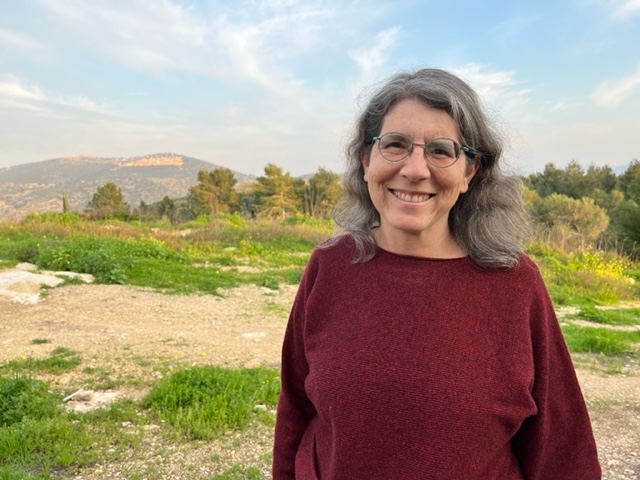
Julie Landau
Karmiel, Israel
About a year into learning more about Judaism on a path to potential conversion, I saw an article about the upcoming Siyum HaShas in January of 2020. My curiosity was piqued and I immediately started investigating what learning the Daf actually meant. Daily learning? Just what I wanted. Seven and a half years? I love a challenge! So I dove in head first and I’ve enjoyed every moment!!

Nickie Matthews
Blacksburg, United States
I’ve been studying Talmud since the ’90s, and decided to take on Daf Yomi two years ago. I wanted to attempt the challenge of a day-to-day, very Jewish activity. Some days are so interesting and some days are so boring. But I’m still here.

Sarene Shanus
Mamaroneck, NY, United States
I heard about the syium in January 2020 & I was excited to start learning then the pandemic started. Learning Daf became something to focus on but also something stressful. As the world changed around me & my family I had to adjust my expectations for myself & the world. Daf Yomi & the Hadran podcast has been something I look forward to every day. It gives me a moment of centering & Judaism daily.

Talia Haykin
Denver, United States
I started to listen to Michelle’s podcasts four years ago. The minute I started I was hooked. I’m so excited to learn the entire Talmud, and think I will continue always. I chose the quote “while a woman is engaged in conversation she also holds the spindle”. (Megillah 14b). It reminds me of all of the amazing women I learn with every day who multi-task, think ahead and accomplish so much.

Julie Mendelsohn
Zichron Yakov, Israel
See video

Susan Fisher
Raanana, Israel
Last cycle, I listened to parts of various מסכתות. When the הדרן סיום was advertised, I listened to Michelle on נידה. I knew that בע”ה with the next cycle I was in (ב”נ). As I entered the סיום (early), I saw the signs and was overcome with emotion. I was randomly seated in the front row, and I cried many times that night. My choice to learn דף יומי was affirmed. It is one of the best I have made!

Miriam Tannenbaum
אפרת, Israel
After reading the book, “ If All The Seas Were Ink “ by Ileana Kurshan I started studying Talmud. I searched and studied with several teachers until I found Michelle Farber. I have been studying with her for two years. I look forward every day to learn from her.

Janine Rubens
Virginia, United States
Retirement and Covid converged to provide me with the opportunity to commit to daily Talmud study in October 2020. I dove into the middle of Eruvin and continued to navigate Seder Moed, with Rabannit Michelle as my guide. I have developed more confidence in my learning as I completed each masechet and look forward to completing the Daf Yomi cycle so that I can begin again!

Rhona Fink
San Diego, United States
I was moved to tears by the Hadran Siyyum HaShas. I have learned Torah all my life, but never connected to learning Gemara on a regular basis until then. Seeing the sheer joy Talmud Torah at the siyyum, I felt compelled to be part of it, and I haven’t missed a day!
It’s not always easy, but it is so worthwhile, and it has strengthened my love of learning. It is part of my life now.

Michelle Lewis
Beit Shemesh, Israel
I started learning at the beginning of the cycle after a friend persuaded me that it would be right up my alley. I was lucky enough to learn at Rabbanit Michelle’s house before it started on zoom and it was quickly part of my daily routine. I find it so important to see for myself where halachot were derived, where stories were told and to get more insight into how the Rabbis interacted.

Deborah Dickson
Ra’anana, Israel
I am grateful for the structure of the Daf Yomi. When I am freer to learn to my heart’s content, I learn other passages in addition. But even in times of difficulty, I always know that I can rely on the structure and social support of Daf Yomi learners all over the world.
I am also grateful for this forum. It is very helpful to learn with a group of enthusiastic and committed women.

Janice Block
Beit Shemesh, Israel
In early 2020, I began the process of a stem cell transplant. The required extreme isolation forced me to leave work and normal life but gave me time to delve into Jewish text study. I did not feel isolated. I began Daf Yomi at the start of this cycle, with family members joining me online from my hospital room. I’ve used my newly granted time to to engage, grow and connect through this learning.
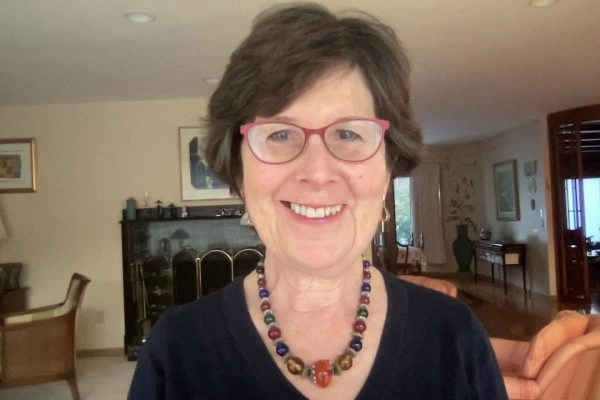
Reena Slovin
Worcester, United States
I had no formal learning in Talmud until I began my studies in the Joint Program where in 1976 I was one of the few, if not the only, woman talmud major. It was superior training for law school and enabled me to approach my legal studies with a foundation . In 2018, I began daf yomi listening to Rabbanit MIchelle’s pod cast and my daily talmud studies are one of the highlights of my life.

Terri Krivosha
Minneapolis, United States
I started learning at the start of this cycle, and quickly fell in love. It has become such an important part of my day, enriching every part of my life.

Naomi Niederhoffer
Toronto, Canada
While vacationing in San Diego, Rabbi Leah Herz asked if I’d be interested in being in hevruta with her to learn Daf Yomi through Hadran. Why not? I had loved learning Gemara in college in 1971 but hadn’t returned. With the onset of covid, Daf Yomi and Rabbanit Michelle centered me each day. Thank-you for helping me grow and enter this amazing world of learning.

Meryll Page
Minneapolis, MN, United States
In my Shana bet at Migdal Oz I attended the Hadran siyum hash”as. Witnessing so many women so passionate about their Torah learning and connection to God, I knew I had to begin with the coming cycle. My wedding (June 24) was two weeks before the siyum of mesechet yoma so I went a little ahead and was able to make a speech and siyum at my kiseh kallah on my wedding day!

Sharona Guggenheim Plumb
Givat Shmuel, Israel
With Rabbanit Dr. Naomi Cohen in the Women’s Talmud class, over 30 years ago. It was a “known” class and it was accepted, because of who taught. Since then I have also studied with Avigail Gross-Gelman and Dr. Gabriel Hazut for about a year). Years ago, in a shiur in my shul, I did know about Persians doing 3 things with their clothes on. They opened the shiur to woman after that!

Sharon Mink
Haifa, Israel
I decided to learn one masechet, Brachot, but quickly fell in love and never stopped! It has been great, everyone is always asking how it’s going and chering me on, and my students are always making sure I did the day’s daf.
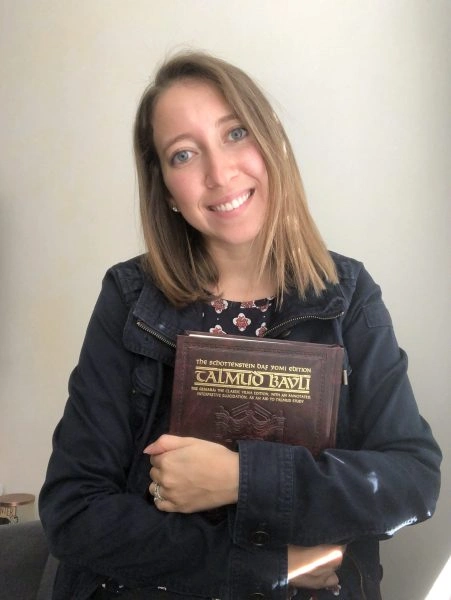
Yafit Fishbach
Memphis, Tennessee, United States
The first month I learned Daf Yomi by myself in secret, because I wasn’t sure how my husband would react, but after the siyyum on Masechet Brachot I discovered Hadran and now sometimes my husband listens to the daf with me. He and I also learn mishnayot together and are constantly finding connections between the different masechtot.

Laura Warshawsky
Silver Spring, Maryland, United States
Berakhot 38
כְּעָבִין — חַיָּיבִין, כְּלִמּוּדִין — פְּטוּרִים. אֲמַר לֵיהּ אַבָּיֵי לְרַב יוֹסֵף: הַאי כּוּבָּא דְאַרְעָא מַאי מְבָרְכִין עִלָּוֵיהּ? אֲמַר לֵיהּ: מִי סָבְרַתְּ נַהֲמָא הוּא?! גּוּבְלָא בְּעָלְמָא הוּא וּמְבָרְכִין עִלָּוֵיהּ ״בּוֹרֵא מִינֵי מְזוֹנוֹת״.
thick [ke’avin], so that they appear like loaves of bread, they are obligated in ḥalla, and if he shaped them like boards [kelimmudin], they are exempt, since they will certainly only be used for kutaḥ. Abaye said to Rav Yosef: What blessing is recited over the dough of the ground? Rav Yosef said to him: Do you think that it is bread? It is merely kneaded dough, and just like over all other cooked grains, one recites over it the blessing: Who creates the various kinds of nourishment.
מָר זוּטְרָא קְבַע סְעוֹדְתֵּיהּ עִלָּוֵיהּ, וּבָרֵךְ עִלָּוֵיהּ ״הַמּוֹצִיא לֶחֶם מִן הָאָרֶץ״, וְשָׁלֹשׁ בְּרָכוֹת.
Mar Zutra based his meal on this dough, and he recited: Who brings forth bread from the earth, beforehand and the three blessings of Grace after Meals thereafter. Since he based his meal on it, he considered it to be bread.
אָמַר מָר בַּר רַב אָשֵׁי: וְאָדָם יוֹצֵא בָּהֶן יְדֵי חוֹבָתוֹ בַּפֶּסַח, מַאי טַעְמָא — ״לֶחֶם עוֹנִי״ קָרֵינַן בֵּיהּ.
Mar bar Rav Ashi said: With these types of bread, a person fulfills his obligation to eat matza on Passover. What is the reason? Because we call it bread of affliction, and in that sense, it is in the category of matza.
וְאָמַר מָר בַּר רַב אָשֵׁי: הַאי דּוּבְשָׁא דְתַמְרֵי מְבָרְכִין עִלָּוֵיהּ ״שֶׁהַכֹּל נִהְיֶה בִּדְבָרוֹ״. מַאי טַעְמָא? — זֵיעָה בְּעָלְמָא הוּא.
And with regard to blessings, Mar bar Rav Ashi said: Over this date honey one recites: By Whose word all things came to be. What is the reason that one does not recite: Who creates fruit of the tree, as he does over the date itself? Because date honey is not the essence of the fruit, but merely moisture that drips from the ripe fruit.
כְּמַאן? — כִּי הַאי תַּנָּא דִּתְנַן דְּבַשׁ תְּמָרִים, וְיֵין תַּפּוּחִים, וְחוֹמֶץ סִפְוָנִיּוֹת, וּשְׁאָר מֵי פֵירוֹת שֶׁל תְּרוּמָה — רַבִּי אֱלִיעֶזֶר מְחַיֵּיב קֶרֶן וָחוֹמֶשׁ, וְרַבִּי יְהוֹשֻׁעַ פּוֹטֵר.
In accordance with whose opinion does he recite that blessing? In accordance with the opinion of this tanna, as we learned in a mishna: If a non-priest ate date honey, apple wine or vinegar made from grapes of autumn that grow stunted at the end of the season and are unfit for wine production, or any other type of juice made from fruits of teruma, Rabbi Eliezer obligates him to repay the principal and an additional fifth as a penalty for misuse of consecrated items. And Rabbi Yehoshua exempts him from payment, because he holds that these are byproducts of the fruit and do not have the status of the fruit itself. Mar bar Rav Ashi’s ruling with regard to blessings was based on Rabbi Yehoshua’s ruling with regard to teruma.
אֲמַר לֵיהּ הָהוּא מֵרַבָּנַן לְרָבָא: טְרִימָא מַהוּ? לָא הֲוָה אַדַּעְתֵּיהּ דְּרָבָא מַאי קָאָמַר לֵיהּ. יְתֵיב רָבִינָא קַמֵּיהּ דְּרָבָא, אֲמַר לֵיהּ: דְּשׁוּמְשְׁמֵי קָא אָמְרַתְּ, אוֹ דְּקוּרְטְמֵי קָא אָמְרַתְּ, אוֹ דְּפוּרְצָנֵי קָא אָמְרַתְּ?
One of the Sages said to Rava: What is the halakha with regard to terima? Rava was unfamiliar with the term terima and did not understand what he was saying to him. Ravina sat before Rava and said to the student who had posed the question to Rava: In posing the question, are you speaking of sesame terima or are you speaking of safflower terima or are you speaking of grape-pits terima?
אַדְּהָכִי וְהָכִי אַסְּקֵיהּ רָבָא לְדַעְתֵּיהּ, אֲמַר לֵיהּ: חֲשִׁילְתָּא וַדַּאי קָא אָמְרַתְּ, וְאַדְכַּרְתַּן מִלְּתָא הָא דְּאָמַר רַב אַסִּי: הַאי תַּמְרֵי שֶׁל תְּרוּמָה מוּתָּר לַעֲשׂוֹת מֵהֶן טְרִימָא, וְאָסוּר לַעֲשׂוֹת מֵהֶן שֵׁכָר. וְהִלְכְתָא תַּמְרֵי וְעַבְדִינְהוּ טְרִימָא — מְבָרְכִין עִלָּוַיְיהוּ ״בּוֹרֵא פְּרִי הָעֵץ״. מַאי טַעְמָא? — בְּמִלְּתַיְיהוּ קָיְימִי כִּדְמֵעִיקָּרָא.
Meanwhile, Rava comprehended the meaning of the term and said to the Sage: Certainly, you are speaking of pressed items, and you reminded me of a matter that Rav Asi said: Those dates of teruma; one is permitted to press them in order to make terima, because the dates maintain their form, and one is forbidden to make date beer from them, as in so doing the dates are damaged and it is forbidden to damage teruma. The Gemara concludes: The halakha is that over dates that were made into terima, one recites: Who creates fruit of the tree. What is the reason? Because they remain in their original state.
שְׁתִיתָא, רַב אָמַר ״שֶׁהַכֹּל נִהְיֶה בִּדְבָרוֹ״, וּשְׁמוּאֵל אָמַר ״בּוֹרֵא מִינֵי מְזוֹנוֹת״.
The Gemara raises another question with regard to the blessing recited on roasted barley to which honey or vinegar was added [shetita]. Rav said that one recites: By Whose word all things came to be; and Shmuel said that one recites: Who creates the various kinds of nourishment.
אָמַר רַב חִסְדָּא, וְלָא פְּלִיגִי: הָא בְּעָבָה, הָא בְּרַכָּה. עָבָה לַאֲכִילָה עָבְדִי לַהּ, רַכָּה לִרְפוּאָה קָא עָבְדִי לַהּ.
Rav Ḥisda said: And they do not disagree, as each is referring to a different case. This, where Shmuel said that one recites: Who creates the various kinds of nourishment, is in a case where the mixture is thick, while this, where Rav said that one recites: By Whose word all things came to be, is in a case where the mixture is thin. When it is thick, he made it as food; therefore one recites a blessing just as he would over any food made from the five species of grain. When it is thin, he made it as medicine, therefore one only recites: By Whose word all things came to be.
מֵתִיב רַב יוֹסֵף: וְשָׁוִין שֶׁבּוֹחֲשִׁין אֶת הַשַּׁתּוּת בְּשַׁבָּת וְשׁוֹתִין זֵיתוֹם הַמִּצְרִי. וְאִי סָלְקָא דַעְתָּךְ לִרְפוּאָה קָא מְכַוֵּין, רְפוּאָה בְּשַׁבָּת מִי שְׁרֵי?!
With regard to the assumption that this mixture is essentially medicinal, Rav Yosef raised a challenge from the laws of Shabbat: And they agree that one may mix shetita on Shabbat and drink Egyptian beer [zitom haMitzri], which contains a mixture of a pungent spice in flour. And if it enters your mind to say that when one prepares shetita, his intention is for medicinal purposes, is medicine permitted on Shabbat?
אֲמַר לֵיהּ אַבָּיֵי: וְאַתְּ לָא תִּסְבְּרָא? וְהָא תְּנַן: כׇּל הָאוֹכָלִין אוֹכֵל אָדָם לִרְפוּאָה בְּשַׁבָּת, וְכׇל הַמַּשְׁקִין שׁוֹתֶה. אֶלָּא מָה אִית לָךְ לְמֵימַר — גַּבְרָא לַאֲכִילָה קָא מְכַוֵּין, הָכִי נָמֵי גַּבְרָא לַאֲכִילָה קָא מְכַוֵּין.
Abaye said to Rav Yosef: Do you not hold that to be true? Didn’t we learn in a mishna: All foods that are commonly eaten; a person may eat them for medicinal purposes on Shabbat, and all drinks that are not designated for medicinal purposes, a person may drink them for medicinal purposes on Shabbat. But what can you say in explaining that ruling? The man’s intention is for the purpose of eating; here too, when he mixes the shetita, the man’s intention is for the purpose of eating.
לִישָּׁנָא אַחֲרִינָא: אֶלָּא מָה אִית לָךְ לְמֵימַר — גַּבְרָא לַאֲכִילָה קָא מְכַוֵּין, וּרְפוּאָה מִמֵּילָא קָא הָוְיָא? הָכִי נָמֵי לַאֲכִילָה קָא מְכַוֵּין, וּרְפוּאָה מִמֵּילָא קָא הָוְיָא.
The Gemara cites another version of what was taught above: But what can you say in explaining that ruling? The man’s intention is for the purpose of eating and the cure comes about on its own; here too, the man’s intention is for the purpose of eating and the cure comes about on its own. Ostensibly, after proving that it is permissible to drink the shetita on Shabbat, it is clearly a type of food over which one is required to recite a blessing. If so, it is difficult to understand the need for Rav and Shmuel to point out that one is required to recite a blessing over it.
וּצְרִיכָא דְּרַב וּשְׁמוּאֵל. דְּאִי מֵהַאי, הֲוָה אָמֵינָא לַאֲכִילָה קָא מְכַוֵּין וּרְפוּאָה מִמֵּילָא קָא הָוְיָא, אֲבָל הָכָא, כֵּיוָן דִּלְכַתְּחִילָּה לִרְפוּאָה קָא מְכַוֵּין — לָא לְבָרֵיךְ עִלָּוֵיהּ כְּלָל. קָא מַשְׁמַע לַן כֵּיוָן דְּאִית לֵיהּ הֲנָאָה מִינֵּיהּ בָּעֵי בָּרוֹכֵי.
Therefore the Gemara says: And the statement of Rav and Shmuel is necessary, as if the halakha had been derived solely from this mishna that permits drinking shetita on Shabbat, I would have said: This applies specifically when one’s intention is for the purpose of eating and the cure comes about on its own. Here, however, since from the outset, his intention in eating the shetita is for the purpose of medicine; just as one recites no blessing when he ingests medicine, let him recite no blessing over the shetita at all. Therefore, Rav and Shmuel taught us that here, since he derives pleasure from eating it, he is required to recite a blessing.
שֶׁעַל הַפַּת הוּא אוֹמֵר ״הַמּוֹצִיא״ וְכוּ׳. תָּנוּ רַבָּנַן: מָה הוּא אוֹמֵר? — ״הַמּוֹצִיא לֶחֶם מִן הָאָרֶץ״. רַבִּי נְחֶמְיָה אוֹמֵר: ״מוֹצִיא לֶחֶם מִן הָאָרֶץ״. אָמַר רָבָא: בְּ״מוֹצִיא״ כּוּלֵּי עָלְמָא לָא פְּלִיגִי דְּאַפֵּיק מַשְׁמַע, דִּכְתִיב: ״אֵל מוֹצִיאָם מִמִּצְרָיִם״. כִּי פְּלִיגִי בְּ״הַמּוֹצִיא״, רַבָּנַן סָבְרִי הַמּוֹצִיא דְּאַפֵּיק מַשְׁמַע, דִּכְתִיב: ״הַמּוֹצִיא לְךָ מַיִם מִצּוּר הַחַלָּמִישׁ״. וְרַבִּי נְחֶמְיָה סָבַר הַמּוֹצִיא דְּמַפֵּיק מַשְׁמַע, שֶׁנֶּאֱמַר: ״הַמּוֹצִיא אֶתְכֶם מִתַּחַת סִבְלוֹת מִצְרָיִם״.
We learned in the mishna that over bread one recites: Who brings forth bread from the earth. The Sages taught in a baraita: What does one who eats bread recite before eating? Who brings forth [hamotzi] bread from the earth. Rabbi Neḥemya says that the blessing is phrased: Who brought forth [motzi] bread from the earth. Rava said: Everyone agrees that the term motzi means brought, in the past tense, as it is written: “God who brought them forth [motziam] from Egypt is for them like the horns of the wild ox” (Numbers 23:22). When do they disagree? With regard to the term hamotzi, as the Rabbis hold that hamotzi means that God brought forth, in the past tense, as it is written: “Who brought forth [hamotzi] for you water from a rock of flint” (Deuteronomy 8:15), which depicts a past event. Rabbi Neḥemya holds that the term hamotzi means that God brings forth in the present tense, as it is stated in Moses’ prophecy to the Jewish people in Egypt: “And you will know that I am the Lord your God who is bringing you forth [hamotzi] from under the burdens of Egypt” (Exodus 6:7). Since, in that context, hamotzi is used with regard to an event transpiring in the present or possibly even one that will transpire in the future, it is inappropriate to include this term in a blessing referencing the past.
וְרַבָּנַן? — הָהוּא הָכִי קָאָמַר לְהוּ קוּדְשָׁא בְּרִיךְ הוּא לְיִשְׂרָאֵל: כַּד מַפֵּיקְנָא לְכוּ, עָבֵידְנָא לְכוּ מִלְּתָא כִּי הֵיכִי דְּיָדְעִיתוּ דַּאֲנָא הוּא דְּאַפֵּיקִית יָתְכוֹן מִמִּצְרַיִם, דִּכְתִיב: ״וִידַעְתֶּם כִּי אֲנִי ה׳ אֱלֹהֵיכֶם הַמּוֹצִיא״.
And the Rabbis, how do they respond to that proof? The Sages interpret that verse to mean that the Holy one, Blessed be He, said to Israel as follows: When I bring you forth, I will perform something for you that you will know that I am the one who brought you forth from Egypt, as it is written: “And you will know that I am the Lord your God who brought you forth [hamotzi]”; in this verse, too, hamotzi refers to the past.
מִשְׁתַּבְּחִין לֵיהּ רַבָּנַן לְרַבִּי זֵירָא [אֶת] בַּר רַב זְבִיד אֲחוּהּ דְּרַבִּי שְׁמוּאֵל בַּר רַב זְבִיד דְּאָדָם גָּדוֹל הוּא וּבָקִי בִּבְרָכוֹת הוּא. אָמַר לָהֶם: לִכְשֶׁיָּבֹא לְיֶדְכֶם הֲבִיאוּהוּ לְיָדִי. זִמְנָא חֲדָא אִיקְּלַע לְגַבֵּיהּ אַפִּיקוּ לֵיהּ רִיפְתָּא, פָּתַח וְאָמַר ״מוֹצִיא״. אָמַר: זֶה הוּא שֶׁאוֹמְרִים עָלָיו דְּאָדָם גָּדוֹל הוּא וּבָקִי בִּבְרָכוֹת הוּא?! בִּשְׁלָמָא אִי אֲמַר ״הַמּוֹצִיא״
On that note, the Gemara relates: The Sages would praise son of Rav Zevid, brother of Rabbi Shmuel bar Rav Zevid to Rabbi Zeira, that he is a great man and he is expert in blessings. Rabbi Zeira said to the Sages: When he comes to you, bring him to me so that I can meet him. One day he happened to come before him. They brought out bread to the guest, he began and recited: Who brought forth [motzi] bread from the earth. Rabbi Zeira grew annoyed and said: This is he of whom they say that he is a great man and expert in blessings? Granted, had he recited: Hamotzi,
אַשְׁמְעִינַן טַעְמָא, וְאַשְׁמְעִינַן דְּהִלְכְתָא כְּרַבָּנַן. אֶלָּא דַּאֲמַר ״מוֹצִיא״ מַאי קָא מַשְׁמַע לַן? וְאִיהוּ דַּעֲבַד לְאַפּוֹקֵי נַפְשֵׁיהּ מִפְּלוּגְתָּא.
I would have understood that he thereby taught us the meaning of the verse: “Who brought you forth from Egypt,” and he thereby taught us that the halakha is in accordance with the opinion of the Rabbis. However, what did he teach us by reciting motzi? Everyone agrees that one fulfills his obligation when reciting motzi. The Gemara explains: The son of Rav Zevid did this in order to preclude himself from taking sides in the dispute. He preferred to phrase his blessing in a manner appropriate according to all opinions, rather than teach a novel concept, which is not universally accepted.
וְהִלְכְתָא ״הַמּוֹצִיא לֶחֶם מִן הָאָרֶץ״, דְּקַיְימָא לַן כְּרַבָּנַן, דְּאָמְרִי דְּאַפֵּיק מַשְׁמַע.
The Gemara concludes: And the halakha is that one recites: Who brings forth [hamotzi] bread from the earth, as we hold in accordance with the opinion of the Rabbis who say that it also means: Who brought forth.
וְעַל הַיְּרָקוֹת אוֹמֵר וְכוּ׳. קָתָנֵי יְרָקוֹת דּוּמְיָא דְפַת — מָה פַּת שֶׁנִּשְׁתַּנָּה עַל יְדֵי הָאוּר, אַף יְרָקוֹת נָמֵי שֶׁנִּשְׁתַּנּוּ עַל יְדֵי הָאוּר. אָמַר רַבְנַאי מִשְּׁמֵיהּ דְּאַבָּיֵי: זֹאת אוֹמֶרֶת שְׁלָקוֹת מְבָרְכִין עֲלֵיהֶן ״בּוֹרֵא פְּרִי הָאֲדָמָה״. מִמַּאי? — מִדְּקָתָנֵי יְרָקוֹת דּוּמְיָא דְפַת.
We learned in the mishna that over vegetables one recites: Who creates fruits of the ground. The Gemara comments: The mishna taught vegetables together with, and therefore similar to, bread, and from this analogy one may infer: Just as bread is food that was transformed by fire, so too vegetables retain the blessing: Who creates fruits of the ground, after they have been transformed by fire. Rabbenai said in the name of Abaye: This means that over boiled vegetables one recites: Who creates fruits of the ground. From where is this matter inferred? From the fact that the mishna taught vegetables similar to bread.
דָּרַשׁ רַב חִסְדָּא מִשּׁוּם רַבֵּינוּ, וּמַנּוּ — רַב: שְׁלָקוֹת מְבָרְכִין עֲלֵיהֶם ״בּוֹרֵא פְּרִי הָאֲדָמָה״. וְרַבּוֹתֵינוּ הַיּוֹרְדִין מֵאֶרֶץ יִשְׂרָאֵל, וּמַנּוּ — עוּלָּא מִשְּׁמֵיהּ דְּרַבִּי יוֹחָנָן אָמַר: שְׁלָקוֹת מְבָרְכִין עֲלֵיהֶן ״שֶׁהַכֹּל נִהְיֶה בִּדְבָרוֹ״. וַאֲנִי אוֹמֵר: כֹּל שֶׁתְּחִלָּתוֹ ״בּוֹרֵא פְּרִי הָאֲדָמָה״, שְׁלָקוֹ — ״שֶׁהַכֹּל נִהְיֶה בִּדְבָרוֹ״. וְכֹל שֶׁתְּחִלָּתוֹ ״שֶׁהַכֹּל נִהְיֶה בִּדְבָרוֹ״, שְׁלָקוֹ — ״בּוֹרֵא פְּרִי הָאֲדָמָה״.
Rav Ḥisda taught in the name of Rabbeinu; and the Gemara remarks incidentally: Who is Rabbeinu? Rav. Over boiled vegetables one recites: Who creates fruit of the ground. And our Rabbis who descended from Eretz Yisrael, and again the Gemara explains: And who is the Sage with this title? Ulla said in the name of Rabbi Yoḥanan: Over boiled vegetables one recites: By whose word all things came to be, since after they are boiled, they are no longer the same as they were before. Expressing his own opinion, Rav Ḥisda said: And I say that there is an intermediate opinion: Any vegetable that, when eaten in its original uncooked state, one recites: Who creates fruit of the ground, when he boiled it, he recites: By whose word all things came to be, as boiling damages it qualitatively. And any vegetable that when eaten in its original uncooked state, one recites: By whose word all things came to be, because it is not typically eaten raw, when he boiled it, he recites: Who creates fruit of the ground.
בִּשְׁלָמָא כֹּל שֶׁתְּחִלָּתוֹ ״שֶׁהַכֹּל נִהְיֶה בִּדְבָרוֹ״ שְׁלָקוֹ ״בּוֹרֵא פְּרִי הָאֲדָמָה״ — מַשְׁכַּחַתְּ לַהּ בִּכְרָבָא וְסִלְקָא וְקָרָא, אֶלָּא כֹּל שֶׁתְּחִלָּתוֹ ״בּוֹרֵא פְּרִי הָאֲדָמָה״ שְׁלָקוֹ ״שֶׁהַכֹּל״, הֵיכִי מַשְׁכַּחַתְּ לַהּ? אָמַר רַב נַחְמָן בַּר יִצְחָק: מַשְׁכַּחַתְּ לַהּ בְּתוּמֵי וְכַרָּתֵי.
The Gemara asks: Granted, any vegetable that, when eaten in its original uncooked state, one recites: By whose word all things came to be, when he boiled it, he recites: Who creates fruit of the ground, as you can find several vegetables, e.g., cabbage, chard, and pumpkin which are virtually inedible raw, and boiling renders it edible. However, under what circumstances can you find a case where any vegetable that when eaten in its original uncooked state, one recites: Who creates fruit of the ground, when he boiled it, he recites: By whose word all things came to be, as boiling damages the vegetable qualitatively? Rav Naḥman bar Yitzḥak said: You can find it in the case of garlic and leeks.
דָּרַשׁ רַב נַחְמָן מִשּׁוּם רַבֵּינוּ, וּמַנּוּ — שְׁמוּאֵל: שְׁלָקוֹת מְבָרְכִין עֲלֵיהֶם ״בּוֹרֵא פְּרִי הָאֲדָמָה״. וַחֲבֵרֵינוּ הַיּוֹרְדִים מֵאֶרֶץ יִשְׂרָאֵל, וּמַנּוּ — עוּלָּא מִשְּׁמֵיהּ דְּרַבִּי יוֹחָנָן אָמַר: שְׁלָקוֹת מְבָרְכִין עֲלֵיהֶן ״שֶׁהַכֹּל נִהְיֶה בִּדְבָרוֹ״.
Rav Naḥman taught in the name of Rabbeinu; and who is Rabbeinu? Shmuel: Over boiled vegetables one recites: Who creates fruit of the ground. And our colleagues who descended from Eretz Yisrael; and who is the Sage with this title? Ulla said in the name of Rabbi Yoḥanan: Over boiled vegetables, one recites: By whose word all things came to be.
וַאֲנִי אוֹמֵר בְּמַחֲלוֹקֶת שְׁנוּיָה. דְּתַנְיָא: יוֹצְאִין בְּרָקִיק הַשָּׁרוּי וּבִמְבוּשָּׁל שֶׁלֹּא נִמּוֹחַ דִּבְרֵי רַבִּי מֵאִיר, וְרַבִּי יוֹסֵי אוֹמֵר: יוֹצְאִים בְּרָקִיק הַשָּׁרוּי, אֲבָל לֹא בַּמְבוּשָּׁל, אַף עַל פִּי שֶׁלֹּא נִמּוֹחַ.
Rav Naḥman remarked: I say this is dependent upon and taught as a tannaitic dispute, as it was taught in a baraita with regard to the halakhot of matza on Passover: One fulfills the mitzva of matza with a wafer soaked in water or with one that is boiled as long that it did not dissolve; this is the statement of Rabbi Meir. And Rabbi Yosei says: One fulfills the mitzva of matza with a soaked wafer but not with one that is boiled even if it did not dissolve. Rav Naḥman concludes that this dispute with regard to boiled matza reflects a larger dispute with regard to boiling in general, whether or not it diminishes the flavor of that which is boiled.
וְלָא הִיא, דְּכוּלֵּי עָלְמָא שְׁלָקוֹת מְבָרְכִין עֲלֵיהֶן ״בּוֹרֵא פְּרִי הָאֲדָמָה״, וְעַד כָּאן לָא קָאָמַר רַבִּי יוֹסֵי הָתָם, אֶלָּא מִשּׁוּם דְּבָעֵינַן טַעַם מַצָּה, וְלֵיכָּא, אֲבָל הָכָא אֲפִילּוּ רַבִּי יוֹסֵי מוֹדֶה.
This approach is rejected by the Gemara: That is not so; as everyone agrees that over boiled vegetables one recites: Who creates fruit of the ground. Rabbi Yosei only said the halakha, that one fulfills his obligation of matza if it is soaked but not if it is boiled, there, because in order to fulfill the mitzva, we require the taste of matza, and it is lacking. However, here, even Rabbi Yosei agrees that boiling vegetables does not damage it qualitatively.
אָמַר רַבִּי חִיָּיא בַּר אַבָּא אָמַר רַבִּי יוֹחָנָן: שְׁלָקוֹת מְבָרְכִין עֲלֵיהֶם ״בּוֹרֵא פְּרִי הָאֲדָמָה״, וְרַבִּי בִּנְיָמִין בַּר יֶפֶת אָמַר רַבִּי יוֹחָנָן: שְׁלָקוֹת מְבָרְכִין עֲלֵיהֶם ״שֶׁהַכֹּל נִהְיֶה בִּדְבָרוֹ״. אָמַר רַב נַחְמָן בַּר יִצְחָק: קְבַע עוּלָּא לְשַׁבֶּשְׁתֵּיהּ כְּרַבִּי בִּנְיָמִין בַּר יֶפֶת.
Ulla’s statement in the name of Rabbi Yoḥanan with regard to boiled vegetables was cited above. The Gemara cites two conflicting traditions with regard to Rabbi Yoḥanan’s statement. Rabbi Ḥiyya bar Abba said that Rabbi Yoḥanan said: Over boiled vegetables, one recites: Who creates fruit of the ground, and Rabbi Binyamin bar Yefet said that Rabbi Yoḥanan said: Over boiled vegetables, one recites: By whose word all things came to be. Commenting on this, Rav Naḥman bar Yitzḥak said: Ulla established his error in accordance with the opinion of Rabbi Binyamin bar Yefet, which conflicted with the prevailing opinion among the Sages in Babylonia.
תָּהֵי בַּהּ רַבִּי זֵירָא: וְכִי מָה עִנְיָן רַבִּי בִּנְיָמִין בַּר יֶפֶת אֵצֶל רַבִּי חִיָּיא בַּר אַבָּא? רַבִּי חִיָּיא בַּר אַבָּא דָּיֵיק וְגָמַר שְׁמַעְתָּא מֵרַבִּי יוֹחָנָן רַבֵּיהּ, וְרַבִּי בִּנְיָמִין בַּר יֶפֶת לָא דָּיֵיק. וְעוֹד, רַבִּי חִיָּיא בַּר אַבָּא כֹּל תְּלָתִין יוֹמִין מַהְדַּר תַּלְמוּדֵיהּ קַמֵּיהּ דְּרַבִּי יוֹחָנָן רַבֵּיהּ, וְרַבִּי בִּנְיָמִין בַּר יֶפֶת לָא מַהְדַּר. וְעוֹד, בַּר מִן דֵּין וּבַר מִן דֵּין, דְּהָהוּא תּוּרְמְסָא דְּשָׁלְקִי לֵיהּ שְׁבַע זִמְנִין בִּקְדֵרָה וְאָכְלִי לֵיהּ בְּקִנּוּחַ סְעוּדָה, אֲתוֹ וּשְׁאִלוּ לְרַבִּי יוֹחָנָן, וְאָמַר לְהוּ: מְבָרְכִין עִלָּוֵיהּ ״בּוֹרֵא פְּרִי הָאֲדָמָה״.
Rabbi Zeira wondered with regard to Ulla’s approach: What is the matter of Rabbi Binyamin bar Yefet doing in the same discussion with Rabbi Ḥiyya bar Abba? Rabbi Ḥiyya bar Abba was meticulous and learned the halakha from Rabbi Yoḥanan, his teacher; and Rabbi Binyamin bar Yefet was not meticulous. Furthermore, every thirty days, Rabbi Ḥiyya bar Abba reviews his studies before Rabbi Yoḥanan, his teacher, while Rabbi Binyamin bar Yefet does not review his studies. Furthermore, aside from these reasons concerning the difference between a wise and meticulous student like Rabbi Ḥiyya bar Abba and a student like Rabbi Binyamin bar Yefet, one can also bring proof from the custom of Rabbi Yoḥanan, as the lupin is boiled seven times in a pot and eaten as dessert at the end of a meal. They came and asked Rabbi Yoḥanan with regard to the blessing to be recited over this lupin, and he said to them: One recites over it: Who creates fruit of the ground, indicating that one recites that blessing over boiled vegetables.
וְעוֹד, אָמַר רַבִּי חִיָּיא בַּר אַבָּא: אֲנִי רָאִיתִי אֶת רַבִּי יוֹחָנָן שֶׁאָכַל זַיִת מָלִיחַ, וּבֵרַךְ עָלָיו תְּחִלָּה וָסוֹף. אִי אָמְרַתְּ בִּשְׁלָמָא שְׁלָקוֹת בְּמִילְּתַיְיהוּ קָיְימִי — בַּתְּחִלָּה מְבָרֵךְ עָלָיו ״בּוֹרֵא פְּרִי הָעֵץ״, וּלְבַסּוֹף מְבָרֵךְ עָלָיו בְּרָכָה אַחַת מֵעֵין שָׁלֹשׁ. אֶלָּא אִי אָמְרַתְּ שְׁלָקוֹת לָאו בְּמִילְּתַיְיהוּ קָיְימִי, בִּשְׁלָמָא בַּתְּחִלָּה מְבָרֵךְ עָלָיו ״שֶׁהַכֹּל נִהְיֶה בִּדְבָרוֹ״ — אֶלָּא לְבַסּוֹף מַאי מְבָרֵךְ?
Furthermore, Rabbi Ḥiyya bar Abba said: I saw Rabbi Yoḥanan eat a salted olive, which, halakhically, is considered cooked, and he recited a blessing over it both before and after. Granted, if you say that boiled vegetables remain in their original state and that cooking does not qualitatively damage them, then certainly at the start one recites over it: Who creates fruit of the tree, and at the end one recites over it one blessing abridged from the three blessings of Grace after Meals, just as he would over any of the seven species for which Eretz Yisrael was praised. However, if you say that boiled vegetables do not remain in their original state, granted, at the start, one recites: By whose word all things came to be. However, at the end, what blessing does he recite? There are several opinions that hold that no blessing is recited after eating something whose initial blessing was: By whose word all things came to be.
דִּילְמָא ״בּוֹרֵא נְפָשׁוֹת רַבּוֹת וְחֶסְרוֹנָן עַל כׇּל מַה שֶּׁבָּרָא״.
The Gemara rejects this: That is no proof, as perhaps Rabbi Yoḥanan held that on items over which at the start one recites: By whose word all things came to be, at the end he recites: Who creates the many forms of life and their needs, for all that You have created.
מֵתִיב רַב יִצְחָק בַּר שְׁמוּאֵל: יְרָקוֹת שֶׁאָדָם יוֹצֵא בָּהֶן יְדֵי חוֹבָתוֹ בַּפֶּסַח — יוֹצֵא בָּהֶן וּבַקֶּלַח שֶׁלָּהֶן, אֲבָל לֹא כְּבוּשִׁין, וְלֹא שְׁלוּקִין, וְלֹא מְבוּשָּׁלִין. וְאִי סָלְקָא דַעְתָּךְ בְּמִילְּתַיְיהוּ קָאֵי — שְׁלוּקִין אַמַּאי לָא?
Rabbi Yitzḥak bar Shmuel raised an objection to the ruling that over both boiled vegetables and raw vegetables one recites the same blessing, from a baraita concerning the halakhot of eating bitter herbs on Passover: Vegetables with which one may fulfill his obligation in the mitzva of bitter herbs on Passover, one fulfills his obligation with both the vegetables themselves as well as with their stalks. However, one may neither fulfill his obligation with pickled vegetables, nor with boiled vegetables nor with cooked vegetables. And if it would enter your mind that they remain in their original state, why are boiled vegetables not fit for use in fulfilling the mitzva of bitter herbs?
שָׁאנֵי הָתָם, דְּבָעֵינַן טַעַם מָרוֹר, וְלֵיכָּא.
The Gemara answers: It is different there, as even if we assert that boiled vegetables remain in their original state, we require the taste of bitter herbs, and it is lacking. There is no proof that boiling damages the vegetable qualitatively.
אֲמַר לֵיהּ רַבִּי יִרְמְיָה לְרַבִּי זֵירָא: רַבִּי יוֹחָנָן הֵיכִי מְבָרֵךְ עַל זַיִת מָלִיחַ? כֵּיוָן דִּשְׁקִילָא לְגַרְעִינֵיהּ
The Gemara related above that Rabbi Yoḥanan recited a blessing over a salted olive. With regard to this story, Rabbi Yirmeya said to Rabbi Zeira: How did Rabbi Yoḥanan recite a blessing over a salted olive after he ate it? Since the pit was removed, i.e., he did not eat it,
Follow

