Search

Eruvin 20

Want to dedicate learning? Get started here:

English
עברית
podcast placeholder

0:00
0:00


podcast placeholder

0:00
0:00


Summary

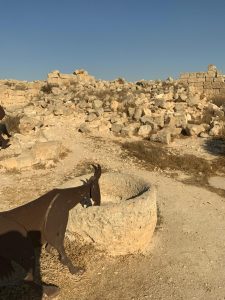
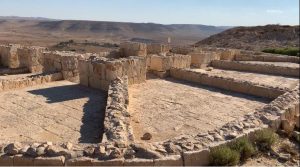
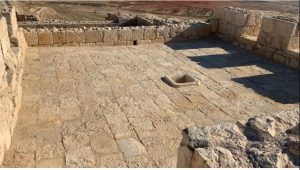
Pictures for today’s daf

Abaye asks Rabba more questions regarding the case of a well. Other issues are discussed – are these posts considered a real mechitza? In order for a person to drink from a well (without the posts), one’s head and the majority of the body need to be in the private space of the well. Is the same true for an animal? This question appears in two variations. Attempts ar emade to learn this from our mishna but are unsuccessful.


Today’s daily daf tools:

Eruvin 20

תְּרֵי גַוְונֵי אִילָן? הָכָא נָמֵי, תְּרֵי גַוְונֵי גָּדֵר.

that the baraita teaches two types of tree; here too, then, you can say that it teaches two types of fence, and therefore no proof can be brought from this baraita.

בְּעָא מִינֵּיהּ אַבָּיֵי מֵרַבָּה: חָצֵר שֶׁרֹאשָׁהּ נִכְנָס לְבֵין הַפַּסִּין — מַהוּ לְטַלְטֵל מִתּוֹכָהּ לְבֵין הַפַּסִּין, וּמִבֵּין הַפַּסִּין לְתוֹכָהּ? אֲמַר לֵיהּ: מוּתָּר.

And Abaye further inquired of Rabba: With regard to a courtyard, the open end of which interposed between the boards surrounding a well, what is the law with regard to carrying from inside the courtyard to the area between the upright boards, and from the area between the boards into the courtyard? Rabba said to him: It is permitted.

שְׁתַּיִם, מַאי? אֲמַר לֵיהּ: אָסוּר.

Abaye then asked him: And if two adjacent courtyards interposed between the boards surrounding a well, what is the law? Is it permitted to carry from inside them to the area between the boards, and vice versa? Rabba said to him in response: It is prohibited.

אָמַר רַב הוּנָא: שְׁתַּיִם אֲסוּרִין, וַאֲפִילּוּ עֵירְבוּ. גְּזֵירָה שֶׁמָּא יֹאמְרוּ ״עֵירוּב מוֹעִיל לְבֵין הַפַּסִּין״. רָבָא אָמַר: עֵירְבוּ מוּתָּר.

Rav Huna said: In the case of two courtyards, it is prohibited to carry, even if the residents of the two courtyards made an eiruv together. This is because of a decree lest they come to say that an eiruv is effective for the area between the upright boards. Rava, however, disagreed and said: If they made an eiruv together, it is permitted to carry between the courtyards and the area between the boards, and vice versa; with the preparation of the eiruv, the two courtyards are regarded as one.

אֲמַר לֵיהּ אַבָּיֵי לְרָבָא: תַּנְיָא דִּמְסַיַּיע לָךְ — חָצֵר שֶׁרֹאשָׁהּ אֶחָד נִכְנָס לְבֵין הַפַּסִּין מוּתָּר לְטַלְטֵל מִתּוֹכָהּ לְבֵין הַפַּסִּין וּמִבֵּין הַפַּסִּין לְתוֹכָהּ, אֲבָל שְׁתַּיִם אָסוּר. בַּמֶּה דְּבָרִים אֲמוּרִים שֶׁלֹּא עֵירְבוּ, אֲבָל עֵירְבוּ מוּתָּרִין.

Abaye said to Rava: What was taught in a baraita supports your opinion, for the baraita states: In the case of a courtyard, one end of which interposes between the upright boards surrounding a well, it is permitted to carry from inside the courtyard to the area between the upright boards, and from the area between the upright boards into the courtyard, but if there were two adjacent courtyards, this is prohibited. With regard to which case was this statement made? The statement applies where the residents of the two courtyards did not make an eiruv together; but if they made an eiruv together, it is permitted to carry between the courtyards and the area between the boards, and vice versa.

לֵימָא תֶּיהְוֵי תְּיוּבְתָּא דְּרַב הוּנָא?! אָמַר לְךָ רַב הוּנָא: הָתָם דְּהָדְרָן וְעָרְבָן.

The Gemara asks: Shall we say that this is a refutation of the opinion of Rav Huna, for the baraita explicitly contradicts his opinion? The Gemara rejects this argument: Rav Huna could have said to you: There, the baraita is dealing with a case where the two courtyards later became joined by means of the wall that separated them being breached, and it is clear to all that it is a single courtyard, so that there is no concern that people will say that an eiruv is effective for the area between the boards.

בְּעָא מִינֵּיהּ אַבָּיֵי מֵרַבָּה: יָבְשׁוּ מַיִם בְּשַׁבָּת מַהוּ? אֲמַר לֵיהּ: כְּלוּם נַעֲשֵׂית מְחִיצָה אֶלָּא בִּשְׁבִיל מַיִם, מַיִם אֵין כָּאן מְחִיצָה אֵין כָּאן.

Abaye asked Rabba yet another question: If the water in the cistern dried up on Shabbat, what is the law? Is it still permitted to carry between the boards? Rabba said to him: The boards are considered a valid partition only on account of the water; since there is no longer any water here, there is also no longer a valid partition here.

בָּעֵי רָבִין: יָבְשׁוּ מַיִם בְּשַׁבָּת וּבָאוּ בְּשַׁבָּת מַהוּ? אֲמַר לֵיהּ אַבָּיֵי: יָבְשׁוּ בְּשַׁבָּת לָא תִּיבְּעֵי לָךְ, דִּבְעַי מִינֵּיהּ דְּמָר וּפְשֵׁיט לִי דַּאֲסִיר.

Ravin raised a dilemma: If the water in the well dried up on Shabbat, and then on the same Shabbat it rained and other water came in its place, what is the law? Is the original allowance to carry restored? Abaye said to him: The case where the water dried up on Shabbat should not be a dilemma for you, for I already raised this dilemma before my Master, Rabba, and he resolved for me that it is prohibited to carry in the enclosed area.

בָּאוּ נָמֵי לָא תִּיבְּעֵי לָךְ — דְּהָוֵה לֵיהּ מְחִיצָה הָעֲשׂוּיָה בְּשַׁבָּת, וְתַנְיָא: כׇּל מְחִיצָה הָעֲשׂוּיָה בְּשַׁבָּת, בֵּין בְּשׁוֹגֵג בֵּין בְּמֵזִיד בֵּין בְּאוֹנֶס בֵּין בִּרְצוֹן — שְׁמָהּ מְחִיצָה.

The case where other water came on Shabbat should also not be a dilemma for you, for this is a case of a partition erected on Shabbat, and it was already taught in a baraita: Any partition erected on Shabbat, whether it was erected unwittingly, or whether intentionally, whether by unavoidable accident, or whether willingly, it is called a valid partition. The fact that it was erected in a prohibited manner, in violation of prohibitions related to building, does not negate its effectiveness.

וְלָאו אִיתְּמַר עֲלַהּ, אָמַר רַב נַחְמָן: לֹא שָׁנוּ אֶלָּא לִזְרוֹק, אֲבָל לְטַלְטֵל — לֹא.

Ravin raised a difficulty: Was it not stated with regard to this halakha that Rav Naḥman said: They only taught that such a partition is called a partition as a stringency; it is prohibited by Torah law to throw objects from an area enclosed by such a partition into the public domain and vice versa, but to carry in it as a full-fledged private domain is not permitted by the Sages?

כִּי אִיתְּמַר דְּרַב נַחְמָן — אַמֵּזִיד אִיתְּמַר.

The Gemara refutes this objection: Rav Naḥman’s statement applies only in a case where the partition was erected intentionally. Since the partition was erected intentionally on Shabbat, the Sages imposed a penalty that it is prohibited to carry within the enclosed area. However, in the case of a partition that was erected unwittingly or that arose by itself, no such penalty was imposed, and it is permitted to carry there.

אָמַר רַבִּי אֶלְעָזָר: הַזּוֹרֵק לְבֵין פַּסֵּי הַבֵּירָאוֹת חַיָּיב. פְּשִׁיטָא, אִי לָאו מְחִיצָה הִיא — הֵיכִי מִשְׁתְּרֵי לֵיהּ לְמַלּאוֹת?!

Rabbi Elazar said: One who throws an object from the public domain into the area between the upright boards surrounding a well is liable. The Gemara asks: This is obvious, for were it not a valid partition, how could he be permitted to draw water from the well? This shows that it is a full-fledged private domain.

לָא צְרִיכָא, דַּעֲבַד כְּעֵין פַּסֵּי בֵירָאוֹת בִּרְשׁוּת הָרַבִּים, וְזָרַק לְתוֹכָהּ — חַיָּיב.

The Gemara answers: Rabbi Elazar’s ruling is only necessary to teach that in the case where one arrange an enclosure similar to the upright boards surrounding a well in the public domain, in a place where there was no well, and threw an object into it from the public domain, he is liable.

הָא נָמֵי פְּשִׁיטָא! אִי לָאו דִּבְעָלְמָא מְחִיצָה הִיא — גַּבֵּי בוֹר הֵיכִי מִשְׁתְּרֵי לֵיהּ לְטַלְטֹלֵי? לָא צְרִיכָא, אַף עַל גַּב דְּקָא בָּקְעִי בָּהּ רַבִּים.

The Gemara raises a difficulty: Isn’t this obvious as well? As, were it not regarded as a partition in general, how could he be permitted to carry in the case of a cistern? The Gemara explains: It is only necessary to teach you that even though such a partition does not bar entry and many people pass through it, it is nonetheless considered a partition in regard to Shabbat.

וּמַאי קָא מַשְׁמַע לַן — דְּלָא אָתוּ רַבִּים וּמְבַטְּלִי מְחִיצְתָּא, הָא אֲמַר רַבִּי אֶלְעָזָר חֲדָא זִימְנָא!

The Gemara asks: And what is he teaching us by this statement, that the passage of many people does not come and negate the effectiveness of a partition? But Rabbi Elazar stated this idea once before.

דִּתְנַן, רַבִּי יְהוּדָה אוֹמֵר: אִם הָיְתָה דֶּרֶךְ רְשׁוּת הָרַבִּים מַפְסַקְתָּן — יְסַלְּקֶנָּה לִצְדָדִין, וַחֲכָמִים אוֹמְרִים: אֵינוֹ צָרִיךְ. רַבִּי יוֹחָנָן וְרַבִּי אֶלְעָזָר דְּאָמְרִי תַּרְוַויְיהוּ: כָּאן הוֹדִיעֲךָ כֹּחָן שֶׁל מְחִיצּוֹת.

As we learned in a mishna: Rabbi Yehuda says the following with regard to the upright boards surrounding a well: If the path of the public domain passes through the area of the wells and the posts and obstructs them, he must divert it to the sides, or else the partition is invalid. And the Rabbis say: He need not divert the path of the public domain, for even if many people pass through there, the partition is valid. With regard to this mishna, Rabbi Yoḥanan and Rabbi Elazar both said: Here, the Rabbis informed you of the strength of partitions. Therefore, we see that Rabbi Elazar already expressed his opinion that the validity of a partition is not canceled by the passage of many people through it.

אִי מֵהָתָם, הֲוָה אָמֵינָא ׳כָּאן׳ — וְלָא סְבִירָא לֵיהּ. קָא מַשְׁמַע לַן ׳כָּאן׳ — וּסְבִירָא לֵיהּ.

The Gemara answers: If it was derived from there alone, I would have said that what Rabbi Elazar meant is that here the Rabbis informed you of the strength of partitions, but he, Rabbi Elazar, does not agree with them. He therefore teaches us in his present ruling that what he meant is that here they informed you of this law and he agrees with them.

וְלֵימָא הָא, וְלָא בָּעֵי הָךְ! חֲדָא מִכְּלַל חֲבֶירְתָּהּ אִיתְּמַר.

The Gemara asks: If so, let Rabbi Elazar say this ruling that one who throws an object into the area enclosed by upright boards is liable, and he would not have need to make his other comment that here the Rabbis informed you of the strength of partitions. The Gemara answers: Rabbi Elazar did not in fact make two statements, but rather one was stated by inference from the other. He only made one of these statements explicitly; the other was reported by his students in his name based on an inference from what he had said.

מוּתָּר לְהַקְרִיב לַבְּאֵר וְכוּ׳. תְּנַן הָתָם: לֹא יַעֲמוֹד אָדָם בִּרְשׁוּת הָרַבִּים וְיִשְׁתֶּה בִּרְשׁוּת הַיָּחִיד, בִּרְשׁוּת הַיָּחִיד וְיִשְׁתֶּה בִּרְשׁוּת הָרַבִּים, אֶלָּא אִם כֵּן מַכְנִיס רֹאשׁוֹ וְרוּבּוֹ לִמְקוֹם שֶׁהוּא שׁוֹתֶה.

We learned in the mishna: It is permitted to bring the upright boards closer to the well, provided that the enclosed area is large enough for a cow to stand in and drink, with its head and most of its body inside the partitioned space. Similarly, we learned there in a mishna: A person may not stand in a public domain and drink in the private domain, and likewise he may not stand in the private domain and drink in a public domain, unless he brings his head and most of his body into the place where he is drinking.

וְכֵן בַּגַּת.

And the law is likewise in a winepress with respect to tithes. As long as one’s head and most of his body is in the winepress, he may drink from the wine without first separating tithes because drinking wine in a winepress is considered incidental drinking, which does not require tithing. The activity of harvesting and ingathering grapes is not considered completed as long as the grapes are in the winepress, since the grapes are still intended for making wine. Consequently, at this stage one may consume the produce in a casual, incidental manner. Once the work has been completed, however, one must tithe the produce before consuming any of it.

גַּבֵּי אָדָם — הָא אָמַר דְּבָעֵי רֹאשׁוֹ וְרוּבּוֹ. גַּבֵּי פָּרָה — מִי בָּעִינַן לַהּ רֹאשָׁהּ וְרוּבָּהּ אוֹ לָא?

The Gemara clarifies several laws related to this issue: With regard to a person, it was said in connection to these laws that it is necessary that his head and most of his body be inside the domain from which he is drinking. However, a question may be raised with regard to a cow standing in a public domain and drinking from a private domain, or vice versa: Is it necessary that its head and most of its body be inside the domain from which it is drinking, or not?

כֹּל הֵיכָא דְּקָא נָקֵיט מָנָא וְלָא נָקֵיט לַהּ — לָא תִּיבְּעֵי לָךְ דְּבָעֵי רֹאשָׁהּ וְרוּבָּהּ מִלְּגָיו. כִּי תִּבְּעֵי לָךְ — הֵיכָא דְּנָקֵיט מָנָא וְנָקֵיט לַהּ, מַאי?

The Gemara clarifies: Wherever one holds the bucket from which the cow is drinking but does not hold the animal, there should not be a dilemma for you, for it is certainly necessary for its head and most of its body to be inside, as the cow might move backward and pull the bucket with it, causing him to carry it from one domain to the other. Where there should be a dilemma for you is where he holds the bucket and also holds the animal. What is the law in such a case?

אֲמַר לֵיהּ, תְּנֵיתוּהָ: וּבִלְבַד שֶׁתְּהֵא הַפָּרָה רֹאשָׁהּ וְרוּבָּהּ מִבִּפְנִים וְשׁוֹתָה. מַאי לָאו, דְּנָקֵיט לַהּ וְנָקֵיט מָנָא? לָא, דְּנָקֵיט מָנָא וְלָא נָקֵיט לַהּ.

He said to him: We already learned a resolution to this dilemma, for we have learned in the mishna: It is permitted to bring the upright boards closer to the well, provided that the enclosed area is large enough for a cow to stand in, with its head and most of its body inside the partitioned space and drink. Does this not refer even to a case where one holds the cow and also holds the bucket? The Gemara rejects this argument: No, this may refer exclusively to the case where he holds the bucket but does not hold the animal.

וְכִי נָקֵיט מָנָא וְלָא נָקֵיט לַהּ, מִי שְׁרֵי? וְהָתַנְיָא: לֹא יְמַלֵּא אָדָם מַיִם וְיִתֵּן בְּשַׁבָּת לִפְנֵי בְהֶמְתּוֹ, אֲבָל מְמַלֵּא הוּא וְשׁוֹפֵךְ, וְהִיא שׁוֹתָה מֵאֵילֶיהָ!

The Gemara raises a difficulty: And where he holds the bucket but does not hold the animal, is it permitted to give his animal to drink in such a fashion? Wasn’t it taught in the following baraita: A person may not fill a bucket with water and hold it before his animal on Shabbat; but he may fill it and pour it out into a trough, and it, i.e., the animal, drinks of its own accord? Consequently, we see that it is prohibited to give an animal to drink from a bucket if he does not hold the animal.

הָא אִתְּמַר עֲלַהּ: אָמַר אַבָּיֵי, הָכָא בְּאֵבוּס הָעוֹמֵד בִּרְשׁוּת הָרַבִּים גָּבוֹהַּ עֲשָׂרָה טְפָחִים וְרוֹחַב אַרְבָּעָה, וְרֹאשׁוֹ אֶחָד נִכְנָס לְבֵין הַפַּסִּין.

The Gemara refutes this: Wasn’t it stated with regard to this baraita that Abaye said: Here we are dealing with a cow standing inside a house with windows open to the public domain, eating from a manger or trough that stands in the public domain that is ten handbreadths high and four handbreadths wide, i.e., it constitutes a private domain, and one end of this manger interposes into the area between the upright boards surrounding a well?

גְּזֵרָה דִּילְמָא חָזֵי לֵיהּ לְאֵבוּס דִּמְקַלְקַל וְאָתֵי לְתַקּוֹנֵיהּ, וְדָרֵא לֵיהּ לְדַוְולָא בַּהֲדֵיהּ, וְקָא מַפֵּיק מֵרְשׁוּת הַיָּחִיד לִרְשׁוּת הָרַבִּים.

In such a case, it is prohibited to fill a bucket with water in the area enclosed by the upright boards and hold it before his animal, unless the animal is within the enclosed area. This is a rabbinical decree, lest one see that the manger was damaged on the side in the public domain and go to fix it, and he might take the bucket with him, thereby carrying it from the private domain to the public domain. Rather, he must pour out the water into the manger, so that it reaches the animal on its own.

וְכִי הַאי גַּוְונָא מִי מִיחַיַּיב? וְהָאָמַר רַב סָפְרָא אָמַר רַבִּי אַמֵּי אָמַר רַבִּי יוֹחָנָן: הַמְפַנֶּה חֲפָצָיו מִזָּוִית לְזָוִית, וְנִמְלַךְ עֲלֵיהֶן וְהוֹצִיאָן — פָּטוּר, שֶׁלֹּא הָיְתָה עֲקִירָה מִשָּׁעָה רִאשׁוֹנָה לְכָךְ.

The Gemara asks: Even if he carried the bucket into the public domain, would he be liable in such a case? Didn’t Rav Safra say that Rabbi Ami said that Rabbi Yoḥanan said: With regard to one who transfers objects from corner to corner in a house, and changed his mind about them while carrying them and carried them out to the public domain, he is exempt because the lifting at the first moment was not for that purpose of carrying out to a different domain; when he picked them up, he intended merely to move them around his house. Here too, then, one should not be liable, since when he picked up the bucket he did not intend from the outset to carry it into the public domain; accordingly, there is no room for such a decree.

אֶלָּא: זִמְנִין דִּמְתַקֵּן לֵיהּ וַהֲדַר מְעַיֵּיל לֵיהּ, וְקָא מְעַיֵּיל מֵרְשׁוּת הָרַבִּים לִרְשׁוּת הַיָּחִיד.

Rather, say that the decree is due to a different concern, that at times one would fix the manger and then bring the bucket back in again, thereby carrying from the public domain into the private domain. In this case one picks up the bucket from the outset with the intention of carrying it from a public domain into a private domain.

אִיכָּא דְּאָמְרִי: גַּבֵּי אָדָם הָא קָאָמְרִינַן דְּסַגִּי לֵיהּ בְּרֹאשׁוֹ וְרוּבּוֹ. גַּבֵּי פָרָה מִי סַגִּי לַהּ בְּרֹאשָׁהּ וְרוּבָּהּ, אוֹ לָא?

Some say a different version of the previous discussion. With regard to a person, we said that it is sufficient if his head and most of his body are inside the domain from which he is drinking. But a question may be raised with regard to a cow standing in a public domain and drinking from a private domain, or vice versa: Is it sufficient if its head and most of its body are inside the domain from which it is drinking, or not? Perhaps all of the cow must be in that domain.

הֵיכָא דְּנָקֵיט מָנָא וְנָקֵיט לַהּ — לָא תִּיבְּעֵי לָךְ דְּסַגִּי לַהּ בְּרֹאשָׁהּ וְרוּבָּהּ, אֶלָּא כִּי תִּיבְּעֵי לָךְ דְּנָקֵיט מָנָא וְלָא נָקֵיט לַהּ, מַאי?

The Gemara clarifies the question. The case where one holds the bucket from which the cow is drinking and also holds the animal should not be a dilemma for you, as it is certainly enough if its head and most of its body are in the domain. Rather, the case where there should be a dilemma for you is where he holds the bucket but does not hold the animal. What is the halakha in such a case?

אֲמַר לֵיהּ, תְּנֵיתוּהָ: וּבִלְבַד שֶׁתְּהֵא פָּרָה רֹאשָׁהּ וְרוּבָּהּ מִבִּפְנִים וְשׁוֹתָה. מַאי לָאו דְּנָקֵיט מָנָא וְלָא נָקֵיט לַהּ: לָא, דְּנָקֵיט מָנָא וְנָקֵיט לַהּ.

He said to him: We already learned a resolution to this dilemma in the mishna: It is permitted to bring the upright boards closer to the well, provided that the enclosed area is large enough for a cow to stand in, with its head and most of its body inside the partitioned space, and drink. Doesn’t this refer even to a case where one holds the bucket but does not hold the animal? The Gemara rejects this argument: No, this may refer only to the case where he holds the bucket and also holds the animal.

וְהָכִי נָמֵי מִסְתַּבְּרָא, דְּאִי נָקֵיט מָנָא וְלָא נָקֵיט לַהּ, מִי שְׁרֵי? וְהָתַנְיָא: לֹא יְמַלֵּא אָדָם מַיִם וְיִתֵּן לִפְנֵי בְּהֶמְתּוֹ, אֲבָל מְמַלֵּא וְשׁוֹפֵךְ וְהִיא שׁוֹתָה מֵאֵילֶיהָ!

The Gemara comments: So too, it is reasonable to say this, for if one holds the bucket but does not hold the animal, is it in fact permitted to give his animal to drink in such a fashion? Wasn’t it taught in a baraita: A person may not fill a bucket with water and hold it before his animal on Shabbat. But he may fill it and pour it out into a trough, and the animal drinks of its own accord.

הָא אִיתְּמַר עֲלַהּ אָמַר אַבָּיֵי: הָכָא בְּאֵבוּס הָעוֹמֵד בִּרְשׁוּת הָרַבִּים גָּבוֹהַּ עֲשָׂרָה טְפָחִים וְרוֹחַב אַרְבָּעָה, וְרֹאשׁוֹ נִכְנָס לְבֵין הַפַּסִּין, דְּזִמְנִין דְּחָזֵי לֵיהּ לְאֵבוּס דִּמְקַלְקַל וְאָתֵי לְתַקּוֹנֵיהּ, וְדָרֵי לֵיהּ לְדַוְולָא בַּהֲדֵיהּ, וְקָא מַפֵּיק מֵרְשׁוּת הַיָּחִיד לִרְשׁוּת הָרַבִּים.

The Gemara refutes this argument: Wasn’t it stated with regard to this baraita that Abaye said: Here, we are dealing with a manger that stands in the public domain, and it is ten handbreadths high and four handbreadths wide, i.e., it constitutes a private domain, and one end of the manger interposes into the area between the upright boards surrounding a well, and the animal is standing at the other end in the public domain. In such a case, it is prohibited to fill a bucket with water in the area enclosed by the boards and hold it before his animal, unless the animal is within the enclosed area. This is a rabbinical decree, lest at times one see that the manger was damaged on the side in the public domain and go to fix it and take the bucket with him, thereby carrying it from the private domain into the public domain.

וְכִי הַאי גַּוְונָא מִי מִיחַיַּיב? וְהָאָמַר רַב סָפְרָא אָמַר רַבִּי אַמֵּי אָמַר רַבִּי יוֹחָנָן: הַמְפַנֶּה חֲפָצָיו מִזָּוִית לְזָוִית וְנִמְלַךְ עֲלֵיהֶן וְהוֹצִיאָן — פָּטוּר, שֶׁלֹּא הָיְתָה עֲקִירָה מִשָּׁעָה רִאשׁוֹנָה לְכָךְ!

The Gemara asks: But would he be liable in such a case? Didn’t Rav Safra say that Rabbi Ami said that Rabbi Yoḥanan said: With regard to one who transfers objects from corner to corner in a house, and changed his mind about them while carrying them and took them out to the public domain, he is exempt because the lifting at the first moment was not for that purpose of carrying out to a different domain; when he picked them up, he intended merely to move them around his house. Here too, then, he should not be liable, since when he picked up the bucket he did not intend from the outset to carry it into the public domain; accordingly, there is no room for such a decree.

אֶלָּא: זִמְנִין דִּמְתַקֵּן לֵיהּ וַהֲדַר מְעַיֵּיל לֵיהּ, וְקָא מְעַיֵּיל לֵיהּ מֵרְשׁוּת הָרַבִּים לִרְשׁוּת הַיָּחִיד.

Rather, we must say that the decree is due to a different concern, that at times one would fix the manger and then bring the bucket back in again, carrying from the public domain into the private domain. In this case, he picks up the bucket with the intention of carrying it from a public domain into a private domain. In any case, no proof can be brought from this source.

תָּא שְׁמַע: גָּמָל שֶׁרֹאשׁוֹ וְרוּבּוֹ מִבִּפְנִים אוֹבְסִין אוֹתוֹ מִבִּפְנִים, וְהָא אִיבּוּס כְּמַאן דְּנָקֵיט מָנָא וְנָקֵיט לַהּ דָּמְיָא, וְקָא בָּעִינַן רֹאשָׁהּ וְרוּבָּהּ!

The Gemara cites a different proof. Come and hear the following baraita: A camel whose head and most of its body are inside a private domain may be force-fed from inside the private domain. Now, force-feeding is like the case where he holds the bucket and also holds the animal, as one cannot force-feed an animal without holding it by its neck, and nonetheless we require that its head and most of its body be inside the domain where it is eating.

אָמַר רַב אַחָא בַּר רַב הוּנָא אָמַר רַב שֵׁשֶׁת: שָׁאנֵי גָּמָל, הוֹאִיל וְצַוָּארוֹ אָרוֹךְ.

Rav Aḥa bar Rav Huna said that Rav Sheshet said: A camel is different, as since its neck is long, its head and most of its body must be inside; otherwise it could stretch its neck into the public domain, and the one feeding it might come to carry the bucket from the private domain into the public domain. In the case of other animals, however, there is no reason for such stringency.

תָּא שְׁמַע: בְּהֵמָה שֶׁרֹאשָׁהּ וְרוּבָּהּ בִּפְנִים אוֹבְסִין אוֹתָהּ מִבִּפְנִים. וְהָא אֵבוּס כְּמַאן דְּנָקֵיט מָנָא וְנָקֵיט לַהּ, וְקָא בָּעִינַן רֹאשׁוֹ וְרוּבּוֹ! מַאי ׳בְּהֵמָה׳ נָמֵי דְּקָתָנֵי — גָּמָל.

The Gemara attempts to cite yet another proof. Come and hear the following baraita: An animal whose head and most of its body were inside a private domain may be force-fed from inside the private domain. Now, as stated above, force-feeding is like the case where he holds the bucket and also holds the animal, and nonetheless we require that its head and most of its body be inside the domain where it is eating. The Gemara refutes this argument: What is this animal that is taught in this baraita? It is also a camel.

וְהָתַנְיָא ׳בְּהֵמָה׳ וְהָתַנְיָא ׳גָּמָל׳!

The Gemara objects: Wasn’t it taught as animal in one baraita, and wasn’t it taught as camel in the other baraita? The implication is that this law applies not only to camels, but to other animals as well.

מִידֵּי גַּבֵּי הֲדָדֵי תַּנְיָא?! תַּנְיָא נָמֵי הָכִי: רַבִּי אֶלְעָזָר אוֹסֵר בְּגָמָל, הוֹאִיל וְצַוָּארוֹ אָרוֹךְ.

The Gemara answers: Were these two baraitot taught next to each other? Had both of these baraitot been taught together, we would indeed expect the tanna not to teach the same law using different formulations. However, since these two baraitot come from different sources, it is possible that one of the tanna’im referred to a camel with the generic term animal, and hence no proof can be brought from here. This same idea that a camel is different was also taught in another baraita: Rabbi Eliezer prohibits this in the case of a camel, since its neck is long.

אָמַר רַבִּי יִצְחָק בַּר אַדָּא: לֹא הוּתְּרוּ פַּסֵּי בֵירָאוֹת אֶלָּא לְעוֹלֵי רְגָלִים בִּלְבַד. וְהָתַנְיָא: לֹא הוּתְּרוּ פַּסֵּי בֵירָאוֹת אֶלָּא לְגַבֵּי בְהֵמָה בִּלְבַד! מַאי בְּהֵמָה — בֶּהֱמַת עוֹלֵי רְגָלִים. אֲבָל אָדָם

Rabbi Yitzḥak bar Adda said: Upright boards surrounding wells were only permitted to Festival pilgrims. The Gemara raises a difficulty: Wasn’t it taught in a baraita that boards surrounding wells were permitted only for cattle? The Gemara answers: What is the cattle mentioned here? It means the cattle of festival pilgrims. However, a person

Today’s daily daf tools:

Delve Deeper

Broaden your understanding of the topics on this daf with classes and podcasts from top women Talmud scholars.

For the Beyond the Daf shiurim offered in Hebrew, see here.

New to Talmud?

Check out our resources designed to help you navigate a page of Talmud – and study at the pace, level and style that fits you. 

The Hadran Women’s Tapestry

Meet the diverse women learning Gemara at Hadran and hear their stories. 

I tried Daf Yomi in the middle of the last cycle after realizing I could listen to Michelle’s shiurim online. It lasted all of 2 days! Then the new cycle started just days before my father’s first yahrzeit and my youngest daughter’s bat mitzvah. It seemed the right time for a new beginning. My family, friends, colleagues are immensely supportive!

Catriella-Freedman-jpeg
Catriella Freedman

Zichron Yaakov, Israel

After enthusing to my friend Ruth Kahan about how much I had enjoyed remote Jewish learning during the earlier part of the pandemic, she challenged me to join her in learning the daf yomi cycle. I had always wanted to do daf yomi but now had no excuse. The beginning was particularly hard as I had never studied Talmud but has become easier, as I have gained some familiarity with it.

Susan-Vishner-Hadran-photo-scaled
Susan Vishner

Brookline, United States

I began learning the daf in January 2022. I initially “flew under the radar,” sharing my journey with my husband and a few close friends. I was apprehensive – who, me? Gemara? Now, 2 years in, I feel changed. The rigor of a daily commitment frames my days. The intellectual engagement enhances my knowledge. And the virtual community of learners has become a new family, weaving a glorious tapestry.

Gitta Jaroslawicz-Neufeld

Far Rockaway, United States

3 years ago, I joined Rabbanit Michelle to organize the unprecedented Siyum HaShas event in Jerusalem for thousands of women. The whole experience was so inspiring that I decided then to start learning the daf and see how I would go…. and I’m still at it. I often listen to the Daf on my bike in mornings, surrounded by both the external & the internal beauty of Eretz Yisrael & Am Yisrael!

Lisa Kolodny
Lisa Kolodny

Raanana, Israel

In January 2020, my chevruta suggested that we “up our game. Let’s do Daf Yomi” – and she sent me the Hadran link. I lost my job (and went freelance), there was a pandemic, and I am still opening the podcast with my breakfast coffee, or after Shabbat with popcorn. My Aramaic is improving. I will need a new bookcase, though.

Rhondda May
Rhondda May

Atlanta, Georgia, United States

Shortly after the death of my father, David Malik z”l, I made the commitment to Daf Yomi. While riding to Ben Gurion airport in January, Siyum HaShas was playing on the radio; that was the nudge I needed to get started. The “everyday-ness” of the Daf has been a meaningful spiritual practice, especial after COVID began & I was temporarily unable to say Kaddish at daily in-person minyanim.

Lisa S. Malik
Lisa S. Malik

Wynnewood, United States

I read Ilana Kurshan’s “If All the Seas Were Ink” which inspired me. Then the Women’s Siyum in Jerusalem in 2020 convinced me, I knew I had to join! I have loved it- it’s been a constant in my life daily, many of the sugiyot connect to our lives. My family and friends all are so supportive. It’s incredible being part of this community and love how diverse it is! I am so excited to learn more!

Shira Jacobowitz
Shira Jacobowitz

Jerusalem, Israel

I started learning Daf Yomi in January 2020 after watching my grandfather, Mayer Penstein z”l, finish shas with the previous cycle. My grandfather made learning so much fun was so proud that his grandchildren wanted to join him. I was also inspired by Ilana Kurshan’s book, If All the Seas Were Ink. Two years in, I can say that it has enriched my life in so many ways.

Leeza Hirt Wilner
Leeza Hirt Wilner

New York, United States

I’ve been learning since January 2020, and in June I started drawing a phrase from each daf. Sometimes it’s easy (e.g. plants), sometimes it’s very hard (e.g. korbanot), and sometimes it’s loads of fun (e.g. bird racing) to find something to draw. I upload my pictures from each masechet to #DafYomiArt. I am enjoying every step of the journey.

Gila Loike
Gila Loike

Ashdod, Israel

I started Daf during the pandemic. I listened to a number of podcasts by various Rebbeim until one day, I discovered Rabbanit Farbers podcast. Subsequently I joined the Hadran family in Eruvin. Not the easiest place to begin, Rabbanit Farber made it all understandable and fun. The online live group has bonded together and have really become a supportive, encouraging family.

Leah Goldford
Leah Goldford

Edmonton, Alberta, Canada

I tried Daf Yomi in the middle of the last cycle after realizing I could listen to Michelle’s shiurim online. It lasted all of 2 days! Then the new cycle started just days before my father’s first yahrzeit and my youngest daughter’s bat mitzvah. It seemed the right time for a new beginning. My family, friends, colleagues are immensely supportive!

Catriella-Freedman-jpeg
Catriella Freedman

Zichron Yaakov, Israel

I started at the beginning of this cycle. No 1 reason, but here’s 5.
In 2019 I read about the upcoming siyum hashas.
There was a sermon at shul about how anyone can learn Talmud.
Talmud references come up when I am studying. I wanted to know more.
Yentl was on telly. Not a great movie but it’s about studying Talmud.
I went to the Hadran website: A new cycle is starting. I’m gonna do this

Denise Neapolitan
Denise Neapolitan

Cambridge, United Kingdom

What a great experience to learn with Rabbanit Michelle Farber. I began with this cycle in January 2020 and have been comforted by the consistency and energy of this process throughout the isolation period of Covid. Week by week, I feel like I am exploring a treasure chest with sparkling gems and puzzling antiquities. The hunt is exhilarating.

Marian Frankston
Marian Frankston

Pennsylvania, United States

It has been a pleasure keeping pace with this wonderful and scholarly group of women.

Janice Block
Janice Block

Beit Shemesh, Israel

I began learning with Rabbanit Michelle’s wonderful Talmud Skills class on Pesachim, which really enriched my Pesach seder, and I have been learning Daf Yomi off and on over the past year. Because I’m relatively new at this, there is a “chiddush” for me every time I learn, and the knowledge and insights of the group members add so much to my experience. I feel very lucky to be a part of this.

Julie-Landau-Photo
Julie Landau

Karmiel, Israel

I started learning Daf in Jan 2020 with Brachot b/c I had never seen the Jewish people united around something so positive, and I wanted to be a part of it. Also, I wanted to broaden my background in Torah Shebal Peh- Maayanot gave me a great gemara education, but I knew that I could hold a conversation in most parts of tanach but almost no TSB. I’m so thankful for Daf and have gained immensely.

Meira Shapiro
Meira Shapiro

NJ, United States

I had dreamed of doing daf yomi since I had my first serious Talmud class 18 years ago at Pardes with Rahel Berkovitz, and then a couple of summers with Leah Rosenthal. There is no way I would be able to do it without another wonderful teacher, Michelle, and the Hadran organization. I wake up and am excited to start each day with the next daf.

Beth Elster
Beth Elster

Irvine, United States

After enthusing to my friend Ruth Kahan about how much I had enjoyed remote Jewish learning during the earlier part of the pandemic, she challenged me to join her in learning the daf yomi cycle. I had always wanted to do daf yomi but now had no excuse. The beginning was particularly hard as I had never studied Talmud but has become easier, as I have gained some familiarity with it.

Susan-Vishner-Hadran-photo-scaled
Susan Vishner

Brookline, United States

I started with Ze Kollel in Berlin, directed by Jeremy Borowitz for Hillel Deutschland. We read Masechet Megillah chapter 4 and each participant wrote his commentary on a Sugia that particularly impressed him. I wrote six poems about different Sugiot! Fascinated by the discussions on Talmud I continued to learn with Rabanit Michelle Farber and am currently taking part in the Tikun Olam course.
Yael Merlini
Yael Merlini

Berlin, Germany

I started learning after the siyum hashas for women and my daily learning has been a constant over the last two years. It grounded me during the chaos of Corona while providing me with a community of fellow learners. The Daf can be challenging but it’s filled with life’s lessons, struggles and hope for a better world. It’s not about the destination but rather about the journey. Thank you Hadran!

Dena Lehrman
Dena Lehrman

אפרת, Israel

Eruvin 20

תְּרֵי גַוְונֵי אִילָן? הָכָא נָמֵי, תְּרֵי גַוְונֵי גָּדֵר.

that the baraita teaches two types of tree; here too, then, you can say that it teaches two types of fence, and therefore no proof can be brought from this baraita.

בְּעָא מִינֵּיהּ אַבָּיֵי מֵרַבָּה: חָצֵר שֶׁרֹאשָׁהּ נִכְנָס לְבֵין הַפַּסִּין — מַהוּ לְטַלְטֵל מִתּוֹכָהּ לְבֵין הַפַּסִּין, וּמִבֵּין הַפַּסִּין לְתוֹכָהּ? אֲמַר לֵיהּ: מוּתָּר.

And Abaye further inquired of Rabba: With regard to a courtyard, the open end of which interposed between the boards surrounding a well, what is the law with regard to carrying from inside the courtyard to the area between the upright boards, and from the area between the boards into the courtyard? Rabba said to him: It is permitted.

שְׁתַּיִם, מַאי? אֲמַר לֵיהּ: אָסוּר.

Abaye then asked him: And if two adjacent courtyards interposed between the boards surrounding a well, what is the law? Is it permitted to carry from inside them to the area between the boards, and vice versa? Rabba said to him in response: It is prohibited.

אָמַר רַב הוּנָא: שְׁתַּיִם אֲסוּרִין, וַאֲפִילּוּ עֵירְבוּ. גְּזֵירָה שֶׁמָּא יֹאמְרוּ ״עֵירוּב מוֹעִיל לְבֵין הַפַּסִּין״. רָבָא אָמַר: עֵירְבוּ מוּתָּר.

Rav Huna said: In the case of two courtyards, it is prohibited to carry, even if the residents of the two courtyards made an eiruv together. This is because of a decree lest they come to say that an eiruv is effective for the area between the upright boards. Rava, however, disagreed and said: If they made an eiruv together, it is permitted to carry between the courtyards and the area between the boards, and vice versa; with the preparation of the eiruv, the two courtyards are regarded as one.

אֲמַר לֵיהּ אַבָּיֵי לְרָבָא: תַּנְיָא דִּמְסַיַּיע לָךְ — חָצֵר שֶׁרֹאשָׁהּ אֶחָד נִכְנָס לְבֵין הַפַּסִּין מוּתָּר לְטַלְטֵל מִתּוֹכָהּ לְבֵין הַפַּסִּין וּמִבֵּין הַפַּסִּין לְתוֹכָהּ, אֲבָל שְׁתַּיִם אָסוּר. בַּמֶּה דְּבָרִים אֲמוּרִים שֶׁלֹּא עֵירְבוּ, אֲבָל עֵירְבוּ מוּתָּרִין.

Abaye said to Rava: What was taught in a baraita supports your opinion, for the baraita states: In the case of a courtyard, one end of which interposes between the upright boards surrounding a well, it is permitted to carry from inside the courtyard to the area between the upright boards, and from the area between the upright boards into the courtyard, but if there were two adjacent courtyards, this is prohibited. With regard to which case was this statement made? The statement applies where the residents of the two courtyards did not make an eiruv together; but if they made an eiruv together, it is permitted to carry between the courtyards and the area between the boards, and vice versa.

לֵימָא תֶּיהְוֵי תְּיוּבְתָּא דְּרַב הוּנָא?! אָמַר לְךָ רַב הוּנָא: הָתָם דְּהָדְרָן וְעָרְבָן.

The Gemara asks: Shall we say that this is a refutation of the opinion of Rav Huna, for the baraita explicitly contradicts his opinion? The Gemara rejects this argument: Rav Huna could have said to you: There, the baraita is dealing with a case where the two courtyards later became joined by means of the wall that separated them being breached, and it is clear to all that it is a single courtyard, so that there is no concern that people will say that an eiruv is effective for the area between the boards.

בְּעָא מִינֵּיהּ אַבָּיֵי מֵרַבָּה: יָבְשׁוּ מַיִם בְּשַׁבָּת מַהוּ? אֲמַר לֵיהּ: כְּלוּם נַעֲשֵׂית מְחִיצָה אֶלָּא בִּשְׁבִיל מַיִם, מַיִם אֵין כָּאן מְחִיצָה אֵין כָּאן.

Abaye asked Rabba yet another question: If the water in the cistern dried up on Shabbat, what is the law? Is it still permitted to carry between the boards? Rabba said to him: The boards are considered a valid partition only on account of the water; since there is no longer any water here, there is also no longer a valid partition here.

בָּעֵי רָבִין: יָבְשׁוּ מַיִם בְּשַׁבָּת וּבָאוּ בְּשַׁבָּת מַהוּ? אֲמַר לֵיהּ אַבָּיֵי: יָבְשׁוּ בְּשַׁבָּת לָא תִּיבְּעֵי לָךְ, דִּבְעַי מִינֵּיהּ דְּמָר וּפְשֵׁיט לִי דַּאֲסִיר.

Ravin raised a dilemma: If the water in the well dried up on Shabbat, and then on the same Shabbat it rained and other water came in its place, what is the law? Is the original allowance to carry restored? Abaye said to him: The case where the water dried up on Shabbat should not be a dilemma for you, for I already raised this dilemma before my Master, Rabba, and he resolved for me that it is prohibited to carry in the enclosed area.

בָּאוּ נָמֵי לָא תִּיבְּעֵי לָךְ — דְּהָוֵה לֵיהּ מְחִיצָה הָעֲשׂוּיָה בְּשַׁבָּת, וְתַנְיָא: כׇּל מְחִיצָה הָעֲשׂוּיָה בְּשַׁבָּת, בֵּין בְּשׁוֹגֵג בֵּין בְּמֵזִיד בֵּין בְּאוֹנֶס בֵּין בִּרְצוֹן — שְׁמָהּ מְחִיצָה.

The case where other water came on Shabbat should also not be a dilemma for you, for this is a case of a partition erected on Shabbat, and it was already taught in a baraita: Any partition erected on Shabbat, whether it was erected unwittingly, or whether intentionally, whether by unavoidable accident, or whether willingly, it is called a valid partition. The fact that it was erected in a prohibited manner, in violation of prohibitions related to building, does not negate its effectiveness.

וְלָאו אִיתְּמַר עֲלַהּ, אָמַר רַב נַחְמָן: לֹא שָׁנוּ אֶלָּא לִזְרוֹק, אֲבָל לְטַלְטֵל — לֹא.

Ravin raised a difficulty: Was it not stated with regard to this halakha that Rav Naḥman said: They only taught that such a partition is called a partition as a stringency; it is prohibited by Torah law to throw objects from an area enclosed by such a partition into the public domain and vice versa, but to carry in it as a full-fledged private domain is not permitted by the Sages?

כִּי אִיתְּמַר דְּרַב נַחְמָן — אַמֵּזִיד אִיתְּמַר.

The Gemara refutes this objection: Rav Naḥman’s statement applies only in a case where the partition was erected intentionally. Since the partition was erected intentionally on Shabbat, the Sages imposed a penalty that it is prohibited to carry within the enclosed area. However, in the case of a partition that was erected unwittingly or that arose by itself, no such penalty was imposed, and it is permitted to carry there.

אָמַר רַבִּי אֶלְעָזָר: הַזּוֹרֵק לְבֵין פַּסֵּי הַבֵּירָאוֹת חַיָּיב. פְּשִׁיטָא, אִי לָאו מְחִיצָה הִיא — הֵיכִי מִשְׁתְּרֵי לֵיהּ לְמַלּאוֹת?!

Rabbi Elazar said: One who throws an object from the public domain into the area between the upright boards surrounding a well is liable. The Gemara asks: This is obvious, for were it not a valid partition, how could he be permitted to draw water from the well? This shows that it is a full-fledged private domain.

לָא צְרִיכָא, דַּעֲבַד כְּעֵין פַּסֵּי בֵירָאוֹת בִּרְשׁוּת הָרַבִּים, וְזָרַק לְתוֹכָהּ — חַיָּיב.

The Gemara answers: Rabbi Elazar’s ruling is only necessary to teach that in the case where one arrange an enclosure similar to the upright boards surrounding a well in the public domain, in a place where there was no well, and threw an object into it from the public domain, he is liable.

הָא נָמֵי פְּשִׁיטָא! אִי לָאו דִּבְעָלְמָא מְחִיצָה הִיא — גַּבֵּי בוֹר הֵיכִי מִשְׁתְּרֵי לֵיהּ לְטַלְטֹלֵי? לָא צְרִיכָא, אַף עַל גַּב דְּקָא בָּקְעִי בָּהּ רַבִּים.

The Gemara raises a difficulty: Isn’t this obvious as well? As, were it not regarded as a partition in general, how could he be permitted to carry in the case of a cistern? The Gemara explains: It is only necessary to teach you that even though such a partition does not bar entry and many people pass through it, it is nonetheless considered a partition in regard to Shabbat.

וּמַאי קָא מַשְׁמַע לַן — דְּלָא אָתוּ רַבִּים וּמְבַטְּלִי מְחִיצְתָּא, הָא אֲמַר רַבִּי אֶלְעָזָר חֲדָא זִימְנָא!

The Gemara asks: And what is he teaching us by this statement, that the passage of many people does not come and negate the effectiveness of a partition? But Rabbi Elazar stated this idea once before.

דִּתְנַן, רַבִּי יְהוּדָה אוֹמֵר: אִם הָיְתָה דֶּרֶךְ רְשׁוּת הָרַבִּים מַפְסַקְתָּן — יְסַלְּקֶנָּה לִצְדָדִין, וַחֲכָמִים אוֹמְרִים: אֵינוֹ צָרִיךְ. רַבִּי יוֹחָנָן וְרַבִּי אֶלְעָזָר דְּאָמְרִי תַּרְוַויְיהוּ: כָּאן הוֹדִיעֲךָ כֹּחָן שֶׁל מְחִיצּוֹת.

As we learned in a mishna: Rabbi Yehuda says the following with regard to the upright boards surrounding a well: If the path of the public domain passes through the area of the wells and the posts and obstructs them, he must divert it to the sides, or else the partition is invalid. And the Rabbis say: He need not divert the path of the public domain, for even if many people pass through there, the partition is valid. With regard to this mishna, Rabbi Yoḥanan and Rabbi Elazar both said: Here, the Rabbis informed you of the strength of partitions. Therefore, we see that Rabbi Elazar already expressed his opinion that the validity of a partition is not canceled by the passage of many people through it.

אִי מֵהָתָם, הֲוָה אָמֵינָא ׳כָּאן׳ — וְלָא סְבִירָא לֵיהּ. קָא מַשְׁמַע לַן ׳כָּאן׳ — וּסְבִירָא לֵיהּ.

The Gemara answers: If it was derived from there alone, I would have said that what Rabbi Elazar meant is that here the Rabbis informed you of the strength of partitions, but he, Rabbi Elazar, does not agree with them. He therefore teaches us in his present ruling that what he meant is that here they informed you of this law and he agrees with them.

וְלֵימָא הָא, וְלָא בָּעֵי הָךְ! חֲדָא מִכְּלַל חֲבֶירְתָּהּ אִיתְּמַר.

The Gemara asks: If so, let Rabbi Elazar say this ruling that one who throws an object into the area enclosed by upright boards is liable, and he would not have need to make his other comment that here the Rabbis informed you of the strength of partitions. The Gemara answers: Rabbi Elazar did not in fact make two statements, but rather one was stated by inference from the other. He only made one of these statements explicitly; the other was reported by his students in his name based on an inference from what he had said.

מוּתָּר לְהַקְרִיב לַבְּאֵר וְכוּ׳. תְּנַן הָתָם: לֹא יַעֲמוֹד אָדָם בִּרְשׁוּת הָרַבִּים וְיִשְׁתֶּה בִּרְשׁוּת הַיָּחִיד, בִּרְשׁוּת הַיָּחִיד וְיִשְׁתֶּה בִּרְשׁוּת הָרַבִּים, אֶלָּא אִם כֵּן מַכְנִיס רֹאשׁוֹ וְרוּבּוֹ לִמְקוֹם שֶׁהוּא שׁוֹתֶה.

We learned in the mishna: It is permitted to bring the upright boards closer to the well, provided that the enclosed area is large enough for a cow to stand in and drink, with its head and most of its body inside the partitioned space. Similarly, we learned there in a mishna: A person may not stand in a public domain and drink in the private domain, and likewise he may not stand in the private domain and drink in a public domain, unless he brings his head and most of his body into the place where he is drinking.

וְכֵן בַּגַּת.

And the law is likewise in a winepress with respect to tithes. As long as one’s head and most of his body is in the winepress, he may drink from the wine without first separating tithes because drinking wine in a winepress is considered incidental drinking, which does not require tithing. The activity of harvesting and ingathering grapes is not considered completed as long as the grapes are in the winepress, since the grapes are still intended for making wine. Consequently, at this stage one may consume the produce in a casual, incidental manner. Once the work has been completed, however, one must tithe the produce before consuming any of it.

גַּבֵּי אָדָם — הָא אָמַר דְּבָעֵי רֹאשׁוֹ וְרוּבּוֹ. גַּבֵּי פָּרָה — מִי בָּעִינַן לַהּ רֹאשָׁהּ וְרוּבָּהּ אוֹ לָא?

The Gemara clarifies several laws related to this issue: With regard to a person, it was said in connection to these laws that it is necessary that his head and most of his body be inside the domain from which he is drinking. However, a question may be raised with regard to a cow standing in a public domain and drinking from a private domain, or vice versa: Is it necessary that its head and most of its body be inside the domain from which it is drinking, or not?

כֹּל הֵיכָא דְּקָא נָקֵיט מָנָא וְלָא נָקֵיט לַהּ — לָא תִּיבְּעֵי לָךְ דְּבָעֵי רֹאשָׁהּ וְרוּבָּהּ מִלְּגָיו. כִּי תִּבְּעֵי לָךְ — הֵיכָא דְּנָקֵיט מָנָא וְנָקֵיט לַהּ, מַאי?

The Gemara clarifies: Wherever one holds the bucket from which the cow is drinking but does not hold the animal, there should not be a dilemma for you, for it is certainly necessary for its head and most of its body to be inside, as the cow might move backward and pull the bucket with it, causing him to carry it from one domain to the other. Where there should be a dilemma for you is where he holds the bucket and also holds the animal. What is the law in such a case?

אֲמַר לֵיהּ, תְּנֵיתוּהָ: וּבִלְבַד שֶׁתְּהֵא הַפָּרָה רֹאשָׁהּ וְרוּבָּהּ מִבִּפְנִים וְשׁוֹתָה. מַאי לָאו, דְּנָקֵיט לַהּ וְנָקֵיט מָנָא? לָא, דְּנָקֵיט מָנָא וְלָא נָקֵיט לַהּ.

He said to him: We already learned a resolution to this dilemma, for we have learned in the mishna: It is permitted to bring the upright boards closer to the well, provided that the enclosed area is large enough for a cow to stand in, with its head and most of its body inside the partitioned space and drink. Does this not refer even to a case where one holds the cow and also holds the bucket? The Gemara rejects this argument: No, this may refer exclusively to the case where he holds the bucket but does not hold the animal.

וְכִי נָקֵיט מָנָא וְלָא נָקֵיט לַהּ, מִי שְׁרֵי? וְהָתַנְיָא: לֹא יְמַלֵּא אָדָם מַיִם וְיִתֵּן בְּשַׁבָּת לִפְנֵי בְהֶמְתּוֹ, אֲבָל מְמַלֵּא הוּא וְשׁוֹפֵךְ, וְהִיא שׁוֹתָה מֵאֵילֶיהָ!

The Gemara raises a difficulty: And where he holds the bucket but does not hold the animal, is it permitted to give his animal to drink in such a fashion? Wasn’t it taught in the following baraita: A person may not fill a bucket with water and hold it before his animal on Shabbat; but he may fill it and pour it out into a trough, and it, i.e., the animal, drinks of its own accord? Consequently, we see that it is prohibited to give an animal to drink from a bucket if he does not hold the animal.

הָא אִתְּמַר עֲלַהּ: אָמַר אַבָּיֵי, הָכָא בְּאֵבוּס הָעוֹמֵד בִּרְשׁוּת הָרַבִּים גָּבוֹהַּ עֲשָׂרָה טְפָחִים וְרוֹחַב אַרְבָּעָה, וְרֹאשׁוֹ אֶחָד נִכְנָס לְבֵין הַפַּסִּין.

The Gemara refutes this: Wasn’t it stated with regard to this baraita that Abaye said: Here we are dealing with a cow standing inside a house with windows open to the public domain, eating from a manger or trough that stands in the public domain that is ten handbreadths high and four handbreadths wide, i.e., it constitutes a private domain, and one end of this manger interposes into the area between the upright boards surrounding a well?

גְּזֵרָה דִּילְמָא חָזֵי לֵיהּ לְאֵבוּס דִּמְקַלְקַל וְאָתֵי לְתַקּוֹנֵיהּ, וְדָרֵא לֵיהּ לְדַוְולָא בַּהֲדֵיהּ, וְקָא מַפֵּיק מֵרְשׁוּת הַיָּחִיד לִרְשׁוּת הָרַבִּים.

In such a case, it is prohibited to fill a bucket with water in the area enclosed by the upright boards and hold it before his animal, unless the animal is within the enclosed area. This is a rabbinical decree, lest one see that the manger was damaged on the side in the public domain and go to fix it, and he might take the bucket with him, thereby carrying it from the private domain to the public domain. Rather, he must pour out the water into the manger, so that it reaches the animal on its own.

וְכִי הַאי גַּוְונָא מִי מִיחַיַּיב? וְהָאָמַר רַב סָפְרָא אָמַר רַבִּי אַמֵּי אָמַר רַבִּי יוֹחָנָן: הַמְפַנֶּה חֲפָצָיו מִזָּוִית לְזָוִית, וְנִמְלַךְ עֲלֵיהֶן וְהוֹצִיאָן — פָּטוּר, שֶׁלֹּא הָיְתָה עֲקִירָה מִשָּׁעָה רִאשׁוֹנָה לְכָךְ.

The Gemara asks: Even if he carried the bucket into the public domain, would he be liable in such a case? Didn’t Rav Safra say that Rabbi Ami said that Rabbi Yoḥanan said: With regard to one who transfers objects from corner to corner in a house, and changed his mind about them while carrying them and carried them out to the public domain, he is exempt because the lifting at the first moment was not for that purpose of carrying out to a different domain; when he picked them up, he intended merely to move them around his house. Here too, then, one should not be liable, since when he picked up the bucket he did not intend from the outset to carry it into the public domain; accordingly, there is no room for such a decree.

אֶלָּא: זִמְנִין דִּמְתַקֵּן לֵיהּ וַהֲדַר מְעַיֵּיל לֵיהּ, וְקָא מְעַיֵּיל מֵרְשׁוּת הָרַבִּים לִרְשׁוּת הַיָּחִיד.

Rather, say that the decree is due to a different concern, that at times one would fix the manger and then bring the bucket back in again, thereby carrying from the public domain into the private domain. In this case one picks up the bucket from the outset with the intention of carrying it from a public domain into a private domain.

אִיכָּא דְּאָמְרִי: גַּבֵּי אָדָם הָא קָאָמְרִינַן דְּסַגִּי לֵיהּ בְּרֹאשׁוֹ וְרוּבּוֹ. גַּבֵּי פָרָה מִי סַגִּי לַהּ בְּרֹאשָׁהּ וְרוּבָּהּ, אוֹ לָא?

Some say a different version of the previous discussion. With regard to a person, we said that it is sufficient if his head and most of his body are inside the domain from which he is drinking. But a question may be raised with regard to a cow standing in a public domain and drinking from a private domain, or vice versa: Is it sufficient if its head and most of its body are inside the domain from which it is drinking, or not? Perhaps all of the cow must be in that domain.

הֵיכָא דְּנָקֵיט מָנָא וְנָקֵיט לַהּ — לָא תִּיבְּעֵי לָךְ דְּסַגִּי לַהּ בְּרֹאשָׁהּ וְרוּבָּהּ, אֶלָּא כִּי תִּיבְּעֵי לָךְ דְּנָקֵיט מָנָא וְלָא נָקֵיט לַהּ, מַאי?

The Gemara clarifies the question. The case where one holds the bucket from which the cow is drinking and also holds the animal should not be a dilemma for you, as it is certainly enough if its head and most of its body are in the domain. Rather, the case where there should be a dilemma for you is where he holds the bucket but does not hold the animal. What is the halakha in such a case?

אֲמַר לֵיהּ, תְּנֵיתוּהָ: וּבִלְבַד שֶׁתְּהֵא פָּרָה רֹאשָׁהּ וְרוּבָּהּ מִבִּפְנִים וְשׁוֹתָה. מַאי לָאו דְּנָקֵיט מָנָא וְלָא נָקֵיט לַהּ: לָא, דְּנָקֵיט מָנָא וְנָקֵיט לַהּ.

He said to him: We already learned a resolution to this dilemma in the mishna: It is permitted to bring the upright boards closer to the well, provided that the enclosed area is large enough for a cow to stand in, with its head and most of its body inside the partitioned space, and drink. Doesn’t this refer even to a case where one holds the bucket but does not hold the animal? The Gemara rejects this argument: No, this may refer only to the case where he holds the bucket and also holds the animal.

וְהָכִי נָמֵי מִסְתַּבְּרָא, דְּאִי נָקֵיט מָנָא וְלָא נָקֵיט לַהּ, מִי שְׁרֵי? וְהָתַנְיָא: לֹא יְמַלֵּא אָדָם מַיִם וְיִתֵּן לִפְנֵי בְּהֶמְתּוֹ, אֲבָל מְמַלֵּא וְשׁוֹפֵךְ וְהִיא שׁוֹתָה מֵאֵילֶיהָ!

The Gemara comments: So too, it is reasonable to say this, for if one holds the bucket but does not hold the animal, is it in fact permitted to give his animal to drink in such a fashion? Wasn’t it taught in a baraita: A person may not fill a bucket with water and hold it before his animal on Shabbat. But he may fill it and pour it out into a trough, and the animal drinks of its own accord.

הָא אִיתְּמַר עֲלַהּ אָמַר אַבָּיֵי: הָכָא בְּאֵבוּס הָעוֹמֵד בִּרְשׁוּת הָרַבִּים גָּבוֹהַּ עֲשָׂרָה טְפָחִים וְרוֹחַב אַרְבָּעָה, וְרֹאשׁוֹ נִכְנָס לְבֵין הַפַּסִּין, דְּזִמְנִין דְּחָזֵי לֵיהּ לְאֵבוּס דִּמְקַלְקַל וְאָתֵי לְתַקּוֹנֵיהּ, וְדָרֵי לֵיהּ לְדַוְולָא בַּהֲדֵיהּ, וְקָא מַפֵּיק מֵרְשׁוּת הַיָּחִיד לִרְשׁוּת הָרַבִּים.

The Gemara refutes this argument: Wasn’t it stated with regard to this baraita that Abaye said: Here, we are dealing with a manger that stands in the public domain, and it is ten handbreadths high and four handbreadths wide, i.e., it constitutes a private domain, and one end of the manger interposes into the area between the upright boards surrounding a well, and the animal is standing at the other end in the public domain. In such a case, it is prohibited to fill a bucket with water in the area enclosed by the boards and hold it before his animal, unless the animal is within the enclosed area. This is a rabbinical decree, lest at times one see that the manger was damaged on the side in the public domain and go to fix it and take the bucket with him, thereby carrying it from the private domain into the public domain.

וְכִי הַאי גַּוְונָא מִי מִיחַיַּיב? וְהָאָמַר רַב סָפְרָא אָמַר רַבִּי אַמֵּי אָמַר רַבִּי יוֹחָנָן: הַמְפַנֶּה חֲפָצָיו מִזָּוִית לְזָוִית וְנִמְלַךְ עֲלֵיהֶן וְהוֹצִיאָן — פָּטוּר, שֶׁלֹּא הָיְתָה עֲקִירָה מִשָּׁעָה רִאשׁוֹנָה לְכָךְ!

The Gemara asks: But would he be liable in such a case? Didn’t Rav Safra say that Rabbi Ami said that Rabbi Yoḥanan said: With regard to one who transfers objects from corner to corner in a house, and changed his mind about them while carrying them and took them out to the public domain, he is exempt because the lifting at the first moment was not for that purpose of carrying out to a different domain; when he picked them up, he intended merely to move them around his house. Here too, then, he should not be liable, since when he picked up the bucket he did not intend from the outset to carry it into the public domain; accordingly, there is no room for such a decree.

אֶלָּא: זִמְנִין דִּמְתַקֵּן לֵיהּ וַהֲדַר מְעַיֵּיל לֵיהּ, וְקָא מְעַיֵּיל לֵיהּ מֵרְשׁוּת הָרַבִּים לִרְשׁוּת הַיָּחִיד.

Rather, we must say that the decree is due to a different concern, that at times one would fix the manger and then bring the bucket back in again, carrying from the public domain into the private domain. In this case, he picks up the bucket with the intention of carrying it from a public domain into a private domain. In any case, no proof can be brought from this source.

תָּא שְׁמַע: גָּמָל שֶׁרֹאשׁוֹ וְרוּבּוֹ מִבִּפְנִים אוֹבְסִין אוֹתוֹ מִבִּפְנִים, וְהָא אִיבּוּס כְּמַאן דְּנָקֵיט מָנָא וְנָקֵיט לַהּ דָּמְיָא, וְקָא בָּעִינַן רֹאשָׁהּ וְרוּבָּהּ!

The Gemara cites a different proof. Come and hear the following baraita: A camel whose head and most of its body are inside a private domain may be force-fed from inside the private domain. Now, force-feeding is like the case where he holds the bucket and also holds the animal, as one cannot force-feed an animal without holding it by its neck, and nonetheless we require that its head and most of its body be inside the domain where it is eating.

אָמַר רַב אַחָא בַּר רַב הוּנָא אָמַר רַב שֵׁשֶׁת: שָׁאנֵי גָּמָל, הוֹאִיל וְצַוָּארוֹ אָרוֹךְ.

Rav Aḥa bar Rav Huna said that Rav Sheshet said: A camel is different, as since its neck is long, its head and most of its body must be inside; otherwise it could stretch its neck into the public domain, and the one feeding it might come to carry the bucket from the private domain into the public domain. In the case of other animals, however, there is no reason for such stringency.

תָּא שְׁמַע: בְּהֵמָה שֶׁרֹאשָׁהּ וְרוּבָּהּ בִּפְנִים אוֹבְסִין אוֹתָהּ מִבִּפְנִים. וְהָא אֵבוּס כְּמַאן דְּנָקֵיט מָנָא וְנָקֵיט לַהּ, וְקָא בָּעִינַן רֹאשׁוֹ וְרוּבּוֹ! מַאי ׳בְּהֵמָה׳ נָמֵי דְּקָתָנֵי — גָּמָל.

The Gemara attempts to cite yet another proof. Come and hear the following baraita: An animal whose head and most of its body were inside a private domain may be force-fed from inside the private domain. Now, as stated above, force-feeding is like the case where he holds the bucket and also holds the animal, and nonetheless we require that its head and most of its body be inside the domain where it is eating. The Gemara refutes this argument: What is this animal that is taught in this baraita? It is also a camel.

וְהָתַנְיָא ׳בְּהֵמָה׳ וְהָתַנְיָא ׳גָּמָל׳!

The Gemara objects: Wasn’t it taught as animal in one baraita, and wasn’t it taught as camel in the other baraita? The implication is that this law applies not only to camels, but to other animals as well.

מִידֵּי גַּבֵּי הֲדָדֵי תַּנְיָא?! תַּנְיָא נָמֵי הָכִי: רַבִּי אֶלְעָזָר אוֹסֵר בְּגָמָל, הוֹאִיל וְצַוָּארוֹ אָרוֹךְ.

The Gemara answers: Were these two baraitot taught next to each other? Had both of these baraitot been taught together, we would indeed expect the tanna not to teach the same law using different formulations. However, since these two baraitot come from different sources, it is possible that one of the tanna’im referred to a camel with the generic term animal, and hence no proof can be brought from here. This same idea that a camel is different was also taught in another baraita: Rabbi Eliezer prohibits this in the case of a camel, since its neck is long.

אָמַר רַבִּי יִצְחָק בַּר אַדָּא: לֹא הוּתְּרוּ פַּסֵּי בֵירָאוֹת אֶלָּא לְעוֹלֵי רְגָלִים בִּלְבַד. וְהָתַנְיָא: לֹא הוּתְּרוּ פַּסֵּי בֵירָאוֹת אֶלָּא לְגַבֵּי בְהֵמָה בִּלְבַד! מַאי בְּהֵמָה — בֶּהֱמַת עוֹלֵי רְגָלִים. אֲבָל אָדָם

Rabbi Yitzḥak bar Adda said: Upright boards surrounding wells were only permitted to Festival pilgrims. The Gemara raises a difficulty: Wasn’t it taught in a baraita that boards surrounding wells were permitted only for cattle? The Gemara answers: What is the cattle mentioned here? It means the cattle of festival pilgrims. However, a person

Want to follow content and continue where you left off?

Create an account today to track your progress, mark what you’ve learned, and follow the shiurim that speak to you.

Clear all items from this list?

This will remove ALL the items in this section. You will lose any progress or history connected to them. This is irreversible.

Cancel
Yes, clear all

Are you sure you want to delete this item?

You will lose any progress or history connected to this item.

Cancel
Yes, delete