Search

Eruvin 56

Want to dedicate learning? Get started here:

English
עברית
podcast placeholder

0:00
0:00


podcast placeholder

0:00
0:00


Summary

Today’s daf is sponsored by by Rachel Alexander Levy in honor of her mother, Sheila Alexander. When Mom created the Jewish Day School 40 years ago, would she have every thought that I would be learning Daf Yomi at age 47! And by Caroline Ofstein in honor of Yakir’s bar mitzvah and for a refuah sheleima to Sheindel Chaya Bat Leah בתוך שאר חולי ישראל.

Does a Torah scholar needs to live in a place that has vegetables? Are vegetables good for you or bad for you? One should not live in a place with uphills and downhills as it causes premature old age. When one squares off a round city for the purposes of techumim, how does one do it? Each side needs to correspond to the four directions – North, South, etc. The gemara gives advice about how to determine where the directions are – either based on the constellations or on the direction of the sun at different times of the year. How much extra does one get on the angles? A braita is quoted regarding the 1,000 cubits outside each of the Levite cities that are left wmpty as compared to the whole space around the city of 2,000 cubits – a ratio is brought of 1 to 4 and the gemara brings a number of explanations of how this ratio makes sense.

Today’s daily daf tools:

Eruvin 56

פַּת קִיבָּר וְשֵׁכָר חָדָשׁ וְיָרָק. לָא קַשְׁיָא: הָא — בְּתוּמֵי וְכַרָּתֵי, הָא — בִּשְׁאָר יַרְקֵי. כִּדְתַנְיָא: שׁוּם — יָרָק, כְּרֵישִׁין — חֲצִי יָרָק, נִרְאֶה צְנוֹן — נִרְאֶה סַם חַיִּים.

coarse bread, made from coarse flour that has not been thoroughly sifted, new beer, and vegetables. This indicates that vegetables are harmful to one’s well-being. The Gemara answers: This is not difficult. This statement of Rav Huna is referring to garlic and leeks, which are beneficial; that baraita is referring to other vegetables, which are harmful. As it was taught in a baraita: Garlic is a healthy vegetable; leeks are a half-vegetable, meaning they are half as healthful. If radish has been seen, an elixir of life has been seen, as it is very beneficial to the body.

וְהָא תַנְיָא: נִרְאֶה צְנוֹן — נִרְאֶה סַם הַמָּוֶת! לָא קַשְׁיָא: כָּאן — בֶּעָלִין, כָּאן — בָּאִמָּהוֹת. כָּאן — בִּימוֹת הַחַמָּה, כָּאן — בִּימוֹת הַגְּשָׁמִים.

The Gemara asks: Wasn’t it taught in a different baraita: If radish has been seen, a lethal drug has been seen? The Gemara answers: This is not difficult. Here, in the baraita that deprecates radish, it is referring to its leaves; there, in the baraita that praises radish, it is referring to the roots. Alternatively, here it is referring to the summer, when radish is beneficial; there, it is referring to the winter, when it is harmful.

אָמַר רַב יְהוּדָה אָמַר רַב: כׇּל עִיר שֶׁיֵּשׁ בָּהּ מַעֲלוֹת וּמוֹרָדוֹת, אָדָם וּבְהֵמָה שֶׁבָּהּ מֵתִים בַּחֲצִי יְמֵיהֶן. מֵתִים סָלְקָא דַּעְתָּךְ? אֶלָּא אֵימָא: מַזְקִינִים בַּחֲצִי יְמֵיהֶן. אָמַר רַב הוּנָא בְּרֵיהּ דְּרַב יְהוֹשֻׁעַ: הָנֵי מוּלְיָיתָא דְּבֵי בֵירֵי וּדְבֵי נָרֶשׁ אַזְקְנוּן.

On the topic of the attributes of different locations, Rav Yehuda also said that Rav said: In any city that has many ascents and descents, which can be taxing to the body, people and animals die at half their days, meaning half of their life expectancy. The Gemara expresses surprise: Can it enter your mind that Rav really meant to say that they die prematurely? Even in such cities they are known to have a regular life expectancy. Rather, say: They grow old at half their days, i.e., they age prematurely due to the strain of climbing up and down the inclines. Similarly, Rav Huna, son of Rav Yehoshua, said: The ascents and descents between Beit Biri and Beit Neresh, my place of residence, made me grow old prematurely.

תָּנוּ רַבָּנַן: בָּא לְרַבְּעָהּ — מְרַבְּעָהּ בְּרִיבּוּעַ עוֹלָם, נוֹתֵן צְפוֹנָהּ לִצְפוֹן עוֹלָם וּדְרוֹמָהּ לִדְרוֹם עוֹלָם, וְסִימָנָיךְ: עֲגָלָה בַּצָּפוֹן, וְעַקְרָב בַּדָּרוֹם.

With regard to the measurements of a city’s boundaries, the Sages taught the following baraita: If, in order to measure the Shabbat limit, one comes to square a city, i.e., to extend the city’s boundaries to include all of its protrusions within an imaginary square, he squares it so that the sides of the square align with the four directions of the world. He sets the northern side of the square to align with the north of the world, and its southern side to align with the south of the world. And your sign by which you can recognize the directions of the world is as follows: The constellation of Ursa Major is in the north and Scorpio is in the south. The directions of the city are determined by these constellations.

רַבִּי יוֹסֵי אוֹמֵר: אִם אֵינוֹ יוֹדֵעַ לְרַבְּעָהּ בְּרִיבּוּעַ שֶׁל עוֹלָם, — מְרַבְּעָהּ כְּמִין הַתְּקוּפָה. כֵּיצַד? חַמָּה יוֹצְאָה בְּיוֹם אָרוֹךְ וְשׁוֹקַעַת בְּיוֹם אָרוֹךְ — זֶה הוּא פְּנֵי צָפוֹן. חַמָּה יוֹצְאָה בְּיוֹם קָצָר וְשׁוֹקַעַת בְּיוֹם קָצָר — זֶה הוּא פְּנֵי דָרוֹם. תְּקוּפַת נִיסָן וּתְקוּפַת תִּשְׁרֵי — חַמָּה יוֹצְאָה בַּחֲצִי מִזְרָח וְשׁוֹקַעַת בַּחֲצִי מַעֲרָב,

Rabbi Yosei says: If one does not know how to square the city in alignment with the four directions of the world based upon the constellations, he should square it based upon the seasons, although this is less precise. How so? Where the sun rises and sets on the longest day of the year, the summer solstice, this route of the sun is the face of the north. The sun rises in the northeast and sets in the northwest, and thus travels from east to west across the north side of the world. Conversely, where the sun rises and sets on the shortest day of the year, the winter solstice, this route of the sun is the face of the south. Whereas at the vernal equinox and the autumnal equinox, when day and night are equal in length, the sun rises in the middle of the east and sets in the middle of the west.

שֶׁנֶּאֱמַר: ״הוֹלֵךְ אֶל דָּרוֹם וְסוֹבֵב אֶל צָפוֹן״, הוֹלֵךְ אֶל דָּרוֹם — בַּיּוֹם, וְסוֹבֵב אֶל צָפוֹן — בַּלַּיְלָה. ״סוֹבֵב סוֹבֵב הוֹלֵךְ הָרוּחַ״ — אֵלּוּ פְּנֵי מִזְרָח וּפְנֵי מַעֲרָב, פְּעָמִים מְהַלַּכְתָּן וּפְעָמִים מְסַבַּבְתָּן.

As it is stated: “One generation passes away and another generation comes; but the earth abides forever. The sun also rises and the sun goes down, and hastens to its place, where it rises again. It goes toward the south, and turns about to the north; round and round goes the wind, and on its circuits the wind returns” (Ecclesiastes 1:4–6). The verse is understood as describing the sun’s movements, as follows: “It goes toward the south” during the day; “and turns about to the north,” on the other side of the earth, at night. “Round and round goes the wind [ruaḥ];” the word ruaḥ can also mean direction or side. Rabbi Yosei explains that these are the face of the east and the face of the west; sometimes the sun traverses them visibly, and sometimes it turns about them without being seen.

אָמַר רַב מְשַׁרְשְׁיָא: לֵיתַנְהוּ לְהָנֵי כְּלָלֵי, דְּתַנְיָא: לֹא יָצְאָה חַמָּה מֵעוֹלָם מִקֶּרֶן מִזְרָחִית צְפוֹנִית וְשָׁקְעָה בְּקֶרֶן מַעֲרָבִית צְפוֹנִית, וְלֹא יָצְאָה חַמָּה מִקֶּרֶן מִזְרָחִית דְּרוֹמִית וְשָׁקְעָה בְּקֶרֶן מַעֲרָבִית דְּרוֹמִית.

Rav Mesharshiya said: There is no validity to these rules established by Rabbi Yosei, as it was taught in a baraita: The sun has never risen, even during the summer, at the northeastern corner of the sky and set in the northwestern corner, nor has the sun ever risen, even during the winter, at the southeastern corner and set in the southwestern corner. Therefore, one can establish the directions of the world according to the sun’s path only during the autumn and spring.

אָמַר שְׁמוּאֵל: אֵין תְּקוּפַת נִיסָן נוֹפֶלֶת אֶלָּא בְּאַרְבָּעָה רִבְעֵי הַיּוֹם, אוֹ בִּתְחִלַּת הַיּוֹם אוֹ בִּתְחִלַּת הַלַּיְלָה, אוֹ בַּחֲצִי הַיּוֹם אוֹ בַּחֲצִי הַלַּיְלָה.

On the topic of the previous discussion with regard to calculating the directions of the world based upon the seasons, Shmuel said: The vernal equinox occurs only at the beginning of one of the four quarters of a day: Either precisely at the beginning of the day, or precisely at the beginning of the night, or at midday, or at midnight.

וְאֵין תְּקוּפַת תַּמּוּז נוֹפֶלֶת אֶלָּא אוֹ בְּאַחַת וּמֶחֱצָה, אוֹ בְּשֶׁבַע וּמֶחֱצָה, בֵּין בַּיּוֹם וּבֵין בַּלַּיְלָה. וְאֵין תְּקוּפַת תִּשְׁרֵי נוֹפֶלֶת אֶלָּא אוֹ בְּשָׁלֹשׁ שָׁעוֹת אוֹ בְּתֵשַׁע שָׁעוֹת, בֵּין בַּיּוֹם וּבֵין בַּלַּיְלָה. וְאֵין תְּקוּפַת טֵבֵת נוֹפֶלֶת אֶלָּא אוֹ בְּאַרְבַּע וּמֶחֱצָה אוֹ בְּעֶשֶׂר וּמֶחֱצָה, בֵּין בַּיּוֹם וּבֵין בַּלַּיְלָה.

Similarly, the summer solstice occurs only at certain times of the day: Either at the conclusion of one and a half hours or seven and a half hours of the day or night. And the autumnal equinox occurs only at certain times: Either at the conclusion of three hours or nine hours of the day or night. And the winter solstice occurs only at certain times: Either at the conclusion of four and a half hours or ten and a half hours of the day or night.

וְאֵין בֵּין תְּקוּפָה לִתְקוּפָה אֶלָּא תִּשְׁעִים וְאֶחָד יוֹם וְשֶׁבַע שָׁעוֹת וּמֶחֱצָה. וְאֵין תְּקוּפָה מוֹשֶׁכֶת מֵחֲבֶרְתָּהּ אֶלָּא חֲצִי שָׁעָה.

And all this is based on the principle that there are only ninety-one days and seven and a half hours between the beginning of one season and the next, as he assumed that a year is exactly 365¼ days. And similarly, each season begins precisely one-half planetary hour past the beginning of the previous season. There are seven heavenly bodies that are each ascendant for an hour at a time in a constant rotation: Mercury, Moon, Saturn, Jupiter, Mars, the Sun, and Venus. Each season begins half an hour later in this rotation than the previous season.

וְאָמַר שְׁמוּאֵל: אֵין לְךָ תְּקוּפַת נִיסָן שֶׁנּוֹפֶלֶת בְּצֶדֶק, שֶׁאֵינָהּ מְשַׁבֶּרֶת אֶת הָאִילָנוֹת. וְאֵין לְךָ תְּקוּפַת טֵבֵת שֶׁנּוֹפֶלֶת בְּצֶדֶק, שֶׁאֵינָהּ מְיַיבֶּשֶׁת אֶת הַזְּרָעִים. וְהוּא, דְּאִיתְיְלִיד לְבָנָה אוֹ בִּלְבָנָה אוֹ בְּצֶדֶק.

And Shmuel said: There is no instance when the vernal equinox occurs in the planetary hour of Jupiter and it does not break the trees with its strong winds; and there is no instance when the winter solstice occurs in the planetary hour of Jupiter and it does not dry up the seeds. And this applies only where the new moon appeared either at the hour of the Moon or at the hour of Jupiter.

תָּנוּ רַבָּנַן: הַמְרַבֵּעַ אֶת הָעִיר, עוֹשֶׂה אוֹתָהּ כְּמִין טַבְלָא מְרוּבַּעַת. וְחוֹזֵר וּמְרַבֵּעַ אֶת הַתְּחוּמִין, וְעוֹשֶׂה אוֹתָן כְּמִין טַבְלָא מְרוּבַּעַת.

The Sages taught: One who squares a city in order to determine its Shabbat limit renders it like a square tablet, and then he also squares the Shabbat boundaries and renders them like a square tablet. Consequently, after squaring the city, he adds additional squares of two thousand cubits to each of its sides.

וּכְשֶׁהוּא מוֹדֵד, לֹא יִמְדּוֹד מֵאֶמְצַע הַקֶּרֶן אַלְפַּיִם אַמָּה מִפְּנֵי שֶׁהוּא מַפְסִיד אֶת הַזָּוִיּוֹת. אֶלָּא מֵבִיא טַבְלָא מְרוּבַּעַת שֶׁהִיא אַלְפַּיִם אַמָּה עַל אַלְפַּיִם אַמָּה, וּמַנִּיחָהּ בְּקֶרֶן בַּאֲלַכְסוֹנָהּ.

And when he measures the Shabbat limit, he should not measure the two thousand cubits diagonally from the middle of each corner of the city, because if he were to do so, he would lose the corners, i.e., the limit would extend only two thousand cubits on the diagonal from each of the corners. Rather, he measures the boundary as though he brought a square tablet that is two thousand cubits by two thousand cubits, and places it at each corner at its diagonal.

נִמְצֵאתָ הָעִיר מִשְׂתַּכֶּרֶת אַרְבַּע מֵאוֹת אַמּוֹת לְכָאן וְאַרְבַּע מֵאוֹת אַמּוֹת לְכָאן. נִמְצְאוּ תְּחוּמִין מִשְׂתַּכְּרִין שְׁמוֹנֶה מֵאוֹת אַמּוֹת לְכָאן וּשְׁמוֹנֶה מֵאוֹת לְכָאן. נִמְצְאוּ הָעִיר וּתְחוּמִין מִשְׂתַּכְּרִין אֶלֶף וּמָאתַיִם לְכָאן וְאֶלֶף וּמָאתַיִם לְכָאן.

As a result, it will be found that the city gains four hundred cubits in this corner and another four hundred cubits in the opposite corner. Assuming that the city itself is round and has a diameter of two thousand cubits, as will be explained below, when the borders of the city are squared, approximately four hundred cubits are added to the city at each corner. When one then squares the Shabbat boundaries, it is found that the Shabbat boundaries gain eight hundred cubits in this corner and eight hundred cubits in the opposite corner. Consequently, by squaring both the city itself and its Shabbat boundaries, it is found that the city and the Shabbat boundaries together gain 1,200 cubits in this corner and 1,200 cubits in the opposite corner.

אָמַר אַבָּיֵי: וּמַשְׁכַּחַתְּ לַהּ בְּמָתָא דְּהָוְיָא תְּרֵי אַלְפֵי אַתְּרֵי אַלְפֵי.

Abaye said: And you find this projection of the additions to the city’s borders and Shabbat boundaries to be correct in the case of a round city that is two thousand cubits by two thousand cubits.

תַּנְיָא, אָמַר רַבִּי אֱלִיעֶזֶר בְּרַבִּי יוֹסֵי: תְּחוּם עָרֵי לְוִיִּם אַלְפַּיִם אַמָּה. צֵא מֵהֶן אֶלֶף אַמָּה מִגְרָשׁ — נִמְצָא מִגְרָשׁ רְבִיעַ, וְהַשְּׁאָר שָׂדוֹת וּכְרָמִים.

The Gemara cites a similar discussion with regard to the Levite cities, the forty-eight cities given to the Levites in Eretz Yisrael instead of a tribal inheritance. It was taught in a baraita that Rabbi Eliezer, son of Rabbi Yosei, said: The boundary of the cities of the Levites extends two thousand cubits in each direction beyond the inhabited section of the city. Remove from them a thousand cubits of open space just beyond the inhabited area, which must be left vacant. Consequently, the open space is one quarter of the extended area, and the rest is fields and vineyards.

מְנָא הָנֵי מִילֵּי? אָמַר רָבָא: דְּאָמַר קְרָא: ״מִקִּיר הָעִיר וָחוּצָה אֶלֶף אַמָּה סָבִיב״, אָמְרָה תּוֹרָה: סַבֵּב אֶת הָעִיר בְּאֶלֶף, נִמְצָא מִגְרָשׁ רְבִיעַ.

The Gemara asks: From where are these matters? From where is it derived that the open space surrounding the cities of the Levites measured a thousand cubits? Rava said: As the verse states: “And the open spaces of the cities, that you shall give to the Levites, shall be from the wall of the city and outward a thousand cubits round about” (Numbers 35:4). The Torah states: Surround the city with a thousand cubits on all sides to serve as an open space. Consequently, the open space is one quarter of the area.

רְבִיעַ?! פַּלְגָא הָוֵי! אָמַר רָבָא: בַּר אַדָּא מָשׁוֹחָאָה אַסְבְּרַהּ לִי — מַשְׁכַּחַתְּ לַהּ בְּמָתָא דְּהָוְיָא תְּרֵי אַלְפֵי אַתְּרֵי אַלְפֵי. תְּחוּם כַּמָּה הָוְיָא? שִׁיתְּסַר. קְרָנוֹת כַּמָּה הָוְיָין? שִׁיתְּסַר. דַּל תְּמָנְיָא דִתְחוּמִין וְאַרְבְּעָה דִקְרָנוֹת, כַּמָּה הָוֵי? תְּרֵיסַר.

The Gemara asks: Is it one quarter? It is one half. One thousand cubits is exactly half of the two thousand cubits incorporated into the boundary of the cities of the Levites. Rava said: Bar Adda the surveyor explained the calculation to me: You will find this in a city that is two thousand cubits by two thousand cubits. How many cubits is the extended boundary of the city itself, without the corners? Sixteen million square cubits. Squares measuring two thousand by two thousand cubits are appended to each of the four sides of the city. The area of each of these squares is four million square cubits, and the total area of all the additional squares is sixteen million square cubits. How many cubits are the corners? Sixteen million square cubits, as additional squares of two thousand by two thousand cubits are appended to the corners of the outer boundaries of the cities. Subtract eight million square cubits from the area of the extended boundary for the open space around the city; the first thousand cubits beyond the inhabited part of the city must be left as open space, which amounts to areas measuring one thousand by two thousand cubits on each of the four sides of the city, for a total of eight million square cubits. And subtract another four million square cubits from the corners, as sections of the corners are parallel to the open spaces. How much is the sum total of the area of the open spaces? Twelve million square cubits.

נִמְצָא מִגְרָשׁ רְבִיעַ? טְפֵי מִתִּלְתָּא נִינְהוּ!

The Gemara asks: According to this calculation, how is the open space found to be one quarter of the area? It is more than one-third. The entire area of the extended boundary is thirty-two million square cubits and the open space occupies twelve million square cubits, which is more than one-third of the total area of the extended boundary.

אַיְיתִי אַרְבְּעָה דְמָתָא, שְׁדִי עֲלַיְיהוּ. אַכַּתִּי תִּילְתָּא הָוֵי!

The Gemara explains: Bring the four million square cubits of the city itself and add them to the area of the limit, and you will arrive at the correct ratio. The Gemara asks: The opens space is still one-third, as the total area of the city and its extended boundary is thirty-six million square cubits, and the area of the open space is twelve million square cubits.

מִי סָבְרַתְּ בְּרִיבּוּעָא קָאָמַר? בְּעִיגּוּלָא קָאָמַר.

The Gemara answers: Do you think that this halakha was stated with regard to a square city? It was in fact stated with regard to a round city. The open space beyond the city is also round; however, the total extended boundary is squared, so that the total area of a round city with a diameter of two thousand cubits and its extended boundary is thirty-six million square cubits.

כַּמָּה מְרוּבָּע יָתֵר עַל הֶעָגוֹל? רְבִיעַ, דַּל רְבִיעַ מִינַּיְיהוּ — פָּשׁוּ לְהוּ תִּשְׁעָה. וְתִשְׁעָה מִתְּלָתִין וְשִׁיתָּא, רִיבְעָא הָוֵי.

The Gemara explains the calculation: How much larger is the area of a square than the area of the circle? One quarter. Subtract one quarter from the twelve million square cubits of open space, and nine million square cubits are left; and nine is precisely one quarter of thirty-six.

אַבָּיֵי אָמַר: מַשְׁכַּחַתְּ לַהּ נָמֵי בְּמָתָא דְּהָוְיָא אַלְפָא בְּאַלְפָא. תְּחוּמִין כַּמָּה הָווּ? תְּמָנְיָא. קְרָנוֹת כַּמָּה הָוֵי? שִׁיתְּסַר.

Abaye said: You will also find that the open space is one quarter of the total area in a city that is a thousand cubits by a thousand cubits. How many cubits is the extended boundary of the city without the corners? It is eight million square cubits. Additional areas are appended along each side of the city and extending two thousand cubits beyond the city itself. Each of these areas is two thousand cubits by one thousand cubits, for a total area of two million square cubits. Since there are four of these zones, their total area is eight million square cubits. How many cubits are the corners? They are sixteen million square cubits, as squares of two thousand cubits by two thousand cubits are added to each of the four corners.

Today’s daily daf tools:

Delve Deeper

Broaden your understanding of the topics on this daf with classes and podcasts from top women Talmud scholars.

For the Beyond the Daf shiurim offered in Hebrew, see here.

New to Talmud?

Check out our resources designed to help you navigate a page of Talmud – and study at the pace, level and style that fits you. 

The Hadran Women’s Tapestry

Meet the diverse women learning Gemara at Hadran and hear their stories. 

In January 2020, my teaching partner at IDC suggested we do daf yomi. Thanks to her challenge, I started learning daily from Rabbanit Michelle. It’s a joy to be part of the Hadran community. (It’s also a tikkun: in 7th grade, my best friend and I tied for first place in a citywide gemara exam, but we weren’t invited to the celebration because girls weren’t supposed to be learning gemara).

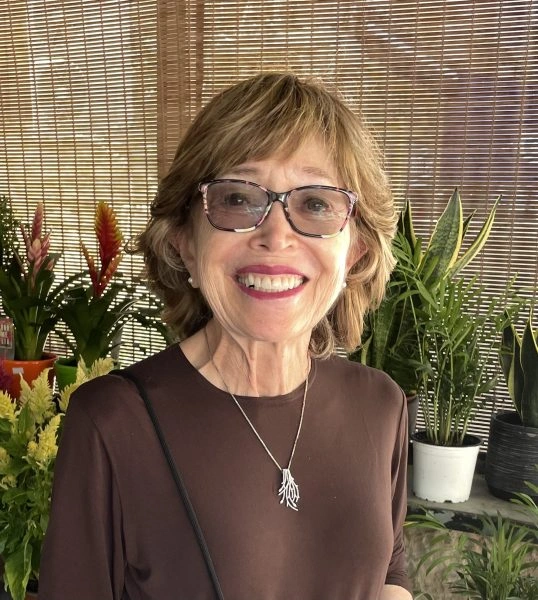
Sara-Averick-photo-scaled
Sara Averick

Jerusalem, Israel

Last cycle, I listened to parts of various מסכתות. When the הדרן סיום was advertised, I listened to Michelle on נידה. I knew that בע”ה with the next cycle I was in (ב”נ). As I entered the סיום (early), I saw the signs and was overcome with emotion. I was randomly seated in the front row, and I cried many times that night. My choice to learn דף יומי was affirmed. It is one of the best I have made!

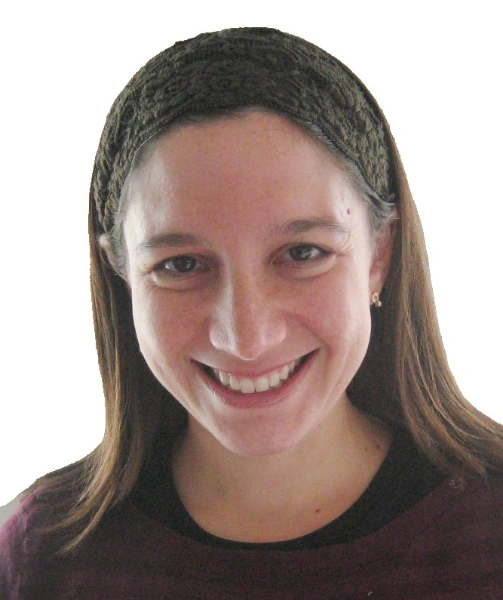
Miriam Tannenbaum
Miriam Tannenbaum

אפרת, Israel

I began Daf Yomi with the last cycle. I was inspired by the Hadran Siyum in Yerushalayim to continue with this cycle. I have learned Daf Yomi with Rabanit Michelle in over 25 countries on 6 continents ( missing Australia)

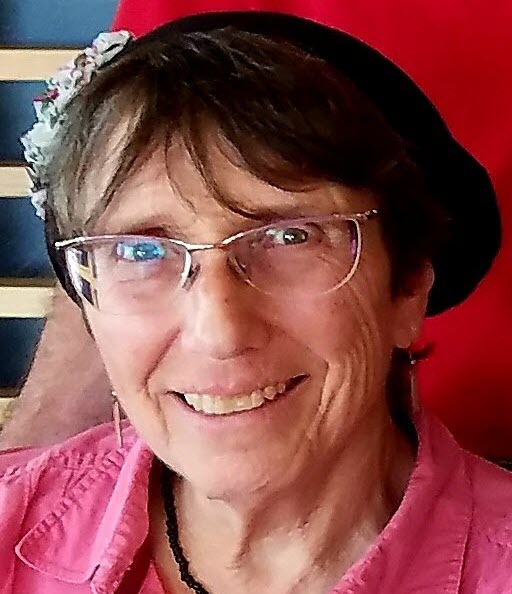
Barbara-Goldschlag
Barbara Goldschlag

Silver Spring, MD, United States

I started learning Jan 2020 when I heard the new cycle was starting. I had tried during the last cycle and didn’t make it past a few weeks. Learning online from old men didn’t speak to my soul and I knew Talmud had to be a soul journey for me. Enter Hadran! Talmud from Rabbanit Michelle Farber from a woman’s perspective, a mother’s perspective and a modern perspective. Motivated to continue!

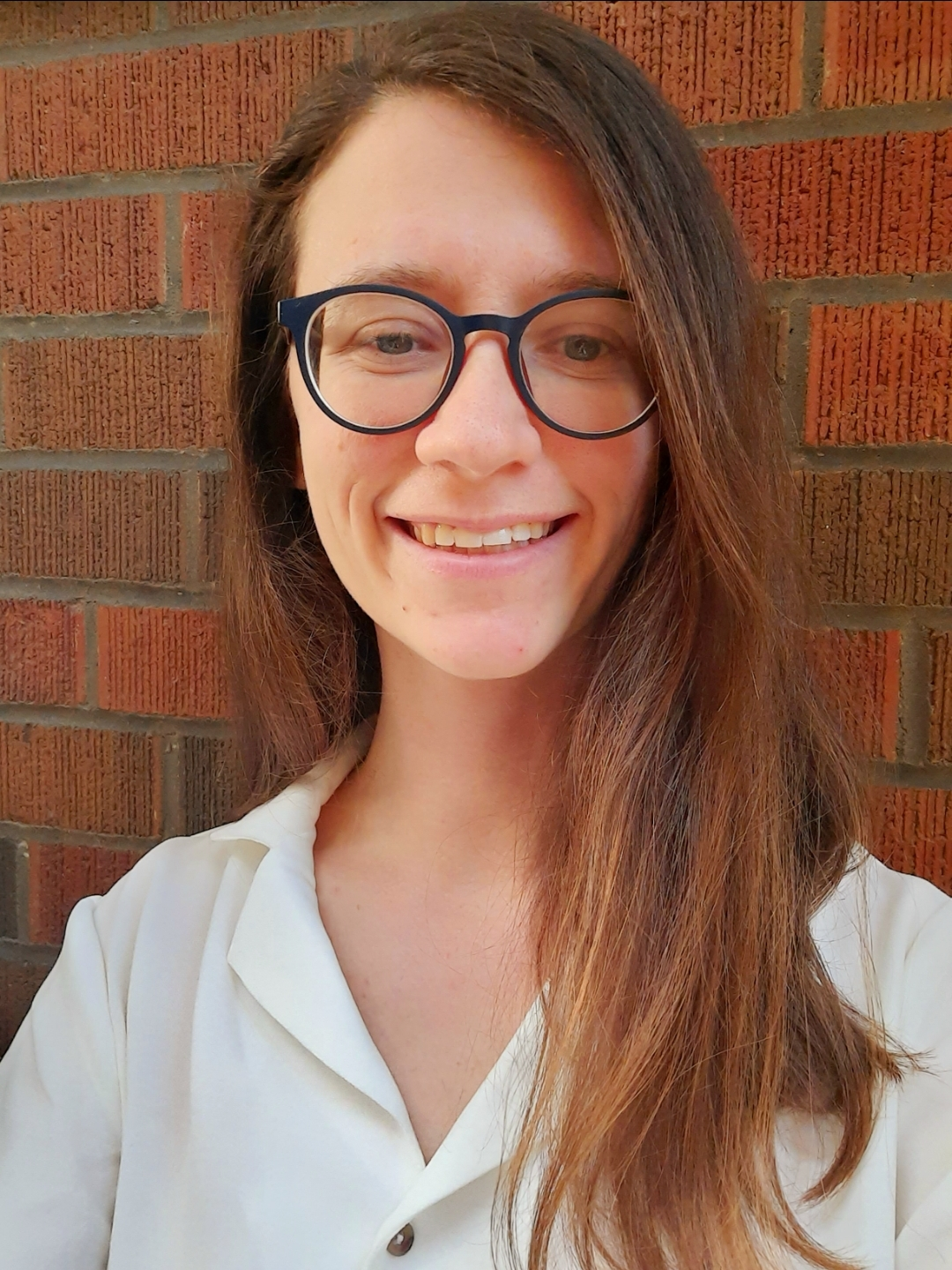
Keren Carter
Keren Carter

Brentwood, California, United States

I went to day school in Toronto but really began to learn when I attended Brovenders back in the early 1980’s. Last year after talking to my sister who was learning Daf Yomi, inspired, I looked on the computer and the Hadran site came up. I have been listening to each days shiur in the morning as I work. I emphasis listening since I am not sitting with a Gamara. I listen while I work in my studio.

Rachel Rotenberg
Rachel Rotenberg

Tekoa, Israel

When we heard that R. Michelle was starting daf yomi, my 11-year-old suggested that I go. Little did she know that she would lose me every morning from then on. I remember standing at the Farbers’ door, almost too shy to enter. After that first class, I said that I would come the next day but couldn’t commit to more. A decade later, I still look forward to learning from R. Michelle every morning.

Ruth Leah Kahan
Ruth Leah Kahan

Ra’anana, Israel

I started to listen to Michelle’s podcasts four years ago. The minute I started I was hooked. I’m so excited to learn the entire Talmud, and think I will continue always. I chose the quote “while a woman is engaged in conversation she also holds the spindle”. (Megillah 14b). It reminds me of all of the amazing women I learn with every day who multi-task, think ahead and accomplish so much.

Julie Mendelsohn
Julie Mendelsohn

Zichron Yakov, Israel

As Jewish educator and as a woman, I’m mindful that Talmud has been kept from women for many centuries. Now that we are privileged to learn, and learning is so accessible, it’s my intent to complete Daf Yomi. I am so excited to keep learning with my Hadran community.

Sue Parker Gerson
Sue Parker Gerson

Denver, United States

Attending the Siyyum in Jerusalem 26 months ago inspired me to become part of this community of learners. So many aspects of Jewish life have been illuminated by what we have learned in Seder Moed. My day is not complete without daf Yomi. I am so grateful to Rabbanit Michelle and the Hadran Community.

Nancy Kolodny
Nancy Kolodny

Newton, United States

A friend mentioned that she was starting Daf Yomi in January 2020. I had heard of it and thought, why not? I decided to try it – go day by day and not think about the seven plus year commitment. Fast forward today, over two years in and I can’t imagine my life without Daf Yomi. It’s part of my morning ritual. If I have a busy day ahead of me I set my alarm to get up early to finish the day’s daf
Debbie Fitzerman
Debbie Fitzerman

Ontario, Canada

My first Talmud class experience was a weekly group in 1971 studying Taanit. In 2007 I resumed Talmud study with a weekly group I continue learning with. January 2020, I was inspired to try learning Daf Yomi. A friend introduced me to Daf Yomi for Women and Rabbanit Michelle Farber, I have kept with this program and look forward, G- willing, to complete the entire Shas with Hadran.
Lorri Lewis
Lorri Lewis

Palo Alto, CA, United States

Years ago, I attended the local Siyum HaShas with my high school class. It was inspiring! Through that cycle and the next one, I studied masekhtot on my own and then did “daf yomi practice.” The amazing Hadran Siyum HaShas event firmed my resolve to “really do” Daf Yomi this time. It has become a family goal. We’ve supported each other through challenges, and now we’re at the Siyum of Seder Moed!

Elisheva Brauner
Elisheva Brauner

Jerusalem, Israel

I started Daf during the pandemic. I listened to a number of podcasts by various Rebbeim until one day, I discovered Rabbanit Farbers podcast. Subsequently I joined the Hadran family in Eruvin. Not the easiest place to begin, Rabbanit Farber made it all understandable and fun. The online live group has bonded together and have really become a supportive, encouraging family.

Leah Goldford
Leah Goldford

Edmonton, Alberta, Canada

I started learning Jan 2020 when I heard the new cycle was starting. I had tried during the last cycle and didn’t make it past a few weeks. Learning online from old men didn’t speak to my soul and I knew Talmud had to be a soul journey for me. Enter Hadran! Talmud from Rabbanit Michelle Farber from a woman’s perspective, a mother’s perspective and a modern perspective. Motivated to continue!

Keren Carter
Keren Carter

Brentwood, California, United States

After reading the book, “ If All The Seas Were Ink “ by Ileana Kurshan I started studying Talmud. I searched and studied with several teachers until I found Michelle Farber. I have been studying with her for two years. I look forward every day to learn from her.

Janine Rubens
Janine Rubens

Virginia, United States

A few years back, after reading Ilana Kurshan’s book, “If All The Seas Were Ink,” I began pondering the crazy, outlandish idea of beginning the Daf Yomi cycle. Beginning in December, 2019, a month before the previous cycle ended, I “auditioned” 30 different podcasts in 30 days, and ultimately chose to take the plunge with Hadran and Rabbanit Michelle. Such joy!

Cindy Dolgin
Cindy Dolgin

HUNTINGTON, United States

I started learning Daf Yomi because my sister, Ruth Leah Kahan, attended Michelle’s class in person and suggested I listen remotely. She always sat near Michelle and spoke up during class so that I could hear her voice. Our mom had just died unexpectedly and it made me feel connected to hear Ruth Leah’s voice, and now to know we are both listening to the same thing daily, continents apart.
Jessica Shklar
Jessica Shklar

Philadelphia, United States

I had dreamed of doing daf yomi since I had my first serious Talmud class 18 years ago at Pardes with Rahel Berkovitz, and then a couple of summers with Leah Rosenthal. There is no way I would be able to do it without another wonderful teacher, Michelle, and the Hadran organization. I wake up and am excited to start each day with the next daf.

Beth Elster
Beth Elster

Irvine, United States

In January 2020, my chevruta suggested that we “up our game. Let’s do Daf Yomi” – and she sent me the Hadran link. I lost my job (and went freelance), there was a pandemic, and I am still opening the podcast with my breakfast coffee, or after Shabbat with popcorn. My Aramaic is improving. I will need a new bookcase, though.

Rhondda May
Rhondda May

Atlanta, Georgia, United States

Inspired by Hadran’s first Siyum ha Shas L’Nashim two years ago, I began daf yomi right after for the next cycle. As to this extraordinary journey together with Hadran..as TS Eliot wrote “We must not cease from exploration and the end of all our exploring will be to arrive where we began and to know the place for the first time.

Susan Handelman
Susan Handelman

Jerusalem, Israel

Eruvin 56

פַּת קִיבָּר וְשֵׁכָר חָדָשׁ וְיָרָק. לָא קַשְׁיָא: הָא — בְּתוּמֵי וְכַרָּתֵי, הָא — בִּשְׁאָר יַרְקֵי. כִּדְתַנְיָא: שׁוּם — יָרָק, כְּרֵישִׁין — חֲצִי יָרָק, נִרְאֶה צְנוֹן — נִרְאֶה סַם חַיִּים.

coarse bread, made from coarse flour that has not been thoroughly sifted, new beer, and vegetables. This indicates that vegetables are harmful to one’s well-being. The Gemara answers: This is not difficult. This statement of Rav Huna is referring to garlic and leeks, which are beneficial; that baraita is referring to other vegetables, which are harmful. As it was taught in a baraita: Garlic is a healthy vegetable; leeks are a half-vegetable, meaning they are half as healthful. If radish has been seen, an elixir of life has been seen, as it is very beneficial to the body.

וְהָא תַנְיָא: נִרְאֶה צְנוֹן — נִרְאֶה סַם הַמָּוֶת! לָא קַשְׁיָא: כָּאן — בֶּעָלִין, כָּאן — בָּאִמָּהוֹת. כָּאן — בִּימוֹת הַחַמָּה, כָּאן — בִּימוֹת הַגְּשָׁמִים.

The Gemara asks: Wasn’t it taught in a different baraita: If radish has been seen, a lethal drug has been seen? The Gemara answers: This is not difficult. Here, in the baraita that deprecates radish, it is referring to its leaves; there, in the baraita that praises radish, it is referring to the roots. Alternatively, here it is referring to the summer, when radish is beneficial; there, it is referring to the winter, when it is harmful.

אָמַר רַב יְהוּדָה אָמַר רַב: כׇּל עִיר שֶׁיֵּשׁ בָּהּ מַעֲלוֹת וּמוֹרָדוֹת, אָדָם וּבְהֵמָה שֶׁבָּהּ מֵתִים בַּחֲצִי יְמֵיהֶן. מֵתִים סָלְקָא דַּעְתָּךְ? אֶלָּא אֵימָא: מַזְקִינִים בַּחֲצִי יְמֵיהֶן. אָמַר רַב הוּנָא בְּרֵיהּ דְּרַב יְהוֹשֻׁעַ: הָנֵי מוּלְיָיתָא דְּבֵי בֵירֵי וּדְבֵי נָרֶשׁ אַזְקְנוּן.

On the topic of the attributes of different locations, Rav Yehuda also said that Rav said: In any city that has many ascents and descents, which can be taxing to the body, people and animals die at half their days, meaning half of their life expectancy. The Gemara expresses surprise: Can it enter your mind that Rav really meant to say that they die prematurely? Even in such cities they are known to have a regular life expectancy. Rather, say: They grow old at half their days, i.e., they age prematurely due to the strain of climbing up and down the inclines. Similarly, Rav Huna, son of Rav Yehoshua, said: The ascents and descents between Beit Biri and Beit Neresh, my place of residence, made me grow old prematurely.

תָּנוּ רַבָּנַן: בָּא לְרַבְּעָהּ — מְרַבְּעָהּ בְּרִיבּוּעַ עוֹלָם, נוֹתֵן צְפוֹנָהּ לִצְפוֹן עוֹלָם וּדְרוֹמָהּ לִדְרוֹם עוֹלָם, וְסִימָנָיךְ: עֲגָלָה בַּצָּפוֹן, וְעַקְרָב בַּדָּרוֹם.

With regard to the measurements of a city’s boundaries, the Sages taught the following baraita: If, in order to measure the Shabbat limit, one comes to square a city, i.e., to extend the city’s boundaries to include all of its protrusions within an imaginary square, he squares it so that the sides of the square align with the four directions of the world. He sets the northern side of the square to align with the north of the world, and its southern side to align with the south of the world. And your sign by which you can recognize the directions of the world is as follows: The constellation of Ursa Major is in the north and Scorpio is in the south. The directions of the city are determined by these constellations.

רַבִּי יוֹסֵי אוֹמֵר: אִם אֵינוֹ יוֹדֵעַ לְרַבְּעָהּ בְּרִיבּוּעַ שֶׁל עוֹלָם, — מְרַבְּעָהּ כְּמִין הַתְּקוּפָה. כֵּיצַד? חַמָּה יוֹצְאָה בְּיוֹם אָרוֹךְ וְשׁוֹקַעַת בְּיוֹם אָרוֹךְ — זֶה הוּא פְּנֵי צָפוֹן. חַמָּה יוֹצְאָה בְּיוֹם קָצָר וְשׁוֹקַעַת בְּיוֹם קָצָר — זֶה הוּא פְּנֵי דָרוֹם. תְּקוּפַת נִיסָן וּתְקוּפַת תִּשְׁרֵי — חַמָּה יוֹצְאָה בַּחֲצִי מִזְרָח וְשׁוֹקַעַת בַּחֲצִי מַעֲרָב,

Rabbi Yosei says: If one does not know how to square the city in alignment with the four directions of the world based upon the constellations, he should square it based upon the seasons, although this is less precise. How so? Where the sun rises and sets on the longest day of the year, the summer solstice, this route of the sun is the face of the north. The sun rises in the northeast and sets in the northwest, and thus travels from east to west across the north side of the world. Conversely, where the sun rises and sets on the shortest day of the year, the winter solstice, this route of the sun is the face of the south. Whereas at the vernal equinox and the autumnal equinox, when day and night are equal in length, the sun rises in the middle of the east and sets in the middle of the west.

שֶׁנֶּאֱמַר: ״הוֹלֵךְ אֶל דָּרוֹם וְסוֹבֵב אֶל צָפוֹן״, הוֹלֵךְ אֶל דָּרוֹם — בַּיּוֹם, וְסוֹבֵב אֶל צָפוֹן — בַּלַּיְלָה. ״סוֹבֵב סוֹבֵב הוֹלֵךְ הָרוּחַ״ — אֵלּוּ פְּנֵי מִזְרָח וּפְנֵי מַעֲרָב, פְּעָמִים מְהַלַּכְתָּן וּפְעָמִים מְסַבַּבְתָּן.

As it is stated: “One generation passes away and another generation comes; but the earth abides forever. The sun also rises and the sun goes down, and hastens to its place, where it rises again. It goes toward the south, and turns about to the north; round and round goes the wind, and on its circuits the wind returns” (Ecclesiastes 1:4–6). The verse is understood as describing the sun’s movements, as follows: “It goes toward the south” during the day; “and turns about to the north,” on the other side of the earth, at night. “Round and round goes the wind [ruaḥ];” the word ruaḥ can also mean direction or side. Rabbi Yosei explains that these are the face of the east and the face of the west; sometimes the sun traverses them visibly, and sometimes it turns about them without being seen.

אָמַר רַב מְשַׁרְשְׁיָא: לֵיתַנְהוּ לְהָנֵי כְּלָלֵי, דְּתַנְיָא: לֹא יָצְאָה חַמָּה מֵעוֹלָם מִקֶּרֶן מִזְרָחִית צְפוֹנִית וְשָׁקְעָה בְּקֶרֶן מַעֲרָבִית צְפוֹנִית, וְלֹא יָצְאָה חַמָּה מִקֶּרֶן מִזְרָחִית דְּרוֹמִית וְשָׁקְעָה בְּקֶרֶן מַעֲרָבִית דְּרוֹמִית.

Rav Mesharshiya said: There is no validity to these rules established by Rabbi Yosei, as it was taught in a baraita: The sun has never risen, even during the summer, at the northeastern corner of the sky and set in the northwestern corner, nor has the sun ever risen, even during the winter, at the southeastern corner and set in the southwestern corner. Therefore, one can establish the directions of the world according to the sun’s path only during the autumn and spring.

אָמַר שְׁמוּאֵל: אֵין תְּקוּפַת נִיסָן נוֹפֶלֶת אֶלָּא בְּאַרְבָּעָה רִבְעֵי הַיּוֹם, אוֹ בִּתְחִלַּת הַיּוֹם אוֹ בִּתְחִלַּת הַלַּיְלָה, אוֹ בַּחֲצִי הַיּוֹם אוֹ בַּחֲצִי הַלַּיְלָה.

On the topic of the previous discussion with regard to calculating the directions of the world based upon the seasons, Shmuel said: The vernal equinox occurs only at the beginning of one of the four quarters of a day: Either precisely at the beginning of the day, or precisely at the beginning of the night, or at midday, or at midnight.

וְאֵין תְּקוּפַת תַּמּוּז נוֹפֶלֶת אֶלָּא אוֹ בְּאַחַת וּמֶחֱצָה, אוֹ בְּשֶׁבַע וּמֶחֱצָה, בֵּין בַּיּוֹם וּבֵין בַּלַּיְלָה. וְאֵין תְּקוּפַת תִּשְׁרֵי נוֹפֶלֶת אֶלָּא אוֹ בְּשָׁלֹשׁ שָׁעוֹת אוֹ בְּתֵשַׁע שָׁעוֹת, בֵּין בַּיּוֹם וּבֵין בַּלַּיְלָה. וְאֵין תְּקוּפַת טֵבֵת נוֹפֶלֶת אֶלָּא אוֹ בְּאַרְבַּע וּמֶחֱצָה אוֹ בְּעֶשֶׂר וּמֶחֱצָה, בֵּין בַּיּוֹם וּבֵין בַּלַּיְלָה.

Similarly, the summer solstice occurs only at certain times of the day: Either at the conclusion of one and a half hours or seven and a half hours of the day or night. And the autumnal equinox occurs only at certain times: Either at the conclusion of three hours or nine hours of the day or night. And the winter solstice occurs only at certain times: Either at the conclusion of four and a half hours or ten and a half hours of the day or night.

וְאֵין בֵּין תְּקוּפָה לִתְקוּפָה אֶלָּא תִּשְׁעִים וְאֶחָד יוֹם וְשֶׁבַע שָׁעוֹת וּמֶחֱצָה. וְאֵין תְּקוּפָה מוֹשֶׁכֶת מֵחֲבֶרְתָּהּ אֶלָּא חֲצִי שָׁעָה.

And all this is based on the principle that there are only ninety-one days and seven and a half hours between the beginning of one season and the next, as he assumed that a year is exactly 365¼ days. And similarly, each season begins precisely one-half planetary hour past the beginning of the previous season. There are seven heavenly bodies that are each ascendant for an hour at a time in a constant rotation: Mercury, Moon, Saturn, Jupiter, Mars, the Sun, and Venus. Each season begins half an hour later in this rotation than the previous season.

וְאָמַר שְׁמוּאֵל: אֵין לְךָ תְּקוּפַת נִיסָן שֶׁנּוֹפֶלֶת בְּצֶדֶק, שֶׁאֵינָהּ מְשַׁבֶּרֶת אֶת הָאִילָנוֹת. וְאֵין לְךָ תְּקוּפַת טֵבֵת שֶׁנּוֹפֶלֶת בְּצֶדֶק, שֶׁאֵינָהּ מְיַיבֶּשֶׁת אֶת הַזְּרָעִים. וְהוּא, דְּאִיתְיְלִיד לְבָנָה אוֹ בִּלְבָנָה אוֹ בְּצֶדֶק.

And Shmuel said: There is no instance when the vernal equinox occurs in the planetary hour of Jupiter and it does not break the trees with its strong winds; and there is no instance when the winter solstice occurs in the planetary hour of Jupiter and it does not dry up the seeds. And this applies only where the new moon appeared either at the hour of the Moon or at the hour of Jupiter.

תָּנוּ רַבָּנַן: הַמְרַבֵּעַ אֶת הָעִיר, עוֹשֶׂה אוֹתָהּ כְּמִין טַבְלָא מְרוּבַּעַת. וְחוֹזֵר וּמְרַבֵּעַ אֶת הַתְּחוּמִין, וְעוֹשֶׂה אוֹתָן כְּמִין טַבְלָא מְרוּבַּעַת.

The Sages taught: One who squares a city in order to determine its Shabbat limit renders it like a square tablet, and then he also squares the Shabbat boundaries and renders them like a square tablet. Consequently, after squaring the city, he adds additional squares of two thousand cubits to each of its sides.

וּכְשֶׁהוּא מוֹדֵד, לֹא יִמְדּוֹד מֵאֶמְצַע הַקֶּרֶן אַלְפַּיִם אַמָּה מִפְּנֵי שֶׁהוּא מַפְסִיד אֶת הַזָּוִיּוֹת. אֶלָּא מֵבִיא טַבְלָא מְרוּבַּעַת שֶׁהִיא אַלְפַּיִם אַמָּה עַל אַלְפַּיִם אַמָּה, וּמַנִּיחָהּ בְּקֶרֶן בַּאֲלַכְסוֹנָהּ.

And when he measures the Shabbat limit, he should not measure the two thousand cubits diagonally from the middle of each corner of the city, because if he were to do so, he would lose the corners, i.e., the limit would extend only two thousand cubits on the diagonal from each of the corners. Rather, he measures the boundary as though he brought a square tablet that is two thousand cubits by two thousand cubits, and places it at each corner at its diagonal.

נִמְצֵאתָ הָעִיר מִשְׂתַּכֶּרֶת אַרְבַּע מֵאוֹת אַמּוֹת לְכָאן וְאַרְבַּע מֵאוֹת אַמּוֹת לְכָאן. נִמְצְאוּ תְּחוּמִין מִשְׂתַּכְּרִין שְׁמוֹנֶה מֵאוֹת אַמּוֹת לְכָאן וּשְׁמוֹנֶה מֵאוֹת לְכָאן. נִמְצְאוּ הָעִיר וּתְחוּמִין מִשְׂתַּכְּרִין אֶלֶף וּמָאתַיִם לְכָאן וְאֶלֶף וּמָאתַיִם לְכָאן.

As a result, it will be found that the city gains four hundred cubits in this corner and another four hundred cubits in the opposite corner. Assuming that the city itself is round and has a diameter of two thousand cubits, as will be explained below, when the borders of the city are squared, approximately four hundred cubits are added to the city at each corner. When one then squares the Shabbat boundaries, it is found that the Shabbat boundaries gain eight hundred cubits in this corner and eight hundred cubits in the opposite corner. Consequently, by squaring both the city itself and its Shabbat boundaries, it is found that the city and the Shabbat boundaries together gain 1,200 cubits in this corner and 1,200 cubits in the opposite corner.

אָמַר אַבָּיֵי: וּמַשְׁכַּחַתְּ לַהּ בְּמָתָא דְּהָוְיָא תְּרֵי אַלְפֵי אַתְּרֵי אַלְפֵי.

Abaye said: And you find this projection of the additions to the city’s borders and Shabbat boundaries to be correct in the case of a round city that is two thousand cubits by two thousand cubits.

תַּנְיָא, אָמַר רַבִּי אֱלִיעֶזֶר בְּרַבִּי יוֹסֵי: תְּחוּם עָרֵי לְוִיִּם אַלְפַּיִם אַמָּה. צֵא מֵהֶן אֶלֶף אַמָּה מִגְרָשׁ — נִמְצָא מִגְרָשׁ רְבִיעַ, וְהַשְּׁאָר שָׂדוֹת וּכְרָמִים.

The Gemara cites a similar discussion with regard to the Levite cities, the forty-eight cities given to the Levites in Eretz Yisrael instead of a tribal inheritance. It was taught in a baraita that Rabbi Eliezer, son of Rabbi Yosei, said: The boundary of the cities of the Levites extends two thousand cubits in each direction beyond the inhabited section of the city. Remove from them a thousand cubits of open space just beyond the inhabited area, which must be left vacant. Consequently, the open space is one quarter of the extended area, and the rest is fields and vineyards.

מְנָא הָנֵי מִילֵּי? אָמַר רָבָא: דְּאָמַר קְרָא: ״מִקִּיר הָעִיר וָחוּצָה אֶלֶף אַמָּה סָבִיב״, אָמְרָה תּוֹרָה: סַבֵּב אֶת הָעִיר בְּאֶלֶף, נִמְצָא מִגְרָשׁ רְבִיעַ.

The Gemara asks: From where are these matters? From where is it derived that the open space surrounding the cities of the Levites measured a thousand cubits? Rava said: As the verse states: “And the open spaces of the cities, that you shall give to the Levites, shall be from the wall of the city and outward a thousand cubits round about” (Numbers 35:4). The Torah states: Surround the city with a thousand cubits on all sides to serve as an open space. Consequently, the open space is one quarter of the area.

רְבִיעַ?! פַּלְגָא הָוֵי! אָמַר רָבָא: בַּר אַדָּא מָשׁוֹחָאָה אַסְבְּרַהּ לִי — מַשְׁכַּחַתְּ לַהּ בְּמָתָא דְּהָוְיָא תְּרֵי אַלְפֵי אַתְּרֵי אַלְפֵי. תְּחוּם כַּמָּה הָוְיָא? שִׁיתְּסַר. קְרָנוֹת כַּמָּה הָוְיָין? שִׁיתְּסַר. דַּל תְּמָנְיָא דִתְחוּמִין וְאַרְבְּעָה דִקְרָנוֹת, כַּמָּה הָוֵי? תְּרֵיסַר.

The Gemara asks: Is it one quarter? It is one half. One thousand cubits is exactly half of the two thousand cubits incorporated into the boundary of the cities of the Levites. Rava said: Bar Adda the surveyor explained the calculation to me: You will find this in a city that is two thousand cubits by two thousand cubits. How many cubits is the extended boundary of the city itself, without the corners? Sixteen million square cubits. Squares measuring two thousand by two thousand cubits are appended to each of the four sides of the city. The area of each of these squares is four million square cubits, and the total area of all the additional squares is sixteen million square cubits. How many cubits are the corners? Sixteen million square cubits, as additional squares of two thousand by two thousand cubits are appended to the corners of the outer boundaries of the cities. Subtract eight million square cubits from the area of the extended boundary for the open space around the city; the first thousand cubits beyond the inhabited part of the city must be left as open space, which amounts to areas measuring one thousand by two thousand cubits on each of the four sides of the city, for a total of eight million square cubits. And subtract another four million square cubits from the corners, as sections of the corners are parallel to the open spaces. How much is the sum total of the area of the open spaces? Twelve million square cubits.

נִמְצָא מִגְרָשׁ רְבִיעַ? טְפֵי מִתִּלְתָּא נִינְהוּ!

The Gemara asks: According to this calculation, how is the open space found to be one quarter of the area? It is more than one-third. The entire area of the extended boundary is thirty-two million square cubits and the open space occupies twelve million square cubits, which is more than one-third of the total area of the extended boundary.

אַיְיתִי אַרְבְּעָה דְמָתָא, שְׁדִי עֲלַיְיהוּ. אַכַּתִּי תִּילְתָּא הָוֵי!

The Gemara explains: Bring the four million square cubits of the city itself and add them to the area of the limit, and you will arrive at the correct ratio. The Gemara asks: The opens space is still one-third, as the total area of the city and its extended boundary is thirty-six million square cubits, and the area of the open space is twelve million square cubits.

מִי סָבְרַתְּ בְּרִיבּוּעָא קָאָמַר? בְּעִיגּוּלָא קָאָמַר.

The Gemara answers: Do you think that this halakha was stated with regard to a square city? It was in fact stated with regard to a round city. The open space beyond the city is also round; however, the total extended boundary is squared, so that the total area of a round city with a diameter of two thousand cubits and its extended boundary is thirty-six million square cubits.

כַּמָּה מְרוּבָּע יָתֵר עַל הֶעָגוֹל? רְבִיעַ, דַּל רְבִיעַ מִינַּיְיהוּ — פָּשׁוּ לְהוּ תִּשְׁעָה. וְתִשְׁעָה מִתְּלָתִין וְשִׁיתָּא, רִיבְעָא הָוֵי.

The Gemara explains the calculation: How much larger is the area of a square than the area of the circle? One quarter. Subtract one quarter from the twelve million square cubits of open space, and nine million square cubits are left; and nine is precisely one quarter of thirty-six.

אַבָּיֵי אָמַר: מַשְׁכַּחַתְּ לַהּ נָמֵי בְּמָתָא דְּהָוְיָא אַלְפָא בְּאַלְפָא. תְּחוּמִין כַּמָּה הָווּ? תְּמָנְיָא. קְרָנוֹת כַּמָּה הָוֵי? שִׁיתְּסַר.

Abaye said: You will also find that the open space is one quarter of the total area in a city that is a thousand cubits by a thousand cubits. How many cubits is the extended boundary of the city without the corners? It is eight million square cubits. Additional areas are appended along each side of the city and extending two thousand cubits beyond the city itself. Each of these areas is two thousand cubits by one thousand cubits, for a total area of two million square cubits. Since there are four of these zones, their total area is eight million square cubits. How many cubits are the corners? They are sixteen million square cubits, as squares of two thousand cubits by two thousand cubits are added to each of the four corners.

Want to follow content and continue where you left off?

Create an account today to track your progress, mark what you’ve learned, and follow the shiurim that speak to you.
Clear all items from this list?

This will remove ALL the items in this section. You will lose any progress or history connected to them. This is irreversible.

Cancel
Yes, clear all

Are you sure you want to delete this item?

You will lose any progress or history connected to this item.

Cancel
Yes, delete