










Rabbi Yehoshua ben Levi brings two cases – if one acquired residence outside the city and measured the techum from there and it ended in the middle of a city, one’s limit ends there. But if it ended at the end of the city, the entire city is like 4 cubits and one continues counting from the other side of the city. Rav Idi questions Rabbi Yehoshua ben Levy as there is no basis for saying this. Is there really no basis? Rav Yosef explains the law in a city that borders on a ravine. Is this considered a city or not for the purposes of measuring techum? Rav Yosef brings a proof from a ruling of Rebbi regarding people going in between two particular cities, but the gemara explains the reason in a different way and rejects the proof. If there are two cities – one smalla dn one large, if one is in one at the start of Shabbat but has an eruv in the other, does one get 2,000 cubits from the eruv or from the outskirts of the city? Rabbi Akiva and the rabbis disagree. They all agree in the case of an eruv in a cave that one counts 2,000 cubits from the eruv – but in what circumstances? What if one’s eruv was outside and the 2,000 cubits ended in the middle of the cave? Shmuel and Rabbi Elazar disagree regarding acquiring residence in a desolate city. Would there be a distinction between one who acquired residence by being there physically or by putting food there? Are there proofs for Shmuel’s approach? What are the laws of eruv chatzerot in a courtyard where there are non-Jews?
This month’s learning is sponsored by Marci Glazer in loving memory of her teacher and chevruta, Rachel Brodie, Rachel Aviva bat Devora Chana, on her 4th yahrzeit. “She brought her love of Torah to thousands of people in her all-too-short life. A lover of Midrash, she still invited me on this Daf Yomi journey.”
Want to dedicate learning? Get started here:

Today’s daily daf tools:
This month’s learning is sponsored by Marci Glazer in loving memory of her teacher and chevruta, Rachel Brodie, Rachel Aviva bat Devora Chana, on her 4th yahrzeit. “She brought her love of Torah to thousands of people in her all-too-short life. A lover of Midrash, she still invited me on this Daf Yomi journey.”
Eruvin 61
וְאֵין אַנְשֵׁי עִיר קְטַנָּה מְהַלְּכִין אֶת כׇּל עִיר גְּדוֹלָה.
And the residents of a small city may not walk through an entire large city.
מַאי טַעְמָא — לָאו מִשּׁוּם דְּהָנֵי כָּלְתָה מִדָּתָן בַּחֲצִי הָעִיר, וְהָנֵי כָּלְתָה מִדָּתָן בְּסוֹף הָעִיר.
What is the reason for this difference? Is it not because these, the residents of the small city, their measure of two thousand cubits terminated in the middle of the large city, and therefore they may walk only to the end of their two thousand cubits; and these, the residents of the large city, their measure of two thousand cubits terminated at the far end of the small city, allowing them to walk through the entire city as though it were four cubits and complete the two thousand cubit measure of their Shabbat limit on the other side of the city?
וְרַבִּי אִידִי, ״אַנְשֵׁי אַנְשֵׁי״ תָּנֵי, וּמוֹקֵים לָהּ בְּנוֹתֵן. אֲבָל מוֹדֵד לָא תְּנַן.
And Rabbi Idi, who said that Rabbi Yehoshua ben Levi’s statement has no source, may hold that the mishna teaches the two cases with the same formulation. Just as it states: The residents of a large city may walk through an entire small city, it similarly states: The residents of a small city may walk through an entire large city. His version of the mishna did not state that the residents of a small city may not walk through an entire large city. And he establishes the mishna as referring to one who placed his eiruv inside the other city. Consequently, that city becomes his Shabbat residence, and he may walk anywhere in that city and an additional two thousand cubits beyond it. But we did not learn anything about one who was measuring two thousand cubits from his Shabbat residence outside the city, in which case it makes a difference whether the entire city is within his two thousand cubits or whether only part of it is within this limit.
וְלָא?! וְהָתְנַן: וְלַמּוֹדֵד שֶׁאָמְרוּ נוֹתְנִין לוֹ אַלְפַּיִם אַמָּה, שֶׁאֲפִילּוּ סוֹף מִדָּתוֹ כָּלֶה בִּמְעָרָה!
The Gemara asks: And did we not learn in the mishna about one who was measuring? Didn’t we learn in the mishna: And as for one who is measuring his Shabbat limit, with regard to whom the Sages said that one gives him two thousand cubits, that applies even if the end of his measurement terminates in the middle of a cave? Although a cave has the status of a private domain, he may enter only the part of the cave that is within his two thousand cubits. This case is directly parallel to the case of one whose two thousand cubits end in the middle of a city.
סוֹף הָעִיר אִיצְטְרִיכָא לֵיהּ, דְּלָא תְּנַן.
The Gemara answers: Although there is a source for the case of one whose limit ends in the middle of a city, it was nevertheless necessary for Rabbi Yehoshua ben Levi to teach the case where one’s measure ends at the far end of the city, in which case the entire city is regarded as four cubits and the rest of the Shabbat limit is completed on the other side of the city, as we did not learn anything about such a case.
אָמַר רַב נַחְמָן: מַאן דְּתָנֵי ״אַנְשֵׁי״ לָא מִשְׁתַּבַּשׁ, וּמַאן דְּתָנֵי ״אֵין אַנְשֵׁי״ לָא מִשְׁתַּבַּשׁ.
With regard to the mishna cited above, Rav Naḥman said: One who teaches the following in the second clause: The residents of a small city may walk through an entire large city, does not err in his rendering of the mishna. And one who teaches: The residents of a small city may not walk through an entire large city, also does not err. Both renderings are plausible.
מַאן דְּתָנֵי ״אַנְשֵׁי״ לָא מִשְׁתַּבַּשׁ — דְּמוֹקֵים לַהּ בְּנוֹתֵן. וּמַאן דְּתָנֵי ״אֵין אַנְשֵׁי״ לָא מִשְׁתַּבַּשׁ — דְּמוֹקֵים לַהּ בְּמוֹדֵד.
Rav Naḥman explains: One who teaches: The residents of a small city may walk through an entire large city, does not err, as he establishes the mishna as referring to one who places his eiruv inside the other city. And one who teaches: The residents of a small city may not walk through an entire large city also does not err, as he establishes the mishna as referring to one who measures his Shabbat limit and arrives at the city from the outside.
וְחַסּוֹרֵי מְחַסְּרָא, וְהָכִי קָתָנֵי: אַנְשֵׁי עִיר גְּדוֹלָה מְהַלְּכִין אֶת כׇּל עִיר קְטַנָּה, וְאֵין אַנְשֵׁי עִיר קְטַנָּה מְהַלְּכִין אֶת כׇּל עִיר גְּדוֹלָה. בַּמֶּה דְּבָרִים אֲמוּרִים, בְּמוֹדֵד. אֲבָל מִי שֶׁהָיָה בְּעִיר גְּדוֹלָה וְהִנִּיחַ אֶת עֵירוּבוֹ בְּעִיר קְטַנָּה, הָיָה בְּעִיר קְטַנָּה וְהִנִּיחַ אֶת עֵירוּבוֹ בְּעִיר גְּדוֹלָה — מְהַלֵּךְ אֶת כּוּלָּהּ וְחוּצָה לָהּ אַלְפַּיִם אַמָּה.
And the mishna is incomplete and it teaches the following: The residents of a large city may walk through an entire small city, but the residents of a small city may not walk through an entire large city. In what case is this statement said? It was said with regard to one who was measuring his two thousand cubits from his Shabbat residence. But one who was in the large city and placed his eiruv in the small city, and similarly one who was in the small city and placed his eiruv in the large city, he may walk through the entire city in which he placed his eiruv and beyond it two thousand cubits.
אָמַר רַב יוֹסֵף אָמַר רָמֵי בַּר אַבָּא אָמַר רַב הוּנָא: עִיר שֶׁיּוֹשֶׁבֶת עַל שְׂפַת הַנַּחַל, אִם יֵשׁ לְפָנֶיהָ דַּקָּה אַרְבָּעָה — מוֹדְדִים לָהּ מִשְּׂפַת הַנַּחַל. וְאִם לָאו — אֵין מוֹדְדִין לָהּ אֶלָּא מִפֶּתַח בֵּיתוֹ.
Rav Yosef said that Rami bar Abba said that Rav Huna said: With regard to a city located on the edge of a ravine, if there is a barrier four cubits high in front of it, one measures its Shabbat limit from the edge of the ravine, as it is considered the border of the city. And if there is not a barrier four cubits high in front of it, the Shabbat limit is measured from the entrance of each person’s house, as the city is not considered a permanent settlement.
אֲמַר לֵיהּ אַבָּיֵי: דַּקָּה אַרְבַּע אַמּוֹת אֲמַרְתְּ לַן עֲלַהּ. מַאי שְׁנָא מִכׇּל דַּקֵּי דְעָלְמָא דְּאַרְבְּעָה?
Abaye said to him: You told us with regard to this case that a barrier four cubits high is required. What is different about this case that it requires a barrier that is higher than all other barriers, which must reach a height of only four handbreadths?
אֲמַר לֵיהּ: הָתָם, לָא בְּעִיתָא תַּשְׁמִישְׁתָּא. הָכָא, בְּעִיתָא תַּשְׁמִישְׁתָּא.
He said to him: There, use of the place is not frightening; here, use of the place is frightening. Generally, partitions serve a symbolic function, and therefore it is sufficient for the partition to be four handbreadths high. In this case, however, it is frightening to stand along the edge of the ravine without a protective barrier, and therefore a barrier four cubits high must be constructed for the safety of the residents.
אָמַר רַב יוֹסֵף: מְנָא אָמֵינָא לַהּ? דְּתַנְיָא: הִתִּיר רַבִּי שֶׁיְּהוּ בְּנֵי גָדֵר יוֹרְדִין לְחַמָּתָן, וְאֵין בְּנֵי חַמָּתָן עוֹלִין לְגָדֵר. מַאי טַעְמָא, לָאו מִשּׁוּם דְּהָנֵי עֲבוּד דַּקָּה, וְהָנֵי לָא עֲבוּד דַּקָּה?!
Rav Yosef said: From where do I derive to say this halakha? As it was taught in a baraita: Rabbi Yehuda HaNasi permitted the residents of Geder, situated at the top of a slope, to descend on Shabbat to Ḥamtan, situated at the bottom of the slope, but the residents of Ḥamtan may not ascend to Geder. What is the reason? Is it not because these, the inhabitants of Geder, constructed a barrier at the lower edge of their city, and these, the members of Ḥamtan, did not construct a barrier at the upper edge of their city? Consequently, the residents of Geder measured their Shabbat limit from their barrier, and Ḥamtan was included in their two thousand cubits. The residents of Ḥamtan had to measure their Shabbat limits from their homes, and therefore Geder was not within their two thousand cubit limit.
כִּי אֲתָא רַב דִּימִי אָמַר: טַטְרוֹגֵי מְטַטְרְגִי לְהוּ בְּנֵי גָדֵר לִבְנֵי חַמָּתָן, וּמַאי ״הִתִּיר״ — הִתְקִין.
The Gemara relates that when Rav Dimi came from Eretz Yisrael to Babylonia, he said: This ruling was issued not due to their respective Shabbat limits, but rather because the residents of Geder would assault [metatreg] the residents of Ḥamtan. And what does it mean that Rabbi Yehuda HaNasi permitted the residents of Geder to descend to Ḥamtan, but not vice versa? He instituted this. In other words, this was not a halakhic ruling, but rather an ordinance instituted to protect the public welfare and prevent fighting.
וּמַאי שְׁנָא שַׁבָּת, דִּשְׁכִיחָא בָּהּ שִׁכְרוּת.
The Gemara asks: What is different about Shabbat that Rabbi Yehuda HaNasi instituted this ordinance only for Shabbat and not for the rest of the week? The Gemara answers: Drunkenness is common on Shabbat, when people eat to their heart’s content. Therefore, there is a greater chance of violent behavior.
כִּי אָזְלִי לְהָתָם, נָמֵי מְטַטְרְגִי לְהוּ? כַּלְבָּא בְּלָא מָתֵיהּ, שַׁב שְׁנִין לָא נָבַח.
The Gemara asks: When the residents of Geder go to Ḥamtan, they will assault the residents there; of what use, then, is this ordinance? The Gemara answers, citing a popular saying: A dog that is not in its place will not bark for seven years. On its own turf, a dog barks readily, but it becomes scared in unfamiliar surroundings and remains silent. Similarly, the people of Geder are not nearly as bold when they visit Ḥamtan as they are in their own town.
הַשְׁתָּא נָמֵי מְטַטְרְגִי בְּנֵי חַמָּתָן לִבְנֵי גָדֵר! כּוּלֵּי הַאי לָא כָּיְיפִי לְהוּ.
The Gemara asks: If so, we should be concerned about the reverse scenario, that now too, the residents of Ḥamtan, in their home territory, will take revenge and assault the residents of Geder. The Gemara answers: The people of Geder would not be submissive to such an extent. While visiting Ḥamtan, they would not initiate fights, but they would certainly fight back if they were attacked. Consequently, the people of Ḥamtan would not dare initiate hostilities with them. Therefore, there is no concern about the safety of either group.
רַב סָפְרָא אָמַר: עִיר הָעֲשׂוּיָה כְּקֶשֶׁת הֲוַאי.
Rav Safra said: Geder was a city shaped like a bow, whose two ends were separated by less than four thousand cubits. The empty space of the bow was viewed as though it were filled with houses, and its Shabbat limit was measured from the imaginary bowstring stretched between the two ends of the bow. Consequently, Ḥamtan was included in its Shabbat limit, and the residents of Geder were permitted to go there on Shabbat. With regard to the inhabitants of Ḥamtan, however, that same area between the ends of Geder was viewed as empty space, and therefore the houses of Geder along the arc of the bow were beyond their Shabbat limit.
רַב דִּימִי בַּר חִינָּנָא אָמַר: אַנְשֵׁי עִיר גְּדוֹלָה וְאַנְשֵׁי עִיר קְטַנָּה הֲוַאי.
Rav Dimi bar Ḥinana said: The people of Geder were residents of a large city, and the people of Ḥamtan were residents of a small city. Consequently, the residents of the large city, Geder, could walk through all of Ḥamtan, the small city; but the residents of Ḥamtan could walk only through part of Geder, as explained previously.
רַב כָּהֲנָא מַתְנֵי הָכִי. רַב טַבְיוֹמֵי מַתְנֵי הָכִי: רַב סָפְרָא וְרַב דִּימִי בַּר חִינָּנָא, חַד אָמַר: עִיר הָעֲשׂוּיָה כְּקֶשֶׁת הֲוַאי, וְחַד אָמַר: אַנְשֵׁי עִיר קְטַנָּה וְאַנְשֵׁי עִיר גְּדוֹלָה הֲוַאי.
Rav Kahana taught it that way, as stated previously; whereas Rav Tavyomi taught it more concisely, in this way: Rav Safra and Rav Dimi bar Ḥinana disagreed about the matter. One of them said: Geder was a city shaped like a bow; and one of them said: The people of Ḥamtan were residents of a small city and the people of Geder were residents of a large city.
מַתְנִי׳ אַנְשֵׁי עִיר גְּדוֹלָה מְהַלְּכִין אֶת כׇּל עִיר קְטַנָּה, וְאַנְשֵׁי עִיר קְטַנָּה מְהַלְּכִין אֶת כׇּל עִיר גְּדוֹלָה. כֵּיצַד? מִי שֶׁהָיָה בְּעִיר גְּדוֹלָה וְנָתַן אֶת עֵירוּבוֹ בְּעִיר קְטַנָּה, בְּעִיר קְטַנָּה וְנָתַן אֶת עֵירוּבוֹ בְּעִיר גְּדוֹלָה — מְהַלֵּךְ אֶת כּוּלָּהּ, וְחוּצָה לָהּ אַלְפַּיִם אַמָּה.
MISHNA: The residents of a large city may walk through an entire small city, and the residents of a small city may walk through an entire large city, even if part of it is located more than two thousand cubits from their city. How so? One who was in a large city and placed his eiruv in a small city, or one who was in a small city and placed his eiruv in a large city, may walk through the entire city in which he placed his eiruv and another two thousand cubits beyond it, as the entire city is considered as though it were only four cubits.
רַבִּי עֲקִיבָא אוֹמֵר: אֵין לוֹ אֶלָּא מִמְּקוֹם עֵירוּבוֹ אַלְפַּיִם אַמָּה. אָמַר לָהֶן רַבִּי עֲקִיבָא: אִי אַתֶּם מוֹדִים לִי בְּנוֹתֵן עֵירוּבוֹ בִּמְעָרָה, שֶׁאֵין לוֹ אֶלָּא מִמְּקוֹם עֵירוּבוֹ אַלְפַּיִם אַמָּה?
Rabbi Akiva says: He has only two thousand cubits from the place of his eiruv, as the actual area of the city is included in the calculation. Rabbi Akiva said to the Rabbis: Do you not concede to me that one who places his eiruv in a cave has only two thousand cubits from the place of his eiruv, and that consequently the entire cave is not considered as merely four cubits?
אָמְרוּ לוֹ: אֵימָתַי — בִּזְמַן שֶׁאֵין בָּהּ דָּיוֹרִין, אֲבָל יֵשׁ בָּהּ דָּיוֹרִין — מְהַלֵּךְ אֶת כּוּלָּהּ וְחוּצָה לָהּ אַלְפַּיִם אַמָּה. נִמְצָא, קַל תּוֹכָהּ מֵעַל גַּבָּהּ.
The Rabbis said to him: When does this apply? When the cave has no residents. But if it has residents, it is considered as though it were only four cubits, and one may walk through all of it and another two thousand cubits beyond it. Consequently, the halakha with regard to an eiruv placed inside a cave is sometimes more lenient than the halakha governing an eiruv placed in the area above the cave. If one places his eiruv inside a cave that has residents, he has two thousand cubits beyond the cave; if he places it above the cave, where there are no residents, he has only two thousand cubits from the place of his eiruv.
וְלַמּוֹדֵד שֶׁאָמְרוּ נוֹתְנִין אַלְפַּיִם אַמָּה — שֶׁאֲפִילּוּ סוֹף מִדָּתוֹ כָּלֶה בִּמְעָרָה.
And as for one who is measuring his Shabbat limit, with regard to whom the Sages said that one gives him two thousand cubits, that measurement applies even if the end of his measurement terminates in the middle of a cave. He may not walk further into the cave, even if the cave is inhabited.
גְּמָ׳ אָמַר רַב יְהוּדָה אָמַר שְׁמוּאֵל: שָׁבַת בְּעִיר חֲרֵיבָה, לְרַבָּנַן מְהַלֵּךְ אֶת כּוּלָּהּ וְחוּצָה לָהּ אַלְפַּיִם אַמָּה. הִנִּיחַ אֶת עֵירוּבוֹ בְּעִיר חֲרֵיבָה — אֵין לוֹ מִמְּקוֹם עֵירוּבוֹ אֶלָּא אַלְפַּיִם אַמָּה. רַבִּי אֶלְעָזָר אוֹמֵר: אֶחָד שָׁבַת וְאֶחָד הִנִּיחַ — מְהַלֵּךְ אֶת כּוּלָּהּ וְחוּצָה לָהּ אַלְפַּיִם אַמָּה.
GEMARA: Rav Yehuda said that Shmuel said: If one established his Shabbat residence in a desolate city whose walls are still standing, according to the Rabbis he may walk through all of it as though it were four cubits, and he may walk an additional two thousand cubits beyond it. If, however, he merely placed his eiruv in a desolate city, he has only two thousand cubits from the place of his eiruv. The Rabbis distinguish between one who establishes his Shabbat residence by actually being present in that location at the onset of Shabbat and one who does so by placing his eiruv there before Shabbat. Rabbi Elazar says: Whether he established his Shabbat residence through his physical presence or he merely placed his eiruv there, he may walk through all of it and another two thousand cubits beyond it.
מֵיתִיבִי, אָמַר לָהֶן רַבִּי עֲקִיבָא: אִי אַתֶּם מוֹדִים לִי בְּנוֹתֵן אֶת עֵירוּבוֹ בִּמְעָרָה, שֶׁאֵין לוֹ מִמְּקוֹם עֵירוּבוֹ אֶלָּא אַלְפַּיִם אַמָּה? אָמְרוּ לוֹ: אֵימָתַי, בִּזְמַן שֶׁאֵין בָּהּ דָּיוֹרִין. הָא בְּאֵין בָּהּ דָּיוֹרִין מוֹדוּ לֵיהּ?!
The Gemara raises an objection based upon the mishna. Rabbi Akiva said to the Rabbis: Do you not concede to me that one who places his eiruv in a cave has only two thousand cubits from the place of his eiruv? They said to him: When does this apply? When the cave has no residents. Consequently, when it has no residents the Rabbis concede to Rabbi Akiva that one has only two thousand cubits from the place of his eiruv. This contradicts Rabbi Elazar’s assertion that, according to the Rabbis, even if one places his eiruv in the abandoned city, he may walk through all of it and another two thousand cubits beyond it.
מַאי ״אֵין בָּהּ דָּיוֹרִין״ — אֵינָהּ רְאוּיָה לְדִירָה.
The Gemara responds: What is the meaning of the qualification that it has no residents? It means that the place is not fit for residence. If, however, the city is suitable for habitation, it is considered like four cubits even if it is currently uninhabited.
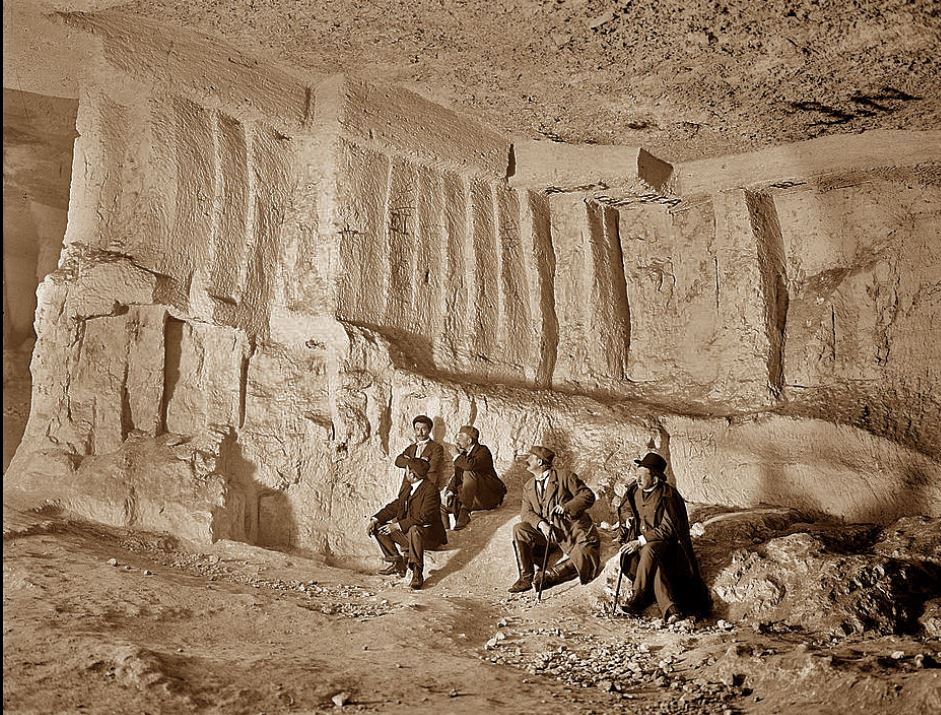
תָּא שְׁמַע: שָׁבַת בְּעִיר, אֲפִילּוּ הִיא גְּדוֹלָה כְּאַנְטִיּוֹכְיָא, בִּמְעָרָה, אֲפִילּוּ הִיא כִּמְעָרַת צִדְקִיָּהוּ מֶלֶךְ יְהוּדָה — מְהַלֵּךְ אֶת כּוּלָּהּ וְחוּצָה לָהּ אַלְפַּיִם אַמָּה. קָתָנֵי עִיר דּוּמְיָא דִמְעָרָה, מָה מְעָרָה חֲרֵיבָה, אַף עִיר חֲרֵיבָה. וְשָׁבַת אִין, אֲבָל הִנִּיחַ לָא.
Come and hear another difficulty from the following baraita: If one established his Shabbat residence through his physical presence in a city, even if it is as large as Antioch, or in a cave, even if it is particularly large, like the Cave of Zedekiah, king of Judah, he may walk through all of it and another two thousand cubits beyond it. The baraita teaches the case of a city that is similar to that of a cave: Just as a cave is presumably desolate, i.e., uninhabited, so too the city must be one that is desolate. And only in the case where he established his Shabbat residence through his physical presence would yes, this halakha apply; but if he merely placed his eiruv there, no, he may not measure his two thousand cubits from the edge of the city.
מַנִּי, אִילֵימָא רַבִּי עֲקִיבָא, מַאי אִירְיָא חֲרֵיבָה? אֲפִילּוּ יְשִׁיבָה נָמֵי! אֶלָּא לָאו רַבָּנַן, וְטַעְמָא דְּשָׁבַת אִין, אֲבָל הִנִּיחַ — לָא!
The Gemara continues clarifying the baraita: In accordance with whose opinion is this baraita? If you say it is in accordance with the opinion of Rabbi Akiva, why did the baraita specifically teach the case of a desolate city? Even if it was inhabited, the same halakha should also apply, as Rabbi Akiva holds that even if one placed his eiruv in an inhabited city, he has only two thousand cubits from the place of his eiruv. Rather, is it not in accordance with the opinion of the Rabbis? And nonetheless, the reason is that one established his Shabbat residence through his physical presence. In such a case, yes, one may walk through the entire city and another two thousand cubits beyond it. But if one merely placed his eiruv there, he would not be permitted to walk more than two thousand cubits from his eiruv, which would contradict the opinion of Rabbi Elazar.
לָא תֵּימָא עִיר דּוּמְיָא דִמְעָרָה, אֶלָּא אֵימָא מְעָרָה דּוּמְיָא דְעִיר. מָה עִיר יְשִׁיבָה, אַף מְעָרָה יְשִׁיבָה. וְרַבִּי עֲקִיבָא הִיא, דְּאָמַר: אֵין לוֹ מִמְּקוֹם עֵירוּבוֹ אֶלָּא אַלְפַּיִם אַמָּה, וּבְשָׁבַת מוֹדֵי.
The Gemara rejects this argument and argues that the initial inference was incorrect. Do not say that the baraita is referring to a city that is similar to a cave. Rather, say that it is referring to a cave that is similar to a city: Just as the city is presumably inhabited, so too the cave must be one that is inhabited. The baraita is then in accordance with the opinion of Rabbi Akiva, who said that if one merely places his eiruv in the cave, he has only two thousand cubits from the place of his eiruv. However, if one established his Shabbat residence there through his physical presence, even Rabbi Akiva concedes that the entire cave is considered as though it were four cubits, and he may walk two thousand cubits beyond the cave.
וְהָא כִּמְעָרַת צִדְקִיָּהוּ קָתָנֵי! כִּמְעָרַת צִדְקִיָּהוּ, וְלֹא כִּמְעָרַת צִדְקִיָּהוּ. כִּמְעָרַת צִדְקִיָּהוּ — גְּדוֹלָה. וְלֹא כִּמְעָרַת צִדְקִיָּהוּ — דְּאִילּוּ הָתָם חֲרֵיבָה, וְהָכָא יְשִׁיבָה.
The Gemara asks: Doesn’t the baraita teach that this halakha applies even to a cave like the Cave of Zedekiah, which was uninhabited? The Gemara answers: The baraita is referring to a cave that is like the Cave of Zedekiah in one respect and not like the Cave of Zedekiah in other respects. It is like the Cave of Zedekiah in that the cave is as large as that one. And it is not exactly like the Cave of Zedekiah, as there, with regard to Zedekiah’s cave, it was desolate, and here the baraita is referring to a cave that is inhabited.
מָר יְהוּדָה אַשְׁכְּחִינְהוּ לִבְנֵי מְבָרַכְתָּא דְּקָא מוֹתְבִי עֵירוּבַיְיהוּ בְּבֵי כְּנִישְׁתָּא דְּבֵי אַגּוֹבָר, אֲמַר לְהוּ: גַּוּוֹ בֵּיהּ טְפֵי, כִּי הֵיכִי דְּלִישְׁתְּרֵי לְכוּ טְפֵי.
The Gemara relates that Mar Yehuda once found the residents of Mavrakhta placing their eiruvin in the synagogue of Beit Agovar. He said to them: Place your eiruv farther into the synagogue, so that more will be permitted to you, as the Shabbat limit is measured from the spot where the eiruv is deposited. Mar Yehuda holds that even when an eiruv is placed in an inhabited city, the two thousand cubits are measured from the location of the eiruv rather than from the edge of the city.
אֲמַר לֵיהּ רָבָא: פָּלְגָאָה, בְּעֵירוּבִין לֵית דְּחַשׁ לְהָא דְּרַבִּי עֲקִיבָא.
Rava said to him: Argumentative one! With regard to the halakhot of eiruv, nobody is concerned about this opinion of Rabbi Akiva, as the halakha is in accordance with the opinion of the Rabbis. Consequently, no matter where one places his eiruv in a city, the entire city is considered as though it were four cubits, and he is permitted to walk two thousand cubits beyond the edge of the city.
הַדְרָן עֲלָךְ כֵּיצַד מְעַבְּרִין
מַתְנִי׳ הַדָּר עִם הַנׇּכְרִי בֶּחָצֵר, אוֹ עִם מִי שֶׁאֵינוֹ מוֹדֶה בָּעֵירוּב — הֲרֵי זֶה אוֹסֵר עָלָיו.
MISHNA: One who resides with a gentile in the same courtyard, or one who lives in the same courtyard with one who does not accept the principle of eiruv, even though he is not a gentile, such as a Samaritan [Kuti], this person renders it prohibited for him to carry from his own house into the courtyard or from the courtyard into his house, unless he rents this person’s rights in the courtyard, as will be explained below.
רַבִּי אֱלִיעֶזֶר בֶּן יַעֲקֹב אוֹמֵר: לְעוֹלָם אֵינוֹ אוֹסֵר עַד שֶׁיְּהוּ שְׁנֵי יִשְׂרְאֵלִים אוֹסְרִין זֶה עַל זֶה.
Rabbi Eliezer ben Ya’akov says: Actually, the gentile does not render it prohibited for one to carry, unless there are two Jews living in the same courtyard who themselves would prohibit one another from carrying if there were no eiruv. In such a case, the presence of the gentile renders the eiruv ineffective. However, if only one Jew lives there, the gentile does not render it prohibited for him to carry in the courtyard.
אָמַר רַבָּן גַּמְלִיאֵל: מַעֲשֶׂה בְּצַדּוּקִי אֶחָד שֶׁהָיָה דָּר עִמָּנוּ בְּמָבוֹי בִּירוּשָׁלַיִם, וְאָמַר לָנוּ אַבָּא: מַהֲרוּ וְהוֹצִיאוּ אֶת הַכֵּלִים לַמָּבוֹי, עַד שֶׁלֹּא יוֹצִיא וְיֶאֱסֹר עֲלֵיכֶם.
Rabban Gamliel said: There was an incident involving a certain Sadducee who lived with us in the same alleyway in Jerusalem, who renounced his rights to the alleyway before Shabbat. And Father said to us: Hurry and take out your utensils to the alleyway to establish possession of it, before he changes his mind and takes out his own utensils so as to reclaim his rights, in which case he would render it prohibited for you to use the entire alleyway.
רַבִּי יְהוּדָה אוֹמֵר: בְּלָשׁוֹן אַחֵר — מַהֲרוּ וַעֲשׂוּ צׇרְכֵיכֶם בַּמָּבוֹי, עַד שֶׁלֹּא יוֹצִיא וְיֶאֱסֹר עֲלֵיכֶם.
Rabbi Yehuda says: Rabban Gamliel’s father spoke to them with a different formulation, saying: Hurry and do whatever you must do in the alleyway prior to Shabbat, before he takes out his utensils and renders it prohibited for you to use the alleyway. In other words, you may not bring out utensils to the alleyway at all on Shabbat, as the institution of an eiruv cannot be used in the neighborhood of a Sadducee. This is because, even if he renounced his rights to the alleyway, he can always retract and reclaim them.

Today’s daily daf tools:
Delve Deeper
Broaden your understanding of the topics on this daf with classes and podcasts from top women Talmud scholars.


New to Talmud?
Check out our resources designed to help you navigate a page of Talmud – and study at the pace, level and style that fits you.
The Hadran Women’s Tapestry
Meet the diverse women learning Gemara at Hadran and hear their stories.
In January 2020 on a Shabbaton to Baltimore I heard about the new cycle of Daf Yomi after the siyum celebration in NYC stadium. I started to read “ a daily dose of Talmud “ and really enjoyed it . It led me to google “ do Orthodox women study Talmud? “ and found HADRAN! Since then I listen to the podcast every morning, participate in classes and siyum. I love to learn, this is amazing! Thank you

Atlanta, United States
The first month I learned Daf Yomi by myself in secret, because I wasn’t sure how my husband would react, but after the siyyum on Masechet Brachot I discovered Hadran and now sometimes my husband listens to the daf with me. He and I also learn mishnayot together and are constantly finding connections between the different masechtot.

Silver Spring, Maryland, United States
I started learning Talmud with R’ Haramati in Yeshivah of Flatbush. But after a respite of 60 years, Rabbanit Michelle lit my fire – after attending the last three world siyumim in Miami Beach, Meadowlands and Boca Raton, and now that I’m retired, I decided – “I can do this!” It has been an incredible journey so far, and I look forward to learning Daf everyday – Mazal Tov to everyone!

Florida, United States
I LOVE learning the Daf. I started with Shabbat. I join the morning Zoom with Reb Michelle and it totally grounds my day. When Corona hit us in Israel, I decided that I would use the Daf to keep myself sane, especially during the days when we could not venture out more than 300 m from our home. Now my husband and I have so much new material to talk about! It really is the best part of my day!

Hashmonaim, Israel
תמיד רציתי. למדתי גמרא בבית ספר בטורונטו קנדה. עליתי ארצה ולמדתי שזה לא מקובל. הופתעתי.
יצאתי לגימלאות לפני שנתיים וזה מאפשר את המחוייבות לדף יומי.
עבורי ההתמדה בלימוד מעגן אותי בקשר שלי ליהדות. אני תמיד מחפשת ותמיד. מוצאת מקור לקשר. ללימוד חדש ומחדש. קשר עם נשים לומדות מעמיק את החוויה ומשמעותית מאוד.
מיתר, ישראל
When we heard that R. Michelle was starting daf yomi, my 11-year-old suggested that I go. Little did she know that she would lose me every morning from then on. I remember standing at the Farbers’ door, almost too shy to enter. After that first class, I said that I would come the next day but couldn’t commit to more. A decade later, I still look forward to learning from R. Michelle every morning.

Ra’anana, Israel
Hearing and reading about the siyumim at the completion of the 13 th cycle Daf Yomi asked our shul rabbi about starting the Daf – he directed me to another shiur in town he thought would allow a woman to join, and so I did! Love seeing the sources for the Divrei Torah I’ve been hearing for the past decades of living an observant life and raising 5 children .

Pittsburgh, Pennsylvania, United States
I went to day school in Toronto but really began to learn when I attended Brovenders back in the early 1980’s. Last year after talking to my sister who was learning Daf Yomi, inspired, I looked on the computer and the Hadran site came up. I have been listening to each days shiur in the morning as I work. I emphasis listening since I am not sitting with a Gamara. I listen while I work in my studio.
Tekoa, Israel
It has been a pleasure keeping pace with this wonderful and scholarly group of women.

Beit Shemesh, Israel
When I was working and taking care of my children, learning was never on the list. Now that I have more time I have two different Gemora classes and the nach yomi as well as the mishna yomi daily.

Jerusalem, Israel
With Rabbanit Dr. Naomi Cohen in the Women’s Talmud class, over 30 years ago. It was a “known” class and it was accepted, because of who taught. Since then I have also studied with Avigail Gross-Gelman and Dr. Gabriel Hazut for about a year). Years ago, in a shiur in my shul, I did know about Persians doing 3 things with their clothes on. They opened the shiur to woman after that!

Haifa, Israel

Philadelphia, United States
Palo Alto, CA, United States
I LOVE learning the Daf. I started with Shabbat. I join the morning Zoom with Reb Michelle and it totally grounds my day. When Corona hit us in Israel, I decided that I would use the Daf to keep myself sane, especially during the days when we could not venture out more than 300 m from our home. Now my husband and I have so much new material to talk about! It really is the best part of my day!
Hashmonaim, Israel
Years ago, I attended the local Siyum HaShas with my high school class. It was inspiring! Through that cycle and the next one, I studied masekhtot on my own and then did “daf yomi practice.” The amazing Hadran Siyum HaShas event firmed my resolve to “really do” Daf Yomi this time. It has become a family goal. We’ve supported each other through challenges, and now we’re at the Siyum of Seder Moed!

Jerusalem, Israel
I was moved to tears by the Hadran Siyyum HaShas. I have learned Torah all my life, but never connected to learning Gemara on a regular basis until then. Seeing the sheer joy Talmud Torah at the siyyum, I felt compelled to be part of it, and I haven’t missed a day!
It’s not always easy, but it is so worthwhile, and it has strengthened my love of learning. It is part of my life now.

Beit Shemesh, Israel
When I was working and taking care of my children, learning was never on the list. Now that I have more time I have two different Gemora classes and the nach yomi as well as the mishna yomi daily.
Jerusalem, Israel
My curiosity was peaked after seeing posts about the end of the last cycle. I am always looking for opportunities to increase my Jewish literacy & I am someone that is drawn to habit and consistency. Dinnertime includes a “Guess what I learned on the daf” segment for my husband and 18 year old twins. I also love the feelings of connection with my colleagues who are also learning.

Tampa, United States
I never thought I’d be able to do Daf Yomi till I saw the video of Hadran’s Siyum HaShas. Now, 2 years later, I’m about to participate in Siyum Seder Mo’ed with my Hadran community. It has been an incredible privilege to learn with Rabbanit Michelle and to get to know so many caring, talented and knowledgeable women. I look forward with great anticipation and excitement to learning Seder Nashim.
Karmiel, Israel
I started my journey on the day I realized that the Siyum was happening in Yerushalayim and I was missing out. What? I told myself. How could I have not known about this? How can I have missed out on this opportunity? I decided that moment, I would start Daf Yomi and Nach Yomi the very next day. I am so grateful to Hadran. I am changed forever because I learn Gemara with women. Thank you.

Mitspe, Israel
Eruvin 61
וְאֵין אַנְשֵׁי עִיר קְטַנָּה מְהַלְּכִין אֶת כׇּל עִיר גְּדוֹלָה.
And the residents of a small city may not walk through an entire large city.
מַאי טַעְמָא — לָאו מִשּׁוּם דְּהָנֵי כָּלְתָה מִדָּתָן בַּחֲצִי הָעִיר, וְהָנֵי כָּלְתָה מִדָּתָן בְּסוֹף הָעִיר.
What is the reason for this difference? Is it not because these, the residents of the small city, their measure of two thousand cubits terminated in the middle of the large city, and therefore they may walk only to the end of their two thousand cubits; and these, the residents of the large city, their measure of two thousand cubits terminated at the far end of the small city, allowing them to walk through the entire city as though it were four cubits and complete the two thousand cubit measure of their Shabbat limit on the other side of the city?
וְרַבִּי אִידִי, ״אַנְשֵׁי אַנְשֵׁי״ תָּנֵי, וּמוֹקֵים לָהּ בְּנוֹתֵן. אֲבָל מוֹדֵד לָא תְּנַן.
And Rabbi Idi, who said that Rabbi Yehoshua ben Levi’s statement has no source, may hold that the mishna teaches the two cases with the same formulation. Just as it states: The residents of a large city may walk through an entire small city, it similarly states: The residents of a small city may walk through an entire large city. His version of the mishna did not state that the residents of a small city may not walk through an entire large city. And he establishes the mishna as referring to one who placed his eiruv inside the other city. Consequently, that city becomes his Shabbat residence, and he may walk anywhere in that city and an additional two thousand cubits beyond it. But we did not learn anything about one who was measuring two thousand cubits from his Shabbat residence outside the city, in which case it makes a difference whether the entire city is within his two thousand cubits or whether only part of it is within this limit.
וְלָא?! וְהָתְנַן: וְלַמּוֹדֵד שֶׁאָמְרוּ נוֹתְנִין לוֹ אַלְפַּיִם אַמָּה, שֶׁאֲפִילּוּ סוֹף מִדָּתוֹ כָּלֶה בִּמְעָרָה!
The Gemara asks: And did we not learn in the mishna about one who was measuring? Didn’t we learn in the mishna: And as for one who is measuring his Shabbat limit, with regard to whom the Sages said that one gives him two thousand cubits, that applies even if the end of his measurement terminates in the middle of a cave? Although a cave has the status of a private domain, he may enter only the part of the cave that is within his two thousand cubits. This case is directly parallel to the case of one whose two thousand cubits end in the middle of a city.
סוֹף הָעִיר אִיצְטְרִיכָא לֵיהּ, דְּלָא תְּנַן.
The Gemara answers: Although there is a source for the case of one whose limit ends in the middle of a city, it was nevertheless necessary for Rabbi Yehoshua ben Levi to teach the case where one’s measure ends at the far end of the city, in which case the entire city is regarded as four cubits and the rest of the Shabbat limit is completed on the other side of the city, as we did not learn anything about such a case.
אָמַר רַב נַחְמָן: מַאן דְּתָנֵי ״אַנְשֵׁי״ לָא מִשְׁתַּבַּשׁ, וּמַאן דְּתָנֵי ״אֵין אַנְשֵׁי״ לָא מִשְׁתַּבַּשׁ.
With regard to the mishna cited above, Rav Naḥman said: One who teaches the following in the second clause: The residents of a small city may walk through an entire large city, does not err in his rendering of the mishna. And one who teaches: The residents of a small city may not walk through an entire large city, also does not err. Both renderings are plausible.
מַאן דְּתָנֵי ״אַנְשֵׁי״ לָא מִשְׁתַּבַּשׁ — דְּמוֹקֵים לַהּ בְּנוֹתֵן. וּמַאן דְּתָנֵי ״אֵין אַנְשֵׁי״ לָא מִשְׁתַּבַּשׁ — דְּמוֹקֵים לַהּ בְּמוֹדֵד.
Rav Naḥman explains: One who teaches: The residents of a small city may walk through an entire large city, does not err, as he establishes the mishna as referring to one who places his eiruv inside the other city. And one who teaches: The residents of a small city may not walk through an entire large city also does not err, as he establishes the mishna as referring to one who measures his Shabbat limit and arrives at the city from the outside.
וְחַסּוֹרֵי מְחַסְּרָא, וְהָכִי קָתָנֵי: אַנְשֵׁי עִיר גְּדוֹלָה מְהַלְּכִין אֶת כׇּל עִיר קְטַנָּה, וְאֵין אַנְשֵׁי עִיר קְטַנָּה מְהַלְּכִין אֶת כׇּל עִיר גְּדוֹלָה. בַּמֶּה דְּבָרִים אֲמוּרִים, בְּמוֹדֵד. אֲבָל מִי שֶׁהָיָה בְּעִיר גְּדוֹלָה וְהִנִּיחַ אֶת עֵירוּבוֹ בְּעִיר קְטַנָּה, הָיָה בְּעִיר קְטַנָּה וְהִנִּיחַ אֶת עֵירוּבוֹ בְּעִיר גְּדוֹלָה — מְהַלֵּךְ אֶת כּוּלָּהּ וְחוּצָה לָהּ אַלְפַּיִם אַמָּה.
And the mishna is incomplete and it teaches the following: The residents of a large city may walk through an entire small city, but the residents of a small city may not walk through an entire large city. In what case is this statement said? It was said with regard to one who was measuring his two thousand cubits from his Shabbat residence. But one who was in the large city and placed his eiruv in the small city, and similarly one who was in the small city and placed his eiruv in the large city, he may walk through the entire city in which he placed his eiruv and beyond it two thousand cubits.
אָמַר רַב יוֹסֵף אָמַר רָמֵי בַּר אַבָּא אָמַר רַב הוּנָא: עִיר שֶׁיּוֹשֶׁבֶת עַל שְׂפַת הַנַּחַל, אִם יֵשׁ לְפָנֶיהָ דַּקָּה אַרְבָּעָה — מוֹדְדִים לָהּ מִשְּׂפַת הַנַּחַל. וְאִם לָאו — אֵין מוֹדְדִין לָהּ אֶלָּא מִפֶּתַח בֵּיתוֹ.
Rav Yosef said that Rami bar Abba said that Rav Huna said: With regard to a city located on the edge of a ravine, if there is a barrier four cubits high in front of it, one measures its Shabbat limit from the edge of the ravine, as it is considered the border of the city. And if there is not a barrier four cubits high in front of it, the Shabbat limit is measured from the entrance of each person’s house, as the city is not considered a permanent settlement.
אֲמַר לֵיהּ אַבָּיֵי: דַּקָּה אַרְבַּע אַמּוֹת אֲמַרְתְּ לַן עֲלַהּ. מַאי שְׁנָא מִכׇּל דַּקֵּי דְעָלְמָא דְּאַרְבְּעָה?
Abaye said to him: You told us with regard to this case that a barrier four cubits high is required. What is different about this case that it requires a barrier that is higher than all other barriers, which must reach a height of only four handbreadths?
אֲמַר לֵיהּ: הָתָם, לָא בְּעִיתָא תַּשְׁמִישְׁתָּא. הָכָא, בְּעִיתָא תַּשְׁמִישְׁתָּא.
He said to him: There, use of the place is not frightening; here, use of the place is frightening. Generally, partitions serve a symbolic function, and therefore it is sufficient for the partition to be four handbreadths high. In this case, however, it is frightening to stand along the edge of the ravine without a protective barrier, and therefore a barrier four cubits high must be constructed for the safety of the residents.
אָמַר רַב יוֹסֵף: מְנָא אָמֵינָא לַהּ? דְּתַנְיָא: הִתִּיר רַבִּי שֶׁיְּהוּ בְּנֵי גָדֵר יוֹרְדִין לְחַמָּתָן, וְאֵין בְּנֵי חַמָּתָן עוֹלִין לְגָדֵר. מַאי טַעְמָא, לָאו מִשּׁוּם דְּהָנֵי עֲבוּד דַּקָּה, וְהָנֵי לָא עֲבוּד דַּקָּה?!
Rav Yosef said: From where do I derive to say this halakha? As it was taught in a baraita: Rabbi Yehuda HaNasi permitted the residents of Geder, situated at the top of a slope, to descend on Shabbat to Ḥamtan, situated at the bottom of the slope, but the residents of Ḥamtan may not ascend to Geder. What is the reason? Is it not because these, the inhabitants of Geder, constructed a barrier at the lower edge of their city, and these, the members of Ḥamtan, did not construct a barrier at the upper edge of their city? Consequently, the residents of Geder measured their Shabbat limit from their barrier, and Ḥamtan was included in their two thousand cubits. The residents of Ḥamtan had to measure their Shabbat limits from their homes, and therefore Geder was not within their two thousand cubit limit.
כִּי אֲתָא רַב דִּימִי אָמַר: טַטְרוֹגֵי מְטַטְרְגִי לְהוּ בְּנֵי גָדֵר לִבְנֵי חַמָּתָן, וּמַאי ״הִתִּיר״ — הִתְקִין.
The Gemara relates that when Rav Dimi came from Eretz Yisrael to Babylonia, he said: This ruling was issued not due to their respective Shabbat limits, but rather because the residents of Geder would assault [metatreg] the residents of Ḥamtan. And what does it mean that Rabbi Yehuda HaNasi permitted the residents of Geder to descend to Ḥamtan, but not vice versa? He instituted this. In other words, this was not a halakhic ruling, but rather an ordinance instituted to protect the public welfare and prevent fighting.
וּמַאי שְׁנָא שַׁבָּת, דִּשְׁכִיחָא בָּהּ שִׁכְרוּת.
The Gemara asks: What is different about Shabbat that Rabbi Yehuda HaNasi instituted this ordinance only for Shabbat and not for the rest of the week? The Gemara answers: Drunkenness is common on Shabbat, when people eat to their heart’s content. Therefore, there is a greater chance of violent behavior.
כִּי אָזְלִי לְהָתָם, נָמֵי מְטַטְרְגִי לְהוּ? כַּלְבָּא בְּלָא מָתֵיהּ, שַׁב שְׁנִין לָא נָבַח.
The Gemara asks: When the residents of Geder go to Ḥamtan, they will assault the residents there; of what use, then, is this ordinance? The Gemara answers, citing a popular saying: A dog that is not in its place will not bark for seven years. On its own turf, a dog barks readily, but it becomes scared in unfamiliar surroundings and remains silent. Similarly, the people of Geder are not nearly as bold when they visit Ḥamtan as they are in their own town.
הַשְׁתָּא נָמֵי מְטַטְרְגִי בְּנֵי חַמָּתָן לִבְנֵי גָדֵר! כּוּלֵּי הַאי לָא כָּיְיפִי לְהוּ.
The Gemara asks: If so, we should be concerned about the reverse scenario, that now too, the residents of Ḥamtan, in their home territory, will take revenge and assault the residents of Geder. The Gemara answers: The people of Geder would not be submissive to such an extent. While visiting Ḥamtan, they would not initiate fights, but they would certainly fight back if they were attacked. Consequently, the people of Ḥamtan would not dare initiate hostilities with them. Therefore, there is no concern about the safety of either group.
רַב סָפְרָא אָמַר: עִיר הָעֲשׂוּיָה כְּקֶשֶׁת הֲוַאי.
Rav Safra said: Geder was a city shaped like a bow, whose two ends were separated by less than four thousand cubits. The empty space of the bow was viewed as though it were filled with houses, and its Shabbat limit was measured from the imaginary bowstring stretched between the two ends of the bow. Consequently, Ḥamtan was included in its Shabbat limit, and the residents of Geder were permitted to go there on Shabbat. With regard to the inhabitants of Ḥamtan, however, that same area between the ends of Geder was viewed as empty space, and therefore the houses of Geder along the arc of the bow were beyond their Shabbat limit.
רַב דִּימִי בַּר חִינָּנָא אָמַר: אַנְשֵׁי עִיר גְּדוֹלָה וְאַנְשֵׁי עִיר קְטַנָּה הֲוַאי.
Rav Dimi bar Ḥinana said: The people of Geder were residents of a large city, and the people of Ḥamtan were residents of a small city. Consequently, the residents of the large city, Geder, could walk through all of Ḥamtan, the small city; but the residents of Ḥamtan could walk only through part of Geder, as explained previously.
רַב כָּהֲנָא מַתְנֵי הָכִי. רַב טַבְיוֹמֵי מַתְנֵי הָכִי: רַב סָפְרָא וְרַב דִּימִי בַּר חִינָּנָא, חַד אָמַר: עִיר הָעֲשׂוּיָה כְּקֶשֶׁת הֲוַאי, וְחַד אָמַר: אַנְשֵׁי עִיר קְטַנָּה וְאַנְשֵׁי עִיר גְּדוֹלָה הֲוַאי.
Rav Kahana taught it that way, as stated previously; whereas Rav Tavyomi taught it more concisely, in this way: Rav Safra and Rav Dimi bar Ḥinana disagreed about the matter. One of them said: Geder was a city shaped like a bow; and one of them said: The people of Ḥamtan were residents of a small city and the people of Geder were residents of a large city.
מַתְנִי׳ אַנְשֵׁי עִיר גְּדוֹלָה מְהַלְּכִין אֶת כׇּל עִיר קְטַנָּה, וְאַנְשֵׁי עִיר קְטַנָּה מְהַלְּכִין אֶת כׇּל עִיר גְּדוֹלָה. כֵּיצַד? מִי שֶׁהָיָה בְּעִיר גְּדוֹלָה וְנָתַן אֶת עֵירוּבוֹ בְּעִיר קְטַנָּה, בְּעִיר קְטַנָּה וְנָתַן אֶת עֵירוּבוֹ בְּעִיר גְּדוֹלָה — מְהַלֵּךְ אֶת כּוּלָּהּ, וְחוּצָה לָהּ אַלְפַּיִם אַמָּה.
MISHNA: The residents of a large city may walk through an entire small city, and the residents of a small city may walk through an entire large city, even if part of it is located more than two thousand cubits from their city. How so? One who was in a large city and placed his eiruv in a small city, or one who was in a small city and placed his eiruv in a large city, may walk through the entire city in which he placed his eiruv and another two thousand cubits beyond it, as the entire city is considered as though it were only four cubits.
רַבִּי עֲקִיבָא אוֹמֵר: אֵין לוֹ אֶלָּא מִמְּקוֹם עֵירוּבוֹ אַלְפַּיִם אַמָּה. אָמַר לָהֶן רַבִּי עֲקִיבָא: אִי אַתֶּם מוֹדִים לִי בְּנוֹתֵן עֵירוּבוֹ בִּמְעָרָה, שֶׁאֵין לוֹ אֶלָּא מִמְּקוֹם עֵירוּבוֹ אַלְפַּיִם אַמָּה?
Rabbi Akiva says: He has only two thousand cubits from the place of his eiruv, as the actual area of the city is included in the calculation. Rabbi Akiva said to the Rabbis: Do you not concede to me that one who places his eiruv in a cave has only two thousand cubits from the place of his eiruv, and that consequently the entire cave is not considered as merely four cubits?
אָמְרוּ לוֹ: אֵימָתַי — בִּזְמַן שֶׁאֵין בָּהּ דָּיוֹרִין, אֲבָל יֵשׁ בָּהּ דָּיוֹרִין — מְהַלֵּךְ אֶת כּוּלָּהּ וְחוּצָה לָהּ אַלְפַּיִם אַמָּה. נִמְצָא, קַל תּוֹכָהּ מֵעַל גַּבָּהּ.
The Rabbis said to him: When does this apply? When the cave has no residents. But if it has residents, it is considered as though it were only four cubits, and one may walk through all of it and another two thousand cubits beyond it. Consequently, the halakha with regard to an eiruv placed inside a cave is sometimes more lenient than the halakha governing an eiruv placed in the area above the cave. If one places his eiruv inside a cave that has residents, he has two thousand cubits beyond the cave; if he places it above the cave, where there are no residents, he has only two thousand cubits from the place of his eiruv.
וְלַמּוֹדֵד שֶׁאָמְרוּ נוֹתְנִין אַלְפַּיִם אַמָּה — שֶׁאֲפִילּוּ סוֹף מִדָּתוֹ כָּלֶה בִּמְעָרָה.
And as for one who is measuring his Shabbat limit, with regard to whom the Sages said that one gives him two thousand cubits, that measurement applies even if the end of his measurement terminates in the middle of a cave. He may not walk further into the cave, even if the cave is inhabited.
גְּמָ׳ אָמַר רַב יְהוּדָה אָמַר שְׁמוּאֵל: שָׁבַת בְּעִיר חֲרֵיבָה, לְרַבָּנַן מְהַלֵּךְ אֶת כּוּלָּהּ וְחוּצָה לָהּ אַלְפַּיִם אַמָּה. הִנִּיחַ אֶת עֵירוּבוֹ בְּעִיר חֲרֵיבָה — אֵין לוֹ מִמְּקוֹם עֵירוּבוֹ אֶלָּא אַלְפַּיִם אַמָּה. רַבִּי אֶלְעָזָר אוֹמֵר: אֶחָד שָׁבַת וְאֶחָד הִנִּיחַ — מְהַלֵּךְ אֶת כּוּלָּהּ וְחוּצָה לָהּ אַלְפַּיִם אַמָּה.
GEMARA: Rav Yehuda said that Shmuel said: If one established his Shabbat residence in a desolate city whose walls are still standing, according to the Rabbis he may walk through all of it as though it were four cubits, and he may walk an additional two thousand cubits beyond it. If, however, he merely placed his eiruv in a desolate city, he has only two thousand cubits from the place of his eiruv. The Rabbis distinguish between one who establishes his Shabbat residence by actually being present in that location at the onset of Shabbat and one who does so by placing his eiruv there before Shabbat. Rabbi Elazar says: Whether he established his Shabbat residence through his physical presence or he merely placed his eiruv there, he may walk through all of it and another two thousand cubits beyond it.
מֵיתִיבִי, אָמַר לָהֶן רַבִּי עֲקִיבָא: אִי אַתֶּם מוֹדִים לִי בְּנוֹתֵן אֶת עֵירוּבוֹ בִּמְעָרָה, שֶׁאֵין לוֹ מִמְּקוֹם עֵירוּבוֹ אֶלָּא אַלְפַּיִם אַמָּה? אָמְרוּ לוֹ: אֵימָתַי, בִּזְמַן שֶׁאֵין בָּהּ דָּיוֹרִין. הָא בְּאֵין בָּהּ דָּיוֹרִין מוֹדוּ לֵיהּ?!
The Gemara raises an objection based upon the mishna. Rabbi Akiva said to the Rabbis: Do you not concede to me that one who places his eiruv in a cave has only two thousand cubits from the place of his eiruv? They said to him: When does this apply? When the cave has no residents. Consequently, when it has no residents the Rabbis concede to Rabbi Akiva that one has only two thousand cubits from the place of his eiruv. This contradicts Rabbi Elazar’s assertion that, according to the Rabbis, even if one places his eiruv in the abandoned city, he may walk through all of it and another two thousand cubits beyond it.
מַאי ״אֵין בָּהּ דָּיוֹרִין״ — אֵינָהּ רְאוּיָה לְדִירָה.
The Gemara responds: What is the meaning of the qualification that it has no residents? It means that the place is not fit for residence. If, however, the city is suitable for habitation, it is considered like four cubits even if it is currently uninhabited.
תָּא שְׁמַע: שָׁבַת בְּעִיר, אֲפִילּוּ הִיא גְּדוֹלָה כְּאַנְטִיּוֹכְיָא, בִּמְעָרָה, אֲפִילּוּ הִיא כִּמְעָרַת צִדְקִיָּהוּ מֶלֶךְ יְהוּדָה — מְהַלֵּךְ אֶת כּוּלָּהּ וְחוּצָה לָהּ אַלְפַּיִם אַמָּה. קָתָנֵי עִיר דּוּמְיָא דִמְעָרָה, מָה מְעָרָה חֲרֵיבָה, אַף עִיר חֲרֵיבָה. וְשָׁבַת אִין, אֲבָל הִנִּיחַ לָא.
Come and hear another difficulty from the following baraita: If one established his Shabbat residence through his physical presence in a city, even if it is as large as Antioch, or in a cave, even if it is particularly large, like the Cave of Zedekiah, king of Judah, he may walk through all of it and another two thousand cubits beyond it. The baraita teaches the case of a city that is similar to that of a cave: Just as a cave is presumably desolate, i.e., uninhabited, so too the city must be one that is desolate. And only in the case where he established his Shabbat residence through his physical presence would yes, this halakha apply; but if he merely placed his eiruv there, no, he may not measure his two thousand cubits from the edge of the city.
מַנִּי, אִילֵימָא רַבִּי עֲקִיבָא, מַאי אִירְיָא חֲרֵיבָה? אֲפִילּוּ יְשִׁיבָה נָמֵי! אֶלָּא לָאו רַבָּנַן, וְטַעְמָא דְּשָׁבַת אִין, אֲבָל הִנִּיחַ — לָא!
The Gemara continues clarifying the baraita: In accordance with whose opinion is this baraita? If you say it is in accordance with the opinion of Rabbi Akiva, why did the baraita specifically teach the case of a desolate city? Even if it was inhabited, the same halakha should also apply, as Rabbi Akiva holds that even if one placed his eiruv in an inhabited city, he has only two thousand cubits from the place of his eiruv. Rather, is it not in accordance with the opinion of the Rabbis? And nonetheless, the reason is that one established his Shabbat residence through his physical presence. In such a case, yes, one may walk through the entire city and another two thousand cubits beyond it. But if one merely placed his eiruv there, he would not be permitted to walk more than two thousand cubits from his eiruv, which would contradict the opinion of Rabbi Elazar.
לָא תֵּימָא עִיר דּוּמְיָא דִמְעָרָה, אֶלָּא אֵימָא מְעָרָה דּוּמְיָא דְעִיר. מָה עִיר יְשִׁיבָה, אַף מְעָרָה יְשִׁיבָה. וְרַבִּי עֲקִיבָא הִיא, דְּאָמַר: אֵין לוֹ מִמְּקוֹם עֵירוּבוֹ אֶלָּא אַלְפַּיִם אַמָּה, וּבְשָׁבַת מוֹדֵי.
The Gemara rejects this argument and argues that the initial inference was incorrect. Do not say that the baraita is referring to a city that is similar to a cave. Rather, say that it is referring to a cave that is similar to a city: Just as the city is presumably inhabited, so too the cave must be one that is inhabited. The baraita is then in accordance with the opinion of Rabbi Akiva, who said that if one merely places his eiruv in the cave, he has only two thousand cubits from the place of his eiruv. However, if one established his Shabbat residence there through his physical presence, even Rabbi Akiva concedes that the entire cave is considered as though it were four cubits, and he may walk two thousand cubits beyond the cave.
וְהָא כִּמְעָרַת צִדְקִיָּהוּ קָתָנֵי! כִּמְעָרַת צִדְקִיָּהוּ, וְלֹא כִּמְעָרַת צִדְקִיָּהוּ. כִּמְעָרַת צִדְקִיָּהוּ — גְּדוֹלָה. וְלֹא כִּמְעָרַת צִדְקִיָּהוּ — דְּאִילּוּ הָתָם חֲרֵיבָה, וְהָכָא יְשִׁיבָה.
The Gemara asks: Doesn’t the baraita teach that this halakha applies even to a cave like the Cave of Zedekiah, which was uninhabited? The Gemara answers: The baraita is referring to a cave that is like the Cave of Zedekiah in one respect and not like the Cave of Zedekiah in other respects. It is like the Cave of Zedekiah in that the cave is as large as that one. And it is not exactly like the Cave of Zedekiah, as there, with regard to Zedekiah’s cave, it was desolate, and here the baraita is referring to a cave that is inhabited.
מָר יְהוּדָה אַשְׁכְּחִינְהוּ לִבְנֵי מְבָרַכְתָּא דְּקָא מוֹתְבִי עֵירוּבַיְיהוּ בְּבֵי כְּנִישְׁתָּא דְּבֵי אַגּוֹבָר, אֲמַר לְהוּ: גַּוּוֹ בֵּיהּ טְפֵי, כִּי הֵיכִי דְּלִישְׁתְּרֵי לְכוּ טְפֵי.
The Gemara relates that Mar Yehuda once found the residents of Mavrakhta placing their eiruvin in the synagogue of Beit Agovar. He said to them: Place your eiruv farther into the synagogue, so that more will be permitted to you, as the Shabbat limit is measured from the spot where the eiruv is deposited. Mar Yehuda holds that even when an eiruv is placed in an inhabited city, the two thousand cubits are measured from the location of the eiruv rather than from the edge of the city.
אֲמַר לֵיהּ רָבָא: פָּלְגָאָה, בְּעֵירוּבִין לֵית דְּחַשׁ לְהָא דְּרַבִּי עֲקִיבָא.
Rava said to him: Argumentative one! With regard to the halakhot of eiruv, nobody is concerned about this opinion of Rabbi Akiva, as the halakha is in accordance with the opinion of the Rabbis. Consequently, no matter where one places his eiruv in a city, the entire city is considered as though it were four cubits, and he is permitted to walk two thousand cubits beyond the edge of the city.
הַדְרָן עֲלָךְ כֵּיצַד מְעַבְּרִין
מַתְנִי׳ הַדָּר עִם הַנׇּכְרִי בֶּחָצֵר, אוֹ עִם מִי שֶׁאֵינוֹ מוֹדֶה בָּעֵירוּב — הֲרֵי זֶה אוֹסֵר עָלָיו.
MISHNA: One who resides with a gentile in the same courtyard, or one who lives in the same courtyard with one who does not accept the principle of eiruv, even though he is not a gentile, such as a Samaritan [Kuti], this person renders it prohibited for him to carry from his own house into the courtyard or from the courtyard into his house, unless he rents this person’s rights in the courtyard, as will be explained below.
רַבִּי אֱלִיעֶזֶר בֶּן יַעֲקֹב אוֹמֵר: לְעוֹלָם אֵינוֹ אוֹסֵר עַד שֶׁיְּהוּ שְׁנֵי יִשְׂרְאֵלִים אוֹסְרִין זֶה עַל זֶה.
Rabbi Eliezer ben Ya’akov says: Actually, the gentile does not render it prohibited for one to carry, unless there are two Jews living in the same courtyard who themselves would prohibit one another from carrying if there were no eiruv. In such a case, the presence of the gentile renders the eiruv ineffective. However, if only one Jew lives there, the gentile does not render it prohibited for him to carry in the courtyard.
אָמַר רַבָּן גַּמְלִיאֵל: מַעֲשֶׂה בְּצַדּוּקִי אֶחָד שֶׁהָיָה דָּר עִמָּנוּ בְּמָבוֹי בִּירוּשָׁלַיִם, וְאָמַר לָנוּ אַבָּא: מַהֲרוּ וְהוֹצִיאוּ אֶת הַכֵּלִים לַמָּבוֹי, עַד שֶׁלֹּא יוֹצִיא וְיֶאֱסֹר עֲלֵיכֶם.
Rabban Gamliel said: There was an incident involving a certain Sadducee who lived with us in the same alleyway in Jerusalem, who renounced his rights to the alleyway before Shabbat. And Father said to us: Hurry and take out your utensils to the alleyway to establish possession of it, before he changes his mind and takes out his own utensils so as to reclaim his rights, in which case he would render it prohibited for you to use the entire alleyway.
רַבִּי יְהוּדָה אוֹמֵר: בְּלָשׁוֹן אַחֵר — מַהֲרוּ וַעֲשׂוּ צׇרְכֵיכֶם בַּמָּבוֹי, עַד שֶׁלֹּא יוֹצִיא וְיֶאֱסֹר עֲלֵיכֶם.
Rabbi Yehuda says: Rabban Gamliel’s father spoke to them with a different formulation, saying: Hurry and do whatever you must do in the alleyway prior to Shabbat, before he takes out his utensils and renders it prohibited for you to use the alleyway. In other words, you may not bring out utensils to the alleyway at all on Shabbat, as the institution of an eiruv cannot be used in the neighborhood of a Sadducee. This is because, even if he renounced his rights to the alleyway, he can always retract and reclaim them.

