Search

Eruvin 63

Want to dedicate learning? Get started here:

English
עברית
podcast placeholder

0:00
0:00


podcast placeholder

0:00
0:00


Summary

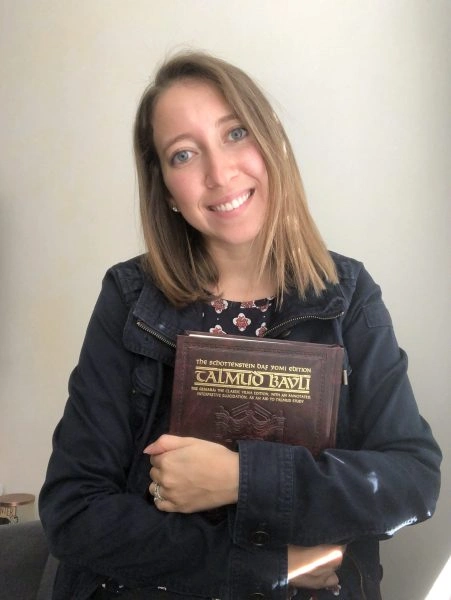
Today’s daf is dedicated to Ariella Radwin. Happy Birthday Ariella, the Talmud scholar of the Radwin family! We are so proud of your commitment to study the daf yomi and to share your love of Torah and learning in our house.

A student cannot teach a halacha in front of his rabbi. Can he check a shechita knife for himself without asking his rabbi? Can he teach a halacha if his rabbi is not there? Or if he is not in the rabbi’s hometown? Or if he is a colleague? Can one reprimand someone doing something wrong if his rabbi is there? Nadav and Avihu were killed for teaching a halacha in front of Moshe. One cannot give all of one’s gifts to the priests to one particular priest – it will cause famine in the world (proof from King David). Elazar the priest was also punished for teaching in front of Moshe. Why was Yehoshua punished that he did not have sons – was it also for this reason or because he prevented the nation from being able to reproduce by keeping them in battle at night thus preventing the men from coming home to their wives. The gemara gets back to the topic of eruv chatzerot and brings a story where there was a non-Jew named Lachman bar Ristak who was living in a courtyard with Jews and would not rent out his property to them. What was suggested that they do and was this a valid suggestion?

Today’s daily daf tools:

Eruvin 63

רַב הַמְנוּנָא אוֹרִי בְּחַרְתָּא דְאַרְגֵּז בִּשְׁנֵי דְּרַב חִסְדָּא.

Rav Hamnuna issued halakhic rulings in the town of Ḥarta De’argez during the years of Rav Ḥisda’s life, even though Rav Ḥisda was his teacher.

רָבִינָא סָר סַכִּינָא בְּבָבֶל. אֲמַר לֵיהּ רַב אָשֵׁי: מַאי טַעְמָא עֲבַד מָר הָכִי?

The Gemara relates that Ravina once examined a slaughterer’s knife in Babylonia to check if it was fit for slaughtering, during the lifetime of his teacher, Rav Ashi, who also lived in Babylonia. Rav Ashi said to him: What is the reason that the Master acted in this manner? Isn’t it prohibited for a disciple to issue rulings while his teacher is still alive?

אֲמַר לֵיהּ: וְהָא רַב הַמְנוּנָא אוֹרִי בְּחַרְתָּא דְאַרְגֵּז בִּשְׁנֵי דְּרַב חִסְדָּא! אֲמַר לֵיהּ: ״לָאו אוֹרִי״ אִתְּמַר.

Ravina said to him: Didn’t Rav Hamnuna issue halakhic rulings in Ḥarta De’argez during the years of Rav Ḥisda’s life, as they were not in the same town, even though they were both located in Babylonia? Since I do not live in the same town as you, it stands to reason that I would be permitted to issue rulings as well. Rav Ashi said to Ravina: It was actually stated that Rav Hamnuna did not issue halakhic rulings during Rav Ḥisda’s lifetime, and that is the correct tradition.

אֲמַר לֵיהּ: אִתְּמַר ״אוֹרִי״, וְאִתְּמַר ״לָא אוֹרִי״, בִּשְׁנֵי דְּרַב הוּנָא רַבֵּיהּ הוּא דְּלָא אוֹרִי, וְאוֹרִי בִּשְׁנֵי דְּרַב חִסְדָּא, דְּתַלְמִיד חָבֵר דִּילֵיהּ הֲוָה. וַאֲנָא נָמֵי תַּלְמִיד חָבֵר דְּמָר אֲנָא.

Ravina said to Rav Ashi: In fact, it was stated that Rav Hamnuna issued rulings, and it was also stated that he did not issue rulings, and both traditions are correct. During the years of the life of Rav Huna, Rav Hamnuna’s principal teacher, Rav Hamnuna did not issue rulings at all, but he did issue rulings during the years of Rav Ḥisda’s life, for Rav Hamnuna was Rav Ḥisda’s disciplecolleague. And since I, too, am the Master’s disciple and colleague, I should also be permitted to examine a slaughterer’s knife when I am not in the same town.

אָמַר רָבָא: צוּרְבָּא מֵרַבָּנַן חָזֵי לְנַפְשֵׁיהּ. רָבִינָא אִיקְּלַע לְמָחוֹזָא, אַיְיתִי אוּשְׁפִּיזְכָנֵיהּ סַכִּינָא וְקָא מַחְוֵי לֵיהּ. אֲמַר לֵיהּ: זִיל אַמְטְיֵיהּ לְרָבָא.

Rava said: A Torah scholar may examine a knife for himself and use it for slaughtering, without having to show it to the local Sage. The Gemara relates that Ravina happened to come to Meḥoza, the home town of Rava. His host brought out a knife for slaughtering and showed it to him. He said to him: Go, bring it to Rava, the town Sage, for examination.

אֲמַר לֵיהּ: לָא סָבַר מָר הָא דְּאָמַר רָבָא צוּרְבָּא מֵרַבָּנַן חָזֵי לְנַפְשֵׁיהּ. אֲמַר לֵיהּ: אֲנָא מִיזְבָּן זָבֵינָא.

The host said to him: Doesn’t the Master hold in accordance with that which Rava said: A Torah scholar may examine a slaughtering knife for himself? In this case I am using the knife to slaughter on your behalf. Ravina said to him: Since I am only buying the meat from you, it is not considered as though I am slaughtering for myself. Rava’s principle does not apply to such a case.

(סִימָן: זִילָא לְהַנְיָא, מַחְלִיף, אִיקָא, וְיַעֲקֹב).

The Gemara cites a mnemonic for the names of the Sages mentioned in the following discussion: Zila Lehanya: Rabbi Elazar from Hagronya; Maḥlif: Rav Abba bar Taḥalifa; Ika: Rav Aḥa bar Ika; and Ya’akov: Rav Aḥa bar Ya’akov.

רַבִּי אֶלְעָזָר מֵהַגְרוֹנְיָא וְרַב אַבָּא בַּר תַּחְלִיפָא אִיקְּלַעוּ לְבֵי רַב אַחָא בְּרֵיהּ דְּרַב אִיקָא, בְּאַתְרֵיהּ דְּרַב אַחָא בַּר יַעֲקֹב. בָּעֵי רַב אַחָא בְּרֵיהּ דְּרַב אִיקָא לְמִיעְבַּד לְהוּ עִיגְלָא תִּילְתָּא, אַיְיתִי סַכִּינָא וְקָא מַחְוֵי לְהוּ.

The Gemara now relates that Rabbi Elazar from Hagronya and Rav Abba bar Taḥalifa happened to come to the house of Rav Aḥa, son of Rav Ika, in the place of jurisdiction of Rav Aḥa bar Ya’akov. Rav Aḥa, son of Rav Ika, wanted to prepare for them a third-born calf, whose meat was considered a delicacy. He brought out a slaughtering knife and showed it to them.

אֲמַר לְהוּ רַב אַחָא בַּר תַּחְלִיפָא: לָא לֵיחוּשׁ לֵיהּ לְסָבָא? אֲמַר לְהוּ רַבִּי אֶלְעָזָר מֵהַגְרוֹנְיָא: הָכִי אָמַר רָבָא, צוּרְבָּא מֵרַבָּנַן חָזֵי לְנַפְשֵׁיהּ. חֲזִי, וְאִיעֲנִישׁ רַבִּי אֶלְעָזָר מֵהַגְרוֹנְיָא.

Rav Aḥa bar Taḥalifa said to them: Should we not be concerned with the respect of the Elder, Rav Aḥa bar Ya’akov, and present the knife to him for inspection, as this is his town? Rabbi Elazar from Hagronya said to them: That is unnecessary, since Rava said as follows: A Torah scholar may examine a knife for himself. Rabbi Elazar from Hagronya then inspected the knife, but he was later punished at the hand of Heaven for disregarding the honor of the senior rabbi.

וְהָאָמַר רָבָא: צוּרְבָּא מֵרַבָּנַן חָזֵי לְנַפְשֵׁיהּ! שָׁאנֵי הָתָם דְּאַתְחִילוּ בִּכְבוֹדוֹ.

The Gemara expresses surprise: What was Rabbi Elazar from Hagronya’s mistake? Didn’t Rava say: A Torah scholar may examine a slaughtering knife for himself? The Gemara answers: It was different there, as they had already begun to discuss the issue of the honor of Rav Aḥa bar Ya’akov. Had the name of Rav Aḥa bar Ya’akov never arisen, they would have been permitted to examine the knife themselves. Once his name had been mentioned, however, they should have approached him with the knife. Their failure to do so is considered a display of disrespect.

וְאִי בָּעֵית אֵימָא: שָׁאנֵי רַב אַחָא בַּר יַעֲקֹב דְּמוּפְלָג.

And if you wish, say instead: Rav Aḥa bar Ya’akov is different, as he was illustrious in age and wisdom, and thus deserved more honor than a regular Sage.

אָמַר רָבָא: וּלְאַפְרוֹשֵׁי מֵאִיסּוּרָא — אֲפִילּוּ בְּפָנָיו שַׁפִּיר דָּמֵי. רָבִינָא הֲוָה יָתֵיב קַמֵּיהּ דְּרַב אָשֵׁי, חַזְיֵיהּ לְהָהוּא גַּבְרָא דְּקָא אָסַר לֵיהּ לְחַמְרֵיהּ בְּצִינְתָא בְּשַׁבְּתָא. רְמָא בֵּיהּ קָלָא, וְלָא אַשְׁגַּח בֵּיהּ. אֲמַר לֵיהּ: לֶיהֱוֵי הַאי גַּבְרָא בְּשַׁמְתָּא.

Rava said: Even though it is ordinarily prohibited for a disciple to issue a halakhic ruling in his teacher’s place, if he does so in order to separate another person from a prohibition he is committing, even in his teacher’s presence it seems well, i.e., it is permitted. The Gemara relates that Ravina was once sitting before Rav Ashi when he saw a certain man tying his donkey to a palm tree on Shabbat, in violation of the decree of the Sages against utilizing trees on Shabbat. He raised his voice to him in protest, but the man paid him no attention. Ravina then said to Rav Ashi: Let this man be in excommunication for transgressing the words of the Sages and ignoring a scholar’s rebuke.

אֲמַר לֵיהּ: כִּי הַאי גַּוְונָא, מִי מִתְחֲזֵא כְּאַפְקֵרוּתָא? אֲמַר לֵיהּ: ״אֵין חׇכְמָה וְאֵין תְּבוּנָה וְאֵין עֵצָה לְנֶגֶד ה׳״, כׇּל מָקוֹם שֶׁיֵּשׁ בּוֹ חִילּוּל הַשֵּׁם — אֵין חוֹלְקִין כָּבוֹד לָרַב.

Afterward, Ravina said to Rav Ashi: Behavior such as this, the way I acted in your presence just now, does it appear like irreverent behavior? Rav Ashi said to him: With regard to this it is stated: “There is no wisdom or understanding or council against the Lord” (Proverbs 21:30). The Sages expounded this verse as follows: Wherever a desecration of God’s name is involved, no respect is paid even to a teacher, i.e., in such a situation one should disregard the respect due to his teacher’s wisdom and understanding and object to the inappropriate behavior.

אָמַר רָבָא: בְּפָנָיו — אָסוּר, וְחַיָּיב מִיתָה. שֶׁלֹּא בְּפָנָיו — אָסוּר, וְאֵין חַיָּיב מִיתָה.

Rava said: With regard to one who issues a halakhic ruling in his teacher’s location without the intention of preventing someone from violating a prohibition, the following distinction applies: In the teacher’s actual presence, the disciple is prohibited to issue such a ruling, and if he does so, he is liable to receive the death penalty at the hand of Heaven. However, when he is not in his actual presence, the disciple is still prohibited to issue the ruling, but he is not liable to receive the death penalty.

וְשֶׁלֹּא בְּפָנָיו לָא? וְהָא תַּנְיָא: רַבִּי אֱלִיעֶזֶר אוֹמֵר: לֹא מֵתוּ בְּנֵי אַהֲרֹן עַד שֶׁהוֹרוּ הֲלָכָה בִּפְנֵי מֹשֶׁה רַבָּן. מַאי דְּרוּשׁ: ״וְנָתְנוּ בְּנֵי אַהֲרֹן הַכֹּהֵן אֵשׁ עַל הַמִּזְבֵּחַ״, אָמְרוּ: אַף עַל פִּי שֶׁהָאֵשׁ יוֹרֶדֶת מִן הַשָּׁמַיִם, מִצְוָה לְהָבִיא מִן הַהֶדְיוֹט.

The Gemara asks: Is the disciple not liable to receive the death penalty if he issues his ruling not in the teacher’s presence? But wasn’t it taught otherwise in a baraita: Rabbi Eliezer says: The sons of Aaron died only because they issued a halakhic ruling before Moses, their teacher? What did they expound in support of their conclusion that they must bring fire inside as opposed to waiting for fire to come down from the heavens? It is stated in the Torah: “And the sons of Aaron the priest shall put fire on the altar, and lay the wood in order on the fire” (Leviticus 1:7), which led them to say: Although fire descends from Heaven, it is nonetheless a mitzva to bring ordinary fire. Although they derived this from the verses, they were punished for ruling in the presence of their teacher.

וְתַלְמִיד אֶחָד הָיָה לוֹ לְרַבִּי אֱלִיעֶזֶר, שֶׁהוֹרָה הֲלָכָה בְּפָנָיו. אָמַר רַבִּי אֱלִיעֶזֶר לְאִימָּא שָׁלוֹם אִשְׁתּוֹ: תָּמֵיהַּ אֲנִי אִם יוֹצִיא זֶה שְׁנָתוֹ. וְלֹא הוֹצִיא שְׁנָתוֹ.

It was further related that Rabbi Eliezer had a certain disciple who issued a halakhic ruling in his presence. Rabbi Eliezer said to his wife, Imma Shalom: I will be surprised if this one completes his year, i.e., if he lives until the end of the year. And so it was, he did not complete his year.

אָמְרָה לוֹ: נָבִיא אַתָּה? אָמַר לָהּ: לֹא נָבִיא אָנֹכִי וְלֹא בֶּן נָבִיא אָנֹכִי, אֶלָּא כָּךְ מְקּוּבְּלַנִי: כׇּל הַמּוֹרֶה הֲלָכָה בִּפְנֵי רַבּוֹ חַיָּיב מִיתָה.

His wife said to him: Are you a prophet? He said to her: I am not a prophet, nor the son of a prophet, but I have received the following tradition: Anyone who issues a halakhic ruling in his teacher’s presence is liable to receive the death penalty.

וְאָמַר רַבָּה בַּר בַּר חָנָה אָמַר רַבִּי יוֹחָנָן: אוֹתוֹ תַּלְמִיד יְהוּדָה בֶּן גּוּרְיָא שְׁמוֹ, וְהָיָה רָחוֹק מִמֶּנּוּ שָׁלֹשׁ פַּרְסָאוֹת?!

And Rabba bar bar Ḥana said that Rabbi Yoḥanan said: That disciple was named Yehuda ben Gurya, and he was three parasangs away from Rabbi Eliezer. Apparently, one is liable for the death penalty even if he did not issue his ruling in his teacher’s presence.

בְּפָנָיו הֲוָה. וְהָא רָחוֹק מִמֶּנּוּ שָׁלֹשׁ פַּרְסָאוֹת קָאָמַר! וְלִיטַעְמָיךְ: שְׁמוֹ וְשֵׁם אָבִיו לָמָּה? אֶלָּא שֶׁלֹּא תֹּאמַר מָשָׁל הָיָה.

The Gemara answers: In fact, the incident took place in the actual presence of the teacher, which is why the disciple was punished. The distance mentioned refers to the distance between the student’s usual place and the teacher. The Gemara expresses surprise: But didn’t Rabba bar bar Ḥana say that he was three parasangs away from his teacher? That implies that this was his distance from his teacher at the time of the ruling. The Gemara answers: And, according to your reasoning, that the details of the story must relate to the time of the ruling, why mention his name and his father’s name? Rather, the details were given so that you should not say it was a parable. That is also the reason why he provided the details concerning the student’s usual place. This does not contradict the fact that Yehuda ben Gurya issued his ruling in the actual presence of his teacher.

אָמַר רַבִּי חִיָּיא בַּר אַבָּא אָמַר רַבִּי יוֹחָנָן: כׇּל הַמּוֹרֶה הֲלָכָה בִּפְנֵי רַבּוֹ, רָאוּי לְהַכִּישׁוֹ נָחָשׁ, שֶׁנֶּאֱמַר: ״וַיַּעַן אֱלִיהוּא בֶן בַּרַכְאֵל הַבּוּזִי וַיֹּאמַר צָעִיר אֲנִי לְיָמִים וְגוֹ׳ עַל כֵּן זָחַלְתִּי״. וּכְתִיב: ״עִם חֲמַת זוֹחֲלֵי עָפָר״.

The Gemara continues to discuss the same topic. Rabbi Ḥiyya bar Abba said that Rabbi Yoḥanan said: Whoever issues a halakhic ruling in his teacher’s presence is deserving of being bitten by a snake, as it is stated: “And Elihu, son of Barachel the Buzite answered and said, I am young, and you are very old; therefore I held back [zaḥalti] and I was afraid, and did not declare my opinion to you” (Job 32:6), and it is written: “With the venom of the crawling things of [zoḥalei] the dust” (Deuteronomy 32:24), which refers to snakes. Elihu’s statement is understood as follows: I must apologize for speaking in my teacher’s presence, for one who does so is liable to be punished with the bite of a snake.

זְעֵירִי אָמַר רַבִּי חֲנִינָא: נִקְרָא חוֹטֵא, שֶׁנֶּאֱמַר: ״בְּלִבִּי צָפַנְתִּי אִמְרָתֶךָ לְמַעַן לֹא אֶחֱטָא לָךְ״.

Ze’eiri said that Rabbi Ḥanina said: Whoever issues a halakhic ruling in his teacher’s presence is called a sinner, as it is stated: “Your word have I hidden in my heart, that I might not sin against You” (Psalms 119:11). In what case would speaking one’s word entail a sin? In a case where one rules on a matter of halakha in the presence of his teacher.

רַב הַמְנוּנָא רָמֵי: כְּתִיב ״בְּלִבִּי צָפַנְתִּי אִמְרָתֶךָ״, וּכְתִיב ״בִּשַּׂרְתִּי צֶדֶק בְּקָהָל רַב״! לָא קַשְׁיָא: כָּאן — בִּזְמַן שֶׁעִירָא הַיָּאִירִי קַיָּים, כָּאן — בִּזְמַן שֶׁאֵין עִירָא הַיָּאִירִי קַיָּים.

Rav Hamnuna raised a contradiction between the verse previously mentioned and another verse: It is written: “Your word have I hidden in my heart,” implying that David did not want to reveal the words of Torah, whereas in a second verse it is written: “I have preached righteousness in the great congregation” (Psalms 40:10). He answered: This is not difficult. Here, in the verse in which David remained silent, it is referring to the period when Ira HaYa’iri, David’s teacher, was alive; there, in the verse where he publicized his words, it is referring to the period when Ira HaYa’iri was no longer alive.

אָמַר רַבִּי אַבָּא בַּר זַבְדָּא: כׇּל הַנּוֹתֵן מַתְּנוֹתָיו לְכֹהֵן אֶחָד, מֵבִיא רָעָב לְעוֹלָם, שֶׁנֶּאֱמַר ״עִירָא הַיָּאִירִי הָיָה כֹהֵן לְדָוִד״. לְדָוִד הוּא דַּהֲוָה כֹּהֵן, לְכוּלֵּי עָלְמָא לָא?! אֶלָּא שֶׁהָיָה מְשַׁגֵּר לוֹ מַתְּנוֹתָיו, וּכְתִיב בָּתְרֵיהּ: ״וַיְהִי רָעָב בִּימֵי דָוִד״.

Having mentioned Ira HaYa’iri, the Gemara now cites a related teaching. Rabbi Abba bar Zavda said: Whoever gives all his priestly gifts to one priest has acted improperly and brings famine into the world as punishment. As it is stated: “And also Ira HaYa’iri was a priest for David (II Samuel 20:26), which invites the question: Was he a priest for David alone, and not for anyone else? Rather, it means that David would send all his priestly gifts to him alone, i.e., he was the only priest to enjoy David’s gifts. And it is written afterward: “And there was a famine in the days of David, three years, year after year” (II Samuel 21:1).

רַבִּי אֱלִיעֶזֶר אוֹמֵר: מוֹרִידִין אוֹתוֹ מִגְּדוּלָּתוֹ, שֶׁנֶּאֱמַר: ״וַיֹּאמֶר אֶלְעָזָר הַכֹּהֵן אֶל אַנְשֵׁי הַצָּבָא וְגוֹ׳״. אַף עַל גַּב דַּאֲמַר לְהוּ: לַאֲחִי אַבָּא צִוָּה, וְאוֹתִי לֹא צִוָּה — אֲפִילּוּ הָכִי, אִיעֲנַשׁ.

Rabbi Eliezer says: Anyone who rules in his teacher’s presence is lowered from his position of greatness, as it is stated: “And Elazar the priest said to the men of war who went to battle: This is the statute of the Torah which the Lord commanded Moses” (Numbers 31:21). Although Elazar said to the soldiers: God commanded this statute to my father’s brother, while to me He did not command it, even so he was punished for speaking in this manner in the presence of his teacher, Moses.

דִּכְתִיב: ״וְלִפְנֵי אֶלְעָזָר הַכֹּהֵן יַעֲמֹד״, וְלָא אַשְׁכְּחַן דְּאִיצְטְרִיךְ לֵיהּ יְהוֹשֻׁעַ.

What was his punishment? As it is written that God had told Moses with regard to Joshua: “And he shall stand before Elazar the priest, who shall inquire for him by the judgment of the Urim before the Lord: at his word shall they go out, and at his word they shall come in, both he, and all the children of Israel with him, even all the congregation” (Numbers 27:21). Elazar was originally awarded a place of great honor. But we do not find in the Bible that Joshua ever had need of him. It is never stated that Joshua made use of the Urim through Elazar, which shows that Elazar never achieved the greatness promised him.

אָמַר רַבִּי לֵוִי: כׇּל דְּמוֹתֵיב מִלָּה קַמֵּיהּ רַבֵּיהּ — אָזֵיל לִשְׁאוֹל בְּלֹא וָלָד, שֶׁנֶּאֱמַר: ״וַיַּעַן יְהוֹשֻׁעַ בִּן נוּן מְשָׁרֵת מֹשֶׁה מִבְּחוּרָיו וַיֹּאמַר אֲדוֹנִי מֹשֶׁה כְּלָאֵם״.

With regard to this same issue, Rabbi Levi said: Whoever answers a word in the presence of his teacher will go down to the netherworld childless, as it is stated: “And Joshua bin Nun, the minister of Moses from his youth, answered and said: My lord Moses, shut them in” (Numbers 11:28). Since he spoke to his teacher out of turn, he was punished by remaining childless.

וּכְתִיב: ״נוֹן בְּנוֹ יְהוֹשֻׁעַ בְּנוֹ״.

And it is written at the end of the list of the descendants of Ephraim: “Non his son, Joshua his son” (i Chronicles 7:27), which implies that Joshua himself had no children.

וּפְלִיגָא דְּרַבִּי אַבָּא בַּר פָּפָּא, דְּאָמַר רַבִּי אַבָּא בַּר פָּפָּא: לֹא נֶעֱנַשׁ יְהוֹשֻׁעַ אֶלָּא בִּשְׁבִיל שֶׁבִּיטֵּל אֶת יִשְׂרָאֵל לַיְלָה אַחַת מִפְּרִיָּה וּרְבִיָּה.

And this tradition differs from the following statement of Rabbi Abba bar Pappa, for Rabbi Abba bar Pappa said: Joshua was punished to remain childless only because he had prevented the Jewish people from fulfilling the commandment of being fruitful and multiplying for one night. Therefore, he was punished measure-for-measure by not having children himself.

שֶׁנֶּאֱמַר: ״וַיְהִי בִּהְיוֹת יְהוֹשֻׁעַ בִּירִיחוֹ וַיִּשָּׂא עֵינָיו וַיַּרְא וְגוֹ׳״, וּכְתִיב: ״וַיֹּאמֶר (לוֹ) כִּי אֲנִי שַׂר צְבָא ה׳ עַתָּה בָאתִי וְגוֹ׳״.

As it is stated: “And it came to pass when Joshua was by Jericho that he lifted up his eyes and looked, and, behold, a man stood over against him with his sword drawn in his hand” (Joshua 5:13), and it is written further: “And he said: No, but I am captain of the host of the Lord, I am now come” (Joshua 5:14). The man, an angel, came to demand something of Joshua and to rebuke him.

אָמַר לוֹ: אֶמֶשׁ בִּיטַּלְתֶּם תָּמִיד שֶׁל בֵּין הָעַרְבַּיִם, וְעַכְשָׁיו בִּיטַּלְתֶּם תַּלְמוּד תּוֹרָה. עַל אֵיזֶה מֵהֶן בָּאתָ? אָמַר לוֹ: ״עַתָּה בָּאתִי״.

The angel said to him: Last night, due to your preparations for war, you neglected the daily evening offering, and now, tonight, you are neglecting Torah study. Joshua asked him: For which of these sins have you come specially to reprove me? He said to him: “I am now come,” i.e., the fact that I did not come last night, but waited until now, shows that the sin of neglecting Torah study is the more severe one.

מִיָּד: ״וַיֵּלֶךְ יְהוֹשֻׁעַ בַּלַּיְלָה הַהוּא בְּתוֹךְ הָעֵמֶק״, וְאָמַר רַבִּי יוֹחָנָן: מְלַמֵּד שֶׁהָלַךְ בְּעוֹמְקָהּ שֶׁל הֲלָכָה.

Joshua immediately acted to rectify the matter by deciding that he must devote more time to learning Torah, as it is stated: “And Joshua walked that night in the midst of the valley [ha’emek]” (Joshua 8:13). And Rabbi Yoḥanan said: This teaches that he walked all night in the depth [be’omeka] of halakha, thereby atoning for his previous neglect of Torah study.

וּגְמִירִי דְּכׇל זְמַן שֶׁאָרוֹן וּשְׁכִינָה שְׁרוּיִין שֶׁלֹּא בִּמְקוֹמָן אֲסוּרִין בְּתַשְׁמִישׁ הַמִּטָּה.

And they learned as a tradition that any time that the Ark and the Divine Presence are not resting in their proper places, the entire Jewish people are prohibited from engaging in marital relations. Owing to the nation’s preoccupation with war, the Ark was not restored to its rightful place in the Tabernacle. Since Joshua did not attend to this state of affairs, he was responsible for the people’s neglect of the commandment to be fruitful and multiply, for which he was punished by remaining childless.

אָמַר רַבִּי שְׁמוּאֵל בַּר אִינְיָא מִשְּׁמֵיהּ דְּרַב: גָּדוֹל תַּלְמוּד תּוֹרָה יוֹתֵר מֵהַקְרָבַת תְּמִידִין, דַּאֲמַר לֵיהּ: ״עַתָּה בָּאתִי״.

The Gemara now cites a further teaching in this regard: Rabbi Shmuel bar Inya said in the name of Rav: Torah study is greater than the offering of daily sacrifices, as the angel said to Joshua: “I am now come,” i.e., on account of the second sin, demonstrating that neglect of Torah study is a more serious offense than neglect of the daily offerings.

אָמַר רַב בְּרוֹנָא אָמַר רַב: כׇּל הַיָּשֵׁן בְּקִילְעָא שֶׁאִישׁ וְאִשְׁתּוֹ שְׁרוּיִין בָּהּ, — עָלָיו הַכָּתוּב אוֹמֵר: ״נְשֵׁי עַמִּי תְּגָרְשׁוּן מִבֵּית תַּעֲנוּגֶיהָ״.

With regard to the neglect of the commandment of procreation, Rav Beruna said that Rav said: Whoever sleeps in a chamber in which a husband and wife are resting, thus thwarting their intimacy, the verse says about him: “The women of my people you cast out from their pleasant houses” (Micah 2:9), and his punishment is detailed in that chapter.

וְאָמַר רַב יוֹסֵף: אֲפִילּוּ בְּאִשְׁתּוֹ נִדָּה.

And Rav Yosef said: This applies not only to a woman who is ritually pure and permitted to her husband, but even in the case of a man whose wife is menstruating, for even then, although she is prohibited to him, they are more comfortable being alone together.

רָבָא אָמַר: אִם אִשְׁתּוֹ נִדָּה הִיא — תָּבֹא עָלָיו בְּרָכָה. וְלָא הִיא, דְּעַד הָאִידָּנָא מַאן נַטְרֵיהּ?

Rava said: If his wife is menstruating, may a blessing come upon the person sleeping in the room, for he protects the couple from the possibility of sin. The Gemara rejects this: But that is not so, i.e., this argument is invalid, for who protected the husband until now? In other words, there is no need for concern in this case, and hence one must refrain from behavior that causes distress to the couple.

הָהוּא מְבוֹאָה דַּהֲוָה דָּיַיר בָּהּ לַחְמָן בַּר רִיסְתַּק. אֲמַרוּ לֵיהּ: אוֹגַר לַן רְשׁוּתָךְ, לָא אוֹגַר לְהוּ.

The Gemara returns to the issue of renting out domains for the purpose of an eiruv. The Gemara relates that there was a certain alleyway in which the gentile, Laḥman bar Ristak, lived. His Jewish neighbors said to him: Rent us your domain, i.e., your right to use the alleyway, so that it will not render it prohibited for us to carry. He would not rent it to them, and therefore they could not carry in the alleyway on Shabbat.

אֲתוֹ אֲמַרוּ לֵיהּ לְאַבָּיֵי. אֲמַר לְהוּ: זִילוּ בַּטִּילוּ רְשׁוּתַיְיכוּ לְגַבֵּי חַד, הָוֵה לֵיהּ יָחִיד בִּמְקוֹם גּוֹי, וְיָחִיד בִּמְקוֹם גּוֹי לָא אָסַר.

The Jewish neighbors came and spoke to Abaye, asking him how they might proceed. He said to them: Go, all of you, and renounce your domains, i.e., your rights to use the alleyway, in favor of one person, who will be permitted to carry in it. In this manner it is a case of one individual living in the same place as a gentile. And the halakha has already been established that in the case of one individual living in the same place as a gentile, the gentile does not render it prohibited for him to carry. Consequently, one person at least will be able to make use of the alleyway.

אֲמַרוּ לֵיהּ: מִידֵּי הוּא טַעְמָא אֶלָּא דְּלָא שְׁכִיחַ דְּדָיְירִי, וְהָכָא הָא קָדָיְירִי!

They said to him: But isn’t the reason that no restrictions are imposed when one person lives together with a gentile in the same courtyard only that it is not common for people to live with a gentile in that fashion? But here, many people are in fact living in the same alleyway as the gentile. In this more common situation, the Sages did impose restrictions.

אֲמַר לְהוּ: כׇּל בַּטּוֹלֵי רְשׁוּתַיְיהוּ גַּבֵּי חַד, מִילְּתָא דְלָא שְׁכִיחָא הִיא, וּמִילְּתָא דְלָא שְׁכִיחָא, לָא גְּזַרוּ בַּהּ רַבָּנַן.

Abaye said to them: Any renunciation of the domains of many people in favor of a single individual is an uncommon occurrence. The principle is that in the case of an uncommon occurrence, the Sages did not issue a decree as a preventive measure. In pressing circumstances such as these, one may rely on this allowance.

אֲזַל רַב הוּנָא בְּרֵיהּ דְּרַב יְהוֹשֻׁעַ אַמְרַהּ לִשְׁמַעְתָּא קַמֵּיהּ דְּרָבָא, אֲמַר לֵיהּ:

Rav Huna, son of Rav Yehoshua, went and reported this halakha before Rava, who said to him:

Today’s daily daf tools:

Delve Deeper

Broaden your understanding of the topics on this daf with classes and podcasts from top women Talmud scholars.

For the Beyond the Daf shiurim offered in Hebrew, see here.

New to Talmud?

Check out our resources designed to help you navigate a page of Talmud – and study at the pace, level and style that fits you. 

The Hadran Women’s Tapestry

Meet the diverse women learning Gemara at Hadran and hear their stories. 

I’ve been studying Talmud since the ’90s, and decided to take on Daf Yomi two years ago. I wanted to attempt the challenge of a day-to-day, very Jewish activity. Some days are so interesting and some days are so boring. But I’m still here.
Sarene Shanus
Sarene Shanus

Mamaroneck, NY, United States

I went to day school in Toronto but really began to learn when I attended Brovenders back in the early 1980’s. Last year after talking to my sister who was learning Daf Yomi, inspired, I looked on the computer and the Hadran site came up. I have been listening to each days shiur in the morning as I work. I emphasis listening since I am not sitting with a Gamara. I listen while I work in my studio.

Rachel Rotenberg
Rachel Rotenberg

Tekoa, Israel

It’s hard to believe it has been over two years. Daf yomi has changed my life in so many ways and has been sustaining during this global sea change. Each day means learning something new, digging a little deeper, adding another lens, seeing worlds with new eyes. Daf has also fostered new friendships and deepened childhood connections, as long time friends have unexpectedly become havruta.

Joanna Rom
Joanna Rom

Northwest Washington, United States

3 years ago, I joined Rabbanit Michelle to organize the unprecedented Siyum HaShas event in Jerusalem for thousands of women. The whole experience was so inspiring that I decided then to start learning the daf and see how I would go…. and I’m still at it. I often listen to the Daf on my bike in mornings, surrounded by both the external & the internal beauty of Eretz Yisrael & Am Yisrael!

Lisa Kolodny
Lisa Kolodny

Raanana, Israel

I saw an elderly man at the shul kiddush in early March 2020, celebrating the siyyum of masechet brachot which he had been learning with a young yeshiva student. I thought, if he can do it, I can do it! I began to learn masechet Shabbat the next day, Making up masechet brachot myself, which I had missed. I haven’t missed a day since, thanks to the ease of listening to Hadran’s podcast!
Judith Shapiro
Judith Shapiro

Minnesota, United States

When I started studying Hebrew at Brown University’s Hillel, I had no idea that almost 38 years later, I’m doing Daf Yomi. My Shabbat haburah is led by Rabbanit Leah Sarna. The women are a hoot. I’m tracking the completion of each tractate by reading Ilana Kurshan’s memoir, If All the Seas Were Ink.

Hannah Lee
Hannah Lee

Pennsylvania, United States

I started learning Daf Yomi inspired by תָּפַסְתָּ מְרוּבֶּה לֹא תָּפַסְתָּ, תָּפַסְתָּ מוּעָט תָּפַסְתָּ. I thought I’d start the first page, and then see. I was swept up into the enthusiasm of the Hadran Siyum, and from there the momentum kept building. Rabbanit Michelle’s shiur gives me an anchor, a connection to an incredible virtual community, and an energy to face whatever the day brings.

Medinah Korn
Medinah Korn

בית שמש, Israel

After all the hype on the 2020 siyum I became inspired by a friend to begin learning as the new cycle began.with no background in studying Talmud it was a bit daunting in the beginning. my husband began at the same time so we decided to study on shabbat together. The reaction from my 3 daughters has been fantastic. They are very proud. It’s been a great challenge for my brain which is so healthy!

Stacey Goodstein Ashtamker

Modi’in, Israel

I started learning at the start of this cycle, and quickly fell in love. It has become such an important part of my day, enriching every part of my life.

Naomi Niederhoffer
Naomi Niederhoffer

Toronto, Canada

“I got my job through the NY Times” was an ad campaign when I was growing up. I can headline “I got my daily Daf shiur and Hadran through the NY Times”. I read the January 4, 2020 feature on Reb. Michelle Farber and Hadran and I have been participating ever since. Thanks NY Times & Hadran!
Deborah Aschheim
Deborah Aschheim

New York, United States

When we heard that R. Michelle was starting daf yomi, my 11-year-old suggested that I go. Little did she know that she would lose me every morning from then on. I remember standing at the Farbers’ door, almost too shy to enter. After that first class, I said that I would come the next day but couldn’t commit to more. A decade later, I still look forward to learning from R. Michelle every morning.

Ruth Leah Kahan
Ruth Leah Kahan

Ra’anana, Israel

תמיד רציתי. למדתי גמרא בבית ספר בטורונטו קנדה. עליתי ארצה ולמדתי שזה לא מקובל. הופתעתי.
יצאתי לגימלאות לפני שנתיים וזה מאפשר את המחוייבות לדף יומי.
עבורי ההתמדה בלימוד מעגן אותי בקשר שלי ליהדות. אני תמיד מחפשת ותמיד. מוצאת מקור לקשר. ללימוד חדש ומחדש. קשר עם נשים לומדות מעמיק את החוויה ומשמעותית מאוד.

Vitti Kones
Vitti Kones

מיתר, ישראל

I started with Ze Kollel in Berlin, directed by Jeremy Borowitz for Hillel Deutschland. We read Masechet Megillah chapter 4 and each participant wrote his commentary on a Sugia that particularly impressed him. I wrote six poems about different Sugiot! Fascinated by the discussions on Talmud I continued to learn with Rabanit Michelle Farber and am currently taking part in the Tikun Olam course.
Yael Merlini
Yael Merlini

Berlin, Germany

I heard about the syium in January 2020 & I was excited to start learning then the pandemic started. Learning Daf became something to focus on but also something stressful. As the world changed around me & my family I had to adjust my expectations for myself & the world. Daf Yomi & the Hadran podcast has been something I look forward to every day. It gives me a moment of centering & Judaism daily.

Talia Haykin
Talia Haykin

Denver, United States

Last cycle, I listened to parts of various מסכתות. When the הדרן סיום was advertised, I listened to Michelle on נידה. I knew that בע”ה with the next cycle I was in (ב”נ). As I entered the סיום (early), I saw the signs and was overcome with emotion. I was randomly seated in the front row, and I cried many times that night. My choice to learn דף יומי was affirmed. It is one of the best I have made!

Miriam Tannenbaum
Miriam Tannenbaum

אפרת, Israel

As Jewish educator and as a woman, I’m mindful that Talmud has been kept from women for many centuries. Now that we are privileged to learn, and learning is so accessible, it’s my intent to complete Daf Yomi. I am so excited to keep learning with my Hadran community.

Sue Parker Gerson
Sue Parker Gerson

Denver, United States

I started learning Talmud with R’ Haramati in Yeshivah of Flatbush. But after a respite of 60 years, Rabbanit Michelle lit my fire – after attending the last three world siyumim in Miami Beach, Meadowlands and Boca Raton, and now that I’m retired, I decided – “I can do this!” It has been an incredible journey so far, and I look forward to learning Daf everyday – Mazal Tov to everyone!

Roslyn Jaffe
Roslyn Jaffe

Florida, United States

I started learning Daf Yomi in January 2020 after watching my grandfather, Mayer Penstein z”l, finish shas with the previous cycle. My grandfather made learning so much fun was so proud that his grandchildren wanted to join him. I was also inspired by Ilana Kurshan’s book, If All the Seas Were Ink. Two years in, I can say that it has enriched my life in so many ways.

Leeza Hirt Wilner
Leeza Hirt Wilner

New York, United States

My family recently made Aliyah, because we believe the next chapter in the story of the Jewish people is being written here, and we want to be a part of it. Daf Yomi, on the other hand, connects me BACK, to those who wrote earlier chapters thousands of years ago. So, I feel like I’m living in the middle of this epic story. I’m learning how it all began, and looking ahead to see where it goes!
Tina Lamm
Tina Lamm

Jerusalem, Israel

I was moved to tears by the Hadran Siyyum HaShas. I have learned Torah all my life, but never connected to learning Gemara on a regular basis until then. Seeing the sheer joy Talmud Torah at the siyyum, I felt compelled to be part of it, and I haven’t missed a day!
It’s not always easy, but it is so worthwhile, and it has strengthened my love of learning. It is part of my life now.

Michelle Lewis
Michelle Lewis

Beit Shemesh, Israel

Eruvin 63

רַב הַמְנוּנָא אוֹרִי בְּחַרְתָּא דְאַרְגֵּז בִּשְׁנֵי דְּרַב חִסְדָּא.

Rav Hamnuna issued halakhic rulings in the town of Ḥarta De’argez during the years of Rav Ḥisda’s life, even though Rav Ḥisda was his teacher.

רָבִינָא סָר סַכִּינָא בְּבָבֶל. אֲמַר לֵיהּ רַב אָשֵׁי: מַאי טַעְמָא עֲבַד מָר הָכִי?

The Gemara relates that Ravina once examined a slaughterer’s knife in Babylonia to check if it was fit for slaughtering, during the lifetime of his teacher, Rav Ashi, who also lived in Babylonia. Rav Ashi said to him: What is the reason that the Master acted in this manner? Isn’t it prohibited for a disciple to issue rulings while his teacher is still alive?

אֲמַר לֵיהּ: וְהָא רַב הַמְנוּנָא אוֹרִי בְּחַרְתָּא דְאַרְגֵּז בִּשְׁנֵי דְּרַב חִסְדָּא! אֲמַר לֵיהּ: ״לָאו אוֹרִי״ אִתְּמַר.

Ravina said to him: Didn’t Rav Hamnuna issue halakhic rulings in Ḥarta De’argez during the years of Rav Ḥisda’s life, as they were not in the same town, even though they were both located in Babylonia? Since I do not live in the same town as you, it stands to reason that I would be permitted to issue rulings as well. Rav Ashi said to Ravina: It was actually stated that Rav Hamnuna did not issue halakhic rulings during Rav Ḥisda’s lifetime, and that is the correct tradition.

אֲמַר לֵיהּ: אִתְּמַר ״אוֹרִי״, וְאִתְּמַר ״לָא אוֹרִי״, בִּשְׁנֵי דְּרַב הוּנָא רַבֵּיהּ הוּא דְּלָא אוֹרִי, וְאוֹרִי בִּשְׁנֵי דְּרַב חִסְדָּא, דְּתַלְמִיד חָבֵר דִּילֵיהּ הֲוָה. וַאֲנָא נָמֵי תַּלְמִיד חָבֵר דְּמָר אֲנָא.

Ravina said to Rav Ashi: In fact, it was stated that Rav Hamnuna issued rulings, and it was also stated that he did not issue rulings, and both traditions are correct. During the years of the life of Rav Huna, Rav Hamnuna’s principal teacher, Rav Hamnuna did not issue rulings at all, but he did issue rulings during the years of Rav Ḥisda’s life, for Rav Hamnuna was Rav Ḥisda’s disciplecolleague. And since I, too, am the Master’s disciple and colleague, I should also be permitted to examine a slaughterer’s knife when I am not in the same town.

אָמַר רָבָא: צוּרְבָּא מֵרַבָּנַן חָזֵי לְנַפְשֵׁיהּ. רָבִינָא אִיקְּלַע לְמָחוֹזָא, אַיְיתִי אוּשְׁפִּיזְכָנֵיהּ סַכִּינָא וְקָא מַחְוֵי לֵיהּ. אֲמַר לֵיהּ: זִיל אַמְטְיֵיהּ לְרָבָא.

Rava said: A Torah scholar may examine a knife for himself and use it for slaughtering, without having to show it to the local Sage. The Gemara relates that Ravina happened to come to Meḥoza, the home town of Rava. His host brought out a knife for slaughtering and showed it to him. He said to him: Go, bring it to Rava, the town Sage, for examination.

אֲמַר לֵיהּ: לָא סָבַר מָר הָא דְּאָמַר רָבָא צוּרְבָּא מֵרַבָּנַן חָזֵי לְנַפְשֵׁיהּ. אֲמַר לֵיהּ: אֲנָא מִיזְבָּן זָבֵינָא.

The host said to him: Doesn’t the Master hold in accordance with that which Rava said: A Torah scholar may examine a slaughtering knife for himself? In this case I am using the knife to slaughter on your behalf. Ravina said to him: Since I am only buying the meat from you, it is not considered as though I am slaughtering for myself. Rava’s principle does not apply to such a case.

(סִימָן: זִילָא לְהַנְיָא, מַחְלִיף, אִיקָא, וְיַעֲקֹב).

The Gemara cites a mnemonic for the names of the Sages mentioned in the following discussion: Zila Lehanya: Rabbi Elazar from Hagronya; Maḥlif: Rav Abba bar Taḥalifa; Ika: Rav Aḥa bar Ika; and Ya’akov: Rav Aḥa bar Ya’akov.

רַבִּי אֶלְעָזָר מֵהַגְרוֹנְיָא וְרַב אַבָּא בַּר תַּחְלִיפָא אִיקְּלַעוּ לְבֵי רַב אַחָא בְּרֵיהּ דְּרַב אִיקָא, בְּאַתְרֵיהּ דְּרַב אַחָא בַּר יַעֲקֹב. בָּעֵי רַב אַחָא בְּרֵיהּ דְּרַב אִיקָא לְמִיעְבַּד לְהוּ עִיגְלָא תִּילְתָּא, אַיְיתִי סַכִּינָא וְקָא מַחְוֵי לְהוּ.

The Gemara now relates that Rabbi Elazar from Hagronya and Rav Abba bar Taḥalifa happened to come to the house of Rav Aḥa, son of Rav Ika, in the place of jurisdiction of Rav Aḥa bar Ya’akov. Rav Aḥa, son of Rav Ika, wanted to prepare for them a third-born calf, whose meat was considered a delicacy. He brought out a slaughtering knife and showed it to them.

אֲמַר לְהוּ רַב אַחָא בַּר תַּחְלִיפָא: לָא לֵיחוּשׁ לֵיהּ לְסָבָא? אֲמַר לְהוּ רַבִּי אֶלְעָזָר מֵהַגְרוֹנְיָא: הָכִי אָמַר רָבָא, צוּרְבָּא מֵרַבָּנַן חָזֵי לְנַפְשֵׁיהּ. חֲזִי, וְאִיעֲנִישׁ רַבִּי אֶלְעָזָר מֵהַגְרוֹנְיָא.

Rav Aḥa bar Taḥalifa said to them: Should we not be concerned with the respect of the Elder, Rav Aḥa bar Ya’akov, and present the knife to him for inspection, as this is his town? Rabbi Elazar from Hagronya said to them: That is unnecessary, since Rava said as follows: A Torah scholar may examine a knife for himself. Rabbi Elazar from Hagronya then inspected the knife, but he was later punished at the hand of Heaven for disregarding the honor of the senior rabbi.

וְהָאָמַר רָבָא: צוּרְבָּא מֵרַבָּנַן חָזֵי לְנַפְשֵׁיהּ! שָׁאנֵי הָתָם דְּאַתְחִילוּ בִּכְבוֹדוֹ.

The Gemara expresses surprise: What was Rabbi Elazar from Hagronya’s mistake? Didn’t Rava say: A Torah scholar may examine a slaughtering knife for himself? The Gemara answers: It was different there, as they had already begun to discuss the issue of the honor of Rav Aḥa bar Ya’akov. Had the name of Rav Aḥa bar Ya’akov never arisen, they would have been permitted to examine the knife themselves. Once his name had been mentioned, however, they should have approached him with the knife. Their failure to do so is considered a display of disrespect.

וְאִי בָּעֵית אֵימָא: שָׁאנֵי רַב אַחָא בַּר יַעֲקֹב דְּמוּפְלָג.

And if you wish, say instead: Rav Aḥa bar Ya’akov is different, as he was illustrious in age and wisdom, and thus deserved more honor than a regular Sage.

אָמַר רָבָא: וּלְאַפְרוֹשֵׁי מֵאִיסּוּרָא — אֲפִילּוּ בְּפָנָיו שַׁפִּיר דָּמֵי. רָבִינָא הֲוָה יָתֵיב קַמֵּיהּ דְּרַב אָשֵׁי, חַזְיֵיהּ לְהָהוּא גַּבְרָא דְּקָא אָסַר לֵיהּ לְחַמְרֵיהּ בְּצִינְתָא בְּשַׁבְּתָא. רְמָא בֵּיהּ קָלָא, וְלָא אַשְׁגַּח בֵּיהּ. אֲמַר לֵיהּ: לֶיהֱוֵי הַאי גַּבְרָא בְּשַׁמְתָּא.

Rava said: Even though it is ordinarily prohibited for a disciple to issue a halakhic ruling in his teacher’s place, if he does so in order to separate another person from a prohibition he is committing, even in his teacher’s presence it seems well, i.e., it is permitted. The Gemara relates that Ravina was once sitting before Rav Ashi when he saw a certain man tying his donkey to a palm tree on Shabbat, in violation of the decree of the Sages against utilizing trees on Shabbat. He raised his voice to him in protest, but the man paid him no attention. Ravina then said to Rav Ashi: Let this man be in excommunication for transgressing the words of the Sages and ignoring a scholar’s rebuke.

אֲמַר לֵיהּ: כִּי הַאי גַּוְונָא, מִי מִתְחֲזֵא כְּאַפְקֵרוּתָא? אֲמַר לֵיהּ: ״אֵין חׇכְמָה וְאֵין תְּבוּנָה וְאֵין עֵצָה לְנֶגֶד ה׳״, כׇּל מָקוֹם שֶׁיֵּשׁ בּוֹ חִילּוּל הַשֵּׁם — אֵין חוֹלְקִין כָּבוֹד לָרַב.

Afterward, Ravina said to Rav Ashi: Behavior such as this, the way I acted in your presence just now, does it appear like irreverent behavior? Rav Ashi said to him: With regard to this it is stated: “There is no wisdom or understanding or council against the Lord” (Proverbs 21:30). The Sages expounded this verse as follows: Wherever a desecration of God’s name is involved, no respect is paid even to a teacher, i.e., in such a situation one should disregard the respect due to his teacher’s wisdom and understanding and object to the inappropriate behavior.

אָמַר רָבָא: בְּפָנָיו — אָסוּר, וְחַיָּיב מִיתָה. שֶׁלֹּא בְּפָנָיו — אָסוּר, וְאֵין חַיָּיב מִיתָה.

Rava said: With regard to one who issues a halakhic ruling in his teacher’s location without the intention of preventing someone from violating a prohibition, the following distinction applies: In the teacher’s actual presence, the disciple is prohibited to issue such a ruling, and if he does so, he is liable to receive the death penalty at the hand of Heaven. However, when he is not in his actual presence, the disciple is still prohibited to issue the ruling, but he is not liable to receive the death penalty.

וְשֶׁלֹּא בְּפָנָיו לָא? וְהָא תַּנְיָא: רַבִּי אֱלִיעֶזֶר אוֹמֵר: לֹא מֵתוּ בְּנֵי אַהֲרֹן עַד שֶׁהוֹרוּ הֲלָכָה בִּפְנֵי מֹשֶׁה רַבָּן. מַאי דְּרוּשׁ: ״וְנָתְנוּ בְּנֵי אַהֲרֹן הַכֹּהֵן אֵשׁ עַל הַמִּזְבֵּחַ״, אָמְרוּ: אַף עַל פִּי שֶׁהָאֵשׁ יוֹרֶדֶת מִן הַשָּׁמַיִם, מִצְוָה לְהָבִיא מִן הַהֶדְיוֹט.

The Gemara asks: Is the disciple not liable to receive the death penalty if he issues his ruling not in the teacher’s presence? But wasn’t it taught otherwise in a baraita: Rabbi Eliezer says: The sons of Aaron died only because they issued a halakhic ruling before Moses, their teacher? What did they expound in support of their conclusion that they must bring fire inside as opposed to waiting for fire to come down from the heavens? It is stated in the Torah: “And the sons of Aaron the priest shall put fire on the altar, and lay the wood in order on the fire” (Leviticus 1:7), which led them to say: Although fire descends from Heaven, it is nonetheless a mitzva to bring ordinary fire. Although they derived this from the verses, they were punished for ruling in the presence of their teacher.

וְתַלְמִיד אֶחָד הָיָה לוֹ לְרַבִּי אֱלִיעֶזֶר, שֶׁהוֹרָה הֲלָכָה בְּפָנָיו. אָמַר רַבִּי אֱלִיעֶזֶר לְאִימָּא שָׁלוֹם אִשְׁתּוֹ: תָּמֵיהַּ אֲנִי אִם יוֹצִיא זֶה שְׁנָתוֹ. וְלֹא הוֹצִיא שְׁנָתוֹ.

It was further related that Rabbi Eliezer had a certain disciple who issued a halakhic ruling in his presence. Rabbi Eliezer said to his wife, Imma Shalom: I will be surprised if this one completes his year, i.e., if he lives until the end of the year. And so it was, he did not complete his year.

אָמְרָה לוֹ: נָבִיא אַתָּה? אָמַר לָהּ: לֹא נָבִיא אָנֹכִי וְלֹא בֶּן נָבִיא אָנֹכִי, אֶלָּא כָּךְ מְקּוּבְּלַנִי: כׇּל הַמּוֹרֶה הֲלָכָה בִּפְנֵי רַבּוֹ חַיָּיב מִיתָה.

His wife said to him: Are you a prophet? He said to her: I am not a prophet, nor the son of a prophet, but I have received the following tradition: Anyone who issues a halakhic ruling in his teacher’s presence is liable to receive the death penalty.

וְאָמַר רַבָּה בַּר בַּר חָנָה אָמַר רַבִּי יוֹחָנָן: אוֹתוֹ תַּלְמִיד יְהוּדָה בֶּן גּוּרְיָא שְׁמוֹ, וְהָיָה רָחוֹק מִמֶּנּוּ שָׁלֹשׁ פַּרְסָאוֹת?!

And Rabba bar bar Ḥana said that Rabbi Yoḥanan said: That disciple was named Yehuda ben Gurya, and he was three parasangs away from Rabbi Eliezer. Apparently, one is liable for the death penalty even if he did not issue his ruling in his teacher’s presence.

בְּפָנָיו הֲוָה. וְהָא רָחוֹק מִמֶּנּוּ שָׁלֹשׁ פַּרְסָאוֹת קָאָמַר! וְלִיטַעְמָיךְ: שְׁמוֹ וְשֵׁם אָבִיו לָמָּה? אֶלָּא שֶׁלֹּא תֹּאמַר מָשָׁל הָיָה.

The Gemara answers: In fact, the incident took place in the actual presence of the teacher, which is why the disciple was punished. The distance mentioned refers to the distance between the student’s usual place and the teacher. The Gemara expresses surprise: But didn’t Rabba bar bar Ḥana say that he was three parasangs away from his teacher? That implies that this was his distance from his teacher at the time of the ruling. The Gemara answers: And, according to your reasoning, that the details of the story must relate to the time of the ruling, why mention his name and his father’s name? Rather, the details were given so that you should not say it was a parable. That is also the reason why he provided the details concerning the student’s usual place. This does not contradict the fact that Yehuda ben Gurya issued his ruling in the actual presence of his teacher.

אָמַר רַבִּי חִיָּיא בַּר אַבָּא אָמַר רַבִּי יוֹחָנָן: כׇּל הַמּוֹרֶה הֲלָכָה בִּפְנֵי רַבּוֹ, רָאוּי לְהַכִּישׁוֹ נָחָשׁ, שֶׁנֶּאֱמַר: ״וַיַּעַן אֱלִיהוּא בֶן בַּרַכְאֵל הַבּוּזִי וַיֹּאמַר צָעִיר אֲנִי לְיָמִים וְגוֹ׳ עַל כֵּן זָחַלְתִּי״. וּכְתִיב: ״עִם חֲמַת זוֹחֲלֵי עָפָר״.

The Gemara continues to discuss the same topic. Rabbi Ḥiyya bar Abba said that Rabbi Yoḥanan said: Whoever issues a halakhic ruling in his teacher’s presence is deserving of being bitten by a snake, as it is stated: “And Elihu, son of Barachel the Buzite answered and said, I am young, and you are very old; therefore I held back [zaḥalti] and I was afraid, and did not declare my opinion to you” (Job 32:6), and it is written: “With the venom of the crawling things of [zoḥalei] the dust” (Deuteronomy 32:24), which refers to snakes. Elihu’s statement is understood as follows: I must apologize for speaking in my teacher’s presence, for one who does so is liable to be punished with the bite of a snake.

זְעֵירִי אָמַר רַבִּי חֲנִינָא: נִקְרָא חוֹטֵא, שֶׁנֶּאֱמַר: ״בְּלִבִּי צָפַנְתִּי אִמְרָתֶךָ לְמַעַן לֹא אֶחֱטָא לָךְ״.

Ze’eiri said that Rabbi Ḥanina said: Whoever issues a halakhic ruling in his teacher’s presence is called a sinner, as it is stated: “Your word have I hidden in my heart, that I might not sin against You” (Psalms 119:11). In what case would speaking one’s word entail a sin? In a case where one rules on a matter of halakha in the presence of his teacher.

רַב הַמְנוּנָא רָמֵי: כְּתִיב ״בְּלִבִּי צָפַנְתִּי אִמְרָתֶךָ״, וּכְתִיב ״בִּשַּׂרְתִּי צֶדֶק בְּקָהָל רַב״! לָא קַשְׁיָא: כָּאן — בִּזְמַן שֶׁעִירָא הַיָּאִירִי קַיָּים, כָּאן — בִּזְמַן שֶׁאֵין עִירָא הַיָּאִירִי קַיָּים.

Rav Hamnuna raised a contradiction between the verse previously mentioned and another verse: It is written: “Your word have I hidden in my heart,” implying that David did not want to reveal the words of Torah, whereas in a second verse it is written: “I have preached righteousness in the great congregation” (Psalms 40:10). He answered: This is not difficult. Here, in the verse in which David remained silent, it is referring to the period when Ira HaYa’iri, David’s teacher, was alive; there, in the verse where he publicized his words, it is referring to the period when Ira HaYa’iri was no longer alive.

אָמַר רַבִּי אַבָּא בַּר זַבְדָּא: כׇּל הַנּוֹתֵן מַתְּנוֹתָיו לְכֹהֵן אֶחָד, מֵבִיא רָעָב לְעוֹלָם, שֶׁנֶּאֱמַר ״עִירָא הַיָּאִירִי הָיָה כֹהֵן לְדָוִד״. לְדָוִד הוּא דַּהֲוָה כֹּהֵן, לְכוּלֵּי עָלְמָא לָא?! אֶלָּא שֶׁהָיָה מְשַׁגֵּר לוֹ מַתְּנוֹתָיו, וּכְתִיב בָּתְרֵיהּ: ״וַיְהִי רָעָב בִּימֵי דָוִד״.

Having mentioned Ira HaYa’iri, the Gemara now cites a related teaching. Rabbi Abba bar Zavda said: Whoever gives all his priestly gifts to one priest has acted improperly and brings famine into the world as punishment. As it is stated: “And also Ira HaYa’iri was a priest for David (II Samuel 20:26), which invites the question: Was he a priest for David alone, and not for anyone else? Rather, it means that David would send all his priestly gifts to him alone, i.e., he was the only priest to enjoy David’s gifts. And it is written afterward: “And there was a famine in the days of David, three years, year after year” (II Samuel 21:1).

רַבִּי אֱלִיעֶזֶר אוֹמֵר: מוֹרִידִין אוֹתוֹ מִגְּדוּלָּתוֹ, שֶׁנֶּאֱמַר: ״וַיֹּאמֶר אֶלְעָזָר הַכֹּהֵן אֶל אַנְשֵׁי הַצָּבָא וְגוֹ׳״. אַף עַל גַּב דַּאֲמַר לְהוּ: לַאֲחִי אַבָּא צִוָּה, וְאוֹתִי לֹא צִוָּה — אֲפִילּוּ הָכִי, אִיעֲנַשׁ.

Rabbi Eliezer says: Anyone who rules in his teacher’s presence is lowered from his position of greatness, as it is stated: “And Elazar the priest said to the men of war who went to battle: This is the statute of the Torah which the Lord commanded Moses” (Numbers 31:21). Although Elazar said to the soldiers: God commanded this statute to my father’s brother, while to me He did not command it, even so he was punished for speaking in this manner in the presence of his teacher, Moses.

דִּכְתִיב: ״וְלִפְנֵי אֶלְעָזָר הַכֹּהֵן יַעֲמֹד״, וְלָא אַשְׁכְּחַן דְּאִיצְטְרִיךְ לֵיהּ יְהוֹשֻׁעַ.

What was his punishment? As it is written that God had told Moses with regard to Joshua: “And he shall stand before Elazar the priest, who shall inquire for him by the judgment of the Urim before the Lord: at his word shall they go out, and at his word they shall come in, both he, and all the children of Israel with him, even all the congregation” (Numbers 27:21). Elazar was originally awarded a place of great honor. But we do not find in the Bible that Joshua ever had need of him. It is never stated that Joshua made use of the Urim through Elazar, which shows that Elazar never achieved the greatness promised him.

אָמַר רַבִּי לֵוִי: כׇּל דְּמוֹתֵיב מִלָּה קַמֵּיהּ רַבֵּיהּ — אָזֵיל לִשְׁאוֹל בְּלֹא וָלָד, שֶׁנֶּאֱמַר: ״וַיַּעַן יְהוֹשֻׁעַ בִּן נוּן מְשָׁרֵת מֹשֶׁה מִבְּחוּרָיו וַיֹּאמַר אֲדוֹנִי מֹשֶׁה כְּלָאֵם״.

With regard to this same issue, Rabbi Levi said: Whoever answers a word in the presence of his teacher will go down to the netherworld childless, as it is stated: “And Joshua bin Nun, the minister of Moses from his youth, answered and said: My lord Moses, shut them in” (Numbers 11:28). Since he spoke to his teacher out of turn, he was punished by remaining childless.

וּכְתִיב: ״נוֹן בְּנוֹ יְהוֹשֻׁעַ בְּנוֹ״.

And it is written at the end of the list of the descendants of Ephraim: “Non his son, Joshua his son” (i Chronicles 7:27), which implies that Joshua himself had no children.

וּפְלִיגָא דְּרַבִּי אַבָּא בַּר פָּפָּא, דְּאָמַר רַבִּי אַבָּא בַּר פָּפָּא: לֹא נֶעֱנַשׁ יְהוֹשֻׁעַ אֶלָּא בִּשְׁבִיל שֶׁבִּיטֵּל אֶת יִשְׂרָאֵל לַיְלָה אַחַת מִפְּרִיָּה וּרְבִיָּה.

And this tradition differs from the following statement of Rabbi Abba bar Pappa, for Rabbi Abba bar Pappa said: Joshua was punished to remain childless only because he had prevented the Jewish people from fulfilling the commandment of being fruitful and multiplying for one night. Therefore, he was punished measure-for-measure by not having children himself.

שֶׁנֶּאֱמַר: ״וַיְהִי בִּהְיוֹת יְהוֹשֻׁעַ בִּירִיחוֹ וַיִּשָּׂא עֵינָיו וַיַּרְא וְגוֹ׳״, וּכְתִיב: ״וַיֹּאמֶר (לוֹ) כִּי אֲנִי שַׂר צְבָא ה׳ עַתָּה בָאתִי וְגוֹ׳״.

As it is stated: “And it came to pass when Joshua was by Jericho that he lifted up his eyes and looked, and, behold, a man stood over against him with his sword drawn in his hand” (Joshua 5:13), and it is written further: “And he said: No, but I am captain of the host of the Lord, I am now come” (Joshua 5:14). The man, an angel, came to demand something of Joshua and to rebuke him.

אָמַר לוֹ: אֶמֶשׁ בִּיטַּלְתֶּם תָּמִיד שֶׁל בֵּין הָעַרְבַּיִם, וְעַכְשָׁיו בִּיטַּלְתֶּם תַּלְמוּד תּוֹרָה. עַל אֵיזֶה מֵהֶן בָּאתָ? אָמַר לוֹ: ״עַתָּה בָּאתִי״.

The angel said to him: Last night, due to your preparations for war, you neglected the daily evening offering, and now, tonight, you are neglecting Torah study. Joshua asked him: For which of these sins have you come specially to reprove me? He said to him: “I am now come,” i.e., the fact that I did not come last night, but waited until now, shows that the sin of neglecting Torah study is the more severe one.

מִיָּד: ״וַיֵּלֶךְ יְהוֹשֻׁעַ בַּלַּיְלָה הַהוּא בְּתוֹךְ הָעֵמֶק״, וְאָמַר רַבִּי יוֹחָנָן: מְלַמֵּד שֶׁהָלַךְ בְּעוֹמְקָהּ שֶׁל הֲלָכָה.

Joshua immediately acted to rectify the matter by deciding that he must devote more time to learning Torah, as it is stated: “And Joshua walked that night in the midst of the valley [ha’emek]” (Joshua 8:13). And Rabbi Yoḥanan said: This teaches that he walked all night in the depth [be’omeka] of halakha, thereby atoning for his previous neglect of Torah study.

וּגְמִירִי דְּכׇל זְמַן שֶׁאָרוֹן וּשְׁכִינָה שְׁרוּיִין שֶׁלֹּא בִּמְקוֹמָן אֲסוּרִין בְּתַשְׁמִישׁ הַמִּטָּה.

And they learned as a tradition that any time that the Ark and the Divine Presence are not resting in their proper places, the entire Jewish people are prohibited from engaging in marital relations. Owing to the nation’s preoccupation with war, the Ark was not restored to its rightful place in the Tabernacle. Since Joshua did not attend to this state of affairs, he was responsible for the people’s neglect of the commandment to be fruitful and multiply, for which he was punished by remaining childless.

אָמַר רַבִּי שְׁמוּאֵל בַּר אִינְיָא מִשְּׁמֵיהּ דְּרַב: גָּדוֹל תַּלְמוּד תּוֹרָה יוֹתֵר מֵהַקְרָבַת תְּמִידִין, דַּאֲמַר לֵיהּ: ״עַתָּה בָּאתִי״.

The Gemara now cites a further teaching in this regard: Rabbi Shmuel bar Inya said in the name of Rav: Torah study is greater than the offering of daily sacrifices, as the angel said to Joshua: “I am now come,” i.e., on account of the second sin, demonstrating that neglect of Torah study is a more serious offense than neglect of the daily offerings.

אָמַר רַב בְּרוֹנָא אָמַר רַב: כׇּל הַיָּשֵׁן בְּקִילְעָא שֶׁאִישׁ וְאִשְׁתּוֹ שְׁרוּיִין בָּהּ, — עָלָיו הַכָּתוּב אוֹמֵר: ״נְשֵׁי עַמִּי תְּגָרְשׁוּן מִבֵּית תַּעֲנוּגֶיהָ״.

With regard to the neglect of the commandment of procreation, Rav Beruna said that Rav said: Whoever sleeps in a chamber in which a husband and wife are resting, thus thwarting their intimacy, the verse says about him: “The women of my people you cast out from their pleasant houses” (Micah 2:9), and his punishment is detailed in that chapter.

וְאָמַר רַב יוֹסֵף: אֲפִילּוּ בְּאִשְׁתּוֹ נִדָּה.

And Rav Yosef said: This applies not only to a woman who is ritually pure and permitted to her husband, but even in the case of a man whose wife is menstruating, for even then, although she is prohibited to him, they are more comfortable being alone together.

רָבָא אָמַר: אִם אִשְׁתּוֹ נִדָּה הִיא — תָּבֹא עָלָיו בְּרָכָה. וְלָא הִיא, דְּעַד הָאִידָּנָא מַאן נַטְרֵיהּ?

Rava said: If his wife is menstruating, may a blessing come upon the person sleeping in the room, for he protects the couple from the possibility of sin. The Gemara rejects this: But that is not so, i.e., this argument is invalid, for who protected the husband until now? In other words, there is no need for concern in this case, and hence one must refrain from behavior that causes distress to the couple.

הָהוּא מְבוֹאָה דַּהֲוָה דָּיַיר בָּהּ לַחְמָן בַּר רִיסְתַּק. אֲמַרוּ לֵיהּ: אוֹגַר לַן רְשׁוּתָךְ, לָא אוֹגַר לְהוּ.

The Gemara returns to the issue of renting out domains for the purpose of an eiruv. The Gemara relates that there was a certain alleyway in which the gentile, Laḥman bar Ristak, lived. His Jewish neighbors said to him: Rent us your domain, i.e., your right to use the alleyway, so that it will not render it prohibited for us to carry. He would not rent it to them, and therefore they could not carry in the alleyway on Shabbat.

אֲתוֹ אֲמַרוּ לֵיהּ לְאַבָּיֵי. אֲמַר לְהוּ: זִילוּ בַּטִּילוּ רְשׁוּתַיְיכוּ לְגַבֵּי חַד, הָוֵה לֵיהּ יָחִיד בִּמְקוֹם גּוֹי, וְיָחִיד בִּמְקוֹם גּוֹי לָא אָסַר.

The Jewish neighbors came and spoke to Abaye, asking him how they might proceed. He said to them: Go, all of you, and renounce your domains, i.e., your rights to use the alleyway, in favor of one person, who will be permitted to carry in it. In this manner it is a case of one individual living in the same place as a gentile. And the halakha has already been established that in the case of one individual living in the same place as a gentile, the gentile does not render it prohibited for him to carry. Consequently, one person at least will be able to make use of the alleyway.

אֲמַרוּ לֵיהּ: מִידֵּי הוּא טַעְמָא אֶלָּא דְּלָא שְׁכִיחַ דְּדָיְירִי, וְהָכָא הָא קָדָיְירִי!

They said to him: But isn’t the reason that no restrictions are imposed when one person lives together with a gentile in the same courtyard only that it is not common for people to live with a gentile in that fashion? But here, many people are in fact living in the same alleyway as the gentile. In this more common situation, the Sages did impose restrictions.

אֲמַר לְהוּ: כׇּל בַּטּוֹלֵי רְשׁוּתַיְיהוּ גַּבֵּי חַד, מִילְּתָא דְלָא שְׁכִיחָא הִיא, וּמִילְּתָא דְלָא שְׁכִיחָא, לָא גְּזַרוּ בַּהּ רַבָּנַן.

Abaye said to them: Any renunciation of the domains of many people in favor of a single individual is an uncommon occurrence. The principle is that in the case of an uncommon occurrence, the Sages did not issue a decree as a preventive measure. In pressing circumstances such as these, one may rely on this allowance.

אֲזַל רַב הוּנָא בְּרֵיהּ דְּרַב יְהוֹשֻׁעַ אַמְרַהּ לִשְׁמַעְתָּא קַמֵּיהּ דְּרָבָא, אֲמַר לֵיהּ:

Rav Huna, son of Rav Yehoshua, went and reported this halakha before Rava, who said to him:

Want to follow content and continue where you left off?

Create an account today to track your progress, mark what you’ve learned, and follow the shiurim that speak to you.

Clear all items from this list?

This will remove ALL the items in this section. You will lose any progress or history connected to them. This is irreversible.

Cancel
Yes, clear all

Are you sure you want to delete this item?

You will lose any progress or history connected to this item.

Cancel
Yes, delete