









This week’s learning is sponsored by Tina Lamm for the refuah shleima for מעין ליאורה בת שלומית פייגא. “Our precious Maya”
Want to dedicate learning? Get started here:


Today’s daily daf tools:
This week’s learning is sponsored by Tina Lamm for the refuah shleima for מעין ליאורה בת שלומית פייגא. “Our precious Maya”
Gittin 78
שֵׁם לְוַוי, אֲבָל אִית לֵיהּ שֵׁם לְוַוי – אַף עַל גַּב דְּלֹא גָּבוֹהַּ עֲשָׂרָה, וְאַף עַל גַּב דְּלָא הָוֵי אַרְבַּע אַמּוֹת.
a modifier, meaning that this board is not referred to by a unique name. But if it has a modifier, even though it is not ten handbreadths higher than the courtyard, and even though the board did not have an area of four cubits, it is still considered to be a separate domain, and it would therefore not be an effective divorce.
אֲפִילּוּ הוּא עִמָּהּ בַּמִּטָּה כּוּ׳: אָמַר רָבָא: לֹא שָׁנוּ אֶלָּא בְּמִטָּה שֶׁלּוֹ, אֲבָל בְּמִטָּה שֶׁלָּהּ – מְגוֹרֶשֶׁת.
§ It was taught in the mishna that if he throws a bill of divorce to his wife while she is in his house, she is not divorced, even if the bill of divorce is with her in the bed, i.e., he throws it onto the bed in which she is sitting or lying. Rava says: They taught this only in a case where he throws the bill of divorce to her and it is with her in his bed. But if he throws the bill of divorce to her and it is with her in her bed, then she is divorced.
תַּנְיָא נָמֵי הָכִי, רַבִּי אֱלִיעֶזֶר אוֹמֵר: בְּמִטָּה שֶׁלּוֹ – אֵינָהּ מְגוֹרֶשֶׁת, בְּמִטָּה שֶׁלָּהּ – מְגוֹרֶשֶׁת.
This is also taught in a baraita: Rabbi Eliezer says: If he throws the bill of divorce to her when she is in his bed, she is not divorced; if he throws it to her when she is in her bed, she is divorced.
וּבְמִטָּה שֶׁלָּהּ – מְגוֹרֶשֶׁת? כִּלְיוֹ שֶׁל לוֹקֵחַ בִּרְשׁוּת מוֹכֵר הוּא; שָׁמְעַתְּ מִינַּהּ: כִּלְיוֹ שֶׁל לוֹקֵחַ בִּרְשׁוּת מוֹכֵר – קָנָה לוֹקֵחַ?
The Gemara asks: And if he throws the bill of divorce to her in her bed, is she divorced? But the bed is like vessels of a buyer that are in the domain of the seller, since the bed that belongs to her is in the house of the husband. Can you conclude from here that even if the vessels of a buyer are in the domain of the seller, the buyer acquires anything that is deposited into his vessels? This issue is disputed elsewhere. Some hold that when a vessel of the buyer is in the domain of the seller, the vessel cannot serve to acquire an item on behalf of the buyer.
לָא צְרִיכָא, דְּגָבוֹהַּ עֲשָׂרָה. וְהָאִיכָּא מְקוֹם כַּרְעֵי! אַמְּקוֹם כַּרְעֵי לָא קָפְדִי אִינָשֵׁי.
The Gemara answers: No, it is necessary to state this halakha in a case where the bed is ten handbreadths high, as then the bed is considered to be its own domain. The Gemara challenges this: But there is the place on which the legs of the bed are standing; the legs are standing in the husband’s domain. The Gemara answers: People are not particular about the place of the legs of the bed since it is so small. Therefore, since the bed is considered to be its own domain, it is not considered to be within the domain of the husband.
לְתוֹךְ חֵיקָהּ אוֹ לְתוֹךְ קַלְתָּהּ – מְגוֹרֶשֶׁת: אַמַּאי? כִּלְיוֹ שֶׁל לוֹקֵחַ בִּרְשׁוּת מוֹכֵר הוּא!
§ It was taught in the mishna that if the husband threw the bill of divorce into her lap, or into her basket, then she is divorced, even if she is in her husband’s house at that time. The Gemara asks: Why is she divorced? Is this not like a case of the vessels of a buyer that are in the domain of the seller, with regard to which there is a dispute concerning whether the vessels can serve to acquire an item on the buyer’s behalf?
אָמַר רַב יְהוּדָה אָמַר שְׁמוּאֵל: כְּגוֹן שֶׁהָיְתָה קַלְתָּהּ תְּלוּיָה בָּהּ. וְכֵן אָמַר רַבִּי אֶלְעָזָר אָמַר רַבִּי אוֹשַׁעְיָא: כְּגוֹן שֶׁהָיְתָה קַלְתָּהּ תְּלוּיָה בָּהּ. וְרַבִּי שִׁמְעוֹן בֶּן לָקִישׁ אָמַר: קְשׁוּרָה, אַף עַל פִּי שֶׁאֵינָהּ תְּלוּיָה.
Rav Yehuda says that Shmuel says: The mishna is referring to a case where her basket was hanging from her body, and therefore it is not considered to be within the domain of the husband. And so Rabbi Elazar says that Rabbi Oshaya says: The mishna is referring to a case where her basket was hanging from her body. And Rabbi Shimon ben Lakish says: If it was tied to her then that is enough, even though it is not hanging from her body.
רַב אַדָּא בַּר אַהֲבָה אָמַר: כְּגוֹן שֶׁהָיְתָה קַלְתָּהּ מוּנַּחַת לָהּ בֵּין יַרְכוֹתֶיהָ. רַב מְשַׁרְשְׁיָא בַּר רַב דִּימִי אָמַר: כְּגוֹן שֶׁהָיָה בַּעְלָהּ מוֹכֵר קְלָתוֹת.
Rav Adda bar Ahava says: The mishna is referring to a case where her basket was placed between her thighs and is therefore in the place where she is sitting, and since her husband is not particular about the place in which she is sitting, it is considered her domain. Rav Mesharshiyya bar Rav Dimi says: The mishna is referring to a case where her husband was a basket seller, and therefore is not particular about the place where the basket is since his whole courtyard is full of baskets, and it is therefore considered to be her domain.
רַבִּי יוֹחָנָן אָמַר: מְקוֹם חֵיקָהּ קָנוּי לָהּ, מְקוֹם קַלְתָּהּ קָנוּי לָהּ. אָמַר רָבָא: מַאי טַעְמָא דְּרַבִּי יוֹחָנָן? לְפִי שֶׁאֵין אָדָם מַקְפִּיד לֹא עַל מְקוֹם חֵיקָהּ וְלֹא עַל מְקוֹם קַלְתָּהּ.
Rabbi Yoḥanan says: There is no need for these explanations, since the place of her lap belongs to her, and the place of her basket belongs to her. Rava said: What is the reasoning of Rabbi Yoḥanan’s statement? Because a person is not particular, not about the place of his wife’s lap, nor about the place of her basket, it is as though he transferred ownership of the place to her for her use.
תַּנְיָא נָמֵי הָכִי: זְרָקוֹ לָהּ לְתוֹךְ חֵיקָהּ אוֹ לְתוֹךְ קַלְתָּהּ, אוֹ לְתוֹךְ כׇּל דָּבָר שֶׁהוּא כְּקַלְתָּהּ – הֲרֵי זוֹ מְגוֹרֶשֶׁת.
This is also taught in a baraita: If he threw the bill of divorce to her into her lap, or into her basket, or into anything that is like her basket, then she is divorced.
״כׇּל דָּבָר שֶׁהוּא כְּקַלְתָּהּ״ – לְאֵיתוֹיֵי מַאי? לְאֵיתוֹיֵי טַסְקָא דְּאָכְלָה בַּהּ תַּמְרֵי.
The Gemara analyzes the wording of the baraita: What is included by the expansive term: Anything that is like her basket? It serves to include the basket [taska] from which she eats dates, as he is not particular about its place as well.
מַתְנִי׳ אָמַר לָהּ: ״כִּנְסִי שְׁטַר חוֹב זֶה״, אוֹ שֶׁמְּצָאַתּוּ מֵאֲחוֹרָיו, קוֹרְאָה וַהֲרֵי הוּא גִּיטָּהּ – אֵינוֹ גֵּט, עַד שֶׁיֹּאמַר לַהּ: ״הֵא גִּיטִּיךְ״.
MISHNA: If he said to his wife: Take this promissory note, and it was a bill of divorce, or she found it behind him and he did not tell her what it was but she reads what is written in it and discovers that it is her bill of divorce, it is not a valid bill of divorce until he says to her: This is your bill of divorce.
נָתַן בְּיָדָהּ וְהִיא יְשֵׁנָה; נֵיעוֹרָה, קוֹרְאָה, וַהֲרֵי הוּא גִּיטָּהּ – אֵינוֹ גֵּט, עַד שֶׁיֹּאמַר לָהּ ״הֵא גִּיטִּיךְ״.
If he gave it to her in her hand and she was sleeping, and he then woke her, and when she reads what is written in it, she finds that it is her bill of divorce, it is not a valid bill of divorce until he says to her: This is your bill of divorce.
גְּמָ׳ כִּי אָמַר לַהּ: ״הֵא גִּיטִּיךְ״ מַאי הָוֵי? הָוֵה לֵיהּ ״טְלִי גִּיטִּיךְ מֵעַל גַּבֵּי קַרְקַע״,
GEMARA: Apropos the mishna’s statement that if she found the bill of divorce behind him, it is not a valid bill of divorce until he says: This is your bill of divorce, the Gemara asks: And when he says to her: This is your bill of divorce, what of it? Why is it considered to be a valid bill of divorce if it was not given to her in the proper manner, being that it is as though he told her: Take your bill of divorce from where it is placed on the ground?
וְאָמַר רָבָא: ״טְלִי גִּיטִּיךְ מֵעַל גַּבֵּי קַרְקַע״ – לֹא אָמַר כְּלוּם! אֵימָא: שֶׁשְּׁלָפַתּוּ מֵאֲחוֹרָיו.
And Rava says that if one says to his wife: Take your bill of divorce from where it is placed on the ground, it is as though he didn’t say anything and it is not a valid bill of divorce, since a woman is divorced only when the bill of divorce is given to her by her husband. The Gemara answers: Say that the bill of divorce was not placed on the ground behind him, but rather she pulled it out from behind him. In other words, the bill of divorce was tucked into his belt and she pulled it out. Consequently, she received the bill of divorce from him.
שְׁלָפַתּוּ נָמֵי, הָא בָּעֵינָא ״וְנָתַן בְּיָדָהּ״, וְלֵיכָּא! לָא צְרִיכָא, דַּעֲרַק לַהּ חַרְצֵיהּ, וּשְׁלַפְתֵּיהּ.
The Gemara challenges this: If she pulled it out, it is also not a valid bill of divorce, since it is required that the directive: “And gives it in her hand” (Deuteronomy 24:1), be fulfilled, and in this case it is not fulfilled, since he did not give it to her; rather, she took it. The Gemara answers: No, it is necessary in a case where he bent [da’arak] his waist over toward her and she pulled it out, and by extending his waist to her, it is as though he gave the bill of divorce to her.
תַּנְיָא נָמֵי הָכִי: אָמַר לָהּ ״כִּנְסִי שְׁטַר חוֹב זֶה״, אוֹ שֶׁשְּׁלָפַתּוּ מֵאֲחוֹרָיו, קְרָאַתּוּ וַהֲרֵי הוּא גִּיטָּהּ – אֵינוֹ גֵּט, עַד שֶׁיֹּאמַר לָהּ ״הֵא גִּיטִּיךְ״, דִּבְרֵי רַבִּי. רַבִּי שִׁמְעוֹן בֶּן אֶלְעָזָר אוֹמֵר: לְעוֹלָם אֵינוֹ גֵּט, עַד שֶׁיִּטְּלֶנּוּ הֵימֶנָּה, וְיַחֲזוֹר וְיִתְּנֶנּוּ לָהּ, וְיֹאמַר לָהּ ״הֵא גִּיטִּיךְ״.
This is also taught in a baraita (Tosefta 8:1): If he said to his wife: Take this promissory note, or if she pulled it out from behind him, read it, and saw that it is her bill of divorce; it is not a valid bill of divorce until he says to her: This is your bill of divorce. This is the statement of Rabbi Yehuda HaNasi. Rabbi Shimon ben Elazar says: Actually, it is not a valid bill of divorce until he takes it from her and gives it to her again, and says to her: This is your bill of divorce.
נְתָנוֹ בְּיָדָהּ וְהִיא יְשֵׁנָה, נֵיעוֹרָה וְקוֹרְאָה וַהֲרֵי הוּא גִּיטָּהּ – אֵינוֹ גֵּט, עַד שֶׁיֹּאמַר לָהּ: ״הֵא גִּיטִּיךְ״, דִּבְרֵי רַבִּי. רַבִּי שִׁמְעוֹן בֶּן אֶלְעָזָר אוֹמֵר: עַד שֶׁיִּטְּלֶנּוּ הֵימֶנָּה, וְיַחֲזוֹר וְיִתְּנֶנּוּ לָהּ, וְיֹאמַר לָהּ ״הֵא גִּיטִּיךְ״.
The baraita continues: If he gave it to her in her hand, and she was sleeping, and he then woke her, and when she reads what is written in it, she finds that it is her bill of divorce; it is not a valid bill of divorce until he says to her: This is your bill of divorce. This is the statement of Rabbi Yehuda HaNasi. Rabbi Shimon ben Elazar says: It is not a valid bill of divorce until he takes it from her and gives it to her again, and says to her: This is your bill of divorce.
וּצְרִיכָא; דְּאִי אִיתְּמַר בְּהָךְ קַמַּיְיתָא, בְּהַהִיא קָאָמַר רַבִּי – מִשּׁוּם דְּבַת אִיגָּרוֹשֵׁי הִיא; אֲבָל נָתַן בְּיָדָהּ וְהִיא יְשֵׁנָה, דְּלָאו בַּת אִיגָּרוֹשֵׁי הִיא – אֵימָא מוֹדֵי לֵיהּ לְרַבִּי שִׁמְעוֹן בֶּן אֶלְעָזָר;
The Gemara notes: And it is necessary to mention this dispute in both cases. As if this dispute would have been stated only with regard to the cases in the first clause, one could assume that Rabbi Yehuda HaNasi is saying his opinion specifically with regard to the cases in this clause, because she is subject to being divorced, since she is awake and able to receive a bill of divorce, even though he did not tell her that this is a bill of divorce. But if he gave it to her in her hand and she was sleeping, she is not subject to being divorced since while she is sleeping she is a person who lacks the halakhic competence required to receive a bill of divorce. Therefore, one could say that Rabbi Yehuda HaNasi concedes to Rabbi Shimon ben Elazar that giving the bill of divorce while she was sleeping is totally not valid. It was therefore necessary to mention that Rabbi Yehuda HaNasi disagrees in this case, as well.
וְאִי אִיתְּמַר בְּהָא, בְּהָא קָאָמַר רַבִּי שִׁמְעוֹן בֶּן אֶלְעָזָר; אֲבָל בְּהָךְ – אֵימָא מוֹדֵי לֵיהּ לְרַבִּי; צְרִיכָא.
And if this dispute would have been stated only with regard to this case, where she was sleeping, one could assume that specifically with regard to this case Rabbi Shimon ben Elazar is saying that he must give her the bill of divorce a second time. But in the other case, in which she was awake, one could say that he concedes to Rabbi Yehuda HaNasi. Therefore, it is necessary to mention this dispute in both cases.
אָמַר רָבָא: כָּתַב לָהּ גֵּט, וּנְתָנוֹ בְּיַד עַבְדָּהּ יָשֵׁן, וּמְשַׁמַּרְתּוֹ – הֲרֵי זֶה גֵּט. נֵיעוֹר – אֵינוֹ גֵּט, דְּהָוְיָא לַיהּ חָצֵר הַמִּשְׁתַּמֶּרֶת שֶׁלֹּא לְדַעְתָּהּ.
Rava says: If he wrote a bill of divorce for her, and he placed it in the hand of her slave when he is sleeping and she is guarding him, it is a valid bill of divorce. Within the context of the halakhot of divorce, a slave has the same status as land, in the sense that both belong to their owner. Therefore, when the husband places the bill of divorce in the slave’s hand, it is as though he placed it into her courtyard. If her slave was awake, it is not a valid bill of divorce because he is like a courtyard that is not consciously secured by her. Since he guards himself, he therefore does not acquire it on her behalf.
יָשֵׁן וּמְשַׁמַּרְתּוֹ – הֲרֵי זֶה גֵּט. אַמַּאי? חָצֵר מְהַלֶּכֶת הִיא, וְחָצֵר מְהַלֶּכֶת לֹא קָנָה!
Rava continues: If he is sleeping and she is guarding him, it is a valid bill of divorce. The Gemara asks: But why; isn’t it true that the slave is like a mobile courtyard, and a mobile courtyard does not acquire items on behalf of its owner?
וְכִי תֵּימָא יָשֵׁן שָׁאנֵי, וְהָא אָמַר רָבָא: כׇּל שֶׁאִילּוּ מְהַלֵּךְ לֹא קָנָה, עוֹמֵד וְיוֹשֵׁב – לֹא קָנָה! וְהִלְכְתָא: בְּכָפוּת.
And if you would say that a case in which he is sleeping is different because he is currently not moving, but didn’t Rava say: In any case in which if he would be moving he would not acquire items, then even if he is standing or sitting, he also does not acquire items? The Gemara concludes: And this halakha that Rava said, indicating that it is a valid bill of divorce, applies only where the slave is bound and sleeping, since in that case placing the bill of divorce in his hand is like placing it in her hand.
מַתְנִי׳ הָיְתָה עוֹמֶדֶת בִּרְשׁוּת הָרַבִּים וּזְרָקוֹ לָהּ; קָרוֹב לָהּ – מְגוֹרֶשֶׁת. קָרוֹב לוֹ – אֵינָהּ מְגוֹרֶשֶׁת. מֶחֱצָה עַל מֶחֱצָה – מְגוֹרֶשֶׁת וְאֵינָהּ מְגוֹרֶשֶׁת. וְכֵן לְעִנְיַן קִדּוּשִׁין.
MISHNA: If the woman was standing in the public domain and her husband took the bill of divorce and threw it to her, if it fell closer to her, she is divorced, and if it fell closer to him, she is not divorced. If it is equally balanced, there is uncertainty as to whether she is divorced or whether she is not divorced. And the same halakhot apply with regard to betrothal.
וְכֵן לְעִנְיַן הַחוֹב, אָמַר לוֹ בַּעַל חוֹבוֹ: ״זְרוֹק לִי חוֹבִי״, וּזְרָקוֹ לוֹ; קָרוֹב לַמַּלְוֶה – זָכָה הַמַּלְוֶה. קָרוֹב לַלֹּוֶה – הַלֹּוֶה חַיָּיב. מֶחֱצָה עַל מֶחֱצָה – שְׁנֵיהֶם יַחְלוֹקוּ.
And the same halakhot apply with regard to a debt. If his creditor said to him: Throw the payment for my debt to me, and he threw it to him and the money fell closer to the creditor, the creditor acquired the payment. The debtor is absolved of his obligation to pay even if the money did not reach the creditor’s hand, e.g., it was stolen or lost after it was thrown and before the creditor was able to take it. If it fell closer to the debtor and the money was lost, the debtor is still obligated to pay. If it was equally balanced and was lost, the two of them divide it, i.e., the debtor owes half of the amount.
גְּמָ׳ הֵיכִי דָמֵי קָרוֹב לָהּ, וְהֵיכִי דָּמֵי קָרוֹב לוֹ? אָמַר רַב: אַרְבַּע אַמּוֹת שֶׁלָּהּ – זֶהוּ קָרוֹב לָהּ, אַרְבַּע אַמּוֹת שֶׁלּוֹ – זֶהוּ קָרוֹב לוֹ.
GEMARA: The Gemara clarifies that which was taught in the mishna: What is considered closer to her, and what is considered closer to him? Rav says: If it fell within four cubits of her, this is what was meant by the mishna’s statement: Closer to her; if it fell within four cubits of him, this is what was meant by: Closer to him.
הֵיכִי דָּמֵי מֶחֱצָה עַל מֶחֱצָה? אָמַר רַבִּי שְׁמוּאֵל בַּר רַב יִצְחָק: כְּגוֹן שֶׁהָיוּ שְׁנֵיהֶן עוֹמְדִין בְּאַרְבַּע אַמּוֹת.
The Gemara asks: What is considered midway? Rabbi Shmuel bar Rav Yitzḥak says: Such as when the two of them were standing within the same four cubits.
וְלִיחְזֵי הֵי מִינַּיְיהוּ קְדֵים! וְכִי תֵּימָא דַּאֲתוֹ תַּרְוַיְיהוּ בַּהֲדֵי הֲדָדֵי, וְהָא אִי אֶפְשָׁר לְצַמְצֵם!
The Gemara asks: And let us see which of them preceded the other into these four cubits, and the four cubits would then be considered as belonging to that person. And if you would say that both of them came simultaneously, but isn’t there a principle that it is impossible to be so precise? It is not possible that both events occurred at exactly the same time, and it is certain that one of them arrived there before the other.
אֶלָּא אָמַר רַב כָּהֲנָא: הָכָא בִּשְׁמוֹנֶה אַמּוֹת מְצוּמְצָמוֹת עָסְקִינַן,
Rather, Rav Kahana said: Here we are dealing with a case of precisely eight cubits, where his four cubits are adjacent to her four cubits,
וְגֵט יוֹצֵא מֵאַרְבַּע אַמּוֹת שֶׁלּוֹ לְאַרְבַּע אַמּוֹת שֶׁלָּהּ.
and the bill of divorce extends from his four cubits into her four cubits, meaning that part of the bill of divorce is in his four cubits, and part is in hers. Therefore, in this case there is uncertainty whether she is divorced or whether she is not divorced.
וְהָא אֲגִיד גַּבֵּיהּ! אֶלָּא רַבָּה וְרַב יוֹסֵף דְּאָמְרִי תַּרְוַיְיהוּ: הָכָא בִּשְׁתֵּי כִּיתֵּי עֵדִים עָסְקִינַן – אַחַת אוֹמֶרֶת קָרוֹב לוֹ, וְאַחַת אוֹמֶרֶת קָרוֹב לָהּ.
The Gemara asks: But isn’t the bill of divorce still attached to him, since part of it is within his four cubits, and therefore it cannot be considered as if he gave her the bill of divorce completely? Rather, one should explain as Rabba and Rav Yosef both say: Here we are dealing with two groups of witnesses; one says that the bill of divorce fell closer to him, and one says that the bill of divorce fell closer to her. Therefore, the expression in the mishna, equally balanced, is referring not to distance but to opinions.
רַבִּי יוֹחָנָן אוֹמֵר: ״קָרוֹב לָהּ״ שָׁנִינוּ – אֲפִילּוּ מֵאָה אַמָּה; וְ״קָרוֹב לוֹ״ שָׁנִינוּ – אֲפִילּוּ מֵאָה אַמָּה.
As opposed to Rav, who explained that in the mishna, the word closer meant within four cubits, Rabbi Yoḥanan says: We learned that closer to her means that the bill of divorce was actually closer to her, even if it was one hundred cubits away from her. And we learned that closer to him means that it was actually closer to him, even if it was one hundred cubits away from him.
הֵיכִי דָּמֵי מֶחֱצָה עַל מֶחֱצָה? אָמַר רַב שֶׁמֶן בַּר אַבָּא, לְדִידִי מִיפָּרְשָׁא לַהּ מִינֵּיהּ דְּרַבִּי יוֹחָנָן: הוּא יָכוֹל לְשׁוֹמְרוֹ וְהִיא אֵינָהּ יְכוֹלָה לְשׁוֹמְרוֹ – זֶהוּ קָרוֹב לוֹ; הִיא יְכוֹלָה לְשׁוֹמְרוֹ וְהוּא אֵינוֹ יָכוֹל לְשׁוֹמְרוֹ – זֶהוּ קָרוֹב לָהּ; שְׁנֵיהֶם יְכוֹלִין לְשׁוֹמְרוֹ, שְׁנֵיהֶם אֵין יְכוֹלִין – זֶהוּ מֶחֱצָה עַל מֶחֱצָה.
The Gemara asks: According to the explanation offered by Rabbi Yoḥanan, what are the circumstances of when it was equally balanced? Rav Shemen bar Abba said: This was explained to me personally by Rabbi Yoḥanan himself: If it is so positioned that he can guard it and she cannot guard it, this is considered closer to him. If it is so positioned that she can guard it and he cannot guard it, this is considered closer to her. If it is so positioned that the two of them can guard it, or the two of them cannot guard it, this is considered equally balanced.
אַמְרוּהָ רַבָּנַן קַמֵּיהּ דְּרַבִּי יוֹחָנָן מִשְּׁמֵיהּ דְּרַבִּי יוֹנָתָן הָכִי, אָמַר: יָדְעִין חַבְרִין בַּבְלָאֵי לְפָרוֹשֵׁי כִּי הַאי טַעְמָא!
The Rabbis said this explanation before Rabbi Yoḥanan in the name of Rabbi Yonatan, and Rabbi Yoḥanan said in amazement: Do our Babylonian friends know how to explain in accordance with this explanation? Rabbi Yoḥanan was astonished that they also understood the issue as he did.
תַּנְיָא נָמֵי הָכִי, רַבִּי אֱלִיעֶזֶר אוֹמֵר: כֹּל שֶׁהוּא קָרוֹב לָהּ מִלּוֹ, וּבָא כֶּלֶב וּנְטָלוֹ – אֵינָהּ מְגוֹרֶשֶׁת. אֵינָהּ מְגוֹרֶשֶׁת?! כֹּל הָיכִי תִּינְטְרֵיהּ וְתֵיזִיל?
This is also taught in a baraita (Tosefta 8:1): Rabbi Eliezer says: With regard to any bill of divorce that is closer to her than it is to him, and a dog came and took it before the bill of divorce reached her hand, she is not divorced. The Gemara asks: Why is it that she is not divorced? Once it was closer to her, before the dog took it, the divorce should have taken effect. Must she continue guarding her bill of divorce indefinitely, even after the bill of divorce took effect?
אֶלָּא לָאו הָכִי קָאָמַר: כֹּל שֶׁקָּרוֹב לָהּ מִלּוֹ; וְאִילּוּ בָּא כֶּלֶב וּנְטָלוֹ – וְהוּא יָכוֹל לְשׁוֹמְרוֹ וְהִיא אֵינָהּ יְכוֹלָה לְשׁוֹמְרוֹ, אֵינָהּ מְגוֹרֶשֶׁת.
The Gemara answers: Rather, is it not that this is what Rabbi Eliezer is saying: With regard to any bill of divorce that is closer to her than it is to him, and if a dog were to come and attempt to take it, he would be able to guard it and she would not be able to guard it, in that case she is not divorced, as the bill of divorce is considered in his domain.
אֲמַר לֵיהּ שְׁמוּאֵל לְרַב יְהוּדָה: שִׁינָּנָא, כְּדֵי שֶׁתָּשׁוּחַ וְתִטְּלֶנּוּ. וְאַתְּ לָא תַּעֲבֵיד עוֹבָדָא, עַד דְּמָטֵי גִּיטָּא לִידַהּ.
Shmuel said to Rav Yehuda: One with large teeth [shinnana], i.e., a nickname for Rabbi Yehuda, when they said: Closer to her, it meant so that she could bend down and take it. And you should not perform an action to permit a divorcing woman to remarry until the bill of divorce actually reaches her hand.
אֲמַר לֵיהּ רַב מָרְדֳּכַי לְרַב אָשֵׁי: הֲוָה עוֹבָדָא הָכִי, וְאַצְרְכוּהָ חֲלִיצָה.
Rav Mordekhai said to Rav Ashi: There was an incident like this, in which the bill of divorce was closer to the woman than to the man and it was then lost; and, after her husband died, they required the woman to engage in the ritual through which the yavam frees the yevama of her levirate bonds [ḥalitza] in order to permit her to marry, due to uncertainty. They did not rely on the bill of divorce that was given to the woman, since it never actually reached her hand.
וְכֵן לְעִנְיַן קִדּוּשִׁין. אָמַר רַבִּי אַסִּי אָמַר רַבִּי יוֹחָנָן: לְגִיטִּין אָמְרוּ, וְלֹא לְדָבָר אַחֵר.
§ The mishna stated the halakha about a bill of divorce that was closer to him or her, and the mishna added: And the same halakhot apply with regard to betrothal. Rabbi Asi says that Rabbi Yoḥanan says: They said these halakhot only with regard to bills of divorce, but not with regard to another matter.
אֵיתִיבֵיהּ רַבִּי אַבָּא לְרַבִּי אַסִּי: וְכֵן לְעִנְיַן קִדּוּשִׁין! שָׁאנֵי הָתָם דִּכְתִיב ״וְיָצְאָה״–״וְהָיְתָה״.
Rabbi Abba raised an objection to the statement of Rabbi Asi from what was explicitly taught in the mishna: And the same halakhot apply with regard to betrothal. He responded: It is different there with regard to betrothal, as it is written: “And she departs out of his house, and goes and becomes another man’s wife” (Deuteronomy 24:2). The Torah thereby compares betrothal, through the use of the word “becomes,” to divorce, through the use of the words “and she departs,” so one can learn the halakhot of betrothal from the halakhot of divorce. One cannot learn halakhot concerning other matters from divorce.
אֵיתִיבֵיהּ: וְכֵן לְעִנְיַן הַחוֹב, ״זְרוֹק לִי חוֹבִי״ וּזְרָקוֹ לוֹ, קָרוֹב לַמַּלְוֶה – זָכָה הַלֹּוֶה, קָרוֹב לַלֹּוֶה – הַלֹּוֶה חַיָּיב, מֶחֱצָה עַל מֶחֱצָה – שְׁנֵיהֶם יַחְלוֹקוּ!
Another objection to his statement was raised based on what is taught in a baraita: And the same halakhot apply with regard to a debt. If a creditor said to a debtor: Throw the payment for my debt to me, and he threw it to him and the money fell closer to the creditor, the debtor merits, i.e., his debt is repaid. If it fell closer to the debtor and the money was lost, the debtor is still obligated to pay. If it was equally balanced and was lost, the two of them divide it, i.e., the debtor owes half of the amount. Accordingly, the halakhot of debts are compared to the halakhot of divorce.
הָכָא בְּמַאי עָסְקִינַן – דַּאֲמַר לֵיהּ: ״זְרוֹק לִי חוֹבִי וְתִיפָּטֵר״. אִי הָכִי מַאי לְמֵימְרָא? לָא צְרִיכָא, דַּאֲמַר לֵיהּ: ״זְרוֹק לִי חוֹבִי בְּתוֹרַת גִּיטִּין״.
The Gemara answers: Here we are dealing with a case where the creditor said to the debtor: Throw the payment for my debt to me, and you will be absolved of your obligation to pay through this. The Gemara challenges this: If so, what is the purpose of stating this? Since he made an explicit stipulation, it is obvious that the outcome will be in accordance with his stipulation. The Gemara answers: No, it is necessary in a case where the creditor said to the debtor: Throw the payment for my debt to me according to the procedure in effect with bills of divorce, meaning that the halakha that applies to divorce should apply here too.
וְאַכַּתִּי, מַאי לְמֵימְרָא? מַהוּ דְּתֵימָא, מָצֵי אָמַר לֵיהּ מְשַׁטֶּה אֲנִי בָּךְ; קָא מַשְׁמַע לַן.
The Gemara asks: And still, what is the purpose of stating this, since the creditor stipulated explicitly: According to the procedure in effect with bills of divorce? The Gemara answers: Lest you say that the creditor can say to the debtor: I am teasing you, and what I stipulated has no validity. Therefore the mishna teaches us that if he stipulated that it should be treated as a bill of divorce, then his stipulation takes effect.
אָמַר רַב חִסְדָּא: גֵּט בְּיָדָהּ וּמְשִׁיחָה בְּיָדוֹ; אִם יָכוֹל לְנַתְּקוֹ וְלַהֲבִיאוֹ אֶצְלוֹ – אֵינָהּ מְגוֹרֶשֶׁת, וְאִם לָאו – מְגוֹרֶשֶׁת.
§ Rav Ḥisda says: If the bill of divorce was in her hand and a string tied to the bill of divorce was in his hand, as he gave her the bill of divorce in this way, if the husband can still pull the bill of divorce out of her hand and bring it to him, she is not divorced; and if he is not able to do so, she is divorced.
מַאי טַעְמָא? בָּעֵינַן כְּרִיתוּת, וְלֵיכָּא.
What is the reason that she is not divorced, despite the fact that he gave her a bill of divorce? The reason is that we require severance, and it is lacking, since the husband still has a hold on the bill of divorce.
אָמַר רַב יְהוּדָה: הָיְתָה יָדָהּ עֲשׂוּיָה כְּקָטַפְרֵס, וּזְרָקוֹ לָהּ; אַף עַל פִּי שֶׁהִגִּיעַ גֵּט לְיָדָהּ – אֵינָהּ מְגוֹרֶשֶׁת.
Rav Yehuda says: If her hand was positioned like a slope and he threw it to her, despite the fact that the bill of divorce reached her hand, she is not divorced, since it cannot remain in her hand and will fall out.
אַמַּאי? הָא כִּי נָפֵיל – בְּאַרְבַּע אַמּוֹת דִּידַהּ קָא נָפֵיל! בִּדְלָא נָח.
The Gemara asks: Why? But when the bill of divorce falls from her hand, it falls within her four cubits. The Gemara answers: Rav Yehuda is discussing a case where the bill of divorce did not rest within her four cubits. Rather, it fell further away.
וְתִיגָּרַשׁ מֵאַוֵּירָא דְּאַרְבַּע אַמּוֹת! תִּפְשׁוֹט דְּבָעֵי רַבִּי אֶלְעָזָר – אַרְבַּע אַמּוֹת שֶׁאָמְרוּ, יֵשׁ לָהֶן אֲוִיר אוֹ אֵין לָהֶן אֲוִיר? תִּפְשׁוֹט דְּאֵין לָהֶן אֲוִיר!
The Gemara asks: But why not let her be divorced because the bill of divorce was in the airspace of her four cubits? And if you do not say this, then resolve the dilemma that Rabbi Elazar raised with regard to the four cubits that the Sages stated in the halakhot of acquisition: Do they have airspace with the same legal status or do they not have airspace? Resolve that dilemma from here, i.e., that they do not have airspace.
הָכָא בְּמַאי עָסְקִינַן – בְּעוֹמֶדֶת עַל גַּב הַנָּהָר, דְּמֵעִיקָּרָא לְאִיבּוּד קָאֵי.
The Gemara rejects this: One cannot resolve the dilemma from here since it is possible to say that here we are dealing with a woman who is standing at the riverbank, as the bill of divorce stands to be destroyed from the outset, since if it does not remain in her hand it will fall into the river. In such a case, everyone agrees that the airspace of the four cubits does not acquire the item.

Today’s daily daf tools:
Delve Deeper
Broaden your understanding of the topics on this daf with classes and podcasts from top women Talmud scholars.
New to Talmud?
Check out our resources designed to help you navigate a page of Talmud – and study at the pace, level and style that fits you.
The Hadran Women’s Tapestry
Meet the diverse women learning Gemara at Hadran and hear their stories.
I started learning with rabbis. I needed to know more than the stories. My first teacher to show me “the way of the Talmud” as well as the stories was Samara Schwartz.
Michelle Farber started the new cycle 2 yrs ago and I jumped on for the ride.
I do not look back.

Houston, United States
My curiosity was peaked after seeing posts about the end of the last cycle. I am always looking for opportunities to increase my Jewish literacy & I am someone that is drawn to habit and consistency. Dinnertime includes a “Guess what I learned on the daf” segment for my husband and 18 year old twins. I also love the feelings of connection with my colleagues who are also learning.

Tampa, United States
Having never learned Talmud before, I started Daf Yomi in hopes of connecting to the Rabbinic tradition, sharing a daily idea on Instagram (@dafyomiadventures). With Hadran and Sefaria, I slowly gained confidence in my skills and understanding. Now, part of the Pardes Jewish Educators Program, I can’t wait to bring this love of learning with me as I continue to pass it on to my future students.

Pennsylvania, United States
3 years ago, I joined Rabbanit Michelle to organize the unprecedented Siyum HaShas event in Jerusalem for thousands of women. The whole experience was so inspiring that I decided then to start learning the daf and see how I would go…. and I’m still at it. I often listen to the Daf on my bike in mornings, surrounded by both the external & the internal beauty of Eretz Yisrael & Am Yisrael!

Raanana, Israel

Richmond, CA, United States
I began learning the daf in January 2022. I initially “flew under the radar,” sharing my journey with my husband and a few close friends. I was apprehensive – who, me? Gemara? Now, 2 years in, I feel changed. The rigor of a daily commitment frames my days. The intellectual engagement enhances my knowledge. And the virtual community of learners has become a new family, weaving a glorious tapestry.

Far Rockaway, United States
In my Shana bet at Migdal Oz I attended the Hadran siyum hash”as. Witnessing so many women so passionate about their Torah learning and connection to God, I knew I had to begin with the coming cycle. My wedding (June 24) was two weeks before the siyum of mesechet yoma so I went a little ahead and was able to make a speech and siyum at my kiseh kallah on my wedding day!

Givat Shmuel, Israel
The first month I learned Daf Yomi by myself in secret, because I wasn’t sure how my husband would react, but after the siyyum on Masechet Brachot I discovered Hadran and now sometimes my husband listens to the daf with me. He and I also learn mishnayot together and are constantly finding connections between the different masechtot.

Silver Spring, Maryland, United States
As Jewish educator and as a woman, I’m mindful that Talmud has been kept from women for many centuries. Now that we are privileged to learn, and learning is so accessible, it’s my intent to complete Daf Yomi. I am so excited to keep learning with my Hadran community.
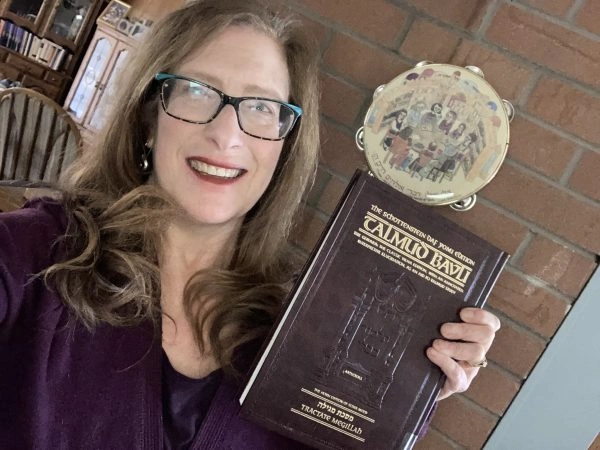
Denver, United States

Phoenix, AZ, United States
My curiosity was peaked after seeing posts about the end of the last cycle. I am always looking for opportunities to increase my Jewish literacy & I am someone that is drawn to habit and consistency. Dinnertime includes a “Guess what I learned on the daf” segment for my husband and 18 year old twins. I also love the feelings of connection with my colleagues who are also learning.
Tampa, United States
I started Daf during the pandemic. I listened to a number of podcasts by various Rebbeim until one day, I discovered Rabbanit Farbers podcast. Subsequently I joined the Hadran family in Eruvin. Not the easiest place to begin, Rabbanit Farber made it all understandable and fun. The online live group has bonded together and have really become a supportive, encouraging family.

Edmonton, Alberta, Canada
When I was working and taking care of my children, learning was never on the list. Now that I have more time I have two different Gemora classes and the nach yomi as well as the mishna yomi daily.

Jerusalem, Israel
Shortly after the death of my father, David Malik z”l, I made the commitment to Daf Yomi. While riding to Ben Gurion airport in January, Siyum HaShas was playing on the radio; that was the nudge I needed to get started. The “everyday-ness” of the Daf has been a meaningful spiritual practice, especial after COVID began & I was temporarily unable to say Kaddish at daily in-person minyanim.

Wynnewood, United States
I started the daf at the beginning of this cycle in January 2020. My husband, my children, grandchildren and siblings have been very supportive. As someone who learned and taught Tanach and mefarshim for many years, it has been an amazing adventure to complete the six sedarim of Mishnah, and now to study Talmud on a daily basis along with Rabbanit Michelle and the wonderful women of Hadran.

Jerusalem, Israel
Michelle has been an inspiration for years, but I only really started this cycle after the moving and uplifting siyum in Jerusalem. It’s been an wonderful to learn and relearn the tenets of our religion and to understand how the extraordinary efforts of a band of people to preserve Judaism after the fall of the beit hamikdash is still bearing fruits today. I’m proud to be part of the chain!

Raanana, Israel
After reading the book, “ If All The Seas Were Ink “ by Ileana Kurshan I started studying Talmud. I searched and studied with several teachers until I found Michelle Farber. I have been studying with her for two years. I look forward every day to learn from her.

Virginia, United States
I began Daf Yomi with the last cycle. I was inspired by the Hadran Siyum in Yerushalayim to continue with this cycle. I have learned Daf Yomi with Rabanit Michelle in over 25 countries on 6 continents ( missing Australia)

Silver Spring, MD, United States
The first month I learned Daf Yomi by myself in secret, because I wasn’t sure how my husband would react, but after the siyyum on Masechet Brachot I discovered Hadran and now sometimes my husband listens to the daf with me. He and I also learn mishnayot together and are constantly finding connections between the different masechtot.
Silver Spring, Maryland, United States
I started learning Dec 2019 after reading “If all the Seas Were Ink”. I found
Daily daf sessions of Rabbanit Michelle in her house teaching, I then heard about the siyum and a new cycle starting wow I am in! Afternoon here in Sydney, my family and friends know this is my sacred time to hide away to live zoom and learn. Often it’s hard to absorb and relate then a gem shines touching my heart.

Dover Heights, Australia
Gittin 78
שֵׁם לְוַוי, אֲבָל אִית לֵיהּ שֵׁם לְוַוי – אַף עַל גַּב דְּלֹא גָּבוֹהַּ עֲשָׂרָה, וְאַף עַל גַּב דְּלָא הָוֵי אַרְבַּע אַמּוֹת.
a modifier, meaning that this board is not referred to by a unique name. But if it has a modifier, even though it is not ten handbreadths higher than the courtyard, and even though the board did not have an area of four cubits, it is still considered to be a separate domain, and it would therefore not be an effective divorce.
אֲפִילּוּ הוּא עִמָּהּ בַּמִּטָּה כּוּ׳: אָמַר רָבָא: לֹא שָׁנוּ אֶלָּא בְּמִטָּה שֶׁלּוֹ, אֲבָל בְּמִטָּה שֶׁלָּהּ – מְגוֹרֶשֶׁת.
§ It was taught in the mishna that if he throws a bill of divorce to his wife while she is in his house, she is not divorced, even if the bill of divorce is with her in the bed, i.e., he throws it onto the bed in which she is sitting or lying. Rava says: They taught this only in a case where he throws the bill of divorce to her and it is with her in his bed. But if he throws the bill of divorce to her and it is with her in her bed, then she is divorced.
תַּנְיָא נָמֵי הָכִי, רַבִּי אֱלִיעֶזֶר אוֹמֵר: בְּמִטָּה שֶׁלּוֹ – אֵינָהּ מְגוֹרֶשֶׁת, בְּמִטָּה שֶׁלָּהּ – מְגוֹרֶשֶׁת.
This is also taught in a baraita: Rabbi Eliezer says: If he throws the bill of divorce to her when she is in his bed, she is not divorced; if he throws it to her when she is in her bed, she is divorced.
וּבְמִטָּה שֶׁלָּהּ – מְגוֹרֶשֶׁת? כִּלְיוֹ שֶׁל לוֹקֵחַ בִּרְשׁוּת מוֹכֵר הוּא; שָׁמְעַתְּ מִינַּהּ: כִּלְיוֹ שֶׁל לוֹקֵחַ בִּרְשׁוּת מוֹכֵר – קָנָה לוֹקֵחַ?
The Gemara asks: And if he throws the bill of divorce to her in her bed, is she divorced? But the bed is like vessels of a buyer that are in the domain of the seller, since the bed that belongs to her is in the house of the husband. Can you conclude from here that even if the vessels of a buyer are in the domain of the seller, the buyer acquires anything that is deposited into his vessels? This issue is disputed elsewhere. Some hold that when a vessel of the buyer is in the domain of the seller, the vessel cannot serve to acquire an item on behalf of the buyer.
לָא צְרִיכָא, דְּגָבוֹהַּ עֲשָׂרָה. וְהָאִיכָּא מְקוֹם כַּרְעֵי! אַמְּקוֹם כַּרְעֵי לָא קָפְדִי אִינָשֵׁי.
The Gemara answers: No, it is necessary to state this halakha in a case where the bed is ten handbreadths high, as then the bed is considered to be its own domain. The Gemara challenges this: But there is the place on which the legs of the bed are standing; the legs are standing in the husband’s domain. The Gemara answers: People are not particular about the place of the legs of the bed since it is so small. Therefore, since the bed is considered to be its own domain, it is not considered to be within the domain of the husband.
לְתוֹךְ חֵיקָהּ אוֹ לְתוֹךְ קַלְתָּהּ – מְגוֹרֶשֶׁת: אַמַּאי? כִּלְיוֹ שֶׁל לוֹקֵחַ בִּרְשׁוּת מוֹכֵר הוּא!
§ It was taught in the mishna that if the husband threw the bill of divorce into her lap, or into her basket, then she is divorced, even if she is in her husband’s house at that time. The Gemara asks: Why is she divorced? Is this not like a case of the vessels of a buyer that are in the domain of the seller, with regard to which there is a dispute concerning whether the vessels can serve to acquire an item on the buyer’s behalf?
אָמַר רַב יְהוּדָה אָמַר שְׁמוּאֵל: כְּגוֹן שֶׁהָיְתָה קַלְתָּהּ תְּלוּיָה בָּהּ. וְכֵן אָמַר רַבִּי אֶלְעָזָר אָמַר רַבִּי אוֹשַׁעְיָא: כְּגוֹן שֶׁהָיְתָה קַלְתָּהּ תְּלוּיָה בָּהּ. וְרַבִּי שִׁמְעוֹן בֶּן לָקִישׁ אָמַר: קְשׁוּרָה, אַף עַל פִּי שֶׁאֵינָהּ תְּלוּיָה.
Rav Yehuda says that Shmuel says: The mishna is referring to a case where her basket was hanging from her body, and therefore it is not considered to be within the domain of the husband. And so Rabbi Elazar says that Rabbi Oshaya says: The mishna is referring to a case where her basket was hanging from her body. And Rabbi Shimon ben Lakish says: If it was tied to her then that is enough, even though it is not hanging from her body.
רַב אַדָּא בַּר אַהֲבָה אָמַר: כְּגוֹן שֶׁהָיְתָה קַלְתָּהּ מוּנַּחַת לָהּ בֵּין יַרְכוֹתֶיהָ. רַב מְשַׁרְשְׁיָא בַּר רַב דִּימִי אָמַר: כְּגוֹן שֶׁהָיָה בַּעְלָהּ מוֹכֵר קְלָתוֹת.
Rav Adda bar Ahava says: The mishna is referring to a case where her basket was placed between her thighs and is therefore in the place where she is sitting, and since her husband is not particular about the place in which she is sitting, it is considered her domain. Rav Mesharshiyya bar Rav Dimi says: The mishna is referring to a case where her husband was a basket seller, and therefore is not particular about the place where the basket is since his whole courtyard is full of baskets, and it is therefore considered to be her domain.
רַבִּי יוֹחָנָן אָמַר: מְקוֹם חֵיקָהּ קָנוּי לָהּ, מְקוֹם קַלְתָּהּ קָנוּי לָהּ. אָמַר רָבָא: מַאי טַעְמָא דְּרַבִּי יוֹחָנָן? לְפִי שֶׁאֵין אָדָם מַקְפִּיד לֹא עַל מְקוֹם חֵיקָהּ וְלֹא עַל מְקוֹם קַלְתָּהּ.
Rabbi Yoḥanan says: There is no need for these explanations, since the place of her lap belongs to her, and the place of her basket belongs to her. Rava said: What is the reasoning of Rabbi Yoḥanan’s statement? Because a person is not particular, not about the place of his wife’s lap, nor about the place of her basket, it is as though he transferred ownership of the place to her for her use.
תַּנְיָא נָמֵי הָכִי: זְרָקוֹ לָהּ לְתוֹךְ חֵיקָהּ אוֹ לְתוֹךְ קַלְתָּהּ, אוֹ לְתוֹךְ כׇּל דָּבָר שֶׁהוּא כְּקַלְתָּהּ – הֲרֵי זוֹ מְגוֹרֶשֶׁת.
This is also taught in a baraita: If he threw the bill of divorce to her into her lap, or into her basket, or into anything that is like her basket, then she is divorced.
״כׇּל דָּבָר שֶׁהוּא כְּקַלְתָּהּ״ – לְאֵיתוֹיֵי מַאי? לְאֵיתוֹיֵי טַסְקָא דְּאָכְלָה בַּהּ תַּמְרֵי.
The Gemara analyzes the wording of the baraita: What is included by the expansive term: Anything that is like her basket? It serves to include the basket [taska] from which she eats dates, as he is not particular about its place as well.
מַתְנִי׳ אָמַר לָהּ: ״כִּנְסִי שְׁטַר חוֹב זֶה״, אוֹ שֶׁמְּצָאַתּוּ מֵאֲחוֹרָיו, קוֹרְאָה וַהֲרֵי הוּא גִּיטָּהּ – אֵינוֹ גֵּט, עַד שֶׁיֹּאמַר לַהּ: ״הֵא גִּיטִּיךְ״.
MISHNA: If he said to his wife: Take this promissory note, and it was a bill of divorce, or she found it behind him and he did not tell her what it was but she reads what is written in it and discovers that it is her bill of divorce, it is not a valid bill of divorce until he says to her: This is your bill of divorce.
נָתַן בְּיָדָהּ וְהִיא יְשֵׁנָה; נֵיעוֹרָה, קוֹרְאָה, וַהֲרֵי הוּא גִּיטָּהּ – אֵינוֹ גֵּט, עַד שֶׁיֹּאמַר לָהּ ״הֵא גִּיטִּיךְ״.
If he gave it to her in her hand and she was sleeping, and he then woke her, and when she reads what is written in it, she finds that it is her bill of divorce, it is not a valid bill of divorce until he says to her: This is your bill of divorce.
גְּמָ׳ כִּי אָמַר לַהּ: ״הֵא גִּיטִּיךְ״ מַאי הָוֵי? הָוֵה לֵיהּ ״טְלִי גִּיטִּיךְ מֵעַל גַּבֵּי קַרְקַע״,
GEMARA: Apropos the mishna’s statement that if she found the bill of divorce behind him, it is not a valid bill of divorce until he says: This is your bill of divorce, the Gemara asks: And when he says to her: This is your bill of divorce, what of it? Why is it considered to be a valid bill of divorce if it was not given to her in the proper manner, being that it is as though he told her: Take your bill of divorce from where it is placed on the ground?
וְאָמַר רָבָא: ״טְלִי גִּיטִּיךְ מֵעַל גַּבֵּי קַרְקַע״ – לֹא אָמַר כְּלוּם! אֵימָא: שֶׁשְּׁלָפַתּוּ מֵאֲחוֹרָיו.
And Rava says that if one says to his wife: Take your bill of divorce from where it is placed on the ground, it is as though he didn’t say anything and it is not a valid bill of divorce, since a woman is divorced only when the bill of divorce is given to her by her husband. The Gemara answers: Say that the bill of divorce was not placed on the ground behind him, but rather she pulled it out from behind him. In other words, the bill of divorce was tucked into his belt and she pulled it out. Consequently, she received the bill of divorce from him.
שְׁלָפַתּוּ נָמֵי, הָא בָּעֵינָא ״וְנָתַן בְּיָדָהּ״, וְלֵיכָּא! לָא צְרִיכָא, דַּעֲרַק לַהּ חַרְצֵיהּ, וּשְׁלַפְתֵּיהּ.
The Gemara challenges this: If she pulled it out, it is also not a valid bill of divorce, since it is required that the directive: “And gives it in her hand” (Deuteronomy 24:1), be fulfilled, and in this case it is not fulfilled, since he did not give it to her; rather, she took it. The Gemara answers: No, it is necessary in a case where he bent [da’arak] his waist over toward her and she pulled it out, and by extending his waist to her, it is as though he gave the bill of divorce to her.
תַּנְיָא נָמֵי הָכִי: אָמַר לָהּ ״כִּנְסִי שְׁטַר חוֹב זֶה״, אוֹ שֶׁשְּׁלָפַתּוּ מֵאֲחוֹרָיו, קְרָאַתּוּ וַהֲרֵי הוּא גִּיטָּהּ – אֵינוֹ גֵּט, עַד שֶׁיֹּאמַר לָהּ ״הֵא גִּיטִּיךְ״, דִּבְרֵי רַבִּי. רַבִּי שִׁמְעוֹן בֶּן אֶלְעָזָר אוֹמֵר: לְעוֹלָם אֵינוֹ גֵּט, עַד שֶׁיִּטְּלֶנּוּ הֵימֶנָּה, וְיַחֲזוֹר וְיִתְּנֶנּוּ לָהּ, וְיֹאמַר לָהּ ״הֵא גִּיטִּיךְ״.
This is also taught in a baraita (Tosefta 8:1): If he said to his wife: Take this promissory note, or if she pulled it out from behind him, read it, and saw that it is her bill of divorce; it is not a valid bill of divorce until he says to her: This is your bill of divorce. This is the statement of Rabbi Yehuda HaNasi. Rabbi Shimon ben Elazar says: Actually, it is not a valid bill of divorce until he takes it from her and gives it to her again, and says to her: This is your bill of divorce.
נְתָנוֹ בְּיָדָהּ וְהִיא יְשֵׁנָה, נֵיעוֹרָה וְקוֹרְאָה וַהֲרֵי הוּא גִּיטָּהּ – אֵינוֹ גֵּט, עַד שֶׁיֹּאמַר לָהּ: ״הֵא גִּיטִּיךְ״, דִּבְרֵי רַבִּי. רַבִּי שִׁמְעוֹן בֶּן אֶלְעָזָר אוֹמֵר: עַד שֶׁיִּטְּלֶנּוּ הֵימֶנָּה, וְיַחֲזוֹר וְיִתְּנֶנּוּ לָהּ, וְיֹאמַר לָהּ ״הֵא גִּיטִּיךְ״.
The baraita continues: If he gave it to her in her hand, and she was sleeping, and he then woke her, and when she reads what is written in it, she finds that it is her bill of divorce; it is not a valid bill of divorce until he says to her: This is your bill of divorce. This is the statement of Rabbi Yehuda HaNasi. Rabbi Shimon ben Elazar says: It is not a valid bill of divorce until he takes it from her and gives it to her again, and says to her: This is your bill of divorce.
וּצְרִיכָא; דְּאִי אִיתְּמַר בְּהָךְ קַמַּיְיתָא, בְּהַהִיא קָאָמַר רַבִּי – מִשּׁוּם דְּבַת אִיגָּרוֹשֵׁי הִיא; אֲבָל נָתַן בְּיָדָהּ וְהִיא יְשֵׁנָה, דְּלָאו בַּת אִיגָּרוֹשֵׁי הִיא – אֵימָא מוֹדֵי לֵיהּ לְרַבִּי שִׁמְעוֹן בֶּן אֶלְעָזָר;
The Gemara notes: And it is necessary to mention this dispute in both cases. As if this dispute would have been stated only with regard to the cases in the first clause, one could assume that Rabbi Yehuda HaNasi is saying his opinion specifically with regard to the cases in this clause, because she is subject to being divorced, since she is awake and able to receive a bill of divorce, even though he did not tell her that this is a bill of divorce. But if he gave it to her in her hand and she was sleeping, she is not subject to being divorced since while she is sleeping she is a person who lacks the halakhic competence required to receive a bill of divorce. Therefore, one could say that Rabbi Yehuda HaNasi concedes to Rabbi Shimon ben Elazar that giving the bill of divorce while she was sleeping is totally not valid. It was therefore necessary to mention that Rabbi Yehuda HaNasi disagrees in this case, as well.
וְאִי אִיתְּמַר בְּהָא, בְּהָא קָאָמַר רַבִּי שִׁמְעוֹן בֶּן אֶלְעָזָר; אֲבָל בְּהָךְ – אֵימָא מוֹדֵי לֵיהּ לְרַבִּי; צְרִיכָא.
And if this dispute would have been stated only with regard to this case, where she was sleeping, one could assume that specifically with regard to this case Rabbi Shimon ben Elazar is saying that he must give her the bill of divorce a second time. But in the other case, in which she was awake, one could say that he concedes to Rabbi Yehuda HaNasi. Therefore, it is necessary to mention this dispute in both cases.
אָמַר רָבָא: כָּתַב לָהּ גֵּט, וּנְתָנוֹ בְּיַד עַבְדָּהּ יָשֵׁן, וּמְשַׁמַּרְתּוֹ – הֲרֵי זֶה גֵּט. נֵיעוֹר – אֵינוֹ גֵּט, דְּהָוְיָא לַיהּ חָצֵר הַמִּשְׁתַּמֶּרֶת שֶׁלֹּא לְדַעְתָּהּ.
Rava says: If he wrote a bill of divorce for her, and he placed it in the hand of her slave when he is sleeping and she is guarding him, it is a valid bill of divorce. Within the context of the halakhot of divorce, a slave has the same status as land, in the sense that both belong to their owner. Therefore, when the husband places the bill of divorce in the slave’s hand, it is as though he placed it into her courtyard. If her slave was awake, it is not a valid bill of divorce because he is like a courtyard that is not consciously secured by her. Since he guards himself, he therefore does not acquire it on her behalf.
יָשֵׁן וּמְשַׁמַּרְתּוֹ – הֲרֵי זֶה גֵּט. אַמַּאי? חָצֵר מְהַלֶּכֶת הִיא, וְחָצֵר מְהַלֶּכֶת לֹא קָנָה!
Rava continues: If he is sleeping and she is guarding him, it is a valid bill of divorce. The Gemara asks: But why; isn’t it true that the slave is like a mobile courtyard, and a mobile courtyard does not acquire items on behalf of its owner?
וְכִי תֵּימָא יָשֵׁן שָׁאנֵי, וְהָא אָמַר רָבָא: כׇּל שֶׁאִילּוּ מְהַלֵּךְ לֹא קָנָה, עוֹמֵד וְיוֹשֵׁב – לֹא קָנָה! וְהִלְכְתָא: בְּכָפוּת.
And if you would say that a case in which he is sleeping is different because he is currently not moving, but didn’t Rava say: In any case in which if he would be moving he would not acquire items, then even if he is standing or sitting, he also does not acquire items? The Gemara concludes: And this halakha that Rava said, indicating that it is a valid bill of divorce, applies only where the slave is bound and sleeping, since in that case placing the bill of divorce in his hand is like placing it in her hand.
מַתְנִי׳ הָיְתָה עוֹמֶדֶת בִּרְשׁוּת הָרַבִּים וּזְרָקוֹ לָהּ; קָרוֹב לָהּ – מְגוֹרֶשֶׁת. קָרוֹב לוֹ – אֵינָהּ מְגוֹרֶשֶׁת. מֶחֱצָה עַל מֶחֱצָה – מְגוֹרֶשֶׁת וְאֵינָהּ מְגוֹרֶשֶׁת. וְכֵן לְעִנְיַן קִדּוּשִׁין.
MISHNA: If the woman was standing in the public domain and her husband took the bill of divorce and threw it to her, if it fell closer to her, she is divorced, and if it fell closer to him, she is not divorced. If it is equally balanced, there is uncertainty as to whether she is divorced or whether she is not divorced. And the same halakhot apply with regard to betrothal.
וְכֵן לְעִנְיַן הַחוֹב, אָמַר לוֹ בַּעַל חוֹבוֹ: ״זְרוֹק לִי חוֹבִי״, וּזְרָקוֹ לוֹ; קָרוֹב לַמַּלְוֶה – זָכָה הַמַּלְוֶה. קָרוֹב לַלֹּוֶה – הַלֹּוֶה חַיָּיב. מֶחֱצָה עַל מֶחֱצָה – שְׁנֵיהֶם יַחְלוֹקוּ.
And the same halakhot apply with regard to a debt. If his creditor said to him: Throw the payment for my debt to me, and he threw it to him and the money fell closer to the creditor, the creditor acquired the payment. The debtor is absolved of his obligation to pay even if the money did not reach the creditor’s hand, e.g., it was stolen or lost after it was thrown and before the creditor was able to take it. If it fell closer to the debtor and the money was lost, the debtor is still obligated to pay. If it was equally balanced and was lost, the two of them divide it, i.e., the debtor owes half of the amount.
גְּמָ׳ הֵיכִי דָמֵי קָרוֹב לָהּ, וְהֵיכִי דָּמֵי קָרוֹב לוֹ? אָמַר רַב: אַרְבַּע אַמּוֹת שֶׁלָּהּ – זֶהוּ קָרוֹב לָהּ, אַרְבַּע אַמּוֹת שֶׁלּוֹ – זֶהוּ קָרוֹב לוֹ.
GEMARA: The Gemara clarifies that which was taught in the mishna: What is considered closer to her, and what is considered closer to him? Rav says: If it fell within four cubits of her, this is what was meant by the mishna’s statement: Closer to her; if it fell within four cubits of him, this is what was meant by: Closer to him.
הֵיכִי דָּמֵי מֶחֱצָה עַל מֶחֱצָה? אָמַר רַבִּי שְׁמוּאֵל בַּר רַב יִצְחָק: כְּגוֹן שֶׁהָיוּ שְׁנֵיהֶן עוֹמְדִין בְּאַרְבַּע אַמּוֹת.
The Gemara asks: What is considered midway? Rabbi Shmuel bar Rav Yitzḥak says: Such as when the two of them were standing within the same four cubits.
וְלִיחְזֵי הֵי מִינַּיְיהוּ קְדֵים! וְכִי תֵּימָא דַּאֲתוֹ תַּרְוַיְיהוּ בַּהֲדֵי הֲדָדֵי, וְהָא אִי אֶפְשָׁר לְצַמְצֵם!
The Gemara asks: And let us see which of them preceded the other into these four cubits, and the four cubits would then be considered as belonging to that person. And if you would say that both of them came simultaneously, but isn’t there a principle that it is impossible to be so precise? It is not possible that both events occurred at exactly the same time, and it is certain that one of them arrived there before the other.
אֶלָּא אָמַר רַב כָּהֲנָא: הָכָא בִּשְׁמוֹנֶה אַמּוֹת מְצוּמְצָמוֹת עָסְקִינַן,
Rather, Rav Kahana said: Here we are dealing with a case of precisely eight cubits, where his four cubits are adjacent to her four cubits,
וְגֵט יוֹצֵא מֵאַרְבַּע אַמּוֹת שֶׁלּוֹ לְאַרְבַּע אַמּוֹת שֶׁלָּהּ.
and the bill of divorce extends from his four cubits into her four cubits, meaning that part of the bill of divorce is in his four cubits, and part is in hers. Therefore, in this case there is uncertainty whether she is divorced or whether she is not divorced.
וְהָא אֲגִיד גַּבֵּיהּ! אֶלָּא רַבָּה וְרַב יוֹסֵף דְּאָמְרִי תַּרְוַיְיהוּ: הָכָא בִּשְׁתֵּי כִּיתֵּי עֵדִים עָסְקִינַן – אַחַת אוֹמֶרֶת קָרוֹב לוֹ, וְאַחַת אוֹמֶרֶת קָרוֹב לָהּ.
The Gemara asks: But isn’t the bill of divorce still attached to him, since part of it is within his four cubits, and therefore it cannot be considered as if he gave her the bill of divorce completely? Rather, one should explain as Rabba and Rav Yosef both say: Here we are dealing with two groups of witnesses; one says that the bill of divorce fell closer to him, and one says that the bill of divorce fell closer to her. Therefore, the expression in the mishna, equally balanced, is referring not to distance but to opinions.
רַבִּי יוֹחָנָן אוֹמֵר: ״קָרוֹב לָהּ״ שָׁנִינוּ – אֲפִילּוּ מֵאָה אַמָּה; וְ״קָרוֹב לוֹ״ שָׁנִינוּ – אֲפִילּוּ מֵאָה אַמָּה.
As opposed to Rav, who explained that in the mishna, the word closer meant within four cubits, Rabbi Yoḥanan says: We learned that closer to her means that the bill of divorce was actually closer to her, even if it was one hundred cubits away from her. And we learned that closer to him means that it was actually closer to him, even if it was one hundred cubits away from him.
הֵיכִי דָּמֵי מֶחֱצָה עַל מֶחֱצָה? אָמַר רַב שֶׁמֶן בַּר אַבָּא, לְדִידִי מִיפָּרְשָׁא לַהּ מִינֵּיהּ דְּרַבִּי יוֹחָנָן: הוּא יָכוֹל לְשׁוֹמְרוֹ וְהִיא אֵינָהּ יְכוֹלָה לְשׁוֹמְרוֹ – זֶהוּ קָרוֹב לוֹ; הִיא יְכוֹלָה לְשׁוֹמְרוֹ וְהוּא אֵינוֹ יָכוֹל לְשׁוֹמְרוֹ – זֶהוּ קָרוֹב לָהּ; שְׁנֵיהֶם יְכוֹלִין לְשׁוֹמְרוֹ, שְׁנֵיהֶם אֵין יְכוֹלִין – זֶהוּ מֶחֱצָה עַל מֶחֱצָה.
The Gemara asks: According to the explanation offered by Rabbi Yoḥanan, what are the circumstances of when it was equally balanced? Rav Shemen bar Abba said: This was explained to me personally by Rabbi Yoḥanan himself: If it is so positioned that he can guard it and she cannot guard it, this is considered closer to him. If it is so positioned that she can guard it and he cannot guard it, this is considered closer to her. If it is so positioned that the two of them can guard it, or the two of them cannot guard it, this is considered equally balanced.
אַמְרוּהָ רַבָּנַן קַמֵּיהּ דְּרַבִּי יוֹחָנָן מִשְּׁמֵיהּ דְּרַבִּי יוֹנָתָן הָכִי, אָמַר: יָדְעִין חַבְרִין בַּבְלָאֵי לְפָרוֹשֵׁי כִּי הַאי טַעְמָא!
The Rabbis said this explanation before Rabbi Yoḥanan in the name of Rabbi Yonatan, and Rabbi Yoḥanan said in amazement: Do our Babylonian friends know how to explain in accordance with this explanation? Rabbi Yoḥanan was astonished that they also understood the issue as he did.
תַּנְיָא נָמֵי הָכִי, רַבִּי אֱלִיעֶזֶר אוֹמֵר: כֹּל שֶׁהוּא קָרוֹב לָהּ מִלּוֹ, וּבָא כֶּלֶב וּנְטָלוֹ – אֵינָהּ מְגוֹרֶשֶׁת. אֵינָהּ מְגוֹרֶשֶׁת?! כֹּל הָיכִי תִּינְטְרֵיהּ וְתֵיזִיל?
This is also taught in a baraita (Tosefta 8:1): Rabbi Eliezer says: With regard to any bill of divorce that is closer to her than it is to him, and a dog came and took it before the bill of divorce reached her hand, she is not divorced. The Gemara asks: Why is it that she is not divorced? Once it was closer to her, before the dog took it, the divorce should have taken effect. Must she continue guarding her bill of divorce indefinitely, even after the bill of divorce took effect?
אֶלָּא לָאו הָכִי קָאָמַר: כֹּל שֶׁקָּרוֹב לָהּ מִלּוֹ; וְאִילּוּ בָּא כֶּלֶב וּנְטָלוֹ – וְהוּא יָכוֹל לְשׁוֹמְרוֹ וְהִיא אֵינָהּ יְכוֹלָה לְשׁוֹמְרוֹ, אֵינָהּ מְגוֹרֶשֶׁת.
The Gemara answers: Rather, is it not that this is what Rabbi Eliezer is saying: With regard to any bill of divorce that is closer to her than it is to him, and if a dog were to come and attempt to take it, he would be able to guard it and she would not be able to guard it, in that case she is not divorced, as the bill of divorce is considered in his domain.
אֲמַר לֵיהּ שְׁמוּאֵל לְרַב יְהוּדָה: שִׁינָּנָא, כְּדֵי שֶׁתָּשׁוּחַ וְתִטְּלֶנּוּ. וְאַתְּ לָא תַּעֲבֵיד עוֹבָדָא, עַד דְּמָטֵי גִּיטָּא לִידַהּ.
Shmuel said to Rav Yehuda: One with large teeth [shinnana], i.e., a nickname for Rabbi Yehuda, when they said: Closer to her, it meant so that she could bend down and take it. And you should not perform an action to permit a divorcing woman to remarry until the bill of divorce actually reaches her hand.
אֲמַר לֵיהּ רַב מָרְדֳּכַי לְרַב אָשֵׁי: הֲוָה עוֹבָדָא הָכִי, וְאַצְרְכוּהָ חֲלִיצָה.
Rav Mordekhai said to Rav Ashi: There was an incident like this, in which the bill of divorce was closer to the woman than to the man and it was then lost; and, after her husband died, they required the woman to engage in the ritual through which the yavam frees the yevama of her levirate bonds [ḥalitza] in order to permit her to marry, due to uncertainty. They did not rely on the bill of divorce that was given to the woman, since it never actually reached her hand.
וְכֵן לְעִנְיַן קִדּוּשִׁין. אָמַר רַבִּי אַסִּי אָמַר רַבִּי יוֹחָנָן: לְגִיטִּין אָמְרוּ, וְלֹא לְדָבָר אַחֵר.
§ The mishna stated the halakha about a bill of divorce that was closer to him or her, and the mishna added: And the same halakhot apply with regard to betrothal. Rabbi Asi says that Rabbi Yoḥanan says: They said these halakhot only with regard to bills of divorce, but not with regard to another matter.
אֵיתִיבֵיהּ רַבִּי אַבָּא לְרַבִּי אַסִּי: וְכֵן לְעִנְיַן קִדּוּשִׁין! שָׁאנֵי הָתָם דִּכְתִיב ״וְיָצְאָה״–״וְהָיְתָה״.
Rabbi Abba raised an objection to the statement of Rabbi Asi from what was explicitly taught in the mishna: And the same halakhot apply with regard to betrothal. He responded: It is different there with regard to betrothal, as it is written: “And she departs out of his house, and goes and becomes another man’s wife” (Deuteronomy 24:2). The Torah thereby compares betrothal, through the use of the word “becomes,” to divorce, through the use of the words “and she departs,” so one can learn the halakhot of betrothal from the halakhot of divorce. One cannot learn halakhot concerning other matters from divorce.
אֵיתִיבֵיהּ: וְכֵן לְעִנְיַן הַחוֹב, ״זְרוֹק לִי חוֹבִי״ וּזְרָקוֹ לוֹ, קָרוֹב לַמַּלְוֶה – זָכָה הַלֹּוֶה, קָרוֹב לַלֹּוֶה – הַלֹּוֶה חַיָּיב, מֶחֱצָה עַל מֶחֱצָה – שְׁנֵיהֶם יַחְלוֹקוּ!
Another objection to his statement was raised based on what is taught in a baraita: And the same halakhot apply with regard to a debt. If a creditor said to a debtor: Throw the payment for my debt to me, and he threw it to him and the money fell closer to the creditor, the debtor merits, i.e., his debt is repaid. If it fell closer to the debtor and the money was lost, the debtor is still obligated to pay. If it was equally balanced and was lost, the two of them divide it, i.e., the debtor owes half of the amount. Accordingly, the halakhot of debts are compared to the halakhot of divorce.
הָכָא בְּמַאי עָסְקִינַן – דַּאֲמַר לֵיהּ: ״זְרוֹק לִי חוֹבִי וְתִיפָּטֵר״. אִי הָכִי מַאי לְמֵימְרָא? לָא צְרִיכָא, דַּאֲמַר לֵיהּ: ״זְרוֹק לִי חוֹבִי בְּתוֹרַת גִּיטִּין״.
The Gemara answers: Here we are dealing with a case where the creditor said to the debtor: Throw the payment for my debt to me, and you will be absolved of your obligation to pay through this. The Gemara challenges this: If so, what is the purpose of stating this? Since he made an explicit stipulation, it is obvious that the outcome will be in accordance with his stipulation. The Gemara answers: No, it is necessary in a case where the creditor said to the debtor: Throw the payment for my debt to me according to the procedure in effect with bills of divorce, meaning that the halakha that applies to divorce should apply here too.
וְאַכַּתִּי, מַאי לְמֵימְרָא? מַהוּ דְּתֵימָא, מָצֵי אָמַר לֵיהּ מְשַׁטֶּה אֲנִי בָּךְ; קָא מַשְׁמַע לַן.
The Gemara asks: And still, what is the purpose of stating this, since the creditor stipulated explicitly: According to the procedure in effect with bills of divorce? The Gemara answers: Lest you say that the creditor can say to the debtor: I am teasing you, and what I stipulated has no validity. Therefore the mishna teaches us that if he stipulated that it should be treated as a bill of divorce, then his stipulation takes effect.
אָמַר רַב חִסְדָּא: גֵּט בְּיָדָהּ וּמְשִׁיחָה בְּיָדוֹ; אִם יָכוֹל לְנַתְּקוֹ וְלַהֲבִיאוֹ אֶצְלוֹ – אֵינָהּ מְגוֹרֶשֶׁת, וְאִם לָאו – מְגוֹרֶשֶׁת.
§ Rav Ḥisda says: If the bill of divorce was in her hand and a string tied to the bill of divorce was in his hand, as he gave her the bill of divorce in this way, if the husband can still pull the bill of divorce out of her hand and bring it to him, she is not divorced; and if he is not able to do so, she is divorced.
מַאי טַעְמָא? בָּעֵינַן כְּרִיתוּת, וְלֵיכָּא.
What is the reason that she is not divorced, despite the fact that he gave her a bill of divorce? The reason is that we require severance, and it is lacking, since the husband still has a hold on the bill of divorce.
אָמַר רַב יְהוּדָה: הָיְתָה יָדָהּ עֲשׂוּיָה כְּקָטַפְרֵס, וּזְרָקוֹ לָהּ; אַף עַל פִּי שֶׁהִגִּיעַ גֵּט לְיָדָהּ – אֵינָהּ מְגוֹרֶשֶׁת.
Rav Yehuda says: If her hand was positioned like a slope and he threw it to her, despite the fact that the bill of divorce reached her hand, she is not divorced, since it cannot remain in her hand and will fall out.
אַמַּאי? הָא כִּי נָפֵיל – בְּאַרְבַּע אַמּוֹת דִּידַהּ קָא נָפֵיל! בִּדְלָא נָח.
The Gemara asks: Why? But when the bill of divorce falls from her hand, it falls within her four cubits. The Gemara answers: Rav Yehuda is discussing a case where the bill of divorce did not rest within her four cubits. Rather, it fell further away.
וְתִיגָּרַשׁ מֵאַוֵּירָא דְּאַרְבַּע אַמּוֹת! תִּפְשׁוֹט דְּבָעֵי רַבִּי אֶלְעָזָר – אַרְבַּע אַמּוֹת שֶׁאָמְרוּ, יֵשׁ לָהֶן אֲוִיר אוֹ אֵין לָהֶן אֲוִיר? תִּפְשׁוֹט דְּאֵין לָהֶן אֲוִיר!
The Gemara asks: But why not let her be divorced because the bill of divorce was in the airspace of her four cubits? And if you do not say this, then resolve the dilemma that Rabbi Elazar raised with regard to the four cubits that the Sages stated in the halakhot of acquisition: Do they have airspace with the same legal status or do they not have airspace? Resolve that dilemma from here, i.e., that they do not have airspace.
הָכָא בְּמַאי עָסְקִינַן – בְּעוֹמֶדֶת עַל גַּב הַנָּהָר, דְּמֵעִיקָּרָא לְאִיבּוּד קָאֵי.
The Gemara rejects this: One cannot resolve the dilemma from here since it is possible to say that here we are dealing with a woman who is standing at the riverbank, as the bill of divorce stands to be destroyed from the outset, since if it does not remain in her hand it will fall into the river. In such a case, everyone agrees that the airspace of the four cubits does not acquire the item.

