








A case was brought regarding a man who rented a millstone and in exchange for payment, he ground the wheat for the owner. When the owner became rich and no longer needed the services of the grinder, he wanted to get paid money for the rental of the millstone. Can he force him to pay the money? Can we learn the answer to this question from the case in our Mishna with the two husbands who are forced to pay the value of the food they committed to give the daughter? Can one distinguish between the cases? Orphans need to allow the widow of their father to stay in their house and feed her. If she returns to her father’s house, they do not need to feed her. In what situations do we make exceptions to these rules? The Gemara brings a braita that tells what happened when Rabbi Yehuda HaNasi died. First, he told his sons to take care of his wife and show respect for her. Isn’t this a Torah obligation? He wanted his candle to be lit, and his table and bed to be set. Why? Apparently, Rabbi Yehuda HaNasi would come back (from the dead) every Friday night until one particular incident that caused him to stop coming. He told his sons who would serve him. They thought he meant at his burial but since they predeceased him, they realize he meant in heaven. He then called the sages and told them not to eulogize him in the cities, how long to mourn for him before reopening the yeshivot, and that Shimon his son is wise and Gamliel his son will take over as the Nasi, and Chanina bar Chama will be the head of the yeshiva. Why did he tell them each of these things? What happened as a result of not allowing eulogies for him in the small villages? How long did they in fact mourn for him? Chanina bar Chama did not sit at the head right away – as he first let Rabbi Afas be the head as he was older. While Rabbi Afas was the head, Rabbi Chanina would sit outside and learn with Levi. Once he died, Levi had no one to learn with and went to Babylonia. When Rav saw him come, he immediately understood that Rabbi Afas had died and Rabbi Chanina had become the head. How did he know this? Why wasn’t Rabbi Chiya chosen? Rabbi Yehuda HaNasi then called in his children and passed on to them what they needed to know.
Ketubot 103

Share this shiur:
Want to dedicate learning? Get started here:

Today’s daily daf tools:
Ketubot 103
מַאי לִמְקוֹם שֶׁאִמָּהּ? שָׁמְעַתְּ מִינַּהּ בַּת אֵצֶל הָאֵם, לָא שְׁנָא גְּדוֹלָה וְלָא שְׁנָא קְטַנָּה.
What is the purpose of emphasizing: To the place where her mother lives? Conclude from here that a daughter lives with her mother; it is no different if she is an adult woman, and it is no different if she is a minor girl.
לֹא יֹאמְרוּ שְׁנֵיהֶם וְכוּ׳.
§ It was taught in the mishna that if two men are obligated to support this girl, both of them may not jointly say that they will be partners in her support. Rather, each one fulfills his obligation independently.
הָהוּא גַּבְרָא דְּאוֹגַר לֵיהּ רִיחְיָא לְחַבְרֵיהּ לִטְחִינָה. לְסוֹף אִיעַתַּר, זְבֵין רִיחְיָא וְחַמְרָא,
The Gemara relates that there was a certain man who rented out a millstone to another for the price of grinding, i.e., the one who rented the millstone was to pay the cost of the rental by grinding whatever the owner needed to be ground. In the end, the owner of the millstone became rich, and he purchased another millstone and a donkey, and he no longer required the services of the renter to grind things for him.
אֲמַר לֵיהּ: עַד הָאִידָּנָא הֲוָה טָחֵינְנָא גַּבָּךְ, הַשְׁתָּא הַב לִי אַגְרָא. אֲמַר לֵיהּ: מִיטְחָן טָחֵינְנָא לָךְ.
The owner of the millstone said to the renter: Until now I would have what I needed ground by you, and the service that you provided was in place of payment for the rental of the millstone. Now, since I no longer require this service, give me payment for the millstone. The renter said back to him: I will grind for you because that is what I agreed to, but I did not agree to have to pay money.
סְבַר רָבִינָא לְמֵימַר: הַיְינוּ מַתְנִיתִין לֹא יֹאמְרוּ שְׁנֵיהֶם ״הֲרֵי אָנוּ זָנִין אוֹתָהּ כְּאֶחָד״, אֶלָּא אֶחָד זָנָהּ וְאֶחָד נוֹתֵן לָהּ דְּמֵי מְזוֹנוֹת.
Ravina thought to say that this is the same as the mishna that states that both of them may not jointly say: We will sustain the girl as one in a partnership. Rather, one sustains her, providing her with food, while the other gives her the monetary value of the sustenance. In that case, although the original condition was to provide the girl with support in the form of food, when circumstances changed, the previous husband became obligated to pay her support in the form of money. So too here, due to the change in circumstances, the renter should pay the owner of the millstone with money.
אֲמַר לֵיהּ רַב עַוִּירָא: מִי דָּמֵי? הָתָם, חַד כְּרֵיסָא אִית לַהּ, תַּרְתֵּי כְּרֵיסָתָא לֵית לַהּ. הָכָא מָצֵי אֲמַר לֵיהּ: טְחוֹן וְזַבֵּין, טְחוֹן וְאוֹתֵיב.
Rav Avira said to Ravina: Are the two cases comparable? There, in the case of the girl, she has only one stomach; she does not have two stomachs. Therefore, it is impossible for both of them to support her with food. Here, in the case of the millstone, the renter is able to say to him: Grind and sell, grind and store for later use, i.e., the owner of the millstone can use his new millstone to grind for others at a profit, and at the same time the renter will continue grinding the owner’s grain as per their agreement. Therefore, the renter is not obligated to change the terms of the original agreement.
וְלָא אֲמַרַן אֶלָּא דְּלֵית לֵיהּ טְחִינָא לְרִיחְיָא, אֲבָל אִית לֵיהּ טְחִינָא לְרִיחְיָא — כְּגוֹן זוֹ כּוֹפִין אוֹתוֹ עַל מִדַּת סְדוֹם.
The Gemara notes: We said this only in a case where the renter does not have any other grinding to do with the millstone and without the grinding that the renter does for the owner the mill will remain inoperative. However, if he has other grinding to do with the millstone, i.e., instead of grinding the owner’s grain he can grind the grain of others for a fee and thereby pay money for his rental, in a case such as this one forces him to cease his conduct characteristic of Sodom and to pay his rental fee in the form of money.
מַתְנִי׳ אַלְמָנָה שֶׁאָמְרָה: אִי אֶפְשִׁי לָזוּז מִבֵּית בַּעְלִי — אֵין הַיּוֹרְשִׁין יְכוֹלִין לוֹמַר לָהּ: ״לְכִי לְבֵית אָבִיךְ וְאָנוּ זָנִין אוֹתָךְ״, אֶלָּא זָנִין אוֹתָהּ, וְנוֹתְנִין לָהּ מָדוֹר לְפִי כְּבוֹדָהּ.
MISHNA: In the case of a widow who said: I do not want to move from my husband’s house, but instead I wish to remain there, the heirs are not able to say to her: Go to your father’s house and we will sustain you. Rather, they sustain her in her husband’s house and they give her living quarters befitting her dignity.
אָמְרָה: ״אִי אֶפְשִׁי לָזוּז מִבֵּית אַבָּא״ — יְכוֹלִין הַיּוֹרְשִׁין לוֹמַר לָהּ: אִם אַתְּ אֶצְלֵנוּ — יֵשׁ לִיךְ מְזוֹנוֹת, וְאִם אֵין אַתְּ אֶצְלֵנוּ אֵין לִיךְ מְזוֹנוֹת.
However, if she said: I do not want to move from my father’s house, and you should bring me my support there, the heirs are able to say to her: If you are living with us, you will have sustenance from us, but if you are not living with us, you will not have sustenance from us.
אִם הָיְתָה טוֹעֶנֶת מִפְּנֵי שֶׁהִיא יַלְדָּה וְהֵן יְלָדִים — זָנִין אוֹתָהּ וְהִיא בְּבֵית אָבִיהָ.
If she argued that she does not wish to live in her deceased husband’s house because she is young, and they, the heirs, are also young, and it is improper for them to be living in the same house together, then they sustain her and she stays in her father’s house.
גְּמָ׳ תָּנוּ רַבָּנַן: מִשְׁתַּמֶּשֶׁת בַּמָּדוֹר כְּדֶרֶךְ שֶׁמִּשְׁתַּמֶּשֶׁת בְּחַיֵּי בַעְלָהּ. בַּעֲבָדִים וּשְׁפָחוֹת כְּדֶרֶךְ שֶׁמִּשְׁתַּמֶּשֶׁת בְּחַיֵּי בַעְלָהּ. בְּכָרִים וּכְסָתוֹת כְּדֶרֶךְ שֶׁמִּשְׁתַּמֶּשֶׁת בְּחַיֵּי בַעְלָהּ. בִּכְלֵי כֶסֶף וּבִכְלֵי זָהָב כְּדֶרֶךְ שֶׁמִּשְׁתַּמֶּשֶׁת בְּחַיֵּי בַעְלָהּ. שֶׁכָּךְ כָּתַב לָהּ: ״וְאַתְּ תְּהֵא יָתְבַתְּ בְּבֵיתִי וּמִיתַּזְנָא מִנִּכְסַי כֹּל יְמֵי מֵגַר אַרְמְלוּתִיךְ בְּבֵיתִי״.
GEMARA: The Sages taught: A widow that remains in her husband’s house uses the living quarters in the same manner that she would use them in her husband’s lifetime. She uses the slaves and the maidservants in the same manner that she would use them in her husband’s lifetime, the pillows and the sheets in the same manner that she would use them in her husband’s lifetime, and the silver utensils and gold utensils in the same manner that she would use them in her husband’s lifetime. She maintains all the rights she had during her husband’s lifetime because this is what he wrote to her in the text of the marriage contract: And you will reside in my house and be sustained from my property all the days that you live in my house as a widow.
תָּנֵי רַב יוֹסֵף: ״בְּבֵיתִי״ — וְלֹא בְּבִקְתִּי.
Rav Yosef taught: The husband stipulated in the marriage contract: You will reside in my house, with the implication: And not in my hut. Therefore, if the house is too small, she cannot obligate the heirs to allow her to live in the house with them.
אָמַר רַב נַחְמָן: יְתוֹמִים שֶׁמָּכְרוּ מְדוֹר אַלְמָנָה — לֹא עָשׂוּ וְלֹא כְּלוּם.
Rav Naḥman said: Orphans who sold the living quarters of a widow did not do anything, i.e., the sale is invalid.
וּמַאי שְׁנָא מִדְּרַבִּי אַסִּי אָמַר רַבִּי יוֹחָנָן? דְּאָמַר רַבִּי אַסִּי אָמַר רַבִּי יוֹחָנָן: יְתוֹמִים שֶׁקָּדְמוּ וּמָכְרוּ בִּנְכָסִים מוּעָטִין — מַה שֶּׁמָּכְרוּ מָכְרוּ.
The Gemara asks: And in what way is this case different from that which Rabbi Asi said that Rabbi Yoḥanan said? As Rabbi Asi said that Rabbi Yoḥanan said: With regard to orphans who preemptively sold from the small quantity of property left to them by their father before the court appropriated it for the purpose of providing for female children, who do not inherit, what they sold is sold, even though they acted improperly. Why, then, is the sale of a widow’s living quarters invalid?
הָתָם לָא מִשְׁתַּעְבְּדִי לַהּ מֵחַיִּים, הָכָא מִשְׁתַּעְבְּדִי לַהּ מֵחַיִּים.
The Gemara answers: There, in the case of orphans selling property that according to halakha should be retained in order to support the orphaned daughters, the property is not mortgaged to the orphaned daughters from the lifetime of their father, since the lien on the property arising from the obligation to provide support for the daughters occurs only after the father’s death. Here, in the case of the widow’s living quarters, the property is mortgaged to her from the lifetime of her husband, who was obligated even while he was alive to provide her with a place to live.
אָמַר אַבָּיֵי, נְקִיטִינַן: מְדוֹר אַלְמָנָה שֶׁנָּפַל — אֵין הַיּוֹרְשִׁין חַיָּיבִין לִבְנוֹתוֹ,
Abaye said: We hold on the authority of tradition that in the case of a widow’s living quarters that collapsed, the heirs are not obligated to rebuild it, since they are obligated to maintain her in the residence that was mortgaged to her and are not required to provide her with a place to live.
תַּנְיָא נָמֵי הָכִי: מְדוֹר אַלְמָנָה שֶׁנָּפַל — אֵין הַיּוֹרְשִׁין חַיָּיבִין לִבְנוֹתוֹ. וְלֹא עוֹד, אֶלָּא אֲפִילּוּ הִיא אוֹמֶרֶת ״הַנִּיחוּנִי וְאֶבְנֶנּוּ מִשֶּׁלִּי״ — אֵין שׁוֹמְעִין לָהּ.
This is also taught in a baraita: In the case of a widow’s living quarters that collapsed, the heirs are not obligated to rebuild it. And not only this, but even if she says: Leave me be and I will rebuild it from my own funds, one does not listen to her, and the heirs do not have to let her rebuild it.
בָּעֵי אַבָּיֵי: שִׁיפְּצָה, מַאי? תֵּיקוּ.
Abaye raised a dilemma: If she repaired the house, what is the halakha? Is it as though the house collapsed and was rebuilt, in which case she no longer has rights to it, or may she stay in the house as long as it remains standing? The Gemara concludes: The dilemma shall stand unresolved.
אָמְרָה אִי אֶפְשִׁי.
§ We learned in the mishna: If she said: I do not want to move from my father’s house and you should bring me my support there, the heirs are not obligated to support her.
וְלִיתְּבוּ לַהּ כִּי יָתְבָה הָתָם? מְסַיַּיע לֵיהּ לְרַב הוּנָא. דְּאָמַר רַב הוּנָא: בִּרְכַּת הַבַּיִת בְּרוּבָּה.
The Gemara asks: And why is this so? They should give her support just as they would if she were living there, i.e., in her husband’s house. The Gemara answers: This supports the view of Rav Huna, as Rav Huna said: The blessing of the house is in its abundance of residents. This means that the amount of blessing in a home is proportionate to the number of people who live there. When there are many people living together in one home, the expenses per capita are decreased. The heirs can say to her that if she stays with them in the house, the expense of her upkeep will be less than if she lives on her own.
וְלִיתְּבוּ לַהּ לְפִי בִּרְכַּת הַבַּיִת? הָכִי נָמֵי.
The Gemara asks: And they should give her the support in her father’s house according to the blessing of the house, i.e., according to the amount they would be required to pay if she lived with them. The Gemara answers: Indeed, the intent of the mishna is that they may pay her this amount, not that they may entirely avoid supporting her.
אָמַר רַב הוּנָא: לְשׁוֹן חֲכָמִים בְּרָכָה, לְשׁוֹן חֲכָמִים עוֹשֶׁר, לְשׁוֹן חֲכָמִים מַרְפֵּא. בְּרָכָה הָא דַּאֲמַרַן.
Rav Huna said: The language of the Sages teaches blessing, the language of the Sages teaches wealth, and the language of the Sages teaches healing. One can learn important lessons about these matters from the manner in which the Sages formulated their halakhic rulings. How is this so? With regard to blessing, it is that which we said above about the blessings of the home.
עוֹשֶׁר, דִּתְנַן: הַמּוֹכֵר פֵּירוֹת לַחֲבֵירוֹ, מָשַׁךְ וְלֹא מָדַד — קָנָה, מָדַד וְלֹא מָשַׁךְ — לֹא קָנָה. וְאִם הָיָה פִּקֵּחַ — שׂוֹכֵר אֶת מְקוֹמוֹ.
The language of the Sages teaches about wealth, as we learned in a mishna (Bava Batra 84b): One who sells produce to another, if the buyer pulled the produce as an act of acquisition but did not measure it, he has acquired the produce. If he measured the produce but did not pull it, he has not acquired it. And if the buyer was perspicacious and wanted to ensure that the seller would not back out of the deal, he would rent the place where the produce was located, and he would thereby acquire the produce immediately from the time he measures it. This mishna teaches good counsel in money-related matters.
מַרְפֵּא, דִּתְנַן: לֹא יִלְעוֹס אָדָם חִטִּין וְיַנִּיחַ עַל גַּבֵּי מַכָּתוֹ בַּפֶּסַח, מִפְּנֵי שֶׁמַּחְמִיצוֹת.
The language of the Sages teaches about healing, as we learned in a mishna (Pesaḥim 39b): A person should not chew wheat and then place it on his wound during Passover because the wheat will become leavened as a result. This comment of the Sages indicates that chewed wheat is beneficial for treating a wound.
תָּנוּ רַבָּנַן, בִּשְׁעַת פְּטִירָתוֹ שֶׁל רַבִּי, אָמַר: לְבָנַי אֲנִי צָרִיךְ. נִכְנְסוּ בָּנָיו אֶצְלוֹ. אָמַר לָהֶם: הִזָּהֲרוּ בִּכְבוֹד אִמְּכֶם. נֵר יְהֵא דָּלוּק בִּמְקוֹמוֹ, שׁוּלְחָן יְהֵא עָרוּךְ בִּמְקוֹמוֹ, מִטָּה תְּהֵא מוּצַּעַת בִּמְקוֹמָהּ. יוֹסֵף חׇפְנִי שִׁמְעוֹן אֶפְרָתִי הֵם שִׁמְּשׁוּנִי בְּחַיַּי, וְהֵם יְשַׁמְּשׁוּנִי בְּמוֹתִי.
§ The Sages taught: At the time of the passing of Rabbi Yehuda HaNasi, he said: I need my sons. His sons entered his room. He said to them as a last will and testament: Be careful with the honor of your mother. He said further: My lamp should be lit in its usual place, my table should be set in its usual place, and the bed should be arranged in its usual place. Yosef Ḥeifani and Shimon Efrati; they served me during my lifetime and they will serve me in my death.
הִזָּהֲרוּ בִּכְבוֹד אִמְּכֶם. דְּאוֹרָיְיתָא הִיא, דִּכְתִיב: ״כַּבֵּד אֶת אָבִיךָ וְאֶת אִמֶּךָ״! אֵשֶׁת אָב הֲוַאי.
The Gemara clarifies the various requests that he made of his sons: Be careful with the honor of your mother. The Gemara asks: Why would he need to say this? After all, this is required by Torah law, as it is written: “Honor your father and your mother” (Exodus 20:11)? The Gemara answers: She was their father’s wife. She was not their mother, but their stepmother, and he therefore needed to caution them concerning her honor.
אֵשֶׁת אָב נָמֵי דְּאוֹרָיְיתָא הִיא, דְּתַנְיָא: ״כַּבֵּד אֶת אָבִיךָ וְאֶת אִמֶּךָ״, ״אֶת אָבִיךָ״ — זוֹ אֵשֶׁת אָבִיךָ, ״וְאֶת אִמֶּךָ״ — זוֹ בַּעַל אִמֶּךָ, וָיו יְתֵירָה — לְרַבּוֹת אֶת אָחִיךָ הַגָּדוֹל!
The Gemara asks: Honoring a father’s wife is also required by Torah law, as it is taught in a baraita: Honor your father [et avikha] and your mother [ve’et immekha]. The preposition et in the phrase: Your father; this teaches that you must honor your father’s wife. Similarly, the preposition et in the phrase: And your mother; this teaches that you must honor your mother’s husband. And the extra letter vav, which is appended as a prefix in the phrase “ve’et immekha” is included in order to add your older brother to those who must be honored.
הָנֵי מִילֵּי מֵחַיִּים, אֲבָל לְאַחַר מִיתָה לָא.
The Gemara answers: This halakha, that one is obligated by Torah law to respect his father’s wife, applies only during his father’s lifetime. While the father is alive, out of respect for him, his wife must also be treated with respect. However, following his death, no, there is no longer any obligation to honor a stepmother. It was for this reason that Rabbi Yehuda HaNasi had to caution his sons in this matter.
״נֵר יְהֵא דָּלוּק בִּמְקוֹמוֹ, שׁוּלְחָן יְהֵא עָרוּךְ בִּמְקוֹמוֹ, מִטָּה תְּהֵא מוּצַּעַת בִּמְקוֹמָהּ״, מַאי טַעְמָא? כֹּל בֵּי שִׁמְשֵׁי הֲוָה אָתֵי לְבֵיתֵיהּ.
Rabbi Yehuda HaNasi commanded his sons: My lamp should be lit in its usual place, my table should be set in its usual place, and the bed should be arranged in its usual place. The Gemara asks: What is the reason he made these requests? The Gemara explains: Every Shabbat eve, even after his passing, Rabbi Yehuda HaNasi would come to his house as he had done during his lifetime, and he therefore wished for everything to be set up as usual.
הַהוּא בֵּי שִׁמְשָׁא אֲתַאי שִׁבָבְתָּא, קָא קָרְיָה אַבָּבָא, אֲמַרָה אַמְּתֵיהּ: שְׁתִיקוּ, דְּרַבִּי יָתֵיב. כֵּיוָן דִּשְׁמַע, שׁוּב לָא אֲתָא, שֶׁלֹּא לְהוֹצִיא לַעַז עַל צַדִּיקִים הָרִאשׁוֹנִים.
The Gemara relates the following incident: It happened on a certain Shabbat eve that a neighbor came by and called and knocked at the door. His maidservant said to her: Be quiet, for Rabbi Yehuda HaNasi is sitting. When he heard his maidservant reveal his presence to the neighbor, he did not come again, so as not to cast aspersions on earlier righteous individuals who did not appear to their families following their death.
״יוֹסֵף חׇפְנִי שִׁמְעוֹן אֶפְרָתִי, הֵם שִׁמְּשׁוּנִי בְּחַיַּי וְהֵם יְשַׁמְּשׁוּנִי בְּמוֹתִי״. סְבוּר מִינָּה בְּהָדֵין עָלְמָא הוּא דְּקָאָמַר, כֵּיוָן דַּחֲזוֹ דְּקָדֵים עַרְסַיְיהוּ לְעַרְסֵיהּ, אָמְרִי: שְׁמַע מִינַּהּ לְהָהוּא עָלְמָא הוּא דְּקָאָמַר.
The Gemara elaborates on Rabbi Yehuda HaNasi’s statement: Yosef Ḥeifani and Shimon Efrati, they served me during my lifetime and they will serve me in my death. It was understood from this statement that Rabbi Yehuda HaNasi was speaking of this world, that these two should serve him in his death and administer his burial. However, when they saw that their biers preceded his bier, i.e., they died before him, they said: Conclude from here that he was speaking of that world. They will attend to him in the World-to-Come.
וְהַאי דַּאֲמַר הָכִי — דְּלָא לֵימְרוּ: מִילְּתָא הֲוַאי לְהוּ וְעַד הָאִידָּנָא נָמֵי זְכוּתוֹ דְּרַבִּי הוּא דְּאַהַנְיָא לְהוּ.
And the reason he said this was so that people should not say: There was something wrong with them, and until now, too, it was the merit of Rabbi Yehuda HaNasi that benefited them and prevented them from dying due to their sins. Now that Rabbi Yehuda HaNasi is dying, his merit no longer protects them. Rabbi Yehuda HaNasi therefore clarified that the reason for their deaths was in order to enable them to escort him in death as in life.
אָמַר לָהֶן: לְחַכְמֵי יִשְׂרָאֵל אֲנִי צָרִיךְ. נִכְנְסוּ אֶצְלוֹ חַכְמֵי יִשְׂרָאֵל, אָמַר לָהֶן: ״אַל תִּסְפְּדוּנִי בָּעֲיָירוֹת,
§ Rabbi Yehuda HaNasi said further to his attendants: I need the Sages of Israel. The Sages of Israel entered his room. He said to them: Do not eulogize me in the small towns
וְהוֹשִׁיבוּ יְשִׁיבָה לְאַחַר שְׁלֹשִׁים יוֹם״. ״שִׁמְעוֹן בְּנִי חָכָם, גַּמְלִיאֵל בְּנִי נָשִׂיא, חֲנִינָא בַּר חָמָא יֵשֵׁב בָּרֹאשׁ״.
and reconvene the study sessions at the yeshiva after thirty days of mourning. My son Shimon is a Sage. My son Gamliel should be the Nasi. Ḥanina bar Ḥama will sit at the head of the yeshiva.
אַל תִּסְפְּדוּנִי בָּעֲיָירוֹת — סְבוּר מִינַּהּ מִשּׁוּם טִרְחָא הוּא דְּקָאָמַר. כֵּיוָן דַּחֲזוֹ דְּקָסָפְדִי בִּכְרַכִּים וְקָאָתוּ כּוּלֵּי עָלְמָא, אָמְרוּ: שְׁמַע מִינַּהּ מִשּׁוּם יְקָרָא הוּא דְּקָאָמַר.
The Gemara explains the requests of Rabbi Yehuda HaNasi: Do not eulogize me in the small towns. They understood from this statement that he said this due to the trouble that would be caused for many if he were eulogized in every town, since they would have to travel from the outlying villages to take part in the eulogies. However, when they saw that they were eulogizing him in the cities and everyone came despite the trouble, they said: Conclude from here that he said this due to considerations of honor. Had they eulogized him in the towns, the gatherings would have been small and unfitting for a man of his stature. He therefore requested that they arrange things in a way that large crowds would gather.
הוֹשִׁיבוּ יְשִׁיבָה לְאַחַר שְׁלֹשִׁים יוֹם — דְּלָא עֲדִיפְנָא מִמֹּשֶׁה רַבֵּינוּ, דִּכְתִיב: ״וַיִּבְכּוּ בְנֵי יִשְׂרָאֵל אֶת מֹשֶׁה בְּעַרְבוֹת מוֹאָב שְׁלֹשִׁים יוֹם״, תְּלָתִין יוֹמִין סָפְדִין בִּימָמָא וְלֵילְיָא, מִכָּאן וְאֵילָךְ סָפְדוּ בִּימָמָא וְגָרְסִי בְּלֵילְיָא, אוֹ סָפְדוּ בְּלֵילְיָא וְגָרְסִי בִּימָמָא, עַד דְּסָפְדִי תְּרֵיסַר יַרְחֵי שַׁתָּא.
Rabbi Yehuda HaNasi further instructed: Reconvene the study sessions at the yeshiva after thirty days of mourning. This is because I am not better than Moses, our teacher, as it is written: “And the children of Israel wept for Moses in the plains of Moab thirty days” (Deuteronomy 34:8), which means that for thirty days they eulogized him by day and night. From this point forward they eulogized him by day and they studied by night, or they eulogized him by night and studied by day, until they eulogized him for twelve months of the year.
הָהוּא יוֹמָא דְּאַשְׁכָּבְתֵּיהּ דְּרַבִּי נְפַקָא בַּת קָלָא וַאֲמַרָה: כֹּל דַּהֲוָה בְּאַשְׁכָּבְתֵּיהּ דְּרַבִּי, מְזוּמָּן הוּא לְחַיֵּי הָעוֹלָם הַבָּא. הָהוּא כּוֹבֵס כֹּל יוֹמָא הֲוָה אָתֵי קַמֵּיהּ, הָהוּא יוֹמָא לָא אֲתָא. כֵּיוָן דִּשְׁמַע הָכִי, סְלֵיק לְאִיגָּרָא וּנְפַל לְאַרְעָא וּמִית. יָצְתָה בַּת קוֹל וְאָמְרָה: אַף הַהוּא כּוֹבֵס מְזוּמָּן הוּא לְחַיֵּי הָעוֹלָם הַבָּא.
The Gemara relates that on the day of the funeral of Rabbi Yehuda HaNasi, a Divine Voice emerged and said: Whoever was present at the funeral of Rabbi Yehuda HaNasi is destined for life in the World-to-Come. There was a certain launderer who would come before Rabbi Yehuda HaNasi every day. On that particular day, he did not come and was therefore not present at the funeral. When he heard this, that Rabbi Yehuda HaNasi had died, he was so full of grief that he ascended to the roof and fell to the ground and died. A Divine Voice emerged and said: That launderer too is destined for life in the World-to-Come.
שִׁמְעוֹן בְּנִי חָכָם — מַאי קָאָמַר? הָכִי קָאָמַר: אַף עַל פִּי שֶׁשִּׁמְעוֹן בְּנִי חָכָם, גַּמְלִיאֵל בְּנִי נָשִׂיא.
§ Rabbi Yehuda HaNasi said: My son Shimon is a Sage; my son Gamliel should be the Nasi. What was he saying, i.e., what did he mean by these remarks? The Gemara explains: This is what he was saying: Although my son Shimon is a greater Sage, my son Gamliel should be the Nasi.
אָמַר לֵוִי: צְרִיכָא לְמֵימַר? אָמַר רַבִּי שִׁמְעוֹן בַּר רַבִּי: צְרִיכָא לָךְ וּלְמַטְלַעְתָּךְ. מַאי קַשְׁיָא לֵיהּ — הָא קְרָא קָאָמַר: ״וְאֶת הַמַּמְלָכָה נָתַן לִיהוֹרָם כִּי הוּא הַבְּכוֹר״!
Levi said: Need this be said? After all, Gamliel was the firstborn. Rabbi Shimon, son of Rabbi Yehuda HaNasi, said: It is necessary for you and for your limp. The Gemara asks: What did Rabbi Shimon find difficult with Levi’s question that caused him to scoff? Doesn’t the verse state: “But the kingdom he gave to Jehoram because he was the firstborn” (II Chronicles 21:3)? This indicates that the firstborn is the one who inherits his father’s appointment, and so Levi legitimately asked why Rabbi Yehuda HaNasi had to leave specific instructions about this.
הַהוּא, מְמַלֵּא מְקוֹם אֲבוֹתָיו הֲוָה, וְרַבָּן גַּמְלִיאֵל אֵינוֹ מְמַלֵּא מְקוֹם אֲבוֹתָיו הֲוָה.
The Gemara explains: He, Jehoram, filled the place of his fathers, i.e., he was their equal in his personal attributes and leadership capabilities. However, Rabban Gamliel did not fill the place of his fathers, and for this reason Rabbi Yehuda HaNasi had to specifically command that he nevertheless be appointed as the Nasi.
וְרַבִּי מַאי טַעְמָא עֲבַד הָכִי? נְהִי דְּאֵינוֹ מְמַלֵּא מְקוֹם אֲבוֹתָיו בְּחׇכְמָה — בְּיִרְאַת חֵטְא מְמַלֵּא מְקוֹם אֲבוֹתָיו הֲוָה.
The Gemara asks: And if that is so, what is the reason that Rabbi Yehuda HaNasi did this? Why did he choose this son to be his successor if he was unfit for the position? The Gemara answers: Although he did not fill the place of his fathers with regard to wisdom, as he was not as great a Torah scholar as his father, he did fill the place of his fathers with regard to fear of sin and was therefore fit to be appointed as the Nasi.
חֲנִינָא בַּר חָמָא יֵשֵׁב בָּרֹאשׁ — לֹא קִיבֵּל רַבִּי חֲנִינָא, שֶׁהָיָה רַבִּי אַפָּס גָּדוֹל מִמֶּנּוּ שְׁתֵּי שָׁנִים וּמֶחֱצָה. יְתֵיב רַבִּי אַפָּס בְּרֵישָׁא וִיתֵיב רַבִּי חֲנִינָא אַבָּרַאי, וַאֲתָא לֵוִי וִיתֵיב גַּבֵּיהּ.
§ Rabbi Yehuda HaNasi instructed: Ḥanina bar Ḥama will sit at the head of the yeshiva. The Gemara relates: Rabbi Ḥanina did not accept this appointment, because Rabbi Afes was older than him by two and a half years and he did not want to precede him in accepting this position. Consequently, Rabbi Afes sat at the head of the yeshiva, and Rabbi Ḥanina sat outside, as it was unbefitting for him to sit as a student before Rabbi Afes. And Levi came and sat and studied with him outside.
נָח נַפְשֵׁיהּ דְּרַבִּי אַפָּס וִיתֵיב רַבִּי חֲנִינָא בְּרֵישָׁא, וְלָא הֲוָה לֵיהּ לְלֵוִי אִינִישׁ לְמֵיתַב גַּבֵּיהּ, וְקָאָתֵא לְבָבֶל. וְהַיְינוּ דְּאָמְרִי לֵיהּ לְרַב: גַּבְרָא רַבָּה אִקְּלַע לִנְהַרְדְּעָא וּמַטְלַע וְדָרֵישׁ כְּלִילָא שְׁרֵי. אֲמַר: שְׁמַע מִינַּהּ נָח נַפְשֵׁיהּ דְּרַבִּי אַפָּס, וִיתֵיב רַבִּי חֲנִינָא בְּרֵישָׁא, וְלָא הֲוָה לֵיהּ לְלֵוִי אִינִישׁ לְמֵיתַב גַּבֵּיהּ, וְקָאָתֵי.
Rabbi Afes died, and Rabbi Ḥanina, taking his place, sat at the head of the yeshiva. And Levi did not have anyone to sit and study with, and so he came to Babylonia. And this is the background to the incident in which they said to Rav: A great man came to Neharde’a, and he limps, and he taught: It is permitted for a woman who is wearing a kelila, a tiara-like ornament, to go out into the public domain on Shabbat. Rav then said: Conclude from this that Rabbi Afes died and Rabbi Ḥanina, taking his place, sat at the head of the yeshiva, and Levi did not have anyone to sit and study with, and so he came to Babylonia.
וְאֵימָא, רַבִּי חֲנִינָא נָח נַפְשֵׁיהּ וְרַבִּי אַפָּס כְּדִיתֵיב יְתֵיב, וְלָא הֲוָה לֵיהּ לְלֵוִי אִינִישׁ לְמֵיתַב גַּבֵּיהּ וְקָאָתֵי? אִיבָּעֵית אֵימָא: לֵוִי לְרַבִּי אַפָּס מִיכָּף הֲוָה כַּיִיף לֵיהּ.
The Gemara asks: How did Rav know that it was Rabbi Afes who died? Say that Rabbi Ḥanina was the one who died, and Rabbi Afes sat as he had sat, i.e., he continued to sit at the head of the yeshiva, and Levi did not have anyone to sit with, and so he came to Babylonia. The Gemara answers: If you wish, say that Levi was subordinate to Rabbi Afes and would have sat before him as a student had Rabbi Afes still been alive, and the only reason why he sat outside in the first place was in deference to Rabbi Ḥanina, who sat outside because he did not consider himself subordinate to Rabbi Afes.
וְאִי בָּעֵית אֵימָא: כֵּיוָן דְּאָמַר ״רַבִּי חֲנִינָא בַּר חָמָא יֵשֵׁב בָּרֹאשׁ״ — לָא סַגִּי דְּלָא מָלֵיךְ, דִּכְתִיב בְּהוּ בְּצַדִּיקִים: ״וְתִגְזַר אוֹמֶר וְיָקׇם לָךְ״.
And if you wish, say instead that since Rabbi Yehuda HaNasi had said: Ḥanina bar Ḥama will sit at the head of the yeshiva, it is not possible that he will not one day rule the yeshiva. Therefore, it must have been Rabbi Afes who died and Rabbi Ḥanina who took his place, as it is written about the righteous: “You shall also decree a thing, and it shall be established unto you” (Job 22:28).
וְהָא הֲוָה רַבִּי חִיָּיא! נָח נַפְשֵׁיהּ. וְהָאָמַר רַבִּי חִיָּיא: אֲנִי רָאִיתִי קִבְרוֹ שֶׁל רַבִּי, וְהוֹרַדְתִּי עָלָיו דְּמָעוֹת! אֵיפוֹךְ.
The Gemara asks: But wasn’t Rabbi Ḥiyya there? Why didn’t Rabbi Yehuda HaNasi appoint him as head of the yeshiva? The Gemara answers: He died before Rabbi Yehuda HaNasi. The Gemara asks: But didn’t Rabbi Ḥiyya say: I saw the grave site of Rabbi Yehuda HaNasi and I shed tears over it? The Gemara answers: Reverse the names. It was Rabbi Yehuda HaNasi who said that he saw the grave site of Rabbi Ḥiyya.
וְהָאָמַר רַבִּי חִיָּיא: אוֹתוֹ הַיּוֹם שֶׁמֵּת רַבִּי בָּטְלָה קְדוּשָּׁה! אֵיפוֹךְ.
The Gemara asks: But didn’t Rabbi Ḥiyya say: On that day that Rabbi Yehuda HaNasi died, sanctity ceased? The Gemara answers: Reverse the names. It was Rabbi Yehuda HaNasi who made this statement about Rabbi Ḥiyya.
וְהָתַנְיָא: כְּשֶׁחָלָה רַבִּי, נִכְנַס רַבִּי חִיָּיא אֶצְלוֹ וּמְצָאוֹ שֶׁהוּא בּוֹכֶה, אָמַר לוֹ: רַבִּי, מִפְּנֵי מָה אַתָּה בּוֹכֶה? וְהָתַנְיָא: מֵת מִתּוֹךְ הַשְּׂחוֹק — סִימָן יָפֶה לוֹ, מִתּוֹךְ הַבֶּכִי — סִימָן רַע לוֹ. פָּנָיו לְמַעְלָה — סִימָן יָפֶה לוֹ, פָּנָיו לְמַטָּה — סִימָן רַע לוֹ. פָּנָיו כְּלַפֵּי הָעָם — סִימָן יָפֶה לוֹ, כְּלַפֵּי הַכּוֹתֶל — סִימָן רַע לוֹ. פָּנָיו יְרוּקִּין — סִימָן רַע לוֹ, פָּנָיו צְהוּבִּין וַאֲדוּמִּים — סִימָן יָפֶה לוֹ. מֵת בְּעֶרֶב שַׁבָּת — סִימָן יָפֶה לוֹ. בְּמוֹצָאֵי שַׁבָּת — סִימָן רַע לוֹ. מֵת בְּעֶרֶב יוֹם הַכִּפּוּרִים — סִימָן רַע לוֹ, בְּמוֹצָאֵי יוֹם הַכִּפּוּרִים — סִימָן יָפֶה לוֹ. מֵת מֵחוֹלִי מֵעַיִים — סִימָן יָפֶה לוֹ, מִפְּנֵי שֶׁרוּבָּם שֶׁל צַדִּיקִים מִיתָתָן בְּחוֹלִי מֵעַיִים.
The Gemara asks: But isn’t it taught in a baraita: When Rabbi Yehuda HaNasi fell ill, Rabbi Ḥiyya entered to be with him and found him crying. He said to him: My teacher, for what reason are you crying? Isn’t it taught in a baraita:
If one dies while laughing, it is a good sign for him; while crying, it is a bad sign for him.
If one dies with his face upward, it is a good sign for him; with his face downward, it is a bad sign for him.
If one dies with his face facing the people standing around him, it is a good sign for him; with his face facing the wall, it is a bad sign for him.
If one’s face is sallow, it is a bad sign for him; if his face is yellow or ruddy, it is a good sign for him.
If one dies on the Shabbat eve it is a good sign for him, because he is heading straight into the Shabbat rest; if one dies at the conclusion of Shabbat it is a bad sign for him.
If one dies on the eve of Yom Kippur, it is a bad sign for him, as his sins have not yet been forgiven; if one dies at the conclusion of Yom Kippur it is a good sign for him, because he died after his sins have been forgiven.
If one dies due to an intestinal disease, it is a good sign for him, because most of the righteous die due to intestinal disease.
אֲמַר לֵיהּ: אֲנָא אַתּוֹרָה וּמִצְוֹת קָא בָכֵינָא!
Rabbi Yehuda HaNasi said to him: I am crying for the Torah and the mitzvot that I will be unable to fulfill after I die. This indicates that Rabbi Ḥiyya was present at the time of Rabbi Yehuda HaNasi’s death.
אִיבָּעֵית אֵימָא אֵיפוֹךְ, וְאִיבָּעֵית אֵימָא לְעוֹלָם לָא תֵּיפוֹךְ, רַבִּי חִיָּיא עָסוּק בְּמִצְוֹת הֲוָה וְרַבִּי סָבַר לָא אֲפַגְּרֵיהּ.
The Gemara answers: If you wish, say that one must reverse the names and that it was Rabbi Yehuda HaNasi who came to visit Rabbi Ḥiyya prior to his death. And if you wish, say instead that actually we do not need to reverse the names in all of the above statements, but rather explain that Rabbi Ḥiyya was occupied with the performance of mitzvot and Rabbi Yehuda HaNasi thought: I will not hold him back from his performance of mitzvot by appointing him head of the yeshiva.
וְהַיְינוּ דְּכִי הֲווֹ מִינְּצוּ רַבִּי חֲנִינָא וְרַבִּי חִיָּיא, אֲמַר לֵיהּ רַבִּי חֲנִינָא לְרַבִּי חִיָּיא: בַּהֲדֵי דִידִי מִינְּצֵת? דְּאִם חַס וְשָׁלוֹם נִשְׁתַּכְּחָה תּוֹרָה מִיִּשְׂרָאֵל, מַהְדַּרְנָא לֵיהּ מִפִּלְפּוּלַי.
And this is the background to an exchange that took place when Rabbi Ḥanina and Rabbi Ḥiyya argued. Rabbi Ḥanina said to Rabbi Ḥiyya: You are arguing with me? If, Heaven forfend, the Torah would be forgotten from the Jewish people, I would restore it through my analyses, i.e., using my abilities of analysis I would be able to rediscover all that had been lost.
אֲמַר לֵיהּ רַבִּי חִיָּיא: אֲנָא עֲבַדִי דְּלָא מִשְׁתַּכְחָה תּוֹרָה מִיִּשְׂרָאֵל. דְּאַיְיתִינָא כִּיתָּנָא וְשָׁדֵיינָא, וּמְגַדֵּלְנָא נִישְׁבֵּי, וְצָיֵידְנָא טְבֵי(א), וּמַאֲכֵילְנָא בִּישְׂרָא לְיַתְמֵי, וְאָרֵיכְנָא מְגִילְּתָא מִמַּשְׁכֵי דִטְבֵי, וְסָלֵיקְנָא לְמָתָא דְּלֵית בַּהּ מַקְרֵי דַרְדְּקֵי, וְכָתֵיבְנָא חַמְשָׁא חוּמְשֵׁי לְחַמְשָׁא יָנוֹקֵי, וּמַתְנֵינָא שִׁיתָּא סִידְרֵי לְשִׁיתָּא יָנוֹקֵי, לְכֹל חַד וְחַד אֲמַרִי לֵיהּ אַתְנִי סִידְרָךְ לְחַבְרָךְ.
Rabbi Ḥiyya said to Rabbi Ḥanina: I am working to ensure that the Torah will not be forgotten from the Jewish people. For I bring flax and I plant it, and I then weave nets from the flax fibers. I then go out and trap deer, and I feed the meat to orphans, and I form scrolls from the skins of the deer. And I go to a town that has no teachers of children in it and I write the five books of the Torah for five children. And I teach the six orders of the Mishna to six children. To each and every one of these children I say: Teach your order to your friends. In this way all of the children will learn the whole of the Torah and the Mishna.
וְהַיְינוּ דְּאָמַר רַבִּי: כַּמָּה גְּדוֹלִים מַעֲשֵׂה חִיָּיא. אֲמַר לֵיהּ רַבִּי שִׁמְעוֹן בְּרַבִּי: אֲפִילּוּ מִמְּךָ? אֲמַר לֵיהּ: אִין. אֲמַר לֵיהּ רַבִּי יִשְׁמָעֵאל בְּרַבִּי יוֹסֵי: אֲפִילּוּ מֵאַבָּא? אֲמַר לֵיהּ: חַס וְשָׁלוֹם, לֹא תְּהֵא כָּזֹאת בְּיִשְׂרָאֵל.
And this is what Rabbi Yehuda HaNasi referred to when he said: How great are the actions of Ḥiyya. Rabbi Shimon, son of Rabbi Yehuda HaNasi, said to his father: Even greater than your works? He said to him: Yes. Rabbi Yishmael, son of Rabbi Yosei, said to Rabbi Yehuda HaNasi: Even greater than the work of Rabbi Yosei, my father? Rabbi Yehuda HaNasi said to him: Heaven forfend. Such comments should not be made among the Jewish people.
אָמַר לָהֶן: לִבְנִי קָטָן אֲנִי צָרִיךְ. נִכְנַס רַבִּי שִׁמְעוֹן אֶצְלוֹ, מָסַר לוֹ סִדְרֵי חׇכְמָה,
§ The Gemara returns to the narrative of the impending death of Rabbi Yehuda HaNasi: He said to them: I need my younger son. Rabbi Shimon entered his presence. He transmitted to him the orders of wisdom, including how he should conduct himself and the essential principles of the Torah.
אָמַר לָהֶן: לִבְנִי גָּדוֹל אֲנִי צָרִיךְ. נִכְנַס רַבָּן גַּמְלִיאֵל אֶצְלוֹ, וּמָסַר לוֹ סִדְרֵי נְשִׂיאוּת. אָמַר לוֹ: ״בְּנִי, נְהוֹג נְשִׂיאוּתָךְ בְּרָמִים, זְרוֹק מָרָה בַּתַּלְמִידִים״.
He said to them: I need my older son. Rabban Gamliel entered his presence, and Rabbi Yehuda HaNasi transmitted to him the procedures of the office of the Nasi. Rabbi Yehuda HaNasi said to Rabban Gamliel: My son, conduct your term as Nasi with assertiveness and cast fear upon your students, i.e., treat them in a firm manner so that they will fear you.
אִינִי? וְהָא כְּתִיב: ״וְאֶת יִרְאֵי ה׳ יְכַבֵּד״, וְאָמַר מָר: זֶה יְהוֹשָׁפָט מֶלֶךְ יְהוּדָה, כְּשֶׁהָיָה רוֹאֶה תַּלְמִיד חָכָם הָיָה עוֹמֵד מִכִּסְּאוֹ, וּמְחַבְּקוֹ וּמְנַשְּׁקוֹ, וְקוֹרֵא לוֹ: רַבִּי רַבִּי, מָרִי מָרִי!
The Gemara asks: Is that so that it is correct to behave in such a manner? But isn’t it written: “But he honors those that fear the Lord” (Psalms 15:4), and the Master said: This is referring to Jehoshaphat, king of Judea. When he would see a Torah scholar he would rise from his throne and hug him and kiss him and call to him: My teacher, my teacher, my master, my master. This demonstrates that it is appropriate even for a king to behave with affection toward Torah scholars.
לָא קַשְׁיָא: הָא בְּצִינְעָא, הָא בְּפַרְהֶסְיָא.
The Gemara answers: This is not difficult. This display of affection should be applied in private, when only the teacher and student are present, and that stern demeanor should be applied in public, in order to ensure the teacher’s authority.
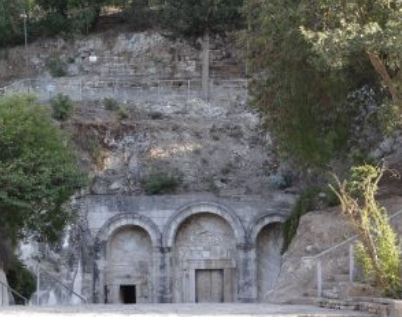
תַּנְיָא: רַבִּי מוּטָל בְּצִיפּוֹרִי, וּמָקוֹם מוּכָן לוֹ בְּבֵית שְׁעָרִים. וְהָתַנְיָא: ״צֶדֶק צֶדֶק תִּרְדֹּף״ — הַלֵּךְ אַחַר רַבִּי לְבֵית שְׁעָרִים!
It is taught in a baraita: Rabbi Yehuda HaNasi was lying ill in Tzippori and a burial site was ready for him in Beit She’arim. The Gemara asks: But isn’t it taught in a baraita: “Justice, justice shall you follow” (Deuteronomy 16:20); follow Rabbi Yehuda HaNasi to Beit She’arim, i.e., one should seek to have his case adjudicated by Rabbi Yehuda HaNasi’s court in Beit She’arim. This indicates that Beit She’arim, not Tzippori, was Rabbi Yehuda HaNasi’s place of residence, and therefore he must have been lying ill in Beit She’arim.
רַבִּי בְּבֵית שְׁעָרִים הֲוָה, אֶלָּא כֵּיוָן דַּחֲלַשׁ אַמְטְיוּהִי לְצִיפּוֹרִי,
The Gemara answers: Rabbi Yehuda HaNasi was in Beit She’arim, but when he became ill they transferred him to Tzippori,

Today’s daily daf tools:
Delve Deeper
Broaden your understanding of the topics on this daf with classes and podcasts from top women Talmud scholars.

Ketubot 103: 30 Days of Mourning for R. Yehudah HaNasi
New to Talmud?
Check out our resources designed to help you navigate a page of Talmud – and study at the pace, level and style that fits you.
The Hadran Women’s Tapestry
Meet the diverse women learning Gemara at Hadran and hear their stories.
I started learning Jan 2020 when I heard the new cycle was starting. I had tried during the last cycle and didn’t make it past a few weeks. Learning online from old men didn’t speak to my soul and I knew Talmud had to be a soul journey for me. Enter Hadran! Talmud from Rabbanit Michelle Farber from a woman’s perspective, a mother’s perspective and a modern perspective. Motivated to continue!

Brentwood, California, United States
I went to day school in Toronto but really began to learn when I attended Brovenders back in the early 1980’s. Last year after talking to my sister who was learning Daf Yomi, inspired, I looked on the computer and the Hadran site came up. I have been listening to each days shiur in the morning as I work. I emphasis listening since I am not sitting with a Gamara. I listen while I work in my studio.
Tekoa, Israel

Los Angeles, United States
I started the daf at the beginning of this cycle in January 2020. My husband, my children, grandchildren and siblings have been very supportive. As someone who learned and taught Tanach and mefarshim for many years, it has been an amazing adventure to complete the six sedarim of Mishnah, and now to study Talmud on a daily basis along with Rabbanit Michelle and the wonderful women of Hadran.

Jerusalem, Israel
Attending the Siyyum in Jerusalem 26 months ago inspired me to become part of this community of learners. So many aspects of Jewish life have been illuminated by what we have learned in Seder Moed. My day is not complete without daf Yomi. I am so grateful to Rabbanit Michelle and the Hadran Community.
Newton, United States
I started my Daf Yomi journey at the beginning of the COVID19 pandemic.

Los Angeles, United States
I began Daf Yomi with the last cycle. I was inspired by the Hadran Siyum in Yerushalayim to continue with this cycle. I have learned Daf Yomi with Rabanit Michelle in over 25 countries on 6 continents ( missing Australia)

Silver Spring, MD, United States
I heard the new Daf Yomi cycle was starting and I was curious, so I searched online for a women’s class and was pleasently surprised to find Rabanit Michelle’s great class reviews in many online articles. It has been a splendid journey. It is a way to fill my days with Torah, learning so many amazing things I have never heard before during my Tanach learning at High School. Thanks so much .

Panama, Panama

Raanana, Israel
I started learning Daf in Jan 2020 with Brachot b/c I had never seen the Jewish people united around something so positive, and I wanted to be a part of it. Also, I wanted to broaden my background in Torah Shebal Peh- Maayanot gave me a great gemara education, but I knew that I could hold a conversation in most parts of tanach but almost no TSB. I’m so thankful for Daf and have gained immensely.

NJ, United States
When the new cycle began, I thought, If not now, when? I’d just turned 72. I feel like a tourist on a tour bus passing astonishing scenery each day. Rabbanit Michelle is my beloved tour guide. When the cycle ends, I’ll be 80. I pray that I’ll have strength and mind to continue the journey to glimpse a little more. My grandchildren think having a daf-learning savta is cool!

Jerusalem, Israel
My Daf journey began in August 2012 after participating in the Siyum Hashas where I was blessed as an “enabler” of others. Galvanized into my own learning I recited the Hadran on Shas in January 2020 with Rabbanit Michelle. That Siyum was a highlight in my life. Now, on round two, Daf has become my spiritual anchor to which I attribute manifold blessings.

Englewood NJ, United States
I had dreamed of doing daf yomi since I had my first serious Talmud class 18 years ago at Pardes with Rahel Berkovitz, and then a couple of summers with Leah Rosenthal. There is no way I would be able to do it without another wonderful teacher, Michelle, and the Hadran organization. I wake up and am excited to start each day with the next daf.

Irvine, United States
I started Daf during the pandemic. I listened to a number of podcasts by various Rebbeim until one day, I discovered Rabbanit Farbers podcast. Subsequently I joined the Hadran family in Eruvin. Not the easiest place to begin, Rabbanit Farber made it all understandable and fun. The online live group has bonded together and have really become a supportive, encouraging family.

Edmonton, Alberta, Canada
I heard the new Daf Yomi cycle was starting and I was curious, so I searched online for a women’s class and was pleasently surprised to find Rabanit Michelle’s great class reviews in many online articles. It has been a splendid journey. It is a way to fill my days with Torah, learning so many amazing things I have never heard before during my Tanach learning at High School. Thanks so much .
Panama, Panama
Palo Alto, CA, United States
I started learning Jan 2020 when I heard the new cycle was starting. I had tried during the last cycle and didn’t make it past a few weeks. Learning online from old men didn’t speak to my soul and I knew Talmud had to be a soul journey for me. Enter Hadran! Talmud from Rabbanit Michelle Farber from a woman’s perspective, a mother’s perspective and a modern perspective. Motivated to continue!
Brentwood, California, United States
Attending the Siyyum in Jerusalem 26 months ago inspired me to become part of this community of learners. So many aspects of Jewish life have been illuminated by what we have learned in Seder Moed. My day is not complete without daf Yomi. I am so grateful to Rabbanit Michelle and the Hadran Community.
Newton, United States
I had no formal learning in Talmud until I began my studies in the Joint Program where in 1976 I was one of the few, if not the only, woman talmud major. It was superior training for law school and enabled me to approach my legal studies with a foundation . In 2018, I began daf yomi listening to Rabbanit MIchelle’s pod cast and my daily talmud studies are one of the highlights of my life.

Minneapolis, United States
After experiences over the years of asking to join gemara shiurim for men and either being refused by the maggid shiur or being the only women there, sometimes behind a mechitza, I found out about Hadran sometime during the tail end of Masechet Shabbat, I think. Life has been much better since then.
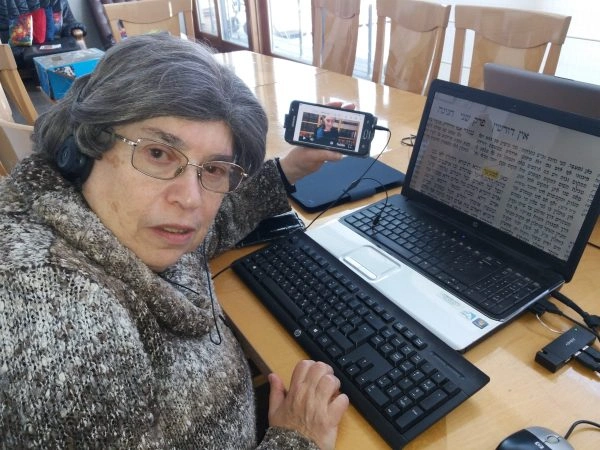
London, United Kingdom
Ketubot 103
מַאי לִמְקוֹם שֶׁאִמָּהּ? שָׁמְעַתְּ מִינַּהּ בַּת אֵצֶל הָאֵם, לָא שְׁנָא גְּדוֹלָה וְלָא שְׁנָא קְטַנָּה.
What is the purpose of emphasizing: To the place where her mother lives? Conclude from here that a daughter lives with her mother; it is no different if she is an adult woman, and it is no different if she is a minor girl.
לֹא יֹאמְרוּ שְׁנֵיהֶם וְכוּ׳.
§ It was taught in the mishna that if two men are obligated to support this girl, both of them may not jointly say that they will be partners in her support. Rather, each one fulfills his obligation independently.
הָהוּא גַּבְרָא דְּאוֹגַר לֵיהּ רִיחְיָא לְחַבְרֵיהּ לִטְחִינָה. לְסוֹף אִיעַתַּר, זְבֵין רִיחְיָא וְחַמְרָא,
The Gemara relates that there was a certain man who rented out a millstone to another for the price of grinding, i.e., the one who rented the millstone was to pay the cost of the rental by grinding whatever the owner needed to be ground. In the end, the owner of the millstone became rich, and he purchased another millstone and a donkey, and he no longer required the services of the renter to grind things for him.
אֲמַר לֵיהּ: עַד הָאִידָּנָא הֲוָה טָחֵינְנָא גַּבָּךְ, הַשְׁתָּא הַב לִי אַגְרָא. אֲמַר לֵיהּ: מִיטְחָן טָחֵינְנָא לָךְ.
The owner of the millstone said to the renter: Until now I would have what I needed ground by you, and the service that you provided was in place of payment for the rental of the millstone. Now, since I no longer require this service, give me payment for the millstone. The renter said back to him: I will grind for you because that is what I agreed to, but I did not agree to have to pay money.
סְבַר רָבִינָא לְמֵימַר: הַיְינוּ מַתְנִיתִין לֹא יֹאמְרוּ שְׁנֵיהֶם ״הֲרֵי אָנוּ זָנִין אוֹתָהּ כְּאֶחָד״, אֶלָּא אֶחָד זָנָהּ וְאֶחָד נוֹתֵן לָהּ דְּמֵי מְזוֹנוֹת.
Ravina thought to say that this is the same as the mishna that states that both of them may not jointly say: We will sustain the girl as one in a partnership. Rather, one sustains her, providing her with food, while the other gives her the monetary value of the sustenance. In that case, although the original condition was to provide the girl with support in the form of food, when circumstances changed, the previous husband became obligated to pay her support in the form of money. So too here, due to the change in circumstances, the renter should pay the owner of the millstone with money.
אֲמַר לֵיהּ רַב עַוִּירָא: מִי דָּמֵי? הָתָם, חַד כְּרֵיסָא אִית לַהּ, תַּרְתֵּי כְּרֵיסָתָא לֵית לַהּ. הָכָא מָצֵי אֲמַר לֵיהּ: טְחוֹן וְזַבֵּין, טְחוֹן וְאוֹתֵיב.
Rav Avira said to Ravina: Are the two cases comparable? There, in the case of the girl, she has only one stomach; she does not have two stomachs. Therefore, it is impossible for both of them to support her with food. Here, in the case of the millstone, the renter is able to say to him: Grind and sell, grind and store for later use, i.e., the owner of the millstone can use his new millstone to grind for others at a profit, and at the same time the renter will continue grinding the owner’s grain as per their agreement. Therefore, the renter is not obligated to change the terms of the original agreement.
וְלָא אֲמַרַן אֶלָּא דְּלֵית לֵיהּ טְחִינָא לְרִיחְיָא, אֲבָל אִית לֵיהּ טְחִינָא לְרִיחְיָא — כְּגוֹן זוֹ כּוֹפִין אוֹתוֹ עַל מִדַּת סְדוֹם.
The Gemara notes: We said this only in a case where the renter does not have any other grinding to do with the millstone and without the grinding that the renter does for the owner the mill will remain inoperative. However, if he has other grinding to do with the millstone, i.e., instead of grinding the owner’s grain he can grind the grain of others for a fee and thereby pay money for his rental, in a case such as this one forces him to cease his conduct characteristic of Sodom and to pay his rental fee in the form of money.
מַתְנִי׳ אַלְמָנָה שֶׁאָמְרָה: אִי אֶפְשִׁי לָזוּז מִבֵּית בַּעְלִי — אֵין הַיּוֹרְשִׁין יְכוֹלִין לוֹמַר לָהּ: ״לְכִי לְבֵית אָבִיךְ וְאָנוּ זָנִין אוֹתָךְ״, אֶלָּא זָנִין אוֹתָהּ, וְנוֹתְנִין לָהּ מָדוֹר לְפִי כְּבוֹדָהּ.
MISHNA: In the case of a widow who said: I do not want to move from my husband’s house, but instead I wish to remain there, the heirs are not able to say to her: Go to your father’s house and we will sustain you. Rather, they sustain her in her husband’s house and they give her living quarters befitting her dignity.
אָמְרָה: ״אִי אֶפְשִׁי לָזוּז מִבֵּית אַבָּא״ — יְכוֹלִין הַיּוֹרְשִׁין לוֹמַר לָהּ: אִם אַתְּ אֶצְלֵנוּ — יֵשׁ לִיךְ מְזוֹנוֹת, וְאִם אֵין אַתְּ אֶצְלֵנוּ אֵין לִיךְ מְזוֹנוֹת.
However, if she said: I do not want to move from my father’s house, and you should bring me my support there, the heirs are able to say to her: If you are living with us, you will have sustenance from us, but if you are not living with us, you will not have sustenance from us.
אִם הָיְתָה טוֹעֶנֶת מִפְּנֵי שֶׁהִיא יַלְדָּה וְהֵן יְלָדִים — זָנִין אוֹתָהּ וְהִיא בְּבֵית אָבִיהָ.
If she argued that she does not wish to live in her deceased husband’s house because she is young, and they, the heirs, are also young, and it is improper for them to be living in the same house together, then they sustain her and she stays in her father’s house.
גְּמָ׳ תָּנוּ רַבָּנַן: מִשְׁתַּמֶּשֶׁת בַּמָּדוֹר כְּדֶרֶךְ שֶׁמִּשְׁתַּמֶּשֶׁת בְּחַיֵּי בַעְלָהּ. בַּעֲבָדִים וּשְׁפָחוֹת כְּדֶרֶךְ שֶׁמִּשְׁתַּמֶּשֶׁת בְּחַיֵּי בַעְלָהּ. בְּכָרִים וּכְסָתוֹת כְּדֶרֶךְ שֶׁמִּשְׁתַּמֶּשֶׁת בְּחַיֵּי בַעְלָהּ. בִּכְלֵי כֶסֶף וּבִכְלֵי זָהָב כְּדֶרֶךְ שֶׁמִּשְׁתַּמֶּשֶׁת בְּחַיֵּי בַעְלָהּ. שֶׁכָּךְ כָּתַב לָהּ: ״וְאַתְּ תְּהֵא יָתְבַתְּ בְּבֵיתִי וּמִיתַּזְנָא מִנִּכְסַי כֹּל יְמֵי מֵגַר אַרְמְלוּתִיךְ בְּבֵיתִי״.
GEMARA: The Sages taught: A widow that remains in her husband’s house uses the living quarters in the same manner that she would use them in her husband’s lifetime. She uses the slaves and the maidservants in the same manner that she would use them in her husband’s lifetime, the pillows and the sheets in the same manner that she would use them in her husband’s lifetime, and the silver utensils and gold utensils in the same manner that she would use them in her husband’s lifetime. She maintains all the rights she had during her husband’s lifetime because this is what he wrote to her in the text of the marriage contract: And you will reside in my house and be sustained from my property all the days that you live in my house as a widow.
תָּנֵי רַב יוֹסֵף: ״בְּבֵיתִי״ — וְלֹא בְּבִקְתִּי.
Rav Yosef taught: The husband stipulated in the marriage contract: You will reside in my house, with the implication: And not in my hut. Therefore, if the house is too small, she cannot obligate the heirs to allow her to live in the house with them.
אָמַר רַב נַחְמָן: יְתוֹמִים שֶׁמָּכְרוּ מְדוֹר אַלְמָנָה — לֹא עָשׂוּ וְלֹא כְּלוּם.
Rav Naḥman said: Orphans who sold the living quarters of a widow did not do anything, i.e., the sale is invalid.
וּמַאי שְׁנָא מִדְּרַבִּי אַסִּי אָמַר רַבִּי יוֹחָנָן? דְּאָמַר רַבִּי אַסִּי אָמַר רַבִּי יוֹחָנָן: יְתוֹמִים שֶׁקָּדְמוּ וּמָכְרוּ בִּנְכָסִים מוּעָטִין — מַה שֶּׁמָּכְרוּ מָכְרוּ.
The Gemara asks: And in what way is this case different from that which Rabbi Asi said that Rabbi Yoḥanan said? As Rabbi Asi said that Rabbi Yoḥanan said: With regard to orphans who preemptively sold from the small quantity of property left to them by their father before the court appropriated it for the purpose of providing for female children, who do not inherit, what they sold is sold, even though they acted improperly. Why, then, is the sale of a widow’s living quarters invalid?
הָתָם לָא מִשְׁתַּעְבְּדִי לַהּ מֵחַיִּים, הָכָא מִשְׁתַּעְבְּדִי לַהּ מֵחַיִּים.
The Gemara answers: There, in the case of orphans selling property that according to halakha should be retained in order to support the orphaned daughters, the property is not mortgaged to the orphaned daughters from the lifetime of their father, since the lien on the property arising from the obligation to provide support for the daughters occurs only after the father’s death. Here, in the case of the widow’s living quarters, the property is mortgaged to her from the lifetime of her husband, who was obligated even while he was alive to provide her with a place to live.
אָמַר אַבָּיֵי, נְקִיטִינַן: מְדוֹר אַלְמָנָה שֶׁנָּפַל — אֵין הַיּוֹרְשִׁין חַיָּיבִין לִבְנוֹתוֹ,
Abaye said: We hold on the authority of tradition that in the case of a widow’s living quarters that collapsed, the heirs are not obligated to rebuild it, since they are obligated to maintain her in the residence that was mortgaged to her and are not required to provide her with a place to live.
תַּנְיָא נָמֵי הָכִי: מְדוֹר אַלְמָנָה שֶׁנָּפַל — אֵין הַיּוֹרְשִׁין חַיָּיבִין לִבְנוֹתוֹ. וְלֹא עוֹד, אֶלָּא אֲפִילּוּ הִיא אוֹמֶרֶת ״הַנִּיחוּנִי וְאֶבְנֶנּוּ מִשֶּׁלִּי״ — אֵין שׁוֹמְעִין לָהּ.
This is also taught in a baraita: In the case of a widow’s living quarters that collapsed, the heirs are not obligated to rebuild it. And not only this, but even if she says: Leave me be and I will rebuild it from my own funds, one does not listen to her, and the heirs do not have to let her rebuild it.
בָּעֵי אַבָּיֵי: שִׁיפְּצָה, מַאי? תֵּיקוּ.
Abaye raised a dilemma: If she repaired the house, what is the halakha? Is it as though the house collapsed and was rebuilt, in which case she no longer has rights to it, or may she stay in the house as long as it remains standing? The Gemara concludes: The dilemma shall stand unresolved.
אָמְרָה אִי אֶפְשִׁי.
§ We learned in the mishna: If she said: I do not want to move from my father’s house and you should bring me my support there, the heirs are not obligated to support her.
וְלִיתְּבוּ לַהּ כִּי יָתְבָה הָתָם? מְסַיַּיע לֵיהּ לְרַב הוּנָא. דְּאָמַר רַב הוּנָא: בִּרְכַּת הַבַּיִת בְּרוּבָּה.
The Gemara asks: And why is this so? They should give her support just as they would if she were living there, i.e., in her husband’s house. The Gemara answers: This supports the view of Rav Huna, as Rav Huna said: The blessing of the house is in its abundance of residents. This means that the amount of blessing in a home is proportionate to the number of people who live there. When there are many people living together in one home, the expenses per capita are decreased. The heirs can say to her that if she stays with them in the house, the expense of her upkeep will be less than if she lives on her own.
וְלִיתְּבוּ לַהּ לְפִי בִּרְכַּת הַבַּיִת? הָכִי נָמֵי.
The Gemara asks: And they should give her the support in her father’s house according to the blessing of the house, i.e., according to the amount they would be required to pay if she lived with them. The Gemara answers: Indeed, the intent of the mishna is that they may pay her this amount, not that they may entirely avoid supporting her.
אָמַר רַב הוּנָא: לְשׁוֹן חֲכָמִים בְּרָכָה, לְשׁוֹן חֲכָמִים עוֹשֶׁר, לְשׁוֹן חֲכָמִים מַרְפֵּא. בְּרָכָה הָא דַּאֲמַרַן.
Rav Huna said: The language of the Sages teaches blessing, the language of the Sages teaches wealth, and the language of the Sages teaches healing. One can learn important lessons about these matters from the manner in which the Sages formulated their halakhic rulings. How is this so? With regard to blessing, it is that which we said above about the blessings of the home.
עוֹשֶׁר, דִּתְנַן: הַמּוֹכֵר פֵּירוֹת לַחֲבֵירוֹ, מָשַׁךְ וְלֹא מָדַד — קָנָה, מָדַד וְלֹא מָשַׁךְ — לֹא קָנָה. וְאִם הָיָה פִּקֵּחַ — שׂוֹכֵר אֶת מְקוֹמוֹ.
The language of the Sages teaches about wealth, as we learned in a mishna (Bava Batra 84b): One who sells produce to another, if the buyer pulled the produce as an act of acquisition but did not measure it, he has acquired the produce. If he measured the produce but did not pull it, he has not acquired it. And if the buyer was perspicacious and wanted to ensure that the seller would not back out of the deal, he would rent the place where the produce was located, and he would thereby acquire the produce immediately from the time he measures it. This mishna teaches good counsel in money-related matters.
מַרְפֵּא, דִּתְנַן: לֹא יִלְעוֹס אָדָם חִטִּין וְיַנִּיחַ עַל גַּבֵּי מַכָּתוֹ בַּפֶּסַח, מִפְּנֵי שֶׁמַּחְמִיצוֹת.
The language of the Sages teaches about healing, as we learned in a mishna (Pesaḥim 39b): A person should not chew wheat and then place it on his wound during Passover because the wheat will become leavened as a result. This comment of the Sages indicates that chewed wheat is beneficial for treating a wound.
תָּנוּ רַבָּנַן, בִּשְׁעַת פְּטִירָתוֹ שֶׁל רַבִּי, אָמַר: לְבָנַי אֲנִי צָרִיךְ. נִכְנְסוּ בָּנָיו אֶצְלוֹ. אָמַר לָהֶם: הִזָּהֲרוּ בִּכְבוֹד אִמְּכֶם. נֵר יְהֵא דָּלוּק בִּמְקוֹמוֹ, שׁוּלְחָן יְהֵא עָרוּךְ בִּמְקוֹמוֹ, מִטָּה תְּהֵא מוּצַּעַת בִּמְקוֹמָהּ. יוֹסֵף חׇפְנִי שִׁמְעוֹן אֶפְרָתִי הֵם שִׁמְּשׁוּנִי בְּחַיַּי, וְהֵם יְשַׁמְּשׁוּנִי בְּמוֹתִי.
§ The Sages taught: At the time of the passing of Rabbi Yehuda HaNasi, he said: I need my sons. His sons entered his room. He said to them as a last will and testament: Be careful with the honor of your mother. He said further: My lamp should be lit in its usual place, my table should be set in its usual place, and the bed should be arranged in its usual place. Yosef Ḥeifani and Shimon Efrati; they served me during my lifetime and they will serve me in my death.
הִזָּהֲרוּ בִּכְבוֹד אִמְּכֶם. דְּאוֹרָיְיתָא הִיא, דִּכְתִיב: ״כַּבֵּד אֶת אָבִיךָ וְאֶת אִמֶּךָ״! אֵשֶׁת אָב הֲוַאי.
The Gemara clarifies the various requests that he made of his sons: Be careful with the honor of your mother. The Gemara asks: Why would he need to say this? After all, this is required by Torah law, as it is written: “Honor your father and your mother” (Exodus 20:11)? The Gemara answers: She was their father’s wife. She was not their mother, but their stepmother, and he therefore needed to caution them concerning her honor.
אֵשֶׁת אָב נָמֵי דְּאוֹרָיְיתָא הִיא, דְּתַנְיָא: ״כַּבֵּד אֶת אָבִיךָ וְאֶת אִמֶּךָ״, ״אֶת אָבִיךָ״ — זוֹ אֵשֶׁת אָבִיךָ, ״וְאֶת אִמֶּךָ״ — זוֹ בַּעַל אִמֶּךָ, וָיו יְתֵירָה — לְרַבּוֹת אֶת אָחִיךָ הַגָּדוֹל!
The Gemara asks: Honoring a father’s wife is also required by Torah law, as it is taught in a baraita: Honor your father [et avikha] and your mother [ve’et immekha]. The preposition et in the phrase: Your father; this teaches that you must honor your father’s wife. Similarly, the preposition et in the phrase: And your mother; this teaches that you must honor your mother’s husband. And the extra letter vav, which is appended as a prefix in the phrase “ve’et immekha” is included in order to add your older brother to those who must be honored.
הָנֵי מִילֵּי מֵחַיִּים, אֲבָל לְאַחַר מִיתָה לָא.
The Gemara answers: This halakha, that one is obligated by Torah law to respect his father’s wife, applies only during his father’s lifetime. While the father is alive, out of respect for him, his wife must also be treated with respect. However, following his death, no, there is no longer any obligation to honor a stepmother. It was for this reason that Rabbi Yehuda HaNasi had to caution his sons in this matter.
״נֵר יְהֵא דָּלוּק בִּמְקוֹמוֹ, שׁוּלְחָן יְהֵא עָרוּךְ בִּמְקוֹמוֹ, מִטָּה תְּהֵא מוּצַּעַת בִּמְקוֹמָהּ״, מַאי טַעְמָא? כֹּל בֵּי שִׁמְשֵׁי הֲוָה אָתֵי לְבֵיתֵיהּ.
Rabbi Yehuda HaNasi commanded his sons: My lamp should be lit in its usual place, my table should be set in its usual place, and the bed should be arranged in its usual place. The Gemara asks: What is the reason he made these requests? The Gemara explains: Every Shabbat eve, even after his passing, Rabbi Yehuda HaNasi would come to his house as he had done during his lifetime, and he therefore wished for everything to be set up as usual.
הַהוּא בֵּי שִׁמְשָׁא אֲתַאי שִׁבָבְתָּא, קָא קָרְיָה אַבָּבָא, אֲמַרָה אַמְּתֵיהּ: שְׁתִיקוּ, דְּרַבִּי יָתֵיב. כֵּיוָן דִּשְׁמַע, שׁוּב לָא אֲתָא, שֶׁלֹּא לְהוֹצִיא לַעַז עַל צַדִּיקִים הָרִאשׁוֹנִים.
The Gemara relates the following incident: It happened on a certain Shabbat eve that a neighbor came by and called and knocked at the door. His maidservant said to her: Be quiet, for Rabbi Yehuda HaNasi is sitting. When he heard his maidservant reveal his presence to the neighbor, he did not come again, so as not to cast aspersions on earlier righteous individuals who did not appear to their families following their death.
״יוֹסֵף חׇפְנִי שִׁמְעוֹן אֶפְרָתִי, הֵם שִׁמְּשׁוּנִי בְּחַיַּי וְהֵם יְשַׁמְּשׁוּנִי בְּמוֹתִי״. סְבוּר מִינָּה בְּהָדֵין עָלְמָא הוּא דְּקָאָמַר, כֵּיוָן דַּחֲזוֹ דְּקָדֵים עַרְסַיְיהוּ לְעַרְסֵיהּ, אָמְרִי: שְׁמַע מִינַּהּ לְהָהוּא עָלְמָא הוּא דְּקָאָמַר.
The Gemara elaborates on Rabbi Yehuda HaNasi’s statement: Yosef Ḥeifani and Shimon Efrati, they served me during my lifetime and they will serve me in my death. It was understood from this statement that Rabbi Yehuda HaNasi was speaking of this world, that these two should serve him in his death and administer his burial. However, when they saw that their biers preceded his bier, i.e., they died before him, they said: Conclude from here that he was speaking of that world. They will attend to him in the World-to-Come.
וְהַאי דַּאֲמַר הָכִי — דְּלָא לֵימְרוּ: מִילְּתָא הֲוַאי לְהוּ וְעַד הָאִידָּנָא נָמֵי זְכוּתוֹ דְּרַבִּי הוּא דְּאַהַנְיָא לְהוּ.
And the reason he said this was so that people should not say: There was something wrong with them, and until now, too, it was the merit of Rabbi Yehuda HaNasi that benefited them and prevented them from dying due to their sins. Now that Rabbi Yehuda HaNasi is dying, his merit no longer protects them. Rabbi Yehuda HaNasi therefore clarified that the reason for their deaths was in order to enable them to escort him in death as in life.
אָמַר לָהֶן: לְחַכְמֵי יִשְׂרָאֵל אֲנִי צָרִיךְ. נִכְנְסוּ אֶצְלוֹ חַכְמֵי יִשְׂרָאֵל, אָמַר לָהֶן: ״אַל תִּסְפְּדוּנִי בָּעֲיָירוֹת,
§ Rabbi Yehuda HaNasi said further to his attendants: I need the Sages of Israel. The Sages of Israel entered his room. He said to them: Do not eulogize me in the small towns
וְהוֹשִׁיבוּ יְשִׁיבָה לְאַחַר שְׁלֹשִׁים יוֹם״. ״שִׁמְעוֹן בְּנִי חָכָם, גַּמְלִיאֵל בְּנִי נָשִׂיא, חֲנִינָא בַּר חָמָא יֵשֵׁב בָּרֹאשׁ״.
and reconvene the study sessions at the yeshiva after thirty days of mourning. My son Shimon is a Sage. My son Gamliel should be the Nasi. Ḥanina bar Ḥama will sit at the head of the yeshiva.
אַל תִּסְפְּדוּנִי בָּעֲיָירוֹת — סְבוּר מִינַּהּ מִשּׁוּם טִרְחָא הוּא דְּקָאָמַר. כֵּיוָן דַּחֲזוֹ דְּקָסָפְדִי בִּכְרַכִּים וְקָאָתוּ כּוּלֵּי עָלְמָא, אָמְרוּ: שְׁמַע מִינַּהּ מִשּׁוּם יְקָרָא הוּא דְּקָאָמַר.
The Gemara explains the requests of Rabbi Yehuda HaNasi: Do not eulogize me in the small towns. They understood from this statement that he said this due to the trouble that would be caused for many if he were eulogized in every town, since they would have to travel from the outlying villages to take part in the eulogies. However, when they saw that they were eulogizing him in the cities and everyone came despite the trouble, they said: Conclude from here that he said this due to considerations of honor. Had they eulogized him in the towns, the gatherings would have been small and unfitting for a man of his stature. He therefore requested that they arrange things in a way that large crowds would gather.
הוֹשִׁיבוּ יְשִׁיבָה לְאַחַר שְׁלֹשִׁים יוֹם — דְּלָא עֲדִיפְנָא מִמֹּשֶׁה רַבֵּינוּ, דִּכְתִיב: ״וַיִּבְכּוּ בְנֵי יִשְׂרָאֵל אֶת מֹשֶׁה בְּעַרְבוֹת מוֹאָב שְׁלֹשִׁים יוֹם״, תְּלָתִין יוֹמִין סָפְדִין בִּימָמָא וְלֵילְיָא, מִכָּאן וְאֵילָךְ סָפְדוּ בִּימָמָא וְגָרְסִי בְּלֵילְיָא, אוֹ סָפְדוּ בְּלֵילְיָא וְגָרְסִי בִּימָמָא, עַד דְּסָפְדִי תְּרֵיסַר יַרְחֵי שַׁתָּא.
Rabbi Yehuda HaNasi further instructed: Reconvene the study sessions at the yeshiva after thirty days of mourning. This is because I am not better than Moses, our teacher, as it is written: “And the children of Israel wept for Moses in the plains of Moab thirty days” (Deuteronomy 34:8), which means that for thirty days they eulogized him by day and night. From this point forward they eulogized him by day and they studied by night, or they eulogized him by night and studied by day, until they eulogized him for twelve months of the year.
הָהוּא יוֹמָא דְּאַשְׁכָּבְתֵּיהּ דְּרַבִּי נְפַקָא בַּת קָלָא וַאֲמַרָה: כֹּל דַּהֲוָה בְּאַשְׁכָּבְתֵּיהּ דְּרַבִּי, מְזוּמָּן הוּא לְחַיֵּי הָעוֹלָם הַבָּא. הָהוּא כּוֹבֵס כֹּל יוֹמָא הֲוָה אָתֵי קַמֵּיהּ, הָהוּא יוֹמָא לָא אֲתָא. כֵּיוָן דִּשְׁמַע הָכִי, סְלֵיק לְאִיגָּרָא וּנְפַל לְאַרְעָא וּמִית. יָצְתָה בַּת קוֹל וְאָמְרָה: אַף הַהוּא כּוֹבֵס מְזוּמָּן הוּא לְחַיֵּי הָעוֹלָם הַבָּא.
The Gemara relates that on the day of the funeral of Rabbi Yehuda HaNasi, a Divine Voice emerged and said: Whoever was present at the funeral of Rabbi Yehuda HaNasi is destined for life in the World-to-Come. There was a certain launderer who would come before Rabbi Yehuda HaNasi every day. On that particular day, he did not come and was therefore not present at the funeral. When he heard this, that Rabbi Yehuda HaNasi had died, he was so full of grief that he ascended to the roof and fell to the ground and died. A Divine Voice emerged and said: That launderer too is destined for life in the World-to-Come.
שִׁמְעוֹן בְּנִי חָכָם — מַאי קָאָמַר? הָכִי קָאָמַר: אַף עַל פִּי שֶׁשִּׁמְעוֹן בְּנִי חָכָם, גַּמְלִיאֵל בְּנִי נָשִׂיא.
§ Rabbi Yehuda HaNasi said: My son Shimon is a Sage; my son Gamliel should be the Nasi. What was he saying, i.e., what did he mean by these remarks? The Gemara explains: This is what he was saying: Although my son Shimon is a greater Sage, my son Gamliel should be the Nasi.
אָמַר לֵוִי: צְרִיכָא לְמֵימַר? אָמַר רַבִּי שִׁמְעוֹן בַּר רַבִּי: צְרִיכָא לָךְ וּלְמַטְלַעְתָּךְ. מַאי קַשְׁיָא לֵיהּ — הָא קְרָא קָאָמַר: ״וְאֶת הַמַּמְלָכָה נָתַן לִיהוֹרָם כִּי הוּא הַבְּכוֹר״!
Levi said: Need this be said? After all, Gamliel was the firstborn. Rabbi Shimon, son of Rabbi Yehuda HaNasi, said: It is necessary for you and for your limp. The Gemara asks: What did Rabbi Shimon find difficult with Levi’s question that caused him to scoff? Doesn’t the verse state: “But the kingdom he gave to Jehoram because he was the firstborn” (II Chronicles 21:3)? This indicates that the firstborn is the one who inherits his father’s appointment, and so Levi legitimately asked why Rabbi Yehuda HaNasi had to leave specific instructions about this.
הַהוּא, מְמַלֵּא מְקוֹם אֲבוֹתָיו הֲוָה, וְרַבָּן גַּמְלִיאֵל אֵינוֹ מְמַלֵּא מְקוֹם אֲבוֹתָיו הֲוָה.
The Gemara explains: He, Jehoram, filled the place of his fathers, i.e., he was their equal in his personal attributes and leadership capabilities. However, Rabban Gamliel did not fill the place of his fathers, and for this reason Rabbi Yehuda HaNasi had to specifically command that he nevertheless be appointed as the Nasi.
וְרַבִּי מַאי טַעְמָא עֲבַד הָכִי? נְהִי דְּאֵינוֹ מְמַלֵּא מְקוֹם אֲבוֹתָיו בְּחׇכְמָה — בְּיִרְאַת חֵטְא מְמַלֵּא מְקוֹם אֲבוֹתָיו הֲוָה.
The Gemara asks: And if that is so, what is the reason that Rabbi Yehuda HaNasi did this? Why did he choose this son to be his successor if he was unfit for the position? The Gemara answers: Although he did not fill the place of his fathers with regard to wisdom, as he was not as great a Torah scholar as his father, he did fill the place of his fathers with regard to fear of sin and was therefore fit to be appointed as the Nasi.
חֲנִינָא בַּר חָמָא יֵשֵׁב בָּרֹאשׁ — לֹא קִיבֵּל רַבִּי חֲנִינָא, שֶׁהָיָה רַבִּי אַפָּס גָּדוֹל מִמֶּנּוּ שְׁתֵּי שָׁנִים וּמֶחֱצָה. יְתֵיב רַבִּי אַפָּס בְּרֵישָׁא וִיתֵיב רַבִּי חֲנִינָא אַבָּרַאי, וַאֲתָא לֵוִי וִיתֵיב גַּבֵּיהּ.
§ Rabbi Yehuda HaNasi instructed: Ḥanina bar Ḥama will sit at the head of the yeshiva. The Gemara relates: Rabbi Ḥanina did not accept this appointment, because Rabbi Afes was older than him by two and a half years and he did not want to precede him in accepting this position. Consequently, Rabbi Afes sat at the head of the yeshiva, and Rabbi Ḥanina sat outside, as it was unbefitting for him to sit as a student before Rabbi Afes. And Levi came and sat and studied with him outside.
נָח נַפְשֵׁיהּ דְּרַבִּי אַפָּס וִיתֵיב רַבִּי חֲנִינָא בְּרֵישָׁא, וְלָא הֲוָה לֵיהּ לְלֵוִי אִינִישׁ לְמֵיתַב גַּבֵּיהּ, וְקָאָתֵא לְבָבֶל. וְהַיְינוּ דְּאָמְרִי לֵיהּ לְרַב: גַּבְרָא רַבָּה אִקְּלַע לִנְהַרְדְּעָא וּמַטְלַע וְדָרֵישׁ כְּלִילָא שְׁרֵי. אֲמַר: שְׁמַע מִינַּהּ נָח נַפְשֵׁיהּ דְּרַבִּי אַפָּס, וִיתֵיב רַבִּי חֲנִינָא בְּרֵישָׁא, וְלָא הֲוָה לֵיהּ לְלֵוִי אִינִישׁ לְמֵיתַב גַּבֵּיהּ, וְקָאָתֵי.
Rabbi Afes died, and Rabbi Ḥanina, taking his place, sat at the head of the yeshiva. And Levi did not have anyone to sit and study with, and so he came to Babylonia. And this is the background to the incident in which they said to Rav: A great man came to Neharde’a, and he limps, and he taught: It is permitted for a woman who is wearing a kelila, a tiara-like ornament, to go out into the public domain on Shabbat. Rav then said: Conclude from this that Rabbi Afes died and Rabbi Ḥanina, taking his place, sat at the head of the yeshiva, and Levi did not have anyone to sit and study with, and so he came to Babylonia.
וְאֵימָא, רַבִּי חֲנִינָא נָח נַפְשֵׁיהּ וְרַבִּי אַפָּס כְּדִיתֵיב יְתֵיב, וְלָא הֲוָה לֵיהּ לְלֵוִי אִינִישׁ לְמֵיתַב גַּבֵּיהּ וְקָאָתֵי? אִיבָּעֵית אֵימָא: לֵוִי לְרַבִּי אַפָּס מִיכָּף הֲוָה כַּיִיף לֵיהּ.
The Gemara asks: How did Rav know that it was Rabbi Afes who died? Say that Rabbi Ḥanina was the one who died, and Rabbi Afes sat as he had sat, i.e., he continued to sit at the head of the yeshiva, and Levi did not have anyone to sit with, and so he came to Babylonia. The Gemara answers: If you wish, say that Levi was subordinate to Rabbi Afes and would have sat before him as a student had Rabbi Afes still been alive, and the only reason why he sat outside in the first place was in deference to Rabbi Ḥanina, who sat outside because he did not consider himself subordinate to Rabbi Afes.
וְאִי בָּעֵית אֵימָא: כֵּיוָן דְּאָמַר ״רַבִּי חֲנִינָא בַּר חָמָא יֵשֵׁב בָּרֹאשׁ״ — לָא סַגִּי דְּלָא מָלֵיךְ, דִּכְתִיב בְּהוּ בְּצַדִּיקִים: ״וְתִגְזַר אוֹמֶר וְיָקׇם לָךְ״.
And if you wish, say instead that since Rabbi Yehuda HaNasi had said: Ḥanina bar Ḥama will sit at the head of the yeshiva, it is not possible that he will not one day rule the yeshiva. Therefore, it must have been Rabbi Afes who died and Rabbi Ḥanina who took his place, as it is written about the righteous: “You shall also decree a thing, and it shall be established unto you” (Job 22:28).
וְהָא הֲוָה רַבִּי חִיָּיא! נָח נַפְשֵׁיהּ. וְהָאָמַר רַבִּי חִיָּיא: אֲנִי רָאִיתִי קִבְרוֹ שֶׁל רַבִּי, וְהוֹרַדְתִּי עָלָיו דְּמָעוֹת! אֵיפוֹךְ.
The Gemara asks: But wasn’t Rabbi Ḥiyya there? Why didn’t Rabbi Yehuda HaNasi appoint him as head of the yeshiva? The Gemara answers: He died before Rabbi Yehuda HaNasi. The Gemara asks: But didn’t Rabbi Ḥiyya say: I saw the grave site of Rabbi Yehuda HaNasi and I shed tears over it? The Gemara answers: Reverse the names. It was Rabbi Yehuda HaNasi who said that he saw the grave site of Rabbi Ḥiyya.
וְהָאָמַר רַבִּי חִיָּיא: אוֹתוֹ הַיּוֹם שֶׁמֵּת רַבִּי בָּטְלָה קְדוּשָּׁה! אֵיפוֹךְ.
The Gemara asks: But didn’t Rabbi Ḥiyya say: On that day that Rabbi Yehuda HaNasi died, sanctity ceased? The Gemara answers: Reverse the names. It was Rabbi Yehuda HaNasi who made this statement about Rabbi Ḥiyya.
וְהָתַנְיָא: כְּשֶׁחָלָה רַבִּי, נִכְנַס רַבִּי חִיָּיא אֶצְלוֹ וּמְצָאוֹ שֶׁהוּא בּוֹכֶה, אָמַר לוֹ: רַבִּי, מִפְּנֵי מָה אַתָּה בּוֹכֶה? וְהָתַנְיָא: מֵת מִתּוֹךְ הַשְּׂחוֹק — סִימָן יָפֶה לוֹ, מִתּוֹךְ הַבֶּכִי — סִימָן רַע לוֹ. פָּנָיו לְמַעְלָה — סִימָן יָפֶה לוֹ, פָּנָיו לְמַטָּה — סִימָן רַע לוֹ. פָּנָיו כְּלַפֵּי הָעָם — סִימָן יָפֶה לוֹ, כְּלַפֵּי הַכּוֹתֶל — סִימָן רַע לוֹ. פָּנָיו יְרוּקִּין — סִימָן רַע לוֹ, פָּנָיו צְהוּבִּין וַאֲדוּמִּים — סִימָן יָפֶה לוֹ. מֵת בְּעֶרֶב שַׁבָּת — סִימָן יָפֶה לוֹ. בְּמוֹצָאֵי שַׁבָּת — סִימָן רַע לוֹ. מֵת בְּעֶרֶב יוֹם הַכִּפּוּרִים — סִימָן רַע לוֹ, בְּמוֹצָאֵי יוֹם הַכִּפּוּרִים — סִימָן יָפֶה לוֹ. מֵת מֵחוֹלִי מֵעַיִים — סִימָן יָפֶה לוֹ, מִפְּנֵי שֶׁרוּבָּם שֶׁל צַדִּיקִים מִיתָתָן בְּחוֹלִי מֵעַיִים.
The Gemara asks: But isn’t it taught in a baraita: When Rabbi Yehuda HaNasi fell ill, Rabbi Ḥiyya entered to be with him and found him crying. He said to him: My teacher, for what reason are you crying? Isn’t it taught in a baraita:
If one dies while laughing, it is a good sign for him; while crying, it is a bad sign for him.
If one dies with his face upward, it is a good sign for him; with his face downward, it is a bad sign for him.
If one dies with his face facing the people standing around him, it is a good sign for him; with his face facing the wall, it is a bad sign for him.
If one’s face is sallow, it is a bad sign for him; if his face is yellow or ruddy, it is a good sign for him.
If one dies on the Shabbat eve it is a good sign for him, because he is heading straight into the Shabbat rest; if one dies at the conclusion of Shabbat it is a bad sign for him.
If one dies on the eve of Yom Kippur, it is a bad sign for him, as his sins have not yet been forgiven; if one dies at the conclusion of Yom Kippur it is a good sign for him, because he died after his sins have been forgiven.
If one dies due to an intestinal disease, it is a good sign for him, because most of the righteous die due to intestinal disease.
אֲמַר לֵיהּ: אֲנָא אַתּוֹרָה וּמִצְוֹת קָא בָכֵינָא!
Rabbi Yehuda HaNasi said to him: I am crying for the Torah and the mitzvot that I will be unable to fulfill after I die. This indicates that Rabbi Ḥiyya was present at the time of Rabbi Yehuda HaNasi’s death.
אִיבָּעֵית אֵימָא אֵיפוֹךְ, וְאִיבָּעֵית אֵימָא לְעוֹלָם לָא תֵּיפוֹךְ, רַבִּי חִיָּיא עָסוּק בְּמִצְוֹת הֲוָה וְרַבִּי סָבַר לָא אֲפַגְּרֵיהּ.
The Gemara answers: If you wish, say that one must reverse the names and that it was Rabbi Yehuda HaNasi who came to visit Rabbi Ḥiyya prior to his death. And if you wish, say instead that actually we do not need to reverse the names in all of the above statements, but rather explain that Rabbi Ḥiyya was occupied with the performance of mitzvot and Rabbi Yehuda HaNasi thought: I will not hold him back from his performance of mitzvot by appointing him head of the yeshiva.
וְהַיְינוּ דְּכִי הֲווֹ מִינְּצוּ רַבִּי חֲנִינָא וְרַבִּי חִיָּיא, אֲמַר לֵיהּ רַבִּי חֲנִינָא לְרַבִּי חִיָּיא: בַּהֲדֵי דִידִי מִינְּצֵת? דְּאִם חַס וְשָׁלוֹם נִשְׁתַּכְּחָה תּוֹרָה מִיִּשְׂרָאֵל, מַהְדַּרְנָא לֵיהּ מִפִּלְפּוּלַי.
And this is the background to an exchange that took place when Rabbi Ḥanina and Rabbi Ḥiyya argued. Rabbi Ḥanina said to Rabbi Ḥiyya: You are arguing with me? If, Heaven forfend, the Torah would be forgotten from the Jewish people, I would restore it through my analyses, i.e., using my abilities of analysis I would be able to rediscover all that had been lost.
אֲמַר לֵיהּ רַבִּי חִיָּיא: אֲנָא עֲבַדִי דְּלָא מִשְׁתַּכְחָה תּוֹרָה מִיִּשְׂרָאֵל. דְּאַיְיתִינָא כִּיתָּנָא וְשָׁדֵיינָא, וּמְגַדֵּלְנָא נִישְׁבֵּי, וְצָיֵידְנָא טְבֵי(א), וּמַאֲכֵילְנָא בִּישְׂרָא לְיַתְמֵי, וְאָרֵיכְנָא מְגִילְּתָא מִמַּשְׁכֵי דִטְבֵי, וְסָלֵיקְנָא לְמָתָא דְּלֵית בַּהּ מַקְרֵי דַרְדְּקֵי, וְכָתֵיבְנָא חַמְשָׁא חוּמְשֵׁי לְחַמְשָׁא יָנוֹקֵי, וּמַתְנֵינָא שִׁיתָּא סִידְרֵי לְשִׁיתָּא יָנוֹקֵי, לְכֹל חַד וְחַד אֲמַרִי לֵיהּ אַתְנִי סִידְרָךְ לְחַבְרָךְ.
Rabbi Ḥiyya said to Rabbi Ḥanina: I am working to ensure that the Torah will not be forgotten from the Jewish people. For I bring flax and I plant it, and I then weave nets from the flax fibers. I then go out and trap deer, and I feed the meat to orphans, and I form scrolls from the skins of the deer. And I go to a town that has no teachers of children in it and I write the five books of the Torah for five children. And I teach the six orders of the Mishna to six children. To each and every one of these children I say: Teach your order to your friends. In this way all of the children will learn the whole of the Torah and the Mishna.
וְהַיְינוּ דְּאָמַר רַבִּי: כַּמָּה גְּדוֹלִים מַעֲשֵׂה חִיָּיא. אֲמַר לֵיהּ רַבִּי שִׁמְעוֹן בְּרַבִּי: אֲפִילּוּ מִמְּךָ? אֲמַר לֵיהּ: אִין. אֲמַר לֵיהּ רַבִּי יִשְׁמָעֵאל בְּרַבִּי יוֹסֵי: אֲפִילּוּ מֵאַבָּא? אֲמַר לֵיהּ: חַס וְשָׁלוֹם, לֹא תְּהֵא כָּזֹאת בְּיִשְׂרָאֵל.
And this is what Rabbi Yehuda HaNasi referred to when he said: How great are the actions of Ḥiyya. Rabbi Shimon, son of Rabbi Yehuda HaNasi, said to his father: Even greater than your works? He said to him: Yes. Rabbi Yishmael, son of Rabbi Yosei, said to Rabbi Yehuda HaNasi: Even greater than the work of Rabbi Yosei, my father? Rabbi Yehuda HaNasi said to him: Heaven forfend. Such comments should not be made among the Jewish people.
אָמַר לָהֶן: לִבְנִי קָטָן אֲנִי צָרִיךְ. נִכְנַס רַבִּי שִׁמְעוֹן אֶצְלוֹ, מָסַר לוֹ סִדְרֵי חׇכְמָה,
§ The Gemara returns to the narrative of the impending death of Rabbi Yehuda HaNasi: He said to them: I need my younger son. Rabbi Shimon entered his presence. He transmitted to him the orders of wisdom, including how he should conduct himself and the essential principles of the Torah.
אָמַר לָהֶן: לִבְנִי גָּדוֹל אֲנִי צָרִיךְ. נִכְנַס רַבָּן גַּמְלִיאֵל אֶצְלוֹ, וּמָסַר לוֹ סִדְרֵי נְשִׂיאוּת. אָמַר לוֹ: ״בְּנִי, נְהוֹג נְשִׂיאוּתָךְ בְּרָמִים, זְרוֹק מָרָה בַּתַּלְמִידִים״.
He said to them: I need my older son. Rabban Gamliel entered his presence, and Rabbi Yehuda HaNasi transmitted to him the procedures of the office of the Nasi. Rabbi Yehuda HaNasi said to Rabban Gamliel: My son, conduct your term as Nasi with assertiveness and cast fear upon your students, i.e., treat them in a firm manner so that they will fear you.
אִינִי? וְהָא כְּתִיב: ״וְאֶת יִרְאֵי ה׳ יְכַבֵּד״, וְאָמַר מָר: זֶה יְהוֹשָׁפָט מֶלֶךְ יְהוּדָה, כְּשֶׁהָיָה רוֹאֶה תַּלְמִיד חָכָם הָיָה עוֹמֵד מִכִּסְּאוֹ, וּמְחַבְּקוֹ וּמְנַשְּׁקוֹ, וְקוֹרֵא לוֹ: רַבִּי רַבִּי, מָרִי מָרִי!
The Gemara asks: Is that so that it is correct to behave in such a manner? But isn’t it written: “But he honors those that fear the Lord” (Psalms 15:4), and the Master said: This is referring to Jehoshaphat, king of Judea. When he would see a Torah scholar he would rise from his throne and hug him and kiss him and call to him: My teacher, my teacher, my master, my master. This demonstrates that it is appropriate even for a king to behave with affection toward Torah scholars.
לָא קַשְׁיָא: הָא בְּצִינְעָא, הָא בְּפַרְהֶסְיָא.
The Gemara answers: This is not difficult. This display of affection should be applied in private, when only the teacher and student are present, and that stern demeanor should be applied in public, in order to ensure the teacher’s authority.
תַּנְיָא: רַבִּי מוּטָל בְּצִיפּוֹרִי, וּמָקוֹם מוּכָן לוֹ בְּבֵית שְׁעָרִים. וְהָתַנְיָא: ״צֶדֶק צֶדֶק תִּרְדֹּף״ — הַלֵּךְ אַחַר רַבִּי לְבֵית שְׁעָרִים!
It is taught in a baraita: Rabbi Yehuda HaNasi was lying ill in Tzippori and a burial site was ready for him in Beit She’arim. The Gemara asks: But isn’t it taught in a baraita: “Justice, justice shall you follow” (Deuteronomy 16:20); follow Rabbi Yehuda HaNasi to Beit She’arim, i.e., one should seek to have his case adjudicated by Rabbi Yehuda HaNasi’s court in Beit She’arim. This indicates that Beit She’arim, not Tzippori, was Rabbi Yehuda HaNasi’s place of residence, and therefore he must have been lying ill in Beit She’arim.
רַבִּי בְּבֵית שְׁעָרִים הֲוָה, אֶלָּא כֵּיוָן דַּחֲלַשׁ אַמְטְיוּהִי לְצִיפּוֹרִי,
The Gemara answers: Rabbi Yehuda HaNasi was in Beit She’arim, but when he became ill they transferred him to Tzippori,

