Search

Ketubot 92

Want to dedicate learning? Get started here:

English
עברית
podcast placeholder

0:00
0:00


podcast placeholder

0:00
0:00


Summary

Today’s daf is sponsored by Medinah Korn in memory of Reuven Cohn, HaRav Reuven Zvi ben HaRav Moshe Yeshaya HaCohen uDevorah Breina, on his fifth Yahrzeit. Reuven was a dear family friend and master teacher. We miss his warmth, humor and zest for engaging with people. Yehi Zichro Baruch.

Two rulings of Rami bar Chama are brought in which someone sells a field with a lien on it. In one case, the seller bought back the land and then it was taken by one of his creditors. Rami bar Hama allows him to demand the money back from the one he bought it back from – why? Rava disagrees with his ruling. In the second case, the buyer didn’t have the money and borrowed the money (as a loan) from the seller. The seller then died. When a creditor of the seller came to claim the land back, the buyer paid for it in exchange for his loan. Rami bar Chama ruled that he has no right to do that. Why? Rava adds his advice for the buyer to protect himself in this situation. Raba discusses what happens when one sells all of one’s fields to one person and then the buyer sells one field to another. Can a creditor collect from the second buyer or only from the first? On what does it depend? Abaye ruled that if one sold a field to another with a guarantee, and the creditor of the debtor came straight to the buyer instead of first going to the debtor to claim the land, the debtor can intervene and pay the creditor back without involving the buyer and the creditor cannot try to claim that the debtor is an uninvolved party. Others say that it would be the same ruling even if it was sold without a guarantee as the buyer will still have a complaint against the seller and therefore, that is enough reason to claim that he is an involved party. Another ruling brought by Abaye: if one bought a field and then found out that there were those who claimed the field was theirs originally and not the seller’s, at what point can the buyer back out of the deal? On what does it depend? Two different versions of Abaye’s ruling are brought.

Today’s daily daf tools:

Ketubot 92

וַאֲתָא בַּעַל חוֹב דִּרְאוּבֵן וְקָטָרֵיף לֵיהּ מִינֵּיהּ — דִּינָא הוּא דְּאָזֵיל שִׁמְעוֹן וּמְפַצֵּי לֵיהּ.

and Reuven’s creditor came and repossessed the field from him, i.e., from Reuven, the law is that Shimon must go and compensate [mefatzei] Reuven, since he sold him the field with a guarantee, while Reuven owes Shimon nothing, since he sold him the field without a guarantee.

אֲמַר לֵיהּ רָבָא: נְהִי דְּאַחְרָיוּת דְּעָלְמָא קַבֵּיל עֲלֵיהּ, אַחְרָיוּת דְּנַפְשֵׁיהּ מִי קַבֵּיל עֲלֵיהּ?

Rava said to him: Granted, that Shimon took upon himself to guarantee the sale in general, i.e., if the field were to be repossessed by his own creditors or those of a previous owner of the field; did he also take upon himself to guarantee the sale if it were to be repossessed by the purchaser’s own creditors?

וּמוֹדֶה רָבָא בִּרְאוּבֵן שֶׁיָּרַשׁ שָׂדֶה מִיַּעֲקֹב, וּמְכָרָהּ לְשִׁמְעוֹן שֶׁלֹּא בְּאַחְרָיוּת, וַאֲתָא שִׁמְעוֹן וּמְכָרָהּ לִרְאוּבֵן בְּאַחְרָיוּת, וַאֲתָא בַּעַל חוֹב דְּיַעֲקֹב, וְקָטָרֵיף לֵיהּ מִינֵּיהּ — דִּינָא הוּא דְּאָזֵיל שִׁמְעוֹן וּמְפַצֵּי לֵיהּ מִינֵּיהּ.

The Gemara notes: And Rava concedes to Rami bar Ḥama in the following case: Reuven inherited a field from his father, Ya’akov, and sold it to Shimon with no guarantee. Shimon came and sold it back to Reuven with a guarantee. Then, Ya’akov’s creditor came and repossessed the field from Reuven. In this case, Rava would concede that the law is that Shimon must go and compensate Reuven for his loss.

מַאי טַעְמָא? בַּעַל חוֹב דְּיַעֲקֹב כְּבַעַל חוֹב דְּעָלְמָא דָּמֵי.

The Gemara asks: What is the reason for this halakha? The Gemara answers: Ya’akov’s creditor is comparable to a general case of a creditor, i.e., a creditor of a previous owner. Even Rava would agree that this is not comparable to a case where Reuven’s creditor repossessed the field. Consequently, Shimon bears responsibility to compensate Reuven.

אָמַר רָמֵי בַּר חָמָא: רְאוּבֵן שֶׁמָּכַר שָׂדֶה לְשִׁמְעוֹן בְּאַחְרָיוּת, וְזָקַף עָלָיו בְּמִלְוָה, וּמֵת רְאוּבֵן, וַאֲתָא בַּעַל חוֹב דִּרְאוּבֵן וְקָטָרֵיף לַהּ מִשִּׁמְעוֹן וּפַיְּיסֵיהּ בְּזוּזֵי —

Rami bar Ḥama said: Consider a case where Reuven sold a field to Shimon with a guarantee that if it is repossessed he will compensate Shimon for his loss. Shimon did not pay for the purchase, and instead set up the value of the field as a loan by writing a promissory note for this amount. Reuven subsequently died, and a creditor of Reuven came and repossessed the field from Shimon. Shimon, not wanting the creditor to take the field from him, tried to appease him with money so the creditor would allow him to keep the field.

דִּינָא הוּא דְּאָמְרִי לֵיהּ בְּנֵי רְאוּבֵן: אֲנַן מִטַּלְטְלִי שְׁבַק אֲבוּן גַּבָּךְ, וּמִטַּלְטְלִי דְיַתְמֵי לְבַעַל חוֹב לָא מִשְׁתַּעְבְּדִי.

The law is that the sons of Reuven can say to Shimon that he must pay them the money he owes for the field, and they are not required to pay Shimon if he demands compensation for the repossession of the field. They may say to him: Our father left us movable property with you, i.e., the money you owe us for the field, and the movable property of orphans is not liened to a creditor. The orphans can claim that the field belongs to Shimon, and as there is no land left for the orphans, there is no way for Shimon to recover the compensation that he is owed. The money he owes Reuven is considered movable property, and therefore he cannot recover his losses from these funds.

אָמַר רָבָא: אִי פִּקֵּחַ אִידַּךְ, מַגְבֵּי לְהוּ נִיהֲלַיְיהוּ אַרְעָא וַהֲדַר גָּבֵי לַהּ מִינַּיְיהוּ, כְּרַב נַחְמָן. דְּאָמַר רַב נַחְמָן אָמַר רַבָּה בַּר אֲבוּהּ: יְתוֹמִים שֶׁגָּבוּ קַרְקַע בְּחוֹבַת אֲבִיהֶן — בַּעַל חוֹב חוֹזֵר וְגוֹבֶה אוֹתָהּ מֵהֶן.

Rava said with regard to this case: If the other individual, Shimon, is clever he will pay them what he owes with real estate and not with money. Since they now have real estate inherited from their father’s estate, Shimon can then collect the field from them as compensation for the repossession of the original field that Reuven sold to Shimon. This is in accordance with the opinion of Rav Naḥman, as Rav Naḥman said that Rabba bar Avuh said: When orphans collect real estate for a debt owed to their father from one person, their father’s creditor can come and seize this land from them.

אָמַר רַבָּה: רְאוּבֵן שֶׁמָּכַר כׇּל שְׂדוֹתָיו לְשִׁמְעוֹן, וְחָזַר שִׁמְעוֹן וּמָכַר שָׂדֶה אַחַת לְלֵוִי, וַאֲתָא בַּעַל חוֹב דִּרְאוּבֵן — רָצָה מִזֶּה גּוֹבֶה, רָצָה מִזֶּה גּוֹבֶה.

The Gemara addresses a similar matter. Rabba said: If Reuven sold all his fields to Shimon, and Shimon then sold one field to Levi, and then Reuven’s creditor came to repossess one of the fields that was mortgaged to him: If he desires, he can collect from this one, Shimon, and if he desires, he can collect from that one, Levi, since he has a lien that applies equally to all the properties that once belonged to Reuven.

וְלָא אֲמַרַן אֶלָּא דְּזַבְּנֵהּ בֵּינוֹנִית, אֲבָל זַבְּנֵהּ עִידִּית וְזִבּוּרִית, מָצֵי אֲמַר לֵיהּ: לְהָכִי טְרַחִי וּזְבַינִי אַרְעָא דְּלָא חַזְיָא לָךְ.

And we said this only if Shimon sold Levi land of intermediate quality, but if he sold him land of superior quality or inferior quality, Levi can say to the creditor: It was for this reason that I made an effort to buy land that is not fit for you, as a creditor is supposed to repossess land of intermediate quality. Therefore, go to Shimon and collect your debt from the land of intermediate quality that is in his possession.

וּבֵינוֹנִית נָמֵי לָא אֲמַרַן, אֶלָּא דְּלָא שְׁבַק בֵּינוֹנִית דִּכְווֹתַהּ,

The Gemara notes further: And even if Shimon sold Levi land of intermediate quality, we said that the creditor may repossess Levi’s land only in a case where Levi did not leave Shimon with equivalent land of intermediate quality.

אֲבָל שְׁבַק בֵּינוֹנִית דִּכְווֹתַהּ, מָצֵי אָמַר לֵיהּ: הִנַּחְתִּי לָךְ מָקוֹם לִגְבּוֹת הֵימֶנּוּ.

However, if Levi left similar land of intermediate quality with Shimon, he can say to the creditor: I have left you a place from which to collect; go and collect from Shimon.

אָמַר אַבָּיֵי: רְאוּבֵן שֶׁמָּכַר שָׂדֶה לְשִׁמְעוֹן בְּאַחְרָיוּת, וַאֲתָא בַּעַל חוֹב דִּרְאוּבֵן וְקָטָרֵיף לַהּ מִינֵּיהּ, דִּינָא הוּא דְּאָזֵיל רְאוּבֵן וּמְפַצֵּי לֵיהּ. וְלָא מָצֵי אֲמַר לֵיהּ: לָאו בַּעַל דְּבָרִים דִּידִי אַתְּ. מִשּׁוּם דְּאָמַר לֵיהּ: דְּמַפְּקַתְּ מִינֵּיהּ, עָלַי הָדַר.

Abaye said: In a case where Reuven sold a field to Shimon with a guarantee that if the field is repossessed, he will compensate Shimon for his loss and Reuven’s creditor comes and repossesses the land from Shimon, the law is that Reuven goes and rescues Shimon by attempting to forestall the repossession, and the creditor cannot say to Reuven: I am not legally answerable to you since I am taking the field from Shimon. This is because Reuven can retort: What you take from him comes back to me: Since I guaranteed the sale and will ultimately have to compensate Shimon, you cannot claim that I am not a legal party in this matter.

וְאִיכָּא דְּאָמְרִי: אֲפִילּוּ שֶׁלֹּא בְּאַחְרָיוּת נָמֵי, דְּאָמַר לֵיהּ: לָא נִיחָא לִי דְּתֶהְוֵי לֵיהּ לְשִׁמְעוֹן תַּרְעוֹמֶת עָלַי.

And there are those who say that even if Reuven sold Shimon the field with no guarantee, he can also join in the deliberations and attempt to forestall the repossession of the land. This is because Reuven can say to the creditor: It is not amenable to me that Shimon will have a grievance against me for having sold him land that was then repossessed.

אָמַר אַבָּיֵי: רְאוּבֵן שֶׁמָּכַר שָׂדֶה לְשִׁמְעוֹן שֶׁלֹּא בְּאַחְרָיוּת, וְיָצְאוּ עָלָיו

Abaye said: In a case where Reuven sold a field to Shimon with no guarantee, and it emerged that he had

Today’s daily daf tools:

Delve Deeper

Broaden your understanding of the topics on this daf with classes and podcasts from top women Talmud scholars.

For the Beyond the Daf shiurim offered in Hebrew, see here.

New to Talmud?

Check out our resources designed to help you navigate a page of Talmud – and study at the pace, level and style that fits you. 

The Hadran Women’s Tapestry

Meet the diverse women learning Gemara at Hadran and hear their stories. 

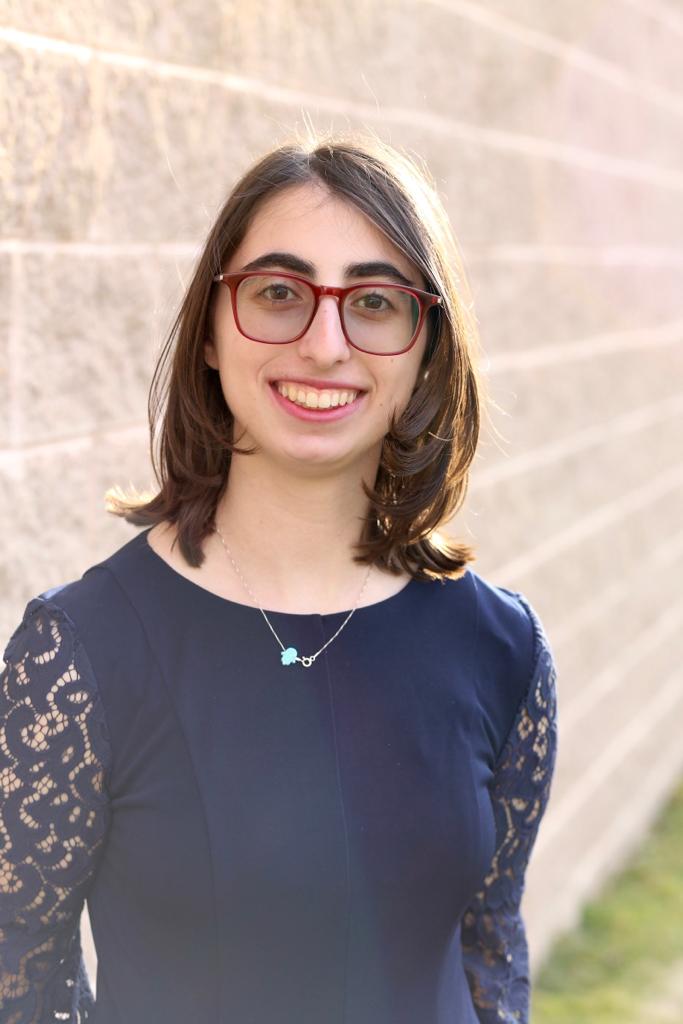
I’ve been wanting to do Daf Yomi for years, but always wanted to start at the beginning and not in the middle of things. When the opportunity came in 2020, I decided: “this is now the time!” I’ve been posting my journey daily on social media, tracking my progress (#DafYomi); now it’s fully integrated into my daily routines. I’ve also inspired my partner to join, too!

Joséphine Altzman
Joséphine Altzman

Teaneck, United States

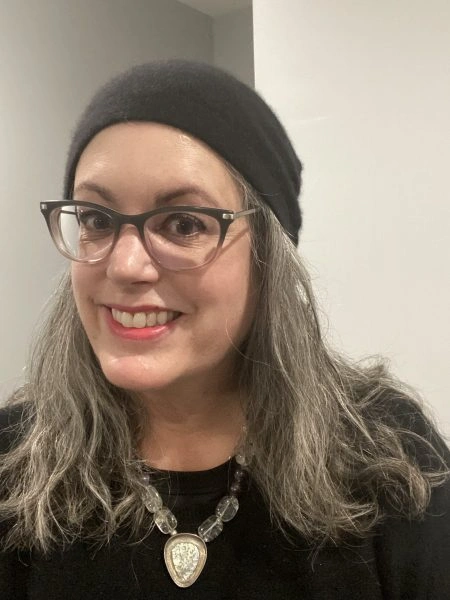
I started learning Daf in Jan 2020 with Brachot b/c I had never seen the Jewish people united around something so positive, and I wanted to be a part of it. Also, I wanted to broaden my background in Torah Shebal Peh- Maayanot gave me a great gemara education, but I knew that I could hold a conversation in most parts of tanach but almost no TSB. I’m so thankful for Daf and have gained immensely.

Meira Shapiro
Meira Shapiro

NJ, United States

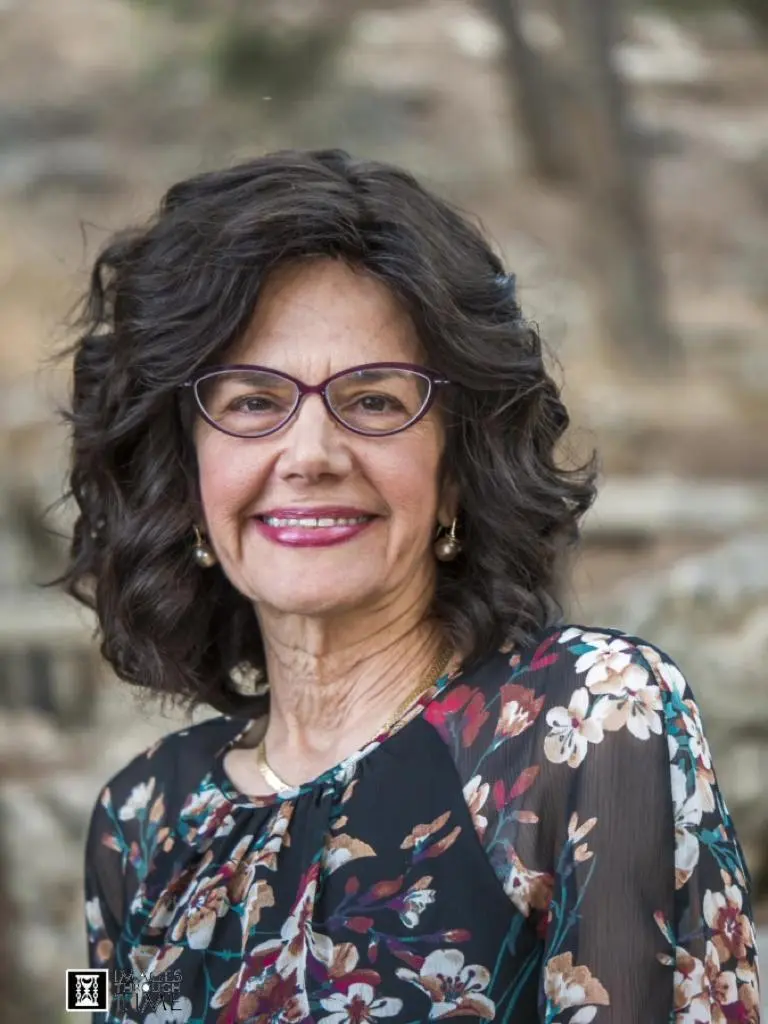
Shortly after the death of my father, David Malik z”l, I made the commitment to Daf Yomi. While riding to Ben Gurion airport in January, Siyum HaShas was playing on the radio; that was the nudge I needed to get started. The “everyday-ness” of the Daf has been a meaningful spiritual practice, especial after COVID began & I was temporarily unable to say Kaddish at daily in-person minyanim.

Lisa S. Malik
Lisa S. Malik

Wynnewood, United States

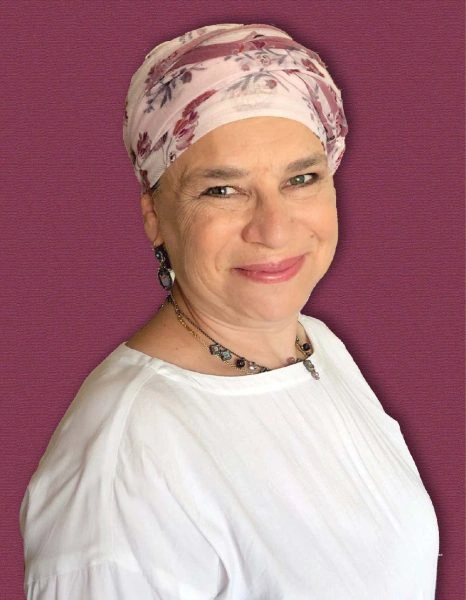
My husband learns Daf, my son learns Daf, my son-in-law learns Daf.
When I read about Hadran’s Siyyum HaShas 2 years ago, I thought- I can learn Daf too!
I had learned Gemara in Hillel HS in NJ, & I remembered loving it.
Rabbanit Michelle & Hadran have opened my eyes & expanding my learning so much in the past few years. We can now discuss Gemara as a family.
This was a life saver during Covid

Renee Braha
Renee Braha

Brooklyn, NY, United States

Inspired by Hadran’s first Siyum ha Shas L’Nashim two years ago, I began daf yomi right after for the next cycle. As to this extraordinary journey together with Hadran..as TS Eliot wrote “We must not cease from exploration and the end of all our exploring will be to arrive where we began and to know the place for the first time.

Susan Handelman
Susan Handelman

Jerusalem, Israel

I decided to learn one masechet, Brachot, but quickly fell in love and never stopped! It has been great, everyone is always asking how it’s going and chering me on, and my students are always making sure I did the day’s daf.

Yafit Fishbach
Yafit Fishbach

Memphis, Tennessee, United States

I had no formal learning in Talmud until I began my studies in the Joint Program where in 1976 I was one of the few, if not the only, woman talmud major. It was superior training for law school and enabled me to approach my legal studies with a foundation . In 2018, I began daf yomi listening to Rabbanit MIchelle’s pod cast and my daily talmud studies are one of the highlights of my life.

Krivosha_Terri_Bio
Terri Krivosha

Minneapolis, United States

3 years ago, I joined Rabbanit Michelle to organize the unprecedented Siyum HaShas event in Jerusalem for thousands of women. The whole experience was so inspiring that I decided then to start learning the daf and see how I would go…. and I’m still at it. I often listen to the Daf on my bike in mornings, surrounded by both the external & the internal beauty of Eretz Yisrael & Am Yisrael!

Lisa Kolodny
Lisa Kolodny

Raanana, Israel

Retirement and Covid converged to provide me with the opportunity to commit to daily Talmud study in October 2020. I dove into the middle of Eruvin and continued to navigate Seder Moed, with Rabannit Michelle as my guide. I have developed more confidence in my learning as I completed each masechet and look forward to completing the Daf Yomi cycle so that I can begin again!

Rhona Fink
Rhona Fink

San Diego, United States

I learned Talmud as a student in Yeshivat Ramaz and felt at the time that Talmud wasn’t for me. After reading Ilana Kurshan’s book I was intrigued and after watching the great siyum in Yerushalayim it ignited the spark to begin this journey. It has been a transformative life experience for me as a wife, mother, Savta and member of Klal Yisrael.
Elana Storch
Elana Storch

Phoenix, Arizona, United States

In early January of 2020, I learned about Siyyum HaShas and Daf Yomi via Tablet Magazine’s brief daily podcast about the Daf. I found it compelling and fascinating. Soon I discovered Hadran; since then I have learned the Daf daily with Rabbanit Michelle Cohen Farber. The Daf has permeated my every hour, and has transformed and magnified my place within the Jewish Universe.

Lisa Berkelhammer
Lisa Berkelhammer

San Francisco, CA , United States

Since I started in January of 2020, Daf Yomi has changed my life. It connects me to Jews all over the world, especially learned women. It makes cooking, gardening, and folding laundry into acts of Torah study. Daf Yomi enables me to participate in a conversation with and about our heritage that has been going on for more than 2000 years.

Shira Eliaser
Shira Eliaser

Skokie, IL, United States

When we heard that R. Michelle was starting daf yomi, my 11-year-old suggested that I go. Little did she know that she would lose me every morning from then on. I remember standing at the Farbers’ door, almost too shy to enter. After that first class, I said that I would come the next day but couldn’t commit to more. A decade later, I still look forward to learning from R. Michelle every morning.

Ruth Leah Kahan
Ruth Leah Kahan

Ra’anana, Israel

I started learning Daf Yomi in January 2020 after watching my grandfather, Mayer Penstein z”l, finish shas with the previous cycle. My grandfather made learning so much fun was so proud that his grandchildren wanted to join him. I was also inspired by Ilana Kurshan’s book, If All the Seas Were Ink. Two years in, I can say that it has enriched my life in so many ways.

Leeza Hirt Wilner
Leeza Hirt Wilner

New York, United States

My family recently made Aliyah, because we believe the next chapter in the story of the Jewish people is being written here, and we want to be a part of it. Daf Yomi, on the other hand, connects me BACK, to those who wrote earlier chapters thousands of years ago. So, I feel like I’m living in the middle of this epic story. I’m learning how it all began, and looking ahead to see where it goes!
Tina Lamm
Tina Lamm

Jerusalem, Israel

“I got my job through the NY Times” was an ad campaign when I was growing up. I can headline “I got my daily Daf shiur and Hadran through the NY Times”. I read the January 4, 2020 feature on Reb. Michelle Farber and Hadran and I have been participating ever since. Thanks NY Times & Hadran!
Deborah Aschheim
Deborah Aschheim

New York, United States

My first Talmud class experience was a weekly group in 1971 studying Taanit. In 2007 I resumed Talmud study with a weekly group I continue learning with. January 2020, I was inspired to try learning Daf Yomi. A friend introduced me to Daf Yomi for Women and Rabbanit Michelle Farber, I have kept with this program and look forward, G- willing, to complete the entire Shas with Hadran.
Lorri Lewis
Lorri Lewis

Palo Alto, CA, United States

I started learning Jan 2020 when I heard the new cycle was starting. I had tried during the last cycle and didn’t make it past a few weeks. Learning online from old men didn’t speak to my soul and I knew Talmud had to be a soul journey for me. Enter Hadran! Talmud from Rabbanit Michelle Farber from a woman’s perspective, a mother’s perspective and a modern perspective. Motivated to continue!

Keren Carter
Keren Carter

Brentwood, California, United States

I tried Daf Yomi in the middle of the last cycle after realizing I could listen to Michelle’s shiurim online. It lasted all of 2 days! Then the new cycle started just days before my father’s first yahrzeit and my youngest daughter’s bat mitzvah. It seemed the right time for a new beginning. My family, friends, colleagues are immensely supportive!

Catriella-Freedman-jpeg
Catriella Freedman

Zichron Yaakov, Israel

I started the daf at the beginning of this cycle in January 2020. My husband, my children, grandchildren and siblings have been very supportive. As someone who learned and taught Tanach and mefarshim for many years, it has been an amazing adventure to complete the six sedarim of Mishnah, and now to study Talmud on a daily basis along with Rabbanit Michelle and the wonderful women of Hadran.

Rookie Billet
Rookie Billet

Jerusalem, Israel

Ketubot 92

וַאֲתָא בַּעַל חוֹב דִּרְאוּבֵן וְקָטָרֵיף לֵיהּ מִינֵּיהּ — דִּינָא הוּא דְּאָזֵיל שִׁמְעוֹן וּמְפַצֵּי לֵיהּ.

and Reuven’s creditor came and repossessed the field from him, i.e., from Reuven, the law is that Shimon must go and compensate [mefatzei] Reuven, since he sold him the field with a guarantee, while Reuven owes Shimon nothing, since he sold him the field without a guarantee.

אֲמַר לֵיהּ רָבָא: נְהִי דְּאַחְרָיוּת דְּעָלְמָא קַבֵּיל עֲלֵיהּ, אַחְרָיוּת דְּנַפְשֵׁיהּ מִי קַבֵּיל עֲלֵיהּ?

Rava said to him: Granted, that Shimon took upon himself to guarantee the sale in general, i.e., if the field were to be repossessed by his own creditors or those of a previous owner of the field; did he also take upon himself to guarantee the sale if it were to be repossessed by the purchaser’s own creditors?

וּמוֹדֶה רָבָא בִּרְאוּבֵן שֶׁיָּרַשׁ שָׂדֶה מִיַּעֲקֹב, וּמְכָרָהּ לְשִׁמְעוֹן שֶׁלֹּא בְּאַחְרָיוּת, וַאֲתָא שִׁמְעוֹן וּמְכָרָהּ לִרְאוּבֵן בְּאַחְרָיוּת, וַאֲתָא בַּעַל חוֹב דְּיַעֲקֹב, וְקָטָרֵיף לֵיהּ מִינֵּיהּ — דִּינָא הוּא דְּאָזֵיל שִׁמְעוֹן וּמְפַצֵּי לֵיהּ מִינֵּיהּ.

The Gemara notes: And Rava concedes to Rami bar Ḥama in the following case: Reuven inherited a field from his father, Ya’akov, and sold it to Shimon with no guarantee. Shimon came and sold it back to Reuven with a guarantee. Then, Ya’akov’s creditor came and repossessed the field from Reuven. In this case, Rava would concede that the law is that Shimon must go and compensate Reuven for his loss.

מַאי טַעְמָא? בַּעַל חוֹב דְּיַעֲקֹב כְּבַעַל חוֹב דְּעָלְמָא דָּמֵי.

The Gemara asks: What is the reason for this halakha? The Gemara answers: Ya’akov’s creditor is comparable to a general case of a creditor, i.e., a creditor of a previous owner. Even Rava would agree that this is not comparable to a case where Reuven’s creditor repossessed the field. Consequently, Shimon bears responsibility to compensate Reuven.

אָמַר רָמֵי בַּר חָמָא: רְאוּבֵן שֶׁמָּכַר שָׂדֶה לְשִׁמְעוֹן בְּאַחְרָיוּת, וְזָקַף עָלָיו בְּמִלְוָה, וּמֵת רְאוּבֵן, וַאֲתָא בַּעַל חוֹב דִּרְאוּבֵן וְקָטָרֵיף לַהּ מִשִּׁמְעוֹן וּפַיְּיסֵיהּ בְּזוּזֵי —

Rami bar Ḥama said: Consider a case where Reuven sold a field to Shimon with a guarantee that if it is repossessed he will compensate Shimon for his loss. Shimon did not pay for the purchase, and instead set up the value of the field as a loan by writing a promissory note for this amount. Reuven subsequently died, and a creditor of Reuven came and repossessed the field from Shimon. Shimon, not wanting the creditor to take the field from him, tried to appease him with money so the creditor would allow him to keep the field.

דִּינָא הוּא דְּאָמְרִי לֵיהּ בְּנֵי רְאוּבֵן: אֲנַן מִטַּלְטְלִי שְׁבַק אֲבוּן גַּבָּךְ, וּמִטַּלְטְלִי דְיַתְמֵי לְבַעַל חוֹב לָא מִשְׁתַּעְבְּדִי.

The law is that the sons of Reuven can say to Shimon that he must pay them the money he owes for the field, and they are not required to pay Shimon if he demands compensation for the repossession of the field. They may say to him: Our father left us movable property with you, i.e., the money you owe us for the field, and the movable property of orphans is not liened to a creditor. The orphans can claim that the field belongs to Shimon, and as there is no land left for the orphans, there is no way for Shimon to recover the compensation that he is owed. The money he owes Reuven is considered movable property, and therefore he cannot recover his losses from these funds.

אָמַר רָבָא: אִי פִּקֵּחַ אִידַּךְ, מַגְבֵּי לְהוּ נִיהֲלַיְיהוּ אַרְעָא וַהֲדַר גָּבֵי לַהּ מִינַּיְיהוּ, כְּרַב נַחְמָן. דְּאָמַר רַב נַחְמָן אָמַר רַבָּה בַּר אֲבוּהּ: יְתוֹמִים שֶׁגָּבוּ קַרְקַע בְּחוֹבַת אֲבִיהֶן — בַּעַל חוֹב חוֹזֵר וְגוֹבֶה אוֹתָהּ מֵהֶן.

Rava said with regard to this case: If the other individual, Shimon, is clever he will pay them what he owes with real estate and not with money. Since they now have real estate inherited from their father’s estate, Shimon can then collect the field from them as compensation for the repossession of the original field that Reuven sold to Shimon. This is in accordance with the opinion of Rav Naḥman, as Rav Naḥman said that Rabba bar Avuh said: When orphans collect real estate for a debt owed to their father from one person, their father’s creditor can come and seize this land from them.

אָמַר רַבָּה: רְאוּבֵן שֶׁמָּכַר כׇּל שְׂדוֹתָיו לְשִׁמְעוֹן, וְחָזַר שִׁמְעוֹן וּמָכַר שָׂדֶה אַחַת לְלֵוִי, וַאֲתָא בַּעַל חוֹב דִּרְאוּבֵן — רָצָה מִזֶּה גּוֹבֶה, רָצָה מִזֶּה גּוֹבֶה.

The Gemara addresses a similar matter. Rabba said: If Reuven sold all his fields to Shimon, and Shimon then sold one field to Levi, and then Reuven’s creditor came to repossess one of the fields that was mortgaged to him: If he desires, he can collect from this one, Shimon, and if he desires, he can collect from that one, Levi, since he has a lien that applies equally to all the properties that once belonged to Reuven.

וְלָא אֲמַרַן אֶלָּא דְּזַבְּנֵהּ בֵּינוֹנִית, אֲבָל זַבְּנֵהּ עִידִּית וְזִבּוּרִית, מָצֵי אֲמַר לֵיהּ: לְהָכִי טְרַחִי וּזְבַינִי אַרְעָא דְּלָא חַזְיָא לָךְ.

And we said this only if Shimon sold Levi land of intermediate quality, but if he sold him land of superior quality or inferior quality, Levi can say to the creditor: It was for this reason that I made an effort to buy land that is not fit for you, as a creditor is supposed to repossess land of intermediate quality. Therefore, go to Shimon and collect your debt from the land of intermediate quality that is in his possession.

וּבֵינוֹנִית נָמֵי לָא אֲמַרַן, אֶלָּא דְּלָא שְׁבַק בֵּינוֹנִית דִּכְווֹתַהּ,

The Gemara notes further: And even if Shimon sold Levi land of intermediate quality, we said that the creditor may repossess Levi’s land only in a case where Levi did not leave Shimon with equivalent land of intermediate quality.

אֲבָל שְׁבַק בֵּינוֹנִית דִּכְווֹתַהּ, מָצֵי אָמַר לֵיהּ: הִנַּחְתִּי לָךְ מָקוֹם לִגְבּוֹת הֵימֶנּוּ.

However, if Levi left similar land of intermediate quality with Shimon, he can say to the creditor: I have left you a place from which to collect; go and collect from Shimon.

אָמַר אַבָּיֵי: רְאוּבֵן שֶׁמָּכַר שָׂדֶה לְשִׁמְעוֹן בְּאַחְרָיוּת, וַאֲתָא בַּעַל חוֹב דִּרְאוּבֵן וְקָטָרֵיף לַהּ מִינֵּיהּ, דִּינָא הוּא דְּאָזֵיל רְאוּבֵן וּמְפַצֵּי לֵיהּ. וְלָא מָצֵי אֲמַר לֵיהּ: לָאו בַּעַל דְּבָרִים דִּידִי אַתְּ. מִשּׁוּם דְּאָמַר לֵיהּ: דְּמַפְּקַתְּ מִינֵּיהּ, עָלַי הָדַר.

Abaye said: In a case where Reuven sold a field to Shimon with a guarantee that if the field is repossessed, he will compensate Shimon for his loss and Reuven’s creditor comes and repossesses the land from Shimon, the law is that Reuven goes and rescues Shimon by attempting to forestall the repossession, and the creditor cannot say to Reuven: I am not legally answerable to you since I am taking the field from Shimon. This is because Reuven can retort: What you take from him comes back to me: Since I guaranteed the sale and will ultimately have to compensate Shimon, you cannot claim that I am not a legal party in this matter.

וְאִיכָּא דְּאָמְרִי: אֲפִילּוּ שֶׁלֹּא בְּאַחְרָיוּת נָמֵי, דְּאָמַר לֵיהּ: לָא נִיחָא לִי דְּתֶהְוֵי לֵיהּ לְשִׁמְעוֹן תַּרְעוֹמֶת עָלַי.

And there are those who say that even if Reuven sold Shimon the field with no guarantee, he can also join in the deliberations and attempt to forestall the repossession of the land. This is because Reuven can say to the creditor: It is not amenable to me that Shimon will have a grievance against me for having sold him land that was then repossessed.

אָמַר אַבָּיֵי: רְאוּבֵן שֶׁמָּכַר שָׂדֶה לְשִׁמְעוֹן שֶׁלֹּא בְּאַחְרָיוּת, וְיָצְאוּ עָלָיו

Abaye said: In a case where Reuven sold a field to Shimon with no guarantee, and it emerged that he had

Want to follow content and continue where you left off?

Create an account today to track your progress, mark what you’ve learned, and follow the shiurim that speak to you.

Clear all items from this list?

This will remove ALL the items in this section. You will lose any progress or history connected to them. This is irreversible.

Cancel
Yes, clear all

Are you sure you want to delete this item?

You will lose any progress or history connected to this item.

Cancel
Yes, delete