









Makkot
Masechet Makkot is sponsored by Terri Krivosha and Rabbi Hayim Herring in loving memory of Terri’s father Judge Norman Krivosha, Nachum Meir ben David Beer v’Malka “who instilled in us a lifelong love of learning” and in honor of Dr. Judith Hauptman, “our first Talmud teacher, who was one of the pioneers to open the doors of Talmud study to women.”
Want to dedicate learning? Get started here:

Summary

For what cases is a ger toshav allowed to go to a refuge city? Contradictory sources are brought and the contradictions are resolved.
There is a debate one who killed someone and claimed “I thought it was allowed” – is that considered close to intentional or is it considered circumstances beyond one’s control? Potential proofs are brought from the Torah for each position from the story of Avimelech when he took Sarah from Avraham.
Does a blind person go to a city of refuge? What is the halakha if the accidental murderer hated the one who was murdered?
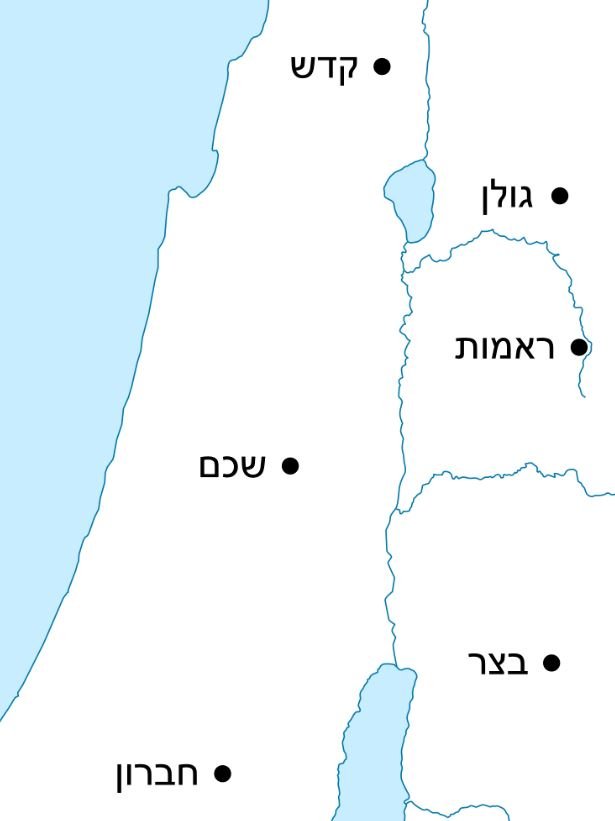
How many refuge cities were there and where were they located?
Today’s daily daf tools:
Makkot
Masechet Makkot is sponsored by Terri Krivosha and Rabbi Hayim Herring in loving memory of Terri’s father Judge Norman Krivosha, Nachum Meir ben David Beer v’Malka “who instilled in us a lifelong love of learning” and in honor of Dr. Judith Hauptman, “our first Talmud teacher, who was one of the pioneers to open the doors of Talmud study to women.”
Makkot 9
שֶׁאֵין בָּהּ שָׁוֶה פְּרוּטָה. דְּאָמַר רַבִּי אַמֵּי אָמַר רַבִּי יוֹחָנָן: הִכָּהוּ הַכָּאָה שֶׁאֵין בָּהּ שָׁוֶה פְּרוּטָה – לוֹקֶה. וְלָא מַקְּשִׁינַן הַכָּאָה לִקְלָלָה.
that does not have the capacity to cause damage worth one peruta, as Rabbi Ami says that Rabbi Yoḥanan says: Although one who strikes another pays damages and is not flogged, if he struck him with a blow that does not have the capacity to cause damage worth one peruta, since there is no payment, he is flogged for violating a Torah prohibition. The Gemara comments: And according to this opinion, contrary to those who hold that based on their virtual juxtaposition (see Exodus 21:15, 17) or on an analogy between them, the halakhot of striking and cursing are identical, we do not liken striking to cursing. Therefore, although one is flogged for cursing another only if the other comports himself as an observant, God-fearing Jew, one is liable for striking another even if the other was a sinner, e.g., a Samaritan.
חוּץ מֵעַל יְדֵי גֵּר תּוֹשָׁב וְכוּ׳. אַלְמָא גֵּר תּוֹשָׁב גּוֹי הוּא. אֵימָא סֵיפָא: גֵּר תּוֹשָׁב גּוֹלֶה עַל יְדֵי גֵּר תּוֹשָׁב! אָמַר רַב כָּהֲנָא: לָא קַשְׁיָא, כָּאן בְּגֵר תּוֹשָׁב שֶׁהָרַג גֵּר תּוֹשָׁב, כָּאן בְּגֵר תּוֹשָׁב שֶׁהָרַג יִשְׂרָאֵל.
§ The mishna teaches: Everyone is exiled due to their unintentional murder of a Jew, and a Jew is exiled due to all of them, except for when it is due to a ger toshav. And a ger toshav is exiled due to his unintentional murder of a ger toshav. The Gemara comments: Apparently, one may conclude that a ger toshav is a gentile, and therefore he is not exiled when he unintentionally kills a Jew. Say the latter clause of the mishna: A ger toshav is exiled due to his unintentional murder of a ger toshav, indicating that his halakhic status is not that of a gentile, as gentiles are not liable to be exiled. There is an apparent contradiction between the two clauses in the mishna. Rav Kahana said: This is not difficult. Here, in the latter clause of the mishna, it is in the case of a ger toshav who killed a ger toshav that he is exiled; there, in the first clause, it is in the case of a ger toshav who killed a Jew. In the case described in the first clause he is not exiled, as his halakhic status is not that of a Jew, for whom the sin of unintentional murder of a Jew can be atoned through exile.
אִיכָּא דְּרָמֵי קְרָאֵי אַהֲדָדֵי, כְּתִיב: ״לִבְנֵי יִשְׂרָאֵל וְלַגֵּר וְלַתּוֹשָׁב בְּתוֹכָם תִּהְיֶינָה שֵׁשׁ הֶעָרִים״, וּכְתִיב: ״וְהָיוּ לָכֶם הֶעָרִים לְמִקְלָט״, ״לָכֶם״ – וְלֹא לְגֵרִים! אָמַר רַב כָּהֲנָא: לָא קַשְׁיָא, כָּאן – בְּגֵר תּוֹשָׁב שֶׁהָרַג יִשְׂרָאֵל, כָּאן – בְּגֵר תּוֹשָׁב שֶׁהָרַג גֵּר תּוֹשָׁב.
There are those who raised a contradiction between two verses. It is written: “For the children of Israel and for the stranger and for the resident [velatoshav] among them, shall these six cities be for refuge” (Numbers 35:15), indicating that a ger toshav is exiled. And it is written in a previous verse: “And the cities shall be for you for refuge” (Numbers 35:12), from which it is inferred: A refuge for you but not for a ger toshav, indicating that a ger toshav is not exiled. Rav Kahana said: This is not difficult. Here, the verse that indicates that they are not exiled is concerning a ger toshav who killed a Jew; there, the verse that indicates that they are exiled is concerning a ger toshav who killed a ger toshav.
וּרְמִינְהִי: לְפִיכָךְ גֵּר וְגוֹי שֶׁהָרְגוּ – נֶהֱרָגִין. קָתָנֵי גֵּר דּוּמְיָא דְּגוֹי: מָה גּוֹי לָא שְׁנָא דִּקְטַל בַּר מִינֵּיהּ, וְלָא שְׁנָא דִּקְטַל דְּלָאו בַּר מִינֵיהּ – נֶהֱרָג, אַף גֵּר, לָא שְׁנָא דִּקְטַל בַּר מִינֵּיהּ וְלָא שְׁנָא קְטַל דְּלָאו בַּר מִינֵיהּ – נֶהֱרָג!
And the Gemara raises a contradiction to the halakha of the mishna from a baraita, which teaches: Therefore, a ger toshav and a gentile who killed a person are killed, even if they did so unintentionally. The Gemara infers based on the juxtaposition of a ger toshav and a gentile in the baraita: The tanna teaches the case of a ger toshav in a manner similar to the case of a gentile: Just as with regard to a gentile it is no different in a case where he killed one of his kind, a gentile, and it is no different in a case where he killed one not of his kind, a Jew, as in either case he is executed and is not exiled, so too, with regard to a ger toshav, it is no different in a case where he killed one of his kind, a ger toshav, and it is no different in a case where he killed one not of his kind, a Jew, as in either case he is executed and is not exiled.
אָמַר רַב חִסְדָּא: לָא קַשְׁיָא, כָּאן שֶׁהֲרָגוֹ דֶּרֶךְ יְרִידָה, כָּאן שֶׁהֲרָגוֹ דֶּרֶךְ עֲלִיָּיה. דֶּרֶךְ יְרִידָה, דְּיִשְׂרָאֵל גָּלֵי – אִיהוּ נָמֵי סַגִּי לֵיהּ בְּגָלוּת. דֶּרֶךְ עֲלִיָּיה, דְּיִשְׂרָאֵל פָּטוּר – הוּא נֶהֱרָג.
Rav Ḥisda said: The contradiction between the mishna and the baraita is not difficult. Here, the mishna is referring to a case where he killed him in a downward motion; there, the baraita is referring to a case where he killed him in an upward motion. Rav Ḥisda elaborates: If one ger toshav killed another ger toshav in a downward motion, which is a case where if the perpetrator were a Jew, he would be exiled, the ger toshav also suffices with exile. But if the ger toshav killed his counterpart in an upward motion, which is a case where if the perpetrator were a Jew, he would be exempt from exile, the ger toshav is executed.
אֲמַר לֵיהּ רָבָא: וְלָאו קַל וָחוֹמֶר הוּא? וּמָה דֶּרֶךְ יְרִידָה דְּיִשְׂרָאֵל גָּלֵי, אִיהוּ נָמֵי סַגִּי לֵיהּ בְּגָלוּת, דֶּרֶךְ עֲלִיָּיה, דְּיִשְׂרָאֵל פָּטוּר, אִיהוּ נֶהֱרָג?!
Rava said to him: And is it not derived by means of an a fortiori inference to the contrary? If one unintentionally kills another in a downward motion, which is a case where if the perpetrator were a Jew, he would be exiled, the ger toshav also suffices with exile and nothing more, but if he killed in an upward motion, which is a case where if the perpetrator were a Jew, he would be exempt from exile, is he killed?
אֶלָּא אָמַר רָבָא: בְּאוֹמֵר מוּתָּר. אֲמַר לֵיהּ אַבָּיֵי: אוֹמֵר מוּתָּר אָנוּס הוּא! אֲמַר לֵיהּ: שֶׁאֲנִי אוֹמֵר, אוֹמֵר מוּתָּר – קָרוֹב לְמֵזִיד הוּא.
Rather, Rava said: The case in the baraita where a ger toshav is killed rather than exiled is where the ger toshav who killed another ger toshav says that it is permitted to kill the victim. If he killed him unintentionally he is exiled, in accordance with the ruling in the mishna. Abaye said to him: One who says that it is permitted to kill the victim is a victim of circumstances beyond his control, as he was unaware of the prohibition. Why, then, should he be executed? Rava said to him: That is not a problem, as I say that with regard to one who says that it is permitted, since he intended to kill the other, his action borders on the intentional.
וְאָזְדוּ לְטַעְמַיְיהוּ, דְּאִיתְּמַר: כְּסָבוּר בְּהֵמָה וְנִמְצָא אָדָם, גּוֹי וְנִמְצָא גֵּר תּוֹשָׁב. רָבָא אוֹמֵר: חַיָּיב, אוֹמֵר מוּתָּר קָרוֹב לְמֵזִיד הוּא. רַב חִסְדָּא אוֹמֵר: פָּטוּר, אוֹמֵר מוּתָּר אָנוּס הוּא.
The Gemara observes: And Rava and Rav Ḥisda follow their standard line of reasoning, as is indicated by the fact that it was stated that they disagree in the case of a ger toshav who killed a person. If he thought he was killing an animal and it was discovered that it was a person, or if he thought he was killing a gentile and it was discovered that he was a ger toshav, Rava says he is liable to be executed, as with regard to one who says that it is permitted, his action borders on the intentional. Rav Ḥisda says he is exempt, as one who says that it is permitted to kill the victim is a victim of circumstances beyond his control.
אֵיתִיבֵיהּ רָבָא לְרַב חִסְדָּא: ״הִנְּךָ מֵת עַל הָאִשָּׁה אֲשֶׁר לָקַחְתָּ״. מַאי לָאו בִּידֵי אָדָם?
Rava raised an objection to the opinion of Rav Ḥisda from that which is written with regard to Abimelech, king of Gerar, who took Sarah, Abraham’s wife: “And God came to Abimelech in a dream of the night and said to him: You shall die for the woman you took, as she is a man’s wife” (Genesis 20:3). When Abimelech took Sarah he was under the impression that she was unmarried, as Abraham said that she was his sister. Despite the fact that Abimelech was one who says that it is permitted, he was liable to be executed for his action. What, is it not that he was liable to be executed at the hand of a court composed of people, indicating that one who says that it is permitted is liable?
לָא, בִּידֵי שָׁמַיִם. דַּיְקָא נָמֵי, דִּכְתִיב: ״מֵחֲטוֹא לִי״.
The Gemara rejects that conclusion: No, it means that he was liable to be executed at the hand of Heaven, but not by a court. The Gemara adds: The language of the verses is also precise in this regard, as it is written: “And I also prevented you from sinning against Me” (Genesis 20:6), indicating that it was a sin vis-à-vis God and was not in the jurisdiction of a court of men.
וּלְטַעְמָיךְ, ״וְחָטָאתִי לֵאלֹהִים״ – לֵאלֹהִים וְלֹא לְאָדָם? אֶלָּא, דִּינוֹ מָסוּר לְאָדָם, הָכָא נָמֵי דִּינוֹ מָסוּר לָאָדָם.
The Gemara asks: And according to your reasoning that based on the formulation of the verse one concludes that it was a sin exclusively vis-à-vis God, where Joseph says to Potiphar’s wife: “And how can I perform this great evil, and sin to God” (Genesis 39:9), may one also infer that it was a sin vis-à-vis God and not vis-à-vis man? Joseph is referring to adultery, which is punishable by execution according to the Noahide laws as well. Rather, in that case it means that although he performed a sin vis-à-vis God, his judgment is given over to the ruling of man; here too, in the verse about Abimelech, it can be explained that although he performed a sin vis-à-vis God, his judgment is given over to the ruling of man. There is no proof from this verse with regard to the status of one who says that it is permitted to perform a transgression.
אֵיתִיבֵיהּ אַבָּיֵי לְרָבָא: ״הֲגוֹי גַּם צַדִּיק תַּהֲרֹג״! הָתָם כִּדְקָא מְהַדְּרִי עִלָּוֵיהּ: ״וְעַתָּה הָשֵׁב אֵשֶׁת הָאִישׁ כִּי נָבִיא הוּא״ –
Abaye raised an objection to the opinion of Rava from the reply of Abimelech: “Will You even slay a righteous nation?” (Genesis 20:4). God appears to accept Abimelech’s contention, as He did not respond by calling him wicked, indicating that one who says that it is permitted to perform a transgression is a victim of circumstances beyond his control. The Gemara rejects that understanding. There, the reason for the rejection of Abimelech’s contention is as they responded to him from Heaven: “And now, restore the man’s wife, as he is a prophet” (Genesis 20:7).
אֵשֶׁת נָבִיא הוּא דְּתֶיהְדַּר, דְּלָאו נָבִיא לָא תֶּיהְדַּר?!
This Gemara questions that response. Is it the wife of a prophet that is returned, and the wife of one who is not a prophet is not returned?
אֶלָּא כִּדְאָמַר רַבִּי שְׁמוּאֵל בַּר נַחְמָנִי. דְּאָמַר רַבִּי שְׁמוּאֵל בַּר נַחְמָנִי אָמַר רַבִּי יוֹנָתָן: הָכִי קָאָמַר לֵיהּ: ״וְעַתָּה הָשֵׁב אֵשֶׁת הָאִישׁ״, מִכׇּל מָקוֹם. וּדְקָאָמְרַתְּ: ״הֲגוֹי גַּם צַדִּיק תַּהֲרֹג, הֲלֹא הוּא אָמַר לִי אֲחוֹתִי הִיא וְגוֹ׳״ – נָבִיא הוּא וּמִמְּךָ לָמַד. אַכְסְנַאי (הוּא) שֶׁבָּא לָעִיר, עַל עִסְקֵי אֲכִילָה וּשְׁתִיָּיה שׁוֹאֲלִין אוֹתוֹ, כְּלוּם שׁוֹאֲלִין אוֹתוֹ ״אִשְׁתְּךָ זוֹ״ ״אֲחוֹתְךָ זוֹ״?
Rather, the explanation is as Rabbi Shmuel bar Naḥmani says, as Rabbi Shmuel bar Naḥmani says that Rabbi Yonatan says: This is what God is saying to Abimelech: “And now, restore the man’s wife” (Genesis 20:7), in any case, whether or not he is a prophet. And as for that which you said: “Will You even slay a righteous nation? Didn’t he say to me: She is my sister” (Genesis 20:4–5), claiming that you are a victim of circumstances beyond your control and exempt from punishment, that is not a valid claim. He is a prophet and it is from you that he learned to conduct himself in that manner. With regard to a stranger [akhsenai] who comes to the city, one asks him about matters of eating and drinking, e.g., whether he is hungry or thirsty. Does one ask him: Is that your wife? Is that your sister? Abraham understood from this line of questioning that you are suspect with regard to abducting women, and that is the reason that he introduced Sarah as his sister. Therefore, you are liable to be executed for her abduction.
מִכָּאן שֶׁבֶּן נֹחַ נֶהֱרָג, שֶׁהָיָה לוֹ לִלְמוֹד וְלֹא לָמַד.
The Gemara comments: From here it is derived that a descendant of Noah, i.e., a gentile, is executed for a capital offense even if he says that it is permitted, as he should have learned that it is prohibited and he did not learn.
מַתְנִי׳ הַסּוֹמֵא אֵינוֹ גּוֹלֶה, דִּבְרֵי רַבִּי יְהוּדָה. רַבִּי מֵאִיר אוֹמֵר: גּוֹלֶה. הַשּׂוֹנֵא אֵינוֹ גּוֹלֶה. רַבִּי יוֹסֵי אוֹמֵר: הַשּׂוֹנֵא נֶהֱרָג, מִפְּנֵי שֶׁהוּא כְּמוּעָד. רַבִּי שִׁמְעוֹן אוֹמֵר: יֵשׁ שׂוֹנֵא גּוֹלֶה וְיֵשׁ שׂוֹנֵא שֶׁאֵינוֹ גּוֹלֶה. זֶה הַכְּלָל: כֹּל שֶׁהוּא יָכוֹל לוֹמַר לְדַעַת הָרַג – אֵינוֹ גּוֹלֶה, וְשֶׁלֹּא לְדַעַת הָרַג – הֲרֵי זֶה גּוֹלֶה.
MISHNA: A blind person who unintentionally murdered another is not exiled; this is the statement of Rabbi Yehuda. Rabbi Meir says: He is exiled. The enemy of the victim is not exiled, as presumably it was not a completely unintentional act. Rabbi Yosei says: Not only is an enemy not exiled, but he is executed by the court, because his halakhic status is like that of one who is forewarned by witnesses not to perform the action, as presumably he performed the action intentionally. Rabbi Shimon says: There is an enemy who is exiled and there is an enemy who is not exiled. This is the principle: In any case where an observer could say he killed knowingly, where circumstances lead to the assumption that it was an intentional act, the enemy is not exiled, even if he claims that he acted unintentionally. And if it is clear that he killed unknowingly, as circumstances indicate that he acted unintentionally, he is exiled, even though the victim is his enemy.
גְּמָ׳ תָּנוּ רַבָּנַן: ״בְּלֹא רְאוֹת״ – פְּרָט לְסוֹמֵא, דִּבְרֵי רַבִּי יְהוּדָה. רַבִּי מֵאִיר אוֹמֵר: ״בְּלֹא רְאוֹת״ – לְרַבּוֹת אֶת הַסּוֹמֵא.
GEMARA: Apropos the dispute in the mishna between Rabbi Yehuda and Rabbi Meir with regard to a blind person, the Sages taught: It is written that one is exiled to a city of refuge if he killed another “without seeing” (Numbers 35:23), indicating that the reference is to one who has the capacity to see. This serves to exclude a blind person; this is the statement of Rabbi Yehuda. Rabbi Meir says: On the contrary, the term “without seeing” serves to include a blind person.
מַאי טַעְמָא דְּרַבִּי יְהוּדָה – דִּכְתִיב: ״וַאֲשֶׁר יָבֹא אֶת רֵעֵהוּ בַיַּעַר״ – אֲפִילּוּ סוֹמֵא. אֲתָא ״בְּלֹא רְאוֹת״, מַעֲטֵיהּ.
The Gemara elaborates: What is the reason for the opinion of Rabbi Yehuda? It is as it is written with regard to those who are exiled: “And as one who goes with his neighbor into the forest” (Deuteronomy 19:5), which is stated in general terms, applying even to a blind person. The phrase “without seeing” comes and excludes a blind person from this halakha.
וְרַבִּי מֵאִיר: ״בְּלֹא רְאוֹת״ – לְמַעֵט, ״בִּבְלִי דַּעַת״ – לְמַעֵט, הָוֵי מִיעוּט אַחַר מִיעוּט, וְאֵין מִיעוּט אַחַר מִיעוּט אֶלָּא לְרַבּוֹת.
And Rabbi Meir interprets the verses differently: “Without seeing” serves to exclude a blind person, and “without knowledge” (Deuteronomy 19:4) also serves to exclude a blind person. This is an example of a restrictive expression following a restrictive expression, and there is a hermeneutical principle that a restrictive expression following a restrictive expression serves only to amplify the halakha and include additional cases. In this case, it includes a blind person in the halakhot of exile as well.
וְרַבִּי יְהוּדָה? ״בִּבְלִי דַּעַת״ – פְּרָט לְמִתְכַּוֵּין הוּא דַּאֲתָא.
The Gemara asks: And how does Rabbi Yehuda respond to that derivation? The Gemara answers that Rabbi Yehuda says that the phrase “without knowledge” comes to exclude one with intent, e.g., one who had intent to kill an animal and who killed a person, from the halakha of exile. Rabbi Yehuda interprets the two restrictive expressions as excluding two unrelated cases from the halakha of exile, and therefore the principle of: A restrictive expression following a restrictive expression serves only to amplify, is not relevant in this case.
רַבִּי יוֹסֵי אוֹמֵר הַשּׂוֹנֵא נֶהֱרָג כּוּ׳. וְהָא לָא אַתְרוֹ בֵּיהּ! מַתְנִיתִין רַבִּי יוֹסֵי בַּר יְהוּדָה הִיא, דְּתַנְיָא: רַבִּי יוֹסֵי בַּר יְהוּדָה אוֹמֵר: חָבֵר אֵינוֹ צָרִיךְ הַתְרָאָה, לְפִי שֶׁלֹּא נִיתְּנָה הַתְרָאָה אֶלָּא לְהַבְחִין בֵּין שׁוֹגֵג לְמֵזִיד.
§ The mishna teaches that Rabbi Yosei says: An enemy is executed because his halakhic status is like that of one who is forewarned. The Gemara asks: But why is an enemy executed? The witness did not actually forewarn him, and courts administer corporal punishment only to a defendant who was forewarned. The Gemara answers: The mishna is in accordance with the opinion of Rabbi Yosei, son of Rabbi Yehuda, as it is taught in a baraita that Rabbi Yosei, son of Rabbi Yehuda, says: One who is devoted to the meticulous observance of mitzvot [ḥaver] does not require forewarning for the court to administer corporal punishment to him, because fundamentally the obligation to issue forewarning was established only to distinguish between unwitting and intentional actions. The presumptive status of a ḥaver is that of one who knows the halakha; therefore, his action is presumed to have been intentional.
רַבִּי שִׁמְעוֹן אוֹמֵר: יֵשׁ שׂוֹנֵא גּוֹלֶה וְכוּ׳. תַּנְיָא: כֵּיצַד אָמַר רַבִּי שִׁמְעוֹן יֵשׁ שׂוֹנֵא גּוֹלֶה וְיֵשׁ שׂוֹנֵא שֶׁאֵינוֹ גּוֹלֶה? נִפְסַק – גּוֹלֶה, נִשְׁמַט – אֵינוֹ גּוֹלֶה.
§ The mishna teaches that Rabbi Shimon says: There is an enemy who is exiled and there is an enemy who is not exiled. The Gemara adds: It is taught in a baraita: In what circumstances did Rabbi Shimon say that there is an enemy who is exiled and there is an enemy who is not exiled? He said that in a case where the rope snapped and the object attached to the rope fell and killed a person, he is exiled, as that appears to be an accident. But if an object was displaced from his hands, he is not exiled, as presumably he loosened his grip until it fell.
וְהָתַנְיָא רַבִּי שִׁמְעוֹן אוֹמֵר: לְעוֹלָם אֵינוֹ גּוֹלֶה עַד שֶׁיִּשָּׁמֵט מַחְצָלוֹ מִיָּדוֹ. קַשְׁיָא נִפְסַק אַנִּפְסַק, קַשְׁיָא נִשְׁמַט אַנִּשְׁמַט!
The Gemara asks: But isn’t it taught in a baraita that Rabbi Shimon says: One is never exiled unless his trowel with which he was working was displaced from his hand? As Rabbi Shimon stated that halakha without distinguishing between friend and enemy, therefore, the apparent contradiction between a case where the rope snapped, according to the first baraita, and a case where the rope snapped, according to the second baraita, is difficult. And the apparent contradiction between a case where the object was displaced, according to the first baraita, and a case where the object was displaced, according to the second baraita, is difficult.
נִפְסַק אַנִּפְסַק לָא קַשְׁיָא: הָא בְּאוֹהֵב, וְהָא בְּשׂוֹנֵא.
The Gemara answers: The apparent contradiction between a case where the rope snapped according to the first baraita and a case where the rope snapped according to the second is not difficult. This case in the second baraita is referring to a friend of the victim, and presumably if the rope snapped it is considered a case of circumstances beyond his control and he is exempt from exile, and that case in the first baraita is referring to an enemy of the victim. In that case, although the presumption is that the act was not intentional, due to his enmity toward the victim, it is also not assumed to be the result of circumstances that were completely beyond his control. Therefore, he is exiled.
נִשְׁמַט אַנִּשְׁמַט לָא קַשְׁיָא: הָא רַבִּי, וְהָא רַבָּנַן.
The apparent contradiction between a case where the object was displaced according to the first baraita and a case where the object was displaced according to the second baraita is not difficult, as this case in the first baraita is the opinion of Rabbi Yehuda HaNasi, who ruled in a mishna (7b) that if the blade of one’s ax was displaced from its handle and flew through the air and killed a person, he is exempt from exile, in accordance with the opinion of Rabbi Shimon, and that case in the second baraita is the opinion of the Rabbis, who rule that in that case, the person wielding the ax is exiled, in accordance with the opinion of Rabbi Shimon.
מַתְנִי׳ לְהֵיכָן גּוֹלִין? לְעָרֵי מִקְלָט, לְשָׁלֹשׁ שֶׁבְּעֵבֶר הַיַּרְדֵּן וּלְשָׁלֹשׁ שֶׁבְּאֶרֶץ כְּנַעַן. שֶׁנֶּאֱמַר: ״אֵת שְׁלֹשׁ הֶעָרִים תִּתְּנוּ מֵעֵבֶר לַיַּרְדֵּן וְאֵת שְׁלֹשׁ הֶעָרִים תִּתְּנוּ בְּאֶרֶץ כְּנָעַן וְגוֹ׳״. עַד שֶׁלֹּא נִבְחֲרוּ שָׁלֹשׁ שֶׁבְּאֶרֶץ יִשְׂרָאֵל לֹא הָיוּ שָׁלֹשׁ שֶׁבְּעֵבֶר הַיַּרְדֵּן קוֹלְטוֹת, שֶׁנֶּאֱמַר: ״שֵׁשׁ עָרֵי מִקְלָט תִּהְיֶינָה״ – עַד שֶׁיִּהְיוּ שֶׁשְׁתָּן קוֹלְטוֹת כְּאַחַת.
MISHNA: To where are the unintentional murderers exiled? They are exiled to cities of refuge, to three cities that were in the east bank of the Jordan and to three cities that were in the land of Canaan, i.e., Eretz Yisrael, as it is stated: “Three cities shall you give beyond the Jordan and three cities shall you give in the land of Canaan; they shall be cities of refuge” (Numbers 35:14). The mishna comments: Until the three cities of refuge that were in Eretz Yisrael were selected, an unintentional murderer would not be admitted to the three that were in the east bank of the Jordan, even though the latter three were already selected by Moses (see Deuteronomy 4:41), as it is stated: “Six cities of refuge shall they be” (Numbers 35:13), from which it is derived that they do not become cities of refuge until all six of them admit unintentional murderers as one.
וּמְכֻוּוֹנוֹת לָהֶן דְּרָכִים מִזּוֹ לָזוֹ, שֶׁנֶּאֱמַר: ״תָּכִין לְךָ הַדֶּרֶךְ וְשִׁלַּשְׁתָּ וְגוֹ׳״.
The mishna continues: And roads were aligned for them from this city, i.e., all cities, to that city, i.e., they would pave and straighten the access roads to the cities of refuge, as it is stated: “Prepare for you the road, and divide the borders of your land, which the Lord your God causes you to inherit, into three parts, that every murderer may flee there” (Deuteronomy 19:3).
וּמוֹסְרִין לָהֶן שְׁנֵי תַּלְמִידֵי חֲכָמִים, שֶׁמָּא יַהַרְגֶנּוּ בַּדֶּרֶךְ, וִידַבְּרוּ אֵלָיו. רַבִּי מֵאִיר אוֹמֵר: אַף הוּא מְדַבֵּר עַל יְדֵי עַצְמוֹ, שֶׁנֶּאֱמַר: ״וְזֶה דְּבַר הָרֹצֵחַ״.
And the court would provide the unintentional murderers fleeing to a city of refuge with two Torah scholars, due to the concern that perhaps the blood redeemer, i.e., a relative of the murder victim seeking to avenge his death, will seek to kill him in transit, and in that case they, the scholars, will talk to the blood redeemer and dissuade him from killing the unintentional murderer. Rabbi Meir says: The unintentional murderer also speaks [medabber] on his own behalf to dissuade the blood redeemer, as it is stated: “And this is the matter [devar] of the murderer, who shall flee there and live” (Deuteronomy 19:4), indicating that the murderer himself speaks.
רַבִּי יוֹסֵי בַּר יְהוּדָה אוֹמֵר: בַּתְּחִלָּה, אֶחָד שׁוֹגֵג וְאֶחָד מֵזִיד מַקְדִּימִין לְעָרֵי מִקְלָט וּבֵית דִּין שׁוֹלְחִין וּמְבִיאִין אוֹתוֹ מִשָּׁם. מִי שֶׁנִּתְחַיֵּיב מִיתָה בְּבֵית דִּין – הֲרָגוּהוּ, וְשֶׁלֹּא נִתְחַיֵּיב מִיתָה – פְּטָרוּהוּ. מִי שֶׁנִּתְחַיֵּיב גָּלוּת – מַחְזִירִין אוֹתוֹ לִמְקוֹמוֹ, שֶׁנֶּאֱמַר: ״וְהֵשִׁיבוּ אֹתוֹ הָעֵדָה אֶל עִיר מִקְלָטוֹ וְגוֹ׳״.
Rabbi Yosei bar Yehuda says: Initially, either one who killed another unintentionally or one who killed another intentionally would hurry and flee to the cities of refuge, and the court in his city would send for him and would bring him from there to stand trial. For one who was found liable to receive the death penalty in court for intentional murder, the court would execute him, and for one who was not found liable to receive the death penalty, e.g., if they deemed that the death occurred due to circumstances beyond his control, they would free him. For one who was found liable to be exiled, the court would restore him to his place in the city of refuge, as it is stated: “And the congregation shall judge between the murderer and the blood redeemer…and the congregation shall restore him to his city of refuge, that he fled there” (Numbers 35:24–25), indicating that he had been in a city of refuge before his trial.
גְּמָ׳ תָּנוּ רַבָּנַן: שָׁלֹשׁ עָרִים הִבְדִּיל מֹשֶׁה בְּעֵבֶר הַיַּרְדֵּן וּכְנֶגְדָּן הִבְדִּיל יְהוֹשֻׁעַ בְּאֶרֶץ כְּנַעַן, וּמְכֻוּוֹנוֹת הָיוּ כְּמִין שְׁתֵּי שׁוּרוֹת שֶׁבַּכֶּרֶם: חֶבְרוֹן בְּהַר יְהוּדָה כְּנֶגֶד בֶּצֶר בַּמִּדְבָּר, שְׁכֶם בְּהַר אֶפְרַיִם כְּנֶגֶד רָמוֹת בַּגִּלְעָד, קֶדֶשׁ בְּהַר נַפְתָּלִי כְּנֶגֶד גּוֹלָן בַּבָּשָׁן. ״וְשִׁלַּשְׁתָּ״ – שֶׁיְּהוּ מְשׁוּלָּשִׁין, שֶׁיְּהֵא מִדָּרוֹם לְחֶבְרוֹן כְּמֵחֶבְרוֹן לִשְׁכֶם, וּמֵחֶבְרוֹן לִשְׁכֶם כְּמִשְּׁכֶם לְקֶדֶשׁ, וּמִשְּׁכֶם לְקֶדֶשׁ כְּמִקֶּדֶשׁ לַצָּפוֹן.
GEMARA: The Sages taught: Moses designated three cities of refuge in the east bank of the Jordan, and corresponding to them, Joshua designated three cities of refuge in the land of Canaan. And the cities were aligned like two rows of vines in a vineyard: In Eretz Yisrael there was Hebron in Mount Judea, corresponding to Bezer in the wilderness; Shechem in Mount Ephraim, corresponding to Ramoth in the Gilead; and Kadesh in Mount Naphtali, corresponding to Golan in the Bashan. From the term “And you shall divide [veshilashta]” (Deuteronomy 19:3), it is derived that the three cities in Eretz Yisrael will serve as three [meshulashin] lines of demarcation dividing the length of the land into four equal parts, in a manner that the distance from the southern border of Eretz Yisrael to Hebron, the southernmost city of refuge, will be like the distance from Hebron to Shechem, and the distance from Hebron to Shechem will be like the distance from Shechem to Kadesh, and the distance from Shechem to Kadesh will be like the distance from Kadesh to the northern border.
בְּעֵבֶר הַיַּרְדֵּן תְּלָת, בְּאֶרֶץ יִשְׂרָאֵל תְּלָת?! אָמַר אַבָּיֵי: בְּגִלְעָד שְׁכִיחִי רוֹצְחִים,
The Gemara questions the distribution of the cities: Why were there three cities designated on the east bank of the Jordan, where two and a half tribes resided, and three cities designated in Eretz Yisrael, where more than nine tribes resided? Abaye said: In Gilead, which is located on the east bank of the Jordan, murderers are common.

Today’s daily daf tools:
New to Talmud?
Check out our resources designed to help you navigate a page of Talmud – and study at the pace, level and style that fits you.
The Hadran Women’s Tapestry
Meet the diverse women learning Gemara at Hadran and hear their stories.
Hearing and reading about the siyumim at the completion of the 13 th cycle Daf Yomi asked our shul rabbi about starting the Daf – he directed me to another shiur in town he thought would allow a woman to join, and so I did! Love seeing the sources for the Divrei Torah I’ve been hearing for the past decades of living an observant life and raising 5 children .

Pittsburgh, Pennsylvania, United States
After experiences over the years of asking to join gemara shiurim for men and either being refused by the maggid shiur or being the only women there, sometimes behind a mechitza, I found out about Hadran sometime during the tail end of Masechet Shabbat, I think. Life has been much better since then.
London, United Kingdom

Oceanside NY, United States
I was moved to tears by the Hadran Siyyum HaShas. I have learned Torah all my life, but never connected to learning Gemara on a regular basis until then. Seeing the sheer joy Talmud Torah at the siyyum, I felt compelled to be part of it, and I haven’t missed a day!
It’s not always easy, but it is so worthwhile, and it has strengthened my love of learning. It is part of my life now.

Beit Shemesh, Israel
I’ve been wanting to do Daf Yomi for years, but always wanted to start at the beginning and not in the middle of things. When the opportunity came in 2020, I decided: “this is now the time!” I’ve been posting my journey daily on social media, tracking my progress (#DafYomi); now it’s fully integrated into my daily routines. I’ve also inspired my partner to join, too!

Teaneck, United States
I started learning Dec 2019 after reading “If all the Seas Were Ink”. I found
Daily daf sessions of Rabbanit Michelle in her house teaching, I then heard about the siyum and a new cycle starting wow I am in! Afternoon here in Sydney, my family and friends know this is my sacred time to hide away to live zoom and learn. Often it’s hard to absorb and relate then a gem shines touching my heart.

Dover Heights, Australia
I began Daf Yomi with the last cycle. I was inspired by the Hadran Siyum in Yerushalayim to continue with this cycle. I have learned Daf Yomi with Rabanit Michelle in over 25 countries on 6 continents ( missing Australia)

Silver Spring, MD, United States
In January 2020, my teaching partner at IDC suggested we do daf yomi. Thanks to her challenge, I started learning daily from Rabbanit Michelle. It’s a joy to be part of the Hadran community. (It’s also a tikkun: in 7th grade, my best friend and I tied for first place in a citywide gemara exam, but we weren’t invited to the celebration because girls weren’t supposed to be learning gemara).

Jerusalem, Israel
I started learning Talmud with R’ Haramati in Yeshivah of Flatbush. But after a respite of 60 years, Rabbanit Michelle lit my fire – after attending the last three world siyumim in Miami Beach, Meadowlands and Boca Raton, and now that I’m retired, I decided – “I can do this!” It has been an incredible journey so far, and I look forward to learning Daf everyday – Mazal Tov to everyone!

Florida, United States
In early 2020, I began the process of a stem cell transplant. The required extreme isolation forced me to leave work and normal life but gave me time to delve into Jewish text study. I did not feel isolated. I began Daf Yomi at the start of this cycle, with family members joining me online from my hospital room. I’ve used my newly granted time to to engage, grow and connect through this learning.

Worcester, United States

Jerusalem, Israel
I began my journey two years ago at the beginning of this cycle of the daf yomi. It has been an incredible, challenging experience and has given me a new perspective of Torah Sh’baal Peh and the role it plays in our lives

Efrat, Israel
After experiences over the years of asking to join gemara shiurim for men and either being refused by the maggid shiur or being the only women there, sometimes behind a mechitza, I found out about Hadran sometime during the tail end of Masechet Shabbat, I think. Life has been much better since then.
London, United Kingdom
I began to learn this cycle of Daf Yomi after my husband passed away 2 1/2 years ago. It seemed a good way to connect to him. Even though I don’t know whether he would have encouraged women learning Gemara, it would have opened wonderful conversations. It also gives me more depth for understanding my frum children and grandchildren. Thank you Hadran and Rabbanit Michelle Farber!!

Tzur Hadassah, Israel
Studying has changed my life view on הלכה and יהדות and time. It has taught me bonudaries of the human nature and honesty of our sages in their discourse to try and build a nation of caring people .

Kfar Saba, Israel
I was moved to tears by the Hadran Siyyum HaShas. I have learned Torah all my life, but never connected to learning Gemara on a regular basis until then. Seeing the sheer joy Talmud Torah at the siyyum, I felt compelled to be part of it, and I haven’t missed a day!
It’s not always easy, but it is so worthwhile, and it has strengthened my love of learning. It is part of my life now.
Beit Shemesh, Israel
Having never learned Talmud before, I started Daf Yomi in hopes of connecting to the Rabbinic tradition, sharing a daily idea on Instagram (@dafyomiadventures). With Hadran and Sefaria, I slowly gained confidence in my skills and understanding. Now, part of the Pardes Jewish Educators Program, I can’t wait to bring this love of learning with me as I continue to pass it on to my future students.

Pennsylvania, United States
I began my journey with Rabbanit Michelle more than five years ago. My friend came up with a great idea for about 15 of us to learn the daf and one of us would summarize weekly what we learned.
It was fun but after 2-3 months people began to leave. I have continued. Since the cycle began Again I have joined the Teaneck women.. I find it most rewarding in so many ways. Thank you

New Jersey, United States
Geri Goldstein got me started learning daf yomi when I was in Israel 2 years ago. It’s been a challenge and I’ve learned a lot though I’m sure I miss a lot. I quilt as I listen and I want to share what I’ve been working on.

Ottawa, Canada
The first month I learned Daf Yomi by myself in secret, because I wasn’t sure how my husband would react, but after the siyyum on Masechet Brachot I discovered Hadran and now sometimes my husband listens to the daf with me. He and I also learn mishnayot together and are constantly finding connections between the different masechtot.

Silver Spring, Maryland, United States
Makkot 9
שֶׁאֵין בָּהּ שָׁוֶה פְּרוּטָה. דְּאָמַר רַבִּי אַמֵּי אָמַר רַבִּי יוֹחָנָן: הִכָּהוּ הַכָּאָה שֶׁאֵין בָּהּ שָׁוֶה פְּרוּטָה – לוֹקֶה. וְלָא מַקְּשִׁינַן הַכָּאָה לִקְלָלָה.
that does not have the capacity to cause damage worth one peruta, as Rabbi Ami says that Rabbi Yoḥanan says: Although one who strikes another pays damages and is not flogged, if he struck him with a blow that does not have the capacity to cause damage worth one peruta, since there is no payment, he is flogged for violating a Torah prohibition. The Gemara comments: And according to this opinion, contrary to those who hold that based on their virtual juxtaposition (see Exodus 21:15, 17) or on an analogy between them, the halakhot of striking and cursing are identical, we do not liken striking to cursing. Therefore, although one is flogged for cursing another only if the other comports himself as an observant, God-fearing Jew, one is liable for striking another even if the other was a sinner, e.g., a Samaritan.
חוּץ מֵעַל יְדֵי גֵּר תּוֹשָׁב וְכוּ׳. אַלְמָא גֵּר תּוֹשָׁב גּוֹי הוּא. אֵימָא סֵיפָא: גֵּר תּוֹשָׁב גּוֹלֶה עַל יְדֵי גֵּר תּוֹשָׁב! אָמַר רַב כָּהֲנָא: לָא קַשְׁיָא, כָּאן בְּגֵר תּוֹשָׁב שֶׁהָרַג גֵּר תּוֹשָׁב, כָּאן בְּגֵר תּוֹשָׁב שֶׁהָרַג יִשְׂרָאֵל.
§ The mishna teaches: Everyone is exiled due to their unintentional murder of a Jew, and a Jew is exiled due to all of them, except for when it is due to a ger toshav. And a ger toshav is exiled due to his unintentional murder of a ger toshav. The Gemara comments: Apparently, one may conclude that a ger toshav is a gentile, and therefore he is not exiled when he unintentionally kills a Jew. Say the latter clause of the mishna: A ger toshav is exiled due to his unintentional murder of a ger toshav, indicating that his halakhic status is not that of a gentile, as gentiles are not liable to be exiled. There is an apparent contradiction between the two clauses in the mishna. Rav Kahana said: This is not difficult. Here, in the latter clause of the mishna, it is in the case of a ger toshav who killed a ger toshav that he is exiled; there, in the first clause, it is in the case of a ger toshav who killed a Jew. In the case described in the first clause he is not exiled, as his halakhic status is not that of a Jew, for whom the sin of unintentional murder of a Jew can be atoned through exile.
אִיכָּא דְּרָמֵי קְרָאֵי אַהֲדָדֵי, כְּתִיב: ״לִבְנֵי יִשְׂרָאֵל וְלַגֵּר וְלַתּוֹשָׁב בְּתוֹכָם תִּהְיֶינָה שֵׁשׁ הֶעָרִים״, וּכְתִיב: ״וְהָיוּ לָכֶם הֶעָרִים לְמִקְלָט״, ״לָכֶם״ – וְלֹא לְגֵרִים! אָמַר רַב כָּהֲנָא: לָא קַשְׁיָא, כָּאן – בְּגֵר תּוֹשָׁב שֶׁהָרַג יִשְׂרָאֵל, כָּאן – בְּגֵר תּוֹשָׁב שֶׁהָרַג גֵּר תּוֹשָׁב.
There are those who raised a contradiction between two verses. It is written: “For the children of Israel and for the stranger and for the resident [velatoshav] among them, shall these six cities be for refuge” (Numbers 35:15), indicating that a ger toshav is exiled. And it is written in a previous verse: “And the cities shall be for you for refuge” (Numbers 35:12), from which it is inferred: A refuge for you but not for a ger toshav, indicating that a ger toshav is not exiled. Rav Kahana said: This is not difficult. Here, the verse that indicates that they are not exiled is concerning a ger toshav who killed a Jew; there, the verse that indicates that they are exiled is concerning a ger toshav who killed a ger toshav.
וּרְמִינְהִי: לְפִיכָךְ גֵּר וְגוֹי שֶׁהָרְגוּ – נֶהֱרָגִין. קָתָנֵי גֵּר דּוּמְיָא דְּגוֹי: מָה גּוֹי לָא שְׁנָא דִּקְטַל בַּר מִינֵּיהּ, וְלָא שְׁנָא דִּקְטַל דְּלָאו בַּר מִינֵיהּ – נֶהֱרָג, אַף גֵּר, לָא שְׁנָא דִּקְטַל בַּר מִינֵּיהּ וְלָא שְׁנָא קְטַל דְּלָאו בַּר מִינֵיהּ – נֶהֱרָג!
And the Gemara raises a contradiction to the halakha of the mishna from a baraita, which teaches: Therefore, a ger toshav and a gentile who killed a person are killed, even if they did so unintentionally. The Gemara infers based on the juxtaposition of a ger toshav and a gentile in the baraita: The tanna teaches the case of a ger toshav in a manner similar to the case of a gentile: Just as with regard to a gentile it is no different in a case where he killed one of his kind, a gentile, and it is no different in a case where he killed one not of his kind, a Jew, as in either case he is executed and is not exiled, so too, with regard to a ger toshav, it is no different in a case where he killed one of his kind, a ger toshav, and it is no different in a case where he killed one not of his kind, a Jew, as in either case he is executed and is not exiled.
אָמַר רַב חִסְדָּא: לָא קַשְׁיָא, כָּאן שֶׁהֲרָגוֹ דֶּרֶךְ יְרִידָה, כָּאן שֶׁהֲרָגוֹ דֶּרֶךְ עֲלִיָּיה. דֶּרֶךְ יְרִידָה, דְּיִשְׂרָאֵל גָּלֵי – אִיהוּ נָמֵי סַגִּי לֵיהּ בְּגָלוּת. דֶּרֶךְ עֲלִיָּיה, דְּיִשְׂרָאֵל פָּטוּר – הוּא נֶהֱרָג.
Rav Ḥisda said: The contradiction between the mishna and the baraita is not difficult. Here, the mishna is referring to a case where he killed him in a downward motion; there, the baraita is referring to a case where he killed him in an upward motion. Rav Ḥisda elaborates: If one ger toshav killed another ger toshav in a downward motion, which is a case where if the perpetrator were a Jew, he would be exiled, the ger toshav also suffices with exile. But if the ger toshav killed his counterpart in an upward motion, which is a case where if the perpetrator were a Jew, he would be exempt from exile, the ger toshav is executed.
אֲמַר לֵיהּ רָבָא: וְלָאו קַל וָחוֹמֶר הוּא? וּמָה דֶּרֶךְ יְרִידָה דְּיִשְׂרָאֵל גָּלֵי, אִיהוּ נָמֵי סַגִּי לֵיהּ בְּגָלוּת, דֶּרֶךְ עֲלִיָּיה, דְּיִשְׂרָאֵל פָּטוּר, אִיהוּ נֶהֱרָג?!
Rava said to him: And is it not derived by means of an a fortiori inference to the contrary? If one unintentionally kills another in a downward motion, which is a case where if the perpetrator were a Jew, he would be exiled, the ger toshav also suffices with exile and nothing more, but if he killed in an upward motion, which is a case where if the perpetrator were a Jew, he would be exempt from exile, is he killed?
אֶלָּא אָמַר רָבָא: בְּאוֹמֵר מוּתָּר. אֲמַר לֵיהּ אַבָּיֵי: אוֹמֵר מוּתָּר אָנוּס הוּא! אֲמַר לֵיהּ: שֶׁאֲנִי אוֹמֵר, אוֹמֵר מוּתָּר – קָרוֹב לְמֵזִיד הוּא.
Rather, Rava said: The case in the baraita where a ger toshav is killed rather than exiled is where the ger toshav who killed another ger toshav says that it is permitted to kill the victim. If he killed him unintentionally he is exiled, in accordance with the ruling in the mishna. Abaye said to him: One who says that it is permitted to kill the victim is a victim of circumstances beyond his control, as he was unaware of the prohibition. Why, then, should he be executed? Rava said to him: That is not a problem, as I say that with regard to one who says that it is permitted, since he intended to kill the other, his action borders on the intentional.
וְאָזְדוּ לְטַעְמַיְיהוּ, דְּאִיתְּמַר: כְּסָבוּר בְּהֵמָה וְנִמְצָא אָדָם, גּוֹי וְנִמְצָא גֵּר תּוֹשָׁב. רָבָא אוֹמֵר: חַיָּיב, אוֹמֵר מוּתָּר קָרוֹב לְמֵזִיד הוּא. רַב חִסְדָּא אוֹמֵר: פָּטוּר, אוֹמֵר מוּתָּר אָנוּס הוּא.
The Gemara observes: And Rava and Rav Ḥisda follow their standard line of reasoning, as is indicated by the fact that it was stated that they disagree in the case of a ger toshav who killed a person. If he thought he was killing an animal and it was discovered that it was a person, or if he thought he was killing a gentile and it was discovered that he was a ger toshav, Rava says he is liable to be executed, as with regard to one who says that it is permitted, his action borders on the intentional. Rav Ḥisda says he is exempt, as one who says that it is permitted to kill the victim is a victim of circumstances beyond his control.
אֵיתִיבֵיהּ רָבָא לְרַב חִסְדָּא: ״הִנְּךָ מֵת עַל הָאִשָּׁה אֲשֶׁר לָקַחְתָּ״. מַאי לָאו בִּידֵי אָדָם?
Rava raised an objection to the opinion of Rav Ḥisda from that which is written with regard to Abimelech, king of Gerar, who took Sarah, Abraham’s wife: “And God came to Abimelech in a dream of the night and said to him: You shall die for the woman you took, as she is a man’s wife” (Genesis 20:3). When Abimelech took Sarah he was under the impression that she was unmarried, as Abraham said that she was his sister. Despite the fact that Abimelech was one who says that it is permitted, he was liable to be executed for his action. What, is it not that he was liable to be executed at the hand of a court composed of people, indicating that one who says that it is permitted is liable?
לָא, בִּידֵי שָׁמַיִם. דַּיְקָא נָמֵי, דִּכְתִיב: ״מֵחֲטוֹא לִי״.
The Gemara rejects that conclusion: No, it means that he was liable to be executed at the hand of Heaven, but not by a court. The Gemara adds: The language of the verses is also precise in this regard, as it is written: “And I also prevented you from sinning against Me” (Genesis 20:6), indicating that it was a sin vis-à-vis God and was not in the jurisdiction of a court of men.
וּלְטַעְמָיךְ, ״וְחָטָאתִי לֵאלֹהִים״ – לֵאלֹהִים וְלֹא לְאָדָם? אֶלָּא, דִּינוֹ מָסוּר לְאָדָם, הָכָא נָמֵי דִּינוֹ מָסוּר לָאָדָם.
The Gemara asks: And according to your reasoning that based on the formulation of the verse one concludes that it was a sin exclusively vis-à-vis God, where Joseph says to Potiphar’s wife: “And how can I perform this great evil, and sin to God” (Genesis 39:9), may one also infer that it was a sin vis-à-vis God and not vis-à-vis man? Joseph is referring to adultery, which is punishable by execution according to the Noahide laws as well. Rather, in that case it means that although he performed a sin vis-à-vis God, his judgment is given over to the ruling of man; here too, in the verse about Abimelech, it can be explained that although he performed a sin vis-à-vis God, his judgment is given over to the ruling of man. There is no proof from this verse with regard to the status of one who says that it is permitted to perform a transgression.
אֵיתִיבֵיהּ אַבָּיֵי לְרָבָא: ״הֲגוֹי גַּם צַדִּיק תַּהֲרֹג״! הָתָם כִּדְקָא מְהַדְּרִי עִלָּוֵיהּ: ״וְעַתָּה הָשֵׁב אֵשֶׁת הָאִישׁ כִּי נָבִיא הוּא״ –
Abaye raised an objection to the opinion of Rava from the reply of Abimelech: “Will You even slay a righteous nation?” (Genesis 20:4). God appears to accept Abimelech’s contention, as He did not respond by calling him wicked, indicating that one who says that it is permitted to perform a transgression is a victim of circumstances beyond his control. The Gemara rejects that understanding. There, the reason for the rejection of Abimelech’s contention is as they responded to him from Heaven: “And now, restore the man’s wife, as he is a prophet” (Genesis 20:7).
אֵשֶׁת נָבִיא הוּא דְּתֶיהְדַּר, דְּלָאו נָבִיא לָא תֶּיהְדַּר?!
This Gemara questions that response. Is it the wife of a prophet that is returned, and the wife of one who is not a prophet is not returned?
אֶלָּא כִּדְאָמַר רַבִּי שְׁמוּאֵל בַּר נַחְמָנִי. דְּאָמַר רַבִּי שְׁמוּאֵל בַּר נַחְמָנִי אָמַר רַבִּי יוֹנָתָן: הָכִי קָאָמַר לֵיהּ: ״וְעַתָּה הָשֵׁב אֵשֶׁת הָאִישׁ״, מִכׇּל מָקוֹם. וּדְקָאָמְרַתְּ: ״הֲגוֹי גַּם צַדִּיק תַּהֲרֹג, הֲלֹא הוּא אָמַר לִי אֲחוֹתִי הִיא וְגוֹ׳״ – נָבִיא הוּא וּמִמְּךָ לָמַד. אַכְסְנַאי (הוּא) שֶׁבָּא לָעִיר, עַל עִסְקֵי אֲכִילָה וּשְׁתִיָּיה שׁוֹאֲלִין אוֹתוֹ, כְּלוּם שׁוֹאֲלִין אוֹתוֹ ״אִשְׁתְּךָ זוֹ״ ״אֲחוֹתְךָ זוֹ״?
Rather, the explanation is as Rabbi Shmuel bar Naḥmani says, as Rabbi Shmuel bar Naḥmani says that Rabbi Yonatan says: This is what God is saying to Abimelech: “And now, restore the man’s wife” (Genesis 20:7), in any case, whether or not he is a prophet. And as for that which you said: “Will You even slay a righteous nation? Didn’t he say to me: She is my sister” (Genesis 20:4–5), claiming that you are a victim of circumstances beyond your control and exempt from punishment, that is not a valid claim. He is a prophet and it is from you that he learned to conduct himself in that manner. With regard to a stranger [akhsenai] who comes to the city, one asks him about matters of eating and drinking, e.g., whether he is hungry or thirsty. Does one ask him: Is that your wife? Is that your sister? Abraham understood from this line of questioning that you are suspect with regard to abducting women, and that is the reason that he introduced Sarah as his sister. Therefore, you are liable to be executed for her abduction.
מִכָּאן שֶׁבֶּן נֹחַ נֶהֱרָג, שֶׁהָיָה לוֹ לִלְמוֹד וְלֹא לָמַד.
The Gemara comments: From here it is derived that a descendant of Noah, i.e., a gentile, is executed for a capital offense even if he says that it is permitted, as he should have learned that it is prohibited and he did not learn.
מַתְנִי׳ הַסּוֹמֵא אֵינוֹ גּוֹלֶה, דִּבְרֵי רַבִּי יְהוּדָה. רַבִּי מֵאִיר אוֹמֵר: גּוֹלֶה. הַשּׂוֹנֵא אֵינוֹ גּוֹלֶה. רַבִּי יוֹסֵי אוֹמֵר: הַשּׂוֹנֵא נֶהֱרָג, מִפְּנֵי שֶׁהוּא כְּמוּעָד. רַבִּי שִׁמְעוֹן אוֹמֵר: יֵשׁ שׂוֹנֵא גּוֹלֶה וְיֵשׁ שׂוֹנֵא שֶׁאֵינוֹ גּוֹלֶה. זֶה הַכְּלָל: כֹּל שֶׁהוּא יָכוֹל לוֹמַר לְדַעַת הָרַג – אֵינוֹ גּוֹלֶה, וְשֶׁלֹּא לְדַעַת הָרַג – הֲרֵי זֶה גּוֹלֶה.
MISHNA: A blind person who unintentionally murdered another is not exiled; this is the statement of Rabbi Yehuda. Rabbi Meir says: He is exiled. The enemy of the victim is not exiled, as presumably it was not a completely unintentional act. Rabbi Yosei says: Not only is an enemy not exiled, but he is executed by the court, because his halakhic status is like that of one who is forewarned by witnesses not to perform the action, as presumably he performed the action intentionally. Rabbi Shimon says: There is an enemy who is exiled and there is an enemy who is not exiled. This is the principle: In any case where an observer could say he killed knowingly, where circumstances lead to the assumption that it was an intentional act, the enemy is not exiled, even if he claims that he acted unintentionally. And if it is clear that he killed unknowingly, as circumstances indicate that he acted unintentionally, he is exiled, even though the victim is his enemy.
גְּמָ׳ תָּנוּ רַבָּנַן: ״בְּלֹא רְאוֹת״ – פְּרָט לְסוֹמֵא, דִּבְרֵי רַבִּי יְהוּדָה. רַבִּי מֵאִיר אוֹמֵר: ״בְּלֹא רְאוֹת״ – לְרַבּוֹת אֶת הַסּוֹמֵא.
GEMARA: Apropos the dispute in the mishna between Rabbi Yehuda and Rabbi Meir with regard to a blind person, the Sages taught: It is written that one is exiled to a city of refuge if he killed another “without seeing” (Numbers 35:23), indicating that the reference is to one who has the capacity to see. This serves to exclude a blind person; this is the statement of Rabbi Yehuda. Rabbi Meir says: On the contrary, the term “without seeing” serves to include a blind person.
מַאי טַעְמָא דְּרַבִּי יְהוּדָה – דִּכְתִיב: ״וַאֲשֶׁר יָבֹא אֶת רֵעֵהוּ בַיַּעַר״ – אֲפִילּוּ סוֹמֵא. אֲתָא ״בְּלֹא רְאוֹת״, מַעֲטֵיהּ.
The Gemara elaborates: What is the reason for the opinion of Rabbi Yehuda? It is as it is written with regard to those who are exiled: “And as one who goes with his neighbor into the forest” (Deuteronomy 19:5), which is stated in general terms, applying even to a blind person. The phrase “without seeing” comes and excludes a blind person from this halakha.
וְרַבִּי מֵאִיר: ״בְּלֹא רְאוֹת״ – לְמַעֵט, ״בִּבְלִי דַּעַת״ – לְמַעֵט, הָוֵי מִיעוּט אַחַר מִיעוּט, וְאֵין מִיעוּט אַחַר מִיעוּט אֶלָּא לְרַבּוֹת.
And Rabbi Meir interprets the verses differently: “Without seeing” serves to exclude a blind person, and “without knowledge” (Deuteronomy 19:4) also serves to exclude a blind person. This is an example of a restrictive expression following a restrictive expression, and there is a hermeneutical principle that a restrictive expression following a restrictive expression serves only to amplify the halakha and include additional cases. In this case, it includes a blind person in the halakhot of exile as well.
וְרַבִּי יְהוּדָה? ״בִּבְלִי דַּעַת״ – פְּרָט לְמִתְכַּוֵּין הוּא דַּאֲתָא.
The Gemara asks: And how does Rabbi Yehuda respond to that derivation? The Gemara answers that Rabbi Yehuda says that the phrase “without knowledge” comes to exclude one with intent, e.g., one who had intent to kill an animal and who killed a person, from the halakha of exile. Rabbi Yehuda interprets the two restrictive expressions as excluding two unrelated cases from the halakha of exile, and therefore the principle of: A restrictive expression following a restrictive expression serves only to amplify, is not relevant in this case.
רַבִּי יוֹסֵי אוֹמֵר הַשּׂוֹנֵא נֶהֱרָג כּוּ׳. וְהָא לָא אַתְרוֹ בֵּיהּ! מַתְנִיתִין רַבִּי יוֹסֵי בַּר יְהוּדָה הִיא, דְּתַנְיָא: רַבִּי יוֹסֵי בַּר יְהוּדָה אוֹמֵר: חָבֵר אֵינוֹ צָרִיךְ הַתְרָאָה, לְפִי שֶׁלֹּא נִיתְּנָה הַתְרָאָה אֶלָּא לְהַבְחִין בֵּין שׁוֹגֵג לְמֵזִיד.
§ The mishna teaches that Rabbi Yosei says: An enemy is executed because his halakhic status is like that of one who is forewarned. The Gemara asks: But why is an enemy executed? The witness did not actually forewarn him, and courts administer corporal punishment only to a defendant who was forewarned. The Gemara answers: The mishna is in accordance with the opinion of Rabbi Yosei, son of Rabbi Yehuda, as it is taught in a baraita that Rabbi Yosei, son of Rabbi Yehuda, says: One who is devoted to the meticulous observance of mitzvot [ḥaver] does not require forewarning for the court to administer corporal punishment to him, because fundamentally the obligation to issue forewarning was established only to distinguish between unwitting and intentional actions. The presumptive status of a ḥaver is that of one who knows the halakha; therefore, his action is presumed to have been intentional.
רַבִּי שִׁמְעוֹן אוֹמֵר: יֵשׁ שׂוֹנֵא גּוֹלֶה וְכוּ׳. תַּנְיָא: כֵּיצַד אָמַר רַבִּי שִׁמְעוֹן יֵשׁ שׂוֹנֵא גּוֹלֶה וְיֵשׁ שׂוֹנֵא שֶׁאֵינוֹ גּוֹלֶה? נִפְסַק – גּוֹלֶה, נִשְׁמַט – אֵינוֹ גּוֹלֶה.
§ The mishna teaches that Rabbi Shimon says: There is an enemy who is exiled and there is an enemy who is not exiled. The Gemara adds: It is taught in a baraita: In what circumstances did Rabbi Shimon say that there is an enemy who is exiled and there is an enemy who is not exiled? He said that in a case where the rope snapped and the object attached to the rope fell and killed a person, he is exiled, as that appears to be an accident. But if an object was displaced from his hands, he is not exiled, as presumably he loosened his grip until it fell.
וְהָתַנְיָא רַבִּי שִׁמְעוֹן אוֹמֵר: לְעוֹלָם אֵינוֹ גּוֹלֶה עַד שֶׁיִּשָּׁמֵט מַחְצָלוֹ מִיָּדוֹ. קַשְׁיָא נִפְסַק אַנִּפְסַק, קַשְׁיָא נִשְׁמַט אַנִּשְׁמַט!
The Gemara asks: But isn’t it taught in a baraita that Rabbi Shimon says: One is never exiled unless his trowel with which he was working was displaced from his hand? As Rabbi Shimon stated that halakha without distinguishing between friend and enemy, therefore, the apparent contradiction between a case where the rope snapped, according to the first baraita, and a case where the rope snapped, according to the second baraita, is difficult. And the apparent contradiction between a case where the object was displaced, according to the first baraita, and a case where the object was displaced, according to the second baraita, is difficult.
נִפְסַק אַנִּפְסַק לָא קַשְׁיָא: הָא בְּאוֹהֵב, וְהָא בְּשׂוֹנֵא.
The Gemara answers: The apparent contradiction between a case where the rope snapped according to the first baraita and a case where the rope snapped according to the second is not difficult. This case in the second baraita is referring to a friend of the victim, and presumably if the rope snapped it is considered a case of circumstances beyond his control and he is exempt from exile, and that case in the first baraita is referring to an enemy of the victim. In that case, although the presumption is that the act was not intentional, due to his enmity toward the victim, it is also not assumed to be the result of circumstances that were completely beyond his control. Therefore, he is exiled.
נִשְׁמַט אַנִּשְׁמַט לָא קַשְׁיָא: הָא רַבִּי, וְהָא רַבָּנַן.
The apparent contradiction between a case where the object was displaced according to the first baraita and a case where the object was displaced according to the second baraita is not difficult, as this case in the first baraita is the opinion of Rabbi Yehuda HaNasi, who ruled in a mishna (7b) that if the blade of one’s ax was displaced from its handle and flew through the air and killed a person, he is exempt from exile, in accordance with the opinion of Rabbi Shimon, and that case in the second baraita is the opinion of the Rabbis, who rule that in that case, the person wielding the ax is exiled, in accordance with the opinion of Rabbi Shimon.
מַתְנִי׳ לְהֵיכָן גּוֹלִין? לְעָרֵי מִקְלָט, לְשָׁלֹשׁ שֶׁבְּעֵבֶר הַיַּרְדֵּן וּלְשָׁלֹשׁ שֶׁבְּאֶרֶץ כְּנַעַן. שֶׁנֶּאֱמַר: ״אֵת שְׁלֹשׁ הֶעָרִים תִּתְּנוּ מֵעֵבֶר לַיַּרְדֵּן וְאֵת שְׁלֹשׁ הֶעָרִים תִּתְּנוּ בְּאֶרֶץ כְּנָעַן וְגוֹ׳״. עַד שֶׁלֹּא נִבְחֲרוּ שָׁלֹשׁ שֶׁבְּאֶרֶץ יִשְׂרָאֵל לֹא הָיוּ שָׁלֹשׁ שֶׁבְּעֵבֶר הַיַּרְדֵּן קוֹלְטוֹת, שֶׁנֶּאֱמַר: ״שֵׁשׁ עָרֵי מִקְלָט תִּהְיֶינָה״ – עַד שֶׁיִּהְיוּ שֶׁשְׁתָּן קוֹלְטוֹת כְּאַחַת.
MISHNA: To where are the unintentional murderers exiled? They are exiled to cities of refuge, to three cities that were in the east bank of the Jordan and to three cities that were in the land of Canaan, i.e., Eretz Yisrael, as it is stated: “Three cities shall you give beyond the Jordan and three cities shall you give in the land of Canaan; they shall be cities of refuge” (Numbers 35:14). The mishna comments: Until the three cities of refuge that were in Eretz Yisrael were selected, an unintentional murderer would not be admitted to the three that were in the east bank of the Jordan, even though the latter three were already selected by Moses (see Deuteronomy 4:41), as it is stated: “Six cities of refuge shall they be” (Numbers 35:13), from which it is derived that they do not become cities of refuge until all six of them admit unintentional murderers as one.
וּמְכֻוּוֹנוֹת לָהֶן דְּרָכִים מִזּוֹ לָזוֹ, שֶׁנֶּאֱמַר: ״תָּכִין לְךָ הַדֶּרֶךְ וְשִׁלַּשְׁתָּ וְגוֹ׳״.
The mishna continues: And roads were aligned for them from this city, i.e., all cities, to that city, i.e., they would pave and straighten the access roads to the cities of refuge, as it is stated: “Prepare for you the road, and divide the borders of your land, which the Lord your God causes you to inherit, into three parts, that every murderer may flee there” (Deuteronomy 19:3).
וּמוֹסְרִין לָהֶן שְׁנֵי תַּלְמִידֵי חֲכָמִים, שֶׁמָּא יַהַרְגֶנּוּ בַּדֶּרֶךְ, וִידַבְּרוּ אֵלָיו. רַבִּי מֵאִיר אוֹמֵר: אַף הוּא מְדַבֵּר עַל יְדֵי עַצְמוֹ, שֶׁנֶּאֱמַר: ״וְזֶה דְּבַר הָרֹצֵחַ״.
And the court would provide the unintentional murderers fleeing to a city of refuge with two Torah scholars, due to the concern that perhaps the blood redeemer, i.e., a relative of the murder victim seeking to avenge his death, will seek to kill him in transit, and in that case they, the scholars, will talk to the blood redeemer and dissuade him from killing the unintentional murderer. Rabbi Meir says: The unintentional murderer also speaks [medabber] on his own behalf to dissuade the blood redeemer, as it is stated: “And this is the matter [devar] of the murderer, who shall flee there and live” (Deuteronomy 19:4), indicating that the murderer himself speaks.
רַבִּי יוֹסֵי בַּר יְהוּדָה אוֹמֵר: בַּתְּחִלָּה, אֶחָד שׁוֹגֵג וְאֶחָד מֵזִיד מַקְדִּימִין לְעָרֵי מִקְלָט וּבֵית דִּין שׁוֹלְחִין וּמְבִיאִין אוֹתוֹ מִשָּׁם. מִי שֶׁנִּתְחַיֵּיב מִיתָה בְּבֵית דִּין – הֲרָגוּהוּ, וְשֶׁלֹּא נִתְחַיֵּיב מִיתָה – פְּטָרוּהוּ. מִי שֶׁנִּתְחַיֵּיב גָּלוּת – מַחְזִירִין אוֹתוֹ לִמְקוֹמוֹ, שֶׁנֶּאֱמַר: ״וְהֵשִׁיבוּ אֹתוֹ הָעֵדָה אֶל עִיר מִקְלָטוֹ וְגוֹ׳״.
Rabbi Yosei bar Yehuda says: Initially, either one who killed another unintentionally or one who killed another intentionally would hurry and flee to the cities of refuge, and the court in his city would send for him and would bring him from there to stand trial. For one who was found liable to receive the death penalty in court for intentional murder, the court would execute him, and for one who was not found liable to receive the death penalty, e.g., if they deemed that the death occurred due to circumstances beyond his control, they would free him. For one who was found liable to be exiled, the court would restore him to his place in the city of refuge, as it is stated: “And the congregation shall judge between the murderer and the blood redeemer…and the congregation shall restore him to his city of refuge, that he fled there” (Numbers 35:24–25), indicating that he had been in a city of refuge before his trial.
גְּמָ׳ תָּנוּ רַבָּנַן: שָׁלֹשׁ עָרִים הִבְדִּיל מֹשֶׁה בְּעֵבֶר הַיַּרְדֵּן וּכְנֶגְדָּן הִבְדִּיל יְהוֹשֻׁעַ בְּאֶרֶץ כְּנַעַן, וּמְכֻוּוֹנוֹת הָיוּ כְּמִין שְׁתֵּי שׁוּרוֹת שֶׁבַּכֶּרֶם: חֶבְרוֹן בְּהַר יְהוּדָה כְּנֶגֶד בֶּצֶר בַּמִּדְבָּר, שְׁכֶם בְּהַר אֶפְרַיִם כְּנֶגֶד רָמוֹת בַּגִּלְעָד, קֶדֶשׁ בְּהַר נַפְתָּלִי כְּנֶגֶד גּוֹלָן בַּבָּשָׁן. ״וְשִׁלַּשְׁתָּ״ – שֶׁיְּהוּ מְשׁוּלָּשִׁין, שֶׁיְּהֵא מִדָּרוֹם לְחֶבְרוֹן כְּמֵחֶבְרוֹן לִשְׁכֶם, וּמֵחֶבְרוֹן לִשְׁכֶם כְּמִשְּׁכֶם לְקֶדֶשׁ, וּמִשְּׁכֶם לְקֶדֶשׁ כְּמִקֶּדֶשׁ לַצָּפוֹן.
GEMARA: The Sages taught: Moses designated three cities of refuge in the east bank of the Jordan, and corresponding to them, Joshua designated three cities of refuge in the land of Canaan. And the cities were aligned like two rows of vines in a vineyard: In Eretz Yisrael there was Hebron in Mount Judea, corresponding to Bezer in the wilderness; Shechem in Mount Ephraim, corresponding to Ramoth in the Gilead; and Kadesh in Mount Naphtali, corresponding to Golan in the Bashan. From the term “And you shall divide [veshilashta]” (Deuteronomy 19:3), it is derived that the three cities in Eretz Yisrael will serve as three [meshulashin] lines of demarcation dividing the length of the land into four equal parts, in a manner that the distance from the southern border of Eretz Yisrael to Hebron, the southernmost city of refuge, will be like the distance from Hebron to Shechem, and the distance from Hebron to Shechem will be like the distance from Shechem to Kadesh, and the distance from Shechem to Kadesh will be like the distance from Kadesh to the northern border.
בְּעֵבֶר הַיַּרְדֵּן תְּלָת, בְּאֶרֶץ יִשְׂרָאֵל תְּלָת?! אָמַר אַבָּיֵי: בְּגִלְעָד שְׁכִיחִי רוֹצְחִים,
The Gemara questions the distribution of the cities: Why were there three cities designated on the east bank of the Jordan, where two and a half tribes resided, and three cities designated in Eretz Yisrael, where more than nine tribes resided? Abaye said: In Gilead, which is located on the east bank of the Jordan, murderers are common.

