










The discussions continue regarding items that have or don’t have meilah and at what stages: the askes from the inner altar, the residue from the menora, birds that are either too young or too old. What is the law regarding milk and eggs of sanctified animals – on what is it dependent?
This month’s learning is sponsored by Marci Glazer in loving memory of her teacher and chevruta, Rachel Brodie, Rachel Aviva bat Devora Chana, on her 4th yahrzeit. “She brought her love of Torah to thousands of people in her all-too-short life. A lover of Midrash, she still invited me on this Daf Yomi journey.”
Want to dedicate learning? Get started here:
English
עברית

0:00
0:00
0:00
0:00
Today’s daily daf tools:
This month’s learning is sponsored by Marci Glazer in loving memory of her teacher and chevruta, Rachel Brodie, Rachel Aviva bat Devora Chana, on her 4th yahrzeit. “She brought her love of Torah to thousands of people in her all-too-short life. A lover of Midrash, she still invited me on this Daf Yomi journey.”
Meilah 12
מִזְבֵּחַ הַחִיצוֹן, דִּכְתִיב בֵּיהּ: ״וְשָׂמוֹ אֵצֶל הַמִּזְבֵּחַ״. מִזְבֵּחַ הַפְּנִימִי מְנָלַן?
that the ashes of the external altar are subject to misuse, as it is written in the context of those ashes: “And he shall put it beside the altar” (Leviticus 6:3). This teaches that these ashes must be interred, despite the fact that their mitzva has been performed by its removal, and therefore they are subject to misuse. But from where do we derive that the ashes of the inner altar are also subject to misuse?
אָמַר רַבִּי אֶלְעָזָר: דְּאָמַר קְרָא: ״וְהֵסִיר אֶת מֻרְאָתוֹ בְּנֹצָתָהּ״ – אִם אֵינוֹ עִנְיָן לְמִזְבֵּחַ הַחִיצוֹן, תְּנֵהוּ עִנְיָן לְמִזְבֵּחַ הַפְּנִימִי.
Rabbi Elazar said in response: It is derived from the fact that the verse states with regard to a bird sacrificed as a burnt offering: “And he shall take away its crop with its feathers, and cast it beside the altar on the east part, in the place of the ashes” (Leviticus 1:16), referring to the location for the placement of the removed ashes. If this verse is not needed for the matter of the external altar, as that halakha is already derived from the phrase: “And he shall put them beside the altar” (Leviticus 6:3), apply it to the matter of the ashes of the inner altar, teaching that these ashes must also be placed there.
אֵימָא: אִידֵּי וְאִידֵּי בְּמִזְבֵּחַ הַחִיצוֹן, וְלִקְבּוֹעַ לוֹ מָקוֹם!
The Gemara questions this conclusion: One can say that this and that, i.e., both verses cited above, are stated with regard to the ashes that are on the external altar, and the additional verse is necessary to fix its place, i.e., that it should be put on the east part, which is mentioned only in Leviticus 1:16. If so, there is no source for the placement of the ashes of the inner altar.
אִם כֵּן, לֵימָא קְרָא: ״אֵצֶל הַמִּזְבֵּחַ״. מַאי ״הַדָּשֶׁן״? דַּאֲפִילּוּ מִזְבֵּחַ הַפְּנִימִי.
The Gemara answers: If so, that both verses are referring to the external altar, and the sole purpose of Leviticus 1:16 is to fix its place, let that verse merely state: “And he shall take away its crop with its feathers and cast it beside the altar,” and it would be understood that the two verses are referring to the same place, as the identical phrase “beside the altar” appears in the other verse. What is the reason for the additional phrase “in the place of the ashes”? It teaches that even the ashes of the inner altar are placed there.
מְנוֹרָה מְנָלַן? ״דָּשֶׁן״, ״הַדָּשֶׁן״.
The Gemara asks: From where do we derive that the ashes of the Candelabrum are also placed to the east of the altar? The Gemara answers: It is derived from the definite article in: “The ashes,” as the verse could have said “ashes” and instead it said “the ashes.” This addition serves to include the ashes of the Candelabrum.
מַתְנִי׳ רַבִּי שִׁמְעוֹן אוֹמֵר תּוֹרִין שֶׁלֹּא הִגִּיעַ זְמַנָּן – מוֹעֲלִין בָּהֶן, בְּנֵי יוֹנָה שֶׁעָבַר זְמַנָּן – לֹא נֶהֱנִין וְלֹא מוֹעֲלִין בָּהֶן.
MISHNA: The previous mishna teaches that one may not derive benefit from doves whose time of fitness for sacrifice has not arrived and from pigeons whose time of fitness for sacrifice has passed, but one who derived benefit from them is not liable for their misuse. Rabbi Shimon disagrees with this ruling and says: With regard to doves whose time of fitness for sacrifice has not arrived, one is liable for misusing them. With regard to pigeons whose time of fitness for sacrifice has passed, one may not derive benefit ab initio, but if one derived benefit from them he is not liable for their misuse.
גְּמָ׳ בִּשְׁלָמָא רַבִּי שִׁמְעוֹן, כִּדְקָתָנֵי טַעְמָא: שֶׁהָיָה רַבִּי שִׁמְעוֹן אוֹמֵר, כׇּל הָרָאוּי לְאַחַר זְמַן, וְהִקְדִּישׁוֹ בְּתוֹךְ זְמַנּוֹ – הֲרֵי הוּא בְּלֹא תַעֲשֶׂה, וְאֵין בּוֹ כָּרֵת.
GEMARA: This and the preceding mishna indicate that the Rabbis and Rabbi Shimon disagree as to whether or not doves whose time of fitness for sacrifice has not arrived are subject to misuse. The Gemara clarifies their opinions: Granted, one can understand the opinion of Rabbi Shimon, as he himself teaches his reason in a mishna (Zevaḥim 112b). As Rabbi Shimon would say: In the case of any sacrificial animal that is fit to be sacrificed after the passage of time, e.g., doves that will be fit for sacrifice when they mature, if one consecrated it before its time of fitness and slaughtered it outside the Temple courtyard, that person is in violation of a prohibition but there is no liability to receive karet for it.
אֶלָּא רַבָּנַן: מַאי שְׁנָא מִמְּחוּסַּר זְמַן?
But according to the opinion of the Rabbis, who hold that doves whose time of fitness for sacrifice has not arrived are not subject to misuse, in what way is this case different from an animal whose time has not yet arrived, and yet it can be consecrated? An animal whose time has not yet arrived enters the pen to be tithed together with the other animals (see Bekhorot 56a). Why is the case of the young doves any different?
אָמְרִי: מְחוּסַּר זְמַן – מִידֵּי דְּהָוֵה אַבַּעַל מוּם, דְּבַר פִּדְיוֹן הוּא. אֲבָל הָנֵי עוֹפוֹת, כֵּיוָן דְּאֵין מוּם פּוֹסֵל בְּעוֹפוֹת – אֵין לָעוֹפוֹת פִּדְיוֹן.
The Rabbis would say in response that the cases are not comparable. An animal whose time has not yet arrived can indeed be consecrated, just as is the halakha with regard to a blemished animal, which can be consecrated, although only to the degree that it is subject to redemption. But in the case of these birds, since a blemish does not render birds unfit, there is no possibility of redemption for blemished birds. Therefore, one cannot compare the case of animal, which is subject to redemption, to the case of a bird whose time has not yet arrived.
אָמַר עוּלָּא, אָמַר רַבִּי יוֹחָנָן: קָדָשִׁים שֶׁמֵּתוּ, יָצְאוּ מִידֵי מְעִילָה דְּבַר תּוֹרָה.
§ Ulla says that Rabbi Yoḥanan says: Sacrificial animals that died without being sacrificed are excluded from the halakhot of misuse by Torah law. This is because they are no longer fit to be sacrificed, and therefore are no longer in the category of: “The sacred items of the Lord” (Leviticus 5:15). They cannot be redeemed either, since one may not redeem sacrificial animals merely in order to feed them to the dogs.
יָתֵיב עוּלָּא וְקָאָמַר לְהָא שְׁמַעְתָּא, אֲמַר לֵיהּ רַב חִסְדָּא: מַאן שָׁמַע לָךְ וּלְרַבִּי יוֹחָנָן רַבָּךְ?! וְכִי קְדוּשָּׁה שֶׁבָּהֶן לְהֵיכָן הָלְכָה?!
The Gemara relates that Ulla was sitting in the study hall and he recited this halakha in the name of Rabbi Yoḥanan. Rav Ḥisda said to him: Who will listen to you and Rabbi Yoḥanan, your teacher, with regard to this opinion, that such offerings are not subject to the halakhot of misuse by Torah law? After all, to where has the sanctity that was inherent in them until they died gone?
אֲמַר לֵיהּ: תִּיקְשֵׁי מַתְנִיתִין: ״תּוֹרִין שֶׁלֹּא הִגִּיעַ זְמַנָּן וּבְנֵי יוֹנָה שֶׁעָבַר זְמַנָּן – לֹא נֶהֱנִין וְלֹא מוֹעֲלִין״, הָכָא נָמֵי נֵימָא: קְדוּשָּׁה שֶׁבָּהֶן לְהֵיכָן הָלְכָה?!
Ulla said to Rav Ḥisda: According to your reasoning, the mishna itself should present a difficulty, as it teaches: With regard to doves whose time of fitness for sacrifice has not arrived, as they are too young, and pigeons whose time of fitness for sacrifice has passed, as they are too old, one may not derive benefit from them ab initio, but if one derived benefit from them he is not liable for their misuse. Here too, one can say: To where has the sanctity that was inherent in the pigeons whose time of fitness for sacrifice has passed gone? Why are they no longer subject to the halakhot of misuse?
אֲמַר לֵיהּ: מוֹדֵינָא לָךְ דְּאִיכָּא מְעִילָה מִדְּרַבָּנַן. וְקַשְׁיָא לִי: מִי אִיכָּא מִידֵּי דְּמֵעִיקָּרָא לָא אִית בֵּיהּ מְעִילָה, וּלְבַסּוֹף אִית בֵּיהּ מְעִילָה?
Rav Ḥisda said to Ulla in response: I agree that both the sacrificial animals that died and the pigeons whose time of fitness for sacrifice has passed are not subject to the halakhot of misuse by Torah law. I also concede to you that in the case of sacrificial animals that died and doves whose time of fitness for sacrifice has not arrived there is a prohibition of misuse of consecrated property by rabbinic law. Accordingly, I am no longer troubled by the question of where the sanctity has gone. But there is another matter that is difficult for me: Is there anything where initially, when it was consecrated, it is not subject to the halakhot of misuse, and ultimately it is subject to the halakhot of misuse by rabbinic law, such as these doves whose time of fitness for sacrifice has not arrived?
וְלָא? וְהָא אִיכָּא דָּם, דְּמֵעִיקָּרָא לֵית בַּהּ מְעִילָה, וּלְבַסּוֹף אִית בַּהּ מְעִילָה, דִּתְנַן: דָּם, בַּתְּחִלָּה – אֵין מוֹעֲלִין בּוֹ, יָצָא לְנַחַל קִדְרוֹן – מוֹעֲלִין בּוֹ!
The Gemara asks: And is it so that there is no instance of an item that is initially not subject to the halakhot of misuse, and in the end is subject to the halakhot of misuse? But there is the case of blood, which initially is not subject to the halakhot of misuse, and ultimately it is subject to the halakhot of misuse. As we learned in the mishna (11a): With regard to blood, at its outset, before it is sprinkled on the altar, one is not liable for misusing it, but once it emerges via the canal that runs through the Temple to the Kidron Valley at the foot of the Temple Mount, one is liable for misusing it.
אָמְרִי: הָתָם נָמֵי אִיכָּא מְעִילָה מֵעִיקָּרָא,
The Sages say in response: This is not a proof, as there too, in the case of blood it is subject to the halakhot of misuse initially.
דְּאָמַר רַב: הַמַּקִּיז דָּם לְבֶהֱמַת קָדָשִׁים, אָסוּר בַּהֲנָאָה, וּמוֹעֲלִין בּוֹ.
As Rav said: In a case of one who lets blood from a live sacrificial animal, deriving benefit from that blood is prohibited and one is liable for misusing it by Torah law. Since there is a stage when there is a prohibition of misuse by Torah law, one can understand the halakha that one is liable by rabbinic law for misusing the blood ultimately, when it descended to the Kidron Valley. This is not comparable to doves whose time of fitness for sacrifice has not arrived, as they are initially not subject to misuse by Torah law.
גּוּפָא. אָמַר רַב הוּנָא, אָמַר רַב: הַמַּקִּיז דָּם לְבֶהֱמַת קָדָשִׁים – אָסוּר בַּהֲנָאָה, וּמוֹעֲלִין בּוֹ. מֵתִיב רַב הַמְנוּנָא חֲלֵב הַמּוּקְדָּשִׁין, וּבֵיצֵי תוֹרִין – לֹא נֶהֱנִין וְלֹא מוֹעֲלִין!
§ The Gemara analyzes the matter itself. Rav Huna says that Rav says: In a case of one who lets blood from a sacrificial animal, deriving benefit from that blood is prohibited and one is liable for misusing it. Rav Hamnuna raises an objection to the opinion of Rav from the mishna below: With regard to the milk of animals consecrated to be sacrificed and the eggs of doves consecrated to be sacrificed, one may not derive benefit from them ab initio, but if one derived benefit from them he is not liable for their misuse, despite the fact that one is liable for misuse of the animals and doves themselves. Apparently, the products of a consecrated item do not share its status with regard to the halakha of misuse. Why doesn’t this principle apply to blood as well?
אֲמַר לֵיהּ: כִּי קָאָמְרִינַן, לְגַבֵּי דָּם, דְּלֹא מִתְקַיֶּימֶת בְּלָא דָּם. אֲבָל חֵלֶב, דְּקָא מִקַּיְימָא בְּלֹא חֵלֶב – לָא.
Rav said to Rav Hamnuna in response: When we said the products of a consecrated item are also subject to the halakha of misuse that was only with regard to blood, as the animal cannot exist without blood and therefore the blood is considered like the animal itself. But in the case of milk, since the animal can exist without milk, the milk is not considered like the animal itself.
מֵתִיב רַב מְשַׁרְשְׁיָא: הַזֶּבֶל וְהַפֶּרֶשׁ שֶׁבֶּחָצֵר – אֵין נֶהֱנִין וְאֵין מוֹעֲלִין. וְיִפְּלוּ דָּמֶיהָ לַלִּשְׁכָּה.
Rav Mesharshiyya raises an objection to this suggestion from a baraita: One may not derive benefit from the dried manure and the fresh dung of offerings of the most sacred order found in the Temple courtyard ab initio, but if one derived benefit from them he is not liable for misusing them; and the money received from their sale will be allocated for the treasury chamber of the Temple.
אַמַּאי? הָכָא נָמֵי, לָא מְקַיֵּים בְּלֹא פֶּרֶשׁ! אָמְרִי: מַאי אִירְיָא, הָדֵין פֶּרֶשׁ דְּמִן עָלְמָא קָאָתֵי לַהּ, אָזֵיל הַאי – אָתֵי אַחֲרִינָא. לְאַפּוֹקֵי דָּם, מִגּוּפַהּ.
In light of the suggested distinction between blood and milk, the Gemara asks: Why is the dung not subject to the halakhot of misuse? Here too, the animal cannot exist without dung, and therefore the dung should be subject to the halakhot of misuse like blood. The Sages say in response: How can you compare the two cases? In the case of this dung that comes to the animal from an external source, i.e., the food that it ate, this food goes out of the body in the form of dung and that other food comes into the body and takes its place. This description serves to exclude blood, which is part of the animal’s body and is not replaced from an external source.
הָא קָתָנֵי לֹא נֶהֱנִין וְלֹא מוֹעֲלִין וְדָמָיו לַלִּשְׁכָּה. מְסַיְּיעָא לֵיהּ לְרַבִּי אֶלְעָזָר, דְּאָמַר רַבִּי אֶלְעָזָר: כׇּל מָקוֹם שֶׁאָמְרוּ חֲכָמִים קָדוֹשׁ וְאֵינוֹ קָדוֹשׁ – דָּמָיו יִפְּלוּ לַלִּשְׁכָּה.
The Gemara notes: The baraita teaches that one may not derive benefit from the manure and dung ab initio, but if one derived benefit from them he is not liable for misuse, and the money received from their sale will be allocated for the treasury chamber of the Temple. This supports the opinion of Rabbi Elazar, as Rabbi Elazar said: Wherever the Sages said an item is consecrated and not consecrated, as in this case where one may not derive benefit but he is not liable for misuse either, the money received from its sale is allocated for the treasury chamber of the Temple.
מַתְנִי׳ חֲלֵב הַמּוּקְדָּשִׁין וּבֵיצֵי תוֹרִין – לֹא נֶהֱנִין וְלֹא מוֹעֲלִין.
MISHNA: With regard to the milk of sacrificial animals and the eggs of sacrificial doves, one may not derive benefit from them ab initio, but if one derived benefit from them after the fact he is not liable for their misuse.
בַּמֶּה דְּבָרִים אֲמוּרִים – בְּקׇדְשֵׁי מִזְבֵּחַ. אֲבָל בְּקׇדְשֵׁי בֶּדֶק הַבַּיִת, הִקְדִּישׁ תַּרְנְגוֹלֶת – מוֹעֲלִין בָּהּ וּבְבֵיצָתָהּ, חֲמוֹרָה – מוֹעֲלִין בָּהּ וּבַחֲלָבָהּ.
In what case is this statement, that if one derived benefit from the eggs or milk of sacrificial animals, he is not liable for their misuse, said? It is stated in the case of sacrificial animals offered on the altar, as their eggs and milk are not brought to the altar and therefore they are considered distinct from the offerings themselves. But this is not the halakha in the case of animals that are not sacrificed and are consecrated only for Temple maintenance. For example, if one consecrated a hen he is liable for misusing it and for misusing its egg; if one consecrated a donkey he is liable for misusing it and for misusing its milk, as the animal and its milk, and likewise the hen and its eggs, are both consecrated for Temple maintenance and are deemed a single unit.
גְּמָ׳ אֶלָּא גַּבֵּי מִזְבֵּחַ, כִּי אַקְדְּשַׁהּ קְדוּשַּׁת דָּמִים, לָא אִית בַּהּ מְעִילָה?
GEMARA: The mishna teaches that if one derived benefit from the eggs or milk of consecrated animals sacrificed on the altar he is not liable for their misuse. The Gemara asks: But does that mean that in a case of an item that is suitable to be sacrificed on the altar, if he consecrated it with a sanctity that inheres in its value, i.e., to sell it and use the money to buy an offering rather than sacrifice the animal itself, then its eggs or milk are not subject to the halakhot of misuse? Since he does not intend to sacrifice the animal itself, why shouldn’t the prohibition of misuse apply to its milk or its eggs?
אָמַר רַב פָּפָּא: חַסּוֹרֵי מִיחַסְּרָא וְהָכִי קָתָנֵי: בַּמֶּה דְּבָרִים אֲמוּרִים – כְּשֶׁהִקְדִּישׁ קְדוּשַּׁת הַגּוּף לְגַבֵּי מִזְבֵּחַ, אֲבָל הִקְדִּישׁוֹ קְדוּשַּׁת דָּמִים לְגַבֵּי מִזְבֵּחַ – נַעֲשָׂה כְּמִי שֶׁהִקְדִּישׁוֹ לְבֶדֶק הַבַּיִת. הִקְדִּישׁ תַּרְנְגוֹלֶת – מוֹעֲלִין בָּהּ וּבְבֵיצָתָהּ, חֲמוֹרָה – מוֹעֲלִין בָּהּ וּבַחֲלָבָהּ.
Rav Pappa said: The wording of the mishna is incomplete and this is what it is teaching: In what case is this statement, that the milk and eggs of a consecrated animal sacrificed on the altar are not subject to misuse, said? It is said when he consecrated the animal with inherent sanctity to be sacrificed on the altar. But if he consecrated it with a sanctity that inheres in its value, i.e., to sell it and use the money to buy an offering to be sacrificed on the altar, then it is considered as though he consecrated it for the Temple maintenance and it is subject to misuse. Therefore, if one consecrated a hen to sell it and use the money to buy an offering he is liable for misusing it and for misusing its egg; if one consecrated a donkey he is liable for misusing it and for misusing its milk.
מַתְנִי׳, כׇּל הָרָאוּי לַמִּזְבֵּחַ
MISHNA: With regard to any consecrated item that is fit for sacrifice on the altar
Follow 
Today’s daily daf tools:
Delve Deeper
Broaden your understanding of the topics on this daf with classes and podcasts from top women Talmud scholars.





Pesachim 72: To Err Is Human (But Sometimes, There’s No Good Excuse)
02.01.2021 | י״ט בשבט תשפ״א













New to Talmud?
Check out our resources designed to help you navigate a page of Talmud – and study at the pace, level and style that fits you.
The Hadran Women’s Tapestry
Meet the diverse women learning Gemara at Hadran and hear their stories.
I decided to give daf yomi a try when I heard about the siyum hashas in 2020. Once the pandemic hit, the daily commitment gave my days some much-needed structure. There have been times when I’ve felt like quitting- especially when encountering very technical details in the text. But then I tell myself, “Look how much you’ve done. You can’t stop now!” So I keep going & my Koren bookshelf grows…

Miriam Eckstein-Koas
Huntington, United States
I started learning at the start of this cycle, and quickly fell in love. It has become such an important part of my day, enriching every part of my life.

Naomi Niederhoffer
Toronto, Canada
I started my Daf Yomi journey at the beginning of the COVID19 pandemic.

Karena Perry
Los Angeles, United States
I was inspired to start learning after attending the 2020 siyum in Binyanei Hauma. It has been a great experience for me. It’s amazing to see the origins of stories I’ve heard and rituals I’ve participated in my whole life. Even when I don’t understand the daf itself, I believe that the commitment to learning every day is valuable and has multiple benefits. And there will be another daf tomorrow!

Khaya Eisenberg
Jerusalem, Israel
I started learning after the siyum hashas for women and my daily learning has been a constant over the last two years. It grounded me during the chaos of Corona while providing me with a community of fellow learners. The Daf can be challenging but it’s filled with life’s lessons, struggles and hope for a better world. It’s not about the destination but rather about the journey. Thank you Hadran!

Dena Lehrman
אפרת, Israel
Hadran entered my life after the last Siyum Hashaas, January 2020. I was inspired and challenged simultaneously, having never thought of learning Gemara. With my family’s encouragement, I googled “daf yomi for women”. A perfecr fit!
I especially enjoy when Rabbanit Michelle connects the daf to contemporary issues to share at the shabbat table e.g: looking at the Kohen during duchaning. Toda rabba

Marsha Wasserman
Jerusalem, Israel
As Jewish educator and as a woman, I’m mindful that Talmud has been kept from women for many centuries. Now that we are privileged to learn, and learning is so accessible, it’s my intent to complete Daf Yomi. I am so excited to keep learning with my Hadran community.
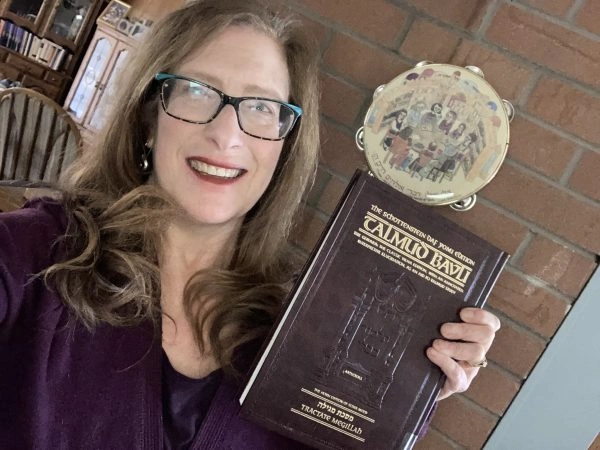
Sue Parker Gerson
Denver, United States
After experiences over the years of asking to join gemara shiurim for men and either being refused by the maggid shiur or being the only women there, sometimes behind a mechitza, I found out about Hadran sometime during the tail end of Masechet Shabbat, I think. Life has been much better since then.

Madeline Cohen
London, United Kingdom
תמיד רציתי. למדתי גמרא בבית ספר בטורונטו קנדה. עליתי ארצה ולמדתי שזה לא מקובל. הופתעתי.
יצאתי לגימלאות לפני שנתיים וזה מאפשר את המחוייבות לדף יומי.
עבורי ההתמדה בלימוד מעגן אותי בקשר שלי ליהדות. אני תמיד מחפשת ותמיד. מוצאת מקור לקשר. ללימוד חדש ומחדש. קשר עם נשים לומדות מעמיק את החוויה ומשמעותית מאוד.

Vitti Kones
מיתר, ישראל
I started learning Daf Yomi in January 2020 after watching my grandfather, Mayer Penstein z”l, finish shas with the previous cycle. My grandfather made learning so much fun was so proud that his grandchildren wanted to join him. I was also inspired by Ilana Kurshan’s book, If All the Seas Were Ink. Two years in, I can say that it has enriched my life in so many ways.

Leeza Hirt Wilner
New York, United States
Since I started in January of 2020, Daf Yomi has changed my life. It connects me to Jews all over the world, especially learned women. It makes cooking, gardening, and folding laundry into acts of Torah study. Daf Yomi enables me to participate in a conversation with and about our heritage that has been going on for more than 2000 years.

Shira Eliaser
Skokie, IL, United States
I started learning daf in January, 2020, being inspired by watching the Siyyum Hashas in Binyanei Haumah. I wasn’t sure I would be able to keep up with the task. When I went to school, Gemara was not an option. Fast forward to March, 2022, and each day starts with the daf. The challenge is now learning the intricacies of delving into the actual learning. Hadran community, thank you!

Rochel Cheifetz
Riverdale, NY, United States
I heard the new Daf Yomi cycle was starting and I was curious, so I searched online for a women’s class and was pleasently surprised to find Rabanit Michelle’s great class reviews in many online articles. It has been a splendid journey. It is a way to fill my days with Torah, learning so many amazing things I have never heard before during my Tanach learning at High School. Thanks so much .

Martha Tarazi
Panama, Panama
After experiences over the years of asking to join gemara shiurim for men and either being refused by the maggid shiur or being the only women there, sometimes behind a mechitza, I found out about Hadran sometime during the tail end of Masechet Shabbat, I think. Life has been much better since then.
Madeline Cohen
London, United Kingdom
I tried Daf Yomi in the middle of the last cycle after realizing I could listen to Michelle’s shiurim online. It lasted all of 2 days! Then the new cycle started just days before my father’s first yahrzeit and my youngest daughter’s bat mitzvah. It seemed the right time for a new beginning. My family, friends, colleagues are immensely supportive!

Catriella Freedman
Zichron Yaakov, Israel
I started learning Daf Yomi to fill what I saw as a large gap in my Jewish education. I also hope to inspire my three daughters to ensure that they do not allow the same Talmud-sized gap to form in their own educations. I am so proud to be a part of the Hadran community, and I have loved learning so many of the stories and halachot that we have seen so far. I look forward to continuing!

Dora Chana Haar
Oceanside NY, United States
I began learning the daf in January 2022. I initially “flew under the radar,” sharing my journey with my husband and a few close friends. I was apprehensive – who, me? Gemara? Now, 2 years in, I feel changed. The rigor of a daily commitment frames my days. The intellectual engagement enhances my knowledge. And the virtual community of learners has become a new family, weaving a glorious tapestry.

Gitta Jaroslawicz-Neufeld
Far Rockaway, United States
I started my Daf Yomi journey at the beginning of the COVID19 pandemic.
Karena Perry
Los Angeles, United States
When we heard that R. Michelle was starting daf yomi, my 11-year-old suggested that I go. Little did she know that she would lose me every morning from then on. I remember standing at the Farbers’ door, almost too shy to enter. After that first class, I said that I would come the next day but couldn’t commit to more. A decade later, I still look forward to learning from R. Michelle every morning.

Ruth Leah Kahan
Ra’anana, Israel
I started learning with rabbis. I needed to know more than the stories. My first teacher to show me “the way of the Talmud” as well as the stories was Samara Schwartz.
Michelle Farber started the new cycle 2 yrs ago and I jumped on for the ride.
I do not look back.

Jenifer Nech
Houston, United States
Meilah 12
מִזְבֵּחַ הַחִיצוֹן, דִּכְתִיב בֵּיהּ: ״וְשָׂמוֹ אֵצֶל הַמִּזְבֵּחַ״. מִזְבֵּחַ הַפְּנִימִי מְנָלַן?
that the ashes of the external altar are subject to misuse, as it is written in the context of those ashes: “And he shall put it beside the altar” (Leviticus 6:3). This teaches that these ashes must be interred, despite the fact that their mitzva has been performed by its removal, and therefore they are subject to misuse. But from where do we derive that the ashes of the inner altar are also subject to misuse?
אָמַר רַבִּי אֶלְעָזָר: דְּאָמַר קְרָא: ״וְהֵסִיר אֶת מֻרְאָתוֹ בְּנֹצָתָהּ״ – אִם אֵינוֹ עִנְיָן לְמִזְבֵּחַ הַחִיצוֹן, תְּנֵהוּ עִנְיָן לְמִזְבֵּחַ הַפְּנִימִי.
Rabbi Elazar said in response: It is derived from the fact that the verse states with regard to a bird sacrificed as a burnt offering: “And he shall take away its crop with its feathers, and cast it beside the altar on the east part, in the place of the ashes” (Leviticus 1:16), referring to the location for the placement of the removed ashes. If this verse is not needed for the matter of the external altar, as that halakha is already derived from the phrase: “And he shall put them beside the altar” (Leviticus 6:3), apply it to the matter of the ashes of the inner altar, teaching that these ashes must also be placed there.
אֵימָא: אִידֵּי וְאִידֵּי בְּמִזְבֵּחַ הַחִיצוֹן, וְלִקְבּוֹעַ לוֹ מָקוֹם!
The Gemara questions this conclusion: One can say that this and that, i.e., both verses cited above, are stated with regard to the ashes that are on the external altar, and the additional verse is necessary to fix its place, i.e., that it should be put on the east part, which is mentioned only in Leviticus 1:16. If so, there is no source for the placement of the ashes of the inner altar.
אִם כֵּן, לֵימָא קְרָא: ״אֵצֶל הַמִּזְבֵּחַ״. מַאי ״הַדָּשֶׁן״? דַּאֲפִילּוּ מִזְבֵּחַ הַפְּנִימִי.
The Gemara answers: If so, that both verses are referring to the external altar, and the sole purpose of Leviticus 1:16 is to fix its place, let that verse merely state: “And he shall take away its crop with its feathers and cast it beside the altar,” and it would be understood that the two verses are referring to the same place, as the identical phrase “beside the altar” appears in the other verse. What is the reason for the additional phrase “in the place of the ashes”? It teaches that even the ashes of the inner altar are placed there.
מְנוֹרָה מְנָלַן? ״דָּשֶׁן״, ״הַדָּשֶׁן״.
The Gemara asks: From where do we derive that the ashes of the Candelabrum are also placed to the east of the altar? The Gemara answers: It is derived from the definite article in: “The ashes,” as the verse could have said “ashes” and instead it said “the ashes.” This addition serves to include the ashes of the Candelabrum.
מַתְנִי׳ רַבִּי שִׁמְעוֹן אוֹמֵר תּוֹרִין שֶׁלֹּא הִגִּיעַ זְמַנָּן – מוֹעֲלִין בָּהֶן, בְּנֵי יוֹנָה שֶׁעָבַר זְמַנָּן – לֹא נֶהֱנִין וְלֹא מוֹעֲלִין בָּהֶן.
MISHNA: The previous mishna teaches that one may not derive benefit from doves whose time of fitness for sacrifice has not arrived and from pigeons whose time of fitness for sacrifice has passed, but one who derived benefit from them is not liable for their misuse. Rabbi Shimon disagrees with this ruling and says: With regard to doves whose time of fitness for sacrifice has not arrived, one is liable for misusing them. With regard to pigeons whose time of fitness for sacrifice has passed, one may not derive benefit ab initio, but if one derived benefit from them he is not liable for their misuse.
גְּמָ׳ בִּשְׁלָמָא רַבִּי שִׁמְעוֹן, כִּדְקָתָנֵי טַעְמָא: שֶׁהָיָה רַבִּי שִׁמְעוֹן אוֹמֵר, כׇּל הָרָאוּי לְאַחַר זְמַן, וְהִקְדִּישׁוֹ בְּתוֹךְ זְמַנּוֹ – הֲרֵי הוּא בְּלֹא תַעֲשֶׂה, וְאֵין בּוֹ כָּרֵת.
GEMARA: This and the preceding mishna indicate that the Rabbis and Rabbi Shimon disagree as to whether or not doves whose time of fitness for sacrifice has not arrived are subject to misuse. The Gemara clarifies their opinions: Granted, one can understand the opinion of Rabbi Shimon, as he himself teaches his reason in a mishna (Zevaḥim 112b). As Rabbi Shimon would say: In the case of any sacrificial animal that is fit to be sacrificed after the passage of time, e.g., doves that will be fit for sacrifice when they mature, if one consecrated it before its time of fitness and slaughtered it outside the Temple courtyard, that person is in violation of a prohibition but there is no liability to receive karet for it.
אֶלָּא רַבָּנַן: מַאי שְׁנָא מִמְּחוּסַּר זְמַן?
But according to the opinion of the Rabbis, who hold that doves whose time of fitness for sacrifice has not arrived are not subject to misuse, in what way is this case different from an animal whose time has not yet arrived, and yet it can be consecrated? An animal whose time has not yet arrived enters the pen to be tithed together with the other animals (see Bekhorot 56a). Why is the case of the young doves any different?
אָמְרִי: מְחוּסַּר זְמַן – מִידֵּי דְּהָוֵה אַבַּעַל מוּם, דְּבַר פִּדְיוֹן הוּא. אֲבָל הָנֵי עוֹפוֹת, כֵּיוָן דְּאֵין מוּם פּוֹסֵל בְּעוֹפוֹת – אֵין לָעוֹפוֹת פִּדְיוֹן.
The Rabbis would say in response that the cases are not comparable. An animal whose time has not yet arrived can indeed be consecrated, just as is the halakha with regard to a blemished animal, which can be consecrated, although only to the degree that it is subject to redemption. But in the case of these birds, since a blemish does not render birds unfit, there is no possibility of redemption for blemished birds. Therefore, one cannot compare the case of animal, which is subject to redemption, to the case of a bird whose time has not yet arrived.
אָמַר עוּלָּא, אָמַר רַבִּי יוֹחָנָן: קָדָשִׁים שֶׁמֵּתוּ, יָצְאוּ מִידֵי מְעִילָה דְּבַר תּוֹרָה.
§ Ulla says that Rabbi Yoḥanan says: Sacrificial animals that died without being sacrificed are excluded from the halakhot of misuse by Torah law. This is because they are no longer fit to be sacrificed, and therefore are no longer in the category of: “The sacred items of the Lord” (Leviticus 5:15). They cannot be redeemed either, since one may not redeem sacrificial animals merely in order to feed them to the dogs.
יָתֵיב עוּלָּא וְקָאָמַר לְהָא שְׁמַעְתָּא, אֲמַר לֵיהּ רַב חִסְדָּא: מַאן שָׁמַע לָךְ וּלְרַבִּי יוֹחָנָן רַבָּךְ?! וְכִי קְדוּשָּׁה שֶׁבָּהֶן לְהֵיכָן הָלְכָה?!
The Gemara relates that Ulla was sitting in the study hall and he recited this halakha in the name of Rabbi Yoḥanan. Rav Ḥisda said to him: Who will listen to you and Rabbi Yoḥanan, your teacher, with regard to this opinion, that such offerings are not subject to the halakhot of misuse by Torah law? After all, to where has the sanctity that was inherent in them until they died gone?
אֲמַר לֵיהּ: תִּיקְשֵׁי מַתְנִיתִין: ״תּוֹרִין שֶׁלֹּא הִגִּיעַ זְמַנָּן וּבְנֵי יוֹנָה שֶׁעָבַר זְמַנָּן – לֹא נֶהֱנִין וְלֹא מוֹעֲלִין״, הָכָא נָמֵי נֵימָא: קְדוּשָּׁה שֶׁבָּהֶן לְהֵיכָן הָלְכָה?!
Ulla said to Rav Ḥisda: According to your reasoning, the mishna itself should present a difficulty, as it teaches: With regard to doves whose time of fitness for sacrifice has not arrived, as they are too young, and pigeons whose time of fitness for sacrifice has passed, as they are too old, one may not derive benefit from them ab initio, but if one derived benefit from them he is not liable for their misuse. Here too, one can say: To where has the sanctity that was inherent in the pigeons whose time of fitness for sacrifice has passed gone? Why are they no longer subject to the halakhot of misuse?
אֲמַר לֵיהּ: מוֹדֵינָא לָךְ דְּאִיכָּא מְעִילָה מִדְּרַבָּנַן. וְקַשְׁיָא לִי: מִי אִיכָּא מִידֵּי דְּמֵעִיקָּרָא לָא אִית בֵּיהּ מְעִילָה, וּלְבַסּוֹף אִית בֵּיהּ מְעִילָה?
Rav Ḥisda said to Ulla in response: I agree that both the sacrificial animals that died and the pigeons whose time of fitness for sacrifice has passed are not subject to the halakhot of misuse by Torah law. I also concede to you that in the case of sacrificial animals that died and doves whose time of fitness for sacrifice has not arrived there is a prohibition of misuse of consecrated property by rabbinic law. Accordingly, I am no longer troubled by the question of where the sanctity has gone. But there is another matter that is difficult for me: Is there anything where initially, when it was consecrated, it is not subject to the halakhot of misuse, and ultimately it is subject to the halakhot of misuse by rabbinic law, such as these doves whose time of fitness for sacrifice has not arrived?
וְלָא? וְהָא אִיכָּא דָּם, דְּמֵעִיקָּרָא לֵית בַּהּ מְעִילָה, וּלְבַסּוֹף אִית בַּהּ מְעִילָה, דִּתְנַן: דָּם, בַּתְּחִלָּה – אֵין מוֹעֲלִין בּוֹ, יָצָא לְנַחַל קִדְרוֹן – מוֹעֲלִין בּוֹ!
The Gemara asks: And is it so that there is no instance of an item that is initially not subject to the halakhot of misuse, and in the end is subject to the halakhot of misuse? But there is the case of blood, which initially is not subject to the halakhot of misuse, and ultimately it is subject to the halakhot of misuse. As we learned in the mishna (11a): With regard to blood, at its outset, before it is sprinkled on the altar, one is not liable for misusing it, but once it emerges via the canal that runs through the Temple to the Kidron Valley at the foot of the Temple Mount, one is liable for misusing it.
אָמְרִי: הָתָם נָמֵי אִיכָּא מְעִילָה מֵעִיקָּרָא,
The Sages say in response: This is not a proof, as there too, in the case of blood it is subject to the halakhot of misuse initially.
דְּאָמַר רַב: הַמַּקִּיז דָּם לְבֶהֱמַת קָדָשִׁים, אָסוּר בַּהֲנָאָה, וּמוֹעֲלִין בּוֹ.
As Rav said: In a case of one who lets blood from a live sacrificial animal, deriving benefit from that blood is prohibited and one is liable for misusing it by Torah law. Since there is a stage when there is a prohibition of misuse by Torah law, one can understand the halakha that one is liable by rabbinic law for misusing the blood ultimately, when it descended to the Kidron Valley. This is not comparable to doves whose time of fitness for sacrifice has not arrived, as they are initially not subject to misuse by Torah law.
גּוּפָא. אָמַר רַב הוּנָא, אָמַר רַב: הַמַּקִּיז דָּם לְבֶהֱמַת קָדָשִׁים – אָסוּר בַּהֲנָאָה, וּמוֹעֲלִין בּוֹ. מֵתִיב רַב הַמְנוּנָא חֲלֵב הַמּוּקְדָּשִׁין, וּבֵיצֵי תוֹרִין – לֹא נֶהֱנִין וְלֹא מוֹעֲלִין!
§ The Gemara analyzes the matter itself. Rav Huna says that Rav says: In a case of one who lets blood from a sacrificial animal, deriving benefit from that blood is prohibited and one is liable for misusing it. Rav Hamnuna raises an objection to the opinion of Rav from the mishna below: With regard to the milk of animals consecrated to be sacrificed and the eggs of doves consecrated to be sacrificed, one may not derive benefit from them ab initio, but if one derived benefit from them he is not liable for their misuse, despite the fact that one is liable for misuse of the animals and doves themselves. Apparently, the products of a consecrated item do not share its status with regard to the halakha of misuse. Why doesn’t this principle apply to blood as well?
אֲמַר לֵיהּ: כִּי קָאָמְרִינַן, לְגַבֵּי דָּם, דְּלֹא מִתְקַיֶּימֶת בְּלָא דָּם. אֲבָל חֵלֶב, דְּקָא מִקַּיְימָא בְּלֹא חֵלֶב – לָא.
Rav said to Rav Hamnuna in response: When we said the products of a consecrated item are also subject to the halakha of misuse that was only with regard to blood, as the animal cannot exist without blood and therefore the blood is considered like the animal itself. But in the case of milk, since the animal can exist without milk, the milk is not considered like the animal itself.
מֵתִיב רַב מְשַׁרְשְׁיָא: הַזֶּבֶל וְהַפֶּרֶשׁ שֶׁבֶּחָצֵר – אֵין נֶהֱנִין וְאֵין מוֹעֲלִין. וְיִפְּלוּ דָּמֶיהָ לַלִּשְׁכָּה.
Rav Mesharshiyya raises an objection to this suggestion from a baraita: One may not derive benefit from the dried manure and the fresh dung of offerings of the most sacred order found in the Temple courtyard ab initio, but if one derived benefit from them he is not liable for misusing them; and the money received from their sale will be allocated for the treasury chamber of the Temple.
אַמַּאי? הָכָא נָמֵי, לָא מְקַיֵּים בְּלֹא פֶּרֶשׁ! אָמְרִי: מַאי אִירְיָא, הָדֵין פֶּרֶשׁ דְּמִן עָלְמָא קָאָתֵי לַהּ, אָזֵיל הַאי – אָתֵי אַחֲרִינָא. לְאַפּוֹקֵי דָּם, מִגּוּפַהּ.
In light of the suggested distinction between blood and milk, the Gemara asks: Why is the dung not subject to the halakhot of misuse? Here too, the animal cannot exist without dung, and therefore the dung should be subject to the halakhot of misuse like blood. The Sages say in response: How can you compare the two cases? In the case of this dung that comes to the animal from an external source, i.e., the food that it ate, this food goes out of the body in the form of dung and that other food comes into the body and takes its place. This description serves to exclude blood, which is part of the animal’s body and is not replaced from an external source.
הָא קָתָנֵי לֹא נֶהֱנִין וְלֹא מוֹעֲלִין וְדָמָיו לַלִּשְׁכָּה. מְסַיְּיעָא לֵיהּ לְרַבִּי אֶלְעָזָר, דְּאָמַר רַבִּי אֶלְעָזָר: כׇּל מָקוֹם שֶׁאָמְרוּ חֲכָמִים קָדוֹשׁ וְאֵינוֹ קָדוֹשׁ – דָּמָיו יִפְּלוּ לַלִּשְׁכָּה.
The Gemara notes: The baraita teaches that one may not derive benefit from the manure and dung ab initio, but if one derived benefit from them he is not liable for misuse, and the money received from their sale will be allocated for the treasury chamber of the Temple. This supports the opinion of Rabbi Elazar, as Rabbi Elazar said: Wherever the Sages said an item is consecrated and not consecrated, as in this case where one may not derive benefit but he is not liable for misuse either, the money received from its sale is allocated for the treasury chamber of the Temple.
מַתְנִי׳ חֲלֵב הַמּוּקְדָּשִׁין וּבֵיצֵי תוֹרִין – לֹא נֶהֱנִין וְלֹא מוֹעֲלִין.
MISHNA: With regard to the milk of sacrificial animals and the eggs of sacrificial doves, one may not derive benefit from them ab initio, but if one derived benefit from them after the fact he is not liable for their misuse.
בַּמֶּה דְּבָרִים אֲמוּרִים – בְּקׇדְשֵׁי מִזְבֵּחַ. אֲבָל בְּקׇדְשֵׁי בֶּדֶק הַבַּיִת, הִקְדִּישׁ תַּרְנְגוֹלֶת – מוֹעֲלִין בָּהּ וּבְבֵיצָתָהּ, חֲמוֹרָה – מוֹעֲלִין בָּהּ וּבַחֲלָבָהּ.
In what case is this statement, that if one derived benefit from the eggs or milk of sacrificial animals, he is not liable for their misuse, said? It is stated in the case of sacrificial animals offered on the altar, as their eggs and milk are not brought to the altar and therefore they are considered distinct from the offerings themselves. But this is not the halakha in the case of animals that are not sacrificed and are consecrated only for Temple maintenance. For example, if one consecrated a hen he is liable for misusing it and for misusing its egg; if one consecrated a donkey he is liable for misusing it and for misusing its milk, as the animal and its milk, and likewise the hen and its eggs, are both consecrated for Temple maintenance and are deemed a single unit.
גְּמָ׳ אֶלָּא גַּבֵּי מִזְבֵּחַ, כִּי אַקְדְּשַׁהּ קְדוּשַּׁת דָּמִים, לָא אִית בַּהּ מְעִילָה?
GEMARA: The mishna teaches that if one derived benefit from the eggs or milk of consecrated animals sacrificed on the altar he is not liable for their misuse. The Gemara asks: But does that mean that in a case of an item that is suitable to be sacrificed on the altar, if he consecrated it with a sanctity that inheres in its value, i.e., to sell it and use the money to buy an offering rather than sacrifice the animal itself, then its eggs or milk are not subject to the halakhot of misuse? Since he does not intend to sacrifice the animal itself, why shouldn’t the prohibition of misuse apply to its milk or its eggs?
אָמַר רַב פָּפָּא: חַסּוֹרֵי מִיחַסְּרָא וְהָכִי קָתָנֵי: בַּמֶּה דְּבָרִים אֲמוּרִים – כְּשֶׁהִקְדִּישׁ קְדוּשַּׁת הַגּוּף לְגַבֵּי מִזְבֵּחַ, אֲבָל הִקְדִּישׁוֹ קְדוּשַּׁת דָּמִים לְגַבֵּי מִזְבֵּחַ – נַעֲשָׂה כְּמִי שֶׁהִקְדִּישׁוֹ לְבֶדֶק הַבַּיִת. הִקְדִּישׁ תַּרְנְגוֹלֶת – מוֹעֲלִין בָּהּ וּבְבֵיצָתָהּ, חֲמוֹרָה – מוֹעֲלִין בָּהּ וּבַחֲלָבָהּ.
Rav Pappa said: The wording of the mishna is incomplete and this is what it is teaching: In what case is this statement, that the milk and eggs of a consecrated animal sacrificed on the altar are not subject to misuse, said? It is said when he consecrated the animal with inherent sanctity to be sacrificed on the altar. But if he consecrated it with a sanctity that inheres in its value, i.e., to sell it and use the money to buy an offering to be sacrificed on the altar, then it is considered as though he consecrated it for the Temple maintenance and it is subject to misuse. Therefore, if one consecrated a hen to sell it and use the money to buy an offering he is liable for misusing it and for misusing its egg; if one consecrated a donkey he is liable for misusing it and for misusing its milk.
מַתְנִי׳, כׇּל הָרָאוּי לַמִּזְבֵּחַ
MISHNA: With regard to any consecrated item that is fit for sacrifice on the altar
Follow

