










The mishna discusses a temple called the house of Onais that was in Egypt – if someone vows to bring a sacrifice there or to shave his hair (if he is a nazir), what is considered fulfillment of the vow? If a priest worshipped there and then returns to wroship in the Temple – can we accept his sacrifices? Are they valid?
This week’s learning is sponsored for the merit and safety of Haymanut (Emuna) Kasau, who was 9 years old when she disappeared from her home in Tzfat two years ago, on the 16th of Adar, 5784 (February 25, 2024), and whose whereabouts remain unknown.
This week’s learning is dedicated of the safety of our nation, the soldiers and citizens of Israel, and for the liberation of the Iranian people. May we soon see the realization of “ליהודים היתה אורה ושמחה וששון ויקר”.
Want to dedicate learning? Get started here:
English
עברית

0:00
0:00
0:00
0:00
Today’s daily daf tools:
This week’s learning is sponsored for the merit and safety of Haymanut (Emuna) Kasau, who was 9 years old when she disappeared from her home in Tzfat two years ago, on the 16th of Adar, 5784 (February 25, 2024), and whose whereabouts remain unknown.
This week’s learning is dedicated of the safety of our nation, the soldiers and citizens of Israel, and for the liberation of the Iranian people. May we soon see the realization of “ליהודים היתה אורה ושמחה וששון ויקר”.
Menachot 109
וְאַמַּאי? לִיחְזֵי הֵיידֵן נְפַל, הֵיידֵן מֵת!
But according to the opinion of Rabba bar Avuh, why can the seller automatically give the purchaser the fallen house or the dead slave? Let him see which house fell, or which slave died, as according to Rabba bar Avuh, the sale should apply to the house or slave that was the most valuable at the time of the sale.
לוֹקֵחַ קָא אָמְרַתְּ? שָׁאנֵי לוֹקֵחַ, דְּיַד בַּעַל הַשְּׁטָר עַל הַתַּחְתּוֹנָה.
The Gemara answers: Are you saying that the statement of Rabba bar Avuh applies in the case of a purchaser? A purchaser is different, as there is a principle in the halakhot of commerce that in a case involving a dispute between the seller and the purchaser, the owner of the document of sale, i.e., the purchaser, is at a disadvantage, as a document is always interpreted as narrowly as possible. Therefore, the seller can claim that he has sold the buyer the fallen house or the dead slave.
הַשְׁתָּא דְּאָתֵית לְהָכִי, אֲפִילּוּ תֵּימָא עֲלִיָּיה דִּגְרִיעָה – יַד בַּעַל הַשְּׁטָר עַל הַתַּחְתּוֹנָה.
The Gemara adds: Now that you have arrived at this explanation, the objection posed earlier to the statement of Rabba bar Avuh from the statement of Ulla can be rejected easily. Ulla said that if one says to another: I am selling you a house from among my houses, since he did not specify which house he is selling, he can show him an attic [aliyya]. Although this was explained above as referring not to a loft but to the best [me’ula] of his houses, now you may even say that it is referring to a loft, which is the worst of his houses, due to the principle that the owner of the document is at a disadvantage.
מַתְנִי׳ ״הֲרֵי עָלַי עוֹלָה״ – יַקְרִיבֶנָּה בַּמִּקְדָּשׁ, וְאִם הִקְרִיבָהּ בְּבֵית חוֹנְיוֹ – לֹא יָצָא. ״הֲרֵי עָלַי עוֹלָה שֶׁאַקְרִיבֶנָּה בְּבֵית חוֹנְיוֹ״ – יַקְרִיבֶנָּה בַּמִּקְדָּשׁ, וְאִם הִקְרִיבָהּ בְּבֵית חוֹנְיוֹ – יָצָא. רַבִּי שִׁמְעוֹן אוֹמֵר: אֵין זוֹ עוֹלָה.
MISHNA: One who says: It is incumbent upon me to bring a burnt offering, must sacrifice it in the Temple in Jerusalem. And if he sacrificed it in the temple of Onias in Egypt, he has not fulfilled his obligation. One who says: It is incumbent upon me to bring a burnt offering that I will sacrifice in the temple of Onias, must sacrifice it in the Temple in Jerusalem, but if he sacrificed it in the temple of Onias, he has fulfilled his obligation. Rabbi Shimon says that if one says: It is incumbent upon me to bring a burnt offering that I will sacrifice in the temple of Onias, it is not consecrated as a burnt offering; such a statement does not consecrate the animal at all.
״הֲרֵינִי נָזִיר״ – יְגַלַּח בַּמִּקְדָּשׁ, וְאִם גִּלַּח בְּבֵית חוֹנְיוֹ – לֹא יָצָא. ״הֲרֵינִי נָזִיר שֶׁאֲגַלֵּחַ בְּבֵית חוֹנְיוֹ״ – יְגַלֵּחַ בַּמִּקְדָּשׁ, וְאִם גִּלַּח בְּבֵית חוֹנְיוֹ – יָצָא. רַבִּי שִׁמְעוֹן אוֹמֵר: אֵין זֶה נָזִיר.
If one says: I am hereby a nazirite, then when his term of naziriteship is completed he must shave the hair of his head and bring the requisite offerings in the Temple in Jerusalem; and if he shaved in the temple of Onias, he has not fulfilled his obligation. If one says: I am hereby a nazirite provided that I will shave in the temple of Onias, he must shave in the Temple in Jerusalem; but if he shaved in the temple of Onias, he has fulfilled his obligation. Rabbi Shimon says that one who says: I am hereby a nazirite provided that I will shave in the temple of Onias, is not a nazirite at all, as his vow does not take effect.
גְּמָ׳ יָצָא? הָא מִקְטָל קַטְלַהּ!
GEMARA: The mishna teaches that one who says: It is incumbent upon me to bring a burnt offering that I will sacrifice in the temple of Onias, and sacrifices it in the temple of Onias, has fulfilled his obligation. The Gemara asks: How has he fulfilled his obligation? By sacrificing it in the temple of Onias, hasn’t he merely killed it without sacrificing it properly?
אָמַר רַב הַמְנוּנָא: נַעֲשָׂה כְּאוֹמֵר ״הֲרֵי עָלַי עוֹלָה, עַל מְנָת שֶׁלֹּא אֶתְחַיֵּיב בְּאַחְרָיוּתָהּ״.
Rav Hamnuna says: The mishna does not mean that he has fulfilled his vow to bring an offering. Rather, he is rendered like one who says: It is incumbent upon me to bring a burnt offering on the condition that I will not be responsible for it if I kill it beforehand. When the mishna says that he has fulfilled his obligation it simply means that if the animal he consecrated is no longer alive, he does not have to bring another animal in its place.
אֲמַר לֵיהּ רָבָא: אֶלָּא מֵעַתָּה, סֵיפָא דְּקָתָנֵי הֲרֵינִי נָזִיר שֶׁאֲגַלֵּחַ בְּבֵית חוֹנְיוֹ – יְגַלַּח בַּמִּקְדָּשׁ, וְאִם גִּילַּח בְּבֵית חוֹנְיוֹ – יָצָא, הָכִי נָמֵי דְּנַעֲשָׂה כְּאוֹמֵר ״הֲרֵינִי נָזִיר עַל מְנָת שֶׁלֹּא אֶתְחַיֵּיב בְּאַחְרָיוּת קׇרְבְּנוֹתָיו״? נָזִיר כַּמָּה דְּלָא מַיְיתֵי קׇרְבְּנוֹתָיו – לָא מִתַּכְשַׁר!
Rava said to Rav Hamnuna: If that is so, what about the latter clause of the mishna, which teaches that if one says: I am hereby a nazirite provided that I will shave in the temple of Onias, he must shave in the Temple in Jerusalem, but if he shaved in the temple of Onias, he has fulfilled his obligation? In this case do you also maintain that he is rendered like one who says: I am hereby a nazirite on the condition that I will not be responsible for bringing its offerings if I kill them beforehand? Such a condition cannot exempt a nazirite from bringing his offerings, because as long as he does not bring his offerings, he is not fit to conclude his term of naziriteship and is still bound by all of the restrictions of a nazirite.
אֶלָּא אָמַר רָבָא: אָדָם זֶה לְדוֹרוֹן נִתְכַּוֵּין, אָמַר: אִי סַגִּיא בְּבֵית חוֹנְיוֹ – טָרַחְנָא, טְפֵי – לָא מָצֵינָא לְאִיצְטַעוֹרֵי.
Rather, Rava said there is a different explanation: The animal was never consecrated at all, as this person intended merely to bring the animal as a gift [doron], but not to consecrate it as an offering. He presumably lives closer to the temple of Onias than to the Temple in Jerusalem, and must have said to himself: If it is sufficient to sacrifice this animal in the temple of Onias, I am prepared to exert myself and bring it. But if it is necessary to do more than that, i.e., to bring it to Jerusalem, I am not able to afflict myself. The mishna teaches that although the person never intended to bring the offering to Jerusalem, ideally, he should sacrifice the animal properly, in the Temple in Jerusalem. If he did not bring it there, but sacrificed it in the temple of Onias, he has fulfilled his obligation, and is not required to bring any other offering in its place.
נָזִיר נָמֵי, הַאי גַּבְרָא לְצַעוֹרֵי נַפְשֵׁיהּ קָא מִיכַּוֵּין, אָמַר: אִי סַגִּיא בְּבֵית חוֹנְיוֹ – טָרַחְנָא, טְפֵי לָא מָצֵינָא לְאִיצְטַעוֹרֵי.
This is the explanation of the latter clause of the mishna as well: If one said that he would be a nazirite provided that he will shave in the temple of Onias, this man did not intend to accept upon himself the halakhic status of naziriteship. Rather, he merely intends to practice abstinence by not drinking wine, along with observing the other restrictions of a nazirite. Therefore, he said to himself: If it is sufficient to shave in the temple of Onias, I am prepared to exert myself and do so. But if it is necessary to do more than that, i.e., to go to Jerusalem to shave and bring the required offerings, I am not able to afflict myself. The mishna teaches that ideally, he should go to the Temple in Jerusalem to shave and bring all his offerings. If he shaved and brought his offerings in the temple of Onias, he has fulfilled his vow and has no further obligation.
וְרַב הַמְנוּנָא אָמַר לָךְ: נָזִיר – כִּדְקָאָמְרַתְּ, עוֹלָה – עַל מְנָת שֶׁלֹּא אֶתְחַיֵּיב בְּאַחְרָיוּתָהּ קָאָמַר.
And Rav Hamnuna could have said to you in response to Rava’s challenge: With regard to the case of one who vowed to become a nazirite on the condition that he would shave and bring his offerings in the temple of Onias, the interpretation of the mishna is as you said. But with regard to one who vows to bring a burnt offering in the temple of Onias, his intent is as I explained, and it is as if he says: It is incumbent upon me to bring a burnt offering on the condition that I will not be responsible for it if I kill it beforehand.
וְאַף רַבִּי יוֹחָנָן סָבַר לַהּ לְהָא דְּרַב הַמְנוּנָא, דְּאָמַר רַבָּה בַּר בַּר חָנָה אָמַר רַבִּי יוֹחָנָן: ״הֲרֵי עָלַי עוֹלָה שֶׁאַקְרִיבֶנָּה בְּבֵית חוֹנְיוֹ״, וְהִקְרִיבָהּ בְּאֶרֶץ יִשְׂרָאֵל – יָצָא, וְעָנוּשׁ כָּרֵת.
And Rabbi Yoḥanan also holds in accordance with that which Rav Hamnuna said, as Rabba bar bar Ḥana said that Rabbi Yoḥanan said that if one says: It is incumbent upon me to bring a burnt offering on the condition that I will sacrifice it in the temple of Onias, and he sacrificed it in Eretz Yisrael but not in the Temple, he has fulfilled his obligation, but his actions are also punishable by excision from the World-to-Come [karet] because he sacrificed an offering outside of the Temple. This is in accordance with the opinion of Rav Hamnuna that the animal is consecrated.
תַּנְיָא נָמֵי הָכִי: הֲרֵי עָלַי עוֹלָה שֶׁאַקְרִיבֶנָּה בַּמִּדְבָּר, וְהִקְרִיבָהּ בְּעֵבֶר הַיַּרְדֵּן – יָצָא, וְעָנוּשׁ כָּרֵת.
This explanation of Rav Hamnuna and Rabbi Yoḥanan is also taught in a baraita: If one says: It is incumbent upon me to bring a burnt offering on the condition that I will sacrifice it in the wilderness of Sinai, thinking that the wilderness of Sinai still has sanctity since the Tabernacle had been located there, and he sacrificed it on the east bank of the Jordan, he has fulfilled his obligation, but his actions are also punishable by karet because he sacrificed an offering outside of the Temple.
מַתְנִי׳ הַכֹּהֲנִים שֶׁשִּׁמְּשׁוּ בְּבֵית חוֹנְיוֹ – לֹא יְשַׁמְּשׁוּ בַּמִּקְדָּשׁ שֶׁבִּירוּשָׁלַיִם, וְאֵין צָרִיךְ לוֹמַר לְדָבָר אַחֵר, שֶׁנֶּאֱמַר: ״אַךְ לֹא יַעֲלוּ כֹּהֲנֵי הַבָּמוֹת אֶל מִזְבַּח ה׳ בִּירוּשָׁלִָם כִּי אִם אָכְלוּ מַצּוֹת בְּקֶרֶב אֲחֵיהֶם״. הֲרֵי אֵלּוּ כְּבַעֲלֵי מוּמִין – חוֹלְקִין וְאוֹכְלִין וְלֹא מַקְרִיבִין.
MISHNA: The priests who served in the temple of Onias may not serve in the Temple in Jerusalem; and needless to say, if they served for something else, a euphemism for idolatry, they are disqualified from service in the Temple. As it is stated: “Nevertheless the priests of the private altars did not come up to the altar of the Lord in Jerusalem, but they did eat matza among their brethren” (II Kings 23:9). The halakhic status of these priests is like that of blemished priests in that they receive a share in the distribution of the meat of the offerings and partake of that meat, but they do not sacrifice offerings or perform any of the sacrificial rites.
גְּמָ׳ אָמַר רַב יְהוּדָה: כֹּהֵן שֶׁשָּׁחַט לַעֲבוֹדָה זָרָה, קׇרְבָּנוֹ רֵיחַ נִיחוֹחַ.
GEMARA: Rav Yehuda says: With regard to a priest who slaughtered an offering for idol worship and who subsequently repented and came to the Temple in Jerusalem to serve, his offering is acceptable and considered to be an aroma pleasing to the Lord.
אָמַר רַב יִצְחָק בַּר אַבְדִּימִי: מַאי קְרָאָה? ״יַעַן אֲשֶׁר יְשָׁרְתוּ אוֹתָם לִפְנֵי גִלּוּלֵיהֶם וְהָיוּ לְבֵית יִשְׂרָאֵל לְמִכְשׁוֹל עָוֹן עַל כֵּן נָשָׂאתִי יָדִי עֲלֵיהֶם נְאֻם ה׳ אֱלֹהִים וְנָשְׂאוּ עֲוֹנָם״, וּכְתִיב בָּתְרֵיהּ: ״וְלֹא יִגְּשׁוּ אֵלַי לְכַהֵן לִי״. אִי עֲבַד שֵׁירוּת – אִין, שְׁחִיטָה לָאו שֵׁירוּת הוּא.
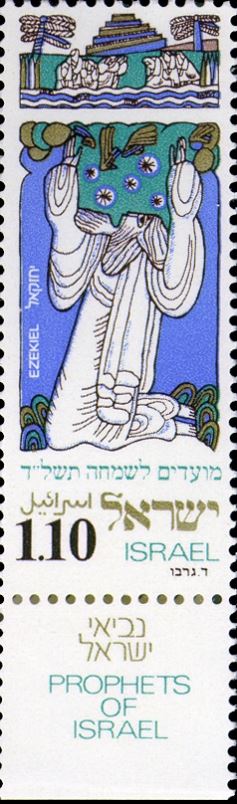
Rav Yitzḥak bar Avdimi says: What is the verse from which it is derived? The verse states: “Because they served them before their idols and became a stumbling block of iniquity unto the house of Israel, therefore I have lifted up My hand against them, says the Lord God, and they shall bear their iniquity” (Ezekiel 44:12). And it is written afterward: “And they shall not come near to Me, to serve Me in the priestly role” (Ezekiel 44:13). This indicates that if a priest performed a service for an idol that is considered a sacrificial rite in the Temple, he is disqualified from serving in the Temple, but the slaughter of an offering is not considered service, as it is not considered a sacrificial rite in the Temple and can be performed in the Temple even by a non-priest.
אִיתְּמַר: שָׁגַג בִּזְרִיקָה, רַב נַחְמָן אָמַר: קׇרְבָּנוֹ רֵיחַ נִיחוֹחַ, רַב שֵׁשֶׁת אָמַר: אֵין קׇרְבָּנוֹ רֵיחַ נִיחוֹחַ.
It was stated: If a priest unwittingly performed the sprinkling of the blood of an idolatrous offering and then repented and came to serve in the Temple, Rav Naḥman says that his offering is accepted and is an aroma pleasing to the Lord. Rav Sheshet says: His offering is not a pleasing aroma to the Lord, as he is not fit to serve in the Temple.
אָמַר רַב שֵׁשֶׁת: מְנָא אָמֵינָא לַהּ, דִּכְתִיב: ״וְהָיוּ לְבֵית יִשְׂרָאֵל לְמִכְשׁוֹל עָוֹן״, מַאי לָאו – אוֹ מִכְשׁוֹל אוֹ עָוֹן, וּ״מִכְשׁוֹל״ – שׁוֹגֵג, וְ״עָוֹן״ – מֵזִיד.
Rav Sheshet said: From where do I say that if a priest sprinkled blood unwittingly for idol worship he cannot serve in the Temple? As it is written: “And they became a stumbling block of iniquity unto the house of Israel.” What, is it not referring to one who served in idol worship either as a stumbling block or as an iniquity? Accordingly, neither may perform the service in the Temple. And the term “stumbling block” is a reference to one who sins unwittingly, and the term “iniquity” is a reference to an intentional sinner. Therefore, even one who unwittingly served in idol worship may not subsequently serve in the Temple.
וְרַב נַחְמָן – ״מִכְשׁוֹל״ דְּ״עָוֹן״.
And Rav Naḥman interprets the verse to mean a stumbling block of iniquity, i.e., only one who serves in idol worship intentionally is disqualified from serving in the Temple, but not one who serves in idol worship unwittingly.
אָמַר רַב נַחְמָן: מְנָא אָמֵינָא לַהּ, דְּתַנְיָא: ״וְכִפֶּר הַכֹּהֵן עַל הַנֶּפֶשׁ הַשֹּׁגֶגֶת בְּחֶטְאָה בִשְׁגָגָה״, מְלַמֵּד שֶׁכֹּהֵן מִתְכַּפֵּר עַל יְדֵי עַצְמוֹ.
Rav Naḥman said: From where do I say that if a priest sprinkled the blood of an idolatrous offering unwittingly his subsequent offering in the Temple is accepted? As it is taught in a baraita: The verse states with regard to one who unwittingly committed idolatry: “And if one person sin through error, then he shall offer a she-goat in its first year for a sin offering. And the priest shall effect atonement for the soul that errs unwittingly, when he sins unwittingly, before the Lord, to effect atonement for him; and he shall be forgiven” (Numbers 15:27–28). The phrase: “For the soul that errs unwittingly” teaches that a priest who sins unwittingly may receive atonement by sacrificing his sin offering on his own.
בְּמַאי? אִילֵימָא בִּשְׁחִיטָה – מַאי אִירְיָא שׁוֹגֵג? אֲפִילּוּ מֵזִיד נָמֵי! אֶלָּא לָאו בִּזְרִיקָה.
Rav Naḥman clarifies: In what manner did this priest commit idolatry? If we say he sinned through slaughtering an idolatrous offering, why does the verse indicate specifically that a priest who slaughtered an idolatrous offering unwittingly can bring his own sin offering? This is obvious, as even one who did so intentionally may serve in the Temple after repentance. Rather, is it not referring to a priest who committed idolatry by sprinkling the blood of an idolatrous offering? Accordingly, if he did so unwittingly his subsequent service in the Temple is valid, but if he did so intentionally, he is disqualified from serving in the Temple.
וְרַב שֵׁשֶׁת אָמַר לָךְ: לְעוֹלָם בִּשְׁחִיטָה, וּבְמֵזִיד – לֹא נַעֲשָׂה כּוֹמֶר לַעֲבוֹדָה זָרָה?!
And how does Rav Sheshet interpret that baraita? He could have said to you: Actually, the verse is referring to a case where the priest sinned through slaughtering an idolatrous offering. And although Rav Yehuda said that a priest who slaughtered an idolatrous offering may serve in the Temple after repentance, that statement applies only to one who slaughtered an idolatrous offering unwittingly. But if he did so intentionally, the priest is disqualified from serving in the Temple. Rav Yehuda’s reasoning is that slaughter is not a sacrificial rite in the Temple; but does one who slaughters an idolatrous offering intentionally not become a servant of idol worship?
וְאָזְדוּ לְטַעְמַיְיהוּ, דְּאִתְּמַר: הֵזִיד בִּשְׁחִיטָה – רַב נַחְמָן אָמַר: קׇרְבָּנוֹ רֵיחַ נִיחוֹחַ, וְרַב שֵׁשֶׁת אָמַר: אֵין קׇרְבָּנוֹ רֵיחַ נִיחוֹחַ.
And Rav Naḥman and Rav Sheshet follow their respective lines of reasoning, as it was stated that if a priest acted intentionally in the slaughter of an idolatrous offering and subsequently repented, Rav Naḥman says that his offering in the Temple is an aroma pleasing to the Lord, i.e., it is not disqualified, and Rav Sheshet says that his offering in the Temple is not an aroma pleasing to the Lord, i.e., it is disqualified.
רַב נַחְמָן אָמַר: קׇרְבָּנוֹ רֵיחַ נִיחוֹחַ, דְּלָא עֲבַד שֵׁירוּת. רַב שֵׁשֶׁת אָמַר: אֵין קׇרְבָּנוֹ רֵיחַ נִיחוֹחַ,
Rav Naḥman says that his offering is an aroma pleasing to the Lord, because he did not perform service for an idol that is considered a sacrificial rite in the Temple. And Rav Sheshet says that his offering is not an aroma pleasing to the Lord,
נַעֲשָׂה כּוֹמֶר לַעֲבוֹדָה זָרָה.
as by slaughtering the idolatrous offering intentionally he became a servant of idol worship.
אָמַר רַב נַחְמָן: מְנָא אָמֵינָא לַהּ? דְּתַנְיָא: כֹּהֵן שֶׁעָבַד עֲבוֹדָה זָרָה, וְשָׁב, קׇרְבָּנוֹ רֵיחַ נִיחוֹחַ.
Rav Naḥman said: From where do I say that even a priest who intentionally slaughters an idolatrous offering is nevertheless fit to serve in the Temple if he repents? As it is taught in a baraita: With regard to a priest who served in idol worship and repented, his offering in the Temple is an aroma pleasing to the Lord and is acceptable.
בְּמַאי? אִילֵּימָא בְּשׁוֹגֵג – מַאי ״וְשָׁב״? שָׁב וְעוֹמֵד הוּא! אֶלָּא פְּשִׁיטָא בְּמֵזִיד, וְאִי בִּזְרִיקָה – כִּי שָׁב מַאי הָוֵי? הָא עֲבַד לֵהּ שֵׁירוּת! אֶלָּא לָאו בִּשְׁחִיטָה.
Rav Naḥman clarifies: In what manner did he serve in idol worship? If we say that he served in idol worship unwittingly, what does the baraita mean when it says: And repented? He is already repentant, as he never intended to sin in the first place. Rather, it is obvious that the baraita is referring to a case of intentional idol worship. And if the baraita is referring to sprinkling the blood of an idolatrous offering, when he repents, what of it? Hasn’t he performed idolatrous service, thereby disqualifying himself from serving in the Temple in any event? Rather, is it not referring to the slaughter of an idolatrous offering? Evidently, even if the priest slaughtered it intentionally, once he repents he is fit to serve in the Temple.
וְרַב שֵׁשֶׁת אָמַר לָךְ, לְעוֹלָם בְּשׁוֹגֵג, וְהָכִי קָאָמַר: אִם שָׁב מֵעִיקָּרוֹ, דְּכִי עֲבַד בְּשׁוֹגֵג עֲבַד – קׇרְבָּנוֹ רֵיחַ נִיחוֹחַ, וְאִם לָאו – אֵין קׇרְבָּנוֹ רֵיחַ נִיחוֹחַ.
And as for Rav Sheshet, he could have said to you that actually the baraita is referring to unwitting slaughter. And this is what the baraita is saying: If the priest is repentant from the outset, as when he served in idol worship he served unwittingly, then his offering is an aroma pleasing to the Lord and is acceptable. But if not, i.e., he slaughtered an idolatrous offering intentionally, his subsequent offering in the Temple is not an aroma pleasing to the Lord.
הִשְׁתַּחֲוָה לַעֲבוֹדָה זָרָה – רַב נַחְמָן אָמַר: קׇרְבָּנוֹ רֵיחַ נִיחוֹחַ, וְרַב שֵׁשֶׁת אָמַר: אֵין קׇרְבָּנוֹ רֵיחַ נִיחוֹחַ. הוֹדָה לַעֲבוֹדָה זָרָה – רַב נַחְמָן אָמַר: קׇרְבָּנוֹ רֵיחַ נִיחוֹחַ, וְרַב שֵׁשֶׁת אָמַר: אֵין קׇרְבָּנוֹ רֵיחַ נִיחוֹחַ.
§ The Gemara lists other similar disagreements between Rav Naḥman and Rav Sheshet. In a case where a priest bowed to an object of idol worship, Rav Naḥman says: If he subsequently repents and serves in the Temple, his offering is an aroma pleasing to the Lord. And Rav Sheshet says: His offering is not an aroma pleasing to the Lord. In a case where a priest acknowledges an object of idol worship as a divinity, Rav Naḥman says: If he subsequently repents and serves in the Temple, his offering is an aroma pleasing to the Lord. And Rav Sheshet says: His offering is not an aroma pleasing to the Lord.
וּצְרִיכָא, דְּאִי אַשְׁמְעִינַן הָךְ קַמַּיְיתָא – בְּהַהִיא קָאָמַר רַב שֵׁשֶׁת מִשּׁוּם דַּעֲבַד לֵיהּ שֵׁירוּת, אֲבָל שְׁחִיטָה דְּלָא עֲבַד לֵיהּ שֵׁירוּת – אֵימָא מוֹדֶה לֵיהּ לְרַב נַחְמָן.
Having listed four similar disputes between Rav Naḥman and Rav Sheshet, namely, with regard to a priest who unwittingly sprinkled the blood of an idolatrous offering, a priest who intentionally slaughtered an idolatrous offering, a priest who bowed to an idol, and a priest who acknowledged an idol as a divinity, the Gemara explains: And it was necessary to teach the dispute with regard to all four cases. As, had the Sages taught us only this first case, where a priest sprinkles the blood of an idolatrous offering unwittingly, one might have thought that only in that case Rav Sheshet says that the priest’s subsequent service in the Temple is disqualified, because he performed a service for idolatry that is considered a sacrificial rite in the Temple. But in a case where the priest merely performed slaughter, since he did not perform a service for idolatry that is a sacrificial rite in the Temple, there is room to say that Rav Sheshet concedes to the opinion of Rav Naḥman.
וְאִי אַשְׁמְעִינַן שְׁחִיטָה, מִשּׁוּם דְּעָבֵד לֵיהּ עֲבוֹדָה, אֲבָל הִשְׁתַּחֲוָה דְּלָא עֲבַד לֵיהּ עֲבוֹדָה – אֵימָא לָא. צְרִיכָא.
And had the Sages taught us only the dispute with regard to a priest intentionally performing slaughter for an idolatrous offering, one might have thought that Rav Sheshet says that the priest’s subsequent service in the Temple is disqualified because he performed a sacrificial rite for idolatry. But if he merely bowed to the idol, since he did not perform a sacrificial rite for idolatry, there is room to say that Rav Sheshet does not disqualify the priest’s subsequent service in the Temple. Therefore, it was necessary to teach this case as well.
וְאִי אַשְׁמְעִינַן הִשְׁתַּחֲוָאָה, מִשּׁוּם דְּעָבֵיד לֵיהּ מַעֲשֶׂה, אֲבָל הוֹדָה דְּדִיבּוּרָא בְּעָלְמָא – אֵימָא לָא. צְרִיכָא.
And had the Sages taught us only the case of a priest bowing to an idol, one might have thought that in this case Rav Sheshet says that the priest’s subsequent service in the Temple is disqualified because he performed an action for idolatry. But if he only acknowledged the idol as a divinity, which is mere speech, there is room to say that Rav Sheshet does not disqualify the priest’s subsequent service in the Temple. The Gemara concludes: Therefore, it was necessary to teach this case as well.
וְאֵין צָרִיךְ לוֹמַר דָּבָר אַחֵר [וְכוּ׳]. מִדְּקָאָמַר: אֵין צָרִיךְ לוֹמַר דָּבָר אַחֵר, מִכְּלָל דְּבֵית חוֹנְיוֹ לָאו עֲבוֹדָה זָרָה הוּא.
§ The mishna teaches: And needless to say, if priests served for something else, a euphemism for idolatry, they are disqualified from service in the Temple. The Gemara comments: From the fact that it says: Needless to say, if they served for something else, by inference, the temple of Onias is not a temple of idol worship, but rather a temple devoted to the worship of God.
תַּנְיָא כְּמַאן דְּאָמַר בֵּית חוֹנְיוֹ לָאו עֲבוֹדָה זָרָה הוּא, דְּתַנְיָא: אוֹתָהּ שָׁנָה שֶׁמֵּת שִׁמְעוֹן הַצַּדִּיק, אָמַר לָהֶן: שָׁנָה זוֹ הוּא מֵת, אָמְרוּ לוֹ: מִנַּיִן אַתָּה יוֹדֵעַ?
It is taught in a baraita like the one who says that the temple of Onias is not a temple of idol worship. As it is taught: During the year in which Shimon HaTzaddik died, he said to his associates: This year, he will die, euphemistically referring to himself. They said to him: From where do you know?
אָמַר לָהֶן: כׇּל יוֹם הַכִּפּוּרִים נִזְדַּמֵּן לִי זָקֵן אֶחָד לָבוּשׁ לְבָנִים, וְנִתְעַטֵּף לְבָנִים, וְנִכְנַס עִמִּי וְיָצָא עִמִּי. שָׁנָה זוֹ נִזְדַּמֵּן לִי זָקֵן אֶחָד לָבוּשׁ שְׁחוֹרִים, וְנִתְעַטֵּף שְׁחוֹרִים, וְנִכְנַס עִמִּי וְלֹא יָצָא עִמִּי.
Shimon HaTzaddik said to them: In previous years, every Yom Kippur, upon entering the Holy of Holies, I had a prophetic vision in which I would be met by an old man who was dressed in white, and his head was wrapped in white, and he would enter the Holy of Holies with me, and he would leave with me. But this year, I was met by an old man who was dressed in black, and his head was wrapped in black, and he entered the Holy of Holies with me, but he did not leave with me. Shimon HaTzaddik understood this to be a sign that his death was impending.
לְאַחַר הָרֶגֶל, חָלָה שִׁבְעַת יָמִים וָמֵת, וְנִמְנְעוּ אֶחָיו הַכֹּהֲנִים מִלְּבָרֵךְ בַּשֵּׁם.
Indeed, after the pilgrimage festival of Sukkot, he was ill for seven days and died. And his fellow priests refrained from reciting the Priestly Benediction with the ineffable name of God.
בִּשְׁעַת פְּטִירָתוֹ, אָמַר לָהֶם: חוֹנְיוֹ בְּנִי יְשַׁמֵּשׁ תַּחְתַּי. נִתְקַנֵּא בּוֹ שִׁמְעִי אָחִיו, שֶׁהָיָה גָּדוֹל מִמֶּנּוּ שְׁתֵּי שָׁנִים וּמֶחֱצָה. אָמַר לוֹ: בֹּא וַאֲלַמֶּדְךָ סֵדֶר עֲבוֹדָה. הִלְבִּישׁוֹ בְּאוּנְקְלִי, וַחֲגָרוֹ בְּצִילְצוֹל, (העמידו) [וְהֶעֱמִידוֹ] אֵצֶל הַמִּזְבֵּחַ. אָמַר לָהֶם לְאֶחָיו הַכֹּהֲנִים: רְאוּ מָה נָדַר זֶה וְקִיֵּים לַאֲהוּבָתוֹ: ״אוֹתוֹ הַיּוֹם שֶׁאֶשְׁתַּמֵּשׁ בִּכְהוּנָּה גְּדוֹלָה אֶלְבּוֹשׁ בְּאוּנְקְלִי שֶׁלִּיכִי וְאֶחְגּוֹר בְּצִילְצוֹל שֶׁלִּיכִי״.
At the time of his death, he said to the Sages: Onias, my son, will serve as High Priest in my stead. Shimi, Onias’ brother, became jealous of him, as Shimi was two and a half years older than Onias. Shimi said to Onias treacherously: Come and I will teach you the order of the service of the High Priest. Shimi dressed Onias in a tunic [be’unkeli] and girded him with a ribbon [betziltzul] as a belt, i.e., not in the vestments of the High Priest, and stood him next to the altar. Shimi said to his fellow priests: Look what this man vowed and fulfilled for his beloved, that he had said to her: On the day that I serve in the High Priesthood I will wear your tunic and gird your ribbon.
בִּקְּשׁוּ אֶחָיו הַכֹּהֲנִים לְהׇרְגוֹ, רָץ מִפְּנֵיהֶם, וְרָצוּ אַחֲרָיו. הָלַךְ לַאֲלֶכְּסַנְדְּרִיָּא שֶׁל מִצְרַיִם, וּבָנָה שָׁם מִזְבֵּחַ, וְהֶעֱלָה עָלָיו לְשׁוּם עֲבוֹדָה זָרָה. וּכְשֶׁשָּׁמְעוּ חֲכָמִים בַּדָּבָר, אָמְרוּ: מָה זֶה שֶׁלֹּא יָרַד לָהּ – כָּךְ, הַיּוֹרֵד לָהּ – עַל אַחַת כַּמָּה וְכַמָּה. דִּבְרֵי רַבִּי מֵאִיר.
The fellow priests of Onias wanted to kill him because he had disgraced the Temple service with his garments. Onias ran away from them and they ran after him. He went to Alexandria in Egypt and built an altar there, and sacrificed offerings upon it for the sake of idol worship. When the Sages heard of the matter they said: If this person, Shimi, who did not enter the position of High Priest, acted with such jealousy, all the more so will one who enters a prestigious position rebel if that position is taken away from him. This is the statement of Rabbi Meir. According to Rabbi Meir, the temple of Onias was built for idol worship.
אָמַר לוֹ רַבִּי יְהוּדָה: לֹא כָּךְ הָיָה מַעֲשֶׂה, אֶלָּא לֹא קִיבֵּל עָלָיו חוֹנְיוֹ, שֶׁהָיָה שִׁמְעִי אָחִיו גָּדוֹל מִמֶּנּוּ שְׁתֵּי שָׁנִים וּמֶחֱצָה, וְאַף עַל פִּי כֵן נִתְקַנֵּא בּוֹ חוֹנְיוֹ בְּשִׁמְעִי אָחִיו. אָמַר לוֹ: בֹּא וַאֲלַמֶּדְךָ סֵדֶר עֲבוֹדָה, וְהִלְבִּישׁוֹ בְּאוּנְקְלִי, וַחֲגָרוֹ בְּצִילְצוֹל, וְהֶעֱמִידוֹ אֵצֶל הַמִּזְבֵּחַ. אָמַר לָהֶם לְאֶחָיו הַכֹּהֲנִים: רְאוּ מָה נָדַר זֶה וְקִיֵּים לַאֲהוּבָתוֹ ״אוֹתוֹ הַיּוֹם שֶׁיִּשְׁתַּמֵּשׁ בִּכְהוּנָּה גְּדוֹלָה אֶלְבּוֹשׁ בְּאוּנְקְלִי שֶׁלִּיכִי וְאֶחְגּוֹר בְּצִילְצוֹל שֶׁלִּיכִי״.
Rabbi Yehuda said to him: The incident was not like this. Rather, Onias did not accept the position of High Priest because his brother Shimi was two and a half years older than him, so Shimi was appointed as High Priest. And even so, even though Onias himself offered the position to Shimi, Onias was jealous of his brother Shimi. Onias said to Shimi: Come and I will teach you the order of the service of the High Priest. And Onias dressed Shimi in a tunic and girded him in a ribbon and stood him next to the altar. Onias said to his fellow priests: Look what this man, Shimi, vowed and fulfilled for his beloved, that he had said to her: On the day that I serve in the High Priesthood I will wear your tunic and gird your ribbon.
בִּקְּשׁוּ אֶחָיו הַכֹּהֲנִים לְהׇרְגוֹ, סָח לָהֶם כׇּל הַמְאוֹרָע, בִּקְּשׁוּ לַהֲרוֹג אֶת חוֹנְיוֹ, רָץ מִפְּנֵיהֶם, וְרָצוּ אַחֲרָיו, רָץ לְבֵית הַמֶּלֶךְ, וְרָצוּ אַחֲרָיו, כׇּל הָרוֹאֶה אוֹתוֹ אוֹמֵר: זֶה הוּא, זֶה הוּא, הָלַךְ לַאֲלֶכְּסַנְדְּרִיָּא שֶׁל מִצְרַיִם, וּבָנָה שָׁם מִזְבֵּחַ, וְהֶעֱלָה עָלָיו לְשֵׁם שָׁמַיִם, שֶׁנֶּאֱמַר: ״(וְהָיָה) בַּיּוֹם הַהוּא יִהְיֶה מִזְבֵּחַ לַה׳ בְּתוֹךְ אֶרֶץ מִצְרָיִם וּמַצֵּבָה אֵצֶל גְּבוּלָהּ לַה׳״.
His fellow priests wanted to kill Shimi. Shimi then told them the entire incident, that he had been tricked by his brother Onias, so the priests wanted to kill Onias. Onias ran away from them, and they ran after him. Onias ran to the palace of the king, and they ran after him. Anyone who saw him would say: This is him, this is him, and he was not able to escape unnoticed. Onias went to Alexandria in Egypt and built an altar there, and sacrificed offerings upon it for the sake of Heaven. As it is stated: “In that day shall there be an altar to the Lord in the midst of the land of Egypt, and a pillar at its border, to the Lord” (Isaiah 19:19). According to Rabbi Yehuda, the temple of Onias was dedicated to the worship of God.
וּכְשֶׁשָּׁמְעוּ חֲכָמִים בַּדָּבָר, אָמְרוּ: וּמָה זֶה שֶׁבָּרַח מִמֶּנָּה כָּךְ, הַמְבַקֵּשׁ לֵירֵד לָהּ – עַל אַחַת כַּמָּה וְכַמָּה.
And when the Sages heard of the matter they said: If this one, Onias, who fled from the position of High Priest and offered it to his brother, still was overcome with such jealousy to the point where he tried to have Shimi killed, all the more so will one who wants to enter a prestigious position be jealous of the one who already has that position.
תַּנְיָא, אָמַר רַבִּי יְהוֹשֻׁעַ בֶּן פְּרַחְיָה: בַּתְּחִלָּה, כׇּל הָאוֹמֵר ״עֲלֵה לָהּ״ – אֲנִי כּוֹפְתוֹ וְנוֹתְנוֹ לִפְנֵי הָאֲרִי; עַתָּה, כׇּל הָאוֹמֵר לִי לֵירֵד מִמֶּנָּה – אֲנִי מֵטִיל עָלָיו קוּמְקוּם שֶׁל חַמִּין.
§ As a corollary to the statement of the Sages with regard to one who is jealous and wants the position of another, it is taught in a baraita that Rabbi Yehoshua ben Peraḥya said: Initially, in response to anyone who would say to me: Ascend to the position of Nasi, I would tie him up and place him in front of a lion out of anger for his suggestion. Now that I have become the Nasi, in response to anyone who tells me to leave the position, I would throw a kettle [kumkum] of boiling water at him out of anger at his suggestion.
שֶׁהֲרֵי שָׁאוּל בָּרַח מִמֶּנָּה, וּכְשֶׁעָלָה בִּקֵּשׁ לַהֲרוֹג אֶת דָּוִד.
It is human nature that after one ascends to a prestigious position he does not wish to lose it. As evidence of this principle, Saul initially fled from the kingship, as he did not wish to be king, as stated in the verse: “When they sought him he could not be found…Behold he has hidden himself among the baggage” (I Samuel 10:21–22). But when he ascended to the kingship he tried to kill David, who he thought was trying to usurp his authority (see I Samuel, chapters 18–27).
אֲמַר לֵיהּ מָר קַשִּׁישָׁא בְּרֵיהּ דְּרַב חִסְדָּא לְאַבָּיֵי: רַבִּי מֵאִיר, הַאי קְרָא דְּרַבִּי יְהוּדָה מַאי עָבֵיד לֵיהּ?
§ Mar Kashisha, son of Rav Ḥisda, said to Abaye: What does Rabbi Meir do with this verse of Rabbi Yehuda? Since Rabbi Meir holds that the temple of Onias was dedicated to idol worship, how does he explain the verse in Isaiah?
לְכִדְתַנְיָא: לְאַחַר מַפַּלְתּוֹ שֶׁל סַנְחֵרִיב, יָצָא חִזְקִיָּה וּמָצָא בְּנֵי מְלָכִים שֶׁהָיוּ יוֹשְׁבִין בִּקְרוֹנוֹת שֶׁל זָהָב, הִדִּירָן שֶׁלֹּא לַעֲבוֹד עֲבוֹדָה זָרָה, שֶׁנֶּאֱמַר: ״בַּיּוֹם הַהוּא יִהְיוּ חָמֵשׁ עָרִים בְּאֶרֶץ מִצְרַיִם מְדַבְּרוֹת שְׂפַת כְּנַעַן
Abaye answered Mar Kashisha and said that Rabbi Meir uses this verse for that which is taught in a baraita: After the downfall of Sennacherib, the king of Assyria who besieged Jerusalem (see II Kings, chapters 18–19), King Hezekiah emerged from Jerusalem and found the gentile princes Sennacherib had brought with him from his other conquests, sitting in carriages [bikronot] of gold. He made them vow that they would not worship idols, and they fulfilled their vow, as it is stated in Isaiah’s prophecy about Egypt: “In that day there shall be five cities in the land of Egypt that speak the language of Canaan
Follow 
Today’s daily daf tools:
Delve Deeper
Broaden your understanding of the topics on this daf with classes and podcasts from top women Talmud scholars.




The Innovation of אינו מעכב – What does this category teach us about the halakhic system?
02.26.2026 | ט׳ באדר תשפ״ו

New to Talmud?
Check out our resources designed to help you navigate a page of Talmud – and study at the pace, level and style that fits you.
The Hadran Women’s Tapestry
Meet the diverse women learning Gemara at Hadran and hear their stories.
I had no formal learning in Talmud until I began my studies in the Joint Program where in 1976 I was one of the few, if not the only, woman talmud major. It was superior training for law school and enabled me to approach my legal studies with a foundation . In 2018, I began daf yomi listening to Rabbanit MIchelle’s pod cast and my daily talmud studies are one of the highlights of my life.

Terri Krivosha
Minneapolis, United States
I started learning at the beginning of this cycle more than 2 years ago, and I have not missed a day or a daf. It’s been challenging and enlightening and even mind-numbing at times, but the learning and the shared experience have all been worth it. If you are open to it, there’s no telling what might come into your life.

Patti Evans
Phoenix, Arizona, United States
My curiosity was peaked after seeing posts about the end of the last cycle. I am always looking for opportunities to increase my Jewish literacy & I am someone that is drawn to habit and consistency. Dinnertime includes a “Guess what I learned on the daf” segment for my husband and 18 year old twins. I also love the feelings of connection with my colleagues who are also learning.

Diana Bloom
Tampa, United States
Since I started in January of 2020, Daf Yomi has changed my life. It connects me to Jews all over the world, especially learned women. It makes cooking, gardening, and folding laundry into acts of Torah study. Daf Yomi enables me to participate in a conversation with and about our heritage that has been going on for more than 2000 years.

Shira Eliaser
Skokie, IL, United States
With Rabbanit Dr. Naomi Cohen in the Women’s Talmud class, over 30 years ago. It was a “known” class and it was accepted, because of who taught. Since then I have also studied with Avigail Gross-Gelman and Dr. Gabriel Hazut for about a year). Years ago, in a shiur in my shul, I did know about Persians doing 3 things with their clothes on. They opened the shiur to woman after that!

Sharon Mink
Haifa, Israel
I decided to give daf yomi a try when I heard about the siyum hashas in 2020. Once the pandemic hit, the daily commitment gave my days some much-needed structure. There have been times when I’ve felt like quitting- especially when encountering very technical details in the text. But then I tell myself, “Look how much you’ve done. You can’t stop now!” So I keep going & my Koren bookshelf grows…

Miriam Eckstein-Koas
Huntington, United States
Inspired by Hadran’s first Siyum ha Shas L’Nashim two years ago, I began daf yomi right after for the next cycle. As to this extraordinary journey together with Hadran..as TS Eliot wrote “We must not cease from exploration and the end of all our exploring will be to arrive where we began and to know the place for the first time.

Susan Handelman
Jerusalem, Israel
I started my Daf Yomi journey at the beginning of the COVID19 pandemic.

Karena Perry
Los Angeles, United States
At almost 70 I am just beginning my journey with Talmud and Hadran. I began not late, but right when I was called to learn. It is never too late to begin! The understanding patience of staff and participants with more experience and knowledge has been fabulous. The joy of learning never stops and for me. It is a new life, a new light, a new depth of love of The Holy One, Blessed be He.

Deborah Hoffman-Wade
Richmond, CA, United States
3 years ago, I joined Rabbanit Michelle to organize the unprecedented Siyum HaShas event in Jerusalem for thousands of women. The whole experience was so inspiring that I decided then to start learning the daf and see how I would go…. and I’m still at it. I often listen to the Daf on my bike in mornings, surrounded by both the external & the internal beauty of Eretz Yisrael & Am Yisrael!

Lisa Kolodny
Raanana, Israel
My Daf journey began in August 2012 after participating in the Siyum Hashas where I was blessed as an “enabler” of others. Galvanized into my own learning I recited the Hadran on Shas in January 2020 with Rabbanit Michelle. That Siyum was a highlight in my life. Now, on round two, Daf has become my spiritual anchor to which I attribute manifold blessings.

Rina Goldberg
Englewood NJ, United States
It has been a pleasure keeping pace with this wonderful and scholarly group of women.

Janice Block
Beit Shemesh, Israel
I had no formal learning in Talmud until I began my studies in the Joint Program where in 1976 I was one of the few, if not the only, woman talmud major. It was superior training for law school and enabled me to approach my legal studies with a foundation . In 2018, I began daf yomi listening to Rabbanit MIchelle’s pod cast and my daily talmud studies are one of the highlights of my life.
Terri Krivosha
Minneapolis, United States
What a great experience to learn with Rabbanit Michelle Farber. I began with this cycle in January 2020 and have been comforted by the consistency and energy of this process throughout the isolation period of Covid. Week by week, I feel like I am exploring a treasure chest with sparkling gems and puzzling antiquities. The hunt is exhilarating.

Marian Frankston
Pennsylvania, United States
As Jewish educator and as a woman, I’m mindful that Talmud has been kept from women for many centuries. Now that we are privileged to learn, and learning is so accessible, it’s my intent to complete Daf Yomi. I am so excited to keep learning with my Hadran community.
Sue Parker Gerson
Denver, United States
I was exposed to Talmud in high school, but I was truly inspired after my daughter and I decided to attend the Women’s Siyum Shas in 2020. We knew that this was a historic moment. We were blown away, overcome with emotion at the euphoria of the revolution. Right then, I knew I would continue. My commitment deepened with the every-morning Virtual Beit Midrash on Zoom with R. Michelle.

Adina Hagege
Zichron Yaakov, Israel
Margo
I started my Talmud journey in 7th grade at Akiba Jewish Day School in Chicago. I started my Daf Yomi journey after hearing Erica Brown speak at the Hadran Siyum about marking the passage of time through Daf Yomi.
Carolyn
I started my Talmud journey post-college in NY with a few classes. I started my Daf Yomi journey after the Hadran Siyum, which inspired both my son and myself.

Carolyn Hochstadter and Margo Kossoff Shizgal
Merion Station, USA
Beit Shemesh, Israel
I started learning Gemara at the Yeshivah of Flatbush. And I resumed ‘ברוך ה decades later with Rabbanit Michele at Hadran. I started from Brachot and have had an exciting, rewarding experience throughout seder Moed!

Anne Mirsky
Maale Adumim, Israel
In July, 2012 I wrote for Tablet about the first all women’s siyum at Matan in Jerusalem, with 100 women. At the time, I thought, I would like to start with the next cycle – listening to a podcast at different times of day makes it possible. It is incredible that after 10 years, so many women are so engaged!

Beth Kissileff
Pittsburgh, United States
I was inspired to start learning after attending the 2020 siyum in Binyanei Hauma. It has been a great experience for me. It’s amazing to see the origins of stories I’ve heard and rituals I’ve participated in my whole life. Even when I don’t understand the daf itself, I believe that the commitment to learning every day is valuable and has multiple benefits. And there will be another daf tomorrow!

Khaya Eisenberg
Jerusalem, Israel
Menachot 109
וְאַמַּאי? לִיחְזֵי הֵיידֵן נְפַל, הֵיידֵן מֵת!
But according to the opinion of Rabba bar Avuh, why can the seller automatically give the purchaser the fallen house or the dead slave? Let him see which house fell, or which slave died, as according to Rabba bar Avuh, the sale should apply to the house or slave that was the most valuable at the time of the sale.
לוֹקֵחַ קָא אָמְרַתְּ? שָׁאנֵי לוֹקֵחַ, דְּיַד בַּעַל הַשְּׁטָר עַל הַתַּחְתּוֹנָה.
The Gemara answers: Are you saying that the statement of Rabba bar Avuh applies in the case of a purchaser? A purchaser is different, as there is a principle in the halakhot of commerce that in a case involving a dispute between the seller and the purchaser, the owner of the document of sale, i.e., the purchaser, is at a disadvantage, as a document is always interpreted as narrowly as possible. Therefore, the seller can claim that he has sold the buyer the fallen house or the dead slave.
הַשְׁתָּא דְּאָתֵית לְהָכִי, אֲפִילּוּ תֵּימָא עֲלִיָּיה דִּגְרִיעָה – יַד בַּעַל הַשְּׁטָר עַל הַתַּחְתּוֹנָה.
The Gemara adds: Now that you have arrived at this explanation, the objection posed earlier to the statement of Rabba bar Avuh from the statement of Ulla can be rejected easily. Ulla said that if one says to another: I am selling you a house from among my houses, since he did not specify which house he is selling, he can show him an attic [aliyya]. Although this was explained above as referring not to a loft but to the best [me’ula] of his houses, now you may even say that it is referring to a loft, which is the worst of his houses, due to the principle that the owner of the document is at a disadvantage.
מַתְנִי׳ ״הֲרֵי עָלַי עוֹלָה״ – יַקְרִיבֶנָּה בַּמִּקְדָּשׁ, וְאִם הִקְרִיבָהּ בְּבֵית חוֹנְיוֹ – לֹא יָצָא. ״הֲרֵי עָלַי עוֹלָה שֶׁאַקְרִיבֶנָּה בְּבֵית חוֹנְיוֹ״ – יַקְרִיבֶנָּה בַּמִּקְדָּשׁ, וְאִם הִקְרִיבָהּ בְּבֵית חוֹנְיוֹ – יָצָא. רַבִּי שִׁמְעוֹן אוֹמֵר: אֵין זוֹ עוֹלָה.
MISHNA: One who says: It is incumbent upon me to bring a burnt offering, must sacrifice it in the Temple in Jerusalem. And if he sacrificed it in the temple of Onias in Egypt, he has not fulfilled his obligation. One who says: It is incumbent upon me to bring a burnt offering that I will sacrifice in the temple of Onias, must sacrifice it in the Temple in Jerusalem, but if he sacrificed it in the temple of Onias, he has fulfilled his obligation. Rabbi Shimon says that if one says: It is incumbent upon me to bring a burnt offering that I will sacrifice in the temple of Onias, it is not consecrated as a burnt offering; such a statement does not consecrate the animal at all.
״הֲרֵינִי נָזִיר״ – יְגַלַּח בַּמִּקְדָּשׁ, וְאִם גִּלַּח בְּבֵית חוֹנְיוֹ – לֹא יָצָא. ״הֲרֵינִי נָזִיר שֶׁאֲגַלֵּחַ בְּבֵית חוֹנְיוֹ״ – יְגַלֵּחַ בַּמִּקְדָּשׁ, וְאִם גִּלַּח בְּבֵית חוֹנְיוֹ – יָצָא. רַבִּי שִׁמְעוֹן אוֹמֵר: אֵין זֶה נָזִיר.
If one says: I am hereby a nazirite, then when his term of naziriteship is completed he must shave the hair of his head and bring the requisite offerings in the Temple in Jerusalem; and if he shaved in the temple of Onias, he has not fulfilled his obligation. If one says: I am hereby a nazirite provided that I will shave in the temple of Onias, he must shave in the Temple in Jerusalem; but if he shaved in the temple of Onias, he has fulfilled his obligation. Rabbi Shimon says that one who says: I am hereby a nazirite provided that I will shave in the temple of Onias, is not a nazirite at all, as his vow does not take effect.
גְּמָ׳ יָצָא? הָא מִקְטָל קַטְלַהּ!
GEMARA: The mishna teaches that one who says: It is incumbent upon me to bring a burnt offering that I will sacrifice in the temple of Onias, and sacrifices it in the temple of Onias, has fulfilled his obligation. The Gemara asks: How has he fulfilled his obligation? By sacrificing it in the temple of Onias, hasn’t he merely killed it without sacrificing it properly?
אָמַר רַב הַמְנוּנָא: נַעֲשָׂה כְּאוֹמֵר ״הֲרֵי עָלַי עוֹלָה, עַל מְנָת שֶׁלֹּא אֶתְחַיֵּיב בְּאַחְרָיוּתָהּ״.
Rav Hamnuna says: The mishna does not mean that he has fulfilled his vow to bring an offering. Rather, he is rendered like one who says: It is incumbent upon me to bring a burnt offering on the condition that I will not be responsible for it if I kill it beforehand. When the mishna says that he has fulfilled his obligation it simply means that if the animal he consecrated is no longer alive, he does not have to bring another animal in its place.
אֲמַר לֵיהּ רָבָא: אֶלָּא מֵעַתָּה, סֵיפָא דְּקָתָנֵי הֲרֵינִי נָזִיר שֶׁאֲגַלֵּחַ בְּבֵית חוֹנְיוֹ – יְגַלַּח בַּמִּקְדָּשׁ, וְאִם גִּילַּח בְּבֵית חוֹנְיוֹ – יָצָא, הָכִי נָמֵי דְּנַעֲשָׂה כְּאוֹמֵר ״הֲרֵינִי נָזִיר עַל מְנָת שֶׁלֹּא אֶתְחַיֵּיב בְּאַחְרָיוּת קׇרְבְּנוֹתָיו״? נָזִיר כַּמָּה דְּלָא מַיְיתֵי קׇרְבְּנוֹתָיו – לָא מִתַּכְשַׁר!
Rava said to Rav Hamnuna: If that is so, what about the latter clause of the mishna, which teaches that if one says: I am hereby a nazirite provided that I will shave in the temple of Onias, he must shave in the Temple in Jerusalem, but if he shaved in the temple of Onias, he has fulfilled his obligation? In this case do you also maintain that he is rendered like one who says: I am hereby a nazirite on the condition that I will not be responsible for bringing its offerings if I kill them beforehand? Such a condition cannot exempt a nazirite from bringing his offerings, because as long as he does not bring his offerings, he is not fit to conclude his term of naziriteship and is still bound by all of the restrictions of a nazirite.
אֶלָּא אָמַר רָבָא: אָדָם זֶה לְדוֹרוֹן נִתְכַּוֵּין, אָמַר: אִי סַגִּיא בְּבֵית חוֹנְיוֹ – טָרַחְנָא, טְפֵי – לָא מָצֵינָא לְאִיצְטַעוֹרֵי.
Rather, Rava said there is a different explanation: The animal was never consecrated at all, as this person intended merely to bring the animal as a gift [doron], but not to consecrate it as an offering. He presumably lives closer to the temple of Onias than to the Temple in Jerusalem, and must have said to himself: If it is sufficient to sacrifice this animal in the temple of Onias, I am prepared to exert myself and bring it. But if it is necessary to do more than that, i.e., to bring it to Jerusalem, I am not able to afflict myself. The mishna teaches that although the person never intended to bring the offering to Jerusalem, ideally, he should sacrifice the animal properly, in the Temple in Jerusalem. If he did not bring it there, but sacrificed it in the temple of Onias, he has fulfilled his obligation, and is not required to bring any other offering in its place.
נָזִיר נָמֵי, הַאי גַּבְרָא לְצַעוֹרֵי נַפְשֵׁיהּ קָא מִיכַּוֵּין, אָמַר: אִי סַגִּיא בְּבֵית חוֹנְיוֹ – טָרַחְנָא, טְפֵי לָא מָצֵינָא לְאִיצְטַעוֹרֵי.
This is the explanation of the latter clause of the mishna as well: If one said that he would be a nazirite provided that he will shave in the temple of Onias, this man did not intend to accept upon himself the halakhic status of naziriteship. Rather, he merely intends to practice abstinence by not drinking wine, along with observing the other restrictions of a nazirite. Therefore, he said to himself: If it is sufficient to shave in the temple of Onias, I am prepared to exert myself and do so. But if it is necessary to do more than that, i.e., to go to Jerusalem to shave and bring the required offerings, I am not able to afflict myself. The mishna teaches that ideally, he should go to the Temple in Jerusalem to shave and bring all his offerings. If he shaved and brought his offerings in the temple of Onias, he has fulfilled his vow and has no further obligation.
וְרַב הַמְנוּנָא אָמַר לָךְ: נָזִיר – כִּדְקָאָמְרַתְּ, עוֹלָה – עַל מְנָת שֶׁלֹּא אֶתְחַיֵּיב בְּאַחְרָיוּתָהּ קָאָמַר.
And Rav Hamnuna could have said to you in response to Rava’s challenge: With regard to the case of one who vowed to become a nazirite on the condition that he would shave and bring his offerings in the temple of Onias, the interpretation of the mishna is as you said. But with regard to one who vows to bring a burnt offering in the temple of Onias, his intent is as I explained, and it is as if he says: It is incumbent upon me to bring a burnt offering on the condition that I will not be responsible for it if I kill it beforehand.
וְאַף רַבִּי יוֹחָנָן סָבַר לַהּ לְהָא דְּרַב הַמְנוּנָא, דְּאָמַר רַבָּה בַּר בַּר חָנָה אָמַר רַבִּי יוֹחָנָן: ״הֲרֵי עָלַי עוֹלָה שֶׁאַקְרִיבֶנָּה בְּבֵית חוֹנְיוֹ״, וְהִקְרִיבָהּ בְּאֶרֶץ יִשְׂרָאֵל – יָצָא, וְעָנוּשׁ כָּרֵת.
And Rabbi Yoḥanan also holds in accordance with that which Rav Hamnuna said, as Rabba bar bar Ḥana said that Rabbi Yoḥanan said that if one says: It is incumbent upon me to bring a burnt offering on the condition that I will sacrifice it in the temple of Onias, and he sacrificed it in Eretz Yisrael but not in the Temple, he has fulfilled his obligation, but his actions are also punishable by excision from the World-to-Come [karet] because he sacrificed an offering outside of the Temple. This is in accordance with the opinion of Rav Hamnuna that the animal is consecrated.
תַּנְיָא נָמֵי הָכִי: הֲרֵי עָלַי עוֹלָה שֶׁאַקְרִיבֶנָּה בַּמִּדְבָּר, וְהִקְרִיבָהּ בְּעֵבֶר הַיַּרְדֵּן – יָצָא, וְעָנוּשׁ כָּרֵת.
This explanation of Rav Hamnuna and Rabbi Yoḥanan is also taught in a baraita: If one says: It is incumbent upon me to bring a burnt offering on the condition that I will sacrifice it in the wilderness of Sinai, thinking that the wilderness of Sinai still has sanctity since the Tabernacle had been located there, and he sacrificed it on the east bank of the Jordan, he has fulfilled his obligation, but his actions are also punishable by karet because he sacrificed an offering outside of the Temple.
מַתְנִי׳ הַכֹּהֲנִים שֶׁשִּׁמְּשׁוּ בְּבֵית חוֹנְיוֹ – לֹא יְשַׁמְּשׁוּ בַּמִּקְדָּשׁ שֶׁבִּירוּשָׁלַיִם, וְאֵין צָרִיךְ לוֹמַר לְדָבָר אַחֵר, שֶׁנֶּאֱמַר: ״אַךְ לֹא יַעֲלוּ כֹּהֲנֵי הַבָּמוֹת אֶל מִזְבַּח ה׳ בִּירוּשָׁלִָם כִּי אִם אָכְלוּ מַצּוֹת בְּקֶרֶב אֲחֵיהֶם״. הֲרֵי אֵלּוּ כְּבַעֲלֵי מוּמִין – חוֹלְקִין וְאוֹכְלִין וְלֹא מַקְרִיבִין.
MISHNA: The priests who served in the temple of Onias may not serve in the Temple in Jerusalem; and needless to say, if they served for something else, a euphemism for idolatry, they are disqualified from service in the Temple. As it is stated: “Nevertheless the priests of the private altars did not come up to the altar of the Lord in Jerusalem, but they did eat matza among their brethren” (II Kings 23:9). The halakhic status of these priests is like that of blemished priests in that they receive a share in the distribution of the meat of the offerings and partake of that meat, but they do not sacrifice offerings or perform any of the sacrificial rites.
גְּמָ׳ אָמַר רַב יְהוּדָה: כֹּהֵן שֶׁשָּׁחַט לַעֲבוֹדָה זָרָה, קׇרְבָּנוֹ רֵיחַ נִיחוֹחַ.
GEMARA: Rav Yehuda says: With regard to a priest who slaughtered an offering for idol worship and who subsequently repented and came to the Temple in Jerusalem to serve, his offering is acceptable and considered to be an aroma pleasing to the Lord.
אָמַר רַב יִצְחָק בַּר אַבְדִּימִי: מַאי קְרָאָה? ״יַעַן אֲשֶׁר יְשָׁרְתוּ אוֹתָם לִפְנֵי גִלּוּלֵיהֶם וְהָיוּ לְבֵית יִשְׂרָאֵל לְמִכְשׁוֹל עָוֹן עַל כֵּן נָשָׂאתִי יָדִי עֲלֵיהֶם נְאֻם ה׳ אֱלֹהִים וְנָשְׂאוּ עֲוֹנָם״, וּכְתִיב בָּתְרֵיהּ: ״וְלֹא יִגְּשׁוּ אֵלַי לְכַהֵן לִי״. אִי עֲבַד שֵׁירוּת – אִין, שְׁחִיטָה לָאו שֵׁירוּת הוּא.
Rav Yitzḥak bar Avdimi says: What is the verse from which it is derived? The verse states: “Because they served them before their idols and became a stumbling block of iniquity unto the house of Israel, therefore I have lifted up My hand against them, says the Lord God, and they shall bear their iniquity” (Ezekiel 44:12). And it is written afterward: “And they shall not come near to Me, to serve Me in the priestly role” (Ezekiel 44:13). This indicates that if a priest performed a service for an idol that is considered a sacrificial rite in the Temple, he is disqualified from serving in the Temple, but the slaughter of an offering is not considered service, as it is not considered a sacrificial rite in the Temple and can be performed in the Temple even by a non-priest.
אִיתְּמַר: שָׁגַג בִּזְרִיקָה, רַב נַחְמָן אָמַר: קׇרְבָּנוֹ רֵיחַ נִיחוֹחַ, רַב שֵׁשֶׁת אָמַר: אֵין קׇרְבָּנוֹ רֵיחַ נִיחוֹחַ.
It was stated: If a priest unwittingly performed the sprinkling of the blood of an idolatrous offering and then repented and came to serve in the Temple, Rav Naḥman says that his offering is accepted and is an aroma pleasing to the Lord. Rav Sheshet says: His offering is not a pleasing aroma to the Lord, as he is not fit to serve in the Temple.
אָמַר רַב שֵׁשֶׁת: מְנָא אָמֵינָא לַהּ, דִּכְתִיב: ״וְהָיוּ לְבֵית יִשְׂרָאֵל לְמִכְשׁוֹל עָוֹן״, מַאי לָאו – אוֹ מִכְשׁוֹל אוֹ עָוֹן, וּ״מִכְשׁוֹל״ – שׁוֹגֵג, וְ״עָוֹן״ – מֵזִיד.
Rav Sheshet said: From where do I say that if a priest sprinkled blood unwittingly for idol worship he cannot serve in the Temple? As it is written: “And they became a stumbling block of iniquity unto the house of Israel.” What, is it not referring to one who served in idol worship either as a stumbling block or as an iniquity? Accordingly, neither may perform the service in the Temple. And the term “stumbling block” is a reference to one who sins unwittingly, and the term “iniquity” is a reference to an intentional sinner. Therefore, even one who unwittingly served in idol worship may not subsequently serve in the Temple.
וְרַב נַחְמָן – ״מִכְשׁוֹל״ דְּ״עָוֹן״.
And Rav Naḥman interprets the verse to mean a stumbling block of iniquity, i.e., only one who serves in idol worship intentionally is disqualified from serving in the Temple, but not one who serves in idol worship unwittingly.
אָמַר רַב נַחְמָן: מְנָא אָמֵינָא לַהּ, דְּתַנְיָא: ״וְכִפֶּר הַכֹּהֵן עַל הַנֶּפֶשׁ הַשֹּׁגֶגֶת בְּחֶטְאָה בִשְׁגָגָה״, מְלַמֵּד שֶׁכֹּהֵן מִתְכַּפֵּר עַל יְדֵי עַצְמוֹ.
Rav Naḥman said: From where do I say that if a priest sprinkled the blood of an idolatrous offering unwittingly his subsequent offering in the Temple is accepted? As it is taught in a baraita: The verse states with regard to one who unwittingly committed idolatry: “And if one person sin through error, then he shall offer a she-goat in its first year for a sin offering. And the priest shall effect atonement for the soul that errs unwittingly, when he sins unwittingly, before the Lord, to effect atonement for him; and he shall be forgiven” (Numbers 15:27–28). The phrase: “For the soul that errs unwittingly” teaches that a priest who sins unwittingly may receive atonement by sacrificing his sin offering on his own.
בְּמַאי? אִילֵימָא בִּשְׁחִיטָה – מַאי אִירְיָא שׁוֹגֵג? אֲפִילּוּ מֵזִיד נָמֵי! אֶלָּא לָאו בִּזְרִיקָה.
Rav Naḥman clarifies: In what manner did this priest commit idolatry? If we say he sinned through slaughtering an idolatrous offering, why does the verse indicate specifically that a priest who slaughtered an idolatrous offering unwittingly can bring his own sin offering? This is obvious, as even one who did so intentionally may serve in the Temple after repentance. Rather, is it not referring to a priest who committed idolatry by sprinkling the blood of an idolatrous offering? Accordingly, if he did so unwittingly his subsequent service in the Temple is valid, but if he did so intentionally, he is disqualified from serving in the Temple.
וְרַב שֵׁשֶׁת אָמַר לָךְ: לְעוֹלָם בִּשְׁחִיטָה, וּבְמֵזִיד – לֹא נַעֲשָׂה כּוֹמֶר לַעֲבוֹדָה זָרָה?!
And how does Rav Sheshet interpret that baraita? He could have said to you: Actually, the verse is referring to a case where the priest sinned through slaughtering an idolatrous offering. And although Rav Yehuda said that a priest who slaughtered an idolatrous offering may serve in the Temple after repentance, that statement applies only to one who slaughtered an idolatrous offering unwittingly. But if he did so intentionally, the priest is disqualified from serving in the Temple. Rav Yehuda’s reasoning is that slaughter is not a sacrificial rite in the Temple; but does one who slaughters an idolatrous offering intentionally not become a servant of idol worship?
וְאָזְדוּ לְטַעְמַיְיהוּ, דְּאִתְּמַר: הֵזִיד בִּשְׁחִיטָה – רַב נַחְמָן אָמַר: קׇרְבָּנוֹ רֵיחַ נִיחוֹחַ, וְרַב שֵׁשֶׁת אָמַר: אֵין קׇרְבָּנוֹ רֵיחַ נִיחוֹחַ.
And Rav Naḥman and Rav Sheshet follow their respective lines of reasoning, as it was stated that if a priest acted intentionally in the slaughter of an idolatrous offering and subsequently repented, Rav Naḥman says that his offering in the Temple is an aroma pleasing to the Lord, i.e., it is not disqualified, and Rav Sheshet says that his offering in the Temple is not an aroma pleasing to the Lord, i.e., it is disqualified.
רַב נַחְמָן אָמַר: קׇרְבָּנוֹ רֵיחַ נִיחוֹחַ, דְּלָא עֲבַד שֵׁירוּת. רַב שֵׁשֶׁת אָמַר: אֵין קׇרְבָּנוֹ רֵיחַ נִיחוֹחַ,
Rav Naḥman says that his offering is an aroma pleasing to the Lord, because he did not perform service for an idol that is considered a sacrificial rite in the Temple. And Rav Sheshet says that his offering is not an aroma pleasing to the Lord,
נַעֲשָׂה כּוֹמֶר לַעֲבוֹדָה זָרָה.
as by slaughtering the idolatrous offering intentionally he became a servant of idol worship.
אָמַר רַב נַחְמָן: מְנָא אָמֵינָא לַהּ? דְּתַנְיָא: כֹּהֵן שֶׁעָבַד עֲבוֹדָה זָרָה, וְשָׁב, קׇרְבָּנוֹ רֵיחַ נִיחוֹחַ.
Rav Naḥman said: From where do I say that even a priest who intentionally slaughters an idolatrous offering is nevertheless fit to serve in the Temple if he repents? As it is taught in a baraita: With regard to a priest who served in idol worship and repented, his offering in the Temple is an aroma pleasing to the Lord and is acceptable.
בְּמַאי? אִילֵּימָא בְּשׁוֹגֵג – מַאי ״וְשָׁב״? שָׁב וְעוֹמֵד הוּא! אֶלָּא פְּשִׁיטָא בְּמֵזִיד, וְאִי בִּזְרִיקָה – כִּי שָׁב מַאי הָוֵי? הָא עֲבַד לֵהּ שֵׁירוּת! אֶלָּא לָאו בִּשְׁחִיטָה.
Rav Naḥman clarifies: In what manner did he serve in idol worship? If we say that he served in idol worship unwittingly, what does the baraita mean when it says: And repented? He is already repentant, as he never intended to sin in the first place. Rather, it is obvious that the baraita is referring to a case of intentional idol worship. And if the baraita is referring to sprinkling the blood of an idolatrous offering, when he repents, what of it? Hasn’t he performed idolatrous service, thereby disqualifying himself from serving in the Temple in any event? Rather, is it not referring to the slaughter of an idolatrous offering? Evidently, even if the priest slaughtered it intentionally, once he repents he is fit to serve in the Temple.
וְרַב שֵׁשֶׁת אָמַר לָךְ, לְעוֹלָם בְּשׁוֹגֵג, וְהָכִי קָאָמַר: אִם שָׁב מֵעִיקָּרוֹ, דְּכִי עֲבַד בְּשׁוֹגֵג עֲבַד – קׇרְבָּנוֹ רֵיחַ נִיחוֹחַ, וְאִם לָאו – אֵין קׇרְבָּנוֹ רֵיחַ נִיחוֹחַ.
And as for Rav Sheshet, he could have said to you that actually the baraita is referring to unwitting slaughter. And this is what the baraita is saying: If the priest is repentant from the outset, as when he served in idol worship he served unwittingly, then his offering is an aroma pleasing to the Lord and is acceptable. But if not, i.e., he slaughtered an idolatrous offering intentionally, his subsequent offering in the Temple is not an aroma pleasing to the Lord.
הִשְׁתַּחֲוָה לַעֲבוֹדָה זָרָה – רַב נַחְמָן אָמַר: קׇרְבָּנוֹ רֵיחַ נִיחוֹחַ, וְרַב שֵׁשֶׁת אָמַר: אֵין קׇרְבָּנוֹ רֵיחַ נִיחוֹחַ. הוֹדָה לַעֲבוֹדָה זָרָה – רַב נַחְמָן אָמַר: קׇרְבָּנוֹ רֵיחַ נִיחוֹחַ, וְרַב שֵׁשֶׁת אָמַר: אֵין קׇרְבָּנוֹ רֵיחַ נִיחוֹחַ.
§ The Gemara lists other similar disagreements between Rav Naḥman and Rav Sheshet. In a case where a priest bowed to an object of idol worship, Rav Naḥman says: If he subsequently repents and serves in the Temple, his offering is an aroma pleasing to the Lord. And Rav Sheshet says: His offering is not an aroma pleasing to the Lord. In a case where a priest acknowledges an object of idol worship as a divinity, Rav Naḥman says: If he subsequently repents and serves in the Temple, his offering is an aroma pleasing to the Lord. And Rav Sheshet says: His offering is not an aroma pleasing to the Lord.
וּצְרִיכָא, דְּאִי אַשְׁמְעִינַן הָךְ קַמַּיְיתָא – בְּהַהִיא קָאָמַר רַב שֵׁשֶׁת מִשּׁוּם דַּעֲבַד לֵיהּ שֵׁירוּת, אֲבָל שְׁחִיטָה דְּלָא עֲבַד לֵיהּ שֵׁירוּת – אֵימָא מוֹדֶה לֵיהּ לְרַב נַחְמָן.
Having listed four similar disputes between Rav Naḥman and Rav Sheshet, namely, with regard to a priest who unwittingly sprinkled the blood of an idolatrous offering, a priest who intentionally slaughtered an idolatrous offering, a priest who bowed to an idol, and a priest who acknowledged an idol as a divinity, the Gemara explains: And it was necessary to teach the dispute with regard to all four cases. As, had the Sages taught us only this first case, where a priest sprinkles the blood of an idolatrous offering unwittingly, one might have thought that only in that case Rav Sheshet says that the priest’s subsequent service in the Temple is disqualified, because he performed a service for idolatry that is considered a sacrificial rite in the Temple. But in a case where the priest merely performed slaughter, since he did not perform a service for idolatry that is a sacrificial rite in the Temple, there is room to say that Rav Sheshet concedes to the opinion of Rav Naḥman.
וְאִי אַשְׁמְעִינַן שְׁחִיטָה, מִשּׁוּם דְּעָבֵד לֵיהּ עֲבוֹדָה, אֲבָל הִשְׁתַּחֲוָה דְּלָא עֲבַד לֵיהּ עֲבוֹדָה – אֵימָא לָא. צְרִיכָא.
And had the Sages taught us only the dispute with regard to a priest intentionally performing slaughter for an idolatrous offering, one might have thought that Rav Sheshet says that the priest’s subsequent service in the Temple is disqualified because he performed a sacrificial rite for idolatry. But if he merely bowed to the idol, since he did not perform a sacrificial rite for idolatry, there is room to say that Rav Sheshet does not disqualify the priest’s subsequent service in the Temple. Therefore, it was necessary to teach this case as well.
וְאִי אַשְׁמְעִינַן הִשְׁתַּחֲוָאָה, מִשּׁוּם דְּעָבֵיד לֵיהּ מַעֲשֶׂה, אֲבָל הוֹדָה דְּדִיבּוּרָא בְּעָלְמָא – אֵימָא לָא. צְרִיכָא.
And had the Sages taught us only the case of a priest bowing to an idol, one might have thought that in this case Rav Sheshet says that the priest’s subsequent service in the Temple is disqualified because he performed an action for idolatry. But if he only acknowledged the idol as a divinity, which is mere speech, there is room to say that Rav Sheshet does not disqualify the priest’s subsequent service in the Temple. The Gemara concludes: Therefore, it was necessary to teach this case as well.
וְאֵין צָרִיךְ לוֹמַר דָּבָר אַחֵר [וְכוּ׳]. מִדְּקָאָמַר: אֵין צָרִיךְ לוֹמַר דָּבָר אַחֵר, מִכְּלָל דְּבֵית חוֹנְיוֹ לָאו עֲבוֹדָה זָרָה הוּא.
§ The mishna teaches: And needless to say, if priests served for something else, a euphemism for idolatry, they are disqualified from service in the Temple. The Gemara comments: From the fact that it says: Needless to say, if they served for something else, by inference, the temple of Onias is not a temple of idol worship, but rather a temple devoted to the worship of God.
תַּנְיָא כְּמַאן דְּאָמַר בֵּית חוֹנְיוֹ לָאו עֲבוֹדָה זָרָה הוּא, דְּתַנְיָא: אוֹתָהּ שָׁנָה שֶׁמֵּת שִׁמְעוֹן הַצַּדִּיק, אָמַר לָהֶן: שָׁנָה זוֹ הוּא מֵת, אָמְרוּ לוֹ: מִנַּיִן אַתָּה יוֹדֵעַ?
It is taught in a baraita like the one who says that the temple of Onias is not a temple of idol worship. As it is taught: During the year in which Shimon HaTzaddik died, he said to his associates: This year, he will die, euphemistically referring to himself. They said to him: From where do you know?
אָמַר לָהֶן: כׇּל יוֹם הַכִּפּוּרִים נִזְדַּמֵּן לִי זָקֵן אֶחָד לָבוּשׁ לְבָנִים, וְנִתְעַטֵּף לְבָנִים, וְנִכְנַס עִמִּי וְיָצָא עִמִּי. שָׁנָה זוֹ נִזְדַּמֵּן לִי זָקֵן אֶחָד לָבוּשׁ שְׁחוֹרִים, וְנִתְעַטֵּף שְׁחוֹרִים, וְנִכְנַס עִמִּי וְלֹא יָצָא עִמִּי.
Shimon HaTzaddik said to them: In previous years, every Yom Kippur, upon entering the Holy of Holies, I had a prophetic vision in which I would be met by an old man who was dressed in white, and his head was wrapped in white, and he would enter the Holy of Holies with me, and he would leave with me. But this year, I was met by an old man who was dressed in black, and his head was wrapped in black, and he entered the Holy of Holies with me, but he did not leave with me. Shimon HaTzaddik understood this to be a sign that his death was impending.
לְאַחַר הָרֶגֶל, חָלָה שִׁבְעַת יָמִים וָמֵת, וְנִמְנְעוּ אֶחָיו הַכֹּהֲנִים מִלְּבָרֵךְ בַּשֵּׁם.
Indeed, after the pilgrimage festival of Sukkot, he was ill for seven days and died. And his fellow priests refrained from reciting the Priestly Benediction with the ineffable name of God.
בִּשְׁעַת פְּטִירָתוֹ, אָמַר לָהֶם: חוֹנְיוֹ בְּנִי יְשַׁמֵּשׁ תַּחְתַּי. נִתְקַנֵּא בּוֹ שִׁמְעִי אָחִיו, שֶׁהָיָה גָּדוֹל מִמֶּנּוּ שְׁתֵּי שָׁנִים וּמֶחֱצָה. אָמַר לוֹ: בֹּא וַאֲלַמֶּדְךָ סֵדֶר עֲבוֹדָה. הִלְבִּישׁוֹ בְּאוּנְקְלִי, וַחֲגָרוֹ בְּצִילְצוֹל, (העמידו) [וְהֶעֱמִידוֹ] אֵצֶל הַמִּזְבֵּחַ. אָמַר לָהֶם לְאֶחָיו הַכֹּהֲנִים: רְאוּ מָה נָדַר זֶה וְקִיֵּים לַאֲהוּבָתוֹ: ״אוֹתוֹ הַיּוֹם שֶׁאֶשְׁתַּמֵּשׁ בִּכְהוּנָּה גְּדוֹלָה אֶלְבּוֹשׁ בְּאוּנְקְלִי שֶׁלִּיכִי וְאֶחְגּוֹר בְּצִילְצוֹל שֶׁלִּיכִי״.
At the time of his death, he said to the Sages: Onias, my son, will serve as High Priest in my stead. Shimi, Onias’ brother, became jealous of him, as Shimi was two and a half years older than Onias. Shimi said to Onias treacherously: Come and I will teach you the order of the service of the High Priest. Shimi dressed Onias in a tunic [be’unkeli] and girded him with a ribbon [betziltzul] as a belt, i.e., not in the vestments of the High Priest, and stood him next to the altar. Shimi said to his fellow priests: Look what this man vowed and fulfilled for his beloved, that he had said to her: On the day that I serve in the High Priesthood I will wear your tunic and gird your ribbon.
בִּקְּשׁוּ אֶחָיו הַכֹּהֲנִים לְהׇרְגוֹ, רָץ מִפְּנֵיהֶם, וְרָצוּ אַחֲרָיו. הָלַךְ לַאֲלֶכְּסַנְדְּרִיָּא שֶׁל מִצְרַיִם, וּבָנָה שָׁם מִזְבֵּחַ, וְהֶעֱלָה עָלָיו לְשׁוּם עֲבוֹדָה זָרָה. וּכְשֶׁשָּׁמְעוּ חֲכָמִים בַּדָּבָר, אָמְרוּ: מָה זֶה שֶׁלֹּא יָרַד לָהּ – כָּךְ, הַיּוֹרֵד לָהּ – עַל אַחַת כַּמָּה וְכַמָּה. דִּבְרֵי רַבִּי מֵאִיר.
The fellow priests of Onias wanted to kill him because he had disgraced the Temple service with his garments. Onias ran away from them and they ran after him. He went to Alexandria in Egypt and built an altar there, and sacrificed offerings upon it for the sake of idol worship. When the Sages heard of the matter they said: If this person, Shimi, who did not enter the position of High Priest, acted with such jealousy, all the more so will one who enters a prestigious position rebel if that position is taken away from him. This is the statement of Rabbi Meir. According to Rabbi Meir, the temple of Onias was built for idol worship.
אָמַר לוֹ רַבִּי יְהוּדָה: לֹא כָּךְ הָיָה מַעֲשֶׂה, אֶלָּא לֹא קִיבֵּל עָלָיו חוֹנְיוֹ, שֶׁהָיָה שִׁמְעִי אָחִיו גָּדוֹל מִמֶּנּוּ שְׁתֵּי שָׁנִים וּמֶחֱצָה, וְאַף עַל פִּי כֵן נִתְקַנֵּא בּוֹ חוֹנְיוֹ בְּשִׁמְעִי אָחִיו. אָמַר לוֹ: בֹּא וַאֲלַמֶּדְךָ סֵדֶר עֲבוֹדָה, וְהִלְבִּישׁוֹ בְּאוּנְקְלִי, וַחֲגָרוֹ בְּצִילְצוֹל, וְהֶעֱמִידוֹ אֵצֶל הַמִּזְבֵּחַ. אָמַר לָהֶם לְאֶחָיו הַכֹּהֲנִים: רְאוּ מָה נָדַר זֶה וְקִיֵּים לַאֲהוּבָתוֹ ״אוֹתוֹ הַיּוֹם שֶׁיִּשְׁתַּמֵּשׁ בִּכְהוּנָּה גְּדוֹלָה אֶלְבּוֹשׁ בְּאוּנְקְלִי שֶׁלִּיכִי וְאֶחְגּוֹר בְּצִילְצוֹל שֶׁלִּיכִי״.
Rabbi Yehuda said to him: The incident was not like this. Rather, Onias did not accept the position of High Priest because his brother Shimi was two and a half years older than him, so Shimi was appointed as High Priest. And even so, even though Onias himself offered the position to Shimi, Onias was jealous of his brother Shimi. Onias said to Shimi: Come and I will teach you the order of the service of the High Priest. And Onias dressed Shimi in a tunic and girded him in a ribbon and stood him next to the altar. Onias said to his fellow priests: Look what this man, Shimi, vowed and fulfilled for his beloved, that he had said to her: On the day that I serve in the High Priesthood I will wear your tunic and gird your ribbon.
בִּקְּשׁוּ אֶחָיו הַכֹּהֲנִים לְהׇרְגוֹ, סָח לָהֶם כׇּל הַמְאוֹרָע, בִּקְּשׁוּ לַהֲרוֹג אֶת חוֹנְיוֹ, רָץ מִפְּנֵיהֶם, וְרָצוּ אַחֲרָיו, רָץ לְבֵית הַמֶּלֶךְ, וְרָצוּ אַחֲרָיו, כׇּל הָרוֹאֶה אוֹתוֹ אוֹמֵר: זֶה הוּא, זֶה הוּא, הָלַךְ לַאֲלֶכְּסַנְדְּרִיָּא שֶׁל מִצְרַיִם, וּבָנָה שָׁם מִזְבֵּחַ, וְהֶעֱלָה עָלָיו לְשֵׁם שָׁמַיִם, שֶׁנֶּאֱמַר: ״(וְהָיָה) בַּיּוֹם הַהוּא יִהְיֶה מִזְבֵּחַ לַה׳ בְּתוֹךְ אֶרֶץ מִצְרָיִם וּמַצֵּבָה אֵצֶל גְּבוּלָהּ לַה׳״.
His fellow priests wanted to kill Shimi. Shimi then told them the entire incident, that he had been tricked by his brother Onias, so the priests wanted to kill Onias. Onias ran away from them, and they ran after him. Onias ran to the palace of the king, and they ran after him. Anyone who saw him would say: This is him, this is him, and he was not able to escape unnoticed. Onias went to Alexandria in Egypt and built an altar there, and sacrificed offerings upon it for the sake of Heaven. As it is stated: “In that day shall there be an altar to the Lord in the midst of the land of Egypt, and a pillar at its border, to the Lord” (Isaiah 19:19). According to Rabbi Yehuda, the temple of Onias was dedicated to the worship of God.
וּכְשֶׁשָּׁמְעוּ חֲכָמִים בַּדָּבָר, אָמְרוּ: וּמָה זֶה שֶׁבָּרַח מִמֶּנָּה כָּךְ, הַמְבַקֵּשׁ לֵירֵד לָהּ – עַל אַחַת כַּמָּה וְכַמָּה.
And when the Sages heard of the matter they said: If this one, Onias, who fled from the position of High Priest and offered it to his brother, still was overcome with such jealousy to the point where he tried to have Shimi killed, all the more so will one who wants to enter a prestigious position be jealous of the one who already has that position.
תַּנְיָא, אָמַר רַבִּי יְהוֹשֻׁעַ בֶּן פְּרַחְיָה: בַּתְּחִלָּה, כׇּל הָאוֹמֵר ״עֲלֵה לָהּ״ – אֲנִי כּוֹפְתוֹ וְנוֹתְנוֹ לִפְנֵי הָאֲרִי; עַתָּה, כׇּל הָאוֹמֵר לִי לֵירֵד מִמֶּנָּה – אֲנִי מֵטִיל עָלָיו קוּמְקוּם שֶׁל חַמִּין.
§ As a corollary to the statement of the Sages with regard to one who is jealous and wants the position of another, it is taught in a baraita that Rabbi Yehoshua ben Peraḥya said: Initially, in response to anyone who would say to me: Ascend to the position of Nasi, I would tie him up and place him in front of a lion out of anger for his suggestion. Now that I have become the Nasi, in response to anyone who tells me to leave the position, I would throw a kettle [kumkum] of boiling water at him out of anger at his suggestion.
שֶׁהֲרֵי שָׁאוּל בָּרַח מִמֶּנָּה, וּכְשֶׁעָלָה בִּקֵּשׁ לַהֲרוֹג אֶת דָּוִד.
It is human nature that after one ascends to a prestigious position he does not wish to lose it. As evidence of this principle, Saul initially fled from the kingship, as he did not wish to be king, as stated in the verse: “When they sought him he could not be found…Behold he has hidden himself among the baggage” (I Samuel 10:21–22). But when he ascended to the kingship he tried to kill David, who he thought was trying to usurp his authority (see I Samuel, chapters 18–27).
אֲמַר לֵיהּ מָר קַשִּׁישָׁא בְּרֵיהּ דְּרַב חִסְדָּא לְאַבָּיֵי: רַבִּי מֵאִיר, הַאי קְרָא דְּרַבִּי יְהוּדָה מַאי עָבֵיד לֵיהּ?
§ Mar Kashisha, son of Rav Ḥisda, said to Abaye: What does Rabbi Meir do with this verse of Rabbi Yehuda? Since Rabbi Meir holds that the temple of Onias was dedicated to idol worship, how does he explain the verse in Isaiah?
לְכִדְתַנְיָא: לְאַחַר מַפַּלְתּוֹ שֶׁל סַנְחֵרִיב, יָצָא חִזְקִיָּה וּמָצָא בְּנֵי מְלָכִים שֶׁהָיוּ יוֹשְׁבִין בִּקְרוֹנוֹת שֶׁל זָהָב, הִדִּירָן שֶׁלֹּא לַעֲבוֹד עֲבוֹדָה זָרָה, שֶׁנֶּאֱמַר: ״בַּיּוֹם הַהוּא יִהְיוּ חָמֵשׁ עָרִים בְּאֶרֶץ מִצְרַיִם מְדַבְּרוֹת שְׂפַת כְּנַעַן
Abaye answered Mar Kashisha and said that Rabbi Meir uses this verse for that which is taught in a baraita: After the downfall of Sennacherib, the king of Assyria who besieged Jerusalem (see II Kings, chapters 18–19), King Hezekiah emerged from Jerusalem and found the gentile princes Sennacherib had brought with him from his other conquests, sitting in carriages [bikronot] of gold. He made them vow that they would not worship idols, and they fulfilled their vow, as it is stated in Isaiah’s prophecy about Egypt: “In that day there shall be five cities in the land of Egypt that speak the language of Canaan
Follow

