









Want to dedicate learning? Get started here:

Today’s daily daf tools:
Today’s daf is sponsored by Becky Raye in honor of her sister, Naomi Cohen, on her birthday this past Friday. “Your dedication and commitment is truly inspiring. May you continue to grow מחיל אל חיל, with joy in your learning.”
Menachot 63
מַתְנִי׳ הָאוֹמֵר ״הֲרֵי עָלַי בְּמַחֲבַת״ – לֹא יָבִיא בְּמַרְחֶשֶׁת, ״בְּמַרְחֶשֶׁת״ – לֹא יָבִיא בְּמַחֲבַת. מָה בֵּין מַחֲבַת לְמַרְחֶשֶׁת? מַרְחֶשֶׁת יֵשׁ לָהּ כִּיסּוּי, מַחֲבַת אֵין לָהּ כִּיסּוּי, דִּבְרֵי רַבִּי יוֹסֵי הַגְּלִילִי. רַבִּי חֲנִינָא בֶּן גַּמְלִיאֵל אוֹמֵר: מַרְחֶשֶׁת עֲמוּקָּה וּמַעֲשֶׂיהָ רוֹחֲשִׁין (רַכִּין), מַחֲבַת צָפָה וּמַעֲשֶׂיהָ קָשִׁין.
MISHNA: One who takes a vow to bring a meal offering to the Temple and says: It is incumbent upon me to bring a meal offering prepared in a maḥavat, may not bring one prepared in a marḥeshet. Similarly, if he says: It is incumbent upon me to bring a meal offering prepared in a marḥeshet, he may not bring one prepared in a maḥavat. The mishna clarifies: What is the difference between a maḥavat and a marḥeshet? A marḥeshet has a cover, whereas a maḥavat does not have a cover; this is the statement of Rabbi Yosei HaGelili. Rabbi Ḥanina ben Gamliel says: A marḥeshet is deep, and due to the large amount of oil, its product is soft because it moves about [roḥashin] in the oil. A maḥavat is flat, as the sides of the pan are level with the pan, and due to the small amount of oil, its product is hard.
גְּמָ׳ מַאי טַעְמָא דְּרַבִּי יוֹסֵי? אִילֵּימָא מַרְחֶשֶׁת, דְּאָתְיָא אַרִחוּשֵׁי הַלֵּב, כְּדִכְתִיב: ״רָחַשׁ לִבִּי דָּבָר טוֹב״, וּמַחֲבַת, דְּאָתְיָא אַמַּחְבּוֹאֵי הַפֶּה, כִּדְאָמְרִי אִינָשֵׁי: ״מְנַבַּח נַבּוֹחֵי״.
GEMARA: The Gemara inquires: As the Torah does not describe the different vessels, what is the reason for the interpretation of Rabbi Yosei HaGelili, explaining that a marḥeshet has a cover and a maḥavat does not have a cover? If we say that the term marḥeshet indicates that the offering comes to atone for the sinful musings [raḥashei] of the heart, as it is written: “My heart muses [raḥash] on a goodly matter” (Psalms 45:2), and therefore this meal offering must be prepared in a covered vessel just as the thoughts of the heart are hidden, this interpretation is insufficient. And if we say that the term maḥavat indicates that the offering comes to atone for transgressions committed with the corners of [ammaḥavo’ei] the mouth, as people say with regard to someone who speaks loudly: He is barking [minbaḥ nevuḥei], and therefore this meal offering must be prepared in an open vessel, this interpretation is also insufficient.
אֵימָא אִיפְּכָא: מַחֲבַת, דְּאָתְיָא אַמַּחְבּוֹאֵי הַלֵּב, דִּכְתִיב ״לָמָּה נַחְבֵּאתָ לִבְרֹחַ״; מַרְחֶשֶׁת, דְּאָתְיָא אַרִחוּשֵׁי [הַפֶּה], כִּדְאָמְרִי אִינָשֵׁי: ״הֲוָה מְרַחֲשָׁן שִׂיפְוָותֵיהּ״. אֶלָּא גְּמָרָא גְּמִירִי לַהּ.
The reason these interpretations are insufficient is that one can also say the opposite, and suggest that the name maḥavat indicates that the offering must be prepared in a closed vessel, as it comes to atone for the secret musings of the heart, as it is written that Laban said to Jacob: “Why did you flee secretly [naḥbeita]” (Genesis 31:27). Likewise, with regard to marḥeshet, one can say that it must be prepared in an open vessel, as it comes to atone for whispers [reḥushei] of the mouth which are heard and revealed, as people say: His lips were whispering [meraḥashan]. Therefore, Rabbi Yosei HaGelili cannot derive the meanings of the terms marḥeshet and maḥavat from the verses; rather, his interpretation is learned as a tradition.
רַבִּי חֲנִינָא בֶּן גַּמְלִיאֵל אוֹמֵר כּוּ׳. מַרְחֶשֶׁת עֲמוּקָּה – דִּכְתִיב ״וְכׇל נַעֲשָׂה בַמַּרְחֶשֶׁת״, מַחֲבַת צָפָה – דִּכְתִיב ״וְעַל מַחֲבַת״.
§ The mishna teaches: Rabbi Ḥanina ben Gamliel says that a marḥeshet is deep, whereas a maḥavat is flat. The Gemara explains the reason for this opinion: A marḥeshet is deep, as it is written with regard to this meal offering: “And all that is made in the marḥeshet” (Leviticus 7:9). The use of the term “in” indicates that this meal offering is prepared inside a vessel, i.e., a deep container. Conversely, a maḥavat is flat, with the sides of the pan level with the pan, as it is written with regard to this meal offering: “And on the maḥavat” (Leviticus 7:9). The use of the term “on” indicates that it is prepared on the vessel, not inside it. Therefore, a flat vessel is required.
תָּנוּ רַבָּנַן: בֵּית שַׁמַּאי אוֹמְרִים: הָאוֹמֵר ״הֲרֵי עָלַי מַרְחֶשֶׁת״ יְהֵא מוּנָּח עַד שֶׁיָּבֹא אֵלִיָּהוּ.
§ The mishna teaches that if one vows: It is incumbent upon me to bring a meal offering prepared in a marḥeshet, he is obligated to bring a meal offering of that type. With regard to this, the Sages taught that Beit Shammai say: With regard to one who says: It is incumbent upon me to bring a marḥeshet, without using the term: Meal offering, or the preposition: In, in such a case the money for the meal offering should be placed in a safe place until the prophet Elijah comes heralding the Messiah, and clarifies what should be done.
מְסַפְּקָא לְהוּ, אִי עַל שׁוּם כְּלִי נִקְרְאוּ, אוֹ עַל שׁוּם מַעֲשֵׂיהֶן.
The Gemara elaborates: Beit Shammai are uncertain with regard to the source of the terms marḥeshet and maḥavat, whether the offerings are called these names due to the specific vessel in which each meal offering is prepared, or whether they are called these names due to the manner of their preparation. The significance of this distinction is that if the term marḥeshet is referring to a specific type of vessel, then if one takes a vow: It is incumbent upon me to bring a marḥeshet, he must bring an actual vessel of that type, whereas if the term is referring to the manner of preparation of the meal offering then he is obligated to bring that type of meal offering. Since Beit Shammai are uncertain which is the correct interpretation, they rule that he must wait until the prophet Elijah comes.
וּבֵית הִלֵּל אוֹמְרִים: כְּלִי הָיָה בַּמִּקְדָּשׁ, וּ״מַרְחֶשֶׁת״ שְׁמוֹ, וְדוֹמֶה כְּמִין כַּלְבּוֹס עָמוֹק, וּכְשֶׁבָּצֵק מוּנָּח בְּתוֹכוֹ – דּוֹמֶה כְּמִין תַּפּוּחֵי הַבָּרָתִים וּכְמִין בִּלְוָטֵי הַיְּוָונִים.
And Beit Hillel say that there is no uncertainty about this matter, as there was a particular vessel in the Temple, and its name was marḥeshet. And this vessel resembled a type of deep kelabus, which is a vessel with indentations, and when dough is placed inside it, it gets pressed against the indentations and takes their shape. The dough resembles a type of apple of berotim trees, or a type of acorn [balutei] of the Greek oak trees. Therefore, one who takes a vow: It is incumbent upon me to bring a marḥeshet, must bring this type of vessel to the Temple as a donation.
וְאוֹמֵר: ״וְכׇל נַעֲשָׂה בַמַּרְחֶשֶׁת וְעַל מַחֲבַת״, אַלְמָא עַל שׁוּם הַכֵּלִים נִקְרְאוּ, וְלֹא עַל שׁוּם מַעֲשֵׂיהֶם.
And the verse states two different prepositions with regard to these vessels: “And all that is made in the marḥeshet and on the maḥavat” (Leviticus 7:9). It does not state simply: And all that is made in the marḥeshet and the maḥavat. Since it seems from the verse that when using the marḥeshet the meal offering is prepared inside the vessel and when using the maḥavat it is prepared on the vessel, evidently they are called these names due to the vessel in which the meal offering is prepared, not due to the manner of their preparation.
מַתְנִי׳ הֲרֵי עָלַי בְּתַנּוּר – לֹא יָבִיא מַאֲפֵה כוּפָּח, וְלֹא מַאֲפֵה רְעָפִים, וּמַאֲפֵה יוֹרוֹת הָעַרְבִיִּים. רַבִּי יְהוּדָה אוֹמֵר: רָצָה – מֵבִיא מַאֲפֵה כוּפָּח.
MISHNA: If one says: It is incumbent upon me to bring a meal offering baked in an oven, he may not bring a meal offering baked on a small oven [kupaḥ], nor a meal offering baked on roofing tiles, nor a meal offering baked in the baking pits of the Arabs. Rabbi Yehuda says: If he so wishes, he may bring a meal offering baked on a kupaḥ.
הֲרֵי עָלַי מִנְחַת מַאֲפֶה – לֹא יָבִיא מֶחֱצָה חַלּוֹת וּמֶחֱצָה רְקִיקִין; רַבִּי שִׁמְעוֹן מַתִּיר, מִפְּנֵי שֶׁהוּא קׇרְבָּן אֶחָד.
If one says: It is incumbent upon me to bring a baked meal offering, without specifying loaves or wafers, he may not bring half the required offering in the form of loaves and the other half in the form of wafers; rather, they must all be of one form or the other. Rabbi Shimon deems this permitted, due to the fact that both loaves and wafers are written with regard to this meal offering, which indicates that it is one offering of two possible forms.
גְּמָ׳ תָּנוּ רַבָּנַן: ״מַאֲפֵה תַנּוּר״, וְלֹא מַאֲפֵה כוּפָּח, וְלֹא מַאֲפֵה רְעָפִים, וְלֹא מַאֲפֵה יוֹרוֹת הָעַרְבִיִּים.
GEMARA: The Sages taught in a baraita: When the verse states: “And when you bring a meal offering baked in an oven” (Leviticus 2:4), this emphasizes that it must be prepared in an oven, and not baked on a kupaḥ, nor baked on roofing tiles, nor baked in the baking pits of the Arabs, in accordance with the opinion of the first tanna in the mishna.
רַבִּי יְהוּדָה אוֹמֵר: ״תַּנּוּר״ ״תַּנּוּר״ שְׁנֵי פְּעָמִים, לְהַכְשִׁיר מַאֲפֵה כוּפָּח. רַבִּי שִׁמְעוֹן אוֹמֵר: ״תַּנּוּר״ ״תַּנּוּר״ שְׁנֵי פְּעָמִים, אֶחָד שֶׁתְּהֵא אֲפִיָּיתָן בְּתַנּוּר, וְאֶחָד שֶׁיְּהֵא הֶקְדֵּישָׁן בַּתַּנּוּר.
Rabbi Yehuda says: In this verse it states “oven,” and it also states “oven” in another verse: “And every meal offering that is baked in the oven” (Leviticus 7:9). Since it is written two times, and these terms are restrictions, one follows the hermeneutical principle that a restrictive expression following a restrictive expression serves only to amplify the halakha and include additional cases. Consequently, this derivation serves to render fit a meal offering baked on a kupaḥ, and it too is deemed an oven. Rabbi Shimon says: The terms “oven” and “oven,” which are written a total of two times, serve to teach two halakhot: One instance teaches that their baking should be in an oven, and the other one teaches that their consecration is in an oven, i.e., meal offerings are not consecrated in service vessels but rather in the oven.
וּמִי אִית לֵיהּ לְרַבִּי שִׁמְעוֹן הַאי סְבָרָא? וְהָתְנַן: רַבִּי שִׁמְעוֹן אוֹמֵר: לְעוֹלָם הֱוֵי רָגִיל לוֹמַר שְׁתֵּי הַלֶּחֶם וְלֶחֶם הַפָּנִים כְּשֵׁרוֹת בָּעֲזָרָה, וּכְשֵׁרוֹת בְּבֵית פָּאגֵי.
The Gemara asks: And does Rabbi Shimon hold in accordance with this line of reasoning? But didn’t we learn in a mishna (95b) that Rabbi Shimon says: One should always be accustomed to say that the two loaves and the shewbread are valid if they are kneaded, shaped, or baked in the Temple courtyard, and that they are also valid if they are prepared in the place called Beit Pagei, which is outside the walls of the Temple Mount? As these offerings are not disqualified by being taken outside the Temple, evidently they are not consecrated in the oven.
אָמַר רָבָא: אֵימָא, שֶׁיְּהֵא הֶקְדֵּישָׁן לְשׁוּם תַּנּוּר.
Rava said in response: Rabbi Shimon maintains that the oven does not consecrate meal offerings, and as for his statement in the baraita concerning the two derivations, one should say that the other derivation from the term “oven” teaches that their consecration by the owner must be explicit, i.e., from the outset he must say that he is sanctifying his meal offering for the sake of a meal offering baked in an oven.
הֲרֵי עָלַי מִנְחַת מַאֲפֵה, לֹא יָבִיא מֶחֱצָה [וְכוּ׳]. תָּנוּ רַבָּנַן: ״וְכִי תַּקְרִיב״ – כְּשֶׁתַּקְרִיב, לַעֲשׂוֹת דְּבַר רְשׁוּת.
§ The mishna teaches that if one says: It is incumbent upon me to bring a baked meal offering, he may not bring half the required offering in the form of loaves and half in the form of wafers, whereas Rabbi Shimon deems this permitted, as it is one offering. The Sages taught in a baraita: The verse states: “And when you bring a meal offering baked in an oven” (Leviticus 2:4). The phrase: “And when you bring,” indicates that this offering is not obligatory. Rather, when you wish you may bring, i.e., the verse teaches how to perform the meal offering baked in an oven as a voluntary matter.
״קׇרְבַּן מִנְחָה״ – אָמַר רַבִּי יְהוּדָה: מִנַּיִן לְאוֹמֵר ״הֲרֵי עָלַי מִנְחַת מַאֲפֶה״, שֶׁלֹּא יָבִיא מֶחֱצָה חַלּוֹת וּמֶחֱצָה רְקִיקִין? תַּלְמוּד לוֹמַר ״קׇרְבָּן מִנְחָה״ – קׇרְבָּן אֶחָד אָמַרְתִּי לָךְ, וְלֹא שְׁנַיִם וּשְׁלֹשָׁה קׇרְבָּנוֹת.
With regard to the term: “A meal offering,” Rabbi Yehuda says: From where is it derived with regard to one who says: It is incumbent upon me to bring a baked meal offering, that he must not bring half of the bread in the form of loaves and half in the form of wafers? The verse states: “A meal offering,” which indicates: I told you to bring one offering, i.e., all ten loaves from one type, and not two or three offerings of different types, as allowed by Rabbi Shimon.
אָמַר לוֹ רַבִּי שִׁמְעוֹן:
The baraita continues: Rabbi Shimon said to Rabbi Yehuda:
וְכִי נֶאֱמַר ״קׇרְבָּן״ ״קׇרְבָּן״ שְׁנֵי פְּעָמִים? וַהֲלֹא לֹא נֶאֱמַר אֶלָּא קׇרְבָּן אֶחָד, וְנֶאֱמַר בּוֹ חַלּוֹת וּרְקִיקִין.
And is it stated with regard to a meal offering baked in an oven: “Offering,” and again: Offering, for a total of two times, once in connection to a meal offering of loaves and once in connection to a meal offering of wafers? If that were the case, it would indicate that these are two types of offerings. But doesn’t it actually say “offering” only one time: “And when you bring a meal offering baked in an oven, it shall be unleavened loaves of fine flour mixed with oil, or unleavened wafers spread with oil” (Leviticus 2:4)? And it is stated with regard to this meal offering both loaves and wafers, which indicates that these are two varieties of the same offering.
מֵעַתָּה, רָצָה לְהָבִיא חַלּוֹת – מֵבִיא, רְקִיקִין – מֵבִיא, מֶחֱצָה חַלּוֹת וּמֶחֱצָה רְקִיקִין – מֵבִיא, וּבוֹלְלָן וְקוֹמֵץ מִשְּׁנֵיהֶם, וְאִם קָמַץ וְעָלָה בְּיָדוֹ מֵאֶחָד עַל שְׁנֵיהֶם – יָצָא.
Rabbi Shimon continues: From now it may be inferred that if one wants to bring ten loaves he may bring ten loaves, and if he prefers to bring ten wafers, he may bring ten wafers, and if he decides that half of them should be loaves and half of them wafers, he may bring it in this manner. And if he brings part as loaves and part as wafers, how does he proceed? He mingles all of them and removes a handful from both of them. And if he removed a handful and it happened that only part of one type, either loaves or wafers, came up in his hand for both of them, he has fulfilled his obligation, as they are both part of a single offering.
רַבִּי יוֹסֵי בַּר רַבִּי יְהוּדָה אוֹמֵר: מִנַּיִן לְאוֹמֵר ״הֲרֵי עָלַי מִנְחַת מַאֲפֶה״, שֶׁלֹּא יָבִיא מֶחֱצָה חַלּוֹת וּמֶחֱצָה רְקִיקִין? תַּלְמוּד לוֹמַר: ״וְכׇל מִנְחָה אֲשֶׁר תֵּאָפֶה בַּתַּנּוּר״, ״וְכׇל נַעֲשָׂה בַמַּרְחֶשֶׁת וְעַל מַחֲבַת לַכֹּהֵן הַמַּקְרִיב אֹתָהּ לוֹ תִהְיֶה״, ״וְכׇל מִנְחָה בְלוּלָה בַשֶּׁמֶן וַחֲרֵבָה לְכׇל בְּנֵי אַהֲרֹן תִּהְיֶה״.
Rabbi Yosei bar Rabbi Yehuda says: From where is it derived with regard to one who says: It is incumbent upon me to bring a baked meal offering, that he may not bring half of the offering as loaves and half as wafers? He answers: The verse states: “And every meal offering that is baked in an oven, and every one that is made in the deep pan, and on the shallow pan, shall belong to the priest who sacrifices it. And every meal offering, mixed with oil, or dry, shall belong to all the sons of Aaron, one as well as another” (Leviticus 7:9–10).
מָה ״וְכׇל״ הָאָמוּר לְמַטָּה שְׁנֵי מִינִין חֲלוּקִין, אַף ״וְכׇל״ הָאָמוּר לְמַעְלָה שְׁנֵי מִינִין חֲלוּקִין.
The verses juxtapose the meal offering baked in an oven to the meal offering prepared on the pan and the meal offering prepared in the deep pan, and similarly to the meal offering brought as a gift, alluded to by the phrase: “Mixed with oil,” and to the meal offering of a sinner, which is called: “Dry.” This teaches that just as the term: “And every” (Leviticus 7:10), stated below with regard to those meal offerings, is referring to two different types of meal offering, so too, the term: “And every” (Leviticus 7:9), stated above, with regard to the two forms of meal offering baked in an oven, is referring to two different types of meal offering, and therefore one may not bring part as loaves and part as wafers.
וְרַבִּי יְהוּדָה, שַׁפִּיר קָאָמַר רַבִּי שִׁמְעוֹן? אָמַר לָךְ: כֵּיוָן דִּכְתִיב ״בַּשֶּׁמֶן״ ״בַּשֶּׁמֶן״, כְּמַאן דִּכְתִיב ״קׇרְבָּן״ ״קׇרְבָּן״ דָּמֵי.
The Gemara asks: And how does Rabbi Yehuda, who maintains that loaves and wafers are two different types of meal offerings baked in an oven, respond to Rabbi Shimon’s proof? After all, Rabbi Shimon is saying well when he points out that the verse mentions “offering” only once. The Gemara explains: Rabbi Yehuda could have said to you: Since it is written: “With oil,” and: “With oil,” in the verse: “It shall be unleavened loaves of fine flour mixed with oil, or unleavened wafers spread with oil” (Leviticus 2:4), it is considered as though it is written “offering” and “offering,” and therefore these are deemed two different types of meal offering.
וְרַבִּי שִׁמְעוֹן, אִי לָא כְּתִיב ״בְּשֶׁמֶן״ ״בְּשֶׁמֶן״, הֲוָה אָמֵינָא דַּוְוקָא מֶחֱצָה חַלּוֹת וּמֶחֱצָה רְקִיקִין, אֲבָל חַלּוֹת לְחוֹדַיְיהוּ וּרְקִיקִין לְחוֹדַיְיהוּ אֵימָא לָא, קָא מַשְׁמַע לַן.
The Gemara asks: And how does Rabbi Shimon respond to this claim? The Gemara answers: Rabbi Shimon maintains that the repetition of the term “with oil” teaches a different halakha. If it were not written “with oil,” and again “with oil,” I would say that a meal offering baked in an oven must be specifically brought half as loaves and half as wafers, and if he wanted to bring only loaves alone or wafers alone, I would say that he may not bring a meal offering in this manner. The repetition of the term “with oil” teaches us that a meal offering baked in an oven can comprise ten loaves, or ten wafers, or a combination of both types.
רַבִּי יוֹסֵי בְּרַבִּי יְהוּדָה הַיְינוּ אֲבוּהּ? אִיכָּא בֵּינַיְיהוּ דְּאִי עֲבַד.
The Gemara further inquires: The baraita states that Rabbi Yosei, son of Rabbi Yehuda, holds that loaves and wafers are two different types of meal offerings. The opinion of Rabbi Yosei, son of Rabbi Yehuda, is the same as that of his father, Rabbi Yehuda, whose opinion is also mentioned in the baraita. Why is it necessary to cite Rabbi Yosei bar Rabbi Yehuda’s opinion separately? The Gemara explains: It is necessary to cite the opinion of Rabbi Yosei bar Rabbi Yehuda, because there is a practical difference between his ruling and that of his father; as, if someone transgressed and performed the sacrifice of a meal offering baked in an oven by bringing a mixture of loaves and wafers, according to Rabbi Yehuda the offering is valid after the fact, whereas Rabbi Yosei bar Rabbi Yehuda deems it not valid even after the fact.
הֲדַרַן עֲלָךְ כׇּל הַמְּנָחוֹת.
מַתְנִי׳ רַבִּי יִשְׁמָעֵאל אוֹמֵר: עוֹמֶר הָיָה בָּא בַּשַּׁבָּת מִשָּׁלֹשׁ סְאִין, וּבַחוֹל מֵחָמֵשׁ, וַחֲכָמִים אוֹמְרִים: אֶחָד שַׁבָּת וְאֶחָד חוֹל מִשָּׁלֹשׁ הָיָה בָּא.
MISHNA: Rabbi Yishmael says: When the day of the sacrifice of the omer meal offering would occur on Shabbat, the labors performed that would otherwise be prohibited were kept to a minimum, and the one-tenth of an ephah of flour that was brought as an offering was processed from three se’a of reaped barley. And if it occurred during the week, the flour was processed from five se’a of reaped barley. And the Rabbis say: Both on Shabbat and during the week, the omer offering would come from three se’a of reaped barley.
רַבִּי חֲנִינָא סְגַן הַכֹּהֲנִים אוֹמֵר: בַּשַּׁבָּת הָיָה נִקְצָר בְּיָחִיד, וּבְמַגָּל אֶחָד, וּבְקוּפָּה אַחַת, וּבַחוֹל – בִּשְׁלֹשָׁה, בְּשָׁלֹשׁ קוּפּוֹת, וְשָׁלֹשׁ מַגָּלוֹת. וַחֲכָמִים אוֹמְרִים: אֶחָד שַׁבָּת וְאֶחָד חוֹל – בִּשְׁלֹשָׁה, בְּשָׁלֹשׁ קוּפּוֹת, וּבְשָׁלֹשׁ מַגָּלוֹת.
Rabbi Ḥanina, the deputy High Priest, says: On Shabbat the barley was reaped by an individual and with one sickle and with one basket into which the barley was placed; and during the week, it was reaped by three people with three baskets and three sickles. And the Rabbis say: Both on Shabbat and during the week, it was reaped by three people with three baskets and with three sickles.
גְּמָ׳ בִּשְׁלָמָא רַבָּנַן קָא סָבְרִי: עִשָּׂרוֹן מוּבְחָר (בִּשְׁלֹשָׁה) [מִשָּׁלֹשׁ] סְאִין אָתֵי, וְלָא שְׁנָא בְּחוֹל וְלָא שְׁנָא בְּשַׁבָּת.
GEMARA: Rabbi Yishmael and the Rabbis disagree in the mishna with regard to how many se’a of barley were reaped for the omer meal offering on Shabbat. According to Rabbi Yishmael three se’a were reaped when the offering was brought on a Shabbat, and five se’a were reaped when the offering was brought on a weekday. The Rabbis maintain that both during the week and on Shabbat, three se’a were reaped. The Gemara asks: Granted the opinion of the Rabbis is clear, as they maintain that a select tenth of an ephah of flour comes from three se’a of reaped barley, and therefore there is no difference whether the barley is reaped during the week or whether it is reaped on Shabbat, as a select tenth is required.
אֶלָּא רַבִּי יִשְׁמָעֵאל, מַאי קָסָבַר? אִי קָסָבַר: עִשָּׂרוֹן מוּבְחָר לָא אָתֵי אֶלָּא מֵחָמֵשׁ – אֲפִילּוּ בְּשַׁבָּת נָמֵי! אִי מִשָּׁלֹשׁ אָתֵי – אֲפִילּוּ בַּחוֹל נָמֵי!
Rather, there is a question with regard to the opinion of Rabbi Yishmael, who differentiates between Shabbat and during the week. What does he hold? If he holds that a select tenth of an ephah of flour can come only from five se’a of reaped barley, then even on Shabbat five se’a should also be required. And if the select tenth of an ephah of flour can come from even three se’a, then even on a weekday three should suffice.
אָמַר רָבָא: קָסָבַר רַבִּי יִשְׁמָעֵאל, עִשָּׂרוֹן מוּבְחָר בְּלָא טִירְחָא אָתֵי מֵחָמֵשׁ, בְּטִירְחָא אָתֵי מִשָּׁלֹשׁ. בַּחוֹל מַיְיתִינַן מֵחָמֵשׁ, דְּהָכִי שְׁבִיחָא מִילְּתָא. בְּשַׁבָּת – מוּטָב שֶׁיַּרְבֶּה בִּמְלָאכָה אַחַת בְּהַרְקָדָה, וְאַל יַרְבֶּה בִּמְלָאכוֹת הַרְבֵּה.
Rava said: Rabbi Yishmael holds that a select tenth of an ephah of flour can come without exertion from five se’a, and with exertion from three. Therefore, on a weekday we reap and bring flour from five se’a, as this produces a better final product, since only the highest-quality flour of each se’a is selected. On Shabbat, it is preferable that one should increase the effort involved in one prohibited labor, that of sifting the flour numerous times, and one should not increase the number of prohibited acts involved in performing many prohibited labors, such as reaping and winnowing, which are required for the processing of five se’a.
אָמַר רַבָּה: רַבִּי יִשְׁמָעֵאל וְרַבִּי יִשְׁמָעֵאל בְּנוֹ שֶׁל רַבִּי יוֹחָנָן בֶּן בְּרוֹקָה אָמְרוּ דָּבָר אֶחָד, דְּתַנְיָא: אַרְבָּעָה עָשָׂר שֶׁחָל לִהְיוֹת בְּשַׁבָּת – מַפְשִׁיט אֶת הַפֶּסַח עַד הֶחָזֶה, דִּבְרֵי רַבִּי יִשְׁמָעֵאל בְּנוֹ שֶׁל רַבִּי יוֹחָנָן בֶּן בְּרוֹקָה. וַחֲכָמִים אוֹמְרִים: עַד שֶׁיַּפְשִׁיט אֶת כּוּלּוֹ.
§ Rabba said: Rabbi Yishmael and Rabbi Yishmael, son of Rabbi Yoḥanan ben Beroka, said the same thing. As it is taught in a baraita: If the fourteenth of Nisan occurs on Shabbat, when the Paschal offering is sacrificed but not roasted until Shabbat ends, one flays the Paschal offering up to the breast, to enable removal of the parts of the animal that are sacrificed upon the altar on Shabbat, and flays the rest of the animal after Shabbat. Further skinning is only to facilitate eating the animal and therefore it does not override Shabbat. This is the statement of Rabbi Yishmael, son of Rabbi Yoḥanan ben Beroka. And the Rabbis say: One has not performed the obligation properly unless he flays it in its entirety.
מִי לָא אָמַר רַבִּי יִשְׁמָעֵאל בְּנוֹ שֶׁל רַבִּי יוֹחָנָן בֶּן בְּרוֹקָה הָתָם, כֹּל הֵיכָא דְּאֶפְשָׁר לָא טָרְחִינַן? הָכָא נָמֵי, כֵּיוָן דְּאֶפְשָׁר – לָא טָרְחִינַן.
The Gemara explains why the statements of Rabbi Yishmael and Rabbi Yishmael, son of Rabbi Yoḥanan ben Beroka, are the same. Didn’t Rabbi Yishmael, son of Rabbi Yoḥanan ben Beroka, say there that anywhere that it is possible to perform the necessary task without an additional action, we do not exert ourselves on Shabbat? Here, too, since it is possible to perform the necessary task without the extra flaying, we do not exert ourselves.
מִמַּאי? דִּלְמָא עַד כָּאן לָא קָאָמַר רַבִּי יִשְׁמָעֵאל הָכָא, אֶלָּא דְּלֵיכָּא בִּזְיוֹן קָדָשִׁים, אֲבָל הָתָם דְּאִיכָּא בִּזְיוֹן קֳדָשִׁים,
The Gemara rejects this comparison: From where is this conclusion reached? Perhaps Rabbi Yishmael states his ruling only here, in the case of reaping three se’a on Shabbat, where there is no degradation of consecrated items. But there, where there is degradation of consecrated items, as the animal will be left half-flayed overnight,

Today’s daily daf tools:
Delve Deeper
Broaden your understanding of the topics on this daf with classes and podcasts from top women Talmud scholars.


New to Talmud?
Check out our resources designed to help you navigate a page of Talmud – and study at the pace, level and style that fits you.
The Hadran Women’s Tapestry
Meet the diverse women learning Gemara at Hadran and hear their stories.

Richmond, CA, United States
My Daf journey began in August 2012 after participating in the Siyum Hashas where I was blessed as an “enabler” of others. Galvanized into my own learning I recited the Hadran on Shas in January 2020 with Rabbanit Michelle. That Siyum was a highlight in my life. Now, on round two, Daf has become my spiritual anchor to which I attribute manifold blessings.

Englewood NJ, United States
I had dreamed of doing daf yomi since I had my first serious Talmud class 18 years ago at Pardes with Rahel Berkovitz, and then a couple of summers with Leah Rosenthal. There is no way I would be able to do it without another wonderful teacher, Michelle, and the Hadran organization. I wake up and am excited to start each day with the next daf.

Irvine, United States
I went to day school in Toronto but really began to learn when I attended Brovenders back in the early 1980’s. Last year after talking to my sister who was learning Daf Yomi, inspired, I looked on the computer and the Hadran site came up. I have been listening to each days shiur in the morning as I work. I emphasis listening since I am not sitting with a Gamara. I listen while I work in my studio.
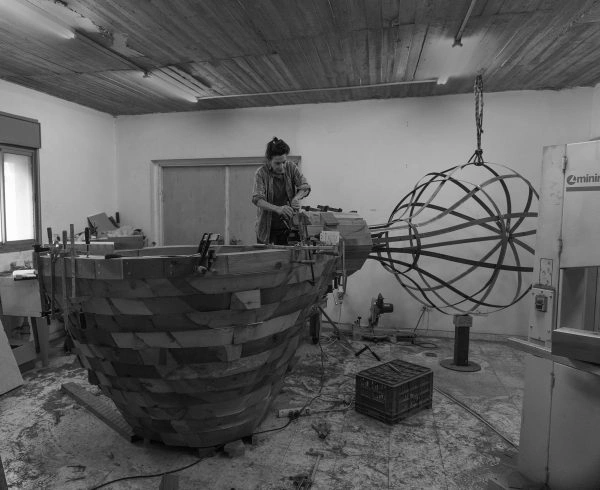
Tekoa, Israel
I had no formal learning in Talmud until I began my studies in the Joint Program where in 1976 I was one of the few, if not the only, woman talmud major. It was superior training for law school and enabled me to approach my legal studies with a foundation . In 2018, I began daf yomi listening to Rabbanit MIchelle’s pod cast and my daily talmud studies are one of the highlights of my life.

Minneapolis, United States
I started the daf at the beginning of this cycle in January 2020. My husband, my children, grandchildren and siblings have been very supportive. As someone who learned and taught Tanach and mefarshim for many years, it has been an amazing adventure to complete the six sedarim of Mishnah, and now to study Talmud on a daily basis along with Rabbanit Michelle and the wonderful women of Hadran.
Jerusalem, Israel
I am grateful for the structure of the Daf Yomi. When I am freer to learn to my heart’s content, I learn other passages in addition. But even in times of difficulty, I always know that I can rely on the structure and social support of Daf Yomi learners all over the world.
I am also grateful for this forum. It is very helpful to learn with a group of enthusiastic and committed women.

Beit Shemesh, Israel
I started learning when my brother sent me the news clip of the celebration of the last Daf Yomi cycle. I was so floored to see so many women celebrating that I wanted to be a part of it. It has been an enriching experience studying a text in a language I don’t speak, using background knowledge that I don’t have. It is stretching my learning in unexpected ways, bringing me joy and satisfaction.
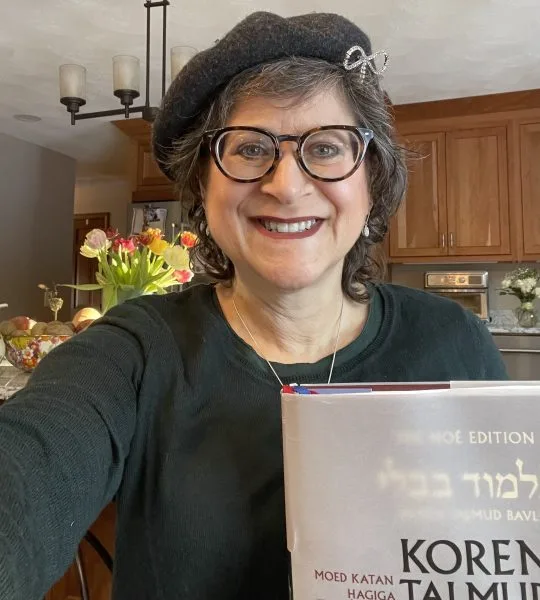
Warwick, Rhode Island, United States
Geri Goldstein got me started learning daf yomi when I was in Israel 2 years ago. It’s been a challenge and I’ve learned a lot though I’m sure I miss a lot. I quilt as I listen and I want to share what I’ve been working on.

Ottawa, Canada
I was inspired to start learning after attending the 2020 siyum in Binyanei Hauma. It has been a great experience for me. It’s amazing to see the origins of stories I’ve heard and rituals I’ve participated in my whole life. Even when I don’t understand the daf itself, I believe that the commitment to learning every day is valuable and has multiple benefits. And there will be another daf tomorrow!

Jerusalem, Israel
I began learning the daf in January 2022. I initially “flew under the radar,” sharing my journey with my husband and a few close friends. I was apprehensive – who, me? Gemara? Now, 2 years in, I feel changed. The rigor of a daily commitment frames my days. The intellectual engagement enhances my knowledge. And the virtual community of learners has become a new family, weaving a glorious tapestry.
Far Rockaway, United States
I started learning at the start of this cycle, and quickly fell in love. It has become such an important part of my day, enriching every part of my life.

Toronto, Canada
I started to listen to Michelle’s podcasts four years ago. The minute I started I was hooked. I’m so excited to learn the entire Talmud, and think I will continue always. I chose the quote “while a woman is engaged in conversation she also holds the spindle”. (Megillah 14b). It reminds me of all of the amazing women I learn with every day who multi-task, think ahead and accomplish so much.

Zichron Yakov, Israel
I had tried to start after being inspired by the hadran siyum, but did not manage to stick to it. However, just before masechet taanit, our rav wrote a message to the shul WhatsApp encouraging people to start with masechet taanit, so I did! And this time, I’m hooked! I listen to the shiur every day , and am also trying to improve my skills.

Yad Binyamin, Israel
Palo Alto, CA, United States
I started learning Dec 2019 after reading “If all the Seas Were Ink”. I found
Daily daf sessions of Rabbanit Michelle in her house teaching, I then heard about the siyum and a new cycle starting wow I am in! Afternoon here in Sydney, my family and friends know this is my sacred time to hide away to live zoom and learn. Often it’s hard to absorb and relate then a gem shines touching my heart.

Dover Heights, Australia
Richmond, CA, United States
I had dreamed of doing daf yomi since I had my first serious Talmud class 18 years ago at Pardes with Rahel Berkovitz, and then a couple of summers with Leah Rosenthal. There is no way I would be able to do it without another wonderful teacher, Michelle, and the Hadran organization. I wake up and am excited to start each day with the next daf.
Irvine, United States
A few years back, after reading Ilana Kurshan’s book, “If All The Seas Were Ink,” I began pondering the crazy, outlandish idea of beginning the Daf Yomi cycle. Beginning in December, 2019, a month before the previous cycle ended, I “auditioned” 30 different podcasts in 30 days, and ultimately chose to take the plunge with Hadran and Rabbanit Michelle. Such joy!

HUNTINGTON, United States
I read Ilana Kurshan’s “If All the Seas Were Ink” which inspired me. Then the Women’s Siyum in Jerusalem in 2020 convinced me, I knew I had to join! I have loved it- it’s been a constant in my life daily, many of the sugiyot connect to our lives. My family and friends all are so supportive. It’s incredible being part of this community and love how diverse it is! I am so excited to learn more!

Jerusalem, Israel
Menachot 63
מַתְנִי׳ הָאוֹמֵר ״הֲרֵי עָלַי בְּמַחֲבַת״ – לֹא יָבִיא בְּמַרְחֶשֶׁת, ״בְּמַרְחֶשֶׁת״ – לֹא יָבִיא בְּמַחֲבַת. מָה בֵּין מַחֲבַת לְמַרְחֶשֶׁת? מַרְחֶשֶׁת יֵשׁ לָהּ כִּיסּוּי, מַחֲבַת אֵין לָהּ כִּיסּוּי, דִּבְרֵי רַבִּי יוֹסֵי הַגְּלִילִי. רַבִּי חֲנִינָא בֶּן גַּמְלִיאֵל אוֹמֵר: מַרְחֶשֶׁת עֲמוּקָּה וּמַעֲשֶׂיהָ רוֹחֲשִׁין (רַכִּין), מַחֲבַת צָפָה וּמַעֲשֶׂיהָ קָשִׁין.
MISHNA: One who takes a vow to bring a meal offering to the Temple and says: It is incumbent upon me to bring a meal offering prepared in a maḥavat, may not bring one prepared in a marḥeshet. Similarly, if he says: It is incumbent upon me to bring a meal offering prepared in a marḥeshet, he may not bring one prepared in a maḥavat. The mishna clarifies: What is the difference between a maḥavat and a marḥeshet? A marḥeshet has a cover, whereas a maḥavat does not have a cover; this is the statement of Rabbi Yosei HaGelili. Rabbi Ḥanina ben Gamliel says: A marḥeshet is deep, and due to the large amount of oil, its product is soft because it moves about [roḥashin] in the oil. A maḥavat is flat, as the sides of the pan are level with the pan, and due to the small amount of oil, its product is hard.
גְּמָ׳ מַאי טַעְמָא דְּרַבִּי יוֹסֵי? אִילֵּימָא מַרְחֶשֶׁת, דְּאָתְיָא אַרִחוּשֵׁי הַלֵּב, כְּדִכְתִיב: ״רָחַשׁ לִבִּי דָּבָר טוֹב״, וּמַחֲבַת, דְּאָתְיָא אַמַּחְבּוֹאֵי הַפֶּה, כִּדְאָמְרִי אִינָשֵׁי: ״מְנַבַּח נַבּוֹחֵי״.
GEMARA: The Gemara inquires: As the Torah does not describe the different vessels, what is the reason for the interpretation of Rabbi Yosei HaGelili, explaining that a marḥeshet has a cover and a maḥavat does not have a cover? If we say that the term marḥeshet indicates that the offering comes to atone for the sinful musings [raḥashei] of the heart, as it is written: “My heart muses [raḥash] on a goodly matter” (Psalms 45:2), and therefore this meal offering must be prepared in a covered vessel just as the thoughts of the heart are hidden, this interpretation is insufficient. And if we say that the term maḥavat indicates that the offering comes to atone for transgressions committed with the corners of [ammaḥavo’ei] the mouth, as people say with regard to someone who speaks loudly: He is barking [minbaḥ nevuḥei], and therefore this meal offering must be prepared in an open vessel, this interpretation is also insufficient.
אֵימָא אִיפְּכָא: מַחֲבַת, דְּאָתְיָא אַמַּחְבּוֹאֵי הַלֵּב, דִּכְתִיב ״לָמָּה נַחְבֵּאתָ לִבְרֹחַ״; מַרְחֶשֶׁת, דְּאָתְיָא אַרִחוּשֵׁי [הַפֶּה], כִּדְאָמְרִי אִינָשֵׁי: ״הֲוָה מְרַחֲשָׁן שִׂיפְוָותֵיהּ״. אֶלָּא גְּמָרָא גְּמִירִי לַהּ.
The reason these interpretations are insufficient is that one can also say the opposite, and suggest that the name maḥavat indicates that the offering must be prepared in a closed vessel, as it comes to atone for the secret musings of the heart, as it is written that Laban said to Jacob: “Why did you flee secretly [naḥbeita]” (Genesis 31:27). Likewise, with regard to marḥeshet, one can say that it must be prepared in an open vessel, as it comes to atone for whispers [reḥushei] of the mouth which are heard and revealed, as people say: His lips were whispering [meraḥashan]. Therefore, Rabbi Yosei HaGelili cannot derive the meanings of the terms marḥeshet and maḥavat from the verses; rather, his interpretation is learned as a tradition.
רַבִּי חֲנִינָא בֶּן גַּמְלִיאֵל אוֹמֵר כּוּ׳. מַרְחֶשֶׁת עֲמוּקָּה – דִּכְתִיב ״וְכׇל נַעֲשָׂה בַמַּרְחֶשֶׁת״, מַחֲבַת צָפָה – דִּכְתִיב ״וְעַל מַחֲבַת״.
§ The mishna teaches: Rabbi Ḥanina ben Gamliel says that a marḥeshet is deep, whereas a maḥavat is flat. The Gemara explains the reason for this opinion: A marḥeshet is deep, as it is written with regard to this meal offering: “And all that is made in the marḥeshet” (Leviticus 7:9). The use of the term “in” indicates that this meal offering is prepared inside a vessel, i.e., a deep container. Conversely, a maḥavat is flat, with the sides of the pan level with the pan, as it is written with regard to this meal offering: “And on the maḥavat” (Leviticus 7:9). The use of the term “on” indicates that it is prepared on the vessel, not inside it. Therefore, a flat vessel is required.
תָּנוּ רַבָּנַן: בֵּית שַׁמַּאי אוֹמְרִים: הָאוֹמֵר ״הֲרֵי עָלַי מַרְחֶשֶׁת״ יְהֵא מוּנָּח עַד שֶׁיָּבֹא אֵלִיָּהוּ.
§ The mishna teaches that if one vows: It is incumbent upon me to bring a meal offering prepared in a marḥeshet, he is obligated to bring a meal offering of that type. With regard to this, the Sages taught that Beit Shammai say: With regard to one who says: It is incumbent upon me to bring a marḥeshet, without using the term: Meal offering, or the preposition: In, in such a case the money for the meal offering should be placed in a safe place until the prophet Elijah comes heralding the Messiah, and clarifies what should be done.
מְסַפְּקָא לְהוּ, אִי עַל שׁוּם כְּלִי נִקְרְאוּ, אוֹ עַל שׁוּם מַעֲשֵׂיהֶן.
The Gemara elaborates: Beit Shammai are uncertain with regard to the source of the terms marḥeshet and maḥavat, whether the offerings are called these names due to the specific vessel in which each meal offering is prepared, or whether they are called these names due to the manner of their preparation. The significance of this distinction is that if the term marḥeshet is referring to a specific type of vessel, then if one takes a vow: It is incumbent upon me to bring a marḥeshet, he must bring an actual vessel of that type, whereas if the term is referring to the manner of preparation of the meal offering then he is obligated to bring that type of meal offering. Since Beit Shammai are uncertain which is the correct interpretation, they rule that he must wait until the prophet Elijah comes.
וּבֵית הִלֵּל אוֹמְרִים: כְּלִי הָיָה בַּמִּקְדָּשׁ, וּ״מַרְחֶשֶׁת״ שְׁמוֹ, וְדוֹמֶה כְּמִין כַּלְבּוֹס עָמוֹק, וּכְשֶׁבָּצֵק מוּנָּח בְּתוֹכוֹ – דּוֹמֶה כְּמִין תַּפּוּחֵי הַבָּרָתִים וּכְמִין בִּלְוָטֵי הַיְּוָונִים.
And Beit Hillel say that there is no uncertainty about this matter, as there was a particular vessel in the Temple, and its name was marḥeshet. And this vessel resembled a type of deep kelabus, which is a vessel with indentations, and when dough is placed inside it, it gets pressed against the indentations and takes their shape. The dough resembles a type of apple of berotim trees, or a type of acorn [balutei] of the Greek oak trees. Therefore, one who takes a vow: It is incumbent upon me to bring a marḥeshet, must bring this type of vessel to the Temple as a donation.
וְאוֹמֵר: ״וְכׇל נַעֲשָׂה בַמַּרְחֶשֶׁת וְעַל מַחֲבַת״, אַלְמָא עַל שׁוּם הַכֵּלִים נִקְרְאוּ, וְלֹא עַל שׁוּם מַעֲשֵׂיהֶם.
And the verse states two different prepositions with regard to these vessels: “And all that is made in the marḥeshet and on the maḥavat” (Leviticus 7:9). It does not state simply: And all that is made in the marḥeshet and the maḥavat. Since it seems from the verse that when using the marḥeshet the meal offering is prepared inside the vessel and when using the maḥavat it is prepared on the vessel, evidently they are called these names due to the vessel in which the meal offering is prepared, not due to the manner of their preparation.
מַתְנִי׳ הֲרֵי עָלַי בְּתַנּוּר – לֹא יָבִיא מַאֲפֵה כוּפָּח, וְלֹא מַאֲפֵה רְעָפִים, וּמַאֲפֵה יוֹרוֹת הָעַרְבִיִּים. רַבִּי יְהוּדָה אוֹמֵר: רָצָה – מֵבִיא מַאֲפֵה כוּפָּח.
MISHNA: If one says: It is incumbent upon me to bring a meal offering baked in an oven, he may not bring a meal offering baked on a small oven [kupaḥ], nor a meal offering baked on roofing tiles, nor a meal offering baked in the baking pits of the Arabs. Rabbi Yehuda says: If he so wishes, he may bring a meal offering baked on a kupaḥ.
הֲרֵי עָלַי מִנְחַת מַאֲפֶה – לֹא יָבִיא מֶחֱצָה חַלּוֹת וּמֶחֱצָה רְקִיקִין; רַבִּי שִׁמְעוֹן מַתִּיר, מִפְּנֵי שֶׁהוּא קׇרְבָּן אֶחָד.
If one says: It is incumbent upon me to bring a baked meal offering, without specifying loaves or wafers, he may not bring half the required offering in the form of loaves and the other half in the form of wafers; rather, they must all be of one form or the other. Rabbi Shimon deems this permitted, due to the fact that both loaves and wafers are written with regard to this meal offering, which indicates that it is one offering of two possible forms.
גְּמָ׳ תָּנוּ רַבָּנַן: ״מַאֲפֵה תַנּוּר״, וְלֹא מַאֲפֵה כוּפָּח, וְלֹא מַאֲפֵה רְעָפִים, וְלֹא מַאֲפֵה יוֹרוֹת הָעַרְבִיִּים.
GEMARA: The Sages taught in a baraita: When the verse states: “And when you bring a meal offering baked in an oven” (Leviticus 2:4), this emphasizes that it must be prepared in an oven, and not baked on a kupaḥ, nor baked on roofing tiles, nor baked in the baking pits of the Arabs, in accordance with the opinion of the first tanna in the mishna.
רַבִּי יְהוּדָה אוֹמֵר: ״תַּנּוּר״ ״תַּנּוּר״ שְׁנֵי פְּעָמִים, לְהַכְשִׁיר מַאֲפֵה כוּפָּח. רַבִּי שִׁמְעוֹן אוֹמֵר: ״תַּנּוּר״ ״תַּנּוּר״ שְׁנֵי פְּעָמִים, אֶחָד שֶׁתְּהֵא אֲפִיָּיתָן בְּתַנּוּר, וְאֶחָד שֶׁיְּהֵא הֶקְדֵּישָׁן בַּתַּנּוּר.
Rabbi Yehuda says: In this verse it states “oven,” and it also states “oven” in another verse: “And every meal offering that is baked in the oven” (Leviticus 7:9). Since it is written two times, and these terms are restrictions, one follows the hermeneutical principle that a restrictive expression following a restrictive expression serves only to amplify the halakha and include additional cases. Consequently, this derivation serves to render fit a meal offering baked on a kupaḥ, and it too is deemed an oven. Rabbi Shimon says: The terms “oven” and “oven,” which are written a total of two times, serve to teach two halakhot: One instance teaches that their baking should be in an oven, and the other one teaches that their consecration is in an oven, i.e., meal offerings are not consecrated in service vessels but rather in the oven.
וּמִי אִית לֵיהּ לְרַבִּי שִׁמְעוֹן הַאי סְבָרָא? וְהָתְנַן: רַבִּי שִׁמְעוֹן אוֹמֵר: לְעוֹלָם הֱוֵי רָגִיל לוֹמַר שְׁתֵּי הַלֶּחֶם וְלֶחֶם הַפָּנִים כְּשֵׁרוֹת בָּעֲזָרָה, וּכְשֵׁרוֹת בְּבֵית פָּאגֵי.
The Gemara asks: And does Rabbi Shimon hold in accordance with this line of reasoning? But didn’t we learn in a mishna (95b) that Rabbi Shimon says: One should always be accustomed to say that the two loaves and the shewbread are valid if they are kneaded, shaped, or baked in the Temple courtyard, and that they are also valid if they are prepared in the place called Beit Pagei, which is outside the walls of the Temple Mount? As these offerings are not disqualified by being taken outside the Temple, evidently they are not consecrated in the oven.
אָמַר רָבָא: אֵימָא, שֶׁיְּהֵא הֶקְדֵּישָׁן לְשׁוּם תַּנּוּר.
Rava said in response: Rabbi Shimon maintains that the oven does not consecrate meal offerings, and as for his statement in the baraita concerning the two derivations, one should say that the other derivation from the term “oven” teaches that their consecration by the owner must be explicit, i.e., from the outset he must say that he is sanctifying his meal offering for the sake of a meal offering baked in an oven.
הֲרֵי עָלַי מִנְחַת מַאֲפֵה, לֹא יָבִיא מֶחֱצָה [וְכוּ׳]. תָּנוּ רַבָּנַן: ״וְכִי תַּקְרִיב״ – כְּשֶׁתַּקְרִיב, לַעֲשׂוֹת דְּבַר רְשׁוּת.
§ The mishna teaches that if one says: It is incumbent upon me to bring a baked meal offering, he may not bring half the required offering in the form of loaves and half in the form of wafers, whereas Rabbi Shimon deems this permitted, as it is one offering. The Sages taught in a baraita: The verse states: “And when you bring a meal offering baked in an oven” (Leviticus 2:4). The phrase: “And when you bring,” indicates that this offering is not obligatory. Rather, when you wish you may bring, i.e., the verse teaches how to perform the meal offering baked in an oven as a voluntary matter.
״קׇרְבַּן מִנְחָה״ – אָמַר רַבִּי יְהוּדָה: מִנַּיִן לְאוֹמֵר ״הֲרֵי עָלַי מִנְחַת מַאֲפֶה״, שֶׁלֹּא יָבִיא מֶחֱצָה חַלּוֹת וּמֶחֱצָה רְקִיקִין? תַּלְמוּד לוֹמַר ״קׇרְבָּן מִנְחָה״ – קׇרְבָּן אֶחָד אָמַרְתִּי לָךְ, וְלֹא שְׁנַיִם וּשְׁלֹשָׁה קׇרְבָּנוֹת.
With regard to the term: “A meal offering,” Rabbi Yehuda says: From where is it derived with regard to one who says: It is incumbent upon me to bring a baked meal offering, that he must not bring half of the bread in the form of loaves and half in the form of wafers? The verse states: “A meal offering,” which indicates: I told you to bring one offering, i.e., all ten loaves from one type, and not two or three offerings of different types, as allowed by Rabbi Shimon.
אָמַר לוֹ רַבִּי שִׁמְעוֹן:
The baraita continues: Rabbi Shimon said to Rabbi Yehuda:
וְכִי נֶאֱמַר ״קׇרְבָּן״ ״קׇרְבָּן״ שְׁנֵי פְּעָמִים? וַהֲלֹא לֹא נֶאֱמַר אֶלָּא קׇרְבָּן אֶחָד, וְנֶאֱמַר בּוֹ חַלּוֹת וּרְקִיקִין.
And is it stated with regard to a meal offering baked in an oven: “Offering,” and again: Offering, for a total of two times, once in connection to a meal offering of loaves and once in connection to a meal offering of wafers? If that were the case, it would indicate that these are two types of offerings. But doesn’t it actually say “offering” only one time: “And when you bring a meal offering baked in an oven, it shall be unleavened loaves of fine flour mixed with oil, or unleavened wafers spread with oil” (Leviticus 2:4)? And it is stated with regard to this meal offering both loaves and wafers, which indicates that these are two varieties of the same offering.
מֵעַתָּה, רָצָה לְהָבִיא חַלּוֹת – מֵבִיא, רְקִיקִין – מֵבִיא, מֶחֱצָה חַלּוֹת וּמֶחֱצָה רְקִיקִין – מֵבִיא, וּבוֹלְלָן וְקוֹמֵץ מִשְּׁנֵיהֶם, וְאִם קָמַץ וְעָלָה בְּיָדוֹ מֵאֶחָד עַל שְׁנֵיהֶם – יָצָא.
Rabbi Shimon continues: From now it may be inferred that if one wants to bring ten loaves he may bring ten loaves, and if he prefers to bring ten wafers, he may bring ten wafers, and if he decides that half of them should be loaves and half of them wafers, he may bring it in this manner. And if he brings part as loaves and part as wafers, how does he proceed? He mingles all of them and removes a handful from both of them. And if he removed a handful and it happened that only part of one type, either loaves or wafers, came up in his hand for both of them, he has fulfilled his obligation, as they are both part of a single offering.
רַבִּי יוֹסֵי בַּר רַבִּי יְהוּדָה אוֹמֵר: מִנַּיִן לְאוֹמֵר ״הֲרֵי עָלַי מִנְחַת מַאֲפֶה״, שֶׁלֹּא יָבִיא מֶחֱצָה חַלּוֹת וּמֶחֱצָה רְקִיקִין? תַּלְמוּד לוֹמַר: ״וְכׇל מִנְחָה אֲשֶׁר תֵּאָפֶה בַּתַּנּוּר״, ״וְכׇל נַעֲשָׂה בַמַּרְחֶשֶׁת וְעַל מַחֲבַת לַכֹּהֵן הַמַּקְרִיב אֹתָהּ לוֹ תִהְיֶה״, ״וְכׇל מִנְחָה בְלוּלָה בַשֶּׁמֶן וַחֲרֵבָה לְכׇל בְּנֵי אַהֲרֹן תִּהְיֶה״.
Rabbi Yosei bar Rabbi Yehuda says: From where is it derived with regard to one who says: It is incumbent upon me to bring a baked meal offering, that he may not bring half of the offering as loaves and half as wafers? He answers: The verse states: “And every meal offering that is baked in an oven, and every one that is made in the deep pan, and on the shallow pan, shall belong to the priest who sacrifices it. And every meal offering, mixed with oil, or dry, shall belong to all the sons of Aaron, one as well as another” (Leviticus 7:9–10).
מָה ״וְכׇל״ הָאָמוּר לְמַטָּה שְׁנֵי מִינִין חֲלוּקִין, אַף ״וְכׇל״ הָאָמוּר לְמַעְלָה שְׁנֵי מִינִין חֲלוּקִין.
The verses juxtapose the meal offering baked in an oven to the meal offering prepared on the pan and the meal offering prepared in the deep pan, and similarly to the meal offering brought as a gift, alluded to by the phrase: “Mixed with oil,” and to the meal offering of a sinner, which is called: “Dry.” This teaches that just as the term: “And every” (Leviticus 7:10), stated below with regard to those meal offerings, is referring to two different types of meal offering, so too, the term: “And every” (Leviticus 7:9), stated above, with regard to the two forms of meal offering baked in an oven, is referring to two different types of meal offering, and therefore one may not bring part as loaves and part as wafers.
וְרַבִּי יְהוּדָה, שַׁפִּיר קָאָמַר רַבִּי שִׁמְעוֹן? אָמַר לָךְ: כֵּיוָן דִּכְתִיב ״בַּשֶּׁמֶן״ ״בַּשֶּׁמֶן״, כְּמַאן דִּכְתִיב ״קׇרְבָּן״ ״קׇרְבָּן״ דָּמֵי.
The Gemara asks: And how does Rabbi Yehuda, who maintains that loaves and wafers are two different types of meal offerings baked in an oven, respond to Rabbi Shimon’s proof? After all, Rabbi Shimon is saying well when he points out that the verse mentions “offering” only once. The Gemara explains: Rabbi Yehuda could have said to you: Since it is written: “With oil,” and: “With oil,” in the verse: “It shall be unleavened loaves of fine flour mixed with oil, or unleavened wafers spread with oil” (Leviticus 2:4), it is considered as though it is written “offering” and “offering,” and therefore these are deemed two different types of meal offering.
וְרַבִּי שִׁמְעוֹן, אִי לָא כְּתִיב ״בְּשֶׁמֶן״ ״בְּשֶׁמֶן״, הֲוָה אָמֵינָא דַּוְוקָא מֶחֱצָה חַלּוֹת וּמֶחֱצָה רְקִיקִין, אֲבָל חַלּוֹת לְחוֹדַיְיהוּ וּרְקִיקִין לְחוֹדַיְיהוּ אֵימָא לָא, קָא מַשְׁמַע לַן.
The Gemara asks: And how does Rabbi Shimon respond to this claim? The Gemara answers: Rabbi Shimon maintains that the repetition of the term “with oil” teaches a different halakha. If it were not written “with oil,” and again “with oil,” I would say that a meal offering baked in an oven must be specifically brought half as loaves and half as wafers, and if he wanted to bring only loaves alone or wafers alone, I would say that he may not bring a meal offering in this manner. The repetition of the term “with oil” teaches us that a meal offering baked in an oven can comprise ten loaves, or ten wafers, or a combination of both types.
רַבִּי יוֹסֵי בְּרַבִּי יְהוּדָה הַיְינוּ אֲבוּהּ? אִיכָּא בֵּינַיְיהוּ דְּאִי עֲבַד.
The Gemara further inquires: The baraita states that Rabbi Yosei, son of Rabbi Yehuda, holds that loaves and wafers are two different types of meal offerings. The opinion of Rabbi Yosei, son of Rabbi Yehuda, is the same as that of his father, Rabbi Yehuda, whose opinion is also mentioned in the baraita. Why is it necessary to cite Rabbi Yosei bar Rabbi Yehuda’s opinion separately? The Gemara explains: It is necessary to cite the opinion of Rabbi Yosei bar Rabbi Yehuda, because there is a practical difference between his ruling and that of his father; as, if someone transgressed and performed the sacrifice of a meal offering baked in an oven by bringing a mixture of loaves and wafers, according to Rabbi Yehuda the offering is valid after the fact, whereas Rabbi Yosei bar Rabbi Yehuda deems it not valid even after the fact.
הֲדַרַן עֲלָךְ כׇּל הַמְּנָחוֹת.
מַתְנִי׳ רַבִּי יִשְׁמָעֵאל אוֹמֵר: עוֹמֶר הָיָה בָּא בַּשַּׁבָּת מִשָּׁלֹשׁ סְאִין, וּבַחוֹל מֵחָמֵשׁ, וַחֲכָמִים אוֹמְרִים: אֶחָד שַׁבָּת וְאֶחָד חוֹל מִשָּׁלֹשׁ הָיָה בָּא.
MISHNA: Rabbi Yishmael says: When the day of the sacrifice of the omer meal offering would occur on Shabbat, the labors performed that would otherwise be prohibited were kept to a minimum, and the one-tenth of an ephah of flour that was brought as an offering was processed from three se’a of reaped barley. And if it occurred during the week, the flour was processed from five se’a of reaped barley. And the Rabbis say: Both on Shabbat and during the week, the omer offering would come from three se’a of reaped barley.
רַבִּי חֲנִינָא סְגַן הַכֹּהֲנִים אוֹמֵר: בַּשַּׁבָּת הָיָה נִקְצָר בְּיָחִיד, וּבְמַגָּל אֶחָד, וּבְקוּפָּה אַחַת, וּבַחוֹל – בִּשְׁלֹשָׁה, בְּשָׁלֹשׁ קוּפּוֹת, וְשָׁלֹשׁ מַגָּלוֹת. וַחֲכָמִים אוֹמְרִים: אֶחָד שַׁבָּת וְאֶחָד חוֹל – בִּשְׁלֹשָׁה, בְּשָׁלֹשׁ קוּפּוֹת, וּבְשָׁלֹשׁ מַגָּלוֹת.
Rabbi Ḥanina, the deputy High Priest, says: On Shabbat the barley was reaped by an individual and with one sickle and with one basket into which the barley was placed; and during the week, it was reaped by three people with three baskets and three sickles. And the Rabbis say: Both on Shabbat and during the week, it was reaped by three people with three baskets and with three sickles.
גְּמָ׳ בִּשְׁלָמָא רַבָּנַן קָא סָבְרִי: עִשָּׂרוֹן מוּבְחָר (בִּשְׁלֹשָׁה) [מִשָּׁלֹשׁ] סְאִין אָתֵי, וְלָא שְׁנָא בְּחוֹל וְלָא שְׁנָא בְּשַׁבָּת.
GEMARA: Rabbi Yishmael and the Rabbis disagree in the mishna with regard to how many se’a of barley were reaped for the omer meal offering on Shabbat. According to Rabbi Yishmael three se’a were reaped when the offering was brought on a Shabbat, and five se’a were reaped when the offering was brought on a weekday. The Rabbis maintain that both during the week and on Shabbat, three se’a were reaped. The Gemara asks: Granted the opinion of the Rabbis is clear, as they maintain that a select tenth of an ephah of flour comes from three se’a of reaped barley, and therefore there is no difference whether the barley is reaped during the week or whether it is reaped on Shabbat, as a select tenth is required.
אֶלָּא רַבִּי יִשְׁמָעֵאל, מַאי קָסָבַר? אִי קָסָבַר: עִשָּׂרוֹן מוּבְחָר לָא אָתֵי אֶלָּא מֵחָמֵשׁ – אֲפִילּוּ בְּשַׁבָּת נָמֵי! אִי מִשָּׁלֹשׁ אָתֵי – אֲפִילּוּ בַּחוֹל נָמֵי!
Rather, there is a question with regard to the opinion of Rabbi Yishmael, who differentiates between Shabbat and during the week. What does he hold? If he holds that a select tenth of an ephah of flour can come only from five se’a of reaped barley, then even on Shabbat five se’a should also be required. And if the select tenth of an ephah of flour can come from even three se’a, then even on a weekday three should suffice.
אָמַר רָבָא: קָסָבַר רַבִּי יִשְׁמָעֵאל, עִשָּׂרוֹן מוּבְחָר בְּלָא טִירְחָא אָתֵי מֵחָמֵשׁ, בְּטִירְחָא אָתֵי מִשָּׁלֹשׁ. בַּחוֹל מַיְיתִינַן מֵחָמֵשׁ, דְּהָכִי שְׁבִיחָא מִילְּתָא. בְּשַׁבָּת – מוּטָב שֶׁיַּרְבֶּה בִּמְלָאכָה אַחַת בְּהַרְקָדָה, וְאַל יַרְבֶּה בִּמְלָאכוֹת הַרְבֵּה.
Rava said: Rabbi Yishmael holds that a select tenth of an ephah of flour can come without exertion from five se’a, and with exertion from three. Therefore, on a weekday we reap and bring flour from five se’a, as this produces a better final product, since only the highest-quality flour of each se’a is selected. On Shabbat, it is preferable that one should increase the effort involved in one prohibited labor, that of sifting the flour numerous times, and one should not increase the number of prohibited acts involved in performing many prohibited labors, such as reaping and winnowing, which are required for the processing of five se’a.
אָמַר רַבָּה: רַבִּי יִשְׁמָעֵאל וְרַבִּי יִשְׁמָעֵאל בְּנוֹ שֶׁל רַבִּי יוֹחָנָן בֶּן בְּרוֹקָה אָמְרוּ דָּבָר אֶחָד, דְּתַנְיָא: אַרְבָּעָה עָשָׂר שֶׁחָל לִהְיוֹת בְּשַׁבָּת – מַפְשִׁיט אֶת הַפֶּסַח עַד הֶחָזֶה, דִּבְרֵי רַבִּי יִשְׁמָעֵאל בְּנוֹ שֶׁל רַבִּי יוֹחָנָן בֶּן בְּרוֹקָה. וַחֲכָמִים אוֹמְרִים: עַד שֶׁיַּפְשִׁיט אֶת כּוּלּוֹ.
§ Rabba said: Rabbi Yishmael and Rabbi Yishmael, son of Rabbi Yoḥanan ben Beroka, said the same thing. As it is taught in a baraita: If the fourteenth of Nisan occurs on Shabbat, when the Paschal offering is sacrificed but not roasted until Shabbat ends, one flays the Paschal offering up to the breast, to enable removal of the parts of the animal that are sacrificed upon the altar on Shabbat, and flays the rest of the animal after Shabbat. Further skinning is only to facilitate eating the animal and therefore it does not override Shabbat. This is the statement of Rabbi Yishmael, son of Rabbi Yoḥanan ben Beroka. And the Rabbis say: One has not performed the obligation properly unless he flays it in its entirety.
מִי לָא אָמַר רַבִּי יִשְׁמָעֵאל בְּנוֹ שֶׁל רַבִּי יוֹחָנָן בֶּן בְּרוֹקָה הָתָם, כֹּל הֵיכָא דְּאֶפְשָׁר לָא טָרְחִינַן? הָכָא נָמֵי, כֵּיוָן דְּאֶפְשָׁר – לָא טָרְחִינַן.
The Gemara explains why the statements of Rabbi Yishmael and Rabbi Yishmael, son of Rabbi Yoḥanan ben Beroka, are the same. Didn’t Rabbi Yishmael, son of Rabbi Yoḥanan ben Beroka, say there that anywhere that it is possible to perform the necessary task without an additional action, we do not exert ourselves on Shabbat? Here, too, since it is possible to perform the necessary task without the extra flaying, we do not exert ourselves.
מִמַּאי? דִּלְמָא עַד כָּאן לָא קָאָמַר רַבִּי יִשְׁמָעֵאל הָכָא, אֶלָּא דְּלֵיכָּא בִּזְיוֹן קָדָשִׁים, אֲבָל הָתָם דְּאִיכָּא בִּזְיוֹן קֳדָשִׁים,
The Gemara rejects this comparison: From where is this conclusion reached? Perhaps Rabbi Yishmael states his ruling only here, in the case of reaping three se’a on Shabbat, where there is no degradation of consecrated items. But there, where there is degradation of consecrated items, as the animal will be left half-flayed overnight,

