









This month’s learning is sponsored by Marci Glazer in loving memory of her teacher and chevruta, Rachel Brodie, Rachel Aviva bat Devora Chana, on her 4th yahrzeit. “She brought her love of Torah to thousands of people in her all-too-short life. A lover of Midrash, she still invited me on this Daf Yomi journey.”
Want to dedicate learning? Get started here:

Today’s daily daf tools:
This month’s learning is sponsored by Marci Glazer in loving memory of her teacher and chevruta, Rachel Brodie, Rachel Aviva bat Devora Chana, on her 4th yahrzeit. “She brought her love of Torah to thousands of people in her all-too-short life. A lover of Midrash, she still invited me on this Daf Yomi journey.”
Menachot 64
אֵימָא לָךְ כְּרַבָּנַן סְבִירָא לֵיהּ.
I could say to you that he holds in accordance with the opinion of the Rabbis that the entire animal should be flayed.
אִי נָמֵי, עַד כָּאן לָא קָאָמַר רַבִּי יִשְׁמָעֵאל בְּנוֹ שֶׁל רַבִּי יוֹחָנָן בֶּן בְּרוֹקָא הָתָם, אֶלָּא דְּאִיתְעֲבִיד לֵיהּ צוֹרֶךְ גָּבוֹהַּ, וְלָא צְרִיךְ אַחוֹלֵי שַׁבָּת, אֲבָל הָכָא, דְּלָא אִיתְעֲבִיד לֵיהּ צוֹרֶךְ גָּבוֹהַּ, וּצְרִיךְ לְאַחוֹלֵי שַׁבָּת – אֵימָא כְּרַבָּנַן סְבִירָא לֵיהּ.
Alternatively, it is possible that Rabbi Yishmael, son of Rabbi Yoḥanan ben Beroka, states his ruling only there, in the case of the Paschal offering, where the requirements for the Most High, i.e., the Temple service, have been fulfilled, and therefore there is no need to desecrate the Shabbat. But here, where the community must bring a select tenth of an ephah and therefore the requirements for the Most High have not been fulfilled, and it is necessary to desecrate the Shabbat, say that he holds in accordance with the opinion of the Rabbis, that one reaps the same amount of barley on Shabbat as during the week.
אֶלָּא אָמַר רַבָּה: רַבִּי יִשְׁמָעֵאל וְרַבִּי חֲנִינָא סְגַן הַכֹּהֲנִים אָמְרוּ דָּבָר אֶחָד, דִּתְנַן: רַבִּי חֲנִינָא סְגַן הַכֹּהֲנִים אוֹמֵר: בַּשַּׁבָּת נִקְצָר בְּיָחִיד, בְּמַגָּל אֶחָד וּבְקוּפָּה אַחַת, וּבַחוֹל – בִּשְׁלֹשָׁה, בְּשָׁלֹשׁ קוּפּוֹת וּבְשָׁלֹשׁ מַגָּלוֹת. וַחֲכָמִים אוֹמְרִים: אֶחָד שַׁבָּת וְאֶחָד חוֹל – בְּשָׁלֹשׁ קוּפּוֹת וּבְשָׁלֹשׁ מַגָּלוֹת.
Rather, Rabba said: Rabbi Yishmael and Rabbi Ḥanina, the deputy High Priest, said the same thing. As we learned in the mishna that Rabbi Ḥanina, the deputy High Priest, says: On Shabbat the barley was reaped by an individual with one sickle and with one basket into which the barley was placed; and during the week, it was reaped by three people with three baskets and with three sickles. And the Rabbis say: Both on Shabbat and during the week, it was reaped by three people with three baskets and with three sickles.
מִי לָא קָאָמַר רַבִּי חֲנִינָא סְגַן הַכֹּהֲנִים הָתָם, כֵּיוָן דְּאֶפְשָׁר – לָא טָרְחִינַן, הָכָא נָמֵי, כֵּיוָן דְּאֶפְשָׁר – לָא טָרְחִינַן.
The Gemara explains Rabba’s comparison: Doesn’t Rabbi Ḥanina, the deputy High Priest, say there, with regard to the process of gathering the barley, that since it is possible to reap by means of one person, we do not exert ourselves to reap it by means of three? Here, too, Rabbi Yishmael maintains that since it is possible to bring the omer meal offering from three se’a of barley, we do not exert ourselves on Shabbat to bring it from five se’a.
מִמַּאי? דִּלְמָא עַד כָּאן לָא קָאָמַר רַבִּי יִשְׁמָעֵאל הָכָא, אֶלָּא דְּלֵיכָּא פַּרְסוֹמֵי מִילְּתָא, אֲבָל הָתָם, דְּאִיכָּא פַּרְסוֹמֵי מִילְּתָא – אֵימָא כְּרַבָּנַן סְבִירָא לֵיהּ.
The Gemara rejects this comparison: From where is this conclusion reached? Perhaps Rabbi Yishmael states his ruling only here, because there is no greater publicity of the event achieved by using five se’a rather than three. But there, in the case of reaping the barley, where there is greater publicity of the event through the involvement of more people, one can say that he holds in accordance with the opinion of the Rabbis.
אִי נָמֵי, עַד כָּאן לָא קָאָמַר רַבִּי חֲנִינָא סְגַן הַכֹּהֲנִים הָתָם, דְּאִי בְּחַד אִי בִּשְׁלֹשָׁה – צוֹרֶךְ גָּבוֹהַּ מִיתְעֲבִיד כְּהִלְכָתוֹ, אֲבָל הָכָא, דְּלָא אִיתְעֲבִיד כְּהִלְכָתוֹ צוֹרֶךְ גָּבוֹהַּ – אֵימָא כְּרַבָּנַן סְבִירָא לֵיהּ.
Alternatively, perhaps Rabbi Ḥanina, the deputy High Priest, states his ruling only there, as whether one individual or three people reap, the rite is still being performed in its proper manner for the requirement of the Most High. But here, when only three se’a are used, and the rite is not being performed in its proper manner for the requirement of the Most High, as five se’a are usually needed, say that he holds in accordance with the opinion of the Rabbis that on Shabbat the mitzva is performed in the same manner as on a weekday.
אֶלָּא אָמַר רַב אָשֵׁי: רַבִּי יִשְׁמָעֵאל וְרַבִּי יוֹסֵי אָמְרוּ דָּבָר אֶחָד, דִּתְנַן: בֵּין שֶׁנִּרְאָה בַּעֲלִיל וּבֵין שֶׁלֹּא נִרְאָה בַּעֲלִיל – מְחַלְּלִין עָלָיו אֶת הַשַּׁבָּת. רַבִּי יוֹסֵי אוֹמֵר: אִם נִרְאָה בַּעֲלִיל – אֵין מְחַלְּלִין עָלָיו אֶת הַשַּׁבָּת.
Rather, Rav Ashi said: Rabbi Yishmael and Rabbi Yosei said the same thing. As we learned in a mishna (Rosh HaShana 21b): Whether the new moon was seen clearly [ba’alil] by everyone or whether it was not seen clearly, one may desecrate the Shabbat in order to testify about its appearance. Rabbi Yosei says: If the moon was clearly seen, witnesses may not desecrate the Shabbat for it, as other witnesses located nearer to the court will certainly testify. If these distant witnesses go to court to testify, they will desecrate Shabbat unnecessarily.
מִי לָא אָמַר רַבִּי יוֹסֵי הָתָם, כֵּיוָן דְּאֶפְשָׁר – לָא טָרְחִינַן, הָכָא נָמֵי, כֵּיוָן דְּאֶפְשָׁר – לָא טָרְחִינַן.
The Gemara explains Rav Ashi’s comparison: Didn’t Rabbi Yosei say there: Since it is possible to receive testimony about the new moon without further witnesses, we do not exert ourselves and travel on Shabbat? Here, too, Rabbi Yishmael holds that since it is possible to bring the omer meal offering from three se’a of barley, we do not exert ourselves on Shabbat to bring it from five se’a.
מִמַּאי? דִּלְמָא עַד כָּאן לָא קָאָמַר רַבִּי יִשְׁמָעֵאל הָכָא, אֶלָּא דְּלֵיכָּא נִמְצֵאתָ אַתָּה מַכְשִׁילָן לֶעָתִיד לָבֹא, אֲבָל הָתָם, דְּנִמְצֵאתָ אַתָּה מַכְשִׁילָן לֶעָתִיד לָבֹא, אֵימָא כְּרַבָּנַן סְבִירָא לֵיהּ.
The Gemara rejects this comparison: From where do you draw this conclusion? Perhaps Rabbi Yishmael states only here that three se’a are brought on Shabbat, as there is no concern that ultimately you will cause people to stumble in the future and refrain from bringing the omer offering. But there, in the case of witnesses testifying about the new moon, he concedes that all potential witnesses may travel on Shabbat because if not, you will cause them to stumble in the future. People will say: Why should we go to such trouble, as our testimony is unnecessary? Yet at some point they will be needed, and no witnesses will come to the court. Therefore, in that case one can say that Rabbi Yishmael agrees with this reasoning and holds in accordance with the opinion of the Rabbis.
אִי נָמֵי, עַד כָּאן לָא קָאָמַר רַבִּי יוֹסֵי הָתָם, אֶלָּא דְּלֵיכָּא צוֹרֶךְ גָּבוֹהַּ, וְלֹא נִיתְּנָה שַׁבָּת לִדָּחוֹת, אֲבָל הָכָא, דְּאִיכָּא צוֹרֶךְ גָּבוֹהַּ, וְנִיתְּנָה שַׁבָּת לִדָּחוֹת – אֵימָא כְּרַבָּנַן סְבִירָא לֵיהּ.
Alternatively, it is possible that Rabbi Yosei states his ruling only there, with regard to the new moon, as this is not a requirement for the Most High, and therefore Shabbat may not be desecrated. But here, as the omer meal offering is a requirement for the Most High, and therefore Shabbat may be desecrated for it, say that Rabbi Yosei holds in accordance with the opinion of the Rabbis that on Shabbat the mitzva is performed in the same manner as on a weekday.
אִיתְּמַר: שָׁחַט שְׁתֵּי חַטָּאוֹת שֶׁל צִיבּוּר, וְאֵינוֹ צָרִיךְ אֶלָּא אַחַת. אֲמַר רַבָּה, וְאִיתֵּימָא רַבִּי אַמֵּי: חַיָּיב עַל הַשְּׁנִיָּה, וּפָטוּר עַל הָרִאשׁוֹנָה. וַאֲפִילּוּ נִתְכַּפֵּר לוֹ בַּשְּׁנִיָּה, וַאֲפִילּוּ נִמְצֵאת רִאשׁוֹנָה כְּחוּשָׁה.
§ It was stated in a baraita (Tosefta, Pesaḥim 5:7): If one mistakenly slaughtered two communal sin offerings, e.g., the goat offerings of a Festival, on a Festival that occurred on Shabbat, and only one was required, Rabba said, and some say it was Rabbi Ami who said: He is liable for the second, superfluous communal sin offering, but is exempt for the first. And this is the halakha even if he achieved atonement with the second offering, e.g., if the blood of the first offering was spilled after the slaughter of the second. And this is the halakha even if the first offering was found to be gaunt and thereby disqualified as an offering, which meant that only the second offering was fit.
וּמִי אָמַר רַבָּה הָכִי? וְהָא אָמַר רַבָּה: הָיוּ לְפָנָיו שְׁתֵּי חַטָּאוֹת, אַחַת שְׁמֵינָה וְאַחַת כְּחוּשָׁה – שָׁחַט שְׁמֵינָה וְאַחַר כָּךְ שָׁחַט כְּחוּשָׁה – חַיָּיב, כְּחוּשָׁה וְאַחַר כָּךְ שְׁמֵינָה – פָּטוּר, וְלֹא עוֹד אֶלָּא שֶׁאוֹמְרִים לוֹ: הָבֵא שְׁמֵינָה לְכַתְּחִלָּה וּשְׁחוֹט!
The Gemara asks: And in a case where the first animal was found to be gaunt, did Rabba really say this? But doesn’t Rabba say that if one had before him two communal sin offerings on Shabbat, one choice animal and one gaunt, and he slaughtered the choice one and then slaughtered the gaunt one, he is liable for the gaunt animal, as it should not have been slaughtered. But if he first slaughtered the gaunt one and subsequently slaughtered the choice animal, he is exempt for slaughtering the choice animal. And moreover, members of the court say to him after he slaughtered the gaunt animal: Bring the choice animal and slaughter it ab initio. If so, in a case where the first animal was found to be gaunt, he certainly should not be liable for slaughtering the second.
אִיבָּעֵית אֵימָא: סְמִי כְּחוּשָׁה מִקַּמָּיְיתָא, וְאִיבָּעֵית אֵימָא: הָהִיא – רַבִּי אַמֵּי אַמְרַהּ.
The Gemara answers: If you wish, say: Remove [semei] the clause with regard to the gaunt animal from the first statement of Rabba. In other words, Rabba merely said that he is exempt for the slaughter of the first animal; he did not state a ruling about the second animal. And if you wish, say instead that the ruling that he is liable for the slaughter of the second animal was stated by Rabbi Ami, not Rabba.
אֲמַר לֵיהּ רָבִינָא לְרַב אָשֵׁי: נִמְצֵאת הָרִאשׁוֹנָה כְּחוּשָׁה בִּבְנֵי מֵעַיִין, מַהוּ? בָּתַר מַחְשַׁבְתּוֹ אָזְלִינַן, וְגַבְרָא לְאִיסּוּרָא קָא מִיכַּוֵּין, אוֹ דִלְמָא בָּתַר מַעֲשָׂיו אָזְלִינַן?
Ravina said to Rav Ashi: If the first offering is found to be gaunt, i.e., weakened, in its intestines after it was slaughtered, what is the halakha? Do we follow his intention and hold him accountable, and this man, who was unaware at the time of its slaughter that the first animal was gaunt, intended to transgress the Shabbat prohibition by slaughtering the second offering? Or perhaps we follow his actions and exempt him from liability, as the first offering had been disqualified when he brought the second.
אֲמַר לֵיהּ: לָאו הַיְינוּ דְּרַבָּה וְרָבָא? דְּאִיתְּמַר: שָׁמַע שֶׁטָּבַע תִּינוֹק בַּיָּם, וּפָרַשׂ מְצוּדָה לְהַעֲלוֹת דָּגִים וְהֶעֱלָה דָּגִים – חַיָּיב. לְהַעֲלוֹת דָּגִים, וְהֶעֱלָה דָּגִים וְתִינוֹק – רָבָא אָמַר: חַיָּיב, וְרַבָּה אָמַר: פָּטוּר.
Rav Ashi said to Ravina: Isn’t this the same as a case subject to a disagreement between Rabba and Rava, and in fact both agree that in this case he is liable? As it was stated: If one heard that a child was drowning at sea, and he spread a net to raise fish and the result was that he raised only fish, he is liable for transgressing the Shabbat prohibition of trapping. If he intended to raise fish, and he raised both fish and the child, Rava says: He is liable, as his intention was to transgress a prohibition, and Rabba says: He is exempt, as his act saved a life and was therefore permitted on Shabbat.
וְעַד כָּאן רַבָּה לָא קָא פָּטַר אֶלָּא כֵּיוָן דְּשָׁמַע, אָמְרִינַן נָמֵי דַּעְתֵּיהּ אַתִּינוֹק, אֲבָל לֹא שָׁמַע – לָא.
The Gemara explains why everyone would agree that one is liable in the case involving two offerings. And Rabba deemed him exempt only there, since the one who spread the net heard that a child had fallen in, and therefore we say that his intention in spreading the net was also to save the child. But had he not heard that the child had fallen in, he would not be exempt. This is comparable to the case of two offerings, where he could not have known before its slaughter that the first animal had weak intestines.
וְאִיכָּא דְאָמְרִי, אֲמַר לֵיהּ: הַיְינוּ פְּלוּגְתַּיְיהוּ דְּרַבָּה וְרָבָא, דְּאִיתְּמַר: שָׁמַע שֶׁטָּבַע תִּינוֹק בַּיָּם, וּפָרַשׂ מְצוּדָה לְהַעֲלוֹת דָּגִים וְהֶעֱלָה דָּגִים – חַיָּיב, לְהַעֲלוֹת דָּגִים וְהֶעֱלָה תִּינוֹק וְדָגִים – רַבָּה אָמַר: פָּטוּר, וְרָבָא אָמַר: חַיָּיב. רַבָּה אָמַר פָּטוּר – זִיל בָּתַר מַעֲשָׂיו, וְרָבָא אָמַר חַיָּיב – זִיל בָּתַר מַחְשַׁבְתּוֹ.
And there are those who say that Rav Ashi said to Ravina conclusively: This is subject to the disagreement between Rabba and Rava. As it was stated: If one heard that a child was drowning at sea, and he spread a net to raise fish and the result was that he raised only fish, he is liable for transgressing the Shabbat prohibition of trapping. If he intended to raise fish, and he raised both fish and the child, Rava says: He is liable, and Rabba says: He is exempt. Rav Ashi adds that Rabba did not exempt him because he heard that a child was drowning. Rather, Rabba says that he is exempt because one follows his actions, whereas Rava says that he is liable because one follows his intention. Consequently, the same dispute applies to the case of two offerings.
אָמַר רַבָּה: חוֹלֶה שֶׁאֲמָדוּהוּ לִגְרוֹגֶרֶת אַחַת, וְרָצוּ עֲשָׂרָה בְּנֵי אָדָם וְהֵבִיאוּ עֲשָׂרָה גְּרוֹגְרוֹת בְּבַת אַחַת – פְּטוּרִין, אֲפִילּוּ בְּזֶה אַחַר זֶה, אֲפִילּוּ קָדַם וְהִבְרִיא בָּרִאשׁוֹנָה.
§ The Gemara continues its discussion concerning performing extra prohibited labor on Shabbat in extenuating circumstances where the desecration of Shabbat is allowed. Rabba says: With regard to a dangerously ill person on Shabbat whom the doctors evaluated as needing to eat one fig to regain his health, and ten men ran and each cut and brought ten figs simultaneously, one each, they are all exempt from liability for transgressing the prohibition of reaping on Shabbat. This applies even in a case where the ten come one after the other, and even if the ill person had already recovered his health by eating the first fig.
בָּעֵי רָבָא: חוֹלֶה שֶׁאֲמָדוּהוּ לִשְׁתֵּי גְּרוֹגְרוֹת, וְיֵשׁ שְׁתֵּי גְּרוֹגְרוֹת בִּשְׁתֵּי עוּקְצִין, וְשָׁלֹשׁ בְּעוֹקֶץ אַחַת – הֵי מִינַּיְיהוּ מַיְיתִינַן? שְׁתַּיִם מַיְיתִינַן, דְּחָזוּ לֵיהּ, אוֹ דִלְמָא שָׁלֹשׁ מַיְיתִינַן, דְּקָא מְמַעֲטָא קְצִירָה?
Rava raises a dilemma: In the case of a dangerously ill person on Shabbat whom the doctors evaluated as needing to eat two figs to regain his health, and there are two figs attached to a tree by two stems [okatzin] and another three figs attached to the tree by one stem, which one of them do we bring? Do we bring two figs, as that is the amount that is fit for him, i.e., this is the number of figs the ill person needs? Or perhaps we bring the three figs, as although he requires only two, this serves to limit the labor of reaping, as the three figs are attached to the tree by a single stem.
פְּשִׁיטָא, שָׁלֹשׁ מַיְיתִינַן,
The Gemara answers: It is obvious that we bring the three figs,
דְּעַד כָּאן לָא קָאָמַר רַבִּי יִשְׁמָעֵאל הָתָם, אֶלָּא דְּכִי מְמַעֵט בַּאֲכִילָה קָא מְמַעֵט קְצִירָה, אֲבָל הָכָא דְּכִי קָא מְמַעֵט בַּאֲכִילָה קָא מַפְּשָׁא קְצִירָה, וַדַּאי שָׁלֹשׁ מַיְיתִינַן.
as Rabbi Yishmael states only there, in the mishna, that three se’a of barley are reaped on Shabbat, as in that case when one limits the amount available for eating, he likewise limits the amount of reaping. But here, when one limits the amount of eating by bringing the two figs, he also increases the amount of reaping. Therefore is it certain that we bring the ill person the three figs attached by a single stem.
מַתְנִי׳ מִצְוַת הָעוֹמֶר לְהָבִיא מִן הַקָּרוֹב, לֹא בִּיכֵּר הַקָּרוֹב לִירוּשָׁלַיִם – מְבִיאִין אוֹתוֹ מִכׇּל מָקוֹם. מַעֲשֶׂה שֶׁבָּא הָעוֹמֶר מִגַּגּוֹת צְרִיפִין, וּשְׁתֵּי הַלֶּחֶם מִבִּקְעַת עֵין סוֹכֵר.
MISHNA: The mitzva of the omer is to bring the barley reaped for the meal offering from fields proximate to Jerusalem. If the barley did not ripen in the fields proximate to Jerusalem, one brings it from any place in Eretz Yisrael. There was an incident where the omer came from Gaggot Tzerifin and the wheat for the two loaves on Shavuot came from the valley of Ein Sokher.
גְּמָ׳ מַאי טַעְמָא? אִיבָּעֵית אֵימָא מִשּׁוּם ״כַּרְמֶל״.
GEMARA: The Gemara asks: What is the reason that the barley reaped for the omer meal offering should ideally be brought from fields proximate to Jerusalem? The Gemara answers: If you wish, say that it is because the verse states: “And if you bring a meal offering of first fruits to the Lord, you shall bring for the meal offering of your first fruits grain in the ear parched with fire, even groats of the fresh ear [karmel]” (Leviticus 2:14). This indicates that the grain should be soft and fresh. Consequently it should be brought from close by, not from a place where it might become stale and hardened during a long journey.
וְאִיבָּעֵית אֵימָא, מִשּׁוּם דְּאֵין מַעֲבִירִין עַל הַמִּצְוֹת.
And if you wish, say instead that the reason is due to the principle that one does not postpone performance of the mitzvot. When presented with the opportunity to perform a mitzva, one should perform it immediately. Therefore, the barley for the mitzva of the omer meal offering in the Temple should be brought from the first crop encountered outside of Jerusalem.
מַעֲשֶׂה שֶׁבָּא [הָעוֹמֶר] מִגַּגּוֹת צְרִיפִין. תָּנוּ רַבָּנַן: כְּשֶׁצָּרוּ מַלְכֵי בֵּית חַשְׁמוֹנַאי זֶה עַל זֶה, וְהָיָה הוּרְקָנוֹס מִבַּחוּץ וַאֲרִיסְטוֹבְּלוּס מִבִּפְנִים, בְּכׇל יוֹם וָיוֹם הָיוּ מְשַׁלְשְׁלִין לָהֶן דִּינָרִין בְּקוּפָּה וּמַעֲלִין לָהֶן תְּמִידִין.
§ The mishna teaches: There was an incident where the omer came from Gaggot Tzerifin and the two loaves on Shavuot came from the valley of Ein Sokher. The Sages taught a baraita that provides the background of this event: When the kings of the Hasmonean monarchy besieged each other in their civil war, Hyrcanus was outside of Jerusalem, besieging it, and Aristoblus was inside. On each and every day they would lower dinars in a box from inside the city, and those on the outside would send up animals for them to bring the daily offerings in the Temple.
הָיָה שָׁם זָקֵן אֶחָד שֶׁהָיָה מַכִּיר בְּחׇכְמַת יְוָונִית, לָעַז לָהֶם בְּחׇכְמַת יְוָונִית, אָמַר לָהֶן: כׇּל זְמַן שֶׁעֲסוּקִין בַּעֲבוֹדָה אֵין נִמְסָרִין בְּיֶדְכֶם. לְמָחָר שִׁלְשְׁלוּ לָהֶן דִּינָרִין בְּקוּפָּה, וְהֶעֱלוּ לָהֶן חֲזִיר. כֵּיוָן שֶׁהִגִּיעַ לַחֲצִי חוֹמָה, נָעַץ צִפׇּרְנָיו בַּחוֹמָה, וְנִזְדַּעְזְעָה אֶרֶץ יִשְׂרָאֵל אַרְבַּע מֵאוֹת פַּרְסָה עַל אַרְבַּע מֵאוֹת פַּרְסָה.
A certain elderly man was there, in Jerusalem, who was familiar with Greek wisdom. He communicated to those on the outside by using words understood only by those proficient in Greek wisdom. The elderly man said to them: As long as they are engaged with the Temple service, they will not be delivered into your hands. Upon hearing this, on the following day, when they lowered dinars in a box, they sent up a pig to them. Once the pig reached halfway up the wall, it inserted its hooves into the wall and Eretz Yisrael shuddered four hundred parasangs by four hundred parasangs.
בְּאוֹתָהּ שָׁעָה אָמְרוּ: אָרוּר שֶׁיְּגַדֵּל חֲזִיר, וְאָרוּר שֶׁיְּלַמֵּד בְּנוֹ חׇכְמַת יְוָונִית. וְעַל אוֹתָהּ שָׁעָה שָׁנִינוּ: מַעֲשֶׂה שֶׁבָּא עוֹמֶר מִגַּגּוֹת צְרִיפִין, וּשְׁתֵּי הַלֶּחֶם מִבִּקְעַת עֵין סוֹכֵר.
When the Sages saw this, they said at that time: Cursed is he who raises pigs, and cursed is he who teaches his son Greek wisdom. And it is with regard to that time of civil war, in which the land was destroyed, that we learned: An incident occurred in which the omer, the measure of barley brought as a communal offering on the sixteenth of Nisan, came from Gaggot Tzerifim, and the two loaves offered on Shavuot came from the valley of Ein Sokher. Since no fresh barley grain was found in the fields immediately surrounding Jerusalem, it had to be brought from these outlying areas.
כִּי מְטָא עוֹמֶר, לָא הֲווֹ יָדְעִי מֵהֵיכָא אַיְיתִי עוֹמֶר. אַכְרֻזוֹ, אֲתָא הָהוּא חַרְשָׁא, אוֹתֵיב חֲדָא יְדָא אַאִיגָּרָא וַחֲדָא יְדֵיהּ אַצְּרִיפָא. אֲמַר לְהוּ מׇרְדֳּכַי: מִי אִיכָּא דּוּכְתָּא דִּשְׁמֵהּ ״גַּגּוֹת צְרִיפִין״ אוֹ ״צְרִיפִין גַּגּוֹת״? בְּדַקוּ וְאַשְׁכְּחוּהּ.
§ The Gemara relates another tradition with regard to that occasion when the omer came from Gaggot Tzerifin and the two loaves from the valley of Ein Sokher: When it came time to bring the omer meal offering, they did not know from where they could bring the omer grain, as all the surrounding fields were looted and ruined. The court publicly proclaimed their difficulty. A certain deaf-mute [ḥersha] came forward and stretched out one hand toward a roof, gag in Hebrew, and one hand toward a hut [atzerifa]. Mordekhai said to the Sages: Is there a place that is called Gaggot Tzerifin or Tzerifin Gaggot? They checked and found that there was such a place, and it contained fields of barley from which they were able to bring the omer meal offering.
כִּי בָּעֵי לְאֵתוֹיֵי שְׁתֵּי הַלֶּחֶם, לָא הֲווֹ יָדְעִי מֵהֵיכָא לְאֵתוֹיֵי, אַכְרוּז. אֲתָא הָהוּא גַּבְרָא חַרְשָׁא, אוֹתֵיב יְדֵיהּ אַעֵינֵיהּ וַחֲדָא יְדָא אַסִּיכְרָא. אֲמַר לְהוּ מׇרְדֳּכַי: וּמִי אִיכָּא דּוּכְתָּא דִּשְׁמֵהּ ״עֵין סוֹכֵר״ אוֹ ״סוֹכֵר עַיִן״? בְּדַקוּ וְאַשְׁכַּחוּ.
A similar incident occurred when they needed to bring the two loaves, and they did not know from where to bring the grain. Again the court publicly proclaimed their difficulty, and a certain deaf-mute came forward and stretched out one hand toward his eye [a’eineih] and one hand toward a door latch [assikhera]. Mordekhai said to the Sages: And is there a place that is called: Ein Sokher, or Sokher Ayin? They checked and found that there was such a place, and it contained fields of wheat from which they were able to bring the two loaves.
הָנְהוּ שָׁלֹשׁ נָשִׁים דְּאַיְיתוֹ שָׁלֹשׁ קִינִּין, חֲדָא אָמְרָה: ״לְזִיבָתִי״, וַחֲדָא אָמְרָה: ״לְיַמָּתִי״, וַחֲדָא אָמְרָה: ״לְעוֹנָתִי״.
The Gemara relates another story that demonstrates Mordekhai’s wisdom: Once, a certain three women brought three nests for their obligatory offerings of pairs of pigeons or doves (see Leviticus 15:29). One of them said: This offering is for my ziva; and one said: This if for my yamma; and the last one said: This is for my ona.
סְבוּר מִינָּה ״זִיבָתִי״ – זָבָה מַמָּשׁ, ״לְיַמָּתִי״ – לְיַמָּתִי מַמָּשׁ, ״לְעוֹנָתִי״ – לְעוֹנָתָהּ, דְּכוּלְּהוּ חֲדָא חַטָּאת וַחֲדָא עוֹלָה.
The Sages understood from the first woman’s statement: For my ziva, that she had experienced a discharge of uterine blood when not expecting her menstrual period, which would give her the status of an actual zava. From the second woman’s statement: For my yamma, they understood: My actual yamma, i.e., she was also a ziva, as yam can mean: Sea, or a flow of blood. From the third woman’s statement: For my ona, they came to the conclusion that she needed to bring a sacrifice for her time [ona] of completing her purification process from being a zava. Accordingly, they understood that all these women were obligated to bring one sin offering and one burnt offering.
אֲמַר לְהוּ מׇרְדֳּכַי: שֶׁמָּא בְּזוֹב סִיכְּנָה, שֶׁמָּא בַּיָּם סִיכְּנָה, שֶׁמָּא בְּעֵינָהּ סִיכְּנָה, דְּכוּלְּהוּ עוֹלוֹת נִינְהוּ. בְּדוּק וְאַשְׁכֻּח.
Mordekhai said to the other Sages: Perhaps the first woman was endangered in the course of her menstrual flow [zov]. Similarly, perhaps the second woman was endangered at sea [yam]. Finally, perhaps the third woman was endangered through her eye [ayin], as ayin is phonetically similar to ona. According to these explanations, each woman sought to bring a voluntary offering to give thanks to God for being saved from danger. If so, the appropriate offering in each case is not a sin offering, as they are all burnt offerings. It was checked and they found that Mordekhai’s interpretation was in fact correct.

Today’s daily daf tools:
Delve Deeper
Broaden your understanding of the topics on this daf with classes and podcasts from top women Talmud scholars.


New to Talmud?
Check out our resources designed to help you navigate a page of Talmud – and study at the pace, level and style that fits you.
The Hadran Women’s Tapestry
Meet the diverse women learning Gemara at Hadran and hear their stories.

Jerusalem, Israel
I started learning Daf Yomi inspired by תָּפַסְתָּ מְרוּבֶּה לֹא תָּפַסְתָּ, תָּפַסְתָּ מוּעָט תָּפַסְתָּ. I thought I’d start the first page, and then see. I was swept up into the enthusiasm of the Hadran Siyum, and from there the momentum kept building. Rabbanit Michelle’s shiur gives me an anchor, a connection to an incredible virtual community, and an energy to face whatever the day brings.

בית שמש, Israel
I began my journey with Rabbanit Michelle more than five years ago. My friend came up with a great idea for about 15 of us to learn the daf and one of us would summarize weekly what we learned.
It was fun but after 2-3 months people began to leave. I have continued. Since the cycle began Again I have joined the Teaneck women.. I find it most rewarding in so many ways. Thank you

New Jersey, United States
When I started studying Hebrew at Brown University’s Hillel, I had no idea that almost 38 years later, I’m doing Daf Yomi. My Shabbat haburah is led by Rabbanit Leah Sarna. The women are a hoot. I’m tracking the completion of each tractate by reading Ilana Kurshan’s memoir, If All the Seas Were Ink.

Pennsylvania, United States
What a great experience to learn with Rabbanit Michelle Farber. I began with this cycle in January 2020 and have been comforted by the consistency and energy of this process throughout the isolation period of Covid. Week by week, I feel like I am exploring a treasure chest with sparkling gems and puzzling antiquities. The hunt is exhilarating.

Pennsylvania, United States
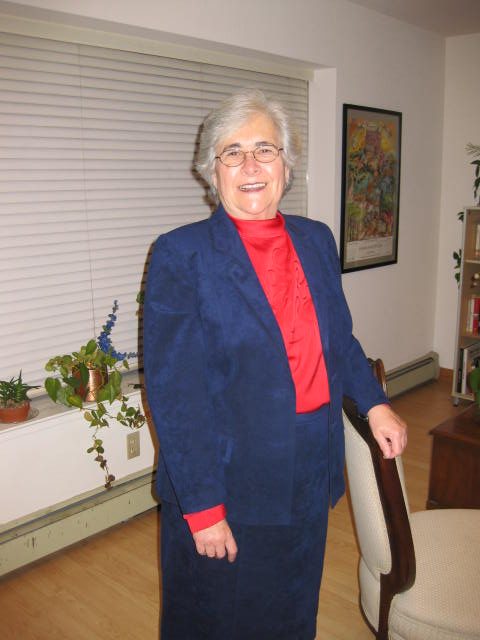
Palo Alto, CA, United States
Studying has changed my life view on הלכה and יהדות and time. It has taught me bonudaries of the human nature and honesty of our sages in their discourse to try and build a nation of caring people .

Kfar Saba, Israel
Having never learned Talmud before, I started Daf Yomi in hopes of connecting to the Rabbinic tradition, sharing a daily idea on Instagram (@dafyomiadventures). With Hadran and Sefaria, I slowly gained confidence in my skills and understanding. Now, part of the Pardes Jewish Educators Program, I can’t wait to bring this love of learning with me as I continue to pass it on to my future students.

Pennsylvania, United States

Ontario, Canada
I’ve been wanting to do Daf Yomi for years, but always wanted to start at the beginning and not in the middle of things. When the opportunity came in 2020, I decided: “this is now the time!” I’ve been posting my journey daily on social media, tracking my progress (#DafYomi); now it’s fully integrated into my daily routines. I’ve also inspired my partner to join, too!

Teaneck, United States
I began learning with Rabbanit Michelle’s wonderful Talmud Skills class on Pesachim, which really enriched my Pesach seder, and I have been learning Daf Yomi off and on over the past year. Because I’m relatively new at this, there is a “chiddush” for me every time I learn, and the knowledge and insights of the group members add so much to my experience. I feel very lucky to be a part of this.
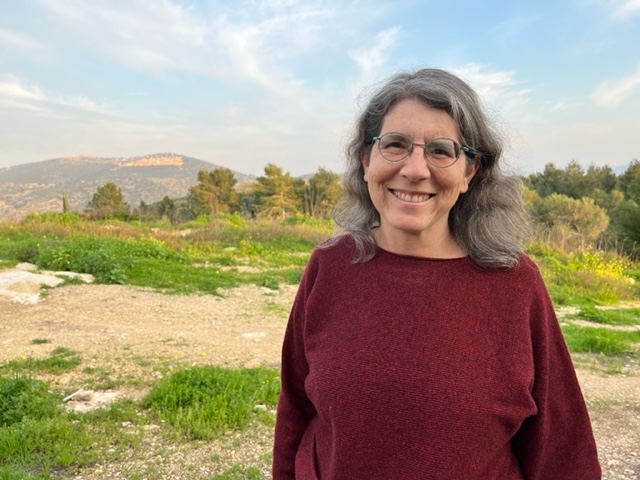
Karmiel, Israel
I never thought I’d be able to do Daf Yomi till I saw the video of Hadran’s Siyum HaShas. Now, 2 years later, I’m about to participate in Siyum Seder Mo’ed with my Hadran community. It has been an incredible privilege to learn with Rabbanit Michelle and to get to know so many caring, talented and knowledgeable women. I look forward with great anticipation and excitement to learning Seder Nashim.
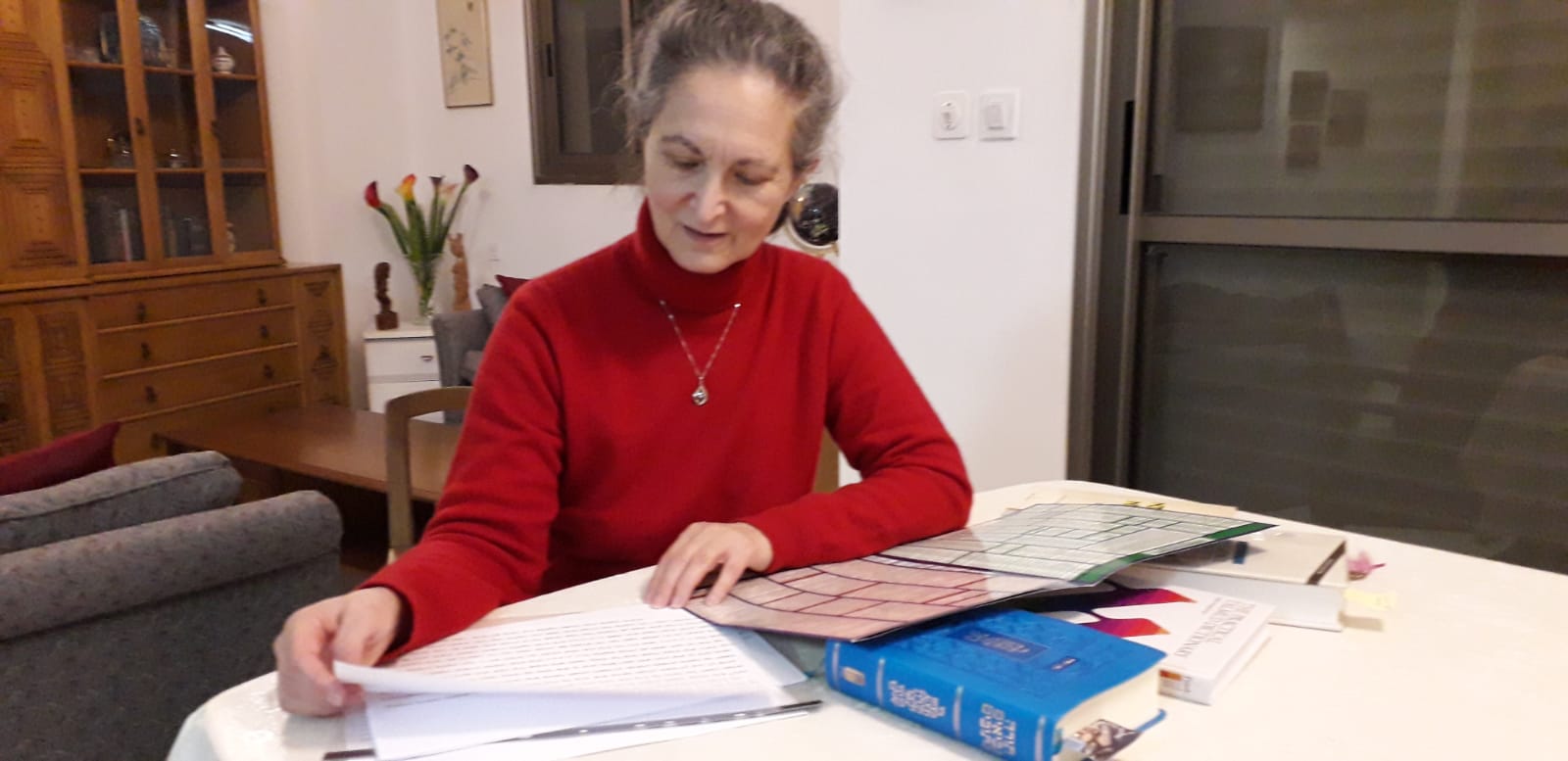
Karmiel, Israel

Mamaroneck, NY, United States

Phoenix, Arizona, United States
A beautiful world of Talmudic sages now fill my daily life with discussion and debate.
bringing alive our traditions and texts that has brought new meaning to my life.
I am a מגילת אסתר reader for women . the words in the Mishna of מסכת megillah 17a
הקורא את המגילה למפרע לא יצא were powerful to me.
I hope to have the zchut to complete the cycle for my 70th birthday.

Jerusalem, Israel
I started learning at the beginning of this Daf Yomi cycle because I heard a lot about the previous cycle coming to an end and thought it would be a good thing to start doing. My husband had already bought several of the Koren Talmud Bavli books and they were just sitting on the shelf, not being used, so here was an opportunity to start using them and find out exactly what was in them. Loving it!

Borehamwood, United Kingdom
I started learning when my brother sent me the news clip of the celebration of the last Daf Yomi cycle. I was so floored to see so many women celebrating that I wanted to be a part of it. It has been an enriching experience studying a text in a language I don’t speak, using background knowledge that I don’t have. It is stretching my learning in unexpected ways, bringing me joy and satisfaction.

Warwick, Rhode Island, United States
I started my journey on the day I realized that the Siyum was happening in Yerushalayim and I was missing out. What? I told myself. How could I have not known about this? How can I have missed out on this opportunity? I decided that moment, I would start Daf Yomi and Nach Yomi the very next day. I am so grateful to Hadran. I am changed forever because I learn Gemara with women. Thank you.
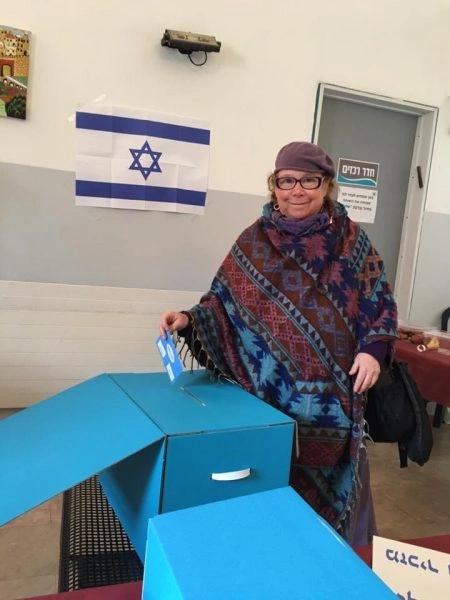
Mitspe, Israel
I LOVE learning the Daf. I started with Shabbat. I join the morning Zoom with Reb Michelle and it totally grounds my day. When Corona hit us in Israel, I decided that I would use the Daf to keep myself sane, especially during the days when we could not venture out more than 300 m from our home. Now my husband and I have so much new material to talk about! It really is the best part of my day!

Hashmonaim, Israel
In January 2020, my teaching partner at IDC suggested we do daf yomi. Thanks to her challenge, I started learning daily from Rabbanit Michelle. It’s a joy to be part of the Hadran community. (It’s also a tikkun: in 7th grade, my best friend and I tied for first place in a citywide gemara exam, but we weren’t invited to the celebration because girls weren’t supposed to be learning gemara).

Jerusalem, Israel
Menachot 64
אֵימָא לָךְ כְּרַבָּנַן סְבִירָא לֵיהּ.
I could say to you that he holds in accordance with the opinion of the Rabbis that the entire animal should be flayed.
אִי נָמֵי, עַד כָּאן לָא קָאָמַר רַבִּי יִשְׁמָעֵאל בְּנוֹ שֶׁל רַבִּי יוֹחָנָן בֶּן בְּרוֹקָא הָתָם, אֶלָּא דְּאִיתְעֲבִיד לֵיהּ צוֹרֶךְ גָּבוֹהַּ, וְלָא צְרִיךְ אַחוֹלֵי שַׁבָּת, אֲבָל הָכָא, דְּלָא אִיתְעֲבִיד לֵיהּ צוֹרֶךְ גָּבוֹהַּ, וּצְרִיךְ לְאַחוֹלֵי שַׁבָּת – אֵימָא כְּרַבָּנַן סְבִירָא לֵיהּ.
Alternatively, it is possible that Rabbi Yishmael, son of Rabbi Yoḥanan ben Beroka, states his ruling only there, in the case of the Paschal offering, where the requirements for the Most High, i.e., the Temple service, have been fulfilled, and therefore there is no need to desecrate the Shabbat. But here, where the community must bring a select tenth of an ephah and therefore the requirements for the Most High have not been fulfilled, and it is necessary to desecrate the Shabbat, say that he holds in accordance with the opinion of the Rabbis, that one reaps the same amount of barley on Shabbat as during the week.
אֶלָּא אָמַר רַבָּה: רַבִּי יִשְׁמָעֵאל וְרַבִּי חֲנִינָא סְגַן הַכֹּהֲנִים אָמְרוּ דָּבָר אֶחָד, דִּתְנַן: רַבִּי חֲנִינָא סְגַן הַכֹּהֲנִים אוֹמֵר: בַּשַּׁבָּת נִקְצָר בְּיָחִיד, בְּמַגָּל אֶחָד וּבְקוּפָּה אַחַת, וּבַחוֹל – בִּשְׁלֹשָׁה, בְּשָׁלֹשׁ קוּפּוֹת וּבְשָׁלֹשׁ מַגָּלוֹת. וַחֲכָמִים אוֹמְרִים: אֶחָד שַׁבָּת וְאֶחָד חוֹל – בְּשָׁלֹשׁ קוּפּוֹת וּבְשָׁלֹשׁ מַגָּלוֹת.
Rather, Rabba said: Rabbi Yishmael and Rabbi Ḥanina, the deputy High Priest, said the same thing. As we learned in the mishna that Rabbi Ḥanina, the deputy High Priest, says: On Shabbat the barley was reaped by an individual with one sickle and with one basket into which the barley was placed; and during the week, it was reaped by three people with three baskets and with three sickles. And the Rabbis say: Both on Shabbat and during the week, it was reaped by three people with three baskets and with three sickles.
מִי לָא קָאָמַר רַבִּי חֲנִינָא סְגַן הַכֹּהֲנִים הָתָם, כֵּיוָן דְּאֶפְשָׁר – לָא טָרְחִינַן, הָכָא נָמֵי, כֵּיוָן דְּאֶפְשָׁר – לָא טָרְחִינַן.
The Gemara explains Rabba’s comparison: Doesn’t Rabbi Ḥanina, the deputy High Priest, say there, with regard to the process of gathering the barley, that since it is possible to reap by means of one person, we do not exert ourselves to reap it by means of three? Here, too, Rabbi Yishmael maintains that since it is possible to bring the omer meal offering from three se’a of barley, we do not exert ourselves on Shabbat to bring it from five se’a.
מִמַּאי? דִּלְמָא עַד כָּאן לָא קָאָמַר רַבִּי יִשְׁמָעֵאל הָכָא, אֶלָּא דְּלֵיכָּא פַּרְסוֹמֵי מִילְּתָא, אֲבָל הָתָם, דְּאִיכָּא פַּרְסוֹמֵי מִילְּתָא – אֵימָא כְּרַבָּנַן סְבִירָא לֵיהּ.
The Gemara rejects this comparison: From where is this conclusion reached? Perhaps Rabbi Yishmael states his ruling only here, because there is no greater publicity of the event achieved by using five se’a rather than three. But there, in the case of reaping the barley, where there is greater publicity of the event through the involvement of more people, one can say that he holds in accordance with the opinion of the Rabbis.
אִי נָמֵי, עַד כָּאן לָא קָאָמַר רַבִּי חֲנִינָא סְגַן הַכֹּהֲנִים הָתָם, דְּאִי בְּחַד אִי בִּשְׁלֹשָׁה – צוֹרֶךְ גָּבוֹהַּ מִיתְעֲבִיד כְּהִלְכָתוֹ, אֲבָל הָכָא, דְּלָא אִיתְעֲבִיד כְּהִלְכָתוֹ צוֹרֶךְ גָּבוֹהַּ – אֵימָא כְּרַבָּנַן סְבִירָא לֵיהּ.
Alternatively, perhaps Rabbi Ḥanina, the deputy High Priest, states his ruling only there, as whether one individual or three people reap, the rite is still being performed in its proper manner for the requirement of the Most High. But here, when only three se’a are used, and the rite is not being performed in its proper manner for the requirement of the Most High, as five se’a are usually needed, say that he holds in accordance with the opinion of the Rabbis that on Shabbat the mitzva is performed in the same manner as on a weekday.
אֶלָּא אָמַר רַב אָשֵׁי: רַבִּי יִשְׁמָעֵאל וְרַבִּי יוֹסֵי אָמְרוּ דָּבָר אֶחָד, דִּתְנַן: בֵּין שֶׁנִּרְאָה בַּעֲלִיל וּבֵין שֶׁלֹּא נִרְאָה בַּעֲלִיל – מְחַלְּלִין עָלָיו אֶת הַשַּׁבָּת. רַבִּי יוֹסֵי אוֹמֵר: אִם נִרְאָה בַּעֲלִיל – אֵין מְחַלְּלִין עָלָיו אֶת הַשַּׁבָּת.
Rather, Rav Ashi said: Rabbi Yishmael and Rabbi Yosei said the same thing. As we learned in a mishna (Rosh HaShana 21b): Whether the new moon was seen clearly [ba’alil] by everyone or whether it was not seen clearly, one may desecrate the Shabbat in order to testify about its appearance. Rabbi Yosei says: If the moon was clearly seen, witnesses may not desecrate the Shabbat for it, as other witnesses located nearer to the court will certainly testify. If these distant witnesses go to court to testify, they will desecrate Shabbat unnecessarily.
מִי לָא אָמַר רַבִּי יוֹסֵי הָתָם, כֵּיוָן דְּאֶפְשָׁר – לָא טָרְחִינַן, הָכָא נָמֵי, כֵּיוָן דְּאֶפְשָׁר – לָא טָרְחִינַן.
The Gemara explains Rav Ashi’s comparison: Didn’t Rabbi Yosei say there: Since it is possible to receive testimony about the new moon without further witnesses, we do not exert ourselves and travel on Shabbat? Here, too, Rabbi Yishmael holds that since it is possible to bring the omer meal offering from three se’a of barley, we do not exert ourselves on Shabbat to bring it from five se’a.
מִמַּאי? דִּלְמָא עַד כָּאן לָא קָאָמַר רַבִּי יִשְׁמָעֵאל הָכָא, אֶלָּא דְּלֵיכָּא נִמְצֵאתָ אַתָּה מַכְשִׁילָן לֶעָתִיד לָבֹא, אֲבָל הָתָם, דְּנִמְצֵאתָ אַתָּה מַכְשִׁילָן לֶעָתִיד לָבֹא, אֵימָא כְּרַבָּנַן סְבִירָא לֵיהּ.
The Gemara rejects this comparison: From where do you draw this conclusion? Perhaps Rabbi Yishmael states only here that three se’a are brought on Shabbat, as there is no concern that ultimately you will cause people to stumble in the future and refrain from bringing the omer offering. But there, in the case of witnesses testifying about the new moon, he concedes that all potential witnesses may travel on Shabbat because if not, you will cause them to stumble in the future. People will say: Why should we go to such trouble, as our testimony is unnecessary? Yet at some point they will be needed, and no witnesses will come to the court. Therefore, in that case one can say that Rabbi Yishmael agrees with this reasoning and holds in accordance with the opinion of the Rabbis.
אִי נָמֵי, עַד כָּאן לָא קָאָמַר רַבִּי יוֹסֵי הָתָם, אֶלָּא דְּלֵיכָּא צוֹרֶךְ גָּבוֹהַּ, וְלֹא נִיתְּנָה שַׁבָּת לִדָּחוֹת, אֲבָל הָכָא, דְּאִיכָּא צוֹרֶךְ גָּבוֹהַּ, וְנִיתְּנָה שַׁבָּת לִדָּחוֹת – אֵימָא כְּרַבָּנַן סְבִירָא לֵיהּ.
Alternatively, it is possible that Rabbi Yosei states his ruling only there, with regard to the new moon, as this is not a requirement for the Most High, and therefore Shabbat may not be desecrated. But here, as the omer meal offering is a requirement for the Most High, and therefore Shabbat may be desecrated for it, say that Rabbi Yosei holds in accordance with the opinion of the Rabbis that on Shabbat the mitzva is performed in the same manner as on a weekday.
אִיתְּמַר: שָׁחַט שְׁתֵּי חַטָּאוֹת שֶׁל צִיבּוּר, וְאֵינוֹ צָרִיךְ אֶלָּא אַחַת. אֲמַר רַבָּה, וְאִיתֵּימָא רַבִּי אַמֵּי: חַיָּיב עַל הַשְּׁנִיָּה, וּפָטוּר עַל הָרִאשׁוֹנָה. וַאֲפִילּוּ נִתְכַּפֵּר לוֹ בַּשְּׁנִיָּה, וַאֲפִילּוּ נִמְצֵאת רִאשׁוֹנָה כְּחוּשָׁה.
§ It was stated in a baraita (Tosefta, Pesaḥim 5:7): If one mistakenly slaughtered two communal sin offerings, e.g., the goat offerings of a Festival, on a Festival that occurred on Shabbat, and only one was required, Rabba said, and some say it was Rabbi Ami who said: He is liable for the second, superfluous communal sin offering, but is exempt for the first. And this is the halakha even if he achieved atonement with the second offering, e.g., if the blood of the first offering was spilled after the slaughter of the second. And this is the halakha even if the first offering was found to be gaunt and thereby disqualified as an offering, which meant that only the second offering was fit.
וּמִי אָמַר רַבָּה הָכִי? וְהָא אָמַר רַבָּה: הָיוּ לְפָנָיו שְׁתֵּי חַטָּאוֹת, אַחַת שְׁמֵינָה וְאַחַת כְּחוּשָׁה – שָׁחַט שְׁמֵינָה וְאַחַר כָּךְ שָׁחַט כְּחוּשָׁה – חַיָּיב, כְּחוּשָׁה וְאַחַר כָּךְ שְׁמֵינָה – פָּטוּר, וְלֹא עוֹד אֶלָּא שֶׁאוֹמְרִים לוֹ: הָבֵא שְׁמֵינָה לְכַתְּחִלָּה וּשְׁחוֹט!
The Gemara asks: And in a case where the first animal was found to be gaunt, did Rabba really say this? But doesn’t Rabba say that if one had before him two communal sin offerings on Shabbat, one choice animal and one gaunt, and he slaughtered the choice one and then slaughtered the gaunt one, he is liable for the gaunt animal, as it should not have been slaughtered. But if he first slaughtered the gaunt one and subsequently slaughtered the choice animal, he is exempt for slaughtering the choice animal. And moreover, members of the court say to him after he slaughtered the gaunt animal: Bring the choice animal and slaughter it ab initio. If so, in a case where the first animal was found to be gaunt, he certainly should not be liable for slaughtering the second.
אִיבָּעֵית אֵימָא: סְמִי כְּחוּשָׁה מִקַּמָּיְיתָא, וְאִיבָּעֵית אֵימָא: הָהִיא – רַבִּי אַמֵּי אַמְרַהּ.
The Gemara answers: If you wish, say: Remove [semei] the clause with regard to the gaunt animal from the first statement of Rabba. In other words, Rabba merely said that he is exempt for the slaughter of the first animal; he did not state a ruling about the second animal. And if you wish, say instead that the ruling that he is liable for the slaughter of the second animal was stated by Rabbi Ami, not Rabba.
אֲמַר לֵיהּ רָבִינָא לְרַב אָשֵׁי: נִמְצֵאת הָרִאשׁוֹנָה כְּחוּשָׁה בִּבְנֵי מֵעַיִין, מַהוּ? בָּתַר מַחְשַׁבְתּוֹ אָזְלִינַן, וְגַבְרָא לְאִיסּוּרָא קָא מִיכַּוֵּין, אוֹ דִלְמָא בָּתַר מַעֲשָׂיו אָזְלִינַן?
Ravina said to Rav Ashi: If the first offering is found to be gaunt, i.e., weakened, in its intestines after it was slaughtered, what is the halakha? Do we follow his intention and hold him accountable, and this man, who was unaware at the time of its slaughter that the first animal was gaunt, intended to transgress the Shabbat prohibition by slaughtering the second offering? Or perhaps we follow his actions and exempt him from liability, as the first offering had been disqualified when he brought the second.
אֲמַר לֵיהּ: לָאו הַיְינוּ דְּרַבָּה וְרָבָא? דְּאִיתְּמַר: שָׁמַע שֶׁטָּבַע תִּינוֹק בַּיָּם, וּפָרַשׂ מְצוּדָה לְהַעֲלוֹת דָּגִים וְהֶעֱלָה דָּגִים – חַיָּיב. לְהַעֲלוֹת דָּגִים, וְהֶעֱלָה דָּגִים וְתִינוֹק – רָבָא אָמַר: חַיָּיב, וְרַבָּה אָמַר: פָּטוּר.
Rav Ashi said to Ravina: Isn’t this the same as a case subject to a disagreement between Rabba and Rava, and in fact both agree that in this case he is liable? As it was stated: If one heard that a child was drowning at sea, and he spread a net to raise fish and the result was that he raised only fish, he is liable for transgressing the Shabbat prohibition of trapping. If he intended to raise fish, and he raised both fish and the child, Rava says: He is liable, as his intention was to transgress a prohibition, and Rabba says: He is exempt, as his act saved a life and was therefore permitted on Shabbat.
וְעַד כָּאן רַבָּה לָא קָא פָּטַר אֶלָּא כֵּיוָן דְּשָׁמַע, אָמְרִינַן נָמֵי דַּעְתֵּיהּ אַתִּינוֹק, אֲבָל לֹא שָׁמַע – לָא.
The Gemara explains why everyone would agree that one is liable in the case involving two offerings. And Rabba deemed him exempt only there, since the one who spread the net heard that a child had fallen in, and therefore we say that his intention in spreading the net was also to save the child. But had he not heard that the child had fallen in, he would not be exempt. This is comparable to the case of two offerings, where he could not have known before its slaughter that the first animal had weak intestines.
וְאִיכָּא דְאָמְרִי, אֲמַר לֵיהּ: הַיְינוּ פְּלוּגְתַּיְיהוּ דְּרַבָּה וְרָבָא, דְּאִיתְּמַר: שָׁמַע שֶׁטָּבַע תִּינוֹק בַּיָּם, וּפָרַשׂ מְצוּדָה לְהַעֲלוֹת דָּגִים וְהֶעֱלָה דָּגִים – חַיָּיב, לְהַעֲלוֹת דָּגִים וְהֶעֱלָה תִּינוֹק וְדָגִים – רַבָּה אָמַר: פָּטוּר, וְרָבָא אָמַר: חַיָּיב. רַבָּה אָמַר פָּטוּר – זִיל בָּתַר מַעֲשָׂיו, וְרָבָא אָמַר חַיָּיב – זִיל בָּתַר מַחְשַׁבְתּוֹ.
And there are those who say that Rav Ashi said to Ravina conclusively: This is subject to the disagreement between Rabba and Rava. As it was stated: If one heard that a child was drowning at sea, and he spread a net to raise fish and the result was that he raised only fish, he is liable for transgressing the Shabbat prohibition of trapping. If he intended to raise fish, and he raised both fish and the child, Rava says: He is liable, and Rabba says: He is exempt. Rav Ashi adds that Rabba did not exempt him because he heard that a child was drowning. Rather, Rabba says that he is exempt because one follows his actions, whereas Rava says that he is liable because one follows his intention. Consequently, the same dispute applies to the case of two offerings.
אָמַר רַבָּה: חוֹלֶה שֶׁאֲמָדוּהוּ לִגְרוֹגֶרֶת אַחַת, וְרָצוּ עֲשָׂרָה בְּנֵי אָדָם וְהֵבִיאוּ עֲשָׂרָה גְּרוֹגְרוֹת בְּבַת אַחַת – פְּטוּרִין, אֲפִילּוּ בְּזֶה אַחַר זֶה, אֲפִילּוּ קָדַם וְהִבְרִיא בָּרִאשׁוֹנָה.
§ The Gemara continues its discussion concerning performing extra prohibited labor on Shabbat in extenuating circumstances where the desecration of Shabbat is allowed. Rabba says: With regard to a dangerously ill person on Shabbat whom the doctors evaluated as needing to eat one fig to regain his health, and ten men ran and each cut and brought ten figs simultaneously, one each, they are all exempt from liability for transgressing the prohibition of reaping on Shabbat. This applies even in a case where the ten come one after the other, and even if the ill person had already recovered his health by eating the first fig.
בָּעֵי רָבָא: חוֹלֶה שֶׁאֲמָדוּהוּ לִשְׁתֵּי גְּרוֹגְרוֹת, וְיֵשׁ שְׁתֵּי גְּרוֹגְרוֹת בִּשְׁתֵּי עוּקְצִין, וְשָׁלֹשׁ בְּעוֹקֶץ אַחַת – הֵי מִינַּיְיהוּ מַיְיתִינַן? שְׁתַּיִם מַיְיתִינַן, דְּחָזוּ לֵיהּ, אוֹ דִלְמָא שָׁלֹשׁ מַיְיתִינַן, דְּקָא מְמַעֲטָא קְצִירָה?
Rava raises a dilemma: In the case of a dangerously ill person on Shabbat whom the doctors evaluated as needing to eat two figs to regain his health, and there are two figs attached to a tree by two stems [okatzin] and another three figs attached to the tree by one stem, which one of them do we bring? Do we bring two figs, as that is the amount that is fit for him, i.e., this is the number of figs the ill person needs? Or perhaps we bring the three figs, as although he requires only two, this serves to limit the labor of reaping, as the three figs are attached to the tree by a single stem.
פְּשִׁיטָא, שָׁלֹשׁ מַיְיתִינַן,
The Gemara answers: It is obvious that we bring the three figs,
דְּעַד כָּאן לָא קָאָמַר רַבִּי יִשְׁמָעֵאל הָתָם, אֶלָּא דְּכִי מְמַעֵט בַּאֲכִילָה קָא מְמַעֵט קְצִירָה, אֲבָל הָכָא דְּכִי קָא מְמַעֵט בַּאֲכִילָה קָא מַפְּשָׁא קְצִירָה, וַדַּאי שָׁלֹשׁ מַיְיתִינַן.
as Rabbi Yishmael states only there, in the mishna, that three se’a of barley are reaped on Shabbat, as in that case when one limits the amount available for eating, he likewise limits the amount of reaping. But here, when one limits the amount of eating by bringing the two figs, he also increases the amount of reaping. Therefore is it certain that we bring the ill person the three figs attached by a single stem.
מַתְנִי׳ מִצְוַת הָעוֹמֶר לְהָבִיא מִן הַקָּרוֹב, לֹא בִּיכֵּר הַקָּרוֹב לִירוּשָׁלַיִם – מְבִיאִין אוֹתוֹ מִכׇּל מָקוֹם. מַעֲשֶׂה שֶׁבָּא הָעוֹמֶר מִגַּגּוֹת צְרִיפִין, וּשְׁתֵּי הַלֶּחֶם מִבִּקְעַת עֵין סוֹכֵר.
MISHNA: The mitzva of the omer is to bring the barley reaped for the meal offering from fields proximate to Jerusalem. If the barley did not ripen in the fields proximate to Jerusalem, one brings it from any place in Eretz Yisrael. There was an incident where the omer came from Gaggot Tzerifin and the wheat for the two loaves on Shavuot came from the valley of Ein Sokher.
גְּמָ׳ מַאי טַעְמָא? אִיבָּעֵית אֵימָא מִשּׁוּם ״כַּרְמֶל״.
GEMARA: The Gemara asks: What is the reason that the barley reaped for the omer meal offering should ideally be brought from fields proximate to Jerusalem? The Gemara answers: If you wish, say that it is because the verse states: “And if you bring a meal offering of first fruits to the Lord, you shall bring for the meal offering of your first fruits grain in the ear parched with fire, even groats of the fresh ear [karmel]” (Leviticus 2:14). This indicates that the grain should be soft and fresh. Consequently it should be brought from close by, not from a place where it might become stale and hardened during a long journey.
וְאִיבָּעֵית אֵימָא, מִשּׁוּם דְּאֵין מַעֲבִירִין עַל הַמִּצְוֹת.
And if you wish, say instead that the reason is due to the principle that one does not postpone performance of the mitzvot. When presented with the opportunity to perform a mitzva, one should perform it immediately. Therefore, the barley for the mitzva of the omer meal offering in the Temple should be brought from the first crop encountered outside of Jerusalem.
מַעֲשֶׂה שֶׁבָּא [הָעוֹמֶר] מִגַּגּוֹת צְרִיפִין. תָּנוּ רַבָּנַן: כְּשֶׁצָּרוּ מַלְכֵי בֵּית חַשְׁמוֹנַאי זֶה עַל זֶה, וְהָיָה הוּרְקָנוֹס מִבַּחוּץ וַאֲרִיסְטוֹבְּלוּס מִבִּפְנִים, בְּכׇל יוֹם וָיוֹם הָיוּ מְשַׁלְשְׁלִין לָהֶן דִּינָרִין בְּקוּפָּה וּמַעֲלִין לָהֶן תְּמִידִין.
§ The mishna teaches: There was an incident where the omer came from Gaggot Tzerifin and the two loaves on Shavuot came from the valley of Ein Sokher. The Sages taught a baraita that provides the background of this event: When the kings of the Hasmonean monarchy besieged each other in their civil war, Hyrcanus was outside of Jerusalem, besieging it, and Aristoblus was inside. On each and every day they would lower dinars in a box from inside the city, and those on the outside would send up animals for them to bring the daily offerings in the Temple.
הָיָה שָׁם זָקֵן אֶחָד שֶׁהָיָה מַכִּיר בְּחׇכְמַת יְוָונִית, לָעַז לָהֶם בְּחׇכְמַת יְוָונִית, אָמַר לָהֶן: כׇּל זְמַן שֶׁעֲסוּקִין בַּעֲבוֹדָה אֵין נִמְסָרִין בְּיֶדְכֶם. לְמָחָר שִׁלְשְׁלוּ לָהֶן דִּינָרִין בְּקוּפָּה, וְהֶעֱלוּ לָהֶן חֲזִיר. כֵּיוָן שֶׁהִגִּיעַ לַחֲצִי חוֹמָה, נָעַץ צִפׇּרְנָיו בַּחוֹמָה, וְנִזְדַּעְזְעָה אֶרֶץ יִשְׂרָאֵל אַרְבַּע מֵאוֹת פַּרְסָה עַל אַרְבַּע מֵאוֹת פַּרְסָה.
A certain elderly man was there, in Jerusalem, who was familiar with Greek wisdom. He communicated to those on the outside by using words understood only by those proficient in Greek wisdom. The elderly man said to them: As long as they are engaged with the Temple service, they will not be delivered into your hands. Upon hearing this, on the following day, when they lowered dinars in a box, they sent up a pig to them. Once the pig reached halfway up the wall, it inserted its hooves into the wall and Eretz Yisrael shuddered four hundred parasangs by four hundred parasangs.
בְּאוֹתָהּ שָׁעָה אָמְרוּ: אָרוּר שֶׁיְּגַדֵּל חֲזִיר, וְאָרוּר שֶׁיְּלַמֵּד בְּנוֹ חׇכְמַת יְוָונִית. וְעַל אוֹתָהּ שָׁעָה שָׁנִינוּ: מַעֲשֶׂה שֶׁבָּא עוֹמֶר מִגַּגּוֹת צְרִיפִין, וּשְׁתֵּי הַלֶּחֶם מִבִּקְעַת עֵין סוֹכֵר.
When the Sages saw this, they said at that time: Cursed is he who raises pigs, and cursed is he who teaches his son Greek wisdom. And it is with regard to that time of civil war, in which the land was destroyed, that we learned: An incident occurred in which the omer, the measure of barley brought as a communal offering on the sixteenth of Nisan, came from Gaggot Tzerifim, and the two loaves offered on Shavuot came from the valley of Ein Sokher. Since no fresh barley grain was found in the fields immediately surrounding Jerusalem, it had to be brought from these outlying areas.
כִּי מְטָא עוֹמֶר, לָא הֲווֹ יָדְעִי מֵהֵיכָא אַיְיתִי עוֹמֶר. אַכְרֻזוֹ, אֲתָא הָהוּא חַרְשָׁא, אוֹתֵיב חֲדָא יְדָא אַאִיגָּרָא וַחֲדָא יְדֵיהּ אַצְּרִיפָא. אֲמַר לְהוּ מׇרְדֳּכַי: מִי אִיכָּא דּוּכְתָּא דִּשְׁמֵהּ ״גַּגּוֹת צְרִיפִין״ אוֹ ״צְרִיפִין גַּגּוֹת״? בְּדַקוּ וְאַשְׁכְּחוּהּ.
§ The Gemara relates another tradition with regard to that occasion when the omer came from Gaggot Tzerifin and the two loaves from the valley of Ein Sokher: When it came time to bring the omer meal offering, they did not know from where they could bring the omer grain, as all the surrounding fields were looted and ruined. The court publicly proclaimed their difficulty. A certain deaf-mute [ḥersha] came forward and stretched out one hand toward a roof, gag in Hebrew, and one hand toward a hut [atzerifa]. Mordekhai said to the Sages: Is there a place that is called Gaggot Tzerifin or Tzerifin Gaggot? They checked and found that there was such a place, and it contained fields of barley from which they were able to bring the omer meal offering.
כִּי בָּעֵי לְאֵתוֹיֵי שְׁתֵּי הַלֶּחֶם, לָא הֲווֹ יָדְעִי מֵהֵיכָא לְאֵתוֹיֵי, אַכְרוּז. אֲתָא הָהוּא גַּבְרָא חַרְשָׁא, אוֹתֵיב יְדֵיהּ אַעֵינֵיהּ וַחֲדָא יְדָא אַסִּיכְרָא. אֲמַר לְהוּ מׇרְדֳּכַי: וּמִי אִיכָּא דּוּכְתָּא דִּשְׁמֵהּ ״עֵין סוֹכֵר״ אוֹ ״סוֹכֵר עַיִן״? בְּדַקוּ וְאַשְׁכַּחוּ.
A similar incident occurred when they needed to bring the two loaves, and they did not know from where to bring the grain. Again the court publicly proclaimed their difficulty, and a certain deaf-mute came forward and stretched out one hand toward his eye [a’eineih] and one hand toward a door latch [assikhera]. Mordekhai said to the Sages: And is there a place that is called: Ein Sokher, or Sokher Ayin? They checked and found that there was such a place, and it contained fields of wheat from which they were able to bring the two loaves.
הָנְהוּ שָׁלֹשׁ נָשִׁים דְּאַיְיתוֹ שָׁלֹשׁ קִינִּין, חֲדָא אָמְרָה: ״לְזִיבָתִי״, וַחֲדָא אָמְרָה: ״לְיַמָּתִי״, וַחֲדָא אָמְרָה: ״לְעוֹנָתִי״.
The Gemara relates another story that demonstrates Mordekhai’s wisdom: Once, a certain three women brought three nests for their obligatory offerings of pairs of pigeons or doves (see Leviticus 15:29). One of them said: This offering is for my ziva; and one said: This if for my yamma; and the last one said: This is for my ona.
סְבוּר מִינָּה ״זִיבָתִי״ – זָבָה מַמָּשׁ, ״לְיַמָּתִי״ – לְיַמָּתִי מַמָּשׁ, ״לְעוֹנָתִי״ – לְעוֹנָתָהּ, דְּכוּלְּהוּ חֲדָא חַטָּאת וַחֲדָא עוֹלָה.
The Sages understood from the first woman’s statement: For my ziva, that she had experienced a discharge of uterine blood when not expecting her menstrual period, which would give her the status of an actual zava. From the second woman’s statement: For my yamma, they understood: My actual yamma, i.e., she was also a ziva, as yam can mean: Sea, or a flow of blood. From the third woman’s statement: For my ona, they came to the conclusion that she needed to bring a sacrifice for her time [ona] of completing her purification process from being a zava. Accordingly, they understood that all these women were obligated to bring one sin offering and one burnt offering.
אֲמַר לְהוּ מׇרְדֳּכַי: שֶׁמָּא בְּזוֹב סִיכְּנָה, שֶׁמָּא בַּיָּם סִיכְּנָה, שֶׁמָּא בְּעֵינָהּ סִיכְּנָה, דְּכוּלְּהוּ עוֹלוֹת נִינְהוּ. בְּדוּק וְאַשְׁכֻּח.
Mordekhai said to the other Sages: Perhaps the first woman was endangered in the course of her menstrual flow [zov]. Similarly, perhaps the second woman was endangered at sea [yam]. Finally, perhaps the third woman was endangered through her eye [ayin], as ayin is phonetically similar to ona. According to these explanations, each woman sought to bring a voluntary offering to give thanks to God for being saved from danger. If so, the appropriate offering in each case is not a sin offering, as they are all burnt offerings. It was checked and they found that Mordekhai’s interpretation was in fact correct.

