









Want to dedicate learning? Get started here:

Menachot 85
אֶלָּא לְרַבִּי יוֹחָנָן, קַשְׁיָא?
Having reconciled all the apparent contradictions between the two baraitot according to the opinion of Reish Lakish, the Gemara asks: But according to Rabbi Yoḥanan, who holds inferior produce cannot be consecrated as first fruits, the first baraita is difficult, as it states that inferior produce can be consecrated.
תַּנָּאֵי הִיא, דְּתַנְיָא: שֶׁבְּגַג וְשֶׁבְּחוּרְבָּה – מֵבִיא וְקוֹרֵא, שֶׁבְּעָצִיץ וְשֶׁבִּסְפִינָה – אֵינוֹ מֵבִיא כׇּל עִיקָּר.
The Gemara answers: The baraitot cited above contradict Rabbi Yoḥanan’s opinion. But there is a dispute between tanna’im with regard to this issue, as it is taught in a baraita: With regard to produce that grew on a roof, or that grew in a ruin, the owner brings it and recites the accompanying passage. With regard to produce that grew in a flowerpot, or that grew on a ship, the owner does not bring it at all. Rabbi Yoḥanan holds in accordance with that baraita.
וְכוּלָּן אֵינָן בָּאוֹת אֶלָּא מִן הַמּוּבְחָר כּוּ׳. אָמְרִי לֵיהּ יוֹחָנָא וּמַמְרֵא לְמֹשֶׁה: תֶּבֶן אַתָּה מַכְנִיס לְעֶפְרַיִים! אֲמַר לְהוּ: אָמְרִי אִינָשֵׁי ״לְמָתָא יַרְקָא – יַרְקָא שְׁקוֹל״.
§ The mishna states: And all meal offerings come only from the optimal produce. One of the places the mishna mentions as having good-quality produce is Aforayim. The superior quality of its produce was so well known that Aforayim was used as an example in colloquial aphorisms. In Moses and Aaron’s first meeting with Pharaoh, Aaron cast his staff to the ground, whereupon it turned into a serpent. Pharaoh’s necromancers then duplicated the feat using their incantations, only to then be confounded when Aaron’s staff swallowed up all of theirs (see Exodus 7:10–12). The Gemara relates the conversation that took place: Pharaoh’s two leading necromancers, Yoḥana and Mamre, said to Moses: Are you bringing straw to Afarayim? Performing necromancy in Egypt, the world leader in sorcery, is like bringing straw to Afarayim, which is rich in the finest grains. Moses said to them: It is as people say: To a city rich in herbs, take herbs. If you want to guarantee that people will appreciate your merchandise, bring it to a place where they are familiar with it.
מַתְנִי׳ אֵין מְבִיאִין לֹא מִבֵּית הַזְּבָלִים, וְלֹא מִבֵּית הַשְּׁלָחִים, וְלֹא מִבֵּית הָאִילָן, וְאִם הֵבִיא – כָּשֵׁר.
MISHNA: Even when selecting grain for meal offerings from the locations mentioned in the previous mishna, one may not bring as a meal offering grain from a fertilized field, nor from an irrigated field, nor from a field of trees, as such fields do not produce grain of optimal quality. But if one did bring a meal offering of grain from such fields, it is fit.
כֵּיצַד הוּא עוֹשֶׂה? נָרָהּ שָׁנָה רִאשׁוֹנָה, וּבְשָׁנָה שְׁנִיָּה זוֹרְעָהּ קוֹדֶם לַפֶּסַח שִׁבְעִים יוֹם, וְהִוא עוֹשָׂה סוֹלֶת מְרוּבָּה.
How does one produce optimal-quality grain? He plows the field during the first year, but he does not sow it, and in the second year, he sows it seventy days before Passover, and in that manner it produces grain that will provide an abundance of fine, high-quality flour.
כֵּיצַד בּוֹדֵק הַגִּזְבָּר? מַכְנִיס יָדוֹ לְתוֹכָהּ. עָלָה בָּהּ אָבָק – פְּסוּלָה, עַד שֶׁיְּנַפֶּנָּה.
How does the Temple treasurer inspect the flour to determine whether it is of sufficiently high quality? The treasurer inserts his hand into the flour. If, when he removes his hand, flour powder covers it, the flour is unfit, until one sifts it with a fine sifter, so that no powder will remain.
וְאִם הִתְלִיעָה – פְּסוּלָה.
And if the flour became wormy, it is unfit for use in a meal offering.
גְּמָ׳ כֵּיצַד עוֹשֶׂה? נָרָהּ שָׁנָה רִאשׁוֹנָה. אִיבַּעְיָא לְהוּ: הֵיכִי קָאָמַר? נָרָהּ שָׁנָה רִאשׁוֹנָה וּשְׁנִיָּה נָרָהּ וְזוֹרְעָהּ, אוֹ דִלְמָא נָרָהּ שָׁנָה רִאשׁוֹנָה וּשְׁנִיָּה זוֹרְעָהּ בְּלֹא נָרָהּ?
GEMARA: The mishna states: How does one produce optimal-quality grain? He plows the field during the first year, and in the second year he sows it. The Gemara clarifies what should be done in the second year: A dilemma was raised before the Sages: What is the tanna saying? Is he saying that he plows the field during the first year, and in the second year he plows it and sows it? Or perhaps he is saying that he plows the field during the first year, and in the second year he sows it without plowing it.
תָּא שְׁמַע, דְּתַנְיָא: אָמַר רַבִּי יוֹסֵי: אַף חִיטֵּי כָּרָזִיִּים וּכְפַר אַחִים, אִלְמָלֵא סְמוּכוֹת לִירוּשָׁלַיִם – הָיוּ מְבִיאִין מֵהֶן, לְפִי שֶׁאֵין מְבִיאִין אֶת הָעוֹמֶר אֶלָּא מִן הַשָּׂדוֹת הַמּוּדְרָמוֹת וְהַמְנוֹנָרוֹת לְכָךְ, שֶׁבָּהֶן חַמָּה זוֹרַחַת, וּמֵהֶן חַמָּה שׁוֹקַעַת.
The Gemara suggests: Come and hear a resolution, as it is taught in a baraita: Rabbi Yosei says: Also concerning grain grown in Kerazayim and Kefar Aḥim, if only those places had been close to Jerusalem, they would have brought barley from them for the omer. As the halakha is that one brings the omer only from the southern fields and those that were plowed for that purpose, as upon such fields, the sun rises and shines, and from those fields, the sun also sets. In other words, those fields are exposed to a lot of sunlight, so they produce a superior-quality crop. Kerazayim and Kefar Aḥim were such fields, but they were too far from Jerusalem for their barley to be used for the omer offering.
כֵּיצַד עוֹשֶׂה? נָרָהּ שָׁנָה רִאשׁוֹנָה, וּשְׁנִיָּה חוֹרֵשׁ וְשׁוֹנֶה, וְזוֹרְעָהּ קוֹדֶם לַפֶּסַח שִׁבְעִים יוֹם, כְּדֵי שֶׁתְּהֵא סְמוּכָה לַחַמָּה, וְעוֹשָׂה קָנֶה זֶרֶת וְשִׁיבּוֹלֶת זִרְתַּיִים.
The baraita continues: How does one produce optimal-quality grain? He plows the field during the first year, and in the second year, he plows it once and then repeats the plowing a second time, and he sows it seventy days before Passover. It is done this way in order that the sowing will be done close to the time when the strength of the sun reaches its climax, and will thereby produce a high-quality crop in which the length of a stalk is a handspan and the ear itself is two handspans.
וְקוֹצֵר וּמְעַמֵּר, וְדָשׁ, וְזוֹרֶה, וּבוֹרֵר, וְטוֹחֵן, וּמְרַקֵּד, וּמֵבִיא אֵצֶל גִּזְבָּר, וְגִזְבָּר מַכְנִיס יָדוֹ לְתוֹכָהּ. אִם עָלְתָה בָּהּ אָבָק – אוֹמֵר לוֹ: ״חֲזוֹר וְנַפֵּה אוֹתָהּ שְׁנִיָּה״. מִשּׁוּם רַבִּי נָתָן אָמְרוּ: גִּזְבָּר סָךְ יָדוֹ שֶׁמֶן, וּמַכְנִיס לְתוֹכָהּ עַד שֶׁמַּעֲלֶה כׇּל אֲבָקָהּ.
And then one reaps the grain and gathers it together into a pile, and then he threshes the grain and winnows it, and then he sorts the inedible admixture from the edible grain, and then he grinds the grain and sifts it and brings the flour produced to the Temple treasurer. And the treasurer inserts his hand into it in order to check its quality. If upon removing his hand powder covers it, the treasurer says to the owner: Go back and sift it a second time. The Sages say in the name of Rabbi Natan that the treasurer would perform a more thorough examination of the flour’s quality. He douses his hand with oil and then inserts it into the flour until all of its powder will be brought up.
קָתָנֵי מִיהַת חוֹרֵשׁ וְשׁוֹנֶה.
The Gemara explains that the baraita provides a resolution to the dilemma: In any event, the baraita teaches that during the second year, the owner of the field plows it once and then repeats the plowing. It is explicit, then, that during the second year the field should be plowed.
וּלְטַעְמָיךְ, מַתְנִיתִין לָא קָתָנֵי ״שׁוֹנֶה״,
The Gemara rejects this proof: But even according to your reasoning, ultimately the mishna does not teach that he plows the field and then repeats the plowing;
בָּרַיְיתָא קָתָנֵי ״שׁוֹנֶה״.
it is only the baraita that teaches that he plows and then repeats the plowing. It would appear, then, that the mishna and baraita express different opinions, and it may be that according to the mishna one does not need to plow in the second year at all.
הָא לָא קַשְׁיָא, כָּאן בַּעֲבוּדָה, כָּאן בְּשֶׁאֵינָהּ עֲבוּדָה.
The Gemara dismisses this suggestion: This is not difficult; it is possible that the mishna and the baraita do not disagree, and here, the mishna, which does not require plowing a second time, is referring to a cultivated field, whereas there, the baraita is referring to an uncultivated field, and therefore it requires that the field be plowed a second time.
מַאי הָוֵי עֲלַהּ? תָּא שְׁמַע, דְּתַנְיָא: נָר חֶצְיָהּ וְזוֹרֵעַ חֶצְיָהּ, נָר חֶצְיָהּ וְזוֹרֵעַ חֶצְיָהּ.
The Gemara concludes: What halakhic conclusion was reached about this matter? Come and hear the resolution from that which is taught in a baraita: For the first year, one plows the entire field during the first half of the year, and then he sows half of the field, leaving the other half fallow. For the second year, one again plows the entire field during the first half of the year, and then he sows the half of the field that was left fallow in the previous year. It is evident from this baraita that during the second year as well, the field is plowed before it is sown.
אָמַר רַבִּי יוֹחָנָן: אֵין מְבִיאִין אֶת הָעוֹמֶר אֶלָּא מִן הַשָּׂדוֹת הַמּוּדְרָמוֹת שֶׁבְּאֶרֶץ יִשְׂרָאֵל, שֶׁבָּהֶן חַמָּה זוֹרַחַת, וּמֵהֶן חַמָּה שׁוֹקַעַת.
§ Rabbi Yoḥanan says: One brings the omer only from the southern fields of Eretz Yisrael, as upon those fields, the sun rises and shines, and from those fields, the sun also sets. Those fields are exposed to abundant sunlight, and so they produce a superior-quality crop.
תַּנְיָא נָמֵי הָכִי, אַבָּא שָׁאוּל אוֹמֵר: עוֹמֶר הָיָה בָּא מִבִּקְעַת בֵּית מִקְלָה, כְּבַת שָׁלֹשׁ סְאִין הָיְתָה, וְשָׂדֶה מוּדְרֶמֶת הָיְתָה, וּבָהּ חַמָּה זוֹרַחַת וּמִמֶּנָּה חַמָּה שׁוֹקַעַת. נָיר חֶצְיָהּ וְזוֹרֵעַ חֶצְיָהּ, נָיר חֶצְיָהּ וְזוֹרֵעַ חֶצְיָהּ.
This is also taught in a baraita: Abba Shaul says that the omer would come from grain grown in the valley of Beit Mikle. The field there was about three se’a, and it was a southern field, and the sun would rise and shine upon it, and the sun would set from it. During the first year, the farmer plowed the entire field during the first half of the year, and he then sowed half of the field, leaving the other half fallow. During the second year, he again plowed the entire field during the first half of the year, and he then sowed the half of the field that was left fallow in the previous year.
רַב חִלְקִיָּה בַּר טוֹבִי הֲוָה לֵיהּ קַרְנָא דְּאַרְעָא, נָר חֶצְיָהּ וְזָרַע חֶצְיָהּ, נָר חֶצְיָהּ וְזָרַע חֶצְיָהּ, וַעֲבַדָה עַל חַד תְּרֵי, וּמְזַבֵּין לְהוּ לְחִיטֵּי לִסְמִידָא.
The Gemara demonstrates the efficacy of this method: Rav Ḥilkiya bar Tovi had a tract of land. He plowed the field during the first half of the year and then sowed half of it. The next year, he plowed the field during the first half of the year and then sowed the other half of it. And this method was so effective that his field produced twice as much wheat as other fields its size, and it was of such a superior quality that he sold the wheat to be used as fine flour [lismida] for the meal offerings in the Temple.
וְאִם הִתְלִיעָה – פְּסוּלָה. תָּנוּ רַבָּנַן: סוֹלֶת שֶׁהִתְלִיעָה רוּבָּהּ – פְּסוּלָה, וְחִיטִּין שֶׁהִתְלִיעוּ רוּבָּן – פְּסוּלוֹת. בָּעֵי רַבִּי יִרְמְיָה: בְּרוֹב חִטָּה, אוֹ בְּרוֹב סְאָה? תֵּיקוּ.
§ The mishna teaches: And if the flour became wormy, it is unfit for use in a meal offering. The Sages taught in a baraita: Fine flour the majority of which became wormy is unfit. And similarly, wheat kernels the majority of which became wormy are unfit, and they may not be used to produce fine flour for meal offerings. Rabbi Yirmeya asks: What is the meaning of this latter ruling? Is it saying only that if the majority of an individual wheat kernel becomes wormy the flour produced from it is unfit, or is it saying that when the majority of a se’a of kernels becomes wormy the entire se’a is unfit? The Gemara concludes: The dilemma shall stand unresolved.
בָּעֵי רָבָא: הִקְדִּישָׁן, מַהוּ שֶׁיִּלְקֶה עֲלֵיהֶן מִשּׁוּם בַּעַל מוּם? כֵּיוָן דְּפָסֵיל – כְּבַעַל מוּם דָּמֵי, אוֹ דִלְמָא אֵין בַּעַל מוּם אֶלָּא בִּבְהֵמָה? תֵּיקוּ.
Rava asks: If one consecrated grains of wormy wheat for use in a meal offering, what is the halakha with regard to whether he should be flogged for consecrating them due to the prohibition against consecrating a flawed item as an offering? One is flogged for consecrating a blemished animal as an offering (see Temura 6b); does the same apply to consecrating wormy wheat? Does one say that since the wheat is unfit, it is comparable to a blemished animal? Or perhaps, the prohibition against consecrating a flawed item applies only to an animal. The Gemara concludes: The dilemma shall stand unresolved.
תְּנַן הָתָם: כׇּל עֵץ שֶׁנִּמְצָא בּוֹ תּוֹלַעַת – פָּסוּל לְגַבֵּי מִזְבֵּחַ. אָמַר שְׁמוּאֵל: לֹא שָׁנוּ אֶלָּא לַח, אֲבָל יָבֵשׁ – גּוֹרְרוֹ וְכָשֵׁר.
§ We learned in a mishna elsewhere (Middot 2:5) with regard to the wood logs that are burned on the altar: Priests inspect them before they are used and any log in which a worm is found is unfit for use on the altar. In reference to this mishna, Shmuel says: They taught this halakha only with regard to a wet log, as a wormy section cannot be removed. But if a wormy section is found in a dry log, the priest scrapes the wormy spot away, and the log is fit for use.
בָּעֵי רָבָא: הִקְדִּישׁוֹ, מַהוּ שֶׁיִּלְקֶה עָלָיו מִשּׁוּם בַּעַל מוּם? כֵּיוָן דְּפָסוּל כְּבַעַל מוּם דָּמֵי, אוֹ דִלְמָא אֵין בַּעַל מוּם אֶלָּא בִּבְהֵמָה? תֵּיקוּ.
Rava asks: If one consecrated a wormy log to be used on the altar, what is the halakha with regard to whether he should be flogged for consecrating it due to the prohibition against consecrating a flawed item as an offering? Does one say that since the log is unfit, it is comparable to a blemished animal? Or perhaps, the prohibition against consecrating a flawed item applies only to an animal. The Gemara concludes: The dilemma shall stand unresolved.
מַתְנִי׳ תְּקוֹעַ – אַלְפָּא לַשֶּׁמֶן. אַבָּא שָׁאוּל אוֹמֵר: שְׁנִיָּה לָהּ רֶגֶב בְּעֵבֶר הַיַּרְדֵּן. כׇּל הָאֲרָצוֹת הָיוּ כְּשֵׁרוֹת, אֶלָּא מִיכָּן הָיוּ מְבִיאִין.
MISHNA: Olive trees in Tekoa are the primary source of oil to be used in meal offerings. Abba Shaul says: Secondary to Tekoa is Regev on the east bank of the Jordan River. All the regions were valid for oil to be brought from them, but it was from here that they would bring it.
אֵין מְבִיאִין לֹא מִבֵּית הַזְּבָלִים, וְלֹא מִבֵּית הַשְּׁלָחִים, וְלֹא מִן מַה שֶּׁנִּזְרַע בֵּינֵיהֶם, וְאִם הֵבִיא – כָּשֵׁר. אֵין מְבִיאִין אַנְפַּקְטָן, וְאִם הֵבִיא – כָּשֵׁר. אֵין מְבִיאִין מִן הַגַּרְגְּרִין שֶׁנִּשְׁרוּ בְּמַיִם, וְלֹא מִן הַכְּבָשִׁים, וְלֹא מִן הַשְּׁלוּקִים, וְאִם הֵבִיא – פָּסוּל.
One may not bring a meal offering containing oil from olives taken from a fertilized olive grove, nor from olives taken from an irrigated olive grove, nor from olives taken from an olive grove where grain was sown between the trees. But if one did bring a meal offering containing oil from such groves, it is valid. One may not bring a meal offering containing oil from unripe olives [anpiktan], but if one did bring it, it is valid. One may not bring a meal offering containing oil from olives that were soaked in water, nor from pickled olives, nor from boiled olives, and even if one did bring it, it is not valid.
גְּמָ׳ ״וַיִּשְׁלַח יוֹאָב תְּקוֹעָה וַיִּקַּח מִשָּׁם אִשָּׁה חֲכָמָה״, מַאי שְׁנָא תְּקוֹעָה? אָמַר רַבִּי יוֹחָנָן: מִתּוֹךְ שֶׁרְגִילִין בְּשֶׁמֶן זַיִת, חָכְמָה מְצוּיָה בָּהֶן.
GEMARA: The Gemara notes the effect of Tekoa’s oil on those living there: The verse states: “And Joab sent to Tekoa, and fetched from there a wise woman” (II Samuel 14:2). What is different about Tekoa that Joab chose to bring a woman from there? Rabbi Yoḥanan says: Since the residents of Tekoa are accustomed to use olive oil, wisdom is prevalent there.
תָּנוּ רַבָּנַן: ״וְטֹבֵל בְּשֶׁמֶן רַגְלוֹ״ – זֶה חֶלְקוֹ שֶׁל אָשֵׁר, שֶׁמּוֹשֵׁךְ שֶׁמֶן כְּמַעְיָן. אָמְרוּ: פַּעַם אַחַת נִצְרְכוּ לָהֶן אַנְשֵׁי לוּדְקִיָּא (בְּשֶׁמֶן) [לְשֶׁמֶן], מִינּוּ לָהֶן פּוּלְמוֹסְטוּס אֶחָד, אָמְרוּ לוֹ: לֵךְ וְהָבֵא לָנוּ שֶׁמֶן בְּמֵאָה רִיבּוֹא.
§ The Gemara digresses to discuss the tribal portion of Asher, in which the city of Tekoa is located: The Sages taught in a baraita: In his blessing to the tribe of Asher, Moses said: “He will be pleasing to his brothers, and immerse his foot in oil” (Deuteronomy 33:24). This is referring to the portion of Asher, as the oil flows there like a spring. The Gemara relates: They said that once, the people of Laodicea were in need of oil. They appointed a gentile messenger [polmostos] and said to him: Go and bring us one million maneh worth of oil.
הָלַךְ לִירוּשָׁלַיִם, אָמְרוּ לוֹ: לֵךְ לְצוֹר, הָלַךְ לְצוֹר, אָמְרוּ לוֹ: לֵךְ לְגוּשׁ חָלָב, הָלַךְ לְגוּשׁ חָלָב, אָמְרוּ לוֹ: לֵךְ אֵצֶל פְּלוֹנִי לְשָׂדֶה הַלָּז, וּמְצָאוֹ שֶׁהָיָה עוֹזֵק תַּחַת זֵיתָיו. אָמַר לוֹ: יֵשׁ לְךָ שֶׁמֶן בְּמֵאָה רִיבּוֹא שֶׁאֲנִי צָרִיךְ? אָמַר לוֹ: הַמְתֵּן לִי עַד שֶׁאֲסַיֵּים מְלַאכְתִּי, הִמְתִּין עַד שֶׁסִּיֵּים מְלַאכְתּוֹ.
He first went to Jerusalem to procure the oil, but residents there did not have that quantity of oil. They said to him: Go to Tyre, which was a commercial city. He went to Tyre, but they also did not have enough oil. They said to him: Go to Gush Ḥalav, which is located in the portion of Asher. He went to Gush Ḥalav, and they said to him: Go to so-and-so, to that field. He went there and found someone hoeing [ozek] under his olive trees. The messenger said to that man: Do you have the one million maneh worth of oil that I need? The man said to him: Wait for me until I complete my labor, i.e., hoeing. The messenger waited until the man completed his labor.
לְאַחַר שֶׁסִּיֵּים מְלַאכְתּוֹ, הִפְשִׁיל כֵּלָיו לַאֲחוֹרָיו, וְהָיָה מְסַקֵּל וּבָא בַּדֶּרֶךְ. אָמַר לוֹ: יֵשׁ לְךָ שֶׁמֶן בְּמֵאָה רִיבּוֹא? כִּמְדוּמֶּה אֲנִי שֶׁשְּׂחוֹק שָׂחֲקוּ בִּי הַיְּהוּדִים. כֵּיוָן שֶׁהִגִּיעַ לְעִירוֹ, הוֹצִיאָה לוֹ שִׁפְחָתוֹ קוּמְקְמוֹס שֶׁל חַמִּין, וְרָחַץ בּוֹ יָדָיו וְרַגְלָיו. הוֹצִיאָה לוֹ סֵפֶל שֶׁל זָהָב מְלֵיאָה שֶׁמֶן, וְטָבַל בּוֹ יָדָיו וְרַגְלָיו, לְקַיֵּים מַה שֶּׁנֶּאֱמַר: ״וְטוֹבֵל בַּשֶּׁמֶן רַגְלוֹ״.
After he completed his labor, the man slung his tools over his shoulders behind him, a manner typical of poor laborers, and started walking, and he was removing stones from his orchard as he went along the path. Upon seeing this behavior, which suggested the man was merely a laborer, the messenger questioned whether the man was truly able to provide him with the oil. He said to the man: Can it be that you really have the one million maneh worth of oil that I need? It seems to me that the Jews of Gush Ḥalav are making a laughingstock of me by sending me here. When he reached his city, the man’s maidservant brought out to him a kettle [kumkemos] of hot water, and he washed his hands and his feet. Afterward, she brought out to him a golden basin filled with oil, in which he immersed his hands and feet, in fulfillment of that which is stated with regard to the Tribe of Asher: “And immerse his foot in oil” (Deuteronomy 33:24).
לְאַחַר שֶׁאָכְלוּ וְשָׁתוּ, מָדַד לוֹ שֶׁמֶן בְּמֵאָה רִיבּוֹא. אָמַר לוֹ: כְּלוּם אַתָּה צָרִיךְ לְיוֹתֵר? אָמַר לוֹ: הֵן, אֶלָּא שֶׁאֵין לִי דָּמִים. אָמַר לוֹ: אִם אַתָּה רוֹצֶה לִיקַּח – קַח, וַאֲנִי אֵלֵךְ עִמְּךָ וְאֶטּוֹל דָּמָיו. מָדַד לוֹ שֶׁמֶן בִּשְׁמוֹנָה עָשָׂר רִיבּוֹא. אָמְרוּ: לֹא הִנִּיחַ אוֹתוֹ הָאִישׁ לֹא סוּס וְלֹא פֶּרֶד וְלֹא גָּמָל וְלֹא חֲמוֹר בְּאֶרֶץ יִשְׂרָאֵל שֶׁלֹּא שְׂכָרוֹ.
After they ate and drank, the man measured out for the messenger one million maneh worth of oil. The man said to him: Are you sure that you do not need any more oil? The messenger said to him: Yes, I do need more, but I do not have the money for it. The man said to him: If you wish to take more oil, take it and I will go back to Laodicea with you and collect the money for the extra oil there. The messenger agreed and the man measured out an additional 180,000 maneh worth of oil. Concerning this incident, people said: The messenger had such an enormous burden of oil that he left neither a horse, nor a mule, nor a camel, nor a donkey in all of Eretz Yisrael that he did not rent in order to help transport the oil back to Laodicea.
כֵּיוָן שֶׁהִגִּיעַ לְעִירוֹ, יָצְאוּ אַנְשֵׁי עִירוֹ לְקַלְּסוֹ. אָמַר לָהֶם: לֹא לִי קַלְּסוּנִי, אֶלָּא לָזֶה שֶׁבָּא עִמִּי, שֶׁמָּדַד לִי שֶׁמֶן בְּמֵאָה רִיבּוֹא, וַהֲרֵי נוֹשֶׁה בִּי בִּשְׁמוֹנֶה עֶשְׂרֵה רִיבּוֹא, לְקַיֵּים מַה שֶּׁנֶּאֱמַר: ״יֵשׁ מִתְעַשֵּׁר וְאֵין כֹּל מִתְרוֹשֵׁשׁ וְהוֹן רָב״.
When the messenger finally reached his city, the people of his city came out to praise him [lekaleso] for achieving this tremendous feat. The messenger said to them: Do not praise me. Rather, praise this man who has come with me, as it is he who measured for me one million maneh worth of oil, and he extended a debt to me for 180,000 maneh worth of oil. This incident was in fulfillment of that which is stated: “There is one who seems to be rich, yet has nothing; there is one who seems to be poor, yet has great wealth” (Proverbs 13:7).
אֵין מְבִיאִין לֹא מִבֵּית הַזְּבָלִים, וְהָתַנְיָא: אֵין מְבִיאִין אַנְפַּקְטָן,
§ The mishna teaches: One may not bring a meal offering containing oil made from olives from a fertilized olive grove. The mishna continues to state that one may not bring a meal offering containing oil from unripe olives, and, according to one version of the mishna’s text, it adds that even if one did bring a meal offering containing such oil, it is not valid. The Gemara asks: But isn’t it taught in a baraita: One may not bring a meal offering containing oil made from unripe olives,

Today’s daily daf tools:
Delve Deeper
Broaden your understanding of the topics on this daf with classes and podcasts from top women Talmud scholars.

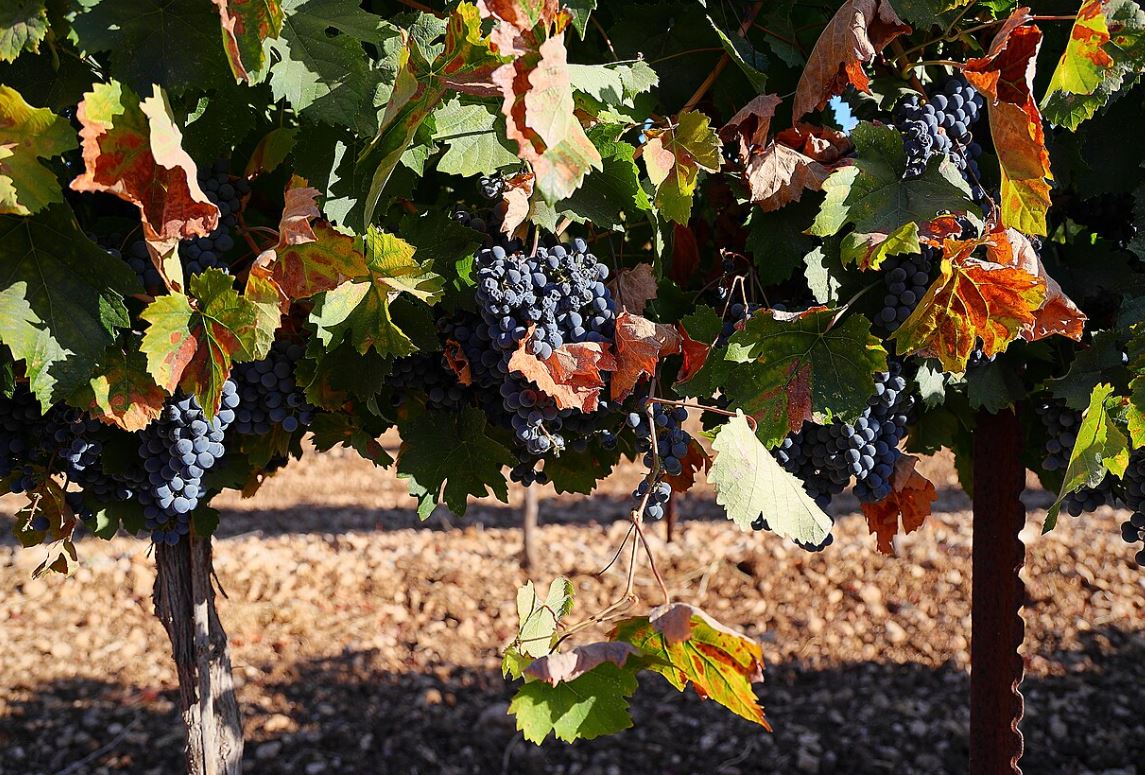

Menahot 85: An Olive Travelogue (Beginning with Tekoa)
New to Talmud?
Check out our resources designed to help you navigate a page of Talmud – and study at the pace, level and style that fits you.
The Hadran Women’s Tapestry
Meet the diverse women learning Gemara at Hadran and hear their stories.
I started learning on January 5, 2020. When I complete the 7+ year cycle I will be 70 years old. I had been intimidated by those who said that I needed to study Talmud in a traditional way with a chevruta, but I decided the learning was more important to me than the method. Thankful for Daf Yomi for Women helping me catch up when I fall behind, and also being able to celebrate with each Siyum!
Bakersfield, United States
Inspired by Hadran’s first Siyum ha Shas L’Nashim two years ago, I began daf yomi right after for the next cycle. As to this extraordinary journey together with Hadran..as TS Eliot wrote “We must not cease from exploration and the end of all our exploring will be to arrive where we began and to know the place for the first time.

Jerusalem, Israel
I started learning Gemara at the Yeshivah of Flatbush. And I resumed ‘ברוך ה decades later with Rabbanit Michele at Hadran. I started from Brachot and have had an exciting, rewarding experience throughout seder Moed!
Maale Adumim, Israel
I started Daf during the pandemic. I listened to a number of podcasts by various Rebbeim until one day, I discovered Rabbanit Farbers podcast. Subsequently I joined the Hadran family in Eruvin. Not the easiest place to begin, Rabbanit Farber made it all understandable and fun. The online live group has bonded together and have really become a supportive, encouraging family.

Edmonton, Alberta, Canada
I had tried to start after being inspired by the hadran siyum, but did not manage to stick to it. However, just before masechet taanit, our rav wrote a message to the shul WhatsApp encouraging people to start with masechet taanit, so I did! And this time, I’m hooked! I listen to the shiur every day , and am also trying to improve my skills.

Yad Binyamin, Israel
I’ve been learning since January 2020, and in June I started drawing a phrase from each daf. Sometimes it’s easy (e.g. plants), sometimes it’s very hard (e.g. korbanot), and sometimes it’s loads of fun (e.g. bird racing) to find something to draw. I upload my pictures from each masechet to #DafYomiArt. I am enjoying every step of the journey.

Ashdod, Israel
I began Daf Yomi with the last cycle. I was inspired by the Hadran Siyum in Yerushalayim to continue with this cycle. I have learned Daf Yomi with Rabanit Michelle in over 25 countries on 6 continents ( missing Australia)
Silver Spring, MD, United States
I had dreamed of doing daf yomi since I had my first serious Talmud class 18 years ago at Pardes with Rahel Berkovitz, and then a couple of summers with Leah Rosenthal. There is no way I would be able to do it without another wonderful teacher, Michelle, and the Hadran organization. I wake up and am excited to start each day with the next daf.

Irvine, United States
When we heard that R. Michelle was starting daf yomi, my 11-year-old suggested that I go. Little did she know that she would lose me every morning from then on. I remember standing at the Farbers’ door, almost too shy to enter. After that first class, I said that I would come the next day but couldn’t commit to more. A decade later, I still look forward to learning from R. Michelle every morning.
Ra’anana, Israel
I was inspired to start learning after attending the 2020 siyum in Binyanei Hauma. It has been a great experience for me. It’s amazing to see the origins of stories I’ve heard and rituals I’ve participated in my whole life. Even when I don’t understand the daf itself, I believe that the commitment to learning every day is valuable and has multiple benefits. And there will be another daf tomorrow!
Jerusalem, Israel
I decided to give daf yomi a try when I heard about the siyum hashas in 2020. Once the pandemic hit, the daily commitment gave my days some much-needed structure. There have been times when I’ve felt like quitting- especially when encountering very technical details in the text. But then I tell myself, “Look how much you’ve done. You can’t stop now!” So I keep going & my Koren bookshelf grows…

Huntington, United States
I started learning at the beginning of the cycle after a friend persuaded me that it would be right up my alley. I was lucky enough to learn at Rabbanit Michelle’s house before it started on zoom and it was quickly part of my daily routine. I find it so important to see for myself where halachot were derived, where stories were told and to get more insight into how the Rabbis interacted.

Ra’anana, Israel
I had dreamed of doing daf yomi since I had my first serious Talmud class 18 years ago at Pardes with Rahel Berkovitz, and then a couple of summers with Leah Rosenthal. There is no way I would be able to do it without another wonderful teacher, Michelle, and the Hadran organization. I wake up and am excited to start each day with the next daf.
Irvine, United States
In July, 2012 I wrote for Tablet about the first all women’s siyum at Matan in Jerusalem, with 100 women. At the time, I thought, I would like to start with the next cycle – listening to a podcast at different times of day makes it possible. It is incredible that after 10 years, so many women are so engaged!
Pittsburgh, United States
I started learning when my brother sent me the news clip of the celebration of the last Daf Yomi cycle. I was so floored to see so many women celebrating that I wanted to be a part of it. It has been an enriching experience studying a text in a language I don’t speak, using background knowledge that I don’t have. It is stretching my learning in unexpected ways, bringing me joy and satisfaction.
Warwick, Rhode Island, United States
I had tried to start after being inspired by the hadran siyum, but did not manage to stick to it. However, just before masechet taanit, our rav wrote a message to the shul WhatsApp encouraging people to start with masechet taanit, so I did! And this time, I’m hooked! I listen to the shiur every day , and am also trying to improve my skills.
Yad Binyamin, Israel
The first month I learned Daf Yomi by myself in secret, because I wasn’t sure how my husband would react, but after the siyyum on Masechet Brachot I discovered Hadran and now sometimes my husband listens to the daf with me. He and I also learn mishnayot together and are constantly finding connections between the different masechtot.
Silver Spring, Maryland, United States
When we heard that R. Michelle was starting daf yomi, my 11-year-old suggested that I go. Little did she know that she would lose me every morning from then on. I remember standing at the Farbers’ door, almost too shy to enter. After that first class, I said that I would come the next day but couldn’t commit to more. A decade later, I still look forward to learning from R. Michelle every morning.
Ra’anana, Israel
I am grateful for the structure of the Daf Yomi. When I am freer to learn to my heart’s content, I learn other passages in addition. But even in times of difficulty, I always know that I can rely on the structure and social support of Daf Yomi learners all over the world.
I am also grateful for this forum. It is very helpful to learn with a group of enthusiastic and committed women.

Beit Shemesh, Israel
I began my journey two years ago at the beginning of this cycle of the daf yomi. It has been an incredible, challenging experience and has given me a new perspective of Torah Sh’baal Peh and the role it plays in our lives

Efrat, Israel
Menachot 85
אֶלָּא לְרַבִּי יוֹחָנָן, קַשְׁיָא?
Having reconciled all the apparent contradictions between the two baraitot according to the opinion of Reish Lakish, the Gemara asks: But according to Rabbi Yoḥanan, who holds inferior produce cannot be consecrated as first fruits, the first baraita is difficult, as it states that inferior produce can be consecrated.
תַּנָּאֵי הִיא, דְּתַנְיָא: שֶׁבְּגַג וְשֶׁבְּחוּרְבָּה – מֵבִיא וְקוֹרֵא, שֶׁבְּעָצִיץ וְשֶׁבִּסְפִינָה – אֵינוֹ מֵבִיא כׇּל עִיקָּר.
The Gemara answers: The baraitot cited above contradict Rabbi Yoḥanan’s opinion. But there is a dispute between tanna’im with regard to this issue, as it is taught in a baraita: With regard to produce that grew on a roof, or that grew in a ruin, the owner brings it and recites the accompanying passage. With regard to produce that grew in a flowerpot, or that grew on a ship, the owner does not bring it at all. Rabbi Yoḥanan holds in accordance with that baraita.
וְכוּלָּן אֵינָן בָּאוֹת אֶלָּא מִן הַמּוּבְחָר כּוּ׳. אָמְרִי לֵיהּ יוֹחָנָא וּמַמְרֵא לְמֹשֶׁה: תֶּבֶן אַתָּה מַכְנִיס לְעֶפְרַיִים! אֲמַר לְהוּ: אָמְרִי אִינָשֵׁי ״לְמָתָא יַרְקָא – יַרְקָא שְׁקוֹל״.
§ The mishna states: And all meal offerings come only from the optimal produce. One of the places the mishna mentions as having good-quality produce is Aforayim. The superior quality of its produce was so well known that Aforayim was used as an example in colloquial aphorisms. In Moses and Aaron’s first meeting with Pharaoh, Aaron cast his staff to the ground, whereupon it turned into a serpent. Pharaoh’s necromancers then duplicated the feat using their incantations, only to then be confounded when Aaron’s staff swallowed up all of theirs (see Exodus 7:10–12). The Gemara relates the conversation that took place: Pharaoh’s two leading necromancers, Yoḥana and Mamre, said to Moses: Are you bringing straw to Afarayim? Performing necromancy in Egypt, the world leader in sorcery, is like bringing straw to Afarayim, which is rich in the finest grains. Moses said to them: It is as people say: To a city rich in herbs, take herbs. If you want to guarantee that people will appreciate your merchandise, bring it to a place where they are familiar with it.
מַתְנִי׳ אֵין מְבִיאִין לֹא מִבֵּית הַזְּבָלִים, וְלֹא מִבֵּית הַשְּׁלָחִים, וְלֹא מִבֵּית הָאִילָן, וְאִם הֵבִיא – כָּשֵׁר.
MISHNA: Even when selecting grain for meal offerings from the locations mentioned in the previous mishna, one may not bring as a meal offering grain from a fertilized field, nor from an irrigated field, nor from a field of trees, as such fields do not produce grain of optimal quality. But if one did bring a meal offering of grain from such fields, it is fit.
כֵּיצַד הוּא עוֹשֶׂה? נָרָהּ שָׁנָה רִאשׁוֹנָה, וּבְשָׁנָה שְׁנִיָּה זוֹרְעָהּ קוֹדֶם לַפֶּסַח שִׁבְעִים יוֹם, וְהִוא עוֹשָׂה סוֹלֶת מְרוּבָּה.
How does one produce optimal-quality grain? He plows the field during the first year, but he does not sow it, and in the second year, he sows it seventy days before Passover, and in that manner it produces grain that will provide an abundance of fine, high-quality flour.
כֵּיצַד בּוֹדֵק הַגִּזְבָּר? מַכְנִיס יָדוֹ לְתוֹכָהּ. עָלָה בָּהּ אָבָק – פְּסוּלָה, עַד שֶׁיְּנַפֶּנָּה.
How does the Temple treasurer inspect the flour to determine whether it is of sufficiently high quality? The treasurer inserts his hand into the flour. If, when he removes his hand, flour powder covers it, the flour is unfit, until one sifts it with a fine sifter, so that no powder will remain.
וְאִם הִתְלִיעָה – פְּסוּלָה.
And if the flour became wormy, it is unfit for use in a meal offering.
גְּמָ׳ כֵּיצַד עוֹשֶׂה? נָרָהּ שָׁנָה רִאשׁוֹנָה. אִיבַּעְיָא לְהוּ: הֵיכִי קָאָמַר? נָרָהּ שָׁנָה רִאשׁוֹנָה וּשְׁנִיָּה נָרָהּ וְזוֹרְעָהּ, אוֹ דִלְמָא נָרָהּ שָׁנָה רִאשׁוֹנָה וּשְׁנִיָּה זוֹרְעָהּ בְּלֹא נָרָהּ?
GEMARA: The mishna states: How does one produce optimal-quality grain? He plows the field during the first year, and in the second year he sows it. The Gemara clarifies what should be done in the second year: A dilemma was raised before the Sages: What is the tanna saying? Is he saying that he plows the field during the first year, and in the second year he plows it and sows it? Or perhaps he is saying that he plows the field during the first year, and in the second year he sows it without plowing it.
תָּא שְׁמַע, דְּתַנְיָא: אָמַר רַבִּי יוֹסֵי: אַף חִיטֵּי כָּרָזִיִּים וּכְפַר אַחִים, אִלְמָלֵא סְמוּכוֹת לִירוּשָׁלַיִם – הָיוּ מְבִיאִין מֵהֶן, לְפִי שֶׁאֵין מְבִיאִין אֶת הָעוֹמֶר אֶלָּא מִן הַשָּׂדוֹת הַמּוּדְרָמוֹת וְהַמְנוֹנָרוֹת לְכָךְ, שֶׁבָּהֶן חַמָּה זוֹרַחַת, וּמֵהֶן חַמָּה שׁוֹקַעַת.
The Gemara suggests: Come and hear a resolution, as it is taught in a baraita: Rabbi Yosei says: Also concerning grain grown in Kerazayim and Kefar Aḥim, if only those places had been close to Jerusalem, they would have brought barley from them for the omer. As the halakha is that one brings the omer only from the southern fields and those that were plowed for that purpose, as upon such fields, the sun rises and shines, and from those fields, the sun also sets. In other words, those fields are exposed to a lot of sunlight, so they produce a superior-quality crop. Kerazayim and Kefar Aḥim were such fields, but they were too far from Jerusalem for their barley to be used for the omer offering.
כֵּיצַד עוֹשֶׂה? נָרָהּ שָׁנָה רִאשׁוֹנָה, וּשְׁנִיָּה חוֹרֵשׁ וְשׁוֹנֶה, וְזוֹרְעָהּ קוֹדֶם לַפֶּסַח שִׁבְעִים יוֹם, כְּדֵי שֶׁתְּהֵא סְמוּכָה לַחַמָּה, וְעוֹשָׂה קָנֶה זֶרֶת וְשִׁיבּוֹלֶת זִרְתַּיִים.
The baraita continues: How does one produce optimal-quality grain? He plows the field during the first year, and in the second year, he plows it once and then repeats the plowing a second time, and he sows it seventy days before Passover. It is done this way in order that the sowing will be done close to the time when the strength of the sun reaches its climax, and will thereby produce a high-quality crop in which the length of a stalk is a handspan and the ear itself is two handspans.
וְקוֹצֵר וּמְעַמֵּר, וְדָשׁ, וְזוֹרֶה, וּבוֹרֵר, וְטוֹחֵן, וּמְרַקֵּד, וּמֵבִיא אֵצֶל גִּזְבָּר, וְגִזְבָּר מַכְנִיס יָדוֹ לְתוֹכָהּ. אִם עָלְתָה בָּהּ אָבָק – אוֹמֵר לוֹ: ״חֲזוֹר וְנַפֵּה אוֹתָהּ שְׁנִיָּה״. מִשּׁוּם רַבִּי נָתָן אָמְרוּ: גִּזְבָּר סָךְ יָדוֹ שֶׁמֶן, וּמַכְנִיס לְתוֹכָהּ עַד שֶׁמַּעֲלֶה כׇּל אֲבָקָהּ.
And then one reaps the grain and gathers it together into a pile, and then he threshes the grain and winnows it, and then he sorts the inedible admixture from the edible grain, and then he grinds the grain and sifts it and brings the flour produced to the Temple treasurer. And the treasurer inserts his hand into it in order to check its quality. If upon removing his hand powder covers it, the treasurer says to the owner: Go back and sift it a second time. The Sages say in the name of Rabbi Natan that the treasurer would perform a more thorough examination of the flour’s quality. He douses his hand with oil and then inserts it into the flour until all of its powder will be brought up.
קָתָנֵי מִיהַת חוֹרֵשׁ וְשׁוֹנֶה.
The Gemara explains that the baraita provides a resolution to the dilemma: In any event, the baraita teaches that during the second year, the owner of the field plows it once and then repeats the plowing. It is explicit, then, that during the second year the field should be plowed.
וּלְטַעְמָיךְ, מַתְנִיתִין לָא קָתָנֵי ״שׁוֹנֶה״,
The Gemara rejects this proof: But even according to your reasoning, ultimately the mishna does not teach that he plows the field and then repeats the plowing;
בָּרַיְיתָא קָתָנֵי ״שׁוֹנֶה״.
it is only the baraita that teaches that he plows and then repeats the plowing. It would appear, then, that the mishna and baraita express different opinions, and it may be that according to the mishna one does not need to plow in the second year at all.
הָא לָא קַשְׁיָא, כָּאן בַּעֲבוּדָה, כָּאן בְּשֶׁאֵינָהּ עֲבוּדָה.
The Gemara dismisses this suggestion: This is not difficult; it is possible that the mishna and the baraita do not disagree, and here, the mishna, which does not require plowing a second time, is referring to a cultivated field, whereas there, the baraita is referring to an uncultivated field, and therefore it requires that the field be plowed a second time.
מַאי הָוֵי עֲלַהּ? תָּא שְׁמַע, דְּתַנְיָא: נָר חֶצְיָהּ וְזוֹרֵעַ חֶצְיָהּ, נָר חֶצְיָהּ וְזוֹרֵעַ חֶצְיָהּ.
The Gemara concludes: What halakhic conclusion was reached about this matter? Come and hear the resolution from that which is taught in a baraita: For the first year, one plows the entire field during the first half of the year, and then he sows half of the field, leaving the other half fallow. For the second year, one again plows the entire field during the first half of the year, and then he sows the half of the field that was left fallow in the previous year. It is evident from this baraita that during the second year as well, the field is plowed before it is sown.
אָמַר רַבִּי יוֹחָנָן: אֵין מְבִיאִין אֶת הָעוֹמֶר אֶלָּא מִן הַשָּׂדוֹת הַמּוּדְרָמוֹת שֶׁבְּאֶרֶץ יִשְׂרָאֵל, שֶׁבָּהֶן חַמָּה זוֹרַחַת, וּמֵהֶן חַמָּה שׁוֹקַעַת.
§ Rabbi Yoḥanan says: One brings the omer only from the southern fields of Eretz Yisrael, as upon those fields, the sun rises and shines, and from those fields, the sun also sets. Those fields are exposed to abundant sunlight, and so they produce a superior-quality crop.
תַּנְיָא נָמֵי הָכִי, אַבָּא שָׁאוּל אוֹמֵר: עוֹמֶר הָיָה בָּא מִבִּקְעַת בֵּית מִקְלָה, כְּבַת שָׁלֹשׁ סְאִין הָיְתָה, וְשָׂדֶה מוּדְרֶמֶת הָיְתָה, וּבָהּ חַמָּה זוֹרַחַת וּמִמֶּנָּה חַמָּה שׁוֹקַעַת. נָיר חֶצְיָהּ וְזוֹרֵעַ חֶצְיָהּ, נָיר חֶצְיָהּ וְזוֹרֵעַ חֶצְיָהּ.
This is also taught in a baraita: Abba Shaul says that the omer would come from grain grown in the valley of Beit Mikle. The field there was about three se’a, and it was a southern field, and the sun would rise and shine upon it, and the sun would set from it. During the first year, the farmer plowed the entire field during the first half of the year, and he then sowed half of the field, leaving the other half fallow. During the second year, he again plowed the entire field during the first half of the year, and he then sowed the half of the field that was left fallow in the previous year.
רַב חִלְקִיָּה בַּר טוֹבִי הֲוָה לֵיהּ קַרְנָא דְּאַרְעָא, נָר חֶצְיָהּ וְזָרַע חֶצְיָהּ, נָר חֶצְיָהּ וְזָרַע חֶצְיָהּ, וַעֲבַדָה עַל חַד תְּרֵי, וּמְזַבֵּין לְהוּ לְחִיטֵּי לִסְמִידָא.
The Gemara demonstrates the efficacy of this method: Rav Ḥilkiya bar Tovi had a tract of land. He plowed the field during the first half of the year and then sowed half of it. The next year, he plowed the field during the first half of the year and then sowed the other half of it. And this method was so effective that his field produced twice as much wheat as other fields its size, and it was of such a superior quality that he sold the wheat to be used as fine flour [lismida] for the meal offerings in the Temple.
וְאִם הִתְלִיעָה – פְּסוּלָה. תָּנוּ רַבָּנַן: סוֹלֶת שֶׁהִתְלִיעָה רוּבָּהּ – פְּסוּלָה, וְחִיטִּין שֶׁהִתְלִיעוּ רוּבָּן – פְּסוּלוֹת. בָּעֵי רַבִּי יִרְמְיָה: בְּרוֹב חִטָּה, אוֹ בְּרוֹב סְאָה? תֵּיקוּ.
§ The mishna teaches: And if the flour became wormy, it is unfit for use in a meal offering. The Sages taught in a baraita: Fine flour the majority of which became wormy is unfit. And similarly, wheat kernels the majority of which became wormy are unfit, and they may not be used to produce fine flour for meal offerings. Rabbi Yirmeya asks: What is the meaning of this latter ruling? Is it saying only that if the majority of an individual wheat kernel becomes wormy the flour produced from it is unfit, or is it saying that when the majority of a se’a of kernels becomes wormy the entire se’a is unfit? The Gemara concludes: The dilemma shall stand unresolved.
בָּעֵי רָבָא: הִקְדִּישָׁן, מַהוּ שֶׁיִּלְקֶה עֲלֵיהֶן מִשּׁוּם בַּעַל מוּם? כֵּיוָן דְּפָסֵיל – כְּבַעַל מוּם דָּמֵי, אוֹ דִלְמָא אֵין בַּעַל מוּם אֶלָּא בִּבְהֵמָה? תֵּיקוּ.
Rava asks: If one consecrated grains of wormy wheat for use in a meal offering, what is the halakha with regard to whether he should be flogged for consecrating them due to the prohibition against consecrating a flawed item as an offering? One is flogged for consecrating a blemished animal as an offering (see Temura 6b); does the same apply to consecrating wormy wheat? Does one say that since the wheat is unfit, it is comparable to a blemished animal? Or perhaps, the prohibition against consecrating a flawed item applies only to an animal. The Gemara concludes: The dilemma shall stand unresolved.
תְּנַן הָתָם: כׇּל עֵץ שֶׁנִּמְצָא בּוֹ תּוֹלַעַת – פָּסוּל לְגַבֵּי מִזְבֵּחַ. אָמַר שְׁמוּאֵל: לֹא שָׁנוּ אֶלָּא לַח, אֲבָל יָבֵשׁ – גּוֹרְרוֹ וְכָשֵׁר.
§ We learned in a mishna elsewhere (Middot 2:5) with regard to the wood logs that are burned on the altar: Priests inspect them before they are used and any log in which a worm is found is unfit for use on the altar. In reference to this mishna, Shmuel says: They taught this halakha only with regard to a wet log, as a wormy section cannot be removed. But if a wormy section is found in a dry log, the priest scrapes the wormy spot away, and the log is fit for use.
בָּעֵי רָבָא: הִקְדִּישׁוֹ, מַהוּ שֶׁיִּלְקֶה עָלָיו מִשּׁוּם בַּעַל מוּם? כֵּיוָן דְּפָסוּל כְּבַעַל מוּם דָּמֵי, אוֹ דִלְמָא אֵין בַּעַל מוּם אֶלָּא בִּבְהֵמָה? תֵּיקוּ.
Rava asks: If one consecrated a wormy log to be used on the altar, what is the halakha with regard to whether he should be flogged for consecrating it due to the prohibition against consecrating a flawed item as an offering? Does one say that since the log is unfit, it is comparable to a blemished animal? Or perhaps, the prohibition against consecrating a flawed item applies only to an animal. The Gemara concludes: The dilemma shall stand unresolved.
מַתְנִי׳ תְּקוֹעַ – אַלְפָּא לַשֶּׁמֶן. אַבָּא שָׁאוּל אוֹמֵר: שְׁנִיָּה לָהּ רֶגֶב בְּעֵבֶר הַיַּרְדֵּן. כׇּל הָאֲרָצוֹת הָיוּ כְּשֵׁרוֹת, אֶלָּא מִיכָּן הָיוּ מְבִיאִין.
MISHNA: Olive trees in Tekoa are the primary source of oil to be used in meal offerings. Abba Shaul says: Secondary to Tekoa is Regev on the east bank of the Jordan River. All the regions were valid for oil to be brought from them, but it was from here that they would bring it.
אֵין מְבִיאִין לֹא מִבֵּית הַזְּבָלִים, וְלֹא מִבֵּית הַשְּׁלָחִים, וְלֹא מִן מַה שֶּׁנִּזְרַע בֵּינֵיהֶם, וְאִם הֵבִיא – כָּשֵׁר. אֵין מְבִיאִין אַנְפַּקְטָן, וְאִם הֵבִיא – כָּשֵׁר. אֵין מְבִיאִין מִן הַגַּרְגְּרִין שֶׁנִּשְׁרוּ בְּמַיִם, וְלֹא מִן הַכְּבָשִׁים, וְלֹא מִן הַשְּׁלוּקִים, וְאִם הֵבִיא – פָּסוּל.
One may not bring a meal offering containing oil from olives taken from a fertilized olive grove, nor from olives taken from an irrigated olive grove, nor from olives taken from an olive grove where grain was sown between the trees. But if one did bring a meal offering containing oil from such groves, it is valid. One may not bring a meal offering containing oil from unripe olives [anpiktan], but if one did bring it, it is valid. One may not bring a meal offering containing oil from olives that were soaked in water, nor from pickled olives, nor from boiled olives, and even if one did bring it, it is not valid.
גְּמָ׳ ״וַיִּשְׁלַח יוֹאָב תְּקוֹעָה וַיִּקַּח מִשָּׁם אִשָּׁה חֲכָמָה״, מַאי שְׁנָא תְּקוֹעָה? אָמַר רַבִּי יוֹחָנָן: מִתּוֹךְ שֶׁרְגִילִין בְּשֶׁמֶן זַיִת, חָכְמָה מְצוּיָה בָּהֶן.
GEMARA: The Gemara notes the effect of Tekoa’s oil on those living there: The verse states: “And Joab sent to Tekoa, and fetched from there a wise woman” (II Samuel 14:2). What is different about Tekoa that Joab chose to bring a woman from there? Rabbi Yoḥanan says: Since the residents of Tekoa are accustomed to use olive oil, wisdom is prevalent there.
תָּנוּ רַבָּנַן: ״וְטֹבֵל בְּשֶׁמֶן רַגְלוֹ״ – זֶה חֶלְקוֹ שֶׁל אָשֵׁר, שֶׁמּוֹשֵׁךְ שֶׁמֶן כְּמַעְיָן. אָמְרוּ: פַּעַם אַחַת נִצְרְכוּ לָהֶן אַנְשֵׁי לוּדְקִיָּא (בְּשֶׁמֶן) [לְשֶׁמֶן], מִינּוּ לָהֶן פּוּלְמוֹסְטוּס אֶחָד, אָמְרוּ לוֹ: לֵךְ וְהָבֵא לָנוּ שֶׁמֶן בְּמֵאָה רִיבּוֹא.
§ The Gemara digresses to discuss the tribal portion of Asher, in which the city of Tekoa is located: The Sages taught in a baraita: In his blessing to the tribe of Asher, Moses said: “He will be pleasing to his brothers, and immerse his foot in oil” (Deuteronomy 33:24). This is referring to the portion of Asher, as the oil flows there like a spring. The Gemara relates: They said that once, the people of Laodicea were in need of oil. They appointed a gentile messenger [polmostos] and said to him: Go and bring us one million maneh worth of oil.
הָלַךְ לִירוּשָׁלַיִם, אָמְרוּ לוֹ: לֵךְ לְצוֹר, הָלַךְ לְצוֹר, אָמְרוּ לוֹ: לֵךְ לְגוּשׁ חָלָב, הָלַךְ לְגוּשׁ חָלָב, אָמְרוּ לוֹ: לֵךְ אֵצֶל פְּלוֹנִי לְשָׂדֶה הַלָּז, וּמְצָאוֹ שֶׁהָיָה עוֹזֵק תַּחַת זֵיתָיו. אָמַר לוֹ: יֵשׁ לְךָ שֶׁמֶן בְּמֵאָה רִיבּוֹא שֶׁאֲנִי צָרִיךְ? אָמַר לוֹ: הַמְתֵּן לִי עַד שֶׁאֲסַיֵּים מְלַאכְתִּי, הִמְתִּין עַד שֶׁסִּיֵּים מְלַאכְתּוֹ.
He first went to Jerusalem to procure the oil, but residents there did not have that quantity of oil. They said to him: Go to Tyre, which was a commercial city. He went to Tyre, but they also did not have enough oil. They said to him: Go to Gush Ḥalav, which is located in the portion of Asher. He went to Gush Ḥalav, and they said to him: Go to so-and-so, to that field. He went there and found someone hoeing [ozek] under his olive trees. The messenger said to that man: Do you have the one million maneh worth of oil that I need? The man said to him: Wait for me until I complete my labor, i.e., hoeing. The messenger waited until the man completed his labor.
לְאַחַר שֶׁסִּיֵּים מְלַאכְתּוֹ, הִפְשִׁיל כֵּלָיו לַאֲחוֹרָיו, וְהָיָה מְסַקֵּל וּבָא בַּדֶּרֶךְ. אָמַר לוֹ: יֵשׁ לְךָ שֶׁמֶן בְּמֵאָה רִיבּוֹא? כִּמְדוּמֶּה אֲנִי שֶׁשְּׂחוֹק שָׂחֲקוּ בִּי הַיְּהוּדִים. כֵּיוָן שֶׁהִגִּיעַ לְעִירוֹ, הוֹצִיאָה לוֹ שִׁפְחָתוֹ קוּמְקְמוֹס שֶׁל חַמִּין, וְרָחַץ בּוֹ יָדָיו וְרַגְלָיו. הוֹצִיאָה לוֹ סֵפֶל שֶׁל זָהָב מְלֵיאָה שֶׁמֶן, וְטָבַל בּוֹ יָדָיו וְרַגְלָיו, לְקַיֵּים מַה שֶּׁנֶּאֱמַר: ״וְטוֹבֵל בַּשֶּׁמֶן רַגְלוֹ״.
After he completed his labor, the man slung his tools over his shoulders behind him, a manner typical of poor laborers, and started walking, and he was removing stones from his orchard as he went along the path. Upon seeing this behavior, which suggested the man was merely a laborer, the messenger questioned whether the man was truly able to provide him with the oil. He said to the man: Can it be that you really have the one million maneh worth of oil that I need? It seems to me that the Jews of Gush Ḥalav are making a laughingstock of me by sending me here. When he reached his city, the man’s maidservant brought out to him a kettle [kumkemos] of hot water, and he washed his hands and his feet. Afterward, she brought out to him a golden basin filled with oil, in which he immersed his hands and feet, in fulfillment of that which is stated with regard to the Tribe of Asher: “And immerse his foot in oil” (Deuteronomy 33:24).
לְאַחַר שֶׁאָכְלוּ וְשָׁתוּ, מָדַד לוֹ שֶׁמֶן בְּמֵאָה רִיבּוֹא. אָמַר לוֹ: כְּלוּם אַתָּה צָרִיךְ לְיוֹתֵר? אָמַר לוֹ: הֵן, אֶלָּא שֶׁאֵין לִי דָּמִים. אָמַר לוֹ: אִם אַתָּה רוֹצֶה לִיקַּח – קַח, וַאֲנִי אֵלֵךְ עִמְּךָ וְאֶטּוֹל דָּמָיו. מָדַד לוֹ שֶׁמֶן בִּשְׁמוֹנָה עָשָׂר רִיבּוֹא. אָמְרוּ: לֹא הִנִּיחַ אוֹתוֹ הָאִישׁ לֹא סוּס וְלֹא פֶּרֶד וְלֹא גָּמָל וְלֹא חֲמוֹר בְּאֶרֶץ יִשְׂרָאֵל שֶׁלֹּא שְׂכָרוֹ.
After they ate and drank, the man measured out for the messenger one million maneh worth of oil. The man said to him: Are you sure that you do not need any more oil? The messenger said to him: Yes, I do need more, but I do not have the money for it. The man said to him: If you wish to take more oil, take it and I will go back to Laodicea with you and collect the money for the extra oil there. The messenger agreed and the man measured out an additional 180,000 maneh worth of oil. Concerning this incident, people said: The messenger had such an enormous burden of oil that he left neither a horse, nor a mule, nor a camel, nor a donkey in all of Eretz Yisrael that he did not rent in order to help transport the oil back to Laodicea.
כֵּיוָן שֶׁהִגִּיעַ לְעִירוֹ, יָצְאוּ אַנְשֵׁי עִירוֹ לְקַלְּסוֹ. אָמַר לָהֶם: לֹא לִי קַלְּסוּנִי, אֶלָּא לָזֶה שֶׁבָּא עִמִּי, שֶׁמָּדַד לִי שֶׁמֶן בְּמֵאָה רִיבּוֹא, וַהֲרֵי נוֹשֶׁה בִּי בִּשְׁמוֹנֶה עֶשְׂרֵה רִיבּוֹא, לְקַיֵּים מַה שֶּׁנֶּאֱמַר: ״יֵשׁ מִתְעַשֵּׁר וְאֵין כֹּל מִתְרוֹשֵׁשׁ וְהוֹן רָב״.
When the messenger finally reached his city, the people of his city came out to praise him [lekaleso] for achieving this tremendous feat. The messenger said to them: Do not praise me. Rather, praise this man who has come with me, as it is he who measured for me one million maneh worth of oil, and he extended a debt to me for 180,000 maneh worth of oil. This incident was in fulfillment of that which is stated: “There is one who seems to be rich, yet has nothing; there is one who seems to be poor, yet has great wealth” (Proverbs 13:7).
אֵין מְבִיאִין לֹא מִבֵּית הַזְּבָלִים, וְהָתַנְיָא: אֵין מְבִיאִין אַנְפַּקְטָן,
§ The mishna teaches: One may not bring a meal offering containing oil made from olives from a fertilized olive grove. The mishna continues to state that one may not bring a meal offering containing oil from unripe olives, and, according to one version of the mishna’s text, it adds that even if one did bring a meal offering containing such oil, it is not valid. The Gemara asks: But isn’t it taught in a baraita: One may not bring a meal offering containing oil made from unripe olives,

