Search

Nazir 57

Want to dedicate learning? Get started here:

English
עברית
podcast placeholder

0:00
0:00


podcast placeholder

0:00
0:00


Summary

Today’s daf is sponsored by Nancy Kolodny in honor of Lisa Kolodny on her birthday. “With appreciation and love to my amazing daughter-in-law. May your learning and chesed continue to grow in the new year”.

Today’s daf is sponsored by Rikki & Alan Zibitt in loving memory of Helen Zibitt, Hena bat Yaacov v’ Rachel Leah on her 23rd yahrzeit. “Mom, we miss your warmth and love every day. And in honor of the birthdays of our dear daughter-in-law, Dvora Cohen Zibitt, and son-in-law, Jay Blumenreich, who have enriched our family in countless beautiful ways. We love you both so very much.”

When Rabbi Yehoshua told Rabbi Akiva that his logic was good, but there is a tradition which overrides the conclusion of the logical argument, was the tradition that a nazir who becomes impure to a quarter-log of blood by touching is not required to shave or that a nazir who touches a bone the size of a barley grain would require shaving? If someone tells two nazirs that they saw one of them become impure but they aren’t sure which one, what do they do? After thirty days they both shave and bring two sacrifices while stipulating that one will count for the impurity of one and the other will be for the completion of the other. They each continue with the prohibitions of a nazir for another thirty days and bring one set of sacrifices, stipulating that it go for the one who was impure as completion now of the nazirite term. If there were three people there (the two nazirs and the one who saw one become impure), why isn’t this a case of doubt regarding impurity in a public domain in which we rule that one is pure? That principle is derived from a Sotah who was in a case of doubt in a private domain (with only two people) and there we rule she is impure. They explain that the person who saw must have seen it from a distance and was not actually in the direct area where the nazirs were, thus making it a private space. How can the nazirs shave in a case of doubt? Isn’t it forbidden to shave off one’s sidelocks unless one is obligated to as a nazir as only then will it override the prohibition! Shmuel answers that the shaving was speaking of a woman and a minor who are not commanded not to remove their sidelocks. From here one can infer that he held that shaving off all the hair on one’s head is forbidden. Some say that Shmuel’s answer about the minor and the woman was said about an upcoming Mishna of one who is a nazir who maybe was impure and maybe was a leper and shaves four times. Rav Ada bar Ahava and Rav Huna disagree about whether it is forbidden for someone to shave the sidelocks of a minor. Rav Ada bar Ahaha permits and Rav Huna forbids. Rav Ada questions Rav Huna according to his own opinion as Rav Huna’s own children’s sidelocks were shaven, to which Rav Huna responds that his wife, Chova, had done it. Rav Ada’s reaction is that Chova will bury her children. While Rav Ada was alive, any children of Rav Huna and Chova did not survive on account of his statement. Rav Huna permitted his wife to do it, as he understood that it was only forbidden for one to shave the sidelocks of a minor if they themselves were prohibited from removing their own sidelocks. Rav Ada held that it all depends on the one whose sidelocks were being shaved – if they are forbidden, then it is forbidden for others, but if they are permitted (like minors) then it is permitted for anyone, even men.

Today’s daily daf tools:

Nazir 57

גְּמָ׳ אִיבַּעְיָא לְהוּ: עֶצֶם כִּשְׂעוֹרָה — הֲלָכָה, וּרְבִיעִית דָּם — קַל וָחוֹמֶר, וְאֵין דָּנִין קַל וָחוֹמֶר מֵהֲלָכָה.

GEMARA: A dilemma was raised before the Sages with regard to the halakha transmitted to Moses from Sinai mentioned in the mishna: Is the halakha that a nazirite must shave for a bone that is a barley-grainbulk a halakha transmitted to Moses from Sinai, and it was the status of a quarter-log of blood that Rabbi Akiva sought to derive as an a fortiori inference, and with regard to this claim they said: One does not derive an a fortiori inference from a halakha transmitted to Moses from Sinai?

אוֹ דִלְמָא: רְבִיעִית דָּם — הֲלָכָה, וְעֶצֶם כִּשְׂעוֹרָה — קַל וָחוֹמֶר, וְאֵין דָּנִין קַל וָחוֹמֶר מֵהֲלָכָה? תָּא שְׁמַע: עֶצֶם כִּשְׂעוֹרָה — הֲלָכָה, וּרְבִיעִית דָּם — קַל וָחוֹמֶר, וְאֵין דָּנִין קַל וָחוֹמֶר מֵהֲלָכָה.

Or perhaps the ruling that a quarter-log of blood imparts ritual impurity in a tent is the halakha transmitted to Moses from Sinai, and Rabbi Akiva sought to use the case of a bone that is a barley-grainbulk as the source of an a fortiori inference that a nazirite must shave for a quarter-log as well, to which the Sages replied that one does not derive an a fortiori inference from a halakha transmitted to Moses from Sinai. The Gemara answers: Come and hear the unequivocal statement of a baraita: A bone that is a barley-grainbulk is a halakha, and a quarter-log of blood is an a fortiori inference, and one does not derive an a fortiori inference from a halakha.


הֲדַרַן עֲלָךְ כֹּהֵן גָּדוֹל

שְׁנֵי נְזִירִים שֶׁאָמַר לָהֶן אֶחָד ״רָאִיתִי אֶחָד מִכֶּם שֶׁנִּטְמָא, וְאֵינִי יוֹדֵעַ אֵיזֶה מִכֶּם״ — מְגַלְּחִין, וּמְבִיאִין קׇרְבַּן טוּמְאָה וְקׇרְבַּן טׇהֳרָה. וְאוֹמֵר: אִם אֲנִי הוּא טָמֵא — קׇרְבַּן טוּמְאָה שֶׁלִּי וְקׇרְבַּן טׇהֳרָה שֶׁלְּךָ, וְאִם אֲנִי הוּא הַטָּהוֹר — קׇרְבַּן טׇהֳרָה שֶׁלִּי וְקׇרְבַּן טוּמְאָה שֶׁלְּךָ.

MISHNA: With regard to two nazirites, where one other person said to them: I saw one of you become impure, but I do not know which one of you it was, they must each complete their naziriteship terms, shave their hair, and both together bring an offering of ritual impurity and an offering of purity, due to the uncertainty. And one of them says to the other: If I am the impure one, the offering of impurity is mine and the offering of purity is yours; and if I am the pure one, the offering of purity is mine and the offering of impurity is yours.

וְסוֹפְרִין שְׁלֹשִׁים יוֹם, וּמְבִיאִין קׇרְבַּן טׇהֳרָה, וְאוֹמֵר: אִם אֲנִי הוּא הַטָּמֵא — קׇרְבַּן טוּמְאָה שֶׁלִּי וְקׇרְבַּן טׇהֳרָה שֶׁלְּךָ, וְזֶה קׇרְבַּן טׇהֳרָתִי. וְאִם אֲנִי הוּא הַטָּהוֹר — קׇרְבַּן טׇהֳרָה שֶׁלִּי וְקׇרְבַּן טוּמְאָה שֶׁלְּךָ, וְזֶה קׇרְבַּן טׇהֳרָתְךָ.

And because of the uncertainty they each count a further thirty days of naziriteship and both together bring an offering of purity. And one of them says: If I am the previously impure one, that offering of impurity sacrificed earlier was mine, and the offering of purity was yours; and this offering sacrificed now is my offering of purity. And if I am the previously pure one, the offering of purity brought earlier was mine, and the offering of impurity was yours; and this current offering is your offering of purity.

גְּמָ׳ קָתָנֵי: שְׁנֵי נְזִירִים שֶׁאָמַר לָהֶם ״רָאִיתִי אֶחָד מִכֶּם שֶׁנִּטְמָא, וְאֵינִי יוֹדֵעַ אֵיזֶה מִכֶּם״. וְאַמַּאי? כֹּל סְפֵק טוּמְאָה בִּרְשׁוּת הַיָּחִיד מֵהֵיכָא יָלְפִינַן לֵהּ — מִסּוֹטָה.

GEMARA: The mishna teaches with regard to two nazirites, that if one other person said to them: I saw one of you become impure, but I do not know which one of you it was, they must bring an offering of ritual impurity and an offering of purity. The Gemara expresses surprise at this case: But why should they be defined as having uncertain impurity? After all, the general principle that any uncertain impurity in a private domain is considered impure, from where do we derive this? From the case of a sota.

מָה סוֹטָה, בּוֹעֵל וְנִבְעֶלֶת, אַף כֹּל סְפֵק טוּמְאָה בִּרְשׁוּת הַיָּחִיד, כְּגוֹן דְּאִיכָּא בֵּי תְרֵי. אֲבָל הָכָא, שְׁנֵי נְזִירִים וְהַאי דְּקָאֵי גַּבֵּיהוֹן — הָא תְּלָתָא, הָוֵה לֵיהּ סְפֵק טוּמְאָה בִּרְשׁוּת הָרַבִּים, וְכֹל סְפֵק טוּמְאָה בִּרְשׁוּת הָרַבִּים — סְפֵיקוֹ טָהוֹר!

Yet this situation is not similar to that of a sota, as just as the case of a sota involves only an adulterer and an adulteress, so too any uncertain impurity in a private domain is considered impure only in a case where there are no more than two people present. However, in the mishna here there are two nazirites and this other individual who is standing alongside them, who witnessed one of them become impure, which makes a total of three. Consequently, this is an uncertain impurity in the public domain, as three people are sufficient for the place to be considered a public domain with regard to this halakha, and the halakha with regard to any uncertain impurity in the public domain is that its uncertainty is considered pure.

אָמַר רַבָּה בַּר רַב הוּנָא: בְּאוֹמֵר ״רָאִיתִי טוּמְאָה שֶׁנִּזְרְקָה בֵּינֵיכֶם״. אָמַר רַב אָשֵׁי: דַּיְקָא נָמֵי

Rabba bar Rav Huna said that the mishna is referring to one who says: From a distance I saw an impure item thrown between you. Since he was not with them when one of the nazirites became impure, there were only two people present and therefore this is a case of uncertain impurity in a private domain. Rav Ashi said: The language of the mishna is also precise,

דְּקָתָנֵי ״וְאֵינִי יוֹדֵעַ אֵיזֶה מִכֶּם״. שְׁמַע מִינַּהּ.

as it teaches: But I do not know which one of you. This indicates that the third individual was too far away to detect which of them became impure. The Gemara says: Conclude from the inference from the mishna that it is so.

מְגַלְּחִין וּמְבִיאִין. וְאַמַּאי? דִּילְמָא לָאו טְמֵאִין אִינּוּן, וְקָעָבֵיד הַקָּפָה! אָמַר שְׁמוּאֵל: בְּאִשָּׁה וְקָטָן.

§ The mishna taught that the two nazirites shave and cut their hair and bring an offering of impurity and an offering of purity. The Gemara asks: But why are they permitted to shave? Perhaps both of them are not impure, and therefore one of them violates the prohibition against rounding the head, i.e., shaving the hair on the sides of the head (see Leviticus 19:27), when he shaves his hair unnecessarily. Since one of them does not need to shave, he thereby transgresses a mitzva by Torah law. Shmuel said: The mishna is referring to a case where each nazirite was a woman, who is not prohibited from rounding the hair of her head, or a minor boy, who is not obligated in the observance of mitzvot.

וְלוֹקְמָא בְּגָדוֹל, וְהַקָּפַת כׇּל הָרֹאשׁ — לֹא שְׁמָהּ הַקָּפָה! מִדְּלָא מוֹקֵים לַהּ הָכִי, שְׁמַע מִינַּהּ קָסָבַר שְׁמוּאֵל: הַקָּפַת כׇּל הָרֹאשׁ — שְׁמָהּ הַקָּפָה.

The Gemara analyzes Shmuel’s answer: And let Shmuel establish the mishna as referring to a male who reached majority, and the reason it is permitted is because rounding the entire head, not merely its corners, is not called rounding as prohibited by the Torah. From the fact that he does not establish the mishna in this manner, conclude from it that Shmuel maintains that rounding the entire head is called rounding.

מָר זוּטְרָא מַתְנֵי לַהּ לְהָא שְׁמַעְתָּא דִּשְׁמוּאֵל אַסֵּיפָא: נָזִיר שֶׁהָיָה טָמֵא בְּסָפֵק וּמוּחְלָט בְּסָפֵק — אוֹכֵל בְּקָדָשִׁים לְאַחַר שִׁשִּׁים יוֹם, וּמְגַלֵּחַ אַרְבַּע תִּגְלָחוֹת. וְהָא קָעָבֵיד הַקָּפָה! אָמַר שְׁמוּאֵל: בְּאִשָּׁה וְקָטָן.

Mar Zutra taught this halakha of Shmuel with regard to the latter clause of the following mishna (59b): A nazirite who has uncertain impurity and whose status as a confirmed leper is uncertain may eat sacrificial food after sixty days and shaves four times. One shaving is for his uncertain status as an impure nazirite, one is at the end of his term of naziriteship, and two are due to his status as a leper. A similar problem arose: But as he is not definitely obligated to shave, he violates the prohibition against rounding the head. Shmuel said: The mishna is referring to a woman or a minor boy, who are not prohibited from rounding their heads.

אָמַר רַב הוּנָא: הַמַּקִּיף אֶת הַקָּטָן הֲרֵי הוּא חַיָּיב. אֲמַר לֵיהּ רַב אַדָּא בַּר אַהֲבָה לְרַב הוּנָא: וְדִידָךְ מַאן מְגַלַּח לְהוֹן? אֲמַר לֵיהּ: חוֹבָה. תִּקְבְּרִינּוּן חוֹבָה לִבְנַיהּ. כּוּלְּהוּ שְׁנֵי דְּרַב אַדָּא בַּר אַהֲבָה לָא אִקַּיַּים לֵיהּ זַרְעָא לְרַב הוּנָא.

With regard to the same issue, Rav Huna said: An adult who rounds the head of a minor boy is liable to receive lashes, despite the fact that the child himself is not obligated to observe mitzvot. Rav Adda bar Ahava, who disputed this ruling, said to Rav Huna: And with regard to your sons, who shaves them and rounds the corners of their heads? After all, you maintain that an adult may not round the head of a minor. Rav Huna said to him: Ḥova my wife does it, as she is not prohibited from rounding their heads. Rav Adda bar Ahava exclaimed in anger: Ḥova should bury her sons if she acts in this manner. The Gemara reports: During the years that Rav Adda bar Ahava was alive, Rav Huna’s children did not survive. His children died due to the curse pronounced by Rav Adda.

מִכְּדִי תַּרְוַיְיהוּ סְבִירָא הַקָּפַת כׇּל הָרֹאשׁ שְׁמָהּ הַקָּפָה, בְּמַאי קָמִיפַּלְגִי? רַב הוּנָא, סָבַר ״לֹא תַקִּפוּ פְּאַת רֹאשְׁכֶם וְלֹא תַשְׁחִית [אֵת] פְּאַת זְקָנֶךָ״. כֹּל שֶׁיֵּשׁ לוֹ הַשְׁחָתָה — יֵשׁ לוֹ הַקָּפָה, וְהָנֵי נְשֵׁי, הוֹאִיל וְלֵיתַנְהוּ בְּהַשְׁחָתָה — לֵיתַנְהוּ נָמֵי בְּהַקָּפָה.

The Gemara asks: Since both Rav Huna and Rav Adda maintain that rounding the entire head is called rounding, with regard to what do they disagree? What is the reason for their respective rulings? The Gemara explains: Rav Huna, who prohibits an adult male from rounding the head of a minor but permits a woman to do so, maintains that the association between the two prohibitions in the verse: “You shall not round the corners of your heads, neither shall you destroy the corners of your beard” (Leviticus 19:27), teaches: Whoever has the prohibition of the destruction of the beard also has the prohibition of rounding. And these women, since they are not included in the prohibition of destruction, as they do not have beards, they are not included in the prohibition of rounding either.

וְרַב אַדָּא בַּר אַהֲבָה סָבַר: אֶחָד הַמַּקִּיף וְאֶחָד הַנִּיקָּף בַּמַּשְׁמָע. וְאִיתַּקַּשׁ מַקִּיף לְנִיקָּף: כׇּל הֵיכָא דְּנִיקַּף מִיחַיַּיב — מַקִּיף נָמֵי מִיחַיַּיב. וְהַאי קָטָן, הוֹאִיל וְהוּא גּוּפֵיהּ לָאו בַּר עוּנְשִׁין הוּא דְּמִיחַיַּיב, מַקִּיף נָמֵי לָא מִיחַיַּיב.

And Rav Adda bar Ahava, who permits anyone to shave a minor boy’s head, maintains: Both one who rounds and one who is rounded are included in the phrase “you shall not round,” which is stated in the plural. And in this manner the verse juxtaposes one who rounds to one who is rounded: Wherever one who is rounded is liable, the one who rounds is also liable; and with regard to this minor boy, since he himself is not liable to be punished for this transgression, an adult who rounds his head is also not liable due to this action.

לֵימָא הַקָּפַת כׇּל הָרֹאשׁ תַּנָּאֵי הִיא, דְּתָנוּ רַבָּנַן: ״רֹאשׁוֹ״, מָה תַּלְמוּד לוֹמַר? לְפִי שֶׁנֶּאֱמַר ״לֹא תַקִּפוּ פְּאַת רֹאשְׁכֶם״,

The Gemara asks: Shall we say that the issue of whether one who rounds the entire head is considered to have rounded its corners is a dispute between tanna’im? As the Sages taught in a baraita, with regard to a verse that deals with the shaving of a leper: “He shall shave all his hair; his head and his beard and his eyebrows, even all his hair he shall shave off” (Leviticus 14:9). Why must the verse state: “His head,” after it has already stated: “All his hair”? The baraita explains that since it is stated: “You shall not round the corners of your heads” (Leviticus 19:27),

Today’s daily daf tools:

Delve Deeper

Broaden your understanding of the topics on this daf with classes and podcasts from top women Talmud scholars.

For the Beyond the Daf shiurim offered in Hebrew, see here.

New to Talmud?

Check out our resources designed to help you navigate a page of Talmud – and study at the pace, level and style that fits you. 

The Hadran Women’s Tapestry

Meet the diverse women learning Gemara at Hadran and hear their stories. 

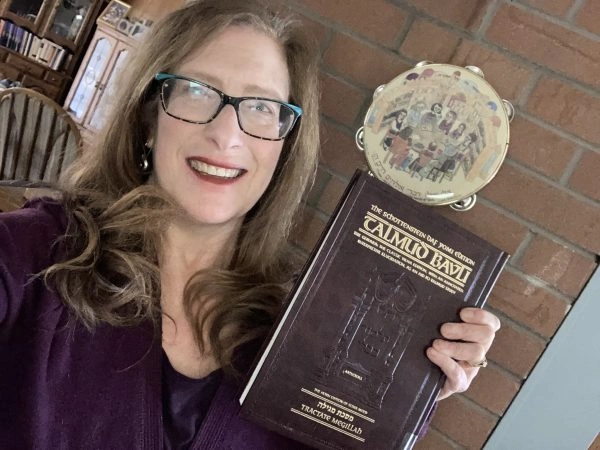
Geri Goldstein got me started learning daf yomi when I was in Israel 2 years ago. It’s been a challenge and I’ve learned a lot though I’m sure I miss a lot. I quilt as I listen and I want to share what I’ve been working on.

Rebecca Stulberg
Rebecca Stulberg

Ottawa, Canada

Attending the Siyyum in Jerusalem 26 months ago inspired me to become part of this community of learners. So many aspects of Jewish life have been illuminated by what we have learned in Seder Moed. My day is not complete without daf Yomi. I am so grateful to Rabbanit Michelle and the Hadran Community.

Nancy Kolodny
Nancy Kolodny

Newton, United States

A Gemara shiur previous to the Hadran Siyum, was the impetus to attend it.It was highly inspirational and I was smitten. The message for me was התלמוד בידינו. I had decided along with my Chahsmonaim group to to do the daf and take it one daf at time- without any expectations at all. There has been a wealth of information, insights and halachik ideas. It is truly exercise of the mind, heart & Soul

Phyllis Hecht.jpeg
Phyllis Hecht

Hashmonaim, Israel

In early 2020, I began the process of a stem cell transplant. The required extreme isolation forced me to leave work and normal life but gave me time to delve into Jewish text study. I did not feel isolated. I began Daf Yomi at the start of this cycle, with family members joining me online from my hospital room. I’ve used my newly granted time to to engage, grow and connect through this learning.

Reena Slovin
Reena Slovin

Worcester, United States

About a year into learning more about Judaism on a path to potential conversion, I saw an article about the upcoming Siyum HaShas in January of 2020. My curiosity was piqued and I immediately started investigating what learning the Daf actually meant. Daily learning? Just what I wanted. Seven and a half years? I love a challenge! So I dove in head first and I’ve enjoyed every moment!!
Nickie Matthews
Nickie Matthews

Blacksburg, United States

Studying has changed my life view on הלכה and יהדות and time. It has taught me bonudaries of the human nature and honesty of our sages in their discourse to try and build a nation of caring people .

Goldie Gilad
Goldie Gilad

Kfar Saba, Israel

See video

Susan Fisher
Susan Fisher

Raanana, Israel

I started learning Dec 2019 after reading “If all the Seas Were Ink”. I found
Daily daf sessions of Rabbanit Michelle in her house teaching, I then heard about the siyum and a new cycle starting wow I am in! Afternoon here in Sydney, my family and friends know this is my sacred time to hide away to live zoom and learn. Often it’s hard to absorb and relate then a gem shines touching my heart.

Dianne Kuchar
Dianne Kuchar

Dover Heights, Australia

Last cycle, I listened to parts of various מסכתות. When the הדרן סיום was advertised, I listened to Michelle on נידה. I knew that בע”ה with the next cycle I was in (ב”נ). As I entered the סיום (early), I saw the signs and was overcome with emotion. I was randomly seated in the front row, and I cried many times that night. My choice to learn דף יומי was affirmed. It is one of the best I have made!

Miriam Tannenbaum
Miriam Tannenbaum

אפרת, Israel

A friend mentioned that she was starting Daf Yomi in January 2020. I had heard of it and thought, why not? I decided to try it – go day by day and not think about the seven plus year commitment. Fast forward today, over two years in and I can’t imagine my life without Daf Yomi. It’s part of my morning ritual. If I have a busy day ahead of me I set my alarm to get up early to finish the day’s daf
Debbie Fitzerman
Debbie Fitzerman

Ontario, Canada

My family recently made Aliyah, because we believe the next chapter in the story of the Jewish people is being written here, and we want to be a part of it. Daf Yomi, on the other hand, connects me BACK, to those who wrote earlier chapters thousands of years ago. So, I feel like I’m living in the middle of this epic story. I’m learning how it all began, and looking ahead to see where it goes!
Tina Lamm
Tina Lamm

Jerusalem, Israel

Studying has changed my life view on הלכה and יהדות and time. It has taught me bonudaries of the human nature and honesty of our sages in their discourse to try and build a nation of caring people .

Goldie Gilad
Goldie Gilad

Kfar Saba, Israel

I started my journey on the day I realized that the Siyum was happening in Yerushalayim and I was missing out. What? I told myself. How could I have not known about this? How can I have missed out on this opportunity? I decided that moment, I would start Daf Yomi and Nach Yomi the very next day. I am so grateful to Hadran. I am changed forever because I learn Gemara with women. Thank you.

Linda Brownstein
Linda Brownstein

Mitspe, Israel

Since I started in January of 2020, Daf Yomi has changed my life. It connects me to Jews all over the world, especially learned women. It makes cooking, gardening, and folding laundry into acts of Torah study. Daf Yomi enables me to participate in a conversation with and about our heritage that has been going on for more than 2000 years.

Shira Eliaser
Shira Eliaser

Skokie, IL, United States

My first Talmud class experience was a weekly group in 1971 studying Taanit. In 2007 I resumed Talmud study with a weekly group I continue learning with. January 2020, I was inspired to try learning Daf Yomi. A friend introduced me to Daf Yomi for Women and Rabbanit Michelle Farber, I have kept with this program and look forward, G- willing, to complete the entire Shas with Hadran.
Lorri Lewis
Lorri Lewis

Palo Alto, CA, United States

Ive been learning Gmara since 5th grade and always loved it. Have always wanted to do Daf Yomi and now with Michelle Farber’s online classes it made it much easier to do! Really enjoying the experience thank you!!

Lisa Lawrence
Lisa Lawrence

Neve Daniel, Israel

I saw an elderly man at the shul kiddush in early March 2020, celebrating the siyyum of masechet brachot which he had been learning with a young yeshiva student. I thought, if he can do it, I can do it! I began to learn masechet Shabbat the next day, Making up masechet brachot myself, which I had missed. I haven’t missed a day since, thanks to the ease of listening to Hadran’s podcast!
Judith Shapiro
Judith Shapiro

Minnesota, United States

I started my Daf Yomi journey at the beginning of the COVID19 pandemic.

Karena Perry
Karena Perry

Los Angeles, United States

Hadran entered my life after the last Siyum Hashaas, January 2020. I was inspired and challenged simultaneously, having never thought of learning Gemara. With my family’s encouragement, I googled “daf yomi for women”. A perfecr fit!
I especially enjoy when Rabbanit Michelle connects the daf to contemporary issues to share at the shabbat table e.g: looking at the Kohen during duchaning. Toda rabba

Marsha Wasserman
Marsha Wasserman

Jerusalem, Israel

I learned daf more off than on 40 years ago. At the beginning of the current cycle, I decided to commit to learning daf regularly. Having Rabanit Michelle available as a learning partner has been amazing. Sometimes I learn with Hadran, sometimes with my husband, and sometimes on my own. It’s been fun to be part of an extended learning community.

Miriam Pollack
Miriam Pollack

Honolulu, Hawaii, United States

Nazir 57

גְּמָ׳ אִיבַּעְיָא לְהוּ: עֶצֶם כִּשְׂעוֹרָה — הֲלָכָה, וּרְבִיעִית דָּם — קַל וָחוֹמֶר, וְאֵין דָּנִין קַל וָחוֹמֶר מֵהֲלָכָה.

GEMARA: A dilemma was raised before the Sages with regard to the halakha transmitted to Moses from Sinai mentioned in the mishna: Is the halakha that a nazirite must shave for a bone that is a barley-grainbulk a halakha transmitted to Moses from Sinai, and it was the status of a quarter-log of blood that Rabbi Akiva sought to derive as an a fortiori inference, and with regard to this claim they said: One does not derive an a fortiori inference from a halakha transmitted to Moses from Sinai?

אוֹ דִלְמָא: רְבִיעִית דָּם — הֲלָכָה, וְעֶצֶם כִּשְׂעוֹרָה — קַל וָחוֹמֶר, וְאֵין דָּנִין קַל וָחוֹמֶר מֵהֲלָכָה? תָּא שְׁמַע: עֶצֶם כִּשְׂעוֹרָה — הֲלָכָה, וּרְבִיעִית דָּם — קַל וָחוֹמֶר, וְאֵין דָּנִין קַל וָחוֹמֶר מֵהֲלָכָה.

Or perhaps the ruling that a quarter-log of blood imparts ritual impurity in a tent is the halakha transmitted to Moses from Sinai, and Rabbi Akiva sought to use the case of a bone that is a barley-grainbulk as the source of an a fortiori inference that a nazirite must shave for a quarter-log as well, to which the Sages replied that one does not derive an a fortiori inference from a halakha transmitted to Moses from Sinai. The Gemara answers: Come and hear the unequivocal statement of a baraita: A bone that is a barley-grainbulk is a halakha, and a quarter-log of blood is an a fortiori inference, and one does not derive an a fortiori inference from a halakha.

הֲדַרַן עֲלָךְ כֹּהֵן גָּדוֹל

שְׁנֵי נְזִירִים שֶׁאָמַר לָהֶן אֶחָד ״רָאִיתִי אֶחָד מִכֶּם שֶׁנִּטְמָא, וְאֵינִי יוֹדֵעַ אֵיזֶה מִכֶּם״ — מְגַלְּחִין, וּמְבִיאִין קׇרְבַּן טוּמְאָה וְקׇרְבַּן טׇהֳרָה. וְאוֹמֵר: אִם אֲנִי הוּא טָמֵא — קׇרְבַּן טוּמְאָה שֶׁלִּי וְקׇרְבַּן טׇהֳרָה שֶׁלְּךָ, וְאִם אֲנִי הוּא הַטָּהוֹר — קׇרְבַּן טׇהֳרָה שֶׁלִּי וְקׇרְבַּן טוּמְאָה שֶׁלְּךָ.

MISHNA: With regard to two nazirites, where one other person said to them: I saw one of you become impure, but I do not know which one of you it was, they must each complete their naziriteship terms, shave their hair, and both together bring an offering of ritual impurity and an offering of purity, due to the uncertainty. And one of them says to the other: If I am the impure one, the offering of impurity is mine and the offering of purity is yours; and if I am the pure one, the offering of purity is mine and the offering of impurity is yours.

וְסוֹפְרִין שְׁלֹשִׁים יוֹם, וּמְבִיאִין קׇרְבַּן טׇהֳרָה, וְאוֹמֵר: אִם אֲנִי הוּא הַטָּמֵא — קׇרְבַּן טוּמְאָה שֶׁלִּי וְקׇרְבַּן טׇהֳרָה שֶׁלְּךָ, וְזֶה קׇרְבַּן טׇהֳרָתִי. וְאִם אֲנִי הוּא הַטָּהוֹר — קׇרְבַּן טׇהֳרָה שֶׁלִּי וְקׇרְבַּן טוּמְאָה שֶׁלְּךָ, וְזֶה קׇרְבַּן טׇהֳרָתְךָ.

And because of the uncertainty they each count a further thirty days of naziriteship and both together bring an offering of purity. And one of them says: If I am the previously impure one, that offering of impurity sacrificed earlier was mine, and the offering of purity was yours; and this offering sacrificed now is my offering of purity. And if I am the previously pure one, the offering of purity brought earlier was mine, and the offering of impurity was yours; and this current offering is your offering of purity.

גְּמָ׳ קָתָנֵי: שְׁנֵי נְזִירִים שֶׁאָמַר לָהֶם ״רָאִיתִי אֶחָד מִכֶּם שֶׁנִּטְמָא, וְאֵינִי יוֹדֵעַ אֵיזֶה מִכֶּם״. וְאַמַּאי? כֹּל סְפֵק טוּמְאָה בִּרְשׁוּת הַיָּחִיד מֵהֵיכָא יָלְפִינַן לֵהּ — מִסּוֹטָה.

GEMARA: The mishna teaches with regard to two nazirites, that if one other person said to them: I saw one of you become impure, but I do not know which one of you it was, they must bring an offering of ritual impurity and an offering of purity. The Gemara expresses surprise at this case: But why should they be defined as having uncertain impurity? After all, the general principle that any uncertain impurity in a private domain is considered impure, from where do we derive this? From the case of a sota.

מָה סוֹטָה, בּוֹעֵל וְנִבְעֶלֶת, אַף כֹּל סְפֵק טוּמְאָה בִּרְשׁוּת הַיָּחִיד, כְּגוֹן דְּאִיכָּא בֵּי תְרֵי. אֲבָל הָכָא, שְׁנֵי נְזִירִים וְהַאי דְּקָאֵי גַּבֵּיהוֹן — הָא תְּלָתָא, הָוֵה לֵיהּ סְפֵק טוּמְאָה בִּרְשׁוּת הָרַבִּים, וְכֹל סְפֵק טוּמְאָה בִּרְשׁוּת הָרַבִּים — סְפֵיקוֹ טָהוֹר!

Yet this situation is not similar to that of a sota, as just as the case of a sota involves only an adulterer and an adulteress, so too any uncertain impurity in a private domain is considered impure only in a case where there are no more than two people present. However, in the mishna here there are two nazirites and this other individual who is standing alongside them, who witnessed one of them become impure, which makes a total of three. Consequently, this is an uncertain impurity in the public domain, as three people are sufficient for the place to be considered a public domain with regard to this halakha, and the halakha with regard to any uncertain impurity in the public domain is that its uncertainty is considered pure.

אָמַר רַבָּה בַּר רַב הוּנָא: בְּאוֹמֵר ״רָאִיתִי טוּמְאָה שֶׁנִּזְרְקָה בֵּינֵיכֶם״. אָמַר רַב אָשֵׁי: דַּיְקָא נָמֵי

Rabba bar Rav Huna said that the mishna is referring to one who says: From a distance I saw an impure item thrown between you. Since he was not with them when one of the nazirites became impure, there were only two people present and therefore this is a case of uncertain impurity in a private domain. Rav Ashi said: The language of the mishna is also precise,

דְּקָתָנֵי ״וְאֵינִי יוֹדֵעַ אֵיזֶה מִכֶּם״. שְׁמַע מִינַּהּ.

as it teaches: But I do not know which one of you. This indicates that the third individual was too far away to detect which of them became impure. The Gemara says: Conclude from the inference from the mishna that it is so.

מְגַלְּחִין וּמְבִיאִין. וְאַמַּאי? דִּילְמָא לָאו טְמֵאִין אִינּוּן, וְקָעָבֵיד הַקָּפָה! אָמַר שְׁמוּאֵל: בְּאִשָּׁה וְקָטָן.

§ The mishna taught that the two nazirites shave and cut their hair and bring an offering of impurity and an offering of purity. The Gemara asks: But why are they permitted to shave? Perhaps both of them are not impure, and therefore one of them violates the prohibition against rounding the head, i.e., shaving the hair on the sides of the head (see Leviticus 19:27), when he shaves his hair unnecessarily. Since one of them does not need to shave, he thereby transgresses a mitzva by Torah law. Shmuel said: The mishna is referring to a case where each nazirite was a woman, who is not prohibited from rounding the hair of her head, or a minor boy, who is not obligated in the observance of mitzvot.

וְלוֹקְמָא בְּגָדוֹל, וְהַקָּפַת כׇּל הָרֹאשׁ — לֹא שְׁמָהּ הַקָּפָה! מִדְּלָא מוֹקֵים לַהּ הָכִי, שְׁמַע מִינַּהּ קָסָבַר שְׁמוּאֵל: הַקָּפַת כׇּל הָרֹאשׁ — שְׁמָהּ הַקָּפָה.

The Gemara analyzes Shmuel’s answer: And let Shmuel establish the mishna as referring to a male who reached majority, and the reason it is permitted is because rounding the entire head, not merely its corners, is not called rounding as prohibited by the Torah. From the fact that he does not establish the mishna in this manner, conclude from it that Shmuel maintains that rounding the entire head is called rounding.

מָר זוּטְרָא מַתְנֵי לַהּ לְהָא שְׁמַעְתָּא דִּשְׁמוּאֵל אַסֵּיפָא: נָזִיר שֶׁהָיָה טָמֵא בְּסָפֵק וּמוּחְלָט בְּסָפֵק — אוֹכֵל בְּקָדָשִׁים לְאַחַר שִׁשִּׁים יוֹם, וּמְגַלֵּחַ אַרְבַּע תִּגְלָחוֹת. וְהָא קָעָבֵיד הַקָּפָה! אָמַר שְׁמוּאֵל: בְּאִשָּׁה וְקָטָן.

Mar Zutra taught this halakha of Shmuel with regard to the latter clause of the following mishna (59b): A nazirite who has uncertain impurity and whose status as a confirmed leper is uncertain may eat sacrificial food after sixty days and shaves four times. One shaving is for his uncertain status as an impure nazirite, one is at the end of his term of naziriteship, and two are due to his status as a leper. A similar problem arose: But as he is not definitely obligated to shave, he violates the prohibition against rounding the head. Shmuel said: The mishna is referring to a woman or a minor boy, who are not prohibited from rounding their heads.

אָמַר רַב הוּנָא: הַמַּקִּיף אֶת הַקָּטָן הֲרֵי הוּא חַיָּיב. אֲמַר לֵיהּ רַב אַדָּא בַּר אַהֲבָה לְרַב הוּנָא: וְדִידָךְ מַאן מְגַלַּח לְהוֹן? אֲמַר לֵיהּ: חוֹבָה. תִּקְבְּרִינּוּן חוֹבָה לִבְנַיהּ. כּוּלְּהוּ שְׁנֵי דְּרַב אַדָּא בַּר אַהֲבָה לָא אִקַּיַּים לֵיהּ זַרְעָא לְרַב הוּנָא.

With regard to the same issue, Rav Huna said: An adult who rounds the head of a minor boy is liable to receive lashes, despite the fact that the child himself is not obligated to observe mitzvot. Rav Adda bar Ahava, who disputed this ruling, said to Rav Huna: And with regard to your sons, who shaves them and rounds the corners of their heads? After all, you maintain that an adult may not round the head of a minor. Rav Huna said to him: Ḥova my wife does it, as she is not prohibited from rounding their heads. Rav Adda bar Ahava exclaimed in anger: Ḥova should bury her sons if she acts in this manner. The Gemara reports: During the years that Rav Adda bar Ahava was alive, Rav Huna’s children did not survive. His children died due to the curse pronounced by Rav Adda.

מִכְּדִי תַּרְוַיְיהוּ סְבִירָא הַקָּפַת כׇּל הָרֹאשׁ שְׁמָהּ הַקָּפָה, בְּמַאי קָמִיפַּלְגִי? רַב הוּנָא, סָבַר ״לֹא תַקִּפוּ פְּאַת רֹאשְׁכֶם וְלֹא תַשְׁחִית [אֵת] פְּאַת זְקָנֶךָ״. כֹּל שֶׁיֵּשׁ לוֹ הַשְׁחָתָה — יֵשׁ לוֹ הַקָּפָה, וְהָנֵי נְשֵׁי, הוֹאִיל וְלֵיתַנְהוּ בְּהַשְׁחָתָה — לֵיתַנְהוּ נָמֵי בְּהַקָּפָה.

The Gemara asks: Since both Rav Huna and Rav Adda maintain that rounding the entire head is called rounding, with regard to what do they disagree? What is the reason for their respective rulings? The Gemara explains: Rav Huna, who prohibits an adult male from rounding the head of a minor but permits a woman to do so, maintains that the association between the two prohibitions in the verse: “You shall not round the corners of your heads, neither shall you destroy the corners of your beard” (Leviticus 19:27), teaches: Whoever has the prohibition of the destruction of the beard also has the prohibition of rounding. And these women, since they are not included in the prohibition of destruction, as they do not have beards, they are not included in the prohibition of rounding either.

וְרַב אַדָּא בַּר אַהֲבָה סָבַר: אֶחָד הַמַּקִּיף וְאֶחָד הַנִּיקָּף בַּמַּשְׁמָע. וְאִיתַּקַּשׁ מַקִּיף לְנִיקָּף: כׇּל הֵיכָא דְּנִיקַּף מִיחַיַּיב — מַקִּיף נָמֵי מִיחַיַּיב. וְהַאי קָטָן, הוֹאִיל וְהוּא גּוּפֵיהּ לָאו בַּר עוּנְשִׁין הוּא דְּמִיחַיַּיב, מַקִּיף נָמֵי לָא מִיחַיַּיב.

And Rav Adda bar Ahava, who permits anyone to shave a minor boy’s head, maintains: Both one who rounds and one who is rounded are included in the phrase “you shall not round,” which is stated in the plural. And in this manner the verse juxtaposes one who rounds to one who is rounded: Wherever one who is rounded is liable, the one who rounds is also liable; and with regard to this minor boy, since he himself is not liable to be punished for this transgression, an adult who rounds his head is also not liable due to this action.

לֵימָא הַקָּפַת כׇּל הָרֹאשׁ תַּנָּאֵי הִיא, דְּתָנוּ רַבָּנַן: ״רֹאשׁוֹ״, מָה תַּלְמוּד לוֹמַר? לְפִי שֶׁנֶּאֱמַר ״לֹא תַקִּפוּ פְּאַת רֹאשְׁכֶם״,

The Gemara asks: Shall we say that the issue of whether one who rounds the entire head is considered to have rounded its corners is a dispute between tanna’im? As the Sages taught in a baraita, with regard to a verse that deals with the shaving of a leper: “He shall shave all his hair; his head and his beard and his eyebrows, even all his hair he shall shave off” (Leviticus 14:9). Why must the verse state: “His head,” after it has already stated: “All his hair”? The baraita explains that since it is stated: “You shall not round the corners of your heads” (Leviticus 19:27),

Want to follow content and continue where you left off?

Create an account today to track your progress, mark what you’ve learned, and follow the shiurim that speak to you.

Clear all items from this list?

This will remove ALL the items in this section. You will lose any progress or history connected to them. This is irreversible.

Cancel
Yes, clear all

Are you sure you want to delete this item?

You will lose any progress or history connected to this item.

Cancel
Yes, delete