Search

Nedarim 14

Want to dedicate learning? Get started here:

English
עברית
podcast placeholder

0:00
0:00


podcast placeholder

0:00
0:00


Summary

Today’s daf is sponsored by Art Gould for the refuah shleima of his wife, Carol Robinson, Karina Gola bat Huddah. “This is dedicated to the healing of my beloved wife and in gratitude to our Hadran family for all the notes and messages of support and in general just holding us in their hearts as we go through this difficult period.”

The Gemara gives two explanations as to how the Mishna can be explained according to Rabbi Yehuda’s opinion, but the second explanation is rejected. What is the source of the halacha that one can take a vow by attaching it to another vowed item, but not a forbidden item? Why is it not possible to learn from the same verse to also include a forbidden item? The Mishna stated that the one who vows that he will not benefit from his wife with the words “She is forbidden to be like my mother” should be strict and undo the vow. But this is contradicted by an express braita. Abaye and Raba each resolve this in a different manner. Raba distinguished between a Torah scholar and an am haaeretz. Proof that the law sometimes distinguishes between these groups and requires annulling a vow only for an am haaretz can be learned from a braita about one who takes a vow on a Torah. The Gemara brings the braita in its entirety and discusses a difficulty with one of the lines of the braita and brings three resolutions. The Mishna says that one who says a vow not to sleep or not to talk or not to walk, must keep the vow. This Mishna will be further explained in Nedarim 15. The Gemara brings a dispute between Rav Yehuda in the name of Rav and Rav Nachman regarding one who said “I vow (konam) my eyes not to sleep today if I sleep tomorrow.” Are they allowed to sleep today, and we will assume they will be careful tomorrow not to sleep so as not the break his vow, or do we tell them they cannot sleep today so that if they sleep tomorrow, the vow will not be broken? In the event that the declaration was said in the opposite direction  “My eyes will be konam to sleep tomorrow if I sleep today” both agree that one need not be careful not to sleep today as the fulfillment of the vow is tomorrow and that we can assume people will be careful about. Whereas in the previous case, it was only fulfillment of the condition that was tomorrow and that, perhaps, people are less careful about.

Today’s daily daf tools:

Nedarim 14

לָאו אַתָּה שׁוֹמֵעַ הֵן! וְאֶלָּא רַבִּי יְהוּדָה, הַיְינוּ רֵישָׁא!

a negative statement you can infer a positive statement? How then can it be inferred that it should be like an offering? And if it is rather the opinion of Rabbi Yehuda, who disagrees with Rabbi Meir in this matter, the ruling of the mishna is superfluous, as this is identical to the ruling of the mishna in the first clause. The mishna above (10b) already established that a vow that uses the term laḥullin takes effect.

אַיְּידֵי דְּקָתָנֵי ״כִּבְשַׂר חֲזִיר״, ״כַּעֲבוֹדָה זָרָה״, לְהָכִי קָתָנֵי ״חוּלִּין״.

The Gemara answers: The ruling is superfluous. However, since the mishna teaches that the vow does not take effect when he says that the food will be like pig meat or like an object of idol worship, it therefore teaches incidentally that this ruling also applies when he says that it will be non-sacred.

רָבִינָא אָמַר: הָכִי קָתָנֵי, וְאֵלּוּ מוּתָּרִין: ״כְּחוּלִּין״, ״כִּבְשַׂר חֲזִיר״, ״כַּעֲבוֹדָה זָרָה״. וְאִי לָא תְּנָא חוּלִּין, הֲוָה אָמֵינָא בָּעֵי שְׁאֵלָה.

Ravina said that this is what the mishna is teaching: And these are the vows that do not take effect at all and therefore the item mentioned in the vow remains permitted: One who said that a certain item will be like non-sacred food, or like pig meat, or like an object of idol worship. And if it did not teach the case of non-sacred food, I would say that although the vow does not take effect, it still requires, by rabbinic law, a request to a halakhic authority for its dissolution.

וּמִי אִיכָּא לְאַסּוֹקֵי עַל דַּעְתָּא הָכִי? הָא מִדְּקָתָנֵי סֵיפָא: הָאוֹמֵר לְאִשְׁתּוֹ ״הֲרֵי אַתְּ עָלַי כְּאִימָּא״ — פּוֹתְחִין לוֹ פֶּתַח מִמָּקוֹם אַחֵר, מִכְּלָל דְּרֵישָׁא לָא בָּעֲיָא שְׁאֵלָה! אֶלָּא מְחַוַּורְתָּא, חוּלִּין מִמֵּילָא נַסְבַהּ.

The Gemara asks: But is there any reason to consider this interpretation? But from the fact that the latter clause teaches with regard to a man who says to his wife: You are hereby to me like my mother, that dissolution is broached with him by suggesting a different extenuation, it may be inferred that the vow in the first clause does not necessitate a request to a halakhic authority. Rather, the interpretation of Ravina must be rejected, and it is clear that the case of non-sacred food was cited tangentially to the other cases in the mishna.

מְנָהָנֵי מִילֵּי? אָמַר קְרָא: ״אִישׁ כִּי יִדֹּר נֶדֶר לַה׳״ — עַד שֶׁיִּדּוֹר בְּדָבָר הַנָּדוּר.

§ With regard to the principle that a prohibition cannot be created by associating a permitted item with one forbidden by Torah law, the Gemara asks: From where is this matter derived? The Gemara answers that the verse states: “When a man takes a vow to the Lord” (Numbers 30:3), which indicates that a vow does not take effect until one takes a vow by associating the status of an item that is forbidden by means of a vow with another item. If the item one is using to create the prohibition is forbidden by Torah law, the vow does not take effect.

אִי הָכִי, אֲפִילּוּ בְּדָבָר הָאָסוּר נָמֵי, דְּהָא כְּתִיב ״לֶאְסֹר אִסָּר עַל נַפְשׁוֹ״! ״לֶאְסֹר אִסָּר״ מִבְּעֵי לֵיהּ לְכִדְתַנְיָא: אֵיזֶהוּ אִיסָּר הָאָמוּר בַּתּוֹרָה כּוּ׳.

The Gemara asks: If so, then even if the item in the vow is associated with an item forbidden by Torah law, the vow should also take effect, as following that phrase in the verse it is written: “To bind his soul with a bond [issar],” which indicates that the association can be with an item forbidden [asur] by Torah law. The Gemara answers: The phrase “To bind his soul with a bond” is necessary for that which is taught in a baraita (12a): What is the bond mentioned in the Torah. The baraita derives from this phrase that a vow that associates the relevant item with an item whose prohibition was created by a pre-existing vow takes effect, but one whose prohibition is by Torah law does not take effect.

הָאוֹמֵר לְאִשְׁתּוֹ הֲרֵי אַתְּ כְּאִימָּא כּוּ׳. וּרְמִינְהוּ: הֲרֵי אַתְּ עָלַי כִּבְשַׂר אִימָּא, כִּבְשַׂר אֲחוֹתִי, כְּעׇרְלָה, וּכְכִלְאֵי הַכֶּרֶם — לֹא אָמַר כְּלוּם!

§ It is stated in the mishna that with regard to a man who says to his wife: You are hereby to me like my mother, dissolution is broached with him suggesting a different extenuation, i.e., by rabbinic law it is treated like an actual vow and it requires dissolution by a halakhic authority. The Gemara raises a contradiction from a baraita that states that if a man says to his wife: You are hereby to me like the flesh of my mother, or like the flesh of my sister, or like the fruit of a tree during the first three years after its planting [orla], or like forbidden mixtures of diverse kinds planted in a vineyard, all forbidden items, he has said nothing. This indicates that he does not even have to make a request to a halakhic authority.

אָמַר אַבָּיֵי: לֹא אָמַר כְּלוּם מִדְּאוֹרָיְיתָא, וְצָרִיךְ שְׁאֵלָה מִדְּרַבָּנַן. רָבָא אָמַר: הָא בְּתַלְמִידֵי חֲכָמִים, הָא בְּעַם הָאָרֶץ.

Abaye said: He has said nothing by Torah law, as the vow does not take effect. However, he needs to make a request to a halakhic authority by rabbinic law. Rava said: That baraita is referring to Torah scholars, who are aware that this vow does not take effect. This mishna, on the other hand, is referring to an ignoramus, with regard to whom a rabbinic ordinance is necessary lest they take vows lightly.

וְהָתַנְיָא: הַנּוֹדֵר בַּתּוֹרָה — לֹא אָמַר כְּלוּם. וְאָמַר רַבִּי יוֹחָנָן: וְצָרִיךְ שְׁאֵלָה לְחָכָם. וְאָמַר רַב נַחְמָן: וְתַלְמִיד חָכָם אֵינוֹ צָרִיךְ שְׁאֵלָה.

The Gemara comments: And it is taught in a baraita: One who takes a vow by associating an item with a Torah scroll has not said anything, i.e., the vow does not take effect. And Rabbi Yoḥanan said: But nevertheless, he needs to make a request to a halakhic authority for dissolution of the vow. And Rav Naḥman said: And if he is a Torah scholar he does not need to make a request. The postulation of Rava, which states that with regard to some vows that do not take effect it is necessary to make a request to a halakhic authority only if they are taken by an ignoramus, can be seen from here.

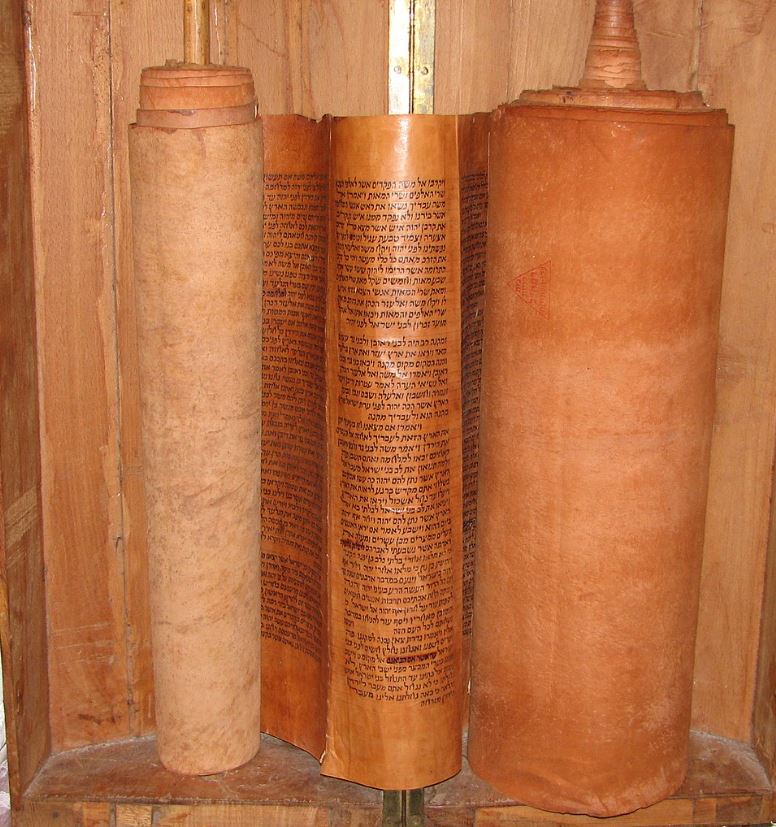
תַּנְיָא: הַנּוֹדֵר בַּתּוֹרָה — לֹא אָמַר כְּלוּם. בְּמַה שֶּׁכָּתוּב בָּהּ — דְּבָרָיו קַיָּימִין. בָּהּ וּבְמַה שֶּׁכָּתוּב בָּהּ — דְּבָרָיו קַיָּימִין.

§ It is taught in a baraita: One who takes a vow by associating an item with a Torah scroll has not said anything, and the vow does not take effect. However, he associates the item with what is written in the Torah scroll, his statement is upheld. Since the name of God is written in the Torah, he has invoked God’s name in his vow. If he associates the item with it and with what is written in it, his statement is upheld.

קָתָנֵי ״בְּמַה שֶּׁכָּתוּב בָּהּ״ — דְּבָרָיו קַיָּימִין, ״בָּהּ וּבְמַה שֶּׁכָּתוּב בָּהּ״ — צְרִיךְ לְמֵימַר?

The Gemara asks: It is taught that if he associates the item with what is written in the Torah scroll, his statement is upheld. Need it be said that the halakha is the same if he associates the item with it and with what is written in it? That is obvious.

אָמַר רַב נַחְמָן, לָא קַשְׁיָא: הָא — דְּמַחֲתָא אוֹרָיְיתָא אַאַרְעָא, הָא — דְּנָקֵיט לַהּ בִּידֵיהּ. מַחֲתָא עַל אַרְעָא — דַּעְתֵּיהּ אַגְּוִילֵי. נָקֵט לַהּ בִּידֵיהּ — דַּעְתֵּיהּ עַל הָאַזְכָּרוֹת שֶׁבָּהּ.

Rav Naḥman said: This is not difficult. This case, in which the item is associated with it and with what is written in it, is referring to where the Torah scroll is placed on the ground, while that case, in which the item is associated with what is written in it, is referring to where he is holding it in his hands. If it is placed on the ground, whether one mentions the Torah scroll or what is written in it, his thoughts are concerning the parchment, i.e., the physical scroll, as he naturally assumes that since the scroll is placed on the ground, the parchment must be blank. Therefore, the vow takes effect only if he mentions both it and what is written in it, indicating that he is aware that it is a Torah scroll. However, where he is holding it in his hands and associates the item with what is written in it, his thoughts are concerning the mentions [azkarot] of the name of God that are in it, and the vow takes effect.

וְאִיבָּעֵית אֵימָא: דְּמַחֲתָא עַל אַרְעָא. וְהָא קָא מַשְׁמַע לַן, דְּאַף עַל גַּב דְּמַחֲתָא עַל אַרְעָא — כֵּיוָן דְּאָמַר ״בְּמַה שֶּׁכָּתוּב בָּהּ״ מַהֲנֵי. וְזוֹ וְאֵין צָרִיךְ לוֹמַר זוֹ קָתָנֵי.

And if you wish, say instead that the entire baraita is referring to a case where it is placed on the ground, and this middle clause of: With what is written in the Torah scroll, teaches us that even though it is placed on the ground, since he said: With what is written in it, it is an effective vow, as he was clearly referring to the names of God. And the tanna of the baraita teaches employing the style: This, and it is unnecessary to say that. The baraita teaches the halakha where he said: What is written in it, which has a novel element, and then states a more obvious ruling, i.e., it goes without saying that if he associates the item with it and with what is written in it, the vow takes effect.

וְאִי בָּעֵית אֵימָא: כּוּלָּהּ מְצִיעֲתָא נָמֵי דְּנָקֵיט לֵיהּ בִּידֵיהּ. וְהָא קָא מַשְׁמַע לַן: כֵּיוָן דְּנָקֵיט לֵיהּ בִּידֵיהּ, אַף עַל גַּב דְּלָא אָמַר אֶלָּא ״בָּהּ״ — כְּמַאן דְּאָמַר ״בְּמַה שֶּׁכָּתוּב בָּהּ״ דָּמֵי.

And if you wish, say instead that the entire middle clause, i.e., the latter clause, where he associates the item with it and with what is written in it, is referring to a case where he is holding the Torah scroll in his hands. And the baraita teaches us this: Since he is holding it in his hands, even though he said only: With the Torah scroll, and did not explicitly state: With what is written in it, he is considered to be like one who said: With what is written in it. Therefore, the item is prohibited.

מַתְנִי׳ ״קֻוֽנָּם שֶׁאֲנִי יָשֵׁן״, ״שֶׁאֲנִי מְדַבֵּר״, ״שֶׁאֲנִי מְהַלֵּךְ״, הָאוֹמֵר לְאִשָּׁה ״קֻוֽנָּם שֶׁאֲנִי מְשַׁמְּשֵׁךְ״ — הֲרֵי זֶה בְּ״לֹא יַחֵל דְּבָרוֹ״.

MISHNA: With regard to one who says: Sleeping is forbidden for me as if it were an offering [konam], thereby prohibiting himself from sleeping; or: Speaking is konam for me; or: Walking is konam for me; or one who says to his wife: Engaging in sexual intercourse with you is konam for me, if he violates the vow he is in violation of the prohibition “He shall not profane his word” (Numbers 30:3).

גְּמָ׳ אִיתְּמַר: ״קֻוֽנָּם עֵינַי בְּשֵׁינָה הַיּוֹם אִם אִישַׁן לְמָחָר״, אָמַר רַב יְהוּדָה אָמַר רַב: אַל יִשַׁן הַיּוֹם, שֶׁמָּא יִשַׁן לְמָחָר. וְרַב נַחְמָן אָמַר: יִשַׁן הַיּוֹם, וְלָא חָיְישִׁינַן שֶׁמָּא יִשַׁן לְמָחָר. וּמוֹדֶה רַב יְהוּדָה בְּאוֹמֵר ״קֻוֽנָּם עֵינַי בְּשֵׁינָה לְמָחָר אִם אִישַׁן הַיּוֹם״, שֶׁיִּשַׁן הַיּוֹם.

GEMARA: It was stated that with regard to one who says: Sleeping is konam for my eyes today if I will sleep tomorrow, Rav Yehuda said that Rav said: He may not sleep today, lest he sleep tomorrow and thereby cause the vow to have been violated today, retroactively. And Rav Naḥman said: He may sleep today, as there is currently no prohibition, and we are not concerned that he will perhaps sleep tomorrow, as he will be careful not to sleep. And Rav Yehuda concedes that in a case where he says: Sleeping is konam for my eyes tomorrow if I sleep today, he may sleep today.

Today’s daily daf tools:

Delve Deeper

Broaden your understanding of the topics on this daf with classes and podcasts from top women Talmud scholars.

For the Beyond the Daf shiurim offered in Hebrew, see here.

New to Talmud?

Check out our resources designed to help you navigate a page of Talmud – and study at the pace, level and style that fits you. 

The Hadran Women’s Tapestry

Meet the diverse women learning Gemara at Hadran and hear their stories. 

I started learning Daf Yomi inspired by תָּפַסְתָּ מְרוּבֶּה לֹא תָּפַסְתָּ, תָּפַסְתָּ מוּעָט תָּפַסְתָּ. I thought I’d start the first page, and then see. I was swept up into the enthusiasm of the Hadran Siyum, and from there the momentum kept building. Rabbanit Michelle’s shiur gives me an anchor, a connection to an incredible virtual community, and an energy to face whatever the day brings.

Medinah Korn
Medinah Korn

בית שמש, Israel

I had tried to start after being inspired by the hadran siyum, but did not manage to stick to it. However, just before masechet taanit, our rav wrote a message to the shul WhatsApp encouraging people to start with masechet taanit, so I did! And this time, I’m hooked! I listen to the shiur every day , and am also trying to improve my skills.

Laura Major
Laura Major

Yad Binyamin, Israel

See video

Susan Fisher
Susan Fisher

Raanana, Israel

I tried Daf Yomi in the middle of the last cycle after realizing I could listen to Michelle’s shiurim online. It lasted all of 2 days! Then the new cycle started just days before my father’s first yahrzeit and my youngest daughter’s bat mitzvah. It seemed the right time for a new beginning. My family, friends, colleagues are immensely supportive!

Catriella-Freedman-jpeg
Catriella Freedman

Zichron Yaakov, Israel

Having never learned Talmud before, I started Daf Yomi in hopes of connecting to the Rabbinic tradition, sharing a daily idea on Instagram (@dafyomiadventures). With Hadran and Sefaria, I slowly gained confidence in my skills and understanding. Now, part of the Pardes Jewish Educators Program, I can’t wait to bring this love of learning with me as I continue to pass it on to my future students.

Hannah-G-pic
Hannah Greenberg

Pennsylvania, United States

I started learning daf yomi at the beginning of this cycle. As the pandemic evolved, it’s been so helpful to me to have this discipline every morning to listen to the daf podcast after I’ve read the daf; learning about the relationships between the rabbis and the ways they were constructing our Jewish religion after the destruction of the Temple. I’m grateful to be on this journey!

Mona Fishbane
Mona Fishbane

Teaneck NJ, United States

In July, 2012 I wrote for Tablet about the first all women’s siyum at Matan in Jerusalem, with 100 women. At the time, I thought, I would like to start with the next cycle – listening to a podcast at different times of day makes it possible. It is incredible that after 10 years, so many women are so engaged!

Beth Kissileff
Beth Kissileff

Pittsburgh, United States

I read Ilana Kurshan’s “If All the Seas Were Ink” which inspired me. Then the Women’s Siyum in Jerusalem in 2020 convinced me, I knew I had to join! I have loved it- it’s been a constant in my life daily, many of the sugiyot connect to our lives. My family and friends all are so supportive. It’s incredible being part of this community and love how diverse it is! I am so excited to learn more!

Shira Jacobowitz
Shira Jacobowitz

Jerusalem, Israel

3 years ago, I joined Rabbanit Michelle to organize the unprecedented Siyum HaShas event in Jerusalem for thousands of women. The whole experience was so inspiring that I decided then to start learning the daf and see how I would go…. and I’m still at it. I often listen to the Daf on my bike in mornings, surrounded by both the external & the internal beauty of Eretz Yisrael & Am Yisrael!

Lisa Kolodny
Lisa Kolodny

Raanana, Israel

I started Daf during the pandemic. I listened to a number of podcasts by various Rebbeim until one day, I discovered Rabbanit Farbers podcast. Subsequently I joined the Hadran family in Eruvin. Not the easiest place to begin, Rabbanit Farber made it all understandable and fun. The online live group has bonded together and have really become a supportive, encouraging family.

Leah Goldford
Leah Goldford

Edmonton, Alberta, Canada

After experiences over the years of asking to join gemara shiurim for men and either being refused by the maggid shiur or being the only women there, sometimes behind a mechitza, I found out about Hadran sometime during the tail end of Masechet Shabbat, I think. Life has been much better since then.

Madeline Cohen
Madeline Cohen

London, United Kingdom

I started learning at the beginning of this cycle more than 2 years ago, and I have not missed a day or a daf. It’s been challenging and enlightening and even mind-numbing at times, but the learning and the shared experience have all been worth it. If you are open to it, there’s no telling what might come into your life.

Patti Evans
Patti Evans

Phoenix, Arizona, United States

Jill Shames
Jill Shames

Jerusalem, Israel

Inspired by Hadran’s first Siyum ha Shas L’Nashim two years ago, I began daf yomi right after for the next cycle. As to this extraordinary journey together with Hadran..as TS Eliot wrote “We must not cease from exploration and the end of all our exploring will be to arrive where we began and to know the place for the first time.

Susan Handelman
Susan Handelman

Jerusalem, Israel

After enthusing to my friend Ruth Kahan about how much I had enjoyed remote Jewish learning during the earlier part of the pandemic, she challenged me to join her in learning the daf yomi cycle. I had always wanted to do daf yomi but now had no excuse. The beginning was particularly hard as I had never studied Talmud but has become easier, as I have gained some familiarity with it.

Susan-Vishner-Hadran-photo-scaled
Susan Vishner

Brookline, United States

Since I started in January of 2020, Daf Yomi has changed my life. It connects me to Jews all over the world, especially learned women. It makes cooking, gardening, and folding laundry into acts of Torah study. Daf Yomi enables me to participate in a conversation with and about our heritage that has been going on for more than 2000 years.

Shira Eliaser
Shira Eliaser

Skokie, IL, United States

I began to learn this cycle of Daf Yomi after my husband passed away 2 1/2 years ago. It seemed a good way to connect to him. Even though I don’t know whether he would have encouraged women learning Gemara, it would have opened wonderful conversations. It also gives me more depth for understanding my frum children and grandchildren. Thank you Hadran and Rabbanit Michelle Farber!!

Harriet Hartman
Harriet Hartman

Tzur Hadassah, Israel

With Rabbanit Dr. Naomi Cohen in the Women’s Talmud class, over 30 years ago. It was a “known” class and it was accepted, because of who taught. Since then I have also studied with Avigail Gross-Gelman and Dr. Gabriel Hazut for about a year). Years ago, in a shiur in my shul, I did know about Persians doing 3 things with their clothes on. They opened the shiur to woman after that!

Sharon Mink
Sharon Mink

Haifa, Israel

Hadran entered my life after the last Siyum Hashaas, January 2020. I was inspired and challenged simultaneously, having never thought of learning Gemara. With my family’s encouragement, I googled “daf yomi for women”. A perfecr fit!
I especially enjoy when Rabbanit Michelle connects the daf to contemporary issues to share at the shabbat table e.g: looking at the Kohen during duchaning. Toda rabba

Marsha Wasserman
Marsha Wasserman

Jerusalem, Israel

I started learning Jan 2020 when I heard the new cycle was starting. I had tried during the last cycle and didn’t make it past a few weeks. Learning online from old men didn’t speak to my soul and I knew Talmud had to be a soul journey for me. Enter Hadran! Talmud from Rabbanit Michelle Farber from a woman’s perspective, a mother’s perspective and a modern perspective. Motivated to continue!

Keren Carter
Keren Carter

Brentwood, California, United States

Nedarim 14

לָאו אַתָּה שׁוֹמֵעַ הֵן! וְאֶלָּא רַבִּי יְהוּדָה, הַיְינוּ רֵישָׁא!

a negative statement you can infer a positive statement? How then can it be inferred that it should be like an offering? And if it is rather the opinion of Rabbi Yehuda, who disagrees with Rabbi Meir in this matter, the ruling of the mishna is superfluous, as this is identical to the ruling of the mishna in the first clause. The mishna above (10b) already established that a vow that uses the term laḥullin takes effect.

אַיְּידֵי דְּקָתָנֵי ״כִּבְשַׂר חֲזִיר״, ״כַּעֲבוֹדָה זָרָה״, לְהָכִי קָתָנֵי ״חוּלִּין״.

The Gemara answers: The ruling is superfluous. However, since the mishna teaches that the vow does not take effect when he says that the food will be like pig meat or like an object of idol worship, it therefore teaches incidentally that this ruling also applies when he says that it will be non-sacred.

רָבִינָא אָמַר: הָכִי קָתָנֵי, וְאֵלּוּ מוּתָּרִין: ״כְּחוּלִּין״, ״כִּבְשַׂר חֲזִיר״, ״כַּעֲבוֹדָה זָרָה״. וְאִי לָא תְּנָא חוּלִּין, הֲוָה אָמֵינָא בָּעֵי שְׁאֵלָה.

Ravina said that this is what the mishna is teaching: And these are the vows that do not take effect at all and therefore the item mentioned in the vow remains permitted: One who said that a certain item will be like non-sacred food, or like pig meat, or like an object of idol worship. And if it did not teach the case of non-sacred food, I would say that although the vow does not take effect, it still requires, by rabbinic law, a request to a halakhic authority for its dissolution.

וּמִי אִיכָּא לְאַסּוֹקֵי עַל דַּעְתָּא הָכִי? הָא מִדְּקָתָנֵי סֵיפָא: הָאוֹמֵר לְאִשְׁתּוֹ ״הֲרֵי אַתְּ עָלַי כְּאִימָּא״ — פּוֹתְחִין לוֹ פֶּתַח מִמָּקוֹם אַחֵר, מִכְּלָל דְּרֵישָׁא לָא בָּעֲיָא שְׁאֵלָה! אֶלָּא מְחַוַּורְתָּא, חוּלִּין מִמֵּילָא נַסְבַהּ.

The Gemara asks: But is there any reason to consider this interpretation? But from the fact that the latter clause teaches with regard to a man who says to his wife: You are hereby to me like my mother, that dissolution is broached with him by suggesting a different extenuation, it may be inferred that the vow in the first clause does not necessitate a request to a halakhic authority. Rather, the interpretation of Ravina must be rejected, and it is clear that the case of non-sacred food was cited tangentially to the other cases in the mishna.

מְנָהָנֵי מִילֵּי? אָמַר קְרָא: ״אִישׁ כִּי יִדֹּר נֶדֶר לַה׳״ — עַד שֶׁיִּדּוֹר בְּדָבָר הַנָּדוּר.

§ With regard to the principle that a prohibition cannot be created by associating a permitted item with one forbidden by Torah law, the Gemara asks: From where is this matter derived? The Gemara answers that the verse states: “When a man takes a vow to the Lord” (Numbers 30:3), which indicates that a vow does not take effect until one takes a vow by associating the status of an item that is forbidden by means of a vow with another item. If the item one is using to create the prohibition is forbidden by Torah law, the vow does not take effect.

אִי הָכִי, אֲפִילּוּ בְּדָבָר הָאָסוּר נָמֵי, דְּהָא כְּתִיב ״לֶאְסֹר אִסָּר עַל נַפְשׁוֹ״! ״לֶאְסֹר אִסָּר״ מִבְּעֵי לֵיהּ לְכִדְתַנְיָא: אֵיזֶהוּ אִיסָּר הָאָמוּר בַּתּוֹרָה כּוּ׳.

The Gemara asks: If so, then even if the item in the vow is associated with an item forbidden by Torah law, the vow should also take effect, as following that phrase in the verse it is written: “To bind his soul with a bond [issar],” which indicates that the association can be with an item forbidden [asur] by Torah law. The Gemara answers: The phrase “To bind his soul with a bond” is necessary for that which is taught in a baraita (12a): What is the bond mentioned in the Torah. The baraita derives from this phrase that a vow that associates the relevant item with an item whose prohibition was created by a pre-existing vow takes effect, but one whose prohibition is by Torah law does not take effect.

הָאוֹמֵר לְאִשְׁתּוֹ הֲרֵי אַתְּ כְּאִימָּא כּוּ׳. וּרְמִינְהוּ: הֲרֵי אַתְּ עָלַי כִּבְשַׂר אִימָּא, כִּבְשַׂר אֲחוֹתִי, כְּעׇרְלָה, וּכְכִלְאֵי הַכֶּרֶם — לֹא אָמַר כְּלוּם!

§ It is stated in the mishna that with regard to a man who says to his wife: You are hereby to me like my mother, dissolution is broached with him suggesting a different extenuation, i.e., by rabbinic law it is treated like an actual vow and it requires dissolution by a halakhic authority. The Gemara raises a contradiction from a baraita that states that if a man says to his wife: You are hereby to me like the flesh of my mother, or like the flesh of my sister, or like the fruit of a tree during the first three years after its planting [orla], or like forbidden mixtures of diverse kinds planted in a vineyard, all forbidden items, he has said nothing. This indicates that he does not even have to make a request to a halakhic authority.

אָמַר אַבָּיֵי: לֹא אָמַר כְּלוּם מִדְּאוֹרָיְיתָא, וְצָרִיךְ שְׁאֵלָה מִדְּרַבָּנַן. רָבָא אָמַר: הָא בְּתַלְמִידֵי חֲכָמִים, הָא בְּעַם הָאָרֶץ.

Abaye said: He has said nothing by Torah law, as the vow does not take effect. However, he needs to make a request to a halakhic authority by rabbinic law. Rava said: That baraita is referring to Torah scholars, who are aware that this vow does not take effect. This mishna, on the other hand, is referring to an ignoramus, with regard to whom a rabbinic ordinance is necessary lest they take vows lightly.

וְהָתַנְיָא: הַנּוֹדֵר בַּתּוֹרָה — לֹא אָמַר כְּלוּם. וְאָמַר רַבִּי יוֹחָנָן: וְצָרִיךְ שְׁאֵלָה לְחָכָם. וְאָמַר רַב נַחְמָן: וְתַלְמִיד חָכָם אֵינוֹ צָרִיךְ שְׁאֵלָה.

The Gemara comments: And it is taught in a baraita: One who takes a vow by associating an item with a Torah scroll has not said anything, i.e., the vow does not take effect. And Rabbi Yoḥanan said: But nevertheless, he needs to make a request to a halakhic authority for dissolution of the vow. And Rav Naḥman said: And if he is a Torah scholar he does not need to make a request. The postulation of Rava, which states that with regard to some vows that do not take effect it is necessary to make a request to a halakhic authority only if they are taken by an ignoramus, can be seen from here.

תַּנְיָא: הַנּוֹדֵר בַּתּוֹרָה — לֹא אָמַר כְּלוּם. בְּמַה שֶּׁכָּתוּב בָּהּ — דְּבָרָיו קַיָּימִין. בָּהּ וּבְמַה שֶּׁכָּתוּב בָּהּ — דְּבָרָיו קַיָּימִין.

§ It is taught in a baraita: One who takes a vow by associating an item with a Torah scroll has not said anything, and the vow does not take effect. However, he associates the item with what is written in the Torah scroll, his statement is upheld. Since the name of God is written in the Torah, he has invoked God’s name in his vow. If he associates the item with it and with what is written in it, his statement is upheld.

קָתָנֵי ״בְּמַה שֶּׁכָּתוּב בָּהּ״ — דְּבָרָיו קַיָּימִין, ״בָּהּ וּבְמַה שֶּׁכָּתוּב בָּהּ״ — צְרִיךְ לְמֵימַר?

The Gemara asks: It is taught that if he associates the item with what is written in the Torah scroll, his statement is upheld. Need it be said that the halakha is the same if he associates the item with it and with what is written in it? That is obvious.

אָמַר רַב נַחְמָן, לָא קַשְׁיָא: הָא — דְּמַחֲתָא אוֹרָיְיתָא אַאַרְעָא, הָא — דְּנָקֵיט לַהּ בִּידֵיהּ. מַחֲתָא עַל אַרְעָא — דַּעְתֵּיהּ אַגְּוִילֵי. נָקֵט לַהּ בִּידֵיהּ — דַּעְתֵּיהּ עַל הָאַזְכָּרוֹת שֶׁבָּהּ.

Rav Naḥman said: This is not difficult. This case, in which the item is associated with it and with what is written in it, is referring to where the Torah scroll is placed on the ground, while that case, in which the item is associated with what is written in it, is referring to where he is holding it in his hands. If it is placed on the ground, whether one mentions the Torah scroll or what is written in it, his thoughts are concerning the parchment, i.e., the physical scroll, as he naturally assumes that since the scroll is placed on the ground, the parchment must be blank. Therefore, the vow takes effect only if he mentions both it and what is written in it, indicating that he is aware that it is a Torah scroll. However, where he is holding it in his hands and associates the item with what is written in it, his thoughts are concerning the mentions [azkarot] of the name of God that are in it, and the vow takes effect.

וְאִיבָּעֵית אֵימָא: דְּמַחֲתָא עַל אַרְעָא. וְהָא קָא מַשְׁמַע לַן, דְּאַף עַל גַּב דְּמַחֲתָא עַל אַרְעָא — כֵּיוָן דְּאָמַר ״בְּמַה שֶּׁכָּתוּב בָּהּ״ מַהֲנֵי. וְזוֹ וְאֵין צָרִיךְ לוֹמַר זוֹ קָתָנֵי.

And if you wish, say instead that the entire baraita is referring to a case where it is placed on the ground, and this middle clause of: With what is written in the Torah scroll, teaches us that even though it is placed on the ground, since he said: With what is written in it, it is an effective vow, as he was clearly referring to the names of God. And the tanna of the baraita teaches employing the style: This, and it is unnecessary to say that. The baraita teaches the halakha where he said: What is written in it, which has a novel element, and then states a more obvious ruling, i.e., it goes without saying that if he associates the item with it and with what is written in it, the vow takes effect.

וְאִי בָּעֵית אֵימָא: כּוּלָּהּ מְצִיעֲתָא נָמֵי דְּנָקֵיט לֵיהּ בִּידֵיהּ. וְהָא קָא מַשְׁמַע לַן: כֵּיוָן דְּנָקֵיט לֵיהּ בִּידֵיהּ, אַף עַל גַּב דְּלָא אָמַר אֶלָּא ״בָּהּ״ — כְּמַאן דְּאָמַר ״בְּמַה שֶּׁכָּתוּב בָּהּ״ דָּמֵי.

And if you wish, say instead that the entire middle clause, i.e., the latter clause, where he associates the item with it and with what is written in it, is referring to a case where he is holding the Torah scroll in his hands. And the baraita teaches us this: Since he is holding it in his hands, even though he said only: With the Torah scroll, and did not explicitly state: With what is written in it, he is considered to be like one who said: With what is written in it. Therefore, the item is prohibited.

מַתְנִי׳ ״קֻוֽנָּם שֶׁאֲנִי יָשֵׁן״, ״שֶׁאֲנִי מְדַבֵּר״, ״שֶׁאֲנִי מְהַלֵּךְ״, הָאוֹמֵר לְאִשָּׁה ״קֻוֽנָּם שֶׁאֲנִי מְשַׁמְּשֵׁךְ״ — הֲרֵי זֶה בְּ״לֹא יַחֵל דְּבָרוֹ״.

MISHNA: With regard to one who says: Sleeping is forbidden for me as if it were an offering [konam], thereby prohibiting himself from sleeping; or: Speaking is konam for me; or: Walking is konam for me; or one who says to his wife: Engaging in sexual intercourse with you is konam for me, if he violates the vow he is in violation of the prohibition “He shall not profane his word” (Numbers 30:3).

גְּמָ׳ אִיתְּמַר: ״קֻוֽנָּם עֵינַי בְּשֵׁינָה הַיּוֹם אִם אִישַׁן לְמָחָר״, אָמַר רַב יְהוּדָה אָמַר רַב: אַל יִשַׁן הַיּוֹם, שֶׁמָּא יִשַׁן לְמָחָר. וְרַב נַחְמָן אָמַר: יִשַׁן הַיּוֹם, וְלָא חָיְישִׁינַן שֶׁמָּא יִשַׁן לְמָחָר. וּמוֹדֶה רַב יְהוּדָה בְּאוֹמֵר ״קֻוֽנָּם עֵינַי בְּשֵׁינָה לְמָחָר אִם אִישַׁן הַיּוֹם״, שֶׁיִּשַׁן הַיּוֹם.

GEMARA: It was stated that with regard to one who says: Sleeping is konam for my eyes today if I will sleep tomorrow, Rav Yehuda said that Rav said: He may not sleep today, lest he sleep tomorrow and thereby cause the vow to have been violated today, retroactively. And Rav Naḥman said: He may sleep today, as there is currently no prohibition, and we are not concerned that he will perhaps sleep tomorrow, as he will be careful not to sleep. And Rav Yehuda concedes that in a case where he says: Sleeping is konam for my eyes tomorrow if I sleep today, he may sleep today.

Want to follow content and continue where you left off?

Create an account today to track your progress, mark what you’ve learned, and follow the shiurim that speak to you.

Clear all items from this list?

This will remove ALL the items in this section. You will lose any progress or history connected to them. This is irreversible.

Cancel
Yes, clear all

Are you sure you want to delete this item?

You will lose any progress or history connected to this item.

Cancel
Yes, delete