










If one eats the same vegetable for karpas and maror, when is the blessing “on eating maror” blessed? Is it possible or desirable to wrap matza and maror together for eating as they did in the temple? Did they really do that in the time of the temple? This has to do with the controversy over whether mitzvot nullify each other. How did we get to the practice we do today? Why wash hands before karpas? Does one need to wash hands again before maror also? Is it possible to fulfill one’s obligation of matzah and maror if swallowed and not chewed? Do we place matza, maror and charoset in front of everyone at the seder? Why do we remove the table at the beginning of the seder? So that the children will ask. Why is matza called bread of “oni”?
This week’s learning is sponsored by Tina Lamm for the refuah shleima for מעין ליאורה בת שלומית פייגא. “Our precious Maya”
Want to dedicate learning? Get started here:
English
עברית

0:00
0:00
0:00
0:00
Today’s daily daf tools:
This week’s learning is sponsored by Tina Lamm for the refuah shleima for מעין ליאורה בת שלומית פייגא. “Our precious Maya”
Pesachim 115
מַתְקֵיף לַהּ רַב חִסְדָּא: לְאַחַר שֶׁמִּילֵּא כְּרֵיסוֹ הֵימֶנּוּ חוֹזֵר וּמְבָרֵךְ עֲלֵיהּ? אֶלָּא אָמַר רַב חִסְדָּא: מֵעִיקָּרָא מְבָרֵךְ עֲלֵיהּ ״בּוֹרֵא פְּרִי הָאֲדָמָה״ וְ״עַל אֲכִילַת מָרוֹר״ וְאָכֵיל, וּלְבַסּוֹף אָכֵיל אֲכִילַת חַסָּא בְּלֹא בְּרָכָה.
Rav Ḥisda strongly objects to this opinion: Do you think that after one fills his belly with lettuce, he then recites another blessing over it? Rather, Rav Ḥisda said: Initially one recites two blessings over the lettuce: Who creates fruit of the ground, and: Commanded us over eating bitter herbs, and he eats it; and later in the seder he eats lettuce without a blessing.
בְּסוּרְיָא עָבְדִי כְּרַב הוּנָא, וְרַב שֵׁשֶׁת בְּרֵיהּ דְּרַב יְהוֹשֻׁעַ עָבֵיד כְּרַב חִסְדָּא. וְהִלְכְתָא כְּווֹתֵיהּ דְּרַב חִסְדָּא. רַב אַחָא בְּרֵיהּ דְּרָבָא מְהַדַּר אַשְּׁאָר יְרָקוֹת לְאַפּוֹקֵי נַפְשֵׁיהּ מִפְּלוּגְתָּא.
The Gemara comments: In Syria, they act in accordance with the opinion of Rav Huna. And Rav Sheshet, son of Rav Yehoshua, acted in accordance with the opinion of Rav Ḥisda. The Gemara summarizes: And the halakha is in accordance with the opinion of Rav Ḥisda. The Gemara relates that Rav Aḥa, son of Rava, would seek other vegetables for Passover to preclude himself from taking sides in the dispute. He first recited only the blessing: Who creates fruit of the ground, and later added the blessing: Commanded us over eating bitter herbs, thereby satisfying all opinions.
אָמַר רָבִינָא: אָמַר לִי רַב מְשַׁרְשְׁיָא בְּרֵיהּ דְּרַב נָתָן, הָכִי אָמַר הִלֵּל מִשְּׁמֵיהּ דִּגְמָרָא: לָא נִיכְרוֹךְ אִינִישׁ מַצָּה וּמָרוֹר בַּהֲדֵי הֲדָדֵי וְנֵיכוֹל, מִשּׁוּם דִּסְבִירָא לַן מַצָּה בִּזְמַן הַזֶּה דְּאוֹרָיְיתָא, וּמָרוֹר דְּרַבָּנַן, וְאָתֵי מָרוֹר דְּרַבָּנַן וּמְבַטֵּיל לֵיהּ לְמַצָּה דְּאוֹרָיְיתָא.
Ravina said: Rav Mesharshiya, son of Rav Natan, said to me that Hillel said as follows, citing tradition: A person should not wrap matza and bitter herbs together and eat them. He ruled in this manner because he maintains that today, after the destruction of the Temple, the obligation to eat matza applies by Torah law, and the obligation to eat bitter herbs without the Paschal lamb applies by rabbinic law. And if one were to wrap them together, the bitter herbs, whose obligation applies by rabbinic law, would come and nullify the matza, whose obligation applies by Torah law.
וַאֲפִילּוּ לְמַאן דְּאָמַר: מִצְוֹת אֵין מְבַטְּלוֹת זוֹ אֶת זוֹ, הָנֵי מִילֵּי דְּאוֹרָיְיתָא בִּדְאוֹרָיְיתָא אוֹ דְּרַבָּנַן בִּדְרַבָּנַן, אֲבָל דְּאוֹרָיְיתָא וּדְרַבָּנַן — אָתֵי דְּרַבָּנַן וּמְבַטֵּיל לֵיהּ לִדְאוֹרָיְיתָא.
And even according to the one who says that mitzvot do not nullify each other, that principle applies only to a mixture of one food whose obligation applies by Torah law with another food whose obligation applies by Torah law, or to a mixture of one food whose obligation applies by rabbinic law with another food whose obligation applies by rabbinic law. However, in a case of a mixture of one food whose obligation applies by Torah law with another food whose obligation applies by rabbinic law, the food whose obligation applies by rabbinic law comes and nullifies the food whose obligation applies by Torah law.
מַאן תַּנָּא דְּשָׁמְעַתְּ לֵיהּ מִצְוֹת אֵין מְבַטְּלוֹת זוֹ אֶת זוֹ? הִלֵּל הִיא. דְּתַנְיָא, אָמְרוּ עָלָיו עַל הִלֵּל שֶׁהָיָה כּוֹרְכָן בְּבַת אַחַת וְאוֹכְלָן, שֶׁנֶּאֱמַר: ״עַל מַצּוֹת וּמְרוֹרִים יֹאכְלוּהוּ״.
The Gemara asks: Who is the tanna that you heard say that mitzvot do not nullify each other? It is Hillel, as it was taught in a baraita: They said about Hillel that he would wrap matza and bitter herbs together and eat them, as it is stated: “They shall eat it with matzot and bitter herbs” (Numbers 9:11), which indicates that these two foods should be consumed together.
אָמַר רַבִּי יוֹחָנָן: חוֹלְקִין עָלָיו חֲבֵירָיו עַל הִלֵּל. דְּתַנְיָא: יָכוֹל יְהֵא כּוֹרְכָן בְּבַת אַחַת וְאוֹכְלָן כְּדֶרֶךְ שֶׁהִלֵּל אוֹכְלָן, תַּלְמוּד לוֹמַר: ״עַל מַצּוֹת וּמְרוֹרִים יֹאכְלוּהוּ״, אֲפִילּוּ זֶה בִּפְנֵי עַצְמוֹ וְזֶה בִּפְנֵי עַצְמוֹ. מַתְקֵיף לַהּ רַב אָשֵׁי: אִי הָכִי, מַאי אֲפִילּוּ?
Rabbi Yoḥanan said: Hillel’s colleagues disagree with him, as it was taught in another baraita: I might have thought that one should wrap matzot and bitter herbs together and eat them in the manner that Hillel eats them; therefore the verse states: “They shall eat it with matzot and bitter herbs,” meaning that one may eat even this, the matza, by itself, and that, the bitter herbs, by themselves. Rav Ashi strongly objects to this proof: If so, if the Sages disagree with Hillel and maintain that mitzvot nullify each other, what is the meaning of the word even in this baraita? This wording indicates that Hillel’s opinion is not rejected entirely, but that one fulfills his obligation even if he eats the items without combining them.
אֶלָּא אָמַר רַב אָשֵׁי, הַאי תַּנָּא הָכִי קָתָנֵי: יָכוֹל לֹא יָצָא בְּהוּ יְדֵי חוֹבָתוֹ אֶלָּא אִם כֵּן כּוֹרְכָן בְּבַת אַחַת וְאוֹכְלָן כְּדֶרֶךְ שֶׁהִלֵּל אוֹכְלָן — תַּלְמוּד לוֹמַר: ״עַל מַצּוֹת וּמְרוֹרִים יֹאכְלוּהוּ״ — אֲפִילּוּ זֶה בִּפְנֵי עַצְמוֹ וְזֶה בִּפְנֵי עַצְמוֹ.
Rather, Rav Ashi said: This is what this tanna is teaching: I might have thought that one fulfills his obligation with them only if he wraps matzot and bitter herbs together and eats them in the manner that Hillel eats them. Therefore, the verse states: “They shall eat it with matzot and bitter herbs,” i.e., one fulfills his obligation even if he eats the matza by itself and the bitter herbs by themselves.
הַשְׁתָּא דְּלָא אִיתְּמַר הִלְכְתָא לָא כְּהִלֵּל וְלָא כְּרַבָּנַן, מְבָרֵךְ ״עַל אֲכִילַת מַצָּה״ וְאָכֵיל, וַהֲדַר מְבָרֵךְ ״עַל אֲכִילַת מָרוֹר״ וְאָכֵיל, וַהֲדַר אָכֵיל מַצָּה וְחַסָּא בַּהֲדֵי הֲדָדֵי בְּלֹא בְּרָכָה זֵכֶר לַמִּקְדָּשׁ, כְּהִלֵּל.
The Gemara comments: Now that the halakha was stated neither in accordance with the opinion of Hillel nor in accordance with the opinion of the Rabbis, one recites the blessing: Commanded us over eating matza, and eats matza to fulfill his obligation. And then he recites the blessing: Commanded us over eating bitter herbs, and eats the lettuce as bitter herbs. And then he eats matza and lettuce together without a blessing in remembrance of the Temple, in the manner of Hillel in the days of the Temple, who ate matza and bitter herbs together with the Paschal lamb.
אָמַר רַבִּי אֶלְעָזָר אָמַר רַב אוֹשַׁעְיָא: כׇּל שֶׁטִּיבּוּלוֹ בְּמַשְׁקֶה — צָרִיךְ נְטִילַת יָדַיִם. אָמַר רַב פָּפָּא: שְׁמַע מִינַּהּ, הַאי חַסָּא
Rabbi Elazar said that Rav Oshaya said: Anything that is dipped in a liquid before it is eaten requires the ritual of washing of the hands. The obligation to wash one’s hands was instituted to preserve ritual purity and to prevent people from causing teruma food to contract ritual impurity. Hands are generally considered impure to the second degree of ritual impurity, and they confer impurity upon any liquid with which they come in contact. Liquids that become ritually impure are automatically impure to the first degree and will therefore transfer ritual impurity to any food that is dipped in them. Rav Pappa said: Learn from this halakha, which requires the washing of hands, that for this lettuce on Passover,
צְרִיךְ לְשַׁקּוֹעֵיהּ בַּחֲרוֹסֶת, מִשּׁוּם קָפָא. דְּאִי סָלְקָא דַעְתָּךְ לָא צְרִיךְ לְשַׁקּוֹעֵיהּ — נְטִילַת יָדַיִם לְמָה לִי? הָא לָא נָגַע! וְדִילְמָא לְעוֹלָם אֵימָא לָךְ: לָא צְרִיךְ לְשַׁקּוֹעֵיהּ, וְקָפָא מֵרֵיחָא מָיֵית. אֶלָּא לְמָה לִי נְטִילַת יָדַיִם — דִּילְמָא מְשַׁקְּעוּ לֵיהּ.
one must submerge it in the ḥaroset, due to the bitterness and poison in the lettuce. For if it could enter your mind that one need not thoroughly submerge the lettuce in ḥaroset, why do I need him to wash hands before eating bitter herbs? He did not touch the liquid with his hands, and therefore he did not render it ritually impure. The Gemara rejects this contention: Actually, I will say to you: According to the halakha, one need not submerge the lettuce in ḥaroset and the poison dies. The poison is nullified from the smell of the ḥaroset. The Gemara asks: But in that case, why do I need the washing of hands before dipping? The Gemara answers: Perhaps one will submerge the lettuce, and it is therefore necessary to wash one’s hands to avoid the possible transfer of ritual impurity.
וְאָמַר רַב פָּפָּא: לָא נִישַׁהֵי אִינִישׁ מָרוֹר בַּחֲרוֹסֶת, דִּילְמָא אַגַּב חַלְיֵיהּ דְּתַבְלִין מְבַטֵּיל לֵיהּ לִמְרוֹרֵיהּ, וּבָעֵינַן טַעַם מָרוֹר, וְלֵיכָּא. אַדְבְּרֵיהּ רַב חִסְדָּא לְרַבָּנָא עוּקְבָא, וּדְרַשׁ: נָטַל יָדָיו בְּטִיבּוּל רִאשׁוֹן — נוֹטֵל יָדָיו בְּטִיבּוּל שְׁנֵי.
And Rav Pappa said: A person should not leave bitter herbs in the ḥaroset for a lengthy period of time, lest the sweetness of the spices in the ḥaroset nullify its bitterness. And the bitter herbs require a bitter taste, and they are not bitter when marinated in ḥaroset. The Gemara reports: Rav Ḥisda authorized Rabbana Ukva to deliver a lecture, and he taught: If one washed his hands for the first dipping, he should wash his hands again for the second dipping.
אַמְרוּהָ רַבָּנַן קַמֵּיהּ דְּרַב פָּפָּא: הָא בְּעָלְמָא אִיתְּמַר. דְּאִי סָלְקָא דַעְתָּךְ הָכָא אִיתְּמַר, לְמָה לִי נְטִילַת יָדַיִם תְּרֵי זִימְנֵי? הָא מְשָׁא לֵיהּ יְדֵיהּ חֲדָא זִימְנָא!
The Sages said this halakha before Rav Pappa and added: This halakha was stated generally, i.e., concerning one who dips food twice anytime, not with regard to Passover night. For if it could enter your mind that this was stated here, concerning Passover, why do I need washing of the hands twice? This person has already washed his hands once. As he knows he will dip again, he will be careful to preserve his hands in a state of ritual purity and consequently there is no need for him to wash his hands a second time. This is not the case with regard to dipping throughout the rest of the year, when one does not know at the start that he will dip again.
אֲמַר לְהוּ רַב פָּפָּא: אַדְּרַבָּה, הָכָא אִיתְּמַר. דְּאִי סָלְקָא דַעְתָּךְ בְּעָלְמָא אִיתְּמַר, לְמָה לִי תְּרֵי טִיבּוּלֵי?
Rav Pappa said to them: On the contrary, this halakha was stated specifically here, with regard to Passover night. For if it could enter your mind that it was stated in general, why do I need two dippings? A person usually dips only once, either at the beginning or in the middle of his meal.
אֶלָּא מַאי, הָכָא אִיתְּמַר? נְטִילַת יָדַיִם תְּרֵי זִימְנֵי לְמָה לִי? הָא מְשָׁא לֵיהּ יְדֵיהּ חֲדָא זִימְנָא! אָמְרִי: כֵּיוָן דְּבָעֵי לְמֵימַר אַגָּדְתָּא וְהַלֵּילָא, דִּילְמָא אַסּוֹחֵי אַסְּחֵיהּ לְדַעְתֵּיהּ וּנְגַע.
The Gemara asks: Rather, what will you say; this halakha was stated specifically here, with regard to Passover night? If so, why do I need two washings of the hands? He has already washed his hands once. They say in response: Since he needs to recite the Haggadah and hallel in between the two dippings, perhaps he will divert his thoughts and his hands will touch a ritually impure object.
אָמַר רָבָא: בָּלַע מַצָּה — יָצָא, בָּלַע מָרוֹר — לֹא יָצָא. בָּלַע מַצָּה וּמָרוֹר, יְדֵי מַצָּה — יָצָא, יְדֵי מָרוֹר — לֹא יָצָא. כְּרָכָן בְּסִיב וּבְלָעָן — אַף יְדֵי מַצָּה נָמֵי לֹא יָצָא.
Rava said: If one swallowed matza without chewing it, he has fulfilled the obligation to eat matza, as he has consumed it. However, if one swallowed bitter herbs without chewing them, he has not fulfilled his obligation, as he did not taste their bitterness. Furthermore, if one swallowed matza and bitter herbs together, he has fulfilled the obligation of eating matza, but he has not fulfilled the obligation of eating bitter herbs. If one wrapped matza and bitter herbs in a palm net, the thin interlacing of vines that sprouts around a palm tree, and swallowed them, he has not fulfilled his obligation even of eating matza. When matza and bitter herbs are consumed in this fashion, the matza does not touch one’s mouth. This is not considered eating.
אָמַר רַב שִׁימִי בַּר אָשֵׁי: מַצָּה לִפְנֵי כׇּל אֶחָד וְאֶחָד, מָרוֹר לִפְנֵי כׇּל אֶחָד וְאֶחָד, וַחֲרוֹסֶת לִפְנֵי כׇּל אֶחָד וְאֶחָד. וְאֵין עוֹקְרִין אֶת הַשֻּׁלְחָן אֶלָּא לִפְנֵי מִי שֶׁאוֹמֵר הַגָּדָה.
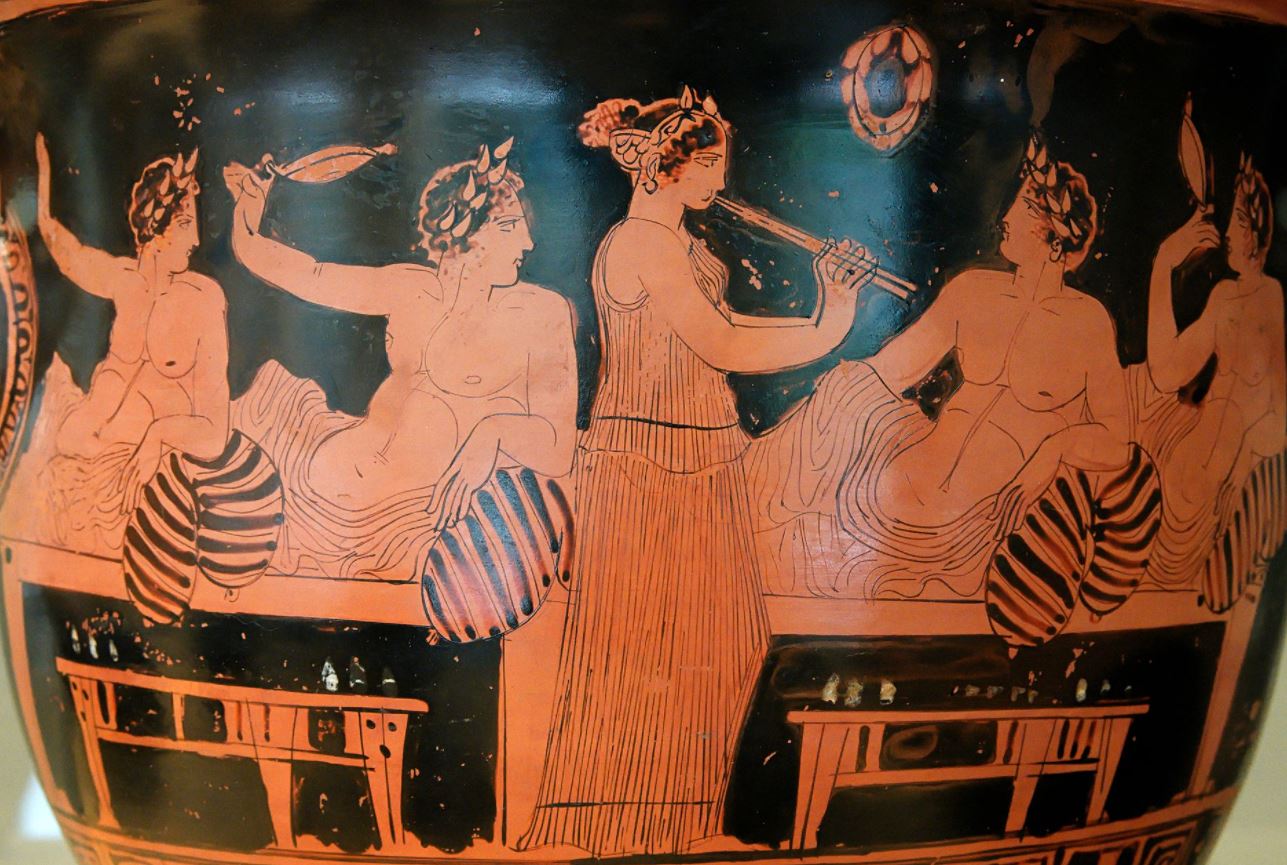
Rav Shimi bar Ashi said: Matza must be placed before each and every participant at the seder. Each participant in a seder would recline on a couch at his own personal table. Likewise, bitter herbs must be placed before each and every participant, and ḥaroset must be placed before each and every participant. And during the seder, before the meal, one shall remove the table only from before the one reciting the Haggadah. The other tables, which correspond to the seder plates used nowadays, are left in their place.
רַב הוּנָא אוֹמֵר: כּוּלְּהוּ נָמֵי לִפְנֵי מִי שֶׁאוֹמֵר הַגָּדָה. וְהִלְכְתָא כְּרַב הוּנָא.
Rav Huna says: All of the aforementioned foods, i.e., matza, bitter herbs, and ḥaroset, must also be placed only before the one who recites the Haggadah. When the time comes to eat these items, all the other participants receive a portion from him. The Gemara comments: And the halakha is in accordance with the opinion of Rav Huna.
לָמָּה עוֹקְרִין אֶת הַשּׁוּלְחָן? אָמְרִי דְּבֵי רַבִּי יַנַּאי: כְּדֵי שֶׁיַּכִּירוּ תִּינוֹקוֹת וְיִשְׁאֲלוּ. אַבָּיֵי הֲוָה יָתֵיב קַמֵּיהּ דְּרַבָּה, חֲזָא דְּקָא מַדְלִי תַּכָּא מִקַּמֵּיהּ, אֲמַר לְהוּ: עֲדַיִין לָא קָא אָכְלִינַן, אָתוּ קָא מְעַקְּרִי תַּכָּא מִיקַּמַּן?! אֲמַר לֵיהּ רַבָּה: פְּטַרְתַּן מִלּוֹמַר ״מָה נִּשְׁתַּנָּה״.
The Gemara asks: Why does one remove the table? The school of Rabbi Yannai say: So that the children will notice that something is unusual and they will ask: Why is this night different from all other nights? The Gemara relates: Abaye was sitting before Rabba when he was still a child. He saw that they were removing the table from before him, and he said to those removing it: We have not yet eaten, and you are taking the table away from us? Rabba said to him: You have exempted us from reciting the questions of: Why is this night different [ma nishtana], as you have already asked what is special about the seder night.
אָמַר שְׁמוּאֵל: ״לֶחֶם עוֹנִי״ כְּתִיב — לֶחֶם שֶׁעוֹנִין עָלָיו דְּבָרִים. תַּנְיָא נָמֵי הָכִי: ״לֶחֶם עוֹנִי״ — לֶחֶם שֶׁעוֹנִין עָלָיו דְּבָרִים הַרְבֵּה. דָּבָר אַחֵר: ״לֶחֶם עוֹנִי״ — ״עֹנִי״ כְּתִיב, מָה עָנִי שֶׁדַּרְכּוֹ בִּפְרוּסָה,
Shmuel said that the phrase: “The bread of affliction [leḥem oni]” (Deuteronomy 16:3) means bread over which one answers [onim] matters, i.e., one recites the Haggadah over matza. That was also taught in a baraita: Leḥem oni is bread over which one answers many matters. Alternatively, in the verse, “leḥem oni” is actually written without a vav, which means a poor person. Just as it is the manner of a poor person to eat a piece of bread, for lack of a whole loaf,
Follow 
Today’s daily daf tools:
Delve Deeper
Broaden your understanding of the topics on this daf with classes and podcasts from top women Talmud scholars.

Selling Chametz on Pesach: What is the Halakhic Logic? – Din & Daf
April 03, 2025 | ה׳ בניסן תשפ״ה

Pesachim 116-121 -(Siyum Masechet Pesachim) Daf Yomi: One Week at a Time
March 24, 2021 | י״א בניסן תשפ״א


Pesachim 105: Shabbat Arrives When It Does, Like It or Not
March 06, 2021 | כ״ב באדר תשפ״א



Pesachim 100: If You Close Your Eyes, Tomorrow Never Comes
March 01, 2021 | י״ז באדר תשפ״א
New to Talmud?
Check out our resources designed to help you navigate a page of Talmud – and study at the pace, level and style that fits you.
The Hadran Women’s Tapestry
Meet the diverse women learning Gemara at Hadran and hear their stories.
I have joined the community of daf yomi learners at the start of this cycle. I have studied in different ways – by reading the page, translating the page, attending a local shiur and listening to Rabbanit Farber’s podcasts, depending on circumstances and where I was at the time. The reactions have been positive throughout – with no exception!

Silke Goldberg
Guildford, United Kingdom
I heard about the syium in January 2020 & I was excited to start learning then the pandemic started. Learning Daf became something to focus on but also something stressful. As the world changed around me & my family I had to adjust my expectations for myself & the world. Daf Yomi & the Hadran podcast has been something I look forward to every day. It gives me a moment of centering & Judaism daily.

Talia Haykin
Denver, United States
I was exposed to Talmud in high school, but I was truly inspired after my daughter and I decided to attend the Women’s Siyum Shas in 2020. We knew that this was a historic moment. We were blown away, overcome with emotion at the euphoria of the revolution. Right then, I knew I would continue. My commitment deepened with the every-morning Virtual Beit Midrash on Zoom with R. Michelle.
Adina Hagege
Zichron Yaakov, Israel
I started learning Jan 2020 when I heard the new cycle was starting. I had tried during the last cycle and didn’t make it past a few weeks. Learning online from old men didn’t speak to my soul and I knew Talmud had to be a soul journey for me. Enter Hadran! Talmud from Rabbanit Michelle Farber from a woman’s perspective, a mother’s perspective and a modern perspective. Motivated to continue!

Keren Carter
Brentwood, California, United States
In January 2020, my chevruta suggested that we “up our game. Let’s do Daf Yomi” – and she sent me the Hadran link. I lost my job (and went freelance), there was a pandemic, and I am still opening the podcast with my breakfast coffee, or after Shabbat with popcorn. My Aramaic is improving. I will need a new bookcase, though.
Rhondda May
Atlanta, Georgia, United States
It’s hard to believe it has been over two years. Daf yomi has changed my life in so many ways and has been sustaining during this global sea change. Each day means learning something new, digging a little deeper, adding another lens, seeing worlds with new eyes. Daf has also fostered new friendships and deepened childhood connections, as long time friends have unexpectedly become havruta.

Joanna Rom
Northwest Washington, United States
I started my Daf Yomi journey at the beginning of the COVID19 pandemic.

Karena Perry
Los Angeles, United States
תמיד רציתי. למדתי גמרא בבית ספר בטורונטו קנדה. עליתי ארצה ולמדתי שזה לא מקובל. הופתעתי.
יצאתי לגימלאות לפני שנתיים וזה מאפשר את המחוייבות לדף יומי.
עבורי ההתמדה בלימוד מעגן אותי בקשר שלי ליהדות. אני תמיד מחפשת ותמיד. מוצאת מקור לקשר. ללימוד חדש ומחדש. קשר עם נשים לומדות מעמיק את החוויה ומשמעותית מאוד.

Vitti Kones
מיתר, ישראל
I started Daf during the pandemic. I listened to a number of podcasts by various Rebbeim until one day, I discovered Rabbanit Farbers podcast. Subsequently I joined the Hadran family in Eruvin. Not the easiest place to begin, Rabbanit Farber made it all understandable and fun. The online live group has bonded together and have really become a supportive, encouraging family.

Leah Goldford
Edmonton, Alberta, Canada
I started my journey on the day I realized that the Siyum was happening in Yerushalayim and I was missing out. What? I told myself. How could I have not known about this? How can I have missed out on this opportunity? I decided that moment, I would start Daf Yomi and Nach Yomi the very next day. I am so grateful to Hadran. I am changed forever because I learn Gemara with women. Thank you.
Linda Brownstein
Mitspe, Israel
My family recently made Aliyah, because we believe the next chapter in the story of the Jewish people is being written here, and we want to be a part of it. Daf Yomi, on the other hand, connects me BACK, to those who wrote earlier chapters thousands of years ago. So, I feel like I’m living in the middle of this epic story. I’m learning how it all began, and looking ahead to see where it goes!

Tina Lamm
Jerusalem, Israel
With Rabbanit Dr. Naomi Cohen in the Women’s Talmud class, over 30 years ago. It was a “known” class and it was accepted, because of who taught. Since then I have also studied with Avigail Gross-Gelman and Dr. Gabriel Hazut for about a year). Years ago, in a shiur in my shul, I did know about Persians doing 3 things with their clothes on. They opened the shiur to woman after that!

Sharon Mink
Haifa, Israel
A friend mentioned that she was starting Daf Yomi in January 2020. I had heard of it and thought, why not? I decided to try it – go day by day and not think about the seven plus year commitment. Fast forward today, over two years in and I can’t imagine my life without Daf Yomi. It’s part of my morning ritual. If I have a busy day ahead of me I set my alarm to get up early to finish the day’s daf

Debbie Fitzerman
Ontario, Canada
I heard the new Daf Yomi cycle was starting and I was curious, so I searched online for a women’s class and was pleasently surprised to find Rabanit Michelle’s great class reviews in many online articles. It has been a splendid journey. It is a way to fill my days with Torah, learning so many amazing things I have never heard before during my Tanach learning at High School. Thanks so much .

Martha Tarazi
Panama, Panama
I start learning Daf Yomi in January 2020. The daily learning with Rabbanit Michelle has kept me grounded in this very uncertain time. Despite everything going on – the Pandemic, my personal life, climate change, war, etc… I know I can count on Hadran’s podcast to bring a smile to my face.

Deb Engel
Los Angeles, United States
I was exposed to Talmud in high school, but I was truly inspired after my daughter and I decided to attend the Women’s Siyum Shas in 2020. We knew that this was a historic moment. We were blown away, overcome with emotion at the euphoria of the revolution. Right then, I knew I would continue. My commitment deepened with the every-morning Virtual Beit Midrash on Zoom with R. Michelle.
Adina Hagege
Zichron Yaakov, Israel
I started learning at the start of this cycle, and quickly fell in love. It has become such an important part of my day, enriching every part of my life.

Naomi Niederhoffer
Toronto, Canada
I learned Talmud as a student in Yeshivat Ramaz and felt at the time that Talmud wasn’t for me. After reading Ilana Kurshan’s book I was intrigued and after watching the great siyum in Yerushalayim it ignited the spark to begin this journey. It has been a transformative life experience for me as a wife, mother, Savta and member of Klal Yisrael.
Elana Storch
Phoenix, Arizona, United States
I attended the Siyum so that I could tell my granddaughter that I had been there. Then I decided to listen on Spotify and after the siyum of Brachot, Covid and zoom began. It gave structure to my day. I learn with people from all over the world who are now my friends – yet most of us have never met. I can’t imagine life without it. Thank you Rabbanit Michelle.
Emma Rinberg
Raanana, Israel
Years ago, I attended the local Siyum HaShas with my high school class. It was inspiring! Through that cycle and the next one, I studied masekhtot on my own and then did “daf yomi practice.” The amazing Hadran Siyum HaShas event firmed my resolve to “really do” Daf Yomi this time. It has become a family goal. We’ve supported each other through challenges, and now we’re at the Siyum of Seder Moed!

Elisheva Brauner
Jerusalem, Israel
Pesachim 115
מַתְקֵיף לַהּ רַב חִסְדָּא: לְאַחַר שֶׁמִּילֵּא כְּרֵיסוֹ הֵימֶנּוּ חוֹזֵר וּמְבָרֵךְ עֲלֵיהּ? אֶלָּא אָמַר רַב חִסְדָּא: מֵעִיקָּרָא מְבָרֵךְ עֲלֵיהּ ״בּוֹרֵא פְּרִי הָאֲדָמָה״ וְ״עַל אֲכִילַת מָרוֹר״ וְאָכֵיל, וּלְבַסּוֹף אָכֵיל אֲכִילַת חַסָּא בְּלֹא בְּרָכָה.
Rav Ḥisda strongly objects to this opinion: Do you think that after one fills his belly with lettuce, he then recites another blessing over it? Rather, Rav Ḥisda said: Initially one recites two blessings over the lettuce: Who creates fruit of the ground, and: Commanded us over eating bitter herbs, and he eats it; and later in the seder he eats lettuce without a blessing.
בְּסוּרְיָא עָבְדִי כְּרַב הוּנָא, וְרַב שֵׁשֶׁת בְּרֵיהּ דְּרַב יְהוֹשֻׁעַ עָבֵיד כְּרַב חִסְדָּא. וְהִלְכְתָא כְּווֹתֵיהּ דְּרַב חִסְדָּא. רַב אַחָא בְּרֵיהּ דְּרָבָא מְהַדַּר אַשְּׁאָר יְרָקוֹת לְאַפּוֹקֵי נַפְשֵׁיהּ מִפְּלוּגְתָּא.
The Gemara comments: In Syria, they act in accordance with the opinion of Rav Huna. And Rav Sheshet, son of Rav Yehoshua, acted in accordance with the opinion of Rav Ḥisda. The Gemara summarizes: And the halakha is in accordance with the opinion of Rav Ḥisda. The Gemara relates that Rav Aḥa, son of Rava, would seek other vegetables for Passover to preclude himself from taking sides in the dispute. He first recited only the blessing: Who creates fruit of the ground, and later added the blessing: Commanded us over eating bitter herbs, thereby satisfying all opinions.
אָמַר רָבִינָא: אָמַר לִי רַב מְשַׁרְשְׁיָא בְּרֵיהּ דְּרַב נָתָן, הָכִי אָמַר הִלֵּל מִשְּׁמֵיהּ דִּגְמָרָא: לָא נִיכְרוֹךְ אִינִישׁ מַצָּה וּמָרוֹר בַּהֲדֵי הֲדָדֵי וְנֵיכוֹל, מִשּׁוּם דִּסְבִירָא לַן מַצָּה בִּזְמַן הַזֶּה דְּאוֹרָיְיתָא, וּמָרוֹר דְּרַבָּנַן, וְאָתֵי מָרוֹר דְּרַבָּנַן וּמְבַטֵּיל לֵיהּ לְמַצָּה דְּאוֹרָיְיתָא.
Ravina said: Rav Mesharshiya, son of Rav Natan, said to me that Hillel said as follows, citing tradition: A person should not wrap matza and bitter herbs together and eat them. He ruled in this manner because he maintains that today, after the destruction of the Temple, the obligation to eat matza applies by Torah law, and the obligation to eat bitter herbs without the Paschal lamb applies by rabbinic law. And if one were to wrap them together, the bitter herbs, whose obligation applies by rabbinic law, would come and nullify the matza, whose obligation applies by Torah law.
וַאֲפִילּוּ לְמַאן דְּאָמַר: מִצְוֹת אֵין מְבַטְּלוֹת זוֹ אֶת זוֹ, הָנֵי מִילֵּי דְּאוֹרָיְיתָא בִּדְאוֹרָיְיתָא אוֹ דְּרַבָּנַן בִּדְרַבָּנַן, אֲבָל דְּאוֹרָיְיתָא וּדְרַבָּנַן — אָתֵי דְּרַבָּנַן וּמְבַטֵּיל לֵיהּ לִדְאוֹרָיְיתָא.
And even according to the one who says that mitzvot do not nullify each other, that principle applies only to a mixture of one food whose obligation applies by Torah law with another food whose obligation applies by Torah law, or to a mixture of one food whose obligation applies by rabbinic law with another food whose obligation applies by rabbinic law. However, in a case of a mixture of one food whose obligation applies by Torah law with another food whose obligation applies by rabbinic law, the food whose obligation applies by rabbinic law comes and nullifies the food whose obligation applies by Torah law.
מַאן תַּנָּא דְּשָׁמְעַתְּ לֵיהּ מִצְוֹת אֵין מְבַטְּלוֹת זוֹ אֶת זוֹ? הִלֵּל הִיא. דְּתַנְיָא, אָמְרוּ עָלָיו עַל הִלֵּל שֶׁהָיָה כּוֹרְכָן בְּבַת אַחַת וְאוֹכְלָן, שֶׁנֶּאֱמַר: ״עַל מַצּוֹת וּמְרוֹרִים יֹאכְלוּהוּ״.
The Gemara asks: Who is the tanna that you heard say that mitzvot do not nullify each other? It is Hillel, as it was taught in a baraita: They said about Hillel that he would wrap matza and bitter herbs together and eat them, as it is stated: “They shall eat it with matzot and bitter herbs” (Numbers 9:11), which indicates that these two foods should be consumed together.
אָמַר רַבִּי יוֹחָנָן: חוֹלְקִין עָלָיו חֲבֵירָיו עַל הִלֵּל. דְּתַנְיָא: יָכוֹל יְהֵא כּוֹרְכָן בְּבַת אַחַת וְאוֹכְלָן כְּדֶרֶךְ שֶׁהִלֵּל אוֹכְלָן, תַּלְמוּד לוֹמַר: ״עַל מַצּוֹת וּמְרוֹרִים יֹאכְלוּהוּ״, אֲפִילּוּ זֶה בִּפְנֵי עַצְמוֹ וְזֶה בִּפְנֵי עַצְמוֹ. מַתְקֵיף לַהּ רַב אָשֵׁי: אִי הָכִי, מַאי אֲפִילּוּ?
Rabbi Yoḥanan said: Hillel’s colleagues disagree with him, as it was taught in another baraita: I might have thought that one should wrap matzot and bitter herbs together and eat them in the manner that Hillel eats them; therefore the verse states: “They shall eat it with matzot and bitter herbs,” meaning that one may eat even this, the matza, by itself, and that, the bitter herbs, by themselves. Rav Ashi strongly objects to this proof: If so, if the Sages disagree with Hillel and maintain that mitzvot nullify each other, what is the meaning of the word even in this baraita? This wording indicates that Hillel’s opinion is not rejected entirely, but that one fulfills his obligation even if he eats the items without combining them.
אֶלָּא אָמַר רַב אָשֵׁי, הַאי תַּנָּא הָכִי קָתָנֵי: יָכוֹל לֹא יָצָא בְּהוּ יְדֵי חוֹבָתוֹ אֶלָּא אִם כֵּן כּוֹרְכָן בְּבַת אַחַת וְאוֹכְלָן כְּדֶרֶךְ שֶׁהִלֵּל אוֹכְלָן — תַּלְמוּד לוֹמַר: ״עַל מַצּוֹת וּמְרוֹרִים יֹאכְלוּהוּ״ — אֲפִילּוּ זֶה בִּפְנֵי עַצְמוֹ וְזֶה בִּפְנֵי עַצְמוֹ.
Rather, Rav Ashi said: This is what this tanna is teaching: I might have thought that one fulfills his obligation with them only if he wraps matzot and bitter herbs together and eats them in the manner that Hillel eats them. Therefore, the verse states: “They shall eat it with matzot and bitter herbs,” i.e., one fulfills his obligation even if he eats the matza by itself and the bitter herbs by themselves.
הַשְׁתָּא דְּלָא אִיתְּמַר הִלְכְתָא לָא כְּהִלֵּל וְלָא כְּרַבָּנַן, מְבָרֵךְ ״עַל אֲכִילַת מַצָּה״ וְאָכֵיל, וַהֲדַר מְבָרֵךְ ״עַל אֲכִילַת מָרוֹר״ וְאָכֵיל, וַהֲדַר אָכֵיל מַצָּה וְחַסָּא בַּהֲדֵי הֲדָדֵי בְּלֹא בְּרָכָה זֵכֶר לַמִּקְדָּשׁ, כְּהִלֵּל.
The Gemara comments: Now that the halakha was stated neither in accordance with the opinion of Hillel nor in accordance with the opinion of the Rabbis, one recites the blessing: Commanded us over eating matza, and eats matza to fulfill his obligation. And then he recites the blessing: Commanded us over eating bitter herbs, and eats the lettuce as bitter herbs. And then he eats matza and lettuce together without a blessing in remembrance of the Temple, in the manner of Hillel in the days of the Temple, who ate matza and bitter herbs together with the Paschal lamb.
אָמַר רַבִּי אֶלְעָזָר אָמַר רַב אוֹשַׁעְיָא: כׇּל שֶׁטִּיבּוּלוֹ בְּמַשְׁקֶה — צָרִיךְ נְטִילַת יָדַיִם. אָמַר רַב פָּפָּא: שְׁמַע מִינַּהּ, הַאי חַסָּא
Rabbi Elazar said that Rav Oshaya said: Anything that is dipped in a liquid before it is eaten requires the ritual of washing of the hands. The obligation to wash one’s hands was instituted to preserve ritual purity and to prevent people from causing teruma food to contract ritual impurity. Hands are generally considered impure to the second degree of ritual impurity, and they confer impurity upon any liquid with which they come in contact. Liquids that become ritually impure are automatically impure to the first degree and will therefore transfer ritual impurity to any food that is dipped in them. Rav Pappa said: Learn from this halakha, which requires the washing of hands, that for this lettuce on Passover,
צְרִיךְ לְשַׁקּוֹעֵיהּ בַּחֲרוֹסֶת, מִשּׁוּם קָפָא. דְּאִי סָלְקָא דַעְתָּךְ לָא צְרִיךְ לְשַׁקּוֹעֵיהּ — נְטִילַת יָדַיִם לְמָה לִי? הָא לָא נָגַע! וְדִילְמָא לְעוֹלָם אֵימָא לָךְ: לָא צְרִיךְ לְשַׁקּוֹעֵיהּ, וְקָפָא מֵרֵיחָא מָיֵית. אֶלָּא לְמָה לִי נְטִילַת יָדַיִם — דִּילְמָא מְשַׁקְּעוּ לֵיהּ.
one must submerge it in the ḥaroset, due to the bitterness and poison in the lettuce. For if it could enter your mind that one need not thoroughly submerge the lettuce in ḥaroset, why do I need him to wash hands before eating bitter herbs? He did not touch the liquid with his hands, and therefore he did not render it ritually impure. The Gemara rejects this contention: Actually, I will say to you: According to the halakha, one need not submerge the lettuce in ḥaroset and the poison dies. The poison is nullified from the smell of the ḥaroset. The Gemara asks: But in that case, why do I need the washing of hands before dipping? The Gemara answers: Perhaps one will submerge the lettuce, and it is therefore necessary to wash one’s hands to avoid the possible transfer of ritual impurity.
וְאָמַר רַב פָּפָּא: לָא נִישַׁהֵי אִינִישׁ מָרוֹר בַּחֲרוֹסֶת, דִּילְמָא אַגַּב חַלְיֵיהּ דְּתַבְלִין מְבַטֵּיל לֵיהּ לִמְרוֹרֵיהּ, וּבָעֵינַן טַעַם מָרוֹר, וְלֵיכָּא. אַדְבְּרֵיהּ רַב חִסְדָּא לְרַבָּנָא עוּקְבָא, וּדְרַשׁ: נָטַל יָדָיו בְּטִיבּוּל רִאשׁוֹן — נוֹטֵל יָדָיו בְּטִיבּוּל שְׁנֵי.
And Rav Pappa said: A person should not leave bitter herbs in the ḥaroset for a lengthy period of time, lest the sweetness of the spices in the ḥaroset nullify its bitterness. And the bitter herbs require a bitter taste, and they are not bitter when marinated in ḥaroset. The Gemara reports: Rav Ḥisda authorized Rabbana Ukva to deliver a lecture, and he taught: If one washed his hands for the first dipping, he should wash his hands again for the second dipping.
אַמְרוּהָ רַבָּנַן קַמֵּיהּ דְּרַב פָּפָּא: הָא בְּעָלְמָא אִיתְּמַר. דְּאִי סָלְקָא דַעְתָּךְ הָכָא אִיתְּמַר, לְמָה לִי נְטִילַת יָדַיִם תְּרֵי זִימְנֵי? הָא מְשָׁא לֵיהּ יְדֵיהּ חֲדָא זִימְנָא!
The Sages said this halakha before Rav Pappa and added: This halakha was stated generally, i.e., concerning one who dips food twice anytime, not with regard to Passover night. For if it could enter your mind that this was stated here, concerning Passover, why do I need washing of the hands twice? This person has already washed his hands once. As he knows he will dip again, he will be careful to preserve his hands in a state of ritual purity and consequently there is no need for him to wash his hands a second time. This is not the case with regard to dipping throughout the rest of the year, when one does not know at the start that he will dip again.
אֲמַר לְהוּ רַב פָּפָּא: אַדְּרַבָּה, הָכָא אִיתְּמַר. דְּאִי סָלְקָא דַעְתָּךְ בְּעָלְמָא אִיתְּמַר, לְמָה לִי תְּרֵי טִיבּוּלֵי?
Rav Pappa said to them: On the contrary, this halakha was stated specifically here, with regard to Passover night. For if it could enter your mind that it was stated in general, why do I need two dippings? A person usually dips only once, either at the beginning or in the middle of his meal.
אֶלָּא מַאי, הָכָא אִיתְּמַר? נְטִילַת יָדַיִם תְּרֵי זִימְנֵי לְמָה לִי? הָא מְשָׁא לֵיהּ יְדֵיהּ חֲדָא זִימְנָא! אָמְרִי: כֵּיוָן דְּבָעֵי לְמֵימַר אַגָּדְתָּא וְהַלֵּילָא, דִּילְמָא אַסּוֹחֵי אַסְּחֵיהּ לְדַעְתֵּיהּ וּנְגַע.
The Gemara asks: Rather, what will you say; this halakha was stated specifically here, with regard to Passover night? If so, why do I need two washings of the hands? He has already washed his hands once. They say in response: Since he needs to recite the Haggadah and hallel in between the two dippings, perhaps he will divert his thoughts and his hands will touch a ritually impure object.
אָמַר רָבָא: בָּלַע מַצָּה — יָצָא, בָּלַע מָרוֹר — לֹא יָצָא. בָּלַע מַצָּה וּמָרוֹר, יְדֵי מַצָּה — יָצָא, יְדֵי מָרוֹר — לֹא יָצָא. כְּרָכָן בְּסִיב וּבְלָעָן — אַף יְדֵי מַצָּה נָמֵי לֹא יָצָא.
Rava said: If one swallowed matza without chewing it, he has fulfilled the obligation to eat matza, as he has consumed it. However, if one swallowed bitter herbs without chewing them, he has not fulfilled his obligation, as he did not taste their bitterness. Furthermore, if one swallowed matza and bitter herbs together, he has fulfilled the obligation of eating matza, but he has not fulfilled the obligation of eating bitter herbs. If one wrapped matza and bitter herbs in a palm net, the thin interlacing of vines that sprouts around a palm tree, and swallowed them, he has not fulfilled his obligation even of eating matza. When matza and bitter herbs are consumed in this fashion, the matza does not touch one’s mouth. This is not considered eating.
אָמַר רַב שִׁימִי בַּר אָשֵׁי: מַצָּה לִפְנֵי כׇּל אֶחָד וְאֶחָד, מָרוֹר לִפְנֵי כׇּל אֶחָד וְאֶחָד, וַחֲרוֹסֶת לִפְנֵי כׇּל אֶחָד וְאֶחָד. וְאֵין עוֹקְרִין אֶת הַשֻּׁלְחָן אֶלָּא לִפְנֵי מִי שֶׁאוֹמֵר הַגָּדָה.
Rav Shimi bar Ashi said: Matza must be placed before each and every participant at the seder. Each participant in a seder would recline on a couch at his own personal table. Likewise, bitter herbs must be placed before each and every participant, and ḥaroset must be placed before each and every participant. And during the seder, before the meal, one shall remove the table only from before the one reciting the Haggadah. The other tables, which correspond to the seder plates used nowadays, are left in their place.
רַב הוּנָא אוֹמֵר: כּוּלְּהוּ נָמֵי לִפְנֵי מִי שֶׁאוֹמֵר הַגָּדָה. וְהִלְכְתָא כְּרַב הוּנָא.
Rav Huna says: All of the aforementioned foods, i.e., matza, bitter herbs, and ḥaroset, must also be placed only before the one who recites the Haggadah. When the time comes to eat these items, all the other participants receive a portion from him. The Gemara comments: And the halakha is in accordance with the opinion of Rav Huna.
לָמָּה עוֹקְרִין אֶת הַשּׁוּלְחָן? אָמְרִי דְּבֵי רַבִּי יַנַּאי: כְּדֵי שֶׁיַּכִּירוּ תִּינוֹקוֹת וְיִשְׁאֲלוּ. אַבָּיֵי הֲוָה יָתֵיב קַמֵּיהּ דְּרַבָּה, חֲזָא דְּקָא מַדְלִי תַּכָּא מִקַּמֵּיהּ, אֲמַר לְהוּ: עֲדַיִין לָא קָא אָכְלִינַן, אָתוּ קָא מְעַקְּרִי תַּכָּא מִיקַּמַּן?! אֲמַר לֵיהּ רַבָּה: פְּטַרְתַּן מִלּוֹמַר ״מָה נִּשְׁתַּנָּה״.
The Gemara asks: Why does one remove the table? The school of Rabbi Yannai say: So that the children will notice that something is unusual and they will ask: Why is this night different from all other nights? The Gemara relates: Abaye was sitting before Rabba when he was still a child. He saw that they were removing the table from before him, and he said to those removing it: We have not yet eaten, and you are taking the table away from us? Rabba said to him: You have exempted us from reciting the questions of: Why is this night different [ma nishtana], as you have already asked what is special about the seder night.
אָמַר שְׁמוּאֵל: ״לֶחֶם עוֹנִי״ כְּתִיב — לֶחֶם שֶׁעוֹנִין עָלָיו דְּבָרִים. תַּנְיָא נָמֵי הָכִי: ״לֶחֶם עוֹנִי״ — לֶחֶם שֶׁעוֹנִין עָלָיו דְּבָרִים הַרְבֵּה. דָּבָר אַחֵר: ״לֶחֶם עוֹנִי״ — ״עֹנִי״ כְּתִיב, מָה עָנִי שֶׁדַּרְכּוֹ בִּפְרוּסָה,
Shmuel said that the phrase: “The bread of affliction [leḥem oni]” (Deuteronomy 16:3) means bread over which one answers [onim] matters, i.e., one recites the Haggadah over matza. That was also taught in a baraita: Leḥem oni is bread over which one answers many matters. Alternatively, in the verse, “leḥem oni” is actually written without a vav, which means a poor person. Just as it is the manner of a poor person to eat a piece of bread, for lack of a whole loaf,
Follow

