חיפוש

Pesachim 39

Want to dedicate learning? Get started here:

English
עברית
podcast placeholder

0:00
0:00


podcast placeholder

0:00
0:00


Summary

Today’s Daf is sponsored by Marsha Wasserman in honor of her son Dr. Noam Wasserman, Dean of Sy Syms School of Business at YU. “Thank you for encouraging me to study daf yomi as you have been doing for many years. I am fortunate to have you as a son who motivates and encourages not only his own students but also his parents. We love you and are very proud of all of your accomplishments.” And by Erin Piateski in honor of the 14th yahrzeit of Dr. Beth Samuels a”h. “Beth’s life was dedicated to Torah learning, and in particular, to expanding Jewish learning opportunities for girls and women. Beth would have been thrilled to see the large community of women learning daf yomi.” Today’s Daf is sponsored in honor of the 14th yahrzeit of Dr. Beth Samuels a”h on December 30th, 15 Tevet. Beth’s life was dedicated to Torah learning, and in particular, to expanding Jewish learning opportunities for girls and women. Beth would have been thrilled to see the large community of women learning daf yomi. And by Debbie Gevir in the memory of her mother, Yocheved Gindsberg on her sixth yahrzeit today. Besides being a model of hesed, kibud horim, and grace, Yocheved was active in torah learning and teaching, especially for women. יהי זכרה ברוך

What can one use to fulfill one’s obligation for marror? What are all the different types of vegetables mentioned in the mishna? Other sources are brought which list other types. Is there one type more ideal than the others? Can things other than vegetables be used that are bitter? The gemara continually compares matza to marror to derive various criteria. Rav says that all the types that can be used for marror can be planted together in one area. The gemara tries to understand what was he trying to say. One can eat marror moist or dry – is this just for the stalk or also the leaves? What about shriveled? Pickled? Cooked? Stewed? Can you use maaser sheni produce? How would this differ from the same question regarding matza from maaser sheni? What types of things can be done with bran that would or would not lead to leavening? If the food is already baked, it can no longer leaven, even if placed in water.


Today’s daily daf tools:

Pesachim 39

מַתְנִי׳ וְאֵלּוּ יְרָקוֹת שֶׁאָדָם יוֹצֵא בָּהֶן יְדֵי חוֹבָתוֹ בַּפֶּסַח: בַּחֲזֶרֶת, בְּתַמְכָא, וּבְחַרְחֲבִינָא וּבְעוּלְשִׁין וּבְמָרוֹר. יוֹצְאִין בָּהֶן בֵּין לַחִין בֵּין יְבֵשִׁין, אֲבָל לֹא כְּבוּשִׁין וְלֹא שְׁלוּקִין וְלֹא מְבוּשָּׁלִין.

MISHNA: And these are the vegetables with which a person can fulfill his obligation to eat bitter herbs on Passover: One can fulfill his obligation with ḥazeret, with chervil [tamkha], and with field eryngo [ḥarḥavina], and with endives [olashin], and with maror. One fulfills his obligation with them whether they are fresh or whether they are dry. However, one does not fulfill his obligation if they are pickled in water or vinegar, nor if they are over-boiled [shaluk] in hot water, nor if they are boiled [mevushal].

וּמִצְטָרְפִין לִכְזַיִת, וְיוֹצְאִין בַּקֶּלַח שֶׁלָּהֶן. וּבִדְמַאי, וּבְמַעֲשֵׂר רִאשׁוֹן שֶׁנִּטְּלָה תְּרוּמָתוֹ, וּמַעֲשֵׂר שֵׁנִי וְהֶקְדֵּשׁ שֶׁנִּפְדּוּ.

The mishna adds: And all these different types of vegetables join together to the measure of an olive-bulk, i.e., it is not necessary to eat this amount from one specific type of vegetable. And one fulfills his obligation by eating their stalk, as it is not necessary to eat the leaves. And one fulfills the obligation with doubtfully tithed produce, with first-tithe produce whose teruma has been taken and given to a priest, and with both second-tithe produce and consecrated property that were redeemed.

גְּמָ׳ חֲזֶרֶת — חַסָּא. עוּלְשִׁין — הִינְדְּבִי. תַּמְכָא, אָמַר רַבָּה בַּר בַּר חָנָה: תְּמַכְתָּא שְׁמָהּ. חַרְחֲבִינָא, אָמַר רַבִּי שִׁמְעוֹן בֶּן לָקִישׁ: אַצְווֹתָא דְּדִיקְלָא. וּבְמָרוֹר — מְרִירָתָא.

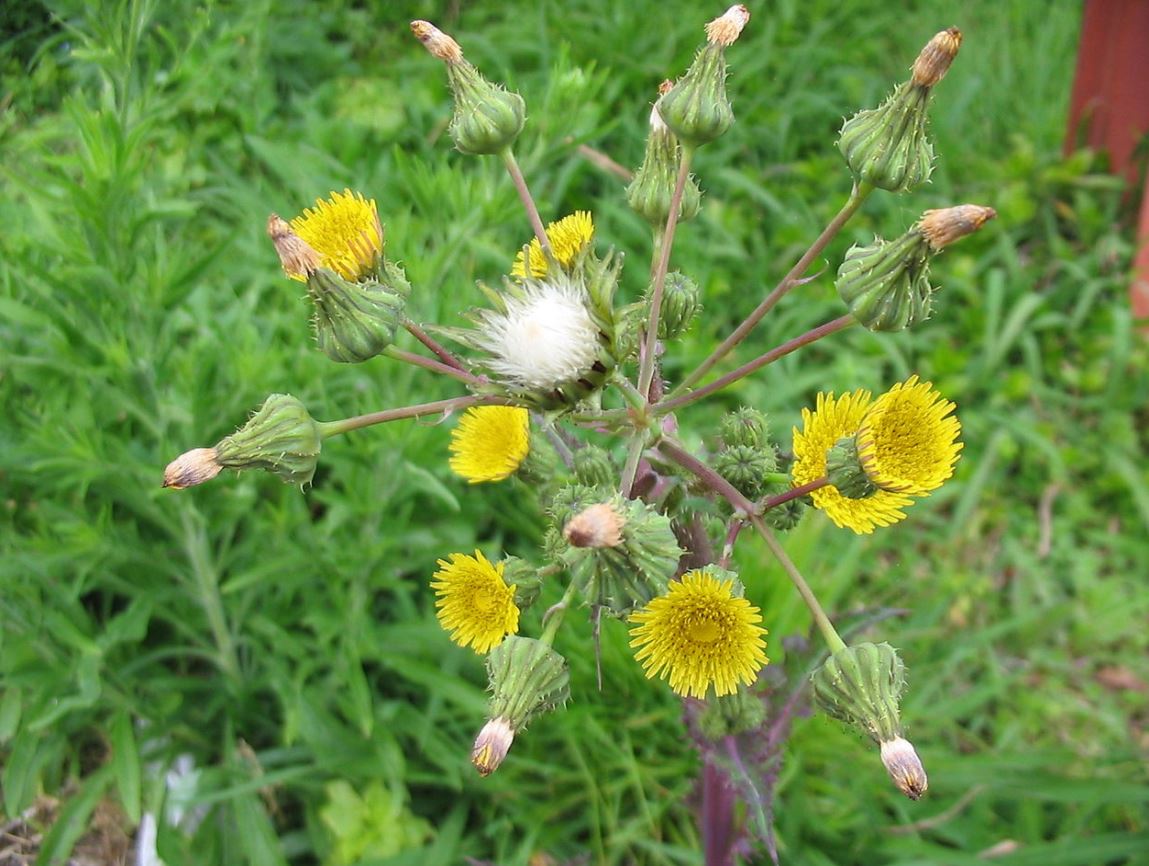
GEMARA: The Gemara identifies the plants mentioned by the mishna by their Aramaic names. Ḥazeret is lettuce. Olashin is called hindevi. With regard to tamkha, Rabba bar bar Ḥana said: It is called temakhta in Aramaic. As for ḥarḥavina, Rabbi Shimon ben Lakish said: This is the plant that grows around the palm tree. The mishna taught: And with maror. The Gemara explains: This is a plant called merirata.

תָּנֵי בַּר קַפָּרָא, אֵלּוּ יְרָקוֹת שֶׁאָדָם יוֹצֵא בָּהֶן יְדֵי חוֹבָתוֹ בַּפֶּסַח: בְּעוּלְשִׁין, וּבְתַמְכָא, בְּחַרְחֲלִין, בְּחַרְחֲבִינִין, וּבְחִזְרִין. רַב יְהוּדָה אוֹמֵר: אַף עוּלְשֵׁי שָׂדֶה וְעוּלְשֵׁי גִינָּה וַחֲזֶרֶת.

Bar Kappara teaches: These are the vegetables with which a person can fulfill his obligation to eat bitter herbs on Passover: With endives, chervil, ḥarḥallin, field eryngo, and ḥazeret. Rav Yehuda says: Also wild endives, garden endives, and ḥazeret.

עוּלְשֵׁי גִינָּה וַחֲזֶרֶת? הָא תְּנָא לַהּ רֵישָׁא! הָכִי קָאָמַר: אַף עוּלְשֵׁי שָׂדֶה כְּעוּלְשֵׁי גִינָּה וַחֲזֶרֶת. רַבִּי מֵאִיר אוֹמֵר: אַף עַסְווֹס וְטוּרָא וּמָר יְרוֹאָר. אֲמַר לֵיהּ רַבִּי יוֹסֵי: עַסְווֹס וְטוּרָא אֶחָד הוּא. וּמָר — זֶה הוּא יְרוֹאָר.

The Gemara asks: Why does Rav Yehuda mention garden endives and ḥazeret? These were already taught in the first clause. The Gemara explains that this is what Rav Yehuda is saying: Even wild endives are equivalent to garden endives and ḥazeret and may be used as bitter herbs on Passover. Rabbi Meir says: The plants asvas, and tura, and sweet myrrh [mar yero’ar] can also be used to fulfill this obligation. Rabbi Yosei said to him: Asvas and tura are two names for one plant, and mar is the same plant as yero’ar.

תָּנֵי דְּבֵי (רַבִּי) שְׁמוּאֵל: אֵלּוּ יְרָקוֹת שֶׁאָדָם יוֹצֵא בָּהֶן יְדֵי חוֹבָתוֹ בַּפֶּסַח: בַּחֲזֶרֶת, בְּעוּלְשִׁין, וּבְתַמְכָא, וּבְחַרְבִּינִין, וּבְחַרְגִּינִין, וּבְהִרְדּוּפְנִין. רַבִּי יְהוּדָה אוֹמֵר: אַף חֲזֶרֶת יוּלִין וַחֲזֶרֶת גַּלִּין כַּיּוֹצֵא בָּהֶן.

A Sage of the school of Rabbi Samuel teaches: These are the vegetables with which a person can fulfill his obligation to eat bitter herbs on Passover: With ḥazeret, endives, chervil, field eryngo, ḥarginnin, and hardofannin. Rabbi Yehuda says: One can also fulfill his obligation with ḥazeret yolin and ḥazeret gallin, as they are similar to the aforementioned vegetables.

רַבִּי אִילְעָא אוֹמֵר מִשּׁוּם רַבִּי אֱלִיעֶזֶר: אַף עַרְקַבָּלִים, וְחָזַרְתִּי עַל כׇּל תַּלְמִידָיו וּבִקַּשְׁתִּי לִי חָבֵר, וְלֹא מָצָאתִי. וּכְשֶׁבָּאתִי לִפְנֵי רַבִּי אֱלִיעֶזֶר בֶּן יַעֲקֹב, הוֹדָה לִדְבָרַי.

Rabbi Ile’a said in the name of Rabbi Eliezer: One can also fulfill his obligation with arkablim. And I went around all of Rabbi Eliezer’s students looking for a colleague who agreed with me that Rabbi Eliezer said this, but I did not find anyone who remembered this ruling. But when I came before Rabbi Eliezer ben Ya’akov, he conceded to my statement.

רַבִּי יְהוּדָה אוֹמֵר: כֹּל שֶׁיֵּשׁ לוֹ שָׂרָף. רַבִּי יוֹחָנָן בֶּן בְּרוֹקָה אוֹמֵר: כֹּל שֶׁפָּנָיו מַכְסִיפִין. אֲחֵרִים אוֹמְרִים: [כׇּל] יָרָק מַר יֵשׁ לוֹ שָׂרָף וּפָנָיו מַכְסִיפִין. אָמַר רַבִּי יוֹחָנָן: מִדִּבְרֵי כּוּלָּן נִלְמַד, יָרָק מַר יֵשׁ לוֹ שָׂרָף וּפָנָיו מַכְסִיפִין. אָמַר רַב הוּנָא: הֲלָכָה כַּאֲחֵרִים.

Rabbi Yehuda says: Any plant that has white sap when it is cut may be used as bitter herbs. Rabbi Yoḥanan ben Beroka says: Anything whose surface is light green may be used as bitter herbs. Aḥerim say: Any bitter herb that has sap and whose surface is light green is fit for this mitzva. Rabbi Yoḥanan said: From the statements of all these Sages, we can learn that a bitter green herb has sap and its surface is light green. Rav Huna said: The halakha is in accordance with the opinion of Aḥerim.

רָבִינָא אַשְׁכְּחֵיהּ לְרַב אַחָא בְּרֵיהּ דְּרָבָא דַּהֲוָה מְהַדַּר אַמְּרִירָתָא. אֲמַר לֵיהּ: מַאי דַּעְתָּיךְ, דִּמְרִירִין טְפֵי? וְהָא חֲזֶרֶת תְּנַן. וְתַנָּא דְּבֵי שְׁמוּאֵל: חֲזֶרֶת, וְאָמַר רַבִּי אוֹשַׁעְיָא: מִצְוָה בַּחֲזֶרֶת. וְאָמַר רָבָא: מַאי חֲזֶרֶת — חַסָּא.

Ravina found Rav Aḥa, son of Rava, searching for merirata to use as bitter herbs. He said to him: What is your opinion, that you seek this particular herb? If you are looking for that which is most bitter, but we learned ḥazeret first in the mishna, which indicates that this is the preferred choice. And likewise, a Sage of the school of Shmuel taught ḥazeret first, before the other types of bitter herbs. And Rabbi Oshaya said: The optimal fulfillment of the mitzva is with ḥazeret, and Rava said: What is ḥazeret? It is lettuce [ḥassa].

מַאי חַסָּא — דְּחַס רַחֲמָנָא עִילָּוַון. וְאָמַר רַבִּי שְׁמוּאֵל בַּר נַחְמָנִי אָמַר רַבִּי יוֹנָתָן: לָמָּה נִמְשְׁלוּ מִצְרִיִּים כְּמָרוֹר? לוֹמַר לָךְ: מָה מָרוֹר זֶה שֶׁתְּחִילָּתוֹ רַךְ וְסוֹפוֹ קָשֶׁה — אַף מִצְרִיִּים תְּחִילָּתָן רַכָּה וְסוֹפָן קָשָׁה. אֲמַר לֵיהּ: הֲדַרִי בִּי.

The Gemara explains: What is the meaning of lettuce [ḥassa]? It refers to the fact that God has mercy [ḥas] on us. And Rabbi Samuel bar Naḥmani said that Rabbi Yoḥanan said: Why are the Egyptians likened to bitter herbs in the verse: “And they embittered their lives” (Exodus 1:14)? This comparison serves to tell you that just as these bitter herbs are soft at first and harsh in the end, so too, the Egyptians were soft at first, when they paid the Jews for their work, but were harsh in the end, as they enslaved them. This idea applies solely to ḥazeret, which has a bitter aftertaste, but not to other types of bitter herbs, which are bitter from the beginning. Rav Aḥa, son of Rava, said to Ravina: I retract my position and concede that it is preferable to use ḥazeret for bitter herbs.

אֲמַר לֵיהּ רַב רְחוּמִי לְאַבָּיֵי: מִמַּאי דְּהַאי מָרוֹר מִין יָרָק הוּא? אֵימָא מְרִירָתָא דְכוּפְיָא? דּוּמְיָא דְּמַצָּה: מָה מַצָּה גִּידּוּלֵי קַרְקַע — אַף מָרוֹר גִּידּוּלֵי קַרְקַע. וְאֵימָא הִירְדּוּף? דּוּמְיָא דְּמַצָּה: מָה מַצָּה מִין זְרָעִים — אַף מָרוֹר מִין זְרָעִים.

Rav Reḥumi said to Abaye: From where is it known that this bitter herb that must be eaten on Passover night is a type of vegetable? Perhaps one could say that the mitzva should be performed with the bile of a kufya fish, which is very bitter, but not necessarily with a type of plant? He answered: Bitter herbs are similar to matza; just as matza must be prepared only from food that grows from the ground, so too, bitter herbs must be from food that grows from the ground. The Gemara asks: How do we know that a bitter herb is specifically a vegetable rather than the bitter oleander bush? The Gemara answers: Bitter herbs are similar to matza; just as matza is prepared from a type of plant, but not including a tree, so too, bitter herbs must be from a type of plant that is not a tree.

וְאֵימָא הַרְזִיפוּ! דּוּמְיָא דְּמַצָּה: מָה מַצָּה שֶׁנִּיקַּחַת בְּכֶסֶף מַעֲשֵׂר — אַף מָרוֹר שֶׁנִּיקָּח בְּכֶסֶף מַעֲשֵׂר.

The Gemara asks a similar question: Perhaps I can say that one may use harzipu, a vegetable that poisons animals, as the bitter herb. The Gemara answers: It must be similar to matza; just as matza is prepared from plants that are fit for human consumption and can be purchased with second-tithe money, so too, bitter herbs must be from a species that can be purchased with second-tithe money.

אֲמַר לֵיהּ רַבָּה בַּר רַב חָנִין לְאַבָּיֵי: אֵימָא מָרוֹר חַד! ״מְרוֹרִים״ כְּתִיב. וְאֵימָא ״מְרוֹרִים״ תְּרֵי! דּוּמְיָא דְּמַצָּה: מָה מַצָּה מִינִין הַרְבֵּה — אַף מָרוֹר מִינִין הַרְבֵּה.

Rabba bar Rav Ḥanin said to Abaye: I can say that the bitter herb mentioned in the Torah includes merely one species, i.e., only the bitterest plant can be used for this obligation. Abaye responded: For this reason it is written: “Bitter herbs” (Exodus 12:8) in the plural, indicating that many types of bitter herbs are fit for this purpose. Rabba retorted: But one can say that “bitter herbs” refers to two different species, but no more. Abaye explained: Bitter herbs are similar to matza; just as matza can be prepared from many types of grain, so too, bitter herbs can be taken from many different types of vegetables.

אָמַר רַבָּה בַּר רַב הוּנָא אָמַר רַב: יְרָקוֹת שֶׁאָמְרוּ חֲכָמִים שֶׁאָדָם יוֹצֵא בָּהֶן יְדֵי חוֹבָתוֹ בַּפֶּסַח, כּוּלָּן נִזְרָעִין בַּעֲרוּגָה אַחַת. לְמֵימְרָא דְּלֵית בְּהוּ מִשּׁוּם כִּלְאַיִם?

Rabba bar Rav Huna said that Rav said: With regard to the vegetables that the Sages said a person can fulfill with them his obligation to eat bitter herbs on Passover, they may all be planted in one garden bed. The Gemara concludes: That is to say that the prohibition against planting diverse kinds of seeds does not apply to them? Rav’s statement indicates that all these species are so similar that they may be planted together without violating the prohibition against planting different species of crops in one area of a field.

מֵתִיב רָבָא: חֲזֶרֶת וַחֲזֶרֶת גַּלִּין, עוּלְשִׁין וְעוּלְשֵׁי שָׂדֶה, כְּרֵישִׁין וּכְרֵישֵׁי שָׂדֶה, כּוּסְבָּר וְכוּסְבַּר שָׂדֶה, חַרְדָּל וְחַרְדָּל מִצְרִי, וְדַלַּעַת הַמִּצְרִי וְהָרְמוּצָה — אֵינָם כִּלְאַיִם זֶה בָּזֶה. חֲזֶרֶת וַחֲזֶרֶת גַּלִּין — אִין, חֲזֶרֶת וְעוּלְשִׁין — לֹא!

Rava raised an objection from a mishna: Ḥazeret and ḥazeret gallin; endive and wild endive; leek and wild leek; coriander and wild coriander; mustard and Egyptian mustard; and Egyptian gourd and harmutza, a type of gourd, are not considered a mixture of diverse kinds when planted together. This indicates that ḥazeret and ḥazeret gallin, yes, they may be planted together; however, ḥazeret and endives, no, they may not be planted together.

וְכִי תֵּימָא כּוּלְּהוּ בַּהֲדָדֵי קָתָנֵי לְהוּ. וְהָא אָמַר רַב: זוּגוֹת זוּגוֹת קָתָנֵי!

And lest you say that all these species are taught together, and the mishna is actually saying that any of these species may be planted together, but didn’t Rav himself say that these plants were taught in pairs, i.e., one may plant each plant only with its pair that is listed in the mishna, due to their similarity; however, one may not, e.g., plant lettuce and endive together. It therefore remains unclear what Rav meant when he said that vegetables fit for use as bitter herbs may be planted in a single garden bed.

מַאי נִזְרָעִין דְּאָמַר רַב — נִזְרָעִין כְּהִלְכָתָן. כְּהִלְכָתָן? תְּנֵינָא:

The Gemara explains: What is the meaning of the term planted, which Rav said? It means that these plants may be properly planted. In other words, they may be planted together provided that there is an appropriate amount of space between them, so that there is no violation of the prohibition against planting diverse kinds of seeds. The Gemara asks: If he wishes to inform us about planting them properly, we already learned this in a mishna:

עֲרוּגָה שֶׁהִיא שִׁשָּׁה עַל שִׁשָּׁה טְפָחִים — זוֹרְעִין בְּתוֹכָהּ חֲמִשָּׁה זֵרְעוֹנִין, אַרְבַּע — עַל אַרְבַּע רוּחוֹת הָעֲרוּגָה, וְאַחַת בָּאֶמְצַע. מַהוּ דְּתֵימָא: הָנֵי מִילֵּי בִּזְרָעִין, אֲבָל בִּירָקוֹת — לָא, קָא מַשְׁמַע לַן.

With regard to a garden bed that is six by six handbreadths in area, one may plant in it five different types of seeds, four types on the four sides of the bed and one type in the middle. This mishna teaches that it is permitted to plant different types of seeds in one garden bed, provided that one maintains the appropriate distance between them. The Gemara explains: Rav’s statement is nevertheless necessary. Lest you say that that applies only to seeds, but with regard to vegetables, no, it is prohibited to plant them in a single garden bed even if this separation is maintained, Rava teaches us that it is permitted to plant in this manner with vegetables as well.

לְמֵימְרָא דִּירָקוֹת אַלִּימָא מִזְּרָעִים? וְהָתְנַן: כׇּל מִינֵי זְרָעִים אֵין זוֹרְעִין בַּעֲרוּגָה אַחַת, כׇּל מִינֵי יְרָקוֹת זוֹרְעִין בַּעֲרוּגָה אַחַת! מַהוּ דְּתֵימָא הָנֵי מָרוֹר מִין זְרָעִים נִינְהוּ, קָא מַשְׁמַע לַן.

The Gemara asks: Is that to say that vegetables are stronger in the level of their prohibition than seeds? But didn’t we learn in a mishna in Kilayim: With regard to multiple types of seeds, one may not plant them together in one garden bed, even if there is space between them; however, with regard to multiple types of vegetables, one may plant them together in one bed? This mishna apparently indicates that the halakha is stricter concerning seeds. The Gemara answers: Rav’s statement is necessary. Lest you say that these bitter herbs are a type of seed, not a vegetable, and therefore it is prohibited to plant them in a bed with other seeds, Rav teaches us that all the various bitter herbs are classified as types of vegetables.

זְרָעִים סָלְקָא דַּעְתָּךְ? וְהָא תְּנַן — יְרָקוֹת, וְתָנֵי בַּר קַפָּרָא — יְרָקוֹת, וְתָנֵי דְּבֵי שְׁמוּאֵל — יְרָקוֹת! חֲזֶרֶת אִיצְטְרִיכָא לֵיהּ. סָלְקָא דַּעְתָּךְ אָמֵינָא: הוֹאִיל וְסוֹפָהּ לְהַקְשׁוֹת — נִיתֵּיב לַהּ רַוְוחָא טְפֵי.

The Gemara asks: Could it even enter your mind that bitter herbs are types of seeds? But didn’t we learn the word vegetables in a mishna? And bar Kappara likewise taught: Vegetables. And furthermore, the Sage of the school of Shmuel taught: Vegetables. The Gemara explains: It was necessary for Rav to mention the status of ḥazeret. It could enter your mind to say that since ḥazeret ultimately hardens into a type of seed, one must therefore give it more space in a garden bed than other vegetables. Rav’s statement indicates that this is not the case.

לָאו אָמַר רַבִּי יוֹסֵי בְּרַבִּי חֲנִינָא, קֶלַח שֶׁל כְּרוּב שֶׁהוּקְשָׁה מַרְחִיבִין לוֹ בֵּית רוֹבַע! אַלְמָא: כֵּיוָן דְּסוֹפוֹ לְהַקְשׁוֹת יָהֲבִינַן לֵיהּ רַוְוחָא טְפֵי, הָכָא נָמֵי נִיתֵּיב לַהּ רַוְוחָא טְפֵי, קָא מַשְׁמַע לַן.

The Gemara offers support for this contention: Didn’t Rabbi Yosei, son of Rabbi Ḥanina, say: With regard to a stalk of cabbage that has hardened, one must allow a beit rova of space for it, in which no other seeds may be planted. Apparently, since it will ultimately harden, one must give it more space. Here too, in the case of the ḥazeret, it might have been thought that one is required to give it more space. Therefore, Rava teaches us that all types of bitter herbs, even lettuce, may be planted together in one bed without leaving additional space between each species.

יוֹצְאִין בָּהֶן בֵּין לַחִין בֵּין יְבֵשִׁין כּוּ׳. אָמַר רַב חִסְדָּא: לֹא שָׁנוּ אֶלָּא בַּקֶּלַח, אֲבָל בֶּעָלִין, לַחִין — אִין, יְבֵשִׁין — לָא.

The mishna taught that one can fulfill his obligation to eat bitter herbs with these types of vegetables, whether they are fresh or whether they are dried. Rav Ḥisda said: They taught this halakha only with regard to the stem. However, with regard to the leaves, if they are moist, yes, they may be used as bitter herbs, but if they are dry, no, they may not serve as bitter herbs.

וְהָא מִדְּקָתָנֵי סֵיפָא ״בַּקֶּלַח שֶׁלָּהֶן״, מִכְלָל דְּרֵישָׁא עָלִין? פָּרוֹשֵׁי קָא מְפָרֵשׁ: כִּי קָתָנֵי בֵּין לַחִין בֵּין יְבֵשִׁין — אַקֶּלַח.

The Gemara asks: But from the fact that it is taught in the last clause of the mishna: In their stems, it may be inferred that the first clause of the mishna refers to the leaves. The Gemara answers: The tanna is explaining his statement in the first clause of the mishna: When he taught that one may eat herbs whether they are fresh or whether dried, the tanna was referring to the stem, not the leaves.

מֵיתִיבִי: יוֹצְאִין בָּהֶן וּבַקֶּלַח שֶׁלָּהֶן, בֵּין לַחִין בֵּין יְבֵשִׁין, דִּבְרֵי רַבִּי מֵאִיר. וַחֲכָמִים אוֹמְרִים: לַחִין — יוֹצְאִין בָּהֶן, יְבֵשִׁין — אֵין יוֹצְאִין בָּהֶן. וְשָׁוִין שֶׁיּוֹצְאִין בָּהֶן כְּמוּשִׁין. אֲבָל לֹא כְּבוּשִׁין וְלֹא שְׁלוּקִין וְלֹא מְבוּשָּׁלִין.

The Gemara raises an objection from a baraita: One can fulfill the obligation with the bitter herbs themselves or with their stems, whether they are fresh or whether they are dried; this is the statement of Rabbi Meir. And the Rabbis say: With regard to fresh bitter herbs, one can fulfill his obligation with them; however, with regard to dry bitter herbs, one cannot fulfill the obligation with them. And everyone agrees that one can fulfill his obligation with them if they are withered and are no longer fresh. However, one may neither use bitter herbs that have been pickled, nor over-boiled, nor boiled.

כְּלָלוֹ שֶׁל דָּבָר: כֹּל שֶׁיֵּשׁ בּוֹ טַעַם מָרוֹר — יוֹצְאִין בּוֹ, וְכֹל שֶׁאֵין בּוֹ טַעַם מָרוֹר — אֵין יוֹצְאִין בּוֹ. תַּרְגּוּמָא אַקֶּלַח. תָּנוּ רַבָּנַן: אֵין יוֹצְאִין בָּהֶן כְּמוּשִׁין. מִשּׁוּם רַבִּי אֱלִיעֶזֶר בְּרַבִּי צָדוֹק אָמְרוּ: יוֹצְאִין בָּהֶן כְּמוּשִׁין.

The baraita continues: The principle is: Anything that has the taste of bitter herbs, one can fulfill his obligation with it; but anything that does not have the taste of bitter herbs, one cannot fulfill his obligation with it. This baraita indicates that neither Rabbi Meir nor the Rabbis distinguish between the leaves of these herbs and their stems. The Gemara answers: Interpret Rabbi Meir’s statement, that one can fulfill the obligation with both fresh and dried bitter herbs, as referring to the stem but not to the leaves. The Sages taught: One cannot fulfill the obligation with them when they are withered. They said in the name of Rabbi Eliezer, son of Rabbi Tzadok: One can fulfill his obligation with them even when they are withered.

בָּעֵי רָמֵי בַּר חָמָא: מַהוּ שֶׁיֵּצֵא אָדָם יְדֵי חוֹבָתוֹ בְּמָרוֹר שֶׁל מַעֲשֵׂר שֵׁנִי בִּירוּשָׁלַיִם? אַלִּיבָּא דְּרַבִּי עֲקִיבָא לָא תִּיבְּעֵי לָךְ: הַשְׁתָּא בְּמַצָּה דְּאוֹרָיְיתָא נָפֵיק, בְּמָרוֹר דְּרַבָּנַן מִיבַּעְיָא?

Rami bar Ḥama raised a dilemma: What is the halakha with regard to the possibility that a person can fulfill his obligation with bitter herbs of second-tithe produce in Jerusalem? In accordance with the opinion of Rabbi Akiva, who permits one to fulfill the obligation to eat matza with second-tithe produce because it can be eaten anywhere if it becomes ritually impure, do not raise this dilemma. Now that it has been mentioned that in the case of matza, where the obligation applies by Torah law, one can fulfill his obligation with second tithe in this manner, is it necessary to mention that one can use second tithe for bitter herbs, which nowadays applies by rabbinic law, as there is no Paschal lamb?

כִּי תִּיבְּעֵי לָךְ אַלִּיבָּא דְּרַבִּי יוֹסֵי הַגְּלִילִי, מַאי? בְּמַצָּה דְּאוֹרָיְיתָא הוּא דְּלָא נָפֵיק, אֲבָל מָרוֹר דְּרַבָּנַן נָפֵיק?

When you raise the dilemma, it is in accordance with the opinion of Rabbi Yosei HaGelili, who maintains that one cannot fulfill his obligation with matza of second-tithe produce. What is the halakha with regard to bitter herbs? The Gemara explains the two sides of this dilemma: Does Rabbi Yosei HaGelili say it is only with regard to matza of second-tithe produce, where the obligation applies by Torah law, that one does not fulfill the mitzva; however, with bitter herbs, a mitzva that applies by rabbinic law, one can fulfill his obligation with this second-tithe produce?

אוֹ דִילְמָא: כׇּל דְּתַקִּינוּ רַבָּנַן — כְּעֵין דְּאוֹרָיְיתָא תַּקּוּן. אָמַר רָבָא: מִסְתַּבְּרָא מַצָּה וּמָרוֹר.

Or perhaps, everything that the Sages instituted, they instituted in a manner similar to the model provided by Torah law. If this principle is accepted, it would mean the following: Just as one may not use second-tithe produce for matza, so too, one may not use second tithe as bitter herbs, despite the fact that the obligation to eat them is rabbinic. Rava said: It stands to reason that since the verse juxtaposes matza and bitter herbs, similar restrictions apply to both mitzvot. Consequently, just as according to Rabbi Yosei HaGelili one cannot use second-tithe produce for matza, so too, one cannot use this produce for bitter herbs.

מַתְנִי׳ אֵין שׁוֹרִין אֶת הַמּוּרְסָן לְתַרְנְגוֹלִים, אֲבָל חוֹלְטִין. הָאִשָּׁה לֹא תִּשְׁרֶה אֶת הַמּוּרְסָן שֶׁתּוֹלִיךְ בְּיָדָהּ לַמֶּרְחָץ, אֲבָל שָׁפָה הִיא בִּבְשָׂרָהּ יָבֵשׁ. לֹא יִלְעוֹס אָדָם חִיטִּין וְיַנִּיחַ עַל מַכָּתוֹ, מִפְּנֵי שֶׁהֵן מַחְמִיצוֹת.

MISHNA: One may not soak coarse bran for feeding chickens, lest it be leavened. However, one may pour boiling water onto the bran before feeding it to the chickens, as it will not become leavened from this brief exposure to water. A woman may not soak coarse bran to bring by hand to the bathhouse for use as a cleanser; however, she may rub coarse bran on her dry skin. Likewise, the Sages said: A person may not chew wheat and place it on his wound, due to the fact that the wheat will be leavened from the saliva and his chewing.

גְּמָ׳ תָּנוּ רַבָּנַן: אֵלּוּ דְּבָרִים שֶׁאֵין בָּאִין לִידֵי חִימּוּץ: הָאָפוּי, וְהַמְבוּשָּׁל, וְחָלוּט שֶׁחֲלָטוֹ בְּרוֹתְחִין. מְבוּשָּׁל? אַדִּמְבַשֵּׁל לֵיהּ, מַחְמַע! אָמַר רַב פָּפָּא: הָאָפוּי שֶׁבִּישְּׁלוֹ קָאָמַר.

GEMARA: The Sages taught: The following foods do not come to a state of leavening: Foods that have already been baked, or boiled, or over-boiled in hot water. With regard to the statement that boiled food will not become leavened, the Gemara asks: Why not? When it is boiled it will become leavened. The Gemara answers that Rav Pappa said: The tanna merely said that if it was first baked and afterward boiled, it will not be leavened; however, if it was initially boiled it will become leavened.

תַּנְיָא, רַבִּי יוֹסֵי בְּרַבִּי יְהוּדָה אוֹמֵר: קֶמַח שֶׁנָּפַל לְתוֹכוֹ דֶּלֶף, אֲפִילּוּ כׇּל הַיּוֹם כּוּלּוֹ — אֵינוֹ בָּא לִידֵי חִימּוּץ, אָמַר רַב פָּפָּא: וְהוּא דְּעָבֵיד טִיף לַהֲדֵי טִיף.

It was taught in a baraita that Rabbi Yosei, son of Rabbi Yehuda, says: In the case of flour into which water is dripping, even if the water drips the entire day the flour will not come to a state of leavening, as the ceaseless dripping prevents fermentation. Rav Pappa said: And that is the case only if one drop drips into the other, i.e., the dripping is continuous, preventing the mixture from settling.

אָמְרִי דְּבֵי רַבִּי שֵׁילָא: וָתִיקָא שְׁרֵי. וְהָתַנְיָא וָתִיקָא אָסוּר?! לָא קַשְׁיָא: הָא — דְּעַבְדֵיהּ בְּמִישְׁחָא וּמִילְחָא, הָא — דְּעַבְדֵיהּ בְּמַיָּא וּמִילְחָא.

The school of Rabbi Sheila say: Vatika, a pastry prepared from a mixture of different liquids, is permitted on Passover. The Gemara raises a difficulty: But wasn’t it taught in a baraita that vatika is forbidden? The Gemara answers: This is not difficult. This baraita, which states that vatika is permitted, is referring to a case in which it was prepared with oil and salt, whereas that baraita forbade vatika prepared with water and salt, as that dish will become leavened.

אָמַר מָר זוּטְרָא: לָא לִימַחֵי אִינִישׁ קִדְרָא בְּקִמְחָא דַאֲבִישֻׁנָא, דִּילְמָא לָא בְּשִׁיל שַׁפִּיר, וְאָתֵי לִידֵי חִימּוּץ. אָמַר רַב יוֹסֵף: לָא לִיחְלוֹט אִינִישׁ

Mar Zutra said: A person should not line the edge of a pot with roasted flour, lest some of the flour was not properly roasted and it will come to a state of leavening in the pot. Rav Yosef said: A person should not scald

Today’s daily daf tools:

Delve Deeper

Broaden your understanding of the topics on this daf with classes and podcasts from top women Talmud scholars.

For the Beyond the Daf shiurim offered in Hebrew, see here.

New to Talmud?

Check out our resources designed to help you navigate a page of Talmud – and study at the pace, level and style that fits you. 

The Hadran Women’s Tapestry

Meet the diverse women learning Gemara at Hadran and hear their stories. 

I started with Ze Kollel in Berlin, directed by Jeremy Borowitz for Hillel Deutschland. We read Masechet Megillah chapter 4 and each participant wrote his commentary on a Sugia that particularly impressed him. I wrote six poems about different Sugiot! Fascinated by the discussions on Talmud I continued to learn with Rabanit Michelle Farber and am currently taking part in the Tikun Olam course.
Yael Merlini
Yael Merlini

Berlin, Germany

When I began the previous cycle, I promised myself that if I stuck with it, I would reward myself with a trip to Israel. Little did I know that the trip would involve attending the first ever women’s siyum and being inspired by so many learners. I am now over 2 years into my second cycle and being part of this large, diverse, fascinating learning family has enhanced my learning exponentially.

Shira Krebs
Shira Krebs

Minnesota, United States

I had never heard of Daf Yomi and after reading the book, The Weight of Ink, I explored more about it. I discovered that it was only 6 months before a whole new cycle started and I was determined to give it a try. I tried to get a friend to join me on the journey but after the first few weeks they all dropped it. I haven’t missed a day of reading and of listening to the podcast.

Anne Rubin
Anne Rubin

Elkins Park, United States

I started learning at the beginning of the cycle after a friend persuaded me that it would be right up my alley. I was lucky enough to learn at Rabbanit Michelle’s house before it started on zoom and it was quickly part of my daily routine. I find it so important to see for myself where halachot were derived, where stories were told and to get more insight into how the Rabbis interacted.

Deborah Dickson
Deborah Dickson

Ra’anana, Israel

I learned Talmud as a student in Yeshivat Ramaz and felt at the time that Talmud wasn’t for me. After reading Ilana Kurshan’s book I was intrigued and after watching the great siyum in Yerushalayim it ignited the spark to begin this journey. It has been a transformative life experience for me as a wife, mother, Savta and member of Klal Yisrael.
Elana Storch
Elana Storch

Phoenix, Arizona, United States

I started learning Daf Yomi because my sister, Ruth Leah Kahan, attended Michelle’s class in person and suggested I listen remotely. She always sat near Michelle and spoke up during class so that I could hear her voice. Our mom had just died unexpectedly and it made me feel connected to hear Ruth Leah’s voice, and now to know we are both listening to the same thing daily, continents apart.
Jessica Shklar
Jessica Shklar

Philadelphia, United States

My first Talmud class experience was a weekly group in 1971 studying Taanit. In 2007 I resumed Talmud study with a weekly group I continue learning with. January 2020, I was inspired to try learning Daf Yomi. A friend introduced me to Daf Yomi for Women and Rabbanit Michelle Farber, I have kept with this program and look forward, G- willing, to complete the entire Shas with Hadran.
Lorri Lewis
Lorri Lewis

Palo Alto, CA, United States

When the new cycle began, I thought, If not now, when? I’d just turned 72. I feel like a tourist on a tour bus passing astonishing scenery each day. Rabbanit Michelle is my beloved tour guide. When the cycle ends, I’ll be 80. I pray that I’ll have strength and mind to continue the journey to glimpse a little more. My grandchildren think having a daf-learning savta is cool!

Wendy Dickstein
Wendy Dickstein

Jerusalem, Israel

Studying has changed my life view on הלכה and יהדות and time. It has taught me bonudaries of the human nature and honesty of our sages in their discourse to try and build a nation of caring people .

Goldie Gilad
Goldie Gilad

Kfar Saba, Israel

I began my Daf Yomi journey on January 5, 2020. I had never learned Talmud before. Initially it struck me as a bunch of inane and arcane details with mind bending logic. I am now smitten. Rabbanit Farber brings the page to life and I am eager to learn with her every day!

Lori Stark
Lori Stark

Highland Park, United States

I started Daf during the pandemic. I listened to a number of podcasts by various Rebbeim until one day, I discovered Rabbanit Farbers podcast. Subsequently I joined the Hadran family in Eruvin. Not the easiest place to begin, Rabbanit Farber made it all understandable and fun. The online live group has bonded together and have really become a supportive, encouraging family.

Leah Goldford
Leah Goldford

Edmonton, Alberta, Canada

As Jewish educator and as a woman, I’m mindful that Talmud has been kept from women for many centuries. Now that we are privileged to learn, and learning is so accessible, it’s my intent to complete Daf Yomi. I am so excited to keep learning with my Hadran community.

Sue Parker Gerson
Sue Parker Gerson

Denver, United States

My curiosity was peaked after seeing posts about the end of the last cycle. I am always looking for opportunities to increase my Jewish literacy & I am someone that is drawn to habit and consistency. Dinnertime includes a “Guess what I learned on the daf” segment for my husband and 18 year old twins. I also love the feelings of connection with my colleagues who are also learning.

Diana Bloom
Diana Bloom

Tampa, United States

I started learning when my brother sent me the news clip of the celebration of the last Daf Yomi cycle. I was so floored to see so many women celebrating that I wanted to be a part of it. It has been an enriching experience studying a text in a language I don’t speak, using background knowledge that I don’t have. It is stretching my learning in unexpected ways, bringing me joy and satisfaction.

Jodi Gladstone
Jodi Gladstone

Warwick, Rhode Island, United States

I started learning Daf Yomi inspired by תָּפַסְתָּ מְרוּבֶּה לֹא תָּפַסְתָּ, תָּפַסְתָּ מוּעָט תָּפַסְתָּ. I thought I’d start the first page, and then see. I was swept up into the enthusiasm of the Hadran Siyum, and from there the momentum kept building. Rabbanit Michelle’s shiur gives me an anchor, a connection to an incredible virtual community, and an energy to face whatever the day brings.

Medinah Korn
Medinah Korn

בית שמש, Israel

When I began the previous cycle, I promised myself that if I stuck with it, I would reward myself with a trip to Israel. Little did I know that the trip would involve attending the first ever women’s siyum and being inspired by so many learners. I am now over 2 years into my second cycle and being part of this large, diverse, fascinating learning family has enhanced my learning exponentially.

Shira Krebs
Shira Krebs

Minnesota, United States

I started last year after completing the Pesach Sugiyot class. Masechet Yoma might seem like a difficult set of topics, but for me made Yom Kippur and the Beit HaMikdash come alive. Liturgy I’d always had trouble connecting with took on new meaning as I gained a sense of real people moving through specific spaces in particular ways. It was the perfect introduction; I am so grateful for Hadran!

Debbie Engelen-Eigles

Minnesota, United States

Years ago, I attended the local Siyum HaShas with my high school class. It was inspiring! Through that cycle and the next one, I studied masekhtot on my own and then did “daf yomi practice.” The amazing Hadran Siyum HaShas event firmed my resolve to “really do” Daf Yomi this time. It has become a family goal. We’ve supported each other through challenges, and now we’re at the Siyum of Seder Moed!

Elisheva Brauner
Elisheva Brauner

Jerusalem, Israel

I heard about the syium in January 2020 & I was excited to start learning then the pandemic started. Learning Daf became something to focus on but also something stressful. As the world changed around me & my family I had to adjust my expectations for myself & the world. Daf Yomi & the Hadran podcast has been something I look forward to every day. It gives me a moment of centering & Judaism daily.

Talia Haykin
Talia Haykin

Denver, United States

Since I started in January of 2020, Daf Yomi has changed my life. It connects me to Jews all over the world, especially learned women. It makes cooking, gardening, and folding laundry into acts of Torah study. Daf Yomi enables me to participate in a conversation with and about our heritage that has been going on for more than 2000 years.

Shira Eliaser
Shira Eliaser

Skokie, IL, United States

Pesachim 39

מַתְנִי׳ וְאֵלּוּ יְרָקוֹת שֶׁאָדָם יוֹצֵא בָּהֶן יְדֵי חוֹבָתוֹ בַּפֶּסַח: בַּחֲזֶרֶת, בְּתַמְכָא, וּבְחַרְחֲבִינָא וּבְעוּלְשִׁין וּבְמָרוֹר. יוֹצְאִין בָּהֶן בֵּין לַחִין בֵּין יְבֵשִׁין, אֲבָל לֹא כְּבוּשִׁין וְלֹא שְׁלוּקִין וְלֹא מְבוּשָּׁלִין.

MISHNA: And these are the vegetables with which a person can fulfill his obligation to eat bitter herbs on Passover: One can fulfill his obligation with ḥazeret, with chervil [tamkha], and with field eryngo [ḥarḥavina], and with endives [olashin], and with maror. One fulfills his obligation with them whether they are fresh or whether they are dry. However, one does not fulfill his obligation if they are pickled in water or vinegar, nor if they are over-boiled [shaluk] in hot water, nor if they are boiled [mevushal].

וּמִצְטָרְפִין לִכְזַיִת, וְיוֹצְאִין בַּקֶּלַח שֶׁלָּהֶן. וּבִדְמַאי, וּבְמַעֲשֵׂר רִאשׁוֹן שֶׁנִּטְּלָה תְּרוּמָתוֹ, וּמַעֲשֵׂר שֵׁנִי וְהֶקְדֵּשׁ שֶׁנִּפְדּוּ.

The mishna adds: And all these different types of vegetables join together to the measure of an olive-bulk, i.e., it is not necessary to eat this amount from one specific type of vegetable. And one fulfills his obligation by eating their stalk, as it is not necessary to eat the leaves. And one fulfills the obligation with doubtfully tithed produce, with first-tithe produce whose teruma has been taken and given to a priest, and with both second-tithe produce and consecrated property that were redeemed.

גְּמָ׳ חֲזֶרֶת — חַסָּא. עוּלְשִׁין — הִינְדְּבִי. תַּמְכָא, אָמַר רַבָּה בַּר בַּר חָנָה: תְּמַכְתָּא שְׁמָהּ. חַרְחֲבִינָא, אָמַר רַבִּי שִׁמְעוֹן בֶּן לָקִישׁ: אַצְווֹתָא דְּדִיקְלָא. וּבְמָרוֹר — מְרִירָתָא.

GEMARA: The Gemara identifies the plants mentioned by the mishna by their Aramaic names. Ḥazeret is lettuce. Olashin is called hindevi. With regard to tamkha, Rabba bar bar Ḥana said: It is called temakhta in Aramaic. As for ḥarḥavina, Rabbi Shimon ben Lakish said: This is the plant that grows around the palm tree. The mishna taught: And with maror. The Gemara explains: This is a plant called merirata.

תָּנֵי בַּר קַפָּרָא, אֵלּוּ יְרָקוֹת שֶׁאָדָם יוֹצֵא בָּהֶן יְדֵי חוֹבָתוֹ בַּפֶּסַח: בְּעוּלְשִׁין, וּבְתַמְכָא, בְּחַרְחֲלִין, בְּחַרְחֲבִינִין, וּבְחִזְרִין. רַב יְהוּדָה אוֹמֵר: אַף עוּלְשֵׁי שָׂדֶה וְעוּלְשֵׁי גִינָּה וַחֲזֶרֶת.

Bar Kappara teaches: These are the vegetables with which a person can fulfill his obligation to eat bitter herbs on Passover: With endives, chervil, ḥarḥallin, field eryngo, and ḥazeret. Rav Yehuda says: Also wild endives, garden endives, and ḥazeret.

עוּלְשֵׁי גִינָּה וַחֲזֶרֶת? הָא תְּנָא לַהּ רֵישָׁא! הָכִי קָאָמַר: אַף עוּלְשֵׁי שָׂדֶה כְּעוּלְשֵׁי גִינָּה וַחֲזֶרֶת. רַבִּי מֵאִיר אוֹמֵר: אַף עַסְווֹס וְטוּרָא וּמָר יְרוֹאָר. אֲמַר לֵיהּ רַבִּי יוֹסֵי: עַסְווֹס וְטוּרָא אֶחָד הוּא. וּמָר — זֶה הוּא יְרוֹאָר.

The Gemara asks: Why does Rav Yehuda mention garden endives and ḥazeret? These were already taught in the first clause. The Gemara explains that this is what Rav Yehuda is saying: Even wild endives are equivalent to garden endives and ḥazeret and may be used as bitter herbs on Passover. Rabbi Meir says: The plants asvas, and tura, and sweet myrrh [mar yero’ar] can also be used to fulfill this obligation. Rabbi Yosei said to him: Asvas and tura are two names for one plant, and mar is the same plant as yero’ar.

תָּנֵי דְּבֵי (רַבִּי) שְׁמוּאֵל: אֵלּוּ יְרָקוֹת שֶׁאָדָם יוֹצֵא בָּהֶן יְדֵי חוֹבָתוֹ בַּפֶּסַח: בַּחֲזֶרֶת, בְּעוּלְשִׁין, וּבְתַמְכָא, וּבְחַרְבִּינִין, וּבְחַרְגִּינִין, וּבְהִרְדּוּפְנִין. רַבִּי יְהוּדָה אוֹמֵר: אַף חֲזֶרֶת יוּלִין וַחֲזֶרֶת גַּלִּין כַּיּוֹצֵא בָּהֶן.

A Sage of the school of Rabbi Samuel teaches: These are the vegetables with which a person can fulfill his obligation to eat bitter herbs on Passover: With ḥazeret, endives, chervil, field eryngo, ḥarginnin, and hardofannin. Rabbi Yehuda says: One can also fulfill his obligation with ḥazeret yolin and ḥazeret gallin, as they are similar to the aforementioned vegetables.

רַבִּי אִילְעָא אוֹמֵר מִשּׁוּם רַבִּי אֱלִיעֶזֶר: אַף עַרְקַבָּלִים, וְחָזַרְתִּי עַל כׇּל תַּלְמִידָיו וּבִקַּשְׁתִּי לִי חָבֵר, וְלֹא מָצָאתִי. וּכְשֶׁבָּאתִי לִפְנֵי רַבִּי אֱלִיעֶזֶר בֶּן יַעֲקֹב, הוֹדָה לִדְבָרַי.

Rabbi Ile’a said in the name of Rabbi Eliezer: One can also fulfill his obligation with arkablim. And I went around all of Rabbi Eliezer’s students looking for a colleague who agreed with me that Rabbi Eliezer said this, but I did not find anyone who remembered this ruling. But when I came before Rabbi Eliezer ben Ya’akov, he conceded to my statement.

רַבִּי יְהוּדָה אוֹמֵר: כֹּל שֶׁיֵּשׁ לוֹ שָׂרָף. רַבִּי יוֹחָנָן בֶּן בְּרוֹקָה אוֹמֵר: כֹּל שֶׁפָּנָיו מַכְסִיפִין. אֲחֵרִים אוֹמְרִים: [כׇּל] יָרָק מַר יֵשׁ לוֹ שָׂרָף וּפָנָיו מַכְסִיפִין. אָמַר רַבִּי יוֹחָנָן: מִדִּבְרֵי כּוּלָּן נִלְמַד, יָרָק מַר יֵשׁ לוֹ שָׂרָף וּפָנָיו מַכְסִיפִין. אָמַר רַב הוּנָא: הֲלָכָה כַּאֲחֵרִים.

Rabbi Yehuda says: Any plant that has white sap when it is cut may be used as bitter herbs. Rabbi Yoḥanan ben Beroka says: Anything whose surface is light green may be used as bitter herbs. Aḥerim say: Any bitter herb that has sap and whose surface is light green is fit for this mitzva. Rabbi Yoḥanan said: From the statements of all these Sages, we can learn that a bitter green herb has sap and its surface is light green. Rav Huna said: The halakha is in accordance with the opinion of Aḥerim.

רָבִינָא אַשְׁכְּחֵיהּ לְרַב אַחָא בְּרֵיהּ דְּרָבָא דַּהֲוָה מְהַדַּר אַמְּרִירָתָא. אֲמַר לֵיהּ: מַאי דַּעְתָּיךְ, דִּמְרִירִין טְפֵי? וְהָא חֲזֶרֶת תְּנַן. וְתַנָּא דְּבֵי שְׁמוּאֵל: חֲזֶרֶת, וְאָמַר רַבִּי אוֹשַׁעְיָא: מִצְוָה בַּחֲזֶרֶת. וְאָמַר רָבָא: מַאי חֲזֶרֶת — חַסָּא.

Ravina found Rav Aḥa, son of Rava, searching for merirata to use as bitter herbs. He said to him: What is your opinion, that you seek this particular herb? If you are looking for that which is most bitter, but we learned ḥazeret first in the mishna, which indicates that this is the preferred choice. And likewise, a Sage of the school of Shmuel taught ḥazeret first, before the other types of bitter herbs. And Rabbi Oshaya said: The optimal fulfillment of the mitzva is with ḥazeret, and Rava said: What is ḥazeret? It is lettuce [ḥassa].

מַאי חַסָּא — דְּחַס רַחֲמָנָא עִילָּוַון. וְאָמַר רַבִּי שְׁמוּאֵל בַּר נַחְמָנִי אָמַר רַבִּי יוֹנָתָן: לָמָּה נִמְשְׁלוּ מִצְרִיִּים כְּמָרוֹר? לוֹמַר לָךְ: מָה מָרוֹר זֶה שֶׁתְּחִילָּתוֹ רַךְ וְסוֹפוֹ קָשֶׁה — אַף מִצְרִיִּים תְּחִילָּתָן רַכָּה וְסוֹפָן קָשָׁה. אֲמַר לֵיהּ: הֲדַרִי בִּי.

The Gemara explains: What is the meaning of lettuce [ḥassa]? It refers to the fact that God has mercy [ḥas] on us. And Rabbi Samuel bar Naḥmani said that Rabbi Yoḥanan said: Why are the Egyptians likened to bitter herbs in the verse: “And they embittered their lives” (Exodus 1:14)? This comparison serves to tell you that just as these bitter herbs are soft at first and harsh in the end, so too, the Egyptians were soft at first, when they paid the Jews for their work, but were harsh in the end, as they enslaved them. This idea applies solely to ḥazeret, which has a bitter aftertaste, but not to other types of bitter herbs, which are bitter from the beginning. Rav Aḥa, son of Rava, said to Ravina: I retract my position and concede that it is preferable to use ḥazeret for bitter herbs.

אֲמַר לֵיהּ רַב רְחוּמִי לְאַבָּיֵי: מִמַּאי דְּהַאי מָרוֹר מִין יָרָק הוּא? אֵימָא מְרִירָתָא דְכוּפְיָא? דּוּמְיָא דְּמַצָּה: מָה מַצָּה גִּידּוּלֵי קַרְקַע — אַף מָרוֹר גִּידּוּלֵי קַרְקַע. וְאֵימָא הִירְדּוּף? דּוּמְיָא דְּמַצָּה: מָה מַצָּה מִין זְרָעִים — אַף מָרוֹר מִין זְרָעִים.

Rav Reḥumi said to Abaye: From where is it known that this bitter herb that must be eaten on Passover night is a type of vegetable? Perhaps one could say that the mitzva should be performed with the bile of a kufya fish, which is very bitter, but not necessarily with a type of plant? He answered: Bitter herbs are similar to matza; just as matza must be prepared only from food that grows from the ground, so too, bitter herbs must be from food that grows from the ground. The Gemara asks: How do we know that a bitter herb is specifically a vegetable rather than the bitter oleander bush? The Gemara answers: Bitter herbs are similar to matza; just as matza is prepared from a type of plant, but not including a tree, so too, bitter herbs must be from a type of plant that is not a tree.

וְאֵימָא הַרְזִיפוּ! דּוּמְיָא דְּמַצָּה: מָה מַצָּה שֶׁנִּיקַּחַת בְּכֶסֶף מַעֲשֵׂר — אַף מָרוֹר שֶׁנִּיקָּח בְּכֶסֶף מַעֲשֵׂר.

The Gemara asks a similar question: Perhaps I can say that one may use harzipu, a vegetable that poisons animals, as the bitter herb. The Gemara answers: It must be similar to matza; just as matza is prepared from plants that are fit for human consumption and can be purchased with second-tithe money, so too, bitter herbs must be from a species that can be purchased with second-tithe money.

אֲמַר לֵיהּ רַבָּה בַּר רַב חָנִין לְאַבָּיֵי: אֵימָא מָרוֹר חַד! ״מְרוֹרִים״ כְּתִיב. וְאֵימָא ״מְרוֹרִים״ תְּרֵי! דּוּמְיָא דְּמַצָּה: מָה מַצָּה מִינִין הַרְבֵּה — אַף מָרוֹר מִינִין הַרְבֵּה.

Rabba bar Rav Ḥanin said to Abaye: I can say that the bitter herb mentioned in the Torah includes merely one species, i.e., only the bitterest plant can be used for this obligation. Abaye responded: For this reason it is written: “Bitter herbs” (Exodus 12:8) in the plural, indicating that many types of bitter herbs are fit for this purpose. Rabba retorted: But one can say that “bitter herbs” refers to two different species, but no more. Abaye explained: Bitter herbs are similar to matza; just as matza can be prepared from many types of grain, so too, bitter herbs can be taken from many different types of vegetables.

אָמַר רַבָּה בַּר רַב הוּנָא אָמַר רַב: יְרָקוֹת שֶׁאָמְרוּ חֲכָמִים שֶׁאָדָם יוֹצֵא בָּהֶן יְדֵי חוֹבָתוֹ בַּפֶּסַח, כּוּלָּן נִזְרָעִין בַּעֲרוּגָה אַחַת. לְמֵימְרָא דְּלֵית בְּהוּ מִשּׁוּם כִּלְאַיִם?

Rabba bar Rav Huna said that Rav said: With regard to the vegetables that the Sages said a person can fulfill with them his obligation to eat bitter herbs on Passover, they may all be planted in one garden bed. The Gemara concludes: That is to say that the prohibition against planting diverse kinds of seeds does not apply to them? Rav’s statement indicates that all these species are so similar that they may be planted together without violating the prohibition against planting different species of crops in one area of a field.

מֵתִיב רָבָא: חֲזֶרֶת וַחֲזֶרֶת גַּלִּין, עוּלְשִׁין וְעוּלְשֵׁי שָׂדֶה, כְּרֵישִׁין וּכְרֵישֵׁי שָׂדֶה, כּוּסְבָּר וְכוּסְבַּר שָׂדֶה, חַרְדָּל וְחַרְדָּל מִצְרִי, וְדַלַּעַת הַמִּצְרִי וְהָרְמוּצָה — אֵינָם כִּלְאַיִם זֶה בָּזֶה. חֲזֶרֶת וַחֲזֶרֶת גַּלִּין — אִין, חֲזֶרֶת וְעוּלְשִׁין — לֹא!

Rava raised an objection from a mishna: Ḥazeret and ḥazeret gallin; endive and wild endive; leek and wild leek; coriander and wild coriander; mustard and Egyptian mustard; and Egyptian gourd and harmutza, a type of gourd, are not considered a mixture of diverse kinds when planted together. This indicates that ḥazeret and ḥazeret gallin, yes, they may be planted together; however, ḥazeret and endives, no, they may not be planted together.

וְכִי תֵּימָא כּוּלְּהוּ בַּהֲדָדֵי קָתָנֵי לְהוּ. וְהָא אָמַר רַב: זוּגוֹת זוּגוֹת קָתָנֵי!

And lest you say that all these species are taught together, and the mishna is actually saying that any of these species may be planted together, but didn’t Rav himself say that these plants were taught in pairs, i.e., one may plant each plant only with its pair that is listed in the mishna, due to their similarity; however, one may not, e.g., plant lettuce and endive together. It therefore remains unclear what Rav meant when he said that vegetables fit for use as bitter herbs may be planted in a single garden bed.

מַאי נִזְרָעִין דְּאָמַר רַב — נִזְרָעִין כְּהִלְכָתָן. כְּהִלְכָתָן? תְּנֵינָא:

The Gemara explains: What is the meaning of the term planted, which Rav said? It means that these plants may be properly planted. In other words, they may be planted together provided that there is an appropriate amount of space between them, so that there is no violation of the prohibition against planting diverse kinds of seeds. The Gemara asks: If he wishes to inform us about planting them properly, we already learned this in a mishna:

עֲרוּגָה שֶׁהִיא שִׁשָּׁה עַל שִׁשָּׁה טְפָחִים — זוֹרְעִין בְּתוֹכָהּ חֲמִשָּׁה זֵרְעוֹנִין, אַרְבַּע — עַל אַרְבַּע רוּחוֹת הָעֲרוּגָה, וְאַחַת בָּאֶמְצַע. מַהוּ דְּתֵימָא: הָנֵי מִילֵּי בִּזְרָעִין, אֲבָל בִּירָקוֹת — לָא, קָא מַשְׁמַע לַן.

With regard to a garden bed that is six by six handbreadths in area, one may plant in it five different types of seeds, four types on the four sides of the bed and one type in the middle. This mishna teaches that it is permitted to plant different types of seeds in one garden bed, provided that one maintains the appropriate distance between them. The Gemara explains: Rav’s statement is nevertheless necessary. Lest you say that that applies only to seeds, but with regard to vegetables, no, it is prohibited to plant them in a single garden bed even if this separation is maintained, Rava teaches us that it is permitted to plant in this manner with vegetables as well.

לְמֵימְרָא דִּירָקוֹת אַלִּימָא מִזְּרָעִים? וְהָתְנַן: כׇּל מִינֵי זְרָעִים אֵין זוֹרְעִין בַּעֲרוּגָה אַחַת, כׇּל מִינֵי יְרָקוֹת זוֹרְעִין בַּעֲרוּגָה אַחַת! מַהוּ דְּתֵימָא הָנֵי מָרוֹר מִין זְרָעִים נִינְהוּ, קָא מַשְׁמַע לַן.

The Gemara asks: Is that to say that vegetables are stronger in the level of their prohibition than seeds? But didn’t we learn in a mishna in Kilayim: With regard to multiple types of seeds, one may not plant them together in one garden bed, even if there is space between them; however, with regard to multiple types of vegetables, one may plant them together in one bed? This mishna apparently indicates that the halakha is stricter concerning seeds. The Gemara answers: Rav’s statement is necessary. Lest you say that these bitter herbs are a type of seed, not a vegetable, and therefore it is prohibited to plant them in a bed with other seeds, Rav teaches us that all the various bitter herbs are classified as types of vegetables.

זְרָעִים סָלְקָא דַּעְתָּךְ? וְהָא תְּנַן — יְרָקוֹת, וְתָנֵי בַּר קַפָּרָא — יְרָקוֹת, וְתָנֵי דְּבֵי שְׁמוּאֵל — יְרָקוֹת! חֲזֶרֶת אִיצְטְרִיכָא לֵיהּ. סָלְקָא דַּעְתָּךְ אָמֵינָא: הוֹאִיל וְסוֹפָהּ לְהַקְשׁוֹת — נִיתֵּיב לַהּ רַוְוחָא טְפֵי.

The Gemara asks: Could it even enter your mind that bitter herbs are types of seeds? But didn’t we learn the word vegetables in a mishna? And bar Kappara likewise taught: Vegetables. And furthermore, the Sage of the school of Shmuel taught: Vegetables. The Gemara explains: It was necessary for Rav to mention the status of ḥazeret. It could enter your mind to say that since ḥazeret ultimately hardens into a type of seed, one must therefore give it more space in a garden bed than other vegetables. Rav’s statement indicates that this is not the case.

לָאו אָמַר רַבִּי יוֹסֵי בְּרַבִּי חֲנִינָא, קֶלַח שֶׁל כְּרוּב שֶׁהוּקְשָׁה מַרְחִיבִין לוֹ בֵּית רוֹבַע! אַלְמָא: כֵּיוָן דְּסוֹפוֹ לְהַקְשׁוֹת יָהֲבִינַן לֵיהּ רַוְוחָא טְפֵי, הָכָא נָמֵי נִיתֵּיב לַהּ רַוְוחָא טְפֵי, קָא מַשְׁמַע לַן.

The Gemara offers support for this contention: Didn’t Rabbi Yosei, son of Rabbi Ḥanina, say: With regard to a stalk of cabbage that has hardened, one must allow a beit rova of space for it, in which no other seeds may be planted. Apparently, since it will ultimately harden, one must give it more space. Here too, in the case of the ḥazeret, it might have been thought that one is required to give it more space. Therefore, Rava teaches us that all types of bitter herbs, even lettuce, may be planted together in one bed without leaving additional space between each species.

יוֹצְאִין בָּהֶן בֵּין לַחִין בֵּין יְבֵשִׁין כּוּ׳. אָמַר רַב חִסְדָּא: לֹא שָׁנוּ אֶלָּא בַּקֶּלַח, אֲבָל בֶּעָלִין, לַחִין — אִין, יְבֵשִׁין — לָא.

The mishna taught that one can fulfill his obligation to eat bitter herbs with these types of vegetables, whether they are fresh or whether they are dried. Rav Ḥisda said: They taught this halakha only with regard to the stem. However, with regard to the leaves, if they are moist, yes, they may be used as bitter herbs, but if they are dry, no, they may not serve as bitter herbs.

וְהָא מִדְּקָתָנֵי סֵיפָא ״בַּקֶּלַח שֶׁלָּהֶן״, מִכְלָל דְּרֵישָׁא עָלִין? פָּרוֹשֵׁי קָא מְפָרֵשׁ: כִּי קָתָנֵי בֵּין לַחִין בֵּין יְבֵשִׁין — אַקֶּלַח.

The Gemara asks: But from the fact that it is taught in the last clause of the mishna: In their stems, it may be inferred that the first clause of the mishna refers to the leaves. The Gemara answers: The tanna is explaining his statement in the first clause of the mishna: When he taught that one may eat herbs whether they are fresh or whether dried, the tanna was referring to the stem, not the leaves.

מֵיתִיבִי: יוֹצְאִין בָּהֶן וּבַקֶּלַח שֶׁלָּהֶן, בֵּין לַחִין בֵּין יְבֵשִׁין, דִּבְרֵי רַבִּי מֵאִיר. וַחֲכָמִים אוֹמְרִים: לַחִין — יוֹצְאִין בָּהֶן, יְבֵשִׁין — אֵין יוֹצְאִין בָּהֶן. וְשָׁוִין שֶׁיּוֹצְאִין בָּהֶן כְּמוּשִׁין. אֲבָל לֹא כְּבוּשִׁין וְלֹא שְׁלוּקִין וְלֹא מְבוּשָּׁלִין.

The Gemara raises an objection from a baraita: One can fulfill the obligation with the bitter herbs themselves or with their stems, whether they are fresh or whether they are dried; this is the statement of Rabbi Meir. And the Rabbis say: With regard to fresh bitter herbs, one can fulfill his obligation with them; however, with regard to dry bitter herbs, one cannot fulfill the obligation with them. And everyone agrees that one can fulfill his obligation with them if they are withered and are no longer fresh. However, one may neither use bitter herbs that have been pickled, nor over-boiled, nor boiled.

כְּלָלוֹ שֶׁל דָּבָר: כֹּל שֶׁיֵּשׁ בּוֹ טַעַם מָרוֹר — יוֹצְאִין בּוֹ, וְכֹל שֶׁאֵין בּוֹ טַעַם מָרוֹר — אֵין יוֹצְאִין בּוֹ. תַּרְגּוּמָא אַקֶּלַח. תָּנוּ רַבָּנַן: אֵין יוֹצְאִין בָּהֶן כְּמוּשִׁין. מִשּׁוּם רַבִּי אֱלִיעֶזֶר בְּרַבִּי צָדוֹק אָמְרוּ: יוֹצְאִין בָּהֶן כְּמוּשִׁין.

The baraita continues: The principle is: Anything that has the taste of bitter herbs, one can fulfill his obligation with it; but anything that does not have the taste of bitter herbs, one cannot fulfill his obligation with it. This baraita indicates that neither Rabbi Meir nor the Rabbis distinguish between the leaves of these herbs and their stems. The Gemara answers: Interpret Rabbi Meir’s statement, that one can fulfill the obligation with both fresh and dried bitter herbs, as referring to the stem but not to the leaves. The Sages taught: One cannot fulfill the obligation with them when they are withered. They said in the name of Rabbi Eliezer, son of Rabbi Tzadok: One can fulfill his obligation with them even when they are withered.

בָּעֵי רָמֵי בַּר חָמָא: מַהוּ שֶׁיֵּצֵא אָדָם יְדֵי חוֹבָתוֹ בְּמָרוֹר שֶׁל מַעֲשֵׂר שֵׁנִי בִּירוּשָׁלַיִם? אַלִּיבָּא דְּרַבִּי עֲקִיבָא לָא תִּיבְּעֵי לָךְ: הַשְׁתָּא בְּמַצָּה דְּאוֹרָיְיתָא נָפֵיק, בְּמָרוֹר דְּרַבָּנַן מִיבַּעְיָא?

Rami bar Ḥama raised a dilemma: What is the halakha with regard to the possibility that a person can fulfill his obligation with bitter herbs of second-tithe produce in Jerusalem? In accordance with the opinion of Rabbi Akiva, who permits one to fulfill the obligation to eat matza with second-tithe produce because it can be eaten anywhere if it becomes ritually impure, do not raise this dilemma. Now that it has been mentioned that in the case of matza, where the obligation applies by Torah law, one can fulfill his obligation with second tithe in this manner, is it necessary to mention that one can use second tithe for bitter herbs, which nowadays applies by rabbinic law, as there is no Paschal lamb?

כִּי תִּיבְּעֵי לָךְ אַלִּיבָּא דְּרַבִּי יוֹסֵי הַגְּלִילִי, מַאי? בְּמַצָּה דְּאוֹרָיְיתָא הוּא דְּלָא נָפֵיק, אֲבָל מָרוֹר דְּרַבָּנַן נָפֵיק?

When you raise the dilemma, it is in accordance with the opinion of Rabbi Yosei HaGelili, who maintains that one cannot fulfill his obligation with matza of second-tithe produce. What is the halakha with regard to bitter herbs? The Gemara explains the two sides of this dilemma: Does Rabbi Yosei HaGelili say it is only with regard to matza of second-tithe produce, where the obligation applies by Torah law, that one does not fulfill the mitzva; however, with bitter herbs, a mitzva that applies by rabbinic law, one can fulfill his obligation with this second-tithe produce?

אוֹ דִילְמָא: כׇּל דְּתַקִּינוּ רַבָּנַן — כְּעֵין דְּאוֹרָיְיתָא תַּקּוּן. אָמַר רָבָא: מִסְתַּבְּרָא מַצָּה וּמָרוֹר.

Or perhaps, everything that the Sages instituted, they instituted in a manner similar to the model provided by Torah law. If this principle is accepted, it would mean the following: Just as one may not use second-tithe produce for matza, so too, one may not use second tithe as bitter herbs, despite the fact that the obligation to eat them is rabbinic. Rava said: It stands to reason that since the verse juxtaposes matza and bitter herbs, similar restrictions apply to both mitzvot. Consequently, just as according to Rabbi Yosei HaGelili one cannot use second-tithe produce for matza, so too, one cannot use this produce for bitter herbs.

מַתְנִי׳ אֵין שׁוֹרִין אֶת הַמּוּרְסָן לְתַרְנְגוֹלִים, אֲבָל חוֹלְטִין. הָאִשָּׁה לֹא תִּשְׁרֶה אֶת הַמּוּרְסָן שֶׁתּוֹלִיךְ בְּיָדָהּ לַמֶּרְחָץ, אֲבָל שָׁפָה הִיא בִּבְשָׂרָהּ יָבֵשׁ. לֹא יִלְעוֹס אָדָם חִיטִּין וְיַנִּיחַ עַל מַכָּתוֹ, מִפְּנֵי שֶׁהֵן מַחְמִיצוֹת.

MISHNA: One may not soak coarse bran for feeding chickens, lest it be leavened. However, one may pour boiling water onto the bran before feeding it to the chickens, as it will not become leavened from this brief exposure to water. A woman may not soak coarse bran to bring by hand to the bathhouse for use as a cleanser; however, she may rub coarse bran on her dry skin. Likewise, the Sages said: A person may not chew wheat and place it on his wound, due to the fact that the wheat will be leavened from the saliva and his chewing.

גְּמָ׳ תָּנוּ רַבָּנַן: אֵלּוּ דְּבָרִים שֶׁאֵין בָּאִין לִידֵי חִימּוּץ: הָאָפוּי, וְהַמְבוּשָּׁל, וְחָלוּט שֶׁחֲלָטוֹ בְּרוֹתְחִין. מְבוּשָּׁל? אַדִּמְבַשֵּׁל לֵיהּ, מַחְמַע! אָמַר רַב פָּפָּא: הָאָפוּי שֶׁבִּישְּׁלוֹ קָאָמַר.

GEMARA: The Sages taught: The following foods do not come to a state of leavening: Foods that have already been baked, or boiled, or over-boiled in hot water. With regard to the statement that boiled food will not become leavened, the Gemara asks: Why not? When it is boiled it will become leavened. The Gemara answers that Rav Pappa said: The tanna merely said that if it was first baked and afterward boiled, it will not be leavened; however, if it was initially boiled it will become leavened.

תַּנְיָא, רַבִּי יוֹסֵי בְּרַבִּי יְהוּדָה אוֹמֵר: קֶמַח שֶׁנָּפַל לְתוֹכוֹ דֶּלֶף, אֲפִילּוּ כׇּל הַיּוֹם כּוּלּוֹ — אֵינוֹ בָּא לִידֵי חִימּוּץ, אָמַר רַב פָּפָּא: וְהוּא דְּעָבֵיד טִיף לַהֲדֵי טִיף.

It was taught in a baraita that Rabbi Yosei, son of Rabbi Yehuda, says: In the case of flour into which water is dripping, even if the water drips the entire day the flour will not come to a state of leavening, as the ceaseless dripping prevents fermentation. Rav Pappa said: And that is the case only if one drop drips into the other, i.e., the dripping is continuous, preventing the mixture from settling.

אָמְרִי דְּבֵי רַבִּי שֵׁילָא: וָתִיקָא שְׁרֵי. וְהָתַנְיָא וָתִיקָא אָסוּר?! לָא קַשְׁיָא: הָא — דְּעַבְדֵיהּ בְּמִישְׁחָא וּמִילְחָא, הָא — דְּעַבְדֵיהּ בְּמַיָּא וּמִילְחָא.

The school of Rabbi Sheila say: Vatika, a pastry prepared from a mixture of different liquids, is permitted on Passover. The Gemara raises a difficulty: But wasn’t it taught in a baraita that vatika is forbidden? The Gemara answers: This is not difficult. This baraita, which states that vatika is permitted, is referring to a case in which it was prepared with oil and salt, whereas that baraita forbade vatika prepared with water and salt, as that dish will become leavened.

אָמַר מָר זוּטְרָא: לָא לִימַחֵי אִינִישׁ קִדְרָא בְּקִמְחָא דַאֲבִישֻׁנָא, דִּילְמָא לָא בְּשִׁיל שַׁפִּיר, וְאָתֵי לִידֵי חִימּוּץ. אָמַר רַב יוֹסֵף: לָא לִיחְלוֹט אִינִישׁ

Mar Zutra said: A person should not line the edge of a pot with roasted flour, lest some of the flour was not properly roasted and it will come to a state of leavening in the pot. Rav Yosef said: A person should not scald

Want to follow content and continue where you left off?

Create an account today to track your progress, mark what you’ve learned, and follow the shiurim that speak to you.

Clear all items from this list?

This will remove ALL the items in this section. You will lose any progress or history connected to them. This is irreversible.

Cancel
Yes, clear all

Are you sure you want to delete this item?

You will lose any progress or history connected to this item.

Cancel
Yes, delete