Search

Pesachim 4

Want to dedicate learning? Get started here:

English
עברית
podcast placeholder

0:00
0:00


podcast placeholder

0:00
0:00


Summary
Today’s daf is sponsored in honor of Elana Storch. “We are dedicating today’s daf to our mom (and savta), Elana Storch, in honor of her birthday. We are so proud of her dedication to her daf yomi – even as she cares for her two young granddaughters full time during COVID. We are grateful for the Jewish values that she taught us and continues to model for us. With love, Ruthie, Ira, Reuben, Julianna, Emanuel, Arianne, Elia, and Elsa.” 
The gemara brings more examples of the importance of speech and how the words one chooses are important as well as indicative of who the person is (i.e. what tribe one comes from). Why is bedikat chametz performed at night and not right before it is forbidden to eat chametz (midday on the 14th) or in the morning of the 14th? If one rents a house on the 14th, is the owner obligated in bedika or the renter? It depends who had access on the night of the 14th. If one moved in on the morning of the 14th, can an assumption be made that the owner checked for chametz the night before? Can we derive this from a source that says women, slaves and children are believed about checking for chametz or not? In the end the gemara says they are unrelated and women are trusted because it is only rabbinic in nature as by Torah law, one can just nullify. Why wouldn’t they be trusted were it not for that? Aren’t women trusted in other similar matters? When is it forbidden to eat chametz? Burn chametz? From where do we derive that by Torah law, one cannot eat from midday of the fourteenth?


Today’s daily daf tools:

Pesachim 4

רַב, בַּר אֲחוּהּ דְּרַבִּי חִיָּיא וּבַר אֲחָתֵיהּ. כִּי סְלֵיק לְהָתָם, אֲמַר לֵיהּ: אַיְיבוּ קַיָּים? אֲמַר לֵיהּ: אִימָּא קַיֶּימֶת?! אֲמַר לֵיהּ: אִימָּא קַיֶּימֶת? אֲמַר לֵיהּ: אַיְיבוּ קַיָּים?!

The Gemara relates: Rav was the son of Rabbi Ḥiyya’s half brother and the son of Rabbi Ḥiyya’s half sister, as Ayevu, Rav’s father, married his own stepsister, Imma. When Rav ascended there, to Eretz Yisrael, Rabbi Ḥiyya said to Rav: Is your father, Ayevu, alive? He said to him, replying with a question: Is your sister, Imma, alive? He said to him: Indeed, is Imma alive? He said to him: Is Ayevu alive? Upon hearing this, Rabbi Ḥiyya understood that both Ayevu and Imma had passed away, and Rav did not wish to say so explicitly.

אֲמַר לֵיהּ לְשַׁמָּעֵיהּ: חֲלוֹץ לִי מִנְעָלַי וְהוֹלֵיךְ כֵּלַי אַחֲרֵי לְבֵית הַמֶּרְחָץ. שְׁמַע מִינַּהּ תְּלָת. שְׁמַע מִינַּהּ: אָבֵל אָסוּר בִּנְעִילַת הַסַּנְדָּל. וּשְׁמַע מִינַּהּ: שְׁמוּעָה רְחוֹקָה אֵינָהּ נוֹהֶגֶת אֶלָּא יוֹם אֶחָד. וּשְׁמַע מִינַּהּ: מִקְצָת הַיּוֹם כְּכוּלּוֹ.

Rabbi Ḥiyya said to his attendant: Remove my shoes and carry my garments after me to the bathhouse. The Gemara comments: Learn from Rabbi Ḥiyya’s instructions three halakhot. Learn from it that wearing shoes is prohibited for a mourner, which is why he instructed his servant to remove his shoes. And learn from it that for distant tidings mourning is practiced only one day. One who receives tidings of the death of a relative more than thirty days after he died, does not mourn for seven days. The halakhot of mourning apply for only a single day. And learn from it that with regard to the halakhot of mourning, the legal status of part of the day is like that of an entire day. The Gemara derives this halakha from the fact that Rabbi Ḥiyya removed his shoes and immediately thereafter went to the bathhouse, an act that is prohibited for a mourner. He was permitted to do so because the restrictions of the mourning period were no longer in effect after briefly going without shoes.

הַהוּא דְּאָמַר: דּוּנוּ דִּינִי. אָמְרִי: שְׁמַע מִינַּהּ מִדָּן קָאָתֵי, דִּכְתִיב: ״דָּן יָדִין עַמּוֹ כְּאַחַד שִׁבְטֵי יִשְׂרָאֵל״.

With regard to the precision required in language, the Gemara relates: A certain man would regularly say whenever involved in conflict: Adjudicate my case [dunu dini]. The Sages said: Learn from it that he descends from the tribe of Dan, as it is written: “Dan will judge [yadin] his people like one of the tribes of Israel” (Genesis 49:16). He expressed himself that way due to his lineage.

הָהוּא דַּהֲוָה קָא אָזֵיל וְאָמַר: אַכֵּיף יַמָּא אָסֵיסְנִי בִּירָאתָא. בְּדַקוּ וְאַשְׁכְּחוּהוּ דְּמִזְּבוּלוּן קָאָתֵי, דִּכְתִיב: ״זְבוּלֻן לְחוֹף יַמִּים יִשְׁכֹּן״.

The Gemara relates a similar incident: A certain man would regularly walk and say: The bushes on the seashore are cypresses (ge’onim), i.e., items located by the sea are more beautiful than those found in other places. They examined his lineage and found that he descends from the tribe of Zebulun, as it is written: “Zebulun shall dwell by the seashore” (Genesis 49:13). That explains his love of all things close to the sea.

וְהַשְׁתָּא דְּקַיְימָא לַן דִּלְכוּלֵּי עָלְמָא ״אוֹר״ אוּרְתָּא הוּא, מִכְּדֵי בֵּין לְרַבִּי יְהוּדָה וּבֵין לְרַבִּי מֵאִיר — חָמֵץ אֵינוֹ אָסוּר אֶלָּא מִשֵּׁשׁ שָׁעוֹת וּלְמַעְלָה, וְנִבְדּוֹק בְּשֵׁית.

The Gemara returns to the issue of the search for leaven. And now that we maintain that everyone agrees the word or in the mishna is evening, consider the following: After all, both according to the opinion of Rabbi Yehuda and according to that of Rabbi Meir, who disagree with regard to the deadline decreed by the Sages to remove all leaven, it is prohibited to derive benefit from leavened bread by Torah law only from the sixth hour of the day and onward. And if so, let us search for leaven at six hours of the day, and eliminate the leaven at that point.

וְכִי תֵּימָא זְרִיזִין מַקְדִּימִין לְמִצְוֹת, נִבְדּוֹק מִצַּפְרָא. דִּכְתִיב: ״וּבַיּוֹם הַשְּׁמִינִי יִמּוֹל בְּשַׂר עָרְלָתוֹ״, וְתַנְיָא: כָּל הַיּוֹם כּוּלּוֹ כָּשֵׁר לְמִילָה, אֶלָּא שֶׁזְּרִיזִין מַקְדִּימִים לְמִצְוֹת, שֶׁנֶּאֱמַר: ״וַיַּשְׁכֵּם אַבְרָהָם בַּבֹּקֶר״.

And lest you say that this halakha is in accordance with the principle that the vigilant are early in the performance of mitzvot, let us search in the morning. The principle: The vigilant are early in the performance of mitzvot, is derived, as it is written: “And on the eighth day the flesh of his foreskin shall be circumcised” (Leviticus 12:3). And it was taught in a baraita: The entire day is suitable for performance of the mitzva of circumcision; however, the vigilant are early in the performance of mitzvot, and circumcise in the morning. As it is stated with regard to the binding of Isaac: “And Abraham arose early in the morning” (Genesis 22:3) after hearing God’s command. This indicates that Abraham arose early in his eagerness to perform God’s commandment.

אָמַר רַב נַחְמָן בַּר יִצְחָק: בְּשָׁעָה שֶׁבְּנֵי אָדָם מְצוּיִין בְּבָתֵּיהֶם, וְאוֹר הַנֵּר יָפֶה לִבְדִיקָה.

The Gemara cites an answer to its initial question of why the search for leaven is not conducted in the morning. Rav Naḥman bar Yitzḥak said: One searches for leaven in the evening as it is a time when people are found in their homes, and they have the opportunity to perform the search. And furthermore, the light of the lamp is favorable for conducting a search specifically at night. As the search is conducted with a lamp, it is preferable to search at night.

אָמַר אַבָּיֵי: הִילְכָּךְ, הַאי צוּרְבָּא מֵרַבָּנַן לָא לִפְתַּח בְּעִידָּנֵיהּ בְּאוּרְתָּא דִתְלֵיסַר דְּנַגְהֵי אַרְבֵּסַר — דִּלְמָא מָשְׁכָא לֵיהּ שְׁמַעְתֵּיהּ, וְאָתֵי לְאִימְּנוֹעֵי מִמִּצְוָה.

Abaye said: Therefore, in light of the above halakha, a Torah scholar should not begin his regularly scheduled period of Torah study in the evening at the conclusion of the thirteenth of Nisan that is the evening of the fourteenth, as perhaps he will become engrossed in the halakha he is studying and will come to be prevented from performing the mitzva of searching for leaven.

בְּעוֹ מִינֵּיהּ מֵרַב נַחְמָן בַּר יִצְחָק: הַמַּשְׂכִּיר בַּיִת לַחֲבֵירוֹ בְּאַרְבָּעָה עָשָׂר, עַל מִי לִבְדּוֹק? עַל הַמַּשְׂכִּיר לִבְדּוֹק — דַּחֲמִירָא דִּידֵיהּ הוּא, אוֹ דִלְמָא עַל הַשּׂוֹכֵר לִבְדּוֹק — דְּאִיסּוּרָא בִּרְשׁוּתֵיהּ קָאֵי? תָּא שְׁמַע: הַמַּשְׂכִּיר בַּיִת לַחֲבֵירוֹ — עַל הַשּׂוֹכֵר לַעֲשׂוֹת לוֹ מְזוּזָה!

They raised a dilemma before Rav Naḥman bar Yitzḥak: With regard to one who lets a house to another on the fourteenth of Nisan, upon whom is it incumbent to search for leaven? Is it incumbent upon the lessor to search for leaven, as the leavened bread is his; or is it perhaps incumbent upon the lessee to search, as the source of the prohibition is in his domain since he will be living in the house during Passover? He answered: Come and hear an answer from a baraita: With regard to one who lets a house to another, the obligation is upon the lessee to affix a mezuza for it. Apparently, the person renting the house is obligated to perform the mitzvot connected to the house.

הָתָם, הָא אָמַר רַב מְשַׁרְשְׁיָא: מְזוּזָה חוֹבַת הַדָּר הִיא. הָכָא, מַאי? אֲמַר לְהוּ רַב נַחְמָן בַּר יִצְחָק, תְּנֵינָא: הַמַּשְׂכִּיר בַּיִת לַחֲבֵירוֹ, אִם עַד שֶׁלֹּא מָסַר לוֹ מַפְתְּחוֹת חָל אַרְבָּעָה עָשָׂר — עַל הַמַּשְׂכִּיר לִבְדּוֹק, וְאִם מִשֶּׁמָּסַר לוֹ מַפְתְּחוֹת חָל אַרְבָּעָה עָשָׂר — עַל הַשּׂוֹכֵר לִבְדּוֹק.

The Gemara rejects this proof: There, in the case of mezuza, didn’t Rav Mesharshiya say: Affixing a mezuza is the obligation of the resident? The fact is that the owner of an uninhabited house is not obligated to affix a mezuza to its doors. If so, the question remains, what is the halakha here? Rav Naḥman bar Yitzḥak said to them that we already learned the resolution to this dilemma in a baraita: One who rents a house to another, if before he delivered the keys to the renter the fourteenth of Nisan began, the obligation is upon the lessor to search for leaven. And if it was after he delivered the keys to him that the fourteenth began, the obligation is upon the lessee to search for leaven.

בְּעוֹ מִינֵּיהּ מֵרַב נַחְמָן בַּר יִצְחָק: הַמַּשְׂכִּיר בַּיִת לַחֲבֵירוֹ בְּאַרְבָּעָה עָשָׂר, חֶזְקָתוֹ בָּדוּק אוֹ אֵין חֶזְקָתוֹ בָּדוּק? לְמַאי נָפְקָא מִינַּהּ? לִישַׁיְּילֵיהּ! דְּלֵיתֵיהּ לְהַאי דִּלְשַׁיּוֹלֵיהּ. לְאַטְרוֹחֵי לְהַאי, מַאי?

They raised another dilemma before Rav Naḥman bar Yitzḥak: With regard to one who lets a house to another on the fourteenth of Nisan, is its presumptive status that it has been searched or is it not its presumptive status that it has been searched? The Gemara asks: What is the practical difference between these possibilities? Let him ask the owner of the house. The Gemara responds: The situation here is one where the owner is not here to ask him. The dilemma is whether or not to impose upon the renter to search for the leaven. What is the halakha?

אֲמַר לְהוּ רַב נַחְמָן בַּר יִצְחָק, תְּנֵיתוּהָ: הַכֹּל נֶאֱמָנִים עַל בִּיעוּר חָמֵץ, אֲפִילּוּ נָשִׁים אֲפִילּוּ עֲבָדִים אֲפִילּוּ קְטַנִּים. מַאי טַעְמָא מְהֵימְנֵי,

Rav Naḥman bar Yitzḥak said to them that we already learned the resolution to this dilemma based on a related baraita: Everyone is believed to provide testimony about the elimination of leavened bread; even women, even slaves, and even minors. Although these people are typically not relied upon to deliver testimony, they are believed when they provide testimony that they have eliminated leaven. The Gemara asks: What is the reason that they are believed?

לָאו מִשּׁוּם דְּחֶזְקָתוֹ בָּדוּק, דְּקָסָבַר: הַכֹּל חֲבֵרִים הֵם אֵצֶל בְּדִיקַת חָמֵץ. דְּתַנְיָא: חָבֵר שֶׁמֵּת וְהִנִּיחַ מְגוּרָה מְלֵיאָה פֵּירוֹת, אֲפִילּוּ הֵן בְּנֵי יוֹמָן — הֲרֵי הֵן בְּחֶזְקַת מְתוּקָּנִים.

Isn’t it due to the fact that the presumptive status of the house is that it has been searched, as this tanna maintains: All are considered ḥaverim with regard to the search for leavened bread? A ḥaver is one with the presumptive status of trustworthiness with regard to a given matter, e.g., ritual purity and impurity, tithes, etc. In this case, since everyone has ḥaver status with regard to searching for leaven, everyone is deemed trustworthy to have performed the requisite action. As it was taught in a baraita: With regard to a ḥaver who died and left a storehouse filled with produce, even if the produce was there only that day, the fruit has the presumptive status of produce that was ritually prepared, i.e., tithed, as there is no doubt that the ḥaver tithed his produce before he died. The same applies to the search for leaven: All are considered ḥaverim and are believed.

וּמִמַּאי? דִּילְמָא שָׁאנֵי הָכָא, מִשּׁוּם דְּקָאָמְרִי הָנֵי. אַטּוּ אֲמִירָה דְּהָנֵי מִידֵּי מְשָׁשָׁא אִית בֵּיהּ?

The Gemara challenges this claim: And from where can this be proven? It is possible that in general a house does not have presumptive status that it was searched, and perhaps it is different here, due to the fact that these people, e.g., a woman, slave, or minor, expressly stated that they conducted the search. Perhaps that is why the house is considered to have been searched. The Gemara rejects this contention: Is that to say that there is any substance in the statement of these people? Since the testimony of all these is disqualified, they lack credibility, and their statements are not reliable. Instead, the reason that there is no need to search the rented property for leaven must be because of the presumption that it has already been searched.

אֶלָּא מַאי — דְּחָזְקָתוֹ בָּדוּק? הַאי ״הַכֹּל נֶאֱמָנִים״, ״כָּל הַבָּתִּים בְּחֶזְקַת בְּדוּקִין בְּאַרְבָּעָה עָשָׂר״ מִיבְּעֵי לֵיהּ!

The Gemara retorts: Rather, what is the reason that one need not search the rented property for leaven? Is it due to the fact that its presumptive status is that it has been searched? If so, this statement should not read: Everyone is believed, as women, slaves, or minors themselves have no credibility. It should have been formulated: With regard to all houses on the fourteenth, their presumptive status is that they have already been searched, as that is the actual rationale for the lenient ruling.

אֶלָּא מַאי — מִשּׁוּם אֲמִירָה דְּהָנֵי, הָא לָא אָמְרִי הָנֵי — לָא? תִּפְשׁוֹט מִינֵּיהּ דְּאֵין חֶזְקָתוֹ בָּדוּק.

The Gemara rejects this contention: Rather, what is the alternative? Is it that this halakha is due to the statement of these people, and by inference, if these people do not say that the house has been searched, then no, it cannot be assumed that it was searched? If so, resolve the original dilemma from here, as this is proof that the presumptive status of the house is not that it has been searched, unless someone explicitly states that this is the case.

לָא, לְעוֹלָם אֵימָא לָךְ חֶזְקָתוֹ בָּדוּק, וְהָכָא בְּמַאי עָסְקִינַן — דְּמוּחְזָק לַן דְּלָא בְּדַק, וְקָאָמְרִי הָנֵי: בַּדְקִינֵּיהּ. מַהוּ דְּתֵימָא: לָא לְהֵימְנִינְהוּ רַבָּנַן, קָא מַשְׁמַע לַן: כֵּיוָן דִּבְדִיקַת חָמֵץ מִדְּרַבָּנַן הוּא, דְּמִדְּאוֹרָיְיתָא בְּבִיטּוּל בְּעָלְמָא סַגִּי לֵיהּ — הֵימְנוּהוּ רַבָּנַן בִּדְרַבָּנַן.

The Gemara rejects this conclusion: No, actually I can say to you that on the fourteenth its presumptive status is that it has been searched, and with what case are we dealing here? This halakha is referring to a situation where our presumption is that the owner did not search the house, and these women, slaves, or minors say: We searched it. Lest you say that the Sages do not believe them, as they are unfit to testify, the baraita therefore teaches us that since the search for leavened bread is an ordinance by rabbinic law, as by Torah law mere nullification of one’s ownership before the prohibition of the leaven takes effect is sufficient, the Sages believe them with regard to an ordinance instituted by rabbinic law.

אִיבַּעְיָא לְהוּ: הַמַּשְׂכִּיר בַּיִת לַחֲבֵירוֹ בְּחֶזְקַת בָּדוּק, וּמְצָאוֹ שֶׁאֵינוֹ בָּדוּק, מַהוּ? מִי הָוֵי כְּמִקָּח טָעוּת, אוֹ לָא?

A dilemma was raised before the Sages: With regard to one who lets a house to another for Passover, with the presumptive status that it was searched, and the lessee discovered that it was not searched, what is the halakha? Is it considered a mistaken transaction, and the renter can abrogate the deal, claiming that he agreed on the basis of his belief that the property had already been searched? Or no, it is not considered a mistaken transaction?

תָּא שְׁמַע, דְּאָמַר אַבָּיֵי: לָא מִיבַּעְיָא בְּאַתְרָא דְּלָא יָהֲבִי אַגְרָא וּבְדַקוּ — דְּנִיחָא לֵיהּ לְאִינִישׁ לְקַיּוֹמֵי מִצְוָה בְּגוּפֵיהּ. אֶלָּא אֲפִילּוּ בְּאַתְרָא דְּיָהֲבִי אַגְרָא וּבְדַקוּ — דְּנִיחָא לֵיהּ לְאִינִישׁ לְקַיּוֹמֵי מִצְוָה בְּמָמוֹנֵיהּ.

The Gemara suggests: Come and hear a resolution to this dilemma, as Abaye said: Needless to say, that in a place where people typically do not pay a wage and hire others to conduct the search for leaven and everyone searches himself, a person prefers to fulfill the mitzva himself. However, even in a place where people pay a wage and have others search for leaven, it is not a mistaken transaction due to the fact that a person prefers to perform the mitzva with his own money. Consequently, it is not considered a mistaken transaction, as a person does not object to having to perform a mitzva.

תְּנַן הָתָם, רַבִּי מֵאִיר אוֹמֵר: אוֹכְלִין כָּל חָמֵשׁ, וְשׂוֹרְפִין בִּתְחִלַּת שֵׁשׁ. רַבִּי יְהוּדָה אוֹמֵר: אוֹכְלִין כָּל אַרְבַּע, וְתוֹלִין כָּל חָמֵשׁ, וְשׂוֹרְפִין בִּתְחִלַּת שֵׁשׁ. דְּכוּלֵּי עָלְמָא מִיהָא חָמֵץ מִשֵּׁשׁ שָׁעוֹת וּלְמַעְלָה אָסוּר, מְנָלַן?

We learned in a mishna there, that Rabbi Meir says: One may eat leaven on the fourteenth day during the entire first five hours of the day, and he burns the leaven at the beginning of the sixth hour. Rabbi Yehuda says: One may eat leaven for the entire first four hours of the day, and one leaves it in abeyance during the fifth hour, at which point eating leaven is prohibited but it need not be burned yet, and one burns the leaven at the beginning of the sixth hour. Everyone agrees, in any case, that leavened bread is prohibited by Torah law from the sixth hour and onward. From where do we derive this?

אָמַר אַבָּיֵי: תְּרֵי קְרָאֵי כְּתִיבִי, כְּתִיב: ״שִׁבְעַת יָמִים שְׂאוֹר לֹא יִמָּצֵא בְּבָתֵּיכֶם״, וּכְתִיב: ״אַךְ בַּיּוֹם הָרִאשׁוֹן תַּשְׁבִּיתוּ שְּׂאוֹר מִבָּתֵּיכֶם״. הָא כֵּיצַד? לְרַבּוֹת אַרְבָּעָה עָשָׂר לְבִיעוּר.

Abaye said: Two verses are written, and the halakha is derived by comparing them. It is written in one verse: “Seven days, leaven shall not be found in your houses” (Exodus 12:19), indicating that throughout these seven days it is prohibited to maintain leaven in one’s house. And it is written in another verse: “Yet on the first day you shall remove leaven from your houses” (Exodus 12:15), indicating that one must remove the leaven on the first day, after the Festival has begun. How can this apparent contradiction be resolved? The Gemara responds: The latter verse comes to include the fourteenth day of Nisan with regard to the elimination of leaven. The phrase: On the first day, does not refer to the fifteenth of Nisan or to the beginning of the festival of Passover. It is referring to the fourteenth, the day on which the Paschal lamb is slaughtered.

וְאֵימָא לְרַבּוֹת לֵילֵי חֲמִשָּׁה עָשָׂר לְבִיעוּר, דְּסָלְקָא דַּעְתָּךְ אָמֵינָא: ״יָמִים״ כְּתִיב, יָמִים — אִין, לֵילוֹת — לָא, קָא מַשְׁמַע לַן אֲפִילּוּ לֵילוֹת! הָהוּא לָא אִיצְטְרִיכָא לֵיהּ,

The Gemara asks: And say perhaps, that the verse comes to include the night of the fifteenth, the first night of Passover, with regard to the elimination of leaven. As, were it not for this verse, it could enter your mind to say: Seven days is written, which indicates by inference: During the days, yes, one is obligated to remove leaven, but during the nights, no, there is no requirement to do so. Therefore, the verse teaches us: On the first day, one may not be in possession of leaven even during the nights. The Gemara rejects this suggestion: That halakha was not necessary to be derived by the Sages, as it can be learned from another source.

Today’s daily daf tools:

Delve Deeper

Broaden your understanding of the topics on this daf with classes and podcasts from top women Talmud scholars.

For the Beyond the Daf shiurim offered in Hebrew, see here.

New to Talmud?

Check out our resources designed to help you navigate a page of Talmud – and study at the pace, level and style that fits you. 

The Hadran Women’s Tapestry

Meet the diverse women learning Gemara at Hadran and hear their stories. 

At almost 70 I am just beginning my journey with Talmud and Hadran. I began not late, but right when I was called to learn. It is never too late to begin! The understanding patience of staff and participants with more experience and knowledge has been fabulous. The joy of learning never stops and for me. It is a new life, a new light, a new depth of love of The Holy One, Blessed be He.
Deborah Hoffman-Wade

Richmond, CA, United States

My curiosity was peaked after seeing posts about the end of the last cycle. I am always looking for opportunities to increase my Jewish literacy & I am someone that is drawn to habit and consistency. Dinnertime includes a “Guess what I learned on the daf” segment for my husband and 18 year old twins. I also love the feelings of connection with my colleagues who are also learning.

Diana Bloom
Diana Bloom

Tampa, United States

I started learning when my brother sent me the news clip of the celebration of the last Daf Yomi cycle. I was so floored to see so many women celebrating that I wanted to be a part of it. It has been an enriching experience studying a text in a language I don’t speak, using background knowledge that I don’t have. It is stretching my learning in unexpected ways, bringing me joy and satisfaction.

Jodi Gladstone
Jodi Gladstone

Warwick, Rhode Island, United States

I began my journey two years ago at the beginning of this cycle of the daf yomi. It has been an incredible, challenging experience and has given me a new perspective of Torah Sh’baal Peh and the role it plays in our lives

linda kalish-marcus
linda kalish-marcus

Efrat, Israel

I LOVE learning the Daf. I started with Shabbat. I join the morning Zoom with Reb Michelle and it totally grounds my day. When Corona hit us in Israel, I decided that I would use the Daf to keep myself sane, especially during the days when we could not venture out more than 300 m from our home. Now my husband and I have so much new material to talk about! It really is the best part of my day!

Batsheva Pava
Batsheva Pava

Hashmonaim, Israel

I had no formal learning in Talmud until I began my studies in the Joint Program where in 1976 I was one of the few, if not the only, woman talmud major. It was superior training for law school and enabled me to approach my legal studies with a foundation . In 2018, I began daf yomi listening to Rabbanit MIchelle’s pod cast and my daily talmud studies are one of the highlights of my life.

Krivosha_Terri_Bio
Terri Krivosha

Minneapolis, United States

A few years back, after reading Ilana Kurshan’s book, “If All The Seas Were Ink,” I began pondering the crazy, outlandish idea of beginning the Daf Yomi cycle. Beginning in December, 2019, a month before the previous cycle ended, I “auditioned” 30 different podcasts in 30 days, and ultimately chose to take the plunge with Hadran and Rabbanit Michelle. Such joy!

Cindy Dolgin
Cindy Dolgin

HUNTINGTON, United States

I began daf yomi in January 2020 with Brachot. I had made aliya 6 months before, and one of my post-aliya goals was to complete a full cycle. As a life-long Tanach teacher, I wanted to swim from one side of the Yam shel Torah to the other. Daf yomi was also my sanity through COVID. It was the way to marking the progression of time, and feel that I could grow and accomplish while time stopped.

Leah Herzog
Leah Herzog

Givat Zev, Israel

I started with Ze Kollel in Berlin, directed by Jeremy Borowitz for Hillel Deutschland. We read Masechet Megillah chapter 4 and each participant wrote his commentary on a Sugia that particularly impressed him. I wrote six poems about different Sugiot! Fascinated by the discussions on Talmud I continued to learn with Rabanit Michelle Farber and am currently taking part in the Tikun Olam course.
Yael Merlini
Yael Merlini

Berlin, Germany

I learned Talmud as a student in Yeshivat Ramaz and felt at the time that Talmud wasn’t for me. After reading Ilana Kurshan’s book I was intrigued and after watching the great siyum in Yerushalayim it ignited the spark to begin this journey. It has been a transformative life experience for me as a wife, mother, Savta and member of Klal Yisrael.
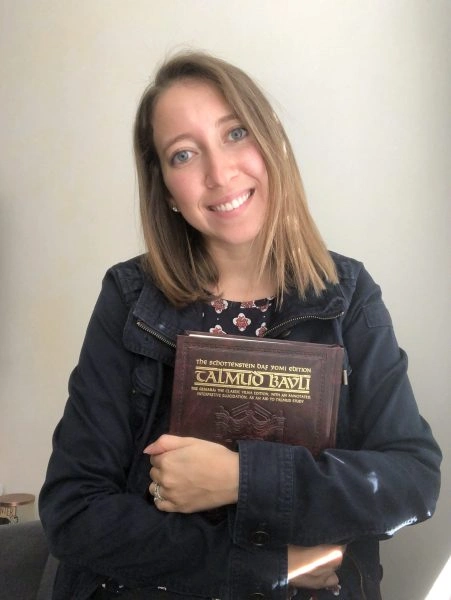
Elana Storch
Elana Storch

Phoenix, Arizona, United States

I’ve been studying Talmud since the ’90s, and decided to take on Daf Yomi two years ago. I wanted to attempt the challenge of a day-to-day, very Jewish activity. Some days are so interesting and some days are so boring. But I’m still here.
Wendy Rozov
Wendy Rozov

Phoenix, AZ, United States

I began Daf Yomi with the last cycle. I was inspired by the Hadran Siyum in Yerushalayim to continue with this cycle. I have learned Daf Yomi with Rabanit Michelle in over 25 countries on 6 continents ( missing Australia)

Barbara-Goldschlag
Barbara Goldschlag

Silver Spring, MD, United States

After experiences over the years of asking to join gemara shiurim for men and either being refused by the maggid shiur or being the only women there, sometimes behind a mechitza, I found out about Hadran sometime during the tail end of Masechet Shabbat, I think. Life has been much better since then.

Madeline Cohen
Madeline Cohen

London, United Kingdom

I started learning Daf Yomi to fill what I saw as a large gap in my Jewish education. I also hope to inspire my three daughters to ensure that they do not allow the same Talmud-sized gap to form in their own educations. I am so proud to be a part of the Hadran community, and I have loved learning so many of the stories and halachot that we have seen so far. I look forward to continuing!
Dora Chana Haar
Dora Chana Haar

Oceanside NY, United States

Robin Zeiger
Robin Zeiger

Tel Aviv, Israel

I began to learn this cycle of Daf Yomi after my husband passed away 2 1/2 years ago. It seemed a good way to connect to him. Even though I don’t know whether he would have encouraged women learning Gemara, it would have opened wonderful conversations. It also gives me more depth for understanding my frum children and grandchildren. Thank you Hadran and Rabbanit Michelle Farber!!

Harriet Hartman
Harriet Hartman

Tzur Hadassah, Israel

I’ve been studying Talmud since the ’90s, and decided to take on Daf Yomi two years ago. I wanted to attempt the challenge of a day-to-day, very Jewish activity. Some days are so interesting and some days are so boring. But I’m still here.
Sarene Shanus
Sarene Shanus

Mamaroneck, NY, United States

At almost 70 I am just beginning my journey with Talmud and Hadran. I began not late, but right when I was called to learn. It is never too late to begin! The understanding patience of staff and participants with more experience and knowledge has been fabulous. The joy of learning never stops and for me. It is a new life, a new light, a new depth of love of The Holy One, Blessed be He.
Deborah Hoffman-Wade

Richmond, CA, United States

I started learning when my brother sent me the news clip of the celebration of the last Daf Yomi cycle. I was so floored to see so many women celebrating that I wanted to be a part of it. It has been an enriching experience studying a text in a language I don’t speak, using background knowledge that I don’t have. It is stretching my learning in unexpected ways, bringing me joy and satisfaction.

Jodi Gladstone
Jodi Gladstone

Warwick, Rhode Island, United States

When I started studying Hebrew at Brown University’s Hillel, I had no idea that almost 38 years later, I’m doing Daf Yomi. My Shabbat haburah is led by Rabbanit Leah Sarna. The women are a hoot. I’m tracking the completion of each tractate by reading Ilana Kurshan’s memoir, If All the Seas Were Ink.

Hannah Lee
Hannah Lee

Pennsylvania, United States

Pesachim 4

רַב, בַּר אֲחוּהּ דְּרַבִּי חִיָּיא וּבַר אֲחָתֵיהּ. כִּי סְלֵיק לְהָתָם, אֲמַר לֵיהּ: אַיְיבוּ קַיָּים? אֲמַר לֵיהּ: אִימָּא קַיֶּימֶת?! אֲמַר לֵיהּ: אִימָּא קַיֶּימֶת? אֲמַר לֵיהּ: אַיְיבוּ קַיָּים?!

The Gemara relates: Rav was the son of Rabbi Ḥiyya’s half brother and the son of Rabbi Ḥiyya’s half sister, as Ayevu, Rav’s father, married his own stepsister, Imma. When Rav ascended there, to Eretz Yisrael, Rabbi Ḥiyya said to Rav: Is your father, Ayevu, alive? He said to him, replying with a question: Is your sister, Imma, alive? He said to him: Indeed, is Imma alive? He said to him: Is Ayevu alive? Upon hearing this, Rabbi Ḥiyya understood that both Ayevu and Imma had passed away, and Rav did not wish to say so explicitly.

אֲמַר לֵיהּ לְשַׁמָּעֵיהּ: חֲלוֹץ לִי מִנְעָלַי וְהוֹלֵיךְ כֵּלַי אַחֲרֵי לְבֵית הַמֶּרְחָץ. שְׁמַע מִינַּהּ תְּלָת. שְׁמַע מִינַּהּ: אָבֵל אָסוּר בִּנְעִילַת הַסַּנְדָּל. וּשְׁמַע מִינַּהּ: שְׁמוּעָה רְחוֹקָה אֵינָהּ נוֹהֶגֶת אֶלָּא יוֹם אֶחָד. וּשְׁמַע מִינַּהּ: מִקְצָת הַיּוֹם כְּכוּלּוֹ.

Rabbi Ḥiyya said to his attendant: Remove my shoes and carry my garments after me to the bathhouse. The Gemara comments: Learn from Rabbi Ḥiyya’s instructions three halakhot. Learn from it that wearing shoes is prohibited for a mourner, which is why he instructed his servant to remove his shoes. And learn from it that for distant tidings mourning is practiced only one day. One who receives tidings of the death of a relative more than thirty days after he died, does not mourn for seven days. The halakhot of mourning apply for only a single day. And learn from it that with regard to the halakhot of mourning, the legal status of part of the day is like that of an entire day. The Gemara derives this halakha from the fact that Rabbi Ḥiyya removed his shoes and immediately thereafter went to the bathhouse, an act that is prohibited for a mourner. He was permitted to do so because the restrictions of the mourning period were no longer in effect after briefly going without shoes.

הַהוּא דְּאָמַר: דּוּנוּ דִּינִי. אָמְרִי: שְׁמַע מִינַּהּ מִדָּן קָאָתֵי, דִּכְתִיב: ״דָּן יָדִין עַמּוֹ כְּאַחַד שִׁבְטֵי יִשְׂרָאֵל״.

With regard to the precision required in language, the Gemara relates: A certain man would regularly say whenever involved in conflict: Adjudicate my case [dunu dini]. The Sages said: Learn from it that he descends from the tribe of Dan, as it is written: “Dan will judge [yadin] his people like one of the tribes of Israel” (Genesis 49:16). He expressed himself that way due to his lineage.

הָהוּא דַּהֲוָה קָא אָזֵיל וְאָמַר: אַכֵּיף יַמָּא אָסֵיסְנִי בִּירָאתָא. בְּדַקוּ וְאַשְׁכְּחוּהוּ דְּמִזְּבוּלוּן קָאָתֵי, דִּכְתִיב: ״זְבוּלֻן לְחוֹף יַמִּים יִשְׁכֹּן״.

The Gemara relates a similar incident: A certain man would regularly walk and say: The bushes on the seashore are cypresses (ge’onim), i.e., items located by the sea are more beautiful than those found in other places. They examined his lineage and found that he descends from the tribe of Zebulun, as it is written: “Zebulun shall dwell by the seashore” (Genesis 49:13). That explains his love of all things close to the sea.

וְהַשְׁתָּא דְּקַיְימָא לַן דִּלְכוּלֵּי עָלְמָא ״אוֹר״ אוּרְתָּא הוּא, מִכְּדֵי בֵּין לְרַבִּי יְהוּדָה וּבֵין לְרַבִּי מֵאִיר — חָמֵץ אֵינוֹ אָסוּר אֶלָּא מִשֵּׁשׁ שָׁעוֹת וּלְמַעְלָה, וְנִבְדּוֹק בְּשֵׁית.

The Gemara returns to the issue of the search for leaven. And now that we maintain that everyone agrees the word or in the mishna is evening, consider the following: After all, both according to the opinion of Rabbi Yehuda and according to that of Rabbi Meir, who disagree with regard to the deadline decreed by the Sages to remove all leaven, it is prohibited to derive benefit from leavened bread by Torah law only from the sixth hour of the day and onward. And if so, let us search for leaven at six hours of the day, and eliminate the leaven at that point.

וְכִי תֵּימָא זְרִיזִין מַקְדִּימִין לְמִצְוֹת, נִבְדּוֹק מִצַּפְרָא. דִּכְתִיב: ״וּבַיּוֹם הַשְּׁמִינִי יִמּוֹל בְּשַׂר עָרְלָתוֹ״, וְתַנְיָא: כָּל הַיּוֹם כּוּלּוֹ כָּשֵׁר לְמִילָה, אֶלָּא שֶׁזְּרִיזִין מַקְדִּימִים לְמִצְוֹת, שֶׁנֶּאֱמַר: ״וַיַּשְׁכֵּם אַבְרָהָם בַּבֹּקֶר״.

And lest you say that this halakha is in accordance with the principle that the vigilant are early in the performance of mitzvot, let us search in the morning. The principle: The vigilant are early in the performance of mitzvot, is derived, as it is written: “And on the eighth day the flesh of his foreskin shall be circumcised” (Leviticus 12:3). And it was taught in a baraita: The entire day is suitable for performance of the mitzva of circumcision; however, the vigilant are early in the performance of mitzvot, and circumcise in the morning. As it is stated with regard to the binding of Isaac: “And Abraham arose early in the morning” (Genesis 22:3) after hearing God’s command. This indicates that Abraham arose early in his eagerness to perform God’s commandment.

אָמַר רַב נַחְמָן בַּר יִצְחָק: בְּשָׁעָה שֶׁבְּנֵי אָדָם מְצוּיִין בְּבָתֵּיהֶם, וְאוֹר הַנֵּר יָפֶה לִבְדִיקָה.

The Gemara cites an answer to its initial question of why the search for leaven is not conducted in the morning. Rav Naḥman bar Yitzḥak said: One searches for leaven in the evening as it is a time when people are found in their homes, and they have the opportunity to perform the search. And furthermore, the light of the lamp is favorable for conducting a search specifically at night. As the search is conducted with a lamp, it is preferable to search at night.

אָמַר אַבָּיֵי: הִילְכָּךְ, הַאי צוּרְבָּא מֵרַבָּנַן לָא לִפְתַּח בְּעִידָּנֵיהּ בְּאוּרְתָּא דִתְלֵיסַר דְּנַגְהֵי אַרְבֵּסַר — דִּלְמָא מָשְׁכָא לֵיהּ שְׁמַעְתֵּיהּ, וְאָתֵי לְאִימְּנוֹעֵי מִמִּצְוָה.

Abaye said: Therefore, in light of the above halakha, a Torah scholar should not begin his regularly scheduled period of Torah study in the evening at the conclusion of the thirteenth of Nisan that is the evening of the fourteenth, as perhaps he will become engrossed in the halakha he is studying and will come to be prevented from performing the mitzva of searching for leaven.

בְּעוֹ מִינֵּיהּ מֵרַב נַחְמָן בַּר יִצְחָק: הַמַּשְׂכִּיר בַּיִת לַחֲבֵירוֹ בְּאַרְבָּעָה עָשָׂר, עַל מִי לִבְדּוֹק? עַל הַמַּשְׂכִּיר לִבְדּוֹק — דַּחֲמִירָא דִּידֵיהּ הוּא, אוֹ דִלְמָא עַל הַשּׂוֹכֵר לִבְדּוֹק — דְּאִיסּוּרָא בִּרְשׁוּתֵיהּ קָאֵי? תָּא שְׁמַע: הַמַּשְׂכִּיר בַּיִת לַחֲבֵירוֹ — עַל הַשּׂוֹכֵר לַעֲשׂוֹת לוֹ מְזוּזָה!

They raised a dilemma before Rav Naḥman bar Yitzḥak: With regard to one who lets a house to another on the fourteenth of Nisan, upon whom is it incumbent to search for leaven? Is it incumbent upon the lessor to search for leaven, as the leavened bread is his; or is it perhaps incumbent upon the lessee to search, as the source of the prohibition is in his domain since he will be living in the house during Passover? He answered: Come and hear an answer from a baraita: With regard to one who lets a house to another, the obligation is upon the lessee to affix a mezuza for it. Apparently, the person renting the house is obligated to perform the mitzvot connected to the house.

הָתָם, הָא אָמַר רַב מְשַׁרְשְׁיָא: מְזוּזָה חוֹבַת הַדָּר הִיא. הָכָא, מַאי? אֲמַר לְהוּ רַב נַחְמָן בַּר יִצְחָק, תְּנֵינָא: הַמַּשְׂכִּיר בַּיִת לַחֲבֵירוֹ, אִם עַד שֶׁלֹּא מָסַר לוֹ מַפְתְּחוֹת חָל אַרְבָּעָה עָשָׂר — עַל הַמַּשְׂכִּיר לִבְדּוֹק, וְאִם מִשֶּׁמָּסַר לוֹ מַפְתְּחוֹת חָל אַרְבָּעָה עָשָׂר — עַל הַשּׂוֹכֵר לִבְדּוֹק.

The Gemara rejects this proof: There, in the case of mezuza, didn’t Rav Mesharshiya say: Affixing a mezuza is the obligation of the resident? The fact is that the owner of an uninhabited house is not obligated to affix a mezuza to its doors. If so, the question remains, what is the halakha here? Rav Naḥman bar Yitzḥak said to them that we already learned the resolution to this dilemma in a baraita: One who rents a house to another, if before he delivered the keys to the renter the fourteenth of Nisan began, the obligation is upon the lessor to search for leaven. And if it was after he delivered the keys to him that the fourteenth began, the obligation is upon the lessee to search for leaven.

בְּעוֹ מִינֵּיהּ מֵרַב נַחְמָן בַּר יִצְחָק: הַמַּשְׂכִּיר בַּיִת לַחֲבֵירוֹ בְּאַרְבָּעָה עָשָׂר, חֶזְקָתוֹ בָּדוּק אוֹ אֵין חֶזְקָתוֹ בָּדוּק? לְמַאי נָפְקָא מִינַּהּ? לִישַׁיְּילֵיהּ! דְּלֵיתֵיהּ לְהַאי דִּלְשַׁיּוֹלֵיהּ. לְאַטְרוֹחֵי לְהַאי, מַאי?

They raised another dilemma before Rav Naḥman bar Yitzḥak: With regard to one who lets a house to another on the fourteenth of Nisan, is its presumptive status that it has been searched or is it not its presumptive status that it has been searched? The Gemara asks: What is the practical difference between these possibilities? Let him ask the owner of the house. The Gemara responds: The situation here is one where the owner is not here to ask him. The dilemma is whether or not to impose upon the renter to search for the leaven. What is the halakha?

אֲמַר לְהוּ רַב נַחְמָן בַּר יִצְחָק, תְּנֵיתוּהָ: הַכֹּל נֶאֱמָנִים עַל בִּיעוּר חָמֵץ, אֲפִילּוּ נָשִׁים אֲפִילּוּ עֲבָדִים אֲפִילּוּ קְטַנִּים. מַאי טַעְמָא מְהֵימְנֵי,

Rav Naḥman bar Yitzḥak said to them that we already learned the resolution to this dilemma based on a related baraita: Everyone is believed to provide testimony about the elimination of leavened bread; even women, even slaves, and even minors. Although these people are typically not relied upon to deliver testimony, they are believed when they provide testimony that they have eliminated leaven. The Gemara asks: What is the reason that they are believed?

לָאו מִשּׁוּם דְּחֶזְקָתוֹ בָּדוּק, דְּקָסָבַר: הַכֹּל חֲבֵרִים הֵם אֵצֶל בְּדִיקַת חָמֵץ. דְּתַנְיָא: חָבֵר שֶׁמֵּת וְהִנִּיחַ מְגוּרָה מְלֵיאָה פֵּירוֹת, אֲפִילּוּ הֵן בְּנֵי יוֹמָן — הֲרֵי הֵן בְּחֶזְקַת מְתוּקָּנִים.

Isn’t it due to the fact that the presumptive status of the house is that it has been searched, as this tanna maintains: All are considered ḥaverim with regard to the search for leavened bread? A ḥaver is one with the presumptive status of trustworthiness with regard to a given matter, e.g., ritual purity and impurity, tithes, etc. In this case, since everyone has ḥaver status with regard to searching for leaven, everyone is deemed trustworthy to have performed the requisite action. As it was taught in a baraita: With regard to a ḥaver who died and left a storehouse filled with produce, even if the produce was there only that day, the fruit has the presumptive status of produce that was ritually prepared, i.e., tithed, as there is no doubt that the ḥaver tithed his produce before he died. The same applies to the search for leaven: All are considered ḥaverim and are believed.

וּמִמַּאי? דִּילְמָא שָׁאנֵי הָכָא, מִשּׁוּם דְּקָאָמְרִי הָנֵי. אַטּוּ אֲמִירָה דְּהָנֵי מִידֵּי מְשָׁשָׁא אִית בֵּיהּ?

The Gemara challenges this claim: And from where can this be proven? It is possible that in general a house does not have presumptive status that it was searched, and perhaps it is different here, due to the fact that these people, e.g., a woman, slave, or minor, expressly stated that they conducted the search. Perhaps that is why the house is considered to have been searched. The Gemara rejects this contention: Is that to say that there is any substance in the statement of these people? Since the testimony of all these is disqualified, they lack credibility, and their statements are not reliable. Instead, the reason that there is no need to search the rented property for leaven must be because of the presumption that it has already been searched.

אֶלָּא מַאי — דְּחָזְקָתוֹ בָּדוּק? הַאי ״הַכֹּל נֶאֱמָנִים״, ״כָּל הַבָּתִּים בְּחֶזְקַת בְּדוּקִין בְּאַרְבָּעָה עָשָׂר״ מִיבְּעֵי לֵיהּ!

The Gemara retorts: Rather, what is the reason that one need not search the rented property for leaven? Is it due to the fact that its presumptive status is that it has been searched? If so, this statement should not read: Everyone is believed, as women, slaves, or minors themselves have no credibility. It should have been formulated: With regard to all houses on the fourteenth, their presumptive status is that they have already been searched, as that is the actual rationale for the lenient ruling.

אֶלָּא מַאי — מִשּׁוּם אֲמִירָה דְּהָנֵי, הָא לָא אָמְרִי הָנֵי — לָא? תִּפְשׁוֹט מִינֵּיהּ דְּאֵין חֶזְקָתוֹ בָּדוּק.

The Gemara rejects this contention: Rather, what is the alternative? Is it that this halakha is due to the statement of these people, and by inference, if these people do not say that the house has been searched, then no, it cannot be assumed that it was searched? If so, resolve the original dilemma from here, as this is proof that the presumptive status of the house is not that it has been searched, unless someone explicitly states that this is the case.

לָא, לְעוֹלָם אֵימָא לָךְ חֶזְקָתוֹ בָּדוּק, וְהָכָא בְּמַאי עָסְקִינַן — דְּמוּחְזָק לַן דְּלָא בְּדַק, וְקָאָמְרִי הָנֵי: בַּדְקִינֵּיהּ. מַהוּ דְּתֵימָא: לָא לְהֵימְנִינְהוּ רַבָּנַן, קָא מַשְׁמַע לַן: כֵּיוָן דִּבְדִיקַת חָמֵץ מִדְּרַבָּנַן הוּא, דְּמִדְּאוֹרָיְיתָא בְּבִיטּוּל בְּעָלְמָא סַגִּי לֵיהּ — הֵימְנוּהוּ רַבָּנַן בִּדְרַבָּנַן.

The Gemara rejects this conclusion: No, actually I can say to you that on the fourteenth its presumptive status is that it has been searched, and with what case are we dealing here? This halakha is referring to a situation where our presumption is that the owner did not search the house, and these women, slaves, or minors say: We searched it. Lest you say that the Sages do not believe them, as they are unfit to testify, the baraita therefore teaches us that since the search for leavened bread is an ordinance by rabbinic law, as by Torah law mere nullification of one’s ownership before the prohibition of the leaven takes effect is sufficient, the Sages believe them with regard to an ordinance instituted by rabbinic law.

אִיבַּעְיָא לְהוּ: הַמַּשְׂכִּיר בַּיִת לַחֲבֵירוֹ בְּחֶזְקַת בָּדוּק, וּמְצָאוֹ שֶׁאֵינוֹ בָּדוּק, מַהוּ? מִי הָוֵי כְּמִקָּח טָעוּת, אוֹ לָא?

A dilemma was raised before the Sages: With regard to one who lets a house to another for Passover, with the presumptive status that it was searched, and the lessee discovered that it was not searched, what is the halakha? Is it considered a mistaken transaction, and the renter can abrogate the deal, claiming that he agreed on the basis of his belief that the property had already been searched? Or no, it is not considered a mistaken transaction?

תָּא שְׁמַע, דְּאָמַר אַבָּיֵי: לָא מִיבַּעְיָא בְּאַתְרָא דְּלָא יָהֲבִי אַגְרָא וּבְדַקוּ — דְּנִיחָא לֵיהּ לְאִינִישׁ לְקַיּוֹמֵי מִצְוָה בְּגוּפֵיהּ. אֶלָּא אֲפִילּוּ בְּאַתְרָא דְּיָהֲבִי אַגְרָא וּבְדַקוּ — דְּנִיחָא לֵיהּ לְאִינִישׁ לְקַיּוֹמֵי מִצְוָה בְּמָמוֹנֵיהּ.

The Gemara suggests: Come and hear a resolution to this dilemma, as Abaye said: Needless to say, that in a place where people typically do not pay a wage and hire others to conduct the search for leaven and everyone searches himself, a person prefers to fulfill the mitzva himself. However, even in a place where people pay a wage and have others search for leaven, it is not a mistaken transaction due to the fact that a person prefers to perform the mitzva with his own money. Consequently, it is not considered a mistaken transaction, as a person does not object to having to perform a mitzva.

תְּנַן הָתָם, רַבִּי מֵאִיר אוֹמֵר: אוֹכְלִין כָּל חָמֵשׁ, וְשׂוֹרְפִין בִּתְחִלַּת שֵׁשׁ. רַבִּי יְהוּדָה אוֹמֵר: אוֹכְלִין כָּל אַרְבַּע, וְתוֹלִין כָּל חָמֵשׁ, וְשׂוֹרְפִין בִּתְחִלַּת שֵׁשׁ. דְּכוּלֵּי עָלְמָא מִיהָא חָמֵץ מִשֵּׁשׁ שָׁעוֹת וּלְמַעְלָה אָסוּר, מְנָלַן?

We learned in a mishna there, that Rabbi Meir says: One may eat leaven on the fourteenth day during the entire first five hours of the day, and he burns the leaven at the beginning of the sixth hour. Rabbi Yehuda says: One may eat leaven for the entire first four hours of the day, and one leaves it in abeyance during the fifth hour, at which point eating leaven is prohibited but it need not be burned yet, and one burns the leaven at the beginning of the sixth hour. Everyone agrees, in any case, that leavened bread is prohibited by Torah law from the sixth hour and onward. From where do we derive this?

אָמַר אַבָּיֵי: תְּרֵי קְרָאֵי כְּתִיבִי, כְּתִיב: ״שִׁבְעַת יָמִים שְׂאוֹר לֹא יִמָּצֵא בְּבָתֵּיכֶם״, וּכְתִיב: ״אַךְ בַּיּוֹם הָרִאשׁוֹן תַּשְׁבִּיתוּ שְּׂאוֹר מִבָּתֵּיכֶם״. הָא כֵּיצַד? לְרַבּוֹת אַרְבָּעָה עָשָׂר לְבִיעוּר.

Abaye said: Two verses are written, and the halakha is derived by comparing them. It is written in one verse: “Seven days, leaven shall not be found in your houses” (Exodus 12:19), indicating that throughout these seven days it is prohibited to maintain leaven in one’s house. And it is written in another verse: “Yet on the first day you shall remove leaven from your houses” (Exodus 12:15), indicating that one must remove the leaven on the first day, after the Festival has begun. How can this apparent contradiction be resolved? The Gemara responds: The latter verse comes to include the fourteenth day of Nisan with regard to the elimination of leaven. The phrase: On the first day, does not refer to the fifteenth of Nisan or to the beginning of the festival of Passover. It is referring to the fourteenth, the day on which the Paschal lamb is slaughtered.

וְאֵימָא לְרַבּוֹת לֵילֵי חֲמִשָּׁה עָשָׂר לְבִיעוּר, דְּסָלְקָא דַּעְתָּךְ אָמֵינָא: ״יָמִים״ כְּתִיב, יָמִים — אִין, לֵילוֹת — לָא, קָא מַשְׁמַע לַן אֲפִילּוּ לֵילוֹת! הָהוּא לָא אִיצְטְרִיכָא לֵיהּ,

The Gemara asks: And say perhaps, that the verse comes to include the night of the fifteenth, the first night of Passover, with regard to the elimination of leaven. As, were it not for this verse, it could enter your mind to say: Seven days is written, which indicates by inference: During the days, yes, one is obligated to remove leaven, but during the nights, no, there is no requirement to do so. Therefore, the verse teaches us: On the first day, one may not be in possession of leaven even during the nights. The Gemara rejects this suggestion: That halakha was not necessary to be derived by the Sages, as it can be learned from another source.

Want to follow content and continue where you left off?

Create an account today to track your progress, mark what you’ve learned, and follow the shiurim that speak to you.

Clear all items from this list?

This will remove ALL the items in this section. You will lose any progress or history connected to them. This is irreversible.

Cancel
Yes, clear all

Are you sure you want to delete this item?

You will lose any progress or history connected to this item.

Cancel
Yes, delete