Search

Pesachim 49

Want to dedicate learning? Get started here:

English
עברית
podcast placeholder

0:00
0:00


podcast placeholder

0:00
0:00


Summary

Today’s Daf is sponsored by Tzippy Wolkenfeld. Tzippy wishes a Refuah Shleimah for Yakira Leeba bat Sara Gita. “Thank you, dearest Kiki, for inspiring us and so many others to grow in learning, mitzvot, yirat shamayim and emunah. May you continue to grow stronger and stronger! Love Savta and Zaidy.”

When erev Pesach falls on Shabbat, when do you get rid of the chametz? If someone is on the way to do a mitzva and remembers they have chametz at home, do they need to go back or can they nullify it in their heart? On what does it depend? The mishna also brings a case of one who left Jerusalem carrying sanctified meat – depending on how far they are already from the city, do they need to go back to burn in on the Temple Mount? Is an engagement meal considered a mitzva? The gemara gets sidetracked into proper behavior – should scholars spend their time going to meals that aren’t for a mitzva? As an example for a meal that is not a mitzva, the gemara mentions the engagement of a daughter of a kohen with an Israelite. Different statements are brought regarding whether a non-kohen should or should not marry the daughter of a kohen. There is also a discussion of what type of people one should marry and the value of the talmid chacham over the am haaretz. Also the hatred between those two groups of people is discussed. The mishna mentions the debate between Rabbi Meir and Rabbi Yehuda regarding the size of chametz or sanctified meat that one needs to return for. Their opinions seem to contradict their opinions regarding the size needed to say the grace after meals, birkhat hamazon. How are these reconciled?

Today’s daily daf tools:

Pesachim 49

מַתְנִי׳ אַרְבָּעָה עָשָׂר שֶׁחָל לִהְיוֹת בְּשַׁבָּת — מְבַעֲרִין אֶת הַכֹּל מִלִּפְנֵי הַשַּׁבָּת, דִּבְרֵי רַבִּי מֵאִיר. וַחֲכָמִים אוֹמְרִים: בִּזְמַנּוֹ. רַבִּי אֱלִיעֶזֶר בַּר צָדוֹק אוֹמֵר: תְּרוּמָה — מִלִּפְנֵי הַשַּׁבָּת, וְחוּלִּין — בִּזְמַנָּן.

MISHNA: With regard to the fourteenth of Nisan that occurs on Shabbat, one removes all leaven from his possession, whether it is teruma or non-sacred food, before Shabbat, except for that which will be eaten during the first part of Shabbat. In that case, one cannot remove leaven from his possession on the fourteenth of Nisan itself as he does in other years. This is the statement of Rabbi Meir. And the Rabbis say: One may remove the leaven at its usual time on the fourteenth of Nisan by throwing it away or declaring it ownerless. Rabbi Eliezer bar Tzadok says: Teruma should be removed before Shabbat, as only a few people are permitted to eat it and therefore one can presume that it will remain uneaten during Shabbat. However, non-sacred foods should be removed at their usual time, on the fourteenth of Nisan itself.

גְּמָ׳ תַּנְיָא, רַבִּי אֱלִיעֶזֶר בַּר צָדוֹק אוֹמֵר: פַּעַם אַחַת שָׁבַת אַבָּא בְּיַבְנֶה, וְחָל אַרְבָּעָה עָשָׂר לִהְיוֹת בְּשַׁבָּת. וּבָא זוּנִין מְמוּנֶּה שֶׁל רַבָּן גַּמְלִיאֵל וְאָמַר: הִגִּיעַ עֵת לְבַעֵר אֶת הֶחָמֵץ, וְהָלַכְתִּי אַחַר אַבָּא וּבִיעַרְנוּ אֶת הֶחָמֵץ.

GEMARA: It was taught in the Tosefta that Rabbi Eliezer bar Tzadok says: One time my father, Rabbi Tzadok, spent Shabbat in Yavne, and the fourteenth of Nisan occurred on that Shabbat. Zonin, who was the appointee of Rabban Gamliel, came and said: The time has come to remove leavened bread; and I went with my father and we removed the leavened bread. This story serves as anecdotal evidence that leaven is removed at the usual time on the fourteenth of Nisan, even on Shabbat.

מַתְנִי׳ הַהוֹלֵךְ לִשְׁחוֹט אֶת פִּסְחוֹ, וְלָמוּל אֶת בְּנוֹ, וְלֶאֱכוֹל סְעוּדַת אֵירוּסִין בְּבֵית חָמִיו, וְנִזְכַּר שֶׁיֵּשׁ לוֹ חָמֵץ בְּתוֹךְ בֵּיתוֹ. אִם יָכוֹל לַחֲזוֹר וּלְבַעֵר וְלַחֲזוֹר לְמִצְוָתוֹ — יַחְזוֹר וִיבַעֵר, וְאִם לָאו — מְבַטְּלוֹ בְּלִבּוֹ.

MISHNA: One who is traveling on the eve of Passover to slaughter his Paschal lamb, to circumcise his son, or to eat a betrothal feast in his father-in-law’s house, and he remembers that he has leavened bread in his house, if he is able to return to his house and remove the leaven and afterward return to the mitzva toward which he was traveling, he should return home and remove his leaven. But if there is not enough time for him to go home and remove the leaven, and still complete the mitzva that he already began, he should nullify it in his heart, as by Torah law this is sufficient.

לְהַצִּיל מִן הַגּוֹיִם, וּמִן הַנָּהָר, וּמִן הַלִּסְטִים, וּמִן הַדְּלֵיקָה, וּמִן הַמַּפּוֹלֶת — יְבַטֵּל בְּלִבּוֹ. וְלִשְׁבּוֹת שְׁבִיתַת הָרְשׁוּת — יַחְזוֹר מִיָּד.

If one was traveling to save Jews from an attack by gentiles, from a flooding river, from bandits, from a fire, or from a collapsed building, he should not even attempt to return, and instead he should nullify the leaven in his heart. This applies even if he could remove his leaven and still return to his previous activity. If he went to establish his Shabbat residence in order to adjust his Shabbat limit for an optional purpose, rather than in order to fulfill a commandment, he should return immediately to remove his leaven.

וְכֵן מִי שֶׁיָּצָא מִירוּשָׁלַיִם וְנִזְכַּר שֶׁיֵּשׁ בְּיָדוֹ בְּשַׂר קֹדֶשׁ, אִם עָבַר צוֹפִים — שׂוֹרְפוֹ בִּמְקוֹמוֹ. וְאִם לָאו — חוֹזֵר וְשׂוֹרְפוֹ לִפְנֵי הַבִּירָה מֵעֲצֵי הַמַּעֲרָכָה.

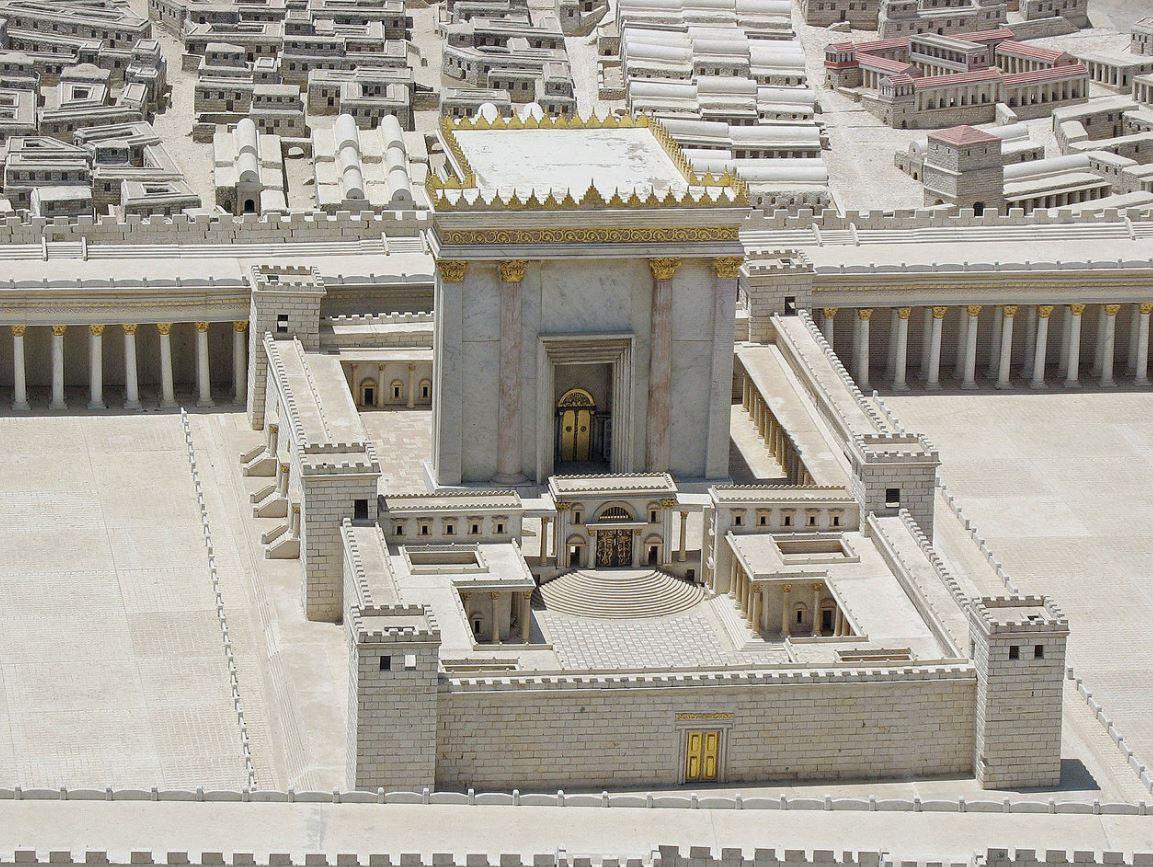
And so too, the same halakha applies to one who left Jerusalem and remembered that there was consecrated meat in his hand. Meat that is taken out of Jerusalem becomes disqualified, and one is required to burn it in proximity to the Temple. If he passed the area of Mount Scopus [Tzofim], beyond which one cannot see Jerusalem, he burns the meat at the site where he is located; and if he has not traveled that far, he must return and burn it before the Temple with wood from the arrangement on the altar, which was designated for burning consecrated items that were disqualified.

וְעַד כַּמָּה הֵן חוֹזְרִין? רַבִּי מֵאִיר אוֹמֵר: זֶה וְזֶה בִּכְבֵיצָה, רַבִּי יְהוּדָה אוֹמֵר: זֶה וְזֶה בִּכְזַיִת. וַחֲכָמִים אוֹמְרִים: בְּשַׂר קֹדֶשׁ — בִּכְזַיִת, וְחָמֵץ — בִּכְבֵיצָה.

The mishna asks: For how much leaven or consecrated meat is one required to return? Rabbi Meir says: In both this case and that case, one must return for an egg-bulk. Rabbi Yehuda says: In both this case and that case, one must return for an olive-bulk. And the Rabbis say that the amount depends on the case: With regard to consecrated meat, he is required to return if he has an olive-bulk, but in a case where he remembers that he has leavened bread, he required to return only for an egg-bulk.

גְּמָ׳ וּרְמִינְהוּ: הַהוֹלֵךְ לֶאֱכוֹל סְעוּדַת אֵירוּסִין בְּבֵית חָמִיו, וְלִשְׁבּוֹת שְׁבִיתַת הָרְשׁוּת — יַחְזוֹר מִיָּד!

GEMARA: The Gemara raises a contradiction between this mishna and another source. It was taught in a baraita: One who is traveling to eat a betrothal feast in his father-in-law’s house or to establish his Shabbat residence for an optional purpose, must return immediately to remove his leaven. This contradicts the mishna, which states that one who is going to a betrothal feast may nullify the leaven without returning for it, because the meal is considered a mitzva.

אָמַר רַבִּי יוֹחָנָן, לָא קַשְׁיָא: הָא — רַבִּי יְהוּדָה, הָא — רַבִּי יוֹסֵי. דְּתַנְיָא: סְעוּדַת אֵירוּסִין רְשׁוּת, דִּבְרֵי רַבִּי יְהוּדָה. רַבִּי יוֹסֵי אוֹמֵר: מִצְוָה.

Rabbi Yoḥanan said: This is not difficult, as there is a tannaitic dispute with regard to the issue. This source, the baraita, is in accordance with the opinion of Rabbi Yehuda, while that source, the mishna, is in accordance with the opinion of Rabbi Yosei. As it was taught in a baraita: A betrothal feast is optional; this is the statement of Rabbi Yehuda. Rabbi Yosei says: It is a mitzva.

וְהַשְׁתָּא דְּאָמַר רַב חִסְדָּא: מַחֲלוֹקֶת בִּסְעוּדָה שְׁנִיָּה, אֲבָל בִּסְעוּדָה רִאשׁוֹנָה דִּבְרֵי הַכֹּל מִצְוָה. אֲפִילּוּ תֵּימָא הָא וְהָא רַבִּי יְהוּדָה, וְלָא קַשְׁיָא: הָא — בִּסְעוּדָה רִאשׁוֹנָה, הָא — בִּסְעוּדָה שְׁנִיָּה.

And now that Rav Ḥisda said: The dispute between Rabbi Yehuda and Rabbi Yosei applies to the second betrothal feast, where the groom takes part in an additional meal with the bride’s family, but everyone agrees that the first betrothal feast is a mitzva, the contradiction between the mishna and the baraita can be resolved differently. Even if you say that this mishna and that baraita are both in accordance with the opinion of Rabbi Yehuda, it is not difficult. This mishna, which relates to the meal as a mitzva, is referring to the first meal. That baraita, which assumes that the meal is not a mitzva, is referring to the second meal.

תַּנְיָא אָמַר רַבִּי יְהוּדָה: אֲנִי לֹא שָׁמַעְתִּי אֶלָּא סְעוּדַת אֵירוּסִין, אֲבָל לֹא סִבְלוֹנוֹת. אָמַר לוֹ רַבִּי יוֹסֵי: אֲנִי שָׁמַעְתִּי סְעוּדַת אֵירוּסִין וְסִבְלוֹנוֹת.

It was taught in a baraita that Rabbi Yehuda said: I heard only that there is a mitzva with regard to a betrothal feast itself, but not with regard to the feast of the gifts [sivlonot], when the groom would present gifts to the bride. While a festive meal was eaten on this occasion, it was not considered to be a mitzva. Rabbi Yosei said to him: I heard that both a betrothal feast and the feast of the gifts are considered mitzvot.

תַּנְיָא, רַבִּי שִׁמְעוֹן אוֹמֵר: כׇּל סְעוּדָה שֶׁאֵינָהּ שֶׁל מִצְוָה — אֵין תַּלְמִיד חָכָם רַשַּׁאי לֵהָנוֹת מִמֶּנָּה.

Having discussed whether a betrothal feast is a mitzva, the Gemara addresses a related issue. It was taught in a baraita that Rabbi Shimon says: A Torah scholar may not derive benefit from partaking in any feast that is not a mitzva.

כְּגוֹן מַאי? אָמַר רַבִּי יוֹחָנָן: כְּגוֹן בַּת כֹּהֵן לְיִשְׂרָאֵל, וּבַת תַּלְמִיד חָכָם לְעַם הָאָרֶץ. דְּאָמַר רַבִּי יוֹחָנָן: בַּת כֹּהֵן לְיִשְׂרָאֵל — אֵין זִוּוּגָן עוֹלֶה יָפֶה.

The Gemara asks: In what case does this statement apply? Rabbi Yoḥanan said: In a case where the daughter of a priest marries an Israelite, or where the daughter of a Torah scholar marries an ignoramus. Although a wedding feast is generally a mitzva, it is not in this case, as Rabbi Yoḥanan said: When the daughter of a priest marries an Israelite their union will not be auspicious, as it is disgraceful for the priesthood when the daughter of a priest marries an Israelite.

מַאי הִיא? אָמַר רַב חִסְדָּא: אוֹ ״אַלְמָנָה״, אוֹ ״גְּרוּשָׁה״, אוֹ ״זֶרַע אֵין לָהּ״. בְּמַתְנִיתָא תָּנָא: קוֹבְרָהּ אוֹ קוֹבַרְתּוֹ, אוֹ מְבִיאָתוֹ לִידֵי עֲנִיּוּת.

The Gemara asks: What is meant by this statement that their union will be inauspicious? Rav Ḥisda said: The inauspicious nature of such a marriage can be identified based on the verse describing the return of a daughter of a priest to her father’s house after marrying a non-priest. The verse is understood as mentioning that the marriage will result in one of three possibilities: she will either be a widow, a divorcee, or without children (see Leviticus 22:13). It was taught in a baraita: Either her husband will bury her or she will bury him, because one of them will die young, or she will cause him to become poor.

אִינִי?! וְהָא אָמַר רַבִּי יוֹחָנָן: הָרוֹצֶה שֶׁיִּתְעַשֵּׁר יִדְבַּק בְּזַרְעוֹ שֶׁל אַהֲרֹן, כׇּל שֶׁכֵּן שֶׁתּוֹרָה וּכְהוּנָּה מַעֲשַׁרְתָּן. לָא קַשְׁיָא: הָא — בְּתַלְמִיד חָכָם, הָא — בְּעַם הָאָרֶץ.

The Gemara asks: Is that so? Didn’t Rabbi Yoḥanan himself say: One who wishes to become wealthy should cling to the descendants of Aaron, and all the more so should the merit of the Torah and the priesthood cause them to become wealthy. The Gemara answers: This is not difficult, as this case, where he becomes wealthy, refers to a Torah scholar who marries a woman of priestly lineage. In that case their union will be a successful one. That case, where their union will not be auspicious, refers to an ignoramus who marries a woman of priestly lineage.

רַבִּי יְהוֹשֻׁעַ נְסֵיב כָּהֵנְתָּא, חֲלַשׁ. אָמַר: לָא נִיחָא לֵיהּ לְאַהֲרֹן דְּאֶדְבַּק בְּזַרְעֵיהּ, דְּהָוֵי לֵיהּ חַתְנָא כִּי אֲנָא.

The Gemara relates that Rabbi Yehoshua married a daughter of a priest and became ill. He said: Apparently, it is not satisfactory to Aaron the priest that I cling to his descendants, so that he has a son-in-law like me.

רַב אִידִי בַּר אָבִין נָסֵיב כָּהֵנְתָּא, נְפַקוּ מִינֵּיהּ תְּרֵי בְּנֵי סְמִיכִי: רַב שֵׁשֶׁת בְּרֵיהּ דְּרַב אִידִי, וְרַבִּי יְהוֹשֻׁעַ בְּרֵיהּ דְּרַב אִידִי. אָמַר רַב פָּפָּא: אִי לָא נָסֵיבְנָא כָּהֵנְתָּא, לָא אִיעַתַּרִי.

The Gemara also relates that Rav Idi bar Avin married a daughter of a priest. Two sons who were ordained to decide halakhic matters came from him, namely Rav Sheshet, son of Rav Idi, and Rabbi Yehoshua, son of Rav Idi. Similarly, Rav Pappa said: Had I not married a daughter of a priest, I would not have become wealthy.

אָמַר רַב כָּהֲנָא: אִי לָא נָסֵיבְנָא כָּהֵנְתָּא, לָא גְּלַאי. אֲמַרוּ לֵיהּ: וְהָא לִמְקוֹם תּוֹרָה גְּלֵית! לָא גְלַאי כִּדְגָלֵי אִינָשֵׁי.

On the other hand, Rav Kahana, who was not a priest, said: Had I not married a daughter of a priest, I would not have been exiled, as Rav Kahana was forced to flee from Babylonia to Eretz Yisrael. They said to him: But you were exiled to a place of Torah, which is not a punishment at all. He answered: I was not exiled as people are generally exiled, i.e., I did not emigrate of my own free will; rather, I was forced to flee from the authorities.

אָמַר רַבִּי יִצְחָק: כׇּל הַנֶּהֱנֶה מִסְּעוּדַת הָרְשׁוּת לְסוֹף גּוֹלֶה, שֶׁנֶּאֱמַר: ״וְאֹכְלִים כָּרִים מִצֹּאן וַעֲגָלִים מִתּוֹךְ מַרְבֵּק״, וּכְתִיב: ״לָכֵן עַתָּה יִגְלוּ בְּרֹאשׁ גּוֹלִים״.

Rabbi Yitzḥak said: Anyone who benefits from partaking in an optional feast, which is not a mitzva, will ultimately be exiled, as it is stated: “And eat the lambs of the flock and the calves out of the midst of the stall” (Amos 6:4), and it is written: “Therefore now they shall go into exile at the head of the exiles; and the revelry of those who stretched themselves out shall pass away” (Amos 6:7).

תָּנוּ רַבָּנַן: כׇּל תַּלְמִיד חָכָם הַמַּרְבֶּה סְעוּדָּתוֹ בְּכׇל מָקוֹם, סוֹף מַחֲרִיב אֶת בֵּיתוֹ, וּמְאַלְמֵן אֶת אִשְׁתּוֹ, וּמְיַיתֵּם אֶת גּוֹזָלָיו, וְתַלְמוּדוֹ מִשְׁתַּכֵּחַ מִמֶּנּוּ, וּמַחְלוֹקוֹת רַבּוֹת בָּאוֹת עָלָיו, וּדְבָרָיו אֵינָם נִשְׁמָעִים, וּמְחַלֵּל שֵׁם שָׁמַיִם וְשֵׁם רַבּוֹ וְשֵׁם אָבִיו, וְגוֹרֵם שֵׁם רַע לוֹ וּלְבָנָיו וְלִבְנֵי בָנָיו עַד סוֹף כׇּל הַדּוֹרוֹת.

The Gemara continues discussing a Torah scholar who benefits from optional feasts. The Sages taught: Any Torah scholar who feasts excessively everywhere degrades himself and brings suffering upon himself. He will ultimately destroy his house, widow his wife, orphan his chicks, i.e., his children, and his studies will be forgotten. Much dispute will come upon him, his words will not be heeded, and he will desecrate God’s name and the name of his master and the name of his father. And he will cause a bad name for himself, his children, and his descendants throughout future generations.

מַאי הִיא? אָמַר אַבָּיֵי: קָרוּ לֵיהּ בַּר מַחֵים תַּנּוּרֵי. רָבָא אָמַר: בַּר מְרַקֵּיד בֵּי כוּבֵּי. רַב פָּפָּא אָמַר: בַּר מְלַחֵיךְ פִּינְכֵי. רַב שְׁמַעְיָה אָמַר: בַּר מַךְ רָבַע.

The Gemara asks: What is this bad reputation that he causes to himself and his descendants? Abaye said: His son is called the son [bar] of the one who heats ovens, since this person continually heated ovens in order to prepare food for feasts. Rava said: His son will be called the son of the one who dances in inns [bei kuvei], as he seems to be invited to every feast to entertain the guests. Rav Pappa said: His son will be called the son of the one who licks bowls [pinkhei]. Rav Shemaya said: His son will be called the son of the one who folds his garment and crouches, i.e., falls asleep drunk.

תָּנוּ רַבָּנַן: לְעוֹלָם יִמְכּוֹר אָדָם כׇּל מַה שֶׁיֵּשׁ לוֹ וְיִשָּׂא בַּת תַּלְמִיד חָכָם, שֶׁאִם מֵת אוֹ גוֹלֶה — מוּבְטָח לוֹ שֶׁבָּנָיו תַּלְמִידֵי חֲכָמִים. וְאַל יִשָּׂא בַּת עַם הָאָרֶץ, שֶׁאִם מֵת אוֹ גוֹלֶה — בָּנָיו עַמֵּי הָאָרֶץ.

On the topic of proper marriage partners, the Gemara cites the following discussion. The Sages taught: One should always be willing to sell all he has in order to marry the daughter of a Torah scholar, as if he dies or if he is exiled and he cannot raise his children, he can be assured that his sons will be Torah scholars, since their mother will ensure that they are well educated. And one should not marry the daughter of an ignoramus, as if he dies or is exiled, his sons will be ignoramuses.

תָּנוּ רַבָּנַן: לְעוֹלָם יִמְכּוֹר אָדָם כׇּל מַה שֶׁיֵּשׁ לוֹ וְיִשָּׂא בַּת תַּלְמִיד חָכָם, וְיַשִּׂיא בִּתּוֹ לְתַלְמִיד חָכָם, מָשָׁל לְעִנְבֵי הַגֶּפֶן בְּעִנְבֵי הַגֶּפֶן, דָּבָר נָאֶה וּמִתְקַבֵּל. וְלֹא יִשָּׂא בַּת עַם הָאָרֶץ, מָשָׁל לְעִנְבֵי הַגֶּפֶן בְּעִנְבֵי הַסְּנֶה, דָּבָר כָּעוּר

Furthermore, the Sages taught: One should always be willing to sell all he has in order to marry the daughter of a Torah scholar and in order to marry off his daughter to a Torah scholar. This type of marriage can be compared to grapes of a vine that become intertwined with grapes of a vine, something which is beautiful and acceptable to God and man. And one should not marry the daughter of an ignoramus. This type of marriage can be compared to grapes of a vine that have become intertwined with berries of a bramble, which is something unseemly

וְאֵינוֹ מִתְקַבֵּל.

and unacceptable.

תָּנוּ רַבָּנַן: לְעוֹלָם יִמְכּוֹר אָדָם כׇּל מַה שֶׁיֵּשׁ לוֹ, וְיִשָּׂא בַּת תַּלְמִיד חָכָם. לֹא מָצָא בַּת תַּלְמִיד חָכָם — יִשָּׂא בַּת גְּדוֹלֵי הַדּוֹר. לֹא מָצָא בַּת גְּדוֹלֵי הַדּוֹר — יִשָּׂא בַּת רָאשֵׁי כְנֵסִיּוֹת. לֹא מָצָא בַּת רָאשֵׁי כְנֵסִיּוֹת — יִשָּׂא בַּת גַּבָּאֵי צְדָקָה. לֹא מָצָא בַּת גַּבָּאֵי צְדָקָה — יִשָּׂא בַּת מְלַמְּדֵי תִּינוֹקוֹת. וְלֹא יִשָּׂא בַּת עַמֵּי הָאָרֶץ, מִפְּנֵי שֶׁהֵן שֶׁקֶץ, וּנְשׁוֹתֵיהֶן שֶׁרֶץ, וְעַל בְּנוֹתֵיהֶן הוּא אוֹמֵר: ״אָרוּר שׁוֹכֵב עִם כׇּל בְּהֵמָה״.

The Sages taught: A person should always be willing to sell all he has in order to marry the daughter of a Torah scholar. If he cannot find the daughter of a Torah scholar, he should marry the daughter of one of the great people of the generation, who are pious although they are not Torah scholars. If he cannot find the daughter of one of the great people of the generation, he should marry the daughter of one of the heads of the congregations. If he cannot find the daughter of one of the heads of the congregations, he should marry the daughter of one of the charity collectors. If he cannot find the daughter of one of the charity collectors, he should marry the daughter of one of the schoolteachers. However, he should not marry the daughter of an ignoramus [am ha’aretz] because they are vermin and their wives are similar to a creeping animal, as their lifestyle involves the violation of numerous prohibitions. And with regard to their daughters the verse states: “Cursed is he who lies with an animal” (Deuteronomy 27:21), as they are similar to animals in that they lack any knowledge or moral sense.

תַּנְיָא, רַבִּי אוֹמֵר: עַם הָאָרֶץ אָסוּר לֶאֱכוֹל בְּשַׂר, (בְּהֵמָה) שֶׁנֶּאֱמַר: ״זֹאת תּוֹרַת הַבְּהֵמָה וְהָעוֹף״: כׇּל הָעוֹסֵק בַּתּוֹרָה מוּתָּר לֶאֱכוֹל בְּשַׂר בְּהֵמָה וָעוֹף, וְכֹל שֶׁאֵינוֹ עוֹסֵק בַּתּוֹרָה אָסוּר לֶאֱכוֹל בָּשָׂר בְּהֵמָה וָעוֹף.

The Gemara continues its discussion with regard to an ignoramus. It was taught in a baraita that Rabbi Yehuda HaNasi says: It is prohibited for an ignoramus to eat meat, as it is stated: “This is the law [torah] of the beast and of the fowl” (Leviticus 11:46). He expounds: Anyone who engages in Torah study is permitted to eat the meat of animals and fowl, and anyone who does not engage in Torah study is prohibited to eat the meat of animals or fowl.

אָמַר רַבִּי אֶלְעָזָר: עַם הָאָרֶץ מוּתָּר לְנוֹחֳרוֹ בְּיוֹם הַכִּיפּוּרִים שֶׁחָל לִהְיוֹת בְּשַׁבָּת. אָמְרוּ לוֹ תַּלְמִידָיו: רַבִּי, אֱמוֹר לְשׁוֹחְטוֹ! אָמַר לָהֶן: זֶה טָעוּן בְּרָכָה, וְזֶה אֵינוֹ טָעוּן בְּרָכָה.

The Gemara proceeds to mention some sharply negative statements of the Sages in which they overstated their negative sentiments with regard to ignoramuses, although these ignoramuses were wicked in addition to being boors (ge’onim). Rabbi Elazar said: It is permitted to stab an ignoramus to death on Yom Kippur that occurs on Shabbat. His students said to him: Master, at least say that it is permitted to slaughter him. He said to them: I intentionally used the word stab, as this term, slaughtering, requires a blessing when one slaughters an animal, and that term, stabbing, does not require a blessing in any context.

אָמַר רַבִּי אֶלְעָזָר: עַם הָאָרֶץ אָסוּר לְהִתְלַוּוֹת עִמּוֹ בַּדֶּרֶךְ, שֶׁנֶּאֱמַר: ״כִּי הִיא חַיֶּיךָ וְאוֹרֶךְ יָמֶיךָ״, עַל חַיָּיו לֹא חָס, עַל חַיֵּי חֲבֵירוֹ — לֹא כׇּל שֶׁכֵּן.

Rabbi Elazar said: It is prohibited to accompany an ignoramus while traveling on the road due to concern that the ignoramus might try to harm his traveling partner, as it is stated with regard to Torah: “For it is your life and the length of your days” (Deuteronomy 30:20). An ignoramus has not studied any Torah, indicating that he is not concerned about his own life; with regard to another’s life, all the more so.

אָמַר רַבִּי שְׁמוּאֵל בַּר נַחְמָנִי אָמַר רַבִּי יוֹחָנָן: עַם הָאָרֶץ מוּתָּר לְקוֹרְעוֹ כְּדָג. אָמַר רַבִּי שְׁמוּאֵל בַּר יִצְחָק: וּמִגַּבּוֹ.

Rabbi Shmuel bar Naḥmani said that Rabbi Yoḥanan said: It is permitted to tear open an ignoramus like a fish. Rabbi Shmuel bar Yitzḥak said: And one may cut him open from his back and thereby cause his immediate death by piercing his spinal cord rather than his stomach.

תַּנְיָא, אָמַר רַבִּי עֲקִיבָא: כְּשֶׁהָיִיתִי עַם הָאָרֶץ אָמַרְתִּי: מִי יִתֵּן לִי תַּלְמִיד חָכָם וַאֲנַשְּׁכֶנּוּ כַּחֲמוֹר. אָמְרוּ לוֹ תַּלְמִידָיו: רַבִּי, אֱמוֹר כְּכֶלֶב! אָמַר לָהֶן: זֶה נוֹשֵׁךְ וְשׁוֹבֵר עֶצֶם, וְזֶה נוֹשֵׁךְ וְאֵינוֹ שׁוֹבֵר עֶצֶם.

It was taught in a baraita that Rabbi Akiva said: When I was an ignoramus I said: Who will give me a Torah scholar so that I will bite him like a donkey? His students said to him: Master, say that you would bite him like a dog! He said to them: I specifically used that wording, as this one, a donkey, bites and breaks bones, and that one, a dog, bites but does not break bones.

תַּנְיָא, הָיָה רַבִּי מֵאִיר אוֹמֵר: כׇּל הַמַּשִּׂיא בִּתּוֹ לְעַם הָאָרֶץ, כְּאִילּוּ כּוֹפְתָהּ וּמַנִּיחָהּ לִפְנֵי אֲרִי. מָה אֲרִי דּוֹרֵס וְאוֹכֵל, וְאֵין לוֹ בּוֹשֶׁת פָּנִים — אַף עַם הָאָרֶץ מַכֶּה וּבוֹעֵל, וְאֵין לוֹ בּוֹשֶׁת פָּנִים.

It was taught in a baraita that Rabbi Meir would say: Anyone who marries off his daughter to an ignoramus is considered as though he binds her and places her before a lion. Why is this so? Just as a lion mauls its prey and eats and has no shame, so too, an ignoramus strikes his wife and then engages in sexual relations with her without appeasing her first, and has no shame.

תַּנְיָא, רַבִּי אֱלִיעֶזֶר אוֹמֵר: אִילְמָלֵא אָנוּ צְרִיכִין לָהֶם לְמַשָּׂא וּמַתָּן, הָיוּ הוֹרְגִין אוֹתָנוּ.

It was taught in a baraita that Rabbi Eliezer says: If we did not need the ignoramuses for business, they would kill us.

תָּנֵא רַבִּי חִיָּיא: כׇּל הָעוֹסֵק בַּתּוֹרָה לִפְנֵי עַם הָאָרֶץ, כְּאִילּוּ בּוֹעֵל אֲרוּסָתוֹ בְּפָנָיו, שֶׁנֶּאֱמַר: ״תּוֹרָה צִוָּה לָנוּ מֹשֶׁה מוֹרָשָׁה״. אַל תִּקְרֵי: ״מוֹרָשָׁה״, אֶלָּא: מְאוֹרָסָה.

The Gemara shifts to a discussion of an ignoramus who has some degree of sensitivity (Me’iri). Rabbi Ḥiyya taught: Anyone who engages in Torah study in the presence of an ignoramus, causing the ignoramus embarrassment and anguish over his inability to study Torah, is considered as though he had sexual relations with the ignoramus’s betrothed bride in his presence, as it is stated: “Moses commanded us the Torah, an inheritance [morasha] for the congregation of Jacob” (Deuteronomy 33:4). Do not read it as inheritance [morasha]; rather, read it as betrothed [me’orasa]. The Torah is compared to the betrothed bride of the Jewish people until one studies it and thereby consummates his marriage with it.

גְּדוֹלָה שִׂנְאָה שֶׁשּׂוֹנְאִין עַמֵּי הָאָרֶץ לְתַלְמִיד חָכָם יוֹתֵר מִשִּׂנְאָה שֶׁשּׂוֹנְאִין אוּמּוֹת הָעוֹלָם אֶת יִשְׂרָאֵל, וּנְשׁוֹתֵיהֶן יוֹתֵר מֵהֶן. תָּנָא שָׁנָה וּפֵירַשׁ, יוֹתֵר מִכּוּלָּן.

Similarly, he said: The hatred which ignoramuses have for a Torah scholar is greater than the hatred that the nations of the world have for the Jewish people. And the wives of the ignoramuses hate Torah scholars more than the ignoramuses themselves. It was taught in the Tosefta that one who studied Torah and left his studies hates Torah scholars more than all of them.

תָּנוּ רַבָּנַן: שִׁשָּׁה דְּבָרִים נֶאֶמְרוּ בְּעַמֵּי הָאָרֶץ: אֵין מוֹסְרִין לָהֶן עֵדוּת. וְאֵין מְקַבְּלִין מִמֶּנּוּ עֵדוּת. וְאֵין מְגַלִּין לָהֶן סוֹד. וְאֵין מְמַנִּין אוֹתָן אַפּוֹטְרוֹפּוֹס עַל הַיְּתוֹמִים. וְאֵין מְמַנִּין אוֹתָן אַפּוֹטְרוֹפּוֹס עַל קוּפָּה שֶׁל צְדָקָה. וְאֵין מִתְלַוִּין עִמָּהֶן בַּדֶּרֶךְ. וְיֵשׁ אוֹמְרִים: אַף אֵין מַכְרִיזִין עַל אֲבֵידָתוֹ.

The Sages taught: Six statements were made with regard to ignoramuses: One may not entrust them with testimony, i.e., one may not appoint them as witnesses to a particular event or transaction. Additionally, one may not accept testimony from them, as they are not considered trustworthy, and one should not reveal a secret to them, as they will reveal it. One may not appoint them as steward [apotropos] over an estate belonging to orphans, due to concern that they might make improper use of the orphans’ property. Likewise, one may not appoint them as guardian over a charity fund. Finally, one should not accompany them while traveling on the road, due to concern for one’s safety. And there are those who say: One does not even announce their lost items, meaning that if one finds a lost article from such a person, he is allowed to keep it without making an effort to locate the owner (Me’iri).

וְתַנָּא קַמָּא? זִמְנִין דְּנָפֵיק מִינֵּיהּ זַרְעָא מְעַלְּיָא וְאָכֵיל לֵיהּ, שֶׁנֶּאֱמַר: ״יָכִין וְצַדִּיק יִלְבַּשׁ״.

The Gemara asks: What is the reasoning of the first tanna, who holds that one must announce having found the lost article of an ignoramus? The Gemara explains: Sometimes upstanding offspring will come from him and will consume the property, as it is stated: “He may prepare it but the just shall put it on” (Job 27:17). It is possible for a wicked person to prepare something for himself that will later be used by a righteous person.

וְכֵן מִי שֶׁיָּצָא וְכוּ׳.

The Gemara returns to explaining the mishna. It was taught: And so too, one who left Jerusalem with sacrificial meat in his possession must return to Jerusalem to burn it, just as one is required to return in order to remove leaven from his possession. According to Rabbi Meir, this halakha applies with regard to an egg-bulk of sacrificial meat or leaven, whereas Rabbi Yehuda disagrees and says the minimum amount for both is an olive-bulk.

לְמֵימְרָא דְּרַבִּי מֵאִיר סָבַר כְּבֵיצָה הוּא דַּחֲשִׁיב, וְרַבִּי יְהוּדָה סָבַר כְּזַיִת נָמֵי חֲשִׁיב. וּרְמִינְהִי: עַד כַּמָּה הֵן מְזַמְּנִין? עַד כְּזַיִת, וְרַבִּי יְהוּדָה אוֹמֵר: עַד כְּבֵיצָה!

The Gemara asks: Is that to say that Rabbi Meir holds that an egg-bulk is the minimal amount that is considered significant, and Rabbi Yehuda holds that an olive-bulk is also considered significant? The Gemara raises a contradiction from a mishna in Berakhot: How much food must one eat in order to obligate those with whom he ate in a zimmun? An olive-bulk of food is sufficient according to the unattributed opinion in the mishna, which is generally that of Rabbi Meir. And Rabbi Yehuda says: An egg-bulk is the minimum measure to obligate those with whom one ate in a zimmun. This seems to contradict the opinions of Rabbi Meir and Rabbi Yehuda stated in the mishna here.

אָמַר רַבִּי יוֹחָנָן: מוּחְלֶפֶת הַשִּׁיטָה.

Rabbi Yoḥanan said: The opinions are reversed in one of these sources, and must be emended.

אַבָּיֵי אָמַר: לְעוֹלָם לָא תֵּיפוֹךְ. הָתָם — בִּקְרָאֵי פְּלִיגִי, הָכָא — בִּסְבָרָא פְּלִיגִי. הָתָם בִּקְרָאֵי פְּלִיגִי, רַבִּי מֵאִיר סָבַר: ״וְאָכַלְתָּ״ — זוֹ אֲכִילָה, ״וְשָׂבָעְתָּ״ — זוֹ שְׁתִיָּה, וַאֲכִילָה בִּכְזַיִת. וְרַבִּי יְהוּדָה סָבַר: ״וְאָכַלְתָּ וְשָׂבָעְתָּ״ — אֲכִילָה שֶׁיֵּשׁ בָּהּ שְׂבִיעָה, וְאֵיזוֹ זוֹ? בִּכְבֵיצָה.

Abaye said: Actually, do not reverse the opinions. There, they disagree with regard to the interpretation of verses, while here, they disagree with regard to logical reasoning. How so? There, with regard to zimmun, they disagree with regard to the interpretation of verses. Rabbi Meir holds that the verse: “And you shall eat and be satisfied and bless the Lord your God” (Deuteronomy 8:10) should be understood as follows: “And you shall eat,” that is eating; “and be satisfied,” that is drinking. The standard halakhic principle is that eating is defined as the consumption of an olive-bulk. And Rabbi Yehuda holds: “And you shall eat and you shall be satisfied” refers to eating that includes satisfaction. And what is considered eating with satisfaction? It is consumption of an egg-bulk.

הָכָא בִּסְבָרָא פְּלִיגִי, דְּרַבִּי מֵאִיר סָבַר חֲזָרָתוֹ כְּטוּמְאָתוֹ: מָה טוּמְאָתוֹ בִּכְבֵיצָה, אַף חֲזָרָתוֹ בִּכְבֵיצָה. וְרַבִּי יְהוּדָה סָבַר חֲזָרָתוֹ

However, here, in the cases of leaven and consecrated food, they disagree not with regard to the interpretation of verses but with regard to logical reasoning, as Rabbi Meir holds: The requirement to return consecrated food is analogous to its ritual impurity. Just as its susceptibility to ritual impurity is only when it is the size of an egg-bulk, so too, the requirement to return it is only when it is the size of an egg-bulk. And Rabbi Yehuda holds: The requirement to return consecrated food

Today’s daily daf tools:

Delve Deeper

Broaden your understanding of the topics on this daf with classes and podcasts from top women Talmud scholars.

For the Beyond the Daf shiurim offered in Hebrew, see here.

New to Talmud?

Check out our resources designed to help you navigate a page of Talmud – and study at the pace, level and style that fits you. 

The Hadran Women’s Tapestry

Meet the diverse women learning Gemara at Hadran and hear their stories. 

Having never learned Talmud before, I started Daf Yomi in hopes of connecting to the Rabbinic tradition, sharing a daily idea on Instagram (@dafyomiadventures). With Hadran and Sefaria, I slowly gained confidence in my skills and understanding. Now, part of the Pardes Jewish Educators Program, I can’t wait to bring this love of learning with me as I continue to pass it on to my future students.

Hannah-G-pic
Hannah Greenberg

Pennsylvania, United States

A beautiful world of Talmudic sages now fill my daily life with discussion and debate.
bringing alive our traditions and texts that has brought new meaning to my life.
I am a מגילת אסתר reader for women . the words in the Mishna of מסכת megillah 17a
הקורא את המגילה למפרע לא יצא were powerful to me.
I hope to have the zchut to complete the cycle for my 70th birthday.

Sheila Hauser
Sheila Hauser

Jerusalem, Israel

I started learning at the beginning of this Daf Yomi cycle because I heard a lot about the previous cycle coming to an end and thought it would be a good thing to start doing. My husband had already bought several of the Koren Talmud Bavli books and they were just sitting on the shelf, not being used, so here was an opportunity to start using them and find out exactly what was in them. Loving it!

Caroline Levison
Caroline Levison

Borehamwood, United Kingdom

Shortly after the death of my father, David Malik z”l, I made the commitment to Daf Yomi. While riding to Ben Gurion airport in January, Siyum HaShas was playing on the radio; that was the nudge I needed to get started. The “everyday-ness” of the Daf has been a meaningful spiritual practice, especial after COVID began & I was temporarily unable to say Kaddish at daily in-person minyanim.

Lisa S. Malik
Lisa S. Malik

Wynnewood, United States

I had tried to start after being inspired by the hadran siyum, but did not manage to stick to it. However, just before masechet taanit, our rav wrote a message to the shul WhatsApp encouraging people to start with masechet taanit, so I did! And this time, I’m hooked! I listen to the shiur every day , and am also trying to improve my skills.

Laura Major
Laura Major

Yad Binyamin, Israel

Michelle has been an inspiration for years, but I only really started this cycle after the moving and uplifting siyum in Jerusalem. It’s been an wonderful to learn and relearn the tenets of our religion and to understand how the extraordinary efforts of a band of people to preserve Judaism after the fall of the beit hamikdash is still bearing fruits today. I’m proud to be part of the chain!

Judith Weil
Judith Weil

Raanana, Israel

After being so inspired by the siyum shas two years ago, I began tentatively learning daf yomi, like Rabbanut Michelle kept saying – taking one daf at a time. I’m still taking it one daf at a time, one masechet at a time, but I’m loving it and am still so inspired by Rabbanit Michelle and the Hadran community, and yes – I am proud to be finishing Seder Mo’ed.

Caroline Graham-Ofstein

Bet Shemesh, Israel

I started at the beginning of this cycle. No 1 reason, but here’s 5.
In 2019 I read about the upcoming siyum hashas.
There was a sermon at shul about how anyone can learn Talmud.
Talmud references come up when I am studying. I wanted to know more.
Yentl was on telly. Not a great movie but it’s about studying Talmud.
I went to the Hadran website: A new cycle is starting. I’m gonna do this

Denise Neapolitan
Denise Neapolitan

Cambridge, United Kingdom

My curiosity was peaked after seeing posts about the end of the last cycle. I am always looking for opportunities to increase my Jewish literacy & I am someone that is drawn to habit and consistency. Dinnertime includes a “Guess what I learned on the daf” segment for my husband and 18 year old twins. I also love the feelings of connection with my colleagues who are also learning.

Diana Bloom
Diana Bloom

Tampa, United States

I have joined the community of daf yomi learners at the start of this cycle. I have studied in different ways – by reading the page, translating the page, attending a local shiur and listening to Rabbanit Farber’s podcasts, depending on circumstances and where I was at the time. The reactions have been positive throughout – with no exception!

Silke Goldberg
Silke Goldberg

Guildford, United Kingdom

In July, 2012 I wrote for Tablet about the first all women’s siyum at Matan in Jerusalem, with 100 women. At the time, I thought, I would like to start with the next cycle – listening to a podcast at different times of day makes it possible. It is incredible that after 10 years, so many women are so engaged!

Beth Kissileff
Beth Kissileff

Pittsburgh, United States

I went to day school in Toronto but really began to learn when I attended Brovenders back in the early 1980’s. Last year after talking to my sister who was learning Daf Yomi, inspired, I looked on the computer and the Hadran site came up. I have been listening to each days shiur in the morning as I work. I emphasis listening since I am not sitting with a Gamara. I listen while I work in my studio.

Rachel Rotenberg
Rachel Rotenberg

Tekoa, Israel

My husband learns Daf, my son learns Daf, my son-in-law learns Daf.
When I read about Hadran’s Siyyum HaShas 2 years ago, I thought- I can learn Daf too!
I had learned Gemara in Hillel HS in NJ, & I remembered loving it.
Rabbanit Michelle & Hadran have opened my eyes & expanding my learning so much in the past few years. We can now discuss Gemara as a family.
This was a life saver during Covid

Renee Braha
Renee Braha

Brooklyn, NY, United States

It happened without intent (so am I yotzei?!) – I watched the women’s siyum live and was so moved by it that the next morning, I tuned in to Rabbanit Michelle’s shiur, and here I am, still learning every day, over 2 years later. Some days it all goes over my head, but others I grasp onto an idea or a story, and I ‘get it’ and that’s the best feeling in the world. So proud to be a Hadran learner.

Jeanne Yael Klempner

Zichron Yaakov, Israel

“I got my job through the NY Times” was an ad campaign when I was growing up. I can headline “I got my daily Daf shiur and Hadran through the NY Times”. I read the January 4, 2020 feature on Reb. Michelle Farber and Hadran and I have been participating ever since. Thanks NY Times & Hadran!
Deborah Aschheim
Deborah Aschheim

New York, United States

I started learning Dec 2019 after reading “If all the Seas Were Ink”. I found
Daily daf sessions of Rabbanit Michelle in her house teaching, I then heard about the siyum and a new cycle starting wow I am in! Afternoon here in Sydney, my family and friends know this is my sacred time to hide away to live zoom and learn. Often it’s hard to absorb and relate then a gem shines touching my heart.

Dianne Kuchar
Dianne Kuchar

Dover Heights, Australia

See video

Susan Fisher
Susan Fisher

Raanana, Israel

Robin Zeiger
Robin Zeiger

Tel Aviv, Israel

In early 2020, I began the process of a stem cell transplant. The required extreme isolation forced me to leave work and normal life but gave me time to delve into Jewish text study. I did not feel isolated. I began Daf Yomi at the start of this cycle, with family members joining me online from my hospital room. I’ve used my newly granted time to to engage, grow and connect through this learning.

Reena Slovin
Reena Slovin

Worcester, United States

I started Daf during the pandemic. I listened to a number of podcasts by various Rebbeim until one day, I discovered Rabbanit Farbers podcast. Subsequently I joined the Hadran family in Eruvin. Not the easiest place to begin, Rabbanit Farber made it all understandable and fun. The online live group has bonded together and have really become a supportive, encouraging family.

Leah Goldford
Leah Goldford

Edmonton, Alberta, Canada

Pesachim 49

מַתְנִי׳ אַרְבָּעָה עָשָׂר שֶׁחָל לִהְיוֹת בְּשַׁבָּת — מְבַעֲרִין אֶת הַכֹּל מִלִּפְנֵי הַשַּׁבָּת, דִּבְרֵי רַבִּי מֵאִיר. וַחֲכָמִים אוֹמְרִים: בִּזְמַנּוֹ. רַבִּי אֱלִיעֶזֶר בַּר צָדוֹק אוֹמֵר: תְּרוּמָה — מִלִּפְנֵי הַשַּׁבָּת, וְחוּלִּין — בִּזְמַנָּן.

MISHNA: With regard to the fourteenth of Nisan that occurs on Shabbat, one removes all leaven from his possession, whether it is teruma or non-sacred food, before Shabbat, except for that which will be eaten during the first part of Shabbat. In that case, one cannot remove leaven from his possession on the fourteenth of Nisan itself as he does in other years. This is the statement of Rabbi Meir. And the Rabbis say: One may remove the leaven at its usual time on the fourteenth of Nisan by throwing it away or declaring it ownerless. Rabbi Eliezer bar Tzadok says: Teruma should be removed before Shabbat, as only a few people are permitted to eat it and therefore one can presume that it will remain uneaten during Shabbat. However, non-sacred foods should be removed at their usual time, on the fourteenth of Nisan itself.

גְּמָ׳ תַּנְיָא, רַבִּי אֱלִיעֶזֶר בַּר צָדוֹק אוֹמֵר: פַּעַם אַחַת שָׁבַת אַבָּא בְּיַבְנֶה, וְחָל אַרְבָּעָה עָשָׂר לִהְיוֹת בְּשַׁבָּת. וּבָא זוּנִין מְמוּנֶּה שֶׁל רַבָּן גַּמְלִיאֵל וְאָמַר: הִגִּיעַ עֵת לְבַעֵר אֶת הֶחָמֵץ, וְהָלַכְתִּי אַחַר אַבָּא וּבִיעַרְנוּ אֶת הֶחָמֵץ.

GEMARA: It was taught in the Tosefta that Rabbi Eliezer bar Tzadok says: One time my father, Rabbi Tzadok, spent Shabbat in Yavne, and the fourteenth of Nisan occurred on that Shabbat. Zonin, who was the appointee of Rabban Gamliel, came and said: The time has come to remove leavened bread; and I went with my father and we removed the leavened bread. This story serves as anecdotal evidence that leaven is removed at the usual time on the fourteenth of Nisan, even on Shabbat.

מַתְנִי׳ הַהוֹלֵךְ לִשְׁחוֹט אֶת פִּסְחוֹ, וְלָמוּל אֶת בְּנוֹ, וְלֶאֱכוֹל סְעוּדַת אֵירוּסִין בְּבֵית חָמִיו, וְנִזְכַּר שֶׁיֵּשׁ לוֹ חָמֵץ בְּתוֹךְ בֵּיתוֹ. אִם יָכוֹל לַחֲזוֹר וּלְבַעֵר וְלַחֲזוֹר לְמִצְוָתוֹ — יַחְזוֹר וִיבַעֵר, וְאִם לָאו — מְבַטְּלוֹ בְּלִבּוֹ.

MISHNA: One who is traveling on the eve of Passover to slaughter his Paschal lamb, to circumcise his son, or to eat a betrothal feast in his father-in-law’s house, and he remembers that he has leavened bread in his house, if he is able to return to his house and remove the leaven and afterward return to the mitzva toward which he was traveling, he should return home and remove his leaven. But if there is not enough time for him to go home and remove the leaven, and still complete the mitzva that he already began, he should nullify it in his heart, as by Torah law this is sufficient.

לְהַצִּיל מִן הַגּוֹיִם, וּמִן הַנָּהָר, וּמִן הַלִּסְטִים, וּמִן הַדְּלֵיקָה, וּמִן הַמַּפּוֹלֶת — יְבַטֵּל בְּלִבּוֹ. וְלִשְׁבּוֹת שְׁבִיתַת הָרְשׁוּת — יַחְזוֹר מִיָּד.

If one was traveling to save Jews from an attack by gentiles, from a flooding river, from bandits, from a fire, or from a collapsed building, he should not even attempt to return, and instead he should nullify the leaven in his heart. This applies even if he could remove his leaven and still return to his previous activity. If he went to establish his Shabbat residence in order to adjust his Shabbat limit for an optional purpose, rather than in order to fulfill a commandment, he should return immediately to remove his leaven.

וְכֵן מִי שֶׁיָּצָא מִירוּשָׁלַיִם וְנִזְכַּר שֶׁיֵּשׁ בְּיָדוֹ בְּשַׂר קֹדֶשׁ, אִם עָבַר צוֹפִים — שׂוֹרְפוֹ בִּמְקוֹמוֹ. וְאִם לָאו — חוֹזֵר וְשׂוֹרְפוֹ לִפְנֵי הַבִּירָה מֵעֲצֵי הַמַּעֲרָכָה.

And so too, the same halakha applies to one who left Jerusalem and remembered that there was consecrated meat in his hand. Meat that is taken out of Jerusalem becomes disqualified, and one is required to burn it in proximity to the Temple. If he passed the area of Mount Scopus [Tzofim], beyond which one cannot see Jerusalem, he burns the meat at the site where he is located; and if he has not traveled that far, he must return and burn it before the Temple with wood from the arrangement on the altar, which was designated for burning consecrated items that were disqualified.

וְעַד כַּמָּה הֵן חוֹזְרִין? רַבִּי מֵאִיר אוֹמֵר: זֶה וְזֶה בִּכְבֵיצָה, רַבִּי יְהוּדָה אוֹמֵר: זֶה וְזֶה בִּכְזַיִת. וַחֲכָמִים אוֹמְרִים: בְּשַׂר קֹדֶשׁ — בִּכְזַיִת, וְחָמֵץ — בִּכְבֵיצָה.

The mishna asks: For how much leaven or consecrated meat is one required to return? Rabbi Meir says: In both this case and that case, one must return for an egg-bulk. Rabbi Yehuda says: In both this case and that case, one must return for an olive-bulk. And the Rabbis say that the amount depends on the case: With regard to consecrated meat, he is required to return if he has an olive-bulk, but in a case where he remembers that he has leavened bread, he required to return only for an egg-bulk.

גְּמָ׳ וּרְמִינְהוּ: הַהוֹלֵךְ לֶאֱכוֹל סְעוּדַת אֵירוּסִין בְּבֵית חָמִיו, וְלִשְׁבּוֹת שְׁבִיתַת הָרְשׁוּת — יַחְזוֹר מִיָּד!

GEMARA: The Gemara raises a contradiction between this mishna and another source. It was taught in a baraita: One who is traveling to eat a betrothal feast in his father-in-law’s house or to establish his Shabbat residence for an optional purpose, must return immediately to remove his leaven. This contradicts the mishna, which states that one who is going to a betrothal feast may nullify the leaven without returning for it, because the meal is considered a mitzva.

אָמַר רַבִּי יוֹחָנָן, לָא קַשְׁיָא: הָא — רַבִּי יְהוּדָה, הָא — רַבִּי יוֹסֵי. דְּתַנְיָא: סְעוּדַת אֵירוּסִין רְשׁוּת, דִּבְרֵי רַבִּי יְהוּדָה. רַבִּי יוֹסֵי אוֹמֵר: מִצְוָה.

Rabbi Yoḥanan said: This is not difficult, as there is a tannaitic dispute with regard to the issue. This source, the baraita, is in accordance with the opinion of Rabbi Yehuda, while that source, the mishna, is in accordance with the opinion of Rabbi Yosei. As it was taught in a baraita: A betrothal feast is optional; this is the statement of Rabbi Yehuda. Rabbi Yosei says: It is a mitzva.

וְהַשְׁתָּא דְּאָמַר רַב חִסְדָּא: מַחֲלוֹקֶת בִּסְעוּדָה שְׁנִיָּה, אֲבָל בִּסְעוּדָה רִאשׁוֹנָה דִּבְרֵי הַכֹּל מִצְוָה. אֲפִילּוּ תֵּימָא הָא וְהָא רַבִּי יְהוּדָה, וְלָא קַשְׁיָא: הָא — בִּסְעוּדָה רִאשׁוֹנָה, הָא — בִּסְעוּדָה שְׁנִיָּה.

And now that Rav Ḥisda said: The dispute between Rabbi Yehuda and Rabbi Yosei applies to the second betrothal feast, where the groom takes part in an additional meal with the bride’s family, but everyone agrees that the first betrothal feast is a mitzva, the contradiction between the mishna and the baraita can be resolved differently. Even if you say that this mishna and that baraita are both in accordance with the opinion of Rabbi Yehuda, it is not difficult. This mishna, which relates to the meal as a mitzva, is referring to the first meal. That baraita, which assumes that the meal is not a mitzva, is referring to the second meal.

תַּנְיָא אָמַר רַבִּי יְהוּדָה: אֲנִי לֹא שָׁמַעְתִּי אֶלָּא סְעוּדַת אֵירוּסִין, אֲבָל לֹא סִבְלוֹנוֹת. אָמַר לוֹ רַבִּי יוֹסֵי: אֲנִי שָׁמַעְתִּי סְעוּדַת אֵירוּסִין וְסִבְלוֹנוֹת.

It was taught in a baraita that Rabbi Yehuda said: I heard only that there is a mitzva with regard to a betrothal feast itself, but not with regard to the feast of the gifts [sivlonot], when the groom would present gifts to the bride. While a festive meal was eaten on this occasion, it was not considered to be a mitzva. Rabbi Yosei said to him: I heard that both a betrothal feast and the feast of the gifts are considered mitzvot.

תַּנְיָא, רַבִּי שִׁמְעוֹן אוֹמֵר: כׇּל סְעוּדָה שֶׁאֵינָהּ שֶׁל מִצְוָה — אֵין תַּלְמִיד חָכָם רַשַּׁאי לֵהָנוֹת מִמֶּנָּה.

Having discussed whether a betrothal feast is a mitzva, the Gemara addresses a related issue. It was taught in a baraita that Rabbi Shimon says: A Torah scholar may not derive benefit from partaking in any feast that is not a mitzva.

כְּגוֹן מַאי? אָמַר רַבִּי יוֹחָנָן: כְּגוֹן בַּת כֹּהֵן לְיִשְׂרָאֵל, וּבַת תַּלְמִיד חָכָם לְעַם הָאָרֶץ. דְּאָמַר רַבִּי יוֹחָנָן: בַּת כֹּהֵן לְיִשְׂרָאֵל — אֵין זִוּוּגָן עוֹלֶה יָפֶה.

The Gemara asks: In what case does this statement apply? Rabbi Yoḥanan said: In a case where the daughter of a priest marries an Israelite, or where the daughter of a Torah scholar marries an ignoramus. Although a wedding feast is generally a mitzva, it is not in this case, as Rabbi Yoḥanan said: When the daughter of a priest marries an Israelite their union will not be auspicious, as it is disgraceful for the priesthood when the daughter of a priest marries an Israelite.

מַאי הִיא? אָמַר רַב חִסְדָּא: אוֹ ״אַלְמָנָה״, אוֹ ״גְּרוּשָׁה״, אוֹ ״זֶרַע אֵין לָהּ״. בְּמַתְנִיתָא תָּנָא: קוֹבְרָהּ אוֹ קוֹבַרְתּוֹ, אוֹ מְבִיאָתוֹ לִידֵי עֲנִיּוּת.

The Gemara asks: What is meant by this statement that their union will be inauspicious? Rav Ḥisda said: The inauspicious nature of such a marriage can be identified based on the verse describing the return of a daughter of a priest to her father’s house after marrying a non-priest. The verse is understood as mentioning that the marriage will result in one of three possibilities: she will either be a widow, a divorcee, or without children (see Leviticus 22:13). It was taught in a baraita: Either her husband will bury her or she will bury him, because one of them will die young, or she will cause him to become poor.

אִינִי?! וְהָא אָמַר רַבִּי יוֹחָנָן: הָרוֹצֶה שֶׁיִּתְעַשֵּׁר יִדְבַּק בְּזַרְעוֹ שֶׁל אַהֲרֹן, כׇּל שֶׁכֵּן שֶׁתּוֹרָה וּכְהוּנָּה מַעֲשַׁרְתָּן. לָא קַשְׁיָא: הָא — בְּתַלְמִיד חָכָם, הָא — בְּעַם הָאָרֶץ.

The Gemara asks: Is that so? Didn’t Rabbi Yoḥanan himself say: One who wishes to become wealthy should cling to the descendants of Aaron, and all the more so should the merit of the Torah and the priesthood cause them to become wealthy. The Gemara answers: This is not difficult, as this case, where he becomes wealthy, refers to a Torah scholar who marries a woman of priestly lineage. In that case their union will be a successful one. That case, where their union will not be auspicious, refers to an ignoramus who marries a woman of priestly lineage.

רַבִּי יְהוֹשֻׁעַ נְסֵיב כָּהֵנְתָּא, חֲלַשׁ. אָמַר: לָא נִיחָא לֵיהּ לְאַהֲרֹן דְּאֶדְבַּק בְּזַרְעֵיהּ, דְּהָוֵי לֵיהּ חַתְנָא כִּי אֲנָא.

The Gemara relates that Rabbi Yehoshua married a daughter of a priest and became ill. He said: Apparently, it is not satisfactory to Aaron the priest that I cling to his descendants, so that he has a son-in-law like me.

רַב אִידִי בַּר אָבִין נָסֵיב כָּהֵנְתָּא, נְפַקוּ מִינֵּיהּ תְּרֵי בְּנֵי סְמִיכִי: רַב שֵׁשֶׁת בְּרֵיהּ דְּרַב אִידִי, וְרַבִּי יְהוֹשֻׁעַ בְּרֵיהּ דְּרַב אִידִי. אָמַר רַב פָּפָּא: אִי לָא נָסֵיבְנָא כָּהֵנְתָּא, לָא אִיעַתַּרִי.

The Gemara also relates that Rav Idi bar Avin married a daughter of a priest. Two sons who were ordained to decide halakhic matters came from him, namely Rav Sheshet, son of Rav Idi, and Rabbi Yehoshua, son of Rav Idi. Similarly, Rav Pappa said: Had I not married a daughter of a priest, I would not have become wealthy.

אָמַר רַב כָּהֲנָא: אִי לָא נָסֵיבְנָא כָּהֵנְתָּא, לָא גְּלַאי. אֲמַרוּ לֵיהּ: וְהָא לִמְקוֹם תּוֹרָה גְּלֵית! לָא גְלַאי כִּדְגָלֵי אִינָשֵׁי.

On the other hand, Rav Kahana, who was not a priest, said: Had I not married a daughter of a priest, I would not have been exiled, as Rav Kahana was forced to flee from Babylonia to Eretz Yisrael. They said to him: But you were exiled to a place of Torah, which is not a punishment at all. He answered: I was not exiled as people are generally exiled, i.e., I did not emigrate of my own free will; rather, I was forced to flee from the authorities.

אָמַר רַבִּי יִצְחָק: כׇּל הַנֶּהֱנֶה מִסְּעוּדַת הָרְשׁוּת לְסוֹף גּוֹלֶה, שֶׁנֶּאֱמַר: ״וְאֹכְלִים כָּרִים מִצֹּאן וַעֲגָלִים מִתּוֹךְ מַרְבֵּק״, וּכְתִיב: ״לָכֵן עַתָּה יִגְלוּ בְּרֹאשׁ גּוֹלִים״.

Rabbi Yitzḥak said: Anyone who benefits from partaking in an optional feast, which is not a mitzva, will ultimately be exiled, as it is stated: “And eat the lambs of the flock and the calves out of the midst of the stall” (Amos 6:4), and it is written: “Therefore now they shall go into exile at the head of the exiles; and the revelry of those who stretched themselves out shall pass away” (Amos 6:7).

תָּנוּ רַבָּנַן: כׇּל תַּלְמִיד חָכָם הַמַּרְבֶּה סְעוּדָּתוֹ בְּכׇל מָקוֹם, סוֹף מַחֲרִיב אֶת בֵּיתוֹ, וּמְאַלְמֵן אֶת אִשְׁתּוֹ, וּמְיַיתֵּם אֶת גּוֹזָלָיו, וְתַלְמוּדוֹ מִשְׁתַּכֵּחַ מִמֶּנּוּ, וּמַחְלוֹקוֹת רַבּוֹת בָּאוֹת עָלָיו, וּדְבָרָיו אֵינָם נִשְׁמָעִים, וּמְחַלֵּל שֵׁם שָׁמַיִם וְשֵׁם רַבּוֹ וְשֵׁם אָבִיו, וְגוֹרֵם שֵׁם רַע לוֹ וּלְבָנָיו וְלִבְנֵי בָנָיו עַד סוֹף כׇּל הַדּוֹרוֹת.

The Gemara continues discussing a Torah scholar who benefits from optional feasts. The Sages taught: Any Torah scholar who feasts excessively everywhere degrades himself and brings suffering upon himself. He will ultimately destroy his house, widow his wife, orphan his chicks, i.e., his children, and his studies will be forgotten. Much dispute will come upon him, his words will not be heeded, and he will desecrate God’s name and the name of his master and the name of his father. And he will cause a bad name for himself, his children, and his descendants throughout future generations.

מַאי הִיא? אָמַר אַבָּיֵי: קָרוּ לֵיהּ בַּר מַחֵים תַּנּוּרֵי. רָבָא אָמַר: בַּר מְרַקֵּיד בֵּי כוּבֵּי. רַב פָּפָּא אָמַר: בַּר מְלַחֵיךְ פִּינְכֵי. רַב שְׁמַעְיָה אָמַר: בַּר מַךְ רָבַע.

The Gemara asks: What is this bad reputation that he causes to himself and his descendants? Abaye said: His son is called the son [bar] of the one who heats ovens, since this person continually heated ovens in order to prepare food for feasts. Rava said: His son will be called the son of the one who dances in inns [bei kuvei], as he seems to be invited to every feast to entertain the guests. Rav Pappa said: His son will be called the son of the one who licks bowls [pinkhei]. Rav Shemaya said: His son will be called the son of the one who folds his garment and crouches, i.e., falls asleep drunk.

תָּנוּ רַבָּנַן: לְעוֹלָם יִמְכּוֹר אָדָם כׇּל מַה שֶׁיֵּשׁ לוֹ וְיִשָּׂא בַּת תַּלְמִיד חָכָם, שֶׁאִם מֵת אוֹ גוֹלֶה — מוּבְטָח לוֹ שֶׁבָּנָיו תַּלְמִידֵי חֲכָמִים. וְאַל יִשָּׂא בַּת עַם הָאָרֶץ, שֶׁאִם מֵת אוֹ גוֹלֶה — בָּנָיו עַמֵּי הָאָרֶץ.

On the topic of proper marriage partners, the Gemara cites the following discussion. The Sages taught: One should always be willing to sell all he has in order to marry the daughter of a Torah scholar, as if he dies or if he is exiled and he cannot raise his children, he can be assured that his sons will be Torah scholars, since their mother will ensure that they are well educated. And one should not marry the daughter of an ignoramus, as if he dies or is exiled, his sons will be ignoramuses.

תָּנוּ רַבָּנַן: לְעוֹלָם יִמְכּוֹר אָדָם כׇּל מַה שֶׁיֵּשׁ לוֹ וְיִשָּׂא בַּת תַּלְמִיד חָכָם, וְיַשִּׂיא בִּתּוֹ לְתַלְמִיד חָכָם, מָשָׁל לְעִנְבֵי הַגֶּפֶן בְּעִנְבֵי הַגֶּפֶן, דָּבָר נָאֶה וּמִתְקַבֵּל. וְלֹא יִשָּׂא בַּת עַם הָאָרֶץ, מָשָׁל לְעִנְבֵי הַגֶּפֶן בְּעִנְבֵי הַסְּנֶה, דָּבָר כָּעוּר

Furthermore, the Sages taught: One should always be willing to sell all he has in order to marry the daughter of a Torah scholar and in order to marry off his daughter to a Torah scholar. This type of marriage can be compared to grapes of a vine that become intertwined with grapes of a vine, something which is beautiful and acceptable to God and man. And one should not marry the daughter of an ignoramus. This type of marriage can be compared to grapes of a vine that have become intertwined with berries of a bramble, which is something unseemly

וְאֵינוֹ מִתְקַבֵּל.

and unacceptable.

תָּנוּ רַבָּנַן: לְעוֹלָם יִמְכּוֹר אָדָם כׇּל מַה שֶׁיֵּשׁ לוֹ, וְיִשָּׂא בַּת תַּלְמִיד חָכָם. לֹא מָצָא בַּת תַּלְמִיד חָכָם — יִשָּׂא בַּת גְּדוֹלֵי הַדּוֹר. לֹא מָצָא בַּת גְּדוֹלֵי הַדּוֹר — יִשָּׂא בַּת רָאשֵׁי כְנֵסִיּוֹת. לֹא מָצָא בַּת רָאשֵׁי כְנֵסִיּוֹת — יִשָּׂא בַּת גַּבָּאֵי צְדָקָה. לֹא מָצָא בַּת גַּבָּאֵי צְדָקָה — יִשָּׂא בַּת מְלַמְּדֵי תִּינוֹקוֹת. וְלֹא יִשָּׂא בַּת עַמֵּי הָאָרֶץ, מִפְּנֵי שֶׁהֵן שֶׁקֶץ, וּנְשׁוֹתֵיהֶן שֶׁרֶץ, וְעַל בְּנוֹתֵיהֶן הוּא אוֹמֵר: ״אָרוּר שׁוֹכֵב עִם כׇּל בְּהֵמָה״.

The Sages taught: A person should always be willing to sell all he has in order to marry the daughter of a Torah scholar. If he cannot find the daughter of a Torah scholar, he should marry the daughter of one of the great people of the generation, who are pious although they are not Torah scholars. If he cannot find the daughter of one of the great people of the generation, he should marry the daughter of one of the heads of the congregations. If he cannot find the daughter of one of the heads of the congregations, he should marry the daughter of one of the charity collectors. If he cannot find the daughter of one of the charity collectors, he should marry the daughter of one of the schoolteachers. However, he should not marry the daughter of an ignoramus [am ha’aretz] because they are vermin and their wives are similar to a creeping animal, as their lifestyle involves the violation of numerous prohibitions. And with regard to their daughters the verse states: “Cursed is he who lies with an animal” (Deuteronomy 27:21), as they are similar to animals in that they lack any knowledge or moral sense.

תַּנְיָא, רַבִּי אוֹמֵר: עַם הָאָרֶץ אָסוּר לֶאֱכוֹל בְּשַׂר, (בְּהֵמָה) שֶׁנֶּאֱמַר: ״זֹאת תּוֹרַת הַבְּהֵמָה וְהָעוֹף״: כׇּל הָעוֹסֵק בַּתּוֹרָה מוּתָּר לֶאֱכוֹל בְּשַׂר בְּהֵמָה וָעוֹף, וְכֹל שֶׁאֵינוֹ עוֹסֵק בַּתּוֹרָה אָסוּר לֶאֱכוֹל בָּשָׂר בְּהֵמָה וָעוֹף.

The Gemara continues its discussion with regard to an ignoramus. It was taught in a baraita that Rabbi Yehuda HaNasi says: It is prohibited for an ignoramus to eat meat, as it is stated: “This is the law [torah] of the beast and of the fowl” (Leviticus 11:46). He expounds: Anyone who engages in Torah study is permitted to eat the meat of animals and fowl, and anyone who does not engage in Torah study is prohibited to eat the meat of animals or fowl.

אָמַר רַבִּי אֶלְעָזָר: עַם הָאָרֶץ מוּתָּר לְנוֹחֳרוֹ בְּיוֹם הַכִּיפּוּרִים שֶׁחָל לִהְיוֹת בְּשַׁבָּת. אָמְרוּ לוֹ תַּלְמִידָיו: רַבִּי, אֱמוֹר לְשׁוֹחְטוֹ! אָמַר לָהֶן: זֶה טָעוּן בְּרָכָה, וְזֶה אֵינוֹ טָעוּן בְּרָכָה.

The Gemara proceeds to mention some sharply negative statements of the Sages in which they overstated their negative sentiments with regard to ignoramuses, although these ignoramuses were wicked in addition to being boors (ge’onim). Rabbi Elazar said: It is permitted to stab an ignoramus to death on Yom Kippur that occurs on Shabbat. His students said to him: Master, at least say that it is permitted to slaughter him. He said to them: I intentionally used the word stab, as this term, slaughtering, requires a blessing when one slaughters an animal, and that term, stabbing, does not require a blessing in any context.

אָמַר רַבִּי אֶלְעָזָר: עַם הָאָרֶץ אָסוּר לְהִתְלַוּוֹת עִמּוֹ בַּדֶּרֶךְ, שֶׁנֶּאֱמַר: ״כִּי הִיא חַיֶּיךָ וְאוֹרֶךְ יָמֶיךָ״, עַל חַיָּיו לֹא חָס, עַל חַיֵּי חֲבֵירוֹ — לֹא כׇּל שֶׁכֵּן.

Rabbi Elazar said: It is prohibited to accompany an ignoramus while traveling on the road due to concern that the ignoramus might try to harm his traveling partner, as it is stated with regard to Torah: “For it is your life and the length of your days” (Deuteronomy 30:20). An ignoramus has not studied any Torah, indicating that he is not concerned about his own life; with regard to another’s life, all the more so.

אָמַר רַבִּי שְׁמוּאֵל בַּר נַחְמָנִי אָמַר רַבִּי יוֹחָנָן: עַם הָאָרֶץ מוּתָּר לְקוֹרְעוֹ כְּדָג. אָמַר רַבִּי שְׁמוּאֵל בַּר יִצְחָק: וּמִגַּבּוֹ.

Rabbi Shmuel bar Naḥmani said that Rabbi Yoḥanan said: It is permitted to tear open an ignoramus like a fish. Rabbi Shmuel bar Yitzḥak said: And one may cut him open from his back and thereby cause his immediate death by piercing his spinal cord rather than his stomach.

תַּנְיָא, אָמַר רַבִּי עֲקִיבָא: כְּשֶׁהָיִיתִי עַם הָאָרֶץ אָמַרְתִּי: מִי יִתֵּן לִי תַּלְמִיד חָכָם וַאֲנַשְּׁכֶנּוּ כַּחֲמוֹר. אָמְרוּ לוֹ תַּלְמִידָיו: רַבִּי, אֱמוֹר כְּכֶלֶב! אָמַר לָהֶן: זֶה נוֹשֵׁךְ וְשׁוֹבֵר עֶצֶם, וְזֶה נוֹשֵׁךְ וְאֵינוֹ שׁוֹבֵר עֶצֶם.

It was taught in a baraita that Rabbi Akiva said: When I was an ignoramus I said: Who will give me a Torah scholar so that I will bite him like a donkey? His students said to him: Master, say that you would bite him like a dog! He said to them: I specifically used that wording, as this one, a donkey, bites and breaks bones, and that one, a dog, bites but does not break bones.

תַּנְיָא, הָיָה רַבִּי מֵאִיר אוֹמֵר: כׇּל הַמַּשִּׂיא בִּתּוֹ לְעַם הָאָרֶץ, כְּאִילּוּ כּוֹפְתָהּ וּמַנִּיחָהּ לִפְנֵי אֲרִי. מָה אֲרִי דּוֹרֵס וְאוֹכֵל, וְאֵין לוֹ בּוֹשֶׁת פָּנִים — אַף עַם הָאָרֶץ מַכֶּה וּבוֹעֵל, וְאֵין לוֹ בּוֹשֶׁת פָּנִים.

It was taught in a baraita that Rabbi Meir would say: Anyone who marries off his daughter to an ignoramus is considered as though he binds her and places her before a lion. Why is this so? Just as a lion mauls its prey and eats and has no shame, so too, an ignoramus strikes his wife and then engages in sexual relations with her without appeasing her first, and has no shame.

תַּנְיָא, רַבִּי אֱלִיעֶזֶר אוֹמֵר: אִילְמָלֵא אָנוּ צְרִיכִין לָהֶם לְמַשָּׂא וּמַתָּן, הָיוּ הוֹרְגִין אוֹתָנוּ.

It was taught in a baraita that Rabbi Eliezer says: If we did not need the ignoramuses for business, they would kill us.

תָּנֵא רַבִּי חִיָּיא: כׇּל הָעוֹסֵק בַּתּוֹרָה לִפְנֵי עַם הָאָרֶץ, כְּאִילּוּ בּוֹעֵל אֲרוּסָתוֹ בְּפָנָיו, שֶׁנֶּאֱמַר: ״תּוֹרָה צִוָּה לָנוּ מֹשֶׁה מוֹרָשָׁה״. אַל תִּקְרֵי: ״מוֹרָשָׁה״, אֶלָּא: מְאוֹרָסָה.

The Gemara shifts to a discussion of an ignoramus who has some degree of sensitivity (Me’iri). Rabbi Ḥiyya taught: Anyone who engages in Torah study in the presence of an ignoramus, causing the ignoramus embarrassment and anguish over his inability to study Torah, is considered as though he had sexual relations with the ignoramus’s betrothed bride in his presence, as it is stated: “Moses commanded us the Torah, an inheritance [morasha] for the congregation of Jacob” (Deuteronomy 33:4). Do not read it as inheritance [morasha]; rather, read it as betrothed [me’orasa]. The Torah is compared to the betrothed bride of the Jewish people until one studies it and thereby consummates his marriage with it.

גְּדוֹלָה שִׂנְאָה שֶׁשּׂוֹנְאִין עַמֵּי הָאָרֶץ לְתַלְמִיד חָכָם יוֹתֵר מִשִּׂנְאָה שֶׁשּׂוֹנְאִין אוּמּוֹת הָעוֹלָם אֶת יִשְׂרָאֵל, וּנְשׁוֹתֵיהֶן יוֹתֵר מֵהֶן. תָּנָא שָׁנָה וּפֵירַשׁ, יוֹתֵר מִכּוּלָּן.

Similarly, he said: The hatred which ignoramuses have for a Torah scholar is greater than the hatred that the nations of the world have for the Jewish people. And the wives of the ignoramuses hate Torah scholars more than the ignoramuses themselves. It was taught in the Tosefta that one who studied Torah and left his studies hates Torah scholars more than all of them.

תָּנוּ רַבָּנַן: שִׁשָּׁה דְּבָרִים נֶאֶמְרוּ בְּעַמֵּי הָאָרֶץ: אֵין מוֹסְרִין לָהֶן עֵדוּת. וְאֵין מְקַבְּלִין מִמֶּנּוּ עֵדוּת. וְאֵין מְגַלִּין לָהֶן סוֹד. וְאֵין מְמַנִּין אוֹתָן אַפּוֹטְרוֹפּוֹס עַל הַיְּתוֹמִים. וְאֵין מְמַנִּין אוֹתָן אַפּוֹטְרוֹפּוֹס עַל קוּפָּה שֶׁל צְדָקָה. וְאֵין מִתְלַוִּין עִמָּהֶן בַּדֶּרֶךְ. וְיֵשׁ אוֹמְרִים: אַף אֵין מַכְרִיזִין עַל אֲבֵידָתוֹ.

The Sages taught: Six statements were made with regard to ignoramuses: One may not entrust them with testimony, i.e., one may not appoint them as witnesses to a particular event or transaction. Additionally, one may not accept testimony from them, as they are not considered trustworthy, and one should not reveal a secret to them, as they will reveal it. One may not appoint them as steward [apotropos] over an estate belonging to orphans, due to concern that they might make improper use of the orphans’ property. Likewise, one may not appoint them as guardian over a charity fund. Finally, one should not accompany them while traveling on the road, due to concern for one’s safety. And there are those who say: One does not even announce their lost items, meaning that if one finds a lost article from such a person, he is allowed to keep it without making an effort to locate the owner (Me’iri).

וְתַנָּא קַמָּא? זִמְנִין דְּנָפֵיק מִינֵּיהּ זַרְעָא מְעַלְּיָא וְאָכֵיל לֵיהּ, שֶׁנֶּאֱמַר: ״יָכִין וְצַדִּיק יִלְבַּשׁ״.

The Gemara asks: What is the reasoning of the first tanna, who holds that one must announce having found the lost article of an ignoramus? The Gemara explains: Sometimes upstanding offspring will come from him and will consume the property, as it is stated: “He may prepare it but the just shall put it on” (Job 27:17). It is possible for a wicked person to prepare something for himself that will later be used by a righteous person.

וְכֵן מִי שֶׁיָּצָא וְכוּ׳.

The Gemara returns to explaining the mishna. It was taught: And so too, one who left Jerusalem with sacrificial meat in his possession must return to Jerusalem to burn it, just as one is required to return in order to remove leaven from his possession. According to Rabbi Meir, this halakha applies with regard to an egg-bulk of sacrificial meat or leaven, whereas Rabbi Yehuda disagrees and says the minimum amount for both is an olive-bulk.

לְמֵימְרָא דְּרַבִּי מֵאִיר סָבַר כְּבֵיצָה הוּא דַּחֲשִׁיב, וְרַבִּי יְהוּדָה סָבַר כְּזַיִת נָמֵי חֲשִׁיב. וּרְמִינְהִי: עַד כַּמָּה הֵן מְזַמְּנִין? עַד כְּזַיִת, וְרַבִּי יְהוּדָה אוֹמֵר: עַד כְּבֵיצָה!

The Gemara asks: Is that to say that Rabbi Meir holds that an egg-bulk is the minimal amount that is considered significant, and Rabbi Yehuda holds that an olive-bulk is also considered significant? The Gemara raises a contradiction from a mishna in Berakhot: How much food must one eat in order to obligate those with whom he ate in a zimmun? An olive-bulk of food is sufficient according to the unattributed opinion in the mishna, which is generally that of Rabbi Meir. And Rabbi Yehuda says: An egg-bulk is the minimum measure to obligate those with whom one ate in a zimmun. This seems to contradict the opinions of Rabbi Meir and Rabbi Yehuda stated in the mishna here.

אָמַר רַבִּי יוֹחָנָן: מוּחְלֶפֶת הַשִּׁיטָה.

Rabbi Yoḥanan said: The opinions are reversed in one of these sources, and must be emended.

אַבָּיֵי אָמַר: לְעוֹלָם לָא תֵּיפוֹךְ. הָתָם — בִּקְרָאֵי פְּלִיגִי, הָכָא — בִּסְבָרָא פְּלִיגִי. הָתָם בִּקְרָאֵי פְּלִיגִי, רַבִּי מֵאִיר סָבַר: ״וְאָכַלְתָּ״ — זוֹ אֲכִילָה, ״וְשָׂבָעְתָּ״ — זוֹ שְׁתִיָּה, וַאֲכִילָה בִּכְזַיִת. וְרַבִּי יְהוּדָה סָבַר: ״וְאָכַלְתָּ וְשָׂבָעְתָּ״ — אֲכִילָה שֶׁיֵּשׁ בָּהּ שְׂבִיעָה, וְאֵיזוֹ זוֹ? בִּכְבֵיצָה.

Abaye said: Actually, do not reverse the opinions. There, they disagree with regard to the interpretation of verses, while here, they disagree with regard to logical reasoning. How so? There, with regard to zimmun, they disagree with regard to the interpretation of verses. Rabbi Meir holds that the verse: “And you shall eat and be satisfied and bless the Lord your God” (Deuteronomy 8:10) should be understood as follows: “And you shall eat,” that is eating; “and be satisfied,” that is drinking. The standard halakhic principle is that eating is defined as the consumption of an olive-bulk. And Rabbi Yehuda holds: “And you shall eat and you shall be satisfied” refers to eating that includes satisfaction. And what is considered eating with satisfaction? It is consumption of an egg-bulk.

הָכָא בִּסְבָרָא פְּלִיגִי, דְּרַבִּי מֵאִיר סָבַר חֲזָרָתוֹ כְּטוּמְאָתוֹ: מָה טוּמְאָתוֹ בִּכְבֵיצָה, אַף חֲזָרָתוֹ בִּכְבֵיצָה. וְרַבִּי יְהוּדָה סָבַר חֲזָרָתוֹ

However, here, in the cases of leaven and consecrated food, they disagree not with regard to the interpretation of verses but with regard to logical reasoning, as Rabbi Meir holds: The requirement to return consecrated food is analogous to its ritual impurity. Just as its susceptibility to ritual impurity is only when it is the size of an egg-bulk, so too, the requirement to return it is only when it is the size of an egg-bulk. And Rabbi Yehuda holds: The requirement to return consecrated food

Want to follow content and continue where you left off?

Create an account today to track your progress, mark what you’ve learned, and follow the shiurim that speak to you.

Clear all items from this list?

This will remove ALL the items in this section. You will lose any progress or history connected to them. This is irreversible.

Cancel
Yes, clear all

Are you sure you want to delete this item?

You will lose any progress or history connected to this item.

Cancel
Yes, delete