Search

Shabbat 154

Want to dedicate learning? Get started here:

English
עברית
podcast placeholder

0:00
0:00


podcast placeholder

0:00
0:00


Summary

Today’s daf is sponsored by Leslie Jakoby Green in honor of the first yahrzeit of her wonderful father, Alexander Jakoby, A”H Yehoshua Aryeh ben Avraham Yitzchak HaKohen. He survived starvation, hardship and the Dachau Concentration Camp as a teenager. He persevered to build a new life in New York, along with his wife Rose, also a survivor, and to impart to his children and grandchildren a love of Judaism and a belief in the destiny of Jewish people and Eretz Yisrael. He is deeply missed and forever in our hearts. And by Deborah Aschheim for the 40th yartzeit of her beloved father, David Aschheim, z”l on 17 Av. An ardent Zionist. He would be amazed by all the learning now available to women, especially his public school educated daughter.

Does one who leads a donkey with its load on Shabbat get punished and if so, what punishment? Three different opinions are brought. Rav Huna says that if the animal was carrying glass vessels, one brings pillows and blankets and unties the rope around the vessels and they fall without breaking. The gemara asks several questions on Rav Huna. Rabban Gamliel didn’t remove a load from his donkey on shabbat and the donkey died. The gemara questions his actions. One cannot use animals on Shabbat but can one use the sides of the animal. Raba and Abaye disagree and questions are brought regarding each approach.

Today’s daily daf tools:

Shabbat 154

רַב זְבִיד מַתְנֵי הָכִי: אָמַר רָמֵי בַּר חָמָא: הַמְחַמֵּר אַחַר בְּהֵמָה בְּשַׁבָּת, בְּשׁוֹגֵג — אֵינוֹ חַיָּיב חַטָּאת, בְּמֵזִיד — חַיָּיב סְקִילָה.

Rav Zevid taught this as follows. Rami bar Ḥama said: With regard to one who drives his laden animal on Shabbat, if he does so unwittingly, he is not liable to bring a sin-offering, and if he does so intentionally, he is liable to be executed by stoning.

מֵתִיב רָבָא: הַמְחַלֵּל אֶת הַשַּׁבָּת בְּדָבָר שֶׁחַיָּיבִין עַל שִׁגְגָתוֹ חַטָּאת — חַיָּיבִין עַל זְדוֹנוֹ סְקִילָה. הָא אֵין חַיָּיבִין עַל שִׁגְגָתוֹ חַטָּאת — אֵין חַיָּיבִין עַל זְדוֹנוֹ סְקִילָה!

Rava raised an objection based on that which was taught in a baraita: One who desecrates Shabbat by performing a matter that for its unwitting performance one is liable to bring a sin-offering, then for its intentional performance one is liable to be executed by stoning. The Gemara explains: By inference, for a matter that for its unwitting performance one is not liable to bring a sin-offering, for its intentional performance one is not liable to be executed by stoning. This contradicts Rami bar Ḥama’s statement.

מִי קָתָנֵי ״הָא אֵין חַיָּיבִין כּוּ׳״? הָכִי קָאָמַר: דָּבָר שֶׁחַיָּיבִין עַל שִׁגְגָתוֹ חַטָּאת — חַיָּיבִין עַל זְדוֹנוֹ סְקִילָה. וְיֵשׁ דָּבָר שֶׁאֵין חַיָּיבִין עַל שִׁגְגָתוֹ חַטָּאת — וְחַיָּיבִין עַל זְדוֹנוֹ סְקִילָה, וּמַאי נִיהוּ? — מְחַמֵּר.

The Gemara answers: Was it taught in the baraita: By inference, for a matter that for its unwitting performance one is not liable to bring a sin-offering, for its intentional performance one is not liable to be executed by stoning? The baraita can be understood differently, and this is what it is saying: With regard to a matter that for its unwitting performance one is liable to bring a sin-offering, for its intentional performance one is always liable to be executed by stoning. However, there is also a matter that for its unwitting performance one is not liable to bring a sin-offering, and nevertheless, for its intentional performance one is liable to be executed by stoning. And what is that case? It is the case of driving a laden animal.

רָבָא אֲחוּהּ דְּרַב מָרִי בַּר רָחֵל, וְאָמְרִי לַהּ אֲבוּהּ דְּרַב מָרִי בַּר רָחֵל. לְלִישָּׁנָא בָּתְרָא, קַשְׁיָא הָא דְּרַב אַכְשְׁרֵיהּ לְרַב מָרִי בַּר רָחֵל וּמַנְּיֵיהּ בְּפוּרְסֵי דְּבָבֶל. דִילְמָא תְּרֵי מָרִי בַּר רָחֵל הֲווֹ.

Rava, the brother of Rav Mari bar Raḥel, cites a different opinion with regard to the halakha of driving a laden animal on Shabbat, and some say that he was the father of Rav Mari bar Raḥel and stated this halakha. As an aside, the Gemara comments: According to the latter version above, that Rava was the father of Rav Mari bar Raḥel, the fact that Rav needed to validate the status of Rav Mari bar Raḥel and only then appoint him as an official [pursei] of Babylonia is difficult. This incident teaches that Rav Mari bar Raḥel’s father was not Jewish, and before he could be appointed his status required validation through the fact that his mother was Jewish. If Rav Mari bar Raḥel’s father was a sage named Rava, why was it necessary to validate his status by means of his mother’s lineage? The Gemara answers: Perhaps there were two people named Mari bar Raḥel. One was the son of a convert and a Jewish mother, and the other was the son of a Sage named Rava.

הֲוָה מַתְנִי לַהּ לְהָא שְׁמַעְתָּא מִשְּׁמֵיהּ דְּרַבִּי יוֹחָנָן לִפְטוּר. אָמַר רַבִּי יוֹחָנָן: הַמְחַמֵּר אַחֵר בְּהֶמְתּוֹ בְּשַׁבָּת פָּטוּר מִכְּלוּם.

In any event, that Sage taught his halakha in the name of Rabbi Yoḥanan to exempt one who drives a laden animal, as Rabbi Yoḥanan said: One who drives a laden animal on Shabbat is exempt from any punishment.

בְּשׁוֹגֵג לָא מִחַיַּיב חַטָּאת — דְּהוּקְּשָׁה כָּל הַתּוֹרָה כּוּלָּהּ לַעֲבוֹדָה זָרָה. בְּמֵזִיד נָמֵי לָא מִיחַיַּיב — דִּתְנַן הַמְחַלֵּל אֶת הַשַּׁבָּת בְּדָבָר שֶׁחַיָּיבִין עַל שִׁגְגָתוֹ חַטָּאת וְעַל זְדוֹנוֹ סְקִילָה. הָא אֵין חַיָּיבִין עַל שִׁגְגָתוֹ חַטָּאת — אֵין חַיָּיבִין עַל זְדוֹנוֹ סְקִילָה.

The Gemara explains: For driving the animal unwittingly, he is not liable to bring a sin-offering because all of the prohibitions in the Torah were juxtaposed to the prohibition of idolatry, from which the principle is derived that one is liable only for actions that he himself performed. And for driving the animal intentionally, he is also not liable to be executed by stoning, as we learned in the mishna: One who desecrates Shabbat by performing a matter that for its unwitting performance one is liable to bring a sin-offering, and for its intentional performance one is liable to be executed by stoning. By inference, for a matter that for its unwitting performance one is not liable to bring a sin-offering, for its intentional performance one is not liable to be executed by stoning.

בְּלָאו נָמֵי לָא מִיחַיַּיב — דַּהֲוָה לֵיהּ לָאו שֶׁנִּיתַּן לְאַזְהָרַת מִיתַת בֵּית דִין, וְכׇל לָאו שֶׁנִּיתַּן לְאַזְהָרַת מִיתַת בֵּית דִין אֵין לוֹקִין עָלָיו.

And similarly, he is not even liable to be flogged for violating a Torah prohibition for which the punishment is lashes. Even though the Torah explicitly warns against performing labor on Shabbat, it is a prohibition that was fundamentally given, not as a standard prohibition punishable by lashes, but rather as a warning of court-imposed capital punishment, and for any prohibition that was given as a warning of court-imposed capital punishment, if the death penalty is not imposed for any reason, one is not flogged for its violation.

וַאֲפִילּוּ לְמַאן דְּאָמַר לוֹקִין, לִיכְתּוֹב רַחֲמָנָא ״לֹא תַעֲשֶׂה כׇל מְלָאכָה וּבְהֶמְתֶּךָ״, ״אַתָּה״ לְמָה לִי? הוּא נִיהוּ דְּמִיחַיַּיב, בִּבְהֶמְתּוֹ לָא מִיחַיַּיב.

And even according to the one who said that one is flogged for violating a prohibition that was given as a warning of court-imposed capital punishment, the halakha with regard to driving a laden animal can be derived by means of an inference from the language of the verse. Let the Torah write: “You shall not perform any manner of labor…and neither shall your animal.” Why do I need the superfluous word you in the phrase: You and your animal? Rather it is to teach that it is he himself who is liable for performing a prohibited labor on Shabbat; however, for a prohibited labor performed by his animal, he is not liable.

הִגִּיעַ לֶחָצֵר הַחִיצוֹנָה. אָמַר רַב הוּנָא: הָיְתָה בְּהֶמְתּוֹ טְעוּנָה כְּלֵי זְכוּכִית, מֵבִיא כָּרִים וּכְסָתוֹת וּמַנִּיחַ תַּחְתֶּיהָ, וּמַתִּיר הַחֲבָלִים וְהַשַּׂקִּין נוֹפְלִים.

We learned in the mishna: Once he reached the outer courtyard, he may untie the ropes that attach his bags to the donkey, and the bags of vessels that may not be moved on Shabbat fall on their own. Rav Huna said: If one’s animal was laden with glass vessels, which would break if he let them fall to the ground, he may bring cushions and blankets and place them beneath the animal and untie the ropes and let the bags fall onto the cushions.

וְהָאֲנַן תְּנַן: נוֹטֵל אֶת הַכֵּלִים הַנִּיטָּלִין בְּשַׁבָּת?

The Gemara asks: Why is it necessary to unload glass vessels in so complicated a manner? Didn’t we learn in the mishna: He takes the vessels that may be moved on Shabbat off the donkey? As glass vessels fall into that category, why not simply remove the glass vessels and then untie the bags?

כִּי קָאָמַר רַב הוּנָא, בְּקַרְנֵי דְאוּמָּנָא, דְּלָא חַזְיָא לֵיהּ. וְהָא קָא מְבַטֵּל כְּלִי מֵהֵיכֵנוֹ! בִּשְׁלִיפֵי זוּטְרֵי.

The Gemara answers: When Rav Huna stated this halakha, he was referring to the horns of a blood letter, which are not suitable for any other purpose and are therefore set-aside on Shabbat due to prohibition and repulsiveness. The Gemara asks: Isn’t he thereby negating a vessel’s preparedness? Initially, the cushion was available for any use. Since it now has the set-aside vessels on it, the cushion, too, may no longer be moved. The Sages ruled that one may not place a vessel in a circumstance that will render it prohibited to move. The Gemara answers: This mishna is referring to small bundles of glass vessels that will not break if the cushions are subsequently removed from beneath them.

מֵיתִיבִי: הָיְתָה בְּהֶמְתּוֹ טְעוּנָה טֶבֶל וַעֲשָׁשִׁיּוֹת — מַתִּיר אֶת הַחֲבָלִים וְהַשַּׂקִּין נוֹפְלִין, וְאַף עַל פִּי שֶׁמִּשְׁתַּבְּרִין. הָתָם בְּכוּלְסָא. דַּיְקָא נָמֵי, דְּקָתָנֵי דּוּמְיָא דְּטֶבֶל. מָה טֶבֶל — דְּלָא חֲזֵי לֵיהּ, אַף הָכָא נָמֵי לָא חֲזֵי לֵיהּ.

The Gemara raises an objection based on that which was taught in a baraita: If one’s animal was laden with untithed produce and chunks of glass [ashashiot], one unties the ropes and the bags fall on their own, even though they break. Apparently, placing cushions beneath the animal is prohibited. The Gemara answers: There, the baraita is not referring to vessels but rather to chunks [kulsa] of glass that are designated to be broken so that they can be melted and crafted into vessels. The Gemara adds: The language of the baraita is also precise, as it teaches that chunks are similar to untithed produce: Just as untithed produce is not fit for his use, here too, the chunks are also not fit for his use.

וּמַאי ״אַף עַל פִּי שֶׁמִּשְׁתַּבְּרִין״ — מַהוּ דְּתֵימָא לְהֶפְסֵד מוּעָט נָמֵי חָשְׁשׁוּ, קָא מַשְׁמַע לַן.

The Gemara explains: And what is the meaning of the phrase: Even though they break? If the mishna is indeed referring to chunks of glass, they are designated to be broken. Rather, lest you say that the Sages were also concerned about a minimal loss, as certainly some small slivers of glass will be lost when the chunks fall and break, the tanna in the baraita teaches us that the Sages did not consider minimal loss a reason significant enough to permit carrying the prohibited glass.

תַּנְיָא, רַבִּי שִׁמְעוֹן בֶּן יוֹחַי אוֹמֵר: הָיְתָה בְּהֶמְתּוֹ טְעוּנָה שְׁלִיף שֶׁל תְּבוּאָה — מַנִּיחַ רֹאשׁוֹ תַּחְתֶּיהָ, וּמְסַלְּקוֹ לְצַד אַחֵר, וְהוּא נוֹפֵל מֵאֵלָיו.

It was taught in a baraita that Rabbi Shimon ben Yoḥai says: If one’s animal was loaded with a burden of untithed grain, he may place his head beneath the pile and move it to a different side of the animal, and it falls by itself. The Sages prohibited moving set-aside objects in the typical manner, but there is no concern about doing so in an unusual manner.

חֲמוֹרוֹ שֶׁל רַבָּן גַּמְלִיאֵל הָיְתָה טְעוּנָה דְּבַשׁ וְלֹא רָצָה לְפוֹרְקָהּ עַד מוֹצָאֵי שַׁבָּת, לְמוֹצָאֵי שַׁבָּת מֵתָה. וְהָאֲנַן תְּנַן נוֹטֵל כֵּלִים הַנִּיטָּלִין? כְּשֶׁהִדְבִּישׁ. הִדְבִּישׁ לְמַאי חֲזֵי? לִכְתִיתָא דְגַמְלֵי.

The Gemara relates: Rabban Gamliel’s donkey was laden with honey and he did not want to unload the donkey until the conclusion of Shabbat. At the conclusion of Shabbat, the donkey died of fatigue. The Gemara asks: Didn’t we learn in the mishna: He takes the vessels that may be moved on Shabbat off the donkey? Why, then, did Rabban Gamliel not unload the honey? The Gemara answers: This is a case where the honey had spoiled. The Gemara asks: For what use is spoiled honey suited? Why did Rabban Gamliel bring it? The Gemara answers: It can be used to rub on the wounds of camels.

וְיַתִּיר חֲבָלִים וְיִפְּלוּ שַׂקִּין! מִיצְטְרוּ זִיקֵי. וְיָבִיא כָּרִים וּכְסָתוֹת וְיַנִּיחַ תַּחְתֵּיהֶן! מִטַּנְּפִי, וְקָמְבַטֵּל כְּלִי מֵהֵיכָנוֹ. וְהָאִיכָּא צַעַר בַּעֲלֵי חַיִּים! קָסָבַר: צַעַר בַּעֲלֵי חַיִּים דְּרַבָּנַן.

The Gemara asks: And let Rabban Gamliel untie the ropes and the bags will fall on their own. The Gemara answers: It was due to the concern that the jugs containing the honey would crack. The Gemara asks: And let him bring cushions and blankets and place them beneath the jugs. The Gemara answers: He was concerned lest they become soiled and he would thereby negate the vessel’s preparedness, i.e., the cushions and blankets would be rendered unusable. The Gemara asks: Isn’t there the matter of the suffering of a living creature? He should suffer monetary loss rather than cause the animal to suffer. The Gemara answers: Rabban Gamliel holds that causing a living creature to suffer is prohibited not by Torah law but rather by rabbinic law. Therefore, he need not suffer monetary loss due to the rabbinic prohibition (Ramban).

אַבָּיֵי אַשְׁכְּחֵיהּ לֵיהּ לְרַבָּה דְּקָא מְשַׁפְשֵׁף לֵיהּ לִבְרֵיהּ אַגַּבָּא דְחַמְרָא. אֲמַר לֵיהּ: קָא מִשְׁתַּמֵּשׁ מָר בְּבַעֲלֵי חַיִּים! אֲמַר לֵיהּ: צְדָדִין הֵן, וּצְדָדִין לָא גְּזַרוּ בְּהוּ רַבָּנַן. מְנָא תֵּימְרָא — דִּתְנַן: מַתִּיר חֲבָלִים וְהַשַּׂקִּין נוֹפְלִין. מַאי לָאו — בְּחֶבֶר גְּווֹלְקֵי, דְּהָווּ לְהוּ צְדָדִין וּצְדָדִין, לָא גְזַרוּ בְּהוּ רַבָּנַן.

The Gemara relates: Abaye found Rabba sliding his son on the back of a donkey on Shabbat to entertain him. He said to him: The Master is making use of living creatures on Shabbat, and the Sages prohibited doing so. Rabba said to him: I placed my son on the side of the donkey, and as they are sides, the Sages did not issue a decree prohibiting making use of them. From where do you say that this is so? As we learned in the mishna: One may untie the ropes and the bags fall on their own. What, is it not referring to a case where one attached the bags by means of guvalaki, where the bags are strapped to the animal and the only way to loosen them involves leaning against the sides of animal in order to unstrap them? That is because it is a case of making use of the sides, and the Sages did not issue a decree prohibiting making use of an animal’s sides.

לָא — בְּאֵבֶר גְּווֹלְקֵי, דְּלָא הֲווֹ צְדָדִין. אִי נָמֵי, בְּלַכְתָּא.

Abaye answered: No, this is a case where one attached the bags by means of agalavki, i.e., where the bags were not tightly strapped to the animal, but rather attached by means of a hook. In such a case, there is no need to make use of the sides of the animal in order to unhook the strap. Alternatively, the bags were tied to the sides of the animal with a rope, which could likewise be untied with ease and without leaning against the animal.

אֵיתִיבֵיהּ: שְׁתַּיִם בִּידֵי אָדָם, וְאַחַת בְּאִילָן — כְּשֵׁרָה, וְאֵין עוֹלִין לָהּ בְּיוֹם טוֹב. מַאי לָאו, דְּחַק בֵּיהּ בְּאִילָן [וְסַכֵּיךְ בֵּיהּ] דְּהָווּ לְהוּ צְדָדִין, וּצְדָדִין אֲסוּרִין!

Abaye raised an objection to Rabba’s opinion based on that which was taught in a mishna: A sukka that had two of its walls on the ground, built by a person, and one wall on a tree is valid and can be used to fulfill the mitzva of sukka. However, one may not enter it on the festival day of Sukkot because it is prohibited to use trees rooted in the ground on Shabbat or a Festival. What, is this not referring to a case where one carved a hole in the tree and inserted a beam into the hole for support, in which case these are sides of the tree that are being used, and apparently, using the sides of the tree is prohibited?

לָא, דְּכַפְיֵיהּ לְאִילָן וְאַנַּח סִיכּוּךְ עִילָּוֵיהּ, דְּקָמִשְׁתַּמֵּשׁ בְּאִילָן. אִי הָכִי, אֵימָא סֵיפָא: שָׁלֹשׁ בִּידֵי אָדָם וְאַחַת בְּאִילָן כְּשֵׁרָה, וְעוֹלִין לָהּ בְּיוֹם טוֹב. וְאִי דְּכַפְיֵיהּ לְאִילָן — אַמַּאי עוֹלִין לָהּ בְּיוֹם טוֹב?

Rabba rejected this: No, it is referring to a case where one bent the tree over and placed the roofing atop it, as in that case, he is making use of the tree itself and not its sides. Abaye asked: If so, say the latter clause of the mishna: If there are three walls built by a person and one on a tree, it is a valid sukka and one may enter it on a Festival. And if one bent a tree and placed the roofing atop it, why may one enter it on a Festival?

וְאֶלָּא מַאי, צְדָדִין אֲסוּרִין? סוֹף סוֹף אַמַּאי עוֹלִין לָהּ בְּיוֹם טוֹב? אֶלָּא: הָתָם בִּגְוָאזָא פַּרְסִכְנָא, דְּאִילָן גּוּפֵיהּ דּוֹפֶן בְּעָלְמָא הוּא דְּשַׁוְּויֵהּ. דַּיְקָא נָמֵי — דְּקָתָנֵי: זֶה הַכְּלָל, כׇּל שֶׁאִילּוּ יִנָּטֵל הָאִילָן וִיכוֹלָה לַעֲמוֹד — עוֹלִין לָהּ בְּיוֹם טוֹב. שְׁמַע מִינַּהּ.

Rabba rejected this question: Rather, what would you say? Making use of sides is prohibited. If so, the same problem still exists, why is the sukka fit for use in the latter case? Ultimately, why may one enter it on a Festival? Rather, there it is referring to a case where the branches [gavaza] are spread out and where one made the tree itself into a wall, not where he leaned a wall against it. The language of the mishna is also precise. The wall may not be used if it is an integral part of the sukka, meaning that it is one of the three required walls. However, if it serves as a fourth wall, one may use the sukka on a Festival as it is taught that this is the principle: In any case where if the tree was taken the sukka would still be able to stand, one may enter it on a Festival. Then it is clear that the walls are not leaning against the tree; rather, the tree itself serves as a wall. The Gemara says in summary: Learn from here that this is so.

לֵימָא כְתַנָּאֵי, אֵין עוֹלִין לָהּ בְּיוֹם טוֹב. רַבִּי שִׁמְעוֹן בֶּן אֶלְעָזָר אוֹמֵר מִשּׁוּם רַבִּי מֵאִיר: עוֹלִין לָהּ בְּיוֹם טוֹב. מַאי לָאו, בְּהָא קָמִיפַּלְגִי: דְּמָר סָבַר צְדָדִין אֲסוּרִין, וּמָר סָבַר מוּתָּרִין?

The Gemara suggests: Let us say that these amora’im disagree in a dispute parallel to a dispute between tanna’im with regard to making use of the sides of a tree, as it was taught in the Tosefta: One may not enter a sukka whose walls are leaning against a tree on a Festival. Rabbi Shimon ben Elazar says in the name of Rabbi Meir: One may enter it on a Festival. What, is it not that they are disagreeing about this issue, as this Master, meaning the Rabbis, holds that making use of the sides is prohibited, and this Master, Rabbi Meir, holds that they are permitted?

אָמַר אַבָּיֵי: לָא, דְּכוּלֵּי עָלְמָא צְדָדִין אֲסוּרִין, וְהָכָא בְּצִדֵּי צְדָדִין קָמִיפַּלְגִי: מָר סָבַר צִדֵּי צְדָדִין אֲסוּרִין, וּמָר סָבַר צִדֵּי צְדָדִין מוּתָּרִין.

Abaye said: No. Everyone agrees that the sides are prohibited, and it is with regard to the sides of the sides, i.e., not a wall leaning against the tree itself, but a wall that is supported by a beam that is placed in the hole carved in the tree, that they disagree. This Master, meaning the Rabbis, holds that the sides of the sides are prohibited, and this Master, Rabbi Meir, holds that the sides of the sides are permitted.

רָבָא אָמַר: מַאן דְּאָסַר בִּצְדָדִין — אָסַר נָמֵי בְּצִדֵּי צְדָדִין, מַאן דְּשָׁרֵי בְּצִדֵּי צְדָדִין — שָׁרֵי נָמֵי בִּצְדָדִין. אֵיתִיבֵיהּ רַב מְשַׁרְשְׁיָא לְרָבָא: נָעַץ

Rava said: The one who prohibited making use of the sides also prohibited making use of the sides of the sides, and the one who permitted making use of the sides of the sides also permitted making use of the sides. Rav Mesharshiyya raised an objection to the opinion of Rava: If one drove

Today’s daily daf tools:

Delve Deeper

Broaden your understanding of the topics on this daf with classes and podcasts from top women Talmud scholars.

For the Beyond the Daf shiurim offered in Hebrew, see here.

New to Talmud?

Check out our resources designed to help you navigate a page of Talmud – and study at the pace, level and style that fits you. 

The Hadran Women’s Tapestry

Meet the diverse women learning Gemara at Hadran and hear their stories. 

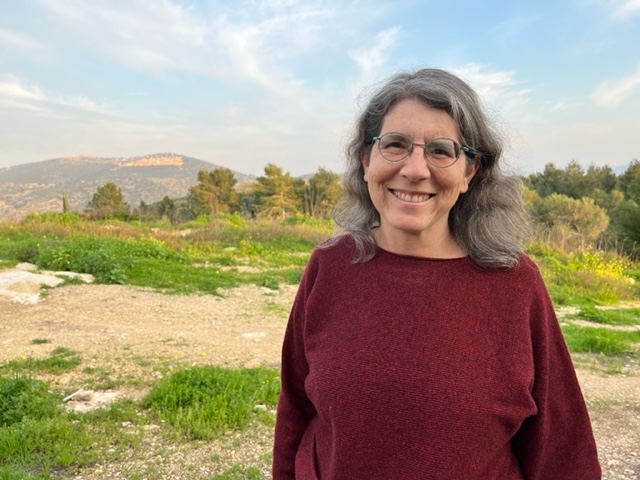
When we heard that R. Michelle was starting daf yomi, my 11-year-old suggested that I go. Little did she know that she would lose me every morning from then on. I remember standing at the Farbers’ door, almost too shy to enter. After that first class, I said that I would come the next day but couldn’t commit to more. A decade later, I still look forward to learning from R. Michelle every morning.

Ruth Leah Kahan
Ruth Leah Kahan

Ra’anana, Israel

See video

Susan Fisher
Susan Fisher

Raanana, Israel

After being so inspired by the siyum shas two years ago, I began tentatively learning daf yomi, like Rabbanut Michelle kept saying – taking one daf at a time. I’m still taking it one daf at a time, one masechet at a time, but I’m loving it and am still so inspired by Rabbanit Michelle and the Hadran community, and yes – I am proud to be finishing Seder Mo’ed.

Caroline Graham-Ofstein

Bet Shemesh, Israel

I started learning Daf Yomi because my sister, Ruth Leah Kahan, attended Michelle’s class in person and suggested I listen remotely. She always sat near Michelle and spoke up during class so that I could hear her voice. Our mom had just died unexpectedly and it made me feel connected to hear Ruth Leah’s voice, and now to know we are both listening to the same thing daily, continents apart.
Jessica Shklar
Jessica Shklar

Philadelphia, United States

I began my journey two years ago at the beginning of this cycle of the daf yomi. It has been an incredible, challenging experience and has given me a new perspective of Torah Sh’baal Peh and the role it plays in our lives

linda kalish-marcus
linda kalish-marcus

Efrat, Israel

A beautiful world of Talmudic sages now fill my daily life with discussion and debate.
bringing alive our traditions and texts that has brought new meaning to my life.
I am a מגילת אסתר reader for women . the words in the Mishna of מסכת megillah 17a
הקורא את המגילה למפרע לא יצא were powerful to me.
I hope to have the zchut to complete the cycle for my 70th birthday.

Sheila Hauser
Sheila Hauser

Jerusalem, Israel

As Jewish educator and as a woman, I’m mindful that Talmud has been kept from women for many centuries. Now that we are privileged to learn, and learning is so accessible, it’s my intent to complete Daf Yomi. I am so excited to keep learning with my Hadran community.

Sue Parker Gerson
Sue Parker Gerson

Denver, United States

“I got my job through the NY Times” was an ad campaign when I was growing up. I can headline “I got my daily Daf shiur and Hadran through the NY Times”. I read the January 4, 2020 feature on Reb. Michelle Farber and Hadran and I have been participating ever since. Thanks NY Times & Hadran!
Deborah Aschheim
Deborah Aschheim

New York, United States

Hadran entered my life after the last Siyum Hashaas, January 2020. I was inspired and challenged simultaneously, having never thought of learning Gemara. With my family’s encouragement, I googled “daf yomi for women”. A perfecr fit!
I especially enjoy when Rabbanit Michelle connects the daf to contemporary issues to share at the shabbat table e.g: looking at the Kohen during duchaning. Toda rabba

Marsha Wasserman
Marsha Wasserman

Jerusalem, Israel

I began to learn this cycle of Daf Yomi after my husband passed away 2 1/2 years ago. It seemed a good way to connect to him. Even though I don’t know whether he would have encouraged women learning Gemara, it would have opened wonderful conversations. It also gives me more depth for understanding my frum children and grandchildren. Thank you Hadran and Rabbanit Michelle Farber!!

Harriet Hartman
Harriet Hartman

Tzur Hadassah, Israel

See video

Susan Fisher
Susan Fisher

Raanana, Israel

I started learning at the beginning of the cycle after a friend persuaded me that it would be right up my alley. I was lucky enough to learn at Rabbanit Michelle’s house before it started on zoom and it was quickly part of my daily routine. I find it so important to see for myself where halachot were derived, where stories were told and to get more insight into how the Rabbis interacted.

Deborah Dickson
Deborah Dickson

Ra’anana, Israel

I started learning at the beginning of this cycle more than 2 years ago, and I have not missed a day or a daf. It’s been challenging and enlightening and even mind-numbing at times, but the learning and the shared experience have all been worth it. If you are open to it, there’s no telling what might come into your life.

Patti Evans
Patti Evans

Phoenix, Arizona, United States

After all the hype on the 2020 siyum I became inspired by a friend to begin learning as the new cycle began.with no background in studying Talmud it was a bit daunting in the beginning. my husband began at the same time so we decided to study on shabbat together. The reaction from my 3 daughters has been fantastic. They are very proud. It’s been a great challenge for my brain which is so healthy!

Stacey Goodstein Ashtamker

Modi’in, Israel

I started learning Daf Yomi because my sister, Ruth Leah Kahan, attended Michelle’s class in person and suggested I listen remotely. She always sat near Michelle and spoke up during class so that I could hear her voice. Our mom had just died unexpectedly and it made me feel connected to hear Ruth Leah’s voice, and now to know we are both listening to the same thing daily, continents apart.
Jessica Shklar
Jessica Shklar

Philadelphia, United States

I started learning with rabbis. I needed to know more than the stories. My first teacher to show me “the way of the Talmud” as well as the stories was Samara Schwartz.
Michelle Farber started the new cycle 2 yrs ago and I jumped on for the ride.
I do not look back.

Jenifer Nech
Jenifer Nech

Houston, United States

I started with Ze Kollel in Berlin, directed by Jeremy Borowitz for Hillel Deutschland. We read Masechet Megillah chapter 4 and each participant wrote his commentary on a Sugia that particularly impressed him. I wrote six poems about different Sugiot! Fascinated by the discussions on Talmud I continued to learn with Rabanit Michelle Farber and am currently taking part in the Tikun Olam course.
Yael Merlini
Yael Merlini

Berlin, Germany

My husband learns Daf, my son learns Daf, my son-in-law learns Daf.
When I read about Hadran’s Siyyum HaShas 2 years ago, I thought- I can learn Daf too!
I had learned Gemara in Hillel HS in NJ, & I remembered loving it.
Rabbanit Michelle & Hadran have opened my eyes & expanding my learning so much in the past few years. We can now discuss Gemara as a family.
This was a life saver during Covid

Renee Braha
Renee Braha

Brooklyn, NY, United States

I tried Daf Yomi in the middle of the last cycle after realizing I could listen to Michelle’s shiurim online. It lasted all of 2 days! Then the new cycle started just days before my father’s first yahrzeit and my youngest daughter’s bat mitzvah. It seemed the right time for a new beginning. My family, friends, colleagues are immensely supportive!

Catriella-Freedman-jpeg
Catriella Freedman

Zichron Yaakov, Israel

I’ve been wanting to do Daf Yomi for years, but always wanted to start at the beginning and not in the middle of things. When the opportunity came in 2020, I decided: “this is now the time!” I’ve been posting my journey daily on social media, tracking my progress (#DafYomi); now it’s fully integrated into my daily routines. I’ve also inspired my partner to join, too!

Joséphine Altzman
Joséphine Altzman

Teaneck, United States

Shabbat 154

רַב זְבִיד מַתְנֵי הָכִי: אָמַר רָמֵי בַּר חָמָא: הַמְחַמֵּר אַחַר בְּהֵמָה בְּשַׁבָּת, בְּשׁוֹגֵג — אֵינוֹ חַיָּיב חַטָּאת, בְּמֵזִיד — חַיָּיב סְקִילָה.

Rav Zevid taught this as follows. Rami bar Ḥama said: With regard to one who drives his laden animal on Shabbat, if he does so unwittingly, he is not liable to bring a sin-offering, and if he does so intentionally, he is liable to be executed by stoning.

מֵתִיב רָבָא: הַמְחַלֵּל אֶת הַשַּׁבָּת בְּדָבָר שֶׁחַיָּיבִין עַל שִׁגְגָתוֹ חַטָּאת — חַיָּיבִין עַל זְדוֹנוֹ סְקִילָה. הָא אֵין חַיָּיבִין עַל שִׁגְגָתוֹ חַטָּאת — אֵין חַיָּיבִין עַל זְדוֹנוֹ סְקִילָה!

Rava raised an objection based on that which was taught in a baraita: One who desecrates Shabbat by performing a matter that for its unwitting performance one is liable to bring a sin-offering, then for its intentional performance one is liable to be executed by stoning. The Gemara explains: By inference, for a matter that for its unwitting performance one is not liable to bring a sin-offering, for its intentional performance one is not liable to be executed by stoning. This contradicts Rami bar Ḥama’s statement.

מִי קָתָנֵי ״הָא אֵין חַיָּיבִין כּוּ׳״? הָכִי קָאָמַר: דָּבָר שֶׁחַיָּיבִין עַל שִׁגְגָתוֹ חַטָּאת — חַיָּיבִין עַל זְדוֹנוֹ סְקִילָה. וְיֵשׁ דָּבָר שֶׁאֵין חַיָּיבִין עַל שִׁגְגָתוֹ חַטָּאת — וְחַיָּיבִין עַל זְדוֹנוֹ סְקִילָה, וּמַאי נִיהוּ? — מְחַמֵּר.

The Gemara answers: Was it taught in the baraita: By inference, for a matter that for its unwitting performance one is not liable to bring a sin-offering, for its intentional performance one is not liable to be executed by stoning? The baraita can be understood differently, and this is what it is saying: With regard to a matter that for its unwitting performance one is liable to bring a sin-offering, for its intentional performance one is always liable to be executed by stoning. However, there is also a matter that for its unwitting performance one is not liable to bring a sin-offering, and nevertheless, for its intentional performance one is liable to be executed by stoning. And what is that case? It is the case of driving a laden animal.

רָבָא אֲחוּהּ דְּרַב מָרִי בַּר רָחֵל, וְאָמְרִי לַהּ אֲבוּהּ דְּרַב מָרִי בַּר רָחֵל. לְלִישָּׁנָא בָּתְרָא, קַשְׁיָא הָא דְּרַב אַכְשְׁרֵיהּ לְרַב מָרִי בַּר רָחֵל וּמַנְּיֵיהּ בְּפוּרְסֵי דְּבָבֶל. דִילְמָא תְּרֵי מָרִי בַּר רָחֵל הֲווֹ.

Rava, the brother of Rav Mari bar Raḥel, cites a different opinion with regard to the halakha of driving a laden animal on Shabbat, and some say that he was the father of Rav Mari bar Raḥel and stated this halakha. As an aside, the Gemara comments: According to the latter version above, that Rava was the father of Rav Mari bar Raḥel, the fact that Rav needed to validate the status of Rav Mari bar Raḥel and only then appoint him as an official [pursei] of Babylonia is difficult. This incident teaches that Rav Mari bar Raḥel’s father was not Jewish, and before he could be appointed his status required validation through the fact that his mother was Jewish. If Rav Mari bar Raḥel’s father was a sage named Rava, why was it necessary to validate his status by means of his mother’s lineage? The Gemara answers: Perhaps there were two people named Mari bar Raḥel. One was the son of a convert and a Jewish mother, and the other was the son of a Sage named Rava.

הֲוָה מַתְנִי לַהּ לְהָא שְׁמַעְתָּא מִשְּׁמֵיהּ דְּרַבִּי יוֹחָנָן לִפְטוּר. אָמַר רַבִּי יוֹחָנָן: הַמְחַמֵּר אַחֵר בְּהֶמְתּוֹ בְּשַׁבָּת פָּטוּר מִכְּלוּם.

In any event, that Sage taught his halakha in the name of Rabbi Yoḥanan to exempt one who drives a laden animal, as Rabbi Yoḥanan said: One who drives a laden animal on Shabbat is exempt from any punishment.

בְּשׁוֹגֵג לָא מִחַיַּיב חַטָּאת — דְּהוּקְּשָׁה כָּל הַתּוֹרָה כּוּלָּהּ לַעֲבוֹדָה זָרָה. בְּמֵזִיד נָמֵי לָא מִיחַיַּיב — דִּתְנַן הַמְחַלֵּל אֶת הַשַּׁבָּת בְּדָבָר שֶׁחַיָּיבִין עַל שִׁגְגָתוֹ חַטָּאת וְעַל זְדוֹנוֹ סְקִילָה. הָא אֵין חַיָּיבִין עַל שִׁגְגָתוֹ חַטָּאת — אֵין חַיָּיבִין עַל זְדוֹנוֹ סְקִילָה.

The Gemara explains: For driving the animal unwittingly, he is not liable to bring a sin-offering because all of the prohibitions in the Torah were juxtaposed to the prohibition of idolatry, from which the principle is derived that one is liable only for actions that he himself performed. And for driving the animal intentionally, he is also not liable to be executed by stoning, as we learned in the mishna: One who desecrates Shabbat by performing a matter that for its unwitting performance one is liable to bring a sin-offering, and for its intentional performance one is liable to be executed by stoning. By inference, for a matter that for its unwitting performance one is not liable to bring a sin-offering, for its intentional performance one is not liable to be executed by stoning.

בְּלָאו נָמֵי לָא מִיחַיַּיב — דַּהֲוָה לֵיהּ לָאו שֶׁנִּיתַּן לְאַזְהָרַת מִיתַת בֵּית דִין, וְכׇל לָאו שֶׁנִּיתַּן לְאַזְהָרַת מִיתַת בֵּית דִין אֵין לוֹקִין עָלָיו.

And similarly, he is not even liable to be flogged for violating a Torah prohibition for which the punishment is lashes. Even though the Torah explicitly warns against performing labor on Shabbat, it is a prohibition that was fundamentally given, not as a standard prohibition punishable by lashes, but rather as a warning of court-imposed capital punishment, and for any prohibition that was given as a warning of court-imposed capital punishment, if the death penalty is not imposed for any reason, one is not flogged for its violation.

וַאֲפִילּוּ לְמַאן דְּאָמַר לוֹקִין, לִיכְתּוֹב רַחֲמָנָא ״לֹא תַעֲשֶׂה כׇל מְלָאכָה וּבְהֶמְתֶּךָ״, ״אַתָּה״ לְמָה לִי? הוּא נִיהוּ דְּמִיחַיַּיב, בִּבְהֶמְתּוֹ לָא מִיחַיַּיב.

And even according to the one who said that one is flogged for violating a prohibition that was given as a warning of court-imposed capital punishment, the halakha with regard to driving a laden animal can be derived by means of an inference from the language of the verse. Let the Torah write: “You shall not perform any manner of labor…and neither shall your animal.” Why do I need the superfluous word you in the phrase: You and your animal? Rather it is to teach that it is he himself who is liable for performing a prohibited labor on Shabbat; however, for a prohibited labor performed by his animal, he is not liable.

הִגִּיעַ לֶחָצֵר הַחִיצוֹנָה. אָמַר רַב הוּנָא: הָיְתָה בְּהֶמְתּוֹ טְעוּנָה כְּלֵי זְכוּכִית, מֵבִיא כָּרִים וּכְסָתוֹת וּמַנִּיחַ תַּחְתֶּיהָ, וּמַתִּיר הַחֲבָלִים וְהַשַּׂקִּין נוֹפְלִים.

We learned in the mishna: Once he reached the outer courtyard, he may untie the ropes that attach his bags to the donkey, and the bags of vessels that may not be moved on Shabbat fall on their own. Rav Huna said: If one’s animal was laden with glass vessels, which would break if he let them fall to the ground, he may bring cushions and blankets and place them beneath the animal and untie the ropes and let the bags fall onto the cushions.

וְהָאֲנַן תְּנַן: נוֹטֵל אֶת הַכֵּלִים הַנִּיטָּלִין בְּשַׁבָּת?

The Gemara asks: Why is it necessary to unload glass vessels in so complicated a manner? Didn’t we learn in the mishna: He takes the vessels that may be moved on Shabbat off the donkey? As glass vessels fall into that category, why not simply remove the glass vessels and then untie the bags?

כִּי קָאָמַר רַב הוּנָא, בְּקַרְנֵי דְאוּמָּנָא, דְּלָא חַזְיָא לֵיהּ. וְהָא קָא מְבַטֵּל כְּלִי מֵהֵיכֵנוֹ! בִּשְׁלִיפֵי זוּטְרֵי.

The Gemara answers: When Rav Huna stated this halakha, he was referring to the horns of a blood letter, which are not suitable for any other purpose and are therefore set-aside on Shabbat due to prohibition and repulsiveness. The Gemara asks: Isn’t he thereby negating a vessel’s preparedness? Initially, the cushion was available for any use. Since it now has the set-aside vessels on it, the cushion, too, may no longer be moved. The Sages ruled that one may not place a vessel in a circumstance that will render it prohibited to move. The Gemara answers: This mishna is referring to small bundles of glass vessels that will not break if the cushions are subsequently removed from beneath them.

מֵיתִיבִי: הָיְתָה בְּהֶמְתּוֹ טְעוּנָה טֶבֶל וַעֲשָׁשִׁיּוֹת — מַתִּיר אֶת הַחֲבָלִים וְהַשַּׂקִּין נוֹפְלִין, וְאַף עַל פִּי שֶׁמִּשְׁתַּבְּרִין. הָתָם בְּכוּלְסָא. דַּיְקָא נָמֵי, דְּקָתָנֵי דּוּמְיָא דְּטֶבֶל. מָה טֶבֶל — דְּלָא חֲזֵי לֵיהּ, אַף הָכָא נָמֵי לָא חֲזֵי לֵיהּ.

The Gemara raises an objection based on that which was taught in a baraita: If one’s animal was laden with untithed produce and chunks of glass [ashashiot], one unties the ropes and the bags fall on their own, even though they break. Apparently, placing cushions beneath the animal is prohibited. The Gemara answers: There, the baraita is not referring to vessels but rather to chunks [kulsa] of glass that are designated to be broken so that they can be melted and crafted into vessels. The Gemara adds: The language of the baraita is also precise, as it teaches that chunks are similar to untithed produce: Just as untithed produce is not fit for his use, here too, the chunks are also not fit for his use.

וּמַאי ״אַף עַל פִּי שֶׁמִּשְׁתַּבְּרִין״ — מַהוּ דְּתֵימָא לְהֶפְסֵד מוּעָט נָמֵי חָשְׁשׁוּ, קָא מַשְׁמַע לַן.

The Gemara explains: And what is the meaning of the phrase: Even though they break? If the mishna is indeed referring to chunks of glass, they are designated to be broken. Rather, lest you say that the Sages were also concerned about a minimal loss, as certainly some small slivers of glass will be lost when the chunks fall and break, the tanna in the baraita teaches us that the Sages did not consider minimal loss a reason significant enough to permit carrying the prohibited glass.

תַּנְיָא, רַבִּי שִׁמְעוֹן בֶּן יוֹחַי אוֹמֵר: הָיְתָה בְּהֶמְתּוֹ טְעוּנָה שְׁלִיף שֶׁל תְּבוּאָה — מַנִּיחַ רֹאשׁוֹ תַּחְתֶּיהָ, וּמְסַלְּקוֹ לְצַד אַחֵר, וְהוּא נוֹפֵל מֵאֵלָיו.

It was taught in a baraita that Rabbi Shimon ben Yoḥai says: If one’s animal was loaded with a burden of untithed grain, he may place his head beneath the pile and move it to a different side of the animal, and it falls by itself. The Sages prohibited moving set-aside objects in the typical manner, but there is no concern about doing so in an unusual manner.

חֲמוֹרוֹ שֶׁל רַבָּן גַּמְלִיאֵל הָיְתָה טְעוּנָה דְּבַשׁ וְלֹא רָצָה לְפוֹרְקָהּ עַד מוֹצָאֵי שַׁבָּת, לְמוֹצָאֵי שַׁבָּת מֵתָה. וְהָאֲנַן תְּנַן נוֹטֵל כֵּלִים הַנִּיטָּלִין? כְּשֶׁהִדְבִּישׁ. הִדְבִּישׁ לְמַאי חֲזֵי? לִכְתִיתָא דְגַמְלֵי.

The Gemara relates: Rabban Gamliel’s donkey was laden with honey and he did not want to unload the donkey until the conclusion of Shabbat. At the conclusion of Shabbat, the donkey died of fatigue. The Gemara asks: Didn’t we learn in the mishna: He takes the vessels that may be moved on Shabbat off the donkey? Why, then, did Rabban Gamliel not unload the honey? The Gemara answers: This is a case where the honey had spoiled. The Gemara asks: For what use is spoiled honey suited? Why did Rabban Gamliel bring it? The Gemara answers: It can be used to rub on the wounds of camels.

וְיַתִּיר חֲבָלִים וְיִפְּלוּ שַׂקִּין! מִיצְטְרוּ זִיקֵי. וְיָבִיא כָּרִים וּכְסָתוֹת וְיַנִּיחַ תַּחְתֵּיהֶן! מִטַּנְּפִי, וְקָמְבַטֵּל כְּלִי מֵהֵיכָנוֹ. וְהָאִיכָּא צַעַר בַּעֲלֵי חַיִּים! קָסָבַר: צַעַר בַּעֲלֵי חַיִּים דְּרַבָּנַן.

The Gemara asks: And let Rabban Gamliel untie the ropes and the bags will fall on their own. The Gemara answers: It was due to the concern that the jugs containing the honey would crack. The Gemara asks: And let him bring cushions and blankets and place them beneath the jugs. The Gemara answers: He was concerned lest they become soiled and he would thereby negate the vessel’s preparedness, i.e., the cushions and blankets would be rendered unusable. The Gemara asks: Isn’t there the matter of the suffering of a living creature? He should suffer monetary loss rather than cause the animal to suffer. The Gemara answers: Rabban Gamliel holds that causing a living creature to suffer is prohibited not by Torah law but rather by rabbinic law. Therefore, he need not suffer monetary loss due to the rabbinic prohibition (Ramban).

אַבָּיֵי אַשְׁכְּחֵיהּ לֵיהּ לְרַבָּה דְּקָא מְשַׁפְשֵׁף לֵיהּ לִבְרֵיהּ אַגַּבָּא דְחַמְרָא. אֲמַר לֵיהּ: קָא מִשְׁתַּמֵּשׁ מָר בְּבַעֲלֵי חַיִּים! אֲמַר לֵיהּ: צְדָדִין הֵן, וּצְדָדִין לָא גְּזַרוּ בְּהוּ רַבָּנַן. מְנָא תֵּימְרָא — דִּתְנַן: מַתִּיר חֲבָלִים וְהַשַּׂקִּין נוֹפְלִין. מַאי לָאו — בְּחֶבֶר גְּווֹלְקֵי, דְּהָווּ לְהוּ צְדָדִין וּצְדָדִין, לָא גְזַרוּ בְּהוּ רַבָּנַן.

The Gemara relates: Abaye found Rabba sliding his son on the back of a donkey on Shabbat to entertain him. He said to him: The Master is making use of living creatures on Shabbat, and the Sages prohibited doing so. Rabba said to him: I placed my son on the side of the donkey, and as they are sides, the Sages did not issue a decree prohibiting making use of them. From where do you say that this is so? As we learned in the mishna: One may untie the ropes and the bags fall on their own. What, is it not referring to a case where one attached the bags by means of guvalaki, where the bags are strapped to the animal and the only way to loosen them involves leaning against the sides of animal in order to unstrap them? That is because it is a case of making use of the sides, and the Sages did not issue a decree prohibiting making use of an animal’s sides.

לָא — בְּאֵבֶר גְּווֹלְקֵי, דְּלָא הֲווֹ צְדָדִין. אִי נָמֵי, בְּלַכְתָּא.

Abaye answered: No, this is a case where one attached the bags by means of agalavki, i.e., where the bags were not tightly strapped to the animal, but rather attached by means of a hook. In such a case, there is no need to make use of the sides of the animal in order to unhook the strap. Alternatively, the bags were tied to the sides of the animal with a rope, which could likewise be untied with ease and without leaning against the animal.

אֵיתִיבֵיהּ: שְׁתַּיִם בִּידֵי אָדָם, וְאַחַת בְּאִילָן — כְּשֵׁרָה, וְאֵין עוֹלִין לָהּ בְּיוֹם טוֹב. מַאי לָאו, דְּחַק בֵּיהּ בְּאִילָן [וְסַכֵּיךְ בֵּיהּ] דְּהָווּ לְהוּ צְדָדִין, וּצְדָדִין אֲסוּרִין!

Abaye raised an objection to Rabba’s opinion based on that which was taught in a mishna: A sukka that had two of its walls on the ground, built by a person, and one wall on a tree is valid and can be used to fulfill the mitzva of sukka. However, one may not enter it on the festival day of Sukkot because it is prohibited to use trees rooted in the ground on Shabbat or a Festival. What, is this not referring to a case where one carved a hole in the tree and inserted a beam into the hole for support, in which case these are sides of the tree that are being used, and apparently, using the sides of the tree is prohibited?

לָא, דְּכַפְיֵיהּ לְאִילָן וְאַנַּח סִיכּוּךְ עִילָּוֵיהּ, דְּקָמִשְׁתַּמֵּשׁ בְּאִילָן. אִי הָכִי, אֵימָא סֵיפָא: שָׁלֹשׁ בִּידֵי אָדָם וְאַחַת בְּאִילָן כְּשֵׁרָה, וְעוֹלִין לָהּ בְּיוֹם טוֹב. וְאִי דְּכַפְיֵיהּ לְאִילָן — אַמַּאי עוֹלִין לָהּ בְּיוֹם טוֹב?

Rabba rejected this: No, it is referring to a case where one bent the tree over and placed the roofing atop it, as in that case, he is making use of the tree itself and not its sides. Abaye asked: If so, say the latter clause of the mishna: If there are three walls built by a person and one on a tree, it is a valid sukka and one may enter it on a Festival. And if one bent a tree and placed the roofing atop it, why may one enter it on a Festival?

וְאֶלָּא מַאי, צְדָדִין אֲסוּרִין? סוֹף סוֹף אַמַּאי עוֹלִין לָהּ בְּיוֹם טוֹב? אֶלָּא: הָתָם בִּגְוָאזָא פַּרְסִכְנָא, דְּאִילָן גּוּפֵיהּ דּוֹפֶן בְּעָלְמָא הוּא דְּשַׁוְּויֵהּ. דַּיְקָא נָמֵי — דְּקָתָנֵי: זֶה הַכְּלָל, כׇּל שֶׁאִילּוּ יִנָּטֵל הָאִילָן וִיכוֹלָה לַעֲמוֹד — עוֹלִין לָהּ בְּיוֹם טוֹב. שְׁמַע מִינַּהּ.

Rabba rejected this question: Rather, what would you say? Making use of sides is prohibited. If so, the same problem still exists, why is the sukka fit for use in the latter case? Ultimately, why may one enter it on a Festival? Rather, there it is referring to a case where the branches [gavaza] are spread out and where one made the tree itself into a wall, not where he leaned a wall against it. The language of the mishna is also precise. The wall may not be used if it is an integral part of the sukka, meaning that it is one of the three required walls. However, if it serves as a fourth wall, one may use the sukka on a Festival as it is taught that this is the principle: In any case where if the tree was taken the sukka would still be able to stand, one may enter it on a Festival. Then it is clear that the walls are not leaning against the tree; rather, the tree itself serves as a wall. The Gemara says in summary: Learn from here that this is so.

לֵימָא כְתַנָּאֵי, אֵין עוֹלִין לָהּ בְּיוֹם טוֹב. רַבִּי שִׁמְעוֹן בֶּן אֶלְעָזָר אוֹמֵר מִשּׁוּם רַבִּי מֵאִיר: עוֹלִין לָהּ בְּיוֹם טוֹב. מַאי לָאו, בְּהָא קָמִיפַּלְגִי: דְּמָר סָבַר צְדָדִין אֲסוּרִין, וּמָר סָבַר מוּתָּרִין?

The Gemara suggests: Let us say that these amora’im disagree in a dispute parallel to a dispute between tanna’im with regard to making use of the sides of a tree, as it was taught in the Tosefta: One may not enter a sukka whose walls are leaning against a tree on a Festival. Rabbi Shimon ben Elazar says in the name of Rabbi Meir: One may enter it on a Festival. What, is it not that they are disagreeing about this issue, as this Master, meaning the Rabbis, holds that making use of the sides is prohibited, and this Master, Rabbi Meir, holds that they are permitted?

אָמַר אַבָּיֵי: לָא, דְּכוּלֵּי עָלְמָא צְדָדִין אֲסוּרִין, וְהָכָא בְּצִדֵּי צְדָדִין קָמִיפַּלְגִי: מָר סָבַר צִדֵּי צְדָדִין אֲסוּרִין, וּמָר סָבַר צִדֵּי צְדָדִין מוּתָּרִין.

Abaye said: No. Everyone agrees that the sides are prohibited, and it is with regard to the sides of the sides, i.e., not a wall leaning against the tree itself, but a wall that is supported by a beam that is placed in the hole carved in the tree, that they disagree. This Master, meaning the Rabbis, holds that the sides of the sides are prohibited, and this Master, Rabbi Meir, holds that the sides of the sides are permitted.

רָבָא אָמַר: מַאן דְּאָסַר בִּצְדָדִין — אָסַר נָמֵי בְּצִדֵּי צְדָדִין, מַאן דְּשָׁרֵי בְּצִדֵּי צְדָדִין — שָׁרֵי נָמֵי בִּצְדָדִין. אֵיתִיבֵיהּ רַב מְשַׁרְשְׁיָא לְרָבָא: נָעַץ

Rava said: The one who prohibited making use of the sides also prohibited making use of the sides of the sides, and the one who permitted making use of the sides of the sides also permitted making use of the sides. Rav Mesharshiyya raised an objection to the opinion of Rava: If one drove

Want to follow content and continue where you left off?

Create an account today to track your progress, mark what you’ve learned, and follow the shiurim that speak to you.

Clear all items from this list?

This will remove ALL the items in this section. You will lose any progress or history connected to them. This is irreversible.


Cancel
Yes, clear all

Are you sure you want to delete this item?

You will lose any progress or history connected to this item.

Cancel
Yes, delete