










The Gemara brings several statements about the uniqueness of Israel as compared to other countries in the world. A braita is brought regarding the rainwater and it is attributed to Rabbi Yehoshua as it assumes the rainwater comes from the heavens. Rabbi Yehoshua ben Levi says that the world gets all of its rain from the waters that overflow from Gan Eden. A comparison is made between different countries in the world to each other and then to gan Eden and ultimately to Gehenom. From when do we begin to ask for rain? Tana Kama says on 3 Marcheshvan and Rabban Gamliel says on the 7th. Who do we hold like? In Babylonia, we ask for rain much later (60 days after the autumnal equinox) as there is less need for rainfall at the earlier dates. If there is no rain by the 17 of Marcheshvan, individuals begin to fast 3 fasts. Most things, such as wearing leather shoes, etc. are permitted on these fast days as they are less serious. The fast begins in the morning. If it still doesn’t rain by Rosh Chodesh Kislev, the court institutes public fast days. The severity of these fasts is the same as the first set. Who is considered an individual that is allowed to fast on the first set of fasts? If the issue resolved itself during the day that one was fasting, they still fast all day. If one goes from a place where they fast to a place where they are not fasting or the reverse, one acts more stringently in all cases. If one accidentally forgot and ate, one should not eat in a noticeable manner and shouldn’t eat a lot of food. This is derived from a verse regarding Yaakov and his sons during the famine. When the brothers leave Egypt to go back home to get Yaakov, Joseph tells them “al tirgazi baderech.” This is explained to mean don’t speak Torah as you will get lost. But wasn’t it said that if two Torah scholars are walking on the road and aren’t learning, they should be burned? From where is this derived and how is the contradiction resolved? One should not take long strides and one should get into a city when it is still light.
This month’s learning is sponsored by Marci Glazer in loving memory of Rachel Brodie, Rachel Aviva bat Devora Chana, on her 4th yahrzeit. “To my extraordinary teacher and chevruta, I am only on this path because of you. All of my learning is dedicated in your name.”
This month’s learning is sponsored by Marci Glazer in loving memory of her teacher and chevruta, Rachel Brodie, Rachel Aviva bat Devora Chana, on her 4th yahrzeit. “She brought her love of Torah to thousands of people in her all-too-short life. A lover of Midrash, she still invited me on this Daf Yomi journey.”
Want to dedicate learning? Get started here:

Today’s daily daf tools:
This month’s learning is sponsored by Marci Glazer in loving memory of Rachel Brodie, Rachel Aviva bat Devora Chana, on her 4th yahrzeit. “To my extraordinary teacher and chevruta, I am only on this path because of you. All of my learning is dedicated in your name.”
This month’s learning is sponsored by Marci Glazer in loving memory of her teacher and chevruta, Rachel Brodie, Rachel Aviva bat Devora Chana, on her 4th yahrzeit. “She brought her love of Torah to thousands of people in her all-too-short life. A lover of Midrash, she still invited me on this Daf Yomi journey.”
Taanit 10
בִּבְרִיָּיתוֹ שֶׁל עוֹלָם.
verse deals with the creation of the world, when all the water was contained in the deep.
תָּנוּ רַבָּנַן: אֶרֶץ יִשְׂרָאֵל נִבְרֵאת תְּחִילָּה וְכׇל הָעוֹלָם כּוּלּוֹ נִבְרָא לְבַסּוֹף, שֶׁנֶּאֱמַר: ״עַד לֹא עָשָׂה אֶרֶץ וְחוּצוֹת״. אֶרֶץ יִשְׂרָאֵל מַשְׁקֶה אוֹתָהּ הַקָּדוֹשׁ בָּרוּךְ הוּא בְּעַצְמוֹ, וְכׇל הָעוֹלָם כּוּלּוֹ עַל יְדֵי שָׁלִיחַ, שֶׁנֶּאֱמַר: ״הַנֹּתֵן מָטָר עַל פְּנֵי אָרֶץ וְשֹׁלֵחַ מַיִם עַל פְּנֵי חוּצוֹת״.
The Sages taught in a baraita: Eretz Yisrael was created first and the rest of the entire world was created afterward, as it is stated: “While as yet He had not made the land, nor the fields” (Proverbs 8:26). Here, and in the following statements, the term “land” is understood as a reference to the Land of Israel, while “the fields” means all the fields in other lands. Furthermore, Eretz Yisrael is watered by the Holy One, Blessed be He, Himself, and the rest of the entire world is watered through an intermediary, as it is stated: “Who gives rain upon the land, and sends water upon the fields” (Job 5:10).
אֶרֶץ יִשְׂרָאֵל שׁוֹתָה מֵי גְשָׁמִים, וְכׇל הָעוֹלָם כּוּלּוֹ מִתַּמְצִית, שֶׁנֶּאֱמַר: ״הַנֹּתֵן מָטָר עַל פְּנֵי אָרֶץ וְגוֹ׳״. אֶרֶץ יִשְׂרָאֵל שׁוֹתָה תְּחִילָּה, וְכׇל הָעוֹלָם כּוּלּוֹ לְבַסּוֹף, שֶׁנֶּאֱמַר: ״הַנֹּתֵן מָטָר עַל פְּנֵי אָרֶץ וְגוֹ׳״ — מָשָׁל לְאָדָם שֶׁמְּגַבֵּל אֶת הַגְּבִינָה, נוֹטֵל אֶת הָאוֹכֵל וּמַנִּיחַ אֶת הַפְּסוֹלֶת.
Additionally, Eretz Yisrael drinks rainwater and the rest of the entire world drinks from the remaining residue of rainwater left in the clouds, as it is stated that God is He “who gives rain upon the land” and only afterward takes what is left “and sends water upon the fields.” Eretz Yisrael drinks first, and the rest of the entire world afterward, as it is stated: “Who gives rain upon the land and sends water upon the fields.” There is a parable that illustrates this: A person who kneads his cheese after it has curdled takes the food and leaves the refuse.
אָמַר מָר: מִמַּתְּקִין הֵן בְּעָבִים. מְנָלֵיהּ? דְּאָמַר רַב יִצְחָק בַּר יוֹסֵף אָמַר רַבִּי יוֹחָנָן, כְּתִיב: ״חֶשְׁכַת מַיִם עָבֵי שְׁחָקִים״, וּכְתִיב: ״חַשְׁרַת מַיִם עָבֵי שְׁחָקִים״.
The Master said above: The ocean waters are sweetened in the clouds. The Gemara asks: From where does Rabbi Eliezer derive this? The Gemara answers that Rav Yitzḥak bar Yosef said that Rabbi Yoḥanan said that it is written: “Darkness [ḥeshkhat] of waters, thick clouds of the skies” (Psalms 18:12). And it is written, in a similar verse: “Gathering of [ḥashrat] waters, thick clouds of the skies” (II Samuel 22:12).
שְׁקוֹל כָּף וּשְׁדִי אַרֵישׁ וּקְרִי בֵּיהּ ״חַכְשָׁרַת״.
The Gemara explains the significance of this minor variation. These two phrases vary in only one word, which themselves differ by only one letter, a kaf for a reish. If you join the two versions together, and take the letter kaf from the first version and place it with the second version of the word, which has a reish, you can read into the verse a new word meaning rendering fit [ḥakhsharat]. Accordingly, the verse can be interpreted as: The rendering fit of water is performed in the clouds of the sky.
וְרַבִּי יְהוֹשֻׁעַ, בְּהָנֵי קְרָאֵי מַאי דָּרֵישׁ בְּהוּ? סָבַר לַהּ כִּי הָא דְּכִי אֲתָא רַב דִּימִי אֲמַר, אָמְרִי בְּמַעְרְבָא: נְהוּר עֲנָנֵי — זְעֵירִין מוֹהִי. חֲשׁוּךְ עֲנָנֵי — סַגִּיִּין מוֹהִי.
The Gemara asks: And Rabbi Yehoshua, with regard to these verses, what does he learn from them? The Gemara answers that Rabbi Yehoshua holds in accordance with the opinion of this Sage, Rav Dimi. As when Rav Dimi came from Eretz Yisrael to Babylonia, he said that they say in the West, Eretz Yisrael: When clouds are bright, they have little water; when clouds are dark, they have much water. Accordingly, Rabbi Yehoshua explains that when there is “a darkness of waters” in the clouds, there is also “a gathering of waters,” as rain will fall from them.
כְּמַאן אָזְלָא הָא דְּתַנְיָא: מַיִם הָעֶלְיוֹנִים בְּמַאֲמָר הֵם תְּלוּיִם, וּפֵירוֹתֵיהֶן מֵי גְשָׁמִים, שֶׁנֶּאֱמַר: ״מִפְּרִי מַעֲשֶׂיךָ תִּשְׂבַּע הָאָרֶץ״, כְּמַאן — כְּרַבִּי יְהוֹשֻׁעַ. וְרַבִּי אֱלִיעֶזֶר: הָהוּא, בְּמַעֲשֵׂה יָדָיו שֶׁל הַקָּדוֹשׁ בָּרוּךְ הוּא הוּא דִּכְתִיב.
The Gemara asks: In accordance with whose opinion is that which is taught in a baraita: The upper waters do not stand in any defined place; rather, they are suspended by the word of God, and their fruit is rainwater, as it is stated: “Who waters the mountains from His upper chambers; the earth is full of the fruit of Your works” (Psalms 104:13). In accordance with whose opinion is this statement? It is in accordance with the opinion of Rabbi Yehoshua. And Rabbi Eliezer, how does he explain this verse? Rabbi Eliezer could say: That verse from Psalms is written with regard to the handiwork of the Holy One, Blessed be He, not the upper waters.
אָמַר רַבִּי יְהוֹשֻׁעַ בֶּן לֵוִי: כׇּל הָעוֹלָם כּוּלּוֹ מִתַּמְצִית גַּן עֵדֶן הוּא שׁוֹתֶה, שֶׁנֶּאֱמַר: ״וְנָהָר יֹצֵא מֵעֵדֶן וְגוֹ׳״, תָּנָא: מִתַּמְצִית בֵּית כּוֹר שׁוֹתֶה תַּרְקַב.
Rabbi Yehoshua ben Levi said: The entire world drinks from the runoff of the Garden of Eden, as it is stated: “And a river went out of Eden to water the garden” (Genesis 2:10). It was taught in a baraita: From the runoff of a beit kor, a field in which a kor of seed can be planted, which is approximately seventy-five thousand square cubits, a field in which a half-se’a [tarkav], of seed can be sown, i.e. one-sixtieth the size of a beit kor, can be watered. If the runoff from a beit kor is sufficient for a field one-sixtieth its size, it can be inferred that the rest of the world is one-sixtieth the size of the Garden of Eden.
תָּנוּ רַבָּנַן: אֶרֶץ מִצְרַיִם הָוְיָא אַרְבַּע מֵאוֹת פַּרְסָה עַל אַרְבַּע מֵאוֹת פַּרְסָה, וְהוּא אֶחָד מִשִּׁשִּׁים בְּכוּשׁ, וְכוּשׁ — אֶחָד מִשִּׁשִּׁים בָּעוֹלָם, וְעוֹלָם — אֶחָד מִשִּׁשִּׁים בַּגָּן, וְגַן — אֶחָד מִשִּׁשִּׁים לְעֵדֶן, וְעֵדֶן — אֶחָד מִשִּׁשִּׁים לְגֵיהִנָּם, נִמְצָא כׇּל הָעוֹלָם כּוּלּוֹ כְּכִיסּוּי קְדֵרָה לְגֵיהִנָּם. וְיֵשׁ אוֹמְרִים: גֵּיהִנָּם אֵין לָהּ שִׁיעוּר, וְיֵשׁ אוֹמְרִים: עֵדֶן אֵין לָהּ שִׁיעוּר.
The Sages taught in a baraita: The area of the land of Egypt is four hundred parasangs [parsa] by four hundred parasangs. And this is one sixtieth the size of Cush, and Cush itself is one sixtieth the size of the rest of the world. And the world is one sixtieth of the Garden of Eden, and the Garden of Eden is one sixtieth of Eden itself, and Eden is one sixtieth of Gehenna. You find that the entire world is like a pot cover for Gehenna, as Eden, which is far larger than the rest of the world, is only one sixtieth the size of Gehenna. And some say: Gehenna has no measure. And some say that Eden has no measure.
אָמַר רַבִּי אוֹשַׁעְיָא, מַאי דִּכְתִיב: ״שֹׁכַנְתְּ עַל מַיִם רַבִּים רַבַּת אוֹצָרֹת״, מִי גָּרַם לְבָבֶל שֶׁיְּהוּ אוֹצְרוֹתֶיהָ מְלֵאוֹת בָּר, הֱוֵי אוֹמֵר: מִפְּנֵי שֶׁשּׁוֹכֶנֶת עַל מַיִם רַבִּים. אָמַר רַב: עַתִּירָה בָּבֶל דְּחָצְדָא בְּלָא מִיטְרָא. אָמַר אַבָּיֵי: נְקִיטִינַן, טוֹבְעָנִי וְלֹא יוֹבְשָׁנִי.
Rabbi Oshaya said: What is the meaning of that which is written about Babylonia: “You who dwells on many waters, abundant in storehouses” (Jeremiah 51:13)? What caused Babylonia to have storehouses full of grain? You must say that it is due to the fact that it resides on many waters, the Tigris and the Euphrates Rivers, which render its land easy to irrigate. Similarly, Rav said: Babylonia is wealthy since it can grow crops for harvest even without rain. Abaye said: We hold that it is better for a land to be swampy like Babylonia, and not dry, as crops in Babylonia grow all year.
מַתְנִי׳ בִּשְׁלֹשָׁה בִּמְרַחְשְׁוָן שׁוֹאֲלִין אֶת הַגְּשָׁמִים. רַבָּן גַּמְלִיאֵל אוֹמֵר: בְּשִׁבְעָה בּוֹ, חֲמִשָּׁה עָשָׂר יוֹם אַחַר הֶחָג. כְּדֵי שֶׁיַּגִּיעַ אַחֲרוֹן שֶׁבְּיִשְׂרָאֵל לִנְהַר פְּרָת.
MISHNA: On the third of the month of Marḥeshvan one starts to request rain by inserting the phrase: And give dew and rain, in the blessing of the years, the ninth blessing of the Amida. Rabban Gamliel says: One starts to request rain on the seventh of Marḥeshvan, which is fifteen days after the festival of Sukkot. Rabban Gamliel explains that one waits these extra four days so that the last pilgrim of the Jewish people, who traveled to Jerusalem on foot for the Festival, can reach the Euphrates River without being inconvenienced by rain on his journey home.
גְּמָ׳ אָמַר רַבִּי אֶלְעָזָר: הֲלָכָה כְּרַבָּן גַּמְלִיאֵל. תַּנְיָא, חֲנַנְיָה אוֹמֵר: וּבַגּוֹלָה, עַד שִׁשִּׁים בַּתְּקוּפָה. אָמַר רַב הוּנָא בַּר חִיָּיא אָמַר שְׁמוּאֵל: הֲלָכָה כַּחֲנַנְיָה.
GEMARA: Rabbi Elazar said: The halakha is in accordance with the opinion of Rabban Gamliel, that one does not begin to request rain until the seventh of Marḥeshvan. It is taught in a baraita that Ḥananya says: And in the Diaspora one does not begin to request rain until sixty days into the season, i.e., sixty days after the autumnal equinox. Rav Huna bar Ḥiyya said that Shmuel said: The halakha is in accordance with the opinion of Ḥananya.
אִינִי?! וְהָא בְּעוֹ מִינֵּיהּ מִשְּׁמוּאֵל: מֵאֵימַת מַדְכְּרִינַן ״וְתֵן טַל וּמָטָר״? אֲמַר לְהוּ: מִכִּי מְעַיְּילִי צִיבֵי לְבֵי טָבוּת רִישְׁבָּא! דִּילְמָא אִידֵּי וְאִידֵּי חַד שִׁיעוּרָא הוּא.
The Gemara asks: Is that so? But they raised a dilemma before Shmuel: From when does one mention: And give dew and rain? He said to them: From when they bring wood into the house of Tavut the bird hunter [rishba]. This is apparently a different date than that mentioned by Ḥananya. The Gemara suggests: Perhaps this and that are one measure of time, i.e., Shmuel merely provided a sign of sixty days after the autumnal equinox.
אִיבַּעְיָא לְהוּ: יוֹם שִׁשִּׁים, כְּלִפְנֵי שִׁשִּׁים אוֹ כִּלְאַחַר שִׁשִּׁים? תָּא שְׁמַע, רַב אָמַר: יוֹם שִׁשִּׁים כִּלְאַחַר שִׁשִּׁים, וּשְׁמוּאֵל אָמַר: יוֹם שִׁשִּׁים כְּלִפְנֵי שִׁשִּׁים.
A dilemma was raised before the Sages: Is the sixtieth day itself treated as part of the period before the sixtieth day or is it included in the period after the sixtieth day? The Gemara answers. Come and hear that there is a dispute in this regard. Rav said: The sixtieth day is part of the period after the sixtieth day, and Shmuel said: The sixtieth day is part of the period before the sixtieth.
אָמַר רַב נַחְמָן בַּר יִצְחָק: וְסִימָנָךְ עִלָּאֵי בָּעוּ מַיָּא, תַּתָּאֵי לָא בָּעוּ מַיָּא. אָמַר רַב פָּפָּא, הִלְכְתָא: יוֹם שִׁשִּׁים כִּלְאַחַר שִׁשִּׁים.
Rav Naḥman bar Yitzḥak said: And your mnemonic to remember the divergent opinions is: Those above require water; those below do not require water. Since water flows downward, those who live in low places receive their water from above and are generally in less need of additional water. Accordingly, Shmuel, who lived in the lowlands of Babylonia, ruled that one begins to request for rain later, whereas Rav, who studied in Eretz Yisrael, which is higher in elevation and has a greater need for rain, stated an earlier date. Rav Pappa said: The halakha is that the sixtieth day is part of the period after the sixtieth day, as stated by Rav, and therefore one begins to mention the request for rain on the sixtieth day after the autumnal equinox.
מַתְנִי׳ הִגִּיעַ שִׁבְעָה עָשָׂר בְּמַרְחֶשְׁוָן וְלֹא יָרְדוּ גְּשָׁמִים — הִתְחִילוּ הַיְּחִידִים מִתְעַנִּין שָׁלֹשׁ תַּעֲנִיּוֹת. אוֹכְלִין וְשׁוֹתִין מִשֶּׁחָשֵׁיכָה, וּמוּתָּרִין בִּמְלָאכָה וּבִרְחִיצָה וּבְסִיכָה וּבִנְעִילַת הַסַּנְדָּל וּבְתַשְׁמִישׁ הַמִּטָּה. הִגִּיעַ רֹאשׁ חֹדֶשׁ כִּסְלֵיו וְלֹא יָרְדוּ גְּשָׁמִים — בֵּית דִּין גּוֹזְרִין שָׁלֹשׁ תַּעֲנִיּוֹת עַל הַצִּבּוּר. אוֹכְלִין וְשׁוֹתִין מִשֶּׁחָשֵׁיכָה, וּמוּתָּרִין בִּמְלָאכָה וּבִרְחִיצָה וּבְסִיכָה וּבִנְעִילַת הַסַּנְדָּל וּבְתַשְׁמִישׁ הַמִּטָּה.
MISHNA: If the seventeenth of Marḥeshvan arrived and rain has not fallen, individuals, but not the entire community, begin to fast three fasts for rain. How are these fasts conducted? As the fast begins in the morning, one may eat and drink after dark, and one is permitted during the days of the fasts themselves to engage in the performance of work, in bathing, in smearing oil on one’s body, in wearing shoes, and in conjugal relations. If the New Moon of Kislev arrived and rain has still not fallen, the court decrees three fasts on the entire community. Similar to the individual fasts, everyone may eat and drink after dark, and they are permitted to engage in the performance of work, in bathing, in smearing one’s body with oil, in wearing shoes, and in conjugal relations.
גְּמָ׳ מַאן ״יְחִידִים״? אָמַר רַב הוּנָא: רַבָּנַן. וַאֲמַר רַב הוּנָא: יְחִידִים מִתְעַנִּין שָׁלֹשׁ תַּעֲנִיּוֹת, שֵׁנִי וַחֲמִישִׁי וְשֵׁנִי.
GEMARA: The Gemara asks: Who are these individuals mentioned in the mishna? Rav Huna said: This is referring to the Sages, who are held to a higher standard and are expected to undertake fasts even when ordinary people do not. And Rav Huna further said: The individuals who fast the three fasts do so on a Monday, and on the next Thursday, and again on the following Monday.
מַאי קָמַשְׁמַע לַן? תְּנֵינָא: אֵין גּוֹזְרִין תַּעֲנִית עַל הַצִּבּוּר בַּתְּחִילָּה בַּחֲמִישִׁי, שֶׁלֹּא לְהַפְקִיעַ אֶת הַשְּׁעָרִים, אֶלָּא שָׁלֹשׁ תַּעֲנִיּוֹת הָרִאשׁוֹנוֹת שֵׁנִי וַחֲמִישִׁי וְשֵׁנִי!
The Gemara asks: What is Rav Huna teaching us? We already learned this (15b): The court may not decree a fast on the community starting from a Thursday, so as not to cause an increase in prices. Rather, the first three fasts are established on Monday, and Thursday, and Monday. What does Rav Huna’s statement add to this ruling?
מַהוּ דְּתֵימָא: הָנֵי מִילֵּי צִבּוּר, אֲבָל יָחִיד לָא, קָמַשְׁמַע לַן. תַּנְיָא נָמֵי הָכִי: כְּשֶׁהִתְחִילוּ הַיְּחִידִים לְהִתְעַנּוֹת, מִתְעַנִּין שֵׁנִי וַחֲמִישִׁי וְשֵׁנִי, וּמַפְסִיקִין בְּרָאשֵׁי חֳדָשִׁים
The Gemara answers: Rav Huna’s comment is necessary, lest you say that this applies only to a community, but that in the case of an individual, no, the series of three fasts does not have to start on a Monday. This opinion is also taught in a baraita with regard to those mentioned in the mishna: When the individuals begin to fast, they fast on a Monday, a Thursday, and a Monday. And if one of the fast days occurs on a day with special observances, they interrupt the sequence for New Moons,
וּבְיָמִים טוֹבִים הַכְּתוּבִין בִּמְגִילַּת תַּעֲנִית.
and for commemorative holidays that are written in Megillat Ta’anit, which contains a list of dates on which the Sages prohibited fasting.
תָּנוּ רַבָּנַן: אַל יֹאמַר אָדָם תַּלְמִיד אֲנִי, אֵינִי רָאוּי לִהְיוֹת יָחִיד, אֶלָּא: כׇּל תַּלְמִידֵי חֲכָמִים יְחִידִים. אֵיזֶהוּ יָחִיד וְאֵיזֶהוּ תַּלְמִיד? יָחִיד — כֹּל שֶׁרָאוּי לְמַנּוֹתוֹ פַּרְנָס עַל הַצִּבּוּר, תַּלְמִיד — כׇּל שֶׁשּׁוֹאֲלִין אוֹתוֹ דָּבָר הֲלָכָה בְּתַלְמוּדוֹ וְאוֹמֵר, וַאֲפִילּוּ בְּמַסֶּכְתָּא דְכַלָּה.
The Sages taught in a baraita: A person should not say: I am only a student, and consequently I am unworthy to be considered an individual who fasts, as stated in the mishna. Rather, with regard to the fasts of individuals, all Torah scholars are individuals. The baraita elaborates: Who is an individual and who is a student? An individual is anyone who is learned in Torah and worthy to be appointed leader and teacher over the community. A student is any Torah scholar who is asked a matter of halakha in his studies and he says the correct answer, and this is the case even if he is familiar only with the tractate of the kalla month, i.e., the tractate the community studied that year.
תָּנוּ רַבָּנַן: לֹא כׇּל הָרוֹצֶה לַעֲשׂוֹת עַצְמוֹ יָחִיד עוֹשֶׂה, תַּלְמִיד — עוֹשֶׂה, דִּבְרֵי רַבִּי מֵאִיר. רַבִּי יוֹסֵי אוֹמֵר: עוֹשֶׂה, וְזָכוּר לַטּוֹב, לְפִי שֶׁאֵין שֶׁבַח הוּא לוֹ, אֶלָּא צַעַר הוּא לוֹ.
The Sages taught in another baraita: Not everyone who wishes to make himself an individual and conduct himself accordingly may do so, and nor may everyone who wants to act like a student do so. This is the statement of Rabbi Meir. Rabbi Yosei says: One may do so, and he is even remembered for good, as the conduct of a Torah student is not a source of praise for him, but it is a source of pain for him. It is proper for one to take these obligations upon himself and he is not considered to be acting inappropriately.
תַּנְיָא אִידַּךְ: לֹא כׇּל הָרוֹצֶה לַעֲשׂוֹת עַצְמוֹ יָחִיד עוֹשֶׂה, תַּלְמִיד — עוֹשֶׂה, דִּבְרֵי רַבִּי שִׁמְעוֹן בֶּן אֶלְעָזָר. רַבָּן שִׁמְעוֹן בֶּן גַּמְלִיאֵל אוֹמֵר: בַּמֶּה דְּבָרִים אֲמוּרִים: בְּדָבָר שֶׁל שֶׁבַח, אֲבָל בְּדָבָר שֶׁל צַעַר — עוֹשֶׂה, וְזָכוּר לַטּוֹב, שֶׁאֵין שֶׁבַח הוּא לוֹ, אֶלָּא צַעַר הוּא לוֹ.
It is taught in another baraita: Not everyone who wishes to make himself an individual may do so, and nor may everyone who wishes to act like a student do so. This is the statement of Rabbi Shimon ben Elazar. Rabban Shimon ben Gamliel says: In what case is this statement said? It is said with regard to a matter of praise, e.g., adorning oneself with the garments of a Torah scholar. However, with regard to a matter of pain, when Torah scholars act strictly, one may do so, and one who acts strictly is remembered for good, as it is not a source of praise for him, but it is a source of pain for him.
תָּנוּ רַבָּנַן: מִי שֶׁהָיָה מִתְעַנֶּה עַל הַצָּרָה וְעָבְרָה, עַל הַחוֹלֶה וְנִתְרַפֵּא — הֲרֵי זֶה מִתְעַנֶּה וּמַשְׁלִים. הַהוֹלֵךְ מִמְּקוֹם שֶׁאֵין מִתְעַנִּין לִמְקוֹם שֶׁמִּתְעַנִּין — הֲרֵי זֶה מִתְעַנֶּה עִמָּהֶן. מִמְּקוֹם שֶׁמִּתְעַנִּין לִמְקוֹם שֶׁאֵין מִתְעַנִּין — הֲרֵי זֶה מִתְעַנֶּה וּמַשְׁלִים.
The Sages taught in a baraita: With regard to one who was fasting for a certain trouble and the trouble passed, or if one was fasting for the recovery of a sick person and that person was healed, one may not cease his fast merely because its cause has been removed; rather, he completes his fast. The baraita continues: With regard to one who goes from a place where they are not fasting to a place where they are fasting, he fasts with them. Conversely, with regard to one who goes from a place where they are fasting to a place where they are not fasting, he completes his fast as a resident of his hometown.
שָׁכַח וְאָכַל וְשָׁתָה — אַל יִתְרָאֶה בִּפְנֵי הַצִּבּוּר, וְאַל יַנְהִיג עִידּוּנִין בְּעַצְמוֹ, שֶׁנֶּאֱמַר: ״וַיֹּאמֶר יַעֲקֹב לְבָנָיו לָמָּה תִּתְרָאוּ״, אָמַר לָהֶם יַעֲקֹב לְבָנָיו: אַל תַּרְאוּ עַצְמְכֶם כְּשֶׁאַתֶּם שְׂבֵעִין, לֹא בִּפְנֵי עֵשָׂו וְלֹא בִּפְנֵי יִשְׁמָעֵאל, כְּדֵי שֶׁלֹּא יִתְקַנְּאוּ בָּכֶם.
With regard to one who forgot the fast and ate and drank, he should not show himself before the community while satiated, and he should not indulge in luxuries. One should not think that because one has already eaten, his fast is completely nullified, and one may conduct himself as if it were not a fast day at all. Rather, one should minimize one’s eating, as it is stated: “And Jacob said to his sons: Why do you show yourselves?” (Genesis 42:1). Jacob said to his sons: Do not show yourselves when you are satiated, not before the members of the house of Esau, nor before those of Ishmael, so that they not be jealous of you, as they suffer from hunger. This teaches that one should not show he is full when others are hungry.
״אַל תִּרְגְּזוּ בַּדָּרֶךְ״, אָמַר רַבִּי אֶלְעָזָר, אָמַר לָהֶם יוֹסֵף לְאֶחָיו: אַל תִּתְעַסְּקוּ בִּדְבַר הֲלָכָה, שֶׁמָּא תְּרַגְּזוּ עֲלֵיכֶם הַדֶּרֶךְ.
§ The Gemara presents another piece of advice related to the story of Joseph and his brothers. Joseph said to them: “See that you not fall out by the way” (Genesis 45:24). Rabbi Elazar said that Joseph said to his brothers: Do not become occupied in a matter of halakha, lest you fall out on the way. If you discuss a halakha while traveling you might get into an argument, and it is important for travelers to remain on good terms.
אִינִי? וְהָאָמַר רַבִּי אִלְעַאי בַּר בֶּרֶכְיָה: שְׁנֵי תַּלְמִידֵי חֲכָמִים שֶׁמְּהַלְּכִים בַּדֶּרֶךְ וְאֵין בֵּינֵיהֶן דִּבְרֵי תוֹרָה — רְאוּיִין לִישָּׂרֵף, שֶׁנֶּאֱמַר: ״וַיְהִי הֵמָּה הֹלְכִים הָלוֹךְ וְדַבֵּר וְהִנֵּה רֶכֶב אֵשׁ וְסוּסֵי אֵשׁ וַיַּפְרִדוּ בֵּין שְׁנֵיהֶם״, טַעְמָא דְּאִיכָּא דִּיבּוּר, הָא לֵיכָּא דִּיבּוּר — רְאוּיִין לִישָּׂרֵף!
The Gemara asks: Is that so? But didn’t Rabbi Elai bar Berekhya say: With regard to two Torah scholars who are walking along the road and there are no Torah matters discussed between them, they are worthy of being burned, as it is stated: “And it came to pass, as they still went on, and talked, that, behold, there appeared a chariot of fire, and horses of fire, which parted them both asunder” (II Kings 2:11). The reason that the chariot of fire did not harm Elisha is because there was a Torah matter between them, from which it may be inferred that had they not been discussing a Torah matter, they would have been worthy of being burned.
לָא קַשְׁיָא: הָא — לְמִיגְרַס, הָא — לְעַיּוֹנֵי.
The Gemara answers: This is not difficult. This opinion of Rabbi Elai bar Berekhya is referring to studying by rote, by reviewing material one has already learned, which is permitted and even appropriate while traveling, whereas that opinion of Rabbi Elazar is referring to examining a halakha in depth, in which case it is likely that the scholars will come into conflict.
בְּמַתְנִיתָא תָּנָא: אַל תַּפְסִיעוּ פְּסִיעָה גַּסָּה, וְהַכְנִיסוּ חַמָּה לָעִיר. אַל תַּפְסִיעוּ פְּסִיעָה גַּסָּה — דְּאָמַר מָר: פְּסִיעָה גַּסָּה נוֹטֶלֶת אֶחָד מֵחֲמֵשׁ מֵאוֹת מִמְּאוֹר עֵינָיו שֶׁל אָדָם.
It is taught in a baraita that Joseph said to his brothers: Do not take long strides and bring the sun into the city, i.e., you should enter the city to spend the night there before the sun has set. The Gemara elaborates: Do not take long strides, as the Master said: A long stride takes away one five-hundredth of a person’s eyesight, and this loss is not worth the time saved.
וְהַכְנִיסוּ חַמָּה לָעִיר — כִּדְרַב יְהוּדָה אָמַר רַב. דְּאָמַר רַב יְהוּדָה אָמַר רַב: לְעוֹלָם יֵצֵא אָדָם בְּ״כִי טוֹב״ וְיִכָּנֵס בְּ״כִי טוֹב״, שֶׁנֶּאֱמַר: ״הַבֹּקֶר אוֹר וְהָאֲנָשִׁים שֻׁלְּחוּ״.
The Gemara further explains: And bring the sun into the city, this is in accordance with a statement that Rav Yehuda said that Rav said. As Rav Yehuda said that Rav said: A person should always leave the place where he has spent the night with “it is good” (Genesis 1:4), i.e., after sunrise, as the Torah uses the expression “it is good” with regard to the creation of light. This goodness is manifest in the sense of security one feels when it is light. And likewise, when one comes into an unfamiliar city he should enter with “it is good,” before sunset, as it is stated: “As soon as the morning was light, the men were sent away” (Genesis 44:3).
אָמַר רַב יְהוּדָה אָמַר רַבִּי חִיָּיא: הַמְהַלֵּךְ בַּדֶּרֶךְ — אַל יֹאכַל יוֹתֵר מִשְּׁנֵי רְעָבוֹן. מַאי טַעְמָא? הָכָא תַּרְגִּימוּ: מִשּׁוּם מַעְיָינָא. בְּמַעְרְבָא אָמְרִי: מִשּׁוּם מְזוֹנֵי. מַאי בֵּינַיְיהוּ? אִיכָּא בֵּינַיְיהוּ,
Similarly, Rav Yehuda said that Rabbi Ḥiyya said: One who is walking along the road should not eat more each day than he would normally eat each day in a year of famine. The Gemara asks: What is the reason for this? Here in Babylonia they interpreted that the reason is due to one’s bowels. Since the exertion of traveling can damage full bowels, it is preferable to eat less than the normal amount. In the West, Eretz Yisrael, they say that the reason is due to food, i.e., if one eats too much, his food may not last the entire journey, and therefore he should ration his meals. The Gemara asks: What is the practical difference between these two opinions? The Gemara answers: The practical difference between them

Today’s daily daf tools:
Delve Deeper
Broaden your understanding of the topics on this daf with classes and podcasts from top women Talmud scholars.


New to Talmud?
Check out our resources designed to help you navigate a page of Talmud – and study at the pace, level and style that fits you.
The Hadran Women’s Tapestry
Meet the diverse women learning Gemara at Hadran and hear their stories.
Studying has changed my life view on הלכה and יהדות and time. It has taught me bonudaries of the human nature and honesty of our sages in their discourse to try and build a nation of caring people .
Kfar Saba, Israel
Years ago, I attended the local Siyum HaShas with my high school class. It was inspiring! Through that cycle and the next one, I studied masekhtot on my own and then did “daf yomi practice.” The amazing Hadran Siyum HaShas event firmed my resolve to “really do” Daf Yomi this time. It has become a family goal. We’ve supported each other through challenges, and now we’re at the Siyum of Seder Moed!

Jerusalem, Israel
See video

Raanana, Israel
I began to learn this cycle of Daf Yomi after my husband passed away 2 1/2 years ago. It seemed a good way to connect to him. Even though I don’t know whether he would have encouraged women learning Gemara, it would have opened wonderful conversations. It also gives me more depth for understanding my frum children and grandchildren. Thank you Hadran and Rabbanit Michelle Farber!!

Tzur Hadassah, Israel
I heard the new Daf Yomi cycle was starting and I was curious, so I searched online for a women’s class and was pleasently surprised to find Rabanit Michelle’s great class reviews in many online articles. It has been a splendid journey. It is a way to fill my days with Torah, learning so many amazing things I have never heard before during my Tanach learning at High School. Thanks so much .

Panama, Panama
I had never heard of Daf Yomi and after reading the book, The Weight of Ink, I explored more about it. I discovered that it was only 6 months before a whole new cycle started and I was determined to give it a try. I tried to get a friend to join me on the journey but after the first few weeks they all dropped it. I haven’t missed a day of reading and of listening to the podcast.

Elkins Park, United States

Richmond, CA, United States
I started learning on January 5, 2020. When I complete the 7+ year cycle I will be 70 years old. I had been intimidated by those who said that I needed to study Talmud in a traditional way with a chevruta, but I decided the learning was more important to me than the method. Thankful for Daf Yomi for Women helping me catch up when I fall behind, and also being able to celebrate with each Siyum!
Bakersfield, United States
Inspired by Hadran’s first Siyum ha Shas L’Nashim two years ago, I began daf yomi right after for the next cycle. As to this extraordinary journey together with Hadran..as TS Eliot wrote “We must not cease from exploration and the end of all our exploring will be to arrive where we began and to know the place for the first time.

Jerusalem, Israel

Raanana, Israel
Inspired by Hadran’s first Siyum ha Shas L’Nashim two years ago, I began daf yomi right after for the next cycle. As to this extraordinary journey together with Hadran..as TS Eliot wrote “We must not cease from exploration and the end of all our exploring will be to arrive where we began and to know the place for the first time.
Jerusalem, Israel
I started learning Talmud with R’ Haramati in Yeshivah of Flatbush. But after a respite of 60 years, Rabbanit Michelle lit my fire – after attending the last three world siyumim in Miami Beach, Meadowlands and Boca Raton, and now that I’m retired, I decided – “I can do this!” It has been an incredible journey so far, and I look forward to learning Daf everyday – Mazal Tov to everyone!

Florida, United States
Since I started in January of 2020, Daf Yomi has changed my life. It connects me to Jews all over the world, especially learned women. It makes cooking, gardening, and folding laundry into acts of Torah study. Daf Yomi enables me to participate in a conversation with and about our heritage that has been going on for more than 2000 years.
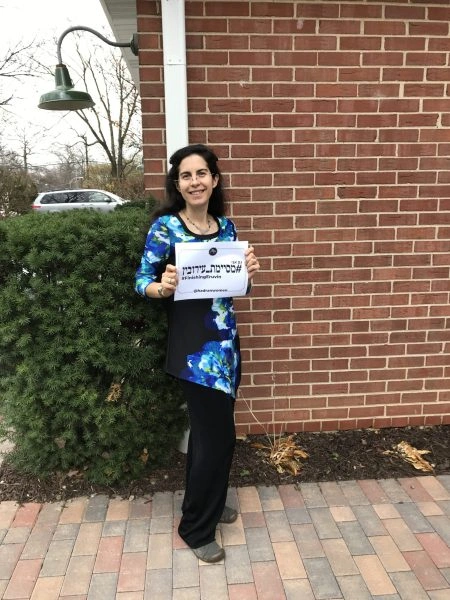
Skokie, IL, United States
A Gemara shiur previous to the Hadran Siyum, was the impetus to attend it.It was highly inspirational and I was smitten. The message for me was התלמוד בידינו. I had decided along with my Chahsmonaim group to to do the daf and take it one daf at time- without any expectations at all. There has been a wealth of information, insights and halachik ideas. It is truly exercise of the mind, heart & Soul

Hashmonaim, Israel
Richmond, CA, United States
I am grateful for the structure of the Daf Yomi. When I am freer to learn to my heart’s content, I learn other passages in addition. But even in times of difficulty, I always know that I can rely on the structure and social support of Daf Yomi learners all over the world.
I am also grateful for this forum. It is very helpful to learn with a group of enthusiastic and committed women.

Beit Shemesh, Israel

Ontario, Canada
I had no formal learning in Talmud until I began my studies in the Joint Program where in 1976 I was one of the few, if not the only, woman talmud major. It was superior training for law school and enabled me to approach my legal studies with a foundation . In 2018, I began daf yomi listening to Rabbanit MIchelle’s pod cast and my daily talmud studies are one of the highlights of my life.

Minneapolis, United States
My Daf journey began in August 2012 after participating in the Siyum Hashas where I was blessed as an “enabler” of others. Galvanized into my own learning I recited the Hadran on Shas in January 2020 with Rabbanit Michelle. That Siyum was a highlight in my life. Now, on round two, Daf has become my spiritual anchor to which I attribute manifold blessings.

Englewood NJ, United States
I began daf yomi in January 2020 with Brachot. I had made aliya 6 months before, and one of my post-aliya goals was to complete a full cycle. As a life-long Tanach teacher, I wanted to swim from one side of the Yam shel Torah to the other. Daf yomi was also my sanity through COVID. It was the way to marking the progression of time, and feel that I could grow and accomplish while time stopped.
Givat Zev, Israel
Taanit 10
בִּבְרִיָּיתוֹ שֶׁל עוֹלָם.
verse deals with the creation of the world, when all the water was contained in the deep.
תָּנוּ רַבָּנַן: אֶרֶץ יִשְׂרָאֵל נִבְרֵאת תְּחִילָּה וְכׇל הָעוֹלָם כּוּלּוֹ נִבְרָא לְבַסּוֹף, שֶׁנֶּאֱמַר: ״עַד לֹא עָשָׂה אֶרֶץ וְחוּצוֹת״. אֶרֶץ יִשְׂרָאֵל מַשְׁקֶה אוֹתָהּ הַקָּדוֹשׁ בָּרוּךְ הוּא בְּעַצְמוֹ, וְכׇל הָעוֹלָם כּוּלּוֹ עַל יְדֵי שָׁלִיחַ, שֶׁנֶּאֱמַר: ״הַנֹּתֵן מָטָר עַל פְּנֵי אָרֶץ וְשֹׁלֵחַ מַיִם עַל פְּנֵי חוּצוֹת״.
The Sages taught in a baraita: Eretz Yisrael was created first and the rest of the entire world was created afterward, as it is stated: “While as yet He had not made the land, nor the fields” (Proverbs 8:26). Here, and in the following statements, the term “land” is understood as a reference to the Land of Israel, while “the fields” means all the fields in other lands. Furthermore, Eretz Yisrael is watered by the Holy One, Blessed be He, Himself, and the rest of the entire world is watered through an intermediary, as it is stated: “Who gives rain upon the land, and sends water upon the fields” (Job 5:10).
אֶרֶץ יִשְׂרָאֵל שׁוֹתָה מֵי גְשָׁמִים, וְכׇל הָעוֹלָם כּוּלּוֹ מִתַּמְצִית, שֶׁנֶּאֱמַר: ״הַנֹּתֵן מָטָר עַל פְּנֵי אָרֶץ וְגוֹ׳״. אֶרֶץ יִשְׂרָאֵל שׁוֹתָה תְּחִילָּה, וְכׇל הָעוֹלָם כּוּלּוֹ לְבַסּוֹף, שֶׁנֶּאֱמַר: ״הַנֹּתֵן מָטָר עַל פְּנֵי אָרֶץ וְגוֹ׳״ — מָשָׁל לְאָדָם שֶׁמְּגַבֵּל אֶת הַגְּבִינָה, נוֹטֵל אֶת הָאוֹכֵל וּמַנִּיחַ אֶת הַפְּסוֹלֶת.
Additionally, Eretz Yisrael drinks rainwater and the rest of the entire world drinks from the remaining residue of rainwater left in the clouds, as it is stated that God is He “who gives rain upon the land” and only afterward takes what is left “and sends water upon the fields.” Eretz Yisrael drinks first, and the rest of the entire world afterward, as it is stated: “Who gives rain upon the land and sends water upon the fields.” There is a parable that illustrates this: A person who kneads his cheese after it has curdled takes the food and leaves the refuse.
אָמַר מָר: מִמַּתְּקִין הֵן בְּעָבִים. מְנָלֵיהּ? דְּאָמַר רַב יִצְחָק בַּר יוֹסֵף אָמַר רַבִּי יוֹחָנָן, כְּתִיב: ״חֶשְׁכַת מַיִם עָבֵי שְׁחָקִים״, וּכְתִיב: ״חַשְׁרַת מַיִם עָבֵי שְׁחָקִים״.
The Master said above: The ocean waters are sweetened in the clouds. The Gemara asks: From where does Rabbi Eliezer derive this? The Gemara answers that Rav Yitzḥak bar Yosef said that Rabbi Yoḥanan said that it is written: “Darkness [ḥeshkhat] of waters, thick clouds of the skies” (Psalms 18:12). And it is written, in a similar verse: “Gathering of [ḥashrat] waters, thick clouds of the skies” (II Samuel 22:12).
שְׁקוֹל כָּף וּשְׁדִי אַרֵישׁ וּקְרִי בֵּיהּ ״חַכְשָׁרַת״.
The Gemara explains the significance of this minor variation. These two phrases vary in only one word, which themselves differ by only one letter, a kaf for a reish. If you join the two versions together, and take the letter kaf from the first version and place it with the second version of the word, which has a reish, you can read into the verse a new word meaning rendering fit [ḥakhsharat]. Accordingly, the verse can be interpreted as: The rendering fit of water is performed in the clouds of the sky.
וְרַבִּי יְהוֹשֻׁעַ, בְּהָנֵי קְרָאֵי מַאי דָּרֵישׁ בְּהוּ? סָבַר לַהּ כִּי הָא דְּכִי אֲתָא רַב דִּימִי אֲמַר, אָמְרִי בְּמַעְרְבָא: נְהוּר עֲנָנֵי — זְעֵירִין מוֹהִי. חֲשׁוּךְ עֲנָנֵי — סַגִּיִּין מוֹהִי.
The Gemara asks: And Rabbi Yehoshua, with regard to these verses, what does he learn from them? The Gemara answers that Rabbi Yehoshua holds in accordance with the opinion of this Sage, Rav Dimi. As when Rav Dimi came from Eretz Yisrael to Babylonia, he said that they say in the West, Eretz Yisrael: When clouds are bright, they have little water; when clouds are dark, they have much water. Accordingly, Rabbi Yehoshua explains that when there is “a darkness of waters” in the clouds, there is also “a gathering of waters,” as rain will fall from them.
כְּמַאן אָזְלָא הָא דְּתַנְיָא: מַיִם הָעֶלְיוֹנִים בְּמַאֲמָר הֵם תְּלוּיִם, וּפֵירוֹתֵיהֶן מֵי גְשָׁמִים, שֶׁנֶּאֱמַר: ״מִפְּרִי מַעֲשֶׂיךָ תִּשְׂבַּע הָאָרֶץ״, כְּמַאן — כְּרַבִּי יְהוֹשֻׁעַ. וְרַבִּי אֱלִיעֶזֶר: הָהוּא, בְּמַעֲשֵׂה יָדָיו שֶׁל הַקָּדוֹשׁ בָּרוּךְ הוּא הוּא דִּכְתִיב.
The Gemara asks: In accordance with whose opinion is that which is taught in a baraita: The upper waters do not stand in any defined place; rather, they are suspended by the word of God, and their fruit is rainwater, as it is stated: “Who waters the mountains from His upper chambers; the earth is full of the fruit of Your works” (Psalms 104:13). In accordance with whose opinion is this statement? It is in accordance with the opinion of Rabbi Yehoshua. And Rabbi Eliezer, how does he explain this verse? Rabbi Eliezer could say: That verse from Psalms is written with regard to the handiwork of the Holy One, Blessed be He, not the upper waters.
אָמַר רַבִּי יְהוֹשֻׁעַ בֶּן לֵוִי: כׇּל הָעוֹלָם כּוּלּוֹ מִתַּמְצִית גַּן עֵדֶן הוּא שׁוֹתֶה, שֶׁנֶּאֱמַר: ״וְנָהָר יֹצֵא מֵעֵדֶן וְגוֹ׳״, תָּנָא: מִתַּמְצִית בֵּית כּוֹר שׁוֹתֶה תַּרְקַב.
Rabbi Yehoshua ben Levi said: The entire world drinks from the runoff of the Garden of Eden, as it is stated: “And a river went out of Eden to water the garden” (Genesis 2:10). It was taught in a baraita: From the runoff of a beit kor, a field in which a kor of seed can be planted, which is approximately seventy-five thousand square cubits, a field in which a half-se’a [tarkav], of seed can be sown, i.e. one-sixtieth the size of a beit kor, can be watered. If the runoff from a beit kor is sufficient for a field one-sixtieth its size, it can be inferred that the rest of the world is one-sixtieth the size of the Garden of Eden.
תָּנוּ רַבָּנַן: אֶרֶץ מִצְרַיִם הָוְיָא אַרְבַּע מֵאוֹת פַּרְסָה עַל אַרְבַּע מֵאוֹת פַּרְסָה, וְהוּא אֶחָד מִשִּׁשִּׁים בְּכוּשׁ, וְכוּשׁ — אֶחָד מִשִּׁשִּׁים בָּעוֹלָם, וְעוֹלָם — אֶחָד מִשִּׁשִּׁים בַּגָּן, וְגַן — אֶחָד מִשִּׁשִּׁים לְעֵדֶן, וְעֵדֶן — אֶחָד מִשִּׁשִּׁים לְגֵיהִנָּם, נִמְצָא כׇּל הָעוֹלָם כּוּלּוֹ כְּכִיסּוּי קְדֵרָה לְגֵיהִנָּם. וְיֵשׁ אוֹמְרִים: גֵּיהִנָּם אֵין לָהּ שִׁיעוּר, וְיֵשׁ אוֹמְרִים: עֵדֶן אֵין לָהּ שִׁיעוּר.
The Sages taught in a baraita: The area of the land of Egypt is four hundred parasangs [parsa] by four hundred parasangs. And this is one sixtieth the size of Cush, and Cush itself is one sixtieth the size of the rest of the world. And the world is one sixtieth of the Garden of Eden, and the Garden of Eden is one sixtieth of Eden itself, and Eden is one sixtieth of Gehenna. You find that the entire world is like a pot cover for Gehenna, as Eden, which is far larger than the rest of the world, is only one sixtieth the size of Gehenna. And some say: Gehenna has no measure. And some say that Eden has no measure.
אָמַר רַבִּי אוֹשַׁעְיָא, מַאי דִּכְתִיב: ״שֹׁכַנְתְּ עַל מַיִם רַבִּים רַבַּת אוֹצָרֹת״, מִי גָּרַם לְבָבֶל שֶׁיְּהוּ אוֹצְרוֹתֶיהָ מְלֵאוֹת בָּר, הֱוֵי אוֹמֵר: מִפְּנֵי שֶׁשּׁוֹכֶנֶת עַל מַיִם רַבִּים. אָמַר רַב: עַתִּירָה בָּבֶל דְּחָצְדָא בְּלָא מִיטְרָא. אָמַר אַבָּיֵי: נְקִיטִינַן, טוֹבְעָנִי וְלֹא יוֹבְשָׁנִי.
Rabbi Oshaya said: What is the meaning of that which is written about Babylonia: “You who dwells on many waters, abundant in storehouses” (Jeremiah 51:13)? What caused Babylonia to have storehouses full of grain? You must say that it is due to the fact that it resides on many waters, the Tigris and the Euphrates Rivers, which render its land easy to irrigate. Similarly, Rav said: Babylonia is wealthy since it can grow crops for harvest even without rain. Abaye said: We hold that it is better for a land to be swampy like Babylonia, and not dry, as crops in Babylonia grow all year.
מַתְנִי׳ בִּשְׁלֹשָׁה בִּמְרַחְשְׁוָן שׁוֹאֲלִין אֶת הַגְּשָׁמִים. רַבָּן גַּמְלִיאֵל אוֹמֵר: בְּשִׁבְעָה בּוֹ, חֲמִשָּׁה עָשָׂר יוֹם אַחַר הֶחָג. כְּדֵי שֶׁיַּגִּיעַ אַחֲרוֹן שֶׁבְּיִשְׂרָאֵל לִנְהַר פְּרָת.
MISHNA: On the third of the month of Marḥeshvan one starts to request rain by inserting the phrase: And give dew and rain, in the blessing of the years, the ninth blessing of the Amida. Rabban Gamliel says: One starts to request rain on the seventh of Marḥeshvan, which is fifteen days after the festival of Sukkot. Rabban Gamliel explains that one waits these extra four days so that the last pilgrim of the Jewish people, who traveled to Jerusalem on foot for the Festival, can reach the Euphrates River without being inconvenienced by rain on his journey home.
גְּמָ׳ אָמַר רַבִּי אֶלְעָזָר: הֲלָכָה כְּרַבָּן גַּמְלִיאֵל. תַּנְיָא, חֲנַנְיָה אוֹמֵר: וּבַגּוֹלָה, עַד שִׁשִּׁים בַּתְּקוּפָה. אָמַר רַב הוּנָא בַּר חִיָּיא אָמַר שְׁמוּאֵל: הֲלָכָה כַּחֲנַנְיָה.
GEMARA: Rabbi Elazar said: The halakha is in accordance with the opinion of Rabban Gamliel, that one does not begin to request rain until the seventh of Marḥeshvan. It is taught in a baraita that Ḥananya says: And in the Diaspora one does not begin to request rain until sixty days into the season, i.e., sixty days after the autumnal equinox. Rav Huna bar Ḥiyya said that Shmuel said: The halakha is in accordance with the opinion of Ḥananya.
אִינִי?! וְהָא בְּעוֹ מִינֵּיהּ מִשְּׁמוּאֵל: מֵאֵימַת מַדְכְּרִינַן ״וְתֵן טַל וּמָטָר״? אֲמַר לְהוּ: מִכִּי מְעַיְּילִי צִיבֵי לְבֵי טָבוּת רִישְׁבָּא! דִּילְמָא אִידֵּי וְאִידֵּי חַד שִׁיעוּרָא הוּא.
The Gemara asks: Is that so? But they raised a dilemma before Shmuel: From when does one mention: And give dew and rain? He said to them: From when they bring wood into the house of Tavut the bird hunter [rishba]. This is apparently a different date than that mentioned by Ḥananya. The Gemara suggests: Perhaps this and that are one measure of time, i.e., Shmuel merely provided a sign of sixty days after the autumnal equinox.
אִיבַּעְיָא לְהוּ: יוֹם שִׁשִּׁים, כְּלִפְנֵי שִׁשִּׁים אוֹ כִּלְאַחַר שִׁשִּׁים? תָּא שְׁמַע, רַב אָמַר: יוֹם שִׁשִּׁים כִּלְאַחַר שִׁשִּׁים, וּשְׁמוּאֵל אָמַר: יוֹם שִׁשִּׁים כְּלִפְנֵי שִׁשִּׁים.
A dilemma was raised before the Sages: Is the sixtieth day itself treated as part of the period before the sixtieth day or is it included in the period after the sixtieth day? The Gemara answers. Come and hear that there is a dispute in this regard. Rav said: The sixtieth day is part of the period after the sixtieth day, and Shmuel said: The sixtieth day is part of the period before the sixtieth.
אָמַר רַב נַחְמָן בַּר יִצְחָק: וְסִימָנָךְ עִלָּאֵי בָּעוּ מַיָּא, תַּתָּאֵי לָא בָּעוּ מַיָּא. אָמַר רַב פָּפָּא, הִלְכְתָא: יוֹם שִׁשִּׁים כִּלְאַחַר שִׁשִּׁים.
Rav Naḥman bar Yitzḥak said: And your mnemonic to remember the divergent opinions is: Those above require water; those below do not require water. Since water flows downward, those who live in low places receive their water from above and are generally in less need of additional water. Accordingly, Shmuel, who lived in the lowlands of Babylonia, ruled that one begins to request for rain later, whereas Rav, who studied in Eretz Yisrael, which is higher in elevation and has a greater need for rain, stated an earlier date. Rav Pappa said: The halakha is that the sixtieth day is part of the period after the sixtieth day, as stated by Rav, and therefore one begins to mention the request for rain on the sixtieth day after the autumnal equinox.
מַתְנִי׳ הִגִּיעַ שִׁבְעָה עָשָׂר בְּמַרְחֶשְׁוָן וְלֹא יָרְדוּ גְּשָׁמִים — הִתְחִילוּ הַיְּחִידִים מִתְעַנִּין שָׁלֹשׁ תַּעֲנִיּוֹת. אוֹכְלִין וְשׁוֹתִין מִשֶּׁחָשֵׁיכָה, וּמוּתָּרִין בִּמְלָאכָה וּבִרְחִיצָה וּבְסִיכָה וּבִנְעִילַת הַסַּנְדָּל וּבְתַשְׁמִישׁ הַמִּטָּה. הִגִּיעַ רֹאשׁ חֹדֶשׁ כִּסְלֵיו וְלֹא יָרְדוּ גְּשָׁמִים — בֵּית דִּין גּוֹזְרִין שָׁלֹשׁ תַּעֲנִיּוֹת עַל הַצִּבּוּר. אוֹכְלִין וְשׁוֹתִין מִשֶּׁחָשֵׁיכָה, וּמוּתָּרִין בִּמְלָאכָה וּבִרְחִיצָה וּבְסִיכָה וּבִנְעִילַת הַסַּנְדָּל וּבְתַשְׁמִישׁ הַמִּטָּה.
MISHNA: If the seventeenth of Marḥeshvan arrived and rain has not fallen, individuals, but not the entire community, begin to fast three fasts for rain. How are these fasts conducted? As the fast begins in the morning, one may eat and drink after dark, and one is permitted during the days of the fasts themselves to engage in the performance of work, in bathing, in smearing oil on one’s body, in wearing shoes, and in conjugal relations. If the New Moon of Kislev arrived and rain has still not fallen, the court decrees three fasts on the entire community. Similar to the individual fasts, everyone may eat and drink after dark, and they are permitted to engage in the performance of work, in bathing, in smearing one’s body with oil, in wearing shoes, and in conjugal relations.
גְּמָ׳ מַאן ״יְחִידִים״? אָמַר רַב הוּנָא: רַבָּנַן. וַאֲמַר רַב הוּנָא: יְחִידִים מִתְעַנִּין שָׁלֹשׁ תַּעֲנִיּוֹת, שֵׁנִי וַחֲמִישִׁי וְשֵׁנִי.
GEMARA: The Gemara asks: Who are these individuals mentioned in the mishna? Rav Huna said: This is referring to the Sages, who are held to a higher standard and are expected to undertake fasts even when ordinary people do not. And Rav Huna further said: The individuals who fast the three fasts do so on a Monday, and on the next Thursday, and again on the following Monday.
מַאי קָמַשְׁמַע לַן? תְּנֵינָא: אֵין גּוֹזְרִין תַּעֲנִית עַל הַצִּבּוּר בַּתְּחִילָּה בַּחֲמִישִׁי, שֶׁלֹּא לְהַפְקִיעַ אֶת הַשְּׁעָרִים, אֶלָּא שָׁלֹשׁ תַּעֲנִיּוֹת הָרִאשׁוֹנוֹת שֵׁנִי וַחֲמִישִׁי וְשֵׁנִי!
The Gemara asks: What is Rav Huna teaching us? We already learned this (15b): The court may not decree a fast on the community starting from a Thursday, so as not to cause an increase in prices. Rather, the first three fasts are established on Monday, and Thursday, and Monday. What does Rav Huna’s statement add to this ruling?
מַהוּ דְּתֵימָא: הָנֵי מִילֵּי צִבּוּר, אֲבָל יָחִיד לָא, קָמַשְׁמַע לַן. תַּנְיָא נָמֵי הָכִי: כְּשֶׁהִתְחִילוּ הַיְּחִידִים לְהִתְעַנּוֹת, מִתְעַנִּין שֵׁנִי וַחֲמִישִׁי וְשֵׁנִי, וּמַפְסִיקִין בְּרָאשֵׁי חֳדָשִׁים
The Gemara answers: Rav Huna’s comment is necessary, lest you say that this applies only to a community, but that in the case of an individual, no, the series of three fasts does not have to start on a Monday. This opinion is also taught in a baraita with regard to those mentioned in the mishna: When the individuals begin to fast, they fast on a Monday, a Thursday, and a Monday. And if one of the fast days occurs on a day with special observances, they interrupt the sequence for New Moons,
וּבְיָמִים טוֹבִים הַכְּתוּבִין בִּמְגִילַּת תַּעֲנִית.
and for commemorative holidays that are written in Megillat Ta’anit, which contains a list of dates on which the Sages prohibited fasting.
תָּנוּ רַבָּנַן: אַל יֹאמַר אָדָם תַּלְמִיד אֲנִי, אֵינִי רָאוּי לִהְיוֹת יָחִיד, אֶלָּא: כׇּל תַּלְמִידֵי חֲכָמִים יְחִידִים. אֵיזֶהוּ יָחִיד וְאֵיזֶהוּ תַּלְמִיד? יָחִיד — כֹּל שֶׁרָאוּי לְמַנּוֹתוֹ פַּרְנָס עַל הַצִּבּוּר, תַּלְמִיד — כׇּל שֶׁשּׁוֹאֲלִין אוֹתוֹ דָּבָר הֲלָכָה בְּתַלְמוּדוֹ וְאוֹמֵר, וַאֲפִילּוּ בְּמַסֶּכְתָּא דְכַלָּה.
The Sages taught in a baraita: A person should not say: I am only a student, and consequently I am unworthy to be considered an individual who fasts, as stated in the mishna. Rather, with regard to the fasts of individuals, all Torah scholars are individuals. The baraita elaborates: Who is an individual and who is a student? An individual is anyone who is learned in Torah and worthy to be appointed leader and teacher over the community. A student is any Torah scholar who is asked a matter of halakha in his studies and he says the correct answer, and this is the case even if he is familiar only with the tractate of the kalla month, i.e., the tractate the community studied that year.
תָּנוּ רַבָּנַן: לֹא כׇּל הָרוֹצֶה לַעֲשׂוֹת עַצְמוֹ יָחִיד עוֹשֶׂה, תַּלְמִיד — עוֹשֶׂה, דִּבְרֵי רַבִּי מֵאִיר. רַבִּי יוֹסֵי אוֹמֵר: עוֹשֶׂה, וְזָכוּר לַטּוֹב, לְפִי שֶׁאֵין שֶׁבַח הוּא לוֹ, אֶלָּא צַעַר הוּא לוֹ.
The Sages taught in another baraita: Not everyone who wishes to make himself an individual and conduct himself accordingly may do so, and nor may everyone who wants to act like a student do so. This is the statement of Rabbi Meir. Rabbi Yosei says: One may do so, and he is even remembered for good, as the conduct of a Torah student is not a source of praise for him, but it is a source of pain for him. It is proper for one to take these obligations upon himself and he is not considered to be acting inappropriately.
תַּנְיָא אִידַּךְ: לֹא כׇּל הָרוֹצֶה לַעֲשׂוֹת עַצְמוֹ יָחִיד עוֹשֶׂה, תַּלְמִיד — עוֹשֶׂה, דִּבְרֵי רַבִּי שִׁמְעוֹן בֶּן אֶלְעָזָר. רַבָּן שִׁמְעוֹן בֶּן גַּמְלִיאֵל אוֹמֵר: בַּמֶּה דְּבָרִים אֲמוּרִים: בְּדָבָר שֶׁל שֶׁבַח, אֲבָל בְּדָבָר שֶׁל צַעַר — עוֹשֶׂה, וְזָכוּר לַטּוֹב, שֶׁאֵין שֶׁבַח הוּא לוֹ, אֶלָּא צַעַר הוּא לוֹ.
It is taught in another baraita: Not everyone who wishes to make himself an individual may do so, and nor may everyone who wishes to act like a student do so. This is the statement of Rabbi Shimon ben Elazar. Rabban Shimon ben Gamliel says: In what case is this statement said? It is said with regard to a matter of praise, e.g., adorning oneself with the garments of a Torah scholar. However, with regard to a matter of pain, when Torah scholars act strictly, one may do so, and one who acts strictly is remembered for good, as it is not a source of praise for him, but it is a source of pain for him.
תָּנוּ רַבָּנַן: מִי שֶׁהָיָה מִתְעַנֶּה עַל הַצָּרָה וְעָבְרָה, עַל הַחוֹלֶה וְנִתְרַפֵּא — הֲרֵי זֶה מִתְעַנֶּה וּמַשְׁלִים. הַהוֹלֵךְ מִמְּקוֹם שֶׁאֵין מִתְעַנִּין לִמְקוֹם שֶׁמִּתְעַנִּין — הֲרֵי זֶה מִתְעַנֶּה עִמָּהֶן. מִמְּקוֹם שֶׁמִּתְעַנִּין לִמְקוֹם שֶׁאֵין מִתְעַנִּין — הֲרֵי זֶה מִתְעַנֶּה וּמַשְׁלִים.
The Sages taught in a baraita: With regard to one who was fasting for a certain trouble and the trouble passed, or if one was fasting for the recovery of a sick person and that person was healed, one may not cease his fast merely because its cause has been removed; rather, he completes his fast. The baraita continues: With regard to one who goes from a place where they are not fasting to a place where they are fasting, he fasts with them. Conversely, with regard to one who goes from a place where they are fasting to a place where they are not fasting, he completes his fast as a resident of his hometown.
שָׁכַח וְאָכַל וְשָׁתָה — אַל יִתְרָאֶה בִּפְנֵי הַצִּבּוּר, וְאַל יַנְהִיג עִידּוּנִין בְּעַצְמוֹ, שֶׁנֶּאֱמַר: ״וַיֹּאמֶר יַעֲקֹב לְבָנָיו לָמָּה תִּתְרָאוּ״, אָמַר לָהֶם יַעֲקֹב לְבָנָיו: אַל תַּרְאוּ עַצְמְכֶם כְּשֶׁאַתֶּם שְׂבֵעִין, לֹא בִּפְנֵי עֵשָׂו וְלֹא בִּפְנֵי יִשְׁמָעֵאל, כְּדֵי שֶׁלֹּא יִתְקַנְּאוּ בָּכֶם.
With regard to one who forgot the fast and ate and drank, he should not show himself before the community while satiated, and he should not indulge in luxuries. One should not think that because one has already eaten, his fast is completely nullified, and one may conduct himself as if it were not a fast day at all. Rather, one should minimize one’s eating, as it is stated: “And Jacob said to his sons: Why do you show yourselves?” (Genesis 42:1). Jacob said to his sons: Do not show yourselves when you are satiated, not before the members of the house of Esau, nor before those of Ishmael, so that they not be jealous of you, as they suffer from hunger. This teaches that one should not show he is full when others are hungry.
״אַל תִּרְגְּזוּ בַּדָּרֶךְ״, אָמַר רַבִּי אֶלְעָזָר, אָמַר לָהֶם יוֹסֵף לְאֶחָיו: אַל תִּתְעַסְּקוּ בִּדְבַר הֲלָכָה, שֶׁמָּא תְּרַגְּזוּ עֲלֵיכֶם הַדֶּרֶךְ.
§ The Gemara presents another piece of advice related to the story of Joseph and his brothers. Joseph said to them: “See that you not fall out by the way” (Genesis 45:24). Rabbi Elazar said that Joseph said to his brothers: Do not become occupied in a matter of halakha, lest you fall out on the way. If you discuss a halakha while traveling you might get into an argument, and it is important for travelers to remain on good terms.
אִינִי? וְהָאָמַר רַבִּי אִלְעַאי בַּר בֶּרֶכְיָה: שְׁנֵי תַּלְמִידֵי חֲכָמִים שֶׁמְּהַלְּכִים בַּדֶּרֶךְ וְאֵין בֵּינֵיהֶן דִּבְרֵי תוֹרָה — רְאוּיִין לִישָּׂרֵף, שֶׁנֶּאֱמַר: ״וַיְהִי הֵמָּה הֹלְכִים הָלוֹךְ וְדַבֵּר וְהִנֵּה רֶכֶב אֵשׁ וְסוּסֵי אֵשׁ וַיַּפְרִדוּ בֵּין שְׁנֵיהֶם״, טַעְמָא דְּאִיכָּא דִּיבּוּר, הָא לֵיכָּא דִּיבּוּר — רְאוּיִין לִישָּׂרֵף!
The Gemara asks: Is that so? But didn’t Rabbi Elai bar Berekhya say: With regard to two Torah scholars who are walking along the road and there are no Torah matters discussed between them, they are worthy of being burned, as it is stated: “And it came to pass, as they still went on, and talked, that, behold, there appeared a chariot of fire, and horses of fire, which parted them both asunder” (II Kings 2:11). The reason that the chariot of fire did not harm Elisha is because there was a Torah matter between them, from which it may be inferred that had they not been discussing a Torah matter, they would have been worthy of being burned.
לָא קַשְׁיָא: הָא — לְמִיגְרַס, הָא — לְעַיּוֹנֵי.
The Gemara answers: This is not difficult. This opinion of Rabbi Elai bar Berekhya is referring to studying by rote, by reviewing material one has already learned, which is permitted and even appropriate while traveling, whereas that opinion of Rabbi Elazar is referring to examining a halakha in depth, in which case it is likely that the scholars will come into conflict.
בְּמַתְנִיתָא תָּנָא: אַל תַּפְסִיעוּ פְּסִיעָה גַּסָּה, וְהַכְנִיסוּ חַמָּה לָעִיר. אַל תַּפְסִיעוּ פְּסִיעָה גַּסָּה — דְּאָמַר מָר: פְּסִיעָה גַּסָּה נוֹטֶלֶת אֶחָד מֵחֲמֵשׁ מֵאוֹת מִמְּאוֹר עֵינָיו שֶׁל אָדָם.
It is taught in a baraita that Joseph said to his brothers: Do not take long strides and bring the sun into the city, i.e., you should enter the city to spend the night there before the sun has set. The Gemara elaborates: Do not take long strides, as the Master said: A long stride takes away one five-hundredth of a person’s eyesight, and this loss is not worth the time saved.
וְהַכְנִיסוּ חַמָּה לָעִיר — כִּדְרַב יְהוּדָה אָמַר רַב. דְּאָמַר רַב יְהוּדָה אָמַר רַב: לְעוֹלָם יֵצֵא אָדָם בְּ״כִי טוֹב״ וְיִכָּנֵס בְּ״כִי טוֹב״, שֶׁנֶּאֱמַר: ״הַבֹּקֶר אוֹר וְהָאֲנָשִׁים שֻׁלְּחוּ״.
The Gemara further explains: And bring the sun into the city, this is in accordance with a statement that Rav Yehuda said that Rav said. As Rav Yehuda said that Rav said: A person should always leave the place where he has spent the night with “it is good” (Genesis 1:4), i.e., after sunrise, as the Torah uses the expression “it is good” with regard to the creation of light. This goodness is manifest in the sense of security one feels when it is light. And likewise, when one comes into an unfamiliar city he should enter with “it is good,” before sunset, as it is stated: “As soon as the morning was light, the men were sent away” (Genesis 44:3).
אָמַר רַב יְהוּדָה אָמַר רַבִּי חִיָּיא: הַמְהַלֵּךְ בַּדֶּרֶךְ — אַל יֹאכַל יוֹתֵר מִשְּׁנֵי רְעָבוֹן. מַאי טַעְמָא? הָכָא תַּרְגִּימוּ: מִשּׁוּם מַעְיָינָא. בְּמַעְרְבָא אָמְרִי: מִשּׁוּם מְזוֹנֵי. מַאי בֵּינַיְיהוּ? אִיכָּא בֵּינַיְיהוּ,
Similarly, Rav Yehuda said that Rabbi Ḥiyya said: One who is walking along the road should not eat more each day than he would normally eat each day in a year of famine. The Gemara asks: What is the reason for this? Here in Babylonia they interpreted that the reason is due to one’s bowels. Since the exertion of traveling can damage full bowels, it is preferable to eat less than the normal amount. In the West, Eretz Yisrael, they say that the reason is due to food, i.e., if one eats too much, his food may not last the entire journey, and therefore he should ration his meals. The Gemara asks: What is the practical difference between these two opinions? The Gemara answers: The practical difference between them

