Search

Yevamot 66

Want to dedicate learning? Get started here:

English
עברית
podcast placeholder

0:00
0:00


podcast placeholder

0:00
0:00


Summary

Presentation in PDF format

Today’s daf is sponsored by Peri Rosenfeld in loving memory of their father, Willie Rosenfeld, Yishayah Zev HaKohen’s 12th yahrzeit on the 11th of Iyar.  “A man filled with love and dedication to his family, community and Israel. He is sorely missed.”

Today’s daf is dedicated in memory of Joe Aminoff.

The Gemara makes one last attempt to disprove the opinion that women are really not obligated to have children from a case of a half-slave/half free woman whose owner was forced to free her, presumably because she could not get married and have children. But Rav Nachman bar Yitzchak explained the reason differently – since she was unable to marry, men were taking advantage of her and that was why the owner was forced to free her, which would therefore not prove that women are obligated. If one who cannot marry a kohen marries him anyway, she cannot eat truma. But can slaves of hers eat truma? The Mishna distinguishes between two different types of property that she brings into the marriage – zton barzel and melog. What is the difference between them and why does that affect their ability to eat truma? Since all of the woman’s property is considered the possession of the husband for the purposes of eating truma while they are married, why are slaves that are melog not able to eat truma? Three different answers are brought. One holds that it is by Torah law as the rights of the kohen to the truma of melog come from the woman and the woman herself can’t eat truma and therefore he possessions as well can’t. The other two answers assume that by Torah law the slave can eat truma but the rabbis forbade it. One possibility is because they want to encourage the husband to divorce her (as it is a forbidden marriage) – if her slave can’t eat and she can’t, it will make the woman lower in the eyes of her husband and he may divorce her. Another is due to concern in the case of a daughter of a kohen who after marrying the kohen, the kohen dies and when she goes back to her father’s house the slave will mistakenly think he can continue to eat truma. If a woman brought into the marriage tzon barzel possessions assessed at a particular amount, can she demand them back upon death of the husband or divorce or does she only receive the monetary value? This is a debate between Rav Yehuda and Rabbi Ami. What is the reason behind each opinion and what sources are brought to support each position? How do we rule?

https://youtu.be/c3j2YA_K-qw

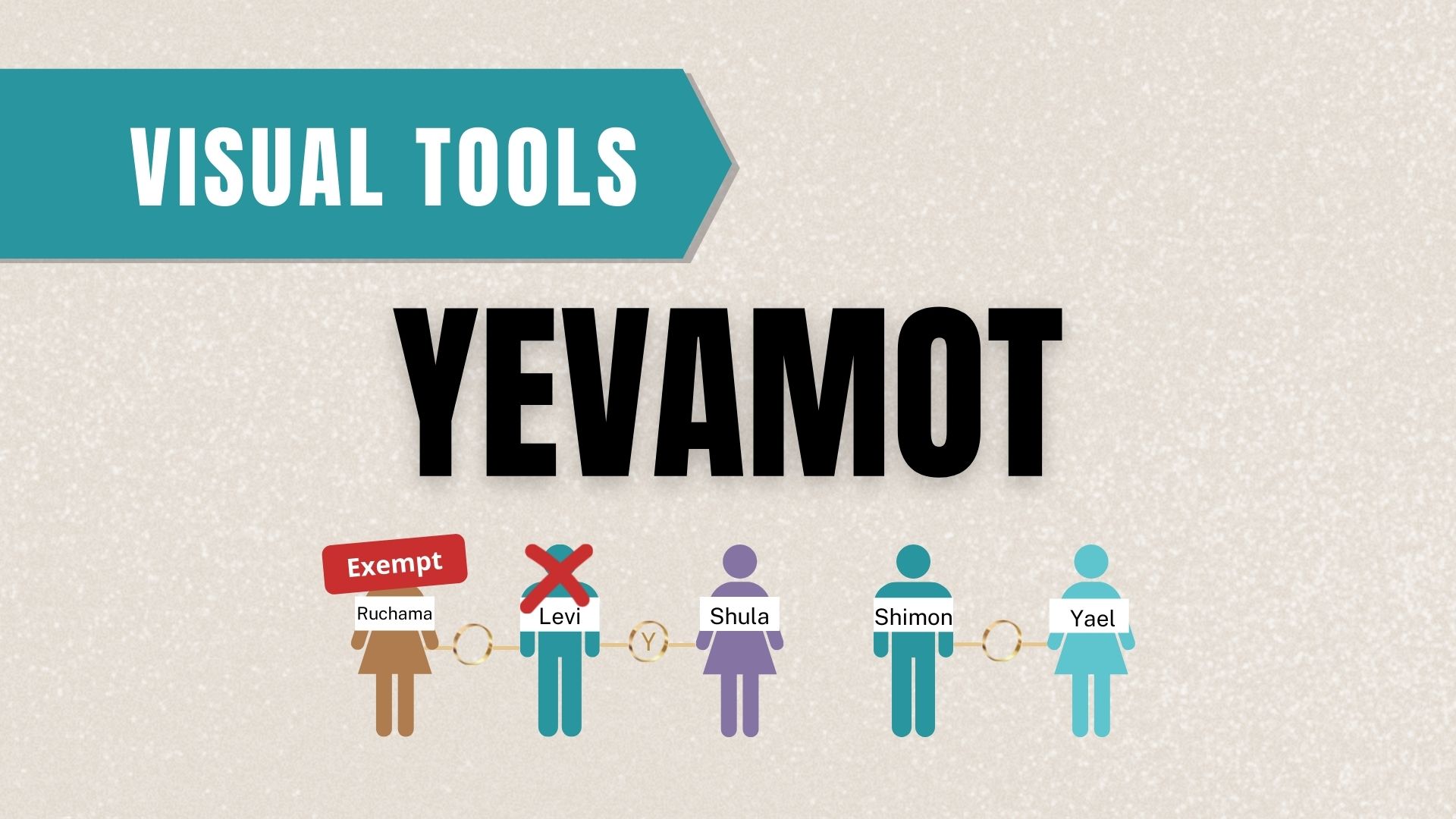
Today’s daily daf tools:

Yevamot 66

אַחְווֹתָא.

were twin sisters, and became the matriarchs of families of distinguished Torah scholars.

וְלָא מִיפַּקְדִי? וְהָאָמַר רַב אַחָא בַּר רַב קַטִּינָא אָמַר רַבִּי יִצְחָק: מַעֲשֶׂה בְּאִשָּׁה אַחַת שֶׁחֶצְיָהּ שִׁפְחָה וְחֶצְיָהּ בַּת חוֹרִין, וְכָפוּ אֶת רַבָּהּ וַעֲשָׂאָהּ בַּת חוֹרִין! אָמַר רַב נַחְמָן בַּר יִצְחָק: מִנְהַג הֶפְקֵר נָהֲגוּ בָּהּ.

The Gemara asks: Are women not commanded to be fruitful and multiply? Didn’t Rav Aḥa bar Rav Ketina say that Rabbi Yitzḥak said: There was an incident with a certain woman who was half-slave and half-free woman and therefore could marry neither a Canaanite slave nor a Jew, and they forced her master and he made her a free woman. Presumably, the reason the court forced her master to free her was so that she could fulfill the mitzva to be fruitful and multiply. Rav Naḥman bar Yitzḥak said: The reason they forced her master to free her was because others treated her in a loose manner. Since she knew that she could not marry she engaged in promiscuous activity, and the court forced her master to free her in order to save her and others from sin.


הֲדַרַן עֲלָךְ הַבָּא עַל יְבִמְתּוֹ

אַלְמָנָה לְכֹהֵן גָּדוֹל, גְּרוּשָׁה וַחֲלוּצָה לְכֹהֵן הֶדְיוֹט, הִכְנִיסָה לוֹ עַבְדֵי מְלוֹג וְעַבְדֵי צֹאן בַּרְזֶל, עַבְדֵי מְלוֹג — לֹא יֹאכְלוּ בִּתְרוּמָה, עַבְדֵי צֹאן בַּרְזֶל — יֹאכֵלוּ.

MISHNA: A widow married to a High Priest, and a divorcée or a yevama who performed ḥalitza [ḥalutza] married to a common priest are all unions prohibited by Torah law. If one of these women brought with her into the marriage slaves of usufruct [melog] property or slaves of guaranteed investment, then the slaves of usufruct property do not partake of teruma but the slaves of guaranteed investment do partake of teruma.

וְאֵלּוּ הֵן עַבְדֵי מְלוֹג: אִם מֵתוּ — מֵתוּ לָהּ, וְאִם הוֹתִירוּ — הוֹתִירוּ לָהּ, אַף עַל פִּי שֶׁהוּא חַיָּיב בִּמְזוֹנוֹתָן הֲרֵי אֵלּוּ לֹא יֹאכְלוּ בִּתְרוּמָה. וְאֵלּוּ הֵן עַבְדֵי צֹאן בַּרְזֶל: אִם מֵתוּ — מֵתוּ לוֹ, וְאִם הוֹתִירוּ — הוֹתִירוּ לוֹ, הוֹאִיל וְהוּא חַיָּיב בְּאַחְרָיוּתָן — הֲרֵי אֵלּוּ יֹאכְלוּ בִּתְרוּמָה.

And these are slaves of usufruct property: They are those with regard to whom the couple stipulated that if the slaves die, their death is her loss, and if they increase in value, their increase is her gain. Although the husband is obligated in their sustenance, they do not partake of teruma, as they belong to her, not to him. He owns only the right of their use while he is married to her. And these are slaves of guaranteed investment: They are those with regard to whom the couple stipulated that if they die, their death is his loss, and if they increase in value, their increase is his gain. Since he bears financial responsibility for compensating her in the event of their loss, they partake of teruma, as they are considered his property.

בַּת יִשְׂרָאֵל שֶׁנִּיסֵּת לְכֹהֵן וְהִכְנִיסָה לוֹ עֲבָדִים, בֵּין עַבְדֵי מְלוֹג, בֵּין עַבְדֵי צֹאן בַּרְזֶל — הֲרֵי אֵלּוּ יֹאכְלוּ בִּתְרוּמָה. וּבַת כֹּהֵן שֶׁנִּיסֵּת לְיִשְׂרָאֵל וְהִכְנִיסָה לוֹ עֲבָדִים, בֵּין עַבְדֵי מְלוֹג, בֵּין עַבְדֵי צֹאן בַּרְזֶל — הֲרֵי אֵלּוּ לֹא יֹאכְלוּ בִּתְרוּמָה.

In the case of an Israelite woman who married a priest in a halakhic marriage and who brought slaves with her into the marriage, whether they are slaves of usufruct property or slaves of guaranteed investment, they partake of teruma. And in the case of the daughter of a priest who married an Israelite and who brought slaves with her into the marriage, whether they are slaves of usufruct property or slaves of guaranteed investment, they do not partake of teruma, although, as she is the daughter of a priest, it is permitted for her and her slaves to partake of teruma beforehand.

גְּמָ׳ וְעַבְדֵי מְלוֹג לֹא יֹאכְלוּ בִּתְרוּמָה, אַמַּאי? לֶהֱוֵי כְּקִנְיָנוֹ שֶׁקָּנָה קִנְיָן! דְּתַנְיָא: מִנַּיִן לְכֹהֵן שֶׁנָּשָׂא אִשָּׁה וְקָנָה עֲבָדִים שֶׁיֹּאכְלוּ בִּתְרוּמָה, שֶׁנֶּאֱמַר: ״וְכֹהֵן כִּי יִקְנֶה נֶפֶשׁ קִנְיַן כַּסְפּוֹ הוּא יֹאכַל בּוֹ״.

GEMARA: The mishna states that if a priest married a woman forbidden to him, his wife’s slaves of usufruct property do not partake of teruma. The Gemara asks: Why is this so? Let this case be like that of his acquisition who acquired an acquisition, as it is taught in a baraita: From where is it derived with regard to a priest who married a woman and acquired slaves that they partake of teruma? As it is stated: “But if a priest buys any soul, the purchase of his money, he may eat of it” (Leviticus 22:11).

וּמִנַּיִן לְאִשָּׁה שֶׁקָּנְתָה עֲבָדִים, וַעֲבָדָיו שֶׁקָּנוּ עֲבָדִים, שֶׁיֹּאכְלוּ בִּתְרוּמָה — שֶׁנֶּאֱמַר: ״וְכֹהֵן כִּי יִקְנֶה נֶפֶשׁ קִנְיַן כַּסְפּוֹ הוּא יֹאכַל בּוֹ״, קִנְיָנוֹ שֶׁקָּנָה קִנְיָן — אוֹכֵל.

And from where is it derived with regard to both the wife of a priest who acquired slaves and a priest’s slaves who acquired slaves, that the acquired slaves may also partake of teruma? As it is stated: “But if a priest buys any soul, the purchase of his money, he may eat of it,” which is interpreted to mean: If his acquisition acquired an acquisition, the latter partakes of teruma. Here too, since the slaves of usufruct property belong to his wife, it should be permitted for them to partake of teruma.

כׇּל הָאוֹכֵל — מַאֲכִיל, כֹּל שֶׁאֵין אוֹכֵל — אֵינוֹ מַאֲכִיל.

The Gemara answers: The principle is that anyone who is fit to partake of teruma can enable others to partake of teruma, and anyone who does not partake of teruma cannot enable others to partake. Since the priest’s wife in this case does not partake of teruma, as her marriage is forbidden, her slaves do not partake of teruma either.

וְלָא? וַהֲרֵי עָרֵל, וְכׇל הַטְּמֵאִים שֶׁאֵינָן אוֹכְלִין, וּמַאֲכִילִין! הָתָם, פּוּמַּיְיהוּ כָּאֵיב לְהוּ.

The Gemara asks: And is it so that one who does not partake of teruma cannot enable others to partake? But aren’t there the cases of a priest who is uncircumcised because it was considered too dangerous for him and all impure priests, who do not partake of teruma, and yet they enable their wives and slaves to partake of teruma? The Gemara answers: The difference is that there, in those cases, there is no inherent disqualification rendering them unfit to partake of teruma. The hindrance to their partaking of teruma is tantamount to a situation where their mouths hurt, and that is why they refrain from eating teruma. They retain, however, the fundamental right to partake of teruma, and therefore they can enable others to partake as well.

וַהֲרֵי מַמְזֵר, שֶׁאֵין אוֹכֵל, וּמַאֲכִיל!

The Gemara asks: But isn’t there the case of a son born from an incestuous or adulterous relationship [mamzer], who does not partake of teruma yet enables others to partake? If an Israelite woman was married to a priest and was subsequently widowed or divorced, and a child from that union married a mamzer and then had a child, in that case, even if the woman’s child is dead, she partakes of teruma due to her grandchild, as she has a living descendant from a priest, although that descendant is a mamzer. Although this child does not partake of teruma, he enables his grandmother to partake of it.

אָמַר רָבִינָא: קִנְיָן אוֹכֵל קָאָמַר, קִנְיָן אוֹכֵל — מַאֲכִיל, שֶׁאֵינוֹ אוֹכֵל — אֵינוֹ מַאֲכִיל.

Ravina said that the above principle is referring to the case of an acquisition who partakes of teruma. If the acquisition of a priest partakes of teruma, he enables others to partake, whereas an acquisition who does not partake, e.g., his forbidden wife, cannot enable others to partake.

וְרָבָא אָמַר: מִדְּאוֹרָיְיתָא מֵיכָל אָכְלִי, וְרַבָּנַן הוּא דְּגָזְרִי בְּהוּ, כְּדֵי שֶׁתֹּאמַר: אֲנִי אֵינִי אוֹכֶלֶת, עֲבָדַי אֵינָן אוֹכְלִין — זוֹנָה הִיא אֶצְלוֹ?! הִלְכָּךְ אָתֵי לְאַפּוֹקַהּ.

And Rava said a different solution. By Torah law, the forbidden wife’s slaves indeed partake of teruma, as they are included in the category of: His acquisition who acquired an acquisition. And it was the Sages who issued a decree prohibiting them from partaking of teruma, so that the woman unlawfully married to a priest would say: I do not partake of his teruma and my slaves do not partake of it either, so that she will realize that she is not a valid wife, but rather she is like a prostitute to him. Her husband will therefore come to divorce her, which is the desired outcome.

רַב אָשֵׁי אָמַר: גְּזֵירָה שֶׁמָּא תַּאֲכִיל לְאַחַר מִיתָה.

Rav Ashi said a different reason for the prohibition: It is a rabbinic decree lest she have those slaves partake of teruma even after the death of her husband the priest. As long as he is alive, they are permitted to partake of teruma, as she is considered his acquisition and they belong to her. Once he dies, she is no longer his acquisition.

אֶלָּא מֵעַתָּה, בַּת יִשְׂרָאֵל שֶׁנִּשֵּׂאת לְכֹהֵן לֹא תַּאֲכִיל, גְּזֵירָה שֶׁמָּא תַּאֲכִיל לְאַחַר מִיתָה!

The Gemara asks: However, if that is so, that the decree is lest she have those slaves partake of teruma after her husband’s death, any Israelite woman who marries a priest should not enable her slaves of usufruct property to partake of teruma either, due to the same rabbinic decree, lest she have them partake of teruma after her husband’s death.

אֶלָּא אָמַר רַב אָשֵׁי: בְּאַלְמָנָה כֹּהֶנֶת, דְּאָתְיָא לְאוֹרוֹיֵי: מֵעִיקָּרָא אֲכַלִי בִּתְרוּמָה דְּבֵי נָשָׁא, אִינְּסֵבִי לֵיהּ לְהַאי — אֲכַלִי בִּתְרוּמָה דְגַבְרַאי, וְהַשְׁתָּא הֲדַרִי לִי לְמִילְּתַאי קַמַּיְיתָא. וְלָא יָדְעָה דְּמֵעִיקָּרָא לָא שַׁוֵּיתַהּ לְנַפְשַׁהּ חֲלָלָה, הַשְׁתָּא שַׁוֵּיתַהּ לְנַפְשַׁהּ חֲלָלָה.

Rather, Rav Ashi said that the decree is dealing with a widowed priestess, the daughter of a priest, who then married the High Priest, as she is likely to rationalize enabling her slaves to partake of teruma after the death of the High Priest as follows: Initially, my slaves partook of the teruma of my father’s house. I then married this man, and they partook of the teruma of my husband. And now that my husband died, I have returned to the original circumstance, and therefore they may once again partake of my father’s teruma. And she does not realize that this is not so, as initially she did not render herself a woman disqualified from marrying a priest [ḥalala], but now, by marrying a High Priest unlawfully, she rendered herself a ḥalala, and both she and her slaves do not partake of teruma even upon returning to her father’s house.

תִּינַח אַלְמָנָה כֹּהֶנֶת, אַלְמָנָה בַּת יִשְׂרָאֵל מַאי אִיכָּא לְמֵימַר? בְּאַלְמְנוּתַהּ לָא פְּלִיגִי רַבָּנַן.

The Gemara asks: This works out well as an explanation of the mishna, with regard to a widowed priestess. However, if that widow who married a High Priest was an Israelite woman, what can be said? There is no reason for the decree in that case. The Gemara answers: With regard to widowhood, the Sages did not distinguish between one type of widow and another. Once they issued a decree due to one widow, they applied it to all widows.

אִיתְּמַר: הַמַּכְנֶסֶת שׁוּם לְבַעְלָהּ, הִיא אוֹמֶרֶת: כֵּלַי אֲנִי נוֹטֶלֶת, וְהוּא אוֹמֵר: דָּמִים אֲנִי נוֹתֵן, הַדִּין עִם מִי? רַב יְהוּדָה אָמַר:

It was stated: With regard to a woman who brings appraised, guaranteed property into her marital contract with her husband, he is obligated to return it at the conclusion of the marriage. Upon collection of her marriage contract, e.g., following divorce, if she says: I am taking my belongings, and he says: I am willing to give you only their monetary value, the halakha favors whom? Rav Yehuda said:

הַדִּין עִמָּהּ, וְרַב אַמֵּי אָמַר: הַדִּין עִמּוֹ.

The halakha favors her; she may take the belongings. And Rav Ami said: The halakha favors him; he may retain the items and return their value.

רַב יְהוּדָה אָמַר הַדִּין עִמָּהּ — מִשּׁוּם שֶׁבַח בֵּית אָבִיהָ דִּידַהּ הָוֵי. רַבִּי אַמֵּי אָמַר: הַדִּין עִמּוֹ — כֵּיוָן דְּאָמַר מָר: אִם מֵתוּ — מֵתוּ לוֹ, וְאִם הוֹתִירוּ — הוֹתִירוּ לוֹ, הוֹאִיל וְחַיָּיב בְּאַחְרָיוּתָן — יֹאכֵלוּ. אָמַר רַב סָפְרָא: מִי קָתָנֵי ״וְהֵן שֶׁלּוֹ״? ״הוֹאִיל וְחַיָּיב בְּאַחְרָיוּתָן״ קָתָנֵי, וּלְעוֹלָם לָאו דִּידֵיהּ נִינְהוּ.

The Gemara explains that Rav Yehuda said that the halakha favors her because they are the assets of her paternal family, whose prestige will suffer if they aren’t returned. Therefore, they are hers. Rabbi Ami said that the halakha favors him, since the Master said in the mishna, with regard to guaranteed property: If they die, their death is his loss, and if they increase in value, their increase is his gain. Since he bears financial responsibility for their loss, they partake of teruma. Apparently, the slaves belong to the husband. Therefore, he is obligated to return only their monetary value. Rav Safra said in rejection of Rabbi Ami’s reasoning: Does the mishna teach that they are his? It teaches only that he bears financial responsibility for their loss, but actually they are not his.

וְכׇל הֵיכָא דְּחַיָּיב בְּאַחְרָיוּתָן אָכְלִי בִּתְרוּמָה? וְהָתְנַן: יִשְׂרָאֵל שֶׁשָּׂכַר פָּרָה מִכֹּהֵן — הֲרֵי זֶה יַאֲכִילֶנָּה כַּרְשִׁינֵּי תְרוּמָה. כֹּהֵן שֶׁשָּׂכַר פָּרָה מִיִּשְׂרָאֵל, אַף עַל פִּי שֶׁמְּזוֹנוֹתֶיהָ עָלָיו — לָא יַאֲכִילֶנָּה כַּרְשִׁינֵּי תְרוּמָה!

The Gemara asks: And do they partake of teruma wherever he bears financial responsibility for their loss, even if they are not his actual possession? But didn’t we learn in a mishna (Terumot 11:9): An Israelite who rented a cow from a priest may feed it vetches [karshinin] of teruma, since the animal belongs to a priest? With regard to a priest who rented a cow from an Israelite, although its feed is incumbent upon him, he may not feed it vetches of teruma, as it does not belong to him. This indicates that the requirement for enabling an acquisition to eat teruma is possession, not responsibility.

וְתִסְבְּרָא? נְהִי נָמֵי דִּמְחַיֵּיב בִּגְנֵבָה וַאֲבֵדָה, בְּאוֹנְסֶיהָ בְּכַחְשָׁהּ וּבְנִפְחַת דָּמֶיהָ — מִי מִיחַיַּיב? הָא לָא דָּמְיָא אֶלָּא לְסֵיפָא: יִשְׂרָאֵל שֶׁשָּׁם פָּרָה מִכֹּהֵן, לָא יַאֲכִילֶנָּה כַּרְשִׁינֵּי תְרוּמָה. אֲבָל כֹּהֵן שֶׁשָּׁם פָּרָה מִיִּשְׂרָאֵל — יַאֲכִילֶנָּה כַּרְשִׁינֵּי תְרוּמָה.

The Gemara rejects this proof: And how can you understand that the case of the rented cow is parallel to the case of guaranteed property? Though the renter is indeed liable for theft and loss, is he liable for unavoidable accidents, for emaciation, i.e., the cow became thinner or weaker for any reason, or for any other decrease in its value? Certainly he is not. In fact, the case of guaranteed property is similar only to the latter clause of that mishna: In the case of an Israelite who appraised a cow upon renting it from a priest under an arrangement where he guaranteed its value to the owner, he may not feed it vetches of teruma, as it is considered his own. However, a priest who appraised a cow upon renting it from an Israelite may feed it vetches of teruma. This indicates that guaranteed property is considered the acquisition of its recipient with regard to enabling it to eat teruma.

יָתֵיב רַבָּה וְרַב יוֹסֵף בְּשִׁילְהֵי פִּרְקֵיהּ דְּרַב נַחְמָן וְיָתְבִי וְקָאָמְרִי: תַּנְיָא כְּוָתֵיהּ דְּרַב יְהוּדָה, וְתַנְיָא כְּוָתֵיהּ דְּרַבִּי אַמֵּי. תַּנְיָא כְּוָתֵיהּ דְּרַבִּי אַמֵּי: עַבְדֵי צֹאן בַּרְזֶל יוֹצְאִין בְּשֵׁן וָעַיִן. לָאִישׁ, אֲבָל לֹא לָאִשָּׁה.

Rabba and Rav Yosef sat at the conclusion of Rav Naḥman’s sermon, and they sat and said: It is taught in a baraita in accordance with the opinion of Rav Yehuda, and it is taught in another baraita in accordance with the opinion of Rabbi Ami. It is taught in accordance with the opinion of Rabbi Ami in the following baraita: If a slave’s owner strikes him and knocks out his tooth or blinds him in an eye, he is set free. Slaves of guaranteed investment go free at the loss of a tooth or an eye caused by the husband, but not at such loss caused by the wife. This indicates that they belong to the husband.

תַּנְיָא כְּוָתֵיהּ דְּרַב יְהוּדָה: הַמַּכְנֶסֶת שׁוּם לְבַעְלָהּ, אִם רָצָה הַבַּעַל לִמְכּוֹר — לֹא יִמְכּוֹר. וְלֹא עוֹד אֶלָּא אֲפִילּוּ הִכְנִיס לָהּ שׁוּם מִשֶּׁלּוֹ, אִם רָצָה הַבַּעַל לִמְכּוֹר — לֹא יִמְכּוֹר. מָכְרוּ שְׁנֵיהֶם לְפַרְנָסָה, זֶה הָיָה מַעֲשֶׂה לִפְנֵי רַבָּן שִׁמְעוֹן בֶּן גַּמְלִיאֵל, וְאָמַר: הַבַּעַל מוֹצִיא מִיַּד הַלָּקוֹחוֹת.

Conversely, it is taught in a baraita in accordance with the opinion of Rav Yehuda: When a woman brings appraised, guaranteed property into her marriage to her husband, if the husband wishes to sell it, he may not sell it, as it belongs to her. And not only that, but even when her husband brought property into the marriage and added it to her dowry as an appraised, guaranteed gift of his own, even if the husband wishes to sell that gift he may not sell it. With regard to a case in which either the husband or wife unlawfully sold this property for subsistence, there was an incident like this that came before Rabban Shimon ben Gamliel, and he said: Although the husband executed the sale, he may repossess the property from the purchasers, as the sale is void.

אָמַר רָבָא אָמַר רַב נַחְמָן: הֲלָכָה כְּרַב יְהוּדָה. אֲמַר לֵיהּ רָבָא לְרַב נַחְמָן: וְהָתַנְיָא כְּוָתֵיהּ דְּרַבִּי אַמֵּי! אַף עַל גַּב דְּתַנְיָא כְּוָתֵיהּ דְּרַבִּי אַמֵּי, מִסְתַּבְּרָא טַעְמָא דְּרַב יְהוּדָה, מִשּׁוּם שֶׁבַח בֵּית אָבִיהָ.

Rava said that Rav Naḥman said: The halakha is in accordance with the opinion of Rav Yehuda. Rava said to Rav Naḥman: But isn’t it taught in a baraita in accordance with the opinion of Rabbi Ami? He replied: Although it is taught in accordance with the opinion of Rabbi Ami, Rav Yehuda’s rationale, that the wife may take the objects in question because they are assets of her paternal family and their complete removal from her domain would hurt the family’s prestige, is more reasonable.

הָהִיא אִיתְּתָא דְּעַיִּילָה לֵיהּ לְגַבְרַאּ אִיצְטְלָא דְמֵילָתָא בִּכְתוּבְּתַהּ. שְׁכֵיב, שַׁקְלוּהָ יַתְמֵי וּפַרְסוּהָ אַמִּיתָנָא.

The Gemara relates an incident: A certain woman brought into her marriage to her husband a robe [itztela] of fine wool [meileta], which was deemed guaranteed property by her marriage contract. Her husband subsequently died, and the orphans took that robe and spread it over the corpse as a shroud. The woman demanded that the robe be returned to her.

אֲמַר רָבָא: קַנְיַיהּ מִיתָנָא. אֲמַר לֵיהּ נָאנַאי בְּרֵיהּ דְּרַב יוֹסֵף בְּרֵיהּ דְּרָבָא לְרַב כָּהֲנָא: וְהָאָמַר רָבָא אָמַר רַב נַחְמָן: הֲלָכָה כְּרַב יְהוּדָה? אֲמַר לֵיהּ: מִי לָא מוֹדֶה רַב יְהוּדָה דִּמְחוּסַּר גּוּבְיָינָא. וְכֵיוָן דִּמְחוּסַּר גּוּבְיָינָא — בִּרְשׁוּתֵיהּ קָאֵי.

Rava said: The dead has acquired it, as deriving benefit from anything consecrated for the dead is prohibited. Nanai, son of Rav Yosef, son of Rava, said to Rav Kahana: But didn’t Rava say that Rav Naḥman said that the halakha is in accordance with the opinion of Rav Yehuda? Accordingly, the woman’s robe must be returned. He said to him: Doesn’t Rav Yehuda admit that the robe has not yet been collected? And since it has not yet been collected, it remains in his possession, and his inheritors can render its use as a burial shroud prohibited.

רָבָא לְטַעְמֵיהּ, דְּאָמַר רָבָא: הֶקְדֵּשׁ, חָמֵץ,

The Gemara adds that in this regard Rava conforms to his standard line of reasoning, as Rava said: Consecration of property, the prohibition against benefiting from leavened bread on Passover,

Today’s daily daf tools:

Delve Deeper

Broaden your understanding of the topics on this daf with classes and podcasts from top women Talmud scholars.

For the Beyond the Daf shiurim offered in Hebrew, see here.

New to Talmud?

Check out our resources designed to help you navigate a page of Talmud – and study at the pace, level and style that fits you. 

The Hadran Women’s Tapestry

Meet the diverse women learning Gemara at Hadran and hear their stories. 

I started learning Jan 2020 when I heard the new cycle was starting. I had tried during the last cycle and didn’t make it past a few weeks. Learning online from old men didn’t speak to my soul and I knew Talmud had to be a soul journey for me. Enter Hadran! Talmud from Rabbanit Michelle Farber from a woman’s perspective, a mother’s perspective and a modern perspective. Motivated to continue!

Keren Carter
Keren Carter

Brentwood, California, United States

When we heard that R. Michelle was starting daf yomi, my 11-year-old suggested that I go. Little did she know that she would lose me every morning from then on. I remember standing at the Farbers’ door, almost too shy to enter. After that first class, I said that I would come the next day but couldn’t commit to more. A decade later, I still look forward to learning from R. Michelle every morning.

Ruth Leah Kahan
Ruth Leah Kahan

Ra’anana, Israel

As Jewish educator and as a woman, I’m mindful that Talmud has been kept from women for many centuries. Now that we are privileged to learn, and learning is so accessible, it’s my intent to complete Daf Yomi. I am so excited to keep learning with my Hadran community.

Sue Parker Gerson
Sue Parker Gerson

Denver, United States

I heard the new Daf Yomi cycle was starting and I was curious, so I searched online for a women’s class and was pleasently surprised to find Rabanit Michelle’s great class reviews in many online articles. It has been a splendid journey. It is a way to fill my days with Torah, learning so many amazing things I have never heard before during my Tanach learning at High School. Thanks so much .

Martha Tarazi
Martha Tarazi

Panama, Panama

See video

Susan Fisher
Susan Fisher

Raanana, Israel

Shortly after the death of my father, David Malik z”l, I made the commitment to Daf Yomi. While riding to Ben Gurion airport in January, Siyum HaShas was playing on the radio; that was the nudge I needed to get started. The “everyday-ness” of the Daf has been a meaningful spiritual practice, especial after COVID began & I was temporarily unable to say Kaddish at daily in-person minyanim.

Lisa S. Malik
Lisa S. Malik

Wynnewood, United States

I started learning daf yomi at the beginning of this cycle. As the pandemic evolved, it’s been so helpful to me to have this discipline every morning to listen to the daf podcast after I’ve read the daf; learning about the relationships between the rabbis and the ways they were constructing our Jewish religion after the destruction of the Temple. I’m grateful to be on this journey!

Mona Fishbane
Mona Fishbane

Teaneck NJ, United States

When I was working and taking care of my children, learning was never on the list. Now that I have more time I have two different Gemora classes and the nach yomi as well as the mishna yomi daily.

Shoshana Shinnar
Shoshana Shinnar

Jerusalem, Israel

In my Shana bet at Migdal Oz I attended the Hadran siyum hash”as. Witnessing so many women so passionate about their Torah learning and connection to God, I knew I had to begin with the coming cycle. My wedding (June 24) was two weeks before the siyum of mesechet yoma so I went a little ahead and was able to make a speech and siyum at my kiseh kallah on my wedding day!

Sharona Guggenheim Plumb

Givat Shmuel, Israel

I started learning when my brother sent me the news clip of the celebration of the last Daf Yomi cycle. I was so floored to see so many women celebrating that I wanted to be a part of it. It has been an enriching experience studying a text in a language I don’t speak, using background knowledge that I don’t have. It is stretching my learning in unexpected ways, bringing me joy and satisfaction.

Jodi Gladstone
Jodi Gladstone

Warwick, Rhode Island, United States

Hearing and reading about the siyumim at the completion of the 13 th cycle Daf Yomi asked our shul rabbi about starting the Daf – he directed me to another shiur in town he thought would allow a woman to join, and so I did! Love seeing the sources for the Divrei Torah I’ve been hearing for the past decades of living an observant life and raising 5 children .

Jill Felder
Jill Felder

Pittsburgh, Pennsylvania, United States

After enthusing to my friend Ruth Kahan about how much I had enjoyed remote Jewish learning during the earlier part of the pandemic, she challenged me to join her in learning the daf yomi cycle. I had always wanted to do daf yomi but now had no excuse. The beginning was particularly hard as I had never studied Talmud but has become easier, as I have gained some familiarity with it.

Susan-Vishner-Hadran-photo-scaled
Susan Vishner

Brookline, United States

Retirement and Covid converged to provide me with the opportunity to commit to daily Talmud study in October 2020. I dove into the middle of Eruvin and continued to navigate Seder Moed, with Rabannit Michelle as my guide. I have developed more confidence in my learning as I completed each masechet and look forward to completing the Daf Yomi cycle so that I can begin again!

Rhona Fink
Rhona Fink

San Diego, United States

A friend mentioned that she was starting Daf Yomi in January 2020. I had heard of it and thought, why not? I decided to try it – go day by day and not think about the seven plus year commitment. Fast forward today, over two years in and I can’t imagine my life without Daf Yomi. It’s part of my morning ritual. If I have a busy day ahead of me I set my alarm to get up early to finish the day’s daf
Debbie Fitzerman
Debbie Fitzerman

Ontario, Canada

I decided to give daf yomi a try when I heard about the siyum hashas in 2020. Once the pandemic hit, the daily commitment gave my days some much-needed structure. There have been times when I’ve felt like quitting- especially when encountering very technical details in the text. But then I tell myself, “Look how much you’ve done. You can’t stop now!” So I keep going & my Koren bookshelf grows…

Miriam Eckstein-Koas

Huntington, United States

I had no formal learning in Talmud until I began my studies in the Joint Program where in 1976 I was one of the few, if not the only, woman talmud major. It was superior training for law school and enabled me to approach my legal studies with a foundation . In 2018, I began daf yomi listening to Rabbanit MIchelle’s pod cast and my daily talmud studies are one of the highlights of my life.

Krivosha_Terri_Bio
Terri Krivosha

Minneapolis, United States

I started Daf during the pandemic. I listened to a number of podcasts by various Rebbeim until one day, I discovered Rabbanit Farbers podcast. Subsequently I joined the Hadran family in Eruvin. Not the easiest place to begin, Rabbanit Farber made it all understandable and fun. The online live group has bonded together and have really become a supportive, encouraging family.

Leah Goldford
Leah Goldford

Edmonton, Alberta, Canada

I started the daf at the beginning of this cycle in January 2020. My husband, my children, grandchildren and siblings have been very supportive. As someone who learned and taught Tanach and mefarshim for many years, it has been an amazing adventure to complete the six sedarim of Mishnah, and now to study Talmud on a daily basis along with Rabbanit Michelle and the wonderful women of Hadran.

Rookie Billet
Rookie Billet

Jerusalem, Israel

I began learning the daf in January 2022. I initially “flew under the radar,” sharing my journey with my husband and a few close friends. I was apprehensive – who, me? Gemara? Now, 2 years in, I feel changed. The rigor of a daily commitment frames my days. The intellectual engagement enhances my knowledge. And the virtual community of learners has become a new family, weaving a glorious tapestry.

Gitta Jaroslawicz-Neufeld

Far Rockaway, United States

I LOVE learning the Daf. I started with Shabbat. I join the morning Zoom with Reb Michelle and it totally grounds my day. When Corona hit us in Israel, I decided that I would use the Daf to keep myself sane, especially during the days when we could not venture out more than 300 m from our home. Now my husband and I have so much new material to talk about! It really is the best part of my day!

Batsheva Pava
Batsheva Pava

Hashmonaim, Israel

Yevamot 66

אַחְווֹתָא.

were twin sisters, and became the matriarchs of families of distinguished Torah scholars.

וְלָא מִיפַּקְדִי? וְהָאָמַר רַב אַחָא בַּר רַב קַטִּינָא אָמַר רַבִּי יִצְחָק: מַעֲשֶׂה בְּאִשָּׁה אַחַת שֶׁחֶצְיָהּ שִׁפְחָה וְחֶצְיָהּ בַּת חוֹרִין, וְכָפוּ אֶת רַבָּהּ וַעֲשָׂאָהּ בַּת חוֹרִין! אָמַר רַב נַחְמָן בַּר יִצְחָק: מִנְהַג הֶפְקֵר נָהֲגוּ בָּהּ.

The Gemara asks: Are women not commanded to be fruitful and multiply? Didn’t Rav Aḥa bar Rav Ketina say that Rabbi Yitzḥak said: There was an incident with a certain woman who was half-slave and half-free woman and therefore could marry neither a Canaanite slave nor a Jew, and they forced her master and he made her a free woman. Presumably, the reason the court forced her master to free her was so that she could fulfill the mitzva to be fruitful and multiply. Rav Naḥman bar Yitzḥak said: The reason they forced her master to free her was because others treated her in a loose manner. Since she knew that she could not marry she engaged in promiscuous activity, and the court forced her master to free her in order to save her and others from sin.

הֲדַרַן עֲלָךְ הַבָּא עַל יְבִמְתּוֹ

אַלְמָנָה לְכֹהֵן גָּדוֹל, גְּרוּשָׁה וַחֲלוּצָה לְכֹהֵן הֶדְיוֹט, הִכְנִיסָה לוֹ עַבְדֵי מְלוֹג וְעַבְדֵי צֹאן בַּרְזֶל, עַבְדֵי מְלוֹג — לֹא יֹאכְלוּ בִּתְרוּמָה, עַבְדֵי צֹאן בַּרְזֶל — יֹאכֵלוּ.

MISHNA: A widow married to a High Priest, and a divorcée or a yevama who performed ḥalitza [ḥalutza] married to a common priest are all unions prohibited by Torah law. If one of these women brought with her into the marriage slaves of usufruct [melog] property or slaves of guaranteed investment, then the slaves of usufruct property do not partake of teruma but the slaves of guaranteed investment do partake of teruma.

וְאֵלּוּ הֵן עַבְדֵי מְלוֹג: אִם מֵתוּ — מֵתוּ לָהּ, וְאִם הוֹתִירוּ — הוֹתִירוּ לָהּ, אַף עַל פִּי שֶׁהוּא חַיָּיב בִּמְזוֹנוֹתָן הֲרֵי אֵלּוּ לֹא יֹאכְלוּ בִּתְרוּמָה. וְאֵלּוּ הֵן עַבְדֵי צֹאן בַּרְזֶל: אִם מֵתוּ — מֵתוּ לוֹ, וְאִם הוֹתִירוּ — הוֹתִירוּ לוֹ, הוֹאִיל וְהוּא חַיָּיב בְּאַחְרָיוּתָן — הֲרֵי אֵלּוּ יֹאכְלוּ בִּתְרוּמָה.

And these are slaves of usufruct property: They are those with regard to whom the couple stipulated that if the slaves die, their death is her loss, and if they increase in value, their increase is her gain. Although the husband is obligated in their sustenance, they do not partake of teruma, as they belong to her, not to him. He owns only the right of their use while he is married to her. And these are slaves of guaranteed investment: They are those with regard to whom the couple stipulated that if they die, their death is his loss, and if they increase in value, their increase is his gain. Since he bears financial responsibility for compensating her in the event of their loss, they partake of teruma, as they are considered his property.

בַּת יִשְׂרָאֵל שֶׁנִּיסֵּת לְכֹהֵן וְהִכְנִיסָה לוֹ עֲבָדִים, בֵּין עַבְדֵי מְלוֹג, בֵּין עַבְדֵי צֹאן בַּרְזֶל — הֲרֵי אֵלּוּ יֹאכְלוּ בִּתְרוּמָה. וּבַת כֹּהֵן שֶׁנִּיסֵּת לְיִשְׂרָאֵל וְהִכְנִיסָה לוֹ עֲבָדִים, בֵּין עַבְדֵי מְלוֹג, בֵּין עַבְדֵי צֹאן בַּרְזֶל — הֲרֵי אֵלּוּ לֹא יֹאכְלוּ בִּתְרוּמָה.

In the case of an Israelite woman who married a priest in a halakhic marriage and who brought slaves with her into the marriage, whether they are slaves of usufruct property or slaves of guaranteed investment, they partake of teruma. And in the case of the daughter of a priest who married an Israelite and who brought slaves with her into the marriage, whether they are slaves of usufruct property or slaves of guaranteed investment, they do not partake of teruma, although, as she is the daughter of a priest, it is permitted for her and her slaves to partake of teruma beforehand.

גְּמָ׳ וְעַבְדֵי מְלוֹג לֹא יֹאכְלוּ בִּתְרוּמָה, אַמַּאי? לֶהֱוֵי כְּקִנְיָנוֹ שֶׁקָּנָה קִנְיָן! דְּתַנְיָא: מִנַּיִן לְכֹהֵן שֶׁנָּשָׂא אִשָּׁה וְקָנָה עֲבָדִים שֶׁיֹּאכְלוּ בִּתְרוּמָה, שֶׁנֶּאֱמַר: ״וְכֹהֵן כִּי יִקְנֶה נֶפֶשׁ קִנְיַן כַּסְפּוֹ הוּא יֹאכַל בּוֹ״.

GEMARA: The mishna states that if a priest married a woman forbidden to him, his wife’s slaves of usufruct property do not partake of teruma. The Gemara asks: Why is this so? Let this case be like that of his acquisition who acquired an acquisition, as it is taught in a baraita: From where is it derived with regard to a priest who married a woman and acquired slaves that they partake of teruma? As it is stated: “But if a priest buys any soul, the purchase of his money, he may eat of it” (Leviticus 22:11).

וּמִנַּיִן לְאִשָּׁה שֶׁקָּנְתָה עֲבָדִים, וַעֲבָדָיו שֶׁקָּנוּ עֲבָדִים, שֶׁיֹּאכְלוּ בִּתְרוּמָה — שֶׁנֶּאֱמַר: ״וְכֹהֵן כִּי יִקְנֶה נֶפֶשׁ קִנְיַן כַּסְפּוֹ הוּא יֹאכַל בּוֹ״, קִנְיָנוֹ שֶׁקָּנָה קִנְיָן — אוֹכֵל.

And from where is it derived with regard to both the wife of a priest who acquired slaves and a priest’s slaves who acquired slaves, that the acquired slaves may also partake of teruma? As it is stated: “But if a priest buys any soul, the purchase of his money, he may eat of it,” which is interpreted to mean: If his acquisition acquired an acquisition, the latter partakes of teruma. Here too, since the slaves of usufruct property belong to his wife, it should be permitted for them to partake of teruma.

כׇּל הָאוֹכֵל — מַאֲכִיל, כֹּל שֶׁאֵין אוֹכֵל — אֵינוֹ מַאֲכִיל.

The Gemara answers: The principle is that anyone who is fit to partake of teruma can enable others to partake of teruma, and anyone who does not partake of teruma cannot enable others to partake. Since the priest’s wife in this case does not partake of teruma, as her marriage is forbidden, her slaves do not partake of teruma either.

וְלָא? וַהֲרֵי עָרֵל, וְכׇל הַטְּמֵאִים שֶׁאֵינָן אוֹכְלִין, וּמַאֲכִילִין! הָתָם, פּוּמַּיְיהוּ כָּאֵיב לְהוּ.

The Gemara asks: And is it so that one who does not partake of teruma cannot enable others to partake? But aren’t there the cases of a priest who is uncircumcised because it was considered too dangerous for him and all impure priests, who do not partake of teruma, and yet they enable their wives and slaves to partake of teruma? The Gemara answers: The difference is that there, in those cases, there is no inherent disqualification rendering them unfit to partake of teruma. The hindrance to their partaking of teruma is tantamount to a situation where their mouths hurt, and that is why they refrain from eating teruma. They retain, however, the fundamental right to partake of teruma, and therefore they can enable others to partake as well.

וַהֲרֵי מַמְזֵר, שֶׁאֵין אוֹכֵל, וּמַאֲכִיל!

The Gemara asks: But isn’t there the case of a son born from an incestuous or adulterous relationship [mamzer], who does not partake of teruma yet enables others to partake? If an Israelite woman was married to a priest and was subsequently widowed or divorced, and a child from that union married a mamzer and then had a child, in that case, even if the woman’s child is dead, she partakes of teruma due to her grandchild, as she has a living descendant from a priest, although that descendant is a mamzer. Although this child does not partake of teruma, he enables his grandmother to partake of it.

אָמַר רָבִינָא: קִנְיָן אוֹכֵל קָאָמַר, קִנְיָן אוֹכֵל — מַאֲכִיל, שֶׁאֵינוֹ אוֹכֵל — אֵינוֹ מַאֲכִיל.

Ravina said that the above principle is referring to the case of an acquisition who partakes of teruma. If the acquisition of a priest partakes of teruma, he enables others to partake, whereas an acquisition who does not partake, e.g., his forbidden wife, cannot enable others to partake.

וְרָבָא אָמַר: מִדְּאוֹרָיְיתָא מֵיכָל אָכְלִי, וְרַבָּנַן הוּא דְּגָזְרִי בְּהוּ, כְּדֵי שֶׁתֹּאמַר: אֲנִי אֵינִי אוֹכֶלֶת, עֲבָדַי אֵינָן אוֹכְלִין — זוֹנָה הִיא אֶצְלוֹ?! הִלְכָּךְ אָתֵי לְאַפּוֹקַהּ.

And Rava said a different solution. By Torah law, the forbidden wife’s slaves indeed partake of teruma, as they are included in the category of: His acquisition who acquired an acquisition. And it was the Sages who issued a decree prohibiting them from partaking of teruma, so that the woman unlawfully married to a priest would say: I do not partake of his teruma and my slaves do not partake of it either, so that she will realize that she is not a valid wife, but rather she is like a prostitute to him. Her husband will therefore come to divorce her, which is the desired outcome.

רַב אָשֵׁי אָמַר: גְּזֵירָה שֶׁמָּא תַּאֲכִיל לְאַחַר מִיתָה.

Rav Ashi said a different reason for the prohibition: It is a rabbinic decree lest she have those slaves partake of teruma even after the death of her husband the priest. As long as he is alive, they are permitted to partake of teruma, as she is considered his acquisition and they belong to her. Once he dies, she is no longer his acquisition.

אֶלָּא מֵעַתָּה, בַּת יִשְׂרָאֵל שֶׁנִּשֵּׂאת לְכֹהֵן לֹא תַּאֲכִיל, גְּזֵירָה שֶׁמָּא תַּאֲכִיל לְאַחַר מִיתָה!

The Gemara asks: However, if that is so, that the decree is lest she have those slaves partake of teruma after her husband’s death, any Israelite woman who marries a priest should not enable her slaves of usufruct property to partake of teruma either, due to the same rabbinic decree, lest she have them partake of teruma after her husband’s death.

אֶלָּא אָמַר רַב אָשֵׁי: בְּאַלְמָנָה כֹּהֶנֶת, דְּאָתְיָא לְאוֹרוֹיֵי: מֵעִיקָּרָא אֲכַלִי בִּתְרוּמָה דְּבֵי נָשָׁא, אִינְּסֵבִי לֵיהּ לְהַאי — אֲכַלִי בִּתְרוּמָה דְגַבְרַאי, וְהַשְׁתָּא הֲדַרִי לִי לְמִילְּתַאי קַמַּיְיתָא. וְלָא יָדְעָה דְּמֵעִיקָּרָא לָא שַׁוֵּיתַהּ לְנַפְשַׁהּ חֲלָלָה, הַשְׁתָּא שַׁוֵּיתַהּ לְנַפְשַׁהּ חֲלָלָה.

Rather, Rav Ashi said that the decree is dealing with a widowed priestess, the daughter of a priest, who then married the High Priest, as she is likely to rationalize enabling her slaves to partake of teruma after the death of the High Priest as follows: Initially, my slaves partook of the teruma of my father’s house. I then married this man, and they partook of the teruma of my husband. And now that my husband died, I have returned to the original circumstance, and therefore they may once again partake of my father’s teruma. And she does not realize that this is not so, as initially she did not render herself a woman disqualified from marrying a priest [ḥalala], but now, by marrying a High Priest unlawfully, she rendered herself a ḥalala, and both she and her slaves do not partake of teruma even upon returning to her father’s house.

תִּינַח אַלְמָנָה כֹּהֶנֶת, אַלְמָנָה בַּת יִשְׂרָאֵל מַאי אִיכָּא לְמֵימַר? בְּאַלְמְנוּתַהּ לָא פְּלִיגִי רַבָּנַן.

The Gemara asks: This works out well as an explanation of the mishna, with regard to a widowed priestess. However, if that widow who married a High Priest was an Israelite woman, what can be said? There is no reason for the decree in that case. The Gemara answers: With regard to widowhood, the Sages did not distinguish between one type of widow and another. Once they issued a decree due to one widow, they applied it to all widows.

אִיתְּמַר: הַמַּכְנֶסֶת שׁוּם לְבַעְלָהּ, הִיא אוֹמֶרֶת: כֵּלַי אֲנִי נוֹטֶלֶת, וְהוּא אוֹמֵר: דָּמִים אֲנִי נוֹתֵן, הַדִּין עִם מִי? רַב יְהוּדָה אָמַר:

It was stated: With regard to a woman who brings appraised, guaranteed property into her marital contract with her husband, he is obligated to return it at the conclusion of the marriage. Upon collection of her marriage contract, e.g., following divorce, if she says: I am taking my belongings, and he says: I am willing to give you only their monetary value, the halakha favors whom? Rav Yehuda said:

הַדִּין עִמָּהּ, וְרַב אַמֵּי אָמַר: הַדִּין עִמּוֹ.

The halakha favors her; she may take the belongings. And Rav Ami said: The halakha favors him; he may retain the items and return their value.

רַב יְהוּדָה אָמַר הַדִּין עִמָּהּ — מִשּׁוּם שֶׁבַח בֵּית אָבִיהָ דִּידַהּ הָוֵי. רַבִּי אַמֵּי אָמַר: הַדִּין עִמּוֹ — כֵּיוָן דְּאָמַר מָר: אִם מֵתוּ — מֵתוּ לוֹ, וְאִם הוֹתִירוּ — הוֹתִירוּ לוֹ, הוֹאִיל וְחַיָּיב בְּאַחְרָיוּתָן — יֹאכֵלוּ. אָמַר רַב סָפְרָא: מִי קָתָנֵי ״וְהֵן שֶׁלּוֹ״? ״הוֹאִיל וְחַיָּיב בְּאַחְרָיוּתָן״ קָתָנֵי, וּלְעוֹלָם לָאו דִּידֵיהּ נִינְהוּ.

The Gemara explains that Rav Yehuda said that the halakha favors her because they are the assets of her paternal family, whose prestige will suffer if they aren’t returned. Therefore, they are hers. Rabbi Ami said that the halakha favors him, since the Master said in the mishna, with regard to guaranteed property: If they die, their death is his loss, and if they increase in value, their increase is his gain. Since he bears financial responsibility for their loss, they partake of teruma. Apparently, the slaves belong to the husband. Therefore, he is obligated to return only their monetary value. Rav Safra said in rejection of Rabbi Ami’s reasoning: Does the mishna teach that they are his? It teaches only that he bears financial responsibility for their loss, but actually they are not his.

וְכׇל הֵיכָא דְּחַיָּיב בְּאַחְרָיוּתָן אָכְלִי בִּתְרוּמָה? וְהָתְנַן: יִשְׂרָאֵל שֶׁשָּׂכַר פָּרָה מִכֹּהֵן — הֲרֵי זֶה יַאֲכִילֶנָּה כַּרְשִׁינֵּי תְרוּמָה. כֹּהֵן שֶׁשָּׂכַר פָּרָה מִיִּשְׂרָאֵל, אַף עַל פִּי שֶׁמְּזוֹנוֹתֶיהָ עָלָיו — לָא יַאֲכִילֶנָּה כַּרְשִׁינֵּי תְרוּמָה!

The Gemara asks: And do they partake of teruma wherever he bears financial responsibility for their loss, even if they are not his actual possession? But didn’t we learn in a mishna (Terumot 11:9): An Israelite who rented a cow from a priest may feed it vetches [karshinin] of teruma, since the animal belongs to a priest? With regard to a priest who rented a cow from an Israelite, although its feed is incumbent upon him, he may not feed it vetches of teruma, as it does not belong to him. This indicates that the requirement for enabling an acquisition to eat teruma is possession, not responsibility.

וְתִסְבְּרָא? נְהִי נָמֵי דִּמְחַיֵּיב בִּגְנֵבָה וַאֲבֵדָה, בְּאוֹנְסֶיהָ בְּכַחְשָׁהּ וּבְנִפְחַת דָּמֶיהָ — מִי מִיחַיַּיב? הָא לָא דָּמְיָא אֶלָּא לְסֵיפָא: יִשְׂרָאֵל שֶׁשָּׁם פָּרָה מִכֹּהֵן, לָא יַאֲכִילֶנָּה כַּרְשִׁינֵּי תְרוּמָה. אֲבָל כֹּהֵן שֶׁשָּׁם פָּרָה מִיִּשְׂרָאֵל — יַאֲכִילֶנָּה כַּרְשִׁינֵּי תְרוּמָה.

The Gemara rejects this proof: And how can you understand that the case of the rented cow is parallel to the case of guaranteed property? Though the renter is indeed liable for theft and loss, is he liable for unavoidable accidents, for emaciation, i.e., the cow became thinner or weaker for any reason, or for any other decrease in its value? Certainly he is not. In fact, the case of guaranteed property is similar only to the latter clause of that mishna: In the case of an Israelite who appraised a cow upon renting it from a priest under an arrangement where he guaranteed its value to the owner, he may not feed it vetches of teruma, as it is considered his own. However, a priest who appraised a cow upon renting it from an Israelite may feed it vetches of teruma. This indicates that guaranteed property is considered the acquisition of its recipient with regard to enabling it to eat teruma.

יָתֵיב רַבָּה וְרַב יוֹסֵף בְּשִׁילְהֵי פִּרְקֵיהּ דְּרַב נַחְמָן וְיָתְבִי וְקָאָמְרִי: תַּנְיָא כְּוָתֵיהּ דְּרַב יְהוּדָה, וְתַנְיָא כְּוָתֵיהּ דְּרַבִּי אַמֵּי. תַּנְיָא כְּוָתֵיהּ דְּרַבִּי אַמֵּי: עַבְדֵי צֹאן בַּרְזֶל יוֹצְאִין בְּשֵׁן וָעַיִן. לָאִישׁ, אֲבָל לֹא לָאִשָּׁה.

Rabba and Rav Yosef sat at the conclusion of Rav Naḥman’s sermon, and they sat and said: It is taught in a baraita in accordance with the opinion of Rav Yehuda, and it is taught in another baraita in accordance with the opinion of Rabbi Ami. It is taught in accordance with the opinion of Rabbi Ami in the following baraita: If a slave’s owner strikes him and knocks out his tooth or blinds him in an eye, he is set free. Slaves of guaranteed investment go free at the loss of a tooth or an eye caused by the husband, but not at such loss caused by the wife. This indicates that they belong to the husband.

תַּנְיָא כְּוָתֵיהּ דְּרַב יְהוּדָה: הַמַּכְנֶסֶת שׁוּם לְבַעְלָהּ, אִם רָצָה הַבַּעַל לִמְכּוֹר — לֹא יִמְכּוֹר. וְלֹא עוֹד אֶלָּא אֲפִילּוּ הִכְנִיס לָהּ שׁוּם מִשֶּׁלּוֹ, אִם רָצָה הַבַּעַל לִמְכּוֹר — לֹא יִמְכּוֹר. מָכְרוּ שְׁנֵיהֶם לְפַרְנָסָה, זֶה הָיָה מַעֲשֶׂה לִפְנֵי רַבָּן שִׁמְעוֹן בֶּן גַּמְלִיאֵל, וְאָמַר: הַבַּעַל מוֹצִיא מִיַּד הַלָּקוֹחוֹת.

Conversely, it is taught in a baraita in accordance with the opinion of Rav Yehuda: When a woman brings appraised, guaranteed property into her marriage to her husband, if the husband wishes to sell it, he may not sell it, as it belongs to her. And not only that, but even when her husband brought property into the marriage and added it to her dowry as an appraised, guaranteed gift of his own, even if the husband wishes to sell that gift he may not sell it. With regard to a case in which either the husband or wife unlawfully sold this property for subsistence, there was an incident like this that came before Rabban Shimon ben Gamliel, and he said: Although the husband executed the sale, he may repossess the property from the purchasers, as the sale is void.

אָמַר רָבָא אָמַר רַב נַחְמָן: הֲלָכָה כְּרַב יְהוּדָה. אֲמַר לֵיהּ רָבָא לְרַב נַחְמָן: וְהָתַנְיָא כְּוָתֵיהּ דְּרַבִּי אַמֵּי! אַף עַל גַּב דְּתַנְיָא כְּוָתֵיהּ דְּרַבִּי אַמֵּי, מִסְתַּבְּרָא טַעְמָא דְּרַב יְהוּדָה, מִשּׁוּם שֶׁבַח בֵּית אָבִיהָ.

Rava said that Rav Naḥman said: The halakha is in accordance with the opinion of Rav Yehuda. Rava said to Rav Naḥman: But isn’t it taught in a baraita in accordance with the opinion of Rabbi Ami? He replied: Although it is taught in accordance with the opinion of Rabbi Ami, Rav Yehuda’s rationale, that the wife may take the objects in question because they are assets of her paternal family and their complete removal from her domain would hurt the family’s prestige, is more reasonable.

הָהִיא אִיתְּתָא דְּעַיִּילָה לֵיהּ לְגַבְרַאּ אִיצְטְלָא דְמֵילָתָא בִּכְתוּבְּתַהּ. שְׁכֵיב, שַׁקְלוּהָ יַתְמֵי וּפַרְסוּהָ אַמִּיתָנָא.

The Gemara relates an incident: A certain woman brought into her marriage to her husband a robe [itztela] of fine wool [meileta], which was deemed guaranteed property by her marriage contract. Her husband subsequently died, and the orphans took that robe and spread it over the corpse as a shroud. The woman demanded that the robe be returned to her.

אֲמַר רָבָא: קַנְיַיהּ מִיתָנָא. אֲמַר לֵיהּ נָאנַאי בְּרֵיהּ דְּרַב יוֹסֵף בְּרֵיהּ דְּרָבָא לְרַב כָּהֲנָא: וְהָאָמַר רָבָא אָמַר רַב נַחְמָן: הֲלָכָה כְּרַב יְהוּדָה? אֲמַר לֵיהּ: מִי לָא מוֹדֶה רַב יְהוּדָה דִּמְחוּסַּר גּוּבְיָינָא. וְכֵיוָן דִּמְחוּסַּר גּוּבְיָינָא — בִּרְשׁוּתֵיהּ קָאֵי.

Rava said: The dead has acquired it, as deriving benefit from anything consecrated for the dead is prohibited. Nanai, son of Rav Yosef, son of Rava, said to Rav Kahana: But didn’t Rava say that Rav Naḥman said that the halakha is in accordance with the opinion of Rav Yehuda? Accordingly, the woman’s robe must be returned. He said to him: Doesn’t Rav Yehuda admit that the robe has not yet been collected? And since it has not yet been collected, it remains in his possession, and his inheritors can render its use as a burial shroud prohibited.

רָבָא לְטַעְמֵיהּ, דְּאָמַר רָבָא: הֶקְדֵּשׁ, חָמֵץ,

The Gemara adds that in this regard Rava conforms to his standard line of reasoning, as Rava said: Consecration of property, the prohibition against benefiting from leavened bread on Passover,

Want to follow content and continue where you left off?

Create an account today to track your progress, mark what you’ve learned, and follow the shiurim that speak to you.

Clear all items from this list?

This will remove ALL the items in this section. You will lose any progress or history connected to them. This is irreversible.

Cancel
Yes, clear all

Are you sure you want to delete this item?

You will lose any progress or history connected to this item.

Cancel
Yes, delete