Search

Yoma 72

Want to dedicate learning? Get started here:

English
עברית
podcast placeholder

0:00
0:00


podcast placeholder

0:00
0:00


Summary

Today’s daf is sponsored by Dahlia Levy in honor of her 50th birthday, and in honor of the wedding anniversary of her dear friends and role models, Rabbanit Michelle and Rabbi Seth Farber. Mazel tov to Eric Leiderman and Sarah Pila on their wedding yesterday. And a refuah shleima to Netanel Ilan ben Shayna Tzippora. 

How do we know how many threads were used in the rest of the clothes/fabrics in the list we saw on page 71? Is there a prohibition from the Torah against tearing priestly garments? Is it forbidden to disconnect the choshen from the ephod and the rings from the Ark? Drashot are brought to explain why the boards of the Tabernacle are described as “standing” and the priestly garments called “s’rad“? The gemara brings many drashot on the subject of Torah scholars  (some of them derived from verses on the Ark) on the importance of internalizing what one learns and being a God fearing person.


Today’s daily daf tools:

Yoma 72

כְּלִיל תְּכֵלֶת״, וְיָלֵיף ״תְּכֵלֶת״ ״תְּכֵלֶת״ מִפָּרוֹכֶת: מָה לְהַלָּן שִׁשָּׁה, אַף כָּאן שִׁשָּׁה.

spun of sky-blue” (Exodus 28:31). And derive a verbal analogy from the term “sky-blue” used here and the same term “sky-blue” from the verse about the curtain: Just as there, with regard to the curtain, there are six strands, so too here, there are six strands. Then, since the Torah also says the threads are spun, i.e., each strand is made of two thinner strands spun together, each thread must contain twelve strands.

וְנֵילַף מִשּׁוּלָיו וְרִמּוֹנָיו — מָה לְהַלָּן שְׁמוֹנָה, אַף כָּאן שְׁמוֹנָה! דָּנִין כְּלִי מִכְּלִי, וְאֵין דָּנִין כְּלִי מִתַּכְשִׁיט כְּלִי.

The Gemara suggests: Let us derive the number of strands in the robe from its hem and pomegranates: Just as there, each thread is spun from eight strands, so too here, the threads should be spun from eight strands. The Gemara rejects this: It is preferable to derive the halakhot of a utensil, i.e., the robe, from the halakhot of another utensil, i.e., the curtain, and one should not derive the halakhot of a utensil from the halakhot of something that is merely an ornament of a utensil, i.e., the pomegranates of the robe.

אַדְּרַבָּה: דָּנִין גּוּפוֹ מִגּוּפוֹ, וְאֵין דָּנִין גּוּפוֹ מֵעָלְמָא. הַיְינוּ דְּאָמְרִינַן: לִשְׁאָר בְּגָדִים שֶׁלֹּא נֶאֱמַר בָּהֶן ״שֵׁשׁ״.

The Gemara asks: On the contrary, it is preferable to derive the halakhot of an object from that object itself, i.e., to assume that the halakhot of the robe and its pomegranates are similar; and one should not derive the halakhot of an object from elsewhere. The Gemara explains: This is precisely what we said in the baraita: One of the five mentions of shesh in the verse is to teach that the requirement that threads be made from six strands applies also to other garments about which shesh is not explicitly stated, such as the robe.

פָּרֹכֶת עֶשְׂרִים וְאַרְבָּעָה — אַרְבְּעָה דְּשִׁיתָּא שִׁיתָּא, לָא דִּינָא וְלָא דַּיָּינָא.

The baraita further states: Each thread of the curtain was made of twenty-four strands. The Gemara explains: With regard to each thread being composed of four colored threads: White, purple, scarlet, and sky-blue, and each one of them being composed of six strands, there is neither judgment nor judge, i.e., it is absolutely clear that this is how the threads of the curtain are produced.

חוֹשֶׁן וְאֵפוֹד עֶשְׂרִים וּשְׁמוֹנָה מְנָא לַן? דִּכְתִיב: ״וְעָשִׂיתָ חֹשֶׁן מִשְׁפָּט מַעֲשֵׂה חוֹשֵׁב כְּמַעֲשֵׂה אֵפוֹד תַּעֲשֶׂנּוּ זָהָב תְּכֵלֶת וְאַרְגָּמָן וְתוֹלַעַת שָׁנִי וְשֵׁשׁ מׇשְׁזָר״, אַרְבְּעָה דְּשִׁיתָּא שִׁיתָּא — עֶשְׂרִין וְאַרְבְּעָה, זָהָב — אַרְבְּעָה, הָא עֶשְׂרִין וּתְמָנְיָא.

The baraita further states: Each thread of the breastplate and ephod was made of twenty-eight strands. From where do we derive this? As it is written: “And you shall make a breastplate of judgment, the work of the skilled craftsman; like the work of the ephod you shall make it: Of gold, sky-blue, and purple, and scarlet, and fine twined linen” (Exodus 28:15). There are four colored threads, each composed of six strands, which makes twenty-four. In addition, gold is spun together with each of the four colors, giving the total of twenty-eight.

וְאֵימָא זָהָב נָמֵי שִׁשָּׁה! אָמַר רַב אַחָא בַּר יַעֲקֹב, אָמַר קְרָא: ״וְקִצֵּץ פְּתִילִים״. ״פְּתִיל״, ״פְּתִילִים״ — הֲרֵי כָּאן אַרְבָּעָה.

But couldn’t one say the gold should be made as a thread of six strands, like the other colors? Rav Aḥa bar Ya’akov said that the verse states: “And they beat the gold into thin plates, and cut it into cords, to work it into the sky-blue, and into the purple, and into the scarlet, and into the fine linen, the work of a skilled craftsman” (Exodus 39:3). “Cord” implies a strand that is doubled over and can be twisted into a cord; “cords” is in the plural, meaning at least two of these. Accordingly, there are four strands here.

רַב אָשֵׁי אָמַר, אָמַר קְרָא: ״לַעֲשׂוֹת בְּתוֹךְ הַתְּכֵלֶת וּבְתוֹךְ הָאַרְגָּמָן״. הֵיכִי נַעֲבֵיד? נַעֲבֵיד אַרְבְּעָה דִּתְרֵי תְּרֵי — הָווּ לְהוּ תְּמָנְיָא. נַעֲבֵיד תְּרֵי דִּתְרֵי תְּרֵי, וּתְרֵי דְּחַד חַד — ״וְעָשִׂיתָ״, שֶׁיִּהְיוּ כׇּל עֲשִׂיּוֹתָיו שָׁווֹת.

Rav Ashi said: This can be seen from that fact that the verse states with regard to the gold strands: “To work it into the sky-blue, and into the purple” (Exodus 39:3), indicating that the gold strands should be combined with the other colors. What should we do? If we make four gold threads of two strands each and combine each one with each of the colors, then there would be eight. If we make two gold threads of two strands each, and two gold threads of one strand each, it says: “And you shall make,” indicating that all its makings should be the same. Perforce, one strand of gold should be combined with each of the colors, producing a total of twenty-eight strands.

אָמַר רַחֲבָא אָמַר רַב יְהוּדָה: הַמְקָרֵעַ בִּגְדֵי כְהוּנָּה לוֹקֶה, שֶׁנֶּאֱמַר: ״לֹא יִקָּרֵעַ״. מַתְקֵיף לַהּ רַב אַחָא בַּר יַעֲקֹב, וְדִילְמָא הָכִי קָאָמַר רַחֲמָנָא: נַעֲבֵיד לֵיהּ שָׂפָה כִּי הֵיכִי דְּלָא נִיקְּרַע! מִי כְּתִיב ״שֶׁלֹּא יִקָּרֵעַ״?

§ The Gemara discusses various halakhot concerning the priestly vestments and other sacred vessels: Raḥava said that Rav Yehuda said: One who intentionally tears any of the priestly vestments transgresses a prohibition and is flogged, as it is stated concerning the robe: “It shall have a hem of woven work around the opening of it, like the opening of a coat of mail, and it shall not be torn” (Exodus 28:32). Just as it is prohibited to tear the opening of the robe, so too, it is prohibited to tear any of the priestly vestments. Rav Aḥa bar Ya’akov strongly objects to this: But perhaps this is what the Merciful One is saying in the Torah: An opening should be made in order that it not tear. In other words, the Torah was giving an explanation, not a prohibition. The Gemara rejects this: Is it written: In order that it not be torn? Clearly, the intention of the verse is to state a prohibition.

אָמַר רַבִּי אֶלְעָזָר: הַמַּזִּיחַ חוֹשֶׁן מֵעַל הָאֵפוֹד, וְהַמֵּסִיר בַּדֵּי אָרוֹן — לוֹקֶה, שֶׁנֶּאֱמַר: ״לֹא יִזַּח״ וְ״לָא יָסוּרוּ״. מַתְקֵיף לַהּ רַב אַחָא בַּר יַעֲקֹב: וְדִילְמָא כִּי קָאָמַר רַחֲמָנָא, חַדְּקִינְהוּ וְעַבְדִינְהוּ שַׁפִּיר כְּדֵי שֶׁלֹּא יִזַּח וְלֹא יָסוּרוּ! מִי כְּתִיב ״שֶׁלֹּא יִזַּח״ וְ״שֶׁלֹּא יָסוּרוּ״?!

Rabbi Elazar said: One who detaches the breastplate from upon the ephod or one who removes the staves of the Ark from their rings transgresses a Torah prohibition and is flogged, as it is stated: “And the breastplate shall not be detached from the ephod” (Exodus 28:28),and it is also stated: “The staves shall be in the rings of the Ark; they shall not be removed from it” (Exodus 25:15). Rav Aḥa bar Ya’akov strongly objects to this: But perhaps when the Merciful One said this in the Torah, the intention was to strengthen them and make them fast so that the breastplate not become detached from the ephod and the staves not be removed. He suggests that the Torah was giving an explanation, not a prohibition. The Gemara rejects this: Is it written: In order that it not become detached, and: In order that they not be removed? Clearly, the intention of the verse is to state a prohibition.

רַבִּי יוֹסֵי בְּרַבִּי חֲנִינָא רָמֵי, כְּתִיב: ״בְּטַבְּעוֹת הָאָרוֹן יִהְיוּ הַבַּדִּים לֹא יָסוּרוּ מִמֶּנּוּ״, וּכְתִיב: ״וְהוּבָא אֶת בַּדָּיו בַּטַּבָּעוֹת״! הָא כֵּיצַד? מִתְפָּרְקִין וְאֵין נִשְׁמָטִין.

Rabbi Yosei, son of Rabbi Ḥanina, raised a contradiction. In one verse it is written: “The staves shall be in the rings of the Ark; they shall not be removed from it” (Exodus 25:15), implying the staves should remain there permanently. But in another verse it is written: “And its staves shall be put into the rings” (Exodus 27:7), implying that when the Ark is used the staves are inserted, which suggests that they do not remain there permanently. How is this contradiction resolved? The staves could be removed from their position, i.e., they were loosened, but did not come out. The staves were wider at their ends and thinner in the middle. Therefore, once they had been forced into the rings, although they could be shifted, they would not be removed entirely.

תַּנְיָא נָמֵי הָכִי: ״בְּטַבְּעוֹת הָאָרוֹן יִהְיוּ הַבַּדִּים״. יָכוֹל לֹא יִהְיוּ זָזִין מִמְּקוֹמָן? תַּלְמוּד לוֹמַר: ״וְהוּבָא אֶת בַּדָּיו בַּטַּבָּעוֹת״, אִי ״וְהוּבָא אֶת בַּדָּיו״, יָכוֹל יִהְיוּ נִכְנָסִין וְיוֹצְאִין — תַּלְמוּד לוֹמַר: ״בְּטַבְּעוֹת הָאָרוֹן יִהְיוּ הַבַּדִּים״. הָא כֵּיצַד? מִתְפָּרְקִין, וְאֵין נִשְׁמָטִין.

That was also taught in a baraita. The verse states: “The staves shall be in the rings of the Ark; they shall not be removed from it” (Exodus 25:15). One might have thought that they should not move from their place at all; therefore; the verse states: “And its staves shall be put into the rings” (Exodus 27:7). If it had stated: And its staves shall be put, one might have thought that they are inserted and removed entirely; therefore, the verse states: “The staves shall be in the rings of the Ark; they shall not be removed from it” (Exodus 25:15). How is this? They could be removed from their position, but did not come out.

אָמַר רַבִּי חָמָא בְּרַבִּי חֲנִינָא, מַאי דִּכְתִיב: ״עֲצֵי שִׁטִּים עוֹמְדִים״, שֶׁעוֹמְדִים דֶּרֶךְ גְּדִילָתָן. דָּבָר אַחֵר: ״עוֹמְדִים״, שֶׁמַּעֲמִידִין אֶת צִפּוּיָין. דָּבָר אַחֵר: ״עוֹמְדִים״. שֶׁמָּא תֹּאמַר אָבַד סִבְרָן וּבָטֵל סִכּוּיָין — תַּלְמוּד לוֹמַר: ״עוֹמְדִים״, שֶׁעוֹמְדִין לְעוֹלָם וּלְעוֹלָמִים.

The Gemara cites other statements concerning the ark. Rabbi Ḥama, son of Rabbi Ḥanina, said: What is the meaning of that which is written: “And you shall make the boards for the Tabernacle of acacia wood, standing” (Exodus 26:15)? This verse teaches that the boards of wood used for the Tabernacle should stand in the same direction in which they grew from the ground as a tree. Alternatively, “standing” means that they supported their gold plating and prevented it from falling. Alternatively, “standing” is written to hint at the following: Perhaps you will say that now that the Tabernacle is no longer in use, their hope is lost and their chance is abandoned, and after being stored away the boards will no longer return to use. Therefore, the verse states “standing” to indicate that they stand forever and ever.

אָמַר רַבִּי חָמָא בַּר חֲנִינָא, מַאי דִּכְתִיב: ״אֶת בִּגְדֵי הַשְּׂרָד לְשָׁרֵת בַּקּוֹדֶשׁ״ —

§ The Gemara returns to its discussion of the priestly vestments: Rabbi Ḥama bar Ḥanina said: What is the meaning of that which is written: “The plaited [serad] garments, for serving in the Sanctuary” (Exodus 35:19)? Why does the verse refer to the priestly vestments as “serad garments”?

אִלְמָלֵא בִּגְדֵי כְהוּנָּה, לֹא נִשְׁתַּיֵּיר מִשּׂוֹנְאֵיהֶן שֶׁל יִשְׂרָאֵל שָׂרִיד וּפָלִיט.

He offers a homiletic interpretation: Were it not for the priestly vestments, which provide atonement for the Jewish people, there would not remain a remnant [sarid] or survivor from the haters of the Jewish people, a euphemism used to refer to the Jewish people themselves. Due to the atonement provided by the priestly vestments, a remnant [sarid] of the Jewish people does survive.

רַבִּי שְׁמוּאֵל בַּר נַחְמָנִי אָמַר: דְּבֵי רַבִּי שִׁמְעוֹן תָּנָא: בְּגָדִים שֶׁגּוֹרְדִין אוֹתָן כִּבְרִיָּיתָן מִכְּלֵיהֶן, וּמְשָׂרְדִין מֵהֶן כְּלוּם. מַאי הִיא? רֵישׁ לָקִישׁ אָמַר: אֵלּוּ מַעֲשֵׂה מַחַט.

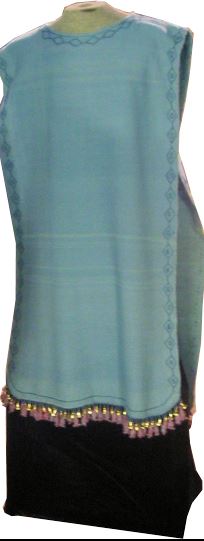
Another interpretation: Rabbi Shmuel bar Naḥmani said that the school of Rabbi Shimon taught: The priestly vestments are referred to as “serad garments” because they are garments that are woven in their completed form upon the loom, as opposed to weaving the material and then cutting and sewing pieces of the material together to create the required form, and then just a small part of them remains [masridin] which is not completed upon the loom. What is the remnant, the part that was not woven? Reish Lakish said: This is the needle-work required to complete the garment.

מֵיתִיבִי: בִּגְדֵי כְהוּנָּה אֵין עוֹשִׂין אוֹתָן מַעֲשֵׂה מַחַט, אֶלָּא מַעֲשֵׂה אוֹרֵג, שֶׁנֶּאֱמַר: ״מַעֲשֵׂה אוֹרֵג״! אָמַר אַבָּיֵי: לֹא נִצְרְכָה אֶלָּא לְבֵית יָד שֶׁלָּהֶם. כִּדְתַנְיָא: בֵּית יָד שֶׁל בִּגְדֵי כְהוּנָּה נֶאֱרֶגֶת בִּפְנֵי עַצְמָהּ, וְנִדְבֶּקֶת עִם הַבֶּגֶד, וּמַגַּעַת עַד פִּיסַּת הַיָּד.

The Gemara raises an objection to this from a baraita: Priestly vestments should not be made through needle-work but though woven work, as it is stated: “Woven work” (Exodus 28:32). The Gemara answers that Abaye said: Reish Lakish’s statement is necessary only for, i.e., refers only to, the sleeves. As it was taught in a baraita: A sleeve made for the priestly vestments is woven separately and then attached to the garment by sewing, and the sleeve is made to reach as far as the palm of the hand. However, the main body of the garment must indeed be made exclusively though weaving.

אָמַר רַחֲבָה אָמַר רַב יְהוּדָה: שָׁלֹשׁ אֲרוֹנוֹת עָשָׂה בְּצַלְאֵל, אֶמְצָעִי שֶׁל עֵץ תִּשְׁעָה, פְּנִימִי שֶׁל זָהָב שְׁמוֹנָה, חִיצוֹן עֲשָׂרָה וּמַשֶּׁהוּ.

§ The Gemara cites statements concerning other Temple vessels: Raḥava said that Rav Yehuda said: The Torah states that the Ark should be made of wood with gold plating inside and out (Exodus 25:10–11). In order to achieve this Bezalel made three arks: A middle one made of wood, whose height was nine handbreadths; an inner one made of gold, whose height was eight handbreadths; and an outer one of gold, whose height was ten handbreadths and a bit. These arks were nested.

וְהָתַנְיָא: אַחַד עָשָׂר וּמַשֶּׁהוּ! לָא קַשְׁיָא: הָא כְּמַאן דְּאָמַר יֵשׁ בְּעׇבְיוֹ טֶפַח, הָא כְּמַאן דְּאָמַר אֵין בְּעׇבְיוֹ טֶפַח. וּמַאי מַשֶּׁהוּ — זֵיר.

The Gemara asks: But wasn’t it taught in a baraita that the outer ark was eleven handbreadths and a bit? The Gemara explains: This is not difficult: This statement in the baraita is in accordance with the one who said that the thickness of the gold plating was one handbreadth. According to this opinion, the outer ark’s base took up one handbreadth of its height, ten handbreadths were then needed to contain the middle ark within it, and then a bit more was needed so it could also contain the Ark’s cover. That statement of Rav Yehuda is in accordance with the one who said that the thickness of the gold plating was not one handbreadth but was a plate of gold of negligible thickness. According to this opinion, the outer ark needed to be only ten handbreadths and a bit and could still contain the outer ark and have room for the cover. And what is this additional bit? It is the ornamental crown on the edge of the outer ark.

אָמַר רַבִּי יוֹחָנָן, שְׁלֹשָׁה זֵירִים הֵן: שֶׁל מִזְבֵּחַ, וְשֶׁל אָרוֹן, וְשֶׁל שֻׁלְחָן. שֶׁל מִזְבֵּחַ — זָכָה אַהֲרֹן וּנְטָלוֹ. שֶׁל שֻׁלְחָן — זָכָה דָּוִד וּנְטָלוֹ. שֶׁל אָרוֹן — עֲדַיִין מוּנָּח הוּא, כָּל הָרוֹצֶה לִיקַּח — יָבֹא וְיִקַּח. שְׁמָּא תֹּאמַר פָּחוּת הוּא, תַּלְמוּד לוֹמַר: ״בִּי מְלָכִים יִמְלוֹכוּ״.

Rabbi Yoḥanan said: There were three crowns on the sacred vessels in the Temple: The crown of the altar, and of the Ark, and of the table. The regal appearance they provided symbolized power and authority: The crown of the altar symbolized the crown of priesthood; Aaron was deserving and took it, and the priesthood continues exclusively through his descendants. The crown of the table symbolized the abundance and blessing associated with the crown of kingship; David was deserving and took it for himself and his descendants after him. The crown of the Ark symbolized the crown of Torah; it is still sitting and waiting to be acquired, and anyone who wishes to take it may come and take it and be crowned with the crown of Torah. Perhaps you will say it is inferior to the other two crowns and that is why nobody has taken it; therefore, the verse states about the wisdom of Torah: “Through me kings will reign” (Proverbs 8:15), indicating that the strength of the other crowns is derived from the crown of Torah, which is greater than them all.

רַבִּי יוֹחָנָן רָמֵי. כְּתִיב: ״זָר״, וְקָרֵינַן ״זֵיר״. זָכָה — נַעֲשֵׂית לוֹ זֵיר, לֹא זָכָה — זָרָה הֵימֶנּוּ.

§ The Gemara presents a number of statements based on the idea that the Ark symbolizes the Torah: Rabbi Yoḥanan raised a contradiction: According to the way the word crown is written in the Torah (Exodus 25:11), without vowels, it should be pronounced zar, meaning strange, but according to the traditional vocalization we read it as zeir, meaning crown. These two ways of understanding the word appear to contradict each other. Rabbi Yoḥanan explains: The two understandings apply to two different situations: If one is deserving by performing mitzvot, it becomes a crown [zeir] for him; but if one is not deserving, the Torah will be a stranger [zara] to him and he will forget his studies.

רַבִּי יוֹחָנָן רָמֵי. כְּתִיב: ״וְעָשִׂיתָ לְּךָ אֲרוֹן עֵץ״, וּכְתִיב: ״וְעָשׂוּ אֲרוֹן עֲצֵי שִׁטִּים״, מִכָּאן לְתַלְמִיד חָכָם, שֶׁבְּנֵי עִירוֹ מְצֻוִּוין לַעֲשׂוֹת לוֹ מְלַאכְתּוֹ.

Rabbi Yoḥanan raised a contradiction: It is written: “And you shall make for yourself a wooden Ark” (Deuteronomy 10:1), implying that Moses alone was commanded to construct the Ark; and it is written: “And they shall make an Ark of acacia wood” (Exodus 25:10), implying that the Jewish people were all commanded to be involved in its construction. The apparent resolution to this contradiction is that although only Moses actually constructed the Ark, everyone was required to support the endeavor. So too, from here it is derived with regard to a Torah scholar that the members of his town should perform his work for him to support him and allow him to focus on his studies, since it is also the town’s responsibility to enable him to study.

״מִבַּיִת וּמִחוּץ תְּצַפֶּנּוּ״. אָמַר רָבָא: כׇּל תַּלְמִיד חָכָם שֶׁאֵין תּוֹכוֹ כְּבָרוֹ — אֵינוֹ תַּלְמִיד חָכָם.

The verse states concerning the Ark: “From within and from without you shall cover it” (Exodus 25:11). Rava said: This alludes to the idea that any Torah scholar whose inside is not like his outside, i.e., whose outward expression of righteousness is insincere, is not to be considered a Torah scholar.

אָמַר אַבָּיֵי וְאִיתֵּימָא רַבָּה בַּר עוּלָּא: נִקְרָא נִתְעָב, שֶׁנֶּאֱמַר: ״אַף כִּי נִתְעָב וְנֶאֱלָח אִישׁ שׁוֹתֶה כַמַּיִם עַוְלָה״.

Abaye said, and some say it was Rabba bar Ulla who said: Not only is such a person not to be considered a Torah scholar, but he is called loathsome, as it is stated: “What then of one loathsome and foul, man who drinks iniquity like water” (Job 15:16). Although he drinks the Torah like water, since he sins, his Torah is considered iniquitous and this makes him loathsome and foul.

אָמַר רַבִּי שְׁמוּאֵל בַּר נַחְמָנִי אָמַר רַבִּי יוֹנָתָן, מַאי דִּכְתִיב: ״לָמָּה זֶּה מְחִיר בְּיַד כְּסִיל לִקְנוֹת חׇכְמָה וְלֶב אָיִן״ — אוֹי לָהֶם לְשׂוֹנְאֵיהֶן שֶׁל תַּלְמִידֵי חֲכָמִים, שֶׁעוֹסְקִין בַּתּוֹרָה וְאֵין בָּהֶן יִרְאַת שָׁמַיִם.

Rabbi Shmuel bar Naḥmani said that Rabbi Yonatan said: What is the meaning of that which is written: “Why is there a price in the hand of a fool to buy wisdom, as he has no heart?” (Proverbs 17:16)? This expresses the following sentiment: Woe to them, haters of Torah scholars, a euphemism for the Torah scholars themselves, who immerse themselves in Torah and have no fear of Heaven. They are fools; they try to acquire the wisdom of Torah, but since they have no fear of Heaven in their hearts they lack the ability to do so.

מַכְרִיז רַבִּי יַנַּאי: חֲבָל עַל דְּלֵית לֵיהּ דָּרְתָּא, וְתַרְעָא לְדָרְתֵּיהּ עָבֵיד.

Rabbi Yannai declared that the situation may be expressed by the following sentiment: Pity him who has no courtyard but senselessly makes a gate for his courtyard. Fear of Heaven is like the courtyard, and the study of Torah is the gate that provides entrance to the courtyard. The study of Torah is purposeful only if it leads to fear of Heaven.

אֲמַר לְהוּ רָבָא לְרַבָּנַן: בְּמָטוּתָא מִינַּיְיכוּ, לָא תִּירְתוּן תַּרְתֵּי גֵּיהִנָּם.

Rava said to the Sages in the study hall: I beg of you, do not inherit Gehenna twice. By studying Torah without the accompanying fear of Heaven, not only are you undeserving of the World-to-Come, but even in this world you experience Gehenna, as you spend all your time in study and fail to benefit from worldly pleasure.

אָמַר רַבִּי יְהוֹשֻׁעַ בֶּן לֵוִי, מַאי דִּכְתִיב: ״וְזֹאת הַתּוֹרָה אֲשֶׁר שָׂם מֹשֶׁה״, זָכָה — נַעֲשֵׂית לוֹ סַם חַיִּים, לֹא זָכָה — נַעֲשֵׂית לוֹ סַם מִיתָה. וְהַיְינוּ דְּאָמַר רָבָא: דְּאוֹמֵן לַהּ — סַמָּא דְחַיָּיא, דְּלָא אוֹמֵן לַהּ — סַמָּא דְמוֹתָא.

Rabbi Yehoshua ben Levi said: What is the meaning of that which is written: “And this is the Torah which Moses put [sam] before the children of Israel” (Deuteronomy 4:44)? The word sam is written with the letter sin and means put; it is phonetically similar to the word sam written with the letter samekh, meaning a drug. This use of this word therefore alludes to the following: If one is deserving, the Torah becomes a potion [sam] of life for him. If one is not deserving, the Torah becomes a potion of death for him. And this idea is what Rava said: For one who is skillful in his study of Torah and immerses himself in it with love, it is a potion of life; but for one who is not skillful in his studies, it is a potion of death.

אָמַר רַבִּי שְׁמוּאֵל בַּר נַחְמָנִי, רַבִּי יוֹנָתָן רָמֵי, כְּתִיב: ״פִּקּוּדֵי ה׳ יְשָׁרִים מְשַׂמְּחֵי לֵב״, וּכְתִיב: ״אִמְרַת ה׳ צְרוּפָה״. זָכָה — מְשַׂמַּחְתּוֹ, לֹא זָכָה — צוֹרַפְתּוֹ. רֵישׁ לָקִישׁ אָמַר, מִגּוּפֵיהּ דִּקְרָא נָפְקָא: זָכָה — צוֹרַפְתּוֹ לְחַיִּים, לֹא זָכָה — צוֹרַפְתּוֹ לְמִיתָה.

Rabbi Shmuel bar Naḥmani said that Rabbi Yonatan raised a contradiction: It was written: “The precepts of the Lord are upright, gladdening the heart” (Psalms 19:9), but it is also written: “The word of the Lord is refining” (Psalms 18:31), which implies that the study of Torah can be a distressing process by which a person is refined like metal smelted in a smith’s fire. He reconciles these verses as follows: For one who is deserving, the Torah gladdens him; for one who is not deserving, it refines him. Reish Lakish said: This lesson emerges from that second verse itself: For one who is deserving, the Torah refines him for life; for one who is not deserving, it refines him for death.

״יִרְאַת ה׳ טְהוֹרָה עוֹמֶדֶת לָעַד״. אָמַר רַבִּי חֲנִינָא: זֶה הַלּוֹמֵד תּוֹרָה בְּטָהֳרָה. מַאי הִיא? נוֹשֵׂא אִשָּׁה, וְאַחַר כָּךְ לוֹמֵד תּוֹרָה.

The verse states: “Fear of the Lord is pure, it stands forever” (Psalms 19:10). Rabbi Ḥanina said: This is referring to one who studies Torah in purity; for such a person the Torah will remain with him forever. What is this; what does it mean to study in purity? One first marries a woman and afterward studies Torah. Since he is married, his heart will not be occupied with thoughts of sin, which could lead him to become impure.

״עֵדוּת ה׳ נֶאֱמָנָה״, אָמַר רַבִּי חִיָּיא בַּר אַבָּא: נֶאֱמָנָה הִיא לְהָעִיד בְּלוֹמְדֶיהָ.

In the same Psalm the verse states: “The testimony of God is faithful” (Psalms 19:8). Rabbi Ḥiyya bar Abba said: This alludes to the fact that the Torah is faithful to testify about those who study it and those who do not.

״מַעֲשֵׂה רוֹקֵם״, ״מַעֲשֵׂה חוֹשֵׁב״, אָמַר רַבִּי אֶלְעָזָר: שֶׁרוֹקְמִין בִּמְקוֹם שֶׁחוֹשְׁבִין.

The Gemara returns to its discussion concerning the sacred vessels: The verse states with regard to the covers for the Tabernacle that they are “work of an embroiderer” (Exodus 26:36), and it also states they are “work of a designer” (Exodus 26:31). How can both descriptions be reconciled? Rabbi Elazar said: They embroidered the place where they had designed. They first marked a design on the material in paint, and then they embroidered it.

תָּנָא מִשְּׁמֵיהּ דְּרַבִּי נְחֶמְיָה: ״רוֹקֵם״ — מַעֲשֵׂה מַחַט, לְפִיכָךְ פַּרְצוּף אֶחָד. ״חוֹשֵׁב״ — מַעֲשֵׂה אוֹרֵג, לְפִיכָךְ שְׁנֵי פַּרְצוּפוֹת.

A Sage taught in the name of Rabbi Neḥemya: “Work of an embroiderer” refers to needlework, which therefore produces only one face. The design is made with a needle passing back and forth from both sides of the curtain, and consequently an identical parallel image, or one face, is formed on both sides. “Work of a designer” refers to woven work, which therefore produces two faces. Although formed together, the two sides of the material were not identical; for example, sometimes an eagle appeared on one side while a lion was on the other side.

בְּאֵלּוּ נִשְׁאָלִין בְּאוּרִים וְתוּמִּים. כִּי אֲתָא רַב דִּימִי, אָמַר: בְּגָדִים שֶׁכֹּהֵן גָּדוֹל מְשַׁמֵּשׁ בָּהֶן, מְשׁוּחַ מִלְחָמָה מְשַׁמֵּשׁ בָּהֶן, שֶׁנֶּאֱמַר: ״וּבִגְדֵי הַקּוֹדֶשׁ אֲשֶׁר לְאַהֲרֹן יִהְיוּ לְבָנָיו אַחֲרָיו״, לְמִי שֶׁבָּא בִּגְדוּלָּה אַחֲרָיו.

§ It was taught in the mishna: When dressed in these eight garments, the High Priest may be consulted for the decision of the Urim VeTummim. When Rav Dimi came from Eretz Yisrael to Babylonia, he said: The garments in which the High Priest serves are also worn when the priest anointed for war serves. This priest is appointed to recite words of encouragement to the nation before it goes out to war (see Deuteronomy 20:2). As it is stated: “And the sacred garments of Aaron shall be for his sons after him” (Exodus 29:29), which is taken to refer to the one who comes after him in greatness, meaning the priest whose rank is one lower than the High Priest, i.e., the priest anointed for war.

מֵתִיב רַב אַדָּא בַּר אַהֲבָה, וְאָמְרִי לַהּ כְּדִי: יָכוֹל יְהֵא בְּנוֹ שֶׁל מְשׁוּחַ מִלְחָמָה מְשַׁמֵּשׁ תַּחְתָּיו כְּדֶרֶךְ שֶׁבְּנוֹ שֶׁל כֹּהֵן גָּדוֹל מְשַׁמֵּשׁ תַּחְתָּיו —

Rav Adda bar Ahava raised an objection, and some say it unattributed: It is taught in a baraita: One might have thought that the son of the priest anointed for war serves in his place, i.e., he inherits the position, in the same way that the son of a High Priest serves in his place if he is fit for the job;

Today’s daily daf tools:

Delve Deeper

Broaden your understanding of the topics on this daf with classes and podcasts from top women Talmud scholars.

For the Beyond the Daf shiurim offered in Hebrew, see here.

New to Talmud?

Check out our resources designed to help you navigate a page of Talmud – and study at the pace, level and style that fits you. 

The Hadran Women’s Tapestry

Meet the diverse women learning Gemara at Hadran and hear their stories. 

Inspired by Hadran’s first Siyum ha Shas L’Nashim two years ago, I began daf yomi right after for the next cycle. As to this extraordinary journey together with Hadran..as TS Eliot wrote “We must not cease from exploration and the end of all our exploring will be to arrive where we began and to know the place for the first time.

Susan Handelman
Susan Handelman

Jerusalem, Israel

The first month I learned Daf Yomi by myself in secret, because I wasn’t sure how my husband would react, but after the siyyum on Masechet Brachot I discovered Hadran and now sometimes my husband listens to the daf with me. He and I also learn mishnayot together and are constantly finding connections between the different masechtot.

Laura Warshawsky
Laura Warshawsky

Silver Spring, Maryland, United States

I started Daf during the pandemic. I listened to a number of podcasts by various Rebbeim until one day, I discovered Rabbanit Farbers podcast. Subsequently I joined the Hadran family in Eruvin. Not the easiest place to begin, Rabbanit Farber made it all understandable and fun. The online live group has bonded together and have really become a supportive, encouraging family.

Leah Goldford
Leah Goldford

Edmonton, Alberta, Canada

I started learning on January 5, 2020. When I complete the 7+ year cycle I will be 70 years old. I had been intimidated by those who said that I needed to study Talmud in a traditional way with a chevruta, but I decided the learning was more important to me than the method. Thankful for Daf Yomi for Women helping me catch up when I fall behind, and also being able to celebrate with each Siyum!

Pamela Elisheva
Pamela Elisheva

Bakersfield, United States

In my Shana bet at Migdal Oz I attended the Hadran siyum hash”as. Witnessing so many women so passionate about their Torah learning and connection to God, I knew I had to begin with the coming cycle. My wedding (June 24) was two weeks before the siyum of mesechet yoma so I went a little ahead and was able to make a speech and siyum at my kiseh kallah on my wedding day!

Sharona Guggenheim Plumb

Givat Shmuel, Israel

When the new cycle began, I thought, If not now, when? I’d just turned 72. I feel like a tourist on a tour bus passing astonishing scenery each day. Rabbanit Michelle is my beloved tour guide. When the cycle ends, I’ll be 80. I pray that I’ll have strength and mind to continue the journey to glimpse a little more. My grandchildren think having a daf-learning savta is cool!

Wendy Dickstein
Wendy Dickstein

Jerusalem, Israel

My family recently made Aliyah, because we believe the next chapter in the story of the Jewish people is being written here, and we want to be a part of it. Daf Yomi, on the other hand, connects me BACK, to those who wrote earlier chapters thousands of years ago. So, I feel like I’m living in the middle of this epic story. I’m learning how it all began, and looking ahead to see where it goes!
Tina Lamm
Tina Lamm

Jerusalem, Israel

A Gemara shiur previous to the Hadran Siyum, was the impetus to attend it.It was highly inspirational and I was smitten. The message for me was התלמוד בידינו. I had decided along with my Chahsmonaim group to to do the daf and take it one daf at time- without any expectations at all. There has been a wealth of information, insights and halachik ideas. It is truly exercise of the mind, heart & Soul

Phyllis Hecht.jpeg
Phyllis Hecht

Hashmonaim, Israel

I began my journey two years ago at the beginning of this cycle of the daf yomi. It has been an incredible, challenging experience and has given me a new perspective of Torah Sh’baal Peh and the role it plays in our lives

linda kalish-marcus
linda kalish-marcus

Efrat, Israel

After all the hype on the 2020 siyum I became inspired by a friend to begin learning as the new cycle began.with no background in studying Talmud it was a bit daunting in the beginning. my husband began at the same time so we decided to study on shabbat together. The reaction from my 3 daughters has been fantastic. They are very proud. It’s been a great challenge for my brain which is so healthy!

Stacey Goodstein Ashtamker

Modi’in, Israel

I start learning Daf Yomi in January 2020. The daily learning with Rabbanit Michelle has kept me grounded in this very uncertain time. Despite everything going on – the Pandemic, my personal life, climate change, war, etc… I know I can count on Hadran’s podcast to bring a smile to my face.
Deb Engel
Deb Engel

Los Angeles, United States

The start of my journey is not so exceptional. I was between jobs and wanted to be sure to get out every day (this was before corona). Well, I was hooked after about a month and from then on only looked for work-from-home jobs so I could continue learning the Daf. Daf has been a constant in my life, though hurricanes, death, illness/injury, weddings. My new friends are Rav, Shmuel, Ruth, Joanna.
Judi Felber
Judi Felber

Raanana, Israel

I began learning with Rabbanit Michelle’s wonderful Talmud Skills class on Pesachim, which really enriched my Pesach seder, and I have been learning Daf Yomi off and on over the past year. Because I’m relatively new at this, there is a “chiddush” for me every time I learn, and the knowledge and insights of the group members add so much to my experience. I feel very lucky to be a part of this.

Julie-Landau-Photo
Julie Landau

Karmiel, Israel

I started last year after completing the Pesach Sugiyot class. Masechet Yoma might seem like a difficult set of topics, but for me made Yom Kippur and the Beit HaMikdash come alive. Liturgy I’d always had trouble connecting with took on new meaning as I gained a sense of real people moving through specific spaces in particular ways. It was the perfect introduction; I am so grateful for Hadran!

Debbie Engelen-Eigles

Minnesota, United States

I started my journey on the day I realized that the Siyum was happening in Yerushalayim and I was missing out. What? I told myself. How could I have not known about this? How can I have missed out on this opportunity? I decided that moment, I would start Daf Yomi and Nach Yomi the very next day. I am so grateful to Hadran. I am changed forever because I learn Gemara with women. Thank you.

Linda Brownstein
Linda Brownstein

Mitspe, Israel

In January 2020, my chevruta suggested that we “up our game. Let’s do Daf Yomi” – and she sent me the Hadran link. I lost my job (and went freelance), there was a pandemic, and I am still opening the podcast with my breakfast coffee, or after Shabbat with popcorn. My Aramaic is improving. I will need a new bookcase, though.

Rhondda May
Rhondda May

Atlanta, Georgia, United States

When I was working and taking care of my children, learning was never on the list. Now that I have more time I have two different Gemora classes and the nach yomi as well as the mishna yomi daily.

Shoshana Shinnar
Shoshana Shinnar

Jerusalem, Israel

After being so inspired by the siyum shas two years ago, I began tentatively learning daf yomi, like Rabbanut Michelle kept saying – taking one daf at a time. I’m still taking it one daf at a time, one masechet at a time, but I’m loving it and am still so inspired by Rabbanit Michelle and the Hadran community, and yes – I am proud to be finishing Seder Mo’ed.

Caroline Graham-Ofstein

Bet Shemesh, Israel

Having never learned Talmud before, I started Daf Yomi in hopes of connecting to the Rabbinic tradition, sharing a daily idea on Instagram (@dafyomiadventures). With Hadran and Sefaria, I slowly gained confidence in my skills and understanding. Now, part of the Pardes Jewish Educators Program, I can’t wait to bring this love of learning with me as I continue to pass it on to my future students.

Hannah-G-pic
Hannah Greenberg

Pennsylvania, United States

I started the daf at the beginning of this cycle in January 2020. My husband, my children, grandchildren and siblings have been very supportive. As someone who learned and taught Tanach and mefarshim for many years, it has been an amazing adventure to complete the six sedarim of Mishnah, and now to study Talmud on a daily basis along with Rabbanit Michelle and the wonderful women of Hadran.

Rookie Billet
Rookie Billet

Jerusalem, Israel

Yoma 72

כְּלִיל תְּכֵלֶת״, וְיָלֵיף ״תְּכֵלֶת״ ״תְּכֵלֶת״ מִפָּרוֹכֶת: מָה לְהַלָּן שִׁשָּׁה, אַף כָּאן שִׁשָּׁה.

spun of sky-blue” (Exodus 28:31). And derive a verbal analogy from the term “sky-blue” used here and the same term “sky-blue” from the verse about the curtain: Just as there, with regard to the curtain, there are six strands, so too here, there are six strands. Then, since the Torah also says the threads are spun, i.e., each strand is made of two thinner strands spun together, each thread must contain twelve strands.

וְנֵילַף מִשּׁוּלָיו וְרִמּוֹנָיו — מָה לְהַלָּן שְׁמוֹנָה, אַף כָּאן שְׁמוֹנָה! דָּנִין כְּלִי מִכְּלִי, וְאֵין דָּנִין כְּלִי מִתַּכְשִׁיט כְּלִי.

The Gemara suggests: Let us derive the number of strands in the robe from its hem and pomegranates: Just as there, each thread is spun from eight strands, so too here, the threads should be spun from eight strands. The Gemara rejects this: It is preferable to derive the halakhot of a utensil, i.e., the robe, from the halakhot of another utensil, i.e., the curtain, and one should not derive the halakhot of a utensil from the halakhot of something that is merely an ornament of a utensil, i.e., the pomegranates of the robe.

אַדְּרַבָּה: דָּנִין גּוּפוֹ מִגּוּפוֹ, וְאֵין דָּנִין גּוּפוֹ מֵעָלְמָא. הַיְינוּ דְּאָמְרִינַן: לִשְׁאָר בְּגָדִים שֶׁלֹּא נֶאֱמַר בָּהֶן ״שֵׁשׁ״.

The Gemara asks: On the contrary, it is preferable to derive the halakhot of an object from that object itself, i.e., to assume that the halakhot of the robe and its pomegranates are similar; and one should not derive the halakhot of an object from elsewhere. The Gemara explains: This is precisely what we said in the baraita: One of the five mentions of shesh in the verse is to teach that the requirement that threads be made from six strands applies also to other garments about which shesh is not explicitly stated, such as the robe.

פָּרֹכֶת עֶשְׂרִים וְאַרְבָּעָה — אַרְבְּעָה דְּשִׁיתָּא שִׁיתָּא, לָא דִּינָא וְלָא דַּיָּינָא.

The baraita further states: Each thread of the curtain was made of twenty-four strands. The Gemara explains: With regard to each thread being composed of four colored threads: White, purple, scarlet, and sky-blue, and each one of them being composed of six strands, there is neither judgment nor judge, i.e., it is absolutely clear that this is how the threads of the curtain are produced.

חוֹשֶׁן וְאֵפוֹד עֶשְׂרִים וּשְׁמוֹנָה מְנָא לַן? דִּכְתִיב: ״וְעָשִׂיתָ חֹשֶׁן מִשְׁפָּט מַעֲשֵׂה חוֹשֵׁב כְּמַעֲשֵׂה אֵפוֹד תַּעֲשֶׂנּוּ זָהָב תְּכֵלֶת וְאַרְגָּמָן וְתוֹלַעַת שָׁנִי וְשֵׁשׁ מׇשְׁזָר״, אַרְבְּעָה דְּשִׁיתָּא שִׁיתָּא — עֶשְׂרִין וְאַרְבְּעָה, זָהָב — אַרְבְּעָה, הָא עֶשְׂרִין וּתְמָנְיָא.

The baraita further states: Each thread of the breastplate and ephod was made of twenty-eight strands. From where do we derive this? As it is written: “And you shall make a breastplate of judgment, the work of the skilled craftsman; like the work of the ephod you shall make it: Of gold, sky-blue, and purple, and scarlet, and fine twined linen” (Exodus 28:15). There are four colored threads, each composed of six strands, which makes twenty-four. In addition, gold is spun together with each of the four colors, giving the total of twenty-eight.

וְאֵימָא זָהָב נָמֵי שִׁשָּׁה! אָמַר רַב אַחָא בַּר יַעֲקֹב, אָמַר קְרָא: ״וְקִצֵּץ פְּתִילִים״. ״פְּתִיל״, ״פְּתִילִים״ — הֲרֵי כָּאן אַרְבָּעָה.

But couldn’t one say the gold should be made as a thread of six strands, like the other colors? Rav Aḥa bar Ya’akov said that the verse states: “And they beat the gold into thin plates, and cut it into cords, to work it into the sky-blue, and into the purple, and into the scarlet, and into the fine linen, the work of a skilled craftsman” (Exodus 39:3). “Cord” implies a strand that is doubled over and can be twisted into a cord; “cords” is in the plural, meaning at least two of these. Accordingly, there are four strands here.

רַב אָשֵׁי אָמַר, אָמַר קְרָא: ״לַעֲשׂוֹת בְּתוֹךְ הַתְּכֵלֶת וּבְתוֹךְ הָאַרְגָּמָן״. הֵיכִי נַעֲבֵיד? נַעֲבֵיד אַרְבְּעָה דִּתְרֵי תְּרֵי — הָווּ לְהוּ תְּמָנְיָא. נַעֲבֵיד תְּרֵי דִּתְרֵי תְּרֵי, וּתְרֵי דְּחַד חַד — ״וְעָשִׂיתָ״, שֶׁיִּהְיוּ כׇּל עֲשִׂיּוֹתָיו שָׁווֹת.

Rav Ashi said: This can be seen from that fact that the verse states with regard to the gold strands: “To work it into the sky-blue, and into the purple” (Exodus 39:3), indicating that the gold strands should be combined with the other colors. What should we do? If we make four gold threads of two strands each and combine each one with each of the colors, then there would be eight. If we make two gold threads of two strands each, and two gold threads of one strand each, it says: “And you shall make,” indicating that all its makings should be the same. Perforce, one strand of gold should be combined with each of the colors, producing a total of twenty-eight strands.

אָמַר רַחֲבָא אָמַר רַב יְהוּדָה: הַמְקָרֵעַ בִּגְדֵי כְהוּנָּה לוֹקֶה, שֶׁנֶּאֱמַר: ״לֹא יִקָּרֵעַ״. מַתְקֵיף לַהּ רַב אַחָא בַּר יַעֲקֹב, וְדִילְמָא הָכִי קָאָמַר רַחֲמָנָא: נַעֲבֵיד לֵיהּ שָׂפָה כִּי הֵיכִי דְּלָא נִיקְּרַע! מִי כְּתִיב ״שֶׁלֹּא יִקָּרֵעַ״?

§ The Gemara discusses various halakhot concerning the priestly vestments and other sacred vessels: Raḥava said that Rav Yehuda said: One who intentionally tears any of the priestly vestments transgresses a prohibition and is flogged, as it is stated concerning the robe: “It shall have a hem of woven work around the opening of it, like the opening of a coat of mail, and it shall not be torn” (Exodus 28:32). Just as it is prohibited to tear the opening of the robe, so too, it is prohibited to tear any of the priestly vestments. Rav Aḥa bar Ya’akov strongly objects to this: But perhaps this is what the Merciful One is saying in the Torah: An opening should be made in order that it not tear. In other words, the Torah was giving an explanation, not a prohibition. The Gemara rejects this: Is it written: In order that it not be torn? Clearly, the intention of the verse is to state a prohibition.

אָמַר רַבִּי אֶלְעָזָר: הַמַּזִּיחַ חוֹשֶׁן מֵעַל הָאֵפוֹד, וְהַמֵּסִיר בַּדֵּי אָרוֹן — לוֹקֶה, שֶׁנֶּאֱמַר: ״לֹא יִזַּח״ וְ״לָא יָסוּרוּ״. מַתְקֵיף לַהּ רַב אַחָא בַּר יַעֲקֹב: וְדִילְמָא כִּי קָאָמַר רַחֲמָנָא, חַדְּקִינְהוּ וְעַבְדִינְהוּ שַׁפִּיר כְּדֵי שֶׁלֹּא יִזַּח וְלֹא יָסוּרוּ! מִי כְּתִיב ״שֶׁלֹּא יִזַּח״ וְ״שֶׁלֹּא יָסוּרוּ״?!

Rabbi Elazar said: One who detaches the breastplate from upon the ephod or one who removes the staves of the Ark from their rings transgresses a Torah prohibition and is flogged, as it is stated: “And the breastplate shall not be detached from the ephod” (Exodus 28:28),and it is also stated: “The staves shall be in the rings of the Ark; they shall not be removed from it” (Exodus 25:15). Rav Aḥa bar Ya’akov strongly objects to this: But perhaps when the Merciful One said this in the Torah, the intention was to strengthen them and make them fast so that the breastplate not become detached from the ephod and the staves not be removed. He suggests that the Torah was giving an explanation, not a prohibition. The Gemara rejects this: Is it written: In order that it not become detached, and: In order that they not be removed? Clearly, the intention of the verse is to state a prohibition.

רַבִּי יוֹסֵי בְּרַבִּי חֲנִינָא רָמֵי, כְּתִיב: ״בְּטַבְּעוֹת הָאָרוֹן יִהְיוּ הַבַּדִּים לֹא יָסוּרוּ מִמֶּנּוּ״, וּכְתִיב: ״וְהוּבָא אֶת בַּדָּיו בַּטַּבָּעוֹת״! הָא כֵּיצַד? מִתְפָּרְקִין וְאֵין נִשְׁמָטִין.

Rabbi Yosei, son of Rabbi Ḥanina, raised a contradiction. In one verse it is written: “The staves shall be in the rings of the Ark; they shall not be removed from it” (Exodus 25:15), implying the staves should remain there permanently. But in another verse it is written: “And its staves shall be put into the rings” (Exodus 27:7), implying that when the Ark is used the staves are inserted, which suggests that they do not remain there permanently. How is this contradiction resolved? The staves could be removed from their position, i.e., they were loosened, but did not come out. The staves were wider at their ends and thinner in the middle. Therefore, once they had been forced into the rings, although they could be shifted, they would not be removed entirely.

תַּנְיָא נָמֵי הָכִי: ״בְּטַבְּעוֹת הָאָרוֹן יִהְיוּ הַבַּדִּים״. יָכוֹל לֹא יִהְיוּ זָזִין מִמְּקוֹמָן? תַּלְמוּד לוֹמַר: ״וְהוּבָא אֶת בַּדָּיו בַּטַּבָּעוֹת״, אִי ״וְהוּבָא אֶת בַּדָּיו״, יָכוֹל יִהְיוּ נִכְנָסִין וְיוֹצְאִין — תַּלְמוּד לוֹמַר: ״בְּטַבְּעוֹת הָאָרוֹן יִהְיוּ הַבַּדִּים״. הָא כֵּיצַד? מִתְפָּרְקִין, וְאֵין נִשְׁמָטִין.

That was also taught in a baraita. The verse states: “The staves shall be in the rings of the Ark; they shall not be removed from it” (Exodus 25:15). One might have thought that they should not move from their place at all; therefore; the verse states: “And its staves shall be put into the rings” (Exodus 27:7). If it had stated: And its staves shall be put, one might have thought that they are inserted and removed entirely; therefore, the verse states: “The staves shall be in the rings of the Ark; they shall not be removed from it” (Exodus 25:15). How is this? They could be removed from their position, but did not come out.

אָמַר רַבִּי חָמָא בְּרַבִּי חֲנִינָא, מַאי דִּכְתִיב: ״עֲצֵי שִׁטִּים עוֹמְדִים״, שֶׁעוֹמְדִים דֶּרֶךְ גְּדִילָתָן. דָּבָר אַחֵר: ״עוֹמְדִים״, שֶׁמַּעֲמִידִין אֶת צִפּוּיָין. דָּבָר אַחֵר: ״עוֹמְדִים״. שֶׁמָּא תֹּאמַר אָבַד סִבְרָן וּבָטֵל סִכּוּיָין — תַּלְמוּד לוֹמַר: ״עוֹמְדִים״, שֶׁעוֹמְדִין לְעוֹלָם וּלְעוֹלָמִים.

The Gemara cites other statements concerning the ark. Rabbi Ḥama, son of Rabbi Ḥanina, said: What is the meaning of that which is written: “And you shall make the boards for the Tabernacle of acacia wood, standing” (Exodus 26:15)? This verse teaches that the boards of wood used for the Tabernacle should stand in the same direction in which they grew from the ground as a tree. Alternatively, “standing” means that they supported their gold plating and prevented it from falling. Alternatively, “standing” is written to hint at the following: Perhaps you will say that now that the Tabernacle is no longer in use, their hope is lost and their chance is abandoned, and after being stored away the boards will no longer return to use. Therefore, the verse states “standing” to indicate that they stand forever and ever.

אָמַר רַבִּי חָמָא בַּר חֲנִינָא, מַאי דִּכְתִיב: ״אֶת בִּגְדֵי הַשְּׂרָד לְשָׁרֵת בַּקּוֹדֶשׁ״ —

§ The Gemara returns to its discussion of the priestly vestments: Rabbi Ḥama bar Ḥanina said: What is the meaning of that which is written: “The plaited [serad] garments, for serving in the Sanctuary” (Exodus 35:19)? Why does the verse refer to the priestly vestments as “serad garments”?

אִלְמָלֵא בִּגְדֵי כְהוּנָּה, לֹא נִשְׁתַּיֵּיר מִשּׂוֹנְאֵיהֶן שֶׁל יִשְׂרָאֵל שָׂרִיד וּפָלִיט.

He offers a homiletic interpretation: Were it not for the priestly vestments, which provide atonement for the Jewish people, there would not remain a remnant [sarid] or survivor from the haters of the Jewish people, a euphemism used to refer to the Jewish people themselves. Due to the atonement provided by the priestly vestments, a remnant [sarid] of the Jewish people does survive.

רַבִּי שְׁמוּאֵל בַּר נַחְמָנִי אָמַר: דְּבֵי רַבִּי שִׁמְעוֹן תָּנָא: בְּגָדִים שֶׁגּוֹרְדִין אוֹתָן כִּבְרִיָּיתָן מִכְּלֵיהֶן, וּמְשָׂרְדִין מֵהֶן כְּלוּם. מַאי הִיא? רֵישׁ לָקִישׁ אָמַר: אֵלּוּ מַעֲשֵׂה מַחַט.

Another interpretation: Rabbi Shmuel bar Naḥmani said that the school of Rabbi Shimon taught: The priestly vestments are referred to as “serad garments” because they are garments that are woven in their completed form upon the loom, as opposed to weaving the material and then cutting and sewing pieces of the material together to create the required form, and then just a small part of them remains [masridin] which is not completed upon the loom. What is the remnant, the part that was not woven? Reish Lakish said: This is the needle-work required to complete the garment.

מֵיתִיבִי: בִּגְדֵי כְהוּנָּה אֵין עוֹשִׂין אוֹתָן מַעֲשֵׂה מַחַט, אֶלָּא מַעֲשֵׂה אוֹרֵג, שֶׁנֶּאֱמַר: ״מַעֲשֵׂה אוֹרֵג״! אָמַר אַבָּיֵי: לֹא נִצְרְכָה אֶלָּא לְבֵית יָד שֶׁלָּהֶם. כִּדְתַנְיָא: בֵּית יָד שֶׁל בִּגְדֵי כְהוּנָּה נֶאֱרֶגֶת בִּפְנֵי עַצְמָהּ, וְנִדְבֶּקֶת עִם הַבֶּגֶד, וּמַגַּעַת עַד פִּיסַּת הַיָּד.

The Gemara raises an objection to this from a baraita: Priestly vestments should not be made through needle-work but though woven work, as it is stated: “Woven work” (Exodus 28:32). The Gemara answers that Abaye said: Reish Lakish’s statement is necessary only for, i.e., refers only to, the sleeves. As it was taught in a baraita: A sleeve made for the priestly vestments is woven separately and then attached to the garment by sewing, and the sleeve is made to reach as far as the palm of the hand. However, the main body of the garment must indeed be made exclusively though weaving.

אָמַר רַחֲבָה אָמַר רַב יְהוּדָה: שָׁלֹשׁ אֲרוֹנוֹת עָשָׂה בְּצַלְאֵל, אֶמְצָעִי שֶׁל עֵץ תִּשְׁעָה, פְּנִימִי שֶׁל זָהָב שְׁמוֹנָה, חִיצוֹן עֲשָׂרָה וּמַשֶּׁהוּ.

§ The Gemara cites statements concerning other Temple vessels: Raḥava said that Rav Yehuda said: The Torah states that the Ark should be made of wood with gold plating inside and out (Exodus 25:10–11). In order to achieve this Bezalel made three arks: A middle one made of wood, whose height was nine handbreadths; an inner one made of gold, whose height was eight handbreadths; and an outer one of gold, whose height was ten handbreadths and a bit. These arks were nested.

וְהָתַנְיָא: אַחַד עָשָׂר וּמַשֶּׁהוּ! לָא קַשְׁיָא: הָא כְּמַאן דְּאָמַר יֵשׁ בְּעׇבְיוֹ טֶפַח, הָא כְּמַאן דְּאָמַר אֵין בְּעׇבְיוֹ טֶפַח. וּמַאי מַשֶּׁהוּ — זֵיר.

The Gemara asks: But wasn’t it taught in a baraita that the outer ark was eleven handbreadths and a bit? The Gemara explains: This is not difficult: This statement in the baraita is in accordance with the one who said that the thickness of the gold plating was one handbreadth. According to this opinion, the outer ark’s base took up one handbreadth of its height, ten handbreadths were then needed to contain the middle ark within it, and then a bit more was needed so it could also contain the Ark’s cover. That statement of Rav Yehuda is in accordance with the one who said that the thickness of the gold plating was not one handbreadth but was a plate of gold of negligible thickness. According to this opinion, the outer ark needed to be only ten handbreadths and a bit and could still contain the outer ark and have room for the cover. And what is this additional bit? It is the ornamental crown on the edge of the outer ark.

אָמַר רַבִּי יוֹחָנָן, שְׁלֹשָׁה זֵירִים הֵן: שֶׁל מִזְבֵּחַ, וְשֶׁל אָרוֹן, וְשֶׁל שֻׁלְחָן. שֶׁל מִזְבֵּחַ — זָכָה אַהֲרֹן וּנְטָלוֹ. שֶׁל שֻׁלְחָן — זָכָה דָּוִד וּנְטָלוֹ. שֶׁל אָרוֹן — עֲדַיִין מוּנָּח הוּא, כָּל הָרוֹצֶה לִיקַּח — יָבֹא וְיִקַּח. שְׁמָּא תֹּאמַר פָּחוּת הוּא, תַּלְמוּד לוֹמַר: ״בִּי מְלָכִים יִמְלוֹכוּ״.

Rabbi Yoḥanan said: There were three crowns on the sacred vessels in the Temple: The crown of the altar, and of the Ark, and of the table. The regal appearance they provided symbolized power and authority: The crown of the altar symbolized the crown of priesthood; Aaron was deserving and took it, and the priesthood continues exclusively through his descendants. The crown of the table symbolized the abundance and blessing associated with the crown of kingship; David was deserving and took it for himself and his descendants after him. The crown of the Ark symbolized the crown of Torah; it is still sitting and waiting to be acquired, and anyone who wishes to take it may come and take it and be crowned with the crown of Torah. Perhaps you will say it is inferior to the other two crowns and that is why nobody has taken it; therefore, the verse states about the wisdom of Torah: “Through me kings will reign” (Proverbs 8:15), indicating that the strength of the other crowns is derived from the crown of Torah, which is greater than them all.

רַבִּי יוֹחָנָן רָמֵי. כְּתִיב: ״זָר״, וְקָרֵינַן ״זֵיר״. זָכָה — נַעֲשֵׂית לוֹ זֵיר, לֹא זָכָה — זָרָה הֵימֶנּוּ.

§ The Gemara presents a number of statements based on the idea that the Ark symbolizes the Torah: Rabbi Yoḥanan raised a contradiction: According to the way the word crown is written in the Torah (Exodus 25:11), without vowels, it should be pronounced zar, meaning strange, but according to the traditional vocalization we read it as zeir, meaning crown. These two ways of understanding the word appear to contradict each other. Rabbi Yoḥanan explains: The two understandings apply to two different situations: If one is deserving by performing mitzvot, it becomes a crown [zeir] for him; but if one is not deserving, the Torah will be a stranger [zara] to him and he will forget his studies.

רַבִּי יוֹחָנָן רָמֵי. כְּתִיב: ״וְעָשִׂיתָ לְּךָ אֲרוֹן עֵץ״, וּכְתִיב: ״וְעָשׂוּ אֲרוֹן עֲצֵי שִׁטִּים״, מִכָּאן לְתַלְמִיד חָכָם, שֶׁבְּנֵי עִירוֹ מְצֻוִּוין לַעֲשׂוֹת לוֹ מְלַאכְתּוֹ.

Rabbi Yoḥanan raised a contradiction: It is written: “And you shall make for yourself a wooden Ark” (Deuteronomy 10:1), implying that Moses alone was commanded to construct the Ark; and it is written: “And they shall make an Ark of acacia wood” (Exodus 25:10), implying that the Jewish people were all commanded to be involved in its construction. The apparent resolution to this contradiction is that although only Moses actually constructed the Ark, everyone was required to support the endeavor. So too, from here it is derived with regard to a Torah scholar that the members of his town should perform his work for him to support him and allow him to focus on his studies, since it is also the town’s responsibility to enable him to study.

״מִבַּיִת וּמִחוּץ תְּצַפֶּנּוּ״. אָמַר רָבָא: כׇּל תַּלְמִיד חָכָם שֶׁאֵין תּוֹכוֹ כְּבָרוֹ — אֵינוֹ תַּלְמִיד חָכָם.

The verse states concerning the Ark: “From within and from without you shall cover it” (Exodus 25:11). Rava said: This alludes to the idea that any Torah scholar whose inside is not like his outside, i.e., whose outward expression of righteousness is insincere, is not to be considered a Torah scholar.

אָמַר אַבָּיֵי וְאִיתֵּימָא רַבָּה בַּר עוּלָּא: נִקְרָא נִתְעָב, שֶׁנֶּאֱמַר: ״אַף כִּי נִתְעָב וְנֶאֱלָח אִישׁ שׁוֹתֶה כַמַּיִם עַוְלָה״.

Abaye said, and some say it was Rabba bar Ulla who said: Not only is such a person not to be considered a Torah scholar, but he is called loathsome, as it is stated: “What then of one loathsome and foul, man who drinks iniquity like water” (Job 15:16). Although he drinks the Torah like water, since he sins, his Torah is considered iniquitous and this makes him loathsome and foul.

אָמַר רַבִּי שְׁמוּאֵל בַּר נַחְמָנִי אָמַר רַבִּי יוֹנָתָן, מַאי דִּכְתִיב: ״לָמָּה זֶּה מְחִיר בְּיַד כְּסִיל לִקְנוֹת חׇכְמָה וְלֶב אָיִן״ — אוֹי לָהֶם לְשׂוֹנְאֵיהֶן שֶׁל תַּלְמִידֵי חֲכָמִים, שֶׁעוֹסְקִין בַּתּוֹרָה וְאֵין בָּהֶן יִרְאַת שָׁמַיִם.

Rabbi Shmuel bar Naḥmani said that Rabbi Yonatan said: What is the meaning of that which is written: “Why is there a price in the hand of a fool to buy wisdom, as he has no heart?” (Proverbs 17:16)? This expresses the following sentiment: Woe to them, haters of Torah scholars, a euphemism for the Torah scholars themselves, who immerse themselves in Torah and have no fear of Heaven. They are fools; they try to acquire the wisdom of Torah, but since they have no fear of Heaven in their hearts they lack the ability to do so.

מַכְרִיז רַבִּי יַנַּאי: חֲבָל עַל דְּלֵית לֵיהּ דָּרְתָּא, וְתַרְעָא לְדָרְתֵּיהּ עָבֵיד.

Rabbi Yannai declared that the situation may be expressed by the following sentiment: Pity him who has no courtyard but senselessly makes a gate for his courtyard. Fear of Heaven is like the courtyard, and the study of Torah is the gate that provides entrance to the courtyard. The study of Torah is purposeful only if it leads to fear of Heaven.

אֲמַר לְהוּ רָבָא לְרַבָּנַן: בְּמָטוּתָא מִינַּיְיכוּ, לָא תִּירְתוּן תַּרְתֵּי גֵּיהִנָּם.

Rava said to the Sages in the study hall: I beg of you, do not inherit Gehenna twice. By studying Torah without the accompanying fear of Heaven, not only are you undeserving of the World-to-Come, but even in this world you experience Gehenna, as you spend all your time in study and fail to benefit from worldly pleasure.

אָמַר רַבִּי יְהוֹשֻׁעַ בֶּן לֵוִי, מַאי דִּכְתִיב: ״וְזֹאת הַתּוֹרָה אֲשֶׁר שָׂם מֹשֶׁה״, זָכָה — נַעֲשֵׂית לוֹ סַם חַיִּים, לֹא זָכָה — נַעֲשֵׂית לוֹ סַם מִיתָה. וְהַיְינוּ דְּאָמַר רָבָא: דְּאוֹמֵן לַהּ — סַמָּא דְחַיָּיא, דְּלָא אוֹמֵן לַהּ — סַמָּא דְמוֹתָא.

Rabbi Yehoshua ben Levi said: What is the meaning of that which is written: “And this is the Torah which Moses put [sam] before the children of Israel” (Deuteronomy 4:44)? The word sam is written with the letter sin and means put; it is phonetically similar to the word sam written with the letter samekh, meaning a drug. This use of this word therefore alludes to the following: If one is deserving, the Torah becomes a potion [sam] of life for him. If one is not deserving, the Torah becomes a potion of death for him. And this idea is what Rava said: For one who is skillful in his study of Torah and immerses himself in it with love, it is a potion of life; but for one who is not skillful in his studies, it is a potion of death.

אָמַר רַבִּי שְׁמוּאֵל בַּר נַחְמָנִי, רַבִּי יוֹנָתָן רָמֵי, כְּתִיב: ״פִּקּוּדֵי ה׳ יְשָׁרִים מְשַׂמְּחֵי לֵב״, וּכְתִיב: ״אִמְרַת ה׳ צְרוּפָה״. זָכָה — מְשַׂמַּחְתּוֹ, לֹא זָכָה — צוֹרַפְתּוֹ. רֵישׁ לָקִישׁ אָמַר, מִגּוּפֵיהּ דִּקְרָא נָפְקָא: זָכָה — צוֹרַפְתּוֹ לְחַיִּים, לֹא זָכָה — צוֹרַפְתּוֹ לְמִיתָה.

Rabbi Shmuel bar Naḥmani said that Rabbi Yonatan raised a contradiction: It was written: “The precepts of the Lord are upright, gladdening the heart” (Psalms 19:9), but it is also written: “The word of the Lord is refining” (Psalms 18:31), which implies that the study of Torah can be a distressing process by which a person is refined like metal smelted in a smith’s fire. He reconciles these verses as follows: For one who is deserving, the Torah gladdens him; for one who is not deserving, it refines him. Reish Lakish said: This lesson emerges from that second verse itself: For one who is deserving, the Torah refines him for life; for one who is not deserving, it refines him for death.

״יִרְאַת ה׳ טְהוֹרָה עוֹמֶדֶת לָעַד״. אָמַר רַבִּי חֲנִינָא: זֶה הַלּוֹמֵד תּוֹרָה בְּטָהֳרָה. מַאי הִיא? נוֹשֵׂא אִשָּׁה, וְאַחַר כָּךְ לוֹמֵד תּוֹרָה.

The verse states: “Fear of the Lord is pure, it stands forever” (Psalms 19:10). Rabbi Ḥanina said: This is referring to one who studies Torah in purity; for such a person the Torah will remain with him forever. What is this; what does it mean to study in purity? One first marries a woman and afterward studies Torah. Since he is married, his heart will not be occupied with thoughts of sin, which could lead him to become impure.

״עֵדוּת ה׳ נֶאֱמָנָה״, אָמַר רַבִּי חִיָּיא בַּר אַבָּא: נֶאֱמָנָה הִיא לְהָעִיד בְּלוֹמְדֶיהָ.

In the same Psalm the verse states: “The testimony of God is faithful” (Psalms 19:8). Rabbi Ḥiyya bar Abba said: This alludes to the fact that the Torah is faithful to testify about those who study it and those who do not.

״מַעֲשֵׂה רוֹקֵם״, ״מַעֲשֵׂה חוֹשֵׁב״, אָמַר רַבִּי אֶלְעָזָר: שֶׁרוֹקְמִין בִּמְקוֹם שֶׁחוֹשְׁבִין.

The Gemara returns to its discussion concerning the sacred vessels: The verse states with regard to the covers for the Tabernacle that they are “work of an embroiderer” (Exodus 26:36), and it also states they are “work of a designer” (Exodus 26:31). How can both descriptions be reconciled? Rabbi Elazar said: They embroidered the place where they had designed. They first marked a design on the material in paint, and then they embroidered it.

תָּנָא מִשְּׁמֵיהּ דְּרַבִּי נְחֶמְיָה: ״רוֹקֵם״ — מַעֲשֵׂה מַחַט, לְפִיכָךְ פַּרְצוּף אֶחָד. ״חוֹשֵׁב״ — מַעֲשֵׂה אוֹרֵג, לְפִיכָךְ שְׁנֵי פַּרְצוּפוֹת.

A Sage taught in the name of Rabbi Neḥemya: “Work of an embroiderer” refers to needlework, which therefore produces only one face. The design is made with a needle passing back and forth from both sides of the curtain, and consequently an identical parallel image, or one face, is formed on both sides. “Work of a designer” refers to woven work, which therefore produces two faces. Although formed together, the two sides of the material were not identical; for example, sometimes an eagle appeared on one side while a lion was on the other side.

בְּאֵלּוּ נִשְׁאָלִין בְּאוּרִים וְתוּמִּים. כִּי אֲתָא רַב דִּימִי, אָמַר: בְּגָדִים שֶׁכֹּהֵן גָּדוֹל מְשַׁמֵּשׁ בָּהֶן, מְשׁוּחַ מִלְחָמָה מְשַׁמֵּשׁ בָּהֶן, שֶׁנֶּאֱמַר: ״וּבִגְדֵי הַקּוֹדֶשׁ אֲשֶׁר לְאַהֲרֹן יִהְיוּ לְבָנָיו אַחֲרָיו״, לְמִי שֶׁבָּא בִּגְדוּלָּה אַחֲרָיו.

§ It was taught in the mishna: When dressed in these eight garments, the High Priest may be consulted for the decision of the Urim VeTummim. When Rav Dimi came from Eretz Yisrael to Babylonia, he said: The garments in which the High Priest serves are also worn when the priest anointed for war serves. This priest is appointed to recite words of encouragement to the nation before it goes out to war (see Deuteronomy 20:2). As it is stated: “And the sacred garments of Aaron shall be for his sons after him” (Exodus 29:29), which is taken to refer to the one who comes after him in greatness, meaning the priest whose rank is one lower than the High Priest, i.e., the priest anointed for war.

מֵתִיב רַב אַדָּא בַּר אַהֲבָה, וְאָמְרִי לַהּ כְּדִי: יָכוֹל יְהֵא בְּנוֹ שֶׁל מְשׁוּחַ מִלְחָמָה מְשַׁמֵּשׁ תַּחְתָּיו כְּדֶרֶךְ שֶׁבְּנוֹ שֶׁל כֹּהֵן גָּדוֹל מְשַׁמֵּשׁ תַּחְתָּיו —

Rav Adda bar Ahava raised an objection, and some say it unattributed: It is taught in a baraita: One might have thought that the son of the priest anointed for war serves in his place, i.e., he inherits the position, in the same way that the son of a High Priest serves in his place if he is fit for the job;

Want to follow content and continue where you left off?

Create an account today to track your progress, mark what you’ve learned, and follow the shiurim that speak to you.

Clear all items from this list?

This will remove ALL the items in this section. You will lose any progress or history connected to them. This is irreversible.

Cancel
Yes, clear all

Are you sure you want to delete this item?

You will lose any progress or history connected to this item.

Cancel
Yes, delete