










What level of shmira is needed for various items? How did people watch money? How did that change over time? Various cases are brought which relate to cases with different issues – tchilato b’pshia v’sofo b’oness, a shomer that gave to a family member to watch and did not tell them it was someone else’s item, or a steward that bought an animal without teeth and gave it to a cowherd to watch without informing him that the animal had no teeth and could not eat.
Bava Metzia
Masechet Bava Metzia is sponsored by Rabbi Art Gould in memory of his beloved bride of 50 years, Carol Joy Robinson, Karina Gola bat Huddah v’Yehuda Tzvi.
רבות בנות עשו חיל ואת עלית על־כלנה
This month’s learning is sponsored by Marci Glazer in loving memory of her teacher and chevruta, Rachel Brodie, Rachel Aviva bat Devora Chana, on her 4th yahrzeit. “She brought her love of Torah to thousands of people in her all-too-short life. A lover of Midrash, she still invited me on this Daf Yomi journey.”
Want to dedicate learning? Get started here:

0:00
0:00
Today’s daily daf tools:
Bava Metzia
Masechet Bava Metzia is sponsored by Rabbi Art Gould in memory of his beloved bride of 50 years, Carol Joy Robinson, Karina Gola bat Huddah v’Yehuda Tzvi.
רבות בנות עשו חיל ואת עלית על־כלנה
This month’s learning is sponsored by Marci Glazer in loving memory of her teacher and chevruta, Rachel Brodie, Rachel Aviva bat Devora Chana, on her 4th yahrzeit. “She brought her love of Torah to thousands of people in her all-too-short life. A lover of Midrash, she still invited me on this Daf Yomi journey.”
Bava Metzia 42
מַתְנִי׳ הַמַּפְקִיד מָעוֹת אֵצֶל חֲבֵרוֹ, צְרָרָן וְהִפְשִׁילָן לַאֲחוֹרָיו, אוֹ שֶׁמְּסָרָם לִבְנוֹ וּלְבִתּוֹ הַקְּטַנִּים, וְנָעַל בִּפְנֵיהֶם שֶׁלֹּא כָּרָאוּי – חַיָּיב, שֶׁלֹּא שִׁימֵּר כְּדֶרֶךְ הַשּׁוֹמְרִים. וְאִם שִׁימֵּר כְּדֶרֶךְ הַשּׁוֹמְרִים – פָּטוּר.
MISHNA: In the case of one who deposited coins with another, and that bailee bound it in a cloth and slung it behind him, or conveyed them to his minor son or daughter for safeguarding, or locked the door before them in an inappropriate, i.e., insufficient, manner to secure them, the bailee is liable to pay for the coins, as he did not safeguard the coins in the manner typical of bailees. But if he safeguarded the money in the manner that bailees safeguard items and it was nevertheless stolen, he is exempt.
גְּמָ׳ בִּשְׁלָמָא כּוּלְּהוּ שֶׁלֹּא שִׁימֵּר כְּדֶרֶךְ הַשּׁוֹמְרִים. אֶלָּא צְרָרָן וְהִפְשִׁילָן לַאֲחוֹרָיו, מַאי הֲוָה לֵיהּ לְמִיעְבַּד? אָמַר רָבָא אָמַר רַבִּי יִצְחָק אָמַר קְרָא: ״וְצַרְתָּ הַכֶּסֶף בְּיָדְךָ״, אַף עַל פִּי שֶׁצְּרוּרִין – יִהְיוּ בְּיָדְךָ.
GEMARA: Granted, for all the other cases, the bailee is liable to pay, as he did not safeguard the money in the manner that bailees safeguard items. But if the bailee bound it in a cloth and slung it behind him, what more was he to do? Rava says that Rabbi Yitzḥak said: The verse states: “And you shall bind up the money in your hand” (Deuteronomy 14:25), from which it is derived: Although it is bound, in order to safeguard the money, it must be in your hand.
וְאָמַר רַבִּי יִצְחָק: לְעוֹלָם יְהֵא כַּסְפּוֹ שֶׁל אָדָם מָצוּי בְּיָדוֹ, שֶׁנֶּאֱמַר: ״וְצַרְתָּ הַכֶּסֶף בְּיָדְךָ״. וְאָמַר רַבִּי יִצְחָק: לְעוֹלָם יַשְׁלִישׁ אָדָם אֶת מְעוֹתָיו, שְׁלִישׁ בְּקַרְקַע, וּשְׁלִישׁ בִּפְרַקְמַטְיָא, וּשְׁלִישׁ תַּחַת יָדוֹ.
And apropos that verse, Rabbi Yitzḥak says: A person’s money should always be found in his possession. He should not invest all of his money, leaving him with no money available for expenditures, as it is stated: “And you shall bind up the money in your hand.” And Rabbi Yitzḥak says: A person should always divide his money into three; he should bury one-third in the ground, and invest one-third in business [bifrakmatya], and keep one-third in his possession.
וְאָמַר רַבִּי יִצְחָק: אֵין הַבְּרָכָה מְצוּיָה אֶלָּא בְּדָבָר הַסָּמוּי מִן הָעַיִן, שֶׁנֶּאֱמַר: ״יְצַו ה׳ אִתְּךָ אֶת הַבְּרָכָה בַּאֲסָמֶיךָ״. תָּנָא דְּבֵי רַבִּי יִשְׁמָעֵאל: אֵין הַבְּרָכָה מְצוּיָה אֶלָּא בְּדָבָר שֶׁאֵין הָעַיִן שׁוֹלֶטֶת בּוֹ, שֶׁנֶּאֱמַר: ״יְצַו ה׳ אִתְּךָ אֶת הַבְּרָכָה בַּאֲסָמֶיךָ״.
And Rabbi Yitzḥak says: Blessing is found only in a matter concealed from the eye, as it is stated: “The Lord will command blessing with you in your storehouses” (Deuteronomy 28:8), where the grain is concealed. The school of Rabbi Yishmael taught: Blessing is found only in a matter over which the eye has no dominion, as it is stated: “The Lord will command blessing with you in your storehouses.”
תָּנוּ רַבָּנַן: הַהוֹלֵךְ לָמוֹד אֶת גּוֹרְנוֹ, אוֹמֵר: ״יְהִי רָצוֹן מִלְּפָנֶיךָ ה׳ אֱלֹהֵינוּ שֶׁתִּשְׁלַח בְּרָכָה בְּמַעֲשֵׂה יָדֵינוּ״. הִתְחִיל לָמוֹד, אוֹמֵר: ״בָּרוּךְ הַשּׁוֹלֵחַ בְּרָכָה בַּכְּרִי הַזֶּה״. מָדַד וְאַחַר כָּךְ בֵּירַךְ – הֲרֵי זֶה תְּפִילַּת שָׁוְא, לְפִי שֶׁאֵין הַבְּרָכָה מְצוּיָה לֹא בְּדָבָר הַשָּׁקוּל וְלֹא בְּדָבָר הַמָּדוּד וְלֹא בְּדָבָר הַמָּנוּי, אֶלָּא בְּדָבָר הַסָּמוּי מִן הָעַיִן, שֶׁנֶּאֱמַר: ״יְצַו ה׳ אִתְּךָ אֶת הַבְּרָכָה בַּאֲסָמֶיךָ״.
The Sages taught: One who goes to measure the grain on his threshing floor recites: May it be Your will, O Lord, our God, that You send blessing upon the product of our hands. If one began to measure the grain he says: Blessed is He Who sends blessing upon this pile of grain. If one measured and afterward recited this blessing, this is a prayer made in vain, because blessing is found neither in a matter that is weighed, nor in a matter that is measured, nor in a matter that is counted. Rather, it is found in a matter concealed from the eye, as it is stated: “The Lord will command blessing with you in your storehouses.”
אָמַר שְׁמוּאֵל: כְּסָפִים אֵין לָהֶם שְׁמִירָה אֶלָּא בַּקַּרְקַע. אָמַר רָבָא: וּמוֹדֵי שְׁמוּאֵל בְּעֶרֶב שַׁבָּת בֵּין הַשְּׁמָשׁוֹת, דְּלָא אַטְרְחוּהּ רַבָּנַן. וְאִי שְׁהָא לְמוֹצָאֵי שַׁבָּת שִׁעוּר לְמִקְבְּרִינְהוּ וְלָא קַבְרִינְהוּ – מְחַיַּיב. וְאִי צוּרְבָּא מֵרַבָּנַן הוּא סָבַר: דִּלְמָא מִיבְּעֵי לֵיהּ זוּזֵי לְאַבְדַּלְתָּא.
§ Shmuel says: There is safeguarding for money only in the ground. Rava said: And Shmuel concedes if one received a deposit on Shabbat eve at twilight, that the Rabbis did not impose upon him to bury it in the ground immediately. And if, at the conclusion of Shabbat, he delayed and did not bury the money within the period of time needed to bury it, he is liable to pay the owner if it is stolen. And if the one who deposited the money is a Torah scholar and the bailee thought: Perhaps he requires money for havdala, and that is the reason that he did not bury the money immediately, then he may delay burying the money a bit longer.
וְהָאִידָּנָא דִּשְׁכִיחִי גָּשׁוֹשָׁאֵי – אֵין לָהֶן שְׁמִירָה אֶלָּא בִּשְׁמֵי קוֹרָה. וְהָאִידָּנָא דִּשְׁכִיחִי פָּרוֹמָאֵי – אֵין לָהֶם שְׁמִירָה אֶלָּא בֵּינֵי אוּרְבֵי. אָמַר רָבָא: וּמוֹדֶה שְׁמוּאֵל בְּכוֹתֶל, אִי נָמֵי בֵּין הַקְּרָנוֹת. וְהָאִידָּנָא דִּשְׁכִיחִי טָפוֹחָאֵי – אֵין לָהֶן שְׁמִירָה אֶלָּא בְּטֶפַח הַסָּמוּךְ לַקַּרְקַע, אוֹ בְּטֶפַח הַסָּמוּךְ לִשְׁמֵי קוֹרָה.
The Gemara comments: And now that rummagers, who dig to find and steal buried property, are commonplace, there is safeguarding for money only in the beams of the roof of a house. The Gemara comments: And now that dismantlers, who attempt to find and steal property hidden in beams, are commonplace, there is safeguarding for money only between the bricks of a wall. Rava said: And Shmuel concedes that money can be safeguarded in the wall or, alternatively, between the corners of the house. And now that tappers, who tap on walls to find and steal property hidden there, are commonplace, there is safeguarding for money only in the handbreadth of the wall adjacent to the ground or in the handbreadth of the wall adjacent to the ceiling, as tapping on the wall will not reveal their existence.
אֲמַר לֵיהּ רַב אַחָא בְּרֵיהּ דְּרַב יוֹסֵף לְרַב אָשֵׁי: הָתָם תְּנַן: חָמֵץ שֶׁנָּפְלָה עָלָיו מַפּוֹלֶת – הֲרֵי הוּא כִּמְבוֹעָר. רַבָּן שִׁמְעוֹן בֶּן גַּמְלִיאֵל אוֹמֵר: כֹּל שֶׁאֵין הַכֶּלֶב יָכוֹל לְחַפֵּשׂ אַחֲרָיו. וְתָנָא: כַּמָּה חֲפִישַׂת הַכֶּלֶב – שְׁלֹשָׁה טְפָחִים. הָכָא מַאי? מִי בָּעֵינַן שְׁלֹשָׁה טְפָחִים אוֹ לָא?
Rav Aḥa, son of Rav Yosef, said to Rav Ashi: We learned in a mishna there (Pesaḥim 31b): The legal status of leavened bread upon which a rockslide fell is like that of leavened bread that was eliminated, as it will remain there forever. Rabban Shimon ben Gamliel says: This ruling applies in any case where the leavened bread is covered to the extent that a dog is unable to detect it. And it is taught: How much is the measure of detection of a dog? It is three handbreadths. The question is: Here, what is the halakha? Do we require the money to be buried at a depth of three handbreadths or not?
אֲמַר לֵיהּ: הָתָם מִשּׁוּם רֵיחָא – בָּעֵינַן שְׁלֹשָׁה טְפָחִים. הָכָא מִשּׁוּם אִיכַּסּוֹיֵי מֵעֵינָא – לָא בָּעֵינַן שְׁלֹשָׁה טְפָחִים. וְכַמָּה? אָמַר רַפְרָם מִסִּיכְרָא: טֶפַח.
Rav Ashi said to Rav Aḥa: There, with regard to bread, it is due to the scent that we require three handbreadths to obscure it from the dog. Here, with regard to money, it is because it must be obscured from the eye that we bury it. Scent is not relevant, and therefore we do not need three handbreadths. The Gemara asks: And how deep must the money be buried? Rafram from Sikhera said: One handbreadth.
הָהוּא גַּבְרָא דְּאַפְקֵיד זוּזֵי גַּבֵּי חַבְרֵיהּ, אוֹתְבִינְהוּ בִּצְרִיפָא דְאוּרְבָּנֵי, אִיגְּנוּב. אָמַר רַב יוֹסֵף: אַף עַל גַּב דִּלְעִנְיַן גַּנָּבֵי – נְטִירוּתָא הִיא, לְעִנְיַן נוּרָא – פְּשִׁיעוּתָא הִיא, הָוֵה תְּחִילָּתוֹ בִּפְשִׁיעָה וְסוֹפוֹ בְּאוֹנֶס – חַיָּיב. וְאִיכָּא דְּאָמְרִי: אַף עַל גַּב דִּלְעִנְיַן נוּרָא – פְּשִׁיעוּתָא הִיא, לְעִנְיַן גַּנָּבֵי – נְטִירוּתָא הִיא, וּתְחִלָּתוֹ בִּפְשִׁיעָה וְסוֹפוֹ בְּאוֹנֶס – פָּטוּר. וְהִילְכְתָא: תְּחִילָּתוֹ בִּפְשִׁיעָה וְסוֹפוֹ בְּאוֹנֶס – חַיָּיב.
The Gemara relates: There was a certain man who deposited money with another, and the bailee placed it in a willow hut from which the money was stolen. Rav Yosef said: Although with regard to thieves, placing the money in the hut is effective safeguarding, with regard to fire it is negligence, as it is likely to burn. Therefore, it is a case where the incident was initially through negligence and ultimately by accident, and the bailee is liable to pay. And some say: Although with regard to fire it is negligence, with regard to thieves it is effective safeguarding. Therefore, it is a case where the beginning of the incident was negligence and ultimately the damage was caused by accident, and the bailee is exempt. The Gemara concludes: And the halakha is: In a case where the incident was initially through negligence and ultimately by accident, the bailee is liable to pay.
הָהוּא גַּבְרָא דְּאַפְקֵיד זוּזֵי גַּבֵּי חַבְרֵיהּ, אֲמַר לֵיהּ: הַב לִי זוּזַאי! אֲמַר לֵיהּ: לָא יָדַעְנָא הֵיכָא אוֹתְבִינְהוּ. אֲתָא לְקַמֵּיהּ דְּרָבָא, אֲמַר לֵיהּ: כֹּל ״לָא יָדַעְנָא״ פְּשִׁיעוּתָא הִיא, זִיל שַׁלֵּם.
The Gemara relates: There was a certain man who deposited money with another. Eventually, the owner of the money said to the bailee: Give me my money. The bailee said to him: I do not know where I placed it. The matter came before Rava, who said to the bailee: Every circumstance where a bailee claims: I do not know, is in and of itself negligence; go pay.
הָהוּא גַּבְרָא דְּאַפְקֵיד זוּזֵי גַּבֵּי חַבְרֵיהּ, אַשְׁלְמִינְהוּ לְאִימֵּיהּ, וְאוֹתְבִינְהוּ בְּקַרְטְלִיתָא, וְאִיגְּנוּב. אָמַר רָבָא: הֵיכִי נְדַיְינוּ דַּיָּינֵי לְהַאי דִּינָא?
The Gemara relates: There was a certain man who deposited money with another. The bailee gave the money to his mother, and she placed the money in a chest [bekartalita], and it was stolen. Rava said: How should judges rule in this case?
נֵימָא לֵיהּ לְדִידֵיהּ: זִיל שַׁלֵּים, אָמַר:
Let us say to the bailee: Go pay. But he can say: There is a principle:
כׇּל הַמַּפְקִיד, עַל דַּעַת אִשְׁתּוֹ וּבָנָיו הוּא מַפְקִיד.
With regard to anyone who deposits an item with another, it is with the awareness that at times, the bailee’s wife and his children will safeguard the item that he deposits it. Therefore, I was within my rights to give the deposit to my mother.
נֵימָא לַהּ לְאִימֵּיהּ: זִילִי שַׁלִּימִי, אָמְרָה: לָא אֲמַר לִי דְּלָאו דִּידֵיהּ נִינְהוּ דְּאֶקְבְּרִינְהוּ.
Let us say to his mother: Go and pay. She can say: My son did not tell me that the money is not his so that I should bury it, which is the optimal method to safeguard money.
נֵימָא לֵיהּ: אַמַּאי לָא אֲמַרְתְּ לַהּ? אָמַר: כׇּל שֶׁכֵּן, דְּכִי אָמֵינָא לַהּ דְּדִידִי נִינְהוּ – טְפֵי מִזְדַּהֲרָא בְּהוּ.
Let us say to the bailee: Why did you not say to her that the money is not yours? He can say: All the more so that my omission of this information was preferable, as when I say to her that the money is mine, she is even more careful with it.
אֶלָּא אָמַר רָבָא: מִשְׁתְּבַע אִיהוּ דְּהָנְהוּ זוּזֵי אַשְׁלְמִינְהוּ לְאִימֵּיהּ, וּמִשְׁתַּבְעָא אִימֵּיהּ דְּהָנְהוּ זוּזֵי אוֹתְבִינְהוּ בְּקַרְטְלִיתָא וְאִיגְּנוּב – וּפָטוּר.
Rather, Rava said: The bailee takes an oath that he gave the money to his mother, and his mother takes an oath that she placed the money in the chest and it was stolen, and the bailee is exempt from payment.
הָהוּא אַפּוֹטְרוֹפָּא דְיַתְמֵי דִּזְבַן לְהוּ תּוֹרָא לְיַתְמֵי וּמַסְרֵיהּ לְבַקָּרָא. לָא הֲווֹ לֵיהּ כַּכֵּי וְשִׁינֵּי לְמֵיכַל, וּמִית. אָמַר רָמֵי בַּר חָמָא: הֵיכִי נְדַיְינוּ דַּיָּינֵי לְהַאי דִּינָא?
The Gemara relates: There was a certain steward who acted on behalf of orphans, who purchased an ox for the orphans and passed it to the cowherd. This ox did not have molars and other teeth with which to eat, and the ox died because it was unable to eat the standard food of oxen. Rami bar Ḥama said: How should judges rule in this case?
נֵימָא לֵיהּ לְאַפּוֹטְרוֹפָּא: זִיל שַׁלֵּים, אָמַר: אֲנָא לְבַקָּרָא מְסַרְתֵּיהּ.
Let them say to the steward: Go pay for the dead ox. But he can say: I gave it to the cowherd with the expectation that he would care for it.
נֵימָא לֵיהּ לְבַקָּרָא: זִיל שַׁלֵּים, אָמַר: אֲנָא בַּהֲדֵי תּוֹרֵי אוֹקֵימְתֵּיהּ, אוּכְלָא שְׁדַאי לֵיהּ, לָא הֲוָה יָדַעְינָא דְּלָא אֲכַל.
Let us say to the cowherd: Go pay for the dead ox. He can say: I placed the ox with other oxen and I threw food before it. We did not know that it did not eat.
מִכְּדֵי בַּקָּרָא שׁוֹמֵר שָׂכָר דְּיַתְמֵי הוּא! אִיבְּעִי לֵיהּ לְעַיּוֹנֵי אִי אִיכָּא פְּסֵידָא דְיַתְמֵי. הָכִי נָמֵי, וְהָכָא בְּמַאי עָסְקִינַן – דְּלֵיכָּא פְּסֵידָא דְיַתְמֵי, דְּאַשְׁכְּחוּהּ לְמָרֵיהּ דְּתוֹרָא וּשְׁקוּל יַתְמֵי זוּזֵי מִינֵּיהּ.
The Gemara asks: After all, the cowherd is a paid bailee of the orphans. Therefore, he was required to examine the situation and ascertain if the ox was eating. The Gemara answers: If there was loss for the orphans, indeed, the cowherd would be liable to pay. And with what are we dealing here? It is a case where there is no loss incurred by the orphans, as they found the previous owner of the ox, who sold it to them, and the orphans took their money back from him after discovering that the ox had this deficiency.
אֶלָּא מַאן קָא טָעֵין? מָרֵיהּ דְּתוֹרָא קָטָעֵין. אִיבְּעִי לֵיהּ לְאוֹדוֹעַן! מַאי מוֹדְעִינַן לֵיהּ? מִידָּע יָדַע דְּמִקָּח טָעוּת הָוֵי. בְּסַפְסֵירָא דְּזָבֵן מֵהָכָא וּמְזַבֵּין לְהָכָא, הִלְכָּךְ מִישְׁתְּבַע אִיהוּ דְּלָא הֲוָה יָדַע, וּמְשַׁלֵּם בַּקָּרָא דְּמֵי בָשָׂר בְּזוֹל.
The Gemara asks: Rather, who then claims compensation from the cowherd? The previous owner of the ox claims compensation from the steward: He should have informed us that the ox was not eating. The Gemara answers: What would we inform the previous owner? He knows that it is a mistaken transaction, as he would be aware that the ox had no teeth. The Gemara explains: This is a case with regard to a trader who buys from here and sells to there and does not know the condition of the ox. Therefore, the trader takes an oath that he did not know about the ox’s defect, and the cowherd pays the value of the meat of the ox based on the cheapest price available in the market.
הָהוּא גַּבְרָא דְּאַפְקֵיד כְּשׁוּתָא גַּבֵּי חַבְרֵיהּ, הֲוָה לֵיהּ לְדִידֵיהּ נָמֵי כַּרְיָא דִכְשׁוּתָא. אֲמַר לֵיהּ לְסַרְסְיֵהּ: מֵהַאי רְמֵי. אֲזַל רְמָא מֵאִידַּךְ. אָמַר רַב עַמְרָם: הֵיכִי נְדַיְינוּ דַּיָּינֵי לְהַאי דִּינָא?
The Gemara relates: There was a certain man who deposited hops, used in the production of beer, with another. The bailee himself had a pile of hops. The bailee said to his brewer: Cast hops in the beer from this pile. The brewer went and cast from the other pile, the pile of the one who deposited the hops, into the beer. Rav Amram said: How should judges rule in this case?
נֵימָא לֵיהּ לְדִידֵיהּ: זִיל שַׁלֵּים, אָמַר: אֲנָא אָמְרִי לֵיהּ מֵהַאי רְמִי.
Let us say to the bailee: Go pay. But he can say: I said to him, i.e., the brewer: Cast hops from this pile, and I am not at fault.
נֵימָא לֵיהּ לְסַרְסְיֵהּ: זִיל שַׁלֵּים, אָמַר: לָא אֲמַר לִי מֵהַאי רְמִי וּמֵהַאי לָא תִּרְמֵי.
Let us say to the brewer: Go pay. He can say: The bailee did not say to me: Cast hops from this pile and do not cast hops from that pile. I thought he was merely giving advice, and I did not know that he was insistent that I refrain from using the other hops.
וְאִי דִּשְׁהָא שִׁיעוּר לְאֵיתוֹיֵי לֵיהּ וְלָא אַיְיתִי לֵיהּ – גַּלִּי אַדַּעְתֵּיהּ דְּנִיחָא לֵיהּ! בִּדְלָא שְׁהָא.
The Gemara comments: And if the hops of the bailee were closer to where he and the brewer were located than those that were deposited with him, the bailee should be liable. As, if the brewer delayed bringing the hops for the period of time that it would take to bring the bailee hops from his own pile and he did not yet bring them to him, it is assumed that the bailee understood that the brewer had gone to bring the more distant, deposited, hops. By not objecting, the bailee revealed that he was amenable to brewing the beer from the deposited hops. The Gemara answers: This is a case where he did not delay bringing the hops, or alternatively, the two piles were equidistant from him.
סוֹף סוֹף, מַאי פְּסֵידָא אִיכָּא? וְהָא קָא מִשְׁתָּרְשִׁי לֵיהּ! אָמַר רַב סַמָּא בְּרֵיהּ דְּרָבָא: דַּהֲוָה שִׁיכְרָא חַלָּא. רַב אָשֵׁי אָמַר: בְּכִיסֵי,
The Gemara asks: Ultimately, what loss is there? But doesn’t the bailee profit in this case? Let the bailee give the owner beer equal to the value of the hops that he took from the deposit and no one loses. Rav Sama, son of Rava, said: The Gemara is referring to a case where the beer ferments and becomes vinegar. Therefore, it is impossible to take the value of the hops from the beer. Rav Ashi said: It is referring to a case where the hops were mixed with thorns and did not enhance the beer.
Follow 
Today’s daily daf tools:
Delve Deeper
Broaden your understanding of the topics on this daf with classes and podcasts from top women Talmud scholars.


New to Talmud?
Check out our resources designed to help you navigate a page of Talmud – and study at the pace, level and style that fits you.
The Hadran Women’s Tapestry
Meet the diverse women learning Gemara at Hadran and hear their stories.
I heard the new Daf Yomi cycle was starting and I was curious, so I searched online for a women’s class and was pleasently surprised to find Rabanit Michelle’s great class reviews in many online articles. It has been a splendid journey. It is a way to fill my days with Torah, learning so many amazing things I have never heard before during my Tanach learning at High School. Thanks so much .

Martha Tarazi
Panama, Panama
My first Talmud class experience was a weekly group in 1971 studying Taanit. In 2007 I resumed Talmud study with a weekly group I continue learning with. January 2020, I was inspired to try learning Daf Yomi. A friend introduced me to Daf Yomi for Women and Rabbanit Michelle Farber, I have kept with this program and look forward, G- willing, to complete the entire Shas with Hadran.
Lorri Lewis
Palo Alto, CA, United States
In January 2020, my chevruta suggested that we “up our game. Let’s do Daf Yomi” – and she sent me the Hadran link. I lost my job (and went freelance), there was a pandemic, and I am still opening the podcast with my breakfast coffee, or after Shabbat with popcorn. My Aramaic is improving. I will need a new bookcase, though.
Rhondda May
Atlanta, Georgia, United States
Last cycle, I listened to parts of various מסכתות. When the הדרן סיום was advertised, I listened to Michelle on נידה. I knew that בע”ה with the next cycle I was in (ב”נ). As I entered the סיום (early), I saw the signs and was overcome with emotion. I was randomly seated in the front row, and I cried many times that night. My choice to learn דף יומי was affirmed. It is one of the best I have made!
Miriam Tannenbaum
אפרת, Israel
I’ve been learning since January 2020, and in June I started drawing a phrase from each daf. Sometimes it’s easy (e.g. plants), sometimes it’s very hard (e.g. korbanot), and sometimes it’s loads of fun (e.g. bird racing) to find something to draw. I upload my pictures from each masechet to #DafYomiArt. I am enjoying every step of the journey.

Gila Loike
Ashdod, Israel
I started learning Daf Yomi because my sister, Ruth Leah Kahan, attended Michelle’s class in person and suggested I listen remotely. She always sat near Michelle and spoke up during class so that I could hear her voice. Our mom had just died unexpectedly and it made me feel connected to hear Ruth Leah’s voice, and now to know we are both listening to the same thing daily, continents apart.

Jessica Shklar
Philadelphia, United States
I started learning at the start of this cycle, and quickly fell in love. It has become such an important part of my day, enriching every part of my life.
Naomi Niederhoffer
Toronto, Canada
Years ago, I attended the local Siyum HaShas with my high school class. It was inspiring! Through that cycle and the next one, I studied masekhtot on my own and then did “daf yomi practice.” The amazing Hadran Siyum HaShas event firmed my resolve to “really do” Daf Yomi this time. It has become a family goal. We’ve supported each other through challenges, and now we’re at the Siyum of Seder Moed!

Elisheva Brauner
Jerusalem, Israel
I started my Daf Yomi journey at the beginning of the COVID19 pandemic.
Karena Perry
Los Angeles, United States
Inspired by Hadran’s first Siyum ha Shas L’Nashim two years ago, I began daf yomi right after for the next cycle. As to this extraordinary journey together with Hadran..as TS Eliot wrote “We must not cease from exploration and the end of all our exploring will be to arrive where we began and to know the place for the first time.
Susan Handelman
Jerusalem, Israel
As Jewish educator and as a woman, I’m mindful that Talmud has been kept from women for many centuries. Now that we are privileged to learn, and learning is so accessible, it’s my intent to complete Daf Yomi. I am so excited to keep learning with my Hadran community.
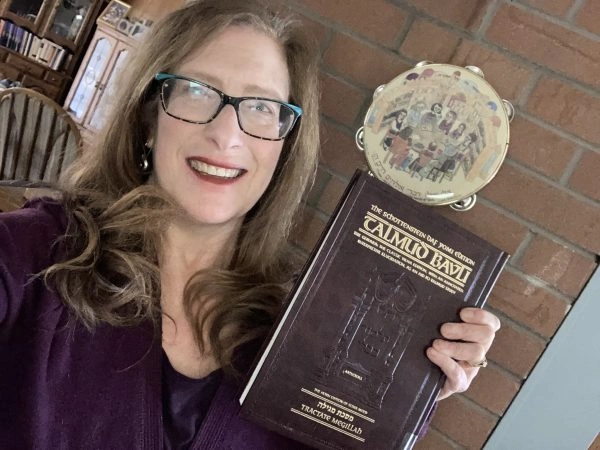
Sue Parker Gerson
Denver, United States
Having never learned Talmud before, I started Daf Yomi in hopes of connecting to the Rabbinic tradition, sharing a daily idea on Instagram (@dafyomiadventures). With Hadran and Sefaria, I slowly gained confidence in my skills and understanding. Now, part of the Pardes Jewish Educators Program, I can’t wait to bring this love of learning with me as I continue to pass it on to my future students.
Hannah Greenberg
Pennsylvania, United States
I started learning at the beginning of the cycle after a friend persuaded me that it would be right up my alley. I was lucky enough to learn at Rabbanit Michelle’s house before it started on zoom and it was quickly part of my daily routine. I find it so important to see for myself where halachot were derived, where stories were told and to get more insight into how the Rabbis interacted.

Deborah Dickson
Ra’anana, Israel
My first Talmud class experience was a weekly group in 1971 studying Taanit. In 2007 I resumed Talmud study with a weekly group I continue learning with. January 2020, I was inspired to try learning Daf Yomi. A friend introduced me to Daf Yomi for Women and Rabbanit Michelle Farber, I have kept with this program and look forward, G- willing, to complete the entire Shas with Hadran.
Lorri Lewis
Palo Alto, CA, United States
A few years back, after reading Ilana Kurshan’s book, “If All The Seas Were Ink,” I began pondering the crazy, outlandish idea of beginning the Daf Yomi cycle. Beginning in December, 2019, a month before the previous cycle ended, I “auditioned” 30 different podcasts in 30 days, and ultimately chose to take the plunge with Hadran and Rabbanit Michelle. Such joy!

Cindy Dolgin
HUNTINGTON, United States
My Daf journey began in August 2012 after participating in the Siyum Hashas where I was blessed as an “enabler” of others. Galvanized into my own learning I recited the Hadran on Shas in January 2020 with Rabbanit Michelle. That Siyum was a highlight in my life. Now, on round two, Daf has become my spiritual anchor to which I attribute manifold blessings.

Rina Goldberg
Englewood NJ, United States
In early 2020, I began the process of a stem cell transplant. The required extreme isolation forced me to leave work and normal life but gave me time to delve into Jewish text study. I did not feel isolated. I began Daf Yomi at the start of this cycle, with family members joining me online from my hospital room. I’ve used my newly granted time to to engage, grow and connect through this learning.
Reena Slovin
Worcester, United States
I decided to learn one masechet, Brachot, but quickly fell in love and never stopped! It has been great, everyone is always asking how it’s going and chering me on, and my students are always making sure I did the day’s daf.
Yafit Fishbach
Memphis, Tennessee, United States
While vacationing in San Diego, Rabbi Leah Herz asked if I’d be interested in being in hevruta with her to learn Daf Yomi through Hadran. Why not? I had loved learning Gemara in college in 1971 but hadn’t returned. With the onset of covid, Daf Yomi and Rabbanit Michelle centered me each day. Thank-you for helping me grow and enter this amazing world of learning.

Meryll Page
Minneapolis, MN, United States
After enthusing to my friend Ruth Kahan about how much I had enjoyed remote Jewish learning during the earlier part of the pandemic, she challenged me to join her in learning the daf yomi cycle. I had always wanted to do daf yomi but now had no excuse. The beginning was particularly hard as I had never studied Talmud but has become easier, as I have gained some familiarity with it.
Susan Vishner
Brookline, United States
Bava Metzia 42
מַתְנִי׳ הַמַּפְקִיד מָעוֹת אֵצֶל חֲבֵרוֹ, צְרָרָן וְהִפְשִׁילָן לַאֲחוֹרָיו, אוֹ שֶׁמְּסָרָם לִבְנוֹ וּלְבִתּוֹ הַקְּטַנִּים, וְנָעַל בִּפְנֵיהֶם שֶׁלֹּא כָּרָאוּי – חַיָּיב, שֶׁלֹּא שִׁימֵּר כְּדֶרֶךְ הַשּׁוֹמְרִים. וְאִם שִׁימֵּר כְּדֶרֶךְ הַשּׁוֹמְרִים – פָּטוּר.
MISHNA: In the case of one who deposited coins with another, and that bailee bound it in a cloth and slung it behind him, or conveyed them to his minor son or daughter for safeguarding, or locked the door before them in an inappropriate, i.e., insufficient, manner to secure them, the bailee is liable to pay for the coins, as he did not safeguard the coins in the manner typical of bailees. But if he safeguarded the money in the manner that bailees safeguard items and it was nevertheless stolen, he is exempt.
גְּמָ׳ בִּשְׁלָמָא כּוּלְּהוּ שֶׁלֹּא שִׁימֵּר כְּדֶרֶךְ הַשּׁוֹמְרִים. אֶלָּא צְרָרָן וְהִפְשִׁילָן לַאֲחוֹרָיו, מַאי הֲוָה לֵיהּ לְמִיעְבַּד? אָמַר רָבָא אָמַר רַבִּי יִצְחָק אָמַר קְרָא: ״וְצַרְתָּ הַכֶּסֶף בְּיָדְךָ״, אַף עַל פִּי שֶׁצְּרוּרִין – יִהְיוּ בְּיָדְךָ.
GEMARA: Granted, for all the other cases, the bailee is liable to pay, as he did not safeguard the money in the manner that bailees safeguard items. But if the bailee bound it in a cloth and slung it behind him, what more was he to do? Rava says that Rabbi Yitzḥak said: The verse states: “And you shall bind up the money in your hand” (Deuteronomy 14:25), from which it is derived: Although it is bound, in order to safeguard the money, it must be in your hand.
וְאָמַר רַבִּי יִצְחָק: לְעוֹלָם יְהֵא כַּסְפּוֹ שֶׁל אָדָם מָצוּי בְּיָדוֹ, שֶׁנֶּאֱמַר: ״וְצַרְתָּ הַכֶּסֶף בְּיָדְךָ״. וְאָמַר רַבִּי יִצְחָק: לְעוֹלָם יַשְׁלִישׁ אָדָם אֶת מְעוֹתָיו, שְׁלִישׁ בְּקַרְקַע, וּשְׁלִישׁ בִּפְרַקְמַטְיָא, וּשְׁלִישׁ תַּחַת יָדוֹ.
And apropos that verse, Rabbi Yitzḥak says: A person’s money should always be found in his possession. He should not invest all of his money, leaving him with no money available for expenditures, as it is stated: “And you shall bind up the money in your hand.” And Rabbi Yitzḥak says: A person should always divide his money into three; he should bury one-third in the ground, and invest one-third in business [bifrakmatya], and keep one-third in his possession.
וְאָמַר רַבִּי יִצְחָק: אֵין הַבְּרָכָה מְצוּיָה אֶלָּא בְּדָבָר הַסָּמוּי מִן הָעַיִן, שֶׁנֶּאֱמַר: ״יְצַו ה׳ אִתְּךָ אֶת הַבְּרָכָה בַּאֲסָמֶיךָ״. תָּנָא דְּבֵי רַבִּי יִשְׁמָעֵאל: אֵין הַבְּרָכָה מְצוּיָה אֶלָּא בְּדָבָר שֶׁאֵין הָעַיִן שׁוֹלֶטֶת בּוֹ, שֶׁנֶּאֱמַר: ״יְצַו ה׳ אִתְּךָ אֶת הַבְּרָכָה בַּאֲסָמֶיךָ״.
And Rabbi Yitzḥak says: Blessing is found only in a matter concealed from the eye, as it is stated: “The Lord will command blessing with you in your storehouses” (Deuteronomy 28:8), where the grain is concealed. The school of Rabbi Yishmael taught: Blessing is found only in a matter over which the eye has no dominion, as it is stated: “The Lord will command blessing with you in your storehouses.”
תָּנוּ רַבָּנַן: הַהוֹלֵךְ לָמוֹד אֶת גּוֹרְנוֹ, אוֹמֵר: ״יְהִי רָצוֹן מִלְּפָנֶיךָ ה׳ אֱלֹהֵינוּ שֶׁתִּשְׁלַח בְּרָכָה בְּמַעֲשֵׂה יָדֵינוּ״. הִתְחִיל לָמוֹד, אוֹמֵר: ״בָּרוּךְ הַשּׁוֹלֵחַ בְּרָכָה בַּכְּרִי הַזֶּה״. מָדַד וְאַחַר כָּךְ בֵּירַךְ – הֲרֵי זֶה תְּפִילַּת שָׁוְא, לְפִי שֶׁאֵין הַבְּרָכָה מְצוּיָה לֹא בְּדָבָר הַשָּׁקוּל וְלֹא בְּדָבָר הַמָּדוּד וְלֹא בְּדָבָר הַמָּנוּי, אֶלָּא בְּדָבָר הַסָּמוּי מִן הָעַיִן, שֶׁנֶּאֱמַר: ״יְצַו ה׳ אִתְּךָ אֶת הַבְּרָכָה בַּאֲסָמֶיךָ״.
The Sages taught: One who goes to measure the grain on his threshing floor recites: May it be Your will, O Lord, our God, that You send blessing upon the product of our hands. If one began to measure the grain he says: Blessed is He Who sends blessing upon this pile of grain. If one measured and afterward recited this blessing, this is a prayer made in vain, because blessing is found neither in a matter that is weighed, nor in a matter that is measured, nor in a matter that is counted. Rather, it is found in a matter concealed from the eye, as it is stated: “The Lord will command blessing with you in your storehouses.”
אָמַר שְׁמוּאֵל: כְּסָפִים אֵין לָהֶם שְׁמִירָה אֶלָּא בַּקַּרְקַע. אָמַר רָבָא: וּמוֹדֵי שְׁמוּאֵל בְּעֶרֶב שַׁבָּת בֵּין הַשְּׁמָשׁוֹת, דְּלָא אַטְרְחוּהּ רַבָּנַן. וְאִי שְׁהָא לְמוֹצָאֵי שַׁבָּת שִׁעוּר לְמִקְבְּרִינְהוּ וְלָא קַבְרִינְהוּ – מְחַיַּיב. וְאִי צוּרְבָּא מֵרַבָּנַן הוּא סָבַר: דִּלְמָא מִיבְּעֵי לֵיהּ זוּזֵי לְאַבְדַּלְתָּא.
§ Shmuel says: There is safeguarding for money only in the ground. Rava said: And Shmuel concedes if one received a deposit on Shabbat eve at twilight, that the Rabbis did not impose upon him to bury it in the ground immediately. And if, at the conclusion of Shabbat, he delayed and did not bury the money within the period of time needed to bury it, he is liable to pay the owner if it is stolen. And if the one who deposited the money is a Torah scholar and the bailee thought: Perhaps he requires money for havdala, and that is the reason that he did not bury the money immediately, then he may delay burying the money a bit longer.
וְהָאִידָּנָא דִּשְׁכִיחִי גָּשׁוֹשָׁאֵי – אֵין לָהֶן שְׁמִירָה אֶלָּא בִּשְׁמֵי קוֹרָה. וְהָאִידָּנָא דִּשְׁכִיחִי פָּרוֹמָאֵי – אֵין לָהֶם שְׁמִירָה אֶלָּא בֵּינֵי אוּרְבֵי. אָמַר רָבָא: וּמוֹדֶה שְׁמוּאֵל בְּכוֹתֶל, אִי נָמֵי בֵּין הַקְּרָנוֹת. וְהָאִידָּנָא דִּשְׁכִיחִי טָפוֹחָאֵי – אֵין לָהֶן שְׁמִירָה אֶלָּא בְּטֶפַח הַסָּמוּךְ לַקַּרְקַע, אוֹ בְּטֶפַח הַסָּמוּךְ לִשְׁמֵי קוֹרָה.
The Gemara comments: And now that rummagers, who dig to find and steal buried property, are commonplace, there is safeguarding for money only in the beams of the roof of a house. The Gemara comments: And now that dismantlers, who attempt to find and steal property hidden in beams, are commonplace, there is safeguarding for money only between the bricks of a wall. Rava said: And Shmuel concedes that money can be safeguarded in the wall or, alternatively, between the corners of the house. And now that tappers, who tap on walls to find and steal property hidden there, are commonplace, there is safeguarding for money only in the handbreadth of the wall adjacent to the ground or in the handbreadth of the wall adjacent to the ceiling, as tapping on the wall will not reveal their existence.
אֲמַר לֵיהּ רַב אַחָא בְּרֵיהּ דְּרַב יוֹסֵף לְרַב אָשֵׁי: הָתָם תְּנַן: חָמֵץ שֶׁנָּפְלָה עָלָיו מַפּוֹלֶת – הֲרֵי הוּא כִּמְבוֹעָר. רַבָּן שִׁמְעוֹן בֶּן גַּמְלִיאֵל אוֹמֵר: כֹּל שֶׁאֵין הַכֶּלֶב יָכוֹל לְחַפֵּשׂ אַחֲרָיו. וְתָנָא: כַּמָּה חֲפִישַׂת הַכֶּלֶב – שְׁלֹשָׁה טְפָחִים. הָכָא מַאי? מִי בָּעֵינַן שְׁלֹשָׁה טְפָחִים אוֹ לָא?
Rav Aḥa, son of Rav Yosef, said to Rav Ashi: We learned in a mishna there (Pesaḥim 31b): The legal status of leavened bread upon which a rockslide fell is like that of leavened bread that was eliminated, as it will remain there forever. Rabban Shimon ben Gamliel says: This ruling applies in any case where the leavened bread is covered to the extent that a dog is unable to detect it. And it is taught: How much is the measure of detection of a dog? It is three handbreadths. The question is: Here, what is the halakha? Do we require the money to be buried at a depth of three handbreadths or not?
אֲמַר לֵיהּ: הָתָם מִשּׁוּם רֵיחָא – בָּעֵינַן שְׁלֹשָׁה טְפָחִים. הָכָא מִשּׁוּם אִיכַּסּוֹיֵי מֵעֵינָא – לָא בָּעֵינַן שְׁלֹשָׁה טְפָחִים. וְכַמָּה? אָמַר רַפְרָם מִסִּיכְרָא: טֶפַח.
Rav Ashi said to Rav Aḥa: There, with regard to bread, it is due to the scent that we require three handbreadths to obscure it from the dog. Here, with regard to money, it is because it must be obscured from the eye that we bury it. Scent is not relevant, and therefore we do not need three handbreadths. The Gemara asks: And how deep must the money be buried? Rafram from Sikhera said: One handbreadth.
הָהוּא גַּבְרָא דְּאַפְקֵיד זוּזֵי גַּבֵּי חַבְרֵיהּ, אוֹתְבִינְהוּ בִּצְרִיפָא דְאוּרְבָּנֵי, אִיגְּנוּב. אָמַר רַב יוֹסֵף: אַף עַל גַּב דִּלְעִנְיַן גַּנָּבֵי – נְטִירוּתָא הִיא, לְעִנְיַן נוּרָא – פְּשִׁיעוּתָא הִיא, הָוֵה תְּחִילָּתוֹ בִּפְשִׁיעָה וְסוֹפוֹ בְּאוֹנֶס – חַיָּיב. וְאִיכָּא דְּאָמְרִי: אַף עַל גַּב דִּלְעִנְיַן נוּרָא – פְּשִׁיעוּתָא הִיא, לְעִנְיַן גַּנָּבֵי – נְטִירוּתָא הִיא, וּתְחִלָּתוֹ בִּפְשִׁיעָה וְסוֹפוֹ בְּאוֹנֶס – פָּטוּר. וְהִילְכְתָא: תְּחִילָּתוֹ בִּפְשִׁיעָה וְסוֹפוֹ בְּאוֹנֶס – חַיָּיב.
The Gemara relates: There was a certain man who deposited money with another, and the bailee placed it in a willow hut from which the money was stolen. Rav Yosef said: Although with regard to thieves, placing the money in the hut is effective safeguarding, with regard to fire it is negligence, as it is likely to burn. Therefore, it is a case where the incident was initially through negligence and ultimately by accident, and the bailee is liable to pay. And some say: Although with regard to fire it is negligence, with regard to thieves it is effective safeguarding. Therefore, it is a case where the beginning of the incident was negligence and ultimately the damage was caused by accident, and the bailee is exempt. The Gemara concludes: And the halakha is: In a case where the incident was initially through negligence and ultimately by accident, the bailee is liable to pay.
הָהוּא גַּבְרָא דְּאַפְקֵיד זוּזֵי גַּבֵּי חַבְרֵיהּ, אֲמַר לֵיהּ: הַב לִי זוּזַאי! אֲמַר לֵיהּ: לָא יָדַעְנָא הֵיכָא אוֹתְבִינְהוּ. אֲתָא לְקַמֵּיהּ דְּרָבָא, אֲמַר לֵיהּ: כֹּל ״לָא יָדַעְנָא״ פְּשִׁיעוּתָא הִיא, זִיל שַׁלֵּם.
The Gemara relates: There was a certain man who deposited money with another. Eventually, the owner of the money said to the bailee: Give me my money. The bailee said to him: I do not know where I placed it. The matter came before Rava, who said to the bailee: Every circumstance where a bailee claims: I do not know, is in and of itself negligence; go pay.
הָהוּא גַּבְרָא דְּאַפְקֵיד זוּזֵי גַּבֵּי חַבְרֵיהּ, אַשְׁלְמִינְהוּ לְאִימֵּיהּ, וְאוֹתְבִינְהוּ בְּקַרְטְלִיתָא, וְאִיגְּנוּב. אָמַר רָבָא: הֵיכִי נְדַיְינוּ דַּיָּינֵי לְהַאי דִּינָא?
The Gemara relates: There was a certain man who deposited money with another. The bailee gave the money to his mother, and she placed the money in a chest [bekartalita], and it was stolen. Rava said: How should judges rule in this case?
נֵימָא לֵיהּ לְדִידֵיהּ: זִיל שַׁלֵּים, אָמַר:
Let us say to the bailee: Go pay. But he can say: There is a principle:
כׇּל הַמַּפְקִיד, עַל דַּעַת אִשְׁתּוֹ וּבָנָיו הוּא מַפְקִיד.
With regard to anyone who deposits an item with another, it is with the awareness that at times, the bailee’s wife and his children will safeguard the item that he deposits it. Therefore, I was within my rights to give the deposit to my mother.
נֵימָא לַהּ לְאִימֵּיהּ: זִילִי שַׁלִּימִי, אָמְרָה: לָא אֲמַר לִי דְּלָאו דִּידֵיהּ נִינְהוּ דְּאֶקְבְּרִינְהוּ.
Let us say to his mother: Go and pay. She can say: My son did not tell me that the money is not his so that I should bury it, which is the optimal method to safeguard money.
נֵימָא לֵיהּ: אַמַּאי לָא אֲמַרְתְּ לַהּ? אָמַר: כׇּל שֶׁכֵּן, דְּכִי אָמֵינָא לַהּ דְּדִידִי נִינְהוּ – טְפֵי מִזְדַּהֲרָא בְּהוּ.
Let us say to the bailee: Why did you not say to her that the money is not yours? He can say: All the more so that my omission of this information was preferable, as when I say to her that the money is mine, she is even more careful with it.
אֶלָּא אָמַר רָבָא: מִשְׁתְּבַע אִיהוּ דְּהָנְהוּ זוּזֵי אַשְׁלְמִינְהוּ לְאִימֵּיהּ, וּמִשְׁתַּבְעָא אִימֵּיהּ דְּהָנְהוּ זוּזֵי אוֹתְבִינְהוּ בְּקַרְטְלִיתָא וְאִיגְּנוּב – וּפָטוּר.
Rather, Rava said: The bailee takes an oath that he gave the money to his mother, and his mother takes an oath that she placed the money in the chest and it was stolen, and the bailee is exempt from payment.
הָהוּא אַפּוֹטְרוֹפָּא דְיַתְמֵי דִּזְבַן לְהוּ תּוֹרָא לְיַתְמֵי וּמַסְרֵיהּ לְבַקָּרָא. לָא הֲווֹ לֵיהּ כַּכֵּי וְשִׁינֵּי לְמֵיכַל, וּמִית. אָמַר רָמֵי בַּר חָמָא: הֵיכִי נְדַיְינוּ דַּיָּינֵי לְהַאי דִּינָא?
The Gemara relates: There was a certain steward who acted on behalf of orphans, who purchased an ox for the orphans and passed it to the cowherd. This ox did not have molars and other teeth with which to eat, and the ox died because it was unable to eat the standard food of oxen. Rami bar Ḥama said: How should judges rule in this case?
נֵימָא לֵיהּ לְאַפּוֹטְרוֹפָּא: זִיל שַׁלֵּים, אָמַר: אֲנָא לְבַקָּרָא מְסַרְתֵּיהּ.
Let them say to the steward: Go pay for the dead ox. But he can say: I gave it to the cowherd with the expectation that he would care for it.
נֵימָא לֵיהּ לְבַקָּרָא: זִיל שַׁלֵּים, אָמַר: אֲנָא בַּהֲדֵי תּוֹרֵי אוֹקֵימְתֵּיהּ, אוּכְלָא שְׁדַאי לֵיהּ, לָא הֲוָה יָדַעְינָא דְּלָא אֲכַל.
Let us say to the cowherd: Go pay for the dead ox. He can say: I placed the ox with other oxen and I threw food before it. We did not know that it did not eat.
מִכְּדֵי בַּקָּרָא שׁוֹמֵר שָׂכָר דְּיַתְמֵי הוּא! אִיבְּעִי לֵיהּ לְעַיּוֹנֵי אִי אִיכָּא פְּסֵידָא דְיַתְמֵי. הָכִי נָמֵי, וְהָכָא בְּמַאי עָסְקִינַן – דְּלֵיכָּא פְּסֵידָא דְיַתְמֵי, דְּאַשְׁכְּחוּהּ לְמָרֵיהּ דְּתוֹרָא וּשְׁקוּל יַתְמֵי זוּזֵי מִינֵּיהּ.
The Gemara asks: After all, the cowherd is a paid bailee of the orphans. Therefore, he was required to examine the situation and ascertain if the ox was eating. The Gemara answers: If there was loss for the orphans, indeed, the cowherd would be liable to pay. And with what are we dealing here? It is a case where there is no loss incurred by the orphans, as they found the previous owner of the ox, who sold it to them, and the orphans took their money back from him after discovering that the ox had this deficiency.
אֶלָּא מַאן קָא טָעֵין? מָרֵיהּ דְּתוֹרָא קָטָעֵין. אִיבְּעִי לֵיהּ לְאוֹדוֹעַן! מַאי מוֹדְעִינַן לֵיהּ? מִידָּע יָדַע דְּמִקָּח טָעוּת הָוֵי. בְּסַפְסֵירָא דְּזָבֵן מֵהָכָא וּמְזַבֵּין לְהָכָא, הִלְכָּךְ מִישְׁתְּבַע אִיהוּ דְּלָא הֲוָה יָדַע, וּמְשַׁלֵּם בַּקָּרָא דְּמֵי בָשָׂר בְּזוֹל.
The Gemara asks: Rather, who then claims compensation from the cowherd? The previous owner of the ox claims compensation from the steward: He should have informed us that the ox was not eating. The Gemara answers: What would we inform the previous owner? He knows that it is a mistaken transaction, as he would be aware that the ox had no teeth. The Gemara explains: This is a case with regard to a trader who buys from here and sells to there and does not know the condition of the ox. Therefore, the trader takes an oath that he did not know about the ox’s defect, and the cowherd pays the value of the meat of the ox based on the cheapest price available in the market.
הָהוּא גַּבְרָא דְּאַפְקֵיד כְּשׁוּתָא גַּבֵּי חַבְרֵיהּ, הֲוָה לֵיהּ לְדִידֵיהּ נָמֵי כַּרְיָא דִכְשׁוּתָא. אֲמַר לֵיהּ לְסַרְסְיֵהּ: מֵהַאי רְמֵי. אֲזַל רְמָא מֵאִידַּךְ. אָמַר רַב עַמְרָם: הֵיכִי נְדַיְינוּ דַּיָּינֵי לְהַאי דִּינָא?
The Gemara relates: There was a certain man who deposited hops, used in the production of beer, with another. The bailee himself had a pile of hops. The bailee said to his brewer: Cast hops in the beer from this pile. The brewer went and cast from the other pile, the pile of the one who deposited the hops, into the beer. Rav Amram said: How should judges rule in this case?
נֵימָא לֵיהּ לְדִידֵיהּ: זִיל שַׁלֵּים, אָמַר: אֲנָא אָמְרִי לֵיהּ מֵהַאי רְמִי.
Let us say to the bailee: Go pay. But he can say: I said to him, i.e., the brewer: Cast hops from this pile, and I am not at fault.
נֵימָא לֵיהּ לְסַרְסְיֵהּ: זִיל שַׁלֵּים, אָמַר: לָא אֲמַר לִי מֵהַאי רְמִי וּמֵהַאי לָא תִּרְמֵי.
Let us say to the brewer: Go pay. He can say: The bailee did not say to me: Cast hops from this pile and do not cast hops from that pile. I thought he was merely giving advice, and I did not know that he was insistent that I refrain from using the other hops.
וְאִי דִּשְׁהָא שִׁיעוּר לְאֵיתוֹיֵי לֵיהּ וְלָא אַיְיתִי לֵיהּ – גַּלִּי אַדַּעְתֵּיהּ דְּנִיחָא לֵיהּ! בִּדְלָא שְׁהָא.
The Gemara comments: And if the hops of the bailee were closer to where he and the brewer were located than those that were deposited with him, the bailee should be liable. As, if the brewer delayed bringing the hops for the period of time that it would take to bring the bailee hops from his own pile and he did not yet bring them to him, it is assumed that the bailee understood that the brewer had gone to bring the more distant, deposited, hops. By not objecting, the bailee revealed that he was amenable to brewing the beer from the deposited hops. The Gemara answers: This is a case where he did not delay bringing the hops, or alternatively, the two piles were equidistant from him.
סוֹף סוֹף, מַאי פְּסֵידָא אִיכָּא? וְהָא קָא מִשְׁתָּרְשִׁי לֵיהּ! אָמַר רַב סַמָּא בְּרֵיהּ דְּרָבָא: דַּהֲוָה שִׁיכְרָא חַלָּא. רַב אָשֵׁי אָמַר: בְּכִיסֵי,
The Gemara asks: Ultimately, what loss is there? But doesn’t the bailee profit in this case? Let the bailee give the owner beer equal to the value of the hops that he took from the deposit and no one loses. Rav Sama, son of Rava, said: The Gemara is referring to a case where the beer ferments and becomes vinegar. Therefore, it is impossible to take the value of the hops from the beer. Rav Ashi said: It is referring to a case where the hops were mixed with thorns and did not enhance the beer.
Follow

