










Abaye, Rava and Rav Ashi each bring a different derivation for the rule that shmira b’baalaim is a valid exemption only when the owner was working for the borrower at the moment of the act of borrowing. Rami bar Hama asks four questions regarding the borrower’s liablity for unexpected damages (oness). Then he asks three questions, and Ravina asks a fourth regarding the exemption of shmira b’baalim. Each of these eight questions relates to a unique case and asks whether the general halakha applies in these exceptional circumstances. The last two questions, regarding a husband/wife and an agent are answered: they depend on amoraic debates. Is there a difference if the agent is the owner’s slave? Rami bar Hama asks a question regarding a husband’s level of responsibility for his wife’s usufruct property and about who is responsible for meila for her property if it was sanctified. Rava answers both questions. A borrower is not liable for depreciation or for an animal dying from use as the borrower can claim: “I didn’t borrow it just to leave it on the windowsill!”
Bava Metzia
Masechet Bava Metzia is sponsored by Rabbi Art Gould in memory of his beloved bride of 50 years, Carol Joy Robinson, Karina Gola bat Huddah v’Yehuda Tzvi.
רבות בנות עשו חיל ואת עלית על־כלנה
This month’s learning is sponsored by Marci Glazer in loving memory of her teacher and chevruta, Rachel Brodie, Rachel Aviva bat Devora Chana, on her 4th yahrzeit. “She brought her love of Torah to thousands of people in her all-too-short life. A lover of Midrash, she still invited me on this Daf Yomi journey.”
Want to dedicate learning? Get started here:

Today’s daily daf tools:
Bava Metzia
Masechet Bava Metzia is sponsored by Rabbi Art Gould in memory of his beloved bride of 50 years, Carol Joy Robinson, Karina Gola bat Huddah v’Yehuda Tzvi.
רבות בנות עשו חיל ואת עלית על־כלנה
This month’s learning is sponsored by Marci Glazer in loving memory of her teacher and chevruta, Rachel Brodie, Rachel Aviva bat Devora Chana, on her 4th yahrzeit. “She brought her love of Torah to thousands of people in her all-too-short life. A lover of Midrash, she still invited me on this Daf Yomi journey.”
Bava Metzia 96
רָבָא סָבַר לַהּ כְּרַבִּי יוֹנָתָן וּמְתָרֵץ לִקְרָאֵי כְּרַבִּי יוֹנָתָן, דְּתַנְיָא: ״אִם בְּעָלָיו עִמּוֹ לֹא יְשַׁלֵּם״. מַשְׁמַע דְּאִיתֵיהּ בְּתַרְוַיְיהוּ, וּמַשְׁמַע נָמֵי דְּכִי אִיתֵיהּ בַּחֲדָא וְלֵיתֵיהּ בַּחֲדָא – פָּטוּר.
By contrast, Rava holds in accordance with the opinion of Rabbi Yonatan, and he explains the verses in accordance with the opinion of Rabbi Yonatan, thereby arriving at the conclusion of the baraita, as it is taught in a baraita: “If its owner is with him, he does not pay” teaches about the case in which the owner was working for the borrower at both points in time, and it also teaches about the case in which he was working for him at one of those times but not at the other one; in both cases the borrower is exempt.
וּכְתִיב: ״בְּעָלָיו אֵין עִמּוֹ שַׁלֵּם יְשַׁלֵּם״ – מַשְׁמַע דְּלֵיתֵיהּ בְּתַרְוַיְיהוּ, מַשְׁמַע נָמֵי דְּכִי אִיתֵיהּ בַּחֲדָא וְלֵיתֵיהּ בַּחֲדָא – חַיָּיב.
The Gemara raises an objection: But it is also written: “If its owner is not with him, he shall pay.” The verse teaches about the case in which the owner was not working for the borrower at either point in time, and it also teaches about the case in which he was working for him at one of those times but not at the other one; in both cases the borrower is liable.
לוֹמַר לָךְ: הָיָה עִמּוֹ בִּשְׁעַת שְׁאֵלָה – אֵין צָרִיךְ לִהְיוֹת עִמּוֹ בִּשְׁעַת שְׁבוּרָה וּמֵתָה, הָיָה עִמּוֹ בִּשְׁעַת שְׁבוּרָה וּמֵתָה – צָרִיךְ לִהְיוֹת עִמּוֹ בִּשְׁעַת שְׁאֵלָה.
To reconcile the verses, one must say that the phrase “if its owner is with him” serves to tell you that if the owner was with the borrower, i.e., working for him, at the time of borrowing, then he does not need to be with him at the time when the animal is injured or dies for the exemption from liability to apply; but if he was with him at the time when the animal is injured or dies, he does need to have been with him at the time of borrowing for the exemption to apply.
אֵיפוֹךְ אֲנָא! מִסְתַּבְּרָא שְׁאֵלָה עֲדִיפָא, מִשּׁוּם דְּקָא מַיְיתֵי לַהּ לִרְשׁוּתֵיהּ.
The Gemara raises a difficulty: I could reverse the conclusion and say that the borrower’s exemption from liability is dependent upon the time when the animal was injured or died. The Gemara explains: It is reasonable that the exemption from liability should be dependent on the time of the borrowing because the borrowing is of greater significance, as with it the borrower brings the animal into his domain.
אַדְּרַבָּה, שְׁבוּרָה וּמֵתָה עֲדִיפָא, שֶׁכֵּן חַיָּיב בָּאוֹנָסִין!
The Gemara retorts: On the contrary, the time when the animal is injured or dies is of greater significance, because that point marks when the borrower is actually liable to pay for any accidents that occurred.
אִי לָא שְׁאֵלָה, שְׁבוּרָה וּמֵתָה מַאי עָבֵיד? וְאִי לָאו שְׁבוּרָה וּמֵתָה, שְׁאֵלָה מַאי עָבֵיד? אֲפִילּוּ הָכִי שְׁאֵלָה עֲדִיפָא, שֶׁכֵּן חַיָּיב בִּמְזוֹנוֹתֶיהָ.
The Gemara responds: No, the borrowing is more significant. Were it not for the initial borrowing, what liability could be caused by the fact that the animal is injured or dies? The Gemara argues: But by the same logic, were it not for the fact that the animal is injured or dies, what liability could be caused by the act of borrowing? The Gemara concludes: Even so, the borrowing is of greater significance, as with it the borrower is obligated to provide the animal’s sustenance as long as it is entrusted with him.
רַב אָשֵׁי אָמַר, אָמַר קְרָא: ״וְכִי יִשְׁאַל אִישׁ מֵעִם רֵעֵהוּ״, וְלֹא רֵעֵהוּ עִמּוֹ – ״שַׁלֵּם יְשַׁלֵּם״, הָא רֵעֵהוּ עִמּוֹ – פָּטוּר.
Rav Ashi said that the halakha that the borrower’s exemption from liability is dependent upon the time of the borrowing can be derived from the verse itself: The verse states: “And when a man borrows from another…he shall pay” (Exodus 22:13). The precise formulation of the verse indicates that he borrowed an item from another, but that other person was not with him, i.e., working for him, at the time. It is only in such a case that that verse concludes: “He shall pay.” By inference, when the other person is working with him, the borrower is exempt. Accordingly, it is clear that the critical moment is the time of the borrowing.
אִי הָכִי: ״בְּעָלָיו אֵין עִמּוֹ״, וְ״אִם בְּעָלָיו עִמּוֹ״ לְמָה לִי? אִי לָאו הָנָךְ, הֲוָה אָמֵינָא: הַאי אוֹרְחֵיהּ דִּקְרָא הוּא.
The Gemara asks: If so, why do I need the continuation of that verse: “Its owner is not with him,” and the next verse: “If its owner is with him”? According to Rav Ashi, the circumstances of the borrower’s liability and exemption can be derived from the beginning of the first verse. The Gemara explains: If it were not for these additional clauses, I would say that this phrase “from another” is simply the usual manner of the verse, and is not to be expounded to teach an exemption. Since the continuation of the verse and the next verse teach the actual exemption from liability, and the apparent contradiction between them raises the question of when the critical moment is, it is apparent that the beginning of the verse was written in order to be expounded, as Rav Ashi did.
בָּעֵי רָמֵי בַּר חָמָא שְׁאָלָהּ לְרִבְעָהּ, מַהוּ? כִּדְשָׁיְילִי אִינָשֵׁי בָּעֵינַן וּלְהָכִי לָא שָׁיְילִי אִינָשֵׁי, אוֹ דִלְמָא טַעְמָא מַאי – מִשּׁוּם הֲנָאָה, וְהַאי נָמֵי הָא אִית לֵיהּ הֲנָאָה.
§ Rami bar Ḥama raises a dilemma: If one borrowed an animal in order to engage in bestiality with it, a severe transgression (see Leviticus 18:23), what is the halakha; is the borrower liable for mishaps? The crux of the dilemma is: In order for him to be liable, do we require that the borrowing be for a purpose similar to that for which people typically borrow animals, and since people do not typically borrow animals for this purpose, the borrower is exempt? Or perhaps, what is the reason that a borrower is liable? It is due to the benefit he derives from the animal, and as this borrower, too, has benefit from the animal, he is liable for mishaps.
שְׁאָלָהּ לֵירָאוֹת בָּהּ, מַהוּ? מָמוֹנָא בָּעֵינַן וְהָאִיכָּא, אוֹ דִלְמָא מָמוֹנָא דְּאִית לֵיהּ הֲנָאָה מִינֵּיהּ בָּעֵינַן וְלֵיכָּא?
A similar question: If one borrowed an item, not to use it but to be seen with it, so that people will assume that he is wealthy, what is the halakha? In order for him to be liable, do we require that he borrow an item of monetary worth, and that exists in this case? Or, perhaps we require that he borrow an item of monetary worth from which he also derives tangible benefit, and that does not exist in this case.
שְׁאָלָהּ לַעֲשׂוֹת בָּהּ פָּחוֹת מִפְּרוּטָה, מַהוּ? מָמוֹנָא בָּעֵינַן וְאִיכָּא, אוֹ דִלְמָא כׇּל פָּחוֹת מִפְּרוּטָה – לֹא כְּלוּם הִיא.
Another question: If one borrowed an item to perform work with it that is worth less than the value of one peruta, what is the halakha? Do we require only that he borrow an item of monetary worth, and that exists in this case? Or, perhaps any benefit derived that is worth less than one peruta is nothing, i.e., it is legally considered to be of no monetary worth, and he is therefore exempt.
שָׁאַל שְׁתֵּי פָּרוֹת לַעֲשׂוֹת בָּהֶן פְּרוּטָה, מַהוּ? מִי אָמְרִינַן: זִיל בָּתַר שׁוֹאֵל וּמַשְׁאִיל, וְאִיכָּא? אוֹ דִּלְמָא: זִיל בָּתַר פָּרוֹת וְכֹל חֲדָא וַחֲדָא לֵיכָּא מָמוֹנָא?
Another question: If one borrowed two cows to perform work with them that will be worth the value of one peruta in total, what is the halakha? When appraising the value of the benefit derived, to see if it has monetary worth of one peruta, do we say: Follow the borrower and lender, i.e., appraise how much benefit the borrower received from the lender, and in this case there is benefit of the value of one peruta. Or, perhaps we follow the cows, and in this case, each one of the cows does not provide the borrower with monetary worth of one peruta.
שָׁאַל מִשּׁוּתָּפִין וְנִשְׁאַל לוֹ אֶחָד מֵהֶן, מַהוּ? כּוּלּוֹ בְּעָלָיו בָּעֵינַן – וְהָא לֵיכָּא, אוֹ דִלְמָא מֵהָהוּא פַּלְגָא דִּידֵיהּ מִיהָא מִיפְּטַר?
Another question: If one borrowed an item from two partners, and the services of one of those partners were also borrowed by him, what is the halakha? Does the exemption of borrowing an item together with its owner apply in this case? For the exemption to apply, do we require all of the item’s owners to be working for the borrower, and that does not exist in this case? Or, perhaps there is no such condition, but in any event, the borrower should at least be exempt from liability for that half of the item owned by the partner who is working for him.
שׁוּתָּפִין שֶׁשָּׁאֲלוּ וְנִשְׁאַל לְאֶחָד מֵהֶן, מַהוּ? כּוּלּוֹ שׁוֹאֵל בָּעֵינַן, וְלֵיכָּא? אוֹ דִלְמָא בְּהָהִיא פַּלְגָא דְּשַׁיְילֵיהּ מִיהַת מִיפְּטַר?
Another question: In the case of partners who borrowed an item and its owner’s services were also borrowed by one of them, what is the halakha? For the exemption to apply, do we require that the owner be working for all the borrowers, and that does not exist in this case? Or, perhaps there is no such condition, but in any event, the partner who borrowed only the item should at least be exempt from liability for the half of the animal that the partner, whom the owner worked for, had borrowed.
שָׁאַל מֵהָאִשָּׁה וְנִשְׁאַל בַּעְלָהּ, אִשָּׁה שֶׁשָּׁאֲלָה וְנִשְׁאַל לַבַּעַל, מַהוּ? קִנְיַן פֵּירוֹת כְּקִנְיַן גּוּף דָּמֵי, אוֹ לָא?
Another question: If one borrowed an item from a woman, and the services of her husband were also borrowed by him, or where a woman borrowed an item and its owner’s services were also borrowed by her husband, what is the halakha? A husband has the right to use his wife’s property. These questions are dependent on whether ownership of the right to use an item and the profits it engenders is tantamount to ownership of the item itself or not.
אֲמַר לֵיהּ רָבִינָא לְרַב אָשֵׁי: הָאוֹמֵר לִשְׁלוּחוֹ צֵא וְהִשָּׁאֵל לִי עִם פָּרָתִי, מַהוּ? ״בְּעָלָיו״ מַמָּשׁ בָּעֵינַן וְלֵיכָּא, אוֹ דִלְמָא שְׁלוּחוֹ שֶׁל אָדָם כְּמוֹתוֹ, וְאִיכָּא?
Ravina said to Rav Ashi: In the case of one who says to his agent: Go and lend your services to somebody on my behalf together with lending my cow to that person, what is the halakha? For the exemption to apply, do I require that the cow’s actual owner work for the borrower, and in this case that does not exist? Or perhaps, since the legal status of a person’s agent is like that of himself, it is sufficient if his agent works for the borrower, and accordingly, the necessary conditions exist.
אֲמַר לֵיהּ רַב אַחָא בְּרֵיהּ דְּרַב אַוְיָא לְרַב אָשֵׁי: בַּעַל – פְּלוּגְתָּא דְּרַבִּי יוֹחָנָן וְרֵישׁ לָקִישׁ, שָׁלִיחַ – פְּלוּגְתָּא דְּרַבִּי יוֹנָתָן וְרַבִּי יֹאשִׁיָּה.
Rav Aḥa, son of Rav Avya, said to Rav Ashi: This question concerning a husband is subject to a dispute between Rabbi Yoḥanan and Reish Lakish. And the question concerning an agent is subject to a dispute between Rabbi Yonatan and Rabbi Yoshiya.
בַּעַל – פְּלוּגְתָּא דְּרַבִּי יוֹחָנָן וְרֵישׁ לָקִישׁ. דְּאִיתְּמַר: הַמּוֹכֵר שָׂדֵהוּ לַחֲבֵירוֹ לְפֵירוֹת, רַבִּי יוֹחָנָן אוֹמֵר: מֵבִיא וְקוֹרֵא, רֵישׁ לָקִישׁ אוֹמֵר: מֵבִיא וְאֵינוֹ קוֹרֵא,
The Gemara clarifies: The question concerning a husband is subject to a dispute between Rabbi Yoḥanan and Reish Lakish pertaining to the requirement to bring the first fruits of one’s field to the Temple and recite the accompanying declaration (see Deuteronomy, chapter 26): As it was stated: With regard to one who sells his field to another, not outright but for its produce, Rabbi Yoḥanan says: The buyer brings the first fruits and recites the declaration, whereas Reish Lakish says: The buyer brings the first fruits but does not recite the declaration.
רַבִּי יוֹחָנָן אוֹמֵר מֵבִיא וְקוֹרֵא: קִנְיַן פֵּירוֹת כְּקִנְיַן הַגּוּף דָּמֵי. וְרֵישׁ לָקִישׁ אוֹמֵר מֵבִיא וְאֵינוֹ קוֹרֵא: קִנְיַן פֵּירוֹת לָאו כְּקִנְיַן הַגּוּף דָּמֵי.
The Gemara explains: They disagree about whether it is justifiable for the buyer to recite the declaration, since in that declaration he refers to the land as: “The land which You, the Lord, have given me” (Deuteronomy 26:10), i.e., he states that the land belongs to him. Rabbi Yoḥanan says that the buyer brings the first fruits and recites the declaration, because he holds that ownership of the right to use land and its produce is tantamount to ownership of the land itself. Accordingly, the buyer is considered to be the owner of the land and he may consequently recite the declaration. And Reish Lakish says that the buyer brings the first fruits but does not recite the declaration, because he holds that ownership of the right to use land and its produce is not tantamount to ownership of the land itself. Accordingly, the buyer is not considered to be the owner of the land and is consequently unable to recite the declaration.
שָׁלִיחַ – פְּלוּגְתָּא דְּרַבִּי יוֹנָתָן וְרַבִּי יֹאשִׁיָּה. דְּתַנְיָא: הָאוֹמֵר לְאַפּוֹטְרוֹפּוֹס: כׇּל נְדָרִים שֶׁתְּהֵא אִשְׁתִּי נוֹדֶרֶת מִכָּאן עַד שֶׁאָבֹא מִמָּקוֹם פְּלוֹנִי – הָפֵר לָהּ, וְהֵפֵיר לָהּ, יָכוֹל יְהוּ מוּפָרִין, תַּלְמוּד לוֹמַר: ״אִישָׁהּ יְקִימֶנּוּ וְאִישָׁהּ יְפֵרֶנּוּ״, דִּבְרֵי רַבִּי יֹאשִׁיָּה. רַבִּי יוֹנָתָן אוֹמֵר: מָצִינוּ בְּכׇל מָקוֹם שֶׁשְּׁלוּחוֹ שֶׁל אָדָם כְּמוֹתוֹ.
The Gemara clarifies the second disagreement: The question concerning an agent is subject to a dispute between Rabbi Yonatan and Rabbi Yoshiya, as it is taught in a baraita: If there is one who says to a steward appointed to take care of his household: All vows that my wife will vow from now until I come back from such and such a place, you should nullify them for her in my stead, and the steward annulled them for her, one might have thought that they would be nullified. To dispel this notion, the verse states with regard to a vow taken by a wife: “Her husband sustains it and her husband nullifies it” (Numbers 30:14), which indicates that only her husband is able to do so, and no one else; this is the statement of Rabbi Yoshiya. Rabbi Yonatan says: We have found everywhere in halakha that the legal status of a person’s agent is like that of himself. Since the steward was the agent of the husband, his nullification of the vows is effective.
אֲמַר לֵיהּ רַב עִילִישׁ לְרָבָא: הָאוֹמֵר לְעַבְדּוֹ צֵא וְהִשָּׁאֵל עִם פָּרָתִי, מַהוּ? תִּיבְּעֵי לְמַאן דְּאָמַר שְׁלוּחוֹ שֶׁל אָדָם כְּמוֹתוֹ, תִּיבְּעֵי לְמַאן דְּאָמַר שְׁלוּחוֹ שֶׁל אָדָם אֵינוֹ כְּמוֹתוֹ.
Another question: Rav Ilish said to Rava: In the case of one who says to his Canaanite slave: Go and lend your services to another together with lending my cow to that person, what is the halakha? Let the dilemma be raised according to the one who says that the legal status of a person’s agent is like that of himself, and let the dilemma be raised according to the one who says that the legal status of a person’s agent is not like that of himself.
תִּיבְּעֵי לְמַאן דְּאָמַר שְׁלוּחוֹ שֶׁל אָדָם כְּמוֹתוֹ, הָנֵי מִילֵּי שָׁלִיחַ – דְּבַר מִצְוָה הוּא. אֲבָל עֶבֶד, דְּלָאו בַּר מִצְוָה – לָא. אוֹ דִלְמָא אֲפִילּוּ לְמַאן דְּאָמַר אֵין שְׁלוּחוֹ שֶׁל אָדָם כְּמוֹתוֹ, הָנֵי מִילֵּי שָׁלִיחַ. אֲבָל עֶבֶד, יַד עֶבֶד כְּיַד רַבּוֹ דָּמְיָא.
The Gemara elaborates: Let the dilemma be raised according to the one who says that the legal status of a person’s agent is like that of himself, as follows: Does this matter apply only to an agent, who is obligated in mitzvot, just like the one who appointed him; but for a slave, who is not fully obligated in mitzvot, the principle does not apply? Or perhaps, even according to the one who says that the legal status of a person’s agent is not like that of himself, maybe that matter applies to an agent, who is a free, independent person. But in the case of a slave, since he has no independence from his master, as the possession of a slave is like the possession of his master, i.e., anything that the slave acquires is automatically acquired by his master, perhaps if the slave’s services are borrowed it is the same as if the master himself had been borrowed.
אֲמַר לֵיהּ: מִסְתַּבְּרָא יַד עֶבֶד כְּיַד רַבּוֹ דָּמְיָא.
Rava said to Rav Ilish: It stands to reason that since the possession of a slave is like the possession of his master, then one who borrows both another’s item and the services of his slave is exempt from liability.
בָּעֵי רָמֵי בַּר חָמָא: בַּעַל בְּנִכְסֵי אִשְׁתּוֹ
§ Rami bar Ḥama raises a dilemma: What level of liability does a husband bear with regard to his wife’s usufruct property? This is property belonging to the wife that the husband has the right to use and to enjoy its profits while they are married, but that is returned to her upon termination of the marriage.
שׁוֹאֵל הָוֵי, אוֹ שׂוֹכֵר הָוֵי?
Is he like a borrower or is he like a renter?
אָמַר רָבָא, לְפוּם חוּרְפָּא שַׁבֶּשְׁתָּא – מָה נַפְשָׁךְ, אִי שׁוֹאֵל הָוֵי – שְׁאָלָהּ בִּבְעָלִים הִיא, אִי שׂוֹכֵר הָוֵי – שְׂכִירוּת בִּבְעָלִים הִיא.
Rava said of Rami bar Ḥama: Commensurate to the sharpness of his mind is the extent of his error, as whichever way you look at it, he should be exempt: If he is like a borrower, this is a case of borrowing an item together with the services of the owner, as his wife is obligated to perform household services for him. Alternatively, if he is like a renter, this is a case of renting an item together with the services of the owner, for the same reason. Either way, he should be exempt.
אֶלָּא כִּי קָמִיבַּעְיָא לֵיהּ לְרָמִי בַּר חָמָא: דַּאֲגַר מִינַּהּ פָּרָה וַהֲדַר נַסְבַהּ, שׁוֹאֵל הָוֵי אוֹ שׂוֹכֵר הָוֵי?
The Gemara reinterprets Rami bar Ḥama’s question: Rather, when Rami bar Ḥama raised the dilemma, it was with regard to a case in which one first rented a cow from a woman and subsequently married her. In that case, she was not working for him at the time he began renting the cow, and so the exemption of borrowing an item together with its owner does not apply. Rami bar Ḥama’s question was: What is the halakha once they get married? This is dependent on whether, from that point, he is like a borrower or he is like a renter.
שׁוֹאֵל הָוֵי וְאָתְיָא שְׁאֵלָה בִּבְעָלִים מַפְקְעָא שְׂכִירוּת שֶׁלֹּא בִּבְעָלִים, אוֹ דִלְמָא שׂוֹכֵר הָוֵי וּשְׂכִירוּת כִּדְקָיְימָא קָיְימָא?
The Gemara elaborates: Since the husband initially rented the cow, if he is now like a borrower, then his status has changed, and so the new borrowing of the cow done together with borrowing the services of its owner comes and displaces the initial renting that was done without borrowing the services of the owner. Accordingly, the exemption will apply. Or perhaps even once he is married he is still like a renter, and since his status has not changed, the renting stands as it was, i.e., his current renting of the cow is considered a continuation of the initial renting that began before his wife was obligated to work for him. Consequently, the exemption would not apply.
וּמַאי שְׁנָא: דְּאִי שׁוֹאֵל הָוֵי, דְּאָתֵי שְׁאֵלָה בִּבְעָלִים מַפְקְעָא שְׂכִירוּת שֶׁלֹּא בִּבְעָלִים. אִי שׂוֹכֵר נָמֵי הָוֵי, תֵּיתֵי שְׂכִירוּת בִּבְעָלִים (תַּיפֵּוק) [תַּפְקַע] שְׂכִירוּת שֶׁלֹּא בִּבְעָלִים!
The Gemara questions this logic: But what is different about these possibilities, that you say that only if he is a borrower is it so that the new borrowing of the cow done together with borrowing the services of the owner comes and displaces the initial renting that was done without borrowing the services of the owner? Say the same also if he is now like a renter, and let the new renting of the cow done together with borrowing the services of the owner come and displace the initial renting that was done without borrowing the services of the owner.
אֶלָּא כִּי קָא מִיבַּעְיָא לְרָמֵי בַּר חָמָא: כְּגוֹן דַּאֲגַרָא אִיהִי פָּרָה מֵעָלְמָא, וַהֲדַר נַסְבַהּ,
The Gemara reinterprets his question: Rather, when Rami bar Ḥama raised the dilemma, it was with regard to a case where a woman rented a cow from someone in the world at large, and subsequently another man married her.
וְאַלִּיבָּא דְּרַבָּנַן, דְּאָמְרִי: שׁוֹאֵל מְשַׁלֵּם לַשּׂוֹכֵר, לָא תִּיבְּעֵי לָךְ – דְּוַדַּאי שְׁאֵילָה בִּבְעָלִים הִיא.
The Gemara explains that the relevance of this dilemma is dependent upon a dispute between the Rabbis and Rabbi Yosei concerning a case in which one rents a cow, and then another person borrows it from the renter, and then a mishap occurs to it (see 35a). And according to the opinion of the Rabbis, who say that the borrower pays the renter, do not raise the dilemma, as it is certainly a case of borrowing an item and borrowing or hiring its owner with it. Evidently, the Rabbis hold that for the duration of the rental period the renter is considered to be the owner of the cow. Accordingly, in this case, the woman is considered to be the owner of the cow. Therefore, when the man marries her, he is considered to be borrowing the cow from her at the same time at which she becomes obligated to work for him.
כִּי תִּיבְּעֵי לָךְ, אַלִּיבָּא דְּרַבִּי יוֹסֵי, דְּאָמַר: תַּחְזוֹר פָּרָה לַבְּעָלִים הָרִאשׁוֹנִים, מַאי – שׁוֹאֵל הָוֵי, אוֹ שׂוֹכֵר הָוֵי?
When should you raise the dilemma? Raise it according to the opinion of Rabbi Yosei, who says that the value of the cow must be returned to its original owner. Rabbi Yosei holds that the renter is not considered to be the owner of the cow, and therefore this is not a case of borrowing an item together with borrowing or renting the services of its owner. Therefore, Rami bar Ḥama asks what level of liability the husband bears; is he like a borrower or is he like a renter?
אָמַר רָבָא: בַּעַל לָא שׁוֹאֵל הָוֵי וְלָא שׂוֹכֵר הָוֵי, אֶלָּא לוֹקֵחַ הָוֵי – מִדְּרַבִּי יוֹסֵי בְּרַבִּי חֲנִינָא. דְּאָמַר רַבִּי יוֹסֵי בְּרַבִּי חֲנִינָא: בְּאוּשָׁא הִתְקִינוּ: הָאִשָּׁה שֶׁמָּכְרָה בְּנִכְסֵי מְלוֹג בְּחַיֵּי בַּעְלָהּ, וָמֵתָה – הַבַּעַל מוֹצִיא מִיַּד הַלָּקוֹחוֹת.
Rava said: A husband is not like a borrower nor is he like a renter. Rather, he is considered to be like a buyer of his wife’s property, as can be inferred from the statement of Rabbi Yosei, son of Rabbi Ḥanina, as Rabbi Yosei, son of Rabbi Ḥanina, said: In Usha the Sages instituted: In the case of a woman who sold her usufruct property during her husband’s lifetime and then died, the husband can appropriate the property from the buyers, provided he compensates them for their loss of the purchase. Evidently, the wife’s property is considered to be owned by the husband.
בָּעֵי רָמֵי בַּר חָמָא: בַּעַל בְּנִכְסֵי אִשְׁתּוֹ, מִי מָעַל?
§ Rami bar Ḥama raises a dilemma: When a husband acquires the rights to his wife’s usufruct property that includes consecrated property, acquiring property from the Temple in this way is considered misuse of consecrated property. In such a case, who is liable for having misused consecrated property?
אָמַר רָבָא: מַאן לִימְעוֹל? לִימְעוֹל בַּעַל, דְּהֶיתֵּרָא נִיחָא לֵיהּ דְּלִיקְנֵי, אִיסּוּרָא לָא נִיחָא לֵיהּ דְּלִיקְנֵי.
Rava said: Who could be considered to have misused consecrated property? Should the husband be considered to have misused consecrated property? Certainly not, as while it is satisfactory for him to acquire non-sacred items of his wife’s property, which are permitted for him to use, it is not satisfactory for him to acquire consecrated property, which it is prohibited for him to use. Since he does not wish to acquire these items, he cannot be held liable for removing them from the possession of the Temple.
תִּימְעוֹל אִיהִי, דְּהֶיתֵּרָא נָמֵי לָא נִיחָא לַהּ דְּלִיקְנֵי.
Should she be considered to have misused consecrated property? Certainly not, as also with regard to non-sacred items, which are permitted for use, it is not satisfactory to her that her husband acquire them. Nevertheless, by virtue of the rabbinic ordinance, he does. Evidently, her husband’s acquisition is not affected by her wishes, and therefore she cannot be held liable for it.
נִימְעֲלוּ בֵּית דִּין, כִּי עֲבַדוּ רַבָּנַן תַּקַּנְתָּא וַאֲמַרוּ: בַּעַל לוֹקֵחַ הָוֵי – לְהֶיתֵּרָא, לְאִיסּוּרָא לָא עֲבֻיד רַבָּנַן תַּקַּנְתָּא.
Should the court be considered to have misused consecrated property, as it is their ordinance that granted the husband ownership? Certainly not, because when the Sages instituted the ordinance, and they said that a husband is considered to be like a buyer of his wife’s property, that was only with regard to non-sacred items, which are permitted for him to use. But with regard to consecrated property, which it is prohibited for him to use, the Sages did not institute the ordinance.
אֶלָּא אָמַר רָבָא: בַּעַל מָעַל לִכְשֶׁיּוֹצִיא, מִידֵּי דְּהָוֵה אַמּוֹצִיא מְעוֹת הֶקְדֵּשׁ לְחוּלִּין.
Rather, Rava said: The husband is liable for having misused consecrated property only when he actually takes and spends the money for himself, just as it is in the case of one who mistakenly spends consecrated coins for a non-sacred purpose.
אִיבַּעְיָא לְהוּ: כָּחַשׁ בָּשָׂר מֵחֲמַת מְלָאכָה, מַאי?
§ A dilemma was raised before the Sages: If the flesh of a borrowed animal was weakened due to the labor it performed for the borrower, what is the halakha? Is the borrower liable to compensate the owner of the animal?
אֲמַר לֵיהּ הָהוּא מֵרַבָּנַן וְרַב חִלְקִיָּה בְּרֵיהּ דְּרַב אַוְיָא שְׁמֵיהּ: מִכְּלָל דְּכִי מֵתָה מֵחֲמַת מְלָאכָה מְחַיֵּיב? נֵימָא: לָאו לְאוֹקֹמַהּ בְּכִילְּתָא שְׁאֵילְתַהּ!
One of the Sages, and Rav Ḥilkiya, son of Rav Avya, is his name, said to the Sage who raised the dilemma: By inference from your question, it seems that when a borrowed animal died due to ordinary labor that it performed, the borrower is liable. Why should that be? Let the borrower say: It was understood by you that I did not borrow it just to stow it in a canopy but to use it; therefore, if it died while I was using it, I should not be liable.
אֶלָּא אָמַר רָבָא: לָא מִיבַּעְיָא כָּחַשׁ בָּשָׂר מֵחֲמַת מְלָאכָה דְּפָטוּר, אֶלָּא אֲפִילּוּ מֵתָה מֵחֲמַת מְלָאכָה נָמֵי פָּטוּר. דַּאֲמַר לֵיהּ: לָאו לְאוֹקֹמַהּ בְּכִילְּתָא שְׁאֵילְתַהּ.
Rather, Rava said: It is not necessary to say that if its flesh was weakened due to ordinary labor that the borrower is exempt from liability. Rather, even if the animal died due to ordinary labor, he is also exempt, as the borrower can say to the owner: It is self-understood that I did not borrow it just to stow it in a canopy, but rather in order to use it.
הָהוּא גַּבְרָא דִּשְׁאֵיל נַרְגָּא מֵחַבְרֵיהּ, אִיתְּבַר. אֲתָא לְקַמֵּיהּ דְּרָבָא, אֲמַר לֵיהּ: זִיל אַיְיתִי סָהֲדִי דְּלָאו שַׁנֵּית בֵּיהּ, וְאִיפְּטַר.
The Gemara relates: A certain man borrowed an ax from another and it broke. The borrower came before Rava for judgment, who said to him: Go, bring witnesses that you did not deviate from its regular use, and you will be exempt from liability, as this is comparable to a case of a borrowed animal that died due to ordinary labor.
וְאִי לֵיכָּא סָהֲדִי מַאי? תָּא שְׁמַע: דְּהָהוּא גַּבְרָא דִּשְׁאֵיל נַרְגָּא מֵחַבְרֵיהּ וְאִיתְּבַר, אֲתָא לְקַמֵּיהּ דְּרַב, אֲמַר לֵיהּ: זִיל שַׁלֵּים לֵיהּ נַרְגָּא מְעַלְּיָא.
The Gemara asks: And if there are no witnesses, what is the halakha? The Gemara provides a precedent: Come and hear a similar case: There was an incident in which a certain man borrowed an ax from another and it broke. The borrower came before Rav for judgment, who said to him: Go and pay him the entire value of a proper ax.
אֲמַרוּ לֵיהּ רַב כָּהֲנָא וְרַב אַסִּי לְרַב:
Rav Kahana and Rav Asi said to Rav:

Today’s daily daf tools:
Delve Deeper
Broaden your understanding of the topics on this daf with classes and podcasts from top women Talmud scholars.

New to Talmud?
Check out our resources designed to help you navigate a page of Talmud – and study at the pace, level and style that fits you.
The Hadran Women’s Tapestry
Meet the diverse women learning Gemara at Hadran and hear their stories.
Inspired by Hadran’s first Siyum ha Shas L’Nashim two years ago, I began daf yomi right after for the next cycle. As to this extraordinary journey together with Hadran..as TS Eliot wrote “We must not cease from exploration and the end of all our exploring will be to arrive where we began and to know the place for the first time.

Jerusalem, Israel
I attended the Siyum so that I could tell my granddaughter that I had been there. Then I decided to listen on Spotify and after the siyum of Brachot, Covid and zoom began. It gave structure to my day. I learn with people from all over the world who are now my friends – yet most of us have never met. I can’t imagine life without it. Thank you Rabbanit Michelle.
Raanana, Israel
Hearing and reading about the siyumim at the completion of the 13 th cycle Daf Yomi asked our shul rabbi about starting the Daf – he directed me to another shiur in town he thought would allow a woman to join, and so I did! Love seeing the sources for the Divrei Torah I’ve been hearing for the past decades of living an observant life and raising 5 children .

Pittsburgh, Pennsylvania, United States
It’s hard to believe it has been over two years. Daf yomi has changed my life in so many ways and has been sustaining during this global sea change. Each day means learning something new, digging a little deeper, adding another lens, seeing worlds with new eyes. Daf has also fostered new friendships and deepened childhood connections, as long time friends have unexpectedly become havruta.

Northwest Washington, United States
I began learning with Rabbanit Michelle’s wonderful Talmud Skills class on Pesachim, which really enriched my Pesach seder, and I have been learning Daf Yomi off and on over the past year. Because I’m relatively new at this, there is a “chiddush” for me every time I learn, and the knowledge and insights of the group members add so much to my experience. I feel very lucky to be a part of this.

Karmiel, Israel
I LOVE learning the Daf. I started with Shabbat. I join the morning Zoom with Reb Michelle and it totally grounds my day. When Corona hit us in Israel, I decided that I would use the Daf to keep myself sane, especially during the days when we could not venture out more than 300 m from our home. Now my husband and I have so much new material to talk about! It really is the best part of my day!

Hashmonaim, Israel

Phoenix, AZ, United States

Philadelphia, United States
I began my Daf Yomi journey on January 5, 2020. I had never learned Talmud before. Initially it struck me as a bunch of inane and arcane details with mind bending logic. I am now smitten. Rabbanit Farber brings the page to life and I am eager to learn with her every day!
Highland Park, United States
I was exposed to Talmud in high school, but I was truly inspired after my daughter and I decided to attend the Women’s Siyum Shas in 2020. We knew that this was a historic moment. We were blown away, overcome with emotion at the euphoria of the revolution. Right then, I knew I would continue. My commitment deepened with the every-morning Virtual Beit Midrash on Zoom with R. Michelle.

Zichron Yaakov, Israel
Studying has changed my life view on הלכה and יהדות and time. It has taught me bonudaries of the human nature and honesty of our sages in their discourse to try and build a nation of caring people .

Kfar Saba, Israel
I started learning Dec 2019 after reading “If all the Seas Were Ink”. I found
Daily daf sessions of Rabbanit Michelle in her house teaching, I then heard about the siyum and a new cycle starting wow I am in! Afternoon here in Sydney, my family and friends know this is my sacred time to hide away to live zoom and learn. Often it’s hard to absorb and relate then a gem shines touching my heart.

Dover Heights, Australia
Minnesota, United States
I began daf yomi in January 2020 with Brachot. I had made aliya 6 months before, and one of my post-aliya goals was to complete a full cycle. As a life-long Tanach teacher, I wanted to swim from one side of the Yam shel Torah to the other. Daf yomi was also my sanity through COVID. It was the way to marking the progression of time, and feel that I could grow and accomplish while time stopped.

Givat Zev, Israel
Hearing and reading about the siyumim at the completion of the 13 th cycle Daf Yomi asked our shul rabbi about starting the Daf – he directed me to another shiur in town he thought would allow a woman to join, and so I did! Love seeing the sources for the Divrei Torah I’ve been hearing for the past decades of living an observant life and raising 5 children .
Pittsburgh, Pennsylvania, United States
I started Daf during the pandemic. I listened to a number of podcasts by various Rebbeim until one day, I discovered Rabbanit Farbers podcast. Subsequently I joined the Hadran family in Eruvin. Not the easiest place to begin, Rabbanit Farber made it all understandable and fun. The online live group has bonded together and have really become a supportive, encouraging family.

Edmonton, Alberta, Canada
I started learning daf yomi at the beginning of this cycle. As the pandemic evolved, it’s been so helpful to me to have this discipline every morning to listen to the daf podcast after I’ve read the daf; learning about the relationships between the rabbis and the ways they were constructing our Jewish religion after the destruction of the Temple. I’m grateful to be on this journey!
Teaneck NJ, United States
Retirement and Covid converged to provide me with the opportunity to commit to daily Talmud study in October 2020. I dove into the middle of Eruvin and continued to navigate Seder Moed, with Rabannit Michelle as my guide. I have developed more confidence in my learning as I completed each masechet and look forward to completing the Daf Yomi cycle so that I can begin again!

San Diego, United States
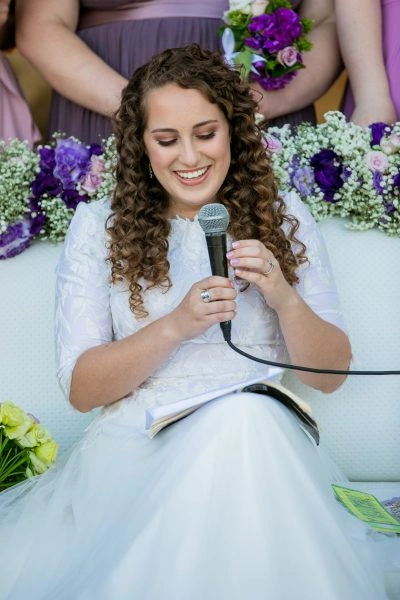
In my Shana bet at Migdal Oz I attended the Hadran siyum hash”as. Witnessing so many women so passionate about their Torah learning and connection to God, I knew I had to begin with the coming cycle. My wedding (June 24) was two weeks before the siyum of mesechet yoma so I went a little ahead and was able to make a speech and siyum at my kiseh kallah on my wedding day!
Givat Shmuel, Israel
I heard the new Daf Yomi cycle was starting and I was curious, so I searched online for a women’s class and was pleasently surprised to find Rabanit Michelle’s great class reviews in many online articles. It has been a splendid journey. It is a way to fill my days with Torah, learning so many amazing things I have never heard before during my Tanach learning at High School. Thanks so much .

Panama, Panama
Bava Metzia 96
רָבָא סָבַר לַהּ כְּרַבִּי יוֹנָתָן וּמְתָרֵץ לִקְרָאֵי כְּרַבִּי יוֹנָתָן, דְּתַנְיָא: ״אִם בְּעָלָיו עִמּוֹ לֹא יְשַׁלֵּם״. מַשְׁמַע דְּאִיתֵיהּ בְּתַרְוַיְיהוּ, וּמַשְׁמַע נָמֵי דְּכִי אִיתֵיהּ בַּחֲדָא וְלֵיתֵיהּ בַּחֲדָא – פָּטוּר.
By contrast, Rava holds in accordance with the opinion of Rabbi Yonatan, and he explains the verses in accordance with the opinion of Rabbi Yonatan, thereby arriving at the conclusion of the baraita, as it is taught in a baraita: “If its owner is with him, he does not pay” teaches about the case in which the owner was working for the borrower at both points in time, and it also teaches about the case in which he was working for him at one of those times but not at the other one; in both cases the borrower is exempt.
וּכְתִיב: ״בְּעָלָיו אֵין עִמּוֹ שַׁלֵּם יְשַׁלֵּם״ – מַשְׁמַע דְּלֵיתֵיהּ בְּתַרְוַיְיהוּ, מַשְׁמַע נָמֵי דְּכִי אִיתֵיהּ בַּחֲדָא וְלֵיתֵיהּ בַּחֲדָא – חַיָּיב.
The Gemara raises an objection: But it is also written: “If its owner is not with him, he shall pay.” The verse teaches about the case in which the owner was not working for the borrower at either point in time, and it also teaches about the case in which he was working for him at one of those times but not at the other one; in both cases the borrower is liable.
לוֹמַר לָךְ: הָיָה עִמּוֹ בִּשְׁעַת שְׁאֵלָה – אֵין צָרִיךְ לִהְיוֹת עִמּוֹ בִּשְׁעַת שְׁבוּרָה וּמֵתָה, הָיָה עִמּוֹ בִּשְׁעַת שְׁבוּרָה וּמֵתָה – צָרִיךְ לִהְיוֹת עִמּוֹ בִּשְׁעַת שְׁאֵלָה.
To reconcile the verses, one must say that the phrase “if its owner is with him” serves to tell you that if the owner was with the borrower, i.e., working for him, at the time of borrowing, then he does not need to be with him at the time when the animal is injured or dies for the exemption from liability to apply; but if he was with him at the time when the animal is injured or dies, he does need to have been with him at the time of borrowing for the exemption to apply.
אֵיפוֹךְ אֲנָא! מִסְתַּבְּרָא שְׁאֵלָה עֲדִיפָא, מִשּׁוּם דְּקָא מַיְיתֵי לַהּ לִרְשׁוּתֵיהּ.
The Gemara raises a difficulty: I could reverse the conclusion and say that the borrower’s exemption from liability is dependent upon the time when the animal was injured or died. The Gemara explains: It is reasonable that the exemption from liability should be dependent on the time of the borrowing because the borrowing is of greater significance, as with it the borrower brings the animal into his domain.
אַדְּרַבָּה, שְׁבוּרָה וּמֵתָה עֲדִיפָא, שֶׁכֵּן חַיָּיב בָּאוֹנָסִין!
The Gemara retorts: On the contrary, the time when the animal is injured or dies is of greater significance, because that point marks when the borrower is actually liable to pay for any accidents that occurred.
אִי לָא שְׁאֵלָה, שְׁבוּרָה וּמֵתָה מַאי עָבֵיד? וְאִי לָאו שְׁבוּרָה וּמֵתָה, שְׁאֵלָה מַאי עָבֵיד? אֲפִילּוּ הָכִי שְׁאֵלָה עֲדִיפָא, שֶׁכֵּן חַיָּיב בִּמְזוֹנוֹתֶיהָ.
The Gemara responds: No, the borrowing is more significant. Were it not for the initial borrowing, what liability could be caused by the fact that the animal is injured or dies? The Gemara argues: But by the same logic, were it not for the fact that the animal is injured or dies, what liability could be caused by the act of borrowing? The Gemara concludes: Even so, the borrowing is of greater significance, as with it the borrower is obligated to provide the animal’s sustenance as long as it is entrusted with him.
רַב אָשֵׁי אָמַר, אָמַר קְרָא: ״וְכִי יִשְׁאַל אִישׁ מֵעִם רֵעֵהוּ״, וְלֹא רֵעֵהוּ עִמּוֹ – ״שַׁלֵּם יְשַׁלֵּם״, הָא רֵעֵהוּ עִמּוֹ – פָּטוּר.
Rav Ashi said that the halakha that the borrower’s exemption from liability is dependent upon the time of the borrowing can be derived from the verse itself: The verse states: “And when a man borrows from another…he shall pay” (Exodus 22:13). The precise formulation of the verse indicates that he borrowed an item from another, but that other person was not with him, i.e., working for him, at the time. It is only in such a case that that verse concludes: “He shall pay.” By inference, when the other person is working with him, the borrower is exempt. Accordingly, it is clear that the critical moment is the time of the borrowing.
אִי הָכִי: ״בְּעָלָיו אֵין עִמּוֹ״, וְ״אִם בְּעָלָיו עִמּוֹ״ לְמָה לִי? אִי לָאו הָנָךְ, הֲוָה אָמֵינָא: הַאי אוֹרְחֵיהּ דִּקְרָא הוּא.
The Gemara asks: If so, why do I need the continuation of that verse: “Its owner is not with him,” and the next verse: “If its owner is with him”? According to Rav Ashi, the circumstances of the borrower’s liability and exemption can be derived from the beginning of the first verse. The Gemara explains: If it were not for these additional clauses, I would say that this phrase “from another” is simply the usual manner of the verse, and is not to be expounded to teach an exemption. Since the continuation of the verse and the next verse teach the actual exemption from liability, and the apparent contradiction between them raises the question of when the critical moment is, it is apparent that the beginning of the verse was written in order to be expounded, as Rav Ashi did.
בָּעֵי רָמֵי בַּר חָמָא שְׁאָלָהּ לְרִבְעָהּ, מַהוּ? כִּדְשָׁיְילִי אִינָשֵׁי בָּעֵינַן וּלְהָכִי לָא שָׁיְילִי אִינָשֵׁי, אוֹ דִלְמָא טַעְמָא מַאי – מִשּׁוּם הֲנָאָה, וְהַאי נָמֵי הָא אִית לֵיהּ הֲנָאָה.
§ Rami bar Ḥama raises a dilemma: If one borrowed an animal in order to engage in bestiality with it, a severe transgression (see Leviticus 18:23), what is the halakha; is the borrower liable for mishaps? The crux of the dilemma is: In order for him to be liable, do we require that the borrowing be for a purpose similar to that for which people typically borrow animals, and since people do not typically borrow animals for this purpose, the borrower is exempt? Or perhaps, what is the reason that a borrower is liable? It is due to the benefit he derives from the animal, and as this borrower, too, has benefit from the animal, he is liable for mishaps.
שְׁאָלָהּ לֵירָאוֹת בָּהּ, מַהוּ? מָמוֹנָא בָּעֵינַן וְהָאִיכָּא, אוֹ דִלְמָא מָמוֹנָא דְּאִית לֵיהּ הֲנָאָה מִינֵּיהּ בָּעֵינַן וְלֵיכָּא?
A similar question: If one borrowed an item, not to use it but to be seen with it, so that people will assume that he is wealthy, what is the halakha? In order for him to be liable, do we require that he borrow an item of monetary worth, and that exists in this case? Or, perhaps we require that he borrow an item of monetary worth from which he also derives tangible benefit, and that does not exist in this case.
שְׁאָלָהּ לַעֲשׂוֹת בָּהּ פָּחוֹת מִפְּרוּטָה, מַהוּ? מָמוֹנָא בָּעֵינַן וְאִיכָּא, אוֹ דִלְמָא כׇּל פָּחוֹת מִפְּרוּטָה – לֹא כְּלוּם הִיא.
Another question: If one borrowed an item to perform work with it that is worth less than the value of one peruta, what is the halakha? Do we require only that he borrow an item of monetary worth, and that exists in this case? Or, perhaps any benefit derived that is worth less than one peruta is nothing, i.e., it is legally considered to be of no monetary worth, and he is therefore exempt.
שָׁאַל שְׁתֵּי פָּרוֹת לַעֲשׂוֹת בָּהֶן פְּרוּטָה, מַהוּ? מִי אָמְרִינַן: זִיל בָּתַר שׁוֹאֵל וּמַשְׁאִיל, וְאִיכָּא? אוֹ דִּלְמָא: זִיל בָּתַר פָּרוֹת וְכֹל חֲדָא וַחֲדָא לֵיכָּא מָמוֹנָא?
Another question: If one borrowed two cows to perform work with them that will be worth the value of one peruta in total, what is the halakha? When appraising the value of the benefit derived, to see if it has monetary worth of one peruta, do we say: Follow the borrower and lender, i.e., appraise how much benefit the borrower received from the lender, and in this case there is benefit of the value of one peruta. Or, perhaps we follow the cows, and in this case, each one of the cows does not provide the borrower with monetary worth of one peruta.
שָׁאַל מִשּׁוּתָּפִין וְנִשְׁאַל לוֹ אֶחָד מֵהֶן, מַהוּ? כּוּלּוֹ בְּעָלָיו בָּעֵינַן – וְהָא לֵיכָּא, אוֹ דִלְמָא מֵהָהוּא פַּלְגָא דִּידֵיהּ מִיהָא מִיפְּטַר?
Another question: If one borrowed an item from two partners, and the services of one of those partners were also borrowed by him, what is the halakha? Does the exemption of borrowing an item together with its owner apply in this case? For the exemption to apply, do we require all of the item’s owners to be working for the borrower, and that does not exist in this case? Or, perhaps there is no such condition, but in any event, the borrower should at least be exempt from liability for that half of the item owned by the partner who is working for him.
שׁוּתָּפִין שֶׁשָּׁאֲלוּ וְנִשְׁאַל לְאֶחָד מֵהֶן, מַהוּ? כּוּלּוֹ שׁוֹאֵל בָּעֵינַן, וְלֵיכָּא? אוֹ דִלְמָא בְּהָהִיא פַּלְגָא דְּשַׁיְילֵיהּ מִיהַת מִיפְּטַר?
Another question: In the case of partners who borrowed an item and its owner’s services were also borrowed by one of them, what is the halakha? For the exemption to apply, do we require that the owner be working for all the borrowers, and that does not exist in this case? Or, perhaps there is no such condition, but in any event, the partner who borrowed only the item should at least be exempt from liability for the half of the animal that the partner, whom the owner worked for, had borrowed.
שָׁאַל מֵהָאִשָּׁה וְנִשְׁאַל בַּעְלָהּ, אִשָּׁה שֶׁשָּׁאֲלָה וְנִשְׁאַל לַבַּעַל, מַהוּ? קִנְיַן פֵּירוֹת כְּקִנְיַן גּוּף דָּמֵי, אוֹ לָא?
Another question: If one borrowed an item from a woman, and the services of her husband were also borrowed by him, or where a woman borrowed an item and its owner’s services were also borrowed by her husband, what is the halakha? A husband has the right to use his wife’s property. These questions are dependent on whether ownership of the right to use an item and the profits it engenders is tantamount to ownership of the item itself or not.
אֲמַר לֵיהּ רָבִינָא לְרַב אָשֵׁי: הָאוֹמֵר לִשְׁלוּחוֹ צֵא וְהִשָּׁאֵל לִי עִם פָּרָתִי, מַהוּ? ״בְּעָלָיו״ מַמָּשׁ בָּעֵינַן וְלֵיכָּא, אוֹ דִלְמָא שְׁלוּחוֹ שֶׁל אָדָם כְּמוֹתוֹ, וְאִיכָּא?
Ravina said to Rav Ashi: In the case of one who says to his agent: Go and lend your services to somebody on my behalf together with lending my cow to that person, what is the halakha? For the exemption to apply, do I require that the cow’s actual owner work for the borrower, and in this case that does not exist? Or perhaps, since the legal status of a person’s agent is like that of himself, it is sufficient if his agent works for the borrower, and accordingly, the necessary conditions exist.
אֲמַר לֵיהּ רַב אַחָא בְּרֵיהּ דְּרַב אַוְיָא לְרַב אָשֵׁי: בַּעַל – פְּלוּגְתָּא דְּרַבִּי יוֹחָנָן וְרֵישׁ לָקִישׁ, שָׁלִיחַ – פְּלוּגְתָּא דְּרַבִּי יוֹנָתָן וְרַבִּי יֹאשִׁיָּה.
Rav Aḥa, son of Rav Avya, said to Rav Ashi: This question concerning a husband is subject to a dispute between Rabbi Yoḥanan and Reish Lakish. And the question concerning an agent is subject to a dispute between Rabbi Yonatan and Rabbi Yoshiya.
בַּעַל – פְּלוּגְתָּא דְּרַבִּי יוֹחָנָן וְרֵישׁ לָקִישׁ. דְּאִיתְּמַר: הַמּוֹכֵר שָׂדֵהוּ לַחֲבֵירוֹ לְפֵירוֹת, רַבִּי יוֹחָנָן אוֹמֵר: מֵבִיא וְקוֹרֵא, רֵישׁ לָקִישׁ אוֹמֵר: מֵבִיא וְאֵינוֹ קוֹרֵא,
The Gemara clarifies: The question concerning a husband is subject to a dispute between Rabbi Yoḥanan and Reish Lakish pertaining to the requirement to bring the first fruits of one’s field to the Temple and recite the accompanying declaration (see Deuteronomy, chapter 26): As it was stated: With regard to one who sells his field to another, not outright but for its produce, Rabbi Yoḥanan says: The buyer brings the first fruits and recites the declaration, whereas Reish Lakish says: The buyer brings the first fruits but does not recite the declaration.
רַבִּי יוֹחָנָן אוֹמֵר מֵבִיא וְקוֹרֵא: קִנְיַן פֵּירוֹת כְּקִנְיַן הַגּוּף דָּמֵי. וְרֵישׁ לָקִישׁ אוֹמֵר מֵבִיא וְאֵינוֹ קוֹרֵא: קִנְיַן פֵּירוֹת לָאו כְּקִנְיַן הַגּוּף דָּמֵי.
The Gemara explains: They disagree about whether it is justifiable for the buyer to recite the declaration, since in that declaration he refers to the land as: “The land which You, the Lord, have given me” (Deuteronomy 26:10), i.e., he states that the land belongs to him. Rabbi Yoḥanan says that the buyer brings the first fruits and recites the declaration, because he holds that ownership of the right to use land and its produce is tantamount to ownership of the land itself. Accordingly, the buyer is considered to be the owner of the land and he may consequently recite the declaration. And Reish Lakish says that the buyer brings the first fruits but does not recite the declaration, because he holds that ownership of the right to use land and its produce is not tantamount to ownership of the land itself. Accordingly, the buyer is not considered to be the owner of the land and is consequently unable to recite the declaration.
שָׁלִיחַ – פְּלוּגְתָּא דְּרַבִּי יוֹנָתָן וְרַבִּי יֹאשִׁיָּה. דְּתַנְיָא: הָאוֹמֵר לְאַפּוֹטְרוֹפּוֹס: כׇּל נְדָרִים שֶׁתְּהֵא אִשְׁתִּי נוֹדֶרֶת מִכָּאן עַד שֶׁאָבֹא מִמָּקוֹם פְּלוֹנִי – הָפֵר לָהּ, וְהֵפֵיר לָהּ, יָכוֹל יְהוּ מוּפָרִין, תַּלְמוּד לוֹמַר: ״אִישָׁהּ יְקִימֶנּוּ וְאִישָׁהּ יְפֵרֶנּוּ״, דִּבְרֵי רַבִּי יֹאשִׁיָּה. רַבִּי יוֹנָתָן אוֹמֵר: מָצִינוּ בְּכׇל מָקוֹם שֶׁשְּׁלוּחוֹ שֶׁל אָדָם כְּמוֹתוֹ.
The Gemara clarifies the second disagreement: The question concerning an agent is subject to a dispute between Rabbi Yonatan and Rabbi Yoshiya, as it is taught in a baraita: If there is one who says to a steward appointed to take care of his household: All vows that my wife will vow from now until I come back from such and such a place, you should nullify them for her in my stead, and the steward annulled them for her, one might have thought that they would be nullified. To dispel this notion, the verse states with regard to a vow taken by a wife: “Her husband sustains it and her husband nullifies it” (Numbers 30:14), which indicates that only her husband is able to do so, and no one else; this is the statement of Rabbi Yoshiya. Rabbi Yonatan says: We have found everywhere in halakha that the legal status of a person’s agent is like that of himself. Since the steward was the agent of the husband, his nullification of the vows is effective.
אֲמַר לֵיהּ רַב עִילִישׁ לְרָבָא: הָאוֹמֵר לְעַבְדּוֹ צֵא וְהִשָּׁאֵל עִם פָּרָתִי, מַהוּ? תִּיבְּעֵי לְמַאן דְּאָמַר שְׁלוּחוֹ שֶׁל אָדָם כְּמוֹתוֹ, תִּיבְּעֵי לְמַאן דְּאָמַר שְׁלוּחוֹ שֶׁל אָדָם אֵינוֹ כְּמוֹתוֹ.
Another question: Rav Ilish said to Rava: In the case of one who says to his Canaanite slave: Go and lend your services to another together with lending my cow to that person, what is the halakha? Let the dilemma be raised according to the one who says that the legal status of a person’s agent is like that of himself, and let the dilemma be raised according to the one who says that the legal status of a person’s agent is not like that of himself.
תִּיבְּעֵי לְמַאן דְּאָמַר שְׁלוּחוֹ שֶׁל אָדָם כְּמוֹתוֹ, הָנֵי מִילֵּי שָׁלִיחַ – דְּבַר מִצְוָה הוּא. אֲבָל עֶבֶד, דְּלָאו בַּר מִצְוָה – לָא. אוֹ דִלְמָא אֲפִילּוּ לְמַאן דְּאָמַר אֵין שְׁלוּחוֹ שֶׁל אָדָם כְּמוֹתוֹ, הָנֵי מִילֵּי שָׁלִיחַ. אֲבָל עֶבֶד, יַד עֶבֶד כְּיַד רַבּוֹ דָּמְיָא.
The Gemara elaborates: Let the dilemma be raised according to the one who says that the legal status of a person’s agent is like that of himself, as follows: Does this matter apply only to an agent, who is obligated in mitzvot, just like the one who appointed him; but for a slave, who is not fully obligated in mitzvot, the principle does not apply? Or perhaps, even according to the one who says that the legal status of a person’s agent is not like that of himself, maybe that matter applies to an agent, who is a free, independent person. But in the case of a slave, since he has no independence from his master, as the possession of a slave is like the possession of his master, i.e., anything that the slave acquires is automatically acquired by his master, perhaps if the slave’s services are borrowed it is the same as if the master himself had been borrowed.
אֲמַר לֵיהּ: מִסְתַּבְּרָא יַד עֶבֶד כְּיַד רַבּוֹ דָּמְיָא.
Rava said to Rav Ilish: It stands to reason that since the possession of a slave is like the possession of his master, then one who borrows both another’s item and the services of his slave is exempt from liability.
בָּעֵי רָמֵי בַּר חָמָא: בַּעַל בְּנִכְסֵי אִשְׁתּוֹ
§ Rami bar Ḥama raises a dilemma: What level of liability does a husband bear with regard to his wife’s usufruct property? This is property belonging to the wife that the husband has the right to use and to enjoy its profits while they are married, but that is returned to her upon termination of the marriage.
שׁוֹאֵל הָוֵי, אוֹ שׂוֹכֵר הָוֵי?
Is he like a borrower or is he like a renter?
אָמַר רָבָא, לְפוּם חוּרְפָּא שַׁבֶּשְׁתָּא – מָה נַפְשָׁךְ, אִי שׁוֹאֵל הָוֵי – שְׁאָלָהּ בִּבְעָלִים הִיא, אִי שׂוֹכֵר הָוֵי – שְׂכִירוּת בִּבְעָלִים הִיא.
Rava said of Rami bar Ḥama: Commensurate to the sharpness of his mind is the extent of his error, as whichever way you look at it, he should be exempt: If he is like a borrower, this is a case of borrowing an item together with the services of the owner, as his wife is obligated to perform household services for him. Alternatively, if he is like a renter, this is a case of renting an item together with the services of the owner, for the same reason. Either way, he should be exempt.
אֶלָּא כִּי קָמִיבַּעְיָא לֵיהּ לְרָמִי בַּר חָמָא: דַּאֲגַר מִינַּהּ פָּרָה וַהֲדַר נַסְבַהּ, שׁוֹאֵל הָוֵי אוֹ שׂוֹכֵר הָוֵי?
The Gemara reinterprets Rami bar Ḥama’s question: Rather, when Rami bar Ḥama raised the dilemma, it was with regard to a case in which one first rented a cow from a woman and subsequently married her. In that case, she was not working for him at the time he began renting the cow, and so the exemption of borrowing an item together with its owner does not apply. Rami bar Ḥama’s question was: What is the halakha once they get married? This is dependent on whether, from that point, he is like a borrower or he is like a renter.
שׁוֹאֵל הָוֵי וְאָתְיָא שְׁאֵלָה בִּבְעָלִים מַפְקְעָא שְׂכִירוּת שֶׁלֹּא בִּבְעָלִים, אוֹ דִלְמָא שׂוֹכֵר הָוֵי וּשְׂכִירוּת כִּדְקָיְימָא קָיְימָא?
The Gemara elaborates: Since the husband initially rented the cow, if he is now like a borrower, then his status has changed, and so the new borrowing of the cow done together with borrowing the services of its owner comes and displaces the initial renting that was done without borrowing the services of the owner. Accordingly, the exemption will apply. Or perhaps even once he is married he is still like a renter, and since his status has not changed, the renting stands as it was, i.e., his current renting of the cow is considered a continuation of the initial renting that began before his wife was obligated to work for him. Consequently, the exemption would not apply.
וּמַאי שְׁנָא: דְּאִי שׁוֹאֵל הָוֵי, דְּאָתֵי שְׁאֵלָה בִּבְעָלִים מַפְקְעָא שְׂכִירוּת שֶׁלֹּא בִּבְעָלִים. אִי שׂוֹכֵר נָמֵי הָוֵי, תֵּיתֵי שְׂכִירוּת בִּבְעָלִים (תַּיפֵּוק) [תַּפְקַע] שְׂכִירוּת שֶׁלֹּא בִּבְעָלִים!
The Gemara questions this logic: But what is different about these possibilities, that you say that only if he is a borrower is it so that the new borrowing of the cow done together with borrowing the services of the owner comes and displaces the initial renting that was done without borrowing the services of the owner? Say the same also if he is now like a renter, and let the new renting of the cow done together with borrowing the services of the owner come and displace the initial renting that was done without borrowing the services of the owner.
אֶלָּא כִּי קָא מִיבַּעְיָא לְרָמֵי בַּר חָמָא: כְּגוֹן דַּאֲגַרָא אִיהִי פָּרָה מֵעָלְמָא, וַהֲדַר נַסְבַהּ,
The Gemara reinterprets his question: Rather, when Rami bar Ḥama raised the dilemma, it was with regard to a case where a woman rented a cow from someone in the world at large, and subsequently another man married her.
וְאַלִּיבָּא דְּרַבָּנַן, דְּאָמְרִי: שׁוֹאֵל מְשַׁלֵּם לַשּׂוֹכֵר, לָא תִּיבְּעֵי לָךְ – דְּוַדַּאי שְׁאֵילָה בִּבְעָלִים הִיא.
The Gemara explains that the relevance of this dilemma is dependent upon a dispute between the Rabbis and Rabbi Yosei concerning a case in which one rents a cow, and then another person borrows it from the renter, and then a mishap occurs to it (see 35a). And according to the opinion of the Rabbis, who say that the borrower pays the renter, do not raise the dilemma, as it is certainly a case of borrowing an item and borrowing or hiring its owner with it. Evidently, the Rabbis hold that for the duration of the rental period the renter is considered to be the owner of the cow. Accordingly, in this case, the woman is considered to be the owner of the cow. Therefore, when the man marries her, he is considered to be borrowing the cow from her at the same time at which she becomes obligated to work for him.
כִּי תִּיבְּעֵי לָךְ, אַלִּיבָּא דְּרַבִּי יוֹסֵי, דְּאָמַר: תַּחְזוֹר פָּרָה לַבְּעָלִים הָרִאשׁוֹנִים, מַאי – שׁוֹאֵל הָוֵי, אוֹ שׂוֹכֵר הָוֵי?
When should you raise the dilemma? Raise it according to the opinion of Rabbi Yosei, who says that the value of the cow must be returned to its original owner. Rabbi Yosei holds that the renter is not considered to be the owner of the cow, and therefore this is not a case of borrowing an item together with borrowing or renting the services of its owner. Therefore, Rami bar Ḥama asks what level of liability the husband bears; is he like a borrower or is he like a renter?
אָמַר רָבָא: בַּעַל לָא שׁוֹאֵל הָוֵי וְלָא שׂוֹכֵר הָוֵי, אֶלָּא לוֹקֵחַ הָוֵי – מִדְּרַבִּי יוֹסֵי בְּרַבִּי חֲנִינָא. דְּאָמַר רַבִּי יוֹסֵי בְּרַבִּי חֲנִינָא: בְּאוּשָׁא הִתְקִינוּ: הָאִשָּׁה שֶׁמָּכְרָה בְּנִכְסֵי מְלוֹג בְּחַיֵּי בַּעְלָהּ, וָמֵתָה – הַבַּעַל מוֹצִיא מִיַּד הַלָּקוֹחוֹת.
Rava said: A husband is not like a borrower nor is he like a renter. Rather, he is considered to be like a buyer of his wife’s property, as can be inferred from the statement of Rabbi Yosei, son of Rabbi Ḥanina, as Rabbi Yosei, son of Rabbi Ḥanina, said: In Usha the Sages instituted: In the case of a woman who sold her usufruct property during her husband’s lifetime and then died, the husband can appropriate the property from the buyers, provided he compensates them for their loss of the purchase. Evidently, the wife’s property is considered to be owned by the husband.
בָּעֵי רָמֵי בַּר חָמָא: בַּעַל בְּנִכְסֵי אִשְׁתּוֹ, מִי מָעַל?
§ Rami bar Ḥama raises a dilemma: When a husband acquires the rights to his wife’s usufruct property that includes consecrated property, acquiring property from the Temple in this way is considered misuse of consecrated property. In such a case, who is liable for having misused consecrated property?
אָמַר רָבָא: מַאן לִימְעוֹל? לִימְעוֹל בַּעַל, דְּהֶיתֵּרָא נִיחָא לֵיהּ דְּלִיקְנֵי, אִיסּוּרָא לָא נִיחָא לֵיהּ דְּלִיקְנֵי.
Rava said: Who could be considered to have misused consecrated property? Should the husband be considered to have misused consecrated property? Certainly not, as while it is satisfactory for him to acquire non-sacred items of his wife’s property, which are permitted for him to use, it is not satisfactory for him to acquire consecrated property, which it is prohibited for him to use. Since he does not wish to acquire these items, he cannot be held liable for removing them from the possession of the Temple.
תִּימְעוֹל אִיהִי, דְּהֶיתֵּרָא נָמֵי לָא נִיחָא לַהּ דְּלִיקְנֵי.
Should she be considered to have misused consecrated property? Certainly not, as also with regard to non-sacred items, which are permitted for use, it is not satisfactory to her that her husband acquire them. Nevertheless, by virtue of the rabbinic ordinance, he does. Evidently, her husband’s acquisition is not affected by her wishes, and therefore she cannot be held liable for it.
נִימְעֲלוּ בֵּית דִּין, כִּי עֲבַדוּ רַבָּנַן תַּקַּנְתָּא וַאֲמַרוּ: בַּעַל לוֹקֵחַ הָוֵי – לְהֶיתֵּרָא, לְאִיסּוּרָא לָא עֲבֻיד רַבָּנַן תַּקַּנְתָּא.
Should the court be considered to have misused consecrated property, as it is their ordinance that granted the husband ownership? Certainly not, because when the Sages instituted the ordinance, and they said that a husband is considered to be like a buyer of his wife’s property, that was only with regard to non-sacred items, which are permitted for him to use. But with regard to consecrated property, which it is prohibited for him to use, the Sages did not institute the ordinance.
אֶלָּא אָמַר רָבָא: בַּעַל מָעַל לִכְשֶׁיּוֹצִיא, מִידֵּי דְּהָוֵה אַמּוֹצִיא מְעוֹת הֶקְדֵּשׁ לְחוּלִּין.
Rather, Rava said: The husband is liable for having misused consecrated property only when he actually takes and spends the money for himself, just as it is in the case of one who mistakenly spends consecrated coins for a non-sacred purpose.
אִיבַּעְיָא לְהוּ: כָּחַשׁ בָּשָׂר מֵחֲמַת מְלָאכָה, מַאי?
§ A dilemma was raised before the Sages: If the flesh of a borrowed animal was weakened due to the labor it performed for the borrower, what is the halakha? Is the borrower liable to compensate the owner of the animal?
אֲמַר לֵיהּ הָהוּא מֵרַבָּנַן וְרַב חִלְקִיָּה בְּרֵיהּ דְּרַב אַוְיָא שְׁמֵיהּ: מִכְּלָל דְּכִי מֵתָה מֵחֲמַת מְלָאכָה מְחַיֵּיב? נֵימָא: לָאו לְאוֹקֹמַהּ בְּכִילְּתָא שְׁאֵילְתַהּ!
One of the Sages, and Rav Ḥilkiya, son of Rav Avya, is his name, said to the Sage who raised the dilemma: By inference from your question, it seems that when a borrowed animal died due to ordinary labor that it performed, the borrower is liable. Why should that be? Let the borrower say: It was understood by you that I did not borrow it just to stow it in a canopy but to use it; therefore, if it died while I was using it, I should not be liable.
אֶלָּא אָמַר רָבָא: לָא מִיבַּעְיָא כָּחַשׁ בָּשָׂר מֵחֲמַת מְלָאכָה דְּפָטוּר, אֶלָּא אֲפִילּוּ מֵתָה מֵחֲמַת מְלָאכָה נָמֵי פָּטוּר. דַּאֲמַר לֵיהּ: לָאו לְאוֹקֹמַהּ בְּכִילְּתָא שְׁאֵילְתַהּ.
Rather, Rava said: It is not necessary to say that if its flesh was weakened due to ordinary labor that the borrower is exempt from liability. Rather, even if the animal died due to ordinary labor, he is also exempt, as the borrower can say to the owner: It is self-understood that I did not borrow it just to stow it in a canopy, but rather in order to use it.
הָהוּא גַּבְרָא דִּשְׁאֵיל נַרְגָּא מֵחַבְרֵיהּ, אִיתְּבַר. אֲתָא לְקַמֵּיהּ דְּרָבָא, אֲמַר לֵיהּ: זִיל אַיְיתִי סָהֲדִי דְּלָאו שַׁנֵּית בֵּיהּ, וְאִיפְּטַר.
The Gemara relates: A certain man borrowed an ax from another and it broke. The borrower came before Rava for judgment, who said to him: Go, bring witnesses that you did not deviate from its regular use, and you will be exempt from liability, as this is comparable to a case of a borrowed animal that died due to ordinary labor.
וְאִי לֵיכָּא סָהֲדִי מַאי? תָּא שְׁמַע: דְּהָהוּא גַּבְרָא דִּשְׁאֵיל נַרְגָּא מֵחַבְרֵיהּ וְאִיתְּבַר, אֲתָא לְקַמֵּיהּ דְּרַב, אֲמַר לֵיהּ: זִיל שַׁלֵּים לֵיהּ נַרְגָּא מְעַלְּיָא.
The Gemara asks: And if there are no witnesses, what is the halakha? The Gemara provides a precedent: Come and hear a similar case: There was an incident in which a certain man borrowed an ax from another and it broke. The borrower came before Rav for judgment, who said to him: Go and pay him the entire value of a proper ax.
אֲמַרוּ לֵיהּ רַב כָּהֲנָא וְרַב אַסִּי לְרַב:
Rav Kahana and Rav Asi said to Rav:

