Search

Chagigah 2

Want to dedicate learning? Get started here:

English
עברית
podcast placeholder

0:00
0:00


podcast placeholder

0:00
0:00


Summary

Masechet Chagigah is sponsored in honor of Debra Rappaport Rosen by her family on the occasion of her finishing Shas at the end of this Masechet. “We are in awe at her incredible achievement of finishing all of Shas! Her seven-plus years of dedication and focus set a remarkable example and serve as a bold inspiration to our family and to Jewish women around the world. Our dear grandmothers–Pearl Modlin, Francine Friedland, Golda Rappaport, Tova Rosen, and Roslyn Brickman–are looking down at you with immense pride. May you continue to go from Chayil to Chayil! All our love, Michael, Eytan, Danya, Azriel, and Amalya Rosen; Michael Rappaport; Wendy Gordon; and Rena and Mordecai Rosen.”

Today’s daf is sponsored by Margalit Frydman on behalf of her parents and parents-in-law.

Today’s daf is sponsored by Sarah Galasko for the refuah shleima of Pesel Bayla bas Gitel. 

Who is obligated in the mitzva of aliya la’regel and who is exempt? A minor is excluded – who is considered a minor for this purpose? Beit Shamai and Beit Hillel debate this as well as what is the minimum amount of money required for the burnt offering for the holiday and for the chagigah offerings. The Mishna first states that all are obligated and then lists the exceptions to the rule. What does the word “all” come to include? Several answers are suggested and the Gemara raises difficulties with each option and then reinstates the first answer brought, that it is coming to include a Canaanite slave who is half slave/half free (he was owned by two owners and one freed him and the other did not). Another one who is exempt is someone who is deaf. Is it referring to someone who can’t hear and can’t speak or does the exemption also apply to one who either can’t hear, but can speak or can’t speak, but can hear?

Today’s daily daf tools:

Chagigah 2

הַכֹּל חַיָּיבִין בִּרְאִיָּיה, חוּץ מֵחֵרֵשׁ שׁוֹטֶה וְקָטָן, וְטוּמְטוּם וְאַנְדְּרוֹגִינוֹס, וְנָשִׁים, וַעֲבָדִים שֶׁאֵינָם מְשׁוּחְרָרִים, הַחִיגֵּר וְהַסּוֹמֵא, וְהַחוֹלֶה וְהַזָּקֵן, וּמִי שֶׁאֵינוֹ יָכוֹל לַעֲלוֹת בְּרַגְלָיו.

MISHNA: All are obligated on the three pilgrim Festivals in the mitzva of appearance, i.e., to appear in the Temple as well as to sacrifice an offering, except for a deaf-mute, an imbecile, and a minor; and a tumtum, and a hermaphrodite, and women, and slaves who are not emancipated; and the lame, and the blind, and the sick, and the old, and one who is unable to ascend to Jerusalem on his own legs.

אֵיזֶהוּ קָטָן — כֹּל שֶׁאֵינוֹ יָכוֹל לִרְכּוֹב עַל כְּתֵפָיו שֶׁל אָבִיו וְלַעֲלוֹת מִירוּשָׁלַיִם לְהַר הַבַּיִת, דִּבְרֵי בֵּית שַׁמַּאי. וּבֵית הִלֵּל אוֹמְרִים: כֹּל שֶׁאֵינוֹ יָכוֹל לֶאֱחוֹז בְּיָדוֹ שֶׁל אָבִיו וְלַעֲלוֹת מִירוּשָׁלַיִם לְהַר הַבַּיִת, שֶׁנֶּאֱמַר: ״שָׁלֹשׁ רְגָלִים״.

Who has the status of a minor with regard to this halakha? Any child who is unable to ride on his father’s shoulders and ascend from Jerusalem to the Temple Mount; this is the statement of Beit Shammai. And Beit Hillel say: Any child who is unable to hold his father’s hand and ascend on foot from Jerusalem to the Temple Mount, as it is stated: “Three times [regalim]” (Exodus 23:14). Since the term for feet is raglayim, Beit Hillel infer from here that the obligation to ascend involves the use of one’s legs.

בֵּית שַׁמַּאי אוֹמְרִים: הָרְאִיָּיה — שְׁתֵּי כֶסֶף, וְהַחֲגִיגָה — מָעָה כֶּסֶף. וּבֵית הִלֵּל אוֹמְרִים: הָרְאִיָּיה מָעָה כֶּסֶף, וְהַחֲגִיגָה שְׁתֵּי כֶסֶף.

Beit Shammai say: The burnt-offering of appearance brought on a pilgrim Festival must be worth at least two silver coins, and the Festival peace-offering must be worth at least one silver ma’a coin. And Beit Hillel say: The burnt-offering of appearance must be worth at least one silver ma’a and the Festival peace-offering at least two silver coins.

גְּמָ׳ ״הַכֹּל״ לְאֵתוֹיֵי מַאי? לְאֵתוֹיֵי מִי שֶׁחֶצְיוֹ עֶבֶד וְחֶצְיוֹ בֶּן חוֹרִין. וּלְרָבִינָא דְּאָמַר מִי שֶׁחֶצְיוֹ עֶבֶד וְחֶצְיוֹ בֶּן חוֹרִין פָּטוּר מִן הָרְאִיָּיה, ״הַכֹּל״ לְאֵתוֹיֵי מַאי? לְאֵתוֹיֵי חִיגֵּר בְּיוֹם רִאשׁוֹן וְנִתְפַּשֵּׁט בְּיוֹם שֵׁנִי.

GEMARA: The Gemara asks: When the mishna states that all are obligated in the mitzva of appearance in the Temple, the term: All, comes to add what in the mishna’s ruling? The Gemara answers: It serves to add one who is half-slave half-freeman. The Gemara asks: And according to the opinion of Ravina, who said: One who is half-slave half-freeman is exempt from the appearance in the Temple, the term: All, comes to add what? The Gemara answers: It comes to add one who was lame on the first day of the Festival and was unable to travel, and was healed on the second day of the Festival. This man is obligated to appear before the end of the Festival.

הָנִיחָא לְמַאן דְּאָמַר כּוּלָּן תַּשְׁלוּמִין זֶה לָזֶה. אֶלָּא לְמַאן דְּאָמַר כּוּלָּן תַּשְׁלוּמִין דְּרִאשׁוֹן, ״הַכֹּל״ לְאֵתוֹיֵי מַאי? לְאֵתוֹיֵי סוֹמֵא בְּאַחַת מֵעֵינָיו.

The Gemara asks: This works out well according to the one who said that all seven days of the Festival redress one another, i.e., the obligation to appear applies equally on all days of the Festival. Consequently, one who was unable to travel on the first day may do so on the second day. However, according to the one who said that the main obligation is on the first day and all the remaining days merely redress the first day, and therefore one who was exempt from appearing on the first day of the Festival remains exempt throughout the rest of the Festival, the term: All, comes to add what? The Gemara answers: It comes to add one who is blind in one of his eyes.

וּדְלָא כִּי הַאי תַּנָּא, דְּתַנְיָא: יוֹחָנָן בֶּן דַּהֲבַאי אוֹמֵר מִשּׁוּם רַבִּי יְהוּדָה: סוֹמֵא בְּאַחַת מֵעֵינָיו פָּטוּר מִן הָרְאִיָּיה, שֶׁנֶּאֱמַר: ״יִרְאֶה״, ״יֵרָאֶה״ — כְּדֶרֶךְ שֶׁבָּא לִרְאוֹת כָּךְ בָּא לֵירָאוֹת. מָה לִרְאוֹת בִּשְׁתֵּי עֵינָיו, אַף לֵירָאוֹת בִּשְׁתֵּי עֵינָיו.

The Gemara notes: And this is not in accordance with the opinion of this tanna, as it is taught in a baraita that Yoḥanan ben Dehavai says in the name of Rabbi Yehuda: One who is blind in one of his eyes is exempt from the mitzva of appearance, as it is stated: “Three occasions in the year all your males will appear [yera’e] before the Lord God” (Exodus 23:17). Since there are no vowels in the text, this can be read as: All your males will see [yireh] the Lord God. This teaches that in the same manner that one comes to see, so he comes to be seen: Just as the usual way to see is with both one’s eyes, so too the obligation to be seen applies only to one who comes with the sight of both his eyes. Therefore, one who is blind in one eye is not obligated in the mitzva of appearance in the Temple.

וְאִיבָּעֵית אֵימָא: לְעוֹלָם כִּדְאָמְרִי מֵעִיקָּרָא, וּדְקָא קַשְׁיָא לָךְ הָא דְּרָבִינָא — לָא קַשְׁיָא: כָּאן כְּמִשְׁנָה רִאשׁוֹנָה, כָּאן כְּמִשְׁנָה אַחֲרוֹנָה. דִּתְנַן: מִי שֶׁחֶצְיוֹ עֶבֶד וְחֶצְיוֹ בֶּן חוֹרִין — עוֹבֵד אֶת רַבּוֹ יוֹם אֶחָד וְאֶת עַצְמוֹ יוֹם אֶחָד, דִּבְרֵי בֵּית הִלֵּל.

And if you wish, say instead: Actually, it is as we said initially, that it comes to include one who is half-slave and half-freeman. And as for that which poses a difficulty to the opinion of Ravina, it is not difficult: Here it is in accordance with the initial version of the mishna, whereas there, Ravina’s statement, is in accordance with the ultimate version of the mishna. As we learned in a mishna (Pesaḥim 88a): One who is half-slave half-freeman serves his master one day and works for himself one day. This is the statement of Beit Hillel.

אָמְרוּ לָהֶם בֵּית שַׁמַּאי:

Beit Shammai said to them:

תִּקַּנְתֶּם אֶת רַבּוֹ, וְאֶת עַצְמוֹ לֹא תִּקַּנְתֶּם. לִישָּׂא שִׁפְחָה אֵינוֹ יָכוֹל, בַּת חוֹרִין אֵינוֹ יָכוֹל.

You have remedied the situation of his master, who benefits fully from all his rights to the slave, but his own situation you have not remedied. How so? He is unable to marry a maidservant, as half of him is already free, and a free Jew may not marry a Canaanite maidservant. He is likewise unable to marry a free woman, as half of him is still a slave.

לִיבְטֵּיל — וַהֲלֹא לֹא נִבְרָא הָעוֹלָם אֶלָּא לִפְרִיָּה וּרְבִיָּה, שֶׁנֶּאֱמַר: ״לֹא תֹהוּ בְרָאָהּ לָשֶׁבֶת יְצָרָהּ״. אֶלָּא מִפְּנֵי תִּיקּוּן הָעוֹלָם, כּוֹפִין אֶת רַבּוֹ וְעוֹשֶׂה אוֹתוֹ בֶּן חוֹרִין, וְכוֹתֵב לוֹ שְׁטָר עַל חֲצִי דָּמָיו. וְחָזְרוּ בֵּית הִלֵּל לְהוֹרוֹת כְּדִבְרֵי בֵּית שַׁמַּאי.

And if you say he should be idle and not marry, but isn’t it true that the world was created only for procreation, as it is stated: “He did not create it to be a waste; He formed it to be inhabited” (Isaiah 45:18)? Rather, for the betterment of the world we force his master to make him a freeman, and the slave writes a bill to his master accepting his responsibility to pay half his value to him. And Beit Hillel ultimately retracted their opinion, to rule in accordance with the statement of Beit Shammai that a half-slave must be set free.

חוּץ מֵחֵרֵשׁ שׁוֹטֶה וְקָטָן כּוּ׳. קָתָנֵי חֵרֵשׁ דּוּמְיָא דְּשׁוֹטֶה וְקָטָן: מָה שׁוֹטֶה וְקָטָן — דְּלָאו בְּנֵי דֵעָה, אַף חֵרֵשׁ — דְּלָאו בַּר דֵּעָה הוּא. וְקָא מַשְׁמַע לַן כְּדִתְנַן: חֵרֵשׁ שֶׁדִּיבְּרוּ חֲכָמִים בְּכׇל מָקוֹם, שֶׁאֵינוֹ שׁוֹמֵעַ וְאֵינוֹ מְדַבֵּר. הָא מְדַבֵּר וְאֵינוֹ שׁוֹמֵעַ, שׁוֹמֵעַ וְאֵינוֹ מְדַבֵּר — חַיָּיב.

§ The mishna taught: Except for a deaf-mute, an imbecile, and a minor. The Gemara notes: By listing these three cases together the mishna is teaching that a deaf-mute is similar to an imbecile and a minor: Just as an imbecile and a minor are among those who are not of sound mind, so too the deaf-mute [ḥeresh] mentioned here is one who is not of sound mind. And this teaches us as we learned in a mishna (Terumot 1:2): The ḥeresh, whom the Sages discussed everywhere, is one who does not hear and does not speak, and therefore his mind is not lucid. It can be inferred from this that one who speaks but does not hear and one who hears but does not speak are obligated in mitzvot like any other person.

תְּנֵינָא לְהָא, דְּתָנוּ רַבָּנַן: הַמְדַבֵּר וְאֵינוֹ שׁוֹמֵעַ — זֶהוּ חֵרֵשׁ, שׁוֹמֵעַ וְאֵינוֹ מְדַבֵּר — זֶהוּ אִלֵּם, זֶה וָזֶה — הֲרֵי הֵן כְּפִקְחִין לְכׇל דִּבְרֵיהֶם.

The Gemara notes: We already learned this, as the Sages taught in the Tosefta (Terumot 1:2): One who speaks but does not hear, this is a deaf person. One who hears but does not speak, this is a mute. Both this one and that one are in the same legal category as those who can see and hear with regard to all matters. This shows that the ḥeresh exempted by the Sages is one who neither hears nor speaks.

וּמִמַּאי דִּמְדַבֵּר וְאֵינוֹ שׁוֹמֵעַ זֶהוּ חֵרֵשׁ, שׁוֹמֵעַ וְאֵינוֹ מְדַבֵּר זֶהוּ אִלֵּם? דִּכְתִיב: ״וַאֲנִי כְחֵרֵשׁ לֹא אֶשְׁמָע וּכְאִלֵּם לֹא יִפְתַּח פִּיו״. וְאִיבָּעֵית אֵימָא, כִּדְאָמְרִי אִינָשֵׁי: אִישְׁתְּקִיל מִילּוּלֵיהּ.

The Gemara asks: And from where is it derived that one who speaks but does not hear is a deaf person, and one who hears but does not speak is a mute? As it is written: “But I am as a deaf man, I hear not; and I am as a dumb man [illem] who does not open his mouth” (Psalms 38:14). If you wish, say instead that this is as people say: His speech has been taken [Ishtakeil Milulei]; the term illem is an acronym for this phrase.

מְדַבֵּר וְאֵינוֹ שׁוֹמֵעַ, שׁוֹמֵעַ וְאֵינוֹ מְדַבֵּר — חַיָּיב. וְהָתַנְיָא: מְדַבֵּר וְאֵינוֹ שׁוֹמֵעַ, שׁוֹמֵעַ וְאֵינוֹ מְדַבֵּר — פָּטוּר!

The Tosefta taught that one who speaks but does not hear and one who hears but does not speak are obligated in mitzvot. The Gemara asks: Isn’t it taught in a baraita that one who speaks but does not hear and one who hears but does not speak are exempt?

אָמַר רָבִינָא, וְאִיתֵּימָא רָבָא: חַסּוֹרֵי מִיחַסְּרָא וְהָכִי קָתָנֵי: הַכֹּל חַיָּיבִין בִּרְאִיָּיה וּבְשִׂמְחָה, חוּץ מֵחֵרֵשׁ הַמְדַבֵּר וְאֵינוֹ שׁוֹמֵעַ, שׁוֹמֵעַ וְאֵינוֹ מְדַבֵּר, שֶׁפָּטוּר מִן הָרְאִיָּיה. וְאַף עַל פִּי שֶׁפָּטוּר מִן הָרְאִיָּיה, חַיָּיב בְּשִׂמְחָה. וְאֶת שֶׁאֵינוֹ לֹא שׁוֹמֵעַ וְלֹא מְדַבֵּר, וְשׁוֹטֶה וְקָטָן — פָּטוּר אַף מִן הַשִּׂמְחָה, הוֹאִיל וּפְטוּרִים מִכׇּל מִצְוֹת הָאֲמוּרוֹת בַּתּוֹרָה.

Ravina said, and some say it was Rava who said: The mishna is incomplete and is teaching the following: All are obligated in the mitzvot of appearance in the Temple and rejoicing during the pilgrim Festival by eating the sacrificial meat, except for a deaf person who speaks but does not hear and a mute person who hears but does not speak, each of whom is exempt from the mitzva of appearance. And even though he is exempt from the mitzva of appearance, he is obligated in the mitzva of rejoicing. But one who does not hear and does not speak, and an imbecile and a minor, each of these is exempt even from rejoicing, since they are exempt from all the mitzvot mentioned in the Torah, as they are not of sound mind.

תַּנְיָא נָמֵי הָכִי: הַכֹּל חַיָּיבִין בִּרְאִיָּיה וּבְשִׂמְחָה, חוּץ מֵחֵרֵשׁ הַמְדַבֵּר וְאֵינוֹ שׁוֹמֵעַ, שׁוֹמֵעַ וְאֵינוֹ מְדַבֵּר, שֶׁפְּטוּרִין מִן הָרְאִיָּיה. וְאַף עַל פִּי שֶׁפָּטוּר מִן הָרְאִיָּיה —

That opinion is also taught in a baraita: All are obligated in the mitzva of appearance and in rejoicing, except for a deaf person who speaks but does not hear and one who hears but does not speak, as they are exempt from the mitzva of appearance. And even though they are exempt from the mitzva of appearance,

Today’s daily daf tools:

Delve Deeper

Broaden your understanding of the topics on this daf with classes and podcasts from top women Talmud scholars.

For the Beyond the Daf shiurim offered in Hebrew, see here.

New to Talmud?

Check out our resources designed to help you navigate a page of Talmud – and study at the pace, level and style that fits you. 

The Hadran Women’s Tapestry

Meet the diverse women learning Gemara at Hadran and hear their stories. 

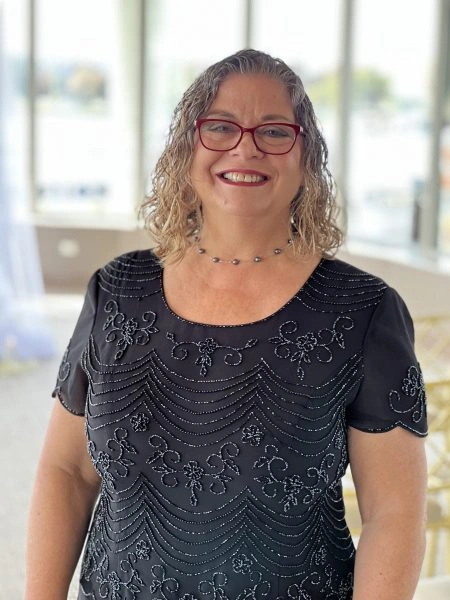
In July, 2012 I wrote for Tablet about the first all women’s siyum at Matan in Jerusalem, with 100 women. At the time, I thought, I would like to start with the next cycle – listening to a podcast at different times of day makes it possible. It is incredible that after 10 years, so many women are so engaged!

Beth Kissileff
Beth Kissileff

Pittsburgh, United States

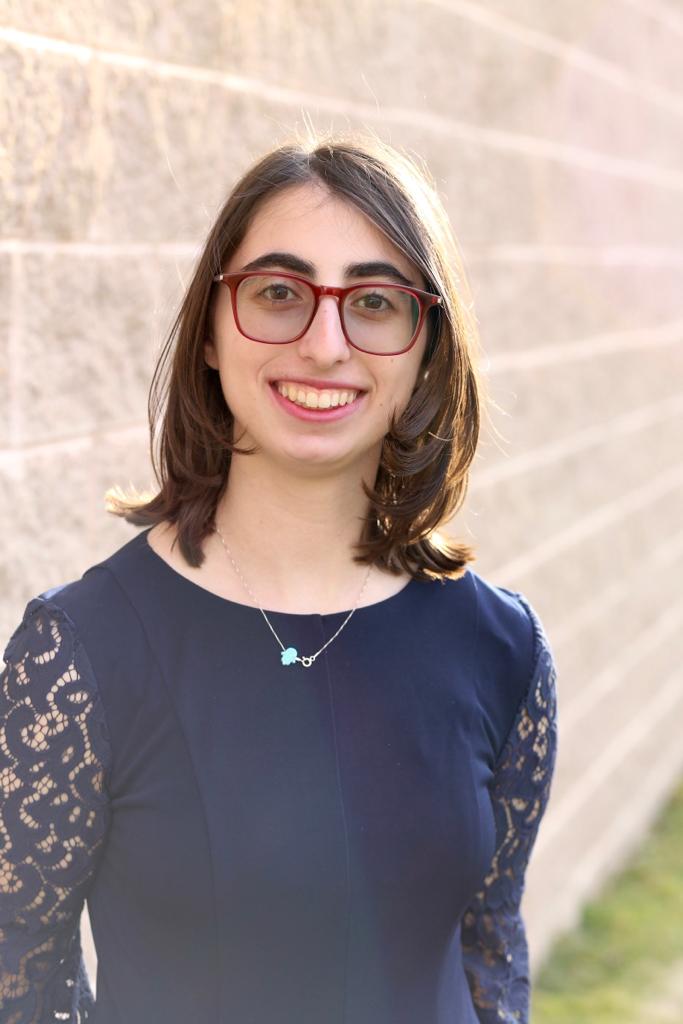
I heard about the syium in January 2020 & I was excited to start learning then the pandemic started. Learning Daf became something to focus on but also something stressful. As the world changed around me & my family I had to adjust my expectations for myself & the world. Daf Yomi & the Hadran podcast has been something I look forward to every day. It gives me a moment of centering & Judaism daily.

Talia Haykin
Talia Haykin

Denver, United States

תמיד רציתי. למדתי גמרא בבית ספר בטורונטו קנדה. עליתי ארצה ולמדתי שזה לא מקובל. הופתעתי.
יצאתי לגימלאות לפני שנתיים וזה מאפשר את המחוייבות לדף יומי.
עבורי ההתמדה בלימוד מעגן אותי בקשר שלי ליהדות. אני תמיד מחפשת ותמיד. מוצאת מקור לקשר. ללימוד חדש ומחדש. קשר עם נשים לומדות מעמיק את החוויה ומשמעותית מאוד.

Vitti Kones
Vitti Kones

מיתר, ישראל

When I began the previous cycle, I promised myself that if I stuck with it, I would reward myself with a trip to Israel. Little did I know that the trip would involve attending the first ever women’s siyum and being inspired by so many learners. I am now over 2 years into my second cycle and being part of this large, diverse, fascinating learning family has enhanced my learning exponentially.

Shira Krebs
Shira Krebs

Minnesota, United States

When the new cycle began, I thought, If not now, when? I’d just turned 72. I feel like a tourist on a tour bus passing astonishing scenery each day. Rabbanit Michelle is my beloved tour guide. When the cycle ends, I’ll be 80. I pray that I’ll have strength and mind to continue the journey to glimpse a little more. My grandchildren think having a daf-learning savta is cool!

Wendy Dickstein
Wendy Dickstein

Jerusalem, Israel

The start of my journey is not so exceptional. I was between jobs and wanted to be sure to get out every day (this was before corona). Well, I was hooked after about a month and from then on only looked for work-from-home jobs so I could continue learning the Daf. Daf has been a constant in my life, though hurricanes, death, illness/injury, weddings. My new friends are Rav, Shmuel, Ruth, Joanna.
Judi Felber
Judi Felber

Raanana, Israel

I had no formal learning in Talmud until I began my studies in the Joint Program where in 1976 I was one of the few, if not the only, woman talmud major. It was superior training for law school and enabled me to approach my legal studies with a foundation . In 2018, I began daf yomi listening to Rabbanit MIchelle’s pod cast and my daily talmud studies are one of the highlights of my life.

Krivosha_Terri_Bio
Terri Krivosha

Minneapolis, United States

As Jewish educator and as a woman, I’m mindful that Talmud has been kept from women for many centuries. Now that we are privileged to learn, and learning is so accessible, it’s my intent to complete Daf Yomi. I am so excited to keep learning with my Hadran community.

Sue Parker Gerson
Sue Parker Gerson

Denver, United States

I am grateful for the structure of the Daf Yomi. When I am freer to learn to my heart’s content, I learn other passages in addition. But even in times of difficulty, I always know that I can rely on the structure and social support of Daf Yomi learners all over the world.

I am also grateful for this forum. It is very helpful to learn with a group of enthusiastic and committed women.

Janice Block-2
Janice Block

Beit Shemesh, Israel

I started learning at the beginning of this cycle more than 2 years ago, and I have not missed a day or a daf. It’s been challenging and enlightening and even mind-numbing at times, but the learning and the shared experience have all been worth it. If you are open to it, there’s no telling what might come into your life.

Patti Evans
Patti Evans

Phoenix, Arizona, United States

I started last year after completing the Pesach Sugiyot class. Masechet Yoma might seem like a difficult set of topics, but for me made Yom Kippur and the Beit HaMikdash come alive. Liturgy I’d always had trouble connecting with took on new meaning as I gained a sense of real people moving through specific spaces in particular ways. It was the perfect introduction; I am so grateful for Hadran!

Debbie Engelen-Eigles

Minnesota, United States

The first month I learned Daf Yomi by myself in secret, because I wasn’t sure how my husband would react, but after the siyyum on Masechet Brachot I discovered Hadran and now sometimes my husband listens to the daf with me. He and I also learn mishnayot together and are constantly finding connections between the different masechtot.

Laura Warshawsky
Laura Warshawsky

Silver Spring, Maryland, United States

A Gemara shiur previous to the Hadran Siyum, was the impetus to attend it.It was highly inspirational and I was smitten. The message for me was התלמוד בידינו. I had decided along with my Chahsmonaim group to to do the daf and take it one daf at time- without any expectations at all. There has been a wealth of information, insights and halachik ideas. It is truly exercise of the mind, heart & Soul

Phyllis Hecht.jpeg
Phyllis Hecht

Hashmonaim, Israel

I started learning with rabbis. I needed to know more than the stories. My first teacher to show me “the way of the Talmud” as well as the stories was Samara Schwartz.
Michelle Farber started the new cycle 2 yrs ago and I jumped on for the ride.
I do not look back.

Jenifer Nech
Jenifer Nech

Houston, United States

Michelle has been an inspiration for years, but I only really started this cycle after the moving and uplifting siyum in Jerusalem. It’s been an wonderful to learn and relearn the tenets of our religion and to understand how the extraordinary efforts of a band of people to preserve Judaism after the fall of the beit hamikdash is still bearing fruits today. I’m proud to be part of the chain!

Judith Weil
Judith Weil

Raanana, Israel

I began my journey two years ago at the beginning of this cycle of the daf yomi. It has been an incredible, challenging experience and has given me a new perspective of Torah Sh’baal Peh and the role it plays in our lives

linda kalish-marcus
linda kalish-marcus

Efrat, Israel

See video

Susan Fisher
Susan Fisher

Raanana, Israel

I learned daf more off than on 40 years ago. At the beginning of the current cycle, I decided to commit to learning daf regularly. Having Rabanit Michelle available as a learning partner has been amazing. Sometimes I learn with Hadran, sometimes with my husband, and sometimes on my own. It’s been fun to be part of an extended learning community.

Miriam Pollack
Miriam Pollack

Honolulu, Hawaii, United States

I started learning at the beginning of this Daf Yomi cycle because I heard a lot about the previous cycle coming to an end and thought it would be a good thing to start doing. My husband had already bought several of the Koren Talmud Bavli books and they were just sitting on the shelf, not being used, so here was an opportunity to start using them and find out exactly what was in them. Loving it!

Caroline Levison
Caroline Levison

Borehamwood, United Kingdom

I was inspired to start learning after attending the 2020 siyum in Binyanei Hauma. It has been a great experience for me. It’s amazing to see the origins of stories I’ve heard and rituals I’ve participated in my whole life. Even when I don’t understand the daf itself, I believe that the commitment to learning every day is valuable and has multiple benefits. And there will be another daf tomorrow!

Khaya Eisenberg
Khaya Eisenberg

Jerusalem, Israel

Chagigah 2

הַכֹּל חַיָּיבִין בִּרְאִיָּיה, חוּץ מֵחֵרֵשׁ שׁוֹטֶה וְקָטָן, וְטוּמְטוּם וְאַנְדְּרוֹגִינוֹס, וְנָשִׁים, וַעֲבָדִים שֶׁאֵינָם מְשׁוּחְרָרִים, הַחִיגֵּר וְהַסּוֹמֵא, וְהַחוֹלֶה וְהַזָּקֵן, וּמִי שֶׁאֵינוֹ יָכוֹל לַעֲלוֹת בְּרַגְלָיו.

MISHNA: All are obligated on the three pilgrim Festivals in the mitzva of appearance, i.e., to appear in the Temple as well as to sacrifice an offering, except for a deaf-mute, an imbecile, and a minor; and a tumtum, and a hermaphrodite, and women, and slaves who are not emancipated; and the lame, and the blind, and the sick, and the old, and one who is unable to ascend to Jerusalem on his own legs.

אֵיזֶהוּ קָטָן — כֹּל שֶׁאֵינוֹ יָכוֹל לִרְכּוֹב עַל כְּתֵפָיו שֶׁל אָבִיו וְלַעֲלוֹת מִירוּשָׁלַיִם לְהַר הַבַּיִת, דִּבְרֵי בֵּית שַׁמַּאי. וּבֵית הִלֵּל אוֹמְרִים: כֹּל שֶׁאֵינוֹ יָכוֹל לֶאֱחוֹז בְּיָדוֹ שֶׁל אָבִיו וְלַעֲלוֹת מִירוּשָׁלַיִם לְהַר הַבַּיִת, שֶׁנֶּאֱמַר: ״שָׁלֹשׁ רְגָלִים״.

Who has the status of a minor with regard to this halakha? Any child who is unable to ride on his father’s shoulders and ascend from Jerusalem to the Temple Mount; this is the statement of Beit Shammai. And Beit Hillel say: Any child who is unable to hold his father’s hand and ascend on foot from Jerusalem to the Temple Mount, as it is stated: “Three times [regalim]” (Exodus 23:14). Since the term for feet is raglayim, Beit Hillel infer from here that the obligation to ascend involves the use of one’s legs.

בֵּית שַׁמַּאי אוֹמְרִים: הָרְאִיָּיה — שְׁתֵּי כֶסֶף, וְהַחֲגִיגָה — מָעָה כֶּסֶף. וּבֵית הִלֵּל אוֹמְרִים: הָרְאִיָּיה מָעָה כֶּסֶף, וְהַחֲגִיגָה שְׁתֵּי כֶסֶף.

Beit Shammai say: The burnt-offering of appearance brought on a pilgrim Festival must be worth at least two silver coins, and the Festival peace-offering must be worth at least one silver ma’a coin. And Beit Hillel say: The burnt-offering of appearance must be worth at least one silver ma’a and the Festival peace-offering at least two silver coins.

גְּמָ׳ ״הַכֹּל״ לְאֵתוֹיֵי מַאי? לְאֵתוֹיֵי מִי שֶׁחֶצְיוֹ עֶבֶד וְחֶצְיוֹ בֶּן חוֹרִין. וּלְרָבִינָא דְּאָמַר מִי שֶׁחֶצְיוֹ עֶבֶד וְחֶצְיוֹ בֶּן חוֹרִין פָּטוּר מִן הָרְאִיָּיה, ״הַכֹּל״ לְאֵתוֹיֵי מַאי? לְאֵתוֹיֵי חִיגֵּר בְּיוֹם רִאשׁוֹן וְנִתְפַּשֵּׁט בְּיוֹם שֵׁנִי.

GEMARA: The Gemara asks: When the mishna states that all are obligated in the mitzva of appearance in the Temple, the term: All, comes to add what in the mishna’s ruling? The Gemara answers: It serves to add one who is half-slave half-freeman. The Gemara asks: And according to the opinion of Ravina, who said: One who is half-slave half-freeman is exempt from the appearance in the Temple, the term: All, comes to add what? The Gemara answers: It comes to add one who was lame on the first day of the Festival and was unable to travel, and was healed on the second day of the Festival. This man is obligated to appear before the end of the Festival.

הָנִיחָא לְמַאן דְּאָמַר כּוּלָּן תַּשְׁלוּמִין זֶה לָזֶה. אֶלָּא לְמַאן דְּאָמַר כּוּלָּן תַּשְׁלוּמִין דְּרִאשׁוֹן, ״הַכֹּל״ לְאֵתוֹיֵי מַאי? לְאֵתוֹיֵי סוֹמֵא בְּאַחַת מֵעֵינָיו.

The Gemara asks: This works out well according to the one who said that all seven days of the Festival redress one another, i.e., the obligation to appear applies equally on all days of the Festival. Consequently, one who was unable to travel on the first day may do so on the second day. However, according to the one who said that the main obligation is on the first day and all the remaining days merely redress the first day, and therefore one who was exempt from appearing on the first day of the Festival remains exempt throughout the rest of the Festival, the term: All, comes to add what? The Gemara answers: It comes to add one who is blind in one of his eyes.

וּדְלָא כִּי הַאי תַּנָּא, דְּתַנְיָא: יוֹחָנָן בֶּן דַּהֲבַאי אוֹמֵר מִשּׁוּם רַבִּי יְהוּדָה: סוֹמֵא בְּאַחַת מֵעֵינָיו פָּטוּר מִן הָרְאִיָּיה, שֶׁנֶּאֱמַר: ״יִרְאֶה״, ״יֵרָאֶה״ — כְּדֶרֶךְ שֶׁבָּא לִרְאוֹת כָּךְ בָּא לֵירָאוֹת. מָה לִרְאוֹת בִּשְׁתֵּי עֵינָיו, אַף לֵירָאוֹת בִּשְׁתֵּי עֵינָיו.

The Gemara notes: And this is not in accordance with the opinion of this tanna, as it is taught in a baraita that Yoḥanan ben Dehavai says in the name of Rabbi Yehuda: One who is blind in one of his eyes is exempt from the mitzva of appearance, as it is stated: “Three occasions in the year all your males will appear [yera’e] before the Lord God” (Exodus 23:17). Since there are no vowels in the text, this can be read as: All your males will see [yireh] the Lord God. This teaches that in the same manner that one comes to see, so he comes to be seen: Just as the usual way to see is with both one’s eyes, so too the obligation to be seen applies only to one who comes with the sight of both his eyes. Therefore, one who is blind in one eye is not obligated in the mitzva of appearance in the Temple.

וְאִיבָּעֵית אֵימָא: לְעוֹלָם כִּדְאָמְרִי מֵעִיקָּרָא, וּדְקָא קַשְׁיָא לָךְ הָא דְּרָבִינָא — לָא קַשְׁיָא: כָּאן כְּמִשְׁנָה רִאשׁוֹנָה, כָּאן כְּמִשְׁנָה אַחֲרוֹנָה. דִּתְנַן: מִי שֶׁחֶצְיוֹ עֶבֶד וְחֶצְיוֹ בֶּן חוֹרִין — עוֹבֵד אֶת רַבּוֹ יוֹם אֶחָד וְאֶת עַצְמוֹ יוֹם אֶחָד, דִּבְרֵי בֵּית הִלֵּל.

And if you wish, say instead: Actually, it is as we said initially, that it comes to include one who is half-slave and half-freeman. And as for that which poses a difficulty to the opinion of Ravina, it is not difficult: Here it is in accordance with the initial version of the mishna, whereas there, Ravina’s statement, is in accordance with the ultimate version of the mishna. As we learned in a mishna (Pesaḥim 88a): One who is half-slave half-freeman serves his master one day and works for himself one day. This is the statement of Beit Hillel.

אָמְרוּ לָהֶם בֵּית שַׁמַּאי:

Beit Shammai said to them:

תִּקַּנְתֶּם אֶת רַבּוֹ, וְאֶת עַצְמוֹ לֹא תִּקַּנְתֶּם. לִישָּׂא שִׁפְחָה אֵינוֹ יָכוֹל, בַּת חוֹרִין אֵינוֹ יָכוֹל.

You have remedied the situation of his master, who benefits fully from all his rights to the slave, but his own situation you have not remedied. How so? He is unable to marry a maidservant, as half of him is already free, and a free Jew may not marry a Canaanite maidservant. He is likewise unable to marry a free woman, as half of him is still a slave.

לִיבְטֵּיל — וַהֲלֹא לֹא נִבְרָא הָעוֹלָם אֶלָּא לִפְרִיָּה וּרְבִיָּה, שֶׁנֶּאֱמַר: ״לֹא תֹהוּ בְרָאָהּ לָשֶׁבֶת יְצָרָהּ״. אֶלָּא מִפְּנֵי תִּיקּוּן הָעוֹלָם, כּוֹפִין אֶת רַבּוֹ וְעוֹשֶׂה אוֹתוֹ בֶּן חוֹרִין, וְכוֹתֵב לוֹ שְׁטָר עַל חֲצִי דָּמָיו. וְחָזְרוּ בֵּית הִלֵּל לְהוֹרוֹת כְּדִבְרֵי בֵּית שַׁמַּאי.

And if you say he should be idle and not marry, but isn’t it true that the world was created only for procreation, as it is stated: “He did not create it to be a waste; He formed it to be inhabited” (Isaiah 45:18)? Rather, for the betterment of the world we force his master to make him a freeman, and the slave writes a bill to his master accepting his responsibility to pay half his value to him. And Beit Hillel ultimately retracted their opinion, to rule in accordance with the statement of Beit Shammai that a half-slave must be set free.

חוּץ מֵחֵרֵשׁ שׁוֹטֶה וְקָטָן כּוּ׳. קָתָנֵי חֵרֵשׁ דּוּמְיָא דְּשׁוֹטֶה וְקָטָן: מָה שׁוֹטֶה וְקָטָן — דְּלָאו בְּנֵי דֵעָה, אַף חֵרֵשׁ — דְּלָאו בַּר דֵּעָה הוּא. וְקָא מַשְׁמַע לַן כְּדִתְנַן: חֵרֵשׁ שֶׁדִּיבְּרוּ חֲכָמִים בְּכׇל מָקוֹם, שֶׁאֵינוֹ שׁוֹמֵעַ וְאֵינוֹ מְדַבֵּר. הָא מְדַבֵּר וְאֵינוֹ שׁוֹמֵעַ, שׁוֹמֵעַ וְאֵינוֹ מְדַבֵּר — חַיָּיב.

§ The mishna taught: Except for a deaf-mute, an imbecile, and a minor. The Gemara notes: By listing these three cases together the mishna is teaching that a deaf-mute is similar to an imbecile and a minor: Just as an imbecile and a minor are among those who are not of sound mind, so too the deaf-mute [ḥeresh] mentioned here is one who is not of sound mind. And this teaches us as we learned in a mishna (Terumot 1:2): The ḥeresh, whom the Sages discussed everywhere, is one who does not hear and does not speak, and therefore his mind is not lucid. It can be inferred from this that one who speaks but does not hear and one who hears but does not speak are obligated in mitzvot like any other person.

תְּנֵינָא לְהָא, דְּתָנוּ רַבָּנַן: הַמְדַבֵּר וְאֵינוֹ שׁוֹמֵעַ — זֶהוּ חֵרֵשׁ, שׁוֹמֵעַ וְאֵינוֹ מְדַבֵּר — זֶהוּ אִלֵּם, זֶה וָזֶה — הֲרֵי הֵן כְּפִקְחִין לְכׇל דִּבְרֵיהֶם.

The Gemara notes: We already learned this, as the Sages taught in the Tosefta (Terumot 1:2): One who speaks but does not hear, this is a deaf person. One who hears but does not speak, this is a mute. Both this one and that one are in the same legal category as those who can see and hear with regard to all matters. This shows that the ḥeresh exempted by the Sages is one who neither hears nor speaks.

וּמִמַּאי דִּמְדַבֵּר וְאֵינוֹ שׁוֹמֵעַ זֶהוּ חֵרֵשׁ, שׁוֹמֵעַ וְאֵינוֹ מְדַבֵּר זֶהוּ אִלֵּם? דִּכְתִיב: ״וַאֲנִי כְחֵרֵשׁ לֹא אֶשְׁמָע וּכְאִלֵּם לֹא יִפְתַּח פִּיו״. וְאִיבָּעֵית אֵימָא, כִּדְאָמְרִי אִינָשֵׁי: אִישְׁתְּקִיל מִילּוּלֵיהּ.

The Gemara asks: And from where is it derived that one who speaks but does not hear is a deaf person, and one who hears but does not speak is a mute? As it is written: “But I am as a deaf man, I hear not; and I am as a dumb man [illem] who does not open his mouth” (Psalms 38:14). If you wish, say instead that this is as people say: His speech has been taken [Ishtakeil Milulei]; the term illem is an acronym for this phrase.

מְדַבֵּר וְאֵינוֹ שׁוֹמֵעַ, שׁוֹמֵעַ וְאֵינוֹ מְדַבֵּר — חַיָּיב. וְהָתַנְיָא: מְדַבֵּר וְאֵינוֹ שׁוֹמֵעַ, שׁוֹמֵעַ וְאֵינוֹ מְדַבֵּר — פָּטוּר!

The Tosefta taught that one who speaks but does not hear and one who hears but does not speak are obligated in mitzvot. The Gemara asks: Isn’t it taught in a baraita that one who speaks but does not hear and one who hears but does not speak are exempt?

אָמַר רָבִינָא, וְאִיתֵּימָא רָבָא: חַסּוֹרֵי מִיחַסְּרָא וְהָכִי קָתָנֵי: הַכֹּל חַיָּיבִין בִּרְאִיָּיה וּבְשִׂמְחָה, חוּץ מֵחֵרֵשׁ הַמְדַבֵּר וְאֵינוֹ שׁוֹמֵעַ, שׁוֹמֵעַ וְאֵינוֹ מְדַבֵּר, שֶׁפָּטוּר מִן הָרְאִיָּיה. וְאַף עַל פִּי שֶׁפָּטוּר מִן הָרְאִיָּיה, חַיָּיב בְּשִׂמְחָה. וְאֶת שֶׁאֵינוֹ לֹא שׁוֹמֵעַ וְלֹא מְדַבֵּר, וְשׁוֹטֶה וְקָטָן — פָּטוּר אַף מִן הַשִּׂמְחָה, הוֹאִיל וּפְטוּרִים מִכׇּל מִצְוֹת הָאֲמוּרוֹת בַּתּוֹרָה.

Ravina said, and some say it was Rava who said: The mishna is incomplete and is teaching the following: All are obligated in the mitzvot of appearance in the Temple and rejoicing during the pilgrim Festival by eating the sacrificial meat, except for a deaf person who speaks but does not hear and a mute person who hears but does not speak, each of whom is exempt from the mitzva of appearance. And even though he is exempt from the mitzva of appearance, he is obligated in the mitzva of rejoicing. But one who does not hear and does not speak, and an imbecile and a minor, each of these is exempt even from rejoicing, since they are exempt from all the mitzvot mentioned in the Torah, as they are not of sound mind.

תַּנְיָא נָמֵי הָכִי: הַכֹּל חַיָּיבִין בִּרְאִיָּיה וּבְשִׂמְחָה, חוּץ מֵחֵרֵשׁ הַמְדַבֵּר וְאֵינוֹ שׁוֹמֵעַ, שׁוֹמֵעַ וְאֵינוֹ מְדַבֵּר, שֶׁפְּטוּרִין מִן הָרְאִיָּיה. וְאַף עַל פִּי שֶׁפָּטוּר מִן הָרְאִיָּיה —

That opinion is also taught in a baraita: All are obligated in the mitzva of appearance and in rejoicing, except for a deaf person who speaks but does not hear and one who hears but does not speak, as they are exempt from the mitzva of appearance. And even though they are exempt from the mitzva of appearance,

Want to follow content and continue where you left off?

Create an account today to track your progress, mark what you’ve learned, and follow the shiurim that speak to you.
Clear all items from this list?

This will remove ALL the items in this section. You will lose any progress or history connected to them. This is irreversible.

Cancel
Yes, clear all

Are you sure you want to delete this item?

You will lose any progress or history connected to this item.

Cancel
Yes, delete