Search

Sanhedrin 13

Want to dedicate learning? Get started here:

podcast placeholder

0:00
0:00


Summary

How is the calculation to determine whether or not to intercalate the year based on the equinox performed? Is it determined by the autumnal equinox or the spring equinox? Does all of Sukkot need to fall in the autumn, or is it sufficient if just one day (the last) is in the autumn season? Additionally, is the equinox considered the last day of the previous season or the first day of the upcoming season? These questions are the subject of debate among the Tannaim.

How many judges are required for the offering brought by the elders (semicha) who mistakenly taught the community an incorrect ruling? Rabbi Yehuda holds that five are needed, while Rabbi Shimon says three. From which verses in the Torah does each derive their opinion? Another braita mentions “semicha” and “semicha of the elders“—one of which is interpreted as referring to the ordination of a rabbi. From where do we derive that three judges are required, and is it truly the case that it can only be done in the presence of three?

Today’s daily daf tools:

Sanhedrin 13

רַבִּי יוֹסֵי אוֹמֵר: אֶחָד וְעֶשְׂרִים יוֹם. וּשְׁנֵיהֶם מִקְרָא אֶחָד דָּרְשׁוּ: ״חַג הָאָסִיף תְּקוּפַת הַשָּׁנָה״. מָר סָבַר: כּוּלֵּיהּ חַג בָּעֵינַן בִּתְקוּפָה חֲדָשָׁה, וּמָר סָבַר: מִקְצָת חַג בָּעֵינַן בִּתְקוּפָה חֲדָשָׁה.

Rabbi Yosei says: The year must be intercalated only if twenty-one days of Tishrei will pass before the autumnal equinox. The Gemara explains: And both of them expounded the same verse to arrive at their respective opinions: “And the Festival of the Ingathering at the turn of the year” (Exodus 34:22). They both interpret the verse to mean that the Festival of the Ingathering, which is referring to the intermediate days of Sukkot, must take place during the season of Tishrei, i.e., autumn. One Sage, Rabbi Yehuda, holds that we require all of the Festival to take place in the new season, after the equinox. And one Sage, Rabbi Yosei, holds that we require only some of the Festival, even one day, to take place in the new season, so the year must be intercalated only if the equinox would fall on the twenty-second of Tishrei or later.

מַאי קָא סָבְרִי? אִי קָסָבְרִי יוֹם תְּקוּפָה גּוֹמֵר, בְּלָאו הָכִי נָמֵי, לָא לְמַאן דְּאָמַר כּוּלֵּיהּ חַג אִיכָּא, וְלָא לְמַאן דְּאָמַר מִקְצָת חַג אִיכָּא. אֶלָּא קָסָבְרִי יוֹם תְּקוּפָה מַתְחִיל.

The Gemara asks: What do they each hold? If they hold that the day of the equinox concludes the season, meaning that it is counted as part of the preceding season, then even if the season of Tammuz is not lacking more than this number of days until its completion, the year would need to be intercalated. According to the one who says that we require all of the Festival to take place in the new season, this is not sufficient to rectify the problem, as the sixteenth of Tishrei, which is the beginning of the Festival of the Ingathering, is still in the old season. And even according to the one who says we require only some of the Festival to take place in the new season, this is also not sufficient to rectify the problem, since if the equinox occurs on the twenty-first of Tishrei, the new season begins only on the twenty-second, after the Festival of the Ingathering is over. Rather, they certainly both hold that the day of the equinox begins the new season.

מֵיתִיבִי: יוֹם תְּקוּפָה גּוֹמֵר, דִּבְרֵי רַבִּי יְהוּדָה. רַבִּי יוֹסֵי אוֹמֵר: יוֹם תְּקוּפָה מַתְחִיל.

The Gemara raises an objection to this conclusion from a different baraita: The day of the equinox concludes the season; this is the statement of Rabbi Yehuda. Rabbi Yosei says: The day of the equinox begins the season. It is therefore clear that they disagree about this issue, and that the previous baraita must be explained differently.

וְעוֹד, תַּנְיָא: אֵין מְעַבְּרִין אֶת הַשָּׁנָה אֶלָּא אִם כֵּן הָיְתָה תְּקוּפָה חֲסֵירָה רוּבּוֹ שֶׁל חוֹדֶשׁ. וְכַמָּה רוּבּוֹ שֶׁל חֹדֶשׁ? שִׁשָּׁה עָשָׂר יוֹם. רַבִּי יְהוּדָה אוֹמֵר: שְׁתֵּי יָדוֹת בַּחוֹדֶשׁ. וְכַמָּה שְׁתֵּי יָדוֹת בַּחֹדֶשׁ? עֶשְׂרִים יוֹם.

And furthermore, it is taught in a baraita (Tosefta 2:7): The court intercalates the year only if the season of Tammuz was lacking its completion for most of the month of Tishrei. And how much is: Most of the month? Sixteen days. Rabbi Yehuda says: Two parts, meaning two-thirds, of the month. And how much is: Two parts of the month? Twenty days, since in that case the day of the equinox would fall on the twenty-first, and since according to Rabbi Yehuda the day of the equinox concludes the season, the new season would begin on the following day, after the Festival of the Ingathering has ended.

רַבִּי יוֹסֵי אוֹמֵר: מְחַשְּׁבִין שִׁשָּׁה עָשָׂר לִפְנֵי הַפֶּסַח, מְעַבְּרִין; שִׁשָּׁה עָשָׂר לִפְנֵי הַחַג, אֵין מְעַבְּרִין. רַבִּי שִׁמְעוֹן אוֹמֵר: אַף שִׁשָּׁה עָשָׂר לִפְנֵי הַחַג מְעַבְּרִין. אֲחֵרִים אוֹמְרִים: מִיעוּטוֹ, וְכַמָּה מִיעוּטוֹ? אַרְבָּעָה עָשָׂר יוֹם. קַשְׁיָא!

The baraita continues: Rabbi Yosei says: The court calculates the seasons, and if the winter season of Tevet, which is before Passover, is lacking its completion for sixteen days into the month of Nisan, the court intercalates the year, so that Passover will occur within the season of Nisan, i.e., the spring. But if the summer season of Tammuz, which is before the Festival of the Ingathering, is lacking its completion for sixteen days into the month of Tishrei, the court does not intercalate it. Rabbi Shimon says: Even if the season before the Festival of the Ingathering is lacking its completion for sixteen days into the month of Tishrei, the court does intercalate the year. The tanna referred to as Aḥerim says: The year is intercalated even on account of a minority of the month, and how much is a minority of the month? Fourteen days. The Gemara concludes: Comparing the various baraitot poses a difficulty, as they appear to contradict one another.

אָמַר מָר: רַבִּי יְהוּדָה אוֹמֵר: שְׁתֵּי יָדוֹת בַּחוֹדֶשׁ, עֶשְׂרִים יוֹם. רַבִּי יוֹסֵי אוֹמֵר: מְחַשְּׁבִין שִׁשָּׁה עָשָׂר יוֹם לִפְנֵי הַפֶּסַח, מְעַבְּרִין. הַיְינוּ רַבִּי יְהוּדָה!

The Gemara analyzes the baraita: The Master said that Rabbi Yehuda says: The year must be intercalated if the season of Tammuz is lacking its completion for two parts of the month of Tishrei, which is twenty days. Rabbi Yosei says: The court calculates the seasons, and if the season of Tevet, which is before Passover, is lacking its completion for sixteen days into the month of Nisan, the court intercalates the year. The Gemara challenges: That is the same as the opinion of Rabbi Yehuda, since a calculation that shows the winter season of a given year to be lacking its completion for sixteen days of Nisan will also show the summer season of that year will be lacking its completion for twenty days of Tishrei.

יוֹם תְּקוּפָה גּוֹמֵר, וְיוֹם תְּקוּפָה מַתְחִיל – אִיכָּא בֵּינַיְיהוּ.

The Gemara explains: The difference between them concerns the question of whether the day of the equinox concludes the season, or the day of the equinox begins the season. Rabbi Yehuda holds that the day of the equinox concludes the season, and therefore in the given scenario the year must be intercalated so that some of the Festival of the Ingathering will occur in the season of Tishrei. But according to Rabbi Yosei this is not a concern, as the day of the equinox begins the season. Nevertheless, the year must be intercalated so that Passover will occur in the season of Nisan.

אָמַר מָר: שִׁשָּׁה עָשָׂר לִפְנֵי הַחַג אֵין מְעַבְּרִין. אֶלָּא לְרַבִּי יוֹסֵי, שִׁשָּׁה עָשָׂר לִפְנֵי הַחַג הוּא דְּלָא, הָא שִׁיבְסַר וְתַמְנֵיסַר מְעַבְּרִין?

The Master says: In the continuation of his statement, Rabbi Yosei said: If the summer season of Tammuz, which is before the Festival of the Ingathering, is lacking its completion for sixteen days into the month of Tishrei, the court does not intercalate the year. The Gemara challenges: Rather, according to Rabbi Yosei, if the season before the Festival is lacking its completion for sixteen days into the month of Tishrei, this is the situation when the court does not intercalate the year. But can one therefore infer that if it is lacking its completion for seventeen or eighteen days into the month of Tishrei, the court does intercalate the year?

וְהָאָמַר: שִׁשָּׁה עָשָׂר לִפְנֵי הַפֶּסַח – אִין, בְּצִיר – לָא!

The Gemara explains the difficulty: But doesn’t he say: The court calculates the seasons, and if the winter season of Tevet, which is before Passover, is lacking its completion for sixteen days into the month of Nisan, yes, the court intercalates the year; but if it is lacking its completion for less than that, it should not be intercalated, even if the season before the Festival of the Ingathering will be lacking seventeen or eighteen days? The two elements of Rabbi Yosei’s statement appear to contradict one another.

לָא, אִידִי וְאִידִי אֵין מְעַבְּרִין, וְאַיְּידֵי דִּתְנָא רֵישָׁא ״שִׁשָּׁה עָשָׂר לִפְנֵי הַפֶּסַח״, תְּנָא נָמֵי ״שִׁשָּׁה עָשָׂר לִפְנֵי הַחַג״.

The Gemara answers: No, those inferences are not correct. Rather, in both this case and that case, the court does not intercalate the year, and since it taught in the first clause: Sixteen days before Passover, it also taught: Sixteen days before the Festival of the Ingathering, but one cannot infer from this that it means sixteen days and no more.

רַבִּי שִׁמְעוֹן אוֹמֵר: אַף שִׁשָּׁה עָשָׂר לִפְנֵי הַחַג מְעַבְּרִין. הַיְינוּ תַּנָּא קַמָּא?

The baraita teaches that Rabbi Shimon says: Even if the season before the Festival of the Ingathering is lacking its completion for sixteen days into the month of Tishrei, the court does intercalate the year. The Gemara asks: If so, this is apparently the same as the opinion of the first tanna; what is the difference between Rabbi Shimon’s opinion and that of the first tanna?

אִיכָּא בֵּינַיְיהוּ יוֹם תְּקוּפָה מַתְחִיל וְיוֹם תְּקוּפָה גּוֹמֵר. וְלָא מְסַיְּימִי.

The Gemara answers: Also here, the difference between them concerns the question of whether the day of the equinox begins the season or whether the day of the equinox concludes the season, but their opinions are not defined. Although it is apparent from the baraita that these two tanna’im disagree about this issue, it is not clear from their words which tanna ascribes to which of these opinions.

אֲחֵרִים אוֹמְרִים: מִיעוּטוֹ, וְכַמָּה מִיעוּטוֹ? אַרְבָּעָה עָשָׂר יוֹם. מַאי קָסָבְרִי? אִי קָסָבְרִי יוֹם תְּקוּפָה גּוֹמֵר, וְכוּלֵּיהּ חַג בָּעֵינַן – הָאִיכָּא! אָמַר רַב שְׁמוּאֵל בַּר רַב יִצְחָק: אֲחֵרִים בִּתְקוּפַת נִיסָן קָיְימִי, דִּכְתִיב: ״שָׁמוֹר אֶת חֹדֶשׁ הָאָבִיב״ – שְׁמוֹר אָבִיב שֶׁל תְּקוּפָה שֶׁיְּהֵא בְּחֹדֶשׁ נִיסָן.

The baraita teaches: The tanna referred to as Aḥerim says: The year is intercalated even on account of a minority of the month, and how much is a minority of the month? Fourteen days. The Gemara asks: What do Aḥerim hold? If they hold that the day of the equinox concludes the season, and also that we require all of the Festival to take place in the new season, this condition is fulfilled even if the season is lacking fifteen days. Rav Shmuel bar Rav Yitzḥak says: Aḥerim are standing in, i.e., discussing, the season of Nisan. As it is written: “Observe the month of spring and keep the Pesaḥ” (Deuteronomy 16:1), from which it is inferred: Preserve the day of the equinox of the spring, to ensure that it will be in the month of Nisan, meaning that the equinox must occur during the first part of the month of Nisan, by the fourteenth, the day the Paschal offering is sacrificed.

וְלִיעַבְּרֵיהּ לַאֲדָר? אָמַר רַב אַחָא בַּר יַעֲקֹב: תַּנָּא מִלְּמַעְלָה לְמַטָּה קָחָשֵׁיב, וְהָכִי קָאָמַר: עַד מִיעוּטוֹ מְעַבְּרִין. וְכַמָּה מִיעוּטוֹ? אַרְבָּעָה עָשָׂר יוֹם.

The Gemara asks: In a situation like this, why is it necessary to intercalate the year? But let them intercalate the month of Adar by adding a day to it, and this will cause the day of the equinox to occur during the first half of Nisan. Rav Aḥa bar Ya’akov said: The tanna whom the baraita here refers to as Aḥerim calculated from the top, meaning the maximum number of days downward, and this is what he is saying: Up to a minority of the month, meaning, if the equinox would occur during the final days of Nisan, the court would intercalate the year and would also do so if the equinox would occur earlier in the month, unless it would be early enough that only a minority of the month would be in the previous season. And how much is a minority? Fourteen days. But if the equinox would occur on the fourteenth, the year is not to be intercalated, but instead a day should be added to the month of Adar.

רָבִינָא אָמַר: לְעוֹלָם אֲחֵרִים בְּתִשְׁרִי קָיְימִי, וְקָסָבְרִי אֲחֵרִים כּוּלֵּיהּ חַג בָּעֵינַן, וְיוֹם טוֹב רִאשׁוֹן. יוֹם טוֹב רִאשׁוֹן? ״חַג הָאָסִיף״ כְּתִיב! חַג הַבָּא בִּזְמַן אֲסִיפָה.

Ravina said: Actually, it can be explained that Aḥerim are standing in the season of Tishrei, and were discussing Sukkot as opposed to Passover. Aḥerim hold that we require all of the festival of Sukkot, including the Festival on the first day, to take place in the new season. Since Sukkot begins on the fifteenth of Tishrei, the equinox must fall no later than the fourteenth. The Gemara asks: How is it possible to say that the Festival on the first day must also be in the new season? It is written: “The Festival of Ingathering” (Exodus 23:16), which is referring to the time when the crops are gathered. This can refer only to the intermediate days of Sukkot, since it is prohibited to gather crops on a Festival. The Gemara answers: They interpret the verse to mean: The Festival that comes at the time of ingathering, meaning in the autumn.

סְמִיכַת זְקֵנִים. תָּנוּ רַבָּנַן: ״וְסָמְכוּ זִקְנֵי״ – יָכוֹל זִקְנֵי הַשּׁוּק? תַּלְמוּד לוֹמַר ״עֵדָה״.

§ The mishna teaches: The laying of hands by the Sages is performed by a court of three judges according to Rabbi Shimon and five according to Rabbi Yehuda. The Sages taught in a baraita: The verse states: “And the elders of the congregation shall lay their hands on the head of the bull before the Lord” (Leviticus 4:15). One might have thought that the verse is referring to any elders in the marketplace, meaning people who are not members of the Sanhedrin. Therefore, the verse states: “Elders of the congregation,” meaning from among the leaders and judges of the people.

אִי ״עֵדָה״ – יָכוֹל קְטַנֵּי עֵדָה? תַּלְמוּד לוֹמַר ״הָעֵדָה״ – מְיוּחָדִין שֶׁבָּעֵדָה. וְכַמָּה הֵן? ״וְסָמְכוּ״ – שְׁנַיִם, ״זִקְנֵי״ – שְׁנַיִם, וְאֵין בֵּית דִּין שָׁקוּל מוֹסִיפִין עֲלֵיהֶם עוֹד אֶחָד, הֲרֵי כָּאן חֲמִשָּׁה. דִּבְרֵי רַבִּי יְהוּדָה. רַבִּי שִׁמְעוֹן אוֹמֵר: ״זִקְנֵי״ – שְׁנַיִם, וְאֵין בֵּית דִּין שָׁקוּל מוֹסִיפִין עֲלֵיהֶן עוֹד אֶחָד, הֲרֵי כָּאן שְׁלֹשָׁה.

If it had written only “congregation,” one might have thought they may be the minor ones of the congregation, i.e., members of the lesser Sanhedrin. Therefore, the verse states: “The congregation,” which indicates the unique ones of the congregation, meaning that they must be members of the Great Sanhedrin. And how many must they be? The verse states: “Shall lay” in the plural form, which indicates a minimum of two; “elders” in the plural form, indicating another two; and as a court may not be composed of an even number of judges, they add an additional one to them, so there are five judges here; this is the statement of Rabbi Yehuda. Rabbi Shimon says: The verse states: “Elders,” indicating two, and as a court may not be composed of an even number of judges, they add an additional one to them, so there are three judges here.

וְרַבִּי שִׁמְעוֹן, הָכְתִיב ״וְסָמְכוּ״? הָהוּא מִיבְּעֵי לֵיהּ לְגוּפֵיהּ. וְרַבִּי יְהוּדָה? לְגוּפֵיהּ לָא צְרִיךְ, דְּאִם כֵּן דְּלָא אָתֵי ״וְסָמְכוּ״ לִדְרָשָׁה, לִיכְתּוֹב ״זִקְנֵי הָעֵדָה יְדֵיהֶם עַל רֹאשׁ הַפָּר״.

The Gemara asks: But according to Rabbi Shimon, isn’t it written: “And the elders of the congregation shall lay”? This word should be included in the derivation. The Gemara answers: That word is necessary for the matter itself, to indicate that the elders of the congregation must lay their hands on the bull, and therefore it is not part of the phrase from which the number of judges is derived. The Gemara asks: And what does Rabbi Yehuda respond to this? The Gemara answers: It is not necessary to use this word for the matter itself, as if this would be so, that the phrase: “And the elders of the congregation shall lay” does not come to be interpreted, let it write: The elders of the congregation, their hands on the head of the bull, and it could be understood that the elders lay their hands on the head of the bull.

וְרַבִּי שִׁמְעוֹן, אִי כְּתִיב הָכִי, הֲוָה אָמֵינָא: מַאי ״עַל״? בְּסָמוּךְ. וְרַבִּי יְהוּדָה גָּמַר ״רֹאשׁ״ ״רֹאשׁ״ מֵעוֹלָה. וְרַבִּי שִׁמְעוֹן לָא גָּמַר ״רֹאשׁ״ ״רֹאשׁ״ מֵעוֹלָה.

And what does Rabbi Shimon respond to this claim? The Gemara answers: If it were written so, I would say: What is the meaning of: “On [al] the head of the bull”? It means adjacent to the head of the bull, as the term al often means next to or nearby. And what does Rabbi Yehuda respond to this claim? He learns that the hands are placed directly on the bull’s head by means of a verbal analogy, from the word “head” in this verse and the word “head” written in the verse discussing a burntoffering, where the halakha states that the one bringing the offering must lay his hands literally and forcefully on the animal’s head. And what does Rabbi Shimon respond to that? He does not learn this verbal analogy from the word “head” in the verse about the elders and the word “head” in the verse discussing a burnt-offering, as he did not receive this tradition from his teachers.

תָּנָא: סְמִיכָה וּסְמִיכַת זְקֵנִים בִּשְׁלֹשָׁה. מַאי סְמִיכָה וּמַאי סְמִיכַת זְקֵנִים? אָמַר רַבִּי יוֹחָנָן: מִיסְמַךְ סָבֵי.

§ The Sages taught in a baraita (Tosefta 10:15): The laying of hands and the laying of hands by the Sages are performed by three judges. What is the laying of hands, and what is the laying of hands by the Sages? It is clear that one of these terms is referring to the elders laying their hands on the bull offered for an unwitting communal sin, but what is the meaning of the other expression? Rabbi Yoḥanan says: It is referring to the ordination of elders, meaning, to appoint Sages and grant them the title Rabbi.

אֲמַר לֵיהּ אַבָּיֵי לְרַב יוֹסֵף: מִיסְמַךְ סָבֵי בִּשְׁלֹשָׁה מְנָלַן? אִילֵּימָא מִדִּכְתִיב ״וַיִּסְמֹךְ אֶת יָדָיו עָלָיו״, אִי הָכִי תִּסְגֵּי בְּחַד! וְכִי תֵּימָא מֹשֶׁה בִּמְקוֹם שִׁבְעִים וְחַד קָאֵי, אִי הָכִי לִיבְעֵי שִׁבְעִים וְחַד! קַשְׁיָא.

Abaye said to Rav Yosef: From where do we derive that the ordination of elders is performed by three judges? If we say it is from the fact that it is written with regard to Moses when he appointed Joshua: “And he laid his hands on him and he commanded him” (Numbers 27:23), if so, it should be enough for one man to ordain the new Sage, as Moses ordained Joshua. And if you would say: Moses stood in place of seventy-one, meaning that no Sage in a later generation could fill the place of Moses, and only the Great Sanhedrin can fill that role, if so, then every ordination should require seventy-one judges. The Gemara responds: The matter is difficult; there is no clear source for this halakha.

אֲמַר לֵיהּ רַב אַחָא בְּרֵיהּ דְּרָבָא לְרַב אָשֵׁי: בִּידָא מַמָּשׁ סָמְכִין לֵיהּ? אֲמַר לֵיהּ: סָמְכִין לֵיהּ בִּשְׁמָא, קָרוּ לֵיהּ ״רַבִּי״, וְיָהֲבִי לֵיהּ רְשׁוּתָא לְמֵידַן דִּינֵי קְנָסוֹת.

Rav Aḥa, son of Rava, said to Rav Ashi: Do they ordain him literally with the hand? Rav Ashi said to him: They ordain him by name by announcing it publicly; he is called: Rabbi, and they give him permission to adjudicate cases involving laws of fines.

וְחַד לָא סָמֵיךְ? וְהָא אָמַר רַב יְהוּדָה אָמַר רַב: בְּרַם, זָכוּר אוֹתוֹ הָאִישׁ לַטּוֹב, וְרַבִּי יְהוּדָה בֶּן בָּבָא שְׁמוֹ, שֶׁאִילְמָלֵא הוּא נִשְׁתַּכְחוּ דִּינֵי קְנָסוֹת מִיִּשְׂרָאֵל. נִשְׁתַּכְחוּ? נִגְרוֹסִינְהוּ! אֶלָּא

The Gemara asks: And is it so that one man alone is not able to ordain a rabbi? But doesn’t Rav Yehuda say that Rav says: Indeed [beram], that man will be remembered favorably, and Rabbi Yehuda ben Bava is his name, as had it not been for him the laws of fines would have been forgotten from among the Jewish people. The Gemara challenges that assertion: Would the laws of fines actually have been forgotten? Let them study them, so they will not be forgotten. Rather, his intention was to say that

Today’s daily daf tools:

Delve Deeper

Broaden your understanding of the topics on this daf with classes and podcasts from top women Talmud scholars.

For the Beyond the Daf shiurim offered in Hebrew, see here.

New to Talmud?

Check out our resources designed to help you navigate a page of Talmud – and study at the pace, level and style that fits you. 

The Hadran Women’s Tapestry

Meet the diverse women learning Gemara at Hadran and hear their stories. 

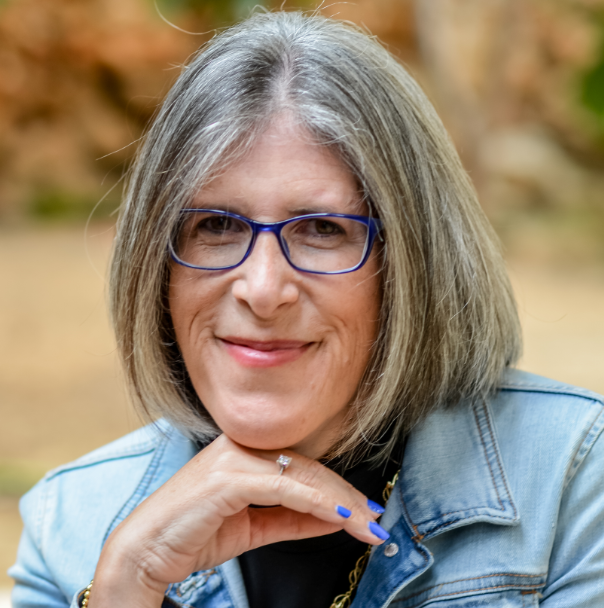
I began to learn this cycle of Daf Yomi after my husband passed away 2 1/2 years ago. It seemed a good way to connect to him. Even though I don’t know whether he would have encouraged women learning Gemara, it would have opened wonderful conversations. It also gives me more depth for understanding my frum children and grandchildren. Thank you Hadran and Rabbanit Michelle Farber!!

Harriet Hartman
Harriet Hartman

Tzur Hadassah, Israel

I had no formal learning in Talmud until I began my studies in the Joint Program where in 1976 I was one of the few, if not the only, woman talmud major. It was superior training for law school and enabled me to approach my legal studies with a foundation . In 2018, I began daf yomi listening to Rabbanit MIchelle’s pod cast and my daily talmud studies are one of the highlights of my life.

Krivosha_Terri_Bio
Terri Krivosha

Minneapolis, United States

I was inspired to start learning after attending the 2020 siyum in Binyanei Hauma. It has been a great experience for me. It’s amazing to see the origins of stories I’ve heard and rituals I’ve participated in my whole life. Even when I don’t understand the daf itself, I believe that the commitment to learning every day is valuable and has multiple benefits. And there will be another daf tomorrow!

Khaya Eisenberg
Khaya Eisenberg

Jerusalem, Israel

I started learning at the beginning of the cycle after a friend persuaded me that it would be right up my alley. I was lucky enough to learn at Rabbanit Michelle’s house before it started on zoom and it was quickly part of my daily routine. I find it so important to see for myself where halachot were derived, where stories were told and to get more insight into how the Rabbis interacted.

Deborah Dickson
Deborah Dickson

Ra’anana, Israel

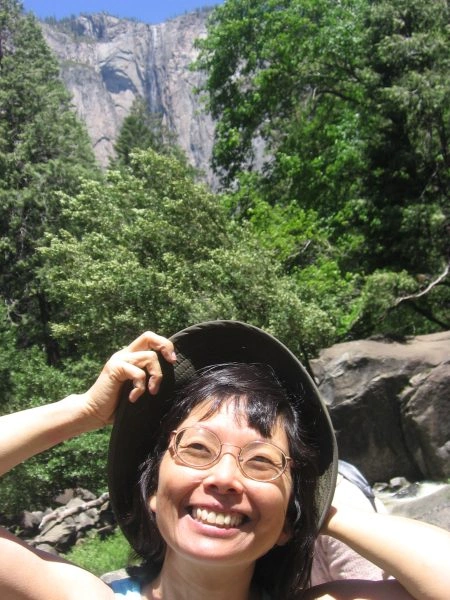
I tried Daf Yomi in the middle of the last cycle after realizing I could listen to Michelle’s shiurim online. It lasted all of 2 days! Then the new cycle started just days before my father’s first yahrzeit and my youngest daughter’s bat mitzvah. It seemed the right time for a new beginning. My family, friends, colleagues are immensely supportive!

Catriella-Freedman-jpeg
Catriella Freedman

Zichron Yaakov, Israel

When I started studying Hebrew at Brown University’s Hillel, I had no idea that almost 38 years later, I’m doing Daf Yomi. My Shabbat haburah is led by Rabbanit Leah Sarna. The women are a hoot. I’m tracking the completion of each tractate by reading Ilana Kurshan’s memoir, If All the Seas Were Ink.

Hannah Lee
Hannah Lee

Pennsylvania, United States

I started at the beginning of this cycle. No 1 reason, but here’s 5.
In 2019 I read about the upcoming siyum hashas.
There was a sermon at shul about how anyone can learn Talmud.
Talmud references come up when I am studying. I wanted to know more.
Yentl was on telly. Not a great movie but it’s about studying Talmud.
I went to the Hadran website: A new cycle is starting. I’m gonna do this

Denise Neapolitan
Denise Neapolitan

Cambridge, United Kingdom

See video

Susan Fisher
Susan Fisher

Raanana, Israel

Inspired by Hadran’s first Siyum ha Shas L’Nashim two years ago, I began daf yomi right after for the next cycle. As to this extraordinary journey together with Hadran..as TS Eliot wrote “We must not cease from exploration and the end of all our exploring will be to arrive where we began and to know the place for the first time.

Susan Handelman
Susan Handelman

Jerusalem, Israel

I had tried to start after being inspired by the hadran siyum, but did not manage to stick to it. However, just before masechet taanit, our rav wrote a message to the shul WhatsApp encouraging people to start with masechet taanit, so I did! And this time, I’m hooked! I listen to the shiur every day , and am also trying to improve my skills.

Laura Major
Laura Major

Yad Binyamin, Israel

I attended the Siyum so that I could tell my granddaughter that I had been there. Then I decided to listen on Spotify and after the siyum of Brachot, Covid and zoom began. It gave structure to my day. I learn with people from all over the world who are now my friends – yet most of us have never met. I can’t imagine life without it. Thank you Rabbanit Michelle.

Emma Rinberg
Emma Rinberg

Raanana, Israel

After being so inspired by the siyum shas two years ago, I began tentatively learning daf yomi, like Rabbanut Michelle kept saying – taking one daf at a time. I’m still taking it one daf at a time, one masechet at a time, but I’m loving it and am still so inspired by Rabbanit Michelle and the Hadran community, and yes – I am proud to be finishing Seder Mo’ed.

Caroline Graham-Ofstein

Bet Shemesh, Israel

Jill Shames
Jill Shames

Jerusalem, Israel

I began Daf Yomi with the last cycle. I was inspired by the Hadran Siyum in Yerushalayim to continue with this cycle. I have learned Daf Yomi with Rabanit Michelle in over 25 countries on 6 continents ( missing Australia)

Barbara-Goldschlag
Barbara Goldschlag

Silver Spring, MD, United States

Inspired by Hadran’s first Siyum ha Shas L’Nashim two years ago, I began daf yomi right after for the next cycle. As to this extraordinary journey together with Hadran..as TS Eliot wrote “We must not cease from exploration and the end of all our exploring will be to arrive where we began and to know the place for the first time.

Susan Handelman
Susan Handelman

Jerusalem, Israel

It happened without intent (so am I yotzei?!) – I watched the women’s siyum live and was so moved by it that the next morning, I tuned in to Rabbanit Michelle’s shiur, and here I am, still learning every day, over 2 years later. Some days it all goes over my head, but others I grasp onto an idea or a story, and I ‘get it’ and that’s the best feeling in the world. So proud to be a Hadran learner.

Jeanne Yael Klempner

Zichron Yaakov, Israel

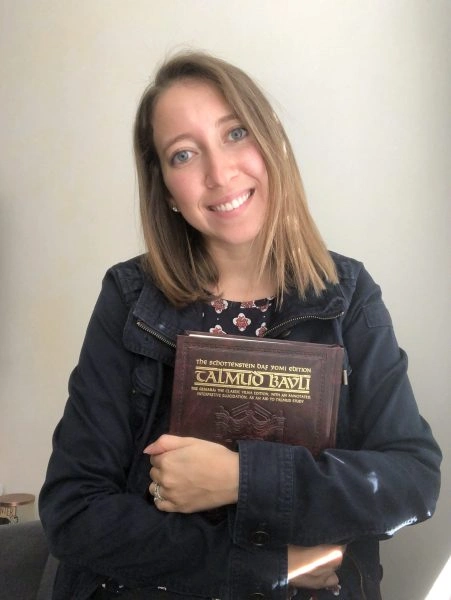
I decided to learn one masechet, Brachot, but quickly fell in love and never stopped! It has been great, everyone is always asking how it’s going and chering me on, and my students are always making sure I did the day’s daf.

Yafit Fishbach
Yafit Fishbach

Memphis, Tennessee, United States

I’ve been studying Talmud since the ’90s, and decided to take on Daf Yomi two years ago. I wanted to attempt the challenge of a day-to-day, very Jewish activity. Some days are so interesting and some days are so boring. But I’m still here.
Sarene Shanus
Sarene Shanus

Mamaroneck, NY, United States

I have joined the community of daf yomi learners at the start of this cycle. I have studied in different ways – by reading the page, translating the page, attending a local shiur and listening to Rabbanit Farber’s podcasts, depending on circumstances and where I was at the time. The reactions have been positive throughout – with no exception!

Silke Goldberg
Silke Goldberg

Guildford, United Kingdom

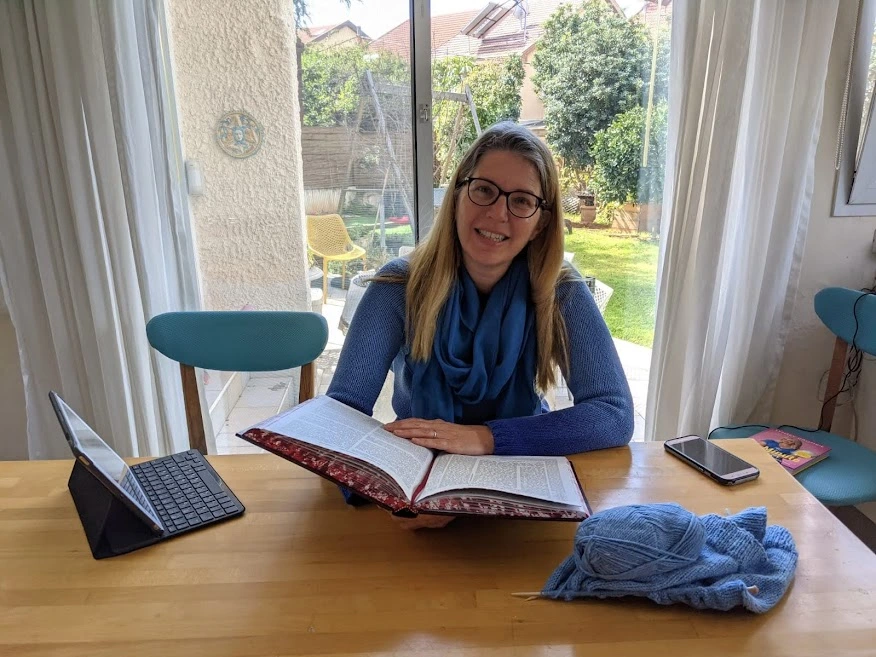
I started the daf at the beginning of this cycle in January 2020. My husband, my children, grandchildren and siblings have been very supportive. As someone who learned and taught Tanach and mefarshim for many years, it has been an amazing adventure to complete the six sedarim of Mishnah, and now to study Talmud on a daily basis along with Rabbanit Michelle and the wonderful women of Hadran.

Rookie Billet
Rookie Billet

Jerusalem, Israel

Sanhedrin 13

רַבִּי יוֹסֵי אוֹמֵר: אֶחָד וְעֶשְׂרִים יוֹם. וּשְׁנֵיהֶם מִקְרָא אֶחָד דָּרְשׁוּ: ״חַג הָאָסִיף תְּקוּפַת הַשָּׁנָה״. מָר סָבַר: כּוּלֵּיהּ חַג בָּעֵינַן בִּתְקוּפָה חֲדָשָׁה, וּמָר סָבַר: מִקְצָת חַג בָּעֵינַן בִּתְקוּפָה חֲדָשָׁה.

Rabbi Yosei says: The year must be intercalated only if twenty-one days of Tishrei will pass before the autumnal equinox. The Gemara explains: And both of them expounded the same verse to arrive at their respective opinions: “And the Festival of the Ingathering at the turn of the year” (Exodus 34:22). They both interpret the verse to mean that the Festival of the Ingathering, which is referring to the intermediate days of Sukkot, must take place during the season of Tishrei, i.e., autumn. One Sage, Rabbi Yehuda, holds that we require all of the Festival to take place in the new season, after the equinox. And one Sage, Rabbi Yosei, holds that we require only some of the Festival, even one day, to take place in the new season, so the year must be intercalated only if the equinox would fall on the twenty-second of Tishrei or later.

מַאי קָא סָבְרִי? אִי קָסָבְרִי יוֹם תְּקוּפָה גּוֹמֵר, בְּלָאו הָכִי נָמֵי, לָא לְמַאן דְּאָמַר כּוּלֵּיהּ חַג אִיכָּא, וְלָא לְמַאן דְּאָמַר מִקְצָת חַג אִיכָּא. אֶלָּא קָסָבְרִי יוֹם תְּקוּפָה מַתְחִיל.

The Gemara asks: What do they each hold? If they hold that the day of the equinox concludes the season, meaning that it is counted as part of the preceding season, then even if the season of Tammuz is not lacking more than this number of days until its completion, the year would need to be intercalated. According to the one who says that we require all of the Festival to take place in the new season, this is not sufficient to rectify the problem, as the sixteenth of Tishrei, which is the beginning of the Festival of the Ingathering, is still in the old season. And even according to the one who says we require only some of the Festival to take place in the new season, this is also not sufficient to rectify the problem, since if the equinox occurs on the twenty-first of Tishrei, the new season begins only on the twenty-second, after the Festival of the Ingathering is over. Rather, they certainly both hold that the day of the equinox begins the new season.

מֵיתִיבִי: יוֹם תְּקוּפָה גּוֹמֵר, דִּבְרֵי רַבִּי יְהוּדָה. רַבִּי יוֹסֵי אוֹמֵר: יוֹם תְּקוּפָה מַתְחִיל.

The Gemara raises an objection to this conclusion from a different baraita: The day of the equinox concludes the season; this is the statement of Rabbi Yehuda. Rabbi Yosei says: The day of the equinox begins the season. It is therefore clear that they disagree about this issue, and that the previous baraita must be explained differently.

וְעוֹד, תַּנְיָא: אֵין מְעַבְּרִין אֶת הַשָּׁנָה אֶלָּא אִם כֵּן הָיְתָה תְּקוּפָה חֲסֵירָה רוּבּוֹ שֶׁל חוֹדֶשׁ. וְכַמָּה רוּבּוֹ שֶׁל חֹדֶשׁ? שִׁשָּׁה עָשָׂר יוֹם. רַבִּי יְהוּדָה אוֹמֵר: שְׁתֵּי יָדוֹת בַּחוֹדֶשׁ. וְכַמָּה שְׁתֵּי יָדוֹת בַּחֹדֶשׁ? עֶשְׂרִים יוֹם.

And furthermore, it is taught in a baraita (Tosefta 2:7): The court intercalates the year only if the season of Tammuz was lacking its completion for most of the month of Tishrei. And how much is: Most of the month? Sixteen days. Rabbi Yehuda says: Two parts, meaning two-thirds, of the month. And how much is: Two parts of the month? Twenty days, since in that case the day of the equinox would fall on the twenty-first, and since according to Rabbi Yehuda the day of the equinox concludes the season, the new season would begin on the following day, after the Festival of the Ingathering has ended.

רַבִּי יוֹסֵי אוֹמֵר: מְחַשְּׁבִין שִׁשָּׁה עָשָׂר לִפְנֵי הַפֶּסַח, מְעַבְּרִין; שִׁשָּׁה עָשָׂר לִפְנֵי הַחַג, אֵין מְעַבְּרִין. רַבִּי שִׁמְעוֹן אוֹמֵר: אַף שִׁשָּׁה עָשָׂר לִפְנֵי הַחַג מְעַבְּרִין. אֲחֵרִים אוֹמְרִים: מִיעוּטוֹ, וְכַמָּה מִיעוּטוֹ? אַרְבָּעָה עָשָׂר יוֹם. קַשְׁיָא!

The baraita continues: Rabbi Yosei says: The court calculates the seasons, and if the winter season of Tevet, which is before Passover, is lacking its completion for sixteen days into the month of Nisan, the court intercalates the year, so that Passover will occur within the season of Nisan, i.e., the spring. But if the summer season of Tammuz, which is before the Festival of the Ingathering, is lacking its completion for sixteen days into the month of Tishrei, the court does not intercalate it. Rabbi Shimon says: Even if the season before the Festival of the Ingathering is lacking its completion for sixteen days into the month of Tishrei, the court does intercalate the year. The tanna referred to as Aḥerim says: The year is intercalated even on account of a minority of the month, and how much is a minority of the month? Fourteen days. The Gemara concludes: Comparing the various baraitot poses a difficulty, as they appear to contradict one another.

אָמַר מָר: רַבִּי יְהוּדָה אוֹמֵר: שְׁתֵּי יָדוֹת בַּחוֹדֶשׁ, עֶשְׂרִים יוֹם. רַבִּי יוֹסֵי אוֹמֵר: מְחַשְּׁבִין שִׁשָּׁה עָשָׂר יוֹם לִפְנֵי הַפֶּסַח, מְעַבְּרִין. הַיְינוּ רַבִּי יְהוּדָה!

The Gemara analyzes the baraita: The Master said that Rabbi Yehuda says: The year must be intercalated if the season of Tammuz is lacking its completion for two parts of the month of Tishrei, which is twenty days. Rabbi Yosei says: The court calculates the seasons, and if the season of Tevet, which is before Passover, is lacking its completion for sixteen days into the month of Nisan, the court intercalates the year. The Gemara challenges: That is the same as the opinion of Rabbi Yehuda, since a calculation that shows the winter season of a given year to be lacking its completion for sixteen days of Nisan will also show the summer season of that year will be lacking its completion for twenty days of Tishrei.

יוֹם תְּקוּפָה גּוֹמֵר, וְיוֹם תְּקוּפָה מַתְחִיל – אִיכָּא בֵּינַיְיהוּ.

The Gemara explains: The difference between them concerns the question of whether the day of the equinox concludes the season, or the day of the equinox begins the season. Rabbi Yehuda holds that the day of the equinox concludes the season, and therefore in the given scenario the year must be intercalated so that some of the Festival of the Ingathering will occur in the season of Tishrei. But according to Rabbi Yosei this is not a concern, as the day of the equinox begins the season. Nevertheless, the year must be intercalated so that Passover will occur in the season of Nisan.

אָמַר מָר: שִׁשָּׁה עָשָׂר לִפְנֵי הַחַג אֵין מְעַבְּרִין. אֶלָּא לְרַבִּי יוֹסֵי, שִׁשָּׁה עָשָׂר לִפְנֵי הַחַג הוּא דְּלָא, הָא שִׁיבְסַר וְתַמְנֵיסַר מְעַבְּרִין?

The Master says: In the continuation of his statement, Rabbi Yosei said: If the summer season of Tammuz, which is before the Festival of the Ingathering, is lacking its completion for sixteen days into the month of Tishrei, the court does not intercalate the year. The Gemara challenges: Rather, according to Rabbi Yosei, if the season before the Festival is lacking its completion for sixteen days into the month of Tishrei, this is the situation when the court does not intercalate the year. But can one therefore infer that if it is lacking its completion for seventeen or eighteen days into the month of Tishrei, the court does intercalate the year?

וְהָאָמַר: שִׁשָּׁה עָשָׂר לִפְנֵי הַפֶּסַח – אִין, בְּצִיר – לָא!

The Gemara explains the difficulty: But doesn’t he say: The court calculates the seasons, and if the winter season of Tevet, which is before Passover, is lacking its completion for sixteen days into the month of Nisan, yes, the court intercalates the year; but if it is lacking its completion for less than that, it should not be intercalated, even if the season before the Festival of the Ingathering will be lacking seventeen or eighteen days? The two elements of Rabbi Yosei’s statement appear to contradict one another.

לָא, אִידִי וְאִידִי אֵין מְעַבְּרִין, וְאַיְּידֵי דִּתְנָא רֵישָׁא ״שִׁשָּׁה עָשָׂר לִפְנֵי הַפֶּסַח״, תְּנָא נָמֵי ״שִׁשָּׁה עָשָׂר לִפְנֵי הַחַג״.

The Gemara answers: No, those inferences are not correct. Rather, in both this case and that case, the court does not intercalate the year, and since it taught in the first clause: Sixteen days before Passover, it also taught: Sixteen days before the Festival of the Ingathering, but one cannot infer from this that it means sixteen days and no more.

רַבִּי שִׁמְעוֹן אוֹמֵר: אַף שִׁשָּׁה עָשָׂר לִפְנֵי הַחַג מְעַבְּרִין. הַיְינוּ תַּנָּא קַמָּא?

The baraita teaches that Rabbi Shimon says: Even if the season before the Festival of the Ingathering is lacking its completion for sixteen days into the month of Tishrei, the court does intercalate the year. The Gemara asks: If so, this is apparently the same as the opinion of the first tanna; what is the difference between Rabbi Shimon’s opinion and that of the first tanna?

אִיכָּא בֵּינַיְיהוּ יוֹם תְּקוּפָה מַתְחִיל וְיוֹם תְּקוּפָה גּוֹמֵר. וְלָא מְסַיְּימִי.

The Gemara answers: Also here, the difference between them concerns the question of whether the day of the equinox begins the season or whether the day of the equinox concludes the season, but their opinions are not defined. Although it is apparent from the baraita that these two tanna’im disagree about this issue, it is not clear from their words which tanna ascribes to which of these opinions.

אֲחֵרִים אוֹמְרִים: מִיעוּטוֹ, וְכַמָּה מִיעוּטוֹ? אַרְבָּעָה עָשָׂר יוֹם. מַאי קָסָבְרִי? אִי קָסָבְרִי יוֹם תְּקוּפָה גּוֹמֵר, וְכוּלֵּיהּ חַג בָּעֵינַן – הָאִיכָּא! אָמַר רַב שְׁמוּאֵל בַּר רַב יִצְחָק: אֲחֵרִים בִּתְקוּפַת נִיסָן קָיְימִי, דִּכְתִיב: ״שָׁמוֹר אֶת חֹדֶשׁ הָאָבִיב״ – שְׁמוֹר אָבִיב שֶׁל תְּקוּפָה שֶׁיְּהֵא בְּחֹדֶשׁ נִיסָן.

The baraita teaches: The tanna referred to as Aḥerim says: The year is intercalated even on account of a minority of the month, and how much is a minority of the month? Fourteen days. The Gemara asks: What do Aḥerim hold? If they hold that the day of the equinox concludes the season, and also that we require all of the Festival to take place in the new season, this condition is fulfilled even if the season is lacking fifteen days. Rav Shmuel bar Rav Yitzḥak says: Aḥerim are standing in, i.e., discussing, the season of Nisan. As it is written: “Observe the month of spring and keep the Pesaḥ” (Deuteronomy 16:1), from which it is inferred: Preserve the day of the equinox of the spring, to ensure that it will be in the month of Nisan, meaning that the equinox must occur during the first part of the month of Nisan, by the fourteenth, the day the Paschal offering is sacrificed.

וְלִיעַבְּרֵיהּ לַאֲדָר? אָמַר רַב אַחָא בַּר יַעֲקֹב: תַּנָּא מִלְּמַעְלָה לְמַטָּה קָחָשֵׁיב, וְהָכִי קָאָמַר: עַד מִיעוּטוֹ מְעַבְּרִין. וְכַמָּה מִיעוּטוֹ? אַרְבָּעָה עָשָׂר יוֹם.

The Gemara asks: In a situation like this, why is it necessary to intercalate the year? But let them intercalate the month of Adar by adding a day to it, and this will cause the day of the equinox to occur during the first half of Nisan. Rav Aḥa bar Ya’akov said: The tanna whom the baraita here refers to as Aḥerim calculated from the top, meaning the maximum number of days downward, and this is what he is saying: Up to a minority of the month, meaning, if the equinox would occur during the final days of Nisan, the court would intercalate the year and would also do so if the equinox would occur earlier in the month, unless it would be early enough that only a minority of the month would be in the previous season. And how much is a minority? Fourteen days. But if the equinox would occur on the fourteenth, the year is not to be intercalated, but instead a day should be added to the month of Adar.

רָבִינָא אָמַר: לְעוֹלָם אֲחֵרִים בְּתִשְׁרִי קָיְימִי, וְקָסָבְרִי אֲחֵרִים כּוּלֵּיהּ חַג בָּעֵינַן, וְיוֹם טוֹב רִאשׁוֹן. יוֹם טוֹב רִאשׁוֹן? ״חַג הָאָסִיף״ כְּתִיב! חַג הַבָּא בִּזְמַן אֲסִיפָה.

Ravina said: Actually, it can be explained that Aḥerim are standing in the season of Tishrei, and were discussing Sukkot as opposed to Passover. Aḥerim hold that we require all of the festival of Sukkot, including the Festival on the first day, to take place in the new season. Since Sukkot begins on the fifteenth of Tishrei, the equinox must fall no later than the fourteenth. The Gemara asks: How is it possible to say that the Festival on the first day must also be in the new season? It is written: “The Festival of Ingathering” (Exodus 23:16), which is referring to the time when the crops are gathered. This can refer only to the intermediate days of Sukkot, since it is prohibited to gather crops on a Festival. The Gemara answers: They interpret the verse to mean: The Festival that comes at the time of ingathering, meaning in the autumn.

סְמִיכַת זְקֵנִים. תָּנוּ רַבָּנַן: ״וְסָמְכוּ זִקְנֵי״ – יָכוֹל זִקְנֵי הַשּׁוּק? תַּלְמוּד לוֹמַר ״עֵדָה״.

§ The mishna teaches: The laying of hands by the Sages is performed by a court of three judges according to Rabbi Shimon and five according to Rabbi Yehuda. The Sages taught in a baraita: The verse states: “And the elders of the congregation shall lay their hands on the head of the bull before the Lord” (Leviticus 4:15). One might have thought that the verse is referring to any elders in the marketplace, meaning people who are not members of the Sanhedrin. Therefore, the verse states: “Elders of the congregation,” meaning from among the leaders and judges of the people.

אִי ״עֵדָה״ – יָכוֹל קְטַנֵּי עֵדָה? תַּלְמוּד לוֹמַר ״הָעֵדָה״ – מְיוּחָדִין שֶׁבָּעֵדָה. וְכַמָּה הֵן? ״וְסָמְכוּ״ – שְׁנַיִם, ״זִקְנֵי״ – שְׁנַיִם, וְאֵין בֵּית דִּין שָׁקוּל מוֹסִיפִין עֲלֵיהֶם עוֹד אֶחָד, הֲרֵי כָּאן חֲמִשָּׁה. דִּבְרֵי רַבִּי יְהוּדָה. רַבִּי שִׁמְעוֹן אוֹמֵר: ״זִקְנֵי״ – שְׁנַיִם, וְאֵין בֵּית דִּין שָׁקוּל מוֹסִיפִין עֲלֵיהֶן עוֹד אֶחָד, הֲרֵי כָּאן שְׁלֹשָׁה.

If it had written only “congregation,” one might have thought they may be the minor ones of the congregation, i.e., members of the lesser Sanhedrin. Therefore, the verse states: “The congregation,” which indicates the unique ones of the congregation, meaning that they must be members of the Great Sanhedrin. And how many must they be? The verse states: “Shall lay” in the plural form, which indicates a minimum of two; “elders” in the plural form, indicating another two; and as a court may not be composed of an even number of judges, they add an additional one to them, so there are five judges here; this is the statement of Rabbi Yehuda. Rabbi Shimon says: The verse states: “Elders,” indicating two, and as a court may not be composed of an even number of judges, they add an additional one to them, so there are three judges here.

וְרַבִּי שִׁמְעוֹן, הָכְתִיב ״וְסָמְכוּ״? הָהוּא מִיבְּעֵי לֵיהּ לְגוּפֵיהּ. וְרַבִּי יְהוּדָה? לְגוּפֵיהּ לָא צְרִיךְ, דְּאִם כֵּן דְּלָא אָתֵי ״וְסָמְכוּ״ לִדְרָשָׁה, לִיכְתּוֹב ״זִקְנֵי הָעֵדָה יְדֵיהֶם עַל רֹאשׁ הַפָּר״.

The Gemara asks: But according to Rabbi Shimon, isn’t it written: “And the elders of the congregation shall lay”? This word should be included in the derivation. The Gemara answers: That word is necessary for the matter itself, to indicate that the elders of the congregation must lay their hands on the bull, and therefore it is not part of the phrase from which the number of judges is derived. The Gemara asks: And what does Rabbi Yehuda respond to this? The Gemara answers: It is not necessary to use this word for the matter itself, as if this would be so, that the phrase: “And the elders of the congregation shall lay” does not come to be interpreted, let it write: The elders of the congregation, their hands on the head of the bull, and it could be understood that the elders lay their hands on the head of the bull.

וְרַבִּי שִׁמְעוֹן, אִי כְּתִיב הָכִי, הֲוָה אָמֵינָא: מַאי ״עַל״? בְּסָמוּךְ. וְרַבִּי יְהוּדָה גָּמַר ״רֹאשׁ״ ״רֹאשׁ״ מֵעוֹלָה. וְרַבִּי שִׁמְעוֹן לָא גָּמַר ״רֹאשׁ״ ״רֹאשׁ״ מֵעוֹלָה.

And what does Rabbi Shimon respond to this claim? The Gemara answers: If it were written so, I would say: What is the meaning of: “On [al] the head of the bull”? It means adjacent to the head of the bull, as the term al often means next to or nearby. And what does Rabbi Yehuda respond to this claim? He learns that the hands are placed directly on the bull’s head by means of a verbal analogy, from the word “head” in this verse and the word “head” written in the verse discussing a burntoffering, where the halakha states that the one bringing the offering must lay his hands literally and forcefully on the animal’s head. And what does Rabbi Shimon respond to that? He does not learn this verbal analogy from the word “head” in the verse about the elders and the word “head” in the verse discussing a burnt-offering, as he did not receive this tradition from his teachers.

תָּנָא: סְמִיכָה וּסְמִיכַת זְקֵנִים בִּשְׁלֹשָׁה. מַאי סְמִיכָה וּמַאי סְמִיכַת זְקֵנִים? אָמַר רַבִּי יוֹחָנָן: מִיסְמַךְ סָבֵי.

§ The Sages taught in a baraita (Tosefta 10:15): The laying of hands and the laying of hands by the Sages are performed by three judges. What is the laying of hands, and what is the laying of hands by the Sages? It is clear that one of these terms is referring to the elders laying their hands on the bull offered for an unwitting communal sin, but what is the meaning of the other expression? Rabbi Yoḥanan says: It is referring to the ordination of elders, meaning, to appoint Sages and grant them the title Rabbi.

אֲמַר לֵיהּ אַבָּיֵי לְרַב יוֹסֵף: מִיסְמַךְ סָבֵי בִּשְׁלֹשָׁה מְנָלַן? אִילֵּימָא מִדִּכְתִיב ״וַיִּסְמֹךְ אֶת יָדָיו עָלָיו״, אִי הָכִי תִּסְגֵּי בְּחַד! וְכִי תֵּימָא מֹשֶׁה בִּמְקוֹם שִׁבְעִים וְחַד קָאֵי, אִי הָכִי לִיבְעֵי שִׁבְעִים וְחַד! קַשְׁיָא.

Abaye said to Rav Yosef: From where do we derive that the ordination of elders is performed by three judges? If we say it is from the fact that it is written with regard to Moses when he appointed Joshua: “And he laid his hands on him and he commanded him” (Numbers 27:23), if so, it should be enough for one man to ordain the new Sage, as Moses ordained Joshua. And if you would say: Moses stood in place of seventy-one, meaning that no Sage in a later generation could fill the place of Moses, and only the Great Sanhedrin can fill that role, if so, then every ordination should require seventy-one judges. The Gemara responds: The matter is difficult; there is no clear source for this halakha.

אֲמַר לֵיהּ רַב אַחָא בְּרֵיהּ דְּרָבָא לְרַב אָשֵׁי: בִּידָא מַמָּשׁ סָמְכִין לֵיהּ? אֲמַר לֵיהּ: סָמְכִין לֵיהּ בִּשְׁמָא, קָרוּ לֵיהּ ״רַבִּי״, וְיָהֲבִי לֵיהּ רְשׁוּתָא לְמֵידַן דִּינֵי קְנָסוֹת.

Rav Aḥa, son of Rava, said to Rav Ashi: Do they ordain him literally with the hand? Rav Ashi said to him: They ordain him by name by announcing it publicly; he is called: Rabbi, and they give him permission to adjudicate cases involving laws of fines.

וְחַד לָא סָמֵיךְ? וְהָא אָמַר רַב יְהוּדָה אָמַר רַב: בְּרַם, זָכוּר אוֹתוֹ הָאִישׁ לַטּוֹב, וְרַבִּי יְהוּדָה בֶּן בָּבָא שְׁמוֹ, שֶׁאִילְמָלֵא הוּא נִשְׁתַּכְחוּ דִּינֵי קְנָסוֹת מִיִּשְׂרָאֵל. נִשְׁתַּכְחוּ? נִגְרוֹסִינְהוּ! אֶלָּא

The Gemara asks: And is it so that one man alone is not able to ordain a rabbi? But doesn’t Rav Yehuda say that Rav says: Indeed [beram], that man will be remembered favorably, and Rabbi Yehuda ben Bava is his name, as had it not been for him the laws of fines would have been forgotten from among the Jewish people. The Gemara challenges that assertion: Would the laws of fines actually have been forgotten? Let them study them, so they will not be forgotten. Rather, his intention was to say that

Want to follow content and continue where you left off?

Create an account today to track your progress, mark what you’ve learned, and follow the shiurim that speak to you.

Clear all items from this list?

This will remove ALL the items in this section. You will lose any progress or history connected to them. This is irreversible.

Cancel
Yes, clear all

Are you sure you want to delete this item?

You will lose any progress or history connected to this item.

Cancel
Yes, delete