Search

Sanhedrin 43

Want to dedicate learning? Get started here:

podcast placeholder

0:00
0:00


Summary

Today’s daf is sponsored by Harriet Hartman in honor of her grandson Oriya Hartman’s marriage to Shira Shahar Katzav. “May they live long lives together inspired by Torah and love.” 

Today’s daf is sponsored by Marcia Baum in loving memory of Helena K Baum, Chaya Chana Alta bat Chana v’Yekutiel Yehuda on her 9th yahrzeit. “Mom was a strong proponent of women’s Torah study long before it became mainstream. She studied at the Drisha Institute with women half her age. She is missed every day by those of us who loved her and we hope we are making her proud!” 

Today’s daf is sponsored in memory of Shayna Malka bat Shlomo Yosef on her yahrzeit.

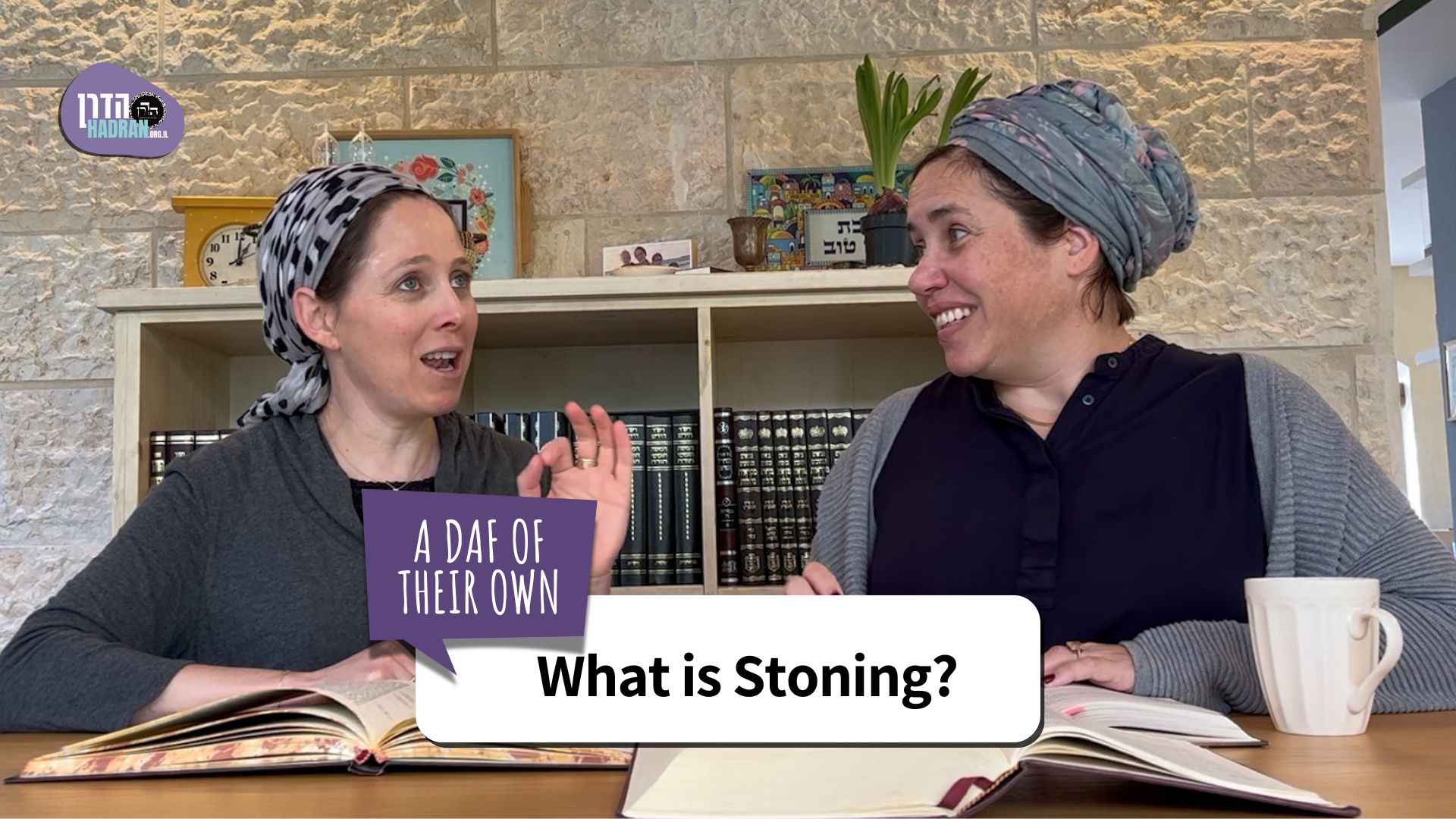
Rav Ashi derives a third source for the requirement that stoning executions must take place outside the city, finding support in the verses discussing the blasphemer.

All basic execution expenses are covered by communal funds. However, two questions arise about additional costs: First, regarding the wages of those stationed outside the court to assist potential last-minute defenders of the condemned, and second, concerning the cost of wine and frankincense given to the convicted person to reduce their suffering before execution. The Gemara resolves the second question using a verse from Proverbs, establishing that these measures must be funded by the community since it bears collective responsibility for minimizing the condemned’s suffering.

Rav Acha bar Huna poses a question to Rav Sheshet: How should we handle a case where a student rises to present evidence for acquittal but becomes unable to speak before explaining his reasoning? Rav Sheshet initially dismisses this as obvious – since no argument was actually presented, it cannot be considered. Despite Rav Acha’s persistence, the Gemara attempts to resolve this by comparing it to a case where a student presented an argument for acquittal and then died, whose vote was counted. This might suggest that only fully explained arguments can be counted, but this conclusion is ultimately rejected.

If someone being led to execution claims to have new evidence that could overturn their conviction, the court must evaluate this claim – but only if it appears to have merit. However, a braita teaches that during the first two times the condemned makes such claims, they must be heard regardless of apparent merit. Rav Pappa reconciles this with the Mishna’s stricter standard, and the Gemara explains why later claims are treated differently. Abaye adds that after the first two attempts, Torah scholars accompany the condemned specifically to evaluate whether any new claims have substance.

A portion of the Gemara discussing Jesus of Nazareth’s execution was later censored and removed from the manuscripts.

Before execution, the condemned is asked to confess their sins. This practice is derived from the biblical story of Achan. The Gemara analyzes this story in detail, deriving both practical laws and ethical teachings from its verses. This leads to a broader discussion about collective responsibility within the Jewish community – specifically, to what extent are Jews responsible for both the public and private transgressions of their fellow Jews?

The censored text:

והתניא בערב פסח תלאוהו לישו הנוצרי והכרוז יוצא לפניו ארבעים יום: ישו הנוצרי יוצא ליסקל על שכישף והסית והדיח את ישראל, כל מי שיודע לו זכות יבוא וילמד עליו. ולא מצאו לו זכות ותלאוהו בערב הפסח. – אמר עולא: ותסברא, ישו הנוצרי בר הפוכי זכות הוא? מסית הוא, ורחמנא אמר לא תחמל ולא תכסה עליו! אלא שאני ישו דקרוב למלכות הוה. תנו רבנן: חמשה תלמידים היו לו לישו הנוצרי, מתאי, נקאי נצר ובוני ותודה. אתיוה למתי, אמר להו: מתי יהרג? הכתיב מתי אבוא ואראה פני אלהים! – אמרו לו: אין, מתי יהרג דכתיב מתי ימות ואבד שמו. אתיוה לנקאי, אמר להו: נקאי יהרג? הכתיב ונקי וצדיק אל תהרג! – אמרו לו: אין, נקאי יהרג, דכתיב במסתרים יהרג נקי. אתיוה לנצר, אמר: נצר יהרג? הכתיב ונצר משרשיו יפרה! – אמרו לו: אין, נצר יהרג, דכתיב ואתה השלכת מקברך כנצר נתעב. אתיוה לבוני, אמר: בוני יהרג? הכתיב בני בכרי ישראל! – אמרו לו: אין, בוני יהרג, דכתיב הנה אנכי הורג את בנך בכרך. אתיוה לתודה, אמר: תודה יהרג? הכתיב מזמור לתודה! – אמרו לו: אין, תודה יהרג, דכתיב זבח תודה יכבדנני.


Today’s daily daf tools:

Sanhedrin 43

״וּבְנֵי יִשְׂרָאֵל עָשׂוּ כַּאֲשֶׁר צִוָּה ה׳ אֶת מֹשֶׁה״.

“And the children of Israel did as the Lord commanded Moses.”

אֶלָּא מֵעַתָּה: ״וַיִּרְגְּמוּ אֹתוֹ אָבֶן״ מַאי עָבְדִי לֵיהּ? הָהוּא מִבְּעֵי לֵיהּ לְכִדְתַנְיָא: ״וַיִּרְגְּמוּ אֹתוֹ בָּאָבֶן״ – ״אֹתוֹ״ וְלֹא בִּכְסוּתוֹ, ״אָבֶן״ שֶׁאִם מֵת בְּאֶבֶן אַחַת יָצָא.

The Gemara asks: If that is so, what do they do with the words in the verse: “And they stoned him with a stone”? These words appear to be superfluous, as even without them we would know that God’s instructions to stone the blasphemer were implemented. What then do they serve to teach? The Gemara answers: That phrase is necessary for that which is taught in a baraita: The verse states: “And they stoned him with a stone.” The word “him” teaches that they stoned him alone, while he was naked, but not while he was in his clothing. The verse uses the singular term “stone [aven]” rather than the plural term stones [avanim] to teach that if the condemned man died after being struck with one stone, the court has fulfilled its obligation.

וְאִצְטְרִיךְ לְמִיכְתַּב ״אָבֶן״, וְאִיצְטְרִיךְ לְמִיכְתַּב ״אֲבָנִים״. דְּאִי כְּתַב רַחֲמָנָא ״אָבֶן״, הֲוָה אָמֵינָא: הֵיכָא דְּלָא מֵת בַּחֲדָא, לָא נַיְתֵי אַחֲרִיתִי וְנִיקְטְלֵיהּ. כְּתַב רַחֲמָנָא ״אֲבָנִים״. וְאִי כְּתַב רַחֲמָנָא ״אֲבָנִים״, הֲוָה אָמֵינָא: מֵעִיקָּרָא נַיְיתֵי תַּרְתֵּי. כְּתַב רַחֲמָנָא ״אָבֶן״.

The Gemara notes: And it was necessary to write with regard to the blasphemer that “they stoned him with a stone,” in the singular, and it was necessary to write with regard to the man who gathered sticks on Shabbat that “they stoned him with stones” (Numbers 15:36), in the plural. As, had the Merciful One written only “stone,” I would say that where the condemned man did not die after being struck with one stone, they do not bring other stones and kill him with them. Therefore, the Merciful One writes “stones.” And had the Merciful One written only “stones,” I would say that from the outset they should bring two or more stones. Therefore, the Merciful One writes “stone.”

וְהָא הַאי תַּנָּא ״נֶאֱמַר״ קָאָמַר? ״אִילּוּ לֹא נֶאֱמַר״ קָאָמַר, וְהָכִי קָאָמַר: אִילּוּ לֹא נֶאֱמַר קְרָא, הָיִיתִי אוֹמֵר גְּזֵירָה שָׁוָה. עַכְשָׁיו שֶׁנֶּאֱמַר קְרָא, גְּזֵירָה שָׁוָה לָא צְרִיךְ.

The Gemara raises an objection to Rav Pappa’s derivation: But this tanna of the baraita cited above said: It is stated here and it is stated elsewhere, thereby basing his derivation on a verbal analogy between the verse concerning the blasphemer and the verse concerning the bulls brought as sin-offerings that are burned. How, then, can Rav Pappa, an amora, disagree and derive the halakha directly from the verse dealing with the blasphemer? The Gemara answers: According to Rav Pappa, the tanna of the baraita said: Had it not been stated, and this is what he is saying: Had a verse not been stated from which it can be directly derived that the condemned man is stoned outside all three camps, I would have said that this can be learned by way of a verbal analogy. But now that such a verse has been stated, the verbal analogy is not needed.

רַב אָשֵׁי אָמַר: מֹשֶׁה הֵיכָא הֲוָה יָתֵיב? בְּמַחֲנֵה לְוִיָּיה. וַאֲמַר לֵיהּ רַחֲמָנָא: ״הוֹצֵא אֶת הַמְקַלֵּל״ – חוּץ לְמַחֲנֵה לְוִיָּיה. ״אֶל מִחוּץ לַמַּחֲנֶה״ – חוּץ לְמַחֲנֵה יִשְׂרָאֵל. ״וַיּוֹצִיאוּ אֶת הַמְקַלֵּל״ – לַעֲשִׂיָּיה.

Rav Ashi said: The location of the place of stoning can be directly derived from the verse discussing the blasphemer but in a slightly different manner. Where was Moses sitting when the matter of the blasphemer was brought before him? In the Levite camp. And the Merciful One said to him: “Take out him who has cursed” (Leviticus 24:14), indicating that he should be taken outside the Levite camp into the Israelite camp. And God continued in that verse: “Outside the camp,” which is an additional command that he should be removed even further, to outside the Israelite camp. And the later verse, which says: “And they brought him that had cursed out of the camp…and the children of Israel did as the Lord commanded Moses” (Leviticus 24:23), teaches us about the implementation of God’s instructions, i.e., that the children of Israel did in fact carry out His command.

עֲשִׂיָּיה בְּהֶדְיָא כְּתִיב בְּהוּ: ״וּבְנֵי יִשְׂרָאֵל עָשׂוּ כַּאֲשֶׁר צִוָּה ה׳ אֶת מֹשֶׁה״. הָהוּא מִיבְּעֵי לֵיהּ, חַד לִסְמִיכָה וְחַד לִדְחִיָּיה.

The Gemara raises an objection: The implementation of God’s instructions is written explicitly in this context, as it is stated in the continuation of the verse: “And the children of Israel did as the Lord commanded Moses.” The Gemara answers: That verse is necessary to teach us that not only was the condemned man taken outside the three camps and stoned, but the rest of God’s instructions were also fulfilled. These instructions relate to the placing of the witnesses’ hands upon the head of the condemned man, as it is stated: “And let all that heard him place their hands upon his head” (Leviticus 24:14), and to the witnesses’ pushing of the condemned man from a platform the height of two stories.

אֲמַרוּ לֵיהּ רַבָּנַן לְרַב אָשֵׁי: לְדִידָךְ, כֹּל הָנֵי ״הוֹצִיא״ דִּכְתִיבִי בְּפָרִים הַנִּשְׂרָפִים, מַאי דָּרְשַׁתְּ בְּהוּ? קַשְׁיָא.

The Sages said to Rav Ashi: According to you, that the expression “take out” by itself means outside the camp, and “outside the camp” means outside an additional camp, what do you learn from all those instances of “take out” that are written with regard to the bulls brought as sin-offerings that are burned? According to your explanation, there are many superfluous phrases in the verses. The Gemara comments: Indeed, this is difficult with regard to the opinion of Rav Ashi.

אֶחָד עוֹמֵד כּוּ׳. אָמַר רַב הוּנָא: פְּשִׁיטָא לִי, אֶחָד אֶבֶן שֶׁנִּסְקָל בָּהּ, וְאֶחָד עֵץ שֶׁנִּתְלֶה בּוֹ, וְאֶחָד סַיִיף שֶׁנֶּהֱרָג בּוֹ, וְאֶחָד סוּדָר שֶׁנֶּחְנָק בּוֹ – כּוּלָּן מִשֶּׁל צִבּוּר. מַאי טַעְמָא? דְּמִדִּידֵיהּ לָא אָמְרִינַן לֵיהּ: ״זִיל וְלֵיתֵיהּ וְלִיקְטוֹל נַפְשֵׁיהּ״.

§ The mishna teaches that one man stands at the entrance to the court, with cloths in his hand, ready to signal to the court agents leading the condemned man to his execution that some doubt has been raised with respect to the latter’s guilt. Rav Huna says: It is obvious to me that the stone with which the condemned man is stoned and the tree on which his corpse is hung after his execution, or the sword with which he is killed, or the scarf with which he is strangled, all of these come from the property of the community. What is the reason for this? We do not tell the condemned man to go and bring these items from his own property and effectively kill himself.

בָּעֵי רַב הוּנָא: סוּדָר שֶׁמְּנִיפִין בּוֹ, וְסוּס שֶׁרָץ וּמַעֲמִידָן – מִשֶּׁל מִי הוּא? כֵּיוָן דְּהַצָּלָה דִּידֵיהּ, מִדִּידֵיהּ הוּא? אוֹ דִילְמָא, כֵּיוָן דְּבֵי דִּינָא מְחַיְּיבִין לְמֶעְבַּד לֵיהּ הַצָּלָה, מִדִּידְהוּ?

Rav Huna raised a dilemma: With regard to the cloth that is waved and the horse that races off after the court agents to stop the latter from carrying out the execution, from whose property do they come, that of the condemned man or that of the community? The Gemara explains the two sides of the dilemma: Since they are needed to save the man being led to his execution, these items should be taken from his property. Or perhaps, since the court is obligated to take all possible measures to save him from death, they should be taken from them, i.e., the community.

וְתוּ, הָא דְּאָמַר רַב חִיָּיא בַּר רַב אָשֵׁי אָמַר רַב חִסְדָּא: הַיּוֹצֵא לֵיהָרֵג מַשְׁקִין אוֹתוֹ קוֹרֶט שֶׁל לְבוֹנָה בְּכוֹס שֶׁל יַיִן כְּדֵי שֶׁתִּטָּרֵף דַּעְתּוֹ, שֶׁנֶּאֱמַר: ״תְּנוּ שֵׁכָר לְאוֹבֵד וְיַיִן לְמָרֵי נָפֶשׁ״. וְתַנְיָא: נָשִׁים יְקָרוֹת שֶׁבִּירוּשָׁלַיִם הָיוּ מִתְנַדְּבוֹת וּמְבִיאוֹת אוֹתָן. לֹא הִתְנַדְּבוּ נָשִׁים יְקָרוֹת, מִשֶּׁל מִי? הָא וַדַּאי מִסְתַּבְּרָא מִשֶּׁל צִבּוּר, כֵּיוָן דִּכְתִיב ״תְּנוּ״ – מִדִּידְהוּ.

And furthermore, another question is raised along similar lines: With regard to that which Rav Ḥiyya bar Ashi says that Rav Ḥisda says: The court gives one who is being led out to be killed a grain [koret] of frankincense in a cup of wine in order to confuse his mind and thereby minimize his suffering from the fear of his impending death, as it is stated: “Give strong drink to him that is ready to perish, and wine to the bitter in soul” (Proverbs 31:6). And it is taught in a baraita: The prominent women of Jerusalem would donate this drink and bring it to those being led out to be killed. The question is: If these prominent women did not donate this drink, from whom is it taken? The Gemara answers: With regard to this question, it is certainly reasonable that this drink should be taken from the community, as it is written: “Give [tenu] strong drink,” in the plural, indicating that it should come from them, the community.

בְּעָא מִינֵּיהּ רַב אַחָא בַּר הוּנָא מֵרַב שֵׁשֶׁת: אָמַר אֶחָד מִן הַתַּלְמִידִים ״יֵשׁ לִי לְלַמֵּד עָלָיו זְכוּת״, וְנִשְׁתַּתֵּק, מַהוּ? מְנַפַּח רַב שֵׁשֶׁת בִּידֵיהּ. נִשְׁתַּתֵּק? אֲפִילּוּ אֶחָד בְּסוֹף הָעוֹלָם נָמֵי! הָתָם לָא קָאָמַר, הָכָא קָאָמַר. מַאי?

§ Rav Aḥa bar Huna asked Rav Sheshet: If one of the students sitting before the judges said: I can teach a reason to acquit him, and he became mute and cannot explain himself, what is the halakha in such a case? Does the court take heed of his words, or do they disregard him? Rav Sheshet waved his hands in scorn and said: If the student became mute, the court certainly does not pay attention to him, as were the court to concern themselves with what he said, they would have to be concerned even that perhaps there is someone at the end of the world who can propose an argument in the condemned man’s favor. The Gemara rejects this argument: The cases are not similar. There, no one said that he had a reason to acquit the condemned man. Here, the student already said that he had a reason to acquit the condemned man. The question, therefore, is appropriate. What is the halakha in such a case?

תָּא שְׁמַע, דְּאָמַר רַבִּי יוֹסֵי בַּר חֲנִינָא: אֶחָד מִן הַתַּלְמִידִים שֶׁזִּיכָּה וָמֵת, רוֹאִין אוֹתוֹ כְּאִילּוּ חַי וְעוֹמֵד בִּמְקוֹמוֹ. זִיכָּה – אִין, לֹא זִיכָּה – לָא.

The Gemara suggests: Come and hear an answer: As Rabbi Yosei bar Ḥanina says: In a case where there was one of the students who argued to acquit the defendant and then died, the court views him as if he were alive and standing in his place and voting to acquit the defendant. The implication is that if he argued to acquit the defendant and explained his reasoning, yes, the court counts his vote as if he were still alive. But if he did not actually argue to acquit the defendant, but only said that he wished to propose such an argument, his vote is not counted as though he were still alive.

זִיכָּה – פְּשִׁיטָא לִי; אָמַר – תִּיבְּעֵי לָךְ.

The Gemara rejects this proof: If the student argued to acquit the defendant, it is obvious to me that he should be counted among those favoring acquittal. But if he only says that he wishes to propose such an argument, let the dilemma be raised whether or not he should be regarded as having presented a convincing argument in favor of acquittal. The question is left unresolved.

אֲפִילּוּ הוּא כּוּ׳. וַאֲפִילּוּ פַּעַם רִאשׁוֹנָה וּשְׁנִיָּה? וְהָתַנְיָא: פַּעַם רִאשׁוֹנָה וּשְׁנִיָּה, בֵּין שֶׁיֵּשׁ מַמָּשׁ בִּדְבָרָיו בֵּין שֶׁאֵין מַמָּשׁ בִּדְבָרָיו – מַחְזִירִין אוֹתוֹ. מִכָּאן וָאֵילָךְ, אִם יֵשׁ מַמָּשׁ בִּדְבָרָיו – מַחְזִירִין אוֹתוֹ, אֵין מַמָּשׁ בִּדְבָרָיו – אֵין מַחְזִירִין אוֹתוֹ.

The mishna teaches: And even if he, the condemned man himself, says: I can teach a reason to acquit myself, he is returned to the courthouse even four or five times, provided that there is substance to his words. The Gemara asks: And is the halakha that there must be substance to his words even the first and second time that the condemned man says that he can teach a reason to acquit himself? But isn’t it taught in a baraita: The first and second times that he says that he can teach a reason to acquit himself, they return him to the courthouse and consider whether there is substance to his statement or there is no substance to his statement. From this point forward, if there is substance to his statement they return him to the courthouse, but if there is no substance to his statement, they do not return him. This appears to contradict the mishna.

אָמַר רַב פָּפָּא: תַּרְגּוּמַהּ מִפַּעַם שְׁנִיָּה וְאֵילָךְ.

Rav Pappa said: Explain that the mishna’s ruling applies only from after the second time forward, that from that point on we examine whether there is substance to his words.

מְנָא יָדְעִי? אָמַר אַבָּיֵי: דְּמָסְרִינַן לֵיהּ זוּגָא דְּרַבָּנַן. אִי אִיכָּא מַמָּשׁ בִּדְבָרָיו – אִין, אִי לָא – לָא.

The Gemara asks: How do we know whether or not there is substance to his words? Abaye said: If the condemned man has already been returned twice to the courthouse, we send a pair of rabbis with him to evaluate his claim. If they find that there is substance to his statement, yes, he is returned once again to the courthouse; if not, he is not returned.

וְלִימְסַר לֵיהּ מֵעִיקָּרָא? אַגַּב דִּבְעִית, לָא מָצֵי אָמַר כֹּל מַאי דְּאִית לֵיהּ.

The Gemara asks: But why not send a pair of rabbis with him from the outset, even the first time, and have them make an initial assessment of his claim? The Gemara answers: Since a man facing execution is frightened by the thought of his impending death, he is not able to say all that he has to say, and perhaps out of fear he will be confused and not provide a substantial reason to overturn his verdict. Therefore, the first two times he is returned to the courthouse without an initial examination of his arguments. Once he has already been returned on two occasions, the court allows for no further delay, and they send two rabbis to evaluate his claim before returning him a third time.

מַתְנִי׳ מָצְאוּ לוֹ זְכוּת – פְּטָרוּהוּ, וְאִם לָאו – יוֹצֵא לִיסָּקֵל. וְכָרוֹז יוֹצֵא לְפָנָיו: ״אִישׁ פְּלוֹנִי בֶּן פְּלוֹנִי יוֹצֵא לִיסָּקֵל עַל שֶׁעָבַר עֲבֵירָה פְּלוֹנִית, וּפְלוֹנִי וּפְלוֹנִי עֵדָיו. כׇּל מִי שֶׁיּוֹדֵעַ לוֹ זְכוּת יָבֹא וִילַמֵּד עָלָיו״.

MISHNA: If, after the condemned man is returned to the courthouse, the judges find a reason to acquit him, they acquit him and release him immediately. But if they do not find a reason to acquit him, he goes out to be stoned. And a crier goes out before him and publicly proclaims: So-and-so, son of so-and-so, is going out to be stoned because he committed such and such a transgression. And so-and-so and so-and-so are his witnesses. Anyone who knows of a reason to acquit him should come forward and teach it on his behalf.

גְּמָ׳ אָמַר אַבָּיֵי: וְצָרִיךְ לְמֵימַר בְּיוֹם פְּלוֹנִי, וּבְשָׁעָה פְּלוֹנִית, וּבְמָקוֹם פְּלוֹנִי. דִּילְמָא אִיכָּא דְּיָדַעי וְאָתֵי וּמַזֵּים לְהוּ.

GEMARA: Abaye says: And the crier must also publicly proclaim that the transgression was committed on such and such a day, at such and such an hour, and at such and such a place, as perhaps there are those who know that the witnesses could not have been in that place at that time, and they will come forward and render the witnesses conspiring witnesses.

וְכָרוֹז יוֹצֵא לְפָנָיו. לְפָנָיו – אִין, מֵעִיקָּרָא – לָא. וְהָתַנְיָא: בְּעֶרֶב הַפֶּסַח תְּלָאוּהוּ לְיֵשׁוּ הַנּוֹצְרִי, וְהַכָּרוֹז יוֹצֵא לְפָנָיו אַרְבָּעִים יוֹם: ״יֵשׁוּ הַנּוֹצְרִי יוֹצֵא לִיסָּקֵל עַל שֶׁכִּישֵּׁף וְהֵסִית וְהִדִּיחַ אֶת יִשְׂרָאֵל. כׇּל מִי שֶׁיּוֹדֵעַ לוֹ זְכוּת יָבוֹא וִילַמֵּד עָלָיו״. וְלֹא מָצְאוּ לוֹ זְכוּת, וּתְלָאוּהוּ בְּעֶרֶב הַפֶּסַח.

The mishna teaches that a crier goes out before the condemned man. This indicates that it is only before him, i.e., while he is being led to his execution, that yes, the crier goes out, but from the outset, before the accused is convicted, he does not go out. The Gemara raises a difficulty: But isn’t it taught in a baraita: On Passover Eve they hung the corpse of Jesus the Nazarene after they killed him by way of stoning. And a crier went out before him for forty days, publicly proclaiming: Jesus the Nazarene is going out to be stoned because he practiced sorcery, incited people to idol worship, and led the Jewish people astray. Anyone who knows of a reason to acquit him should come forward and teach it on his behalf. And the court did not find a reason to acquit him, and so they stoned him and hung his corpse on Passover eve.

אָמַר עוּלָּא: וְתִסְבְּרָא? יֵשׁוּ הַנּוֹצְרִי בַּר הַפּוֹכֵי זְכוּת הוּא? מֵסִית הוּא, וְרַחֲמָנָא אָמַר: ״לֹא תַחְמֹל וְלֹא תְכַסֶּה עָלָיו!״ אֶלָּא שָׁאנֵי יֵשׁוּ, דְּקָרוֹב לְמַלְכוּת הֲוָה.

Ulla said: And how can you understand this proof? Was Jesus the Nazarene worthy of conducting a search for a reason to acquit him? He was an inciter to idol worship, and the Merciful One states with regard to an inciter to idol worship: “Neither shall you spare, neither shall you conceal him” (Deuteronomy 13:9). Rather, Jesus was different, as he had close ties with the government, and the gentile authorities were interested in his acquittal. Consequently, the court gave him every opportunity to clear himself, so that it could not be claimed that he was falsely convicted.

תָּנוּ רַבָּנַן: חֲמִשָּׁה תַּלְמִידִים הָיוּ לוֹ לְיֵשׁוּ הַנּוֹצְרִי – מַתַּאי, נַקַּאי, נֶצֶר, וּבוּנִי, וְתוֹדָה. אַתְיוּהּ לְמַתַּי. אֲמַר לְהוּ: מַתַּי יֵהָרֵג? הָכְתִיב ״מַתַּי אָבוֹא וְאֵרָאֶה פְּנֵי אֱלֹהִים״? אָמְרוּ לוֹ: אִין, מַתַּי יֵהָרֵג, דִּכְתִיב: ״מָתַי יָמוּת וְאָבַד שְׁמוֹ״.

Apropos the trial of Jesus, the Gemara cites another baraita, where the Sages taught: Jesus the Nazarene had five disciples: Mattai, Nakai, Netzer, Buni, and Toda. They brought Mattai in to stand trial. Mattai said to the judges: Shall Mattai be executed? But isn’t it written: “When [matai] shall I come and appear before God?” (Psalms 42:3). Mattai claimed that this verse alludes to the fact he is righteous. They said to him: Yes, Mattai shall be executed, as it is written: “When [matai] shall he die, and his name perish?” (Psalms 41:6).

אַתְיוּהּ לְנַקַּאי. אֲמַר לְהוּ: נַקַּאי יֵהָרֵג? הָכְתִיב ״וְנָקִי וְצַדִּיק אַל תַּהֲרֹג״? אָמְרוּ לוֹ: אִין, נַקַּאי יֵהָרֵג, דִּכְתִיב: ״בַּמִּסְתָּרִים יַהֲרֹג נָקִי״.

Then they brought Nakai in to stand trial. Nakai said to the judges: Shall Nakai be executed? But isn’t it written: “And the innocent [naki] and righteous you shall not slay” (Exodus 23:7)? They said to him: Yes, Nakai shall be executed, as it is written: “In secret places he kills the innocent [naki]” (Psalms 10:8).

אַתְיוּהּ לְנֶצֶר. אָמַר: נֶצֶר יֵהָרֵג? הָכְתִיב ״וְנֵצֶר מִשׇּׁרָשָׁיו יִפְרֶה״? אָמְרוּ לוֹ: אִין, נֶצֶר יֵהָרֵג, דִּכְתִיב: ״וְאַתָּה הׇשְׁלַכְתָּ מִקִּבְרְךָ כְּנֵצֶר נִתְעָב״.

Then they brought Netzer in to stand trial. He said to the judges: Shall Netzer be executed? But isn’t it written: “And a branch [netzer] shall grow out of his roots” (Isaiah 11:1)? They said to him: Yes, Netzer shall be executed, as it is written: “But you are cast out of your grave like an abhorred branch [netzer]” (Isaiah 14:19).

אַתְיוּהּ לְבוּנִי. אָמַר: בּוּנִי יֵהָרֵג? הָכְתִיב ״בְּנִי בְכֹרִי יִשְׂרָאֵל״! אָמְרוּ לוֹ: אִין, בּוּנִי יֵהָרֵג, דִּכְתִיב: ״הִנֵּה אָנֹכִי הוֹרֵג אֶת בִּנְךָ בְּכֹרֶךָ״.

Then they brought Buni in to stand trial. Buni said to the judges: Shall Buni be executed? But isn’t it written: “My firstborn son [beni] is Israel (Exodus 4:22)? They said to him: Yes, Buni shall be executed, as it is written: “Behold, I shall kill your firstborn son [binkha]” (Exodus 4:23).

אַתְיוּהּ לְתוֹדָה. אָמַר: תּוֹדָה יֵהָרֵג? הָכְתִיב ״מִזְמוֹר לְתוֹדָה״? אָמְרוּ לוֹ: אִין, תּוֹדָה יֵהָרֵג, דִּכְתִיב: ״זֹבֵחַ תּוֹדָה יְכַבְּדָנְנִי״.

Then they brought Toda in to stand trial. Toda said to the judges: Shall Toda be executed? But isn’t it written: “A psalm of thanksgiving [toda]” (Psalms 100:1)? They said to him: Yes, Toda shall be executed, as it is written: “Whoever slaughters a thanks-offering [toda] honors Me” (Psalms 50:23).

אָמַר רַבִּי יְהוֹשֻׁעַ בֶּן לֵוִי: כׇּל הַזּוֹבֵחַ אֶת יִצְרוֹ וּמִתְוַדֶּה עָלָיו, מַעֲלֶה עָלָיו הַכָּתוּב כְּאִילּוּ כִּיבְּדוֹ לְהַקָּדוֹשׁ בָּרוּךְ הוּא בִּשְׁנֵי עוֹלָמִים – הָעוֹלָם הַזֶּה וְהָעוֹלָם הַבָּא, דִּכְתִיב: ״זֹבֵחַ תּוֹדָה יְכַבְּדָנְנִי״.

§ Apropos the last verse cited in this baraita, Rabbi Yehoshua ben Levi says: With regard to anyone who slaughters his evil inclination after it has tempted him to sin, if he repents and confesses his sin, the verse ascribes him credit as though he had honored the Holy One, Blessed be He, in two worlds, this world and the World-to-Come, as it is written: “Whoever slaughters a thanks-offering [toda] honors Me [yekhabdaneni]” (Psalms 50:23), which can also be read as: Whoever slaughters his evil inclination and confesses [mitvadeh] honors Me, and the two instances of the letter nun in the word yekhabdaneni allude to the two worlds.

וְאָמַר רַבִּי יְהוֹשֻׁעַ בֶּן לֵוִי: בִּזְמַן שֶׁבֵּית הַמִּקְדָּשׁ קַיָּים, אָדָם מַקְרִיב עוֹלָה – שְׂכַר עוֹלָה בְּיָדוֹ, מִנְחָה – שְׂכַר מִנְחָה בְּיָדוֹ. אֲבָל מִי שֶׁדַּעְתּוֹ שְׁפָלָה, מַעֲלֶה עָלָיו הַכָּתוּב כְּאִילּוּ הִקְרִיב כׇּל הַקָּרְבָּנוֹת כּוּלָּן, שֶׁנֶּאֱמַר: ״זִבְחֵי אֱלֹהִים רוּחַ נִשְׁבָּרָה״. וְלֹא עוֹד, אֶלָּא שֶׁאֵין תְּפִלָּתוֹ נִמְאֶסֶת, שֶׁנֶּאֱמַר: ״לֵב נִשְׁבָּר וְנִדְכֶּה אֱלֹהִים לֹא תִבְזֶה״.

And Rabbi Yehoshua ben Levi also says: When the Temple is standing, if a person sacrifices a burnt-offering, he has the reward given for bringing a burnt-offering, and if he sacrifices a meal-offering, he has the reward given for bringing a meal-offering. But as for one whose spirit is humble, the verse ascribes him credit for his prayer as though he has sacrificed all the offerings, as it is stated: “The offerings of God are a broken spirit” (Psalms 51:19), which teaches that a broken spirit is equivalent to the offerings to God, in the plural. And moreover, his prayer is not rejected, as it is stated in the continuation of that verse: “A broken and contrite heart, God, You will not despise.”

מַתְנִי׳ הָיָה רָחוֹק מִבֵּית הַסְּקִילָה כְּעֶשֶׂר אַמּוֹת, אוֹמְרִים לוֹ: ״הִתְוַדֵּה״, שֶׁכֵּן דֶּרֶךְ כׇּל הַמּוּמָתִין מִתְוַדִּין. שֶׁכׇּל הַמִּתְוַדֶּה יֵשׁ לוֹ חֵלֶק לָעוֹלָם הַבָּא, שֶׁכֵּן מָצִינוּ בְּעָכָן שֶׁאָמַר לוֹ יְהוֹשֻׁעַ: ״בְּנִי שִׂים נָא כָבוֹד לַה׳ אֱלֹהֵי יִשְׂרָאֵל וְתֶן לוֹ תוֹדָה״. ״וַיַּעַן עָכָן אֶת יְהוֹשֻׁעַ וַיֹּאמַר אׇמְנָה אָנֹכִי חָטָאתִי וְכָזֹאת וְכָזֹאת וְגוֹ׳״. וּמִנַּיִן שֶׁכִּיפֵּר לוֹ וִידּוּיוֹ? שֶׁנֶּאֱמַר: ״וַיֹּאמֶר יְהוֹשֻׁעַ מֶה עֲכַרְתָּנוּ יַעְכֳּרְךָ ה׳ בַּיּוֹם הַזֶּה״. בְּיוֹם הַזֶּה אַתָּה עָכוּר, וְאִי אַתָּה עָכוּר לָעוֹלָם הַבָּא.

MISHNA: When the condemned man is at a distance of about ten cubits from the place of stoning, they say to him: Confess your transgressions, as the way of all who are being executed is to confess. As whoever confesses and regrets his transgressions has a portion in the World-to-Come. For so we find with regard to Achan, that Joshua said to him: “My son, please give glory to the Lord, God of Israel, and make confession to Him” (Joshua 7:19). And the next verse states: “And Achan answered Joshua, and said: Indeed I have sinned against the Lord, God of Israel, and like this and like that have I done.” And from where is it derived that Achan’s confession achieved atonement for him? It is derived from here, as it is stated: “And Joshua said: Why have you brought trouble on us? The Lord shall trouble you this day” (Joshua 7:25). Joshua said to Achan as follows: On this day of your judgment you are troubled, but you will not be troubled in the World-to-Come.

וְאִם אֵינוֹ יוֹדֵעַ לְהִתְוַודּוֹת, אוֹמְרִים לוֹ, אֱמוֹר: ״תְּהֵא מִיתָתִי כַּפָּרָה עַל כׇּל עֲוֹנוֹתַי״. רַבִּי יְהוּדָה אוֹמֵר: אִם הָיָה יוֹדֵעַ שֶׁהוּא מְזוּמָּם, אוֹמֵר: ״תְּהֵא מִיתָתִי כַּפָּרָה עַל כׇּל עֲוֹנוֹתַי חוּץ מֵעָוֹן זֶה״. אָמְרוּ לוֹ: אִם כֵּן, יְהוּ כׇּל אָדָם אוֹמְרִין כֵּן כְּדֵי לְנַקּוֹת עַצְמָן.

And if the condemned man does not know how to confess, either from ignorance or out of confusion, they say to him: Say simply: Let my death be an atonement for all my sins. Rabbi Yehuda says: If the condemned man knows that he was convicted by the testimony of conspiring witnesses, but in fact he is innocent, he says: Let my death be an atonement for all my sins except for this sin. The Sages who disagreed with Rabbi Yehuda said to him: If so, every person who is being executed will say that, to clear himself in the eyes of the public. Therefore, if the condemned man does not make such a statement on his own, the court does not suggest it to him as an alternative.

גְּמָ׳ תָּנוּ רַבָּנַן: ״נָא״ – אֵין ״נָא״ אֶלָּא לְשׁוֹן בַּקָּשָׁה.

GEMARA: Since the mishna referred to Achan’s sin, the Gemara cites several statements concerning that incident. The Sages taught in a baraita: Joshua said to Achan: “Please [na] give glory to the Lord, God of Israel, and make confession to Him.” The word na” is nothing other than an expression of supplication. Why would Joshua employ an expression of supplication when approaching Achan?

בְּשָׁעָה שֶׁאָמַר הַקָּדוֹשׁ בָּרוּךְ הוּא לִיהוֹשֻׁעַ: ״חָטָא יִשְׂרָאֵל״, אָמַר לְפָנָיו: רִבּוֹנוֹ שֶׁל עוֹלָם, מִי חָטָא? אֲמַר לֵיהּ: וְכִי דֵּילָטוֹר אֲנִי? לֵךְ הַפֵּל גּוֹרָלוֹת. הָלַךְ וְהִפִּיל גּוֹרָלוֹת, וְנָפַל הַגּוֹרָל עַל עָכָן. אָמַר לוֹ: יְהוֹשֻׁעַ, בְּגוֹרָל אַתָּה בָּא עָלַי? אַתָּה וְאֶלְעָזָר הַכֹּהֵן שְׁנֵי גְּדוֹלֵי הַדּוֹר אַתֶּם. אִם אֲנִי מַפִּיל עֲלֵיכֶם גּוֹרָל, עַל אֶחָד מִכֶּם הוּא נוֹפֵל. אָמַר לוֹ: בְּבַקָּשָׁה מִמְּךָ, אַל תּוֹצִיא לַעַז עַל הַגּוֹרָלוֹת, שֶׁעֲתִידָה אֶרֶץ יִשְׂרָאֵל שֶׁתִּתְחַלֵּק בְּגוֹרָל, שֶׁנֶּאֱמַר: ״אַךְ בְּגוֹרָל יֵחָלֵק אֶת הָאָרֶץ״.

The baraita explains: When the Holy One, Blessed be He, said to Joshua: “Israel has sinned” (Joshua 7:11), Joshua said to Him: Master of the Universe, who is the one who has sinned? God said to him: Am I an informer [deilator]? Go cast lots and find out for yourself. Joshua then went and cast lots, and the lot fell upon Achan. Achan said to him: Joshua, do you come to execute me merely based on a lot, without any corroborating evidence? You and Elazar the priest are the two most distinguished leaders of the generation, but if I cast a lot upon the two of you, it will perforce fall upon one of you. What then can you prove from a lottery? Joshua said to him: I ask of you, do not spread slander about the lots, as Eretz Yisrael will one day be divided by lots, as it is stated: “Nevertheless, the land shall be divided by lot” (Numbers 26:55). Due to you the results of that lottery may be challenged. Therefore, Joshua used the word “na,” pleading with Achan to confess.

״תֵּן תּוֹדָה״. אָמַר רָבִינָא, שַׁחוֹדֵי שַׁחֲדֵיהּ בְּמִילֵּי: כְּלוּם נְבַקֵּשׁ מִמְּךָ אֶלָּא הוֹדָאָה? תֵּן לוֹ תּוֹדָה וְהִיפָּטֵר. מִיָּד: ״וַיַּעַן עָכָן אֶת יְהוֹשֻׁעַ וַיֹּאמַר אׇמְנָה אָנֹכִי חָטָאתִי לַה׳ אֱלֹהֵי יִשְׂרָאֵל וְכָזֹאת וְכָזֹאת עָשִׂיתִי״.

Joshua said to Achan: “Please give glory to the Lord, God of Israel, and make confession to Him.” Ravina says: Joshua won over Achan with his words, saying: Do we ask anything of you but a confession? Make confession to Him and be discharged. Thinking that if he confessed, he would be pardoned, Achan immediately responded: “And Achan answered Joshua, and said: Indeed I have sinned against the Lord, God of Israel, and like this and like that have I done” (Joshua 7:20).

אָמַר רַב אַסִּי אָמַר רַבִּי חֲנִינָא: מְלַמֵּד שֶׁמָּעַל עָכָן בִּשְׁלֹשָׁה חֲרָמִים, שְׁנַיִם בִּימֵי מֹשֶׁה וְאֶחָד בִּימֵי יְהוֹשֻׁעַ, שֶׁנֶּאֱמַר: ״כָּזֹאת וְכָזֹאת עָשִׂיתִי״. רַבִּי יוֹחָנָן אָמַר מִשּׁוּם רַבִּי אֶלְעָזָר בְּרַבִּי שִׁמְעוֹן: חֲמִשָּׁה, אַרְבָּעָה בִּימֵי מֹשֶׁה וְאֶחָד בִּימֵי יְהוֹשֻׁעַ, שֶׁנֶּאֱמַר: ״אָנֹכִי חָטָאתִי וְכָזֹאת וְכָזֹאת עָשִׂיתִי״.

With regard to the words “And like this and like that have I done,” Rav Asi says that Rabbi Ḥanina says: This teaches that Achan misused consecrated property from three dedications, i.e., three groups of property that had been dedicated to the Lord. Two were during wars waged in the days of Moses, and one was in the days of Joshua, as it is stated: “And like this and like that have I done,” indicating that he had already committed similar offenses twice before committing the offense in Jericho. Rabbi Yoḥanan says in the name of Rabbi Elazar, son of Rabbi Shimon: Achan misused property from five dedications, four during wars waged in the days of Moses, and one in the days of Joshua, as it is stated: “I have sinned against the Lord, God of Israel, and like this and like that have I done,” with each “and” alluding to an additional prior offense.

וְעַד הַשְׁתָּא, מַאי טַעְמָא לָא אִיעֲנוּשׁ? אָמַר רַבִּי יוֹחָנָן מִשּׁוּם רַבִּי אֶלְעָזָר בְּרַבִּי שִׁמְעוֹן: לְפִי שֶׁלֹּא עָנַשׁ עַל הַנִּסְתָּרוֹת עַד שֶׁעָבְרוּ יִשְׂרָאֵל אֶת הַיַּרְדֵּן.

The Gemara asks: If so, what is the reason that the Jewish people were not punished on Achan’s account until now? Rabbi Yoḥanan says in the name of Rabbi Elazar, son of Rabbi Shimon: Because God did not punish the nation as a whole for hidden sins committed by individuals until the Jewish people crossed the Jordan River.

כְּתַנָּאֵי: ״הַנִּסְתָּרֹת לַה׳ אֱלֹהֵינוּ וְהַנִּגְלֹת לָנוּ וּלְבָנֵינוּ עַד עוֹלָם״. לָמָּה נָקוּד עַל ״לָנוּ וּלְבָנֵינוּ״ וְעַל עַיִן שֶׁבְּ״עַד״? מְלַמֵּד שֶׁלֹּא עָנַשׁ עַל הַנִּסְתָּרוֹת עַד שֶׁעָבְרוּ יִשְׂרָאֵל אֶת הַיַּרְדֵּן, דִּבְרֵי רַבִּי יְהוּדָה.

The Gemara notes that this is subject to a dispute between tanna’im. The verse states: “The hidden matters belong to the Lord our God, but those matters that are revealed belong to us and to our children forever [ad olam], that we may do all the words of this Torah” (Deuteronomy 29:28). Why in a Torah scroll are there dots over each of the letters in the words “to us and to our children” and over the letter ayin in the word “forever [ad]”? The dots, which function like erasures that weaken the force of the words, teach that God did not punish the nation for hidden sins until the Jewish people crossed the Jordan River. This is the statement of Rabbi Yehuda.

אָמַר לוֹ רַבִּי נְחֶמְיָה: וְכִי עָנַשׁ עַל הַנִּסְתָּרוֹת לְעוֹלָם? וַהֲלֹא כְּבָר נֶאֱמַר ״עַד עוֹלָם״! אֶלָּא, כְּשֵׁם שֶׁלֹּא עָנַשׁ עַל הַנִּסְתָּרוֹת, כָּךְ לֹא עָנַשׁ עַל עוֹנָשִׁין שֶׁבַּגָּלוּי עַד שֶׁעָבְרוּ יִשְׂרָאֵל אֶת הַיַּרְדֵּן. אֶלָּא

Rabbi Neḥemya said to him: And does God ever punish the nation as a whole for hidden sins committed by individuals? But isn’t it already stated: “The hidden matters belong to the Lord our God…forever,” indicating that the Jewish people will never be collectively held responsible for the secret sins of individuals? Rather, the dots over the words teach that just as God did not ever punish the nation as a whole for hidden sins committed by individuals, so too, He did not punish the entire nation for sins committed publicly by individuals until the Jewish people crossed the Jordan River. The Gemara asks: But if so,

Today’s daily daf tools:

Delve Deeper

Broaden your understanding of the topics on this daf with classes and podcasts from top women Talmud scholars.

For the Beyond the Daf shiurim offered in Hebrew, see here.

New to Talmud?

Check out our resources designed to help you navigate a page of Talmud – and study at the pace, level and style that fits you. 

The Hadran Women’s Tapestry

Meet the diverse women learning Gemara at Hadran and hear their stories. 

Inspired by Hadran’s first Siyum ha Shas L’Nashim two years ago, I began daf yomi right after for the next cycle. As to this extraordinary journey together with Hadran..as TS Eliot wrote “We must not cease from exploration and the end of all our exploring will be to arrive where we began and to know the place for the first time.

Susan Handelman
Susan Handelman

Jerusalem, Israel

When I began learning Daf Yomi at the beginning of the current cycle, I was preparing for an upcoming surgery and thought that learning the Daf would be something positive I could do each day during my recovery, even if I accomplished nothing else. I had no idea what a lifeline learning the Daf would turn out to be in so many ways.

Laura Shechter
Laura Shechter

Lexington, MA, United States

I started learning on January 5, 2020. When I complete the 7+ year cycle I will be 70 years old. I had been intimidated by those who said that I needed to study Talmud in a traditional way with a chevruta, but I decided the learning was more important to me than the method. Thankful for Daf Yomi for Women helping me catch up when I fall behind, and also being able to celebrate with each Siyum!

Pamela Elisheva
Pamela Elisheva

Bakersfield, United States

After all the hype on the 2020 siyum I became inspired by a friend to begin learning as the new cycle began.with no background in studying Talmud it was a bit daunting in the beginning. my husband began at the same time so we decided to study on shabbat together. The reaction from my 3 daughters has been fantastic. They are very proud. It’s been a great challenge for my brain which is so healthy!

Stacey Goodstein Ashtamker

Modi’in, Israel

I tried Daf Yomi in the middle of the last cycle after realizing I could listen to Michelle’s shiurim online. It lasted all of 2 days! Then the new cycle started just days before my father’s first yahrzeit and my youngest daughter’s bat mitzvah. It seemed the right time for a new beginning. My family, friends, colleagues are immensely supportive!

Catriella-Freedman-jpeg
Catriella Freedman

Zichron Yaakov, Israel

My husband learns Daf, my son learns Daf, my son-in-law learns Daf.
When I read about Hadran’s Siyyum HaShas 2 years ago, I thought- I can learn Daf too!
I had learned Gemara in Hillel HS in NJ, & I remembered loving it.
Rabbanit Michelle & Hadran have opened my eyes & expanding my learning so much in the past few years. We can now discuss Gemara as a family.
This was a life saver during Covid

Renee Braha
Renee Braha

Brooklyn, NY, United States

I graduated college in December 2019 and received a set of shas as a present from my husband. With my long time dream of learning daf yomi, I had no idea that a new cycle was beginning just one month later, in January 2020. I have been learning the daf ever since with Michelle Farber… Through grad school, my first job, my first baby, and all the other incredible journeys over the past few years!
Sigal Spitzer Flamholz

Bronx, United States

Having never learned Talmud before, I started Daf Yomi in hopes of connecting to the Rabbinic tradition, sharing a daily idea on Instagram (@dafyomiadventures). With Hadran and Sefaria, I slowly gained confidence in my skills and understanding. Now, part of the Pardes Jewish Educators Program, I can’t wait to bring this love of learning with me as I continue to pass it on to my future students.

Hannah-G-pic
Hannah Greenberg

Pennsylvania, United States

I started learning Jan 2020 when I heard the new cycle was starting. I had tried during the last cycle and didn’t make it past a few weeks. Learning online from old men didn’t speak to my soul and I knew Talmud had to be a soul journey for me. Enter Hadran! Talmud from Rabbanit Michelle Farber from a woman’s perspective, a mother’s perspective and a modern perspective. Motivated to continue!

Keren Carter
Keren Carter

Brentwood, California, United States

I had never heard of Daf Yomi and after reading the book, The Weight of Ink, I explored more about it. I discovered that it was only 6 months before a whole new cycle started and I was determined to give it a try. I tried to get a friend to join me on the journey but after the first few weeks they all dropped it. I haven’t missed a day of reading and of listening to the podcast.

Anne Rubin
Anne Rubin

Elkins Park, United States

A friend mentioned that she was starting Daf Yomi in January 2020. I had heard of it and thought, why not? I decided to try it – go day by day and not think about the seven plus year commitment. Fast forward today, over two years in and I can’t imagine my life without Daf Yomi. It’s part of my morning ritual. If I have a busy day ahead of me I set my alarm to get up early to finish the day’s daf
Debbie Fitzerman
Debbie Fitzerman

Ontario, Canada

I learned Mishnayot more than twenty years ago and started with Gemara much later in life. Although I never managed to learn Daf Yomi consistently, I am learning since some years Gemara in depth and with much joy. Since last year I am studying at the International Halakha Scholars Program at the WIHL. I often listen to Rabbanit Farbers Gemara shiurim to understand better a specific sugyiah. I am grateful for the help and inspiration!

Shoshana Ruerup
Shoshana Ruerup

Berlin, Germany

The start of my journey is not so exceptional. I was between jobs and wanted to be sure to get out every day (this was before corona). Well, I was hooked after about a month and from then on only looked for work-from-home jobs so I could continue learning the Daf. Daf has been a constant in my life, though hurricanes, death, illness/injury, weddings. My new friends are Rav, Shmuel, Ruth, Joanna.
Judi Felber
Judi Felber

Raanana, Israel

I started my journey on the day I realized that the Siyum was happening in Yerushalayim and I was missing out. What? I told myself. How could I have not known about this? How can I have missed out on this opportunity? I decided that moment, I would start Daf Yomi and Nach Yomi the very next day. I am so grateful to Hadran. I am changed forever because I learn Gemara with women. Thank you.

Linda Brownstein
Linda Brownstein

Mitspe, Israel

In my Shana bet at Migdal Oz I attended the Hadran siyum hash”as. Witnessing so many women so passionate about their Torah learning and connection to God, I knew I had to begin with the coming cycle. My wedding (June 24) was two weeks before the siyum of mesechet yoma so I went a little ahead and was able to make a speech and siyum at my kiseh kallah on my wedding day!

Sharona Guggenheim Plumb

Givat Shmuel, Israel

A beautiful world of Talmudic sages now fill my daily life with discussion and debate.
bringing alive our traditions and texts that has brought new meaning to my life.
I am a מגילת אסתר reader for women . the words in the Mishna of מסכת megillah 17a
הקורא את המגילה למפרע לא יצא were powerful to me.
I hope to have the zchut to complete the cycle for my 70th birthday.

Sheila Hauser
Sheila Hauser

Jerusalem, Israel

Shortly after the death of my father, David Malik z”l, I made the commitment to Daf Yomi. While riding to Ben Gurion airport in January, Siyum HaShas was playing on the radio; that was the nudge I needed to get started. The “everyday-ness” of the Daf has been a meaningful spiritual practice, especial after COVID began & I was temporarily unable to say Kaddish at daily in-person minyanim.

Lisa S. Malik
Lisa S. Malik

Wynnewood, United States

I started my Daf Yomi journey at the beginning of the COVID19 pandemic.

Karena Perry
Karena Perry

Los Angeles, United States

I’ve been wanting to do Daf Yomi for years, but always wanted to start at the beginning and not in the middle of things. When the opportunity came in 2020, I decided: “this is now the time!” I’ve been posting my journey daily on social media, tracking my progress (#DafYomi); now it’s fully integrated into my daily routines. I’ve also inspired my partner to join, too!

Joséphine Altzman
Joséphine Altzman

Teaneck, United States

In early January of 2020, I learned about Siyyum HaShas and Daf Yomi via Tablet Magazine’s brief daily podcast about the Daf. I found it compelling and fascinating. Soon I discovered Hadran; since then I have learned the Daf daily with Rabbanit Michelle Cohen Farber. The Daf has permeated my every hour, and has transformed and magnified my place within the Jewish Universe.

Lisa Berkelhammer
Lisa Berkelhammer

San Francisco, CA , United States

Sanhedrin 43

״וּבְנֵי יִשְׂרָאֵל עָשׂוּ כַּאֲשֶׁר צִוָּה ה׳ אֶת מֹשֶׁה״.

“And the children of Israel did as the Lord commanded Moses.”

אֶלָּא מֵעַתָּה: ״וַיִּרְגְּמוּ אֹתוֹ אָבֶן״ מַאי עָבְדִי לֵיהּ? הָהוּא מִבְּעֵי לֵיהּ לְכִדְתַנְיָא: ״וַיִּרְגְּמוּ אֹתוֹ בָּאָבֶן״ – ״אֹתוֹ״ וְלֹא בִּכְסוּתוֹ, ״אָבֶן״ שֶׁאִם מֵת בְּאֶבֶן אַחַת יָצָא.

The Gemara asks: If that is so, what do they do with the words in the verse: “And they stoned him with a stone”? These words appear to be superfluous, as even without them we would know that God’s instructions to stone the blasphemer were implemented. What then do they serve to teach? The Gemara answers: That phrase is necessary for that which is taught in a baraita: The verse states: “And they stoned him with a stone.” The word “him” teaches that they stoned him alone, while he was naked, but not while he was in his clothing. The verse uses the singular term “stone [aven]” rather than the plural term stones [avanim] to teach that if the condemned man died after being struck with one stone, the court has fulfilled its obligation.

וְאִצְטְרִיךְ לְמִיכְתַּב ״אָבֶן״, וְאִיצְטְרִיךְ לְמִיכְתַּב ״אֲבָנִים״. דְּאִי כְּתַב רַחֲמָנָא ״אָבֶן״, הֲוָה אָמֵינָא: הֵיכָא דְּלָא מֵת בַּחֲדָא, לָא נַיְתֵי אַחֲרִיתִי וְנִיקְטְלֵיהּ. כְּתַב רַחֲמָנָא ״אֲבָנִים״. וְאִי כְּתַב רַחֲמָנָא ״אֲבָנִים״, הֲוָה אָמֵינָא: מֵעִיקָּרָא נַיְיתֵי תַּרְתֵּי. כְּתַב רַחֲמָנָא ״אָבֶן״.

The Gemara notes: And it was necessary to write with regard to the blasphemer that “they stoned him with a stone,” in the singular, and it was necessary to write with regard to the man who gathered sticks on Shabbat that “they stoned him with stones” (Numbers 15:36), in the plural. As, had the Merciful One written only “stone,” I would say that where the condemned man did not die after being struck with one stone, they do not bring other stones and kill him with them. Therefore, the Merciful One writes “stones.” And had the Merciful One written only “stones,” I would say that from the outset they should bring two or more stones. Therefore, the Merciful One writes “stone.”

וְהָא הַאי תַּנָּא ״נֶאֱמַר״ קָאָמַר? ״אִילּוּ לֹא נֶאֱמַר״ קָאָמַר, וְהָכִי קָאָמַר: אִילּוּ לֹא נֶאֱמַר קְרָא, הָיִיתִי אוֹמֵר גְּזֵירָה שָׁוָה. עַכְשָׁיו שֶׁנֶּאֱמַר קְרָא, גְּזֵירָה שָׁוָה לָא צְרִיךְ.

The Gemara raises an objection to Rav Pappa’s derivation: But this tanna of the baraita cited above said: It is stated here and it is stated elsewhere, thereby basing his derivation on a verbal analogy between the verse concerning the blasphemer and the verse concerning the bulls brought as sin-offerings that are burned. How, then, can Rav Pappa, an amora, disagree and derive the halakha directly from the verse dealing with the blasphemer? The Gemara answers: According to Rav Pappa, the tanna of the baraita said: Had it not been stated, and this is what he is saying: Had a verse not been stated from which it can be directly derived that the condemned man is stoned outside all three camps, I would have said that this can be learned by way of a verbal analogy. But now that such a verse has been stated, the verbal analogy is not needed.

רַב אָשֵׁי אָמַר: מֹשֶׁה הֵיכָא הֲוָה יָתֵיב? בְּמַחֲנֵה לְוִיָּיה. וַאֲמַר לֵיהּ רַחֲמָנָא: ״הוֹצֵא אֶת הַמְקַלֵּל״ – חוּץ לְמַחֲנֵה לְוִיָּיה. ״אֶל מִחוּץ לַמַּחֲנֶה״ – חוּץ לְמַחֲנֵה יִשְׂרָאֵל. ״וַיּוֹצִיאוּ אֶת הַמְקַלֵּל״ – לַעֲשִׂיָּיה.

Rav Ashi said: The location of the place of stoning can be directly derived from the verse discussing the blasphemer but in a slightly different manner. Where was Moses sitting when the matter of the blasphemer was brought before him? In the Levite camp. And the Merciful One said to him: “Take out him who has cursed” (Leviticus 24:14), indicating that he should be taken outside the Levite camp into the Israelite camp. And God continued in that verse: “Outside the camp,” which is an additional command that he should be removed even further, to outside the Israelite camp. And the later verse, which says: “And they brought him that had cursed out of the camp…and the children of Israel did as the Lord commanded Moses” (Leviticus 24:23), teaches us about the implementation of God’s instructions, i.e., that the children of Israel did in fact carry out His command.

עֲשִׂיָּיה בְּהֶדְיָא כְּתִיב בְּהוּ: ״וּבְנֵי יִשְׂרָאֵל עָשׂוּ כַּאֲשֶׁר צִוָּה ה׳ אֶת מֹשֶׁה״. הָהוּא מִיבְּעֵי לֵיהּ, חַד לִסְמִיכָה וְחַד לִדְחִיָּיה.

The Gemara raises an objection: The implementation of God’s instructions is written explicitly in this context, as it is stated in the continuation of the verse: “And the children of Israel did as the Lord commanded Moses.” The Gemara answers: That verse is necessary to teach us that not only was the condemned man taken outside the three camps and stoned, but the rest of God’s instructions were also fulfilled. These instructions relate to the placing of the witnesses’ hands upon the head of the condemned man, as it is stated: “And let all that heard him place their hands upon his head” (Leviticus 24:14), and to the witnesses’ pushing of the condemned man from a platform the height of two stories.

אֲמַרוּ לֵיהּ רַבָּנַן לְרַב אָשֵׁי: לְדִידָךְ, כֹּל הָנֵי ״הוֹצִיא״ דִּכְתִיבִי בְּפָרִים הַנִּשְׂרָפִים, מַאי דָּרְשַׁתְּ בְּהוּ? קַשְׁיָא.

The Sages said to Rav Ashi: According to you, that the expression “take out” by itself means outside the camp, and “outside the camp” means outside an additional camp, what do you learn from all those instances of “take out” that are written with regard to the bulls brought as sin-offerings that are burned? According to your explanation, there are many superfluous phrases in the verses. The Gemara comments: Indeed, this is difficult with regard to the opinion of Rav Ashi.

אֶחָד עוֹמֵד כּוּ׳. אָמַר רַב הוּנָא: פְּשִׁיטָא לִי, אֶחָד אֶבֶן שֶׁנִּסְקָל בָּהּ, וְאֶחָד עֵץ שֶׁנִּתְלֶה בּוֹ, וְאֶחָד סַיִיף שֶׁנֶּהֱרָג בּוֹ, וְאֶחָד סוּדָר שֶׁנֶּחְנָק בּוֹ – כּוּלָּן מִשֶּׁל צִבּוּר. מַאי טַעְמָא? דְּמִדִּידֵיהּ לָא אָמְרִינַן לֵיהּ: ״זִיל וְלֵיתֵיהּ וְלִיקְטוֹל נַפְשֵׁיהּ״.

§ The mishna teaches that one man stands at the entrance to the court, with cloths in his hand, ready to signal to the court agents leading the condemned man to his execution that some doubt has been raised with respect to the latter’s guilt. Rav Huna says: It is obvious to me that the stone with which the condemned man is stoned and the tree on which his corpse is hung after his execution, or the sword with which he is killed, or the scarf with which he is strangled, all of these come from the property of the community. What is the reason for this? We do not tell the condemned man to go and bring these items from his own property and effectively kill himself.

בָּעֵי רַב הוּנָא: סוּדָר שֶׁמְּנִיפִין בּוֹ, וְסוּס שֶׁרָץ וּמַעֲמִידָן – מִשֶּׁל מִי הוּא? כֵּיוָן דְּהַצָּלָה דִּידֵיהּ, מִדִּידֵיהּ הוּא? אוֹ דִילְמָא, כֵּיוָן דְּבֵי דִּינָא מְחַיְּיבִין לְמֶעְבַּד לֵיהּ הַצָּלָה, מִדִּידְהוּ?

Rav Huna raised a dilemma: With regard to the cloth that is waved and the horse that races off after the court agents to stop the latter from carrying out the execution, from whose property do they come, that of the condemned man or that of the community? The Gemara explains the two sides of the dilemma: Since they are needed to save the man being led to his execution, these items should be taken from his property. Or perhaps, since the court is obligated to take all possible measures to save him from death, they should be taken from them, i.e., the community.

וְתוּ, הָא דְּאָמַר רַב חִיָּיא בַּר רַב אָשֵׁי אָמַר רַב חִסְדָּא: הַיּוֹצֵא לֵיהָרֵג מַשְׁקִין אוֹתוֹ קוֹרֶט שֶׁל לְבוֹנָה בְּכוֹס שֶׁל יַיִן כְּדֵי שֶׁתִּטָּרֵף דַּעְתּוֹ, שֶׁנֶּאֱמַר: ״תְּנוּ שֵׁכָר לְאוֹבֵד וְיַיִן לְמָרֵי נָפֶשׁ״. וְתַנְיָא: נָשִׁים יְקָרוֹת שֶׁבִּירוּשָׁלַיִם הָיוּ מִתְנַדְּבוֹת וּמְבִיאוֹת אוֹתָן. לֹא הִתְנַדְּבוּ נָשִׁים יְקָרוֹת, מִשֶּׁל מִי? הָא וַדַּאי מִסְתַּבְּרָא מִשֶּׁל צִבּוּר, כֵּיוָן דִּכְתִיב ״תְּנוּ״ – מִדִּידְהוּ.

And furthermore, another question is raised along similar lines: With regard to that which Rav Ḥiyya bar Ashi says that Rav Ḥisda says: The court gives one who is being led out to be killed a grain [koret] of frankincense in a cup of wine in order to confuse his mind and thereby minimize his suffering from the fear of his impending death, as it is stated: “Give strong drink to him that is ready to perish, and wine to the bitter in soul” (Proverbs 31:6). And it is taught in a baraita: The prominent women of Jerusalem would donate this drink and bring it to those being led out to be killed. The question is: If these prominent women did not donate this drink, from whom is it taken? The Gemara answers: With regard to this question, it is certainly reasonable that this drink should be taken from the community, as it is written: “Give [tenu] strong drink,” in the plural, indicating that it should come from them, the community.

בְּעָא מִינֵּיהּ רַב אַחָא בַּר הוּנָא מֵרַב שֵׁשֶׁת: אָמַר אֶחָד מִן הַתַּלְמִידִים ״יֵשׁ לִי לְלַמֵּד עָלָיו זְכוּת״, וְנִשְׁתַּתֵּק, מַהוּ? מְנַפַּח רַב שֵׁשֶׁת בִּידֵיהּ. נִשְׁתַּתֵּק? אֲפִילּוּ אֶחָד בְּסוֹף הָעוֹלָם נָמֵי! הָתָם לָא קָאָמַר, הָכָא קָאָמַר. מַאי?

§ Rav Aḥa bar Huna asked Rav Sheshet: If one of the students sitting before the judges said: I can teach a reason to acquit him, and he became mute and cannot explain himself, what is the halakha in such a case? Does the court take heed of his words, or do they disregard him? Rav Sheshet waved his hands in scorn and said: If the student became mute, the court certainly does not pay attention to him, as were the court to concern themselves with what he said, they would have to be concerned even that perhaps there is someone at the end of the world who can propose an argument in the condemned man’s favor. The Gemara rejects this argument: The cases are not similar. There, no one said that he had a reason to acquit the condemned man. Here, the student already said that he had a reason to acquit the condemned man. The question, therefore, is appropriate. What is the halakha in such a case?

תָּא שְׁמַע, דְּאָמַר רַבִּי יוֹסֵי בַּר חֲנִינָא: אֶחָד מִן הַתַּלְמִידִים שֶׁזִּיכָּה וָמֵת, רוֹאִין אוֹתוֹ כְּאִילּוּ חַי וְעוֹמֵד בִּמְקוֹמוֹ. זִיכָּה – אִין, לֹא זִיכָּה – לָא.

The Gemara suggests: Come and hear an answer: As Rabbi Yosei bar Ḥanina says: In a case where there was one of the students who argued to acquit the defendant and then died, the court views him as if he were alive and standing in his place and voting to acquit the defendant. The implication is that if he argued to acquit the defendant and explained his reasoning, yes, the court counts his vote as if he were still alive. But if he did not actually argue to acquit the defendant, but only said that he wished to propose such an argument, his vote is not counted as though he were still alive.

זִיכָּה – פְּשִׁיטָא לִי; אָמַר – תִּיבְּעֵי לָךְ.

The Gemara rejects this proof: If the student argued to acquit the defendant, it is obvious to me that he should be counted among those favoring acquittal. But if he only says that he wishes to propose such an argument, let the dilemma be raised whether or not he should be regarded as having presented a convincing argument in favor of acquittal. The question is left unresolved.

אֲפִילּוּ הוּא כּוּ׳. וַאֲפִילּוּ פַּעַם רִאשׁוֹנָה וּשְׁנִיָּה? וְהָתַנְיָא: פַּעַם רִאשׁוֹנָה וּשְׁנִיָּה, בֵּין שֶׁיֵּשׁ מַמָּשׁ בִּדְבָרָיו בֵּין שֶׁאֵין מַמָּשׁ בִּדְבָרָיו – מַחְזִירִין אוֹתוֹ. מִכָּאן וָאֵילָךְ, אִם יֵשׁ מַמָּשׁ בִּדְבָרָיו – מַחְזִירִין אוֹתוֹ, אֵין מַמָּשׁ בִּדְבָרָיו – אֵין מַחְזִירִין אוֹתוֹ.

The mishna teaches: And even if he, the condemned man himself, says: I can teach a reason to acquit myself, he is returned to the courthouse even four or five times, provided that there is substance to his words. The Gemara asks: And is the halakha that there must be substance to his words even the first and second time that the condemned man says that he can teach a reason to acquit himself? But isn’t it taught in a baraita: The first and second times that he says that he can teach a reason to acquit himself, they return him to the courthouse and consider whether there is substance to his statement or there is no substance to his statement. From this point forward, if there is substance to his statement they return him to the courthouse, but if there is no substance to his statement, they do not return him. This appears to contradict the mishna.

אָמַר רַב פָּפָּא: תַּרְגּוּמַהּ מִפַּעַם שְׁנִיָּה וְאֵילָךְ.

Rav Pappa said: Explain that the mishna’s ruling applies only from after the second time forward, that from that point on we examine whether there is substance to his words.

מְנָא יָדְעִי? אָמַר אַבָּיֵי: דְּמָסְרִינַן לֵיהּ זוּגָא דְּרַבָּנַן. אִי אִיכָּא מַמָּשׁ בִּדְבָרָיו – אִין, אִי לָא – לָא.

The Gemara asks: How do we know whether or not there is substance to his words? Abaye said: If the condemned man has already been returned twice to the courthouse, we send a pair of rabbis with him to evaluate his claim. If they find that there is substance to his statement, yes, he is returned once again to the courthouse; if not, he is not returned.

וְלִימְסַר לֵיהּ מֵעִיקָּרָא? אַגַּב דִּבְעִית, לָא מָצֵי אָמַר כֹּל מַאי דְּאִית לֵיהּ.

The Gemara asks: But why not send a pair of rabbis with him from the outset, even the first time, and have them make an initial assessment of his claim? The Gemara answers: Since a man facing execution is frightened by the thought of his impending death, he is not able to say all that he has to say, and perhaps out of fear he will be confused and not provide a substantial reason to overturn his verdict. Therefore, the first two times he is returned to the courthouse without an initial examination of his arguments. Once he has already been returned on two occasions, the court allows for no further delay, and they send two rabbis to evaluate his claim before returning him a third time.

מַתְנִי׳ מָצְאוּ לוֹ זְכוּת – פְּטָרוּהוּ, וְאִם לָאו – יוֹצֵא לִיסָּקֵל. וְכָרוֹז יוֹצֵא לְפָנָיו: ״אִישׁ פְּלוֹנִי בֶּן פְּלוֹנִי יוֹצֵא לִיסָּקֵל עַל שֶׁעָבַר עֲבֵירָה פְּלוֹנִית, וּפְלוֹנִי וּפְלוֹנִי עֵדָיו. כׇּל מִי שֶׁיּוֹדֵעַ לוֹ זְכוּת יָבֹא וִילַמֵּד עָלָיו״.

MISHNA: If, after the condemned man is returned to the courthouse, the judges find a reason to acquit him, they acquit him and release him immediately. But if they do not find a reason to acquit him, he goes out to be stoned. And a crier goes out before him and publicly proclaims: So-and-so, son of so-and-so, is going out to be stoned because he committed such and such a transgression. And so-and-so and so-and-so are his witnesses. Anyone who knows of a reason to acquit him should come forward and teach it on his behalf.

גְּמָ׳ אָמַר אַבָּיֵי: וְצָרִיךְ לְמֵימַר בְּיוֹם פְּלוֹנִי, וּבְשָׁעָה פְּלוֹנִית, וּבְמָקוֹם פְּלוֹנִי. דִּילְמָא אִיכָּא דְּיָדַעי וְאָתֵי וּמַזֵּים לְהוּ.

GEMARA: Abaye says: And the crier must also publicly proclaim that the transgression was committed on such and such a day, at such and such an hour, and at such and such a place, as perhaps there are those who know that the witnesses could not have been in that place at that time, and they will come forward and render the witnesses conspiring witnesses.

וְכָרוֹז יוֹצֵא לְפָנָיו. לְפָנָיו – אִין, מֵעִיקָּרָא – לָא. וְהָתַנְיָא: בְּעֶרֶב הַפֶּסַח תְּלָאוּהוּ לְיֵשׁוּ הַנּוֹצְרִי, וְהַכָּרוֹז יוֹצֵא לְפָנָיו אַרְבָּעִים יוֹם: ״יֵשׁוּ הַנּוֹצְרִי יוֹצֵא לִיסָּקֵל עַל שֶׁכִּישֵּׁף וְהֵסִית וְהִדִּיחַ אֶת יִשְׂרָאֵל. כׇּל מִי שֶׁיּוֹדֵעַ לוֹ זְכוּת יָבוֹא וִילַמֵּד עָלָיו״. וְלֹא מָצְאוּ לוֹ זְכוּת, וּתְלָאוּהוּ בְּעֶרֶב הַפֶּסַח.

The mishna teaches that a crier goes out before the condemned man. This indicates that it is only before him, i.e., while he is being led to his execution, that yes, the crier goes out, but from the outset, before the accused is convicted, he does not go out. The Gemara raises a difficulty: But isn’t it taught in a baraita: On Passover Eve they hung the corpse of Jesus the Nazarene after they killed him by way of stoning. And a crier went out before him for forty days, publicly proclaiming: Jesus the Nazarene is going out to be stoned because he practiced sorcery, incited people to idol worship, and led the Jewish people astray. Anyone who knows of a reason to acquit him should come forward and teach it on his behalf. And the court did not find a reason to acquit him, and so they stoned him and hung his corpse on Passover eve.

אָמַר עוּלָּא: וְתִסְבְּרָא? יֵשׁוּ הַנּוֹצְרִי בַּר הַפּוֹכֵי זְכוּת הוּא? מֵסִית הוּא, וְרַחֲמָנָא אָמַר: ״לֹא תַחְמֹל וְלֹא תְכַסֶּה עָלָיו!״ אֶלָּא שָׁאנֵי יֵשׁוּ, דְּקָרוֹב לְמַלְכוּת הֲוָה.

Ulla said: And how can you understand this proof? Was Jesus the Nazarene worthy of conducting a search for a reason to acquit him? He was an inciter to idol worship, and the Merciful One states with regard to an inciter to idol worship: “Neither shall you spare, neither shall you conceal him” (Deuteronomy 13:9). Rather, Jesus was different, as he had close ties with the government, and the gentile authorities were interested in his acquittal. Consequently, the court gave him every opportunity to clear himself, so that it could not be claimed that he was falsely convicted.

תָּנוּ רַבָּנַן: חֲמִשָּׁה תַּלְמִידִים הָיוּ לוֹ לְיֵשׁוּ הַנּוֹצְרִי – מַתַּאי, נַקַּאי, נֶצֶר, וּבוּנִי, וְתוֹדָה. אַתְיוּהּ לְמַתַּי. אֲמַר לְהוּ: מַתַּי יֵהָרֵג? הָכְתִיב ״מַתַּי אָבוֹא וְאֵרָאֶה פְּנֵי אֱלֹהִים״? אָמְרוּ לוֹ: אִין, מַתַּי יֵהָרֵג, דִּכְתִיב: ״מָתַי יָמוּת וְאָבַד שְׁמוֹ״.

Apropos the trial of Jesus, the Gemara cites another baraita, where the Sages taught: Jesus the Nazarene had five disciples: Mattai, Nakai, Netzer, Buni, and Toda. They brought Mattai in to stand trial. Mattai said to the judges: Shall Mattai be executed? But isn’t it written: “When [matai] shall I come and appear before God?” (Psalms 42:3). Mattai claimed that this verse alludes to the fact he is righteous. They said to him: Yes, Mattai shall be executed, as it is written: “When [matai] shall he die, and his name perish?” (Psalms 41:6).

אַתְיוּהּ לְנַקַּאי. אֲמַר לְהוּ: נַקַּאי יֵהָרֵג? הָכְתִיב ״וְנָקִי וְצַדִּיק אַל תַּהֲרֹג״? אָמְרוּ לוֹ: אִין, נַקַּאי יֵהָרֵג, דִּכְתִיב: ״בַּמִּסְתָּרִים יַהֲרֹג נָקִי״.

Then they brought Nakai in to stand trial. Nakai said to the judges: Shall Nakai be executed? But isn’t it written: “And the innocent [naki] and righteous you shall not slay” (Exodus 23:7)? They said to him: Yes, Nakai shall be executed, as it is written: “In secret places he kills the innocent [naki]” (Psalms 10:8).

אַתְיוּהּ לְנֶצֶר. אָמַר: נֶצֶר יֵהָרֵג? הָכְתִיב ״וְנֵצֶר מִשׇּׁרָשָׁיו יִפְרֶה״? אָמְרוּ לוֹ: אִין, נֶצֶר יֵהָרֵג, דִּכְתִיב: ״וְאַתָּה הׇשְׁלַכְתָּ מִקִּבְרְךָ כְּנֵצֶר נִתְעָב״.

Then they brought Netzer in to stand trial. He said to the judges: Shall Netzer be executed? But isn’t it written: “And a branch [netzer] shall grow out of his roots” (Isaiah 11:1)? They said to him: Yes, Netzer shall be executed, as it is written: “But you are cast out of your grave like an abhorred branch [netzer]” (Isaiah 14:19).

אַתְיוּהּ לְבוּנִי. אָמַר: בּוּנִי יֵהָרֵג? הָכְתִיב ״בְּנִי בְכֹרִי יִשְׂרָאֵל״! אָמְרוּ לוֹ: אִין, בּוּנִי יֵהָרֵג, דִּכְתִיב: ״הִנֵּה אָנֹכִי הוֹרֵג אֶת בִּנְךָ בְּכֹרֶךָ״.

Then they brought Buni in to stand trial. Buni said to the judges: Shall Buni be executed? But isn’t it written: “My firstborn son [beni] is Israel (Exodus 4:22)? They said to him: Yes, Buni shall be executed, as it is written: “Behold, I shall kill your firstborn son [binkha]” (Exodus 4:23).

אַתְיוּהּ לְתוֹדָה. אָמַר: תּוֹדָה יֵהָרֵג? הָכְתִיב ״מִזְמוֹר לְתוֹדָה״? אָמְרוּ לוֹ: אִין, תּוֹדָה יֵהָרֵג, דִּכְתִיב: ״זֹבֵחַ תּוֹדָה יְכַבְּדָנְנִי״.

Then they brought Toda in to stand trial. Toda said to the judges: Shall Toda be executed? But isn’t it written: “A psalm of thanksgiving [toda]” (Psalms 100:1)? They said to him: Yes, Toda shall be executed, as it is written: “Whoever slaughters a thanks-offering [toda] honors Me” (Psalms 50:23).

אָמַר רַבִּי יְהוֹשֻׁעַ בֶּן לֵוִי: כׇּל הַזּוֹבֵחַ אֶת יִצְרוֹ וּמִתְוַדֶּה עָלָיו, מַעֲלֶה עָלָיו הַכָּתוּב כְּאִילּוּ כִּיבְּדוֹ לְהַקָּדוֹשׁ בָּרוּךְ הוּא בִּשְׁנֵי עוֹלָמִים – הָעוֹלָם הַזֶּה וְהָעוֹלָם הַבָּא, דִּכְתִיב: ״זֹבֵחַ תּוֹדָה יְכַבְּדָנְנִי״.

§ Apropos the last verse cited in this baraita, Rabbi Yehoshua ben Levi says: With regard to anyone who slaughters his evil inclination after it has tempted him to sin, if he repents and confesses his sin, the verse ascribes him credit as though he had honored the Holy One, Blessed be He, in two worlds, this world and the World-to-Come, as it is written: “Whoever slaughters a thanks-offering [toda] honors Me [yekhabdaneni]” (Psalms 50:23), which can also be read as: Whoever slaughters his evil inclination and confesses [mitvadeh] honors Me, and the two instances of the letter nun in the word yekhabdaneni allude to the two worlds.

וְאָמַר רַבִּי יְהוֹשֻׁעַ בֶּן לֵוִי: בִּזְמַן שֶׁבֵּית הַמִּקְדָּשׁ קַיָּים, אָדָם מַקְרִיב עוֹלָה – שְׂכַר עוֹלָה בְּיָדוֹ, מִנְחָה – שְׂכַר מִנְחָה בְּיָדוֹ. אֲבָל מִי שֶׁדַּעְתּוֹ שְׁפָלָה, מַעֲלֶה עָלָיו הַכָּתוּב כְּאִילּוּ הִקְרִיב כׇּל הַקָּרְבָּנוֹת כּוּלָּן, שֶׁנֶּאֱמַר: ״זִבְחֵי אֱלֹהִים רוּחַ נִשְׁבָּרָה״. וְלֹא עוֹד, אֶלָּא שֶׁאֵין תְּפִלָּתוֹ נִמְאֶסֶת, שֶׁנֶּאֱמַר: ״לֵב נִשְׁבָּר וְנִדְכֶּה אֱלֹהִים לֹא תִבְזֶה״.

And Rabbi Yehoshua ben Levi also says: When the Temple is standing, if a person sacrifices a burnt-offering, he has the reward given for bringing a burnt-offering, and if he sacrifices a meal-offering, he has the reward given for bringing a meal-offering. But as for one whose spirit is humble, the verse ascribes him credit for his prayer as though he has sacrificed all the offerings, as it is stated: “The offerings of God are a broken spirit” (Psalms 51:19), which teaches that a broken spirit is equivalent to the offerings to God, in the plural. And moreover, his prayer is not rejected, as it is stated in the continuation of that verse: “A broken and contrite heart, God, You will not despise.”

מַתְנִי׳ הָיָה רָחוֹק מִבֵּית הַסְּקִילָה כְּעֶשֶׂר אַמּוֹת, אוֹמְרִים לוֹ: ״הִתְוַדֵּה״, שֶׁכֵּן דֶּרֶךְ כׇּל הַמּוּמָתִין מִתְוַדִּין. שֶׁכׇּל הַמִּתְוַדֶּה יֵשׁ לוֹ חֵלֶק לָעוֹלָם הַבָּא, שֶׁכֵּן מָצִינוּ בְּעָכָן שֶׁאָמַר לוֹ יְהוֹשֻׁעַ: ״בְּנִי שִׂים נָא כָבוֹד לַה׳ אֱלֹהֵי יִשְׂרָאֵל וְתֶן לוֹ תוֹדָה״. ״וַיַּעַן עָכָן אֶת יְהוֹשֻׁעַ וַיֹּאמַר אׇמְנָה אָנֹכִי חָטָאתִי וְכָזֹאת וְכָזֹאת וְגוֹ׳״. וּמִנַּיִן שֶׁכִּיפֵּר לוֹ וִידּוּיוֹ? שֶׁנֶּאֱמַר: ״וַיֹּאמֶר יְהוֹשֻׁעַ מֶה עֲכַרְתָּנוּ יַעְכֳּרְךָ ה׳ בַּיּוֹם הַזֶּה״. בְּיוֹם הַזֶּה אַתָּה עָכוּר, וְאִי אַתָּה עָכוּר לָעוֹלָם הַבָּא.

MISHNA: When the condemned man is at a distance of about ten cubits from the place of stoning, they say to him: Confess your transgressions, as the way of all who are being executed is to confess. As whoever confesses and regrets his transgressions has a portion in the World-to-Come. For so we find with regard to Achan, that Joshua said to him: “My son, please give glory to the Lord, God of Israel, and make confession to Him” (Joshua 7:19). And the next verse states: “And Achan answered Joshua, and said: Indeed I have sinned against the Lord, God of Israel, and like this and like that have I done.” And from where is it derived that Achan’s confession achieved atonement for him? It is derived from here, as it is stated: “And Joshua said: Why have you brought trouble on us? The Lord shall trouble you this day” (Joshua 7:25). Joshua said to Achan as follows: On this day of your judgment you are troubled, but you will not be troubled in the World-to-Come.

וְאִם אֵינוֹ יוֹדֵעַ לְהִתְוַודּוֹת, אוֹמְרִים לוֹ, אֱמוֹר: ״תְּהֵא מִיתָתִי כַּפָּרָה עַל כׇּל עֲוֹנוֹתַי״. רַבִּי יְהוּדָה אוֹמֵר: אִם הָיָה יוֹדֵעַ שֶׁהוּא מְזוּמָּם, אוֹמֵר: ״תְּהֵא מִיתָתִי כַּפָּרָה עַל כׇּל עֲוֹנוֹתַי חוּץ מֵעָוֹן זֶה״. אָמְרוּ לוֹ: אִם כֵּן, יְהוּ כׇּל אָדָם אוֹמְרִין כֵּן כְּדֵי לְנַקּוֹת עַצְמָן.

And if the condemned man does not know how to confess, either from ignorance or out of confusion, they say to him: Say simply: Let my death be an atonement for all my sins. Rabbi Yehuda says: If the condemned man knows that he was convicted by the testimony of conspiring witnesses, but in fact he is innocent, he says: Let my death be an atonement for all my sins except for this sin. The Sages who disagreed with Rabbi Yehuda said to him: If so, every person who is being executed will say that, to clear himself in the eyes of the public. Therefore, if the condemned man does not make such a statement on his own, the court does not suggest it to him as an alternative.

גְּמָ׳ תָּנוּ רַבָּנַן: ״נָא״ – אֵין ״נָא״ אֶלָּא לְשׁוֹן בַּקָּשָׁה.

GEMARA: Since the mishna referred to Achan’s sin, the Gemara cites several statements concerning that incident. The Sages taught in a baraita: Joshua said to Achan: “Please [na] give glory to the Lord, God of Israel, and make confession to Him.” The word na” is nothing other than an expression of supplication. Why would Joshua employ an expression of supplication when approaching Achan?

בְּשָׁעָה שֶׁאָמַר הַקָּדוֹשׁ בָּרוּךְ הוּא לִיהוֹשֻׁעַ: ״חָטָא יִשְׂרָאֵל״, אָמַר לְפָנָיו: רִבּוֹנוֹ שֶׁל עוֹלָם, מִי חָטָא? אֲמַר לֵיהּ: וְכִי דֵּילָטוֹר אֲנִי? לֵךְ הַפֵּל גּוֹרָלוֹת. הָלַךְ וְהִפִּיל גּוֹרָלוֹת, וְנָפַל הַגּוֹרָל עַל עָכָן. אָמַר לוֹ: יְהוֹשֻׁעַ, בְּגוֹרָל אַתָּה בָּא עָלַי? אַתָּה וְאֶלְעָזָר הַכֹּהֵן שְׁנֵי גְּדוֹלֵי הַדּוֹר אַתֶּם. אִם אֲנִי מַפִּיל עֲלֵיכֶם גּוֹרָל, עַל אֶחָד מִכֶּם הוּא נוֹפֵל. אָמַר לוֹ: בְּבַקָּשָׁה מִמְּךָ, אַל תּוֹצִיא לַעַז עַל הַגּוֹרָלוֹת, שֶׁעֲתִידָה אֶרֶץ יִשְׂרָאֵל שֶׁתִּתְחַלֵּק בְּגוֹרָל, שֶׁנֶּאֱמַר: ״אַךְ בְּגוֹרָל יֵחָלֵק אֶת הָאָרֶץ״.

The baraita explains: When the Holy One, Blessed be He, said to Joshua: “Israel has sinned” (Joshua 7:11), Joshua said to Him: Master of the Universe, who is the one who has sinned? God said to him: Am I an informer [deilator]? Go cast lots and find out for yourself. Joshua then went and cast lots, and the lot fell upon Achan. Achan said to him: Joshua, do you come to execute me merely based on a lot, without any corroborating evidence? You and Elazar the priest are the two most distinguished leaders of the generation, but if I cast a lot upon the two of you, it will perforce fall upon one of you. What then can you prove from a lottery? Joshua said to him: I ask of you, do not spread slander about the lots, as Eretz Yisrael will one day be divided by lots, as it is stated: “Nevertheless, the land shall be divided by lot” (Numbers 26:55). Due to you the results of that lottery may be challenged. Therefore, Joshua used the word “na,” pleading with Achan to confess.

״תֵּן תּוֹדָה״. אָמַר רָבִינָא, שַׁחוֹדֵי שַׁחֲדֵיהּ בְּמִילֵּי: כְּלוּם נְבַקֵּשׁ מִמְּךָ אֶלָּא הוֹדָאָה? תֵּן לוֹ תּוֹדָה וְהִיפָּטֵר. מִיָּד: ״וַיַּעַן עָכָן אֶת יְהוֹשֻׁעַ וַיֹּאמַר אׇמְנָה אָנֹכִי חָטָאתִי לַה׳ אֱלֹהֵי יִשְׂרָאֵל וְכָזֹאת וְכָזֹאת עָשִׂיתִי״.

Joshua said to Achan: “Please give glory to the Lord, God of Israel, and make confession to Him.” Ravina says: Joshua won over Achan with his words, saying: Do we ask anything of you but a confession? Make confession to Him and be discharged. Thinking that if he confessed, he would be pardoned, Achan immediately responded: “And Achan answered Joshua, and said: Indeed I have sinned against the Lord, God of Israel, and like this and like that have I done” (Joshua 7:20).

אָמַר רַב אַסִּי אָמַר רַבִּי חֲנִינָא: מְלַמֵּד שֶׁמָּעַל עָכָן בִּשְׁלֹשָׁה חֲרָמִים, שְׁנַיִם בִּימֵי מֹשֶׁה וְאֶחָד בִּימֵי יְהוֹשֻׁעַ, שֶׁנֶּאֱמַר: ״כָּזֹאת וְכָזֹאת עָשִׂיתִי״. רַבִּי יוֹחָנָן אָמַר מִשּׁוּם רַבִּי אֶלְעָזָר בְּרַבִּי שִׁמְעוֹן: חֲמִשָּׁה, אַרְבָּעָה בִּימֵי מֹשֶׁה וְאֶחָד בִּימֵי יְהוֹשֻׁעַ, שֶׁנֶּאֱמַר: ״אָנֹכִי חָטָאתִי וְכָזֹאת וְכָזֹאת עָשִׂיתִי״.

With regard to the words “And like this and like that have I done,” Rav Asi says that Rabbi Ḥanina says: This teaches that Achan misused consecrated property from three dedications, i.e., three groups of property that had been dedicated to the Lord. Two were during wars waged in the days of Moses, and one was in the days of Joshua, as it is stated: “And like this and like that have I done,” indicating that he had already committed similar offenses twice before committing the offense in Jericho. Rabbi Yoḥanan says in the name of Rabbi Elazar, son of Rabbi Shimon: Achan misused property from five dedications, four during wars waged in the days of Moses, and one in the days of Joshua, as it is stated: “I have sinned against the Lord, God of Israel, and like this and like that have I done,” with each “and” alluding to an additional prior offense.

וְעַד הַשְׁתָּא, מַאי טַעְמָא לָא אִיעֲנוּשׁ? אָמַר רַבִּי יוֹחָנָן מִשּׁוּם רַבִּי אֶלְעָזָר בְּרַבִּי שִׁמְעוֹן: לְפִי שֶׁלֹּא עָנַשׁ עַל הַנִּסְתָּרוֹת עַד שֶׁעָבְרוּ יִשְׂרָאֵל אֶת הַיַּרְדֵּן.

The Gemara asks: If so, what is the reason that the Jewish people were not punished on Achan’s account until now? Rabbi Yoḥanan says in the name of Rabbi Elazar, son of Rabbi Shimon: Because God did not punish the nation as a whole for hidden sins committed by individuals until the Jewish people crossed the Jordan River.

כְּתַנָּאֵי: ״הַנִּסְתָּרֹת לַה׳ אֱלֹהֵינוּ וְהַנִּגְלֹת לָנוּ וּלְבָנֵינוּ עַד עוֹלָם״. לָמָּה נָקוּד עַל ״לָנוּ וּלְבָנֵינוּ״ וְעַל עַיִן שֶׁבְּ״עַד״? מְלַמֵּד שֶׁלֹּא עָנַשׁ עַל הַנִּסְתָּרוֹת עַד שֶׁעָבְרוּ יִשְׂרָאֵל אֶת הַיַּרְדֵּן, דִּבְרֵי רַבִּי יְהוּדָה.

The Gemara notes that this is subject to a dispute between tanna’im. The verse states: “The hidden matters belong to the Lord our God, but those matters that are revealed belong to us and to our children forever [ad olam], that we may do all the words of this Torah” (Deuteronomy 29:28). Why in a Torah scroll are there dots over each of the letters in the words “to us and to our children” and over the letter ayin in the word “forever [ad]”? The dots, which function like erasures that weaken the force of the words, teach that God did not punish the nation for hidden sins until the Jewish people crossed the Jordan River. This is the statement of Rabbi Yehuda.

אָמַר לוֹ רַבִּי נְחֶמְיָה: וְכִי עָנַשׁ עַל הַנִּסְתָּרוֹת לְעוֹלָם? וַהֲלֹא כְּבָר נֶאֱמַר ״עַד עוֹלָם״! אֶלָּא, כְּשֵׁם שֶׁלֹּא עָנַשׁ עַל הַנִּסְתָּרוֹת, כָּךְ לֹא עָנַשׁ עַל עוֹנָשִׁין שֶׁבַּגָּלוּי עַד שֶׁעָבְרוּ יִשְׂרָאֵל אֶת הַיַּרְדֵּן. אֶלָּא

Rabbi Neḥemya said to him: And does God ever punish the nation as a whole for hidden sins committed by individuals? But isn’t it already stated: “The hidden matters belong to the Lord our God…forever,” indicating that the Jewish people will never be collectively held responsible for the secret sins of individuals? Rather, the dots over the words teach that just as God did not ever punish the nation as a whole for hidden sins committed by individuals, so too, He did not punish the entire nation for sins committed publicly by individuals until the Jewish people crossed the Jordan River. The Gemara asks: But if so,

Want to follow content and continue where you left off?

Create an account today to track your progress, mark what you’ve learned, and follow the shiurim that speak to you.

Clear all items from this list?

This will remove ALL the items in this section. You will lose any progress or history connected to them. This is irreversible.

Cancel
Yes, clear all

Are you sure you want to delete this item?

You will lose any progress or history connected to this item.

Cancel
Yes, delete