Search

Sanhedrin 79

Want to dedicate learning? Get started here:

podcast placeholder

0:00
0:00


Summary

Today’s daf is sponsored by Amy Goldstein in loving memory of her grandfather, Ben Goldstein on his yahrzeit.

What type of intent is needed in order for one to receive the death penalty for murder? Rabbi Shimon has a unique approach, that one only gets capital punishment if one intends to kill that particular person. The rabbis disagree but also have their own set of criteria. Rabbi Shimon derives his opinion from the verse in Devraim 19:11, “and he ambushes him and stands up against him and kills him.” The rabbis derive a different law from that verse – that if one throws a rock into a group of people and kills one of them, the murderer is not held liable. The Gemara tries to establish the exact case that the rabbis derive and concludes that it must be a case where there were nine Jews in the group and one gentile. The law is lenient here as even though the majority are Jews, if they are fixed, then the doubt is considered 50/50 and we are lenient in cases of capital punishment.

After questioning Rabbi Shimon from a case in Shmot 21:22 when a pregnant woman is accidentally killed and the murderer is killed, the Gemara concludes that Rabbi Shimon must hold like Rebbi, that the murderer there is not actually killed, but needs to pay money. A third opinion is brought, of Chizkia, who rules that the murderer is not even obligated to pay, as the laws that we hold by the more severe punishment, and exempt from a less severe punishment apply even in cases where the death penalty could have potentially been there, but is not.

If a murderer gets mixed up with a group of people and there is no way to identify who the murderer is, what can be done? The Mishna brings a debate between the rabbis and Rabbi Yehuda.  Three different interpretations are brought to explain the case that they are debating.

Today’s daily daf tools:

Sanhedrin 79

וְהָיָה בָּהּ כְּדֵי לְהָמִית עַל לִבּוֹ, וְהָלְכָה לָהּ עַל מׇתְנָיו, וְלֹא הָיָה בָּהּ כְּדֵי לְהָמִית עַל מׇתְנָיו, וָמֵת – פָּטוּר.

and the blow was powerful enough to kill him were it to land on his chest over his heart, and instead the blow landed on his loins, and it was not powerful enough to kill him when it landed on his loins, and nevertheless the victim died, the assailant is exempt. Although the assailant intended to kill the victim, the blow was not powerful enough to kill. Ostensibly, his death was not a result of the blow.

נִתְכַּוֵּון לְהַכּוֹת אֶת הַגָּדוֹל, וְלֹא הָיָה בָּהּ כְּדֵי לְהָמִית הַגָּדוֹל, וְהָלְכָה לָהּ עַל הַקָּטָן, וְהָיָה בָּהּ כְּדֵי לְהָמִית אֶת הַקָּטָן, וָמֵת – פָּטוּר. נִתְכַּוֵּן לְהַכּוֹת אֶת הַקָּטָן, וְהָיָה בָּהּ כְּדֵי לְהָמִית אֶת הַקָּטָן, וְהָלְכָה לָהּ עַל הַגָּדוֹל, וְלֹא הָיָה בָּהּ כְּדֵי לְהָמִית אֶת הַגָּדוֹל, וָמֵת – פָּטוּר.

If one intended to kill an adult and the blow was not powerful enough to kill the adult, and instead the blow landed on a minor, and the blow was powerful enough to kill the minor and the minor died, the assailant is exempt. If one intended to kill a minor and the blow was powerful enough to kill a minor, and the blow landed on an adult and the blow was not powerful enough to kill the adult, and nevertheless, the adult died, the assailant is exempt.

אֲבָל נִתְכַּוֵּון לְהַכּוֹת עַל מׇתְנָיו, וְהָיָה בָּהּ כְּדֵי לְהָמִית עַל מׇתְנָיו, וְהָלְכָה לָהּ עַל לִבּוֹ, וָמֵת – חַיָּיב. נִתְכַּוֵּון לְהַכּוֹת אֶת הַגָּדוֹל, וְהָיָה בָּהּ כְּדֵי לְהָמִית אֶת הַגָּדוֹל, וְהָלְכָה לָהּ עַל הַקָּטָן, וָמֵת – חַיָּיב. רַבִּי שִׁמְעוֹן אוֹמֵר: אֲפִילּוּ נִתְכַּוֵּון לַהֲרוֹג אֶת זֶה וְהָרַג אֶת זֶה – פָּטוּר.

But if one intended to strike another on his loins, and the blow was powerful enough to kill him were it to land on his loins, and instead the blow landed on his chest over his heart, and he died, the assailant is liable, since in any event, his intent was to kill the victim and the blow was powerful enough to kill him wherever it struck him. If one intended to strike an adult and the blow was powerful enough to kill the adult, and the blow landed on a minor and he died, the assailant is liable. Rabbi Shimon says: Even if one intended to kill this one and he killed that one, although he would be liable for killing either, he is exempt, because one is executed only if his action completely corresponded with his intent.

גְּמָ׳ רַבִּי שִׁמְעוֹן אַהֵיָיא? אִילֵּימָא אַסֵּיפָא, ״רַבִּי שִׁמְעוֹן פּוֹטֵר״ מִיבְּעֵי לֵיהּ!

GEMARA: The Gemara asks: With regard to which clause of the mishna does Rabbi Shimon disagree? If we say that he disagrees with the latter clause of the mishna, concerning one who intended to kill an adult and killed a minor, the mishna should have employed the formulation: Rabbi Shimon exempts him, not the extended statement of: Even if one intended to kill this one and he killed that one, he is exempt.

אֶלָּא אַרֵישָׁא: נִתְכַּוֵּון לַהֲרוֹג אֶת הַבְּהֵמָה וְהָרַג אֶת הָאָדָם, לַנׇּכְרִי וְהָרַג אֶת יִשְׂרָאֵל, לַנְּפָלִים וְהָרַג אֶת בֶּן קַיָּימָא – פָּטוּר. הָא נִתְכַּוֵּון לַהֲרוֹג אֶת זֶה וְהָרַג אֶת זֶה – חַיָּיב. רַבִּי שִׁמְעוֹן אוֹמֵר: אֲפִילּוּ נִתְכַּוֵּין לַהֲרוֹג אֶת זֶה וְהָרַג אֶת זֶה – פָּטוּר.

Rather, he disagrees with the first clause of the mishna, which states: If one intended to kill an animal, and he killed a person, or he intended to kill a gentile and he killed a Jew, or he intended to kill non-viable newborns and he killed a viable person, the assailant is exempt from execution; and from which it may be inferred: But if one intended to kill this one and he killed that one, the assailant is liable. Rabbi Shimon disagrees and says: Even if one intended to kill this one and he killed that one, he is exempt.

פְּשִׁיטָא! קָאֵי רְאוּבֵן וְשִׁמְעוֹן, וְאָמַר: ״אֲנָא לִרְאוּבֵן קָא מִיכַּוַּונָא, לְשִׁמְעוֹן לָא קָא מִיכַּוַּונָא״ – הַיְינוּ פְּלוּגְתַּיְיהוּ. אָמַר: ״לְחַד מִינַּיְיהוּ״ – מַאי? אִי נָמֵי, כְּסָבוּר רְאוּבֵן וְנִמְצָא שִׁמְעוֹן – מַאי? תָּא שְׁמַע, דְּתַנְיָא: רַבִּי שִׁמְעוֹן אוֹמֵר, עַד שֶׁיֹּאמַר ״לִפְלוֹנִי אֲנִי מִתְכַּוֵּון״.

The Gemara comments: If Reuven and Shimon were standing, and before throwing the stone or shooting the arrow, the assailant said: I intend to kill Reuven, and I do not intend to kill Shimon, it is obvious that this is the dispute between the Rabbis and Rabbi Shimon. If the assailant said: I intend to kill one of them, and he did not specify whether it is Reuven or Shimon, what is the halakha? Alternatively, in a case where he intended to kill one whom he thought was Reuven and he killed him and he was found to be Shimon, what is the ruling? The Gemara suggests: Come and hear a resolution of this matter, as it is taught in a baraita that Rabbi Shimon says: He is not liable until he says: I intend to kill so-and-so, and he then kills him.

מַאי טַעְמָא דְּרַבִּי שִׁמְעוֹן? אָמַר קְרָא: ״וְאָרַב לוֹ וְקָם עָלָיו״, עַד שֶׁיִּתְכַּוֵּון לוֹ. וְרַבָּנַן, אָמְרִי דְּבֵי רַבִּי יַנַּאי: פְּרָט לְזוֹרֵק אֶבֶן לְגוֹ.

The Gemara seeks to clarify the rationale underlying the opinions of the Rabbis and Rabbi Shimon, and asks: What is the reason for the opinion of Rabbi Shimon? The verse states: “But if there will be a man who hates his neighbor, and he lies in wait for him and rises up against him, and strikes him mortally and he dies” (Deuteronomy 19:11). Based on the repeated use of pronouns in the phrase: “And lies in wait for him and rises up against him,” Rabbi Shimon derives: One is not liable to be executed until he intends to kill specifically him, the actual victim. The Gemara asks: And the Rabbis, what do they derive from the repetitive pronouns in that phrase? The Gemara answers: The Sages of the school of Rabbi Yannai say that one derives: This is to the exclusion of one who casts a stone into the midst of a group of people and one of them is killed. Since he did not intend to kill any specific individual, he is not executed.

הֵיכִי דָמֵי? אִילֵּימָא דְּאִיכָּא תִּשְׁעָה גּוֹיִם וְאֶחָד יִשְׂרָאֵל בֵּינֵיהֶן, תִּיפּוֹק לֵיהּ דְּרוּבָּא גּוֹיִם נִינְהוּ. אִי נָמֵי פַּלְגָא וּפַלְגָא, סְפֵק נְפָשׁוֹת לְהָקֵל.

The Gemara asks: What are the circumstances? If we say that it is a case where there are nine gentiles and one Jew among them, there is no need for a derivation; derive that he is exempt from the fact that they are a majority of gentiles, and based on that majority, the probability is that the stone will strike a gentile. Alternatively, if the group of people comprises half gentiles and half Jews, the principle is that the ruling in a case of uncertainty with regard to cases of capital law is to be lenient, and therefore the one who threw the stone will be exempt from punishment.

לָא צְרִיכָא, דְּאִיכָּא תִּשְׁעָה יִשְׂרָאֵל וְגוֹי אֶחָד בֵּינֵיהֶן, דְּהָוֵה לֵיהּ גּוֹי קָבוּעַ, וְכׇל קָבוּעַ כְּמֶחֱצָה עַל מֶחֱצָה דָּמֵי.

The Gemara explains: No, it is necessary to have this derivation only in a case where there are nine Jews and one gentile among them, as this is a case where the gentile is a fixed presence in the group, and the principle is: The legal status of any item fixed in its place is like that of an uncertainty that is equally balanced, and one does not follow the majority. This is what the Rabbis derive from the phrase: “And he lies in wait for him” (Deuteronomy 19:11).

בִּשְׁלָמָא לְרַבָּנַן דְּאָמְרִי: נִתְכַּוֵּון לַהֲרוֹג אֶת זֶה וְהָרַג אֶת זֶה – חַיָּיב, דִּכְתִיב: ״וְכִי יִנָּצוּ אֲנָשִׁים וְנָגְפוּ אִשָּׁה הָרָה״. וְאָמַר רַבִּי אֶלְעָזָר: בְּמַצּוּת שֶׁבְּמִיתָה הַכָּתוּב מְדַבֵּר, דִּכְתִיב: ״אִם אָסוֹן יִהְיֶה וְנָתַתָּה נֶפֶשׁ תַּחַת נָפֶשׁ״.

The Gemara asks: Granted, according to the Rabbis, who say that if one intended to kill this individual and he killed that individual he is liable, there is support for their opinion from that which is written: “If men struggle and they hurt a pregnant woman so that her child departs from her, and there is no tragedy, he shall be punished, as the husband of the woman shall impose upon him, and he shall give as the judges determine” (Exodus 21:22). It can be inferred form the verse that if there is a tragedy, i.e., if the woman dies, there is no payment of restitution. And Rabbi Elazar says: It is with regard to a quarrel that involves the intent of each to cause the death of the other that the verse is speaking, as it is written: “But if there shall be a tragedy then you shall give a life for a life” (Exodus 21:23). This is proof that in a case where one intended to kill one individual and he killed a pregnant woman instead, he is liable to be executed, which is why he does not pay restitution.

אֶלָּא לְרַבִּי שִׁמְעוֹן, הַאי ״וְנָתַתָּה נֶפֶשׁ תַּחַת נָפֶשׁ״ מַאי עָבֵיד לֵיהּ? מָמוֹן. וְכִדְרַבִּי, דְּתַנְיָא: רַבִּי אוֹמֵר, ״וְנָתַתָּה נֶפֶשׁ תַּחַת נָפֶשׁ״ – מָמוֹן. אַתָּה אוֹמֵר מָמוֹן, אוֹ אֵינוֹ אֶלָּא נֶפֶשׁ מַמָּשׁ? נֶאֶמְרָה נְתִינָה לְמַטָּה, וְנֶאֶמְרָה

But according to Rabbi Shimon, this verse: “Then you shall give a life for a life,” what does he do with it? According to his opinion, the party to the quarrel is exempt from the punishment of execution in this case. The Gemara answers: According to Rabbi Shimon, “a life for a life” is not referring to execution; rather, the reference is to monetary restitution. And this understanding is in accordance with the opinion of Rabbi Yehuda HaNasi, as it is taught in a baraita: Rabbi Yehuda HaNasi says that the phrase “then you shall give a life for a life” does not mean execution, but rather monetary restitution for the life that he took. Do you say that it means monetary restitution, or does it mean only the taking of an actual life? Based on the language employed in the verse, it can be determined that the reference is to monetary payment. In these verses, a term of giving is stated below: “And you shall give a life for a life” (Exodus 21:23). And additionally, a term is stated of

נְתִינָה לְמַעְלָה: מָה לְהַלָּן מָמוֹן, אַף כָּאן מָמוֹן.

giving above: “He shall be punished, as the husband of the woman shall impose upon him, and he shall give as the judges determine” (Exodus 21:22). Just as there, in the phrase: “Give as the judges determine,” the reference is to monetary restitution, so too here, in the phrase: “Give a life for a life,” the reference is to monetary restitution.

אָמַר רָבָא: הָאי דְּתָנָא דְּבֵי חִזְקִיָּה מַפְּקָא מִדְּרַבִּי, וּמַפְּקָא מִדְּרַבָּנַן. דְּתָנָא דְּבֵי חִזְקִיָּה: ״מַכֵּה אָדָם״ וּ״מַכֵּה בְּהֵמָה״.

Rava says: That which the school of Ḥizkiyya taught diverges from the statement of Rabbi Yehuda HaNasi, and diverges from the statement of the Rabbis. The school of Ḥizkiyya holds that in the case where one intended to kill one individual and killed another individual, he is exempt from both liability to be executed, counter to the opinion of the Rabbis, and from the obligation to pay monetary restitution. As the school of Ḥizkiyya taught: The verse states: “And he who kills an animal shall pay for it, and he who kills a man shall be put to death” (Leviticus 24:21), indicating that one who kills a man and one who kills an animal are comparable.

מָה מַכֵּה בְּהֵמָה לֹא חִלַּקְתָּ בָּהּ בֵּין שׁוֹגֵג לְמֵזִיד, בֵּין מִתְכַּוֵּין לְשֶׁאֵינוֹ מִתְכַּוֵּין, בֵּין דֶּרֶךְ יְרִידָה לְדֶרֶךְ עֲלִיָּיה – לְפוֹטְרוֹ מָמוֹן אֶלָּא לְחַיְּיבוֹ מָמוֹן. אַף מַכֵּה אָדָם לֹא תַּחְלוֹק בּוֹ בֵּין שׁוֹגֵג לְמֵזִיד, בֵּין מִתְכַּוֵּין לְשֶׁאֵין מִתְכַּוֵּין, בֵּין דֶּרֶךְ יְרִידָה לְדֶרֶךְ עֲלִיָּיה – לְחַיְּיבוֹ מָמוֹן אֶלָּא לְפוֹטְרוֹ מָמוֹן.

This teaches that just as with regard to one who kills an animal, the Torah did not differentiate between whether he does so unwittingly or intentionally, whether he acts with intent or with no intent, or whether he strikes in the course of a downward motion or in the course of an upward motion, and this is not to exempt him from paying monetary restitution in all these cases but rather to render him liable to pay monetary restitution, as one who kills an animal is liable in any event; similarly, with regard to one who kills a person, do not differentiate concerning him whether he does so unwittingly or unintentionally, whether he acts with intent or with no intent, or whether he strikes in the course of a downward motion or in the course of an upward motion, and this is not to render him liable to pay monetary restitution for the damage he causes in the process of killing him but rather to exempt him from paying monetary restitution in any event.

מַאי ״שֶׁאֵין מִתְכַּוֵּין״? אִילֵּימָא שֶׁאֵין מִתְכַּוֵּין כְּלָל – הַיְינוּ שׁוֹגֵג! אֶלָּא פְּשִׁיטָא שֶׁאֵין מִתְכַּוֵּין לָזֶה אֶלָּא לָזֶה, וְקָתָנֵי לְחַיְּיבוֹ מָמוֹן אֶלָּא לְפוֹטְרוֹ מָמוֹן. וְאִי בַּר קְטָלָא הוּא, מַאי אִיצְטְרִיךְ לְמִיפְטְרֵיהּ מָמוֹן?

Accordingly, it is derived from here that one who commits a transgression carrying the death penalty is exempt from paying damages for his action, even if he is not given the death penalty in practice. The Gemara asks: What is the meaning of with no intent? If we say that it means that he had no intent to kill at all and he happened to kill a person, that is unwitting murder that is mentioned explicitly in the baraita. Rather, it is obvious that the reference in the baraita is to one who does not intend to kill this individual, but does intend to kill that individual. And it is taught: This is not to render him liable to pay monetary restitution for the damage he causes in the process of killing him but rather to exempt him from paying monetary restitution. And if according to the school of Ḥizkiyya he is liable to be executed, for what reason was it necessary to exempt him from monetary restitution? Clearly the halakha is that one who is executed is exempt from payment.

אֶלָּא, לָאו שְׁמַע מִינַּהּ: לָאו בַּר קְטָלָא הוּא, וְלָאו בַּר מָמוֹנָא הוּא.

Rather, must one not conclude from it that he is neither liable to be executed, nor is he liable to pay monetary restitution. With regard to liability to be executed in a case where one intended to kill one individual and he killed another, the school of Ḥizkiyya holds in accordance with the opinion of Rabbi Shimon that he is exempt from the death penalty, and holds that he is exempt from paying monetary restitution as well.

מַתְנִי׳ רוֹצֵחַ שֶׁנִּתְעָרֵב בַּאֲחֵרִים – כּוּלָּן פְּטוּרִין. רַבִּי יְהוּדָה אוֹמֵר: כּוֹנְסִין אוֹתָן לַכִּיפָּה.

MISHNA: With regard to a murderer who was intermingled with others and it is not possible to identify the murderer, all of them are exempt from liability to be executed. Rabbi Yehuda says: The court gathers them into the vaulted chamber [lakippa] where they will eventually die.

כׇּל חַיָּיבֵי מִיתוֹת שֶׁנִּתְעָרְבוּ זֶה בָּזֶה – נִידּוֹנִין בַּקַּלָּה. הַנִּסְקָלִין בַּנִּשְׂרָפִין – רַבִּי שִׁמְעוֹן אוֹמֵר: נִידּוֹנִין בִּסְקִילָה, שֶׁהַשְּׂרֵיפָה חֲמוּרָה. וַחֲכָמִים אוֹמְרִים: נִידּוֹנִין בִּשְׂרֵיפָה, שֶׁהַסְּקִילָה חֲמוּרָה.

With regard to all those liable to be executed with different court-imposed death penalties who became intermingled with each other and it cannot be determined which individual was sentenced to which death, they are all sentenced to the most lenient form of execution to which any of them was sentenced. In a case where those who are liable to be stoned were intermingled with those who are liable to be burned, Rabbi Shimon says: They are all sentenced to be executed by stoning, as burning is a more severe form of execution than stoning. And the Rabbis say: They are all sentenced to be executed by burning, as stoning is a more severe form of execution than burning.

אָמַר לָהֶן רַבִּי שִׁמְעוֹן: אִילּוּ לֹא הָיְתָה שְׂרֵיפָה חֲמוּרָה, לֹא נִתְּנָה לְבַת כֹּהֵן שֶׁזִּנְּתָה. אָמְרוּ לוֹ: אִילּוּ לֹא הָיְתָה סְקִילָה חֲמוּרָה, לֹא נִתְּנָה לִמְגַדֵּף וּלְעוֹבֵד עֲבוֹדָה זָרָה.

Rabbi Shimon said to the Rabbis: If burning were not more severe than stoning, it would not have been administered to a priest’s daughter who committed adultery. A betrothed daughter of an Israelite who committed adultery is executed by stoning. If burning were not a more severe form of execution than stoning, it would not have been administered to the daughter of a priest who committed adultery, who would presumably receive a more severe punishment. The Rabbis said to Rabbi Shimon: If stoning were not more severe than burning it would not have been the death penalty administered to a blasphemer and to an idol worshipper, as their actions violate the very core of the Jewish faith.

הַנֶּהֱרָגִין בַּנֶּחְנָקִין, רַבִּי שִׁמְעוֹן אוֹמֵר: בְּסַיִיף, וַחֲכָמִים אוֹמְרִים: בְּחֶנֶק.

There is a parallel dispute: In a case where those who are liable to be killed by beheading were intermingled with those who are liable to be strangled, Rabbi Shimon says: They are all sentenced to be beheaded with a sword, as strangulation is a more severe form of execution than beheading. And the Rabbis say: They are all sentenced to be executed by strangulation, as beheading is a more severe form of execution than strangulation.

גְּמָ׳ מַאן אֲחֵרִים? אִילֵּימָא אֲחֵרִים כְּשֵׁרִים, פְּשִׁיטָא! וְתוּ, בְּהָא לֵימָא רַבִּי יְהוּדָה: כּוֹנְסִין אוֹתָן לְכִיפָּה?

GEMARA: The mishna teaches the halakha of a murderer who was intermingled with others. The Gemara asks: Who are the others with whom he was intermingled? If we say that the others are upstanding individuals, it is obvious that they are exempt; why would they all be punished for the transgression of one who happened to be among them? And furthermore, shall Rabbi Yehuda say in that case: The court gathers them into the vaulted chamber where they will eventually die? Can innocent people be left to die in this manner?

(סימן בשק״ר).

The Gemara cites a mnemonic, beit, shin, kuf, reish, for the Sages who address the above question: Rabbi Abbahu citing Shmuel, Reish Lakish, and Rava.

אָמַר רַבִּי אֲבָהוּ אָמַר שְׁמוּאֵל: הָכָא בְּרוֹצֵחַ שֶׁלֹּא נִגְמַר דִּינוֹ, שֶׁנִּתְעָרֵב בְּרוֹצְחִים אֲחֵרִים שֶׁנִּגְמַר דִּינָן, עָסְקִינַן. רַבָּנַן סָבְרִי: אֵין גּוֹמְרִין דִּינוֹ שֶׁל אָדָם אֶלָּא בְּפָנָיו, הִלְכָּךְ כּוּלָּן פְּטוּרִין. וְרַבִּי יְהוּדָה: מִיפְטְרִינְהוּ לִגְמָרֵי נָמֵי לָא, כֵּיוָן דְּרוֹצְחִין נִינְהוּ. הִלְכָּךְ כּוֹנְסִין אוֹתָן לַכִּיפָּה.

Rabbi Abbahu says that Shmuel says: Here we are dealing with a murderer about whom witnesses testified and the judges deliberated, but his verdict was not yet finalized; and he was incarcerated until the end of his trial, and he was intermingled with other murderers whose verdicts were already finalized. It cannot be determined which of them is the murderer whose verdict was not yet finalized so that he may be brought to court for the verdict. The reason for the dispute is: The Rabbis hold that a court finalizes a person’s verdict only in his presence. Since the identity of the one whose verdict was not finalized is unknown, he cannot be sentenced to death. Since one of them cannot be executed, none of them can be executed; therefore, they are all exempt. And Rabbi Yehuda holds: Completely exempting them is also not possible, since they are murderers. Therefore, the court gathers them into the vaulted chamber.

רֵישׁ לָקִישׁ אָמַר: בְּאָדָם, דְּכוּלֵּי עָלְמָא לָא פְּלִיגִי דִּפְטִירִי. אֲבָל הָכָא, בְּשׁוֹר שֶׁלֹּא נִגְמַר דִּינוֹ שֶׁנִּתְעָרֵב בִּשְׁוָרִים אֲחֵרִים שֶׁנִּגְמַר דִּינָן, קָמִיפַּלְגִי. רַבָּנַן סָבְרִי: כְּמִיתַת בְּעָלִים כָּךְ מִיתַת הַשּׁוֹר, וְאֵין גּוֹמְרִין דִּינוֹ שֶׁל שׁוֹר אֶלָּא בְּפָנָיו, הִלְכָּךְ כּוּלָּן פְּטוּרִין. וְרַבִּי יְהוּדָה סָבַר: כּוֹנְסִין אוֹתָן לַכִּיפָּה.

Reish Lakish says: In the case where a person who was accused of killing another was intermingled with others, everyone agrees that they are all exempt, because one is not punished for a murder committed by others. But here, it is with regard to an ox whose verdict for goring a person to death was not yet finalized, that was intermingled with other oxen whose verdict was already finalized, that they disagree. The Rabbis hold that based on the juxtaposition between them (see Exodus 21:29), the halakha is that like the death of the owner, so is the death of the ox, and just as a court finalizes an individual’s verdict only in his presence, a court finalizes the verdict of an ox only in its presence. Therefore, all the oxen are exempt. And Rabbi Yehuda holds that the court gathers them into the vaulted chamber. Since it is an ox that gored, and the other oxen were sentenced to be stoned, they are incarcerated until they die.

אָמַר רָבָא:

Rava says:

Today’s daily daf tools:

Delve Deeper

Broaden your understanding of the topics on this daf with classes and podcasts from top women Talmud scholars.

For the Beyond the Daf shiurim offered in Hebrew, see here.

New to Talmud?

Check out our resources designed to help you navigate a page of Talmud – and study at the pace, level and style that fits you. 

The Hadran Women’s Tapestry

Meet the diverse women learning Gemara at Hadran and hear their stories. 

I started learning daf yomi at the beginning of this cycle. As the pandemic evolved, it’s been so helpful to me to have this discipline every morning to listen to the daf podcast after I’ve read the daf; learning about the relationships between the rabbis and the ways they were constructing our Jewish religion after the destruction of the Temple. I’m grateful to be on this journey!

Mona Fishbane
Mona Fishbane

Teaneck NJ, United States

My curiosity was peaked after seeing posts about the end of the last cycle. I am always looking for opportunities to increase my Jewish literacy & I am someone that is drawn to habit and consistency. Dinnertime includes a “Guess what I learned on the daf” segment for my husband and 18 year old twins. I also love the feelings of connection with my colleagues who are also learning.

Diana Bloom
Diana Bloom

Tampa, United States

Having never learned Talmud before, I started Daf Yomi in hopes of connecting to the Rabbinic tradition, sharing a daily idea on Instagram (@dafyomiadventures). With Hadran and Sefaria, I slowly gained confidence in my skills and understanding. Now, part of the Pardes Jewish Educators Program, I can’t wait to bring this love of learning with me as I continue to pass it on to my future students.

Hannah-G-pic
Hannah Greenberg

Pennsylvania, United States

I began Daf Yomi with the last cycle. I was inspired by the Hadran Siyum in Yerushalayim to continue with this cycle. I have learned Daf Yomi with Rabanit Michelle in over 25 countries on 6 continents ( missing Australia)

Barbara-Goldschlag
Barbara Goldschlag

Silver Spring, MD, United States

I started learning after the siyum hashas for women and my daily learning has been a constant over the last two years. It grounded me during the chaos of Corona while providing me with a community of fellow learners. The Daf can be challenging but it’s filled with life’s lessons, struggles and hope for a better world. It’s not about the destination but rather about the journey. Thank you Hadran!

Dena Lehrman
Dena Lehrman

אפרת, Israel

I decided to learn one masechet, Brachot, but quickly fell in love and never stopped! It has been great, everyone is always asking how it’s going and chering me on, and my students are always making sure I did the day’s daf.

Yafit Fishbach
Yafit Fishbach

Memphis, Tennessee, United States

I began my journey two years ago at the beginning of this cycle of the daf yomi. It has been an incredible, challenging experience and has given me a new perspective of Torah Sh’baal Peh and the role it plays in our lives

linda kalish-marcus
linda kalish-marcus

Efrat, Israel

At almost 70 I am just beginning my journey with Talmud and Hadran. I began not late, but right when I was called to learn. It is never too late to begin! The understanding patience of staff and participants with more experience and knowledge has been fabulous. The joy of learning never stops and for me. It is a new life, a new light, a new depth of love of The Holy One, Blessed be He.
Deborah Hoffman-Wade

Richmond, CA, United States

Jill Shames
Jill Shames

Jerusalem, Israel

About a year into learning more about Judaism on a path to potential conversion, I saw an article about the upcoming Siyum HaShas in January of 2020. My curiosity was piqued and I immediately started investigating what learning the Daf actually meant. Daily learning? Just what I wanted. Seven and a half years? I love a challenge! So I dove in head first and I’ve enjoyed every moment!!
Nickie Matthews
Nickie Matthews

Blacksburg, United States

When I began learning Daf Yomi at the beginning of the current cycle, I was preparing for an upcoming surgery and thought that learning the Daf would be something positive I could do each day during my recovery, even if I accomplished nothing else. I had no idea what a lifeline learning the Daf would turn out to be in so many ways.

Laura Shechter
Laura Shechter

Lexington, MA, United States

It’s hard to believe it has been over two years. Daf yomi has changed my life in so many ways and has been sustaining during this global sea change. Each day means learning something new, digging a little deeper, adding another lens, seeing worlds with new eyes. Daf has also fostered new friendships and deepened childhood connections, as long time friends have unexpectedly become havruta.

Joanna Rom
Joanna Rom

Northwest Washington, United States

Ive been learning Gmara since 5th grade and always loved it. Have always wanted to do Daf Yomi and now with Michelle Farber’s online classes it made it much easier to do! Really enjoying the experience thank you!!

Lisa Lawrence
Lisa Lawrence

Neve Daniel, Israel

I started learning at the beginning of this cycle more than 2 years ago, and I have not missed a day or a daf. It’s been challenging and enlightening and even mind-numbing at times, but the learning and the shared experience have all been worth it. If you are open to it, there’s no telling what might come into your life.

Patti Evans
Patti Evans

Phoenix, Arizona, United States

I started last year after completing the Pesach Sugiyot class. Masechet Yoma might seem like a difficult set of topics, but for me made Yom Kippur and the Beit HaMikdash come alive. Liturgy I’d always had trouble connecting with took on new meaning as I gained a sense of real people moving through specific spaces in particular ways. It was the perfect introduction; I am so grateful for Hadran!

Debbie Engelen-Eigles

Minnesota, United States

My curiosity was peaked after seeing posts about the end of the last cycle. I am always looking for opportunities to increase my Jewish literacy & I am someone that is drawn to habit and consistency. Dinnertime includes a “Guess what I learned on the daf” segment for my husband and 18 year old twins. I also love the feelings of connection with my colleagues who are also learning.

Diana Bloom
Diana Bloom

Tampa, United States

A Gemara shiur previous to the Hadran Siyum, was the impetus to attend it.It was highly inspirational and I was smitten. The message for me was התלמוד בידינו. I had decided along with my Chahsmonaim group to to do the daf and take it one daf at time- without any expectations at all. There has been a wealth of information, insights and halachik ideas. It is truly exercise of the mind, heart & Soul

Phyllis Hecht.jpeg
Phyllis Hecht

Hashmonaim, Israel

I started learning Talmud with R’ Haramati in Yeshivah of Flatbush. But after a respite of 60 years, Rabbanit Michelle lit my fire – after attending the last three world siyumim in Miami Beach, Meadowlands and Boca Raton, and now that I’m retired, I decided – “I can do this!” It has been an incredible journey so far, and I look forward to learning Daf everyday – Mazal Tov to everyone!

Roslyn Jaffe
Roslyn Jaffe

Florida, United States

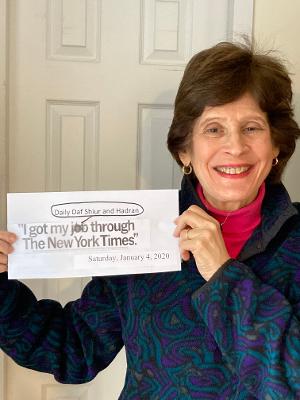
“I got my job through the NY Times” was an ad campaign when I was growing up. I can headline “I got my daily Daf shiur and Hadran through the NY Times”. I read the January 4, 2020 feature on Reb. Michelle Farber and Hadran and I have been participating ever since. Thanks NY Times & Hadran!
Deborah Aschheim
Deborah Aschheim

New York, United States

In early January of 2020, I learned about Siyyum HaShas and Daf Yomi via Tablet Magazine’s brief daily podcast about the Daf. I found it compelling and fascinating. Soon I discovered Hadran; since then I have learned the Daf daily with Rabbanit Michelle Cohen Farber. The Daf has permeated my every hour, and has transformed and magnified my place within the Jewish Universe.

Lisa Berkelhammer
Lisa Berkelhammer

San Francisco, CA , United States

Sanhedrin 79

וְהָיָה בָּהּ כְּדֵי לְהָמִית עַל לִבּוֹ, וְהָלְכָה לָהּ עַל מׇתְנָיו, וְלֹא הָיָה בָּהּ כְּדֵי לְהָמִית עַל מׇתְנָיו, וָמֵת – פָּטוּר.

and the blow was powerful enough to kill him were it to land on his chest over his heart, and instead the blow landed on his loins, and it was not powerful enough to kill him when it landed on his loins, and nevertheless the victim died, the assailant is exempt. Although the assailant intended to kill the victim, the blow was not powerful enough to kill. Ostensibly, his death was not a result of the blow.

נִתְכַּוֵּון לְהַכּוֹת אֶת הַגָּדוֹל, וְלֹא הָיָה בָּהּ כְּדֵי לְהָמִית הַגָּדוֹל, וְהָלְכָה לָהּ עַל הַקָּטָן, וְהָיָה בָּהּ כְּדֵי לְהָמִית אֶת הַקָּטָן, וָמֵת – פָּטוּר. נִתְכַּוֵּן לְהַכּוֹת אֶת הַקָּטָן, וְהָיָה בָּהּ כְּדֵי לְהָמִית אֶת הַקָּטָן, וְהָלְכָה לָהּ עַל הַגָּדוֹל, וְלֹא הָיָה בָּהּ כְּדֵי לְהָמִית אֶת הַגָּדוֹל, וָמֵת – פָּטוּר.

If one intended to kill an adult and the blow was not powerful enough to kill the adult, and instead the blow landed on a minor, and the blow was powerful enough to kill the minor and the minor died, the assailant is exempt. If one intended to kill a minor and the blow was powerful enough to kill a minor, and the blow landed on an adult and the blow was not powerful enough to kill the adult, and nevertheless, the adult died, the assailant is exempt.

אֲבָל נִתְכַּוֵּון לְהַכּוֹת עַל מׇתְנָיו, וְהָיָה בָּהּ כְּדֵי לְהָמִית עַל מׇתְנָיו, וְהָלְכָה לָהּ עַל לִבּוֹ, וָמֵת – חַיָּיב. נִתְכַּוֵּון לְהַכּוֹת אֶת הַגָּדוֹל, וְהָיָה בָּהּ כְּדֵי לְהָמִית אֶת הַגָּדוֹל, וְהָלְכָה לָהּ עַל הַקָּטָן, וָמֵת – חַיָּיב. רַבִּי שִׁמְעוֹן אוֹמֵר: אֲפִילּוּ נִתְכַּוֵּון לַהֲרוֹג אֶת זֶה וְהָרַג אֶת זֶה – פָּטוּר.

But if one intended to strike another on his loins, and the blow was powerful enough to kill him were it to land on his loins, and instead the blow landed on his chest over his heart, and he died, the assailant is liable, since in any event, his intent was to kill the victim and the blow was powerful enough to kill him wherever it struck him. If one intended to strike an adult and the blow was powerful enough to kill the adult, and the blow landed on a minor and he died, the assailant is liable. Rabbi Shimon says: Even if one intended to kill this one and he killed that one, although he would be liable for killing either, he is exempt, because one is executed only if his action completely corresponded with his intent.

גְּמָ׳ רַבִּי שִׁמְעוֹן אַהֵיָיא? אִילֵּימָא אַסֵּיפָא, ״רַבִּי שִׁמְעוֹן פּוֹטֵר״ מִיבְּעֵי לֵיהּ!

GEMARA: The Gemara asks: With regard to which clause of the mishna does Rabbi Shimon disagree? If we say that he disagrees with the latter clause of the mishna, concerning one who intended to kill an adult and killed a minor, the mishna should have employed the formulation: Rabbi Shimon exempts him, not the extended statement of: Even if one intended to kill this one and he killed that one, he is exempt.

אֶלָּא אַרֵישָׁא: נִתְכַּוֵּון לַהֲרוֹג אֶת הַבְּהֵמָה וְהָרַג אֶת הָאָדָם, לַנׇּכְרִי וְהָרַג אֶת יִשְׂרָאֵל, לַנְּפָלִים וְהָרַג אֶת בֶּן קַיָּימָא – פָּטוּר. הָא נִתְכַּוֵּון לַהֲרוֹג אֶת זֶה וְהָרַג אֶת זֶה – חַיָּיב. רַבִּי שִׁמְעוֹן אוֹמֵר: אֲפִילּוּ נִתְכַּוֵּין לַהֲרוֹג אֶת זֶה וְהָרַג אֶת זֶה – פָּטוּר.

Rather, he disagrees with the first clause of the mishna, which states: If one intended to kill an animal, and he killed a person, or he intended to kill a gentile and he killed a Jew, or he intended to kill non-viable newborns and he killed a viable person, the assailant is exempt from execution; and from which it may be inferred: But if one intended to kill this one and he killed that one, the assailant is liable. Rabbi Shimon disagrees and says: Even if one intended to kill this one and he killed that one, he is exempt.

פְּשִׁיטָא! קָאֵי רְאוּבֵן וְשִׁמְעוֹן, וְאָמַר: ״אֲנָא לִרְאוּבֵן קָא מִיכַּוַּונָא, לְשִׁמְעוֹן לָא קָא מִיכַּוַּונָא״ – הַיְינוּ פְּלוּגְתַּיְיהוּ. אָמַר: ״לְחַד מִינַּיְיהוּ״ – מַאי? אִי נָמֵי, כְּסָבוּר רְאוּבֵן וְנִמְצָא שִׁמְעוֹן – מַאי? תָּא שְׁמַע, דְּתַנְיָא: רַבִּי שִׁמְעוֹן אוֹמֵר, עַד שֶׁיֹּאמַר ״לִפְלוֹנִי אֲנִי מִתְכַּוֵּון״.

The Gemara comments: If Reuven and Shimon were standing, and before throwing the stone or shooting the arrow, the assailant said: I intend to kill Reuven, and I do not intend to kill Shimon, it is obvious that this is the dispute between the Rabbis and Rabbi Shimon. If the assailant said: I intend to kill one of them, and he did not specify whether it is Reuven or Shimon, what is the halakha? Alternatively, in a case where he intended to kill one whom he thought was Reuven and he killed him and he was found to be Shimon, what is the ruling? The Gemara suggests: Come and hear a resolution of this matter, as it is taught in a baraita that Rabbi Shimon says: He is not liable until he says: I intend to kill so-and-so, and he then kills him.

מַאי טַעְמָא דְּרַבִּי שִׁמְעוֹן? אָמַר קְרָא: ״וְאָרַב לוֹ וְקָם עָלָיו״, עַד שֶׁיִּתְכַּוֵּון לוֹ. וְרַבָּנַן, אָמְרִי דְּבֵי רַבִּי יַנַּאי: פְּרָט לְזוֹרֵק אֶבֶן לְגוֹ.

The Gemara seeks to clarify the rationale underlying the opinions of the Rabbis and Rabbi Shimon, and asks: What is the reason for the opinion of Rabbi Shimon? The verse states: “But if there will be a man who hates his neighbor, and he lies in wait for him and rises up against him, and strikes him mortally and he dies” (Deuteronomy 19:11). Based on the repeated use of pronouns in the phrase: “And lies in wait for him and rises up against him,” Rabbi Shimon derives: One is not liable to be executed until he intends to kill specifically him, the actual victim. The Gemara asks: And the Rabbis, what do they derive from the repetitive pronouns in that phrase? The Gemara answers: The Sages of the school of Rabbi Yannai say that one derives: This is to the exclusion of one who casts a stone into the midst of a group of people and one of them is killed. Since he did not intend to kill any specific individual, he is not executed.

הֵיכִי דָמֵי? אִילֵּימָא דְּאִיכָּא תִּשְׁעָה גּוֹיִם וְאֶחָד יִשְׂרָאֵל בֵּינֵיהֶן, תִּיפּוֹק לֵיהּ דְּרוּבָּא גּוֹיִם נִינְהוּ. אִי נָמֵי פַּלְגָא וּפַלְגָא, סְפֵק נְפָשׁוֹת לְהָקֵל.

The Gemara asks: What are the circumstances? If we say that it is a case where there are nine gentiles and one Jew among them, there is no need for a derivation; derive that he is exempt from the fact that they are a majority of gentiles, and based on that majority, the probability is that the stone will strike a gentile. Alternatively, if the group of people comprises half gentiles and half Jews, the principle is that the ruling in a case of uncertainty with regard to cases of capital law is to be lenient, and therefore the one who threw the stone will be exempt from punishment.

לָא צְרִיכָא, דְּאִיכָּא תִּשְׁעָה יִשְׂרָאֵל וְגוֹי אֶחָד בֵּינֵיהֶן, דְּהָוֵה לֵיהּ גּוֹי קָבוּעַ, וְכׇל קָבוּעַ כְּמֶחֱצָה עַל מֶחֱצָה דָּמֵי.

The Gemara explains: No, it is necessary to have this derivation only in a case where there are nine Jews and one gentile among them, as this is a case where the gentile is a fixed presence in the group, and the principle is: The legal status of any item fixed in its place is like that of an uncertainty that is equally balanced, and one does not follow the majority. This is what the Rabbis derive from the phrase: “And he lies in wait for him” (Deuteronomy 19:11).

בִּשְׁלָמָא לְרַבָּנַן דְּאָמְרִי: נִתְכַּוֵּון לַהֲרוֹג אֶת זֶה וְהָרַג אֶת זֶה – חַיָּיב, דִּכְתִיב: ״וְכִי יִנָּצוּ אֲנָשִׁים וְנָגְפוּ אִשָּׁה הָרָה״. וְאָמַר רַבִּי אֶלְעָזָר: בְּמַצּוּת שֶׁבְּמִיתָה הַכָּתוּב מְדַבֵּר, דִּכְתִיב: ״אִם אָסוֹן יִהְיֶה וְנָתַתָּה נֶפֶשׁ תַּחַת נָפֶשׁ״.

The Gemara asks: Granted, according to the Rabbis, who say that if one intended to kill this individual and he killed that individual he is liable, there is support for their opinion from that which is written: “If men struggle and they hurt a pregnant woman so that her child departs from her, and there is no tragedy, he shall be punished, as the husband of the woman shall impose upon him, and he shall give as the judges determine” (Exodus 21:22). It can be inferred form the verse that if there is a tragedy, i.e., if the woman dies, there is no payment of restitution. And Rabbi Elazar says: It is with regard to a quarrel that involves the intent of each to cause the death of the other that the verse is speaking, as it is written: “But if there shall be a tragedy then you shall give a life for a life” (Exodus 21:23). This is proof that in a case where one intended to kill one individual and he killed a pregnant woman instead, he is liable to be executed, which is why he does not pay restitution.

אֶלָּא לְרַבִּי שִׁמְעוֹן, הַאי ״וְנָתַתָּה נֶפֶשׁ תַּחַת נָפֶשׁ״ מַאי עָבֵיד לֵיהּ? מָמוֹן. וְכִדְרַבִּי, דְּתַנְיָא: רַבִּי אוֹמֵר, ״וְנָתַתָּה נֶפֶשׁ תַּחַת נָפֶשׁ״ – מָמוֹן. אַתָּה אוֹמֵר מָמוֹן, אוֹ אֵינוֹ אֶלָּא נֶפֶשׁ מַמָּשׁ? נֶאֶמְרָה נְתִינָה לְמַטָּה, וְנֶאֶמְרָה

But according to Rabbi Shimon, this verse: “Then you shall give a life for a life,” what does he do with it? According to his opinion, the party to the quarrel is exempt from the punishment of execution in this case. The Gemara answers: According to Rabbi Shimon, “a life for a life” is not referring to execution; rather, the reference is to monetary restitution. And this understanding is in accordance with the opinion of Rabbi Yehuda HaNasi, as it is taught in a baraita: Rabbi Yehuda HaNasi says that the phrase “then you shall give a life for a life” does not mean execution, but rather monetary restitution for the life that he took. Do you say that it means monetary restitution, or does it mean only the taking of an actual life? Based on the language employed in the verse, it can be determined that the reference is to monetary payment. In these verses, a term of giving is stated below: “And you shall give a life for a life” (Exodus 21:23). And additionally, a term is stated of

נְתִינָה לְמַעְלָה: מָה לְהַלָּן מָמוֹן, אַף כָּאן מָמוֹן.

giving above: “He shall be punished, as the husband of the woman shall impose upon him, and he shall give as the judges determine” (Exodus 21:22). Just as there, in the phrase: “Give as the judges determine,” the reference is to monetary restitution, so too here, in the phrase: “Give a life for a life,” the reference is to monetary restitution.

אָמַר רָבָא: הָאי דְּתָנָא דְּבֵי חִזְקִיָּה מַפְּקָא מִדְּרַבִּי, וּמַפְּקָא מִדְּרַבָּנַן. דְּתָנָא דְּבֵי חִזְקִיָּה: ״מַכֵּה אָדָם״ וּ״מַכֵּה בְּהֵמָה״.

Rava says: That which the school of Ḥizkiyya taught diverges from the statement of Rabbi Yehuda HaNasi, and diverges from the statement of the Rabbis. The school of Ḥizkiyya holds that in the case where one intended to kill one individual and killed another individual, he is exempt from both liability to be executed, counter to the opinion of the Rabbis, and from the obligation to pay monetary restitution. As the school of Ḥizkiyya taught: The verse states: “And he who kills an animal shall pay for it, and he who kills a man shall be put to death” (Leviticus 24:21), indicating that one who kills a man and one who kills an animal are comparable.

מָה מַכֵּה בְּהֵמָה לֹא חִלַּקְתָּ בָּהּ בֵּין שׁוֹגֵג לְמֵזִיד, בֵּין מִתְכַּוֵּין לְשֶׁאֵינוֹ מִתְכַּוֵּין, בֵּין דֶּרֶךְ יְרִידָה לְדֶרֶךְ עֲלִיָּיה – לְפוֹטְרוֹ מָמוֹן אֶלָּא לְחַיְּיבוֹ מָמוֹן. אַף מַכֵּה אָדָם לֹא תַּחְלוֹק בּוֹ בֵּין שׁוֹגֵג לְמֵזִיד, בֵּין מִתְכַּוֵּין לְשֶׁאֵין מִתְכַּוֵּין, בֵּין דֶּרֶךְ יְרִידָה לְדֶרֶךְ עֲלִיָּיה – לְחַיְּיבוֹ מָמוֹן אֶלָּא לְפוֹטְרוֹ מָמוֹן.

This teaches that just as with regard to one who kills an animal, the Torah did not differentiate between whether he does so unwittingly or intentionally, whether he acts with intent or with no intent, or whether he strikes in the course of a downward motion or in the course of an upward motion, and this is not to exempt him from paying monetary restitution in all these cases but rather to render him liable to pay monetary restitution, as one who kills an animal is liable in any event; similarly, with regard to one who kills a person, do not differentiate concerning him whether he does so unwittingly or unintentionally, whether he acts with intent or with no intent, or whether he strikes in the course of a downward motion or in the course of an upward motion, and this is not to render him liable to pay monetary restitution for the damage he causes in the process of killing him but rather to exempt him from paying monetary restitution in any event.

מַאי ״שֶׁאֵין מִתְכַּוֵּין״? אִילֵּימָא שֶׁאֵין מִתְכַּוֵּין כְּלָל – הַיְינוּ שׁוֹגֵג! אֶלָּא פְּשִׁיטָא שֶׁאֵין מִתְכַּוֵּין לָזֶה אֶלָּא לָזֶה, וְקָתָנֵי לְחַיְּיבוֹ מָמוֹן אֶלָּא לְפוֹטְרוֹ מָמוֹן. וְאִי בַּר קְטָלָא הוּא, מַאי אִיצְטְרִיךְ לְמִיפְטְרֵיהּ מָמוֹן?

Accordingly, it is derived from here that one who commits a transgression carrying the death penalty is exempt from paying damages for his action, even if he is not given the death penalty in practice. The Gemara asks: What is the meaning of with no intent? If we say that it means that he had no intent to kill at all and he happened to kill a person, that is unwitting murder that is mentioned explicitly in the baraita. Rather, it is obvious that the reference in the baraita is to one who does not intend to kill this individual, but does intend to kill that individual. And it is taught: This is not to render him liable to pay monetary restitution for the damage he causes in the process of killing him but rather to exempt him from paying monetary restitution. And if according to the school of Ḥizkiyya he is liable to be executed, for what reason was it necessary to exempt him from monetary restitution? Clearly the halakha is that one who is executed is exempt from payment.

אֶלָּא, לָאו שְׁמַע מִינַּהּ: לָאו בַּר קְטָלָא הוּא, וְלָאו בַּר מָמוֹנָא הוּא.

Rather, must one not conclude from it that he is neither liable to be executed, nor is he liable to pay monetary restitution. With regard to liability to be executed in a case where one intended to kill one individual and he killed another, the school of Ḥizkiyya holds in accordance with the opinion of Rabbi Shimon that he is exempt from the death penalty, and holds that he is exempt from paying monetary restitution as well.

מַתְנִי׳ רוֹצֵחַ שֶׁנִּתְעָרֵב בַּאֲחֵרִים – כּוּלָּן פְּטוּרִין. רַבִּי יְהוּדָה אוֹמֵר: כּוֹנְסִין אוֹתָן לַכִּיפָּה.

MISHNA: With regard to a murderer who was intermingled with others and it is not possible to identify the murderer, all of them are exempt from liability to be executed. Rabbi Yehuda says: The court gathers them into the vaulted chamber [lakippa] where they will eventually die.

כׇּל חַיָּיבֵי מִיתוֹת שֶׁנִּתְעָרְבוּ זֶה בָּזֶה – נִידּוֹנִין בַּקַּלָּה. הַנִּסְקָלִין בַּנִּשְׂרָפִין – רַבִּי שִׁמְעוֹן אוֹמֵר: נִידּוֹנִין בִּסְקִילָה, שֶׁהַשְּׂרֵיפָה חֲמוּרָה. וַחֲכָמִים אוֹמְרִים: נִידּוֹנִין בִּשְׂרֵיפָה, שֶׁהַסְּקִילָה חֲמוּרָה.

With regard to all those liable to be executed with different court-imposed death penalties who became intermingled with each other and it cannot be determined which individual was sentenced to which death, they are all sentenced to the most lenient form of execution to which any of them was sentenced. In a case where those who are liable to be stoned were intermingled with those who are liable to be burned, Rabbi Shimon says: They are all sentenced to be executed by stoning, as burning is a more severe form of execution than stoning. And the Rabbis say: They are all sentenced to be executed by burning, as stoning is a more severe form of execution than burning.

אָמַר לָהֶן רַבִּי שִׁמְעוֹן: אִילּוּ לֹא הָיְתָה שְׂרֵיפָה חֲמוּרָה, לֹא נִתְּנָה לְבַת כֹּהֵן שֶׁזִּנְּתָה. אָמְרוּ לוֹ: אִילּוּ לֹא הָיְתָה סְקִילָה חֲמוּרָה, לֹא נִתְּנָה לִמְגַדֵּף וּלְעוֹבֵד עֲבוֹדָה זָרָה.

Rabbi Shimon said to the Rabbis: If burning were not more severe than stoning, it would not have been administered to a priest’s daughter who committed adultery. A betrothed daughter of an Israelite who committed adultery is executed by stoning. If burning were not a more severe form of execution than stoning, it would not have been administered to the daughter of a priest who committed adultery, who would presumably receive a more severe punishment. The Rabbis said to Rabbi Shimon: If stoning were not more severe than burning it would not have been the death penalty administered to a blasphemer and to an idol worshipper, as their actions violate the very core of the Jewish faith.

הַנֶּהֱרָגִין בַּנֶּחְנָקִין, רַבִּי שִׁמְעוֹן אוֹמֵר: בְּסַיִיף, וַחֲכָמִים אוֹמְרִים: בְּחֶנֶק.

There is a parallel dispute: In a case where those who are liable to be killed by beheading were intermingled with those who are liable to be strangled, Rabbi Shimon says: They are all sentenced to be beheaded with a sword, as strangulation is a more severe form of execution than beheading. And the Rabbis say: They are all sentenced to be executed by strangulation, as beheading is a more severe form of execution than strangulation.

גְּמָ׳ מַאן אֲחֵרִים? אִילֵּימָא אֲחֵרִים כְּשֵׁרִים, פְּשִׁיטָא! וְתוּ, בְּהָא לֵימָא רַבִּי יְהוּדָה: כּוֹנְסִין אוֹתָן לְכִיפָּה?

GEMARA: The mishna teaches the halakha of a murderer who was intermingled with others. The Gemara asks: Who are the others with whom he was intermingled? If we say that the others are upstanding individuals, it is obvious that they are exempt; why would they all be punished for the transgression of one who happened to be among them? And furthermore, shall Rabbi Yehuda say in that case: The court gathers them into the vaulted chamber where they will eventually die? Can innocent people be left to die in this manner?

(סימן בשק״ר).

The Gemara cites a mnemonic, beit, shin, kuf, reish, for the Sages who address the above question: Rabbi Abbahu citing Shmuel, Reish Lakish, and Rava.

אָמַר רַבִּי אֲבָהוּ אָמַר שְׁמוּאֵל: הָכָא בְּרוֹצֵחַ שֶׁלֹּא נִגְמַר דִּינוֹ, שֶׁנִּתְעָרֵב בְּרוֹצְחִים אֲחֵרִים שֶׁנִּגְמַר דִּינָן, עָסְקִינַן. רַבָּנַן סָבְרִי: אֵין גּוֹמְרִין דִּינוֹ שֶׁל אָדָם אֶלָּא בְּפָנָיו, הִלְכָּךְ כּוּלָּן פְּטוּרִין. וְרַבִּי יְהוּדָה: מִיפְטְרִינְהוּ לִגְמָרֵי נָמֵי לָא, כֵּיוָן דְּרוֹצְחִין נִינְהוּ. הִלְכָּךְ כּוֹנְסִין אוֹתָן לַכִּיפָּה.

Rabbi Abbahu says that Shmuel says: Here we are dealing with a murderer about whom witnesses testified and the judges deliberated, but his verdict was not yet finalized; and he was incarcerated until the end of his trial, and he was intermingled with other murderers whose verdicts were already finalized. It cannot be determined which of them is the murderer whose verdict was not yet finalized so that he may be brought to court for the verdict. The reason for the dispute is: The Rabbis hold that a court finalizes a person’s verdict only in his presence. Since the identity of the one whose verdict was not finalized is unknown, he cannot be sentenced to death. Since one of them cannot be executed, none of them can be executed; therefore, they are all exempt. And Rabbi Yehuda holds: Completely exempting them is also not possible, since they are murderers. Therefore, the court gathers them into the vaulted chamber.

רֵישׁ לָקִישׁ אָמַר: בְּאָדָם, דְּכוּלֵּי עָלְמָא לָא פְּלִיגִי דִּפְטִירִי. אֲבָל הָכָא, בְּשׁוֹר שֶׁלֹּא נִגְמַר דִּינוֹ שֶׁנִּתְעָרֵב בִּשְׁוָרִים אֲחֵרִים שֶׁנִּגְמַר דִּינָן, קָמִיפַּלְגִי. רַבָּנַן סָבְרִי: כְּמִיתַת בְּעָלִים כָּךְ מִיתַת הַשּׁוֹר, וְאֵין גּוֹמְרִין דִּינוֹ שֶׁל שׁוֹר אֶלָּא בְּפָנָיו, הִלְכָּךְ כּוּלָּן פְּטוּרִין. וְרַבִּי יְהוּדָה סָבַר: כּוֹנְסִין אוֹתָן לַכִּיפָּה.

Reish Lakish says: In the case where a person who was accused of killing another was intermingled with others, everyone agrees that they are all exempt, because one is not punished for a murder committed by others. But here, it is with regard to an ox whose verdict for goring a person to death was not yet finalized, that was intermingled with other oxen whose verdict was already finalized, that they disagree. The Rabbis hold that based on the juxtaposition between them (see Exodus 21:29), the halakha is that like the death of the owner, so is the death of the ox, and just as a court finalizes an individual’s verdict only in his presence, a court finalizes the verdict of an ox only in its presence. Therefore, all the oxen are exempt. And Rabbi Yehuda holds that the court gathers them into the vaulted chamber. Since it is an ox that gored, and the other oxen were sentenced to be stoned, they are incarcerated until they die.

אָמַר רָבָא:

Rava says:

Want to follow content and continue where you left off?

Create an account today to track your progress, mark what you’ve learned, and follow the shiurim that speak to you.

Clear all items from this list?

This will remove ALL the items in this section. You will lose any progress or history connected to them. This is irreversible.

Cancel
Yes, clear all

Are you sure you want to delete this item?

You will lose any progress or history connected to this item.

Cancel
Yes, delete