In the opening of the ninth perek (chapter) of Zevahim, we are introduced to the concept that even an invalid offering that is put on the altar, should be burned there rather than being removed. What is the logic behind this? Is the holiness of the altar somehow contagious, and it gets transferred even to an invalid sacrifice? What can we learn from this concept?
Zevachim 83
Questions? Comments? Email dinanddaf@gmail.com
- זבחים פג. משנה
הַמִּזְבֵּחַ מְקַדֵּשׁ אֶת הָרָאוּי לוֹ. רַבִּי יְהוֹשֻׁעַ אוֹמֵר, כָּל הָרָאוּי לָאִשִּׁים, אִם עָלָה לֹא יֵרֵד, שֶׁנֶּאֱמַר (ויקרא ו), הִוא הָעֹלָה עַל מוֹקְדָה עַל הַמִּזְבֵּחַ. מָה עוֹלָה שֶׁהִיא רְאוּיָה לָאִשִּׁים, אִם עָלְתָה לֹא תֵרֵד, אַף כָּל דָּבָר שֶׁהוּא רָאוּי לָאִשִּׁים, אִם עָלָה לֹא יֵרֵד. רַבָּן גַּמְלִיאֵל אוֹמֵר, כָּל הָרָאוּי לַמִּזְבֵּחַ, אִם עָלָה לֹא יֵרֵד, שֶׁנֶּאֱמַר, הִוא הָעֹלָה עַל מוֹקְדָה עַל הַמִּזְבֵּחַ. מַה עוֹלָה שֶׁהִיא רְאוּיָה לַמִּזְבֵּחַ אִם עָלְתָה לֹא תֵרֵד, אַף כָּל דָּבָר שֶׁהוּא רָאוּי לַמִּזְבֵּחַ אִם עָלָה לֹא יֵרֵד. אֵין בֵּין דִּבְרֵי רַבָּן גַּמְלִיאֵל לְדִבְרֵי רַבִּי יְהוֹשֻׁעַ אֶלָּא הַדָּם וְהַנְּסָכִים, שֶׁרַבָּן גַּמְלִיאֵל אוֹמֵר לֹא יֵרְדוּ, וְרַבִּי יְהוֹשֻׁעַ אוֹמֵר יֵרֵדוּ. רַבִּי שִׁמְעוֹן אוֹמֵר, הַזֶּבַח כָּשֵׁר וְהַנְּסָכִים פְּסוּלִים, הַנְּסָכִים כְּשֵׁרִין וְהַזֶּבַח פָּסוּל, אֲפִלּוּ זֶה וָזֶה פְּסוּלִין, הַזֶּבַח לֹא יֵרֵד, וְהַנְּסָכִים יֵרֵדוּ:
Certain unfit items, once they have been placed on the altar, are nevertheless sacrificed. The mishna teaches: The altar sanctifies only items that are suited to it. The tanna’im disagree as to the definition of suited for the altar. Rabbi Yehoshua says: Any item that is suited to be consumed by the fire on the altar, e.g., burnt offerings and the sacrificial portions of other offerings, which are burned on the altar, if it ascended upon the altar, even if it is disqualified from being sacrificed ab initio, it shall not descend. Since it was sanctified by its ascent upon the altar, it is sacrificed upon it, as it is stated: “It is the burnt offering on the pyre upon the altar” (Leviticus 6:2), from which it is derived: Just as with regard to a burnt offering, which is suited to be consumed by the fire on the altar, if it ascended it shall not descend, so too, with regard to any item that is suited to be consumed by the fire on the altar, if it ascended it shall not descend. Rabban Gamliel says: With regard to any item that is suited to ascend upon the altar, even if it is not typically consumed, if it ascended, it shall not descend, even if it is disqualified from being sacrificed ab initio, as it is stated: “It is the burnt offering on the pyre upon the altar,” from which it is derived: Just as with regard to a burnt offering, which is fit for the altar, if it ascended it shall not descend, so too, any item that is fit for the altar, if it ascended it shall not descend. The mishna comments: The difference between the statement of Rabban Gamliel and the statement of Rabbi Yehoshua is only with regard to disqualified blood and disqualified libations, which are not consumed by the fire but do ascend upon the altar, as Rabban Gamliel says: They shall not descend, as they are fit to ascend upon the altar, and Rabbi Yehoshua says: They shall descend, as they are not burned on the altar. Rabbi Shimon says: Whether the offering was fit and the accompanying libations were unfit, e.g., if they became ritually impure or they were brought outside their designated area, or whether the libations were fit and the offering was unfit, rendering the accompanying libations unfit as well, and even if both this and that were unfit, the offering shall not descend, as it was sanctified by the altar, but the libations shall descend.
- ויקרא ו:א-ב
א וַיְדַבֵּ֥ר יְ-הֹוָ֖ה אֶל־מֹשֶׁ֥ה לֵּאמֹֽר׃
God spoke to Moses, saying:
ב צַ֤ו אֶֽת־אַהֲרֹן֙ וְאֶת־בָּנָ֣יו לֵאמֹ֔ר זֹ֥את תּוֹרַ֖ת הָעֹלָ֑ה הִ֣וא הָעֹלָ֡ה עַל֩ מוֹקְדָ֨הֿ עַל־הַמִּזְבֵּ֤חַ כׇּל־הַלַּ֙יְלָה֙ עַד־הַבֹּ֔קֶר וְאֵ֥שׁ הַמִּזְבֵּ֖חַ תּ֥וּקַד בּֽוֹ׃
Command Aaron and his sons thus: This is the ritual of the burnt offering: The burnt offering itself shall remain where it is burned upon the altar all night until morning, while the fire on the altar is kept going on it.
- רש”י ויקרא ו:ב
זאת תורת העלה וגו’. הֲרֵי הָעִנְיָן הַזֶּה בָּא לְלַמֵּד עַל הֶקְטֵר חֲלָבִים וְאֵבָרִים שֶׁיְּהֵא כָּשֵׁר כָּל הַלַּיְלָה, וּלְלַמֵּד עַל הַפְּסוּלִין אֵי זֶה אִם עָלָה יֵרֵד, וְאֵי זֶה אִם עָלָה לֹא יֵרֵד, שֶׁכָּל תּוֹרָה לְרַבּוֹת הוּא בָּא, לוֹמַר — תּוֹרָה אַחַת לְכָל הָעוֹלִים, וַאֲפִלוּ פְּסוּלִין, שֶׁאִם עָלוּ לֹא יֵרְדוּ (שם):
‘וגו זאת תורת העולה THIS IS THE LAW OF THE BURNT OFFERING: [SUCH BURNT OFFERING SHALL REMAIN ON THE FIRE-PLACE UPON THE ALTAR ALL NIGHT] — This paragraph (vv.1—2) is intended to teach, with reference to the burning of the fat-portions and limbs of sacrifices that it is permissible during the whole night (Megillah 21a); and to teach regarding disqualified sacrifices, which of them, if already brought up on the altar, must be taken down, and which, if brought up, need not be taken down. The latter case may happen, because the term, תורה wherever it occurs in Scripture as an introduction to a group of laws (cf. Leviticus 6:7, 18; 7:1,11 etc.) is intended as an all-inclusive term (to include all of the class mentioned); here it is intended to tell us: One law applies to all animals that may be brought up on the altar, even certain disqualified ones — that if these have once been brought up on the altar they shall not be taken down again (Sifra, Tzav, Chapter 1 7; Zevachim 27b).
הוא העלה. לְמַעֵט אֶת הָרוֹבֵעַ וְאֶת הַנִּרְבָּע וְכַיּוֹצֵא בָּהֶן, שֶׁלֹּא הָיָה פְּסוּלָן בַּקֹּדֶשׁ, שֶׁנִּפְסְלוּ קֹדֶם שֶׁבָּאוּ לָעֲזָרָה (שם ח):
הוא העולה — is intended to exclude from the general law of עולה male and female cattle with which sexual sin had been committed and the like (i. e. that even if they were put on the altar they must be taken down again), because their disqualification did not occur in the Holy Place, since they were dis-qualified before they came into the forecourt (Sifra, Tzav, Chapter 1 8).
- ר’ דוד הכהן ראפאפארט, מקדש דוד סימן ד’
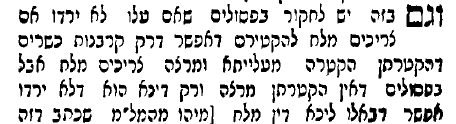
And one should examine regarding the invalid sacrifices that ascended and therefore do not descent – weather they require salting in order to burn them, for perhaps only valid sacrifices whose burning are proper burning and effect Divine validation require salting, but invalid sacrifices which do not effect Divine validation, but instead are only burned because there is a rule that they should not be removed (once they have ascended), perhaps there is no law of salting these.
- מנחות ז.
אָמַר רַבִּי יוֹחָנָן…כְּלֵי שָׁרֵת אֵין מְקַדְּשִׁין אֶלָּא מִדַּעַת.
Concerning this challenge, Rabbi Yoḥanan said: …service vessels sanctify items placed in them only when they are placed there with specific intent that they be sanctified by that vessel.
- זבחים פג:
רַבִּי יוֹסֵי הַגְּלִילִי אוֹמֵר: מִתּוֹךְ שֶׁנֶּאֱמַר ״כׇּל הַנֹּגֵעַ בַּמִּזְבֵּחַ יִקְדָּשׁ״ – שׁוֹמֵעַ אֲנִי בֵּין רָאוּי וּבֵין שֶׁאֵינוֹ רָאוּי; תַּלְמוּד לוֹמַר ״כְּבָשִׂים״ – מָה כְּבָשִׂים רְאוּיִין, אַף כֹּל רָאוּי. רַבִּי עֲקִיבָא אוֹמֵר: ״עֹלָה״ – מָה עוֹלָה רְאוּיָה, אַף כֹּל רְאוּיָה.
Rabbi Yosei HaGelili says: From that which is stated: “Whatever touches the altar shall be sacred” (Exodus 29:37), I would derive that the altar sanctifies any item that ascends upon it, whether it is fit for the altar or whether it is unfit. Therefore, the verse states: “Now this is that which you shall offer upon the altar: Two lambs” (Exodus 29:38), to teach: Just as lambs are fit for the altar and are sanctified by it, so too, all items fit for the altar are sanctified by it. Rabbi Akiva says that the verse states: “Burnt offering,” to teach: Just as a burnt offering is fit for the altar and is sanctified by it, so too, all items fit for the altar are sanctified by it.
- שמות כט:לז-לח
לז שִׁבְעַ֣ת יָמִ֗ים תְּכַפֵּר֙ עַל־הַמִּזְבֵּ֔חַ וְקִדַּשְׁתָּ֖ אֹת֑וֹ וְהָיָ֤ה הַמִּזְבֵּ֙חַ֙ קֹ֣דֶשׁ קׇֽדָשִׁ֔ים כׇּל־הַנֹּגֵ֥עַ בַּמִּזְבֵּ֖חַ יִקְדָּֽשׁ׃ {ס}
Seven days you shall perform purification for the altar to consecrate it, and the altar shall become most holy; whatever touches the altar shall become consecrated.
לח וְזֶ֕ה אֲשֶׁ֥ר תַּעֲשֶׂ֖ה עַל־הַמִּזְבֵּ֑חַ כְּבָשִׂ֧ים בְּנֵֽי־שָׁנָ֛ה שְׁנַ֥יִם לַיּ֖וֹם תָּמִֽיד׃
Now this is what you shall offer upon the altar: two yearling lambs each day, regularly.
- רש”י שמות כט:לז
והיה המזבח קדש. וּמַה הִיא קְדֻשָּׁתוֹ? כל הנגע במזבח יקדש.
And the altar will be(come) holy. And what is it holiness? All that touches the altar will become holy.
- בכור שור שמות כט:לז
כל הנוגע במזבח יקדש. לפי פשוטו יהיה קדוש שצריך לקדשו ולטהר מפני שמזבח קדש קדשים וי”ל שאחר שהמזבח מקודש ע”י משחה הנוגע בו ימשח ממנו כי הנוגע בדבר נמשח גם הוא נמשח שהמשיחה שביה מושחת הנוגע ולהחזיר שלא יגעו בו שלא לצורך אמר כן ורבות’ פי’ כל הראוי למזבח המזבח מקדשו להיות לו קדושת הגוף וה”ה לשאר כלי שרת שמקדשין את הראוי להם:
All that touches the altar will become holy: The plain meaning that it will be holy means that one needs to become holy and purify themselves because the altar is holy of holies. And one might say that because the altar is consecrated through anointing, one who touches it will become anointed by it: for one who touches something anointed will also become anointed – for the anointing in it also anoint whoever touches it, and so that people will not touch it unnecessarily it says so. And our rabbis explained: anything that it fitting for the altar, the altar consecrates it to have physical sanctity (as opposed to simply its value being sanctified – קדושת דמים). And the same applies to the other service vessels, which also consecrate that which is fitting for them.
- ר’ אברהם אבן עזרא שמות כט:לז
כל הנגע במזבח יקדש. כמו כל אשר יגע בבשרה יקדש (ויקרא ו, כ) יש אומרים כי על הלחם לבדו ידבר שלא יגעו אם לא יהיו קדושים והטעם שלא יהיו טמאים:
All that touches the altar will become holy: Like “all that touches is flesh shall become holy. Some say this is only about the bread – i.e., that they may not touch it unless they are holy, meaning that they may not be ritually impure.
- שמות כט:א-ב,לז
א וְזֶ֨ה הַדָּבָ֜ר אֲשֶֽׁר־תַּעֲשֶׂ֥ה לָהֶ֛ם לְקַדֵּ֥שׁ אֹתָ֖ם לְכַהֵ֣ן לִ֑י לְ֠קַ֠ח פַּ֣ר אֶחָ֧ד בֶּן־בָּקָ֛ר וְאֵילִ֥ם שְׁנַ֖יִם תְּמִימִֽם׃
This is what you shall do to them in consecrating them to serve Me as priests: Take a young bull of the herd and two rams without blemish;
ב וְלֶ֣חֶם מַצּ֗וֹת וְחַלֹּ֤ת מַצֹּת֙ בְּלוּלֹ֣ת בַּשֶּׁ֔מֶן וּרְקִיקֵ֥י מַצּ֖וֹת מְשֻׁחִ֣ים בַּשָּׁ֑מֶן סֹ֥לֶת חִטִּ֖ים תַּעֲשֶׂ֥ה אֹתָֽם׃
also unleavened bread, unleavened cakes with oil mixed in, and unleavened wafers spread with oil—make these of choice wheat flour.
לז שִׁבְעַ֣ת יָמִ֗ים תְּכַפֵּר֙ עַל־הַמִּזְבֵּ֔חַ וְקִדַּשְׁתָּ֖ אֹת֑וֹ וְהָיָ֤ה הַמִּזְבֵּ֙חַ֙ קֹ֣דֶשׁ קׇֽדָשִׁ֔ים כׇּל־הַנֹּגֵ֥עַ בַּמִּזְבֵּ֖חַ יִקְדָּֽשׁ׃ {ס}
Seven days you shall perform purification for the altar to consecrate it, and the altar shall become most holy; whatever touches the altar shall become consecrated.
- ויקרא ו:יז-כ
יז וַיְדַבֵּ֥ר יְ-הֹוָ֖ה אֶל־מֹשֶׁ֥ה לֵּאמֹֽר׃
God spoke to Moses, saying:
יח דַּבֵּ֤ר אֶֽל־אַהֲרֹן֙ וְאֶל־בָּנָ֣יו לֵאמֹ֔ר זֹ֥את תּוֹרַ֖ת הַֽחַטָּ֑את בִּמְק֡וֹם אֲשֶׁר֩ תִּשָּׁחֵ֨ט הָעֹלָ֜ה תִּשָּׁחֵ֤ט הַֽחַטָּאת֙ לִפְנֵ֣י יְ-הֹוָ֔ה קֹ֥דֶשׁ קׇֽדָשִׁ֖ים הִֽוא׃
Speak to Aaron and his sons thus: This is the ritual of the sin offering: the sin offering shall be slaughtered before God, at the spot where the burnt offering is slaughtered: it is most holy.
יט הַכֹּהֵ֛ן הַֽמְחַטֵּ֥א אֹתָ֖הּ יֹאכְלֶ֑נָּה בְּמָק֤וֹם קָדֹשׁ֙ תֵּֽאָכֵ֔ל בַּחֲצַ֖ר אֹ֥הֶל מוֹעֵֽד׃
The priest who offers it as a sin offering shall eat of it; it shall be eaten in the sacred precinct, in the enclosure of the Tent of Meeting.
כ כֹּ֛ל אֲשֶׁר־יִגַּ֥ע בִּבְשָׂרָ֖הּ יִקְדָּ֑שׁ וַאֲשֶׁ֨ר יִזֶּ֤ה מִדָּמָהּ֙ עַל־הַבֶּ֔גֶד אֲשֶׁר֙ יִזֶּ֣ה עָלֶ֔יהָ תְּכַבֵּ֖ס בְּמָק֥וֹם קָדֹֽשׁ׃
Anything that touches its flesh shall become holy; and if any of its blood is spattered upon a garment, you shall wash the bespattered part in the sacred precinct.
- חזקוני
קדש קדשים קדש כאחד מן הקדשים
כל הנגע במזבח כל הרוצה ליגע בו יזמן ויטהר עצמו מקודם לכן, וכן כתיב או בגשתם אל המזבח וגו׳ דוגמא וגם הכהנים הנגשים אל ה׳ יתקדשו.
Holy of holies: holy like one of the consecrated items.
All that touches the altar: Anyone who wishes to touch it should prepare and purify themselves ritually beforehand. And likewise it is written: “or when they approach the altar…” and likewise, “and also the kohanim who approach God should purify themselves.”
- שמות כח: מא-מג
מא וְהִלְבַּשְׁתָּ֤ אֹתָם֙ אֶת־אַהֲרֹ֣ן אָחִ֔יךָ וְאֶת־בָּנָ֖יו אִתּ֑וֹ וּמָשַׁחְתָּ֨ אֹתָ֜ם וּמִלֵּאתָ֧ אֶת־יָדָ֛ם וְקִדַּשְׁתָּ֥ אֹתָ֖ם וְכִהֲנ֥וּ לִֽי׃
Put these on your brother Aaron and on his sons as well; anoint them, and ordain them *and ordain them Lit. “and fill their hands.” and consecrate them to serve Me as priests.
מב וַעֲשֵׂ֤ה לָהֶם֙ מִכְנְסֵי־בָ֔ד לְכַסּ֖וֹת בְּשַׂ֣ר עֶרְוָ֑ה מִמׇּתְנַ֥יִם וְעַד־יְרֵכַ֖יִם יִהְיֽוּ׃
You shall also make for them linen breeches to cover their nakedness; they shall extend from the hips to the thighs.
מג וְהָיוּ֩ עַל־אַהֲרֹ֨ן וְעַל־בָּנָ֜יו בְּבֹאָ֣ם ׀ אֶל־אֹ֣הֶל מוֹעֵ֗ד א֣וֹ בְגִשְׁתָּ֤ם אֶל־הַמִּזְבֵּ֙חַ֙ לְשָׁרֵ֣ת בַּקֹּ֔דֶשׁ וְלֹא־יִשְׂא֥וּ עָוֺ֖ן וָמֵ֑תוּ חֻקַּ֥ת עוֹלָ֛ם ל֖וֹ וּלְזַרְע֥וֹ אַחֲרָֽיו׃ {ס}
They shall be worn by Aaron and his sons when they enter the Tent of Meeting or when they approach the altar to officiate in the sanctuary, so that they do not incur punishment and die. It shall be a law for all time for him and for his offspring to come.
- שמות יט:כב וְגַ֧ם הַכֹּהֲנִ֛ים הַנִּגָּשִׁ֥ים אֶל־יְ-הֹוָ֖ה יִתְקַדָּ֑שׁוּ פֶּן־יִפְרֹ֥ץ בָּהֶ֖ם יְ-הֹוָֽה׃
The priests also, who come near God, must stay pure, lest God break out against them.”
- הכתב והקלבה שם
כל הנוגע במזבח יקדש. תיב”ע כל דיקרב במדבחא יתקדש מן בני אהרן ברם מן שאר עמא לית אפשר להון למקרב. וכפי’ רשב”ם וראב”ע כל הנוגע וקרב אל המזבח יקדש, ויהיה טהור תחלה בטרם יקרב אל המזבח, אמנם לרבותינו (זבחים פ”ג פ”ד) טעם המקרא כל קרבן שהיה ראוי למזבח אף שנפסל אחר שהובא לעזרה, אם עלה על המזבח קדשו המזבח להכשירו שלא ירד, ולאו דוקא בשעלה הקרבן בראשו של מזבח ונגע עצם הקרבן בעצמו של מזבח, אלא אפי’ כשהוא בידו של כהן העומד בראש המזבח גם כן נתקדש, דאוירו של מזבח כמזבח דהנחת גופו של כהן כהנחת קרבן דמי, ולא יסתפקו שם רק כשעלה הקרבן בראשו של מזבח באויר ע”י קנה שביד הכהן העומד למטה, ע”ש.
Yonatan ben Uzziel translated: All who come close to the altar from among the sons of Aaron shall purify themselves. However, from among the rest of the nation, no one may come close. And it is like the explanation of the Rashbam and Ibn Ezra: Anyone who touches and comes close to the altar should become consecrated, i.e., should be pure before coming close to the altar. However, according to our rabbis (Zevahim 83, 84) the meaning of the verse is that all that is fitting to the altar even if it has become invalued once it entered the azarah, if it ascended to the altar, the altar consecrated it to make it valid to the degree that it will not descend. And this is not only if the sacrifice went to the top of the altar and physically touches the altar; rather, even if it is in the hand of the kohen standing at the top of the altar, it also becomes purified, for the very airspace of the altar is like the altar, for the resting of the land of the kohen is like the resting of the sacrifice. And the only question is when the sacrifice ascended to the airspace of the altar via a reed that is in the hand of the kohen, who is standing below, see there.
מדנקטי רבותינו לשון שעלה בראש המזבח ואף בשלא נגע בו, א”כ מה הוא לשון הנוגע במזבח דאמר קרא? וצריכים לפרש לשון הנוגע כמו וראשו לעב יגיע (איוב כ׳:ו׳) שאינו נגיעת עצם בעצם דבר שבצדו (בעריהרען) כ”א עליית דבר ממטה למעלה (עמפאָרשטייגען) וכמו נגע אל השמים משפטה (ירמיה נ”א ט’) כלו’ גבה לשמים, ובי”ת במזבח כמלת על, כמו הבהמה אשר אנכי רוכב בה (נחמיה ב׳:י״ב) כלומר רוכב עליה, וטעם הנוגע במזבח העולה על המזבח (דיא אָפפערשטאטטע איבערשטייגט), והא דלא קאמר קרא לשון העולה על המזבח שהוא לשון היותר ברור, נ”ל שבא לכלול גם התנאי ההכרחי למתקדשין בעליית המזבח, שהוא דוקא בשהיו ראויים למזבח ונפסלו בקדש, לא בנפסלו קודם בואם לעזרה.
From the fact that our rabbis said “that it ascended to the top of the altar,” even without it having touched it – if so, why does the verse use the language of “that touches”? And we must explain the language of “touches” like “and his head reaching the clouds (Iyov 20:6)” which is not about literally touching something, but only something ascended from below above. And its similar to “for her punishment reaches to heaven (Yirmiyahu 51:9)” – i.e., it ascended to the heavens.
And the “ב” of “במזבח” is like the word “on” – like “the beast that I was riding (Nehemiah 2:12,” meaning riding upon. And the meaning of “all that touches בaltar” means “on the altar.” And the fact that the verse did not use the language of “ascending on the altar,” which is clearer language- it seems to me that it comes to also include the necessary condition for those which become sanctified by ascending to the altar: namely that they must be fitting for the altar and became invalid in the kodesh – not that they became invalid before they came to the azarah.For the language of touching
כי לשון נגיעה ישמשוהו רבותינו הרבה על השייכות שיש לדבר עם דבר (אנהאֶנגיג) כלשונם נוגע בעדות וכדומה לזה, שאינו כ”א נגיעה מחשבית והתקרבות ודבקות רצוני, ועל נגיעה מחשבית כזו שאינה כ”א שייכות רמז קרא בכוונה שניה בלשון הנוגע במזבח כלומר כל קרבן שהיה לו שייכות במזבח כגון שהיה ראוי להיות נקרב על המזבח:
For the language of “touching” our rabbis use it a lot about the belonging of one thing with another – e.g., implicated by the testimony, and the like – which is an ideational connection, closeness and connected will. And the verse indeed to such ideational touching like this which really refers to belonging as secondary intention through the language of “touching the atlar,” meaning any sacrifice that is connected to the altar – e.g., if it had been worthy of being given on the altar.