
Din & Daf: Conceptual Analysis of Halakha Through Case Study with Dr. Elana Stein Hain
In this week’s daf (Menachot 93a-b), the mishnah declares that women do not lay their hands (semicha) on their korbanot. This seems to be the position within mishnah, as corroborated in Kiddushin (36a, Mishnah 1:8). However, in another tannaitic source – the Sifra (Midrash Halakha on Vayikra) – R. Yose and R. Shimon are cited as saying that women may choose to lay their hands (semicha) on their korbanotץ Their approach introduces an important rabbinic concept – רשות – volitional acts. It also serves as precedent in the Bavli for women’s volitional performance of mitzvot that are understood as not required of them. In this shiur, we will examine both of these dimensions
Menachot 93
Questions? Comments? Email dinanddaf@gmail.com
- ויקרא א:א-ד
א וַיִּקְרָ֖א אֶל־מֹשֶׁ֑ה וַיְדַבֵּ֤ר יְ-הֹוָה֙ אֵלָ֔יו מֵאֹ֥הֶל מוֹעֵ֖ד לֵאמֹֽר׃
[GOD] called to Moses and spoke to him from the Tent of Meeting, saying:
ב דַּבֵּ֞ר אֶל־בְּנֵ֤י יִשְׂרָאֵל֙ וְאָמַרְתָּ֣ אֲלֵהֶ֔ם אָדָ֗ם כִּֽי־יַקְרִ֥יב מִכֶּ֛ם קׇרְבָּ֖ן לַֽי-הֹוָ֑ה מִן־הַבְּהֵמָ֗ה מִן־הַבָּקָר֙ וּמִן־הַצֹּ֔אן תַּקְרִ֖יבוּ אֶת־קׇרְבַּנְכֶֽם׃
Speak to the Israelite people, and say to them:
When any of you presents an offering of cattle to GOD: You shall choose your offering from the herd or from the flock.
ג אִם־עֹלָ֤ה קׇרְבָּנוֹ֙ מִן־הַבָּקָ֔ר זָכָ֥ר תָּמִ֖ים יַקְרִיבֶ֑נּוּ אֶל־פֶּ֜תַח אֹ֤הֶל מוֹעֵד֙ יַקְרִ֣יב אֹת֔וֹ לִרְצֹנ֖וֹ לִפְנֵ֥י יְ-הֹוָֽה׃
If your offering is a burnt offering from the herd, you shall make your offering a male without blemish. You shall bring it to the entrance of the Tent of Meeting, for acceptance on your behalf before GOD.
ד וְסָמַ֣ךְ יָד֔וֹ עַ֖ל רֹ֣אשׁ הָעֹלָ֑ה וְנִרְצָ֥ה ל֖וֹ לְכַפֵּ֥ר עָלָֽיו׃
You shall lay a hand upon the head of the burnt offering, that it may be acceptable on your behalf, in expiation for you.
- מנחות צג.-צג:
מַתְנִי׳ הַכֹּל סוֹמְכִין, חוּץ מֵחֵרֵשׁ, שׁוֹטֶה, וְקָטָן, וְסוֹמֵא, וְגוֹי, וְהָעֶבֶד, וְהַשָּׁלִיחַ, וְהָאִשָּׁה.
MISHNA: Everyone who brings an animal offering places hands upon its head, except for a deaf-mute, an imbecile, a minor, a blind person, a gentile, a Canaanite slave, the agent of the owner of the offering who brings the offering on the owner’s behalf, and a woman.
וּסְמִיכָה – שְׁיָרֵי מִצְוָה.
And the requirement of placing hands is a non-essential mitzva; therefore, failure to place hands does not prevent the owner from achieving atonement.
עַל הָרֹאשׁ בִּשְׁתֵּי יָדַיִם, וּבִמְקוֹם שֶׁסּוֹמְכִין שׁוֹחֲטִין, וְתֵכֶף לִסְמִיכָה שְׁחִיטָה.
The rite of placing hands is performed by leaning on the head of the offering with two hands. And in the same location in the Temple that one places hands, one slaughters the animal. And immediately following the rite of placing hands, the slaughter is performed.
…
גמ’…וְהָעֶבֶד וְהַשָּׁלִיחַ וְהָאִשָּׁה. תָּנוּ רַבָּנַן: ״יָדוֹ״ – וְלֹא יַד עַבְדּוֹ, ״יָדוֹ״ – וְלֹא יַד שְׁלוּחוֹ, ״יָדוֹ״ – וְלֹא יַד אִשְׁתּוֹ.
The mishna states: A Canaanite slave, the agent of the owner of the offering who brings the offering on his behalf, and a woman do not place hands on their offerings. Concerning these halakhot, the Sages taught in a baraita: The term “his hand” is mentioned three times in Leviticus, chapter 3, which details the requirement of placing hands. Each mention is expounded to exclude a different case. “His hand” (Leviticus 3:2), but not the hand of his Canaanite slave; “his hand” (Leviticus 3:8), but not the hand of his agent; “his hand” (Leviticus 3:13), but not the hand of his wife.
- קידושין לו.
מַתְנִי׳, הַסְּמִיכוֹת, וְהַתְּנוּפוֹת, וְהַהַגָּשׁוֹת, וְהַקְּמִיצוֹת, וְהַ[הַ]קְטָרוֹת, וְהַמְּלִיקוֹת, וְהַקַּבָּלוֹת, וְהַזָּאוֹת – נוֹהֲגִים בַּאֲנָשִׁים וְלֹא בְּנָשִׁים, חוּץ מִמִּנְחַת סוֹטָה וּנְזִירָה שֶׁהֵן מְנִיפוֹת.
MISHNA: With regard to the placing of hands on the head of an offering, and the waving of certain offerings, and the bringing near of meal-offerings to the corner of the altar, and the removal of a handful from meal-offerings, and the burning of sacrificial parts on the altar, and the pinching of bird-offerings, and the collecting of blood of offerings in a vessel, and the sprinkling of blood, these apply to men and not to women. All these mitzvot apply specifically to men and not to women, except for the meal-offering of a sota, and the meal-offering of a nazirite woman, which these women wave.
גְּמָ׳ סְמִיכוֹת. דִּכְתִיב: ״דַּבֵּר אֶל בְּנֵי יִשְׂרָאֵל… וְסָמַךְ״ – בְּנֵי יִשְׂרָאֵל סוֹמְכִים, וְאֵין בְּנוֹת יִשְׂרָאֵל סוֹמְכוֹת.
GEMARA: From where is it derived that placing of hands on the head of an offering applies only to men? As it is written: “Speak to the sons of Israel…and he shall place his hand” (Leviticus 1:2–4), which indicates that the sons of Israel place hands on offerings, but the daughters of Israel do not place hands.
- ספרא נדבה פרשה ב’ אות ב’
“בני ישראל” סומכים ואין בנות ישראל סומכות. ר’ יוסי ור’ שמעון אומרים נשים סומכות רשות. אמר ר’ יוסי, אמר לי אבא אלעזר היה לנו עגל זבחי שלמים והוצאנוהו לעזרת נשים וסמכו עליו הנשים; לא מפני שהסמיכה בנשים אלא מפני נחת רוח של נשים…
The sons of Israel lean on their korbanot, but the daughters of Israel do not. R. Yose and R. Shimo say: women may volitionally lean on their korbanot. R. Yose said: My father Elazar told me – We had a calf for a peace offering, and we took it to the women’s gallery, and the women leaned on it – not because leaning is a requirement for women but in order to put their minds at ease…
- מכילתא דר’ ישמעאל בא מסכתא דפיסחא ח:כז
שבעת ימים מצות תאכלו אך ביום הראשון תשביתו שאר מבתיכם (שמות יב:טו)- לעשות הראשון חובה ושאר הימים רשות אתה אומר לעשות הראשון חובה ושאר הימים רשות או אינו אלא לעשות הראשון רשות ושאר הימים חובה ת”ל בראשון בארבע’ עשר יום לחדש בערב תאכלו מצות (שמות יב:יח) הכתוב קבעו חובה. הא אין עליך לומר כלשון האחרון אלא כלשון ראשון לעשות הראשון חובה ושאר כל הימים רשות.
“Seven days shall you eat unleavened products, but on the first day you shall remove leaven from your homes (Exodus 12:15).” This renders the first obligatory and the remaining days discretionary. Or: This renders the firs discretionary and the remaining days obligation. Hence, Scripture teaches: On the first, the fourteenth day of the month, in the evening, you shall eat unleavened products (Exodus 12:18).” Scripture establishes the first as obligatory. Then, you should not follow the second approach, but the first approach: making the first day of Pesach obligatory, while the remaining days discretionary.
- מכילתא דר’ שמעון בר יוחאי שמות כב:כד
אם כסף תלוה יכול רשות ת”ל (דברים ט”ו ח’) והעבט תעביטנו חובה לא רשות: משום ר’ ישמעאל אמרו כל אם ואם שבתורה רשות חוץ משלשה שהן חובה זו אחת מהן:
“If you lend money to My nation” – perhaps this is discretionary. Therefore, Scripture teaches (Deut. 15:8), “and you shall surely lend” – i.e., it is a requirement rather than a volitional act. In the name of R. Yishmael they said: Every “if” in the Torah indicates discretion, except for three, which indicate requirement. And this is one of those latter instances.
- ויקרא יד:לו
וְצִוָּ֨ה הַכֹּהֵ֜ן וּפִנּ֣וּ אֶת־הַבַּ֗יִת בְּטֶ֨רֶם יָבֹ֤א הַכֹּהֵן֙ לִרְא֣וֹת אֶת־הַנֶּ֔גַע וְלֹ֥א יִטְמָ֖א כׇּל־אֲשֶׁ֣ר בַּבָּ֑יִת וְאַ֥חַר כֵּ֛ן יָבֹ֥א הַכֹּהֵ֖ן לִרְא֥וֹת אֶת־הַבָּֽיִת׃
The priest shall order the house cleared before the priest enters to examine the plague, so that nothing in the house may become impure; after that the priest shall enter to examine the house.
- ספרא, תזריע פרשת נגעים, פרק ה
[ב] “וביום” – מלמד שנותנים ב’ ימים ב’ ימים לביתו ב’ ימים לכסותו דברי ר’ יהודה. רבי אומר, הרי הוא אומר “וצוה הכהן וכולי” – אם ממתינים לו לדבר הרשות, לא ימתינו לו לדבר מצוה?! וכמה היא מצותו? נראה בחתן – נותנים לו ז’ ימי המשתה, לו ולביתו ולכסותו וכן ברגל נותנים לו כל ימי הרגל.
2) “And on the day”: We are hereby (by this redundancy) taught that he (a groom) is given two (types of days [the seven days of the marriage feast and those of a festival]) for (non-inspection of plague-spots): for (those of) his body, for (those of) his house, and for those of his garments. These are the words of R. Yehudah. Rebbi says (that a special verse is not required for this, for) it is written (Vayikra 14:36): “And the Cohein shall command, (and they shall empty out the house before the Cohein comes in to see the plague-spot, so that there not be made unclean all that is in the house.”) If they wait for a mundane matter, shall they not wait for a matter of mitzvah! And how much (i.e., how many days) is his mitzvah? For a groom we allow the seven days of the marriage feast, for himself, his house, and his garments. And thus on a festival — we allow him all the days of the festival.
- Dr. Tzvi Novick, What is Good, and What God Demands: Normative Structures in Tannaitic Literature, 24, 26
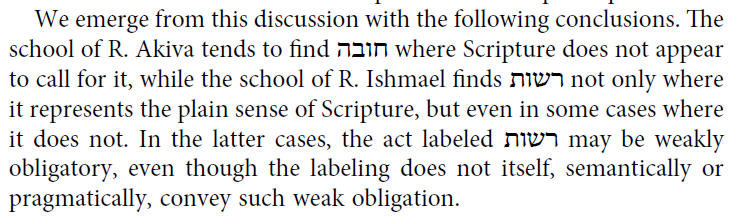
…
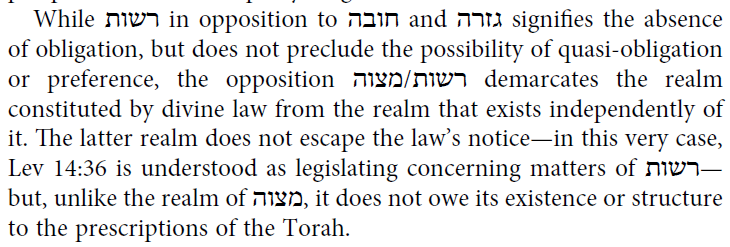
- ראש השנה לג.
אֵין מְעַכְּבִין אֶת הַתִּינוֹקוֹת מִלִּתְקוֹעַ. הָא נָשִׁים — מְעַכְּבִין, וְהָתַנְיָא: אֵין מְעַכְּבִין לֹא אֶת הַנָּשִׁים וְלֹא אֶת הַתִּינוֹקוֹת מִלִּתְקוֹעַ בְּיוֹם טוֹב! אֲמַר אַבָּיֵי, לָא קַשְׁיָא: הָא רַבִּי יְהוּדָה, הָא רַבִּי יוֹסֵי וְרַבִּי שִׁמְעוֹן.
“One need not prevent children from sounding the shofar on Rosh HaShana.” The Gemara infers: If women wish to sound the shofar, one indeed prevents them from doing so. The Gemara asks: Isn’t it taught in a baraita that one does not prevent women or children from sounding the shofar on a Festival? The Gemara answers that Abaye said: This is not difficult: This mishna is in accordance with the opinion of Rabbi Yehuda, while that baraita is in accordance with the opinion of Rabbi Yosei and Rabbi Shimon.
דְּתַנְיָא: ״דַּבֵּר אֶל בְּנֵי יִשְׂרָאֵל״. בְּנֵי יִשְׂרָאֵל סוֹמְכִין, וְאֵין בְּנוֹת יִשְׂרָאֵל סוֹמְכוֹת, דִּבְרֵי רַבִּי יְהוּדָה. רַבִּי יוֹסֵי וְרַבִּי שִׁמְעוֹן אוֹמְרִים: נָשִׁים סוֹמְכוֹת — רְשׁוּת.
As it is taught in a baraita: “Speak to the children of Israel…and he shall lean his hands upon the head of the burnt-offering” (Leviticus 1:2–4). The phrase “children of Israel” literally means sons of Israel, and this teaches that the sons of Israel lean their hands upon offerings, but the daughters of Israel do not lean their hands upon offerings; this is the statement of Rabbi Yehuda. Rabbi Yosei and Rabbi Shimon say: Women may volitionally lean on their korbanot.
- עירובין צו.-:
אֶלָּא הַאי תַּנָּא הוּא דְּתַנְיָא: מִיכַל בַּת כּוּשִׁי הָיְתָה מַנַּחַת תְּפִילִּין וְלֹא מִיחוּ בָּהּ חֲכָמִים, וְאִשְׁתּוֹ שֶׁל יוֹנָה הָיְתָה עוֹלָה לָרֶגֶל וְלֹא מִיחוּ בָּהּ חֲכָמִים. מִדְּלֹא מִיחוּ בָּהּ חֲכָמִים — אַלְמָא קָסָבְרִי מִצְוַת עֲשֵׂה שֶׁלֹּא הַזְּמַן גְּרָמָא הִיא.
Rather, we must say that it is this tanna who maintains that Shabbat is a time for phylacteries, as it was taught in a baraita: Michal, daughter of Kushi, King Saul, would don phylacteries, and the Sages did not protest against her behavior, as she was permitted to do so. And similarly, Jonah’s wife would undertake the Festival pilgrimage and the Sages did not protest against her practice. From the fact that the Sages did not protest against Michal’s donning phylacteries, it is apparent that these Sages hold that phylacteries is a positive mitzva not bound by time, i.e., it is a mitzva whose performance is mandated at all times, including nights and Shabbat. There is an accepted principle that women are obligated in all positive mitzvot not bound by time.
וְדִילְמָא סָבַר לַהּ
The Gemara rejects this contention: But perhaps that tanna holds
כְּרַבִּי יוֹסֵי, דְּאָמַר: נָשִׁים סוֹמְכוֹת רְשׁוּת.
in accordance with the opinion of Rabbi Yosei, who said: It is optional for women to place their hands on the head of a sacrificial animal before it is slaughtered. Although only men have this obligation, women may perform that rite if they wish. Similarly, women may perform other mitzvot that they have no obligation to fulfill.
דְּאִי לָא תֵּימָא הָכִי, אִשְׁתּוֹ שֶׁל יוֹנָה הָיְתָה עוֹלָה לָרֶגֶל וְלֹא מִיחוּ בָּהּ, מִי אִיכָּא לְמַאן דְּאָמַר רֶגֶל לָאו מִצְוַת עֲשֵׂה שֶׁהַזְּמַן גְּרָמָא הוּא? אֶלָּא קָסָבַר רְשׁוּת, הָכָא נָמֵי רְשׁוּת.
As, if you do not say so, that this tanna holds in accordance with the opinion of Rabbi Yosei, the baraita states that Jonah’s wife would ascend to Jerusalem for the Festival pilgrimage and the Sages did not reprimand her. Is there anyone who says that the mitzva of Festival pilgrimage is not a time-bound positive mitzva and that women are obligated to fulfill it? Rather, he holds that she did not embark on the pilgrimage as an obligation, but that it was optional; here, too, with regard to phylacteries, it is optional. Consequently, no proof can be cited from this baraita as to whether or not Shabbat is a fit time for phylacteries.
אֶלָּא הַאי תַּנָּא הִיא דְּתַנְיָא: הַמּוֹצֵא תְּפִילִּין, מַכְנִיסָן זוּג זוּג. אֶחָד הָאִישׁ וְאֶחָד הָאִשָּׁה, אֶחָד חֲדָשׁוֹת וְאֶחָד יְשָׁנוֹת, דִּבְרֵי רַבִּי מֵאִיר. רַבִּי יְהוּדָה אוֹסֵר בַּחֲדָשׁוֹת, וּמַתִּיר בִּישָׁנוֹת.
Rather, who is the tanna who maintains that Shabbat is a time for phylacteries? It is this tanna who taught the halakha, as it was taught in the Tosefta: One who finds phylacteries brings them in pair by pair, whether the finder is a man or whether she is a woman, and whether the phylacteries are new or whether they are old. This is the statement of Rabbi Meir. Rabbi Yehuda prohibits bringing in new phylacteries since they might merely be amulets in the form of phylacteries, but he permits bringing in old ones, which are certainly valid phylacteries.
עַד כָּאן לָא פְּלִיגִי אֶלָּא בַּחֲדָשׁוֹת וִישָׁנוֹת, אֲבָל בְּאִשָּׁה לָא פְּלִיגִי. שְׁמַע מִינַּהּ מִצְוַת עֲשֵׂה שֶׁלֹּא הַזְּמַן גְּרָמָא הוּא, וְכׇל מִצְוַת עֲשֵׂה שֶׁאֵין הַזְּמַן גְּרָמָא נָשִׁים חַיָּיבוֹת.
Analysis of this Tosefta indicates that Rabbi Meir and Rabbi Yehuda disagree only with regard to the issue of new phylacteries and old ones; however, with regard to a woman bringing in the phylacteries, they do not disagree that it is permitted. Learn from it that this tanna maintains that donning phylacteries is a positive mitzva not bound by time, and since women are obligated in every positive mitzva not bound by time, a woman may don these phylacteries and walk into the town.
וְדִילְמָא סָבַר לַהּ כְּרַבִּי יוֹסֵי, דְּאָמַר: נָשִׁים סוֹמְכוֹת רְשׁוּת? לָא סָלְקָא דַעְתָּךְ דְּלָא רַבִּי מֵאִיר סָבַר לַהּ כְּרַבִּי יוֹסֵי, וְלָא רַבִּי יְהוּדָה סָבַר לַהּ כְּרַבִּי יוֹסֵי
The Gemara attempts to refute this. But perhaps that tanna holds in accordance with the opinion of Rabbi Yosei, who said: It is optional for women to place their hands on the head of a sacrificial animal before it is slaughtered. Here too, perhaps it is optional for women to don phylacteries. The Gemara answers: This cannot enter your mind, as neither Rabbi Meir holds in accordance with the opinion of Rabbi Yosei, nor does Rabbi Yehuda hold in accordance with the opinion of Rabbi Yosei, as the Gemara proceeds to prove.
לָא רַבִּי מֵאִיר סָבַר לַהּ כְּרַבִּי יוֹסֵי, דִּתְנַן: אֵין מְעַכְּבִין אֶת הַתִּינוֹקוֹת מִלִּתְקוֹעַ. הָא נָשִׁים מְעַכְּבִין — וּסְתָם מַתְנִיתִין רַבִּי מֵאִיר.
Neither Rabbi Meir holds in accordance with the opinion of Rabbi Yosei, as we learned in a mishna: One need not prevent children from sounding the shofar on Rosh HaShana. Although there is an element of prohibition in sounding the shofar when there is no obligation to do so, since the children will one day be obligated to sound the shofar, one need not prevent them from doing so and learning. It may be inferred from here that one must prevent women from sounding the shofar. And an unattributed mishna is in accordance with the opinion of Rabbi Meir, indicating that according to Rabbi Meir, a woman does not even have the option of performing a time-bound positive mitzva.
וְלָא רַבִּי יְהוּדָה סָבַר לַהּ כְּרַבִּי יוֹסֵי, דְּתַנְיָא: ״דַּבֵּר אֶל בְּנֵי יִשְׂרָאֵל … וְסָמַךְ״, בְּנֵי יִשְׂרָאֵל סוֹמְכִין וְאֵין בְּנוֹת יִשְׂרָאֵל סוֹמְכוֹת. רַבִּי יוֹסֵי וְרַבִּי שִׁמְעוֹן אוֹמְרִים: נָשִׁים סוֹמְכוֹת רְשׁוּת.
Nor does Rabbi Yehuda hold in accordance with the opinion of Rabbi Yosei, as it was taught in the Sifra, the halakhic midrash on Leviticus. The verse states: “Speak to the sons of Israel…and he shall place his hands on the head of the burnt-offering” (Leviticus 1:2–4). By inference, the sons of Israel place their hands, but the daughters of Israel do not place their hands. Rabbi Yosei and Rabbi Shimon say: It is optional for women to place their hands on the head of a sacrificial animal before it is slaughtered.
וּסְתָם סִיפְרָא מַנִּי — רַבִּי יְהוּדָה.
And who is the author of an unattributed Sifra? It is Rabbi Yehuda.
- ירושלמי ברכות ב:ג, דף ד’ עמוד ג’
נָשִׁים מְנַיִין וְלִמַּדְתֶּם אוֹתָם אֶת בְּנֵיכֶם וְלֹא אֶת בְּנוֹתֵיכֶם. אֵת שֶׁהוּא חַיָיב בְּתַלְמוּד תּוֹרָה חַיָיב בִּתְפִילִּין. נָשִׁים שֶׁאֵינָן חַיָיבוֹת בְּתַלְמוּד תּוֹרָה אֵינָן חַיָיבִין בִּתְפִילִּין. הָתִיבוּן הֲרֵי מִיכַל בַּת כּוּשִׁי הָיְתָה לוֹבֶשֶׁת תְּפִילִּין. וְאִשְׁתּוֹ שֶׁל יוֹנָה הָיְתָה עוֹלָה לִרְגָּלִים וְלֹא מִיחוּ בְּיָדֶיהָ חֲכָמִים. רִבִּי חִזְקִיָּה בְשֵׁם רִבִּי אַבָּהוּ אִשְתּוֹ שֶׁל יוֹנָה הוּשְׁבָה. מִיכַל בַּת כּוּשִׁי מִיחוּ בְיָדֶיהָ חֲכָמִים.
Women from where? (Deut. 11:19) “And you should teach them to your sons”, and not to your daughters. *The main discussion of this point appears in Chapter 3:3. Anyone who is obliged to study Torah is obliged for tefillin, women who are not obliged to study Torah are not obliged for tefillin. *The proof, explicit in the Mekhiltot, is really from Ex. 13:9: “It shall be a sign on your hand and a remembrance between your eyes, so that the Torah of the Eternal shall be in your mouth, because with a strong hand the Eternal led you out of Egypt.” Hence, only one who is obliged to study is obliged to wear tefillin. Naturally, for those who declare that Ex. 13:10 speaks of tefillin and nights are not a time for tefillin, it follows that tefillin is a positive commandment bound to stated times and, as a general principle, women are not obligated. However, since that interpretation of v. 10 is in doubt, it is not used here. They objected, but did not Michal, the daughter of the Kushi *Saul, addressed as “Kush” in the heading of Psalm 7., wear tefillin, and did not the wife of Jonah make the pilgrimage to the Temple *Obviously, everybody can go to Jerusalem anytime he wishes, and we know from many sources that entire families made the pilgrimage, in particular for Passover. What is meant here is that Jonah’s wife went to Jerusalem to bring the obligatory sacrifices in her own name, either additional to those of her husband or for herself when her husband was away at sea or at Nineveh. She may bring עוֹלת ראייה, the holocaust of appearance, as a voluntary offering, but if she insists on presenting the offering as obligatory for her pilgrimage, then there is a question of the legality of the offering and doubtful sacrifices should not be offered., and the sages did not object. Rebbi Ḥisqiah in the name of Rebbi Abbahu: Jonah’s wife was turned back *Not from Jerusalem, but from presenting her pilgrimage sacrifice in the Temple separately from her husband., the sages forbade it to Michal the daughter of Kushi. *The first statement, that Michal wore tefillin and that the wife of Jonah made the pilgrimage, is a tannaïtic statement in the Babli (Erubin 96a), and the Babli concludes from it that women may exercise all obligations that are bound to a fixed time from which women are freed. The Yerushalmi Amoraïm and later Yerushalmi sources (Pesiqta rabbati Chap. 22) disagree. This disagreement is not mentioned in the Babli; i. e., the argument is rejected
- חגיגה טז:
״דַּבֵּר אֶל בְּנֵי יִשְׂרָאֵל … וְסָמַךְ״, בְּנֵי יִשְׂרָאֵל סוֹמְכִין, וְאֵין בְּנוֹת יִשְׂרָאֵל סוֹמְכוֹת. רַבִּי יוֹסֵי וְרַבִּי יִשְׁמָעֵאל אוֹמְרִים: בְּנוֹת יִשְׂרָאֵל סוֹמְכוֹת רְשׁוּת.
The Gemara raises an objection to this from a baraita: “Speak to the children of [benei] Israel” (Leviticus 1:2). The word benei literally means: Sons of. And it states nearby: “And he shall place his hand on the head of the burnt-offering” (Leviticus 1:4), from which we learn that the sons of Israel place their hands, but the daughters of Israel do not place them. Rabbi Yosei and Rabbi Yishmael say: It is optional for the daughters of Israel to place their hands. They may place their hands if they so choose, although they are not obligated to do so.
אָמַר רַבִּי יוֹסֵי, סָח לִי אַבָּא אֶלְעָזָר: פַּעַם אַחַת הָיָה לָנוּ עֵגֶל שֶׁל זִבְחֵי שְׁלָמִים, וַהֲבֵיאנוּהוּ לְעֶזְרַת נָשִׁים, וְסָמְכוּ עָלָיו נָשִׁים. לֹא מִפְּנֵי שֶׁסְּמִיכָה בְּנָשִׁים, אֶלָּא כְּדֵי לַעֲשׂוֹת נַחַת רוּחַ לַנָּשִׁים. וְאִי סָלְקָא דַעְתָּךְ סְמִיכָה בְּכׇל כֹּחוֹ בָּעֵינַן — מִשּׁוּם נַחַת רוּחַ דְּנָשִׁים עָבְדִינַן עֲבוֹדָה בְּקָדָשִׁים? אֶלָּא לָאו, שְׁמַע מִינַּהּ לָא בָּעֵינַן בְּכׇל כֹּחוֹ!
Rabbi Yosei said: The Sage Abba Elazar related to me the following incident: On one occasion, we had a calf for a peace-offering, and we brought it to the Women’s Courtyard, and women placed their hands on it. We did this not because there is an obligation of placing hands in the case of women, but in order to please the women, by allowing them to sacrifice an offering, in all of its particulars, as men do. Now, if it enters your mind that we require placing hands with all one’s strength, would we perform work with consecrated offerings in order to please the women? Rather, isn’t it correct to conclude from this that we do not require placing hands with all one’s strength?
לְעוֹלָם אֵימָא לָךְ בָּעֵינַן בְּכׇל כֹּחוֹ — דַּאֲמַר לְהוּ: אַקְפּוֹ יְדַיְיכוּ. אִי הָכִי, לֹא מִפְּנֵי שֶׁסְּמִיכָה בְּנָשִׁים, תִּיפּוֹק לֵיהּ דְּאֵינָהּ לִסְמִיכָה כְּלָל!
The Gemara rejects this: Actually, I could say to you that we do require placing hands with all one’s strength, but here they allowed women to place their hands by saying to them: Ease your hands and do not press forcefully, so that their hand placing should not constitute work. The Gemara retorts: If so, then the reason formulated as: Not because there is an obligation to place hands in the case of women, is irrelevant to this law. Let him derive the permission for women to do so from the reason that it is not considered placing hands at all. If placing hands must be performed with all one’s strength, this action the women are performing does not constitute placing hands.
אָמַר רַבִּי אַמֵּי: חֲדָא וְעוֹד קָאָמַר. חֲדָא — דְּלֵיתָא לִסְמִיכָה כְּלָל, וְעוֹד — כְּדֵי לַעֲשׂוֹת נַחַת רוּחַ לַנָּשִׁים.
Rabbi Ami said: He stated one reason and another. One reason is that it is not considered placing hands at all, as it is not performed with all of one’s strength; and another reason is that they allowed it in order to please the women.