










Is it permitted to give a thigh to a non Jew without removing the sciatic nerve? Does one need to be concerned he will sell it to a Jew and the Jew will not know it wasn’t removed? It is forbidden to deceive others, even non Jews. This is discussed through various examples and stories.
Masechet Chullin is sponsored by Judi Felber in honor of the Hadran Community. “During my first cycle of Daf Yomi, just as we began Masechet Chullin, my son was injured while serving in the IDF. Throughout those two and a half months of difficulty and uncertainty, my fellow learners never left my side. With profound gratitude to the community that held me, encouraged me, and ensured I could keep up with the Daf during those trying times.”
This month’s learning is sponsored by Adam, Carolyn, Michal, Josh, Benny, Izzy, Gali, Shim, Zoe, Zachy and Yehuda in loving memory of Judith Rosenfeld Hochstadter, Gittel bat Kreindel v’Binyamin BenZion on her second yahrzeit. “Her curiosity, humor, intellect and devout nature continues to inspire and hold us accountable. We miss her and think of her in all our pursuits, especially in our Hadran learning, where she would be glad to know that she didn’t have to boil more than 1 egg at a time!!”
Want to dedicate learning? Get started here:
English
עברית

0:00
0:00
0:00
0:00
Today’s daily daf tools:
Masechet Chullin is sponsored by Judi Felber in honor of the Hadran Community. “During my first cycle of Daf Yomi, just as we began Masechet Chullin, my son was injured while serving in the IDF. Throughout those two and a half months of difficulty and uncertainty, my fellow learners never left my side. With profound gratitude to the community that held me, encouraged me, and ensured I could keep up with the Daf during those trying times.”
This month’s learning is sponsored by Adam, Carolyn, Michal, Josh, Benny, Izzy, Gali, Shim, Zoe, Zachy and Yehuda in loving memory of Judith Rosenfeld Hochstadter, Gittel bat Kreindel v’Binyamin BenZion on her second yahrzeit. “Her curiosity, humor, intellect and devout nature continues to inspire and hold us accountable. We miss her and think of her in all our pursuits, especially in our Hadran learning, where she would be glad to know that she didn’t have to boil more than 1 egg at a time!!”
Chullin 94
חֲתוּכָה נָמֵי לִישַׁדַּר לֵיהּ, דְּהָא לָא אָתוּ לְמִזְבַּן מִינֵּיהּ! אֶלָּא בִּמְקוֹם שֶׁמַּכְרִיזִין, שְׁלֵימָה נָמֵי לָא לִישַׁדַּר לֵיהּ, דְּחָתֵיךְ לֵיהּ וּמְזַבֵּין לֵיהּ.
Consequently, it should also be permitted to send to a gentile a thigh that has been cut, because Jews will not come to purchase it from him. Rather, if the mishna is referring to a place where all the butchers are Jewish, and they announce every time they sell a tereifa to a gentile, in which case Jews may purchase meat from the local gentiles when such an announcement is not made, one should not be permitted to send even a whole thigh to a gentile, due to the concern that he might cut it up and sell it to Jews who would not realize that it still contains the sciatic nerve.
אִי בָּעֵית אֵימָא – בִּמְקוֹם שֶׁמַּכְרִיזִין, וְאִי בָּעֵית אֵימָא – בִּמְקוֹם שֶׁאֵין מַכְרִיזִין.
The Gemara offers two answers: If you wish, say that the mishna is referring to a place where they announce every time they sell a tereifa; and if you wish, say that the mishna is referring to a place where they do not announce every time they sell a tereifa.
אִיבָּעֵית אֵימָא בִּמְקוֹם שֶׁמַּכְרִיזִין – חִיתּוּכָא דְּגוֹי מִידָּע יְדִיעַ.
The Gemara explains: If you wish, say that the mishna is referring to a place where they announce every time they sell a tereifa, and nevertheless it is permitted to send a whole thigh of meat to a gentile. There is no concern that the gentile will sell the thigh to a Jew, because the Jew would know that it is non-kosher by the manner of cutting of the gentile. Jewish butchers would cut the meat in a distinctive manner that would not be replicated by a gentile who cut the meat.
וְאִיבָּעֵית אֵימָא בִּמְקוֹם שֶׁאֵין מַכְרִיזִין – גְּזֵירָה שֶׁמָּא יִתְּנֶנָּה לוֹ בִּפְנֵי יִשְׂרָאֵל אַחֵר.
And if you wish, say that the mishna is referring to a place where they do not announce every time they sell a tereifa, and nevertheless it is prohibited to give the gentile a thigh that has been cut up. The Sages issued a decree against doing so, lest he give it to the gentile in the presence of another Jew, who will think that it is kosher and purchase it from the gentile.
וְאִי בָּעֵית אֵימָא, מִשּׁוּם דְּקָא גָנֵיב לֵיהּ לְדַעְתֵּיהּ, דְּאָמַר שְׁמוּאֵל: אָסוּר לִגְנוֹב דַּעַת הַבְרִיּוֹת, וַאֲפִילּוּ דַּעְתּוֹ שֶׁל גּוֹי.
And if you wish, say that there is an entirely different reason why one may not send a gentile a cut-up thigh without removing the sciatic nerve: Because he thereby deceives the gentile. The gentile will think that the Jew has exerted himself to cut up the leg and remove the sciatic nerve and that although the Jew could have eaten the meat himself he decided to send it to the gentile. The gentile will therefore be more appreciative of the gift than he would be if he realized that the sciatic nerve had not been removed. This is as Shmuel said: It is prohibited to deceive people, and even to deceive a gentile.
וְהָא דִּשְׁמוּאֵל, לָאו בְּפֵירוּשׁ אִיתְּמַר, אֶלָּא מִכְּלָלָא אִיתְּמַר. דִּשְׁמוּאֵל הֲוָה קָא עָבַר בְּמַבָּרָא, אֲמַר לֵיהּ לְשַׁמָּעֵיהּ: ״פַּיְּיסֵיהּ לְמַבּוֹרֹיָה״, פַּיְּיסֵיהּ, וְאִיקְּפַד.
And the Gemara points out that this ruling of Shmuel was not stated explicitly; rather, it was stated by inference, i.e., it was inferred based upon the following incident: Shmuel was once crossing a river in a ferry [mavra]. He said to his attendant: Compensate the ferryman with an appropriate gift. The attendant compensated him, but Shmuel became angry with his attendant.
מַאי טַעְמָא אִיקְּפַד? אָמַר אַבָּיֵי: תַּרְנְגוֹלֶת טְרֵפָה הֲוַאי, וְיַהֲבַהּ נִיהֲלֵיהּ בְּמָר דִּשְׁחוּטָה. רָבָא אָמַר: אַנְפָּקָא אֲמַר לֵיהּ (לאשקויי) [לְאַשְׁקוֹיֵיהּ], וְאַשְׁקְיֵיהּ חַמְרָא מְזִיגָא.
The Gemara asks: What is the reason that Shmuel became angry? Abaye said: The compensation that the attendant gave the ferryman was a chicken that was a tereifa, and he gave it to him as though it were a slaughtered, kosher chicken. Rava said: Shmuel told him to give the ferryman wine for drinking in an anpaka, i.e., a utensil that holds a quarter-log and which was generally used for undiluted wine, but he gave him diluted wine for drinking. According to both Abaye and Rava, Shmuel was upset that his attendant deceived the gentile ferryman.
וְכִי מִכְּלָלָא מַאי? לְמַאן דְּאָמַר טְרֵפָה הֲוַאי, אֲמַר לֵיהּ: אַמַּאי תְּשַׁהֵא אִיסּוּרָא?
The Gemara asks: And if Shmuel’s opinion was derived by inference, what of it? The story clearly demonstrates that according to Shmuel it is prohibited to deceive a gentile. The Gemara answers that it cannot be ascertained with certainty that this is the reason Shmuel became angry. According to the one who said it was a chicken that was a tereifa that was given as compensation, perhaps Shmuel became angry and said to his attendant: Why did you retain in your possession an animal that is forbidden for consumption? This could have led to a Jew accidentally eating it.
לְמַאן דְּאָמַר אַנְפָּקָא אֲמַר לֵיהּ לְאַשְׁקוֹיֵי, אַנְפָּקָא חַיָּיא מַשְׁמַע.
Similarly, according to the one who said that Shmuel told him to give the ferryman wine to drink in an anpaka, since anpaka indicates undiluted wine and the attendant gave the ferryman diluted wine, perhaps Shmuel became angry simply because his attendant disobeyed his instruction.
תַּנְיָא, הָיָה רַבִּי מֵאִיר אוֹמֵר: אַל יְסַרְהֵב אָדָם לַחֲבֵירוֹ לִסְעוֹד אֶצְלוֹ, וְיוֹדֵעַ בּוֹ שֶׁאֵינוֹ סוֹעֵד, וְלֹא יַרְבֶּה לוֹ בְּתִקְרוֹבֶת, וְיוֹדֵעַ בּוֹ שֶׁאֵינוֹ מְקַבֵּל.
§ Apropos the prohibition against acting deceitfully, the Gemara cites other statements on this topic. It is taught in a baraita that Rabbi Meir would say: A person may not importune [yesarhev] another to eat with him, making it seem as though he genuinely wants his company, but in reality he entreats him only because he knows that the other will not eat with him, i.e., will not accept the invitation. And similarly, one may not send another person many gifts merely because he knows that the other will not accept them.
וְלֹא יִפְתַּח לוֹ חָבִיּוֹת הַמְּכוּרוֹת לְחֶנְוָנִי, אֶלָּא אִם כֵּן הוֹדִיעוֹ. וְלֹא יֹאמַר לוֹ סוֹךְ שֶׁמֶן מִפַּךְ רֵיקָן. וְאִם בִּשְׁבִיל כְּבוֹדוֹ – מוּתָּר.
And one may not open barrels of wine for a guest if they have already been sold to a storekeeper, unless he notifies the guest beforehand that the barrel had been sold. And he may not say to another: Anoint yourself with oil, and place an empty jug before him with the knowledge that he will not attempt to anoint himself. But if he does so for the guest’s honor, to show that he holds his guest in high esteem, rather than to deceive the guest so that he will feel indebted to him, it is permitted.
אִינִי? וְהָא עוּלָּא אִיקְּלַע לְבֵי רַב יְהוּדָה, פָּתַח לוֹ חָבִיּוֹת הַמְּכוּרוֹת לַחֶנְוָנִי! אוֹדוֹעֵי אוֹדְעֵיהּ, וְאִיבָּעֵית אֵימָא: שָׁאנֵי עוּלָּא דְּחַבִּיב לֵיהּ לְרַב יְהוּדָה, דִּבְלָאו הָכִי נָמֵי (פַּתּוֹחֵי) מִפְתָּח [הֲוָה פָּתַח] לֵיהּ.
The Gemara asks: Is that so? But didn’t Ulla happen to come to the house of Rav Yehuda, and Rav Yehuda opened barrels of wine for Ulla that had already been sold to a storekeeper? The Gemara answers: Rav Yehuda notified Ulla that he was not opening the barrels especially for him. And if you wish, say that Ulla is different from an ordinary guest because he was very dear to Rav Yehuda, so that even without this, i.e., even if he had not already sold the barrels to a storekeeper, Rav Yehuda would have opened the barrels for him.
תָּנוּ רַבָּנַן: לֹא יֵלֵךְ אָדָם לְבֵית הָאֵבֶל, וּבְיָדוֹ לָגִין הַמִּתְקַשְׁקֵשׁ. וְלֹא יְמַלְּאֶנּוּ מַיִם, מִפְּנֵי שֶׁמַּתְעֵהוּ. וְאִם יֵשׁ שָׁם חֶבֶר עִיר – מוּתָּר.
The Sages taught in a baraita: A person may not go to a house of mourning with a wine jug [lagin] in his hand that is mostly empty and where the small amount of wine rattles about, because the mourner will think that his visitor is bringing him a full jug of wine. And he may not fill up that jug of wine with water, because he thereby misleads the mourner into thinking he has brought him a full jug of undiluted wine. But if there is a crowd of people [ḥever ir] and the guest wants to honor the mourner in their presence, it is permitted.
תָּנוּ רַבָּנַן: לֹא יִמְכּוֹר אָדָם לַחֲבֵירוֹ סַנְדָּל שֶׁל מֵתָה בִּכְלַל שֶׁל חַיָּה שְׁחוּטָה, מִפְּנֵי שְׁנֵי דְבָרִים: אֶחָד – מִפְּנֵי שֶׁמַּתְעֵהוּ, וְאֶחָד – מִפְּנֵי הַסַּכָּנָה.
The Sages taught in a baraita: A person may not sell to another a sandal made from the hide of an animal that died of natural causes as though it were a sandal made from the hide of a healthy animal that was slaughtered. This is prohibited due to two factors: One, because he misleads the customer into thinking that the leather is of higher quality than it really is; and another, because of the danger involved, as it is possible that the animal died from a snakebite and the poison seeped into the part of the animal’s hide from which the sandal is made.
וְלֹא יְשַׁגֵּר אָדָם לַחֲבֵירוֹ חָבִית שֶׁל יַיִן וְשֶׁמֶן צָף עַל פִּיהָ. וּמַעֲשֶׂה בְּאֶחָד שֶׁשִּׁיגֵּר לַחֲבֵירוֹ חָבִית שֶׁל יַיִן וְשֶׁמֶן צָף עַל פִּיהָ, וְהָלַךְ וְזִימֵּן עָלֶיהָ אוֹרְחִין, וְנִכְנְסוּ, מְצָאָהּ שֶׁהִיא שֶׁל יַיִן, וְחָנַק אֶת עַצְמוֹ.
And furthermore a person may not send a barrel of wine to another with oil floating at its mouth, such that the recipient thinks that it is a barrel of oil. There was an incident involving a certain individual who sent a barrel of wine to another with oil floating at its mouth, and that recipient, thinking it was a barrel of oil, went and invited guests to share it with him, and the guests arrived. When the host went to bring them oil, he found that it was a barrel of wine rather than oil, and in his shame at not having oil for them, he hanged himself and died.
וְאֵין הָאוֹרְחִין רַשָּׁאִין לִיתֵּן מִמַּה שֶּׁלִּפְנֵיהֶם לִבְנוֹ וּלְבִתּוֹ שֶׁל בַּעַל הַבַּיִת, אֶלָּא אִם כֵּן נָטְלוּ רְשׁוּת מִבַּעַל הַבַּיִת.
The baraita continues: And guests are not permitted to give some of the food that is placed before them to the son or to the daughter of the host unless they first receive permission from the host.
וּמַעֲשֶׂה בְּאֶחָד שֶׁזִּמֵּן שְׁלֹשָׁה אוֹרְחִין בִּשְׁנֵי בַצּוֹרֶת, וְלֹא הָיָה לוֹ לְהַנִּיחַ לִפְנֵיהֶם אֶלָּא כְּשָׁלֹשׁ בֵּיצִים. בָּא בְּנוֹ שֶׁל בַּעַל הַבַּיִת, נָטַל אֶחָד מֵהֶן חֶלְקוֹ וּנְתָנוֹ לוֹ, וְכֵן שֵׁנִי, וְכֵן שְׁלִישִׁי. בָּא אָבִיו שֶׁל תִּינוֹק, מְצָאוֹ שֶׁעוֹזֵק אֶחָד בְּפִיו וּשְׁתַּיִם בְּיָדוֹ, חֲבָטוֹ בַּקַּרְקַע וָמֵת. כֵּיוָן שֶׁרָאֲתָה אִמּוֹ, עָלְתָה לַגָּג וְנָפְלָה וָמֵתָה, אַף הוּא עָלָה לַגָּג וְנָפַל וָמֵת.
And there was an incident involving a certain individual who invited three guests during years of famine, and he had enough to place only three eggs before them. The son of the host came, and one of the guests took his portion and gave it to the son. And similarly the second guest gave his portion to the son, and similarly the third guest. The father of the child came and found that his son was holding one egg in his mouth and two in his hand. The father became so angry with his son for taking all the food that he hit the son to the ground, and the son died. When his mother saw what had happened, she ascended to the roof and fell down to the ground and died. And when the father saw that both his son and his wife were dead he also ascended to the roof and fell down to the ground and died.
אָמַר רַבִּי אֱלִיעֶזֶר בֶּן יַעֲקֹב: עַל דָּבָר זֶה נֶהֶרְגוּ שָׁלֹשׁ נְפָשׁוֹת מִיִּשְׂרָאֵל. מַאי קָמַשְׁמַע לַן? דְּכוּלַּהּ רַבִּי אֱלִיעֶזֶר בֶּן יַעֲקֹב הִיא.
Rabbi Eliezer ben Yaakov said: For this matter of giving food to the child of the host, three Jewish souls were killed. The Gemara asks: What does this statement teach us? It is obvious from the incident that three people were killed. The Gemara answers: It teaches that the entire baraita is taught by Rabbi Eliezer ben Yaakov.
תָּנוּ רַבָּנַן: הַשּׁוֹלֵחַ יָרֵךְ לַחֲבֵירוֹ, שְׁלֵימָה – אֵינוֹ צָרִיךְ שֶׁיִּטּוֹל הֵימֶנָּה גִּיד הַנָּשֶׁה. חֲתוּכָה – צָרִיךְ לִיטּוֹל הֵימֶנָּה גִּיד הַנָּשֶׁה. וּבְגוֹי, בֵּין חֲתוּכָה וּבֵין שְׁלֵימָה – אֵין צָרִיךְ לִיטּוֹל הֵימֶנָּה גִּיד הַנָּשֶׁה.
§ The Sages taught in a baraita: In the case of one who sends a whole thigh of an animal to another, he is not required to first remove the sciatic nerve from it. This is because the recipient can see that it has not yet been removed and will not eat it until he removes the sciatic nerve himself. But if one sends a thigh that has been cut up, he is required to first remove the sciatic nerve from it so that the recipient does not eat it unwittingly. And in the case of one who sends a thigh to a gentile, regardless of whether it is cut or whole he is not required to remove the sciatic nerve from it.
וּמִפְּנֵי שְׁנֵי דְבָרִים אָמְרוּ אֵין מוֹכְרִין נְבֵילוֹת וּטְרֵפוֹת לְגוֹי: אֶחָד – מִפְּנֵי שֶׁמַּתְעֵהוּ, וְאֶחָד – שֶׁמָּא יַחְזוֹר וְיִמְכְּרֶנָּה לְיִשְׂרָאֵל אַחֵר.
And it was due to two factors that the Sages said that one may not sell meat from unslaughtered animal carcasses or tereifot to a gentile: One, because it misleads him, as he thinks that it is kosher meat, which is more desirable; and another factor is the concern lest the gentile then sell the meat to another Jew, who will think it is kosher since it originally was sold by a Jew.
וְלֹא יֹאמַר אָדָם לְגוֹי ״קַח לִי בְּדִינָר זֶה בָּשָׂר״, מִפְּנֵי שְׁנֵי דְבָרִים:
And similarly, a person may not say to a gentile: Purchase meat for me from a Jewish butcher with this dinar, due to two factors:
אֶחָד מִפְּנֵי הָאַנָּסִין, וְאֶחָד שֶׁמָּא מוֹכְרִין לוֹ נְבֵלוֹת וּטְרֵפוֹת.
One factor is because of the oppressors, i.e., the concern that perhaps the gentile will keep the money for himself and force the merchant to give him the meat without payment. And another factor is lest the merchant sell him meat from unslaughtered carcasses or tereifot without realizing that the gentile is purchasing the meat on behalf of a Jew.
אָמַר מָר: וּבְגוֹי, בֵּין שְׁלֵימָה בֵּין חֲתוּכָה – אֵינוֹ צָרִיךְ לִיטּוֹל הֵימֶנָּה גִּיד הַנָּשֶׁה. בְּמַאי עָסְקִינַן? אִילֵימָא בְּמָקוֹם שֶׁמַּכְרִיזִין – חֲתוּכָה אַמַּאי אֵינוֹ צָרִיךְ לִיטּוֹל הֵימֶנָּה גִּיד הַנָּשֶׁה? כֵּיוָן דְּלָא אַכְרוּז, אָתֵי לְמִיזְבַּן מִינֵּיהּ.
The Master said in the baraita: And in the case of one who sends a thigh to a gentile, regardless of whether it is cut or whole he is not required to remove the sciatic nerve from it. The Gemara asks: What are we dealing with? If we say that it is referring to a place where all the butchers are Jewish and they announce every time they sell non-kosher meat to a gentile, then in the case of a thigh that has been cut, why is one not required to remove the sciatic nerve? Since it was not announced that they sold non-kosher meat, a Jew might come to purchase it from a gentile without realizing that it still contains the sciatic nerve.
אֶלָּא פְּשִׁיטָא בִּמְקוֹם שֶׁאֵין מַכְרִיזִין, אֵימָא מְצִיעֲתָא: מִפְּנֵי שְׁנֵי דְבָרִים אָמְרוּ אֵין מוֹכְרִין נְבֵלוֹת וּטְרֵפוֹת לְגוֹי: אֶחָד מִפְּנֵי שֶׁמַּטְעֵהוּ, וְאֶחָד שֶׁמָּא יַחְזוֹר וְיִמְכְּרֶנָּה לְיִשְׂרָאֵל אַחֵר.
Rather, it is obvious that it is referring to a place where they do not announce every time they sell non-kosher meat, and in such a place a Jew would not purchase meat from a gentile. But say the middle clause of the baraita: And it was due to two factors that the Sages said that one may not sell meat from unslaughtered animal carcasses or tereifot to a gentile: One is because it misleads him; and another is the concern lest the gentile then sell the meat to another Jew, who will think it is kosher since it originally was sold by a Jew.
וְאִי בִּמְקוֹם שֶׁאֵין מַכְרִיזִין – הָא לָא אָתֵי לְמִיזְבַּן מִינֵּיהּ! אֶלָּא פְּשִׁיטָא בִּמְקוֹם שֶׁמַּכְרִיזִין.
But if the baraita is referring to a place where they do not announce every time they sell non-kosher meat to a gentile, a Jew will not come to purchase the meat from the gentile. Rather, it is obvious that the baraita is referring to a place where they announce every time they sell non-kosher meat.
אֵימָא סֵיפָא: לֹא יֹאמַר אָדָם לְגוֹי ״קַח לִי בְּדִינָר זֶה בָּשָׂר״ מִפְּנֵי שְׁנֵי דְבָרִים, אֶחָד – מִפְּנֵי הָאַנָּסִין, וְאֶחָד – שֶׁמָּא מוֹכְרִין לוֹ נְבֵילוֹת וּטְרֵפוֹת, וְאִי בִּמְקוֹם שֶׁמַּכְרִיזִין, אִי אִיתָא דַּהֲוָה טְרֵפָה – אַכְרוֹזֵי הֲווֹ מַכְרְזִי!
But say the latter clause: And similarly, a person may not say to a gentile: Purchase meat for me with this dinar, due to two factors. One factor is because of the oppressors, and another factor is lest the merchant sell him meat from unslaughtered carcasses or tereifot without realizing that the gentile is purchasing the meat on behalf of a Jew. But if it is referring to a place where they announce every time non-kosher meat is sold, if it would happen that it was a tereifa the butchers would have announced the fact, and the Jew would know not to eat that meat.
אֶלָּא פְּשִׁיטָא בִּמְקוֹם שֶׁאֵין מַכְרִיזִין, רֵישָׁא וְסֵיפָא בִּמְקוֹם שֶׁאֵין מַכְרִיזִין, מְצִיעֲתָא בִּמְקוֹם שֶׁמַּכְרִיזִין!
Rather, it is obvious that the baraita is referring to a place where they do not announce every time non-kosher meat is sold. But is it possible that the first clause and the latter clause of the baraita are referring to a place where they do not announce every time non-kosher meat is sold but the middle clause is referring to a place where they do announce every time non-kosher meat is sold?
אָמַר אַבָּיֵי: אִין, רֵישָׁא וְסֵיפָא בִּמְקוֹם שֶׁאֵין מַכְרִיזִין, מְצִיעֲתָא בִּמְקוֹם שֶׁמַּכְרִיזִין.
Abaye said: Yes, the first clause and the latter clause of the baraita are referring to a place where they do not announce every time non-kosher meat is sold, and the middle clause is referring to a place where they do announce every time non-kosher meat is sold.
רָבָא אָמַר: כּוּלַּהּ בִּמְקוֹם שֶׁמַּכְרִיזִין. רֵישָׁא וְסֵיפָא – שֶׁהִכְרִיזוּ, מְצִיעֲתָא – שֶׁלֹּא הִכְרִיזוּ.
Rava said: The entire baraita is referring to a place where they announce every time non-kosher meat is sold. The first clause and the latter clause are referring to days when they announced that non-kosher meat had been sold, and the middle clause is referring to a day when they did not announce that non-kosher meat had been sold.
רַב אָשֵׁי אָמַר: כּוּלַּהּ בִּמְקוֹם שֶׁאֵין מַכְרִיזִין, וּמְצִיעֲתָא גְּזֵירָה שֶׁמָּא יִמְכְּרֶנָּה בִּפְנֵי יִשְׂרָאֵל.
Rav Ashi said: The entire baraita is referring to a place where they do not announce every time non-kosher meat is sold. And the reason that the middle clause teaches that it is prohibited to sell meat from unslaughtered carcasses or tereifot to a gentile is due to a rabbinic decree lest the Jew sell it to the gentile in the presence of another Jew, who will think that this particular piece of meat is kosher.
הֵיכִי מַכְרְזִינַן? אָמַר רַב יִצְחָק בַּר יוֹסֵף: נְפַל בִּישְׂרָא לִבְנֵי חֵילָא.
§ The Gemara noted that there were places where they would announce whenever non-kosher meat was sold to a gentile. The Gemara asks: How do we announce that non-kosher meat has been sold? The Gemara answers that Rav Yitzḥak bar Yosef said: Meat has fallen into our possession for the soldiers, i.e., the gentiles.
וְלֵימָא: נְפַל טְרֵיפְתָּא לִבְנֵי חֵילָא! לָא זָבְנִי.
The Gemara objects: But let them say: A tereifa has fallen into our possession for the soldiers. The Gemara answers that if a butcher would publicize the fact that it is a tereifa, the gentiles would not purchase it from him because they would not want an animal rejected by the Jews.
וְהָא קָמַטְעֵי לְהוּ? אִינְהוּ הוּא דְּקָמַטְעוּ נַפְשַׁיְיהוּ.
The Gemara asks: But if the announcement is made in a way that obscures from the gentiles the fact that the animal is a tereifa, doesn’t this deceive them? The Gemara answers: It is they who deceive themselves, because the seller does not specify which kind of meat he is selling.
כִּי הָא דְּמָר זוּטְרָא בְּרֵיהּ דְּרַב נַחְמָן הֲוָה קָאָזֵיל מִסִּיכְרָא לְבֵי מָחוֹזָא, וְרָבָא וְרַב סָפְרָא הֲווֹ קָא אָתוּ לְסִיכְרָא, פְּגַעוּ אַהֲדָדֵי. הוּא סָבַר לְאַפֵּיהּ הוּא דְּקָאָתוּ, אֲמַר לְהוּ: לְמָה לְהוּ לְרַבָּנַן דִּטְרוּחַ וַאֲתוֹ כּוּלֵּי הַאי? אֲמַר לֵיהּ רַב סָפְרָא: אֲנַן לָא הֲוָה יָדְעִינַן דְּקָאָתֵי מָר, אִי הֲוָה יָדְעִינַן טְפֵי הֲוָה טָרְחִינַן.
The Gemara cites proof that it is permitted to allow others to mislead themselves. It is like this incident when Mar Zutra, son of Rav Naḥman, was going from the city of Sikhra to the city of Bei Meḥoza, and at the same time Rava and Rav Safra were going to Sikhra. They met each other, and Mar Zutra thought they were coming out to greet him. He said to them: Why did the Rabbis exert themselves and come all this way to greet me? Rav Safra said to him: We did not know that the Master was coming; if we would have known we would have exerted ourselves more.
אֲמַר לֵיהּ רָבָא: מַאי טַעְמָא אֲמַרְתְּ לֵיהּ הָכִי, דְּאַחְלֵישְׁתֵּיהּ לְדַעְתֵּיהּ? אֲמַר לֵיהּ: וְהָא קָא מַטְעֵינַן לֵיהּ! אִיהוּ הוּא דְּקָא מַטְעֵי נַפְשֵׁיהּ.
Rava said to Rav Safra: What is the reason that you said this to Mar Zutra? By telling him that we were not coming to greet him you upset him. Rav Safra said to Rava: But if I would not have said so we would have misled him. Rava responded: Mar Zutra misled himself, since we never said we were coming to greet him.
הָהוּא טַבָּחָא דַּאֲמַר לֵיהּ לְחַבְרֵיהּ:
§ The Gemara returns to the topic of selling non-kosher meat to a gentile. There was a certain Jewish butcher who said to another individual:
Follow

Today’s daily daf tools:
Delve Deeper
Broaden your understanding of the topics on this daf with classes and podcasts from top women Talmud scholars.


Hullin 82: Who’s Tracking the Animals and Their Offspring?
July 22, 2026 | ח׳ באב תשפ״ו

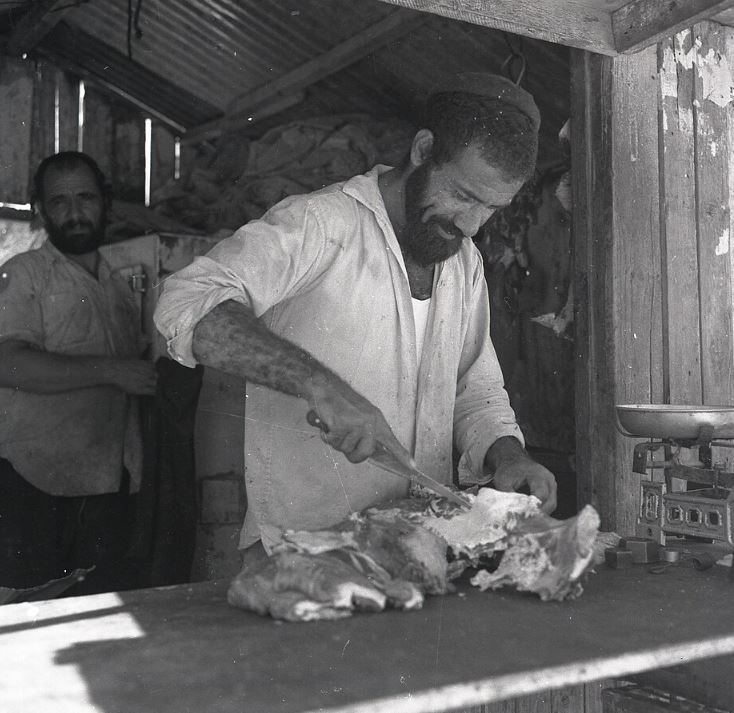
Hullin 76: Doh! Even the Sages Realize What They Could Have Said Better
July 16, 2026 | ב׳ באב תשפ״ו

New to Talmud?
Check out our resources designed to help you navigate a page of Talmud – and study at the pace, level and style that fits you.
The Hadran Women’s Tapestry
Meet the diverse women learning Gemara at Hadran and hear their stories.
It’s hard to believe it has been over two years. Daf yomi has changed my life in so many ways and has been sustaining during this global sea change. Each day means learning something new, digging a little deeper, adding another lens, seeing worlds with new eyes. Daf has also fostered new friendships and deepened childhood connections, as long time friends have unexpectedly become havruta.

Joanna Rom
Northwest Washington, United States
After being so inspired by the siyum shas two years ago, I began tentatively learning daf yomi, like Rabbanut Michelle kept saying – taking one daf at a time. I’m still taking it one daf at a time, one masechet at a time, but I’m loving it and am still so inspired by Rabbanit Michelle and the Hadran community, and yes – I am proud to be finishing Seder Mo’ed.

Caroline Graham-Ofstein
Bet Shemesh, Israel

Jill Shames
Jerusalem, Israel
I never thought I’d be able to do Daf Yomi till I saw the video of Hadran’s Siyum HaShas. Now, 2 years later, I’m about to participate in Siyum Seder Mo’ed with my Hadran community. It has been an incredible privilege to learn with Rabbanit Michelle and to get to know so many caring, talented and knowledgeable women. I look forward with great anticipation and excitement to learning Seder Nashim.
Caroline Ben-Ari
Karmiel, Israel

Robin Zeiger
Tel Aviv, Israel
I had tried to start after being inspired by the hadran siyum, but did not manage to stick to it. However, just before masechet taanit, our rav wrote a message to the shul WhatsApp encouraging people to start with masechet taanit, so I did! And this time, I’m hooked! I listen to the shiur every day , and am also trying to improve my skills.

Laura Major
Yad Binyamin, Israel
I began my Daf Yomi journey on January 5, 2020. I had never learned Talmud before. Initially it struck me as a bunch of inane and arcane details with mind bending logic. I am now smitten. Rabbanit Farber brings the page to life and I am eager to learn with her every day!

Lori Stark
Highland Park, United States
When I started studying Hebrew at Brown University’s Hillel, I had no idea that almost 38 years later, I’m doing Daf Yomi. My Shabbat haburah is led by Rabbanit Leah Sarna. The women are a hoot. I’m tracking the completion of each tractate by reading Ilana Kurshan’s memoir, If All the Seas Were Ink.

Hannah Lee
Pennsylvania, United States
After experiences over the years of asking to join gemara shiurim for men and either being refused by the maggid shiur or being the only women there, sometimes behind a mechitza, I found out about Hadran sometime during the tail end of Masechet Shabbat, I think. Life has been much better since then.
Madeline Cohen
London, United Kingdom
I started learning Daf Yomi to fill what I saw as a large gap in my Jewish education. I also hope to inspire my three daughters to ensure that they do not allow the same Talmud-sized gap to form in their own educations. I am so proud to be a part of the Hadran community, and I have loved learning so many of the stories and halachot that we have seen so far. I look forward to continuing!

Dora Chana Haar
Oceanside NY, United States
I began learning the daf in January 2022. I initially “flew under the radar,” sharing my journey with my husband and a few close friends. I was apprehensive – who, me? Gemara? Now, 2 years in, I feel changed. The rigor of a daily commitment frames my days. The intellectual engagement enhances my knowledge. And the virtual community of learners has become a new family, weaving a glorious tapestry.

Gitta Jaroslawicz-Neufeld
Far Rockaway, United States
In July, 2012 I wrote for Tablet about the first all women’s siyum at Matan in Jerusalem, with 100 women. At the time, I thought, I would like to start with the next cycle – listening to a podcast at different times of day makes it possible. It is incredible that after 10 years, so many women are so engaged!

Beth Kissileff
Pittsburgh, United States
I began Daf Yomi with the last cycle. I was inspired by the Hadran Siyum in Yerushalayim to continue with this cycle. I have learned Daf Yomi with Rabanit Michelle in over 25 countries on 6 continents ( missing Australia)

Barbara Goldschlag
Silver Spring, MD, United States
Last cycle, I listened to parts of various מסכתות. When the הדרן סיום was advertised, I listened to Michelle on נידה. I knew that בע”ה with the next cycle I was in (ב”נ). As I entered the סיום (early), I saw the signs and was overcome with emotion. I was randomly seated in the front row, and I cried many times that night. My choice to learn דף יומי was affirmed. It is one of the best I have made!

Miriam Tannenbaum
אפרת, Israel
In January 2020 on a Shabbaton to Baltimore I heard about the new cycle of Daf Yomi after the siyum celebration in NYC stadium. I started to read “ a daily dose of Talmud “ and really enjoyed it . It led me to google “ do Orthodox women study Talmud? “ and found HADRAN! Since then I listen to the podcast every morning, participate in classes and siyum. I love to learn, this is amazing! Thank you

Sandrine Simons
Atlanta, United States
The start of my journey is not so exceptional. I was between jobs and wanted to be sure to get out every day (this was before corona). Well, I was hooked after about a month and from then on only looked for work-from-home jobs so I could continue learning the Daf. Daf has been a constant in my life, though hurricanes, death, illness/injury, weddings. My new friends are Rav, Shmuel, Ruth, Joanna.

Judi Felber
Raanana, Israel
תמיד רציתי. למדתי גמרא בבית ספר בטורונטו קנדה. עליתי ארצה ולמדתי שזה לא מקובל. הופתעתי.
יצאתי לגימלאות לפני שנתיים וזה מאפשר את המחוייבות לדף יומי.
עבורי ההתמדה בלימוד מעגן אותי בקשר שלי ליהדות. אני תמיד מחפשת ותמיד. מוצאת מקור לקשר. ללימוד חדש ומחדש. קשר עם נשים לומדות מעמיק את החוויה ומשמעותית מאוד.
Vitti Kones
מיתר, ישראל
I had tried to start after being inspired by the hadran siyum, but did not manage to stick to it. However, just before masechet taanit, our rav wrote a message to the shul WhatsApp encouraging people to start with masechet taanit, so I did! And this time, I’m hooked! I listen to the shiur every day , and am also trying to improve my skills.
Laura Major
Yad Binyamin, Israel
I started learning Talmud with R’ Haramati in Yeshivah of Flatbush. But after a respite of 60 years, Rabbanit Michelle lit my fire – after attending the last three world siyumim in Miami Beach, Meadowlands and Boca Raton, and now that I’m retired, I decided – “I can do this!” It has been an incredible journey so far, and I look forward to learning Daf everyday – Mazal Tov to everyone!

Roslyn Jaffe
Florida, United States
I decided to give daf yomi a try when I heard about the siyum hashas in 2020. Once the pandemic hit, the daily commitment gave my days some much-needed structure. There have been times when I’ve felt like quitting- especially when encountering very technical details in the text. But then I tell myself, “Look how much you’ve done. You can’t stop now!” So I keep going & my Koren bookshelf grows…

Miriam Eckstein-Koas
Huntington, United States
Chullin 94
חֲתוּכָה נָמֵי לִישַׁדַּר לֵיהּ, דְּהָא לָא אָתוּ לְמִזְבַּן מִינֵּיהּ! אֶלָּא בִּמְקוֹם שֶׁמַּכְרִיזִין, שְׁלֵימָה נָמֵי לָא לִישַׁדַּר לֵיהּ, דְּחָתֵיךְ לֵיהּ וּמְזַבֵּין לֵיהּ.
Consequently, it should also be permitted to send to a gentile a thigh that has been cut, because Jews will not come to purchase it from him. Rather, if the mishna is referring to a place where all the butchers are Jewish, and they announce every time they sell a tereifa to a gentile, in which case Jews may purchase meat from the local gentiles when such an announcement is not made, one should not be permitted to send even a whole thigh to a gentile, due to the concern that he might cut it up and sell it to Jews who would not realize that it still contains the sciatic nerve.
אִי בָּעֵית אֵימָא – בִּמְקוֹם שֶׁמַּכְרִיזִין, וְאִי בָּעֵית אֵימָא – בִּמְקוֹם שֶׁאֵין מַכְרִיזִין.
The Gemara offers two answers: If you wish, say that the mishna is referring to a place where they announce every time they sell a tereifa; and if you wish, say that the mishna is referring to a place where they do not announce every time they sell a tereifa.
אִיבָּעֵית אֵימָא בִּמְקוֹם שֶׁמַּכְרִיזִין – חִיתּוּכָא דְּגוֹי מִידָּע יְדִיעַ.
The Gemara explains: If you wish, say that the mishna is referring to a place where they announce every time they sell a tereifa, and nevertheless it is permitted to send a whole thigh of meat to a gentile. There is no concern that the gentile will sell the thigh to a Jew, because the Jew would know that it is non-kosher by the manner of cutting of the gentile. Jewish butchers would cut the meat in a distinctive manner that would not be replicated by a gentile who cut the meat.
וְאִיבָּעֵית אֵימָא בִּמְקוֹם שֶׁאֵין מַכְרִיזִין – גְּזֵירָה שֶׁמָּא יִתְּנֶנָּה לוֹ בִּפְנֵי יִשְׂרָאֵל אַחֵר.
And if you wish, say that the mishna is referring to a place where they do not announce every time they sell a tereifa, and nevertheless it is prohibited to give the gentile a thigh that has been cut up. The Sages issued a decree against doing so, lest he give it to the gentile in the presence of another Jew, who will think that it is kosher and purchase it from the gentile.
וְאִי בָּעֵית אֵימָא, מִשּׁוּם דְּקָא גָנֵיב לֵיהּ לְדַעְתֵּיהּ, דְּאָמַר שְׁמוּאֵל: אָסוּר לִגְנוֹב דַּעַת הַבְרִיּוֹת, וַאֲפִילּוּ דַּעְתּוֹ שֶׁל גּוֹי.
And if you wish, say that there is an entirely different reason why one may not send a gentile a cut-up thigh without removing the sciatic nerve: Because he thereby deceives the gentile. The gentile will think that the Jew has exerted himself to cut up the leg and remove the sciatic nerve and that although the Jew could have eaten the meat himself he decided to send it to the gentile. The gentile will therefore be more appreciative of the gift than he would be if he realized that the sciatic nerve had not been removed. This is as Shmuel said: It is prohibited to deceive people, and even to deceive a gentile.
וְהָא דִּשְׁמוּאֵל, לָאו בְּפֵירוּשׁ אִיתְּמַר, אֶלָּא מִכְּלָלָא אִיתְּמַר. דִּשְׁמוּאֵל הֲוָה קָא עָבַר בְּמַבָּרָא, אֲמַר לֵיהּ לְשַׁמָּעֵיהּ: ״פַּיְּיסֵיהּ לְמַבּוֹרֹיָה״, פַּיְּיסֵיהּ, וְאִיקְּפַד.
And the Gemara points out that this ruling of Shmuel was not stated explicitly; rather, it was stated by inference, i.e., it was inferred based upon the following incident: Shmuel was once crossing a river in a ferry [mavra]. He said to his attendant: Compensate the ferryman with an appropriate gift. The attendant compensated him, but Shmuel became angry with his attendant.
מַאי טַעְמָא אִיקְּפַד? אָמַר אַבָּיֵי: תַּרְנְגוֹלֶת טְרֵפָה הֲוַאי, וְיַהֲבַהּ נִיהֲלֵיהּ בְּמָר דִּשְׁחוּטָה. רָבָא אָמַר: אַנְפָּקָא אֲמַר לֵיהּ (לאשקויי) [לְאַשְׁקוֹיֵיהּ], וְאַשְׁקְיֵיהּ חַמְרָא מְזִיגָא.
The Gemara asks: What is the reason that Shmuel became angry? Abaye said: The compensation that the attendant gave the ferryman was a chicken that was a tereifa, and he gave it to him as though it were a slaughtered, kosher chicken. Rava said: Shmuel told him to give the ferryman wine for drinking in an anpaka, i.e., a utensil that holds a quarter-log and which was generally used for undiluted wine, but he gave him diluted wine for drinking. According to both Abaye and Rava, Shmuel was upset that his attendant deceived the gentile ferryman.
וְכִי מִכְּלָלָא מַאי? לְמַאן דְּאָמַר טְרֵפָה הֲוַאי, אֲמַר לֵיהּ: אַמַּאי תְּשַׁהֵא אִיסּוּרָא?
The Gemara asks: And if Shmuel’s opinion was derived by inference, what of it? The story clearly demonstrates that according to Shmuel it is prohibited to deceive a gentile. The Gemara answers that it cannot be ascertained with certainty that this is the reason Shmuel became angry. According to the one who said it was a chicken that was a tereifa that was given as compensation, perhaps Shmuel became angry and said to his attendant: Why did you retain in your possession an animal that is forbidden for consumption? This could have led to a Jew accidentally eating it.
לְמַאן דְּאָמַר אַנְפָּקָא אֲמַר לֵיהּ לְאַשְׁקוֹיֵי, אַנְפָּקָא חַיָּיא מַשְׁמַע.
Similarly, according to the one who said that Shmuel told him to give the ferryman wine to drink in an anpaka, since anpaka indicates undiluted wine and the attendant gave the ferryman diluted wine, perhaps Shmuel became angry simply because his attendant disobeyed his instruction.
תַּנְיָא, הָיָה רַבִּי מֵאִיר אוֹמֵר: אַל יְסַרְהֵב אָדָם לַחֲבֵירוֹ לִסְעוֹד אֶצְלוֹ, וְיוֹדֵעַ בּוֹ שֶׁאֵינוֹ סוֹעֵד, וְלֹא יַרְבֶּה לוֹ בְּתִקְרוֹבֶת, וְיוֹדֵעַ בּוֹ שֶׁאֵינוֹ מְקַבֵּל.
§ Apropos the prohibition against acting deceitfully, the Gemara cites other statements on this topic. It is taught in a baraita that Rabbi Meir would say: A person may not importune [yesarhev] another to eat with him, making it seem as though he genuinely wants his company, but in reality he entreats him only because he knows that the other will not eat with him, i.e., will not accept the invitation. And similarly, one may not send another person many gifts merely because he knows that the other will not accept them.
וְלֹא יִפְתַּח לוֹ חָבִיּוֹת הַמְּכוּרוֹת לְחֶנְוָנִי, אֶלָּא אִם כֵּן הוֹדִיעוֹ. וְלֹא יֹאמַר לוֹ סוֹךְ שֶׁמֶן מִפַּךְ רֵיקָן. וְאִם בִּשְׁבִיל כְּבוֹדוֹ – מוּתָּר.
And one may not open barrels of wine for a guest if they have already been sold to a storekeeper, unless he notifies the guest beforehand that the barrel had been sold. And he may not say to another: Anoint yourself with oil, and place an empty jug before him with the knowledge that he will not attempt to anoint himself. But if he does so for the guest’s honor, to show that he holds his guest in high esteem, rather than to deceive the guest so that he will feel indebted to him, it is permitted.
אִינִי? וְהָא עוּלָּא אִיקְּלַע לְבֵי רַב יְהוּדָה, פָּתַח לוֹ חָבִיּוֹת הַמְּכוּרוֹת לַחֶנְוָנִי! אוֹדוֹעֵי אוֹדְעֵיהּ, וְאִיבָּעֵית אֵימָא: שָׁאנֵי עוּלָּא דְּחַבִּיב לֵיהּ לְרַב יְהוּדָה, דִּבְלָאו הָכִי נָמֵי (פַּתּוֹחֵי) מִפְתָּח [הֲוָה פָּתַח] לֵיהּ.
The Gemara asks: Is that so? But didn’t Ulla happen to come to the house of Rav Yehuda, and Rav Yehuda opened barrels of wine for Ulla that had already been sold to a storekeeper? The Gemara answers: Rav Yehuda notified Ulla that he was not opening the barrels especially for him. And if you wish, say that Ulla is different from an ordinary guest because he was very dear to Rav Yehuda, so that even without this, i.e., even if he had not already sold the barrels to a storekeeper, Rav Yehuda would have opened the barrels for him.
תָּנוּ רַבָּנַן: לֹא יֵלֵךְ אָדָם לְבֵית הָאֵבֶל, וּבְיָדוֹ לָגִין הַמִּתְקַשְׁקֵשׁ. וְלֹא יְמַלְּאֶנּוּ מַיִם, מִפְּנֵי שֶׁמַּתְעֵהוּ. וְאִם יֵשׁ שָׁם חֶבֶר עִיר – מוּתָּר.
The Sages taught in a baraita: A person may not go to a house of mourning with a wine jug [lagin] in his hand that is mostly empty and where the small amount of wine rattles about, because the mourner will think that his visitor is bringing him a full jug of wine. And he may not fill up that jug of wine with water, because he thereby misleads the mourner into thinking he has brought him a full jug of undiluted wine. But if there is a crowd of people [ḥever ir] and the guest wants to honor the mourner in their presence, it is permitted.
תָּנוּ רַבָּנַן: לֹא יִמְכּוֹר אָדָם לַחֲבֵירוֹ סַנְדָּל שֶׁל מֵתָה בִּכְלַל שֶׁל חַיָּה שְׁחוּטָה, מִפְּנֵי שְׁנֵי דְבָרִים: אֶחָד – מִפְּנֵי שֶׁמַּתְעֵהוּ, וְאֶחָד – מִפְּנֵי הַסַּכָּנָה.
The Sages taught in a baraita: A person may not sell to another a sandal made from the hide of an animal that died of natural causes as though it were a sandal made from the hide of a healthy animal that was slaughtered. This is prohibited due to two factors: One, because he misleads the customer into thinking that the leather is of higher quality than it really is; and another, because of the danger involved, as it is possible that the animal died from a snakebite and the poison seeped into the part of the animal’s hide from which the sandal is made.
וְלֹא יְשַׁגֵּר אָדָם לַחֲבֵירוֹ חָבִית שֶׁל יַיִן וְשֶׁמֶן צָף עַל פִּיהָ. וּמַעֲשֶׂה בְּאֶחָד שֶׁשִּׁיגֵּר לַחֲבֵירוֹ חָבִית שֶׁל יַיִן וְשֶׁמֶן צָף עַל פִּיהָ, וְהָלַךְ וְזִימֵּן עָלֶיהָ אוֹרְחִין, וְנִכְנְסוּ, מְצָאָהּ שֶׁהִיא שֶׁל יַיִן, וְחָנַק אֶת עַצְמוֹ.
And furthermore a person may not send a barrel of wine to another with oil floating at its mouth, such that the recipient thinks that it is a barrel of oil. There was an incident involving a certain individual who sent a barrel of wine to another with oil floating at its mouth, and that recipient, thinking it was a barrel of oil, went and invited guests to share it with him, and the guests arrived. When the host went to bring them oil, he found that it was a barrel of wine rather than oil, and in his shame at not having oil for them, he hanged himself and died.
וְאֵין הָאוֹרְחִין רַשָּׁאִין לִיתֵּן מִמַּה שֶּׁלִּפְנֵיהֶם לִבְנוֹ וּלְבִתּוֹ שֶׁל בַּעַל הַבַּיִת, אֶלָּא אִם כֵּן נָטְלוּ רְשׁוּת מִבַּעַל הַבַּיִת.
The baraita continues: And guests are not permitted to give some of the food that is placed before them to the son or to the daughter of the host unless they first receive permission from the host.
וּמַעֲשֶׂה בְּאֶחָד שֶׁזִּמֵּן שְׁלֹשָׁה אוֹרְחִין בִּשְׁנֵי בַצּוֹרֶת, וְלֹא הָיָה לוֹ לְהַנִּיחַ לִפְנֵיהֶם אֶלָּא כְּשָׁלֹשׁ בֵּיצִים. בָּא בְּנוֹ שֶׁל בַּעַל הַבַּיִת, נָטַל אֶחָד מֵהֶן חֶלְקוֹ וּנְתָנוֹ לוֹ, וְכֵן שֵׁנִי, וְכֵן שְׁלִישִׁי. בָּא אָבִיו שֶׁל תִּינוֹק, מְצָאוֹ שֶׁעוֹזֵק אֶחָד בְּפִיו וּשְׁתַּיִם בְּיָדוֹ, חֲבָטוֹ בַּקַּרְקַע וָמֵת. כֵּיוָן שֶׁרָאֲתָה אִמּוֹ, עָלְתָה לַגָּג וְנָפְלָה וָמֵתָה, אַף הוּא עָלָה לַגָּג וְנָפַל וָמֵת.
And there was an incident involving a certain individual who invited three guests during years of famine, and he had enough to place only three eggs before them. The son of the host came, and one of the guests took his portion and gave it to the son. And similarly the second guest gave his portion to the son, and similarly the third guest. The father of the child came and found that his son was holding one egg in his mouth and two in his hand. The father became so angry with his son for taking all the food that he hit the son to the ground, and the son died. When his mother saw what had happened, she ascended to the roof and fell down to the ground and died. And when the father saw that both his son and his wife were dead he also ascended to the roof and fell down to the ground and died.
אָמַר רַבִּי אֱלִיעֶזֶר בֶּן יַעֲקֹב: עַל דָּבָר זֶה נֶהֶרְגוּ שָׁלֹשׁ נְפָשׁוֹת מִיִּשְׂרָאֵל. מַאי קָמַשְׁמַע לַן? דְּכוּלַּהּ רַבִּי אֱלִיעֶזֶר בֶּן יַעֲקֹב הִיא.
Rabbi Eliezer ben Yaakov said: For this matter of giving food to the child of the host, three Jewish souls were killed. The Gemara asks: What does this statement teach us? It is obvious from the incident that three people were killed. The Gemara answers: It teaches that the entire baraita is taught by Rabbi Eliezer ben Yaakov.
תָּנוּ רַבָּנַן: הַשּׁוֹלֵחַ יָרֵךְ לַחֲבֵירוֹ, שְׁלֵימָה – אֵינוֹ צָרִיךְ שֶׁיִּטּוֹל הֵימֶנָּה גִּיד הַנָּשֶׁה. חֲתוּכָה – צָרִיךְ לִיטּוֹל הֵימֶנָּה גִּיד הַנָּשֶׁה. וּבְגוֹי, בֵּין חֲתוּכָה וּבֵין שְׁלֵימָה – אֵין צָרִיךְ לִיטּוֹל הֵימֶנָּה גִּיד הַנָּשֶׁה.
§ The Sages taught in a baraita: In the case of one who sends a whole thigh of an animal to another, he is not required to first remove the sciatic nerve from it. This is because the recipient can see that it has not yet been removed and will not eat it until he removes the sciatic nerve himself. But if one sends a thigh that has been cut up, he is required to first remove the sciatic nerve from it so that the recipient does not eat it unwittingly. And in the case of one who sends a thigh to a gentile, regardless of whether it is cut or whole he is not required to remove the sciatic nerve from it.
וּמִפְּנֵי שְׁנֵי דְבָרִים אָמְרוּ אֵין מוֹכְרִין נְבֵילוֹת וּטְרֵפוֹת לְגוֹי: אֶחָד – מִפְּנֵי שֶׁמַּתְעֵהוּ, וְאֶחָד – שֶׁמָּא יַחְזוֹר וְיִמְכְּרֶנָּה לְיִשְׂרָאֵל אַחֵר.
And it was due to two factors that the Sages said that one may not sell meat from unslaughtered animal carcasses or tereifot to a gentile: One, because it misleads him, as he thinks that it is kosher meat, which is more desirable; and another factor is the concern lest the gentile then sell the meat to another Jew, who will think it is kosher since it originally was sold by a Jew.
וְלֹא יֹאמַר אָדָם לְגוֹי ״קַח לִי בְּדִינָר זֶה בָּשָׂר״, מִפְּנֵי שְׁנֵי דְבָרִים:
And similarly, a person may not say to a gentile: Purchase meat for me from a Jewish butcher with this dinar, due to two factors:
אֶחָד מִפְּנֵי הָאַנָּסִין, וְאֶחָד שֶׁמָּא מוֹכְרִין לוֹ נְבֵלוֹת וּטְרֵפוֹת.
One factor is because of the oppressors, i.e., the concern that perhaps the gentile will keep the money for himself and force the merchant to give him the meat without payment. And another factor is lest the merchant sell him meat from unslaughtered carcasses or tereifot without realizing that the gentile is purchasing the meat on behalf of a Jew.
אָמַר מָר: וּבְגוֹי, בֵּין שְׁלֵימָה בֵּין חֲתוּכָה – אֵינוֹ צָרִיךְ לִיטּוֹל הֵימֶנָּה גִּיד הַנָּשֶׁה. בְּמַאי עָסְקִינַן? אִילֵימָא בְּמָקוֹם שֶׁמַּכְרִיזִין – חֲתוּכָה אַמַּאי אֵינוֹ צָרִיךְ לִיטּוֹל הֵימֶנָּה גִּיד הַנָּשֶׁה? כֵּיוָן דְּלָא אַכְרוּז, אָתֵי לְמִיזְבַּן מִינֵּיהּ.
The Master said in the baraita: And in the case of one who sends a thigh to a gentile, regardless of whether it is cut or whole he is not required to remove the sciatic nerve from it. The Gemara asks: What are we dealing with? If we say that it is referring to a place where all the butchers are Jewish and they announce every time they sell non-kosher meat to a gentile, then in the case of a thigh that has been cut, why is one not required to remove the sciatic nerve? Since it was not announced that they sold non-kosher meat, a Jew might come to purchase it from a gentile without realizing that it still contains the sciatic nerve.
אֶלָּא פְּשִׁיטָא בִּמְקוֹם שֶׁאֵין מַכְרִיזִין, אֵימָא מְצִיעֲתָא: מִפְּנֵי שְׁנֵי דְבָרִים אָמְרוּ אֵין מוֹכְרִין נְבֵלוֹת וּטְרֵפוֹת לְגוֹי: אֶחָד מִפְּנֵי שֶׁמַּטְעֵהוּ, וְאֶחָד שֶׁמָּא יַחְזוֹר וְיִמְכְּרֶנָּה לְיִשְׂרָאֵל אַחֵר.
Rather, it is obvious that it is referring to a place where they do not announce every time they sell non-kosher meat, and in such a place a Jew would not purchase meat from a gentile. But say the middle clause of the baraita: And it was due to two factors that the Sages said that one may not sell meat from unslaughtered animal carcasses or tereifot to a gentile: One is because it misleads him; and another is the concern lest the gentile then sell the meat to another Jew, who will think it is kosher since it originally was sold by a Jew.
וְאִי בִּמְקוֹם שֶׁאֵין מַכְרִיזִין – הָא לָא אָתֵי לְמִיזְבַּן מִינֵּיהּ! אֶלָּא פְּשִׁיטָא בִּמְקוֹם שֶׁמַּכְרִיזִין.
But if the baraita is referring to a place where they do not announce every time they sell non-kosher meat to a gentile, a Jew will not come to purchase the meat from the gentile. Rather, it is obvious that the baraita is referring to a place where they announce every time they sell non-kosher meat.
אֵימָא סֵיפָא: לֹא יֹאמַר אָדָם לְגוֹי ״קַח לִי בְּדִינָר זֶה בָּשָׂר״ מִפְּנֵי שְׁנֵי דְבָרִים, אֶחָד – מִפְּנֵי הָאַנָּסִין, וְאֶחָד – שֶׁמָּא מוֹכְרִין לוֹ נְבֵילוֹת וּטְרֵפוֹת, וְאִי בִּמְקוֹם שֶׁמַּכְרִיזִין, אִי אִיתָא דַּהֲוָה טְרֵפָה – אַכְרוֹזֵי הֲווֹ מַכְרְזִי!
But say the latter clause: And similarly, a person may not say to a gentile: Purchase meat for me with this dinar, due to two factors. One factor is because of the oppressors, and another factor is lest the merchant sell him meat from unslaughtered carcasses or tereifot without realizing that the gentile is purchasing the meat on behalf of a Jew. But if it is referring to a place where they announce every time non-kosher meat is sold, if it would happen that it was a tereifa the butchers would have announced the fact, and the Jew would know not to eat that meat.
אֶלָּא פְּשִׁיטָא בִּמְקוֹם שֶׁאֵין מַכְרִיזִין, רֵישָׁא וְסֵיפָא בִּמְקוֹם שֶׁאֵין מַכְרִיזִין, מְצִיעֲתָא בִּמְקוֹם שֶׁמַּכְרִיזִין!
Rather, it is obvious that the baraita is referring to a place where they do not announce every time non-kosher meat is sold. But is it possible that the first clause and the latter clause of the baraita are referring to a place where they do not announce every time non-kosher meat is sold but the middle clause is referring to a place where they do announce every time non-kosher meat is sold?
אָמַר אַבָּיֵי: אִין, רֵישָׁא וְסֵיפָא בִּמְקוֹם שֶׁאֵין מַכְרִיזִין, מְצִיעֲתָא בִּמְקוֹם שֶׁמַּכְרִיזִין.
Abaye said: Yes, the first clause and the latter clause of the baraita are referring to a place where they do not announce every time non-kosher meat is sold, and the middle clause is referring to a place where they do announce every time non-kosher meat is sold.
רָבָא אָמַר: כּוּלַּהּ בִּמְקוֹם שֶׁמַּכְרִיזִין. רֵישָׁא וְסֵיפָא – שֶׁהִכְרִיזוּ, מְצִיעֲתָא – שֶׁלֹּא הִכְרִיזוּ.
Rava said: The entire baraita is referring to a place where they announce every time non-kosher meat is sold. The first clause and the latter clause are referring to days when they announced that non-kosher meat had been sold, and the middle clause is referring to a day when they did not announce that non-kosher meat had been sold.
רַב אָשֵׁי אָמַר: כּוּלַּהּ בִּמְקוֹם שֶׁאֵין מַכְרִיזִין, וּמְצִיעֲתָא גְּזֵירָה שֶׁמָּא יִמְכְּרֶנָּה בִּפְנֵי יִשְׂרָאֵל.
Rav Ashi said: The entire baraita is referring to a place where they do not announce every time non-kosher meat is sold. And the reason that the middle clause teaches that it is prohibited to sell meat from unslaughtered carcasses or tereifot to a gentile is due to a rabbinic decree lest the Jew sell it to the gentile in the presence of another Jew, who will think that this particular piece of meat is kosher.
הֵיכִי מַכְרְזִינַן? אָמַר רַב יִצְחָק בַּר יוֹסֵף: נְפַל בִּישְׂרָא לִבְנֵי חֵילָא.
§ The Gemara noted that there were places where they would announce whenever non-kosher meat was sold to a gentile. The Gemara asks: How do we announce that non-kosher meat has been sold? The Gemara answers that Rav Yitzḥak bar Yosef said: Meat has fallen into our possession for the soldiers, i.e., the gentiles.
וְלֵימָא: נְפַל טְרֵיפְתָּא לִבְנֵי חֵילָא! לָא זָבְנִי.
The Gemara objects: But let them say: A tereifa has fallen into our possession for the soldiers. The Gemara answers that if a butcher would publicize the fact that it is a tereifa, the gentiles would not purchase it from him because they would not want an animal rejected by the Jews.
וְהָא קָמַטְעֵי לְהוּ? אִינְהוּ הוּא דְּקָמַטְעוּ נַפְשַׁיְיהוּ.
The Gemara asks: But if the announcement is made in a way that obscures from the gentiles the fact that the animal is a tereifa, doesn’t this deceive them? The Gemara answers: It is they who deceive themselves, because the seller does not specify which kind of meat he is selling.
כִּי הָא דְּמָר זוּטְרָא בְּרֵיהּ דְּרַב נַחְמָן הֲוָה קָאָזֵיל מִסִּיכְרָא לְבֵי מָחוֹזָא, וְרָבָא וְרַב סָפְרָא הֲווֹ קָא אָתוּ לְסִיכְרָא, פְּגַעוּ אַהֲדָדֵי. הוּא סָבַר לְאַפֵּיהּ הוּא דְּקָאָתוּ, אֲמַר לְהוּ: לְמָה לְהוּ לְרַבָּנַן דִּטְרוּחַ וַאֲתוֹ כּוּלֵּי הַאי? אֲמַר לֵיהּ רַב סָפְרָא: אֲנַן לָא הֲוָה יָדְעִינַן דְּקָאָתֵי מָר, אִי הֲוָה יָדְעִינַן טְפֵי הֲוָה טָרְחִינַן.
The Gemara cites proof that it is permitted to allow others to mislead themselves. It is like this incident when Mar Zutra, son of Rav Naḥman, was going from the city of Sikhra to the city of Bei Meḥoza, and at the same time Rava and Rav Safra were going to Sikhra. They met each other, and Mar Zutra thought they were coming out to greet him. He said to them: Why did the Rabbis exert themselves and come all this way to greet me? Rav Safra said to him: We did not know that the Master was coming; if we would have known we would have exerted ourselves more.
אֲמַר לֵיהּ רָבָא: מַאי טַעְמָא אֲמַרְתְּ לֵיהּ הָכִי, דְּאַחְלֵישְׁתֵּיהּ לְדַעְתֵּיהּ? אֲמַר לֵיהּ: וְהָא קָא מַטְעֵינַן לֵיהּ! אִיהוּ הוּא דְּקָא מַטְעֵי נַפְשֵׁיהּ.
Rava said to Rav Safra: What is the reason that you said this to Mar Zutra? By telling him that we were not coming to greet him you upset him. Rav Safra said to Rava: But if I would not have said so we would have misled him. Rava responded: Mar Zutra misled himself, since we never said we were coming to greet him.
הָהוּא טַבָּחָא דַּאֲמַר לֵיהּ לְחַבְרֵיהּ:
§ The Gemara returns to the topic of selling non-kosher meat to a gentile. There was a certain Jewish butcher who said to another individual:
Follow

