Search

Ketubot 49

Want to dedicate learning? Get started here:

English
עברית
podcast placeholder

0:00
0:00


podcast placeholder

0:00
0:00


Summary

Today’s daf is sponsored by Gitta and David Neufeld in loving memory of Harlene Appelman, Chaya bat Osna Rachel v’Shmuel, who passed away on August 18. “A tenacious warrior who overcame all challenges, Harlene lived her life with dignity, grace and love. She was a passionate advocate for Jewish education and identity. Not only was she our mentor, she was our beloved friend. May the Torah learning we all engage in be a zechut for her and her cherished family and community. יהי זכרה ברוך

Today’s daf is sponsored by Sara Berelowitz. “May our learning today be in memory of my beautiful Mom, קילא בת יהודה, who passed away 9 years ago on the 24th of Av. As the time passes, I miss her more and more.”

Today’s daily daf tools:

Ketubot 49

וְאֵימָא: הֵיכָא דְּהָדְרָא לְבֵי נָשָׁא — הָדְרָא לְמִילְּתָא קַמַּיְיתָא? אָמַר רָבָא: הָהוּא כְּבָר פַּסְקַהּ תַּנָּא דְּבֵי רַבִּי יִשְׁמָעֵאל,

The Gemara asks another question: But say that in a case where she returns to her father’s house, she returns to the previous matter, i.e., her former status, as though she had never left her father’s authority. Rava said: That question has already been resolved by the tanna of the school of Rabbi Yishmael.

דְּתָנָא דְּבֵי רַבִּי יִשְׁמָעֵאל: ״וְנֵדֶר אַלְמָנָה וּגְרוּשָׁה כֹּל אֲשֶׁר אָסְרָה עַל נַפְשָׁהּ יָקוּם עָלֶיהָ״, מָה תַּלְמוּד לוֹמַר? וַהֲלֹא מוּצֵאת מִכְּלַל אָב וּמוּצֵאת מִכְּלַל בַּעַל!

This is as the tanna of the school of Rabbi Yishmael taught: “But the vow of a widow or of a divorcée, everything with which she has bound her soul shall stand against her” (Numbers 30:10). What is the meaning when the verse states this? Is it not already known that if she is widowed or divorced she has already been removed from the category of one under the authority of her father and she has likewise been removed from the category of one under the authority of her husband? Who, then, could possibly nullify her vows?

אֶלָּא, הֲרֵי שֶׁמָּסַר הָאָב לִשְׁלוּחֵי הַבַּעַל, אוֹ שֶׁמָּסְרוּ שְׁלוּחֵי הָאָב לִשְׁלוּחֵי הַבַּעַל, וְנִתְאַרְמְלָה בַּדֶּרֶךְ אוֹ נִתְגָּרְשָׁה, הֵיאַךְ אֲנִי קוֹרֵא בָּהּ: בֵּית אָבִיהָ שֶׁל זוֹ, אוֹ בֵּית בַּעְלָהּ שֶׁל זוֹ? אֶלָּא לוֹמַר לְךָ: כֵּיוָן שֶׁיָּצְאָה שָׁעָה אַחַת מֵרְשׁוּת הָאָב — שׁוּב אֵינוֹ יָכוֹל לְהָפֵר.

Rather, this is referring to a case where the father delivered his daughter to the husband’s messengers or where the father’s messengers delivered her to the husband’s messengers, and she was widowed or divorced on her way to the wedding canopy. How do I consider her? Is she a member of her father’s house, or a member of her husband’s house? Her status is entirely unclear. Rather, this verse comes to tell you: Since she has left her father’s domain for a short time her father is no longer able to nullify her vows, as she is considered a widow or a divorcée in all regards. The same applies to the issue at hand: She retains the status of a married woman even if she returns to her father’s house.

אָמַר רַב פָּפָּא אַף אֲנַן נָמֵי תְּנֵינָא: הַבָּא עַל נַעֲרָה הַמְאוֹרָסָה — אֵינוֹ חַיָּיב עַד שֶׁתְּהֵא נַעֲרָה בְּתוּלָה מְאוֹרָסָה, וְהִיא בְּבֵית אָבִיהָ. בִּשְׁלָמָא ״נַעֲרָה״ — וְלֹא בּוֹגֶרֶת, ״בְּתוּלָה״ — וְלֹא בְּעוּלָה, ״מְאוֹרָסָה״ — וְלֹא נְשׂוּאָה. ״בְּבֵית אָבִיהָ״ לְמַעוֹטֵי מַאי? לָאו לְמַעוֹטֵי מָסַר הָאָב לִשְׁלוּחֵי הַבַּעַל?!

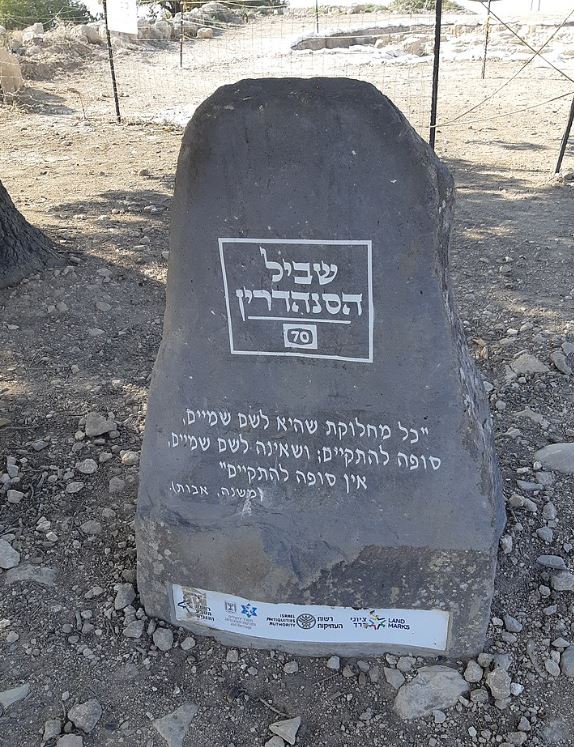
Rav Pappa said: We, too, learn this principle in a mishna (Sanhedrin 66b): One who has intercourse with a young woman betrothed to another is liable to stoning only if she is a virgin, a young woman, betrothed, and she is in her father’s house. The Gemara analyzes this mishna: Granted, the term young woman indicates that this punishment does not apply if she is a grown woman; similarly, this punishment applies only if she is a virgin, but not if she is a non-virgin, and only if she is betrothed, but not if she is a married woman. However, when the mishna states that she is in her father’s house, what does that phrase come to exclude? Does it not serve to exclude a case when the father delivered her to the husband’s messengers, indicating that in such a case the punishment of stoning no longer applies?

אָמַר רַב נַחְמָן בַּר יִצְחָק, אַף אֲנַן נָמֵי תְּנֵינָא: הַבָּא עַל אֵשֶׁת אִישׁ, כֵּיוָן שֶׁנִּכְנְסָה לִרְשׁוּת הַבַּעַל לְנִשּׂוּאִין, אַף עַל פִּי שֶׁלֹּא נִבְעֲלָה — הַבָּא עָלֶיהָ הֲרֵי זֶה בְּחֶנֶק. נִכְנְסָה לִרְשׁוּת הַבַּעַל בְּעָלְמָא שְׁמַע מִינַּהּ.

Rav Naḥman bar Yitzḥak said: We, too, learn this principle in another mishna (Sanhedrin 89a): With regard to one who has intercourse with a married woman, once she has entered her husband’s authority for marriage, even though she has not had intercourse with him, one who has intercourse with her is punished by strangulation, which is the punishment for adultery with a married woman. It is clear that this halakha applies if she merely entered the husband’s authority for the purpose of marriage, even if they have not yet entered the wedding canopy. The Gemara concludes: Indeed, learn from here that this is so.

מַתְנִי׳ הָאָב אֵינוֹ חַיָּיב בִּמְזוֹנוֹת בִּתּוֹ. זֶה מִדְרָשׁ דָּרַשׁ רַבִּי אֶלְעָזָר בֶּן עֲזַרְיָה לִפְנֵי חֲכָמִים בַּכֶּרֶם בְּיַבְנֶה: הַבָּנִים יִירְשׁוּ וְהַבָּנוֹת יִזּוֹנוּ. מָה הַבָּנִים אֵינָן יוֹרְשִׁין אֶלָּא לְאַחַר מִיתַת הָאָב — אַף הַבָּנוֹת אֵין נִיזּוֹנוֹת אֶלָּא לְאַחַר מִיתַת אֲבִיהֶן.

MISHNA: A father is not obligated to provide his daughter’s sustenance. This exposition was expounded by Rabbi Elazar ben Azarya before the Sages in the vineyard of Yavne: Since the Sages instituted that after the father’s death, the sons inherit the sum of money specified in their mother’s marriage contract, and the daughters are sustained from their father’s estate, these the two halakhot are equated: Just as the sons inherit only after the father’s death, not during his lifetime, so too, the daughters are sustained from his property only after their father’s death.

גְּמָ׳ בִּמְזוֹנוֹת בִּתּוֹ הוּא דְּאֵינוֹ חַיָּיב, הָא בִּמְזוֹנוֹת בְּנוֹ — חַיָּיב. בִּתּוֹ נָמֵי: חוֹבָה הוּא דְּלֵיכָּא, הָא מִצְוָה אִיכָּא. מַנִּי מַתְנִיתִין? לָא רַבִּי מֵאִיר, לָא רַבִּי יְהוּדָה, וְלָא רַבִּי יוֹחָנָן בֶּן בְּרוֹקָא.

GEMARA: With regard to the mishna’s statement that a father is not obligated to provide his daughter’s sustenance, the Gemara infers: It is with regard to providing his daughter’s sustenance that he is not obligated, but with regard to providing his son’s sustenance, he is obligated. Furthermore, with regard to his daughter, too, there is no obligation, and therefore the court cannot compel him to provide sustenance for his daughter, but there is a mitzva, i.e., it is proper, for him to do so. With this interpretation in mind, whose opinion is expressed in the mishna? It is not Rabbi Meir, nor Rabbi Yehuda, nor Rabbi Yoḥanan ben Beroka.

דְּתַנְיָא: מִצְוָה לָזוּן אֶת הַבָּנוֹת, קַל וְחוֹמֶר לַבָּנִים — דְּעָסְקִי בַּתּוֹרָה, דִּבְרֵי רַבִּי מֵאִיר. רַבִּי יְהוּדָה אוֹמֵר: מִצְוָה לָזוּן אֶת הַבָּנִים, וְקַל וָחוֹמֶר לַבָּנוֹת — מִשּׁוּם זִילוּתָא. רַבִּי יוֹחָנָן בֶּן בְּרוֹקָא אוֹמֵר: חוֹבָה לָזוּן אֶת הַבָּנוֹת לְאַחַר מִיתַת אֲבִיהֶן, אֲבָל בְּחַיֵּי אֲבִיהֶן — אֵלּוּ וָאֵלּוּ אֵינָן נִיזּוֹנִין.

As it is taught in a baraita, it is a mitzva to sustain daughters, and the same applies by an a fortiori inference to sons, who are engaged in the study of Torah. This is the statement of Rabbi Meir. Rabbi Yehuda says: It is a mitzva to sustain sons, and the same applies by an a fortiori inference with regard to daughters, due to the dishonor they will suffer if they are forced to go around begging. Rabbi Yoḥanan ben Beroka says: It is an obligation to sustain the daughters after their father’s death; however, during their father’s lifetime both these and those, sons and daughters alike, are not sustained.

מַנִּי מַתְנִיתִין? אִי רַבִּי מֵאִיר הָא אָמַר בָּנִים מִצְוָה?! אִי רַבִּי יְהוּדָה, הָא אָמַר בָּנִים נָמֵי מִצְוָה! אִי רַבִּי יוֹחָנָן בֶּן בְּרוֹקָא, אֲפִילּוּ מִצְוָה נָמֵי לֵיכָּא!

The Gemara restates its question: Whose opinion is expressed in the mishna? If you say it is Rabbi Meir, didn’t he say that providing sustenance even to one’s sons is merely a mitzva, not an obligation? If the mishna expresses the opinion of Rabbi Yehuda, didn’t he say that providing sustenance to one’s sons is also a mitzva, not an obligation? If it is Rabbi Yoḥanan ben Beroka, according to his opinion there is not even a mitzva to provide sustenance for one’s daughters. Consequently, none of opinions of the tanna’im of the baraita fits the ruling of the mishna.

אִיבָּעֵית אֵימָא רַבִּי מֵאִיר, אִיבָּעֵית אֵימָא רַבִּי יְהוּדָה, אִיבָּעֵית אֵימָא רַבִּי יוֹחָנָן בֶּן בְּרוֹקָא.

The Gemara answers that the mishna can be explained in several different ways. If you wish, say that the mishna is in accordance with the opinion of Rabbi Meir; if you wish, say that it follows the opinion of Rabbi Yehuda; and if you wish, say it is the opinion of Rabbi Yoḥanan ben Beroka.

אִיבָּעֵית אֵימָא רַבִּי מֵאִיר וְהָכִי קָאָמַר: הָאָב אֵינוֹ חַיָּיב בִּמְזוֹנוֹת בִּתּוֹ, וְהוּא הַדִּין לִבְנוֹ. הָא מִצְוָה בְּבִתּוֹ אִיכָּא, קַל וָחוֹמֶר לַבָּנִים. וְהַאי דְּקָתָנֵי בִּתּוֹ — הָא קָא מַשְׁמַע לַן:

The Gemara explains in detail: If you wish, say it is Rabbi Meir, and this is what he said in the mishna: A father is not obligated to provide his daughter’s sustenance, and the same is true with regard to providing sustenance for his son. This indicates that there is a mitzva, though not an obligation, to provide for his daughter, and by an a fortiori inference it is a mitzva with regard to the sons. And the reason that the mishna teaches only the case of his daughter, and omitted any mention of sons, is not because a father is obligated to feed his sons. Instead, it teaches us this:

דַּאֲפִילּוּ בִּתּוֹ, חוֹבָה הוּא דְּלֵיכָּא, הָא מִצְוָה אִיכָּא.

That even with regard to his daughter, there is no obligation to provide her sustenance, however, there is a mitzva to do so.

וְאִיבָּעֵית אֵימָא רַבִּי יְהוּדָה, וְהָכִי קָאָמַר: הָאָב אֵינוֹ חַיָּיב בִּמְזוֹנוֹת בִּתּוֹ, וְכׇל שֶׁכֵּן לִבְנוֹ. הָא מִצְוָה בִּבְנוֹ אִיכָּא, וְקַל וָחוֹמֶר לַבָּנוֹת. וְהָא דְּקָתָנֵי בִּתּוֹ — הָא קָא מַשְׁמַע לַן דַּאֲפִילּוּ בִּתּוֹ חוֹבָה לֵיכָּא.

And if you wish, say that the mishna is in accordance with the opinion of Rabbi Yehuda, and this what he said in the mishna: A father is not obligated to provide sustenance for his daughter, and all the more so he is not duty-bound to provide for his son. It may be inferred from here that there is at least a mitzva with regard to a son, and the same applies by a fortiori inference with regard to the daughters. And the reason that the mishna teaches the case of his daughter is because it teaches us this: That even with regard to his daughter there is no obligation, despite the mitzva to guard her from dishonor.

וְאִיבָּעֵית אֵימָא רַבִּי יוֹחָנָן בֶּן בְּרוֹקָא, וְהָכִי קָאָמַר: אֵינוֹ חַיָּיב בִּמְזוֹנוֹת בִּתּוֹ, וְהוּא הַדִּין לִבְנוֹ. וְהוּא הַדִּין דַּאֲפִילּוּ מִצְוָה נָמֵי לֵיכָּא, וְאַיְּידֵי דְּבָנוֹת לְאַחַר מִיתַת אֲבִיהֶן חוֹבָה, תְּנָא נָמֵי אֵינוֹ חַיָּיב.

And if you wish, say that the mishna is in accordance with the opinion of Rabbi Yoḥanan ben Beroka, and this is what he said in the mishna: A father is not obligated to provide sustenance for his daughter, and the same is true with regard to providing for his son. And the same is true with regard to a mitzva; there is not even a mitzva to feed either one’s sons or daughters, but since the tanna wanted to say with regard to daughters that after their father’s death there is an obligation to sustain them from his estate, he also taught in a parallel manner that the father is not obligated to provide sustenance for his daughters during his lifetime. Consequently, it is incorrect to infer from here that there is a mitzva to sustain them despite the lack of obligation; rather, the tanna means that there is no obligation and not even a mitzva to do so.

אָמַר רַבִּי אִילְעָא אָמַר רֵישׁ לָקִישׁ מִשּׁוּם רַבִּי יְהוּדָה בַּר חֲנִינָא: בְּאוּשָׁא הִתְקִינוּ שֶׁיְּהֵא אָדָם זָן אֶת בָּנָיו וְאֶת בְּנוֹתָיו כְּשֶׁהֵן קְטַנִּים. אִיבַּעְיָא לְהוּ: הִלְכְתָא כְּווֹתֵיהּ אוֹ אֵין הִלְכְתָא כְּווֹתֵיהּ? תָּא שְׁמַע: כִּי הֲוָה אָתוּ לְקַמֵּיהּ דְּרַב יְהוּדָה אֲמַר לְהוּ: יָארוּד יָלְדָה, וְאַבְּנֵי מָתָא שָׁדְיָא?!

§ Rabbi Ile’a said that Reish Lakish said in the name of Rabbi Yehuda bar Ḥanina: In Usha the Sages instituted that a man should sustain his sons and daughters when they are minors. A dilemma was raised before the Sages: Is the halakha in accordance with his opinion or is the halakha not in accordance with his opinion? Must a man feed his young children in practice or not? The Gemara answers: Come and hear: When they would come before Rav Yehuda to complain about a father who refused to sustain his children, he would say to them: The jackal [yarod] bears offspring and casts the obligation to feed them on the residents of the town? Even a jackal feeds its young, and it is certainly proper for a father to support his children.

כִּי הֲוָה אָתוּ לְקַמֵּיהּ דְּרַב חִסְדָּא, אֲמַר לְהוּ: כְּפוֹ לֵיהּ אֲסִיתָא בְּצִבּוּרָא, וְלֵיקוּם וְלֵימָא: עוֹרְבָא בָּעֵי בְּנֵיהּ וְהָהוּא גַּבְרָא לָא בָּעֵי בְּנֵיהּ?! וְעוֹרְבָא בָּעֵי בְּנֵיהּ? וְהָכְתִיב: ״לִבְנֵי עוֹרֵב אֲשֶׁר יִקְרָאוּ״! לָא קַשְׁיָא, הָא בְּחִיוָּרֵי, הָא בְּאוּכָּמֵי.

When they would come before Rav Ḥisda to register a similar complaint, he would say to them: Turn over a mortar for him in public, as a raised platform, and let that father stand up and say about himself: The raven wants to care for its sons, and yet this man does not want to support his sons. The Gemara questions this statement: And does the raven want to feed its sons? But isn’t it written: “He gives to the beast its food, to the young ravens that cry” (Psalms 147:9)? This verse indicates that the parents of young ravens do not feed them. The Gemara responds: This is not difficult, as in this case it is referring to white ones, and in that case it is referring to black ones. There are different types of ravens, some of which feed their young while others do not.

כִּי הֲוָה אָתֵי לְקַמֵּיהּ דְּרָבָא, אֲמַר לֵיהּ: נִיחָא לָךְ דְּמִיתַּזְנִי בְּנָיךְ מִצְּדָקָה?

The Gemara further relates: When an incident of this kind would come before Rava, he would say to the father: Is it satisfactory to you that your sons are sustained through charity? All these incidents prove that the halakha is not in accordance with the enactment of Usha; although these Sages stated forcefully that it is proper for a father to support his children, they did not force him to do so by the authority of the court.

וְלָא אֲמַרַן, אֶלָּא דְּלָא אֲמִיד, אֲבָל אֲמִיד — כָּפֵינַן לֵיהּ עַל כֻּרְחֵיהּ. כִּי הָא דְּרָבָא כַּפְיֵיהּ לְרַב נָתָן בַּר אַמֵּי וְאַפֵּיק מִינֵּיהּ אַרְבַּע מְאָה זוּזֵי לִצְדָקָה.

The Gemara adds: And we said this halakha only when he is not wealthy and must toil hard to provide food for his children, but if he is wealthy we coerce him against his will to sustain them. Like this case of Rava, who coerced Rav Natan bar Ami, who was a wealthy man, to donate to charity, and collected from him four hundred dinars for charity. This shows that even in the absence of a particular obligation, the court will compel a person to give charity if he can afford it. The same reasoning certainly applies to a man’s own children.

אָמַר רַבִּי אִילְעָא אָמַר רֵישׁ לָקִישׁ: בְּאוּשָׁא הִתְקִינוּ הַכּוֹתֵב כׇּל נְכָסָיו לְבָנָיו — הוּא וְאִשְׁתּוֹ נִזּוֹנִים מֵהֶם.

§ Rabbi Ile’a said that Reish Lakish said: In Usha the Sages instituted that in a case of one who writes a document stating that he is giving all his property as a gift to his sons in his lifetime, he and his wife are sustained from the property until their deaths.

מַתְקֵיף לַהּ רַבִּי זֵירָא וְאִיתֵּימָא רַבִּי שְׁמוּאֵל בַּר נַחְמָנִי: גְּדוֹלָה מִזּוֹ אָמְרוּ, אַלְמְנָתוֹ נִזּוֹנֶת מִנְּכָסָיו, הוּא וְאִשְׁתּוֹ מִיבַּעְיָא?!

Rabbi Zeira objects to this, and some say this objection was raised by Rabbi Shmuel bar Naḥmani: What is the significance of this ruling? After all, the Sages said a greater novelty than that: A man’s widow is sustained from his property even if his estate was inherited by his daughter and therefore belongs to her husband. Although the property is comparable to property from the estate that was sold to a third party, from which a widow is not entitled to claim her sustenance, in this case the Sages decreed that she can claim her livelihood from her late husband’s estate to prevent her from losing out entirely. With this in mind, is it necessary to state that he and his wife, during his lifetime, receive their sustenance from property he gave as a gift to his sons?

דִּשְׁלַח רָבִין בְּאִיגַּרְתֵּיהּ: מִי שֶׁמֵּת וְהִנִּיחַ אַלְמָנָה וּבַת — אַלְמְנָתוֹ נִיזּוֹנֶת מִנְּכָסָיו. נִישֵּׂאת הַבַּת — אַלְמְנָתוֹ נִיזּוֹנֶת מִנְּכָסָיו.

The Gemara provides the background for this ruling: As Ravin sent in his letter to Babylonia: With regard to one who died and left a widow and a daughter, his widow is sustained from his property, as this is a stipulation of the marriage contract. If the daughter, who is her father’s heir, married, the estate is considered usufruct property whose produce belongs to her husband, but even so his widow is sustained from his property.

מֵתָה הַבַּת, אָמַר רַבִּי יְהוּדָה בֶּן אֲחוֹתוֹ שֶׁל רַבִּי יוֹסֵי בַּר חֲנִינָא: עַל יָדִי הָיָה מַעֲשֶׂה, וְאָמְרוּ: אַלְמְנָתוֹ נִיזּוֹנֶת מִנְּכָסָיו. הוּא וְאִשְׁתּוֹ מִיבַּעְיָא?!

If the daughter died and her husband inherited from her, Rabbi Yehuda, son of the sister of Rabbi Yosei bar Ḥanina, said: I was involved in an incident of this kind when this very question came before the Sages for a ruling, and they said: Even in this case, his widow is sustained from his property. The Gemara reiterates: With all that said, is it necessary to state that he and his wife are entitled to receive their sustenance from property he gave his son?

מַהוּ דְּתֵימָא: הָתָם הוּא דְּלֵיכָּא דְּטָרַח, אֲבָל הָכָא — נִטְרַח לְדִידֵיהּ וּלְדִידַהּ, קָא מַשְׁמַע לַן.

The Gemara responds: The ordinance is necessary lest you say that it is in that case there, with regard to a widow, that they instituted this halakha, as there is no one to toil on her behalf, since she is by herself, but here, where the husband is alive, he can toil for himself and for her, i.e., his wife. The ordinance of Usha therefore teaches us that the court does not force him to do so, and they may claim their sustenance from his former property.

אִיבַּעְיָא לְהוּ: הִלְכְתָא כְּווֹתֵיהּ אוֹ לֵית הִלְכְתָא כְּווֹתֵיהּ? תָּא שְׁמַע: דְּרַבִּי חֲנִינָא וְרַבִּי יוֹנָתָן הֲווֹ קָיְימִי, אֲתָא הָהוּא גַּבְרָא גְּחֵין וְנַשְּׁקֵיהּ לְרַבִּי יוֹנָתָן אַכַּרְעֵיהּ, אֲמַר לֵיהּ רַבִּי חֲנִינָא: מַאי הַאי? אֲמַר לֵיהּ: כּוֹתֵב נְכָסָיו לְבָנָיו הוּא,

A dilemma was raised before the scholars: Is the halakha in accordance with the opinion of Rabbi Ile’a, or is the halakha not in accordance with his opinion? The Gemara answers: Come and hear, as Rabbi Ḥanina and Rabbi Yonatan were standing together, and a certain man approached, bent over, and kissed Rabbi Yonatan on his foot. Rabbi Ḥanina said to Rabbi Yonatan: What is this? Why does he owe you such a mark of gratitude? He said to him: He wrote a document stating that he was giving his property to his sons,

Today’s daily daf tools:

Delve Deeper

Broaden your understanding of the topics on this daf with classes and podcasts from top women Talmud scholars.

For the Beyond the Daf shiurim offered in Hebrew, see here.

New to Talmud?

Check out our resources designed to help you navigate a page of Talmud – and study at the pace, level and style that fits you. 

The Hadran Women’s Tapestry

Meet the diverse women learning Gemara at Hadran and hear their stories. 

I decided to learn one masechet, Brachot, but quickly fell in love and never stopped! It has been great, everyone is always asking how it’s going and chering me on, and my students are always making sure I did the day’s daf.

Yafit Fishbach
Yafit Fishbach

Memphis, Tennessee, United States

While vacationing in San Diego, Rabbi Leah Herz asked if I’d be interested in being in hevruta with her to learn Daf Yomi through Hadran. Why not? I had loved learning Gemara in college in 1971 but hadn’t returned. With the onset of covid, Daf Yomi and Rabbanit Michelle centered me each day. Thank-you for helping me grow and enter this amazing world of learning.
Meryll Page
Meryll Page

Minneapolis, MN, United States

A beautiful world of Talmudic sages now fill my daily life with discussion and debate.
bringing alive our traditions and texts that has brought new meaning to my life.
I am a מגילת אסתר reader for women . the words in the Mishna of מסכת megillah 17a
הקורא את המגילה למפרע לא יצא were powerful to me.
I hope to have the zchut to complete the cycle for my 70th birthday.

Sheila Hauser
Sheila Hauser

Jerusalem, Israel

I decided to give daf yomi a try when I heard about the siyum hashas in 2020. Once the pandemic hit, the daily commitment gave my days some much-needed structure. There have been times when I’ve felt like quitting- especially when encountering very technical details in the text. But then I tell myself, “Look how much you’ve done. You can’t stop now!” So I keep going & my Koren bookshelf grows…

Miriam Eckstein-Koas

Huntington, United States

I attended the Siyum so that I could tell my granddaughter that I had been there. Then I decided to listen on Spotify and after the siyum of Brachot, Covid and zoom began. It gave structure to my day. I learn with people from all over the world who are now my friends – yet most of us have never met. I can’t imagine life without it. Thank you Rabbanit Michelle.

Emma Rinberg
Emma Rinberg

Raanana, Israel

My husband learns Daf, my son learns Daf, my son-in-law learns Daf.
When I read about Hadran’s Siyyum HaShas 2 years ago, I thought- I can learn Daf too!
I had learned Gemara in Hillel HS in NJ, & I remembered loving it.
Rabbanit Michelle & Hadran have opened my eyes & expanding my learning so much in the past few years. We can now discuss Gemara as a family.
This was a life saver during Covid

Renee Braha
Renee Braha

Brooklyn, NY, United States

Inspired by Hadran’s first Siyum ha Shas L’Nashim two years ago, I began daf yomi right after for the next cycle. As to this extraordinary journey together with Hadran..as TS Eliot wrote “We must not cease from exploration and the end of all our exploring will be to arrive where we began and to know the place for the first time.

Susan Handelman
Susan Handelman

Jerusalem, Israel

Years ago, I attended the local Siyum HaShas with my high school class. It was inspiring! Through that cycle and the next one, I studied masekhtot on my own and then did “daf yomi practice.” The amazing Hadran Siyum HaShas event firmed my resolve to “really do” Daf Yomi this time. It has become a family goal. We’ve supported each other through challenges, and now we’re at the Siyum of Seder Moed!

Elisheva Brauner
Elisheva Brauner

Jerusalem, Israel

I started learning on January 5, 2020. When I complete the 7+ year cycle I will be 70 years old. I had been intimidated by those who said that I needed to study Talmud in a traditional way with a chevruta, but I decided the learning was more important to me than the method. Thankful for Daf Yomi for Women helping me catch up when I fall behind, and also being able to celebrate with each Siyum!

Pamela Elisheva
Pamela Elisheva

Bakersfield, United States

I started learning Daf Yomi because my sister, Ruth Leah Kahan, attended Michelle’s class in person and suggested I listen remotely. She always sat near Michelle and spoke up during class so that I could hear her voice. Our mom had just died unexpectedly and it made me feel connected to hear Ruth Leah’s voice, and now to know we are both listening to the same thing daily, continents apart.
Jessica Shklar
Jessica Shklar

Philadelphia, United States

When I began learning Daf Yomi at the beginning of the current cycle, I was preparing for an upcoming surgery and thought that learning the Daf would be something positive I could do each day during my recovery, even if I accomplished nothing else. I had no idea what a lifeline learning the Daf would turn out to be in so many ways.

Laura Shechter
Laura Shechter

Lexington, MA, United States

After all the hype on the 2020 siyum I became inspired by a friend to begin learning as the new cycle began.with no background in studying Talmud it was a bit daunting in the beginning. my husband began at the same time so we decided to study on shabbat together. The reaction from my 3 daughters has been fantastic. They are very proud. It’s been a great challenge for my brain which is so healthy!

Stacey Goodstein Ashtamker

Modi’in, Israel

In early January of 2020, I learned about Siyyum HaShas and Daf Yomi via Tablet Magazine’s brief daily podcast about the Daf. I found it compelling and fascinating. Soon I discovered Hadran; since then I have learned the Daf daily with Rabbanit Michelle Cohen Farber. The Daf has permeated my every hour, and has transformed and magnified my place within the Jewish Universe.

Lisa Berkelhammer
Lisa Berkelhammer

San Francisco, CA , United States

I started my journey on the day I realized that the Siyum was happening in Yerushalayim and I was missing out. What? I told myself. How could I have not known about this? How can I have missed out on this opportunity? I decided that moment, I would start Daf Yomi and Nach Yomi the very next day. I am so grateful to Hadran. I am changed forever because I learn Gemara with women. Thank you.

Linda Brownstein
Linda Brownstein

Mitspe, Israel

It’s hard to believe it has been over two years. Daf yomi has changed my life in so many ways and has been sustaining during this global sea change. Each day means learning something new, digging a little deeper, adding another lens, seeing worlds with new eyes. Daf has also fostered new friendships and deepened childhood connections, as long time friends have unexpectedly become havruta.

Joanna Rom
Joanna Rom

Northwest Washington, United States

I am a Reform rabbi and took Talmud courses in rabbinical school, but I knew there was so much more to learn. It felt inauthentic to serve as a rabbi without having read the entire Talmud, so when the opportunity arose to start Daf Yomi in 2020, I dove in! Thanks to Hadran, Daf Yomi has enriched my understanding of rabbinic Judaism and deepened my love of Jewish text & tradition. Todah rabbah!

Rabbi Nicki Greninger

California, United States

I started learning Daf Yomi to fill what I saw as a large gap in my Jewish education. I also hope to inspire my three daughters to ensure that they do not allow the same Talmud-sized gap to form in their own educations. I am so proud to be a part of the Hadran community, and I have loved learning so many of the stories and halachot that we have seen so far. I look forward to continuing!
Dora Chana Haar
Dora Chana Haar

Oceanside NY, United States

After experiences over the years of asking to join gemara shiurim for men and either being refused by the maggid shiur or being the only women there, sometimes behind a mechitza, I found out about Hadran sometime during the tail end of Masechet Shabbat, I think. Life has been much better since then.

Madeline Cohen
Madeline Cohen

London, United Kingdom

Jill Shames
Jill Shames

Jerusalem, Israel

I started learning at the beginning of the cycle after a friend persuaded me that it would be right up my alley. I was lucky enough to learn at Rabbanit Michelle’s house before it started on zoom and it was quickly part of my daily routine. I find it so important to see for myself where halachot were derived, where stories were told and to get more insight into how the Rabbis interacted.

Deborah Dickson
Deborah Dickson

Ra’anana, Israel

Ketubot 49

וְאֵימָא: הֵיכָא דְּהָדְרָא לְבֵי נָשָׁא — הָדְרָא לְמִילְּתָא קַמַּיְיתָא? אָמַר רָבָא: הָהוּא כְּבָר פַּסְקַהּ תַּנָּא דְּבֵי רַבִּי יִשְׁמָעֵאל,

The Gemara asks another question: But say that in a case where she returns to her father’s house, she returns to the previous matter, i.e., her former status, as though she had never left her father’s authority. Rava said: That question has already been resolved by the tanna of the school of Rabbi Yishmael.

דְּתָנָא דְּבֵי רַבִּי יִשְׁמָעֵאל: ״וְנֵדֶר אַלְמָנָה וּגְרוּשָׁה כֹּל אֲשֶׁר אָסְרָה עַל נַפְשָׁהּ יָקוּם עָלֶיהָ״, מָה תַּלְמוּד לוֹמַר? וַהֲלֹא מוּצֵאת מִכְּלַל אָב וּמוּצֵאת מִכְּלַל בַּעַל!

This is as the tanna of the school of Rabbi Yishmael taught: “But the vow of a widow or of a divorcée, everything with which she has bound her soul shall stand against her” (Numbers 30:10). What is the meaning when the verse states this? Is it not already known that if she is widowed or divorced she has already been removed from the category of one under the authority of her father and she has likewise been removed from the category of one under the authority of her husband? Who, then, could possibly nullify her vows?

אֶלָּא, הֲרֵי שֶׁמָּסַר הָאָב לִשְׁלוּחֵי הַבַּעַל, אוֹ שֶׁמָּסְרוּ שְׁלוּחֵי הָאָב לִשְׁלוּחֵי הַבַּעַל, וְנִתְאַרְמְלָה בַּדֶּרֶךְ אוֹ נִתְגָּרְשָׁה, הֵיאַךְ אֲנִי קוֹרֵא בָּהּ: בֵּית אָבִיהָ שֶׁל זוֹ, אוֹ בֵּית בַּעְלָהּ שֶׁל זוֹ? אֶלָּא לוֹמַר לְךָ: כֵּיוָן שֶׁיָּצְאָה שָׁעָה אַחַת מֵרְשׁוּת הָאָב — שׁוּב אֵינוֹ יָכוֹל לְהָפֵר.

Rather, this is referring to a case where the father delivered his daughter to the husband’s messengers or where the father’s messengers delivered her to the husband’s messengers, and she was widowed or divorced on her way to the wedding canopy. How do I consider her? Is she a member of her father’s house, or a member of her husband’s house? Her status is entirely unclear. Rather, this verse comes to tell you: Since she has left her father’s domain for a short time her father is no longer able to nullify her vows, as she is considered a widow or a divorcée in all regards. The same applies to the issue at hand: She retains the status of a married woman even if she returns to her father’s house.

אָמַר רַב פָּפָּא אַף אֲנַן נָמֵי תְּנֵינָא: הַבָּא עַל נַעֲרָה הַמְאוֹרָסָה — אֵינוֹ חַיָּיב עַד שֶׁתְּהֵא נַעֲרָה בְּתוּלָה מְאוֹרָסָה, וְהִיא בְּבֵית אָבִיהָ. בִּשְׁלָמָא ״נַעֲרָה״ — וְלֹא בּוֹגֶרֶת, ״בְּתוּלָה״ — וְלֹא בְּעוּלָה, ״מְאוֹרָסָה״ — וְלֹא נְשׂוּאָה. ״בְּבֵית אָבִיהָ״ לְמַעוֹטֵי מַאי? לָאו לְמַעוֹטֵי מָסַר הָאָב לִשְׁלוּחֵי הַבַּעַל?!

Rav Pappa said: We, too, learn this principle in a mishna (Sanhedrin 66b): One who has intercourse with a young woman betrothed to another is liable to stoning only if she is a virgin, a young woman, betrothed, and she is in her father’s house. The Gemara analyzes this mishna: Granted, the term young woman indicates that this punishment does not apply if she is a grown woman; similarly, this punishment applies only if she is a virgin, but not if she is a non-virgin, and only if she is betrothed, but not if she is a married woman. However, when the mishna states that she is in her father’s house, what does that phrase come to exclude? Does it not serve to exclude a case when the father delivered her to the husband’s messengers, indicating that in such a case the punishment of stoning no longer applies?

אָמַר רַב נַחְמָן בַּר יִצְחָק, אַף אֲנַן נָמֵי תְּנֵינָא: הַבָּא עַל אֵשֶׁת אִישׁ, כֵּיוָן שֶׁנִּכְנְסָה לִרְשׁוּת הַבַּעַל לְנִשּׂוּאִין, אַף עַל פִּי שֶׁלֹּא נִבְעֲלָה — הַבָּא עָלֶיהָ הֲרֵי זֶה בְּחֶנֶק. נִכְנְסָה לִרְשׁוּת הַבַּעַל בְּעָלְמָא שְׁמַע מִינַּהּ.

Rav Naḥman bar Yitzḥak said: We, too, learn this principle in another mishna (Sanhedrin 89a): With regard to one who has intercourse with a married woman, once she has entered her husband’s authority for marriage, even though she has not had intercourse with him, one who has intercourse with her is punished by strangulation, which is the punishment for adultery with a married woman. It is clear that this halakha applies if she merely entered the husband’s authority for the purpose of marriage, even if they have not yet entered the wedding canopy. The Gemara concludes: Indeed, learn from here that this is so.

מַתְנִי׳ הָאָב אֵינוֹ חַיָּיב בִּמְזוֹנוֹת בִּתּוֹ. זֶה מִדְרָשׁ דָּרַשׁ רַבִּי אֶלְעָזָר בֶּן עֲזַרְיָה לִפְנֵי חֲכָמִים בַּכֶּרֶם בְּיַבְנֶה: הַבָּנִים יִירְשׁוּ וְהַבָּנוֹת יִזּוֹנוּ. מָה הַבָּנִים אֵינָן יוֹרְשִׁין אֶלָּא לְאַחַר מִיתַת הָאָב — אַף הַבָּנוֹת אֵין נִיזּוֹנוֹת אֶלָּא לְאַחַר מִיתַת אֲבִיהֶן.

MISHNA: A father is not obligated to provide his daughter’s sustenance. This exposition was expounded by Rabbi Elazar ben Azarya before the Sages in the vineyard of Yavne: Since the Sages instituted that after the father’s death, the sons inherit the sum of money specified in their mother’s marriage contract, and the daughters are sustained from their father’s estate, these the two halakhot are equated: Just as the sons inherit only after the father’s death, not during his lifetime, so too, the daughters are sustained from his property only after their father’s death.

גְּמָ׳ בִּמְזוֹנוֹת בִּתּוֹ הוּא דְּאֵינוֹ חַיָּיב, הָא בִּמְזוֹנוֹת בְּנוֹ — חַיָּיב. בִּתּוֹ נָמֵי: חוֹבָה הוּא דְּלֵיכָּא, הָא מִצְוָה אִיכָּא. מַנִּי מַתְנִיתִין? לָא רַבִּי מֵאִיר, לָא רַבִּי יְהוּדָה, וְלָא רַבִּי יוֹחָנָן בֶּן בְּרוֹקָא.

GEMARA: With regard to the mishna’s statement that a father is not obligated to provide his daughter’s sustenance, the Gemara infers: It is with regard to providing his daughter’s sustenance that he is not obligated, but with regard to providing his son’s sustenance, he is obligated. Furthermore, with regard to his daughter, too, there is no obligation, and therefore the court cannot compel him to provide sustenance for his daughter, but there is a mitzva, i.e., it is proper, for him to do so. With this interpretation in mind, whose opinion is expressed in the mishna? It is not Rabbi Meir, nor Rabbi Yehuda, nor Rabbi Yoḥanan ben Beroka.

דְּתַנְיָא: מִצְוָה לָזוּן אֶת הַבָּנוֹת, קַל וְחוֹמֶר לַבָּנִים — דְּעָסְקִי בַּתּוֹרָה, דִּבְרֵי רַבִּי מֵאִיר. רַבִּי יְהוּדָה אוֹמֵר: מִצְוָה לָזוּן אֶת הַבָּנִים, וְקַל וָחוֹמֶר לַבָּנוֹת — מִשּׁוּם זִילוּתָא. רַבִּי יוֹחָנָן בֶּן בְּרוֹקָא אוֹמֵר: חוֹבָה לָזוּן אֶת הַבָּנוֹת לְאַחַר מִיתַת אֲבִיהֶן, אֲבָל בְּחַיֵּי אֲבִיהֶן — אֵלּוּ וָאֵלּוּ אֵינָן נִיזּוֹנִין.

As it is taught in a baraita, it is a mitzva to sustain daughters, and the same applies by an a fortiori inference to sons, who are engaged in the study of Torah. This is the statement of Rabbi Meir. Rabbi Yehuda says: It is a mitzva to sustain sons, and the same applies by an a fortiori inference with regard to daughters, due to the dishonor they will suffer if they are forced to go around begging. Rabbi Yoḥanan ben Beroka says: It is an obligation to sustain the daughters after their father’s death; however, during their father’s lifetime both these and those, sons and daughters alike, are not sustained.

מַנִּי מַתְנִיתִין? אִי רַבִּי מֵאִיר הָא אָמַר בָּנִים מִצְוָה?! אִי רַבִּי יְהוּדָה, הָא אָמַר בָּנִים נָמֵי מִצְוָה! אִי רַבִּי יוֹחָנָן בֶּן בְּרוֹקָא, אֲפִילּוּ מִצְוָה נָמֵי לֵיכָּא!

The Gemara restates its question: Whose opinion is expressed in the mishna? If you say it is Rabbi Meir, didn’t he say that providing sustenance even to one’s sons is merely a mitzva, not an obligation? If the mishna expresses the opinion of Rabbi Yehuda, didn’t he say that providing sustenance to one’s sons is also a mitzva, not an obligation? If it is Rabbi Yoḥanan ben Beroka, according to his opinion there is not even a mitzva to provide sustenance for one’s daughters. Consequently, none of opinions of the tanna’im of the baraita fits the ruling of the mishna.

אִיבָּעֵית אֵימָא רַבִּי מֵאִיר, אִיבָּעֵית אֵימָא רַבִּי יְהוּדָה, אִיבָּעֵית אֵימָא רַבִּי יוֹחָנָן בֶּן בְּרוֹקָא.

The Gemara answers that the mishna can be explained in several different ways. If you wish, say that the mishna is in accordance with the opinion of Rabbi Meir; if you wish, say that it follows the opinion of Rabbi Yehuda; and if you wish, say it is the opinion of Rabbi Yoḥanan ben Beroka.

אִיבָּעֵית אֵימָא רַבִּי מֵאִיר וְהָכִי קָאָמַר: הָאָב אֵינוֹ חַיָּיב בִּמְזוֹנוֹת בִּתּוֹ, וְהוּא הַדִּין לִבְנוֹ. הָא מִצְוָה בְּבִתּוֹ אִיכָּא, קַל וָחוֹמֶר לַבָּנִים. וְהַאי דְּקָתָנֵי בִּתּוֹ — הָא קָא מַשְׁמַע לַן:

The Gemara explains in detail: If you wish, say it is Rabbi Meir, and this is what he said in the mishna: A father is not obligated to provide his daughter’s sustenance, and the same is true with regard to providing sustenance for his son. This indicates that there is a mitzva, though not an obligation, to provide for his daughter, and by an a fortiori inference it is a mitzva with regard to the sons. And the reason that the mishna teaches only the case of his daughter, and omitted any mention of sons, is not because a father is obligated to feed his sons. Instead, it teaches us this:

דַּאֲפִילּוּ בִּתּוֹ, חוֹבָה הוּא דְּלֵיכָּא, הָא מִצְוָה אִיכָּא.

That even with regard to his daughter, there is no obligation to provide her sustenance, however, there is a mitzva to do so.

וְאִיבָּעֵית אֵימָא רַבִּי יְהוּדָה, וְהָכִי קָאָמַר: הָאָב אֵינוֹ חַיָּיב בִּמְזוֹנוֹת בִּתּוֹ, וְכׇל שֶׁכֵּן לִבְנוֹ. הָא מִצְוָה בִּבְנוֹ אִיכָּא, וְקַל וָחוֹמֶר לַבָּנוֹת. וְהָא דְּקָתָנֵי בִּתּוֹ — הָא קָא מַשְׁמַע לַן דַּאֲפִילּוּ בִּתּוֹ חוֹבָה לֵיכָּא.

And if you wish, say that the mishna is in accordance with the opinion of Rabbi Yehuda, and this what he said in the mishna: A father is not obligated to provide sustenance for his daughter, and all the more so he is not duty-bound to provide for his son. It may be inferred from here that there is at least a mitzva with regard to a son, and the same applies by a fortiori inference with regard to the daughters. And the reason that the mishna teaches the case of his daughter is because it teaches us this: That even with regard to his daughter there is no obligation, despite the mitzva to guard her from dishonor.

וְאִיבָּעֵית אֵימָא רַבִּי יוֹחָנָן בֶּן בְּרוֹקָא, וְהָכִי קָאָמַר: אֵינוֹ חַיָּיב בִּמְזוֹנוֹת בִּתּוֹ, וְהוּא הַדִּין לִבְנוֹ. וְהוּא הַדִּין דַּאֲפִילּוּ מִצְוָה נָמֵי לֵיכָּא, וְאַיְּידֵי דְּבָנוֹת לְאַחַר מִיתַת אֲבִיהֶן חוֹבָה, תְּנָא נָמֵי אֵינוֹ חַיָּיב.

And if you wish, say that the mishna is in accordance with the opinion of Rabbi Yoḥanan ben Beroka, and this is what he said in the mishna: A father is not obligated to provide sustenance for his daughter, and the same is true with regard to providing for his son. And the same is true with regard to a mitzva; there is not even a mitzva to feed either one’s sons or daughters, but since the tanna wanted to say with regard to daughters that after their father’s death there is an obligation to sustain them from his estate, he also taught in a parallel manner that the father is not obligated to provide sustenance for his daughters during his lifetime. Consequently, it is incorrect to infer from here that there is a mitzva to sustain them despite the lack of obligation; rather, the tanna means that there is no obligation and not even a mitzva to do so.

אָמַר רַבִּי אִילְעָא אָמַר רֵישׁ לָקִישׁ מִשּׁוּם רַבִּי יְהוּדָה בַּר חֲנִינָא: בְּאוּשָׁא הִתְקִינוּ שֶׁיְּהֵא אָדָם זָן אֶת בָּנָיו וְאֶת בְּנוֹתָיו כְּשֶׁהֵן קְטַנִּים. אִיבַּעְיָא לְהוּ: הִלְכְתָא כְּווֹתֵיהּ אוֹ אֵין הִלְכְתָא כְּווֹתֵיהּ? תָּא שְׁמַע: כִּי הֲוָה אָתוּ לְקַמֵּיהּ דְּרַב יְהוּדָה אֲמַר לְהוּ: יָארוּד יָלְדָה, וְאַבְּנֵי מָתָא שָׁדְיָא?!

§ Rabbi Ile’a said that Reish Lakish said in the name of Rabbi Yehuda bar Ḥanina: In Usha the Sages instituted that a man should sustain his sons and daughters when they are minors. A dilemma was raised before the Sages: Is the halakha in accordance with his opinion or is the halakha not in accordance with his opinion? Must a man feed his young children in practice or not? The Gemara answers: Come and hear: When they would come before Rav Yehuda to complain about a father who refused to sustain his children, he would say to them: The jackal [yarod] bears offspring and casts the obligation to feed them on the residents of the town? Even a jackal feeds its young, and it is certainly proper for a father to support his children.

כִּי הֲוָה אָתוּ לְקַמֵּיהּ דְּרַב חִסְדָּא, אֲמַר לְהוּ: כְּפוֹ לֵיהּ אֲסִיתָא בְּצִבּוּרָא, וְלֵיקוּם וְלֵימָא: עוֹרְבָא בָּעֵי בְּנֵיהּ וְהָהוּא גַּבְרָא לָא בָּעֵי בְּנֵיהּ?! וְעוֹרְבָא בָּעֵי בְּנֵיהּ? וְהָכְתִיב: ״לִבְנֵי עוֹרֵב אֲשֶׁר יִקְרָאוּ״! לָא קַשְׁיָא, הָא בְּחִיוָּרֵי, הָא בְּאוּכָּמֵי.

When they would come before Rav Ḥisda to register a similar complaint, he would say to them: Turn over a mortar for him in public, as a raised platform, and let that father stand up and say about himself: The raven wants to care for its sons, and yet this man does not want to support his sons. The Gemara questions this statement: And does the raven want to feed its sons? But isn’t it written: “He gives to the beast its food, to the young ravens that cry” (Psalms 147:9)? This verse indicates that the parents of young ravens do not feed them. The Gemara responds: This is not difficult, as in this case it is referring to white ones, and in that case it is referring to black ones. There are different types of ravens, some of which feed their young while others do not.

כִּי הֲוָה אָתֵי לְקַמֵּיהּ דְּרָבָא, אֲמַר לֵיהּ: נִיחָא לָךְ דְּמִיתַּזְנִי בְּנָיךְ מִצְּדָקָה?

The Gemara further relates: When an incident of this kind would come before Rava, he would say to the father: Is it satisfactory to you that your sons are sustained through charity? All these incidents prove that the halakha is not in accordance with the enactment of Usha; although these Sages stated forcefully that it is proper for a father to support his children, they did not force him to do so by the authority of the court.

וְלָא אֲמַרַן, אֶלָּא דְּלָא אֲמִיד, אֲבָל אֲמִיד — כָּפֵינַן לֵיהּ עַל כֻּרְחֵיהּ. כִּי הָא דְּרָבָא כַּפְיֵיהּ לְרַב נָתָן בַּר אַמֵּי וְאַפֵּיק מִינֵּיהּ אַרְבַּע מְאָה זוּזֵי לִצְדָקָה.

The Gemara adds: And we said this halakha only when he is not wealthy and must toil hard to provide food for his children, but if he is wealthy we coerce him against his will to sustain them. Like this case of Rava, who coerced Rav Natan bar Ami, who was a wealthy man, to donate to charity, and collected from him four hundred dinars for charity. This shows that even in the absence of a particular obligation, the court will compel a person to give charity if he can afford it. The same reasoning certainly applies to a man’s own children.

אָמַר רַבִּי אִילְעָא אָמַר רֵישׁ לָקִישׁ: בְּאוּשָׁא הִתְקִינוּ הַכּוֹתֵב כׇּל נְכָסָיו לְבָנָיו — הוּא וְאִשְׁתּוֹ נִזּוֹנִים מֵהֶם.

§ Rabbi Ile’a said that Reish Lakish said: In Usha the Sages instituted that in a case of one who writes a document stating that he is giving all his property as a gift to his sons in his lifetime, he and his wife are sustained from the property until their deaths.

מַתְקֵיף לַהּ רַבִּי זֵירָא וְאִיתֵּימָא רַבִּי שְׁמוּאֵל בַּר נַחְמָנִי: גְּדוֹלָה מִזּוֹ אָמְרוּ, אַלְמְנָתוֹ נִזּוֹנֶת מִנְּכָסָיו, הוּא וְאִשְׁתּוֹ מִיבַּעְיָא?!

Rabbi Zeira objects to this, and some say this objection was raised by Rabbi Shmuel bar Naḥmani: What is the significance of this ruling? After all, the Sages said a greater novelty than that: A man’s widow is sustained from his property even if his estate was inherited by his daughter and therefore belongs to her husband. Although the property is comparable to property from the estate that was sold to a third party, from which a widow is not entitled to claim her sustenance, in this case the Sages decreed that she can claim her livelihood from her late husband’s estate to prevent her from losing out entirely. With this in mind, is it necessary to state that he and his wife, during his lifetime, receive their sustenance from property he gave as a gift to his sons?

דִּשְׁלַח רָבִין בְּאִיגַּרְתֵּיהּ: מִי שֶׁמֵּת וְהִנִּיחַ אַלְמָנָה וּבַת — אַלְמְנָתוֹ נִיזּוֹנֶת מִנְּכָסָיו. נִישֵּׂאת הַבַּת — אַלְמְנָתוֹ נִיזּוֹנֶת מִנְּכָסָיו.

The Gemara provides the background for this ruling: As Ravin sent in his letter to Babylonia: With regard to one who died and left a widow and a daughter, his widow is sustained from his property, as this is a stipulation of the marriage contract. If the daughter, who is her father’s heir, married, the estate is considered usufruct property whose produce belongs to her husband, but even so his widow is sustained from his property.

מֵתָה הַבַּת, אָמַר רַבִּי יְהוּדָה בֶּן אֲחוֹתוֹ שֶׁל רַבִּי יוֹסֵי בַּר חֲנִינָא: עַל יָדִי הָיָה מַעֲשֶׂה, וְאָמְרוּ: אַלְמְנָתוֹ נִיזּוֹנֶת מִנְּכָסָיו. הוּא וְאִשְׁתּוֹ מִיבַּעְיָא?!

If the daughter died and her husband inherited from her, Rabbi Yehuda, son of the sister of Rabbi Yosei bar Ḥanina, said: I was involved in an incident of this kind when this very question came before the Sages for a ruling, and they said: Even in this case, his widow is sustained from his property. The Gemara reiterates: With all that said, is it necessary to state that he and his wife are entitled to receive their sustenance from property he gave his son?

מַהוּ דְּתֵימָא: הָתָם הוּא דְּלֵיכָּא דְּטָרַח, אֲבָל הָכָא — נִטְרַח לְדִידֵיהּ וּלְדִידַהּ, קָא מַשְׁמַע לַן.

The Gemara responds: The ordinance is necessary lest you say that it is in that case there, with regard to a widow, that they instituted this halakha, as there is no one to toil on her behalf, since she is by herself, but here, where the husband is alive, he can toil for himself and for her, i.e., his wife. The ordinance of Usha therefore teaches us that the court does not force him to do so, and they may claim their sustenance from his former property.

אִיבַּעְיָא לְהוּ: הִלְכְתָא כְּווֹתֵיהּ אוֹ לֵית הִלְכְתָא כְּווֹתֵיהּ? תָּא שְׁמַע: דְּרַבִּי חֲנִינָא וְרַבִּי יוֹנָתָן הֲווֹ קָיְימִי, אֲתָא הָהוּא גַּבְרָא גְּחֵין וְנַשְּׁקֵיהּ לְרַבִּי יוֹנָתָן אַכַּרְעֵיהּ, אֲמַר לֵיהּ רַבִּי חֲנִינָא: מַאי הַאי? אֲמַר לֵיהּ: כּוֹתֵב נְכָסָיו לְבָנָיו הוּא,

A dilemma was raised before the scholars: Is the halakha in accordance with the opinion of Rabbi Ile’a, or is the halakha not in accordance with his opinion? The Gemara answers: Come and hear, as Rabbi Ḥanina and Rabbi Yonatan were standing together, and a certain man approached, bent over, and kissed Rabbi Yonatan on his foot. Rabbi Ḥanina said to Rabbi Yonatan: What is this? Why does he owe you such a mark of gratitude? He said to him: He wrote a document stating that he was giving his property to his sons,

Want to follow content and continue where you left off?

Create an account today to track your progress, mark what you’ve learned, and follow the shiurim that speak to you.


Clear all items from this list?

This will remove ALL the items in this section. You will lose any progress or history connected to them. This is irreversible.

Cancel
Yes, clear all

Are you sure you want to delete this item?

You will lose any progress or history connected to this item.

Cancel
Yes, delete