








Why were there 6 boxes for money for voluntary offerings in the Beit Hamikdash (6 out of 13 were for this!)? If someone specified a particular animal for a voluntary offering and it became blemished, are there rules regarding what one can bring in its stead?
Menachot 108

11.26.2018 | י״ח בכסלו תשע״ט
Share this shiur:
This week’s learning is sponsored for the merit and safety of Haymanut (Emuna) Kasau, who was 9 years old when she disappeared from her home in Tzfat two years ago, on the 16th of Adar, 5784 (February 25, 2024), and whose whereabouts remain unknown.
This week’s learning is dedicated of the safety of our nation, the soldiers and citizens of Israel, and for the liberation of the Iranian people. May we soon see the realization of “ליהודים היתה אורה ושמחה וששון ויקר”.
Want to dedicate learning? Get started here:
English
עברית

0:00
0:00
0:00
0:00
Today’s daily daf tools:
This week’s learning is sponsored for the merit and safety of Haymanut (Emuna) Kasau, who was 9 years old when she disappeared from her home in Tzfat two years ago, on the 16th of Adar, 5784 (February 25, 2024), and whose whereabouts remain unknown.
This week’s learning is dedicated of the safety of our nation, the soldiers and citizens of Israel, and for the liberation of the Iranian people. May we soon see the realization of “ליהודים היתה אורה ושמחה וששון ויקר”.
Menachot 108
וְהַכְּבָשִׂים, וְהַשְּׂעִירִים, וְהַמּוֹתָרוֹת, וְהַמָּעָה.
And one was for the value of the lambs brought as a nazirite’s or a leper’s guilt offering. And one was for the value of the goats brought as communal sin offerings on Festivals. And one was for the surplus coins of one who designated money to purchase one of those offerings and had money left over after purchasing the animal. And one was for the additional silver ma’a paid as a premium in a case when two people brought their half-shekel jointly as one shekel.
כּוּלְּהוּ כְּחִזְקִיָּה לָא אָמְרִי, לְאִנְּצוֹיֵי לָא חָיְישִׁינַן, דְּכֹל חַד וְחַד יוֹמֵיהּ קָא עָבֵיד.
After citing these four opinions, the Gemara explains: All of the other Sages do not say in accordance with the explanation of Ḥizkiyya that the six collection horns are to prevent quarrels between the families of priests, as they hold that we are not concerned about quarreling between the priests. There is no reason for them to fight, as each and every family serves on its own day and receives the hides of the animals sacrificed on that day.
כְּרַבִּי יוֹחָנָן לָא אָמְרִי, לְאִיעַפּוֹשֵׁי לָא חָיְישִׁינַן.
The other Sages do not say in accordance with the explanation of Rabbi Yoḥanan that the six horns are to prevent the coins from decaying, as we are not concerned that the coins will decay.
כִּזְעֵירִי לָא אָמְרִי, כִּיחִידָאָה לָא מוֹקְמִי.
The other Sages do not say in accordance with the explanation of Ze’eiri that the mishna is in accordance with the opinion of Rabbi Yehuda HaNasi, because we do not interpret a mishna in accordance with an individual opinion against the majority opinion.
כְּבָר פְּדָא נָמֵי לָא אָמְרִי. מוֹתָרוֹת – כּוּלְּהוּ נָמֵי מוֹתָרוֹת.
The other Sages also do not say in accordance with the explanation of bar Padda that the six collection horns were for the value of bulls, rams, lambs, and goats that had been lost, for the surplus coins left over after purchasing an offering, and for the ma’a paid as a premium in addition to the half-shekel of two people. This is because they hold that there is no reason to differentiate between the surplus and the value of specific animals, as all of the animals that were lost and another offered in their place are also surplus, and their value is surplus after the replacement offering was purchased.
מָעָה נָמֵי לִשְׁקָלִים אָזְלָא, דְּתַנְיָא: לְהֵיכָן קָלְבּוֹן זֶה הוֹלֵךְ? לִשְׁקָלִים, דִּבְרֵי רַבִּי מֵאִיר. רַבִּי אֱלִיעֶזֶר אוֹמֵר: לִנְדָבָה.
The other Sages also do not agree with bar Padda’s explanation that the sixth collection horn was for the ma’a, because they hold that the ma’a goes toward the same purpose as the regular shekels, as it is taught in a baraita with regard to the ma’a: Where would this premium [kalbon] go, i.e., what was done with it? It would be added to the shekels themselves, which would be used to buy the daily and additional offerings; this is the statement of Rabbi Meir. Rabbi Eliezer says: It would be used for communal gift offerings.
וּשְׁמוּאֵל אָמַר: כְּנֶגֶד מוֹתַר חַטָּאת, וּמוֹתַר אָשָׁם, וּמוֹתַר אֲשַׁם נָזִיר, וּמוֹתַר אֲשַׁם מְצוֹרָע, וּמוֹתַר מִנְחַת חוֹטֵא, וּמוֹתַר עֲשִׂירִית הָאֵיפָה שֶׁל כֹּהֵן גָּדוֹל.
The Gemara cites two additional explanations for the purpose of the six collection horns. And Shmuel says: These six horns correspond to the surplus coins left over after purchasing six offerings, namely: The surplus coins left over after purchasing a sin offering; and the surplus coins left over after purchasing a guilt offering; and the surplus coins left over after purchasing a nazirite’s guilt offering, brought if he comes into contact with a corpse during his term of naziriteship; and the surplus coins left over after purchasing a leper’s guilt offering, brought as part of his purification process; and the surplus coins left over after purchasing a meal offering of a sinner; and the surplus coins left over after purchasing the tenth of an ephah griddle-cake meal offering sacrificed by the High Priest each day, half in the morning and half in the evening.
וְרַבִּי אוֹשַׁעְיָא אָמַר: כְּנֶגֶד מוֹתַר חַטָּאת, וּמוֹתַר אָשָׁם, וּמוֹתַר אֲשַׁם נָזִיר, וּמוֹתַר אֲשַׁם מְצוֹרָע, וּמוֹתַר קִינִּין, וּמוֹתַר מִנְחַת חוֹטֵא.
And Rabbi Oshaya says that there is a different explanation for the six collection horns: They correspond to the surplus coins left over after purchasing a sin offering; and the surplus coins left over after purchasing a guilt offering; and the surplus coins left over after purchasing a nazirite’s guilt offering; and the surplus coins left over after purchasing a leper’s guilt offering; and the surplus coins left over after the purchase of pairs of doves or pigeons by women after childbirth, by zavim as part of their purification process, and others; and the surplus coins left over after purchasing a meal offering of a sinner.
וּשְׁמוּאֵל מַאי טַעְמָא לָא אָמַר כְּרַבִּי אוֹשַׁעְיָא? קִינִּין תְּנָא לֵיהּ רֵישָׁא.
The Gemara asks: And what is the reason that Shmuel does not say in accordance with the explanation of Rabbi Oshaya that one of the collection horns was for the surplus coins left over after purchasing pairs of birds? The Gemara answers: A collection horn for coins for pairs of birds is already taught in the first clause of the mishna in tractate Shekalim (18a), among the list of seven collection horns that served purposes other than the communal gift offerings.
וְרַבִּי אוֹשַׁעְיָא תָּנֵי, וְלָא תָּנֵי קִינִּין? וְהָתָנֵי רַבִּי אוֹשַׁעְיָא וְתָנֵי קִינִּין! חַד לְקִינִּין, וְחַד לְמוֹתַר קִינִּין.
The Gemara asks: And does Rabbi Oshaya teach the mishna without teaching that one of the collection horns was for pairs of birds? Does he have a different version of the mishna? But doesn’t Rabbi Oshaya teach the mishna explicitly, teaching in his version of the mishna that there was a collection horn for pairs of birds? The Gemara answers that one of the collection horns was for coins designated for purchasing pairs of birds, and one collection horn was for the surplus coins remaining after purchasing pairs of birds.
וְרַבִּי אוֹשַׁעְיָא מַאי טַעְמָא לָא אָמַר כִּשְׁמוּאֵל? סָבַר לַהּ כְּמַאן דְּאָמַר: מוֹתָר שֶׁל עֲשִׂירִית הָאֵיפָה שֶׁל כֹּהֵן גָּדוֹל יִרְקַב, דְּתַנְיָא: מוֹתַר מִנְחַת – נְדָבָה, מוֹתַר מִנְחָה – יִרְקַב.
The Gemara asks: And what is the reason that Rabbi Oshaya does not say in accordance with the opinion of Shmuel? The Gemara answers that he holds like the one who says that the surplus coins left over after purchasing the tenth of an ephah griddle-cake meal offering of the High Priest are not used to purchase other offerings but are left to rot; as it is taught in a baraita: The surplus coins left over after purchasing the meal offering of are used for the purchase of a communal gift offering. The surplus coins left over after purchasing a meal offering are left to rot.
מַאי קָאָמַר? אָמַר רַב חִסְדָּא: הָכִי קָאָמַר – מוֹתַר מִנְחַת חוֹטֵא נְדָבָה, מוֹתַר עֲשִׂירִית הָאֵיפָה שֶׁל כֹּהֵן גָּדוֹל – יִרְקַב.
The Gemara clarifies the opaque wording: What is the baraita saying? Rav Ḥisda said that this is what the baraita is saying: The surplus coins left over from the purchase of a meal offering of a sinner are used for the purchase of a communal gift offering. The surplus coins left over from purchasing the tenth of an ephah griddle-cake meal offering of the High Priest are left to rot.
רַבָּה אָמַר: אֲפִילּוּ מוֹתַר עֲשִׂירִית הָאֵיפָה שֶׁל כֹּהֵן גָּדוֹל – נָמֵי נְדָבָה, אֶלָּא מוֹתַר לַחְמֵי תוֹדָה – יִרְקַב.
Rabba offered an alternative interpretation of the baraita and said: Even the surplus coins left over from purchasing the tenth of an ephah griddle-cake meal offering of the High Priest are also used for the purchase of a communal gift offering. Rather, the surplus coins left over from purchasing the loaves accompanying a thanks offering are left to rot.
בִּפְלוּגְתָּא: מוֹתַר עֲשִׂירִית הָאֵיפָה שֶׁל כֹּהֵן גָּדוֹל, רַבִּי יוֹחָנָן אָמַר: נְדָבָה, רַבִּי אֶלְעָזָר אָמַר: יִרְקַב.
The Gemara points out that the opinions of Rav Ḥisda and Rabba correspond to opinions raised in the dispute among earlier amora’im, as with regard to the surplus coins left over from purchasing the tenth of an ephah griddle-cake meal offering of the High Priest, Rabbi Yoḥanan says that they are used to buy a communal gift offering, while Rabbi Elazar says that they must be left to rot.
מֵיתִיבִי: מוֹתַר שְׁקָלִים – חוּלִּין, וּמוֹתַר עֲשִׂירִית הָאֵיפָה, וּמוֹתַר קִינֵּי זָבִין וְקִינֵּי זָבוֹת וְקִינֵּי יוֹלְדוֹת וְחַטָּאוֹת וַאֲשָׁמוֹת – מוֹתְרֵיהֶן נְדָבָה.
The Gemara raises an objection to the opinion of Rabbi Elazar from a mishna (Shekalim 6b): The surplus coins that had been designated for shekels are non-sacred property; but with regard to the surplus coins left over after purchasing the tenth of an ephah meal offering, and the surplus money that had been designated to purchase offerings that are brought due to ritual impurity or a sin, such as the pairs of birds of zavim, the pairs of birds of zavot, the pairs of birds of women after childbirth, and sin offerings, and guilt offerings, in these cases, the surplus coins must be used for a communal gift offering.
מַאי לָאו: מוֹתַר עֲשִׂירִית הָאֵיפָה – שֶׁל כֹּהֵן גָּדוֹל?
The Gemara explains the objection: What is the meaning of the phrase: The tenth of an ephah meal offering? Is it not referring to the surplus coins left over after purchasing the High Priest’s tenth of an ephah griddle-cake meal offering?
לֹא, מוֹתַר מִנְחַת חוֹטֵא.
The Gemara answers: No, it is referring to the surplus coins left over after purchasing the meal offering of a sinner, which is also brought from a tenth of an ephah of fine flour (Leviticus 5:11).
אָמַר רַב נַחְמָן בַּר רַב יִצְחָק: מִסְתַּבְּרָא כְּמַאן דְּאָמַר מוֹתַר עֲשִׂירִית הָאֵיפָה שֶׁל כֹּהֵן גָּדוֹל יִרְקַב.
Rav Naḥman bar Rav Yitzḥak said: It is reasonable to accept the opinion of the one who said: The surplus coins left over from purchasing the tenth of an ephah griddle-cake meal offering of the High Priest are left to rot.
דְּתַנְיָא: ״לֹא יָשִׂים עָלֶיהָ שֶׁמֶן וְלֹא יִתֵּן עָלֶיהָ לְבֹנָה כִּי חַטָּאת הִיא״, אָמַר רַבִּי יְהוּדָה: הִיא קְרוּיָה ״חַטָּאת״, וְאֵין אַחֶרֶת קְרוּיָה ״חַטָּאת״. לִימֵּד עַל עֲשִׂירִית הָאֵיפָה שֶׁל כֹּהֵן גָּדוֹל שֶׁאֵינָהּ קְרוּיָה ״חַטָּאת״, וּטְעוּנָה לְבוֹנָה.
As it is taught in a baraita with regard to a sinner’s meal offering: The verse states: “But if his means are not sufficient for two doves or two pigeons, then he shall bring his offering for that which he has sinned, the tenth part of an ephah of fine flour for a sin offering; he shall put no oil upon it, nor shall he put any frankincense upon it, for it is a sin offering” (Leviticus 5:11). Rabbi Yehuda said that the phrase “it is a sin offering” is interpreted as a restriction: It is called a sin offering, and no other meal offering is called a sin offering. This taught that with regard to the tenth of an ephah griddle-cake meal offering of the High Priest, it is not called a sin offering, and consequently it requires frankincense.
וּמִדְּאֵינָהּ קְרוּיָה ״חַטָּאת״, מוֹתָרָהּ יִרְקַב.
Rav Naḥman inferred: And since it is not called a sin offering, its surplus coins should not be used to buy communal gift offerings like the surplus coins of sin offerings; rather, they should be left to rot.
מַתְנִי׳ ״שׁוֹר זֶה עוֹלָה״, וְנִסְתָּאֵב – אִם רָצָה יָבִיא בְּדָמָיו שְׁנַיִם. ״שְׁנֵי שְׁוָורִים אֵלּוּ עוֹלָה״, וְנִסְתָּאֲבוּ – רָצָה יָבִיא בִּדְמֵיהֶן אֶחָד, וְרַבִּי אוֹסֵר.
MISHNA: With regard to one who said: This bull is hereby a burnt offering, and subsequently it became blemished [venista’ev] and was disqualified from sacrifice, he should redeem the bull and with that money purchase another bull as an offering in its stead. If he wishes, he may bring two bulls with its redemption money instead of one. If one says: These two bulls are hereby a burnt offering, and subsequently they became blemished, if he wishes he may bring one bull with their redemption money. And Rabbi Yehuda HaNasi deems this prohibited, and holds that he must bring two bulls.
״אַיִל זֶה עוֹלָה״, וְנִסְתָּאֵב – אִם רָצָה יָבִיא בְּדָמָיו כֶּבֶשׂ. ״כֶּבֶשׂ זֶה עוֹלָה״, וְנִסְתָּאֵב – אִם רָצָה יָבִיא בְּדָמָיו אַיִל, וְרַבִּי אוֹסֵר.
In a case where one said: This ram is hereby a burnt offering, and it became blemished, if he wishes he may bring a lamb with its redemption money. In a case where one said: This lamb is hereby a burnt offering, and it became blemished, if he wishes he may bring a ram with its redemption money. And Rabbi Yehuda HaNasi deems it prohibited for one to bring one type of animal with redemption money from another type of animal.
גְּמָ׳ וְהָא אָמְרַתְּ רֵישָׁא: ״שׁוֹר בְּמָנֶה״ וְהֵבִיא שְׁנַיִם בְּמָנֶה – לֹא יָצָא.
GEMARA: The mishna teaches that if one vows to bring a certain bull as a burnt offering and it became blemished, he may bring two bulls with its redemption money. The Gemara asks: But didn’t you say in the first clause, i.e., in the previous mishna (107b), that if one said: It is incumbent upon me to bring a bull with the value of one hundred dinars as a burnt offering or peace offering, and he brought two bulls with a combined value of one hundred dinars, he has not fulfilled his obligation? If so, why does the mishna here teach that one may bring two bulls with the redemption money of one bull?
״שׁוֹר זֶה״ וְנִסְתָּאֵב שָׁאנֵי.
The Gemara answers that these two cases are not comparable. The previous mishna was referring to a case where one vowed to bring a bull worth one hundred dinars, without referring to a specific bull. Therefore, he is obligated to fulfill the specific conditions of his vow. By contrast, this mishna is referring to a case where one said: This bull is hereby a burnt offering, and therefore, if the bull becomes blemished and disqualified as an offering the halakha is different. Since he was only ever obligated to sacrifice this bull, and is no longer able to sacrifice it, he is no longer obligated by his vow, and may bring any number of offerings with its value.
״שְׁנֵי שְׁוָורִין אֵלּוּ עוֹלָה״ וְנִסְתָּאֲבוּ, רָצָה יָבִיא בִּדְמֵיהֶן אֶחָד, וְרַבִּי אוֹסֵר. מַאי טַעְמָא?
The mishna teaches that if one says: These two bulls are hereby a burnt offering, and they became blemished, if he wishes he may bring with the money of their redemption one bull. And Rabbi Yehuda HaNasi deems this prohibited, and holds that he must bring two bulls. The Gemara asks: What is the reason that Rabbi Yehuda HaNasi deems it prohibited to bring only one bull?
מִשּׁוּם דְּהָוֵה לֵיהּ גָּדוֹל וְהֵבִיא קָטָן, וְאַף עַל גַּב דְּנִסְתָּאֵב, לְכִתְחִילָּה לָא שָׁרֵי רַבִּי.
The Gemara answers: Because it is similar to a case where one vowed to bring a large bull and he brought a small bull, in which case he has not fulfilled his vow. Similarly, in this case, he vowed to bring two bulls and brought only one. And although he is not actually obligated to bring two bulls, as the bulls that he consecrated became blemished and he needs only to bring an offering with their redemption money, nevertheless Rabbi Yehuda HaNasi does not permit bringing two bulls instead of one ab initio.
וְלִפְלוֹג נָמֵי בְּרֵישָׁא?
The Gemara asks: But if so, let Rabbi Yehuda HaNasi disagree in the first clause of the mishna as well, which states that if one consecrated a specific bull as a burnt offering and it subsequently became blemished, he may purchase two bulls with its redemption money. There, too, Rabbi Yehuda HaNasi should prohibit bringing two bulls ab initio, as it is similar to a case where one vowed to bring a small bull and brought a large one, in which case Rabbi Yehuda HaNasi also holds that he has not fulfilled his obligation.
רַבִּי אַכּוּלַּהּ מִילְּתָא פְּלִיג, וְנָטַר לְהוּ לְרַבָּנַן עַד דְּמַסְּקִי מִילְּתַיְיהוּ, וַהֲדַר מִיפְּלִיג עֲלַיְיהוּ.
The Gemara answers: Rabbi Yehuda HaNasi disagrees with this entire matter, both in the first and latter clauses of the mishna; but he waited until the Rabbis had completed their statement, and then disagreed with them with regard to both cases.
תֵּדַע, דְּקָתָנֵי: ״אַיִל זֶה עוֹלָה״ וְנִסְתָּאֵב – רָצָה יָבִיא בְּדָמָיו כֶּבֶשׂ; ״כֶּבֶשׂ זֶה לְעוֹלָה״ וְנִסְתָּאֵב – רָצָה יָבִיא בְּדָמָיו אַיִל, וְרַבִּי אוֹסֵר. שְׁמַע מִינַּהּ.
Know that Rabbi Yehuda HaNasi disagrees with the statement of the Rabbis in the first clause of the mishna as well, as the mishna teaches that if one said: This ram is hereby a burnt offering, and it became blemished, if he wishes he may bring a lamb with its redemption money. In a case where one said: This lamb is hereby a burnt offering, and it became blemished, if he wishes he may bring a ram with its redemption money. And Rabbi Yehuda HaNasi deems it prohibited for one to bring one type of animal with the redemption money of another type of animal, even if he wishes to bring a ram with the redemption money of a lamb. Evidently, Rabbi Yehuda HaNasi disagrees with the Rabbis even in a case where one consecrated a small animal and wishes to bring a large animal with its redemption money. Conclude from it that he also disagrees in a case where one vowed to bring a certain animal which subsequently became blemished; the person may not bring two animals with the redemption money.
אִיבַּעְיָא לְהוּ: מִמִּינָא לְמִינָא מַאי?
§ A dilemma was raised before the Sages: According to the Rabbis, what is the halakha with regard to one who wishes to use the redemption money from an animal of one species which became blemished to purchase a different species of animal? For example, if one vowed to bring a bull which subsequently became blemished, may he bring rams with its value instead?
תָּא שְׁמַע: שׁוֹר זֶה עוֹלָה, וְנִסְתָּאֵב – לֹא יָבִיא בְּדָמָיו אַיִל, אֲבָל מֵבִיא בְּדָמָיו שְׁנֵי אֵילִים, וְרַבִּי אוֹסֵר, לְפִי שֶׁאֵין בִּילָּה. שְׁמַע מִינַּהּ.
The Gemara suggests: Come and hear a resolution from that which is taught in a baraita: If one said: This bull is hereby a burnt offering, and it became blemished, he may not bring a ram with its redemption money, as a ram is not worth as much as a bull. But he may bring two rams with its redemption money, if together they are equal in value to the bull. And Rabbi Yehuda HaNasi deems this prohibited, the reason being that one must bring two meal offerings to accompany his two rams. These meal offerings must be brought in two vessels, because there is no mixing permitted. Accordingly, bringing two offerings runs counter to the person’s vow, which involved bringing only one meal offering. Conclude from this baraita that according to the Rabbis it is permitted to use the redemption money from one species of animal to purchase a different species.
אִי הָכִי, מַאי אִירְיָא תְּרֵי? אֲפִילּוּ חַד נָמֵי! דְּהָא בְּנִסְתָּאֵב, לְרַבָּנַן לָא שָׁנֵי לְהוּ בֵּין גָּדוֹל לְקָטָן!
The Gemara asks: If so, if the Rabbis deem it permitted to bring a different species of animal, why does the baraita specifically state that one may bring two rams in place of a bull? The same halakha would apply even for one ram, as although one ram is smaller than one bull, in a case where the animal became blemished, according to the Rabbis, there is no difference whether one brings a large animal or a small animal. If one vowed to bring a ram he may bring a lamb instead, so why not a ram in place of a bull?
תְּרֵי תַּנָּאֵי, וְאַלִּיבָּא דְּרַבָּנַן.
The Gemara answers: There are two tanna’im, and they disagree with regard to the opinion of the Rabbis. The tanna of the mishna holds that the Rabbis deem it permitted to bring a small animal in place of a large animal that became blemished. The tanna of the baraita holds that the Rabbis do not deem it permitted to bring a small animal in place of a large animal.
רַבִּי אוֹסֵר, לְפִי שֶׁאֵין בִּילָּה; טַעְמָא דְּאֵין בִּילָּה, הָא יֵשׁ בִּילָּה – שְׁרֵי.
The baraita states: Rabbi Yehuda HaNasi deems it prohibited to bring two rams with the redemption money of a bull, because there is no mixing. The Gemara infers: The reason that he deems it prohibited is because there is no mixing. But had there been mixing, then according to Rabbi Yehuda HaNasi it would be permitted.
וְהָתְנַן: ״אַיִל זֶה עוֹלָה״ וְנִסְתָּאֵב, רָצָה יָבִיא בְּדָמָיו כֶּבֶשׂ. ״כֶּבֶשׂ זֶה עוֹלָה״ וְנִסְתָּאֵב, יָבִיא בְּדָמָיו אַיִל, וְרַבִּי אוֹסֵר.
The Gemara asks: But didn’t we learn in the mishna that if one said: This ram is hereby a burnt offering, and it became blemished, if he wishes he may bring a lamb with its redemption money. If one said: This lamb is hereby a burnt offering, and it became blemished, he may bring a ram with its redemption money. And Rabbi Yehuda HaNasi deems it prohibited for one to bring one type of animal with the redemption money of another type of animal. Evidently, Rabbi Yehuda HaNasi prohibits any kind of divergence from the animal that was consecrated, regardless of whether mixing is permitted.
תְּרֵי תַנָּאֵי, וְאַלִּיבָּא דְּרַבִּי.
The Gemara answers: There are two tanna’im, and they disagree with regard to the opinion of Rabbi Yehuda HaNasi. The tanna of the baraita holds that Rabbi Yehuda deems it prohibited to switch to a different type of animal only if it affects the accompanying meal offering, whereas the tanna of the mishna holds that Rabbi Yehuda HaNasi deems any kind of change prohibited.
וּבִטְהוֹרִים, ״עֵגֶל״ וְהֵבִיא פַּר, ״כֶּבֶשׂ״ וְהֵבִיא אַיִל – יָצָא. סְתָמָא – כְּרַבָּנַן.
The Gemara cites the latter clause of the baraita: All of the cases in the mishna and baraita are referring to a case where the animal became blemished; and with regard to pure animals, i.e., those that are not blemished, if one vowed to bring a calf and brought a bull instead, or he vowed to bring a lamb and brought a ram instead, he has fulfilled his obligation. The Gemara explains that the unattributed last clause of the baraita is in accordance with the opinion of the Rabbis. Rabbi Yehuda HaNasi would disagree in this case as well.
רָצָה יָבִיא בְּדָמָיו שְׁנַיִם [כּוּ׳]. אָמַר רַב מְנַשְּׁיָא בַּר זְבִיד אָמַר רַב: לֹא שָׁנוּ אֶלָּא דְּאָמַר ״שׁוֹר זֶה עוֹלָה״, אֲבָל אָמַר ״שׁוֹר זֶה עָלַי עוֹלָה״ – הוּקְבַּע.
§ The mishna teaches that if one vows to bring a certain bull as a burnt offering, and it became blemished, if he wishes, he may bring two bulls with its redemption money. Rabbi Menashya bar Zevid says that Rav says: The Sages taught this halakha only in a case where one said: This bull is hereby a burnt offering. But if he said: This bull is incumbent upon me to bring as a burnt offering, his responsibility for it in a case where it became blemished is fixed, and he must bring one bull with its redemption money, not two.
וְדִלְמָא ״עָלַי לַהֲבִיאוֹ״ קָאָמַר?
The Gemara challenges Rav’s opinion: But perhaps when he said: This bull is incumbent upon me, he meant: It is incumbent upon me to bring it as an offering, but he did not intend to accept responsibility in case it becomes blemished.
אֶלָּא אִי אִיתְּמַר הָכִי אִיתְּמַר, אָמַר רַב מְנַשְּׁיָא בַּר זְבִיד אָמַר רַב: לֹא שָׁנוּ אֶלָּא דְּאָמַר ״שׁוֹר זֶה עוֹלָה״, אִי נָמֵי אָמַר ״שׁוֹר זֶה עָלַי עוֹלָה״, אֲבָל אָמַר ״שׁוֹר זֶה וְדָמָיו עָלַי עוֹלָה״ – הוּקְבַּע.
Rather, if it was stated that there is a case where one is responsible if the animal becomes blemished, it was stated as follows: Rabbi Menashya bar Zevid says that Rav says: The Sages taught this halakha only in a case where one said: This bull is hereby a burnt offering, or he said: This bull is incumbent upon me to bring as a burnt offering. But if he said: This bull and its value are incumbent upon me to bring as a burnt offering, his responsibility for it in a case where it becomes blemished is fixed, and he must bring one bull with its redemption money, and not two.
מַתְנִי׳ הָאוֹמֵר ״אֶחָד מִכְּבָשַׂי הֶקְדֵּשׁ״ וְ״אֶחָד מִשְּׁוָרַי הֶקְדֵּשׁ״, וְהָיוּ לוֹ שְׁנַיִם – הַגָּדוֹל שֶׁבָּהֶן הֶקְדֵּשׁ. שְׁלֹשָׁה – בֵּינוֹנִי שֶׁבָּהֶם הֶקְדֵּשׁ. ״פֵּירַשְׁתִּי, וְאֵינִי יוֹדֵעַ מַה שֶּׁפֵּירַשְׁתִּי״, אוֹ שֶׁ״אָמַר לִי אַבָּא, וְאֵינִי יוֹדֵעַ מַה״ – הַגָּדוֹל שֶׁבָּהֶן הֶקְדֵּשׁ.
MISHNA: With regard to one who says: One of my lambs is consecrated, or: One of my bulls is consecrated, and he has two lambs or bulls, the larger of them is consecrated. If he has three lambs or bulls, the middle-sized animal among them is consecrated. If one says: I specified the lamb or bull that is to be consecrated but I do not know what animal I specified in my vow, or he says that: My father said to me before his death that he consecrated one of the lambs or the bulls, but I do not know what animal he consecrated, the largest of them is consecrated.
גְּמָ׳ אַלְמָא מַקְדִּישׁ – בְּעַיִן יָפָה מַקְדִּישׁ, אֵימָא סֵיפָא: בֵּינוֹנִי שֶׁבָּהֶן הֶקְדֵּשׁ, אַלְמָא מַקְדִּישׁ – בְּעַיִן רָעָה מַקְדִּישׁ!
GEMARA: The first clause of the mishna teaches that if one says: One of my lambs is consecrated, and he has two lambs, the larger one is consecrated. The Gemara infers: Apparently, one who consecrates, consecrates generously. But say the latter clause of the mishna: If he has three lambs, the middle-sized animal among them is consecrated. Apparently, one who consecrates, consecrates sparingly. How can this contradiction be resolved?
אָמַר שְׁמוּאֵל: חוֹשְׁשִׁין אַף לְבֵינוֹנִי, דִּלְגַבֵּי קָטָן – עַיִן יָפָה הוּא.
Shmuel said: The presumption is that one who consecrates, consecrates generously. When the latter clause of the mishna states that the middle-sized animal is consecrated, it does not mean that only the middle-sized animal is consecrated. Rather, the larger animal is consecrated, and additionally we are concerned, i.e., we must take in consideration the possibility, that the middle-sized animal is consecrated, as compared to consecrating the small animal, consecrating the middle-sized animal is generous. Therefore, the vow could have been referring to either the large animal or the middle-sized animal.
הֵיכִי עָבֵיד? אָמַר רַבִּי חִיָּיא בַּר רַב: מַמְתִּין לוֹ עַד שֶׁיּוּמַם, וּמַחֵיל לֵיהּ לִקְדוּשְּׁתֵיהּ בַּגָּדוֹל.
The Gemara asks: How should he act? He consecrated only one of them, and it is uncertain which animal should be sacrificed. Rabbi Ḥiyya bar Rav said: He should wait until the middle-sized animal becomes blemished and then desacralize it by transferring its sanctity onto the large animal, which is then sacrificed on the altar.
אָמַר רַב נַחְמָן, אָמַר רַבָּה בַּר אֲבוּהּ: לֹא שָׁנוּ אֶלָּא דְּאָמַר ״אֶחָד מִשְּׁוָורַי הֶקְדֵּשׁ״, אֲבָל אָמַר ״שׁוֹר בִּשְׁוָורַי הֶקְדֵּשׁ״ – הַגָּדוֹל שֶׁבָּהֶן הֶקְדֵּשׁ, ״תּוֹרָא בְּתוֹרַאי״ קָאָמַר.
§ The mishna teaches that if one had three lambs or bulls, the middle-sized animal is consecrated. Rav Naḥman said that Rabba bar Avuh said: The Sages taught that the middle-sized animal is consecrated only when he said: One of my bulls is hereby consecrated. But if he said: A bull from among my bulls is hereby consecrated, only the largest of them is consecrated. It is as if he said: The most valuable bull from among my bulls [tora betorai] is consecrated.
אִינִי? וְהָאָמַר רַב הוּנָא, אָמַר רַבִּי חִיָּיא מִשְּׁמֵיהּ דְּעוּלָּא: הָאוֹמֵר לַחֲבֵירוֹ ״בַּיִת בְּבָתַּי אֲנִי מוֹכֵר לָךְ״ – מַרְאֵהוּ עֲלִיָּיה, לָאו מִשּׁוּם דִּגְרִיעַ? לָא, מְעוּלֶּה שֶׁבַּבָּתִּים.
The Gemara asks: Is that so? But didn’t Rav Huna say that Rabbi Ḥiyya said in the name of Ulla: One who says to another: I am selling you a house from among my houses, can show him an loft [aliyya], since he did not specify which house he is selling? Is this not because the loft is the worst of his houses? If so, when one says: A bull from among my bulls is hereby consecrated, he is presumably referring to the least valuable of his bulls. The Gemara answers: No, Ulla did not say that the seller gives the purchaser a loft, but rather the best [me’ula] of his houses.
מֵיתִיבִי: ״שׁוֹר בִּשְׁוָורַי הֶקְדֵּשׁ״, וְכֵן שׁוֹר שֶׁל הֶקְדֵּשׁ שֶׁנִּתְעָרֵב בַּאֲחֵרִים – הַגָּדוֹל שֶׁבָּהֶן הֶקְדֵּשׁ, וְכוּלָּם יִמָּכְרוּ לְצׇרְכֵי עוֹלוֹת, וּדְמֵיהֶן חוּלִּין.
The Gemara raises an objection to the statement of Rabba bar Avuh from a baraita: If one said: A bull from among my bulls is consecrated, or similarly if a consecrated bull became mixed with other non-consecrated bulls, the largest of them is consecrated, and all of the other bulls must be sold to people who vowed to bring burnt offerings, for the purpose of bringing them as burnt offerings, since it is uncertain which one of them was consecrated, and the payment for them is non-sacred. Evidently, if one says: I hereby consecrate a bull from among my bulls, all of his bulls have uncertain consecrated status.
תַּרְגּוּמָא: אַשּׁוֹר שֶׁל הֶקְדֵּשׁ שֶׁנִּתְעָרֵב בַּאֲחֵרִים. וְהָא ״וְכֵן״ קָאָמַר? תַּרְגְּומַאּ: אַגָּדוֹל.
The Gemara answers: Interpret this as referring only to a consecrated bull that became mixed with others. The Gemara challenges: But doesn’t the baraita say: And similarly, indicating that this halakha applies to both cases? The Gemara answers: Interpret it as referring to the halakha that the largest of the bulls is consecrated. That halakha does apply to both cases, but the halakha that the rest of the bulls have uncertain consecrated status applies only to the latter case.
מֵיתִיבִי: ״בַּיִת בְּבָיתַּי אֲנִי מוֹכֵר לָךְ״, וְנָפַל – מַרְאֵהוּ נָפוּל, ״עֶבֶד בַּעֲבָדַיי אֲנִי מוֹכֵר לָךְ״, וָמֵת – מַרְאֵהוּ מֵת.
The Gemara raises an objection to the statement of Rabba bar Avuh from a baraita: If one says to another: I am selling you a house from among my houses, and one of the houses subsequently fell, he can show him the fallen house, and say to him: This is the one I sold you. Similarly, if one says to another: I sell you a slave from among my slaves, and one of the slaves dies, he can show him the dead slave and say: This is the slave I sold you.
Follow 
Today’s daily daf tools:
Delve Deeper
Broaden your understanding of the topics on this daf with classes and podcasts from top women Talmud scholars.



The Innovation of אינו מעכב – What does this category teach us about the halakhic system?
02.26.2026 | ט׳ באדר תשפ״ו
New to Talmud?
Check out our resources designed to help you navigate a page of Talmud – and study at the pace, level and style that fits you.
The Hadran Women’s Tapestry
Meet the diverse women learning Gemara at Hadran and hear their stories.
I decided to learn one masechet, Brachot, but quickly fell in love and never stopped! It has been great, everyone is always asking how it’s going and chering me on, and my students are always making sure I did the day’s daf.
Yafit Fishbach
Memphis, Tennessee, United States
I started the daf at the beginning of this cycle in January 2020. My husband, my children, grandchildren and siblings have been very supportive. As someone who learned and taught Tanach and mefarshim for many years, it has been an amazing adventure to complete the six sedarim of Mishnah, and now to study Talmud on a daily basis along with Rabbanit Michelle and the wonderful women of Hadran.
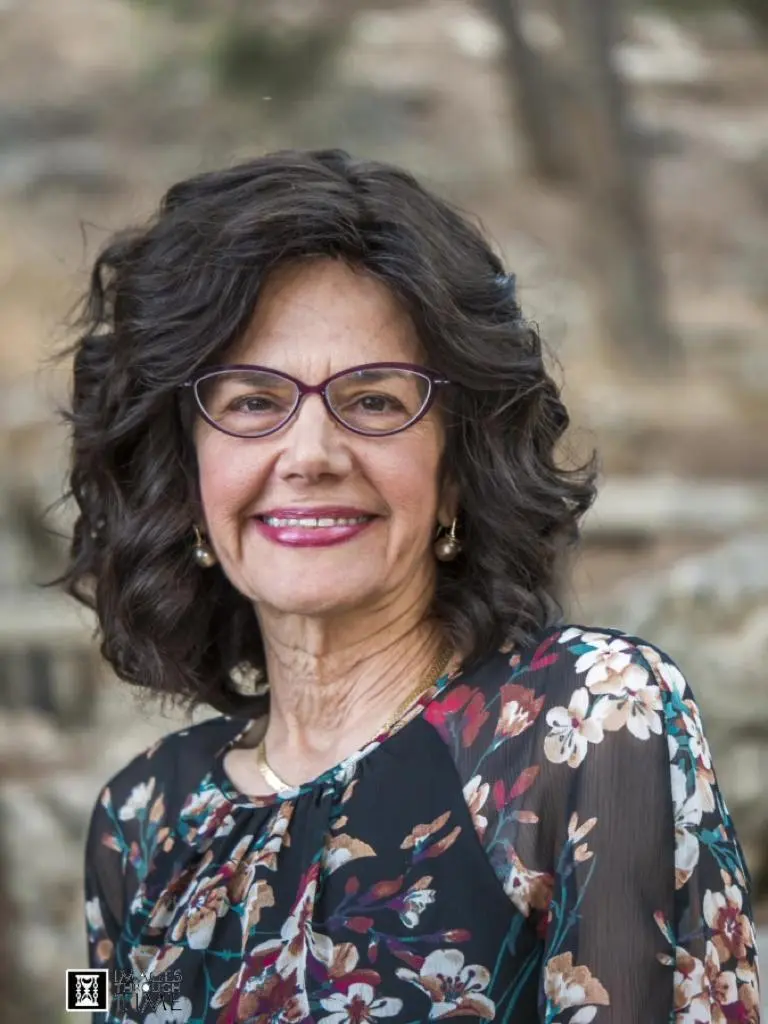
Rookie Billet
Jerusalem, Israel
I’ve been learning since January 2020, and in June I started drawing a phrase from each daf. Sometimes it’s easy (e.g. plants), sometimes it’s very hard (e.g. korbanot), and sometimes it’s loads of fun (e.g. bird racing) to find something to draw. I upload my pictures from each masechet to #DafYomiArt. I am enjoying every step of the journey.

Gila Loike
Ashdod, Israel
I start learning Daf Yomi in January 2020. The daily learning with Rabbanit Michelle has kept me grounded in this very uncertain time. Despite everything going on – the Pandemic, my personal life, climate change, war, etc… I know I can count on Hadran’s podcast to bring a smile to my face.

Deb Engel
Los Angeles, United States
I started learning Daf Yomi in January 2020 after watching my grandfather, Mayer Penstein z”l, finish shas with the previous cycle. My grandfather made learning so much fun was so proud that his grandchildren wanted to join him. I was also inspired by Ilana Kurshan’s book, If All the Seas Were Ink. Two years in, I can say that it has enriched my life in so many ways.

Leeza Hirt Wilner
New York, United States
See video

Susan Fisher
Raanana, Israel
I was moved to tears by the Hadran Siyyum HaShas. I have learned Torah all my life, but never connected to learning Gemara on a regular basis until then. Seeing the sheer joy Talmud Torah at the siyyum, I felt compelled to be part of it, and I haven’t missed a day!
It’s not always easy, but it is so worthwhile, and it has strengthened my love of learning. It is part of my life now.

Michelle Lewis
Beit Shemesh, Israel
The start of my journey is not so exceptional. I was between jobs and wanted to be sure to get out every day (this was before corona). Well, I was hooked after about a month and from then on only looked for work-from-home jobs so I could continue learning the Daf. Daf has been a constant in my life, though hurricanes, death, illness/injury, weddings. My new friends are Rav, Shmuel, Ruth, Joanna.

Judi Felber
Raanana, Israel
I started learning when my brother sent me the news clip of the celebration of the last Daf Yomi cycle. I was so floored to see so many women celebrating that I wanted to be a part of it. It has been an enriching experience studying a text in a language I don’t speak, using background knowledge that I don’t have. It is stretching my learning in unexpected ways, bringing me joy and satisfaction.
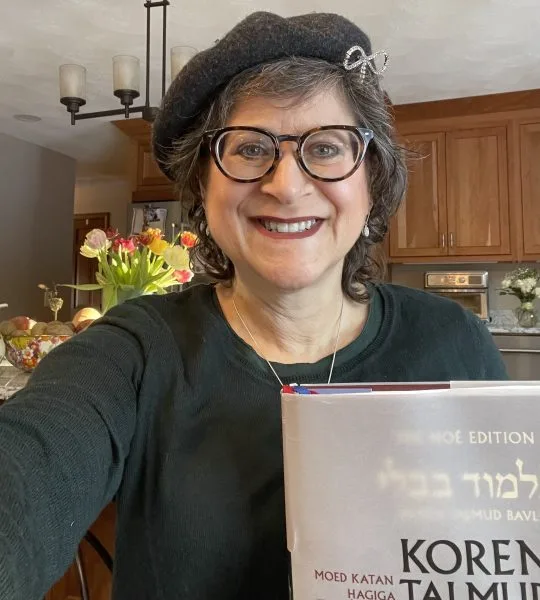
Jodi Gladstone
Warwick, Rhode Island, United States
What a great experience to learn with Rabbanit Michelle Farber. I began with this cycle in January 2020 and have been comforted by the consistency and energy of this process throughout the isolation period of Covid. Week by week, I feel like I am exploring a treasure chest with sparkling gems and puzzling antiquities. The hunt is exhilarating.

Marian Frankston
Pennsylvania, United States
I LOVE learning the Daf. I started with Shabbat. I join the morning Zoom with Reb Michelle and it totally grounds my day. When Corona hit us in Israel, I decided that I would use the Daf to keep myself sane, especially during the days when we could not venture out more than 300 m from our home. Now my husband and I have so much new material to talk about! It really is the best part of my day!

Batsheva Pava
Hashmonaim, Israel
3 years ago, I joined Rabbanit Michelle to organize the unprecedented Siyum HaShas event in Jerusalem for thousands of women. The whole experience was so inspiring that I decided then to start learning the daf and see how I would go…. and I’m still at it. I often listen to the Daf on my bike in mornings, surrounded by both the external & the internal beauty of Eretz Yisrael & Am Yisrael!

Lisa Kolodny
Raanana, Israel
I started with Ze Kollel in Berlin, directed by Jeremy Borowitz for Hillel Deutschland. We read Masechet Megillah chapter 4 and each participant wrote his commentary on a Sugia that particularly impressed him. I wrote six poems about different Sugiot! Fascinated by the discussions on Talmud I continued to learn with Rabanit Michelle Farber and am currently taking part in the Tikun Olam course.

Yael Merlini
Berlin, Germany
I started learning Daf Yomi to fill what I saw as a large gap in my Jewish education. I also hope to inspire my three daughters to ensure that they do not allow the same Talmud-sized gap to form in their own educations. I am so proud to be a part of the Hadran community, and I have loved learning so many of the stories and halachot that we have seen so far. I look forward to continuing!

Dora Chana Haar
Oceanside NY, United States
I started Daf during the pandemic. I listened to a number of podcasts by various Rebbeim until one day, I discovered Rabbanit Farbers podcast. Subsequently I joined the Hadran family in Eruvin. Not the easiest place to begin, Rabbanit Farber made it all understandable and fun. The online live group has bonded together and have really become a supportive, encouraging family.

Leah Goldford
Edmonton, Alberta, Canada
The first month I learned Daf Yomi by myself in secret, because I wasn’t sure how my husband would react, but after the siyyum on Masechet Brachot I discovered Hadran and now sometimes my husband listens to the daf with me. He and I also learn mishnayot together and are constantly finding connections between the different masechtot.

Laura Warshawsky
Silver Spring, Maryland, United States
Hearing and reading about the siyumim at the completion of the 13 th cycle Daf Yomi asked our shul rabbi about starting the Daf – he directed me to another shiur in town he thought would allow a woman to join, and so I did! Love seeing the sources for the Divrei Torah I’ve been hearing for the past decades of living an observant life and raising 5 children .

Jill Felder
Pittsburgh, Pennsylvania, United States
I began Daf Yomi with the last cycle. I was inspired by the Hadran Siyum in Yerushalayim to continue with this cycle. I have learned Daf Yomi with Rabanit Michelle in over 25 countries on 6 continents ( missing Australia)

Barbara Goldschlag
Silver Spring, MD, United States
My husband learns Daf, my son learns Daf, my son-in-law learns Daf.
When I read about Hadran’s Siyyum HaShas 2 years ago, I thought- I can learn Daf too!
I had learned Gemara in Hillel HS in NJ, & I remembered loving it.
Rabbanit Michelle & Hadran have opened my eyes & expanding my learning so much in the past few years. We can now discuss Gemara as a family.
This was a life saver during Covid

Renee Braha
Brooklyn, NY, United States
My Daf journey began in August 2012 after participating in the Siyum Hashas where I was blessed as an “enabler” of others. Galvanized into my own learning I recited the Hadran on Shas in January 2020 with Rabbanit Michelle. That Siyum was a highlight in my life. Now, on round two, Daf has become my spiritual anchor to which I attribute manifold blessings.

Rina Goldberg
Englewood NJ, United States
Menachot 108
וְהַכְּבָשִׂים, וְהַשְּׂעִירִים, וְהַמּוֹתָרוֹת, וְהַמָּעָה.
And one was for the value of the lambs brought as a nazirite’s or a leper’s guilt offering. And one was for the value of the goats brought as communal sin offerings on Festivals. And one was for the surplus coins of one who designated money to purchase one of those offerings and had money left over after purchasing the animal. And one was for the additional silver ma’a paid as a premium in a case when two people brought their half-shekel jointly as one shekel.
כּוּלְּהוּ כְּחִזְקִיָּה לָא אָמְרִי, לְאִנְּצוֹיֵי לָא חָיְישִׁינַן, דְּכֹל חַד וְחַד יוֹמֵיהּ קָא עָבֵיד.
After citing these four opinions, the Gemara explains: All of the other Sages do not say in accordance with the explanation of Ḥizkiyya that the six collection horns are to prevent quarrels between the families of priests, as they hold that we are not concerned about quarreling between the priests. There is no reason for them to fight, as each and every family serves on its own day and receives the hides of the animals sacrificed on that day.
כְּרַבִּי יוֹחָנָן לָא אָמְרִי, לְאִיעַפּוֹשֵׁי לָא חָיְישִׁינַן.
The other Sages do not say in accordance with the explanation of Rabbi Yoḥanan that the six horns are to prevent the coins from decaying, as we are not concerned that the coins will decay.
כִּזְעֵירִי לָא אָמְרִי, כִּיחִידָאָה לָא מוֹקְמִי.
The other Sages do not say in accordance with the explanation of Ze’eiri that the mishna is in accordance with the opinion of Rabbi Yehuda HaNasi, because we do not interpret a mishna in accordance with an individual opinion against the majority opinion.
כְּבָר פְּדָא נָמֵי לָא אָמְרִי. מוֹתָרוֹת – כּוּלְּהוּ נָמֵי מוֹתָרוֹת.
The other Sages also do not say in accordance with the explanation of bar Padda that the six collection horns were for the value of bulls, rams, lambs, and goats that had been lost, for the surplus coins left over after purchasing an offering, and for the ma’a paid as a premium in addition to the half-shekel of two people. This is because they hold that there is no reason to differentiate between the surplus and the value of specific animals, as all of the animals that were lost and another offered in their place are also surplus, and their value is surplus after the replacement offering was purchased.
מָעָה נָמֵי לִשְׁקָלִים אָזְלָא, דְּתַנְיָא: לְהֵיכָן קָלְבּוֹן זֶה הוֹלֵךְ? לִשְׁקָלִים, דִּבְרֵי רַבִּי מֵאִיר. רַבִּי אֱלִיעֶזֶר אוֹמֵר: לִנְדָבָה.
The other Sages also do not agree with bar Padda’s explanation that the sixth collection horn was for the ma’a, because they hold that the ma’a goes toward the same purpose as the regular shekels, as it is taught in a baraita with regard to the ma’a: Where would this premium [kalbon] go, i.e., what was done with it? It would be added to the shekels themselves, which would be used to buy the daily and additional offerings; this is the statement of Rabbi Meir. Rabbi Eliezer says: It would be used for communal gift offerings.
וּשְׁמוּאֵל אָמַר: כְּנֶגֶד מוֹתַר חַטָּאת, וּמוֹתַר אָשָׁם, וּמוֹתַר אֲשַׁם נָזִיר, וּמוֹתַר אֲשַׁם מְצוֹרָע, וּמוֹתַר מִנְחַת חוֹטֵא, וּמוֹתַר עֲשִׂירִית הָאֵיפָה שֶׁל כֹּהֵן גָּדוֹל.
The Gemara cites two additional explanations for the purpose of the six collection horns. And Shmuel says: These six horns correspond to the surplus coins left over after purchasing six offerings, namely: The surplus coins left over after purchasing a sin offering; and the surplus coins left over after purchasing a guilt offering; and the surplus coins left over after purchasing a nazirite’s guilt offering, brought if he comes into contact with a corpse during his term of naziriteship; and the surplus coins left over after purchasing a leper’s guilt offering, brought as part of his purification process; and the surplus coins left over after purchasing a meal offering of a sinner; and the surplus coins left over after purchasing the tenth of an ephah griddle-cake meal offering sacrificed by the High Priest each day, half in the morning and half in the evening.
וְרַבִּי אוֹשַׁעְיָא אָמַר: כְּנֶגֶד מוֹתַר חַטָּאת, וּמוֹתַר אָשָׁם, וּמוֹתַר אֲשַׁם נָזִיר, וּמוֹתַר אֲשַׁם מְצוֹרָע, וּמוֹתַר קִינִּין, וּמוֹתַר מִנְחַת חוֹטֵא.
And Rabbi Oshaya says that there is a different explanation for the six collection horns: They correspond to the surplus coins left over after purchasing a sin offering; and the surplus coins left over after purchasing a guilt offering; and the surplus coins left over after purchasing a nazirite’s guilt offering; and the surplus coins left over after purchasing a leper’s guilt offering; and the surplus coins left over after the purchase of pairs of doves or pigeons by women after childbirth, by zavim as part of their purification process, and others; and the surplus coins left over after purchasing a meal offering of a sinner.
וּשְׁמוּאֵל מַאי טַעְמָא לָא אָמַר כְּרַבִּי אוֹשַׁעְיָא? קִינִּין תְּנָא לֵיהּ רֵישָׁא.
The Gemara asks: And what is the reason that Shmuel does not say in accordance with the explanation of Rabbi Oshaya that one of the collection horns was for the surplus coins left over after purchasing pairs of birds? The Gemara answers: A collection horn for coins for pairs of birds is already taught in the first clause of the mishna in tractate Shekalim (18a), among the list of seven collection horns that served purposes other than the communal gift offerings.
וְרַבִּי אוֹשַׁעְיָא תָּנֵי, וְלָא תָּנֵי קִינִּין? וְהָתָנֵי רַבִּי אוֹשַׁעְיָא וְתָנֵי קִינִּין! חַד לְקִינִּין, וְחַד לְמוֹתַר קִינִּין.
The Gemara asks: And does Rabbi Oshaya teach the mishna without teaching that one of the collection horns was for pairs of birds? Does he have a different version of the mishna? But doesn’t Rabbi Oshaya teach the mishna explicitly, teaching in his version of the mishna that there was a collection horn for pairs of birds? The Gemara answers that one of the collection horns was for coins designated for purchasing pairs of birds, and one collection horn was for the surplus coins remaining after purchasing pairs of birds.
וְרַבִּי אוֹשַׁעְיָא מַאי טַעְמָא לָא אָמַר כִּשְׁמוּאֵל? סָבַר לַהּ כְּמַאן דְּאָמַר: מוֹתָר שֶׁל עֲשִׂירִית הָאֵיפָה שֶׁל כֹּהֵן גָּדוֹל יִרְקַב, דְּתַנְיָא: מוֹתַר מִנְחַת – נְדָבָה, מוֹתַר מִנְחָה – יִרְקַב.
The Gemara asks: And what is the reason that Rabbi Oshaya does not say in accordance with the opinion of Shmuel? The Gemara answers that he holds like the one who says that the surplus coins left over after purchasing the tenth of an ephah griddle-cake meal offering of the High Priest are not used to purchase other offerings but are left to rot; as it is taught in a baraita: The surplus coins left over after purchasing the meal offering of are used for the purchase of a communal gift offering. The surplus coins left over after purchasing a meal offering are left to rot.
מַאי קָאָמַר? אָמַר רַב חִסְדָּא: הָכִי קָאָמַר – מוֹתַר מִנְחַת חוֹטֵא נְדָבָה, מוֹתַר עֲשִׂירִית הָאֵיפָה שֶׁל כֹּהֵן גָּדוֹל – יִרְקַב.
The Gemara clarifies the opaque wording: What is the baraita saying? Rav Ḥisda said that this is what the baraita is saying: The surplus coins left over from the purchase of a meal offering of a sinner are used for the purchase of a communal gift offering. The surplus coins left over from purchasing the tenth of an ephah griddle-cake meal offering of the High Priest are left to rot.
רַבָּה אָמַר: אֲפִילּוּ מוֹתַר עֲשִׂירִית הָאֵיפָה שֶׁל כֹּהֵן גָּדוֹל – נָמֵי נְדָבָה, אֶלָּא מוֹתַר לַחְמֵי תוֹדָה – יִרְקַב.
Rabba offered an alternative interpretation of the baraita and said: Even the surplus coins left over from purchasing the tenth of an ephah griddle-cake meal offering of the High Priest are also used for the purchase of a communal gift offering. Rather, the surplus coins left over from purchasing the loaves accompanying a thanks offering are left to rot.
בִּפְלוּגְתָּא: מוֹתַר עֲשִׂירִית הָאֵיפָה שֶׁל כֹּהֵן גָּדוֹל, רַבִּי יוֹחָנָן אָמַר: נְדָבָה, רַבִּי אֶלְעָזָר אָמַר: יִרְקַב.
The Gemara points out that the opinions of Rav Ḥisda and Rabba correspond to opinions raised in the dispute among earlier amora’im, as with regard to the surplus coins left over from purchasing the tenth of an ephah griddle-cake meal offering of the High Priest, Rabbi Yoḥanan says that they are used to buy a communal gift offering, while Rabbi Elazar says that they must be left to rot.
מֵיתִיבִי: מוֹתַר שְׁקָלִים – חוּלִּין, וּמוֹתַר עֲשִׂירִית הָאֵיפָה, וּמוֹתַר קִינֵּי זָבִין וְקִינֵּי זָבוֹת וְקִינֵּי יוֹלְדוֹת וְחַטָּאוֹת וַאֲשָׁמוֹת – מוֹתְרֵיהֶן נְדָבָה.
The Gemara raises an objection to the opinion of Rabbi Elazar from a mishna (Shekalim 6b): The surplus coins that had been designated for shekels are non-sacred property; but with regard to the surplus coins left over after purchasing the tenth of an ephah meal offering, and the surplus money that had been designated to purchase offerings that are brought due to ritual impurity or a sin, such as the pairs of birds of zavim, the pairs of birds of zavot, the pairs of birds of women after childbirth, and sin offerings, and guilt offerings, in these cases, the surplus coins must be used for a communal gift offering.
מַאי לָאו: מוֹתַר עֲשִׂירִית הָאֵיפָה – שֶׁל כֹּהֵן גָּדוֹל?
The Gemara explains the objection: What is the meaning of the phrase: The tenth of an ephah meal offering? Is it not referring to the surplus coins left over after purchasing the High Priest’s tenth of an ephah griddle-cake meal offering?
לֹא, מוֹתַר מִנְחַת חוֹטֵא.
The Gemara answers: No, it is referring to the surplus coins left over after purchasing the meal offering of a sinner, which is also brought from a tenth of an ephah of fine flour (Leviticus 5:11).
אָמַר רַב נַחְמָן בַּר רַב יִצְחָק: מִסְתַּבְּרָא כְּמַאן דְּאָמַר מוֹתַר עֲשִׂירִית הָאֵיפָה שֶׁל כֹּהֵן גָּדוֹל יִרְקַב.
Rav Naḥman bar Rav Yitzḥak said: It is reasonable to accept the opinion of the one who said: The surplus coins left over from purchasing the tenth of an ephah griddle-cake meal offering of the High Priest are left to rot.
דְּתַנְיָא: ״לֹא יָשִׂים עָלֶיהָ שֶׁמֶן וְלֹא יִתֵּן עָלֶיהָ לְבֹנָה כִּי חַטָּאת הִיא״, אָמַר רַבִּי יְהוּדָה: הִיא קְרוּיָה ״חַטָּאת״, וְאֵין אַחֶרֶת קְרוּיָה ״חַטָּאת״. לִימֵּד עַל עֲשִׂירִית הָאֵיפָה שֶׁל כֹּהֵן גָּדוֹל שֶׁאֵינָהּ קְרוּיָה ״חַטָּאת״, וּטְעוּנָה לְבוֹנָה.
As it is taught in a baraita with regard to a sinner’s meal offering: The verse states: “But if his means are not sufficient for two doves or two pigeons, then he shall bring his offering for that which he has sinned, the tenth part of an ephah of fine flour for a sin offering; he shall put no oil upon it, nor shall he put any frankincense upon it, for it is a sin offering” (Leviticus 5:11). Rabbi Yehuda said that the phrase “it is a sin offering” is interpreted as a restriction: It is called a sin offering, and no other meal offering is called a sin offering. This taught that with regard to the tenth of an ephah griddle-cake meal offering of the High Priest, it is not called a sin offering, and consequently it requires frankincense.
וּמִדְּאֵינָהּ קְרוּיָה ״חַטָּאת״, מוֹתָרָהּ יִרְקַב.
Rav Naḥman inferred: And since it is not called a sin offering, its surplus coins should not be used to buy communal gift offerings like the surplus coins of sin offerings; rather, they should be left to rot.
מַתְנִי׳ ״שׁוֹר זֶה עוֹלָה״, וְנִסְתָּאֵב – אִם רָצָה יָבִיא בְּדָמָיו שְׁנַיִם. ״שְׁנֵי שְׁוָורִים אֵלּוּ עוֹלָה״, וְנִסְתָּאֲבוּ – רָצָה יָבִיא בִּדְמֵיהֶן אֶחָד, וְרַבִּי אוֹסֵר.
MISHNA: With regard to one who said: This bull is hereby a burnt offering, and subsequently it became blemished [venista’ev] and was disqualified from sacrifice, he should redeem the bull and with that money purchase another bull as an offering in its stead. If he wishes, he may bring two bulls with its redemption money instead of one. If one says: These two bulls are hereby a burnt offering, and subsequently they became blemished, if he wishes he may bring one bull with their redemption money. And Rabbi Yehuda HaNasi deems this prohibited, and holds that he must bring two bulls.
״אַיִל זֶה עוֹלָה״, וְנִסְתָּאֵב – אִם רָצָה יָבִיא בְּדָמָיו כֶּבֶשׂ. ״כֶּבֶשׂ זֶה עוֹלָה״, וְנִסְתָּאֵב – אִם רָצָה יָבִיא בְּדָמָיו אַיִל, וְרַבִּי אוֹסֵר.
In a case where one said: This ram is hereby a burnt offering, and it became blemished, if he wishes he may bring a lamb with its redemption money. In a case where one said: This lamb is hereby a burnt offering, and it became blemished, if he wishes he may bring a ram with its redemption money. And Rabbi Yehuda HaNasi deems it prohibited for one to bring one type of animal with redemption money from another type of animal.
גְּמָ׳ וְהָא אָמְרַתְּ רֵישָׁא: ״שׁוֹר בְּמָנֶה״ וְהֵבִיא שְׁנַיִם בְּמָנֶה – לֹא יָצָא.
GEMARA: The mishna teaches that if one vows to bring a certain bull as a burnt offering and it became blemished, he may bring two bulls with its redemption money. The Gemara asks: But didn’t you say in the first clause, i.e., in the previous mishna (107b), that if one said: It is incumbent upon me to bring a bull with the value of one hundred dinars as a burnt offering or peace offering, and he brought two bulls with a combined value of one hundred dinars, he has not fulfilled his obligation? If so, why does the mishna here teach that one may bring two bulls with the redemption money of one bull?
״שׁוֹר זֶה״ וְנִסְתָּאֵב שָׁאנֵי.
The Gemara answers that these two cases are not comparable. The previous mishna was referring to a case where one vowed to bring a bull worth one hundred dinars, without referring to a specific bull. Therefore, he is obligated to fulfill the specific conditions of his vow. By contrast, this mishna is referring to a case where one said: This bull is hereby a burnt offering, and therefore, if the bull becomes blemished and disqualified as an offering the halakha is different. Since he was only ever obligated to sacrifice this bull, and is no longer able to sacrifice it, he is no longer obligated by his vow, and may bring any number of offerings with its value.
״שְׁנֵי שְׁוָורִין אֵלּוּ עוֹלָה״ וְנִסְתָּאֲבוּ, רָצָה יָבִיא בִּדְמֵיהֶן אֶחָד, וְרַבִּי אוֹסֵר. מַאי טַעְמָא?
The mishna teaches that if one says: These two bulls are hereby a burnt offering, and they became blemished, if he wishes he may bring with the money of their redemption one bull. And Rabbi Yehuda HaNasi deems this prohibited, and holds that he must bring two bulls. The Gemara asks: What is the reason that Rabbi Yehuda HaNasi deems it prohibited to bring only one bull?
מִשּׁוּם דְּהָוֵה לֵיהּ גָּדוֹל וְהֵבִיא קָטָן, וְאַף עַל גַּב דְּנִסְתָּאֵב, לְכִתְחִילָּה לָא שָׁרֵי רַבִּי.
The Gemara answers: Because it is similar to a case where one vowed to bring a large bull and he brought a small bull, in which case he has not fulfilled his vow. Similarly, in this case, he vowed to bring two bulls and brought only one. And although he is not actually obligated to bring two bulls, as the bulls that he consecrated became blemished and he needs only to bring an offering with their redemption money, nevertheless Rabbi Yehuda HaNasi does not permit bringing two bulls instead of one ab initio.
וְלִפְלוֹג נָמֵי בְּרֵישָׁא?
The Gemara asks: But if so, let Rabbi Yehuda HaNasi disagree in the first clause of the mishna as well, which states that if one consecrated a specific bull as a burnt offering and it subsequently became blemished, he may purchase two bulls with its redemption money. There, too, Rabbi Yehuda HaNasi should prohibit bringing two bulls ab initio, as it is similar to a case where one vowed to bring a small bull and brought a large one, in which case Rabbi Yehuda HaNasi also holds that he has not fulfilled his obligation.
רַבִּי אַכּוּלַּהּ מִילְּתָא פְּלִיג, וְנָטַר לְהוּ לְרַבָּנַן עַד דְּמַסְּקִי מִילְּתַיְיהוּ, וַהֲדַר מִיפְּלִיג עֲלַיְיהוּ.
The Gemara answers: Rabbi Yehuda HaNasi disagrees with this entire matter, both in the first and latter clauses of the mishna; but he waited until the Rabbis had completed their statement, and then disagreed with them with regard to both cases.
תֵּדַע, דְּקָתָנֵי: ״אַיִל זֶה עוֹלָה״ וְנִסְתָּאֵב – רָצָה יָבִיא בְּדָמָיו כֶּבֶשׂ; ״כֶּבֶשׂ זֶה לְעוֹלָה״ וְנִסְתָּאֵב – רָצָה יָבִיא בְּדָמָיו אַיִל, וְרַבִּי אוֹסֵר. שְׁמַע מִינַּהּ.
Know that Rabbi Yehuda HaNasi disagrees with the statement of the Rabbis in the first clause of the mishna as well, as the mishna teaches that if one said: This ram is hereby a burnt offering, and it became blemished, if he wishes he may bring a lamb with its redemption money. In a case where one said: This lamb is hereby a burnt offering, and it became blemished, if he wishes he may bring a ram with its redemption money. And Rabbi Yehuda HaNasi deems it prohibited for one to bring one type of animal with the redemption money of another type of animal, even if he wishes to bring a ram with the redemption money of a lamb. Evidently, Rabbi Yehuda HaNasi disagrees with the Rabbis even in a case where one consecrated a small animal and wishes to bring a large animal with its redemption money. Conclude from it that he also disagrees in a case where one vowed to bring a certain animal which subsequently became blemished; the person may not bring two animals with the redemption money.
אִיבַּעְיָא לְהוּ: מִמִּינָא לְמִינָא מַאי?
§ A dilemma was raised before the Sages: According to the Rabbis, what is the halakha with regard to one who wishes to use the redemption money from an animal of one species which became blemished to purchase a different species of animal? For example, if one vowed to bring a bull which subsequently became blemished, may he bring rams with its value instead?
תָּא שְׁמַע: שׁוֹר זֶה עוֹלָה, וְנִסְתָּאֵב – לֹא יָבִיא בְּדָמָיו אַיִל, אֲבָל מֵבִיא בְּדָמָיו שְׁנֵי אֵילִים, וְרַבִּי אוֹסֵר, לְפִי שֶׁאֵין בִּילָּה. שְׁמַע מִינַּהּ.
The Gemara suggests: Come and hear a resolution from that which is taught in a baraita: If one said: This bull is hereby a burnt offering, and it became blemished, he may not bring a ram with its redemption money, as a ram is not worth as much as a bull. But he may bring two rams with its redemption money, if together they are equal in value to the bull. And Rabbi Yehuda HaNasi deems this prohibited, the reason being that one must bring two meal offerings to accompany his two rams. These meal offerings must be brought in two vessels, because there is no mixing permitted. Accordingly, bringing two offerings runs counter to the person’s vow, which involved bringing only one meal offering. Conclude from this baraita that according to the Rabbis it is permitted to use the redemption money from one species of animal to purchase a different species.
אִי הָכִי, מַאי אִירְיָא תְּרֵי? אֲפִילּוּ חַד נָמֵי! דְּהָא בְּנִסְתָּאֵב, לְרַבָּנַן לָא שָׁנֵי לְהוּ בֵּין גָּדוֹל לְקָטָן!
The Gemara asks: If so, if the Rabbis deem it permitted to bring a different species of animal, why does the baraita specifically state that one may bring two rams in place of a bull? The same halakha would apply even for one ram, as although one ram is smaller than one bull, in a case where the animal became blemished, according to the Rabbis, there is no difference whether one brings a large animal or a small animal. If one vowed to bring a ram he may bring a lamb instead, so why not a ram in place of a bull?
תְּרֵי תַּנָּאֵי, וְאַלִּיבָּא דְּרַבָּנַן.
The Gemara answers: There are two tanna’im, and they disagree with regard to the opinion of the Rabbis. The tanna of the mishna holds that the Rabbis deem it permitted to bring a small animal in place of a large animal that became blemished. The tanna of the baraita holds that the Rabbis do not deem it permitted to bring a small animal in place of a large animal.
רַבִּי אוֹסֵר, לְפִי שֶׁאֵין בִּילָּה; טַעְמָא דְּאֵין בִּילָּה, הָא יֵשׁ בִּילָּה – שְׁרֵי.
The baraita states: Rabbi Yehuda HaNasi deems it prohibited to bring two rams with the redemption money of a bull, because there is no mixing. The Gemara infers: The reason that he deems it prohibited is because there is no mixing. But had there been mixing, then according to Rabbi Yehuda HaNasi it would be permitted.
וְהָתְנַן: ״אַיִל זֶה עוֹלָה״ וְנִסְתָּאֵב, רָצָה יָבִיא בְּדָמָיו כֶּבֶשׂ. ״כֶּבֶשׂ זֶה עוֹלָה״ וְנִסְתָּאֵב, יָבִיא בְּדָמָיו אַיִל, וְרַבִּי אוֹסֵר.
The Gemara asks: But didn’t we learn in the mishna that if one said: This ram is hereby a burnt offering, and it became blemished, if he wishes he may bring a lamb with its redemption money. If one said: This lamb is hereby a burnt offering, and it became blemished, he may bring a ram with its redemption money. And Rabbi Yehuda HaNasi deems it prohibited for one to bring one type of animal with the redemption money of another type of animal. Evidently, Rabbi Yehuda HaNasi prohibits any kind of divergence from the animal that was consecrated, regardless of whether mixing is permitted.
תְּרֵי תַנָּאֵי, וְאַלִּיבָּא דְּרַבִּי.
The Gemara answers: There are two tanna’im, and they disagree with regard to the opinion of Rabbi Yehuda HaNasi. The tanna of the baraita holds that Rabbi Yehuda deems it prohibited to switch to a different type of animal only if it affects the accompanying meal offering, whereas the tanna of the mishna holds that Rabbi Yehuda HaNasi deems any kind of change prohibited.
וּבִטְהוֹרִים, ״עֵגֶל״ וְהֵבִיא פַּר, ״כֶּבֶשׂ״ וְהֵבִיא אַיִל – יָצָא. סְתָמָא – כְּרַבָּנַן.
The Gemara cites the latter clause of the baraita: All of the cases in the mishna and baraita are referring to a case where the animal became blemished; and with regard to pure animals, i.e., those that are not blemished, if one vowed to bring a calf and brought a bull instead, or he vowed to bring a lamb and brought a ram instead, he has fulfilled his obligation. The Gemara explains that the unattributed last clause of the baraita is in accordance with the opinion of the Rabbis. Rabbi Yehuda HaNasi would disagree in this case as well.
רָצָה יָבִיא בְּדָמָיו שְׁנַיִם [כּוּ׳]. אָמַר רַב מְנַשְּׁיָא בַּר זְבִיד אָמַר רַב: לֹא שָׁנוּ אֶלָּא דְּאָמַר ״שׁוֹר זֶה עוֹלָה״, אֲבָל אָמַר ״שׁוֹר זֶה עָלַי עוֹלָה״ – הוּקְבַּע.
§ The mishna teaches that if one vows to bring a certain bull as a burnt offering, and it became blemished, if he wishes, he may bring two bulls with its redemption money. Rabbi Menashya bar Zevid says that Rav says: The Sages taught this halakha only in a case where one said: This bull is hereby a burnt offering. But if he said: This bull is incumbent upon me to bring as a burnt offering, his responsibility for it in a case where it became blemished is fixed, and he must bring one bull with its redemption money, not two.
וְדִלְמָא ״עָלַי לַהֲבִיאוֹ״ קָאָמַר?
The Gemara challenges Rav’s opinion: But perhaps when he said: This bull is incumbent upon me, he meant: It is incumbent upon me to bring it as an offering, but he did not intend to accept responsibility in case it becomes blemished.
אֶלָּא אִי אִיתְּמַר הָכִי אִיתְּמַר, אָמַר רַב מְנַשְּׁיָא בַּר זְבִיד אָמַר רַב: לֹא שָׁנוּ אֶלָּא דְּאָמַר ״שׁוֹר זֶה עוֹלָה״, אִי נָמֵי אָמַר ״שׁוֹר זֶה עָלַי עוֹלָה״, אֲבָל אָמַר ״שׁוֹר זֶה וְדָמָיו עָלַי עוֹלָה״ – הוּקְבַּע.
Rather, if it was stated that there is a case where one is responsible if the animal becomes blemished, it was stated as follows: Rabbi Menashya bar Zevid says that Rav says: The Sages taught this halakha only in a case where one said: This bull is hereby a burnt offering, or he said: This bull is incumbent upon me to bring as a burnt offering. But if he said: This bull and its value are incumbent upon me to bring as a burnt offering, his responsibility for it in a case where it becomes blemished is fixed, and he must bring one bull with its redemption money, and not two.
מַתְנִי׳ הָאוֹמֵר ״אֶחָד מִכְּבָשַׂי הֶקְדֵּשׁ״ וְ״אֶחָד מִשְּׁוָרַי הֶקְדֵּשׁ״, וְהָיוּ לוֹ שְׁנַיִם – הַגָּדוֹל שֶׁבָּהֶן הֶקְדֵּשׁ. שְׁלֹשָׁה – בֵּינוֹנִי שֶׁבָּהֶם הֶקְדֵּשׁ. ״פֵּירַשְׁתִּי, וְאֵינִי יוֹדֵעַ מַה שֶּׁפֵּירַשְׁתִּי״, אוֹ שֶׁ״אָמַר לִי אַבָּא, וְאֵינִי יוֹדֵעַ מַה״ – הַגָּדוֹל שֶׁבָּהֶן הֶקְדֵּשׁ.
MISHNA: With regard to one who says: One of my lambs is consecrated, or: One of my bulls is consecrated, and he has two lambs or bulls, the larger of them is consecrated. If he has three lambs or bulls, the middle-sized animal among them is consecrated. If one says: I specified the lamb or bull that is to be consecrated but I do not know what animal I specified in my vow, or he says that: My father said to me before his death that he consecrated one of the lambs or the bulls, but I do not know what animal he consecrated, the largest of them is consecrated.
גְּמָ׳ אַלְמָא מַקְדִּישׁ – בְּעַיִן יָפָה מַקְדִּישׁ, אֵימָא סֵיפָא: בֵּינוֹנִי שֶׁבָּהֶן הֶקְדֵּשׁ, אַלְמָא מַקְדִּישׁ – בְּעַיִן רָעָה מַקְדִּישׁ!
GEMARA: The first clause of the mishna teaches that if one says: One of my lambs is consecrated, and he has two lambs, the larger one is consecrated. The Gemara infers: Apparently, one who consecrates, consecrates generously. But say the latter clause of the mishna: If he has three lambs, the middle-sized animal among them is consecrated. Apparently, one who consecrates, consecrates sparingly. How can this contradiction be resolved?
אָמַר שְׁמוּאֵל: חוֹשְׁשִׁין אַף לְבֵינוֹנִי, דִּלְגַבֵּי קָטָן – עַיִן יָפָה הוּא.
Shmuel said: The presumption is that one who consecrates, consecrates generously. When the latter clause of the mishna states that the middle-sized animal is consecrated, it does not mean that only the middle-sized animal is consecrated. Rather, the larger animal is consecrated, and additionally we are concerned, i.e., we must take in consideration the possibility, that the middle-sized animal is consecrated, as compared to consecrating the small animal, consecrating the middle-sized animal is generous. Therefore, the vow could have been referring to either the large animal or the middle-sized animal.
הֵיכִי עָבֵיד? אָמַר רַבִּי חִיָּיא בַּר רַב: מַמְתִּין לוֹ עַד שֶׁיּוּמַם, וּמַחֵיל לֵיהּ לִקְדוּשְּׁתֵיהּ בַּגָּדוֹל.
The Gemara asks: How should he act? He consecrated only one of them, and it is uncertain which animal should be sacrificed. Rabbi Ḥiyya bar Rav said: He should wait until the middle-sized animal becomes blemished and then desacralize it by transferring its sanctity onto the large animal, which is then sacrificed on the altar.
אָמַר רַב נַחְמָן, אָמַר רַבָּה בַּר אֲבוּהּ: לֹא שָׁנוּ אֶלָּא דְּאָמַר ״אֶחָד מִשְּׁוָורַי הֶקְדֵּשׁ״, אֲבָל אָמַר ״שׁוֹר בִּשְׁוָורַי הֶקְדֵּשׁ״ – הַגָּדוֹל שֶׁבָּהֶן הֶקְדֵּשׁ, ״תּוֹרָא בְּתוֹרַאי״ קָאָמַר.
§ The mishna teaches that if one had three lambs or bulls, the middle-sized animal is consecrated. Rav Naḥman said that Rabba bar Avuh said: The Sages taught that the middle-sized animal is consecrated only when he said: One of my bulls is hereby consecrated. But if he said: A bull from among my bulls is hereby consecrated, only the largest of them is consecrated. It is as if he said: The most valuable bull from among my bulls [tora betorai] is consecrated.
אִינִי? וְהָאָמַר רַב הוּנָא, אָמַר רַבִּי חִיָּיא מִשְּׁמֵיהּ דְּעוּלָּא: הָאוֹמֵר לַחֲבֵירוֹ ״בַּיִת בְּבָתַּי אֲנִי מוֹכֵר לָךְ״ – מַרְאֵהוּ עֲלִיָּיה, לָאו מִשּׁוּם דִּגְרִיעַ? לָא, מְעוּלֶּה שֶׁבַּבָּתִּים.
The Gemara asks: Is that so? But didn’t Rav Huna say that Rabbi Ḥiyya said in the name of Ulla: One who says to another: I am selling you a house from among my houses, can show him an loft [aliyya], since he did not specify which house he is selling? Is this not because the loft is the worst of his houses? If so, when one says: A bull from among my bulls is hereby consecrated, he is presumably referring to the least valuable of his bulls. The Gemara answers: No, Ulla did not say that the seller gives the purchaser a loft, but rather the best [me’ula] of his houses.
מֵיתִיבִי: ״שׁוֹר בִּשְׁוָורַי הֶקְדֵּשׁ״, וְכֵן שׁוֹר שֶׁל הֶקְדֵּשׁ שֶׁנִּתְעָרֵב בַּאֲחֵרִים – הַגָּדוֹל שֶׁבָּהֶן הֶקְדֵּשׁ, וְכוּלָּם יִמָּכְרוּ לְצׇרְכֵי עוֹלוֹת, וּדְמֵיהֶן חוּלִּין.
The Gemara raises an objection to the statement of Rabba bar Avuh from a baraita: If one said: A bull from among my bulls is consecrated, or similarly if a consecrated bull became mixed with other non-consecrated bulls, the largest of them is consecrated, and all of the other bulls must be sold to people who vowed to bring burnt offerings, for the purpose of bringing them as burnt offerings, since it is uncertain which one of them was consecrated, and the payment for them is non-sacred. Evidently, if one says: I hereby consecrate a bull from among my bulls, all of his bulls have uncertain consecrated status.
תַּרְגּוּמָא: אַשּׁוֹר שֶׁל הֶקְדֵּשׁ שֶׁנִּתְעָרֵב בַּאֲחֵרִים. וְהָא ״וְכֵן״ קָאָמַר? תַּרְגְּומַאּ: אַגָּדוֹל.
The Gemara answers: Interpret this as referring only to a consecrated bull that became mixed with others. The Gemara challenges: But doesn’t the baraita say: And similarly, indicating that this halakha applies to both cases? The Gemara answers: Interpret it as referring to the halakha that the largest of the bulls is consecrated. That halakha does apply to both cases, but the halakha that the rest of the bulls have uncertain consecrated status applies only to the latter case.
מֵיתִיבִי: ״בַּיִת בְּבָיתַּי אֲנִי מוֹכֵר לָךְ״, וְנָפַל – מַרְאֵהוּ נָפוּל, ״עֶבֶד בַּעֲבָדַיי אֲנִי מוֹכֵר לָךְ״, וָמֵת – מַרְאֵהוּ מֵת.
The Gemara raises an objection to the statement of Rabba bar Avuh from a baraita: If one says to another: I am selling you a house from among my houses, and one of the houses subsequently fell, he can show him the fallen house, and say to him: This is the one I sold you. Similarly, if one says to another: I sell you a slave from among my slaves, and one of the slaves dies, he can show him the dead slave and say: This is the slave I sold you.
Follow

