









Want to dedicate learning? Get started here:


Today’s daily daf tools:
Menachot 76
מַתְנִי׳ כׇּל הַמְּנָחוֹת טְעוּנוֹת שְׁלֹשׁ מֵאוֹת שִׁיפָה וַחֲמֵשׁ מֵאוֹת בְּעִיטָה, שִׁיפָה וּבְעִיטָה בַּחִיטִּין. וְרַבִּי יוֹסֵי אוֹמֵר: בַּבָּצֵק. כׇּל הַמְּנָחוֹת בָּאוֹת עֶשֶׂר עֶשֶׂר, חוּץ מִלֶּחֶם הַפָּנִים וַחֲבִיתֵּי כֹּהֵן גָּדוֹל שֶׁהֵם בָּאוֹת שְׁתֵּים עֶשְׂרֵה, דִּבְרֵי רַבִּי יְהוּדָה. רַבִּי מֵאִיר אוֹמֵר: כּוּלָּם בָּאוֹת שְׁתֵּים עֶשְׂרֵה, חוּץ מֵחַלּוֹת תּוֹדָה וּנְזִירוּת שֶׁהֵן בָּאוֹת עֶשֶׂר עֶשֶׂר.
MISHNA: All the meal offerings require rubbing three hundred times and striking five hundred times with one’s fist or palm. Rubbing and striking are performed on the wheat kernels to remove their husks prior to grinding them into flour. And Rabbi Yosei says: They are performed on the dough to ensure a smooth product. All of the meal offerings come as ten loaves or ten wafers from each one tenth of an ephah of flour, except for the shewbread and the griddle-cake offering of the High Priest, which come as twelve loaves or wafers; this is the statement of Rabbi Yehuda. Rabbi Meir says: They all come as twelve loaves except for the four types of loaves that accompany the thanks offering and the two types of loaves that accompany the peace offering of naziriteship, which come as ten each.
גְּמָ׳ תָּנָא: שָׁף אַחַת, בּוֹעֵט שְׁתַּיִם. שָׁף שְׁתַּיִם, בּוֹעֵט שָׁלֹשׁ. בָּעֵי רַבִּי יִרְמְיָה: אַמְטוֹיֵי וְאֵתוֹיֵי חַד, אוֹ דִלְמָא אַמְטוֹיֵי וְאֵתוֹיֵי תְּרֵי? מַאי? תֵּיקוּ.
GEMARA: A tanna taught in a baraita that the rubbing and striking are done in the following manner: He rubs once and strikes twice. Then he rubs twice and strikes three times. This sequence is repeated one hundred times, so that he rubs three hundred times and strikes five hundred times. Rabbi Yirmeya raises a dilemma with regard to the rubbing: Is the rubbing of the hand back and forth over the surface of the item considered one rubbing, or is perhaps rubbing back and forth considered two distinct rubbings? What is the correct count? The Gemara states: The dilemma shall stand unresolved.
שִׁיפָה וּבְעִיטָה בַּחִיטִּין, רַבִּי יוֹסֵי אוֹמֵר: בַּבָּצֵק. אִיבַּעְיָא לְהוּ: בַּבָּצֵק וְלֹא בַּחִיטִּין, אוֹ דִלְמָא אַף בַּבָּצֵק? תָּא שְׁמַע, דְּתַנְיָא: שִׁיפָה וּבְעִיטָה בַּחִיטִּין, רַבִּי יוֹסֵי אוֹמֵר: שִׁיפָה וּבְעִיטָה בַּבָּצֵק.
§ The mishna teaches: Rubbing and striking are performed on the wheat kernels, while Rabbi Yosei says: They are performed on the dough. The Gemara comments: A dilemma was raised before the Sages: Does Rabbi Yosei mean that these actions are performed on the dough and not on the wheat kernels? Or perhaps he means that they are performed not only on the kernels but also on the dough. The Gemara suggests: Come and hear a resolution, as it is taught in a baraita: Rubbing and striking are performed on the wheat kernels. Rabbi Yosei says: Rubbing and striking are performed on the dough.
כׇּל הַמְּנָחוֹת בָּאוֹת כּוּ׳. שְׁתֵּים עֶשְׂרֵה לֶחֶם הַפָּנִים – בְּהֶדְיָא כְּתִיב בֵּיהּ.
§ The mishna teaches that according to the opinion of Rabbi Yehuda, all of the meal offerings come as ten loaves or wafers, except for the shewbread and the griddle-cake offering of the High Priest, which come as twelve loaves or wafers. The Gemara examines the sources for these exceptions: With regard to the shewbread, it is written explicitly of it: “And you shall take fine flour and bake twelve cakes of it” (Leviticus 24:5).
חֲבִיתֵּי כֹּהֵן גָּדוֹל – אָתְיָא ״חֻקָּה״ ״חֻקָּה״ מִלֶּחֶם הַפָּנִים.
That the griddle-cake offering of the High Priest is also offered as twelve units is derived from a verbal analogy of the word “obligation,” written in the context of the verse discussing the shewbread. With regard to the griddle-cake offering, the verse states: “And the anointed priest…shall offer it; it is an obligation forever” (Leviticus 6:15), and the verse states with regard to the twelve loaves of the shewbread: “And it shall be for Aaron and his sons…a perpetual obligation” (Leviticus 24:9).
כׇּל הַמְּנָחוֹת דְּבָאוֹת עֶשֶׂר עֶשֶׂר, מְנָלַן? גָּמַר מִלַּחְמֵי תוֹדָה – מָה לְהַלָּן עֶשֶׂר, אַף כָּאן עֶשֶׂר. וְלֵילַף מִלֶּחֶם הַפָּנִים – מָה לְהַלָּן שְׁתֵּים עֶשְׂרֵה, אַף כָּאן שְׁתֵּים עֶשְׂרֵה!
§ The Gemara asks: According to Rabbi Yehuda, who states in the mishna with regard to all the meal offerings that they come as ten loaves or ten wafers, from where do we derive this halakha? The Gemara answers that he derives it from the loaves of the thanks offering. Just as there, there are ten loaves, so too here, with regard to all other meal offerings, there are ten loaves. The Gemara challenges: But let him derive it from the shewbread: Just as there, there are twelve loaves, so too here, with regard to all other meal offerings, there must be twelve.
מִסְתַּבְּרָא מִלַּחְמֵי תוֹדָה הֲוָה לֵיהּ לְמֵילַף, שֶׁכֵּן יָחִיד, הַמִּתְנַדֵּב, שֶׁמֶן, נִפְסָל, שֶׁלֹּא בְּשַׁבָּת, וְשֶׁלֹּא בְּטוּמְאָה.
The Gemara explains: It stands to reason that Rabbi Yehuda should derive the halakha of the other meal offerings from the loaves of the thanks offering, as the other meal offerings resemble the loaves of the thanks offering and differ from the shewbread in several respects: They are offered by an individual and not by the public; they are brought by one who donates and not as obligatory offerings; oil is used in their preparation; they are disqualified when left overnight, whereas, by contrast, the rite of the shewbread demands that it be left on the Table for eight days; they are not brought on the Sabbath, unlike the shewbread, whose rite is performed on the Sabbath; and they are not brought in a state of ritual impurity, unlike the shewbread, which is brought even in a state of impurity.
אַדְּרַבָּה, מִלֶּחֶם הַפָּנִים הֲוָה לֵיהּ לְמֵילַף, שֶׁכֵּן הֶקְדֵּשׁ, וּלְבוֹנָה, מַצָּה, וָעֶצֶם!
The Gemara responds: On the contrary, Rabbi Yehuda should derive the halakha of the other meal offerings from the shewbread, as they resemble the shewbread in several respects: They are consecrated property of the most sacred order, whereas the loaves of the thanks offering are of lesser sanctity; and they are brought with frankincense, whereas the loaves of the thanks offering are not; they are brought only as unleavened bread, whereas the loaves of the thanks offering include some leavened bread; and each is brought as an offering by itself, whereas the loaves of the thanks offering are brought together with an animal sacrifice.
הָנָךְ נְפִישָׁן.
The Gemara explains: These analogies between other meal offerings and the loaves of the thanks offering are more numerous than the analogies between other meal offerings and the shewbread. Therefore, the halakha of other meal offerings is derived from the loaves of the thanks offering.
וְאִי סְבִירָא לַן דָּבָר הַלָּמֵד בִּגְזֵירָה שָׁוָה חוֹזֵר וּמְלַמֵּד בְּבִנְיַן אָב, נֵילַף מֵחֲבִיתֵּי כֹּהֵן גָּדוֹל: מָה לְהַלָּן – שְׁתֵּים עֶשְׂרֵה, אַף כָּאן – שְׁתֵּים עֶשְׂרֵה?
The Gemara posited previously that according to Rabbi Yehuda, a verbal analogy teaches that, like the shewbread, the griddle-cake offering of the High Priest is brought as twelve units. The Gemara asks: And if we hold that a matter learned through a verbal analogy may subsequently teach as a paradigm, let us derive the halakha of the other meal offerings from the griddle-cake offering of the High Priest: Just as there, the meal offering comprises twelve units, so too here, other meal offerings should consist of twelve units.
מִסְתַּבְּרָא מִלַּחְמֵי תוֹדָה הֲוָה לֵיהּ לְמֵילַף, שֶׁכֵּן הֶדְיוֹט שֶׁהִתְנַדֵּב חֲצָאִין;
The Gemara responds: It stands to reason that Rabbi Yehuda should derive their halakha from the halakha of the loaves of the thanks offering, as the other meal offerings resemble the loaves of the thanks offering and differ from the griddle-cake offering in several respects: They are brought by an ordinary person and not by the High Priest; they are brought by one who donates and not as obligatory offerings; and they are only brought whole, while the High Priest’s griddle-cake offering is brought in halves, half in the morning and half in the afternoon.
לְפִיגּוּל, שֶׁלֹּא בְּשַׁבָּת, וְשֶׁלֹּא בְּטוּמְאָה.
In addition, they are disqualified as piggul, i.e., when they are sacrificed with the intent to be consumed after their appointed time, unlike the griddle-cake offering, which is not eaten at all; they are not brought on the Sabbath, unlike the griddle-cake offering; and they are not brought in a state of ritual impurity, whereas the griddle-cake offering is brought by the High Priest even while impure.
אַדְּרַבָּה, מֵחֲבִיתֵּי כֹּהֵן גָּדוֹל הֲוָה לֵיהּ לְמֵילַף, שֶׁכֵּן עִשָּׂרוֹן, כְּלִי הֶקְדֵּשׁ, וּלְבוֹנָה;
The Gemara challenges: On the contrary, Rabbi Yehuda should have derived the halakha of the other meal offerings from the High Priest’s griddle-cake offering, as the other meal offerings resemble the griddle-cake offering in several respects: They both contain a tenth of an ephah of fine flour, whereas the loaves of the thanks offering contain several tenths of an ephah; they are consecrated when placed in a service vessel, whereas the loaves of the thanks offering are consecrated when the thanks offering is slaughtered; they are consecrated property of the most sacred order, whereas the loaves of the thanks offering are of lesser sanctity; and they are brought with frankincense, whereas the loaves of the thanks offering are not.
מַצָּה וָעֶצֶם, הַגָּשָׁה וְאִישִּׁים, וְהָנֵי נְפִישָׁן.
In addition, they are brought only of unleavened bread, whereas the loaves of the thanks offering include some leavened bread; and each is brought as an offering itself, whereas the loaves of the thanks offering are brought together with an animal sacrifice; part of their rite is bringing them near the southwest corner of the altar, unlike the loaves of the thanks offering; and parts or all of them are placed on the fires of the altar, unlike the loaves of the thanks offering. The Gemara comments: And indeed, these similarities between other meal offerings and the griddle-cake offering are more numerous than the similarities between other meal offerings and the loaves of the thanks offering. Therefore, it seems more appropriate to derive the number of loaves from the griddle-cake offering.
הֶדְיוֹט מֵהֶדְיוֹט עֲדִיף לֵיהּ.
The Gemara answers: Nevertheless, Rabbi Yehuda prefers to learn the halakha of the other meal offerings, which are brought by an ordinary person, from the loaves of the thanks offering, which are brought by an ordinary person.
רַבִּי מֵאִיר אוֹמֵר: כּוּלָּן בָּאוֹת שְׁתֵּים עֶשְׂרֵה. מַאי קָסָבַר? אִי סְבִירָא לֵיהּ דְּדָבָר הַלָּמֵד בִּגְזֵירָה שָׁוָה חוֹזֵר וּמְלַמֵּד בְּבִנְיַן אָב – יָלֵיף מֵחֲבִיתֵּי (דכהן) [כֹהֵן] גָּדוֹל, דְּהָנֵי נְפִישָׁן.
§ The mishna teaches that Rabbi Meir says: They all come as twelve loaves. The Gemara explains: What does he hold? If he holds that a matter learned through a verbal analogy is subsequently used to teach as a paradigm, he derives the number of loaves in other meal offerings from the High Priest’s griddle-cake offering, which was itself derived from a verbal analogy, as these similarities between other meal offerings and the griddle-cake offering enumerated above are more numerous.
אִי סְבִירָא לֵיהּ דְּדָבָר הַלָּמֵד בִּגְזֵירָה שָׁוָה אֵינוֹ חוֹזֵר וּמְלַמֵּד בְּבִנְיַן אָב – יָלֵיף מִלֶּחֶם הַפָּנִים, הֶקְדֵּשׁ מֵהֶקְדֵּשׁ עֲדִיף לֵיהּ.
And if he holds that a matter learned through a verbal analogy is not subsequently used to teach as a paradigm, then he derives the number of loaves in other meal offerings from the twelve loaves of the shewbread. This is because Rabbi Meir prefers to derive the status of the other meal offerings, which are consecrated property of the highest order, from the shewbread, which is also consecrated property of the highest order, in contrast to the loaves of the thanks offering, which are of lesser sanctity.
חוּץ מִלַּחְמֵי תוֹדָה וּנְזִירוּת, שֶׁהֵן בָּאוֹת עֶשֶׂר עֶשֶׂר. לַחְמֵי תוֹדָה – בְּהֶדְיָא כְּתִיב בְּהוּ.
§ The mishna teaches that Rabbi Meir says: They all come as twelve loaves except for the loaves of the thanks offering and the loaves that accompany the guilt offering of naziriteship, which come as ten each. The Gemara explains the exceptions: With regard to the loaves of the thanks offering, it is written explicitly of them that these loaves are brought in units of ten, based on a verbal analogy: With regard to the thanks offering, the verse states: “And of it he shall present one out of each offering for a gift [teruma] to the Lord” (Leviticus 7:14), and with regard to teruma of the tithe it is stated: “You shall set apart of it a gift [teruma] for the Lord, a tithe of the tithe” (Numbers 18:26). Just as the teruma of the tithe consists of one portion of ten, so too, the loaves of the thanks offering are brought in units of ten (see 77b).
נְזִירוּת – דְּאָמַר מָר: ״שְׁלָמָיו״ – לְרַבּוֹת שַׁלְמֵי נָזִיר.
That ten loaves accompany the guilt offering of naziriteship is derived from a verse, as the Master says: The verse describing the thanks offering states: “With cakes of leavened bread he shall present his offering with the sacrifice of his peace offerings for thanksgiving” (Leviticus 7:13). The term “his peace offerings” serves to include the loaves of the peace offering of the nazirite. Just as each of the four varieties of loaves accompanying the thanks offering are brought in units of ten loaves, so too, the peace offering of the nazirite comprises ten loaves.
אָמַר רַב טוֹבִי בַּר קִיסְנָא, אָמַר שְׁמוּאֵל: לַחְמֵי תוֹדָה שֶׁאֲפָאָן אַרְבַּע חַלּוֹת – יָצָא. וְהָא בָּעֵינַן אַרְבָּעִים לְמִצְוָה!
§ The loaves of the thanks offering consist of ten of each of the following four types: Leavened loaves, unleavened wafers, standard unleavened loaves, and unleavened loaves made from flour mixed with water and oil. With regard to these loaves, Rav Tovi bar Kisna says that Shmuel says: In the case of loaves of the thanks offering that one baked as only four loaves, one of each of the four types, where each loaf is the size of ten loaves, he has fulfilled his obligation. The Gemara asks: But do we not require forty loaves? The Gemara answers: Forty loaves are brought in order to fulfill the mitzva in the optimal fashion, but he has nevertheless fulfilled his obligation with four loaves, one of each type.
וְהָא בָּעֵי אַפְרוֹשֵׁי תְּרוּמָה מִינַּיְיהוּ! וְכִי תֵּימָא דְּמַפְרֵישׁ מִכֹּל חֲדָא וַחֲדָא – ״אֶחָד״ אָמַר רַחֲמָנָא, שֶׁלֹּא יִטּוֹל פָּרוּס, דְּאַפְרְשִׁינְהוּ בְּלֵישָׁה.
The Gemara challenges this: But an individual who brings the loaves as an offering is required to separate teruma from them by designating one loaf of each type to be given to the priests, which cannot be done where only one loaf of each type exists. And if you would say that he may separate a tenth-sized piece from each and every loaf, that is difficult: Doesn’t the Merciful One state: “And of it he shall present one out of each offering for a gift [teruma] to the Lord,” which teaches that he may not take sliced bread, but rather a whole loaf? The Gemara answers: This is a case where he separated it while kneading, so that it is not considered separating a slice.
מֵיתִיבִי: כׇּל הַמְּנָחוֹת שֶׁרִיבָּה בְּמִדַּת חַלָּתָן, אוֹ שֶׁמִּיעֵט בְּמִדַּת חַלָּתָן – כְּשֵׁרוֹת, חוּץ מִלֶּחֶם הַפָּנִים, וַחֲבִיתֵּי כֹּהֵן גָּדוֹל, וְלַחְמֵי תוֹדָה וּנְזִירוּת! הוּא
The Gemara raises an objection to the opinion of Shmuel from a baraita: All the meal offerings where one increased the measure of their loaves or where one decreased the measure of their loaves are nevertheless fit, except for the twelve loaves of shewbread, and the twelve loaves of the High Priest’s griddle-cake offering, and the ten loaves of each variety for the thanks offering and the ten loaves that accompany the guilt offering of naziriteship. Evidently, no fewer than forty loaves are fit for the thanks offering, in contradiction to the statement of Shmuel. The Gemara answers: He
דְּאָמַר כִּי הַאי תַּנָּא, דְּתַנְיָא: כׇּל הַמְּנָחוֹת שֶׁרִיבָּה בְּמִדַּת חַלָּתָן, אוֹ שֶׁמִּיעֵט בְּמִדַּת חַלָּתָן – כְּשֵׁרוֹת, חוּץ מִלֶּחֶם הַפָּנִים וַחֲבִיתֵּי כֹּהֵן גָּדוֹל, וְיֵשׁ אוֹמְרִים: אַף לַחְמֵי תוֹדָה וּנְזִירוּת.
states his opinion in accordance with the opinion of that tanna, as it is taught in a baraita: All the meal offerings where one increased the measure of their loaves or where one decreased the measure of their loaves are nevertheless fit, except for the twelve loaves of the shewbread and the twelve loaves of the High Priest’s griddle-cake offering. And some say: Even the ten loaves of each variety of the thanks offering and the ten loaves that accompany the guilt offering of naziriteship are fit only when brought in their prescribed measures. Shmuel agrees with the first tanna, according to whom the loaves of the thanks offering and the loaves of naziriteship are fit even when not offered in the proper quantities.
אָמַר רַב הוּנָא: מִנְחַת מַאֲפֶה (שאפה) [שֶׁאֲפָאָהּ] חַלָּה אַחַת – יָצָא. מַאי טַעְמָא? (מַצּוֹת) ״מַצָּת״ כְּתִיב.
§ Rav Huna says: With regard to an oven-baked meal offering that one baked as only one loaf, although he did not bring the mandated quantity, he has fulfilled his obligation. What is the reason? It is that the verse states with regard to the oven-baked meal offering: “And when you bring a meal offering baked in the oven, it shall be unleavened loaves of fine flour” (Leviticus 2:4). The term “unleavened loaves [matzot]” is written without the letter vav, which is generally used with regard to the plural form. Therefore, it may be read in the singular as unleavened loaf [matzat], which teaches that even one unleavened loaf is fit.
מַתְקֵיף לַהּ רַב פָּפָּא: טַעְמָא דִּכְתִיב ״מַצָּת״, הָא כְּתִיב ״מַצּוֹת״ – לָא? וְהָא גַּבֵּי לַחְמֵי תוֹדָה דִּכְתִיב ״מַצּוֹת״, וְאָמַר רַב טוֹבִי בַּר קִיסְנָא אָמַר שְׁמוּאֵל: לַחְמֵי תוֹדָה שֶׁאֲפָאָן אַרְבַּע חַלּוֹת – יָצָא! הָהִיא פְּלִיגָא.
Rav Pappa objects to this derivation: The reason Rav Huna gives is that it is written in the singular form of matzat. But if it were written: Matzot, would this not be the halakha? But what about the verse concerning the loaves of the thanks offering, where it is written “matzot” with a vav, indicating the plural form, in the verse: “Then he shall offer with the sacrifice of thanksgiving unleavened loaves mixed with oil” (Leviticus 7:12), and yet Rav Tovi bar Kisna said that Shmuel said: In the case of loaves of the thanks offering that were baked as four loaves, such that each of the four varieties of loaves is baked as only one loaf, he has fulfilled his obligation. The Gemara answers: That statement of Shmuel disagrees with the opinion of Rav Huna, according to whom four loaves are not fit for the thanks offering.
מַתְנִי׳ הָעוֹמֶר הָיָה בָּא עִשָּׂרוֹן מִשָּׁלֹשׁ סְאִין, שְׁתֵּי הַלֶּחֶם שְׁתֵּי עֶשְׂרוֹנִים מִשָּׁלֹשׁ סְאִין, לֶחֶם הַפָּנִים עֶשְׂרִים וְאַרְבַּע עֶשְׂרוֹנִים מֵעֶשְׂרִים וְאַרְבַּע סְאִין.
MISHNA: The omer offering, i.e., the measure of barley brought as a communal offering on the sixteenth of Nisan, would come from a tenth of an ephah of flour sifted from three se’a of barley. The two loaves would come from two-tenths of an ephah of flour sifted from three se’a of wheat. The shewbread would come from twenty-four tenths of an ephah of flour sifted from twenty-four se’a of wheat.
גְּמָ׳ מַאי טַעְמָא? כֵּיוָן דְּמֵחָדָשׁ אָתֵי, וּמִשְּׂעוֹרִין אָתֵי, עִשָּׂרוֹן מוּבְחָר לָא אָתֵי אֶלָּא מִשָּׁלֹשׁ סְאִין.
GEMARA: The Gemara asks: What is the reason that according to the mishna, the relatively large amount of three se’a of barley is necessary to yield a single tenth of an ephah of flour for the omer offering? The Gemara answers: Since it comes from the fresh new crop, which contains a large amount of refuse, and it comes from barley, which is coarser than wheat, a choice tenth of an ephah of flour comes only from a minimum of three se’a of barley.
שְׁתֵּי הַלֶּחֶם שְׁתֵּי עֶשְׂרוֹנוֹת מִשָּׁלֹשׁ סְאִין – כֵּיוָן דְּמֵחִיטִּין אָתְיָין, אַף עַל גַּב דְּמֵחָדָשׁ אָתְיָין, שְׁתֵּי עֶשְׂרוֹנוֹת אָתוּ מִשָּׁלֹשׁ סְאִין.
The Gemara asks: Why does the mishna rule that the two loaves would come from two-tenths of an ephah of flour sifted from three se’a of wheat, whereas only a tenth of an ephah is used from the same amount of grain for the omer? The Gemara answers: Since the loaves come from wheat, which is of superior quality to barley, although they come from the new crop and require sifting, the grains are clean enough that two-tenths of an ephah come from the sifting of three se’a of grain.
לֶחֶם הַפָּנִים עֶשְׂרִים וְאַרְבָּעָה עֶשְׂרוֹנוֹת מֵעֶשְׂרִים וְאַרְבָּעָה סְאִין – מַאי טַעְמָא? כֵּיוָן דְּמֵחִיטִּין אָתוּ, וּמִיָּשָׁן אָתוּ, עִשָּׂרוֹן מוּבְחָר אָתֵי מִסְּאָה.
The mishna stated that the shewbread would come from twenty-four tenths of an ephah of flour sifted from twenty-four se’a of wheat. What is the reason? The Gemara answers: Since they come from wheat, and they come from the old crop, which contains relatively little refuse, the grains are so clean that a choice tenth of an ephah of flour comes from one se’a of grain, and twenty-four tenths of an ephah come from twenty-four se’a.
תָּנוּ רַבָּנַן: כׇּל הַמְּנָחוֹת שֶׁרִיבָּה בְּמִדַּת עֶשְׂרוֹנָן, אוֹ שֶׁמִּיעֵט בְּמִדַּת עִשָּׂרוֹן – פְּסוּלוֹת. רִיבָּה בְּמִדַּת סְאִין שֶׁלָּהֶן, אוֹ שֶׁמִּיעֵט בְּמִדַּת סְאִין שֶׁלָּהֶן – כְּשֵׁרוֹת.
The Sages taught in a baraita: All the meal offerings where one increased the measure of their tenth of an ephah of flour by collecting it with a vessel larger than a tenth of an ephah, or where one decreased the measure of their tenth of an ephah of flour by collecting it with a vessel smaller than a tenth of an ephah, are disqualified. If he increased the measure of their se’a of grain or decreased the measure of their se’a of grain, e.g., if he used two or four se’a instead of three, but sifted until he was left with the correct measure of a tenth of an ephah of flour, they are fit offerings. This is because the number of se’a mentioned in the mishna is necessary only for the optimal fulfillment of the mitzva, but is not indispensable.
מַתְנִי׳ הָעוֹמֶר הָיָה מְנוּפֶּה בִּשְׁלֹשׁ עֶשְׂרֵה נָפָה, שְׁתֵּי הַלֶּחֶם בִּשְׁתֵּים עֶשְׂרֵה, וְלֶחֶם הַפָּנִים בְּאַחַת עֶשְׂרֵה. רַבִּי שִׁמְעוֹן אוֹמֵר: לֹא הָיָה לָהֶן קִצְבָה, אֶלָּא סוֹלֶת מְנוּפָּה כָּל צׇרְכָּהּ הָיָה מֵבִיא, שֶׁנֶּאֱמַר: ״וְלָקַחְתָּ סֹלֶת וְאָפִיתָ אֹתָהּ״, עַד שֶׁתְּהֵא מְנוּפָּה כָּל צׇרְכָּהּ.
MISHNA: The flour of the omer was sifted with thirteen sifters, each finer than its predecessor, and the flour that emerged from the final sifter was sacrificed. The flour of the two loaves was sifted with twelve sifters, and the flour of the shewbread was sifted with eleven sifters. Rabbi Shimon says: They have no fixed number of sifters; rather, it was fine flour that was completely sifted that one would bring for all of these offerings, as it is stated: “And you shall take fine flour and bake it” (Leviticus 24:5), indicating that one does not fulfill his obligation until the flour will be completely sifted.
גְּמָ׳ תָּנוּ רַבָּנַן: בְּדַּקָּה בְּגַסָּה, בְּדַּקָּה בְּגַסָּה. רַבִּי שִׁמְעוֹן בֶּן אֶלְעָזָר אוֹמֵר: שְׁלֹשׁ עֶשְׂרֵה נָפוֹת הָיוּ בַּמִּקְדָּשׁ, זוֹ לְמַעְלָה מִזּוֹ וְזוֹ לְמַעְלָה מִזּוֹ, עֶלְיוֹנָה קוֹלֶטֶת סוּבִּין, תַּחְתּוֹנָה קוֹלֶטֶת סוֹלֶת.
GEMARA: When a fine sifter was used, the small, dust-like particles emerged and the fine flour was caught in the sifter, and when a coarse sifter was used, the fine flour emerged and the bran was caught in the sifter. With regard to the sifting of the flour, the Sages taught in a baraita: The sifting would begin in a sifter of slight holes, and the flour that remained would then be sifted in a sifter of large holes. The flour that emerged would again be sifted in a sifter with slight holes that were not quite as small as the first one with small holes, and again in a sifter of large holes that were not quite as large as the first one with large holes. All the sifting would proceed in this manner. Rabbi Shimon ben Elazar says: There were thirteen sifters in the Temple, this one above, i.e., preceding, that one, and this one above that one. The highest sifter would collect bran, parts of the kernel aside from the actual pure flour, and the lowest sifter would collect fine flour.
רַבִּי שִׁמְעוֹן אוֹמֵר: לֹא הָיָה לָהֶן קִצְבָה. תָּנוּ רַבָּנַן: ״סֹלֶת וְאָפִיתָ אֹתָהּ״ – מְלַמֵּד שֶׁנִּקַּחַת סוֹלֶת.
§ The mishna teaches that in contrast to the first tanna, Rabbi Shimon says: They have no fixed number of sifters; but the flour would be sifted as many times as was necessary, based on the verse: “And you shall take fine flour, and bake it.” In addition, the Sages taught: When the verse states with regard to the shewbread: “And you shall take fine flour and bake it,” this teaches that fine flour is acquired after it has been sifted for the baking of the shewbread.
וּמִנַּיִן שֶׁאֲפִילּוּ חִיטִּין? תַּלְמוּד לוֹמַר ״וְלָקַחְתָּ״ – מִכׇּל מָקוֹם. יָכוֹל אַף בִּשְׁאָר מְנָחוֹת כֵּן? תַּלְמוּד לוֹמַר ״אֹתָהּ״, מִפְּנֵי הַחִיסָּחוֹן.
And from where is it derived that even wheat kernels may be purchased before they are ground and sifted? The verse states: “And you shall take,” indicating that the grain should be taken in any case and in any state. One might have thought that it is so even for other meal offerings. Therefore, the verse states: “And you shall take fine flour and bake it,” indicating that the shewbread alone may be acquired as kernels because of the sparing [haḥissaḥon].
אָמַר רַבִּי אֶלְעָזָר: מַאי ״מִפְּנֵי הַחִיסָּחוֹן״? אָמַר רַבִּי אֶלְעָזָר: הַתּוֹרָה חָסָה עַל מָמוֹנָן שֶׁל יִשְׂרָאֵל. הֵיכָא רְמִיזָא? דִּכְתִיב: ״וְהִשְׁקִיתָ אֶת הָעֵדָה וְאֶת בְּעִירָם״.
Rabbi Elazar says: What is the meaning of: Because of the sparing? Rabbi Elazar says: The Torah spared the money of the Jewish people. Due to the large quantity of grain needed for the shewbread every week, purchasing sifted fine flour would be a substantial expense. The Gemara explains: Where is the allusion to this principle? It is found in a verse, as it is written that when the Jewish people were thirsty in the wilderness in the aftermath of Miriam’s death, God instructed Moses: “And speak to the rock before their eyes, so that it will give forth its water; and you shall bring forth to them water out of the rock; so you shall give drink for the congregation and for their cattle” (Numbers 20:8). Evidently, the miracle of extracting water from the rock was performed even for the purpose of providing water for the livestock.
הֲדַרַן עֲלָךְ אֵלּוּ מְנָחוֹת נִקְמָצוֹת.
מַתְנִי׳ הַתּוֹדָה הָיְתָה בָּאָה חָמֵשׁ סְאִין יְרוּשַׁלְמִיּוֹת, שֶׁהֵן שֵׁשׁ מִדְבָּרִיּוֹת. שְׁתֵּי אֵיפוֹת, הָאֵיפָה שָׁלֹשׁ סְאִין, עֶשְׂרִים עִשָּׂרוֹן – עֲשָׂרָה לֶחָמֵץ וַעֲשָׂרָה לַמַּצָּה.
MISHNA: The flour for the loaves accompanying the thanks offering would come from a measure of five Jerusalem se’a offering, which are equivalent to six wilderness se’a. The se’a referred to in the Bible when the Jewish people were in the wilderness is smaller than the se’a used later in Jerusalem. This is equivalent to two ephahs, each ephah being three wilderness se’a. These two ephahs are twenty measures of a tenth of an ephah. Ten of these tenths were used to make leavened loaves and ten of these tenths were used to make unleavened loaves, i.e., matza.

Today’s daily daf tools:
Delve Deeper
Broaden your understanding of the topics on this daf with classes and podcasts from top women Talmud scholars.
Menachot Daf 73-79- Daf Yomi: One Week at a Time

Menahot 76: Refining the Flour – Again and Again and Again
New to Talmud?
Check out our resources designed to help you navigate a page of Talmud – and study at the pace, level and style that fits you.
The Hadran Women’s Tapestry
Meet the diverse women learning Gemara at Hadran and hear their stories.
I had dreamed of doing daf yomi since I had my first serious Talmud class 18 years ago at Pardes with Rahel Berkovitz, and then a couple of summers with Leah Rosenthal. There is no way I would be able to do it without another wonderful teacher, Michelle, and the Hadran organization. I wake up and am excited to start each day with the next daf.

Irvine, United States
I decided to learn one masechet, Brachot, but quickly fell in love and never stopped! It has been great, everyone is always asking how it’s going and chering me on, and my students are always making sure I did the day’s daf.

Memphis, Tennessee, United States
My curiosity was peaked after seeing posts about the end of the last cycle. I am always looking for opportunities to increase my Jewish literacy & I am someone that is drawn to habit and consistency. Dinnertime includes a “Guess what I learned on the daf” segment for my husband and 18 year old twins. I also love the feelings of connection with my colleagues who are also learning.

Tampa, United States
I started the daf at the beginning of this cycle in January 2020. My husband, my children, grandchildren and siblings have been very supportive. As someone who learned and taught Tanach and mefarshim for many years, it has been an amazing adventure to complete the six sedarim of Mishnah, and now to study Talmud on a daily basis along with Rabbanit Michelle and the wonderful women of Hadran.
Jerusalem, Israel
I started learning with rabbis. I needed to know more than the stories. My first teacher to show me “the way of the Talmud” as well as the stories was Samara Schwartz.
Michelle Farber started the new cycle 2 yrs ago and I jumped on for the ride.
I do not look back.

Houston, United States
I started learning Talmud with R’ Haramati in Yeshivah of Flatbush. But after a respite of 60 years, Rabbanit Michelle lit my fire – after attending the last three world siyumim in Miami Beach, Meadowlands and Boca Raton, and now that I’m retired, I decided – “I can do this!” It has been an incredible journey so far, and I look forward to learning Daf everyday – Mazal Tov to everyone!

Florida, United States
Having never learned Talmud before, I started Daf Yomi in hopes of connecting to the Rabbinic tradition, sharing a daily idea on Instagram (@dafyomiadventures). With Hadran and Sefaria, I slowly gained confidence in my skills and understanding. Now, part of the Pardes Jewish Educators Program, I can’t wait to bring this love of learning with me as I continue to pass it on to my future students.

Pennsylvania, United States

Minneapolis, MN, United States
Geri Goldstein got me started learning daf yomi when I was in Israel 2 years ago. It’s been a challenge and I’ve learned a lot though I’m sure I miss a lot. I quilt as I listen and I want to share what I’ve been working on.

Ottawa, Canada
When I started studying Hebrew at Brown University’s Hillel, I had no idea that almost 38 years later, I’m doing Daf Yomi. My Shabbat haburah is led by Rabbanit Leah Sarna. The women are a hoot. I’m tracking the completion of each tractate by reading Ilana Kurshan’s memoir, If All the Seas Were Ink.

Pennsylvania, United States
I began learning the daf in January 2022. I initially “flew under the radar,” sharing my journey with my husband and a few close friends. I was apprehensive – who, me? Gemara? Now, 2 years in, I feel changed. The rigor of a daily commitment frames my days. The intellectual engagement enhances my knowledge. And the virtual community of learners has become a new family, weaving a glorious tapestry.
Far Rockaway, United States
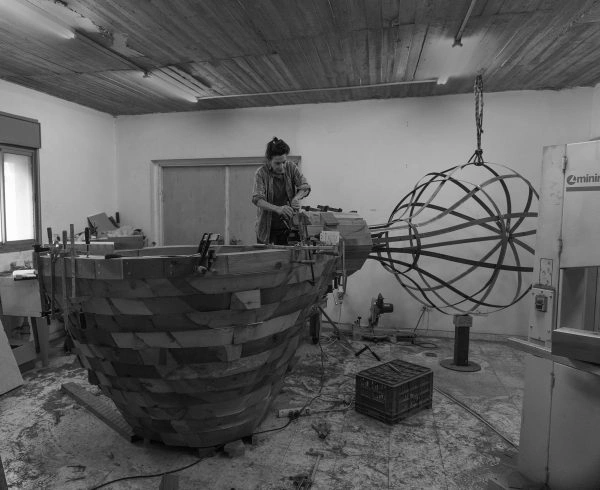
I went to day school in Toronto but really began to learn when I attended Brovenders back in the early 1980’s. Last year after talking to my sister who was learning Daf Yomi, inspired, I looked on the computer and the Hadran site came up. I have been listening to each days shiur in the morning as I work. I emphasis listening since I am not sitting with a Gamara. I listen while I work in my studio.
Tekoa, Israel
I started learning Jan 2020 when I heard the new cycle was starting. I had tried during the last cycle and didn’t make it past a few weeks. Learning online from old men didn’t speak to my soul and I knew Talmud had to be a soul journey for me. Enter Hadran! Talmud from Rabbanit Michelle Farber from a woman’s perspective, a mother’s perspective and a modern perspective. Motivated to continue!

Brentwood, California, United States
I had tried to start after being inspired by the hadran siyum, but did not manage to stick to it. However, just before masechet taanit, our rav wrote a message to the shul WhatsApp encouraging people to start with masechet taanit, so I did! And this time, I’m hooked! I listen to the shiur every day , and am also trying to improve my skills.

Yad Binyamin, Israel
In January 2020, my teaching partner at IDC suggested we do daf yomi. Thanks to her challenge, I started learning daily from Rabbanit Michelle. It’s a joy to be part of the Hadran community. (It’s also a tikkun: in 7th grade, my best friend and I tied for first place in a citywide gemara exam, but we weren’t invited to the celebration because girls weren’t supposed to be learning gemara).

Jerusalem, Israel

Richmond, CA, United States
Hadran entered my life after the last Siyum Hashaas, January 2020. I was inspired and challenged simultaneously, having never thought of learning Gemara. With my family’s encouragement, I googled “daf yomi for women”. A perfecr fit!
I especially enjoy when Rabbanit Michelle connects the daf to contemporary issues to share at the shabbat table e.g: looking at the Kohen during duchaning. Toda rabba

Jerusalem, Israel
I started learning on January 5, 2020. When I complete the 7+ year cycle I will be 70 years old. I had been intimidated by those who said that I needed to study Talmud in a traditional way with a chevruta, but I decided the learning was more important to me than the method. Thankful for Daf Yomi for Women helping me catch up when I fall behind, and also being able to celebrate with each Siyum!

Bakersfield, United States
I started learning daf in January, 2020, being inspired by watching the Siyyum Hashas in Binyanei Haumah. I wasn’t sure I would be able to keep up with the task. When I went to school, Gemara was not an option. Fast forward to March, 2022, and each day starts with the daf. The challenge is now learning the intricacies of delving into the actual learning. Hadran community, thank you!

Riverdale, NY, United States
I started learning with rabbis. I needed to know more than the stories. My first teacher to show me “the way of the Talmud” as well as the stories was Samara Schwartz.
Michelle Farber started the new cycle 2 yrs ago and I jumped on for the ride.
I do not look back.
Houston, United States
Menachot 76
מַתְנִי׳ כׇּל הַמְּנָחוֹת טְעוּנוֹת שְׁלֹשׁ מֵאוֹת שִׁיפָה וַחֲמֵשׁ מֵאוֹת בְּעִיטָה, שִׁיפָה וּבְעִיטָה בַּחִיטִּין. וְרַבִּי יוֹסֵי אוֹמֵר: בַּבָּצֵק. כׇּל הַמְּנָחוֹת בָּאוֹת עֶשֶׂר עֶשֶׂר, חוּץ מִלֶּחֶם הַפָּנִים וַחֲבִיתֵּי כֹּהֵן גָּדוֹל שֶׁהֵם בָּאוֹת שְׁתֵּים עֶשְׂרֵה, דִּבְרֵי רַבִּי יְהוּדָה. רַבִּי מֵאִיר אוֹמֵר: כּוּלָּם בָּאוֹת שְׁתֵּים עֶשְׂרֵה, חוּץ מֵחַלּוֹת תּוֹדָה וּנְזִירוּת שֶׁהֵן בָּאוֹת עֶשֶׂר עֶשֶׂר.
MISHNA: All the meal offerings require rubbing three hundred times and striking five hundred times with one’s fist or palm. Rubbing and striking are performed on the wheat kernels to remove their husks prior to grinding them into flour. And Rabbi Yosei says: They are performed on the dough to ensure a smooth product. All of the meal offerings come as ten loaves or ten wafers from each one tenth of an ephah of flour, except for the shewbread and the griddle-cake offering of the High Priest, which come as twelve loaves or wafers; this is the statement of Rabbi Yehuda. Rabbi Meir says: They all come as twelve loaves except for the four types of loaves that accompany the thanks offering and the two types of loaves that accompany the peace offering of naziriteship, which come as ten each.
גְּמָ׳ תָּנָא: שָׁף אַחַת, בּוֹעֵט שְׁתַּיִם. שָׁף שְׁתַּיִם, בּוֹעֵט שָׁלֹשׁ. בָּעֵי רַבִּי יִרְמְיָה: אַמְטוֹיֵי וְאֵתוֹיֵי חַד, אוֹ דִלְמָא אַמְטוֹיֵי וְאֵתוֹיֵי תְּרֵי? מַאי? תֵּיקוּ.
GEMARA: A tanna taught in a baraita that the rubbing and striking are done in the following manner: He rubs once and strikes twice. Then he rubs twice and strikes three times. This sequence is repeated one hundred times, so that he rubs three hundred times and strikes five hundred times. Rabbi Yirmeya raises a dilemma with regard to the rubbing: Is the rubbing of the hand back and forth over the surface of the item considered one rubbing, or is perhaps rubbing back and forth considered two distinct rubbings? What is the correct count? The Gemara states: The dilemma shall stand unresolved.
שִׁיפָה וּבְעִיטָה בַּחִיטִּין, רַבִּי יוֹסֵי אוֹמֵר: בַּבָּצֵק. אִיבַּעְיָא לְהוּ: בַּבָּצֵק וְלֹא בַּחִיטִּין, אוֹ דִלְמָא אַף בַּבָּצֵק? תָּא שְׁמַע, דְּתַנְיָא: שִׁיפָה וּבְעִיטָה בַּחִיטִּין, רַבִּי יוֹסֵי אוֹמֵר: שִׁיפָה וּבְעִיטָה בַּבָּצֵק.
§ The mishna teaches: Rubbing and striking are performed on the wheat kernels, while Rabbi Yosei says: They are performed on the dough. The Gemara comments: A dilemma was raised before the Sages: Does Rabbi Yosei mean that these actions are performed on the dough and not on the wheat kernels? Or perhaps he means that they are performed not only on the kernels but also on the dough. The Gemara suggests: Come and hear a resolution, as it is taught in a baraita: Rubbing and striking are performed on the wheat kernels. Rabbi Yosei says: Rubbing and striking are performed on the dough.
כׇּל הַמְּנָחוֹת בָּאוֹת כּוּ׳. שְׁתֵּים עֶשְׂרֵה לֶחֶם הַפָּנִים – בְּהֶדְיָא כְּתִיב בֵּיהּ.
§ The mishna teaches that according to the opinion of Rabbi Yehuda, all of the meal offerings come as ten loaves or wafers, except for the shewbread and the griddle-cake offering of the High Priest, which come as twelve loaves or wafers. The Gemara examines the sources for these exceptions: With regard to the shewbread, it is written explicitly of it: “And you shall take fine flour and bake twelve cakes of it” (Leviticus 24:5).
חֲבִיתֵּי כֹּהֵן גָּדוֹל – אָתְיָא ״חֻקָּה״ ״חֻקָּה״ מִלֶּחֶם הַפָּנִים.
That the griddle-cake offering of the High Priest is also offered as twelve units is derived from a verbal analogy of the word “obligation,” written in the context of the verse discussing the shewbread. With regard to the griddle-cake offering, the verse states: “And the anointed priest…shall offer it; it is an obligation forever” (Leviticus 6:15), and the verse states with regard to the twelve loaves of the shewbread: “And it shall be for Aaron and his sons…a perpetual obligation” (Leviticus 24:9).
כׇּל הַמְּנָחוֹת דְּבָאוֹת עֶשֶׂר עֶשֶׂר, מְנָלַן? גָּמַר מִלַּחְמֵי תוֹדָה – מָה לְהַלָּן עֶשֶׂר, אַף כָּאן עֶשֶׂר. וְלֵילַף מִלֶּחֶם הַפָּנִים – מָה לְהַלָּן שְׁתֵּים עֶשְׂרֵה, אַף כָּאן שְׁתֵּים עֶשְׂרֵה!
§ The Gemara asks: According to Rabbi Yehuda, who states in the mishna with regard to all the meal offerings that they come as ten loaves or ten wafers, from where do we derive this halakha? The Gemara answers that he derives it from the loaves of the thanks offering. Just as there, there are ten loaves, so too here, with regard to all other meal offerings, there are ten loaves. The Gemara challenges: But let him derive it from the shewbread: Just as there, there are twelve loaves, so too here, with regard to all other meal offerings, there must be twelve.
מִסְתַּבְּרָא מִלַּחְמֵי תוֹדָה הֲוָה לֵיהּ לְמֵילַף, שֶׁכֵּן יָחִיד, הַמִּתְנַדֵּב, שֶׁמֶן, נִפְסָל, שֶׁלֹּא בְּשַׁבָּת, וְשֶׁלֹּא בְּטוּמְאָה.
The Gemara explains: It stands to reason that Rabbi Yehuda should derive the halakha of the other meal offerings from the loaves of the thanks offering, as the other meal offerings resemble the loaves of the thanks offering and differ from the shewbread in several respects: They are offered by an individual and not by the public; they are brought by one who donates and not as obligatory offerings; oil is used in their preparation; they are disqualified when left overnight, whereas, by contrast, the rite of the shewbread demands that it be left on the Table for eight days; they are not brought on the Sabbath, unlike the shewbread, whose rite is performed on the Sabbath; and they are not brought in a state of ritual impurity, unlike the shewbread, which is brought even in a state of impurity.
אַדְּרַבָּה, מִלֶּחֶם הַפָּנִים הֲוָה לֵיהּ לְמֵילַף, שֶׁכֵּן הֶקְדֵּשׁ, וּלְבוֹנָה, מַצָּה, וָעֶצֶם!
The Gemara responds: On the contrary, Rabbi Yehuda should derive the halakha of the other meal offerings from the shewbread, as they resemble the shewbread in several respects: They are consecrated property of the most sacred order, whereas the loaves of the thanks offering are of lesser sanctity; and they are brought with frankincense, whereas the loaves of the thanks offering are not; they are brought only as unleavened bread, whereas the loaves of the thanks offering include some leavened bread; and each is brought as an offering by itself, whereas the loaves of the thanks offering are brought together with an animal sacrifice.
הָנָךְ נְפִישָׁן.
The Gemara explains: These analogies between other meal offerings and the loaves of the thanks offering are more numerous than the analogies between other meal offerings and the shewbread. Therefore, the halakha of other meal offerings is derived from the loaves of the thanks offering.
וְאִי סְבִירָא לַן דָּבָר הַלָּמֵד בִּגְזֵירָה שָׁוָה חוֹזֵר וּמְלַמֵּד בְּבִנְיַן אָב, נֵילַף מֵחֲבִיתֵּי כֹּהֵן גָּדוֹל: מָה לְהַלָּן – שְׁתֵּים עֶשְׂרֵה, אַף כָּאן – שְׁתֵּים עֶשְׂרֵה?
The Gemara posited previously that according to Rabbi Yehuda, a verbal analogy teaches that, like the shewbread, the griddle-cake offering of the High Priest is brought as twelve units. The Gemara asks: And if we hold that a matter learned through a verbal analogy may subsequently teach as a paradigm, let us derive the halakha of the other meal offerings from the griddle-cake offering of the High Priest: Just as there, the meal offering comprises twelve units, so too here, other meal offerings should consist of twelve units.
מִסְתַּבְּרָא מִלַּחְמֵי תוֹדָה הֲוָה לֵיהּ לְמֵילַף, שֶׁכֵּן הֶדְיוֹט שֶׁהִתְנַדֵּב חֲצָאִין;
The Gemara responds: It stands to reason that Rabbi Yehuda should derive their halakha from the halakha of the loaves of the thanks offering, as the other meal offerings resemble the loaves of the thanks offering and differ from the griddle-cake offering in several respects: They are brought by an ordinary person and not by the High Priest; they are brought by one who donates and not as obligatory offerings; and they are only brought whole, while the High Priest’s griddle-cake offering is brought in halves, half in the morning and half in the afternoon.
לְפִיגּוּל, שֶׁלֹּא בְּשַׁבָּת, וְשֶׁלֹּא בְּטוּמְאָה.
In addition, they are disqualified as piggul, i.e., when they are sacrificed with the intent to be consumed after their appointed time, unlike the griddle-cake offering, which is not eaten at all; they are not brought on the Sabbath, unlike the griddle-cake offering; and they are not brought in a state of ritual impurity, whereas the griddle-cake offering is brought by the High Priest even while impure.
אַדְּרַבָּה, מֵחֲבִיתֵּי כֹּהֵן גָּדוֹל הֲוָה לֵיהּ לְמֵילַף, שֶׁכֵּן עִשָּׂרוֹן, כְּלִי הֶקְדֵּשׁ, וּלְבוֹנָה;
The Gemara challenges: On the contrary, Rabbi Yehuda should have derived the halakha of the other meal offerings from the High Priest’s griddle-cake offering, as the other meal offerings resemble the griddle-cake offering in several respects: They both contain a tenth of an ephah of fine flour, whereas the loaves of the thanks offering contain several tenths of an ephah; they are consecrated when placed in a service vessel, whereas the loaves of the thanks offering are consecrated when the thanks offering is slaughtered; they are consecrated property of the most sacred order, whereas the loaves of the thanks offering are of lesser sanctity; and they are brought with frankincense, whereas the loaves of the thanks offering are not.
מַצָּה וָעֶצֶם, הַגָּשָׁה וְאִישִּׁים, וְהָנֵי נְפִישָׁן.
In addition, they are brought only of unleavened bread, whereas the loaves of the thanks offering include some leavened bread; and each is brought as an offering itself, whereas the loaves of the thanks offering are brought together with an animal sacrifice; part of their rite is bringing them near the southwest corner of the altar, unlike the loaves of the thanks offering; and parts or all of them are placed on the fires of the altar, unlike the loaves of the thanks offering. The Gemara comments: And indeed, these similarities between other meal offerings and the griddle-cake offering are more numerous than the similarities between other meal offerings and the loaves of the thanks offering. Therefore, it seems more appropriate to derive the number of loaves from the griddle-cake offering.
הֶדְיוֹט מֵהֶדְיוֹט עֲדִיף לֵיהּ.
The Gemara answers: Nevertheless, Rabbi Yehuda prefers to learn the halakha of the other meal offerings, which are brought by an ordinary person, from the loaves of the thanks offering, which are brought by an ordinary person.
רַבִּי מֵאִיר אוֹמֵר: כּוּלָּן בָּאוֹת שְׁתֵּים עֶשְׂרֵה. מַאי קָסָבַר? אִי סְבִירָא לֵיהּ דְּדָבָר הַלָּמֵד בִּגְזֵירָה שָׁוָה חוֹזֵר וּמְלַמֵּד בְּבִנְיַן אָב – יָלֵיף מֵחֲבִיתֵּי (דכהן) [כֹהֵן] גָּדוֹל, דְּהָנֵי נְפִישָׁן.
§ The mishna teaches that Rabbi Meir says: They all come as twelve loaves. The Gemara explains: What does he hold? If he holds that a matter learned through a verbal analogy is subsequently used to teach as a paradigm, he derives the number of loaves in other meal offerings from the High Priest’s griddle-cake offering, which was itself derived from a verbal analogy, as these similarities between other meal offerings and the griddle-cake offering enumerated above are more numerous.
אִי סְבִירָא לֵיהּ דְּדָבָר הַלָּמֵד בִּגְזֵירָה שָׁוָה אֵינוֹ חוֹזֵר וּמְלַמֵּד בְּבִנְיַן אָב – יָלֵיף מִלֶּחֶם הַפָּנִים, הֶקְדֵּשׁ מֵהֶקְדֵּשׁ עֲדִיף לֵיהּ.
And if he holds that a matter learned through a verbal analogy is not subsequently used to teach as a paradigm, then he derives the number of loaves in other meal offerings from the twelve loaves of the shewbread. This is because Rabbi Meir prefers to derive the status of the other meal offerings, which are consecrated property of the highest order, from the shewbread, which is also consecrated property of the highest order, in contrast to the loaves of the thanks offering, which are of lesser sanctity.
חוּץ מִלַּחְמֵי תוֹדָה וּנְזִירוּת, שֶׁהֵן בָּאוֹת עֶשֶׂר עֶשֶׂר. לַחְמֵי תוֹדָה – בְּהֶדְיָא כְּתִיב בְּהוּ.
§ The mishna teaches that Rabbi Meir says: They all come as twelve loaves except for the loaves of the thanks offering and the loaves that accompany the guilt offering of naziriteship, which come as ten each. The Gemara explains the exceptions: With regard to the loaves of the thanks offering, it is written explicitly of them that these loaves are brought in units of ten, based on a verbal analogy: With regard to the thanks offering, the verse states: “And of it he shall present one out of each offering for a gift [teruma] to the Lord” (Leviticus 7:14), and with regard to teruma of the tithe it is stated: “You shall set apart of it a gift [teruma] for the Lord, a tithe of the tithe” (Numbers 18:26). Just as the teruma of the tithe consists of one portion of ten, so too, the loaves of the thanks offering are brought in units of ten (see 77b).
נְזִירוּת – דְּאָמַר מָר: ״שְׁלָמָיו״ – לְרַבּוֹת שַׁלְמֵי נָזִיר.
That ten loaves accompany the guilt offering of naziriteship is derived from a verse, as the Master says: The verse describing the thanks offering states: “With cakes of leavened bread he shall present his offering with the sacrifice of his peace offerings for thanksgiving” (Leviticus 7:13). The term “his peace offerings” serves to include the loaves of the peace offering of the nazirite. Just as each of the four varieties of loaves accompanying the thanks offering are brought in units of ten loaves, so too, the peace offering of the nazirite comprises ten loaves.
אָמַר רַב טוֹבִי בַּר קִיסְנָא, אָמַר שְׁמוּאֵל: לַחְמֵי תוֹדָה שֶׁאֲפָאָן אַרְבַּע חַלּוֹת – יָצָא. וְהָא בָּעֵינַן אַרְבָּעִים לְמִצְוָה!
§ The loaves of the thanks offering consist of ten of each of the following four types: Leavened loaves, unleavened wafers, standard unleavened loaves, and unleavened loaves made from flour mixed with water and oil. With regard to these loaves, Rav Tovi bar Kisna says that Shmuel says: In the case of loaves of the thanks offering that one baked as only four loaves, one of each of the four types, where each loaf is the size of ten loaves, he has fulfilled his obligation. The Gemara asks: But do we not require forty loaves? The Gemara answers: Forty loaves are brought in order to fulfill the mitzva in the optimal fashion, but he has nevertheless fulfilled his obligation with four loaves, one of each type.
וְהָא בָּעֵי אַפְרוֹשֵׁי תְּרוּמָה מִינַּיְיהוּ! וְכִי תֵּימָא דְּמַפְרֵישׁ מִכֹּל חֲדָא וַחֲדָא – ״אֶחָד״ אָמַר רַחֲמָנָא, שֶׁלֹּא יִטּוֹל פָּרוּס, דְּאַפְרְשִׁינְהוּ בְּלֵישָׁה.
The Gemara challenges this: But an individual who brings the loaves as an offering is required to separate teruma from them by designating one loaf of each type to be given to the priests, which cannot be done where only one loaf of each type exists. And if you would say that he may separate a tenth-sized piece from each and every loaf, that is difficult: Doesn’t the Merciful One state: “And of it he shall present one out of each offering for a gift [teruma] to the Lord,” which teaches that he may not take sliced bread, but rather a whole loaf? The Gemara answers: This is a case where he separated it while kneading, so that it is not considered separating a slice.
מֵיתִיבִי: כׇּל הַמְּנָחוֹת שֶׁרִיבָּה בְּמִדַּת חַלָּתָן, אוֹ שֶׁמִּיעֵט בְּמִדַּת חַלָּתָן – כְּשֵׁרוֹת, חוּץ מִלֶּחֶם הַפָּנִים, וַחֲבִיתֵּי כֹּהֵן גָּדוֹל, וְלַחְמֵי תוֹדָה וּנְזִירוּת! הוּא
The Gemara raises an objection to the opinion of Shmuel from a baraita: All the meal offerings where one increased the measure of their loaves or where one decreased the measure of their loaves are nevertheless fit, except for the twelve loaves of shewbread, and the twelve loaves of the High Priest’s griddle-cake offering, and the ten loaves of each variety for the thanks offering and the ten loaves that accompany the guilt offering of naziriteship. Evidently, no fewer than forty loaves are fit for the thanks offering, in contradiction to the statement of Shmuel. The Gemara answers: He
דְּאָמַר כִּי הַאי תַּנָּא, דְּתַנְיָא: כׇּל הַמְּנָחוֹת שֶׁרִיבָּה בְּמִדַּת חַלָּתָן, אוֹ שֶׁמִּיעֵט בְּמִדַּת חַלָּתָן – כְּשֵׁרוֹת, חוּץ מִלֶּחֶם הַפָּנִים וַחֲבִיתֵּי כֹּהֵן גָּדוֹל, וְיֵשׁ אוֹמְרִים: אַף לַחְמֵי תוֹדָה וּנְזִירוּת.
states his opinion in accordance with the opinion of that tanna, as it is taught in a baraita: All the meal offerings where one increased the measure of their loaves or where one decreased the measure of their loaves are nevertheless fit, except for the twelve loaves of the shewbread and the twelve loaves of the High Priest’s griddle-cake offering. And some say: Even the ten loaves of each variety of the thanks offering and the ten loaves that accompany the guilt offering of naziriteship are fit only when brought in their prescribed measures. Shmuel agrees with the first tanna, according to whom the loaves of the thanks offering and the loaves of naziriteship are fit even when not offered in the proper quantities.
אָמַר רַב הוּנָא: מִנְחַת מַאֲפֶה (שאפה) [שֶׁאֲפָאָהּ] חַלָּה אַחַת – יָצָא. מַאי טַעְמָא? (מַצּוֹת) ״מַצָּת״ כְּתִיב.
§ Rav Huna says: With regard to an oven-baked meal offering that one baked as only one loaf, although he did not bring the mandated quantity, he has fulfilled his obligation. What is the reason? It is that the verse states with regard to the oven-baked meal offering: “And when you bring a meal offering baked in the oven, it shall be unleavened loaves of fine flour” (Leviticus 2:4). The term “unleavened loaves [matzot]” is written without the letter vav, which is generally used with regard to the plural form. Therefore, it may be read in the singular as unleavened loaf [matzat], which teaches that even one unleavened loaf is fit.
מַתְקֵיף לַהּ רַב פָּפָּא: טַעְמָא דִּכְתִיב ״מַצָּת״, הָא כְּתִיב ״מַצּוֹת״ – לָא? וְהָא גַּבֵּי לַחְמֵי תוֹדָה דִּכְתִיב ״מַצּוֹת״, וְאָמַר רַב טוֹבִי בַּר קִיסְנָא אָמַר שְׁמוּאֵל: לַחְמֵי תוֹדָה שֶׁאֲפָאָן אַרְבַּע חַלּוֹת – יָצָא! הָהִיא פְּלִיגָא.
Rav Pappa objects to this derivation: The reason Rav Huna gives is that it is written in the singular form of matzat. But if it were written: Matzot, would this not be the halakha? But what about the verse concerning the loaves of the thanks offering, where it is written “matzot” with a vav, indicating the plural form, in the verse: “Then he shall offer with the sacrifice of thanksgiving unleavened loaves mixed with oil” (Leviticus 7:12), and yet Rav Tovi bar Kisna said that Shmuel said: In the case of loaves of the thanks offering that were baked as four loaves, such that each of the four varieties of loaves is baked as only one loaf, he has fulfilled his obligation. The Gemara answers: That statement of Shmuel disagrees with the opinion of Rav Huna, according to whom four loaves are not fit for the thanks offering.
מַתְנִי׳ הָעוֹמֶר הָיָה בָּא עִשָּׂרוֹן מִשָּׁלֹשׁ סְאִין, שְׁתֵּי הַלֶּחֶם שְׁתֵּי עֶשְׂרוֹנִים מִשָּׁלֹשׁ סְאִין, לֶחֶם הַפָּנִים עֶשְׂרִים וְאַרְבַּע עֶשְׂרוֹנִים מֵעֶשְׂרִים וְאַרְבַּע סְאִין.
MISHNA: The omer offering, i.e., the measure of barley brought as a communal offering on the sixteenth of Nisan, would come from a tenth of an ephah of flour sifted from three se’a of barley. The two loaves would come from two-tenths of an ephah of flour sifted from three se’a of wheat. The shewbread would come from twenty-four tenths of an ephah of flour sifted from twenty-four se’a of wheat.
גְּמָ׳ מַאי טַעְמָא? כֵּיוָן דְּמֵחָדָשׁ אָתֵי, וּמִשְּׂעוֹרִין אָתֵי, עִשָּׂרוֹן מוּבְחָר לָא אָתֵי אֶלָּא מִשָּׁלֹשׁ סְאִין.
GEMARA: The Gemara asks: What is the reason that according to the mishna, the relatively large amount of three se’a of barley is necessary to yield a single tenth of an ephah of flour for the omer offering? The Gemara answers: Since it comes from the fresh new crop, which contains a large amount of refuse, and it comes from barley, which is coarser than wheat, a choice tenth of an ephah of flour comes only from a minimum of three se’a of barley.
שְׁתֵּי הַלֶּחֶם שְׁתֵּי עֶשְׂרוֹנוֹת מִשָּׁלֹשׁ סְאִין – כֵּיוָן דְּמֵחִיטִּין אָתְיָין, אַף עַל גַּב דְּמֵחָדָשׁ אָתְיָין, שְׁתֵּי עֶשְׂרוֹנוֹת אָתוּ מִשָּׁלֹשׁ סְאִין.
The Gemara asks: Why does the mishna rule that the two loaves would come from two-tenths of an ephah of flour sifted from three se’a of wheat, whereas only a tenth of an ephah is used from the same amount of grain for the omer? The Gemara answers: Since the loaves come from wheat, which is of superior quality to barley, although they come from the new crop and require sifting, the grains are clean enough that two-tenths of an ephah come from the sifting of three se’a of grain.
לֶחֶם הַפָּנִים עֶשְׂרִים וְאַרְבָּעָה עֶשְׂרוֹנוֹת מֵעֶשְׂרִים וְאַרְבָּעָה סְאִין – מַאי טַעְמָא? כֵּיוָן דְּמֵחִיטִּין אָתוּ, וּמִיָּשָׁן אָתוּ, עִשָּׂרוֹן מוּבְחָר אָתֵי מִסְּאָה.
The mishna stated that the shewbread would come from twenty-four tenths of an ephah of flour sifted from twenty-four se’a of wheat. What is the reason? The Gemara answers: Since they come from wheat, and they come from the old crop, which contains relatively little refuse, the grains are so clean that a choice tenth of an ephah of flour comes from one se’a of grain, and twenty-four tenths of an ephah come from twenty-four se’a.
תָּנוּ רַבָּנַן: כׇּל הַמְּנָחוֹת שֶׁרִיבָּה בְּמִדַּת עֶשְׂרוֹנָן, אוֹ שֶׁמִּיעֵט בְּמִדַּת עִשָּׂרוֹן – פְּסוּלוֹת. רִיבָּה בְּמִדַּת סְאִין שֶׁלָּהֶן, אוֹ שֶׁמִּיעֵט בְּמִדַּת סְאִין שֶׁלָּהֶן – כְּשֵׁרוֹת.
The Sages taught in a baraita: All the meal offerings where one increased the measure of their tenth of an ephah of flour by collecting it with a vessel larger than a tenth of an ephah, or where one decreased the measure of their tenth of an ephah of flour by collecting it with a vessel smaller than a tenth of an ephah, are disqualified. If he increased the measure of their se’a of grain or decreased the measure of their se’a of grain, e.g., if he used two or four se’a instead of three, but sifted until he was left with the correct measure of a tenth of an ephah of flour, they are fit offerings. This is because the number of se’a mentioned in the mishna is necessary only for the optimal fulfillment of the mitzva, but is not indispensable.
מַתְנִי׳ הָעוֹמֶר הָיָה מְנוּפֶּה בִּשְׁלֹשׁ עֶשְׂרֵה נָפָה, שְׁתֵּי הַלֶּחֶם בִּשְׁתֵּים עֶשְׂרֵה, וְלֶחֶם הַפָּנִים בְּאַחַת עֶשְׂרֵה. רַבִּי שִׁמְעוֹן אוֹמֵר: לֹא הָיָה לָהֶן קִצְבָה, אֶלָּא סוֹלֶת מְנוּפָּה כָּל צׇרְכָּהּ הָיָה מֵבִיא, שֶׁנֶּאֱמַר: ״וְלָקַחְתָּ סֹלֶת וְאָפִיתָ אֹתָהּ״, עַד שֶׁתְּהֵא מְנוּפָּה כָּל צׇרְכָּהּ.
MISHNA: The flour of the omer was sifted with thirteen sifters, each finer than its predecessor, and the flour that emerged from the final sifter was sacrificed. The flour of the two loaves was sifted with twelve sifters, and the flour of the shewbread was sifted with eleven sifters. Rabbi Shimon says: They have no fixed number of sifters; rather, it was fine flour that was completely sifted that one would bring for all of these offerings, as it is stated: “And you shall take fine flour and bake it” (Leviticus 24:5), indicating that one does not fulfill his obligation until the flour will be completely sifted.
גְּמָ׳ תָּנוּ רַבָּנַן: בְּדַּקָּה בְּגַסָּה, בְּדַּקָּה בְּגַסָּה. רַבִּי שִׁמְעוֹן בֶּן אֶלְעָזָר אוֹמֵר: שְׁלֹשׁ עֶשְׂרֵה נָפוֹת הָיוּ בַּמִּקְדָּשׁ, זוֹ לְמַעְלָה מִזּוֹ וְזוֹ לְמַעְלָה מִזּוֹ, עֶלְיוֹנָה קוֹלֶטֶת סוּבִּין, תַּחְתּוֹנָה קוֹלֶטֶת סוֹלֶת.
GEMARA: When a fine sifter was used, the small, dust-like particles emerged and the fine flour was caught in the sifter, and when a coarse sifter was used, the fine flour emerged and the bran was caught in the sifter. With regard to the sifting of the flour, the Sages taught in a baraita: The sifting would begin in a sifter of slight holes, and the flour that remained would then be sifted in a sifter of large holes. The flour that emerged would again be sifted in a sifter with slight holes that were not quite as small as the first one with small holes, and again in a sifter of large holes that were not quite as large as the first one with large holes. All the sifting would proceed in this manner. Rabbi Shimon ben Elazar says: There were thirteen sifters in the Temple, this one above, i.e., preceding, that one, and this one above that one. The highest sifter would collect bran, parts of the kernel aside from the actual pure flour, and the lowest sifter would collect fine flour.
רַבִּי שִׁמְעוֹן אוֹמֵר: לֹא הָיָה לָהֶן קִצְבָה. תָּנוּ רַבָּנַן: ״סֹלֶת וְאָפִיתָ אֹתָהּ״ – מְלַמֵּד שֶׁנִּקַּחַת סוֹלֶת.
§ The mishna teaches that in contrast to the first tanna, Rabbi Shimon says: They have no fixed number of sifters; but the flour would be sifted as many times as was necessary, based on the verse: “And you shall take fine flour, and bake it.” In addition, the Sages taught: When the verse states with regard to the shewbread: “And you shall take fine flour and bake it,” this teaches that fine flour is acquired after it has been sifted for the baking of the shewbread.
וּמִנַּיִן שֶׁאֲפִילּוּ חִיטִּין? תַּלְמוּד לוֹמַר ״וְלָקַחְתָּ״ – מִכׇּל מָקוֹם. יָכוֹל אַף בִּשְׁאָר מְנָחוֹת כֵּן? תַּלְמוּד לוֹמַר ״אֹתָהּ״, מִפְּנֵי הַחִיסָּחוֹן.
And from where is it derived that even wheat kernels may be purchased before they are ground and sifted? The verse states: “And you shall take,” indicating that the grain should be taken in any case and in any state. One might have thought that it is so even for other meal offerings. Therefore, the verse states: “And you shall take fine flour and bake it,” indicating that the shewbread alone may be acquired as kernels because of the sparing [haḥissaḥon].
אָמַר רַבִּי אֶלְעָזָר: מַאי ״מִפְּנֵי הַחִיסָּחוֹן״? אָמַר רַבִּי אֶלְעָזָר: הַתּוֹרָה חָסָה עַל מָמוֹנָן שֶׁל יִשְׂרָאֵל. הֵיכָא רְמִיזָא? דִּכְתִיב: ״וְהִשְׁקִיתָ אֶת הָעֵדָה וְאֶת בְּעִירָם״.
Rabbi Elazar says: What is the meaning of: Because of the sparing? Rabbi Elazar says: The Torah spared the money of the Jewish people. Due to the large quantity of grain needed for the shewbread every week, purchasing sifted fine flour would be a substantial expense. The Gemara explains: Where is the allusion to this principle? It is found in a verse, as it is written that when the Jewish people were thirsty in the wilderness in the aftermath of Miriam’s death, God instructed Moses: “And speak to the rock before their eyes, so that it will give forth its water; and you shall bring forth to them water out of the rock; so you shall give drink for the congregation and for their cattle” (Numbers 20:8). Evidently, the miracle of extracting water from the rock was performed even for the purpose of providing water for the livestock.
הֲדַרַן עֲלָךְ אֵלּוּ מְנָחוֹת נִקְמָצוֹת.
מַתְנִי׳ הַתּוֹדָה הָיְתָה בָּאָה חָמֵשׁ סְאִין יְרוּשַׁלְמִיּוֹת, שֶׁהֵן שֵׁשׁ מִדְבָּרִיּוֹת. שְׁתֵּי אֵיפוֹת, הָאֵיפָה שָׁלֹשׁ סְאִין, עֶשְׂרִים עִשָּׂרוֹן – עֲשָׂרָה לֶחָמֵץ וַעֲשָׂרָה לַמַּצָּה.
MISHNA: The flour for the loaves accompanying the thanks offering would come from a measure of five Jerusalem se’a offering, which are equivalent to six wilderness se’a. The se’a referred to in the Bible when the Jewish people were in the wilderness is smaller than the se’a used later in Jerusalem. This is equivalent to two ephahs, each ephah being three wilderness se’a. These two ephahs are twenty measures of a tenth of an ephah. Ten of these tenths were used to make leavened loaves and ten of these tenths were used to make unleavened loaves, i.e., matza.

