









This month’s learning is sponsored by Marci Glazer in loving memory of her teacher and chevruta, Rachel Brodie, Rachel Aviva bat Devora Chana, on her 4th yahrzeit. “She brought her love of Torah to thousands of people in her all-too-short life. A lover of Midrash, she still invited me on this Daf Yomi journey.”
Want to dedicate learning? Get started here:

Today’s daily daf tools:
This month’s learning is sponsored by Marci Glazer in loving memory of her teacher and chevruta, Rachel Brodie, Rachel Aviva bat Devora Chana, on her 4th yahrzeit. “She brought her love of Torah to thousands of people in her all-too-short life. A lover of Midrash, she still invited me on this Daf Yomi journey.”
Menachot 84
אֲבָל בָּאָרֶץ לָא פְּלִיגִי, דְּעוֹמֶר וּשְׁתֵּי הַלֶּחֶם מֵאָרֶץ – אִין, מֵחוּצָה לָאָרֶץ – לָא.
But with regard to the requirement to use grain grown in Eretz Yisrael, they do not disagree that if the omer and the two loaves come from Eretz Yisrael, indeed, they are valid, but if they come from outside of Eretz Yisrael, they are not valid.
כְּמַאן? דְּלָא כִּי הַאי תַּנָּא, דְּתַנְיָא: רַבִּי יוֹסֵי בַּר רַבִּי יְהוּדָה אוֹמֵר: עוֹמֶר בָּא מֵחוּצָה לָאָרֶץ, וּמָה אֲנִי מְקַיֵּים ״כִּי תָבֹאוּ אֶל הָאָרֶץ״? שֶׁלֹּא נִתְחַיְּיבוּ בָּעוֹמֶר קוֹדֶם שֶׁנִּכְנְסוּ לָאָרֶץ.
In accordance with whose opinion is this? It is not in accordance with the opinion of this following tanna, as it is taught in a baraita: Rabbi Yosei, son of Rabbi Yehuda, says that the omer may come from outside of Eretz Yisrael. How do I realize the meaning of the verse that introduces the obligation to bring the omer: “When you come into the land which I give to you” (Leviticus 23:10)? This verse appears to indicate that the bringing of the omer is restricted to Eretz Yisrael. That verse teaches that the Jewish people were not obligated in the mitzva of bringing the omer before they entered Eretz Yisrael.
וְקָסָבַר חָדָשׁ בְּחוּצָה לָאָרֶץ דְּאוֹרָיְיתָא הִיא, דִּכְתִיב ״מִמּוֹשְׁבֹתֵיכֶם״, כׇּל מָקוֹם שֶׁאַתֶּם יוֹשְׁבִין מַשְׁמַע, וְכִי ״תָבֹאוּ״ זְמַן בִּיאָה הִיא, וְכֵיוָן דְּאוֹרָיְיתָא הִיא – אַקְרוֹבֵי נָמֵי מַקְרִיבִין.
The Gemara explains the basis of Rabbi Yosei’s opinion: And he holds that even outside of Eretz Yisrael, consuming the new crop is prohibited by Torah law, as it is written: “From all your dwellings” (Leviticus 23:17), which indicates that the prohibition applies anywhere that you dwell, even outside of Eretz Yisrael. Accordingly, the earlier verse, which introduces the prohibition with: “When you come into the land which I give to you” (Leviticus 23:10), is a reference to the time of the Jewish people entering Eretz Yisrael, and it indicates that the prohibition takes effect only from that time. And since Rabbi Yosei holds that the new crop outside of Eretz Yisrael is prohibited for consumption by Torah law, he consequently holds that one may also offer the omer from crops grown there.
תְּנַן הָתָם: שׁוֹמְרֵי סְפִיחִין בַּשְּׁבִיעִית, נוֹטְלִין שְׂכָרָן מִתְּרוּמַת הַלִּשְׁכָּה.
§ We learned in a mishna elsewhere (Shekalim 4:1): The guards who are appointed by the court to protect some of the produce that grew without being purposely planted [sefiḥin] during the Sabbatical Year, in order that it can be used for the omer and the offering of the two loaves, collect their wages from the collection of the Temple treasury chamber.
רָמֵי לֵיהּ רָמֵי בַּר חָמָא לְרַב חִסְדָּא: תְּנַן שׁוֹמְרֵי סְפִיחִין בַּשְּׁבִיעִית נוֹטְלִין שְׂכָרָן מִתְּרוּמַת הַלִּשְׁכָּה, וּרְמִינְהוּ: ״לְאׇכְלָה״ – וְלֹא לִשְׂרֵיפָה.
Rami bar Ḥama raises a contradiction to Rav Ḥisda: We learned in that mishna that the guards of sefiḥin during the Sabbatical Year collect their wages from the collection of the Temple treasury chamber. This indicates that even in the Sabbatical Year, the omer is brought from that year’s crop. And one can raise a contradiction to this from a baraita: The verse states: “And the Sabbatical Year of the land shall be for you for eating” (Leviticus 25:6), which indicates it is to be used for eating, but not for burning. Accordingly, since the omer is burned on the altar, it should not be brought from produce of the Sabbatical Year.
אֲמַר לֵיהּ: רַחֲמָנָא אָמַר לָךְ ״לְדֹרֹתֵיכֶם״, וְאַתְּ אָמְרַתְּ תִּיבְטַל?
Rav Ḥisda said to him: The Merciful One said to you about the omer: “It is a statute forever throughout your generations” (Leviticus 23:14), indicating that the mitzva can be fulfilled in all times, and you say the omer should be canceled in a Sabbatical Year?
אֲמַר לֵיהּ: וּמִי קָאָמֵינָא אֲנָא תִּיבְטַל?! לַיְיתֵי מִדְּאֶשְׁתָּקַד! בָּעֵינָא ״כַּרְמֶל״, וְלֵיכָּא.
Rami bar Ḥama said to him: But am I saying that the omer should be canceled? Certainly not. Let one bring the omer from grain that sprouted during the previous year, concerning which there is no prohibition against burning it. Rav Ḥisda rejects this suggestion: But to fulfill the mitzva I require that the grain be of the “fresh ear” (Leviticus 2:14), i.e., young grain, and this requirement is not fulfilled with grain that sprouted during the previous year, as it has already been growing a long time.
וְלַיְיתֵי מִכַּרְמֶל דְּאֶשְׁתָּקַד? אָמַר קְרָא: ״כַּרְמֶל תַּקְרִיב״, בָּעֵינָא כַּרְמֶל בִּשְׁעַת הַקְרָבָה, וְלֵיכָּא.
Rami bar Ḥama persists: But let one bring the omer from the young grain that was cut during the harvest of the previous year, when it was still fresh. Rav Ḥisda rejects this suggestion: The verse states: “Fresh ear, you shall bring” (Leviticus 2:14). The juxtaposition of the mitzva to bring the grain with the requirement that it be young indicates that I need it to still be young grain at the time of offering it, and this condition is not fulfilled if one uses grain from the previous year’s harvest. Young grain is soft (see 66b), whereas grain that was reaped during the previous year would have become brittle.
אִיתְּמַר: רַבִּי יוֹחָנָן אָמַר ״כַּרְמֶל תַּקְרִיב״, רַבִּי אֶלְעָזָר אוֹמֵר ״רֵאשִׁית קְצִירְךָ״ – רֵאשִׁית קְצִירְךָ, וְלֹא סוֹף קְצִירְךָ.
§ An amoraic dispute was stated concerning the source of the halakha that the omer may not be brought from the previous year’s crop: Rabbi Yoḥanan says it is derived from: “Fresh ear, you shall bring,” as Rav Ḥisda explains. Rabbi Elazar says it is derived from the fact that the omer is referred to as: “The first of your harvest” (Leviticus 23:10), which indicates that the omer is brought only from the first of your harvest, i.e., from the first produce of the current year’s crop, and not from the last of your harvest, i.e., from produce taken from the remainder of the previous year’s crop.
מוֹתֵיב רַבָּה: ״וְאִם תַּקְרִיב מִנְחַת בִּכּוּרִים״ – בְּמִנְחַת הָעוֹמֶר הַכָּתוּב מְדַבֵּר. מֵהֵיכָן הִיא בָּאָה? מִן הַשְּׂעוֹרִים. אַתָּה אוֹמֵר מִן הַשְּׂעוֹרִים, אוֹ אֵינוֹ אֶלָּא מִן הַחִיטִּין?
Rabba raises an objection to Rabbi Yoḥanan’s opinion, from a baraita: The verse states: “And when you shall bring a meal offering of first fruits to the Lord” (Leviticus 2:14). The verse is speaking of the omer meal offering. From which type of grain does it come? It comes from barley. Do you say that it comes from barley, or does it come only from wheat?
רַבִּי אֱלִיעֶזֶר אוֹמֵר: נֶאֱמַר ״אָבִיב״ בְּמִצְרַיִם, וְנֶאֱמַר ״אָבִיב״ לְדוֹרוֹת. מָה ״אָבִיב״ הָאָמוּר בְּמִצְרַיִם – שְׂעוֹרִים, אַף ״אָבִיב״ הָאָמוּר לְדוֹרוֹת – אֵינוֹ בָּא אֶלָּא מִן הַשְּׂעוֹרִים.
Rabbi Eliezer says that it is stated “in the ear,” with regard to the plague of hail in Egypt: “And the flax and the barley were smitten; for the barley was in the ear, and the flax was in bloom” (Exodus 9:31), and it is stated “in the ear” with regard to the mitzva of the new crop, which is for all generations. Just as the term “in the ear” that is stated with regard to the plague of hail in Egypt is referring to barley, as is clear from the next verse: “But the wheat and the spelt were not smitten; for they ripen late” (Exodus 9:32), so too the term “in the ear” that is stated with regard to the new crop for all generations is referring to barley.
רַבִּי עֲקִיבָא אוֹמֵר: מָצִינוּ יָחִיד שֶׁמֵּבִיא חוֹבָתוֹ מִן הַחִיטִּין, וּמֵבִיא חוֹבָתוֹ מִן הַשְּׂעוֹרִין, וְאַף צִיבּוּר מֵבִיא חוֹבָתוֹ מִן הַחִיטִּין וּמֵבִיא חוֹבָתוֹ מִן הַשְּׂעוֹרִין. אִם אַתָּה אוֹמֵר מִן הַחִיטִּין – לֹא מָצִינוּ צִיבּוּר שֶׁמֵּבִיא חוֹבָתוֹ מִן הַשְּׂעוֹרִין!
The baraita cites another proof that the omer offering is brought from barley. And Rabbi Akiva says: We found an individual who brings his obligation of a meal offering from wheat, which is brought by a poor person for a false oath of testimony, a false oath of utterance, or for entering the Temple while ritually impure, and one who brings his obligation of a meal offering from barley, in the case of a sinner’s meal offering or the meal offering of a sota. And we also found with regard to the community that they bring their obligation of a meal offering from wheat, in the case of the two loaves offering of Shavuot, and therefore, to keep the halakha of the offering of a community parallel to that of an individual there should be a case where the community brings their obligation of a meal offering from barley. And if you say that the omer offering comes from wheat, then we will not have found a case of a community that brings their obligation of a meal offering from barley. Consequently, it must be that the omer offering comes from barley.
דָּבָר אַחֵר: אִם אַתָּה אוֹמֵר עוֹמֶר בָּא מִן הַחִיטִּין – אִין שְׁתֵּי הַלֶּחֶם ״בִּיכּוּרִים״. אַלְמָא מִשּׁוּם ״בִּיכּוּרִים״ הוּא, תְּיוּבְתָּא.
Rabbi Akiva suggests another proof: Alternatively, if you say that the omer offering comes from wheat, then the two loaves offering would not be brought from the first fruits. The verse states that the two loaves offering of Shavuot should come from the first fruits: “Also in the day of the first fruits, when you bring a new meal offering to the Lord in your feast of weeks” (Numbers 28:26). If the omer is from wheat, then the two loaves offering would not be the first offering of the first fruit, as the omer offering of Passover precedes it. Therefore, the omer offering must come from barley. Rabba explains the objection to Rabbi Yoḥanan’s opinion: Evidently, the omer offering is brought from the new crop because the grain used is referred to as first fruits, i.e., “the first of your harvest.” The Gemara concludes: This baraita is a conclusive refutation of Rabbi Yoḥanan’s opinion.
תְּנַן הָתָם: אֵין מְבִיאִין בִּיכּוּרִים חוּץ מִשִּׁבְעַת הַמִּינִין, וְלֹא
§ We learned in a mishna elsewhere (Bikkurim 1:3): One may bring first fruits only from the seven species with which Eretz Yisrael is praised in the verse: “A land of wheat and barley, vines, figs and pomegranates, a land of olive oil and honey” (Deuteronomy 8:8). But one may not
מִתְּמָרִים שֶׁבֶּהָרִים וְלֹא מִפֵּירוֹת שֶׁבָּעֲמָקִים. אָמַר עוּלָּא: אִם הֵבִיא לֹא קִידֵּשׁ.
bring them from dates that grow in the mountains, and one may not bring them from produce that grows in the valleys. Such produce is of inferior quality and may not be used. Ulla says: Even if one did bring such produce, he does not thereby consecrate it, i.e., it does not attain the consecrated status of first fruits.
יָתֵיב רַבָּה וְקָא אָמַר לַהּ לְהָא שְׁמַעְתָּא, אֵיתִיבֵיהּ רַבִּי אַחָא בַּר אַבָּא לְרַבָּה: ״קׇרְבַּן רֵאשִׁית״ – שֶׁתְּהֵא רֵאשִׁית לְכׇל הַמְּנָחוֹת, וְכֵן הוּא אוֹמֵר: ״בְּהַקְרִיבְכֶם מִנְחָה חֲדָשָׁה לַה׳ בְּשָׁבֻעֹתֵיכֶם״.
Rabba sat in the study hall and stated this halakha. Rabbi Aḥa bar Abba raised an objection to Rabba from a baraita: The Torah refers to the two loaves offering as: “A first offering to the Lord” (Leviticus 2:11), which indicates that it is to be the first of all the meal offerings that come from the new crop. And similarly the verse states with regard to the festival of Shavuot: “On the day of the first fruits, when you bring a new meal offering to the Lord” (Numbers 28:26). By designating the two loaves as “new,” the verse indicates that they should be brought from the first of the new crop.
אֵין לִי אֶלָּא חֲדָשָׁה שֶׁל חִטִּים, חֲדָשָׁה שֶׁל שְׂעוֹרִים מִנַּיִן? תַּלְמוּד לוֹמַר ״חֲדָשָׁה״, ״חֲדָשָׁה״. אִם אֵינוֹ עִנְיָן לַחֲדָשָׁה שֶׁל חִיטִּין – תְּנֵהוּ עִנְיָן לַחֲדָשָׁה שֶׁל שְׂעוֹרִים.
I have derived only that it must be new, i.e., the first, of all wheat meal offerings. From where do I derive that it must also be new, i.e., the first, of all barley meal offerings, e.g., the meal offering of a sota? With regard to the two loaves, the verse states the word “new,” and again states the word “new,” once in Numbers 28:26 and again in Leviticus 23:16. If the second mention is not needed to teach the matter of being the new meal offering of wheat, apply it to the matter of being the new meal offering of barley.
וּמִנַּיִן שֶׁתְּהֵא קוֹדֶמֶת לְבִיכּוּרִים? תַּלְמוּד לוֹמַר: ״וְחַג שָׁבֻעֹת תַּעֲשֶׂה לְךָ בִּכּוּרֵי קְצִיר חִטִּים״, וְאֵין לִי אֶלָּא בִּכּוּרֵי קְצִיר חִטִּים, קְצִיר שְׂעוֹרִים מִנַּיִן? תַּלְמוּד לוֹמַר: ״וְחַג הַקָּצִיר בִּכּוּרֵי מַעֲשֶׂיךָ אֲשֶׁר תִּזְרַע בַּשָּׂדֶה״.
The baraita continues: And from where is it derived that the two loaves precede the bringing of the first fruits as well? The verse states: “And you shall make for yourself a festival of Shavuot, the first fruits of the wheat harvest” (Exodus 34:22). The order of the verse teaches that the offering of the Festival, which is the two loaves offering, precedes the bringing of the first fruits of the wheat harvest. I have derived only that the two loaves precede the first fruits of the wheat harvest. From where do I derive that they also precede the bringing of the first fruits of the barley harvest? The verse states with regard to the festival of Shavuot: “And the festival of the harvest, the first fruits of your labors, which you will sow in the field” (Exodus 23:16). The order of the verse teaches that the offering of the Festival, which is the two loaves offering, precedes all forms of first fruits that are sown in the field, which includes barley.
וְאֵין לִי אֶלָּא שֶׁתִּזְרַע, עָלוּ מֵאֲלֵיהֶן מִנַּיִן? תַּלְמוּד לוֹמַר ״בַּשָּׂדֶה״.
From this verse, I have derived only that the two loaves precede the bringing of the first fruits that sprouted from seeds you sowed, as the verse states: “Which you will sow.” From where do I derive that they precede even the bringing of first fruits that sprouted by themselves? The continuation of that verse states: “In the field” (Exodus 23:16). The term is superfluous and serves to include even produce that sprouted by itself.
וְאֵין לִי אֶלָּא בַּשָּׂדֶה, מִנַּיִן לְרַבּוֹת שֶׁבְּגַג, וְשֶׁבְּחוּרְבָּה, וְשֶׁבְּעָצִיץ, וְשֶׁבִּסְפִינָה? תַּלְמוּד לוֹמַר ״בִּכּוּרֵי כׇּל אֲשֶׁר בְּאַרְצָם״.
The baraita continues: From this verse, I have derived only that the two loaves precede the bringing of produce that grew in a field. From where do I derive to include even produce that grew on a roof, or that grew in a ruin, or that grew in a flowerpot, or that grew on a ship? The verse states with regard to the priestly gifts: “The first fruit of all that grows in their land, which they shall bring to the Lord, shall be yours” (Numbers 18:13). The term “first fruits” in this verse is referring to all types of first fruits. This teaches that when the two loaves are referred to as the first fruits (see Exodus 34:22), the intention is that they should be brought first before all other types of produce.
מִנַּיִן שֶׁתְּהֵא קוֹדֶמֶת לִנְסָכִים וּפֵירוֹת הָאִילָן? נֶאֱמַר כָּאן ״בִּכּוּרֵי מַעֲשֶׂיךָ״, וְנֶאֱמַר לְהַלָּן ״בְּאׇסְפְּךָ אֶת מַעֲשֶׂיךָ מִן הַשָּׂדֶה״ – מָה לְהַלָּן נְסָכִים וּפֵירוֹת אִילָן, אַף כָּאן נְסָכִים וּפֵירוֹת אִילָן.
The baraita concludes: From where is it derived that the offering of the two loaves is to precede both the bringing of libations from grapes of the new crop and the bringing of the first fruits of the tree? It is stated here, with regard to the two loaves: “The first fruits of your labors” (Exodus 23:16), and it is stated there at the end of that verse: “When you gather in the products of your labors from the field.” Just as there, the term “your labors” is referring both to fruits used for the libations and the fruit of the tree, so too, here, the term is referring to both fruits used for the libations and the fruit of the tree.
קָתָנֵי מִיהָא: שֶׁבְּגַג, שֶׁבְּחוּרְבָּה, שֶׁבְּעָצִיץ, וְשֶׁבִּסְפִינָה. סֵיפָא אֲתָאן לִמְנָחוֹת.
Rabbi Aḥa bar Abba explains how the baraita poses a challenge to Ulla’s ruling: In any event, it was taught in this baraita that bringing the two loaves must precede even the bringing of produce that grew on a roof, that grew in a ruin, that grew in a flowerpot, or that grew on a ship. This indicates that all these types of produce are valid to be brought as first fruits, despite the fact that they are of inferior quality. This would appear to contradict Ulla’s ruling that dates that grow in the mountains and produce grown in the valleys are not fit to be brought as first fruits. Rabba explains: Whereas in the first clause, the baraita discusses which types of produce can be used for the first fruits, in the latter clause we come to discuss which grains can be used for meal offerings. Produce that grew in these atypical locations is valid to be brought as meal offerings, but not as first fruits.
מַתְקֵיף לַהּ רַב אַדָּא בַּר אַהֲבָה: אִי הָכִי, הַיְינוּ דִּכְתִיב ״כׇּל טָהוֹר בְּבֵיתְךָ יֹאכַל אֹתוֹ״, וְאִי מְנָחוֹת, לְזִכְרֵי כְהוּנָּה הוּא דְּמִיתְאַכְלָן!
The later clause of the baraita explained that the verse: “The first fruit of all that grows in their land” (Numbers 18:13), is referring to produce that grows in atypical locations. Rabba defended Ulla’s opinion by explaining that the verse concerns meal offerings only. Rav Adda bar Ahava objects to this: If so, that which is written in the latter part of the verse: “Any pure member of your household may eat of it,” is difficult, as the phrase “your household” includes a priest’s wife and daughters and teaches that they may also partake of the priestly gifts referred to in the verse; but if the verse is referring to meal offerings, that is problematic as they are permitted to be eaten only by male priests.
אָמַר רַב מְשַׁרְשְׁיָא: תְּרֵי קְרָאֵי כְּתִיבִי, ״לְךָ יִהְיֶה״, וּכְתִיב ״כׇּל טָהוֹר בְּבֵיתְךָ יֹאכַל אֹתוֹ״. הָא כֵּיצַד? כָּאן – בְּבִיכּוּרִים, כָּאן – בִּמְנָחוֹת.
In resolution of this difficulty, Rav Mesharshiyya said: Perforce this verse should be read as if two verses are written, as otherwise it contains an inherent contradiction: The first clause states: “The first fruit…shall be yours” (Numbers 18:13), indicating that only a priest himself may partake of the priestly gifts. And it is written in the continuation of the verse: “Any pure member of your household may eat of it,” indicating that even female family members may partake of it. How can these texts be reconciled? Here, the latter part of the verse, concerns the first fruits, which even female family members may eat, and there, the first part of the verse, concerns meal offerings, which may be eaten only by male priests.
רַב אָשֵׁי אָמַר: כּוּלֵּיהּ בִּמְנָחוֹת, וְסֵיפָא דִּקְרָא אֲתָאן לְלַחְמֵי תוֹדָה.
Rav Ashi said that there is an alternative resolution: The verse in its entirety concerns meal offerings, but with the latter clause of the verse we come to the specific case of the loaves of a thanks offering, which even female family members of the priest may eat.
בִּפְלוּגְתָּא: רַבִּי יוֹחָנָן אָמַר – אִם הֵבִיא לֹא קִדֵּשׁ, רֵישׁ לָקִישׁ אָמַר – אִם הֵבִיא קִדֵּשׁ, נַעֲשָׂה כְּכָחוּשׁ בְּקָדָשִׁים.
§ The Gemara notes: Ulla and Rav Aḥa bar Abba disagree with regard to the issue that is the subject of the dispute of earlier amora’im: Rabbi Yoḥanan says: Even if one did bring mountain dates or valley produce as first fruits, he does not thereby consecrate them, i.e., they do not attain the sanctified status of first fruits. Reish Lakish says: If one did bring them, he has consecrated them; they are regarded just like a gaunt animal with regard to sacrificial animals. Although it is improper to consecrate such animals or such produce as an offering, if one does, the consecration certainly takes effect.
בִּשְׁלָמָא רֵישׁ לָקִישׁ, כִּדְאָמַר טַעְמָא. אֶלָּא רַבִּי יוֹחָנָן, מַאי טַעְמָא? אָמַר רַבִּי אֶלְעָזָר: רַבִּי יוֹחָנָן חֲזַאי בַּחֲלוֹם, מִילְּתָא מְעַלַּיְיתָא אָמֵינָא. אָמַר קְרָא: ״מֵרֵאשִׁית״ – וְלֹא כׇּל רֵאשִׁית, ״מֵאַרְצְךָ״ – וְלֹא כׇּל אַרְצְךָ.
The Gemara discusses the dispute: Granted, the opinion of Reish Lakish is well founded, as he stated the reason for his ruling. But as for Rabbi Yoḥanan, what is the reason for his ruling? Rabbi Elazar said: I have an explanation of Rabbi Yoḥanan’s ruling and since I was privileged to see Rabbi Yoḥanan in a dream, I know that I am saying a proper matter. The verse states with regard to first fruits: “And you shall take from the first of all the fruit” (Deuteronomy 26:2). The addition of the word “from” indicates that one should take from some of the first fruits, but not from all the first fruits. This teaches that one should use only the seven species for the mitzva. The verse continues: “That you shall bring from your land.” The addition of the word “from” indicates that one should take first fruits from some areas of the land, but not from all areas in your land. This teaches that one should not take dates from the mountains or produce from the valleys.
וְרֵישׁ לָקִישׁ, הַאי ״אַרְצְךָ״ מַאי עָבֵיד לֵיהּ? מִיבְּעֵי לֵיהּ לְכִדְתַנְיָא: רַבָּן גַּמְלִיאֵל בַּר רַבִּי אוֹמֵר, נֶאֱמַר כָּאן ״אֶרֶץ״, וְנֶאֱמַר לְהַלָּן ״אֶרֶץ״, מָה לְהַלָּן שֶׁבַח אֶרֶץ, אַף כָּאן שֶׁבַח אֶרֶץ.
The Gemara asks: And as for Reish Lakish, for what halakha does he use this term “your land”? He holds that the term is necessary for that which is taught in a baraita: Rabban Gamliel, son of Rabbi Yehuda HaNasi, says: “From your land” is stated here (Deuteronomy 26:2), with regard to the first fruits, and “land” is stated there with regard to the praise of Eretz Yisrael: “A land of wheat and barley, vines, figs, and pomegranates, a land of olive oil and honey” (Deuteronomy 8:8), which are the seven species. This serves as the basis for a verbal analogy and teaches that just as there, the verse is referring only to the produce that is the praise of Eretz Yisrael, so too, here, with regard to the mitzva to bring the first fruits, the verse is referring only to the produce that is the praise of Eretz Yisrael, i.e., the seven species.
וְאִידַּךְ, ״אֶרֶץ״ ״מֵאֶרֶץ״.
The Gemara asks: And the other one, Rabbi Yoḥanan, since he has already expounded the term “from your land” to teach that one may not use mountain dates or valley produce, from where does he derive that only the seven species may be used? Rabbi Yoḥanan holds that since the Torah could have just written “your land” but instead writes “from your land,” the word “land” can be used to form the verbal analogy while the word “from” can teach that one may not use mountain dates or valley produce.
וְאִידַּךְ, ״אֶרֶץ״ ״מֵאָרֶץ״ לָא מַשְׁמַע לֵיהּ.
And the other one, Reish Lakish, what does he derive from the fact that the Torah adds the word “from”? He does not learn anything from the fact the Torah could have just written “your land” but instead writes “from your land.” In Hebrew, the term: From your land, is expressed by a single word: Me’artzekha. Reish Lakish holds that the verbal analogy uses the entire word.
תָּנֵי חֲדָא: שֶׁבְּגַג, וְשֶׁבְּחוּרְבָּה, שֶׁבְּעָצִיץ, וְשֶׁבִּסְפִינָה – מֵבִיא וְקוֹרֵא. וְתַנְיָא אִידַּךְ: מֵבִיא וְאֵינוֹ קוֹרֵא.
§ It is taught in one baraita: With regard to produce that grew on a roof, or that grew in a ruin, or that grew in a flowerpot, or that grew on a ship, the owner brings it to the Temple and recites the accompanying passage of thanks to God (see Deuteronomy 26:1–11). And it is taught in another baraita with regard to such fruits: The owner brings them but does not recite the accompanying passage.
בִּשְׁלָמָא רֵישׁ לָקִישׁ, גַּג אַגַּג לָא קַשְׁיָא: הָא – בְּגַג דִּמְעָרָה, הָא – בְּגַג דְּבַיִת.
The Gemara attempts to reconcile the baraitot: Granted according to Reish Lakish, both baraitot accord with his opinion that even inferior produce can be brought as first fruits, and they contradict each other only with regard to whether or not one should recite the accompanying passage. And even with regard to that, the fact that the ruling of one baraita about produce that grew on a roof is contradicted by the ruling of the other baraita about produce that grew on a roof is not difficult. One can explain that this baraita, which states that the passage is recited, is referring to a roof of a cave, which is considered part of the ground, whereas that baraita, which states that the passage is not recited, is referring to a roof of a house.
חוּרְבָּה אַחוּרְבָּה – לָא קַשְׁיָא: כָּאן בְּחוּרְבָּה עֲבוּדָה, כָּאן בְּחוּרְבָּה שֶׁאֵינָהּ עֲבוּדָה.
Similarly, the fact that the ruling of one baraita about produce that grew in a ruin is contradicted by the ruling of the other baraita about produce that grew in a ruin is not difficult. One can explain that here, the baraita that states that the passage is recited, is referring to a cultivated ruin, whereas there, the baraita that states that the passage is not recited, is referring to an uncultivated ruin.
עָצִיץ אַעָצִיץ – לָא קַשְׁיָא: כָּאן בְּנָקוּב, כָּאן בְּשֶׁאֵינוֹ נָקוּב.
And the fact that the ruling of one baraita about produce that grew in a flowerpot is contradicted by the ruling of the other baraita about produce that grew in a flowerpot is not difficult. One can explain that here, the baraita that states that the passage is recited, is referring to a perforated flowerpot, where the produce is able to draw nourishment from the soil beneath it, whereas there, the baraita that states that the passage is not recited, is referring to an unperforated flowerpot.
סְפִינָה אַסְּפִינָה – לָא קַשְׁיָא, כָּאן בִּסְפִינָה שֶׁל עֵץ, כָּאן בִּסְפִינָה שֶׁל חֶרֶס.
And the fact that the ruling of one baraita about fruit that grew on a ship is contradicted by the ruling of the other baraita about fruit that grew on a ship is not difficult. One can explain that here, the baraita that states that the passage is recited is referring to a ship made of wood, where the fruit were able to draw nourishment through the wood from the ground, whereas, there, the baraita that states that the passage is not recited is referring to a ship made of earthenware.

Today’s daily daf tools:
Delve Deeper
Broaden your understanding of the topics on this daf with classes and podcasts from top women Talmud scholars.


Menahot 76: Refining the Flour – Again and Again and Again
Menahot 75: Oil, Folding, Breaking: Terms of the Various Grain-Offerings


Din & Daf: Non-Jews and the Beit Mikdash- The Case of Korbanot
Menahot 69: Elephants, Wolves, and the Things They Swallow Whole
Menahot 68: More Omer and the Decrees of R. Yohanan ben Zakkai
New to Talmud?
Check out our resources designed to help you navigate a page of Talmud – and study at the pace, level and style that fits you.
The Hadran Women’s Tapestry
Meet the diverse women learning Gemara at Hadran and hear their stories.
It has been a pleasure keeping pace with this wonderful and scholarly group of women.

Beit Shemesh, Israel
I started learning at the beginning of the cycle after a friend persuaded me that it would be right up my alley. I was lucky enough to learn at Rabbanit Michelle’s house before it started on zoom and it was quickly part of my daily routine. I find it so important to see for myself where halachot were derived, where stories were told and to get more insight into how the Rabbis interacted.

Ra’anana, Israel
I started learning at the beginning of this Daf Yomi cycle because I heard a lot about the previous cycle coming to an end and thought it would be a good thing to start doing. My husband had already bought several of the Koren Talmud Bavli books and they were just sitting on the shelf, not being used, so here was an opportunity to start using them and find out exactly what was in them. Loving it!

Borehamwood, United Kingdom
I heard the new Daf Yomi cycle was starting and I was curious, so I searched online for a women’s class and was pleasently surprised to find Rabanit Michelle’s great class reviews in many online articles. It has been a splendid journey. It is a way to fill my days with Torah, learning so many amazing things I have never heard before during my Tanach learning at High School. Thanks so much .

Panama, Panama
What a great experience to learn with Rabbanit Michelle Farber. I began with this cycle in January 2020 and have been comforted by the consistency and energy of this process throughout the isolation period of Covid. Week by week, I feel like I am exploring a treasure chest with sparkling gems and puzzling antiquities. The hunt is exhilarating.

Pennsylvania, United States
I started my Daf Yomi journey at the beginning of the COVID19 pandemic.

Los Angeles, United States
Hadran entered my life after the last Siyum Hashaas, January 2020. I was inspired and challenged simultaneously, having never thought of learning Gemara. With my family’s encouragement, I googled “daf yomi for women”. A perfecr fit!
I especially enjoy when Rabbanit Michelle connects the daf to contemporary issues to share at the shabbat table e.g: looking at the Kohen during duchaning. Toda rabba

Jerusalem, Israel
Geri Goldstein got me started learning daf yomi when I was in Israel 2 years ago. It’s been a challenge and I’ve learned a lot though I’m sure I miss a lot. I quilt as I listen and I want to share what I’ve been working on.

Ottawa, Canada
I started learning on January 5, 2020. When I complete the 7+ year cycle I will be 70 years old. I had been intimidated by those who said that I needed to study Talmud in a traditional way with a chevruta, but I decided the learning was more important to me than the method. Thankful for Daf Yomi for Women helping me catch up when I fall behind, and also being able to celebrate with each Siyum!

Bakersfield, United States
Since I started in January of 2020, Daf Yomi has changed my life. It connects me to Jews all over the world, especially learned women. It makes cooking, gardening, and folding laundry into acts of Torah study. Daf Yomi enables me to participate in a conversation with and about our heritage that has been going on for more than 2000 years.
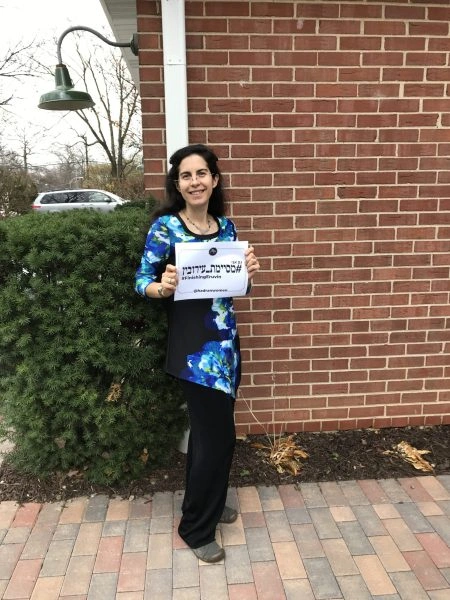
Skokie, IL, United States
I’ve been wanting to do Daf Yomi for years, but always wanted to start at the beginning and not in the middle of things. When the opportunity came in 2020, I decided: “this is now the time!” I’ve been posting my journey daily on social media, tracking my progress (#DafYomi); now it’s fully integrated into my daily routines. I’ve also inspired my partner to join, too!

Teaneck, United States
I began daf yomi in January 2020 with Brachot. I had made aliya 6 months before, and one of my post-aliya goals was to complete a full cycle. As a life-long Tanach teacher, I wanted to swim from one side of the Yam shel Torah to the other. Daf yomi was also my sanity through COVID. It was the way to marking the progression of time, and feel that I could grow and accomplish while time stopped.

Givat Zev, Israel
In early 2020, I began the process of a stem cell transplant. The required extreme isolation forced me to leave work and normal life but gave me time to delve into Jewish text study. I did not feel isolated. I began Daf Yomi at the start of this cycle, with family members joining me online from my hospital room. I’ve used my newly granted time to to engage, grow and connect through this learning.

Worcester, United States
After reading the book, “ If All The Seas Were Ink “ by Ileana Kurshan I started studying Talmud. I searched and studied with several teachers until I found Michelle Farber. I have been studying with her for two years. I look forward every day to learn from her.

Virginia, United States

Blacksburg, United States
When I was working and taking care of my children, learning was never on the list. Now that I have more time I have two different Gemora classes and the nach yomi as well as the mishna yomi daily.

Jerusalem, Israel
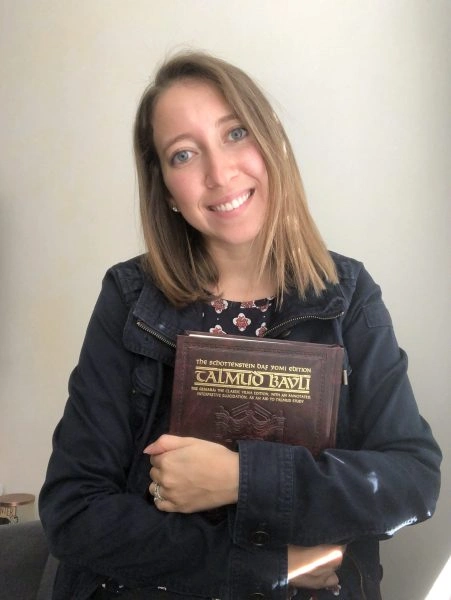
I decided to learn one masechet, Brachot, but quickly fell in love and never stopped! It has been great, everyone is always asking how it’s going and chering me on, and my students are always making sure I did the day’s daf.
Memphis, Tennessee, United States
I read Ilana Kurshan’s “If All the Seas Were Ink” which inspired me. Then the Women’s Siyum in Jerusalem in 2020 convinced me, I knew I had to join! I have loved it- it’s been a constant in my life daily, many of the sugiyot connect to our lives. My family and friends all are so supportive. It’s incredible being part of this community and love how diverse it is! I am so excited to learn more!

Jerusalem, Israel
I started learning at the beginning of this Daf Yomi cycle because I heard a lot about the previous cycle coming to an end and thought it would be a good thing to start doing. My husband had already bought several of the Koren Talmud Bavli books and they were just sitting on the shelf, not being used, so here was an opportunity to start using them and find out exactly what was in them. Loving it!
Borehamwood, United Kingdom
What a great experience to learn with Rabbanit Michelle Farber. I began with this cycle in January 2020 and have been comforted by the consistency and energy of this process throughout the isolation period of Covid. Week by week, I feel like I am exploring a treasure chest with sparkling gems and puzzling antiquities. The hunt is exhilarating.
Pennsylvania, United States
Menachot 84
אֲבָל בָּאָרֶץ לָא פְּלִיגִי, דְּעוֹמֶר וּשְׁתֵּי הַלֶּחֶם מֵאָרֶץ – אִין, מֵחוּצָה לָאָרֶץ – לָא.
But with regard to the requirement to use grain grown in Eretz Yisrael, they do not disagree that if the omer and the two loaves come from Eretz Yisrael, indeed, they are valid, but if they come from outside of Eretz Yisrael, they are not valid.
כְּמַאן? דְּלָא כִּי הַאי תַּנָּא, דְּתַנְיָא: רַבִּי יוֹסֵי בַּר רַבִּי יְהוּדָה אוֹמֵר: עוֹמֶר בָּא מֵחוּצָה לָאָרֶץ, וּמָה אֲנִי מְקַיֵּים ״כִּי תָבֹאוּ אֶל הָאָרֶץ״? שֶׁלֹּא נִתְחַיְּיבוּ בָּעוֹמֶר קוֹדֶם שֶׁנִּכְנְסוּ לָאָרֶץ.
In accordance with whose opinion is this? It is not in accordance with the opinion of this following tanna, as it is taught in a baraita: Rabbi Yosei, son of Rabbi Yehuda, says that the omer may come from outside of Eretz Yisrael. How do I realize the meaning of the verse that introduces the obligation to bring the omer: “When you come into the land which I give to you” (Leviticus 23:10)? This verse appears to indicate that the bringing of the omer is restricted to Eretz Yisrael. That verse teaches that the Jewish people were not obligated in the mitzva of bringing the omer before they entered Eretz Yisrael.
וְקָסָבַר חָדָשׁ בְּחוּצָה לָאָרֶץ דְּאוֹרָיְיתָא הִיא, דִּכְתִיב ״מִמּוֹשְׁבֹתֵיכֶם״, כׇּל מָקוֹם שֶׁאַתֶּם יוֹשְׁבִין מַשְׁמַע, וְכִי ״תָבֹאוּ״ זְמַן בִּיאָה הִיא, וְכֵיוָן דְּאוֹרָיְיתָא הִיא – אַקְרוֹבֵי נָמֵי מַקְרִיבִין.
The Gemara explains the basis of Rabbi Yosei’s opinion: And he holds that even outside of Eretz Yisrael, consuming the new crop is prohibited by Torah law, as it is written: “From all your dwellings” (Leviticus 23:17), which indicates that the prohibition applies anywhere that you dwell, even outside of Eretz Yisrael. Accordingly, the earlier verse, which introduces the prohibition with: “When you come into the land which I give to you” (Leviticus 23:10), is a reference to the time of the Jewish people entering Eretz Yisrael, and it indicates that the prohibition takes effect only from that time. And since Rabbi Yosei holds that the new crop outside of Eretz Yisrael is prohibited for consumption by Torah law, he consequently holds that one may also offer the omer from crops grown there.
תְּנַן הָתָם: שׁוֹמְרֵי סְפִיחִין בַּשְּׁבִיעִית, נוֹטְלִין שְׂכָרָן מִתְּרוּמַת הַלִּשְׁכָּה.
§ We learned in a mishna elsewhere (Shekalim 4:1): The guards who are appointed by the court to protect some of the produce that grew without being purposely planted [sefiḥin] during the Sabbatical Year, in order that it can be used for the omer and the offering of the two loaves, collect their wages from the collection of the Temple treasury chamber.
רָמֵי לֵיהּ רָמֵי בַּר חָמָא לְרַב חִסְדָּא: תְּנַן שׁוֹמְרֵי סְפִיחִין בַּשְּׁבִיעִית נוֹטְלִין שְׂכָרָן מִתְּרוּמַת הַלִּשְׁכָּה, וּרְמִינְהוּ: ״לְאׇכְלָה״ – וְלֹא לִשְׂרֵיפָה.
Rami bar Ḥama raises a contradiction to Rav Ḥisda: We learned in that mishna that the guards of sefiḥin during the Sabbatical Year collect their wages from the collection of the Temple treasury chamber. This indicates that even in the Sabbatical Year, the omer is brought from that year’s crop. And one can raise a contradiction to this from a baraita: The verse states: “And the Sabbatical Year of the land shall be for you for eating” (Leviticus 25:6), which indicates it is to be used for eating, but not for burning. Accordingly, since the omer is burned on the altar, it should not be brought from produce of the Sabbatical Year.
אֲמַר לֵיהּ: רַחֲמָנָא אָמַר לָךְ ״לְדֹרֹתֵיכֶם״, וְאַתְּ אָמְרַתְּ תִּיבְטַל?
Rav Ḥisda said to him: The Merciful One said to you about the omer: “It is a statute forever throughout your generations” (Leviticus 23:14), indicating that the mitzva can be fulfilled in all times, and you say the omer should be canceled in a Sabbatical Year?
אֲמַר לֵיהּ: וּמִי קָאָמֵינָא אֲנָא תִּיבְטַל?! לַיְיתֵי מִדְּאֶשְׁתָּקַד! בָּעֵינָא ״כַּרְמֶל״, וְלֵיכָּא.
Rami bar Ḥama said to him: But am I saying that the omer should be canceled? Certainly not. Let one bring the omer from grain that sprouted during the previous year, concerning which there is no prohibition against burning it. Rav Ḥisda rejects this suggestion: But to fulfill the mitzva I require that the grain be of the “fresh ear” (Leviticus 2:14), i.e., young grain, and this requirement is not fulfilled with grain that sprouted during the previous year, as it has already been growing a long time.
וְלַיְיתֵי מִכַּרְמֶל דְּאֶשְׁתָּקַד? אָמַר קְרָא: ״כַּרְמֶל תַּקְרִיב״, בָּעֵינָא כַּרְמֶל בִּשְׁעַת הַקְרָבָה, וְלֵיכָּא.
Rami bar Ḥama persists: But let one bring the omer from the young grain that was cut during the harvest of the previous year, when it was still fresh. Rav Ḥisda rejects this suggestion: The verse states: “Fresh ear, you shall bring” (Leviticus 2:14). The juxtaposition of the mitzva to bring the grain with the requirement that it be young indicates that I need it to still be young grain at the time of offering it, and this condition is not fulfilled if one uses grain from the previous year’s harvest. Young grain is soft (see 66b), whereas grain that was reaped during the previous year would have become brittle.
אִיתְּמַר: רַבִּי יוֹחָנָן אָמַר ״כַּרְמֶל תַּקְרִיב״, רַבִּי אֶלְעָזָר אוֹמֵר ״רֵאשִׁית קְצִירְךָ״ – רֵאשִׁית קְצִירְךָ, וְלֹא סוֹף קְצִירְךָ.
§ An amoraic dispute was stated concerning the source of the halakha that the omer may not be brought from the previous year’s crop: Rabbi Yoḥanan says it is derived from: “Fresh ear, you shall bring,” as Rav Ḥisda explains. Rabbi Elazar says it is derived from the fact that the omer is referred to as: “The first of your harvest” (Leviticus 23:10), which indicates that the omer is brought only from the first of your harvest, i.e., from the first produce of the current year’s crop, and not from the last of your harvest, i.e., from produce taken from the remainder of the previous year’s crop.
מוֹתֵיב רַבָּה: ״וְאִם תַּקְרִיב מִנְחַת בִּכּוּרִים״ – בְּמִנְחַת הָעוֹמֶר הַכָּתוּב מְדַבֵּר. מֵהֵיכָן הִיא בָּאָה? מִן הַשְּׂעוֹרִים. אַתָּה אוֹמֵר מִן הַשְּׂעוֹרִים, אוֹ אֵינוֹ אֶלָּא מִן הַחִיטִּין?
Rabba raises an objection to Rabbi Yoḥanan’s opinion, from a baraita: The verse states: “And when you shall bring a meal offering of first fruits to the Lord” (Leviticus 2:14). The verse is speaking of the omer meal offering. From which type of grain does it come? It comes from barley. Do you say that it comes from barley, or does it come only from wheat?
רַבִּי אֱלִיעֶזֶר אוֹמֵר: נֶאֱמַר ״אָבִיב״ בְּמִצְרַיִם, וְנֶאֱמַר ״אָבִיב״ לְדוֹרוֹת. מָה ״אָבִיב״ הָאָמוּר בְּמִצְרַיִם – שְׂעוֹרִים, אַף ״אָבִיב״ הָאָמוּר לְדוֹרוֹת – אֵינוֹ בָּא אֶלָּא מִן הַשְּׂעוֹרִים.
Rabbi Eliezer says that it is stated “in the ear,” with regard to the plague of hail in Egypt: “And the flax and the barley were smitten; for the barley was in the ear, and the flax was in bloom” (Exodus 9:31), and it is stated “in the ear” with regard to the mitzva of the new crop, which is for all generations. Just as the term “in the ear” that is stated with regard to the plague of hail in Egypt is referring to barley, as is clear from the next verse: “But the wheat and the spelt were not smitten; for they ripen late” (Exodus 9:32), so too the term “in the ear” that is stated with regard to the new crop for all generations is referring to barley.
רַבִּי עֲקִיבָא אוֹמֵר: מָצִינוּ יָחִיד שֶׁמֵּבִיא חוֹבָתוֹ מִן הַחִיטִּין, וּמֵבִיא חוֹבָתוֹ מִן הַשְּׂעוֹרִין, וְאַף צִיבּוּר מֵבִיא חוֹבָתוֹ מִן הַחִיטִּין וּמֵבִיא חוֹבָתוֹ מִן הַשְּׂעוֹרִין. אִם אַתָּה אוֹמֵר מִן הַחִיטִּין – לֹא מָצִינוּ צִיבּוּר שֶׁמֵּבִיא חוֹבָתוֹ מִן הַשְּׂעוֹרִין!
The baraita cites another proof that the omer offering is brought from barley. And Rabbi Akiva says: We found an individual who brings his obligation of a meal offering from wheat, which is brought by a poor person for a false oath of testimony, a false oath of utterance, or for entering the Temple while ritually impure, and one who brings his obligation of a meal offering from barley, in the case of a sinner’s meal offering or the meal offering of a sota. And we also found with regard to the community that they bring their obligation of a meal offering from wheat, in the case of the two loaves offering of Shavuot, and therefore, to keep the halakha of the offering of a community parallel to that of an individual there should be a case where the community brings their obligation of a meal offering from barley. And if you say that the omer offering comes from wheat, then we will not have found a case of a community that brings their obligation of a meal offering from barley. Consequently, it must be that the omer offering comes from barley.
דָּבָר אַחֵר: אִם אַתָּה אוֹמֵר עוֹמֶר בָּא מִן הַחִיטִּין – אִין שְׁתֵּי הַלֶּחֶם ״בִּיכּוּרִים״. אַלְמָא מִשּׁוּם ״בִּיכּוּרִים״ הוּא, תְּיוּבְתָּא.
Rabbi Akiva suggests another proof: Alternatively, if you say that the omer offering comes from wheat, then the two loaves offering would not be brought from the first fruits. The verse states that the two loaves offering of Shavuot should come from the first fruits: “Also in the day of the first fruits, when you bring a new meal offering to the Lord in your feast of weeks” (Numbers 28:26). If the omer is from wheat, then the two loaves offering would not be the first offering of the first fruit, as the omer offering of Passover precedes it. Therefore, the omer offering must come from barley. Rabba explains the objection to Rabbi Yoḥanan’s opinion: Evidently, the omer offering is brought from the new crop because the grain used is referred to as first fruits, i.e., “the first of your harvest.” The Gemara concludes: This baraita is a conclusive refutation of Rabbi Yoḥanan’s opinion.
תְּנַן הָתָם: אֵין מְבִיאִין בִּיכּוּרִים חוּץ מִשִּׁבְעַת הַמִּינִין, וְלֹא
§ We learned in a mishna elsewhere (Bikkurim 1:3): One may bring first fruits only from the seven species with which Eretz Yisrael is praised in the verse: “A land of wheat and barley, vines, figs and pomegranates, a land of olive oil and honey” (Deuteronomy 8:8). But one may not
מִתְּמָרִים שֶׁבֶּהָרִים וְלֹא מִפֵּירוֹת שֶׁבָּעֲמָקִים. אָמַר עוּלָּא: אִם הֵבִיא לֹא קִידֵּשׁ.
bring them from dates that grow in the mountains, and one may not bring them from produce that grows in the valleys. Such produce is of inferior quality and may not be used. Ulla says: Even if one did bring such produce, he does not thereby consecrate it, i.e., it does not attain the consecrated status of first fruits.
יָתֵיב רַבָּה וְקָא אָמַר לַהּ לְהָא שְׁמַעְתָּא, אֵיתִיבֵיהּ רַבִּי אַחָא בַּר אַבָּא לְרַבָּה: ״קׇרְבַּן רֵאשִׁית״ – שֶׁתְּהֵא רֵאשִׁית לְכׇל הַמְּנָחוֹת, וְכֵן הוּא אוֹמֵר: ״בְּהַקְרִיבְכֶם מִנְחָה חֲדָשָׁה לַה׳ בְּשָׁבֻעֹתֵיכֶם״.
Rabba sat in the study hall and stated this halakha. Rabbi Aḥa bar Abba raised an objection to Rabba from a baraita: The Torah refers to the two loaves offering as: “A first offering to the Lord” (Leviticus 2:11), which indicates that it is to be the first of all the meal offerings that come from the new crop. And similarly the verse states with regard to the festival of Shavuot: “On the day of the first fruits, when you bring a new meal offering to the Lord” (Numbers 28:26). By designating the two loaves as “new,” the verse indicates that they should be brought from the first of the new crop.
אֵין לִי אֶלָּא חֲדָשָׁה שֶׁל חִטִּים, חֲדָשָׁה שֶׁל שְׂעוֹרִים מִנַּיִן? תַּלְמוּד לוֹמַר ״חֲדָשָׁה״, ״חֲדָשָׁה״. אִם אֵינוֹ עִנְיָן לַחֲדָשָׁה שֶׁל חִיטִּין – תְּנֵהוּ עִנְיָן לַחֲדָשָׁה שֶׁל שְׂעוֹרִים.
I have derived only that it must be new, i.e., the first, of all wheat meal offerings. From where do I derive that it must also be new, i.e., the first, of all barley meal offerings, e.g., the meal offering of a sota? With regard to the two loaves, the verse states the word “new,” and again states the word “new,” once in Numbers 28:26 and again in Leviticus 23:16. If the second mention is not needed to teach the matter of being the new meal offering of wheat, apply it to the matter of being the new meal offering of barley.
וּמִנַּיִן שֶׁתְּהֵא קוֹדֶמֶת לְבִיכּוּרִים? תַּלְמוּד לוֹמַר: ״וְחַג שָׁבֻעֹת תַּעֲשֶׂה לְךָ בִּכּוּרֵי קְצִיר חִטִּים״, וְאֵין לִי אֶלָּא בִּכּוּרֵי קְצִיר חִטִּים, קְצִיר שְׂעוֹרִים מִנַּיִן? תַּלְמוּד לוֹמַר: ״וְחַג הַקָּצִיר בִּכּוּרֵי מַעֲשֶׂיךָ אֲשֶׁר תִּזְרַע בַּשָּׂדֶה״.
The baraita continues: And from where is it derived that the two loaves precede the bringing of the first fruits as well? The verse states: “And you shall make for yourself a festival of Shavuot, the first fruits of the wheat harvest” (Exodus 34:22). The order of the verse teaches that the offering of the Festival, which is the two loaves offering, precedes the bringing of the first fruits of the wheat harvest. I have derived only that the two loaves precede the first fruits of the wheat harvest. From where do I derive that they also precede the bringing of the first fruits of the barley harvest? The verse states with regard to the festival of Shavuot: “And the festival of the harvest, the first fruits of your labors, which you will sow in the field” (Exodus 23:16). The order of the verse teaches that the offering of the Festival, which is the two loaves offering, precedes all forms of first fruits that are sown in the field, which includes barley.
וְאֵין לִי אֶלָּא שֶׁתִּזְרַע, עָלוּ מֵאֲלֵיהֶן מִנַּיִן? תַּלְמוּד לוֹמַר ״בַּשָּׂדֶה״.
From this verse, I have derived only that the two loaves precede the bringing of the first fruits that sprouted from seeds you sowed, as the verse states: “Which you will sow.” From where do I derive that they precede even the bringing of first fruits that sprouted by themselves? The continuation of that verse states: “In the field” (Exodus 23:16). The term is superfluous and serves to include even produce that sprouted by itself.
וְאֵין לִי אֶלָּא בַּשָּׂדֶה, מִנַּיִן לְרַבּוֹת שֶׁבְּגַג, וְשֶׁבְּחוּרְבָּה, וְשֶׁבְּעָצִיץ, וְשֶׁבִּסְפִינָה? תַּלְמוּד לוֹמַר ״בִּכּוּרֵי כׇּל אֲשֶׁר בְּאַרְצָם״.
The baraita continues: From this verse, I have derived only that the two loaves precede the bringing of produce that grew in a field. From where do I derive to include even produce that grew on a roof, or that grew in a ruin, or that grew in a flowerpot, or that grew on a ship? The verse states with regard to the priestly gifts: “The first fruit of all that grows in their land, which they shall bring to the Lord, shall be yours” (Numbers 18:13). The term “first fruits” in this verse is referring to all types of first fruits. This teaches that when the two loaves are referred to as the first fruits (see Exodus 34:22), the intention is that they should be brought first before all other types of produce.
מִנַּיִן שֶׁתְּהֵא קוֹדֶמֶת לִנְסָכִים וּפֵירוֹת הָאִילָן? נֶאֱמַר כָּאן ״בִּכּוּרֵי מַעֲשֶׂיךָ״, וְנֶאֱמַר לְהַלָּן ״בְּאׇסְפְּךָ אֶת מַעֲשֶׂיךָ מִן הַשָּׂדֶה״ – מָה לְהַלָּן נְסָכִים וּפֵירוֹת אִילָן, אַף כָּאן נְסָכִים וּפֵירוֹת אִילָן.
The baraita concludes: From where is it derived that the offering of the two loaves is to precede both the bringing of libations from grapes of the new crop and the bringing of the first fruits of the tree? It is stated here, with regard to the two loaves: “The first fruits of your labors” (Exodus 23:16), and it is stated there at the end of that verse: “When you gather in the products of your labors from the field.” Just as there, the term “your labors” is referring both to fruits used for the libations and the fruit of the tree, so too, here, the term is referring to both fruits used for the libations and the fruit of the tree.
קָתָנֵי מִיהָא: שֶׁבְּגַג, שֶׁבְּחוּרְבָּה, שֶׁבְּעָצִיץ, וְשֶׁבִּסְפִינָה. סֵיפָא אֲתָאן לִמְנָחוֹת.
Rabbi Aḥa bar Abba explains how the baraita poses a challenge to Ulla’s ruling: In any event, it was taught in this baraita that bringing the two loaves must precede even the bringing of produce that grew on a roof, that grew in a ruin, that grew in a flowerpot, or that grew on a ship. This indicates that all these types of produce are valid to be brought as first fruits, despite the fact that they are of inferior quality. This would appear to contradict Ulla’s ruling that dates that grow in the mountains and produce grown in the valleys are not fit to be brought as first fruits. Rabba explains: Whereas in the first clause, the baraita discusses which types of produce can be used for the first fruits, in the latter clause we come to discuss which grains can be used for meal offerings. Produce that grew in these atypical locations is valid to be brought as meal offerings, but not as first fruits.
מַתְקֵיף לַהּ רַב אַדָּא בַּר אַהֲבָה: אִי הָכִי, הַיְינוּ דִּכְתִיב ״כׇּל טָהוֹר בְּבֵיתְךָ יֹאכַל אֹתוֹ״, וְאִי מְנָחוֹת, לְזִכְרֵי כְהוּנָּה הוּא דְּמִיתְאַכְלָן!
The later clause of the baraita explained that the verse: “The first fruit of all that grows in their land” (Numbers 18:13), is referring to produce that grows in atypical locations. Rabba defended Ulla’s opinion by explaining that the verse concerns meal offerings only. Rav Adda bar Ahava objects to this: If so, that which is written in the latter part of the verse: “Any pure member of your household may eat of it,” is difficult, as the phrase “your household” includes a priest’s wife and daughters and teaches that they may also partake of the priestly gifts referred to in the verse; but if the verse is referring to meal offerings, that is problematic as they are permitted to be eaten only by male priests.
אָמַר רַב מְשַׁרְשְׁיָא: תְּרֵי קְרָאֵי כְּתִיבִי, ״לְךָ יִהְיֶה״, וּכְתִיב ״כׇּל טָהוֹר בְּבֵיתְךָ יֹאכַל אֹתוֹ״. הָא כֵּיצַד? כָּאן – בְּבִיכּוּרִים, כָּאן – בִּמְנָחוֹת.
In resolution of this difficulty, Rav Mesharshiyya said: Perforce this verse should be read as if two verses are written, as otherwise it contains an inherent contradiction: The first clause states: “The first fruit…shall be yours” (Numbers 18:13), indicating that only a priest himself may partake of the priestly gifts. And it is written in the continuation of the verse: “Any pure member of your household may eat of it,” indicating that even female family members may partake of it. How can these texts be reconciled? Here, the latter part of the verse, concerns the first fruits, which even female family members may eat, and there, the first part of the verse, concerns meal offerings, which may be eaten only by male priests.
רַב אָשֵׁי אָמַר: כּוּלֵּיהּ בִּמְנָחוֹת, וְסֵיפָא דִּקְרָא אֲתָאן לְלַחְמֵי תוֹדָה.
Rav Ashi said that there is an alternative resolution: The verse in its entirety concerns meal offerings, but with the latter clause of the verse we come to the specific case of the loaves of a thanks offering, which even female family members of the priest may eat.
בִּפְלוּגְתָּא: רַבִּי יוֹחָנָן אָמַר – אִם הֵבִיא לֹא קִדֵּשׁ, רֵישׁ לָקִישׁ אָמַר – אִם הֵבִיא קִדֵּשׁ, נַעֲשָׂה כְּכָחוּשׁ בְּקָדָשִׁים.
§ The Gemara notes: Ulla and Rav Aḥa bar Abba disagree with regard to the issue that is the subject of the dispute of earlier amora’im: Rabbi Yoḥanan says: Even if one did bring mountain dates or valley produce as first fruits, he does not thereby consecrate them, i.e., they do not attain the sanctified status of first fruits. Reish Lakish says: If one did bring them, he has consecrated them; they are regarded just like a gaunt animal with regard to sacrificial animals. Although it is improper to consecrate such animals or such produce as an offering, if one does, the consecration certainly takes effect.
בִּשְׁלָמָא רֵישׁ לָקִישׁ, כִּדְאָמַר טַעְמָא. אֶלָּא רַבִּי יוֹחָנָן, מַאי טַעְמָא? אָמַר רַבִּי אֶלְעָזָר: רַבִּי יוֹחָנָן חֲזַאי בַּחֲלוֹם, מִילְּתָא מְעַלַּיְיתָא אָמֵינָא. אָמַר קְרָא: ״מֵרֵאשִׁית״ – וְלֹא כׇּל רֵאשִׁית, ״מֵאַרְצְךָ״ – וְלֹא כׇּל אַרְצְךָ.
The Gemara discusses the dispute: Granted, the opinion of Reish Lakish is well founded, as he stated the reason for his ruling. But as for Rabbi Yoḥanan, what is the reason for his ruling? Rabbi Elazar said: I have an explanation of Rabbi Yoḥanan’s ruling and since I was privileged to see Rabbi Yoḥanan in a dream, I know that I am saying a proper matter. The verse states with regard to first fruits: “And you shall take from the first of all the fruit” (Deuteronomy 26:2). The addition of the word “from” indicates that one should take from some of the first fruits, but not from all the first fruits. This teaches that one should use only the seven species for the mitzva. The verse continues: “That you shall bring from your land.” The addition of the word “from” indicates that one should take first fruits from some areas of the land, but not from all areas in your land. This teaches that one should not take dates from the mountains or produce from the valleys.
וְרֵישׁ לָקִישׁ, הַאי ״אַרְצְךָ״ מַאי עָבֵיד לֵיהּ? מִיבְּעֵי לֵיהּ לְכִדְתַנְיָא: רַבָּן גַּמְלִיאֵל בַּר רַבִּי אוֹמֵר, נֶאֱמַר כָּאן ״אֶרֶץ״, וְנֶאֱמַר לְהַלָּן ״אֶרֶץ״, מָה לְהַלָּן שֶׁבַח אֶרֶץ, אַף כָּאן שֶׁבַח אֶרֶץ.
The Gemara asks: And as for Reish Lakish, for what halakha does he use this term “your land”? He holds that the term is necessary for that which is taught in a baraita: Rabban Gamliel, son of Rabbi Yehuda HaNasi, says: “From your land” is stated here (Deuteronomy 26:2), with regard to the first fruits, and “land” is stated there with regard to the praise of Eretz Yisrael: “A land of wheat and barley, vines, figs, and pomegranates, a land of olive oil and honey” (Deuteronomy 8:8), which are the seven species. This serves as the basis for a verbal analogy and teaches that just as there, the verse is referring only to the produce that is the praise of Eretz Yisrael, so too, here, with regard to the mitzva to bring the first fruits, the verse is referring only to the produce that is the praise of Eretz Yisrael, i.e., the seven species.
וְאִידַּךְ, ״אֶרֶץ״ ״מֵאֶרֶץ״.
The Gemara asks: And the other one, Rabbi Yoḥanan, since he has already expounded the term “from your land” to teach that one may not use mountain dates or valley produce, from where does he derive that only the seven species may be used? Rabbi Yoḥanan holds that since the Torah could have just written “your land” but instead writes “from your land,” the word “land” can be used to form the verbal analogy while the word “from” can teach that one may not use mountain dates or valley produce.
וְאִידַּךְ, ״אֶרֶץ״ ״מֵאָרֶץ״ לָא מַשְׁמַע לֵיהּ.
And the other one, Reish Lakish, what does he derive from the fact that the Torah adds the word “from”? He does not learn anything from the fact the Torah could have just written “your land” but instead writes “from your land.” In Hebrew, the term: From your land, is expressed by a single word: Me’artzekha. Reish Lakish holds that the verbal analogy uses the entire word.
תָּנֵי חֲדָא: שֶׁבְּגַג, וְשֶׁבְּחוּרְבָּה, שֶׁבְּעָצִיץ, וְשֶׁבִּסְפִינָה – מֵבִיא וְקוֹרֵא. וְתַנְיָא אִידַּךְ: מֵבִיא וְאֵינוֹ קוֹרֵא.
§ It is taught in one baraita: With regard to produce that grew on a roof, or that grew in a ruin, or that grew in a flowerpot, or that grew on a ship, the owner brings it to the Temple and recites the accompanying passage of thanks to God (see Deuteronomy 26:1–11). And it is taught in another baraita with regard to such fruits: The owner brings them but does not recite the accompanying passage.
בִּשְׁלָמָא רֵישׁ לָקִישׁ, גַּג אַגַּג לָא קַשְׁיָא: הָא – בְּגַג דִּמְעָרָה, הָא – בְּגַג דְּבַיִת.
The Gemara attempts to reconcile the baraitot: Granted according to Reish Lakish, both baraitot accord with his opinion that even inferior produce can be brought as first fruits, and they contradict each other only with regard to whether or not one should recite the accompanying passage. And even with regard to that, the fact that the ruling of one baraita about produce that grew on a roof is contradicted by the ruling of the other baraita about produce that grew on a roof is not difficult. One can explain that this baraita, which states that the passage is recited, is referring to a roof of a cave, which is considered part of the ground, whereas that baraita, which states that the passage is not recited, is referring to a roof of a house.
חוּרְבָּה אַחוּרְבָּה – לָא קַשְׁיָא: כָּאן בְּחוּרְבָּה עֲבוּדָה, כָּאן בְּחוּרְבָּה שֶׁאֵינָהּ עֲבוּדָה.
Similarly, the fact that the ruling of one baraita about produce that grew in a ruin is contradicted by the ruling of the other baraita about produce that grew in a ruin is not difficult. One can explain that here, the baraita that states that the passage is recited, is referring to a cultivated ruin, whereas there, the baraita that states that the passage is not recited, is referring to an uncultivated ruin.
עָצִיץ אַעָצִיץ – לָא קַשְׁיָא: כָּאן בְּנָקוּב, כָּאן בְּשֶׁאֵינוֹ נָקוּב.
And the fact that the ruling of one baraita about produce that grew in a flowerpot is contradicted by the ruling of the other baraita about produce that grew in a flowerpot is not difficult. One can explain that here, the baraita that states that the passage is recited, is referring to a perforated flowerpot, where the produce is able to draw nourishment from the soil beneath it, whereas there, the baraita that states that the passage is not recited, is referring to an unperforated flowerpot.
סְפִינָה אַסְּפִינָה – לָא קַשְׁיָא, כָּאן בִּסְפִינָה שֶׁל עֵץ, כָּאן בִּסְפִינָה שֶׁל חֶרֶס.
And the fact that the ruling of one baraita about fruit that grew on a ship is contradicted by the ruling of the other baraita about fruit that grew on a ship is not difficult. One can explain that here, the baraita that states that the passage is recited is referring to a ship made of wood, where the fruit were able to draw nourishment through the wood from the ground, whereas, there, the baraita that states that the passage is not recited is referring to a ship made of earthenware.

