









Want to dedicate learning? Get started here:

Menachot 87
הַקְּמָחִין, וְלֹא מִשּׁוּלֶיהָ – מִפְּנֵי הַשְּׁמָרִים, אֶלָּא מֵבִיא מִשְּׁלִישָׁהּ מֵאֶמְצָעָהּ.
the flour-like white scum that floats on the surface, nor from the wine at bottom of the cask due to the sediment that collects there. Rather, one brings from the wine in its middle third.
כֵּיצַד הוּא בּוֹדֵק? הַגִּזְבָּר יוֹשֵׁב, וְהַקָּנֶה בְּיָדוֹ, זָרַק הַגִּיר, הִקִּישׁ בַּקָּנֶה.
How does the Temple treasurer inspect the wine to determine that it is from the middle of the cask? The treasurer sits alongside the cask and has the measuring reed in his hand. The spigot is opened and the wine begins to flow. When he sees that the wine emerging draws with it chalk-like scum [hagir], he immediately knocks with the reed to indicate that the spigot should be closed.
רַבִּי יוֹסֵי בְּרַבִּי יְהוּדָה אוֹמֵר: שֶׁיֵּשׁ בּוֹ קְמָחִין – פָּסוּל, שֶׁנֶּאֱמַר: ״תְּמִימִים יִהְיוּ לָכֶם״, ״וּמִנְחָתָם״, ״תְּמִימִים יִהְיוּ לָכֶם וְנִסְכֵּיהֶם״.
Rabbi Yosei, son of Rabbi Yehuda, says: Wine in which there is flour-like white scum is unfit for libations, as it is stated with regard to animal offerings: “Unblemished they shall be for you…and their meal offering shall be fine flour mixed with oil…unblemished they shall be for you, and their libations” (Numbers 28:19–20, 31). This indicates that animal offerings, meal offerings, and libations must all be brought from flawless products. Therefore, the presence of flour-like white scum in wine renders it unfit.
גְּמָ׳ אֵין מְבִיאִין לֹא מָתוֹק וְלֹא מְבוּשָּׁל וְלֹא מְעוּשָּׁן, וְאִם הֵבִיא – פָּסוּל. וְהָא קָתָנֵי רֵישָׁא: אֵין מְבִיאִין אֶת הֶלִיסְטְיוֹן, וְאִם הֵבִיא – כָּשֵׁר?
GEMARA: The mishna teaches: One may not bring libations from sweet wine, nor from boiled wine, nor from wine produced from smoked grapes, and if one did bring a libation from such wine, it is not valid. The Gemara asks: But doesn’t the first clause teach: One may not bring libations from sweet wine made from sun-dried grapes, but if one did bring a libation from such wine it is valid? How can one clause teach that a libation of one type of sweet wine is valid, and the other clause teach that a libation of another type of sweet wine is not valid?
אָמַר רָבִינָא: כְּרוֹךְ וְתָנֵי. רַב אָשֵׁי אָמַר: חוּלְיָא דְּשִׁימְשָׁא – לָא מְאִיס, חוּלְיָא דְּפֵירָא – מְאִיס.
Ravina said: The text of the mishna is corrupt. To correct it, combine the two clauses into one and teach with regard to all the wines mentioned that they are unfit to be used for libations. Rav Ashi said: The text of the mishna is correct. The reason for the difference between the two wines is that the sweetness of grapes sweetened by the sun is not objectionable, so libations of wine made from such grapes are valid, while sweetness that results from the sugars of the fruit itself is objectionable, so libations of wine made from such grapes are not valid.
אֵין מְבִיאִין יָשָׁן, דִּבְרֵי רַבִּי, וַחֲכָמִים מַכְשִׁירִין. אָמַר חִזְקִיָּה: מַאי טַעְמָא דְּרַבִּי? אָמַר קְרָא ״לַכֶּבֶשׂ יָיִן״, מָה כֶּבֶשׂ בֶּן שְׁנָתוֹ, אַף יַיִן בֶּן שְׁנָתוֹ.
§ The mishna teaches: One may not bring wine aged for one year; this is the statement of Rabbi Yehuda HaNasi, but the Rabbis deem it valid. The Gemara provides the source for Rabbi Yehuda HaNasi’s ruling. Rabbi Ḥizkiyya said: What is the reasoning of Rabbi Yehuda HaNasi? The verse states with regard to the libations that accompany the New Moon offering: “And their libations: Half a hin for a bull, a third of a hin for a ram, and a quarter of a hin for a lamb, of wine” (Numbers 28:14). The juxtaposition of the terms lamb and wine teaches that just as a lamb is fit to be used as an offering only if brought in its first year, so too wine is fit to be used as a libation only if it is in its first year.
אִי מָה כֶּבֶשׂ בֶּן שְׁתֵּי שָׁנִים – פָּסוּל, אַף יַיִן בֶּן שְׁתֵּי שָׁנִים – פָּסוּל! וְכִי תֵּימָא הָכִי נָמֵי, וְהָתַנְיָא: יַיִן בֶּן שְׁתֵּי שָׁנִים לֹא יָבִיא, וְאִם הֵבִיא – כָּשֵׁר! מַאן שָׁמְעַתְּ לֵיהּ דְּאָמַר ״לֹא יָבִיא״? רַבִּי, וְקָאָמַר: אִם הֵבִיא – כָּשֵׁר.
The Gemara ask: If so, take the analogy further and conclude that just as if one offers a lamb in its second year, it is not valid, so too a libation of wine in its second year is not valid. And if you would say that this is indeed the halakha, that is difficult: But isn’t it taught in a baraita that wine in its second year may not be brought ab initio, but if one did bring it as a libation, it is valid? That baraita certainly expresses the opinion of Rabbi Yehuda HaNasi, as whom did you hear who said that aged wine may not be brought? Only Rabbi Yehuda HaNasi, who explicitly states this opinion in the mishna. And yet he says in the baraita: If one did bring a libation of aged wine, it is valid. According to Rabbi Ḥizkiyya’s explanation of Rabbi Yehuda HaNasi’s opinion, such an opinion is illogical.
אֶלָּא אָמַר רָבָא: הַיְינוּ טַעְמָא דְּרַבִּי, דִּכְתִיב ״אַל תֵּרֶא יַיִן כִּי יִתְאַדָּם״.
Rather, Rava said: This is the reasoning of Rabbi Yehuda HaNasi: As it is written in the verse exhorting a person not to be enticed by fine wines: “Look not upon the wine when it is red” (Proverbs 23:31). Evidently, the redness of wine is indicative of its quality. After a year, wine begins to lose its redness and so it should not be used, ab initio. Nevertheless, it is still of a sufficient quality to be acceptable, after the fact.
אֵין מְבִיאִין לֹא מִן הַדָּלִיּוֹת כּוּ׳. תָּנָא: כְּרָמִים הָעֲבוּדִים פַּעֲמַיִם בַּשָּׁנָה.
§ The mishna teaches: One may not bring wine produced from grapes suspended on stakes or trees; rather, one brings wine produced from grapes at foot height and from vineyards that are cultivated. The definition of vineyards that are cultivated is clarified in a baraita that taught: Vineyards that are cultivated twice a year. This is done by hoeing the earth underneath the vines.
רַב יוֹסֵף הֲוָה לֵיהּ קַרְנָא דְּפַרְדֵּיסָא, דְּרָפֵיק בֵּיהּ טְפֵי רִיפְקָא, וְעָבֵד חַמְרָא דְּדָרֵי מַיָּא עַל חַד תְּרֵין.
The Gemara relates the efficacy of cultivating the land twice a year: Rav Yosef had a tract of land that was used as an orchard [depardeisa] to which he used to give an extra hoeing, and consequently it produced wine of such superior quality that when preparing the wine for drinking it required a dilution using twice the amount of water than that which is usually used to dilute wine.
לֹא הָיוּ כּוֹנְסִין אוֹתָן בַּחֲצָבִין גְּדוֹלִים, תָּנָא: חָבִיּוֹת כַּדִּיּוֹת לוּדִיּוֹת וּבֵינוֹנִיּוֹת.
§ The mishna teaches: When people produced wine for libations they would not collect the wine into large barrels, as it causes the wine to spoil; rather, it would be placed in small casks. The Sages taught in a baraita: The casks referred to by the mishna are flasks that are made in Lod and that are medium-sized.
אֵין מַנִּיחִין אוֹתָן שְׁתַּיִם שְׁתַּיִם, אֶלָּא אַחַת אַחַת.
The Gemara adds another halakha: When storing casks containing wine for libations, they should not be placed in twos, i.e., one atop the other, but rather singly, i.e., each one should be placed separately.
כֵּיצַד בּוֹדֵק גִּזְבָּר? יוֹשֵׁב וְקָנֶה בְּיָדוֹ. זָרַק הַגִּיר – הִקִּישׁ בַּקָּנֶה. תָּנָא: זָרַק הַגִּיר שֶׁל שְׁמָרִים – גִּזְבָּר הִקִּישׁ בַּקָּנֶה.
§ The mishna teaches: How does the Temple treasurer inspect wine to determine that it is from the middle of the cask? The treasurer sits alongside the cask and has the measuring reed in his hand. The spigot is opened and the wine begins to flow. If he sees that the wine emerging draws with it chalk-like scum, he immediately knocks with the reed to indicate that the spigot should be closed. The precise point at which he knocks is clarified in a baraita that taught: If the wine draws with it chalk-like scum, which comes from the sediment, the treasurer knocks with the reed.
וְלֵימָא לֵיהּ מֵימָר? מְסַיַּיע לֵיהּ לְרַבִּי יוֹחָנָן, דְּאָמַר רַבִּי יוֹחָנָן: כְּשֵׁם שֶׁהַדִּיבּוּר יָפֶה לַבְּשָׂמִים, כָּךְ דִּיבּוּר רַע לַיַּיִן.
The Gemara challenges: Why does the treasurer knock with the reed; let him simply speak. The Gemara explains: This supports the opinion of Rabbi Yoḥanan, as Rabbi Yoḥanan said: Just as speech is beneficial to the incense spices, so is speech detrimental to wine, and so the treasurer avoids speaking.
רַבִּי יוֹסֵי בַּר רַבִּי יְהוּדָה אוֹמֵר וְכוּ׳. בָּעֵי רַבִּי יוֹחָנָן: הִקְדִּישׁוֹ, מַהוּ שֶׁיִּלְקֶה עָלָיו מִשּׁוּם בַּעַל מוּם? כֵּיוָן דְּפָסוּל – כְּבַעַל מוּם דָּמֵי, אוֹ דִלְמָא אֵין בַּעַל מוּם אֶלָּא בִּבְהֵמָה? תֵּיקוּ.
§ The mishna teaches: Rabbi Yosei, son of Rabbi Yehuda, says: Wine in which there is flour-like white scum is unfit for libations. Rabbi Yoḥanan raises a dilemma concerning such wine: If one consecrated it to be used as a libation, what is the halakha with regard to whether he should be flogged for consecrating it due to the prohibition against consecrating a flawed item as an offering? Does one say that since it is unfit, it is comparable to a blemished animal? Or perhaps, the prohibition to consecrate a flawed item applies only to an animal. The Gemara concludes: The dilemma shall stand unresolved.
תָּנוּ רַבָּנַן: אֵילִים מִמּוֹאָב, כְּבָשִׂים מֵחֶבְרוֹן, עֲגָלִים מִשָּׁרוֹן, גּוֹזָלוֹת מֵהַר הַמֶּלֶךְ.
§ Having discussed which flours, oils, and wine are fit to be offered in the Temple, the Gemara considers which animals are of sufficient quality to be used as offerings. The Sages taught in a baraita: The choicest rams are those from Moab; the choicest lambs are those from Hebron; the choicest calves are those from Sharon; and the choicest fledglings, i.e., doves and pigeons, are those from the King’s Mountain.
רַבִּי יְהוּדָה אוֹמֵר: מְבִיאִין כְּבָשִׂים שֶׁגׇּבְהָן כְּרׇחְבָּן. אָמַר רָבָא בַּר רַב שֵׁילָא: מַאי טַעְמָא דְּרַבִּי יְהוּדָה? דִּכְתִיב: ״יִרְעֶה מִקְנְךָ בַּיּוֹם הַהוּא כַּר נִרְחָב״.
Rabbi Yehuda says: One should bring lambs whose height is like their width, i.e., they are so robust that they are as wide as they are tall. Rava bar Rav Sheila said: What is the reason of Rabbi Yehuda? As it is written: “And He will give the rain for your seed, with which you sow the ground, and bread of the produce of the ground, and it shall be fat and bountiful; your cattle shall graze in wide pastures [kar nirḥav] on that day” (Isaiah 30:23). The word “kar” can also mean a lamb, and “nirḥav” means wide. Accordingly, Rabbi Yehuda interprets this verse, on a homiletical level, to be alluding to robust sheep.
כְּתִיב: ״עַל חוֹמֹתַיִךְ יְרוּשָׁלִַם הִפְקַדְתִּי שֹׁמְרִים כׇּל הַיּוֹם וְכׇל הַלַּיְלָה תָּמִיד לֹא יֶחֱשׁוּ הַמַּזְכִּירִים אֶת ה׳ אַל דֳּמִי לָכֶם״. מַאי אָמְרִי? הָכִי אָמַר רָבָא בַּר רַב שֵׁילָא: ״אַתָּה תָקוּם תְּרַחֵם צִיּוֹן״.
The chapter concludes by quoting an additional prophecy of Isaiah concerning the rebuilding of Eretz Yisrael: It is written: “I have set watchmen upon your walls, Jerusalem; they shall never be silent day nor night; those who remind the Lord, take no rest” (Isaiah 62:6). This is referring to the angels appointed by God to bring the redemption. The Gemara asks: What do these watchmen say to remind the Lord? This is what Rava bar Rav Sheila said: They recite the verse: “You will arise and have compassion upon Zion; for it is time to be gracious to her, for the appointed time has come” (Psalms 102:14).
רַב נַחְמָן בַּר יִצְחָק אָמַר: ״בּוֹנֵה יְרוּשָׁלַיִם ה׳״. וּמֵעִיקָּרָא מַאי הֲווֹ אָמְרִי? אָמַר רָבָא בַּר רַב שֵׁילָא: ״כִּי בָחַר ה׳ בְּצִיּוֹן אִוָּהּ לְמוֹשָׁב לוֹ״.
Rav Naḥman bar Yitzḥak says: They recite the verse: “The Lord builds up Jerusalem, He gathers together the dispersed of Israel” (Psalms 147:2). The Gemara asks: And initially, when the Temple still stood and the Jewish people were gathered together in Eretz Yisrael, what would the watchmen say? Rava bar Rav Sheila says: They would say: “For the Lord has chosen Zion; He has desired it for His habitation. This is My resting place forever; here will I dwell for I have desired it” (Psalms 132:13–14).
הֲדַרַן עֲלָךְ כׇּל קׇרְבְּנוֹת הַצִּיבּוּר.
מַתְנִי׳ שְׁתֵּי מִדּוֹת שֶׁל יָבֵשׁ הָיוּ בְּמִקְדָּשׁ, עִשָּׂרוֹן וַחֲצִי עִשָּׂרוֹן. רַבִּי מֵאִיר אוֹמֵר: עִשָּׂרוֹן, עִשָּׂרוֹן, וַחֲצִי עִשָּׂרוֹן.
MISHNA: Two sizes of measuring vessels for dry substances were used in the Temple for measuring flour for the meal offerings. One held a tenth of an ephah and the other held one-half of a tenth of an ephah. Rabbi Meir says: There were three measuring vessels; one that held a tenth of an ephah, another one that also held a tenth of an ephah, and a third one that held one–half of a tenth of an ephah.
עִשָּׂרוֹן, מֶה הָיָה מְשַׁמֵּשׁ? שֶׁבּוֹ הָיָה מוֹדֵד לְכׇל הַמְּנָחוֹת, לֹא הָיָה מוֹדֵד לֹא בִּשְׁלֹשָׁה לַפָּר, וְלֹא בְּשֶׁל שְׁנַיִם לָאַיִל, אֶלָּא מוֹדְדָן עֶשְׂרוֹנוֹת.
What purpose did the tenth of an ephah measuring vessel serve? It was the vessel with which one would measure flour for all the meal offerings. One would not measure the flour by using a measuring vessel of a size that held the entire volume of flour required at once, i.e., neither with a vessel of three-tenths of an ephah for the meal offering accompanying the sacrifice of a bull, nor with a vessel of two-tenths of an ephah for the meal offering accompanying the sacrifice of a ram. Rather, one measures the flour for them by repeatedly using the tenth of an ephah measuring vessel to measure the required number of tenths.
חֲצִי עִשָּׂרוֹן, מָה הָיָה מְשַׁמֵּשׁ? שֶׁבּוֹ הָיָה מוֹדֵד חֲבִיתֵּי כֹּהֵן גָּדוֹל, מֶחֱצָה בַּבֹּקֶר וּמֶחֱצָה בֵּין הָעַרְבַּיִם.
What purpose did the one–half of a tenth of an ephah measuring vessel serve? It was the vessel with which one would measure the flour for the High Priest’s griddle-cake offering. A tenth of an ephah was required each day; he sacrificed half of it in the morning and the other half of it in the afternoon.
גְּמָ׳ תַּנְיָא: הָיָה רַבִּי מֵאִיר אוֹמֵר: מָה תַּלְמוּד לוֹמַר ״עִשָּׂרוֹן עִשָּׂרוֹן לַכֶּבֶשׂ הָאֶחָד״? מְלַמֵּד שֶׁשְׁתֵּי עֶשְׂרוֹנוֹת הָיוּ בַּמִּקְדָּשׁ, אֶחָד גָּדוּשׁ וְאֶחָד מָחוּק.
GEMARA: The Gemara cites a baraita that clarifies Rabbi Meir’s opinion. It is taught in a baraita that Rabbi Meir would say: What is the meaning when the verse states: “A tenth, a tenth, for every lamb” (Numbers 28:29)? The fact the word “tenth” appears twice teaches that there were two measuring vessels that each held a tenth of an ephah in the Temple. One of them held that volume when it was heaped, and the other one was slightly larger and held that same volume when the flour was leveled with the rim.
גָּדוּשׁ שֶׁבּוֹ הָיָה מוֹדֵד לְכׇל הַמְּנָחוֹת,
The one that held a tenth of an ephah when heaped was the vessel with which one would measure the flour for all the meal offerings.
מָחוּק שֶׁבּוֹ הָיָה מוֹדֵד לַחֲבִיתֵּי כֹּהֵן גָּדוֹל.
The one that held a tenth of an ephah when leveled was the vessel with which one would measure the flour for the High Priest’s griddle-cake offering, and then that flour would be divided into two equal parts.
וַחֲכָמִים אוֹמְרִים: לֹא הָיָה שָׁם אֶלָּא עִשָּׂרוֹן אֶחָד, שֶׁנֶּאֱמַר: ״וְעִשָּׂרוֹן אֶחָד לַכֶּבֶשׂ הָאֶחָד״. אִם כֵּן, מָה תַּלְמוּד לוֹמַר ״עִשָּׂרוֹן עִשָּׂרוֹן״? לְרַבּוֹת חֲצִי עִשָּׂרוֹן.
And the Rabbis disagree with Rabbi Meir and say: There was only one measuring vessel that held a tenth of an ephah there in the Temple, as it is stated: “And one tenth-part for every lamb” (Numbers 29:4). But if so, what is the meaning when the verse states: “A tenth, a tenth, for every lamb” (Numbers 28:29)? Rabbi Meir derived from the repetition of “a tenth” that there were two measuring vessels that held a tenth of an ephah. How do the Rabbis expound that? They hold it serves to include another measuring vessel for dry substances, one that holds one-half of a tenth of an ephah.
וְרַבִּי מֵאִיר, חֲצִי עִשָּׂרוֹן מְנָא לֵיהּ? נָפְקָא לֵיהּ מִ״וְּעִשָּׂרוֹן״. וְרַבָּנַן, וָי״ו לָא דָּרְשִׁי.
Having cited the baraita, the Gemara discusses each opinion: And as for Rabbi Meir, from where does he derive that there was a measuring vessel that held one-half of a tenth of an ephah? He derives it from the superfluous “and” in the phrase “and one tenth-part for every lamb.” The Gemara asks: And as for the Rabbis, why don’t they expound this from the term “and”? They do not derive anything from “and.” They hold that the addition of the word is not significant enough to be expounded.
וְרַבִּי מֵאִיר, הַאי ״וְעִשָּׂרוֹן אֶחָד לַכֶּבֶשׂ הָאֶחָד״ מַאי עָבֵיד לֵיהּ? הַהוּא שֶׁלֹּא יִמְדּוֹד לֹא בְּשֶׁל שְׁלֹשָׁה לַפָּר, וְלֹא בְּשֶׁל שְׁנַיִם לָאַיִל.
The Gemara asks: And as for Rabbi Meir, this verse: “And one tenth-part for every lamb,” from which the Rabbis derive that there was only one measuring vessel of a tenth of an ephah, what does he do with it? The Gemara answers: That verse teaches that one should not measure the flour by using a measuring vessel of a size that holds the entire volume of flour required, i.e., neither with a vessel that holds three-tenths of an ephah for the meal offering accompanying the sacrifice of a bull, nor with a vessel that holds two-tenths of an ephah for the meal offering accompanying the sacrifice of a ram. Rather, one measures the flour for them by using the tenth-ephah measuring vessel multiple times.
וְרַבָּנַן, נָפְקָא לְהוּ מִנְּקוּדֵּי, דְּתַנְיָא: אָמַר רַבִּי יוֹסֵי: לָמָּה נָקוּד וָי״ו שֶׁבְּאֶמְצַע ״עִשָּׂרוֹן״ שֶׁל ״עִשָּׂרוֹן״ רִאשׁוֹן שֶׁל יוֹם טוֹב הָרִאשׁוֹן שֶׁל חַג? שֶׁלֹּא יִמְדּוֹד לֹא בְּשֶׁל שְׁלֹשָׁה לְפַר וְלֹא בְּשֶׁל שְׁנַיִם לָאַיִל. וְרַבִּי מֵאִיר נְקוּדֵּי לָא דָּרֵישׁ.
The Gemara asks: And as for the Rabbis, from where do they derive that halakha? The Gemara explains: They derive it from its dot. In the Torah text, a dot appears above the term “a tenth.” This is as it is taught in a baraita: Rabbi Yosei says: Why is the letter vav in the middle of the term “a tenth [issaron]” dotted the first time that the term “a tenth” appears in the verse concerning the first festival day of the Festival of Sukkot? The verse there states: “And a tenth, a tenth, for every lamb of the fourteen lambs” (Numbers 29:15). This serves to teach that one should not measure flour using a vessel of a size that holds the entire volume required, i.e., neither with a vessel that holds three-tenths of an ephah for the meal offering of a bull, nor with a vessel that holds two-tenths of an ephah for the meal offering of a ram. And as for Rabbi Meir, what does he derive from the dot? He does not derive anything from its dot. He holds that the dot is not significant enough to be expounded.
חֲצִי עִשָּׂרוֹן, מָה הָיָה מְשַׁמֵּשׁ? שֶׁבּוֹ הָיָה מוֹדֵד לַחֲבִיתֵּי כֹּהֵן גָּדוֹל.
§ The mishna teaches: What purpose did the one-half of a tenth of an ephah measuring vessel serve? It was the vessel with which one would measure the flour for the High Priest’s griddle-cake offering. A tenth of an ephah was required each day; he sacrificed half in the morning and the other half in the afternoon. From the mishna it appears that each half-tenth is measured separately.
מוֹדֵד? וּרְמִינְהִי: חֲבִיתֵּי כֹּהֵן גָּדוֹל לֹא הָיוּ בָּאִין חֲצָאִין, אֶלָּא מֵבִיא עִשָּׂרוֹן שָׁלֵם וְחוֹצֵהוּ.
The mishna indicates that the half-tenth vessel was used for measuring. And the Gemara raises a contradiction to this from a mishna (50b): The twelve loaves of matza, baked from a tenth of an ephah of flour, of the griddle-cake offering of the High Priest did not come from the house of the High Priest in halves. Rather, the High Priest brings from his house a complete tenth of an ephah of flour (see Leviticus 6:13) and divides it in half, and he sacrifices half in the morning and half in the afternoon. It is apparent from this mishna that the tenth of an ephah is first measured in its entirety and only then divided.
אָמַר רַב שֵׁשֶׁת: מַאי ״מוֹדֵד״ נָמֵי דְּקָתָנֵי? מְחַלֵּק.
To resolve the contradiction Rav Sheshet said: What is the meaning of: Used for measuring, that the mishna here teaches? It means only that the High Priest would divide the tenth of an ephah into two equal portions using the half-tenth measure, but the quantity would initially be measured in its entirety, as the mishna on 50b states.
בְּעָא מִינֵּיהּ רָמֵי בַּר חָמָא מֵרַב חִסְדָּא: חֲצִי עִשָּׂרוֹן, לְרַבִּי מֵאִיר – גָּדוּשׁ הָיָה אוֹ מָחוּק הָיָה?
§ In light of Rabbi Meir’s opinion that there were two vessels for measuring a tenth of an ephah, one that held its measure when leveled and one when it was heaped, Rami bar Ḥama raised a dilemma before Rav Ḥisda: With regard to the one-half of a tenth of an ephah measuring vessel, according to the opinion of Rabbi Meir, was it one that held its measure when heaped or was it one that held its measure when leveled?
(סִימָן: חֲצִי, חֲבִיתֵּי, שֻׁלְחָן).
Before citing Rav Ḥisda’s response, the Gemara provides a mnemonic that alludes to the three dilemmas it will immediately present: Half; griddle-cake offering; Table. This alludes to one-half of a tenth of an ephah; the High Priest’s griddle-cake offering; and the shewbread Table.
וְתִיבְּעֵי לָךְ לְרַבָּנַן? לְרַבָּנַן, עִשָּׂרוֹן גּוּפֵיהּ קָא מִיבַּעְיָא לְהוּ: גָּדוּשׁ הָיָה אוֹ מָחוּק הָיָה.
Rav Ḥisda said to Rami bar Ḥama: But why do you ask specifically with regard to the opinion of Rabbi Meir? The dilemma can be raised according to the opinion of the Rabbis. Rami bar Ḥama answered: According to the opinion of the Rabbis, it would be with regard to the measuring vessel of a tenth of an ephah itself that one raises the dilemma, asking whether it was one that held its measure when heaped or was one that held its measure when leveled. The dilemma I raised concerned the half-tenth vessel, which is pertinent specifically according to the opinion of Rabbi Meir, as he holds that there were both heaped and leveled measuring vessels of a tenth of an ephah.
אֲמַר לֵיהּ: מִדְּרַבִּי מֵאִיר נִשְׁמַע לְרַבִּי מֵאִיר, וּמִדְּרַבִּי מֵאִיר נִשְׁמַע לְרַבָּנַן.
In answer to Rami bar Ḥama’s dilemma, Rav Ḥisda said to him: From the opinion of Rabbi Meir concerning the vessel of a tenth of an ephah we can extrapolate what Rabbi Meir holds concerning the vessel of one-half of a tenth of an ephah; and from that opinion of Rabbi Meir we can extrapolate what the Rabbis hold concerning both vessels.
מִדְּאָמַר רַבִּי מֵאִיר: עִשָּׂרוֹן מָחוּק, חֲצִי עִשָּׂרוֹן נָמֵי מָחוּק; מִדְּרַבִּי מֵאִיר מָחוּק, לְרַבָּנַן נָמֵי מָחוּק.
Rav Ḥisda elaborates: From the fact that Rabbi Meir said that the vessel of a tenth of an ephah used for the High Priest’s griddle-cake offering held its measure when leveled, we can extrapolate that the vessel of one-half of a tenth, as well, was such that it held its measure when leveled. It is reasonable that since both vessels were used for the same offering, they should be of the same type. And from the fact that Rabbi Meir holds that vessels used for the High Priest’s griddle-cake offering held their measures when leveled, we can extrapolate that also according to the Rabbis, who hold that both vessels were used for the High Priest’s griddle-cake offering, both of them held their measures when leveled.
בְּעָא מִינֵּיהּ רָמֵי בַּר חָמָא מֵרַב חִסְדָּא: חֲבִיתֵּי כֹּהֵן גָּדוֹל בַּמֶּה מְחַלְּקָן לְחַלּוֹת, בַּיָּד אוֹ בִּכְלִי? פְּשִׁיטָא דִּבְיַד, דְּאִי בִּכְלִי – טוּרְטָנֵי יַכְנִיס?!
Rami bar Ḥama raised another dilemma before Rav Ḥisda: With regard to the dough used for the High Priest’s griddle-cake offering, with what would one divide it into the loaves of the offering, six in the morning and six in the afternoon? Was the division done with one’s hand or with a measuring vessel? Rav Ḥisda said to him: It is obvious that it was divided with one’s hand, as if one suggests that it was done with a measuring vessel, would one bring scales [turtanei] into the Temple courtyard for this purpose?
וְיַכְנִיס! כֵּיוָן דְּבִקְלָלָה כְּתִיב, לָאו אוֹרַח אַרְעָא.
Rami bar Ḥama responds: And let him bring scales into the courtyard. Rav Ḥisda explains: Since in God’s admonition of the Jewish people the act of weighing bread is written as part of a curse: “When I break your staff of bread, ten women shall bake your bread in one oven, and they shall deliver your bread again by weight; and you shall eat and not be satisfied” (Leviticus 26:26), as weighing bread is generally performed only at a time of famine, therefore it is not proper conduct to weigh the dough in the Temple.
בְּעָא מִינֵּיהּ רָמֵי בַּר חָמָא מֵרַב חִסְדָּא: שֻׁלְחָן מַהוּ שֶׁיְּקַדֵּשׁ קְמָצִים בְּגוֹדֶשׁ שֶׁלּוֹ? מִדִּמְקַדֵּשׁ לֶחֶם, קְמָצִים נָמֵי מְקַדֵּשׁ, אוֹ דִלְמָא דַּחֲזֵי לֵיהּ מְקַדֵּשׁ, דְּלָא חֲזֵי לֵיהּ לָא מְקַדֵּשׁ?
Rami bar Ḥama raised another dilemma before Rav Ḥisda: With regard to the shewbread Table, what is the halakha as to whether it consecrates handfuls removed from meal offerings or from frankincense that were not consecrated by being placed in a service vessel, as they should have been, but were instead placed on the upper part of the Table, between the rows of shewbread? The Gemara clarifies the dilemma: Does one say that from the fact that the Table consecrates the loaves of shewbread placed upon it, it follows that it also consecrates handfuls placed upon it? Or perhaps the Table consecrates only that which is fit for it, i.e., the loaves, but it does not consecrate that which is not fit for it, such as the handfuls.
אֲמַר לֵיהּ: אֵינוֹ מְקַדֵּשׁ. אִינִי? וְהָאָמַר רַבִּי יוֹחָנָן: לְדִבְרֵי הָאוֹמֵר טִפְחַיִים וּמֶחֱצָה קוֹפֵל, נִמְצָא שֻׁלְחָן מְקַדֵּשׁ חֲמִשָּׁה עָשָׂר טֶפַח לְמַעְלָה. לְדִבְרֵי הָאוֹמֵר טִפְחַיִים קוֹפֵל, נִמְצָא שֻׁלְחָן מְקַדֵּשׁ שְׁנֵים עָשָׂר טֶפַח לְמַעְלָה.
Rav Ḥisda said to him: The Table does not consecrate these handfuls. Rami bar Ḥama retorted: Is that so? But didn’t Rabbi Yoḥanan say: The shewbread loaves were longer than the length of the Table. Accordingly, it was necessary to fold the edges of the loaves in order that they would rest entirely upon the Table itself and not protrude past its edges. How much of each side needed to be folded up is subject to a tannaitic dispute concerning the length of the Table (see 96a). According to the statement of the one who says that one folds two and a half handbreadths from each side of the loaves, it emerges that the Table consecrates fifteen handbreadths above it, as there were six loaves on each side of the Table, which were each two and a half handbreadths high. And according to the statement of the one who says that one folds two handbreadths from each side of the loaves, it emerges that the Table consecrates twelve handbreadths above it. Rabbi Yoḥanan stated that the Table consecrates that which is placed above it, regardless of whether it is fit for the Table or not.
אֲמַר לֵיהּ: אֵינוֹ מְקַדֵּשׁ לִיקְרַב, אֲבָל מְקַדֵּשׁ לִיפָּסֵל.
Rav Ḥisda said to him: When I said that the Table does not consecrate the handfuls, I meant that it does not consecrate them to the extent that they can be sacrificed on the altar. But it certainly consecrates them to the extent that they will be disqualified by the same disqualifications that apply to handfuls that were consecrated by being placed in a service vessel, e.g., by being left overnight or by coming in contact with a ritually impure person who had immersed that day.
מַתְנִי׳ שֶׁבַע מִדּוֹת שֶׁל לַח הָיוּ בְּמִקְדָּשׁ, הִין, וַחֲצִי הִין, וּשְׁלִישִׁית הַהִין, וּרְבִיעִית הַהִין.
MISHNA: There were seven measuring vessels for liquids in the Temple. There was a vessel of one hin, i.e., twelve log. Three vessels were used to measure the oil and wine for the meal offerings and libations that accompanied the sacrifice of an animal. For a bull there was a vessel of one–half of a hin, i.e., six log; and for a ram there was one of one-third of a hin, i.e., four log; and for a lamb there was one of one-quarter of a hin, i.e., three log.
לוֹג, וַחֲצִי לוֹג, וּרְבִיעִית לוֹג.
In addition, there was a vessel that held one log to measure the oil for all standard meal offerings; and another one that held one–half of a log for measuring the water used in the rite of a woman suspected by her husband of having been unfaithful [sota] and also for the oil used in the loaves accompanying the thanks offering (see 88a); and another one that held one-quarter of a log for measuring the water used in the purification of a leper and also for the oil used in the wafers and loaves that the nazirite brings on the day that his term of naziriteship ends.
רַבִּי אֱלִיעֶזֶר בַּר רַבִּי צָדוֹק אוֹמֵר: שְׁנָתוֹת הָיוּ בַּהִין, עַד כָּאן לַפָּר, וְעַד כָּאן לָאַיִל, עַד כָּאן לַכֶּבֶשׂ.
Rabbi Eliezer, son of Rabbi Tzadok, says: It was not necessary to have several vessels of different sizes; rather, there were graduations [shenatot] on the vessel that held one hin indicating that until here is the quantity needed for the bull, and until here is the quantity needed for the ram, and until here is the quantity needed for the lamb.
רַבִּי שִׁמְעוֹן אוֹמֵר: לֹא הָיָה שָׁם הִין, וְכִי מֶה הָיָה הִין מְשַׁמֵּשׁ? אֶלָּא מִדָּה יְתֵירָה שֶׁל לוֹג וּמֶחֱצָה הָיְתָה שָׁם, שֶׁבָּהּ הָיָה מוֹדֵד לְמִנְחַת כֹּהֵן גָּדוֹל – לוֹג וּמֶחֱצָה בַּבּוֹקֶר, לוֹג וּמֶחֱצָה בֵּין הָעַרְבַּיִם.
Rabbi Shimon says: There was no vessel there in the Temple that held one hin, as what purpose could a one-hin vessel serve? That volume of liquid was never used in an offering. Rather, there was an additional measuring vessel of one and a half log there, in the Temple, which completed the tally of seven vessels, with which one would measure the oil used for the griddle-cake meal offering of the High Priest; one and a half log were used in the morning and one and a half log in the afternoon.
גְּמָ׳ תָּנוּ רַבָּנַן: שֶׁבַע מִדּוֹת שֶׁל לַח הָיוּ בַּמִּקְדָּשׁ – רְבִיעִית לוֹג, וַחֲצִי לוֹג, וְלוֹג, וּרְבִיעִית הַהִין, וּשְׁלִישִׁית הַהִין, וַחֲצִי הִין, וְהִין, דִּבְרֵי רַבִּי יְהוּדָה. רַבִּי מֵאִיר אוֹמֵר: הִין, וַחֲצִי הִין, וּשְׁלִישִׁית הַהִין, וּרְבִיעִית הַהִין, וְלוֹג, וַחֲצִי לוֹג, וּרְבִיעִית לוֹג. רַבִּי שִׁמְעוֹן אוֹמֵר: לֹא הָיָה שָׁם הִין, וְכִי מָה הָיָה הִין מְשַׁמֵּשׁ?
GEMARA: The Sages taught in a baraita: There were seven measuring vessels for liquids in the Temple. Listed in ascending order of size, they held: One-quarter of a log; one-half of a log; one log; one-quarter of a hin; one-third of a hin; one-half of a hin; and one hin. This is the statement of Rabbi Yehuda. Rabbi Meir says that there were these seven vessels but he lists them in descending order: One hin; one-half of a hin; one-third of a hin; one-quarter of a hin; one log; one-half of a log; and one-quarter of a log. Rabbi Shimon says: There was no vessel there in the Temple that held one hin, as what purpose could a one-hin vessel serve? That volume of liquid was never used in an offering.

Today’s daily daf tools:
Delve Deeper
Broaden your understanding of the topics on this daf with classes and podcasts from top women Talmud scholars.

Menachot Daf 87-93- Daf Yomi: One Week at a Time

New to Talmud?
Check out our resources designed to help you navigate a page of Talmud – and study at the pace, level and style that fits you.
The Hadran Women’s Tapestry
Meet the diverse women learning Gemara at Hadran and hear their stories.
I started learning Dec 2019 after reading “If all the Seas Were Ink”. I found
Daily daf sessions of Rabbanit Michelle in her house teaching, I then heard about the siyum and a new cycle starting wow I am in! Afternoon here in Sydney, my family and friends know this is my sacred time to hide away to live zoom and learn. Often it’s hard to absorb and relate then a gem shines touching my heart.

Dover Heights, Australia
My husband learns Daf, my son learns Daf, my son-in-law learns Daf.
When I read about Hadran’s Siyyum HaShas 2 years ago, I thought- I can learn Daf too!
I had learned Gemara in Hillel HS in NJ, & I remembered loving it.
Rabbanit Michelle & Hadran have opened my eyes & expanding my learning so much in the past few years. We can now discuss Gemara as a family.
This was a life saver during Covid

Brooklyn, NY, United States
In my Shana bet at Migdal Oz I attended the Hadran siyum hash”as. Witnessing so many women so passionate about their Torah learning and connection to God, I knew I had to begin with the coming cycle. My wedding (June 24) was two weeks before the siyum of mesechet yoma so I went a little ahead and was able to make a speech and siyum at my kiseh kallah on my wedding day!
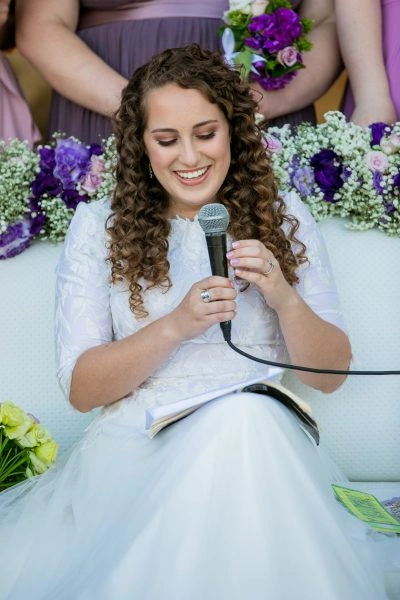
Givat Shmuel, Israel
In early 2020, I began the process of a stem cell transplant. The required extreme isolation forced me to leave work and normal life but gave me time to delve into Jewish text study. I did not feel isolated. I began Daf Yomi at the start of this cycle, with family members joining me online from my hospital room. I’ve used my newly granted time to to engage, grow and connect through this learning.
Worcester, United States
It’s hard to believe it has been over two years. Daf yomi has changed my life in so many ways and has been sustaining during this global sea change. Each day means learning something new, digging a little deeper, adding another lens, seeing worlds with new eyes. Daf has also fostered new friendships and deepened childhood connections, as long time friends have unexpectedly become havruta.

Northwest Washington, United States
I began Daf Yomi with the last cycle. I was inspired by the Hadran Siyum in Yerushalayim to continue with this cycle. I have learned Daf Yomi with Rabanit Michelle in over 25 countries on 6 continents ( missing Australia)

Silver Spring, MD, United States
I started learning Jan 2020 when I heard the new cycle was starting. I had tried during the last cycle and didn’t make it past a few weeks. Learning online from old men didn’t speak to my soul and I knew Talmud had to be a soul journey for me. Enter Hadran! Talmud from Rabbanit Michelle Farber from a woman’s perspective, a mother’s perspective and a modern perspective. Motivated to continue!

Brentwood, California, United States
I started learning Daf Yomi in January 2020 after watching my grandfather, Mayer Penstein z”l, finish shas with the previous cycle. My grandfather made learning so much fun was so proud that his grandchildren wanted to join him. I was also inspired by Ilana Kurshan’s book, If All the Seas Were Ink. Two years in, I can say that it has enriched my life in so many ways.

New York, United States
I have joined the community of daf yomi learners at the start of this cycle. I have studied in different ways – by reading the page, translating the page, attending a local shiur and listening to Rabbanit Farber’s podcasts, depending on circumstances and where I was at the time. The reactions have been positive throughout – with no exception!

Guildford, United Kingdom

Minneapolis, MN, United States
The first month I learned Daf Yomi by myself in secret, because I wasn’t sure how my husband would react, but after the siyyum on Masechet Brachot I discovered Hadran and now sometimes my husband listens to the daf with me. He and I also learn mishnayot together and are constantly finding connections between the different masechtot.
Silver Spring, Maryland, United States
I started to listen to Michelle’s podcasts four years ago. The minute I started I was hooked. I’m so excited to learn the entire Talmud, and think I will continue always. I chose the quote “while a woman is engaged in conversation she also holds the spindle”. (Megillah 14b). It reminds me of all of the amazing women I learn with every day who multi-task, think ahead and accomplish so much.
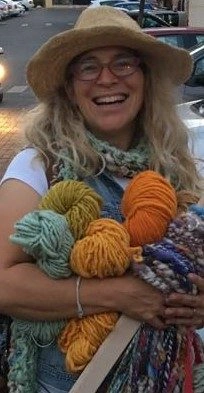
Zichron Yakov, Israel

Blacksburg, United States
I started learning Daf in Jan 2020 with Brachot b/c I had never seen the Jewish people united around something so positive, and I wanted to be a part of it. Also, I wanted to broaden my background in Torah Shebal Peh- Maayanot gave me a great gemara education, but I knew that I could hold a conversation in most parts of tanach but almost no TSB. I’m so thankful for Daf and have gained immensely.

NJ, United States

Phoenix, AZ, United States
It happened without intent (so am I yotzei?!) – I watched the women’s siyum live and was so moved by it that the next morning, I tuned in to Rabbanit Michelle’s shiur, and here I am, still learning every day, over 2 years later. Some days it all goes over my head, but others I grasp onto an idea or a story, and I ‘get it’ and that’s the best feeling in the world. So proud to be a Hadran learner.

Zichron Yaakov, Israel
I decided to give daf yomi a try when I heard about the siyum hashas in 2020. Once the pandemic hit, the daily commitment gave my days some much-needed structure. There have been times when I’ve felt like quitting- especially when encountering very technical details in the text. But then I tell myself, “Look how much you’ve done. You can’t stop now!” So I keep going & my Koren bookshelf grows…

Huntington, United States
I began to learn this cycle of Daf Yomi after my husband passed away 2 1/2 years ago. It seemed a good way to connect to him. Even though I don’t know whether he would have encouraged women learning Gemara, it would have opened wonderful conversations. It also gives me more depth for understanding my frum children and grandchildren. Thank you Hadran and Rabbanit Michelle Farber!!

Tzur Hadassah, Israel
I decided to learn one masechet, Brachot, but quickly fell in love and never stopped! It has been great, everyone is always asking how it’s going and chering me on, and my students are always making sure I did the day’s daf.
Memphis, Tennessee, United States
Geri Goldstein got me started learning daf yomi when I was in Israel 2 years ago. It’s been a challenge and I’ve learned a lot though I’m sure I miss a lot. I quilt as I listen and I want to share what I’ve been working on.

Ottawa, Canada
Menachot 87
הַקְּמָחִין, וְלֹא מִשּׁוּלֶיהָ – מִפְּנֵי הַשְּׁמָרִים, אֶלָּא מֵבִיא מִשְּׁלִישָׁהּ מֵאֶמְצָעָהּ.
the flour-like white scum that floats on the surface, nor from the wine at bottom of the cask due to the sediment that collects there. Rather, one brings from the wine in its middle third.
כֵּיצַד הוּא בּוֹדֵק? הַגִּזְבָּר יוֹשֵׁב, וְהַקָּנֶה בְּיָדוֹ, זָרַק הַגִּיר, הִקִּישׁ בַּקָּנֶה.
How does the Temple treasurer inspect the wine to determine that it is from the middle of the cask? The treasurer sits alongside the cask and has the measuring reed in his hand. The spigot is opened and the wine begins to flow. When he sees that the wine emerging draws with it chalk-like scum [hagir], he immediately knocks with the reed to indicate that the spigot should be closed.
רַבִּי יוֹסֵי בְּרַבִּי יְהוּדָה אוֹמֵר: שֶׁיֵּשׁ בּוֹ קְמָחִין – פָּסוּל, שֶׁנֶּאֱמַר: ״תְּמִימִים יִהְיוּ לָכֶם״, ״וּמִנְחָתָם״, ״תְּמִימִים יִהְיוּ לָכֶם וְנִסְכֵּיהֶם״.
Rabbi Yosei, son of Rabbi Yehuda, says: Wine in which there is flour-like white scum is unfit for libations, as it is stated with regard to animal offerings: “Unblemished they shall be for you…and their meal offering shall be fine flour mixed with oil…unblemished they shall be for you, and their libations” (Numbers 28:19–20, 31). This indicates that animal offerings, meal offerings, and libations must all be brought from flawless products. Therefore, the presence of flour-like white scum in wine renders it unfit.
גְּמָ׳ אֵין מְבִיאִין לֹא מָתוֹק וְלֹא מְבוּשָּׁל וְלֹא מְעוּשָּׁן, וְאִם הֵבִיא – פָּסוּל. וְהָא קָתָנֵי רֵישָׁא: אֵין מְבִיאִין אֶת הֶלִיסְטְיוֹן, וְאִם הֵבִיא – כָּשֵׁר?
GEMARA: The mishna teaches: One may not bring libations from sweet wine, nor from boiled wine, nor from wine produced from smoked grapes, and if one did bring a libation from such wine, it is not valid. The Gemara asks: But doesn’t the first clause teach: One may not bring libations from sweet wine made from sun-dried grapes, but if one did bring a libation from such wine it is valid? How can one clause teach that a libation of one type of sweet wine is valid, and the other clause teach that a libation of another type of sweet wine is not valid?
אָמַר רָבִינָא: כְּרוֹךְ וְתָנֵי. רַב אָשֵׁי אָמַר: חוּלְיָא דְּשִׁימְשָׁא – לָא מְאִיס, חוּלְיָא דְּפֵירָא – מְאִיס.
Ravina said: The text of the mishna is corrupt. To correct it, combine the two clauses into one and teach with regard to all the wines mentioned that they are unfit to be used for libations. Rav Ashi said: The text of the mishna is correct. The reason for the difference between the two wines is that the sweetness of grapes sweetened by the sun is not objectionable, so libations of wine made from such grapes are valid, while sweetness that results from the sugars of the fruit itself is objectionable, so libations of wine made from such grapes are not valid.
אֵין מְבִיאִין יָשָׁן, דִּבְרֵי רַבִּי, וַחֲכָמִים מַכְשִׁירִין. אָמַר חִזְקִיָּה: מַאי טַעְמָא דְּרַבִּי? אָמַר קְרָא ״לַכֶּבֶשׂ יָיִן״, מָה כֶּבֶשׂ בֶּן שְׁנָתוֹ, אַף יַיִן בֶּן שְׁנָתוֹ.
§ The mishna teaches: One may not bring wine aged for one year; this is the statement of Rabbi Yehuda HaNasi, but the Rabbis deem it valid. The Gemara provides the source for Rabbi Yehuda HaNasi’s ruling. Rabbi Ḥizkiyya said: What is the reasoning of Rabbi Yehuda HaNasi? The verse states with regard to the libations that accompany the New Moon offering: “And their libations: Half a hin for a bull, a third of a hin for a ram, and a quarter of a hin for a lamb, of wine” (Numbers 28:14). The juxtaposition of the terms lamb and wine teaches that just as a lamb is fit to be used as an offering only if brought in its first year, so too wine is fit to be used as a libation only if it is in its first year.
אִי מָה כֶּבֶשׂ בֶּן שְׁתֵּי שָׁנִים – פָּסוּל, אַף יַיִן בֶּן שְׁתֵּי שָׁנִים – פָּסוּל! וְכִי תֵּימָא הָכִי נָמֵי, וְהָתַנְיָא: יַיִן בֶּן שְׁתֵּי שָׁנִים לֹא יָבִיא, וְאִם הֵבִיא – כָּשֵׁר! מַאן שָׁמְעַתְּ לֵיהּ דְּאָמַר ״לֹא יָבִיא״? רַבִּי, וְקָאָמַר: אִם הֵבִיא – כָּשֵׁר.
The Gemara ask: If so, take the analogy further and conclude that just as if one offers a lamb in its second year, it is not valid, so too a libation of wine in its second year is not valid. And if you would say that this is indeed the halakha, that is difficult: But isn’t it taught in a baraita that wine in its second year may not be brought ab initio, but if one did bring it as a libation, it is valid? That baraita certainly expresses the opinion of Rabbi Yehuda HaNasi, as whom did you hear who said that aged wine may not be brought? Only Rabbi Yehuda HaNasi, who explicitly states this opinion in the mishna. And yet he says in the baraita: If one did bring a libation of aged wine, it is valid. According to Rabbi Ḥizkiyya’s explanation of Rabbi Yehuda HaNasi’s opinion, such an opinion is illogical.
אֶלָּא אָמַר רָבָא: הַיְינוּ טַעְמָא דְּרַבִּי, דִּכְתִיב ״אַל תֵּרֶא יַיִן כִּי יִתְאַדָּם״.
Rather, Rava said: This is the reasoning of Rabbi Yehuda HaNasi: As it is written in the verse exhorting a person not to be enticed by fine wines: “Look not upon the wine when it is red” (Proverbs 23:31). Evidently, the redness of wine is indicative of its quality. After a year, wine begins to lose its redness and so it should not be used, ab initio. Nevertheless, it is still of a sufficient quality to be acceptable, after the fact.
אֵין מְבִיאִין לֹא מִן הַדָּלִיּוֹת כּוּ׳. תָּנָא: כְּרָמִים הָעֲבוּדִים פַּעֲמַיִם בַּשָּׁנָה.
§ The mishna teaches: One may not bring wine produced from grapes suspended on stakes or trees; rather, one brings wine produced from grapes at foot height and from vineyards that are cultivated. The definition of vineyards that are cultivated is clarified in a baraita that taught: Vineyards that are cultivated twice a year. This is done by hoeing the earth underneath the vines.
רַב יוֹסֵף הֲוָה לֵיהּ קַרְנָא דְּפַרְדֵּיסָא, דְּרָפֵיק בֵּיהּ טְפֵי רִיפְקָא, וְעָבֵד חַמְרָא דְּדָרֵי מַיָּא עַל חַד תְּרֵין.
The Gemara relates the efficacy of cultivating the land twice a year: Rav Yosef had a tract of land that was used as an orchard [depardeisa] to which he used to give an extra hoeing, and consequently it produced wine of such superior quality that when preparing the wine for drinking it required a dilution using twice the amount of water than that which is usually used to dilute wine.
לֹא הָיוּ כּוֹנְסִין אוֹתָן בַּחֲצָבִין גְּדוֹלִים, תָּנָא: חָבִיּוֹת כַּדִּיּוֹת לוּדִיּוֹת וּבֵינוֹנִיּוֹת.
§ The mishna teaches: When people produced wine for libations they would not collect the wine into large barrels, as it causes the wine to spoil; rather, it would be placed in small casks. The Sages taught in a baraita: The casks referred to by the mishna are flasks that are made in Lod and that are medium-sized.
אֵין מַנִּיחִין אוֹתָן שְׁתַּיִם שְׁתַּיִם, אֶלָּא אַחַת אַחַת.
The Gemara adds another halakha: When storing casks containing wine for libations, they should not be placed in twos, i.e., one atop the other, but rather singly, i.e., each one should be placed separately.
כֵּיצַד בּוֹדֵק גִּזְבָּר? יוֹשֵׁב וְקָנֶה בְּיָדוֹ. זָרַק הַגִּיר – הִקִּישׁ בַּקָּנֶה. תָּנָא: זָרַק הַגִּיר שֶׁל שְׁמָרִים – גִּזְבָּר הִקִּישׁ בַּקָּנֶה.
§ The mishna teaches: How does the Temple treasurer inspect wine to determine that it is from the middle of the cask? The treasurer sits alongside the cask and has the measuring reed in his hand. The spigot is opened and the wine begins to flow. If he sees that the wine emerging draws with it chalk-like scum, he immediately knocks with the reed to indicate that the spigot should be closed. The precise point at which he knocks is clarified in a baraita that taught: If the wine draws with it chalk-like scum, which comes from the sediment, the treasurer knocks with the reed.
וְלֵימָא לֵיהּ מֵימָר? מְסַיַּיע לֵיהּ לְרַבִּי יוֹחָנָן, דְּאָמַר רַבִּי יוֹחָנָן: כְּשֵׁם שֶׁהַדִּיבּוּר יָפֶה לַבְּשָׂמִים, כָּךְ דִּיבּוּר רַע לַיַּיִן.
The Gemara challenges: Why does the treasurer knock with the reed; let him simply speak. The Gemara explains: This supports the opinion of Rabbi Yoḥanan, as Rabbi Yoḥanan said: Just as speech is beneficial to the incense spices, so is speech detrimental to wine, and so the treasurer avoids speaking.
רַבִּי יוֹסֵי בַּר רַבִּי יְהוּדָה אוֹמֵר וְכוּ׳. בָּעֵי רַבִּי יוֹחָנָן: הִקְדִּישׁוֹ, מַהוּ שֶׁיִּלְקֶה עָלָיו מִשּׁוּם בַּעַל מוּם? כֵּיוָן דְּפָסוּל – כְּבַעַל מוּם דָּמֵי, אוֹ דִלְמָא אֵין בַּעַל מוּם אֶלָּא בִּבְהֵמָה? תֵּיקוּ.
§ The mishna teaches: Rabbi Yosei, son of Rabbi Yehuda, says: Wine in which there is flour-like white scum is unfit for libations. Rabbi Yoḥanan raises a dilemma concerning such wine: If one consecrated it to be used as a libation, what is the halakha with regard to whether he should be flogged for consecrating it due to the prohibition against consecrating a flawed item as an offering? Does one say that since it is unfit, it is comparable to a blemished animal? Or perhaps, the prohibition to consecrate a flawed item applies only to an animal. The Gemara concludes: The dilemma shall stand unresolved.
תָּנוּ רַבָּנַן: אֵילִים מִמּוֹאָב, כְּבָשִׂים מֵחֶבְרוֹן, עֲגָלִים מִשָּׁרוֹן, גּוֹזָלוֹת מֵהַר הַמֶּלֶךְ.
§ Having discussed which flours, oils, and wine are fit to be offered in the Temple, the Gemara considers which animals are of sufficient quality to be used as offerings. The Sages taught in a baraita: The choicest rams are those from Moab; the choicest lambs are those from Hebron; the choicest calves are those from Sharon; and the choicest fledglings, i.e., doves and pigeons, are those from the King’s Mountain.
רַבִּי יְהוּדָה אוֹמֵר: מְבִיאִין כְּבָשִׂים שֶׁגׇּבְהָן כְּרׇחְבָּן. אָמַר רָבָא בַּר רַב שֵׁילָא: מַאי טַעְמָא דְּרַבִּי יְהוּדָה? דִּכְתִיב: ״יִרְעֶה מִקְנְךָ בַּיּוֹם הַהוּא כַּר נִרְחָב״.
Rabbi Yehuda says: One should bring lambs whose height is like their width, i.e., they are so robust that they are as wide as they are tall. Rava bar Rav Sheila said: What is the reason of Rabbi Yehuda? As it is written: “And He will give the rain for your seed, with which you sow the ground, and bread of the produce of the ground, and it shall be fat and bountiful; your cattle shall graze in wide pastures [kar nirḥav] on that day” (Isaiah 30:23). The word “kar” can also mean a lamb, and “nirḥav” means wide. Accordingly, Rabbi Yehuda interprets this verse, on a homiletical level, to be alluding to robust sheep.
כְּתִיב: ״עַל חוֹמֹתַיִךְ יְרוּשָׁלִַם הִפְקַדְתִּי שֹׁמְרִים כׇּל הַיּוֹם וְכׇל הַלַּיְלָה תָּמִיד לֹא יֶחֱשׁוּ הַמַּזְכִּירִים אֶת ה׳ אַל דֳּמִי לָכֶם״. מַאי אָמְרִי? הָכִי אָמַר רָבָא בַּר רַב שֵׁילָא: ״אַתָּה תָקוּם תְּרַחֵם צִיּוֹן״.
The chapter concludes by quoting an additional prophecy of Isaiah concerning the rebuilding of Eretz Yisrael: It is written: “I have set watchmen upon your walls, Jerusalem; they shall never be silent day nor night; those who remind the Lord, take no rest” (Isaiah 62:6). This is referring to the angels appointed by God to bring the redemption. The Gemara asks: What do these watchmen say to remind the Lord? This is what Rava bar Rav Sheila said: They recite the verse: “You will arise and have compassion upon Zion; for it is time to be gracious to her, for the appointed time has come” (Psalms 102:14).
רַב נַחְמָן בַּר יִצְחָק אָמַר: ״בּוֹנֵה יְרוּשָׁלַיִם ה׳״. וּמֵעִיקָּרָא מַאי הֲווֹ אָמְרִי? אָמַר רָבָא בַּר רַב שֵׁילָא: ״כִּי בָחַר ה׳ בְּצִיּוֹן אִוָּהּ לְמוֹשָׁב לוֹ״.
Rav Naḥman bar Yitzḥak says: They recite the verse: “The Lord builds up Jerusalem, He gathers together the dispersed of Israel” (Psalms 147:2). The Gemara asks: And initially, when the Temple still stood and the Jewish people were gathered together in Eretz Yisrael, what would the watchmen say? Rava bar Rav Sheila says: They would say: “For the Lord has chosen Zion; He has desired it for His habitation. This is My resting place forever; here will I dwell for I have desired it” (Psalms 132:13–14).
הֲדַרַן עֲלָךְ כׇּל קׇרְבְּנוֹת הַצִּיבּוּר.
מַתְנִי׳ שְׁתֵּי מִדּוֹת שֶׁל יָבֵשׁ הָיוּ בְּמִקְדָּשׁ, עִשָּׂרוֹן וַחֲצִי עִשָּׂרוֹן. רַבִּי מֵאִיר אוֹמֵר: עִשָּׂרוֹן, עִשָּׂרוֹן, וַחֲצִי עִשָּׂרוֹן.
MISHNA: Two sizes of measuring vessels for dry substances were used in the Temple for measuring flour for the meal offerings. One held a tenth of an ephah and the other held one-half of a tenth of an ephah. Rabbi Meir says: There were three measuring vessels; one that held a tenth of an ephah, another one that also held a tenth of an ephah, and a third one that held one–half of a tenth of an ephah.
עִשָּׂרוֹן, מֶה הָיָה מְשַׁמֵּשׁ? שֶׁבּוֹ הָיָה מוֹדֵד לְכׇל הַמְּנָחוֹת, לֹא הָיָה מוֹדֵד לֹא בִּשְׁלֹשָׁה לַפָּר, וְלֹא בְּשֶׁל שְׁנַיִם לָאַיִל, אֶלָּא מוֹדְדָן עֶשְׂרוֹנוֹת.
What purpose did the tenth of an ephah measuring vessel serve? It was the vessel with which one would measure flour for all the meal offerings. One would not measure the flour by using a measuring vessel of a size that held the entire volume of flour required at once, i.e., neither with a vessel of three-tenths of an ephah for the meal offering accompanying the sacrifice of a bull, nor with a vessel of two-tenths of an ephah for the meal offering accompanying the sacrifice of a ram. Rather, one measures the flour for them by repeatedly using the tenth of an ephah measuring vessel to measure the required number of tenths.
חֲצִי עִשָּׂרוֹן, מָה הָיָה מְשַׁמֵּשׁ? שֶׁבּוֹ הָיָה מוֹדֵד חֲבִיתֵּי כֹּהֵן גָּדוֹל, מֶחֱצָה בַּבֹּקֶר וּמֶחֱצָה בֵּין הָעַרְבַּיִם.
What purpose did the one–half of a tenth of an ephah measuring vessel serve? It was the vessel with which one would measure the flour for the High Priest’s griddle-cake offering. A tenth of an ephah was required each day; he sacrificed half of it in the morning and the other half of it in the afternoon.
גְּמָ׳ תַּנְיָא: הָיָה רַבִּי מֵאִיר אוֹמֵר: מָה תַּלְמוּד לוֹמַר ״עִשָּׂרוֹן עִשָּׂרוֹן לַכֶּבֶשׂ הָאֶחָד״? מְלַמֵּד שֶׁשְׁתֵּי עֶשְׂרוֹנוֹת הָיוּ בַּמִּקְדָּשׁ, אֶחָד גָּדוּשׁ וְאֶחָד מָחוּק.
GEMARA: The Gemara cites a baraita that clarifies Rabbi Meir’s opinion. It is taught in a baraita that Rabbi Meir would say: What is the meaning when the verse states: “A tenth, a tenth, for every lamb” (Numbers 28:29)? The fact the word “tenth” appears twice teaches that there were two measuring vessels that each held a tenth of an ephah in the Temple. One of them held that volume when it was heaped, and the other one was slightly larger and held that same volume when the flour was leveled with the rim.
גָּדוּשׁ שֶׁבּוֹ הָיָה מוֹדֵד לְכׇל הַמְּנָחוֹת,
The one that held a tenth of an ephah when heaped was the vessel with which one would measure the flour for all the meal offerings.
מָחוּק שֶׁבּוֹ הָיָה מוֹדֵד לַחֲבִיתֵּי כֹּהֵן גָּדוֹל.
The one that held a tenth of an ephah when leveled was the vessel with which one would measure the flour for the High Priest’s griddle-cake offering, and then that flour would be divided into two equal parts.
וַחֲכָמִים אוֹמְרִים: לֹא הָיָה שָׁם אֶלָּא עִשָּׂרוֹן אֶחָד, שֶׁנֶּאֱמַר: ״וְעִשָּׂרוֹן אֶחָד לַכֶּבֶשׂ הָאֶחָד״. אִם כֵּן, מָה תַּלְמוּד לוֹמַר ״עִשָּׂרוֹן עִשָּׂרוֹן״? לְרַבּוֹת חֲצִי עִשָּׂרוֹן.
And the Rabbis disagree with Rabbi Meir and say: There was only one measuring vessel that held a tenth of an ephah there in the Temple, as it is stated: “And one tenth-part for every lamb” (Numbers 29:4). But if so, what is the meaning when the verse states: “A tenth, a tenth, for every lamb” (Numbers 28:29)? Rabbi Meir derived from the repetition of “a tenth” that there were two measuring vessels that held a tenth of an ephah. How do the Rabbis expound that? They hold it serves to include another measuring vessel for dry substances, one that holds one-half of a tenth of an ephah.
וְרַבִּי מֵאִיר, חֲצִי עִשָּׂרוֹן מְנָא לֵיהּ? נָפְקָא לֵיהּ מִ״וְּעִשָּׂרוֹן״. וְרַבָּנַן, וָי״ו לָא דָּרְשִׁי.
Having cited the baraita, the Gemara discusses each opinion: And as for Rabbi Meir, from where does he derive that there was a measuring vessel that held one-half of a tenth of an ephah? He derives it from the superfluous “and” in the phrase “and one tenth-part for every lamb.” The Gemara asks: And as for the Rabbis, why don’t they expound this from the term “and”? They do not derive anything from “and.” They hold that the addition of the word is not significant enough to be expounded.
וְרַבִּי מֵאִיר, הַאי ״וְעִשָּׂרוֹן אֶחָד לַכֶּבֶשׂ הָאֶחָד״ מַאי עָבֵיד לֵיהּ? הַהוּא שֶׁלֹּא יִמְדּוֹד לֹא בְּשֶׁל שְׁלֹשָׁה לַפָּר, וְלֹא בְּשֶׁל שְׁנַיִם לָאַיִל.
The Gemara asks: And as for Rabbi Meir, this verse: “And one tenth-part for every lamb,” from which the Rabbis derive that there was only one measuring vessel of a tenth of an ephah, what does he do with it? The Gemara answers: That verse teaches that one should not measure the flour by using a measuring vessel of a size that holds the entire volume of flour required, i.e., neither with a vessel that holds three-tenths of an ephah for the meal offering accompanying the sacrifice of a bull, nor with a vessel that holds two-tenths of an ephah for the meal offering accompanying the sacrifice of a ram. Rather, one measures the flour for them by using the tenth-ephah measuring vessel multiple times.
וְרַבָּנַן, נָפְקָא לְהוּ מִנְּקוּדֵּי, דְּתַנְיָא: אָמַר רַבִּי יוֹסֵי: לָמָּה נָקוּד וָי״ו שֶׁבְּאֶמְצַע ״עִשָּׂרוֹן״ שֶׁל ״עִשָּׂרוֹן״ רִאשׁוֹן שֶׁל יוֹם טוֹב הָרִאשׁוֹן שֶׁל חַג? שֶׁלֹּא יִמְדּוֹד לֹא בְּשֶׁל שְׁלֹשָׁה לְפַר וְלֹא בְּשֶׁל שְׁנַיִם לָאַיִל. וְרַבִּי מֵאִיר נְקוּדֵּי לָא דָּרֵישׁ.
The Gemara asks: And as for the Rabbis, from where do they derive that halakha? The Gemara explains: They derive it from its dot. In the Torah text, a dot appears above the term “a tenth.” This is as it is taught in a baraita: Rabbi Yosei says: Why is the letter vav in the middle of the term “a tenth [issaron]” dotted the first time that the term “a tenth” appears in the verse concerning the first festival day of the Festival of Sukkot? The verse there states: “And a tenth, a tenth, for every lamb of the fourteen lambs” (Numbers 29:15). This serves to teach that one should not measure flour using a vessel of a size that holds the entire volume required, i.e., neither with a vessel that holds three-tenths of an ephah for the meal offering of a bull, nor with a vessel that holds two-tenths of an ephah for the meal offering of a ram. And as for Rabbi Meir, what does he derive from the dot? He does not derive anything from its dot. He holds that the dot is not significant enough to be expounded.
חֲצִי עִשָּׂרוֹן, מָה הָיָה מְשַׁמֵּשׁ? שֶׁבּוֹ הָיָה מוֹדֵד לַחֲבִיתֵּי כֹּהֵן גָּדוֹל.
§ The mishna teaches: What purpose did the one-half of a tenth of an ephah measuring vessel serve? It was the vessel with which one would measure the flour for the High Priest’s griddle-cake offering. A tenth of an ephah was required each day; he sacrificed half in the morning and the other half in the afternoon. From the mishna it appears that each half-tenth is measured separately.
מוֹדֵד? וּרְמִינְהִי: חֲבִיתֵּי כֹּהֵן גָּדוֹל לֹא הָיוּ בָּאִין חֲצָאִין, אֶלָּא מֵבִיא עִשָּׂרוֹן שָׁלֵם וְחוֹצֵהוּ.
The mishna indicates that the half-tenth vessel was used for measuring. And the Gemara raises a contradiction to this from a mishna (50b): The twelve loaves of matza, baked from a tenth of an ephah of flour, of the griddle-cake offering of the High Priest did not come from the house of the High Priest in halves. Rather, the High Priest brings from his house a complete tenth of an ephah of flour (see Leviticus 6:13) and divides it in half, and he sacrifices half in the morning and half in the afternoon. It is apparent from this mishna that the tenth of an ephah is first measured in its entirety and only then divided.
אָמַר רַב שֵׁשֶׁת: מַאי ״מוֹדֵד״ נָמֵי דְּקָתָנֵי? מְחַלֵּק.
To resolve the contradiction Rav Sheshet said: What is the meaning of: Used for measuring, that the mishna here teaches? It means only that the High Priest would divide the tenth of an ephah into two equal portions using the half-tenth measure, but the quantity would initially be measured in its entirety, as the mishna on 50b states.
בְּעָא מִינֵּיהּ רָמֵי בַּר חָמָא מֵרַב חִסְדָּא: חֲצִי עִשָּׂרוֹן, לְרַבִּי מֵאִיר – גָּדוּשׁ הָיָה אוֹ מָחוּק הָיָה?
§ In light of Rabbi Meir’s opinion that there were two vessels for measuring a tenth of an ephah, one that held its measure when leveled and one when it was heaped, Rami bar Ḥama raised a dilemma before Rav Ḥisda: With regard to the one-half of a tenth of an ephah measuring vessel, according to the opinion of Rabbi Meir, was it one that held its measure when heaped or was it one that held its measure when leveled?
(סִימָן: חֲצִי, חֲבִיתֵּי, שֻׁלְחָן).
Before citing Rav Ḥisda’s response, the Gemara provides a mnemonic that alludes to the three dilemmas it will immediately present: Half; griddle-cake offering; Table. This alludes to one-half of a tenth of an ephah; the High Priest’s griddle-cake offering; and the shewbread Table.
וְתִיבְּעֵי לָךְ לְרַבָּנַן? לְרַבָּנַן, עִשָּׂרוֹן גּוּפֵיהּ קָא מִיבַּעְיָא לְהוּ: גָּדוּשׁ הָיָה אוֹ מָחוּק הָיָה.
Rav Ḥisda said to Rami bar Ḥama: But why do you ask specifically with regard to the opinion of Rabbi Meir? The dilemma can be raised according to the opinion of the Rabbis. Rami bar Ḥama answered: According to the opinion of the Rabbis, it would be with regard to the measuring vessel of a tenth of an ephah itself that one raises the dilemma, asking whether it was one that held its measure when heaped or was one that held its measure when leveled. The dilemma I raised concerned the half-tenth vessel, which is pertinent specifically according to the opinion of Rabbi Meir, as he holds that there were both heaped and leveled measuring vessels of a tenth of an ephah.
אֲמַר לֵיהּ: מִדְּרַבִּי מֵאִיר נִשְׁמַע לְרַבִּי מֵאִיר, וּמִדְּרַבִּי מֵאִיר נִשְׁמַע לְרַבָּנַן.
In answer to Rami bar Ḥama’s dilemma, Rav Ḥisda said to him: From the opinion of Rabbi Meir concerning the vessel of a tenth of an ephah we can extrapolate what Rabbi Meir holds concerning the vessel of one-half of a tenth of an ephah; and from that opinion of Rabbi Meir we can extrapolate what the Rabbis hold concerning both vessels.
מִדְּאָמַר רַבִּי מֵאִיר: עִשָּׂרוֹן מָחוּק, חֲצִי עִשָּׂרוֹן נָמֵי מָחוּק; מִדְּרַבִּי מֵאִיר מָחוּק, לְרַבָּנַן נָמֵי מָחוּק.
Rav Ḥisda elaborates: From the fact that Rabbi Meir said that the vessel of a tenth of an ephah used for the High Priest’s griddle-cake offering held its measure when leveled, we can extrapolate that the vessel of one-half of a tenth, as well, was such that it held its measure when leveled. It is reasonable that since both vessels were used for the same offering, they should be of the same type. And from the fact that Rabbi Meir holds that vessels used for the High Priest’s griddle-cake offering held their measures when leveled, we can extrapolate that also according to the Rabbis, who hold that both vessels were used for the High Priest’s griddle-cake offering, both of them held their measures when leveled.
בְּעָא מִינֵּיהּ רָמֵי בַּר חָמָא מֵרַב חִסְדָּא: חֲבִיתֵּי כֹּהֵן גָּדוֹל בַּמֶּה מְחַלְּקָן לְחַלּוֹת, בַּיָּד אוֹ בִּכְלִי? פְּשִׁיטָא דִּבְיַד, דְּאִי בִּכְלִי – טוּרְטָנֵי יַכְנִיס?!
Rami bar Ḥama raised another dilemma before Rav Ḥisda: With regard to the dough used for the High Priest’s griddle-cake offering, with what would one divide it into the loaves of the offering, six in the morning and six in the afternoon? Was the division done with one’s hand or with a measuring vessel? Rav Ḥisda said to him: It is obvious that it was divided with one’s hand, as if one suggests that it was done with a measuring vessel, would one bring scales [turtanei] into the Temple courtyard for this purpose?
וְיַכְנִיס! כֵּיוָן דְּבִקְלָלָה כְּתִיב, לָאו אוֹרַח אַרְעָא.
Rami bar Ḥama responds: And let him bring scales into the courtyard. Rav Ḥisda explains: Since in God’s admonition of the Jewish people the act of weighing bread is written as part of a curse: “When I break your staff of bread, ten women shall bake your bread in one oven, and they shall deliver your bread again by weight; and you shall eat and not be satisfied” (Leviticus 26:26), as weighing bread is generally performed only at a time of famine, therefore it is not proper conduct to weigh the dough in the Temple.
בְּעָא מִינֵּיהּ רָמֵי בַּר חָמָא מֵרַב חִסְדָּא: שֻׁלְחָן מַהוּ שֶׁיְּקַדֵּשׁ קְמָצִים בְּגוֹדֶשׁ שֶׁלּוֹ? מִדִּמְקַדֵּשׁ לֶחֶם, קְמָצִים נָמֵי מְקַדֵּשׁ, אוֹ דִלְמָא דַּחֲזֵי לֵיהּ מְקַדֵּשׁ, דְּלָא חֲזֵי לֵיהּ לָא מְקַדֵּשׁ?
Rami bar Ḥama raised another dilemma before Rav Ḥisda: With regard to the shewbread Table, what is the halakha as to whether it consecrates handfuls removed from meal offerings or from frankincense that were not consecrated by being placed in a service vessel, as they should have been, but were instead placed on the upper part of the Table, between the rows of shewbread? The Gemara clarifies the dilemma: Does one say that from the fact that the Table consecrates the loaves of shewbread placed upon it, it follows that it also consecrates handfuls placed upon it? Or perhaps the Table consecrates only that which is fit for it, i.e., the loaves, but it does not consecrate that which is not fit for it, such as the handfuls.
אֲמַר לֵיהּ: אֵינוֹ מְקַדֵּשׁ. אִינִי? וְהָאָמַר רַבִּי יוֹחָנָן: לְדִבְרֵי הָאוֹמֵר טִפְחַיִים וּמֶחֱצָה קוֹפֵל, נִמְצָא שֻׁלְחָן מְקַדֵּשׁ חֲמִשָּׁה עָשָׂר טֶפַח לְמַעְלָה. לְדִבְרֵי הָאוֹמֵר טִפְחַיִים קוֹפֵל, נִמְצָא שֻׁלְחָן מְקַדֵּשׁ שְׁנֵים עָשָׂר טֶפַח לְמַעְלָה.
Rav Ḥisda said to him: The Table does not consecrate these handfuls. Rami bar Ḥama retorted: Is that so? But didn’t Rabbi Yoḥanan say: The shewbread loaves were longer than the length of the Table. Accordingly, it was necessary to fold the edges of the loaves in order that they would rest entirely upon the Table itself and not protrude past its edges. How much of each side needed to be folded up is subject to a tannaitic dispute concerning the length of the Table (see 96a). According to the statement of the one who says that one folds two and a half handbreadths from each side of the loaves, it emerges that the Table consecrates fifteen handbreadths above it, as there were six loaves on each side of the Table, which were each two and a half handbreadths high. And according to the statement of the one who says that one folds two handbreadths from each side of the loaves, it emerges that the Table consecrates twelve handbreadths above it. Rabbi Yoḥanan stated that the Table consecrates that which is placed above it, regardless of whether it is fit for the Table or not.
אֲמַר לֵיהּ: אֵינוֹ מְקַדֵּשׁ לִיקְרַב, אֲבָל מְקַדֵּשׁ לִיפָּסֵל.
Rav Ḥisda said to him: When I said that the Table does not consecrate the handfuls, I meant that it does not consecrate them to the extent that they can be sacrificed on the altar. But it certainly consecrates them to the extent that they will be disqualified by the same disqualifications that apply to handfuls that were consecrated by being placed in a service vessel, e.g., by being left overnight or by coming in contact with a ritually impure person who had immersed that day.
מַתְנִי׳ שֶׁבַע מִדּוֹת שֶׁל לַח הָיוּ בְּמִקְדָּשׁ, הִין, וַחֲצִי הִין, וּשְׁלִישִׁית הַהִין, וּרְבִיעִית הַהִין.
MISHNA: There were seven measuring vessels for liquids in the Temple. There was a vessel of one hin, i.e., twelve log. Three vessels were used to measure the oil and wine for the meal offerings and libations that accompanied the sacrifice of an animal. For a bull there was a vessel of one–half of a hin, i.e., six log; and for a ram there was one of one-third of a hin, i.e., four log; and for a lamb there was one of one-quarter of a hin, i.e., three log.
לוֹג, וַחֲצִי לוֹג, וּרְבִיעִית לוֹג.
In addition, there was a vessel that held one log to measure the oil for all standard meal offerings; and another one that held one–half of a log for measuring the water used in the rite of a woman suspected by her husband of having been unfaithful [sota] and also for the oil used in the loaves accompanying the thanks offering (see 88a); and another one that held one-quarter of a log for measuring the water used in the purification of a leper and also for the oil used in the wafers and loaves that the nazirite brings on the day that his term of naziriteship ends.
רַבִּי אֱלִיעֶזֶר בַּר רַבִּי צָדוֹק אוֹמֵר: שְׁנָתוֹת הָיוּ בַּהִין, עַד כָּאן לַפָּר, וְעַד כָּאן לָאַיִל, עַד כָּאן לַכֶּבֶשׂ.
Rabbi Eliezer, son of Rabbi Tzadok, says: It was not necessary to have several vessels of different sizes; rather, there were graduations [shenatot] on the vessel that held one hin indicating that until here is the quantity needed for the bull, and until here is the quantity needed for the ram, and until here is the quantity needed for the lamb.
רַבִּי שִׁמְעוֹן אוֹמֵר: לֹא הָיָה שָׁם הִין, וְכִי מֶה הָיָה הִין מְשַׁמֵּשׁ? אֶלָּא מִדָּה יְתֵירָה שֶׁל לוֹג וּמֶחֱצָה הָיְתָה שָׁם, שֶׁבָּהּ הָיָה מוֹדֵד לְמִנְחַת כֹּהֵן גָּדוֹל – לוֹג וּמֶחֱצָה בַּבּוֹקֶר, לוֹג וּמֶחֱצָה בֵּין הָעַרְבַּיִם.
Rabbi Shimon says: There was no vessel there in the Temple that held one hin, as what purpose could a one-hin vessel serve? That volume of liquid was never used in an offering. Rather, there was an additional measuring vessel of one and a half log there, in the Temple, which completed the tally of seven vessels, with which one would measure the oil used for the griddle-cake meal offering of the High Priest; one and a half log were used in the morning and one and a half log in the afternoon.
גְּמָ׳ תָּנוּ רַבָּנַן: שֶׁבַע מִדּוֹת שֶׁל לַח הָיוּ בַּמִּקְדָּשׁ – רְבִיעִית לוֹג, וַחֲצִי לוֹג, וְלוֹג, וּרְבִיעִית הַהִין, וּשְׁלִישִׁית הַהִין, וַחֲצִי הִין, וְהִין, דִּבְרֵי רַבִּי יְהוּדָה. רַבִּי מֵאִיר אוֹמֵר: הִין, וַחֲצִי הִין, וּשְׁלִישִׁית הַהִין, וּרְבִיעִית הַהִין, וְלוֹג, וַחֲצִי לוֹג, וּרְבִיעִית לוֹג. רַבִּי שִׁמְעוֹן אוֹמֵר: לֹא הָיָה שָׁם הִין, וְכִי מָה הָיָה הִין מְשַׁמֵּשׁ?
GEMARA: The Sages taught in a baraita: There were seven measuring vessels for liquids in the Temple. Listed in ascending order of size, they held: One-quarter of a log; one-half of a log; one log; one-quarter of a hin; one-third of a hin; one-half of a hin; and one hin. This is the statement of Rabbi Yehuda. Rabbi Meir says that there were these seven vessels but he lists them in descending order: One hin; one-half of a hin; one-third of a hin; one-quarter of a hin; one log; one-half of a log; and one-quarter of a log. Rabbi Shimon says: There was no vessel there in the Temple that held one hin, as what purpose could a one-hin vessel serve? That volume of liquid was never used in an offering.

